

Selecting the Best Bone Marrow Transplant Surgeons and Hospitals in India for Nigerian Patients
Before any hospital is chosen, biology asks its own question first: does a matched donor exist at all. Fewer than 14 percent of patients can answer yes in the way medicine once assumed everyone eventually would.
Bone marrow transplant is unlike almost every other procedure in this series in one fundamental respect: the first, most decisive question has nothing to do with a surgeon's skill or a hospital's equipment. It is whether a suitably matched donor exists at all. Published research indicates that fewer than 14 percent of sickle cell disease patients have access to a fully matched sibling donor, the historic gold standard for this transplant. For the remaining majority, the honest starting point is not "which hospital is best," but "which donor pathway is realistically available to me." This guide sets out that donor reality first, then addresses what genuinely matters once a viable pathway exists, drawing on Nigeria's own, real, and growing domestic transplant experience alongside what international treatment can add. This is also, among every guide in this series, the one where the honest answer to "should I travel abroad at all" is most genuinely open. Several of the cancer-specific guides in this collection describe real, documented capacity gaps that make international treatment the clearer path. Bone marrow transplant, at least for the most common Nigerian indication, sickle cell disease with a matched sibling donor, is different, and this guide reflects that difference honestly rather than defaulting to a standard international-travel recommendation.
Should you even be reading this guide? If a transplant has genuinely been recommended by a haematologist, and donor options are being explored or have been identified, this guide will help you evaluate the programme best suited to your specific situation. If donor testing has not yet begun, that is the necessary first step, and can often start with a Nigerian haematology team.
Healing Journeys of Nigerian Patients
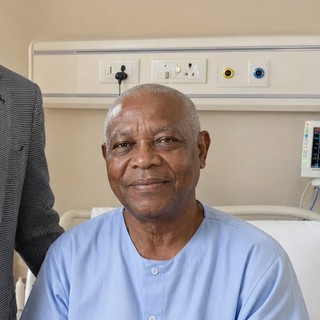
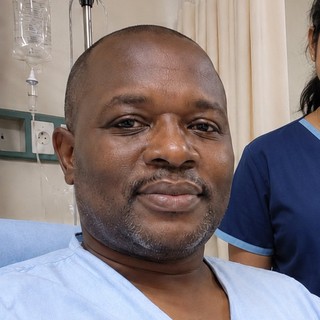

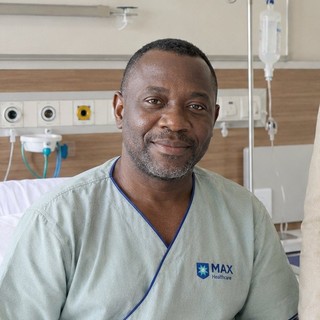
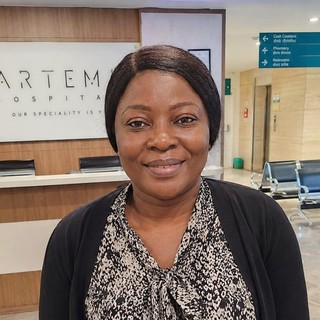
Key Takeaways
- Bone marrow transplant differs from most procedures because the first decisive question is not which surgeon or hospital to choose—it is whether a suitable donor pathway exists at all.
- Published research cited in the guide indicates that fewer than 14% of sickle cell disease patients have access to a fully matched sibling donor, historically considered the ideal donor option.
- For the remaining majority, alternatives include haploidentical transplant using a half-matched family member, unrelated donor registries and cord blood.
- The guide recommends completing HLA typing for the patient and all potential family donors before comparing hospitals or countries.
- Nigeria has a genuine domestic transplant programme, and the guide reports an approximate 85–90% success rate for eligible patients with matched sibling donors, at a substantially lower cost than equivalent care abroad.
- International treatment becomes more relevant when there is no matched sibling donor, when haploidentical, unrelated registry or cord-blood pathways are required at greater scale, or when the underlying disease falls outside the areas where domestic experience is strongest.
- The guide gives particular attention to graft-versus-host disease (GVHD). Donor immune cells can attack the recipient's tissues after an allogeneic transplant.
- Once a viable donor pathway exists, the hospital programme carries more weight than any single physician or surgeon.
- The guide identifies four major warning signs: no honest discussion of donor-matching odds, promises that GVHD can be entirely avoided, vague answers about programme volume or GVHD outcomes, and no clear plan for the extended post-transplant recovery period.
- The guide's recommended sequence is to complete HLA testing, define the donor pathway, compare domestic and international programmes honestly, evaluate GVHD and infection-management capacity, and maintain coordinated long-term follow-up with a Nigerian haematologist.
Quick Facts
- Topic
- Selecting Bone Marrow Transplant Surgeons and Hospitals
- Country
- India
- Intended Audience
- Nigerian Patients and Families
- Primary Specialty
- Haematology and Stem Cell Transplantation
- Primary Treatment
- Haematopoietic Stem Cell / Bone Marrow Transplant
- First Decision
- Whether a Viable Donor Pathway Exists
- Matched Sibling Donor Access
- Fewer Than 14% of Sickle Cell Disease Patients
- Alternative Donor Option
- Haploidentical / Half-Matched Family Donor
- Nigeria Domestic Programme
- Genuine and Established
- Reported Domestic Success for Eligible Matched-Sibling Patients
- Approximately 85–90%
- Surgeon vs Hospital Weighting
- Hospital Programme Carries More Weight
- Main Decision Principle
- Establish the Donor Pathway First, Then Evaluate the Programme's Ability to Manage the Months That Follow
- Author/Advisor
- Dr. Dheeraj Bojwani
- Experience
- 24 Years
In Brief
Choosing a bone marrow transplant programme in India begins with donor biology rather than hospital reputation. Fewer than 14% of sickle cell disease patients have access to a fully matched sibling donor, so many families need to consider haploidentical, unrelated-donor or cord-blood pathways. Nigeria already has genuine transplant experience, including matched-sibling and haploidentical procedures, making domestic treatment a reasonable option for some patients. Once a donor pathway exists, the hospital's broader transplant system matters more than any single operator because recovery depends on months of engraftment monitoring, infection prevention, GVHD management and immune reconstitution. Nigerian families should therefore evaluate donor options, transplant-specific case volume, dedicated isolation facilities, GVHD outcomes and long-term follow-up before choosing a programme.
START HERE
The question that comes before any hospital question
Every family facing a possible transplant should understand this reality before evaluating any specific programme, because it shapes which conversations are even relevant to have.
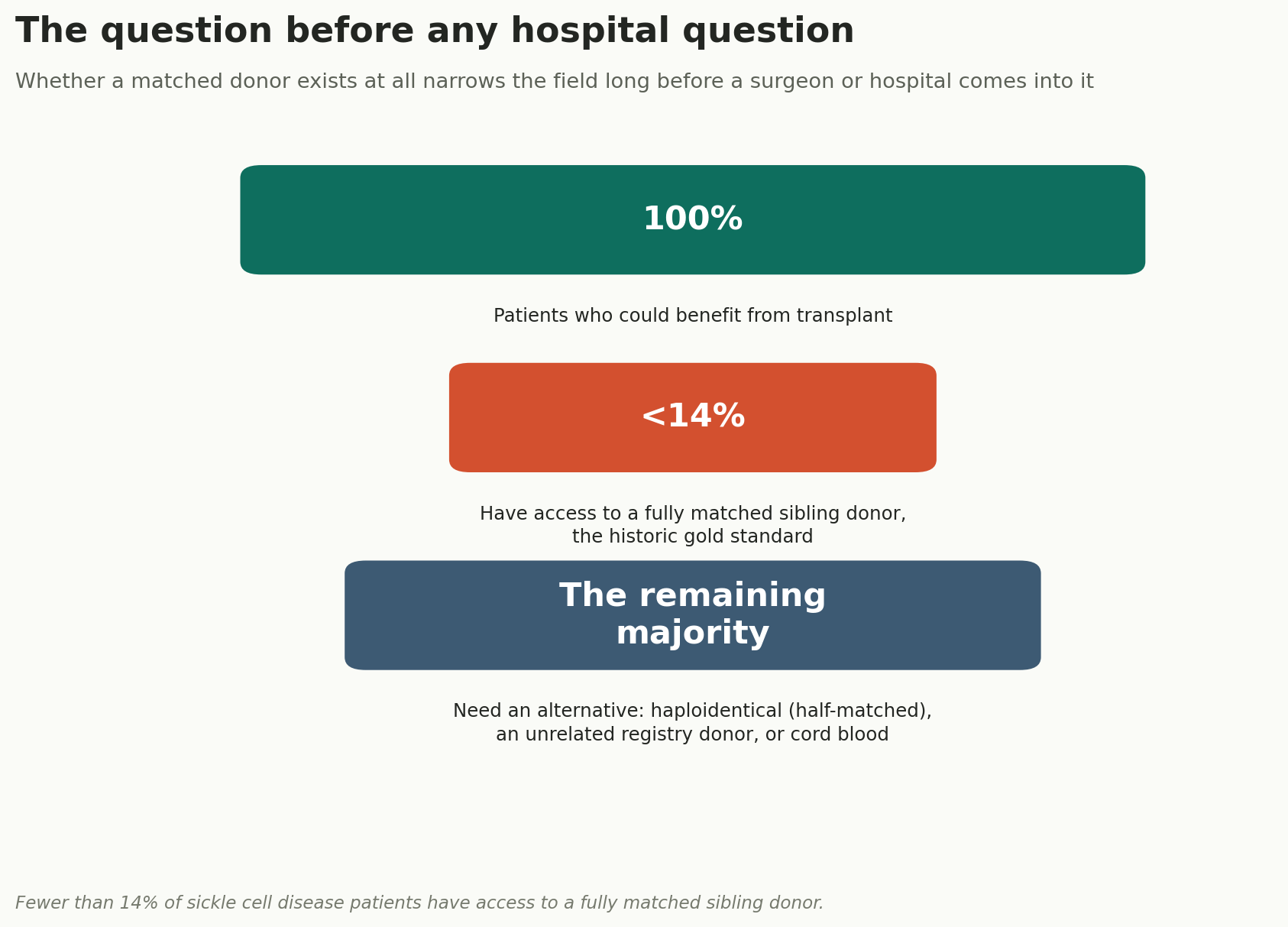
Fewer than 14% of sickle cell disease patients have access to a fully matched sibling donor.
This is not a reason for despair; it is a reason for clarity. Haploidentical transplant, using a half-matched relative, typically a parent or child, has become a genuinely viable alternative in recent years, alongside unrelated donor registries and cord blood. A published 2022 case series from a Nigerian transplant programme documented 6 of 22 total transplants using haploidentical donors, alongside 16 using fully matched siblings, real, current evidence that this alternative pathway is not theoretical but already in active domestic use.
Understanding which category applies to a specific patient should happen before any conversation about surgeons, hospitals, or countries even begins. A family that starts by researching international transplant centres, without first completing donor testing across the immediate family, risks investing significant time and emotional energy into a comparison that a simple blood test could have reframed entirely.
A Genuinely Good-news Section
Nigeria's own domestic programme, honestly assessed
Unlike several other guides in this series, this is not primarily a story about a capacity gap. A domestic transplant programme, based in Lagos, reports an approximate 85 to 90 percent success rate for eligible patients with matched sibling donors, at a cost of roughly $15,000 to $22,000, substantially lower than equivalent treatment abroad. This programme includes donor screening, the transplant itself, and lifelong follow-up care.
This matters enormously for how a Nigerian family should approach this decision. Where a matched sibling donor is available and a domestic programme has genuine, demonstrated experience, international travel may not be the obvious first choice it would be for many other procedures covered in this series. The more useful question becomes specific and comparative: what does this domestic programme's own track record show for cases like mine, and does travelling abroad offer a genuine, verifiable advantage, whether in donor registry access, specific transplant protocols, or programme scale, that justifies the additional cost and disruption.
Where international treatment does become genuinely relevant is for patients without a matched sibling donor, needing haploidentical, unrelated registry, or cord blood approaches at greater scale and depth of experience than a still-developing domestic programme may offer, or for specific underlying conditions, certain cancers and inherited disorders beyond sickle cell disease, where domestic transplant experience remains more limited. This is a genuinely case-by-case decision, and this guide's role is to help make that specific comparison honestly rather than assume the answer in either direction.
A note on graft-versus-host disease, since it shapes what "success" looks like. When donor cells are introduced, the donor's immune cells can react against the recipient's body, a condition called graft-versus- host disease, or GVHD. This is not simply a complication to be avoided at all costs: mild graft-versus-host activity is linked to a graft-versus-disease effect that helps prevent cancer relapse, while severe GVHD is a serious, sometimes fatal complication. Managing this balance, not eliminating the reaction entirely, is the actual clinical goal.
Understanding the Balance
Why "no complications at all" is not actually the goal
This balance is worth visualising, since it shapes how a good transplant programme actually manages a patient's post-transplant course.
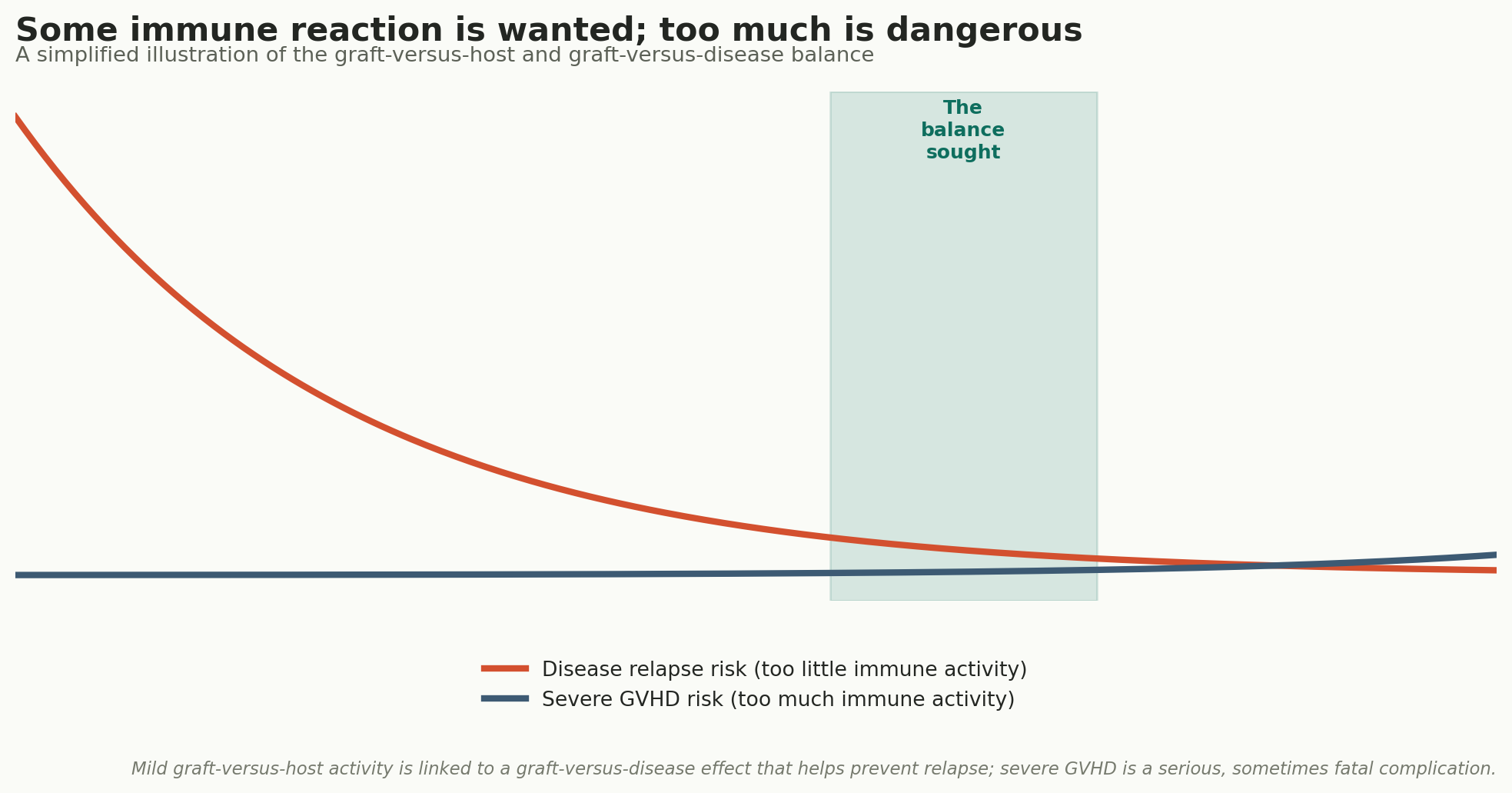
Mild graft-versus-host activity is linked to a graft-versus-disease effect that helps prevent relapse; severe GVHD is a serious, sometimes fatal complication.
A transplant programme's skill shows up precisely in how well it manages this balance over the months following transplant, through immunosuppression protocols, careful monitoring, and rapid response if GVHD symptoms emerge, not in a promise that no immune reaction will occur at all. A programme that frames GVHD as something to be avoided entirely, rather than carefully managed, may be signalling limited experience with this specific, defining aspect of transplant care.
The Balance, Once A Pathway Exists
The system carries this one, more than any other
Once a viable donor pathway is identified, bone marrow transplant is, among every procedure in this series, the one where the hospital's broader system carries the most weight relative to any single individual.
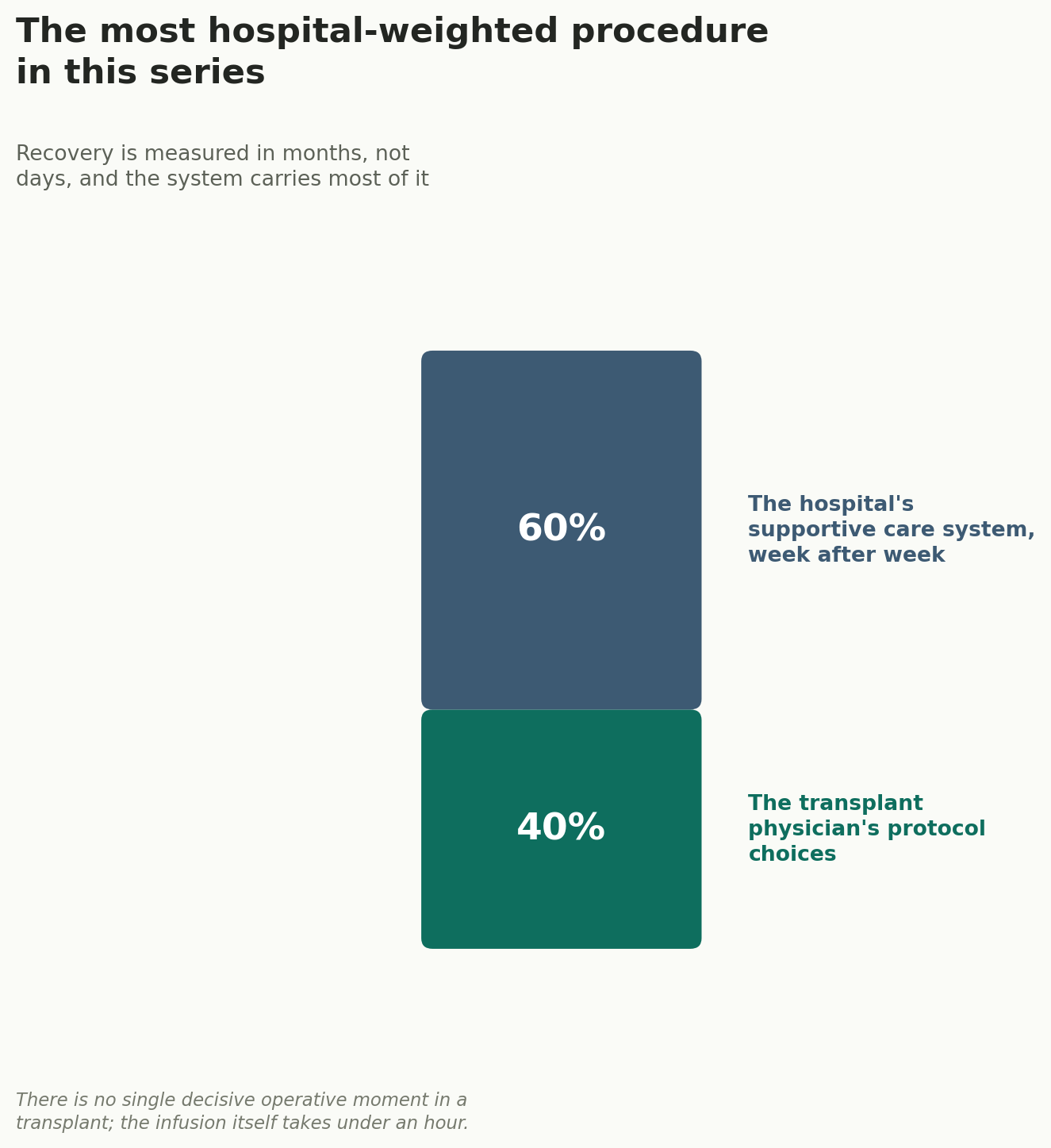
There is no single decisive operative moment in a transplant; the infusion itself takes under an hour.
Recovery unfolds over months, not days: engraftment monitoring, infection prevention during the period of profound immune suppression, GVHD surveillance and management, and gradual immune reconstitution. This is fundamentally a systems-dependent process, and a hospital's demonstrated ability to manage this full arc well, not just perform the infusion itself, is what a family should be evaluating most closely.
THE VETTING CONVERSATION What to actually ask
Questions for the transplant physician
- What donor options genuinely apply to my specific situation? A thorough answer discusses matched sibling, haploidentical, and registry options honestly, not just the ideal scenario.
- What conditioning regimen is planned, and why is it right for my specific diagnosis? This should be a specific, individualised answer.
- What is your programme's own GVHD rate and management approach? A confident, specific answer suggests real, tracked experience.
- What is your annual transplant volume for my specific condition? Case volume genuinely matters for this technically demanding, systems-dependent procedure.
Questions for the hospital
- What isolation and infection control protocols exist during the period of profound immune suppression? This is a critical, high-risk window.
- What is the plan for the months of follow-up after the initial hospital stay? Recovery extends well beyond discharge.
- Is there a dedicated transplant unit, or is this managed within general oncology wards? Dedicated units typically reflect deeper, more consistent experience.
- What happens, practically, if severe GVHD or graft failure occurs? A programme with real experience can describe this clearly.
Four warning signs worth taking seriously
- No honest discussion of donor-matching odds before treatment planning begins. This should be addressed directly and early.
- A promise that GVHD can be entirely avoided. This overstates what is realistically achievable and may signal limited experience.
- Vague answers about annual transplant volume or GVHD management outcomes. A genuinely experienced programme tracks and shares this.
- No clear plan for the extended months of post-transplant follow-up. This is where much of the real risk in this procedure actually lies.
A practical order of operations
- Complete HLA testing for potential family donors as early as possible; this determines which pathway applies.
- If no matched sibling exists, discuss haploidentical, unrelated registry, and cord blood options honestly with a haematologist.
- Evaluate Nigeria's own domestic programme options alongside international ones, given genuine local capacity.
- Ask the physician-side and hospital-side questions above, particularly around GVHD management and follow-up planning.
- Travel if indicated, transplant, and an extended, closely monitored recovery period of several months.
- Maintain a coordinated relationship with a Nigerian haematologist for the years of follow-up monitoring that continue after transplant.
A closing word
Bone marrow transplant asks a different first question than almost any other procedure in this series: not who should perform it, but whether biology has even made it possible yet. Getting a clear, honest answer to that question, and understanding the real, growing set of alternatives when a perfect match does not exist, matters more than any hospital comparison that follows it. In twenty-four years of this work, the families who navigate this best pursue full donor testing early and honestly, take Nigeria's own genuine domestic capacity seriously as a real option, and evaluate any programme, at home or abroad, on its ability to manage the long, systems-dependent months of recovery, not just the single day of infusion. The cells themselves arrive quietly, over less than an hour. What the body does with them, over the months that follow, is where this treatment is actually won or lost.
Sources
- 🌐 Awareness, Knowledge, and Acceptance of Haematopoietic Stem Cell Transplantation for Sickle Cell Anaemia in Nigeria. PMC
- 🌐 Haematopoietic Stem Cell Transplantation for Sickle Cell Disease in a Low Resource Country Nigeria: A 2022 Report
- 🌐 Nigeria's Local Bone Marrow Transplant Programme Offers Affordable, Proven Cure for Sickle Cell Disease. 2025
- 🌐 Hematopoietic Stem Cell Transplantation in Sickle Cell Disease. StatPearls, NCBI Bookshelf
- 🌐 High Commission of India, Abuja — Medical and Medical Attendant Visa requirements
Frequently Asked Questions by Nigerians about Bone Marrow Transplant in India
How likely is a Nigerian patient to have a fully matched sibling donor?
Published research cited in the guide indicates that fewer than 14% of sickle cell disease patients have access to a fully matched sibling donor. The majority therefore require alternative donor strategies.
What is a haploidentical transplant?
It uses a half-matched family donor, such as a parent, child or sometimes sibling. A Nigerian case series documented 6 haploidentical transplants among 22 total procedures, showing that this is a genuine domestic option.
Is bone marrow transplant available in Nigeria?
Yes. The guide describes a genuine domestic programme and reports strong results for eligible patients with matched sibling donors. International treatment should therefore be compared honestly rather than assumed to be automatically better.
Why does the hospital matter more than the surgeon in BMT?
There is no single decisive surgical moment. The infusion itself takes less than an hour, while recovery unfolds over months through engraftment, infection prevention, GVHD monitoring and immune reconstitution.
What should families ask the transplant physician?
Ask which donor pathways apply, why a particular conditioning regimen is planned, what the programme's GVHD outcomes are and how many transplants it performs annually for the specific diagnosis.
What should families ask the hospital?
Ask about dedicated isolation, infection-control protocols, transplant-unit infrastructure, post-discharge monitoring and what happens if severe GVHD or graft failure occurs.
Is graft-versus-host disease always a bad sign?
Not necessarily. Mild graft-versus-host activity may contribute to a graft-versus-disease effect that helps reduce relapse risk in some cancers. Severe GVHD, however, is a serious and potentially fatal complication.
When does treatment in India become more relevant?
India becomes more relevant when there is no matched sibling donor, broader unrelated-donor or cord-blood access is needed, or greater programme depth is required for complex donor pathways or diagnoses.
What are the biggest warning signs when selecting a BMT programme?
Major warning signs include no honest donor-matching discussion, promises that GVHD can be entirely avoided, vague transplant-volume data and no clear plan for extended post-transplant monitoring.
What should Nigerian families do first before choosing a BMT hospital?
Complete HLA testing for the patient and potential family donors. Only after the donor pathway is clear does it make sense to compare domestic and international transplant programmes.
How likely is a Nigerian patient to have a matched sibling donor?
Published research indicates fewer than 14 percent of sickle cell disease patients have access to a fully matched sibling donor. The remaining majority need an alternative, such as a haploidentical, unrelated, or cord blood donor.
What is haploidentical transplant, and is it a real option?
It uses a half-matched donor, such as a parent or child, rather than a fully matched sibling. A published 2022 Nigerian case series documented 6 of 22 transplants using this approach, showing it is a genuine, growing option domestically.
What is graft-versus-host disease, and is it always bad?
It occurs when the donor's immune cells react against the recipient's body. Mild activity is linked to a graft-versus- disease effect that helps prevent relapse, while severe GVHD is a serious, sometimes fatal complication.
Why does the hospital matter more than the surgeon here?
There is no single decisive operative moment; the cell infusion itself takes under an hour. Recovery unfolds over months, and the hospital's supportive care system carries most of the weight in determining the outcome.
Page Summary
This guide explains how Nigerian families should evaluate bone marrow transplant programmes in India, starting with a question that comes before any hospital comparison: is there a donor? Fewer than 14% of sickle cell patients have a fully matched sibling, so most need a haploidentical, registry or cord-blood pathway — and Nigeria's own programme already performs both matched-sibling and half-matched transplants. Once the donor pathway is settled, the hospital matters more than any individual doctor: the infusion takes under an hour, but engraftment, infection control, GVHD surveillance and immune recovery run for months. Judge a programme by how carefully it manages graft-versus-host disease, not by a promise that it never happens.
Citation Block
| Topic | Information |
|---|---|
| Topic Information | Details |
| Topic | Selecting the Best Bone Marrow Transplant Surgeons and Hospitals in India for Nigerian Patients |
| Procedure | Bone Marrow / Haematopoietic Stem Cell Transplant |
| Country | India |
| Intended Audience | Nigerian Patients |
| Primary Specialty | Haematology and Stem Cell Transplantation |
| First Requirement | HLA Donor Testing |
| Matched Sibling Availability | Fewer Than 14% in Sickle Cell Disease |
| Alternative Donors | Haploidentical, Unrelated Registry and Cord Blood |
| Nigeria Domestic Experience | Matched-Sibling and Haploidentical Transplants Documented |
| Key Complication | Graft-Versus-Host Disease |
| Main Decision Principle | Donor Pathway First, Programme Selection Second |


Our Mission Statement
Our mission is to place patients at the centre of every healthcare decision by providing trustworthy, evidence-based, and unbiased medical information. We believe that informed patients make better decisions. Backed by personalised guidance from our experienced advisory team, we help patients understand their treatment options, compare them objectively, and confidently choose the path that best suits their medical needs and personal circumstances.
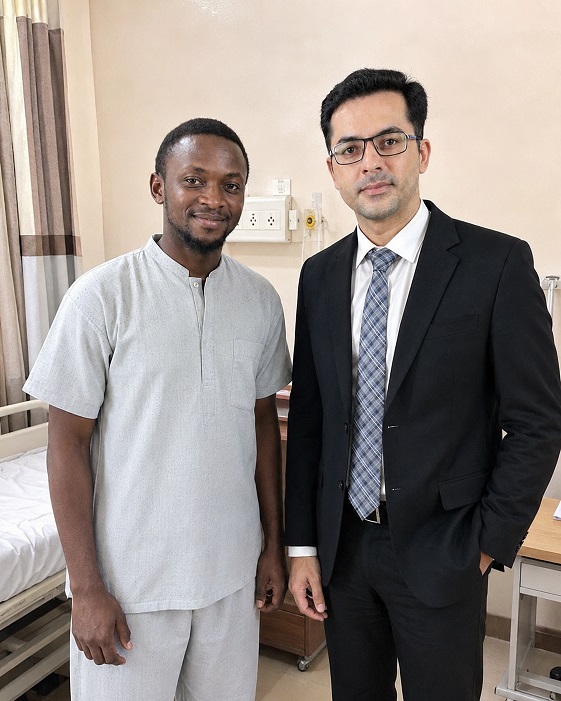
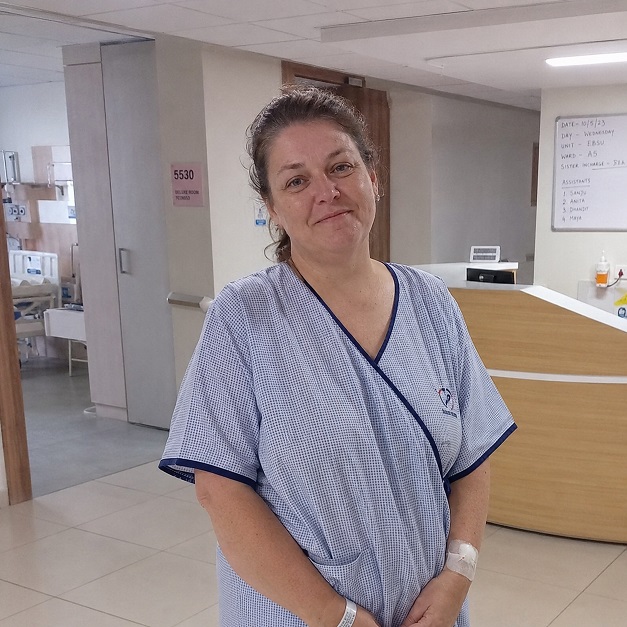
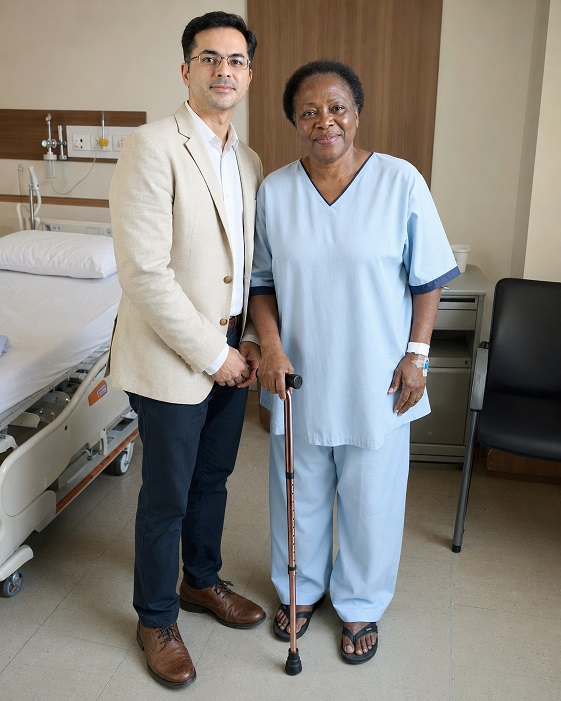
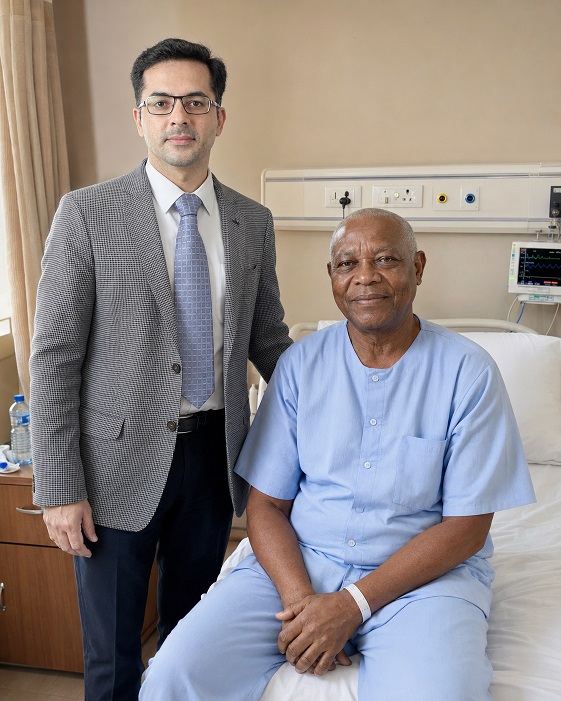
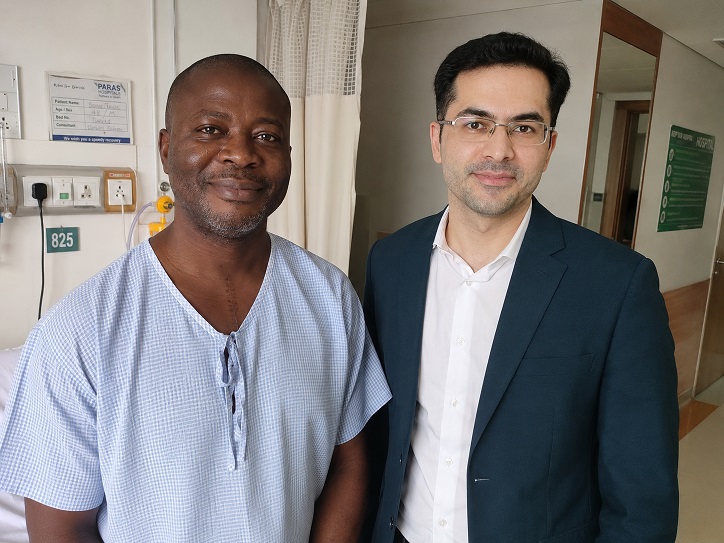
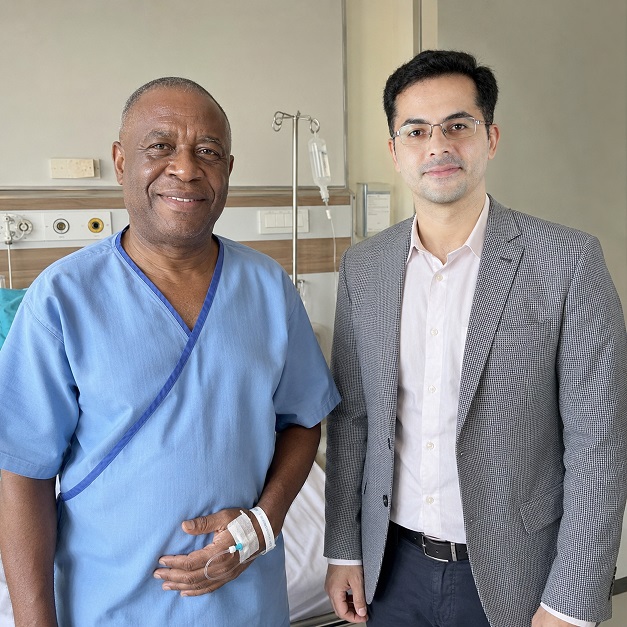
Patient Testimonials from Nigeria
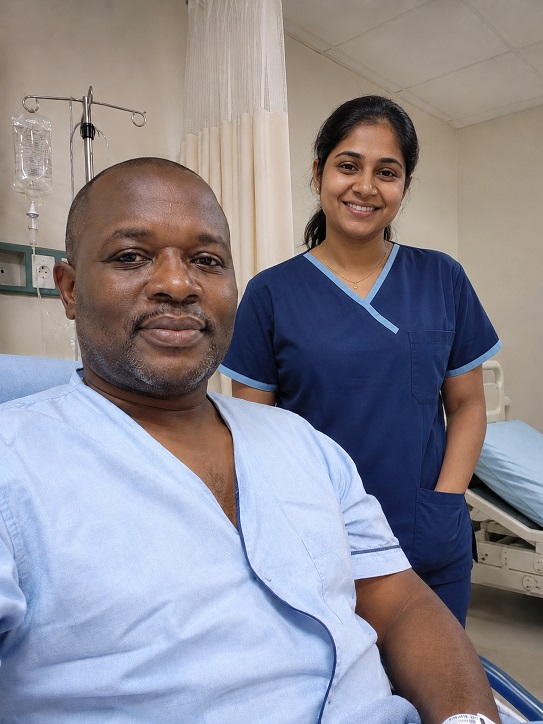
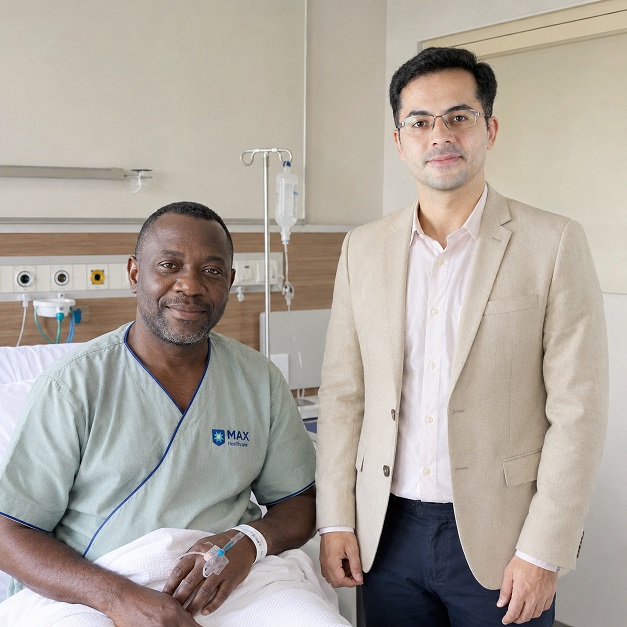
Ready to Take the First Step?
Share your Medical Reports with our Healthcare Managers Today and Get a FREE CONSULTATION, a Personalized Treatment Plan, and Complete Support from Arrival to Recovery.
Get Your Free ConsultationAreas We Serve
This resource has been thoughtfully prepared for patients from Nigeria who are considering medical treatment in India. We also welcome patients from the wider region in the countries mentioned below-
We assist patients from:
- Benin
- Niger
- Chad
- Cameroon
- Algeria
- Egypt
- Libya
- Morocco
- Sudan
- Tunisia
- Burkina Faso
- Cabo Verde
- Côte d'Ivoire
- Gambia
- Ghana
- Equatorial Guinea
- São Tomé and Príncipe
Many of the insights, treatment pathways, hospital recommendations, travel guidance, and patient support services described here are equally relevant and may be used as a reference when planning treatment in India.
From Nigeria to India: Your Complete Patient Support Guide
- Artificial Disc Replacement in India for Nigerian Patients
- Weight Loss and Bariatric Surgery in India for Nigerian Patients
- Bone Marrow Transplant in India for Nigerian Patients
- Brain Tumour Surgery in India for Nigerian Patients
- Breast Cancer Treatment and Surgery in India for Nigerian Patients
- Cancer Treatment and Surgery in India for Nigerian Patients
- Cardiac Arrhythmia and Heart Pacemaker Treatment in India for Nigerian Patients
- Cardiac Surgery in India for Nigerian Patients
- Colorectal Cancer Treatment and Surgery in India for Nigerian Patients
- Complex Orthopaedic and Joint Revision Surgery in India for Nigerian Patients
- Cornea Transplant and Advanced Eye Surgery in India for Nigerian Patients
- CyberKnife Treatment in India for Nigerian Patients
- Gamma Knife Treatment in India for Nigerian Patients
- Heart Failure Treatment and Surgery in India for Nigerian Patients
- Hip Surgery in India for Nigerian Patients
- HIPEC Cancer Surgery in India for Nigerian Patients
- IVF and Fertility Treatment in India for Nigerian Patients
- Joint Arthroscopy and Sports Medicine in India for Nigerian Patients