

Selecting the Best Artificial Disc Replacement Surgeons and Hospitals in India for Nigerian Patients
Two patients can both be told they need "spine surgery" and end up with fundamentally different operations. Knowing which one you are being offered, and why, matters enormously.
For degenerative disc disease in the neck or lower back, two genuinely different surgical philosophies exist, and many patients researching treatment do not realise both options exist until well into their evaluation. Artificial disc replacement removes the damaged disc and replaces it with a device designed to preserve motion at that level. Spinal fusion removes the disc and permanently joins the adjacent vertebrae, eliminating motion there entirely. These are not two versions of the same operation; they represent different, sometimes competing theories about what actually produces the best long-term outcome for a spine, and the right choice depends heavily on the specific patient, not a general preference for one approach. A patient who understands this distinction walks into a consultation asking a fundamentally better question. Rather than "which hospital does the best spine surgery," the more useful question becomes "which of these two genuinely different approaches suits my specific anatomy, and why," a question that immediately reveals whether a programme is engaging with the case individually or offering a default answer.
Should you even be reading this guide? If degenerative disc disease has been diagnosed and spine surgery discussed, this guide will help you evaluate whether disc replacement or fusion is genuinely appropriate for your case, and how to choose the surgeon and hospital accordingly. If diagnosis or conservative treatment options have not yet been fully explored, that is the appropriate starting point.
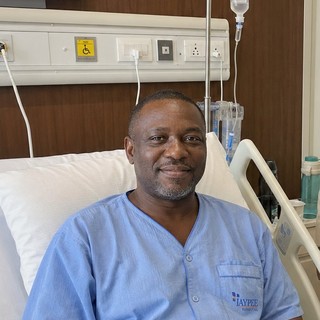
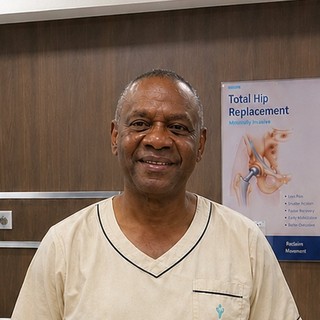
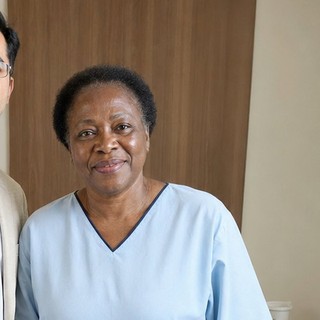
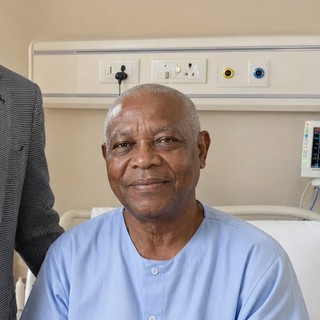
Healing Journeys of Nigerian Patients



Key Takeaways
- Artificial disc replacement and spinal fusion are not two versions of the same operation. They represent two different surgical approaches to degenerative disc disease. Disc replacement attempts to preserve movement at the treated level, while fusion permanently joins adjacent vertebrae and eliminates movement at that level.
- Neither procedure is universally better. The correct choice depends on the patient's imaging, level of disease, overall spinal health and specific anatomical findings.
- One of the major arguments for motion preservation is adjacent segment disease. After fusion, the spinal levels immediately above and below the fused segment may experience additional movement and mechanical stress.
- Not every patient with degenerative disc disease qualifies for artificial disc replacement. Patient selection is one of the most important determinants of outcome.
- Factors that can make disc replacement inappropriate include facet joint arthritis, poor bone quality, spinal instability, significant deformity and previous surgery at the same or adjacent spinal levels.
- For artificial disc replacement specifically, the document places greater relative importance on the individual surgeon than on the hospital.
- Surgeon experience should be assessed specifically for artificial disc replacement, rather than accepting a general figure for spine surgery or spinal fusion. ADR and fusion require genuinely different technical experience.
- Domestic Nigerian access to genuine artificial disc replacement expertise is therefore described as significantly more limited than access to spinal fusion.
- The document identifies four major warning signs: ADR recommended without detailed candidacy assessment; failure to discuss adjacent segment disease when recommending fusion; vague answers about ADR-specific surgeon experience; and pressure toward one procedure without a clear case-specific explanation.
- The recommended order is to first obtain a confirmed diagnosis and complete imaging, ensure appropriate conservative treatment has been explored, compare ADR and fusion for the specific anatomy, complete facet-joint and bone-quality assessment, evaluate the surgeon and hospital separately, and establish long-term Nigerian spine follow-up.
Quick Facts
- Topic
- Selecting Artificial Disc Replacement Surgeons and Hospitals
- Country
- India
- Intended Audience
- Nigerian Patients and Families
- Primary Procedure
- Artificial Disc Replacement
- Alternative Procedure
- Spinal Fusion
- Main Decision
- Artificial Disc Replacement vs Spinal Fusion
- Key Long-Term Consideration
- Adjacent Segment Disease
- Most Important Pre-Surgery Requirement
- Thorough Candidacy Assessment
- Surgeon vs Hospital Weighting
- Surgeon Carries Greater Relative Weight
- Surgeon Experience to Verify
- Disc-Replacement-Specific Case Experience
- Hospital Role
- Imaging, Workup, Implant Availability and Outcome Tracking
- ADR Availability in Nigeria
- Genuinely Limited Relative to Fusion
- Author/Advisor
- Dr. Dheeraj Bojwani
- Experience
- 24 Years
In Brief
Choosing an artificial disc replacement surgeon in India requires more than finding a highly rated spine hospital. Artificial disc replacement and spinal fusion represent different surgical philosophies: ADR preserves motion at the treated level, while fusion eliminates it. Not every patient qualifies for motion-preserving surgery, and facet joint arthritis, poor bone quality, spinal instability, significant deformity or previous adjacent-level surgery may make fusion more appropriate. Because correct candidacy assessment and precise implant positioning depend heavily on the individual surgeon, the guide gives the surgeon greater relative weight than the hospital for this procedure. Nigerian patients should therefore verify ADR-specific surgeon experience, thorough imaging and bone-quality assessment, implant selection, procedure-specific outcomes and a long-term follow-up plan before committing to treatment.
START HERE
The choice most patients do not know they are making
Understanding this fundamental distinction is the necessary first step before evaluating any specific surgeon or hospital.
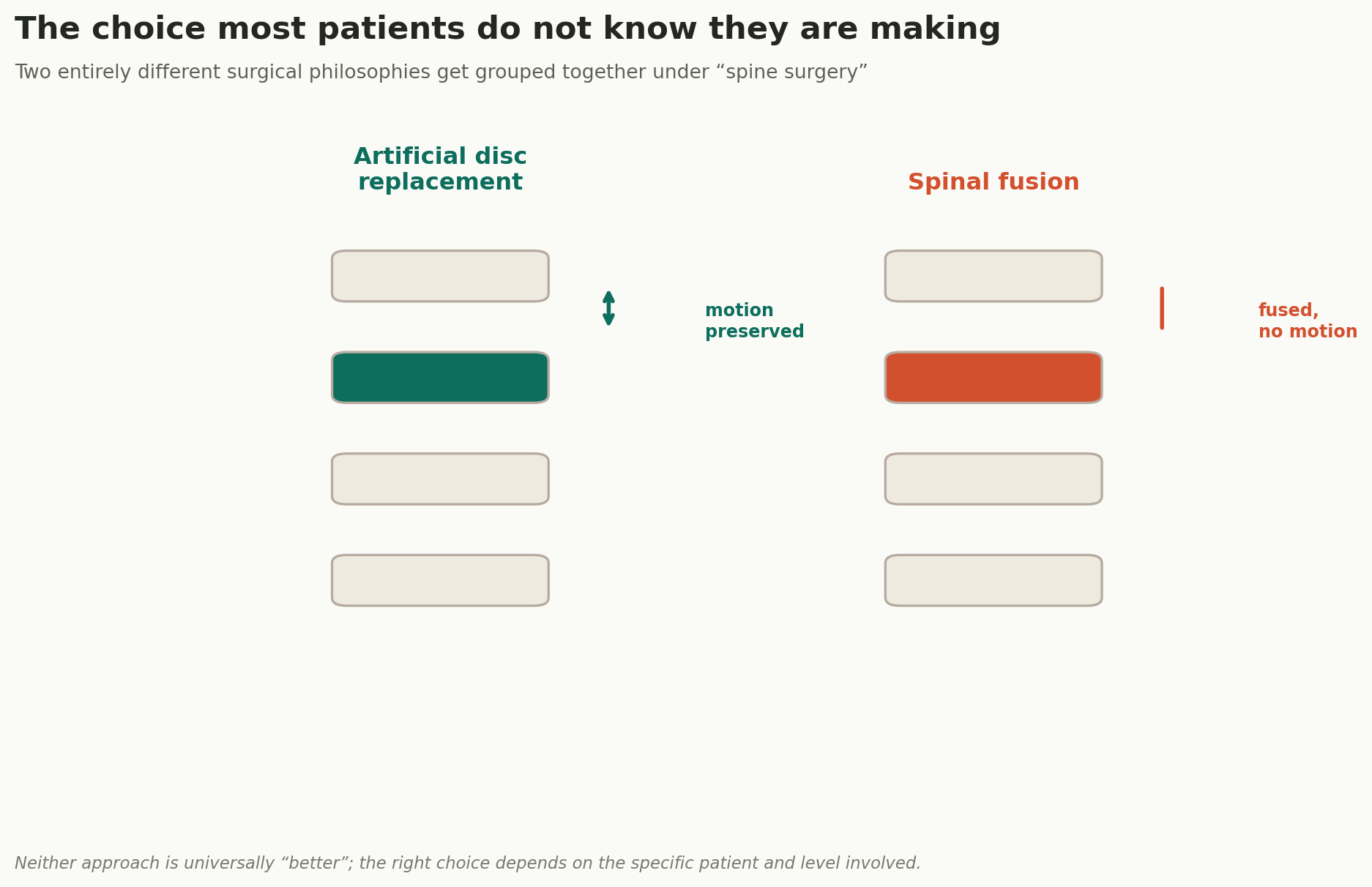
Neither approach is universally "better"; the right choice depends on the specific patient and level involved.
A programme should be able to explain, specifically for your case, why one approach is being recommended over the other, grounded in your imaging, your specific level of disease, and your overall spinal health. A recommendation that does not engage with this distinction directly, offering one approach as though it were the only option, deserves a more probing question. This is not a decision where one philosophy is simply outdated and the other current; both remain genuinely valid tools, suited to different anatomical situations.
THE LONG-TERM STAKES
Why some surgeons watch the levels next door
One of the central arguments in favour of motion preservation involves what happens to the spinal segments neighbouring a fused level over time.
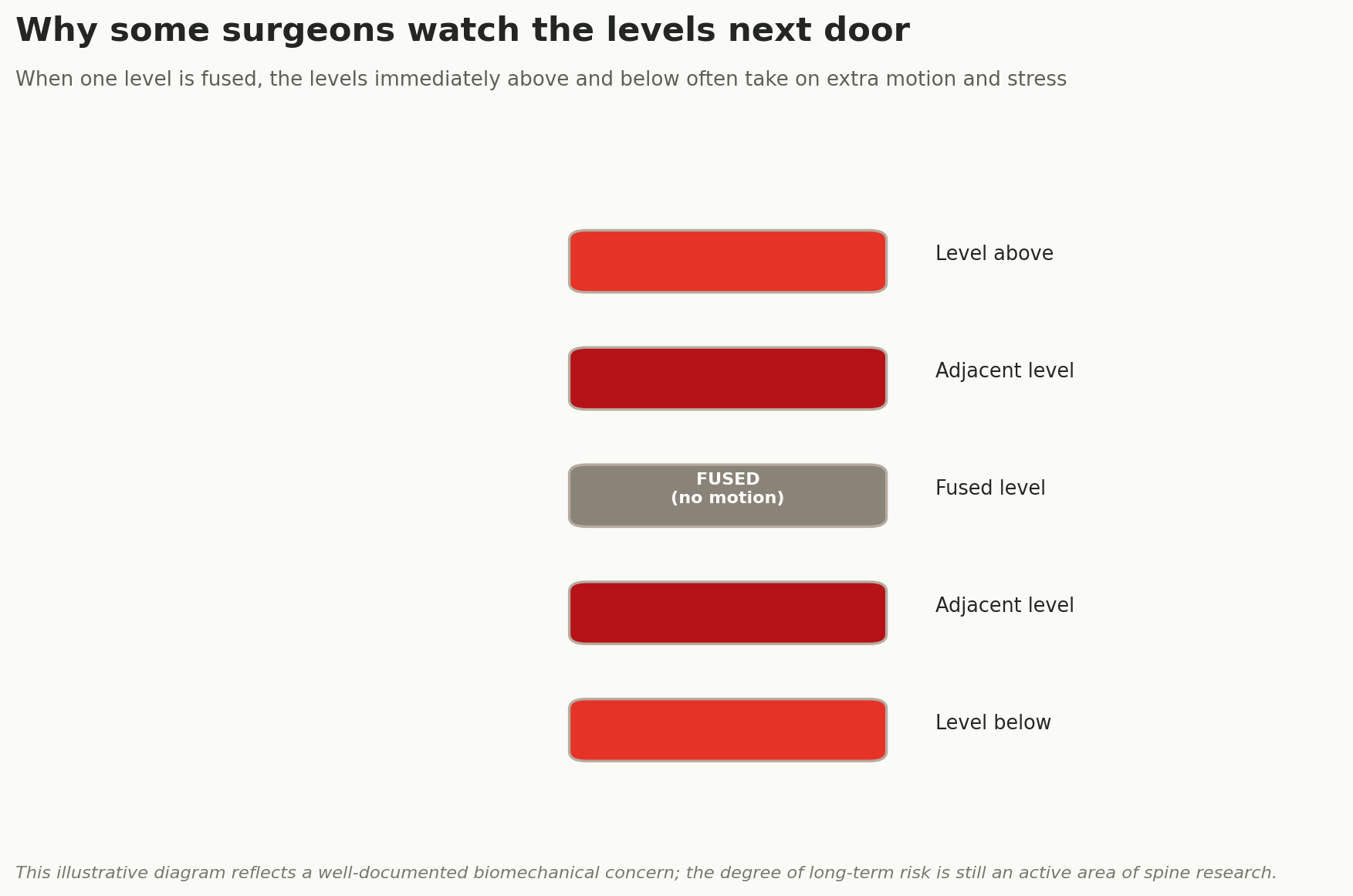
This illustrative diagram reflects a well-documented biomechanical concern; the degree of long-term risk is still an active area of spine research.
This concept, adjacent segment disease, is genuinely one of the strongest arguments motion-preservation advocates raise, though it is worth stating honestly: the degree to which this translates into meaningfully worse long-term outcomes, and for which specific patients, remains an active area of ongoing spine research rather than a fully settled question. A surgeon who raises this concept thoughtfully, rather than either dismissing it or overstating certainty, is demonstrating genuine, current engagement with the evidence.
A note on why not everyone is a disc replacement candidate. Facet joint arthritis, poor bone quality, spinal instability, significant deformity, and prior surgery at the same or adjacent levels can each make disc replacement inappropriate, even where fusion would remain a reasonable option. A thorough candidacy evaluation, not a general preference for the newer-sounding technology, should determine which approach is right for a specific patient. A patient should feel free to ask why they are, or are not, a candidate for the motion-preserving approach specifically, rather than accepting a single recommendation without that underlying reasoning.
THE BALANCE
Getting the right patient matters more than the implant
Given how much of this procedure's success depends on correct candidacy assessment and precise technique, the individual surgeon carries unusual weight in this specific decision.
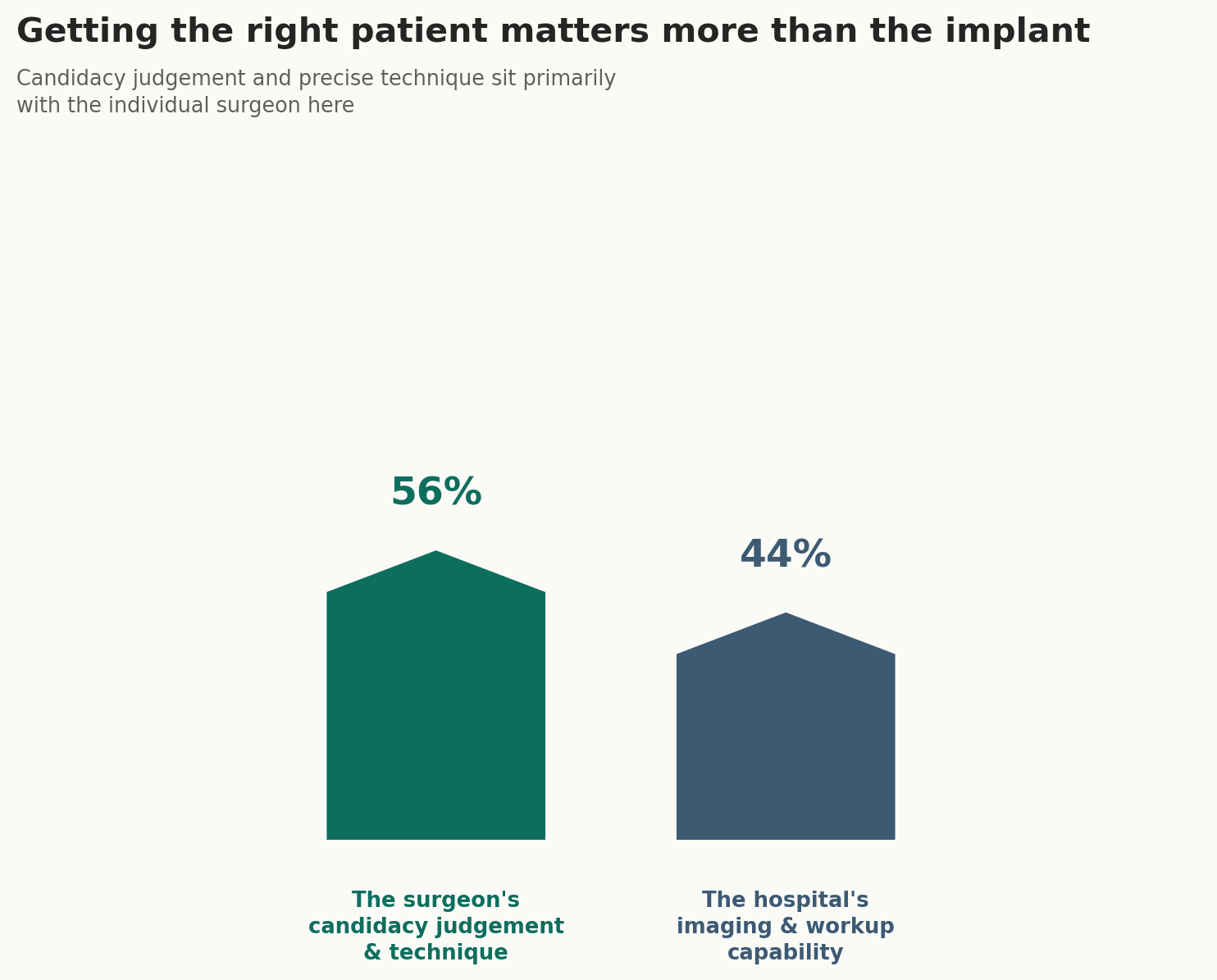
Candidacy judgement and precise technique sit primarily with the individual surgeon here.
A hospital with excellent imaging and workup infrastructure genuinely supports good decision-making, but the actual judgement, whether this specific patient is a genuine candidate, and the precise technical execution of implant placement, sits primarily with the individual surgeon. Choosing a patient poorly suited to disc replacement, even with perfect surgical technique, tends to produce a worse outcome than choosing a well-suited patient for either approach. This is a genuinely different balance than the more hospital-weighted transplant procedures elsewhere in this series; here, the single most consequential decision happens before the operation even begins, in the surgeon's own candidacy assessment.
THE VETTING CONVERSATION What to actually ask
Questions for the surgeon
- Why is disc replacement, or fusion, specifically right for my case? A thoughtful answer engages with your particular imaging and diagnosis, not a general preference.
- What specific findings would rule me out as a disc replacement candidate? A precise answer suggests genuine, careful evaluation, not a default recommendation.
- What is your personal experience specifically with disc replacement, separate from fusion volume? These are genuinely different technical skills.
- What does a realistic recovery and return to activity look like for my specific case? A precise, honest answer suggests real, case-specific experience.
Questions for the hospital
- What imaging is used to assess candidacy, including facet joint and bone quality evaluation? This should be thorough, not a brief standard workup.
- What implant options are available, and why is a specific one being recommended? Different devices suit different anatomical situations.
- What is the hospital's own outcome data for disc replacement specifically? This should be tracked separately from general spine surgery outcomes.
- What is the plan for long-term follow-up and monitoring adjacent levels over time? This should be discussed as part of the overall plan.
Nigeria-specific Considerations
A newer technology with narrower domestic access
Spinal fusion is a longer-established procedure with broader global availability, including in parts of Nigeria's private healthcare sector. Artificial disc replacement is a newer, more specialised technology, requiring specific implant availability and dedicated surgeon training beyond general spine surgery experience, and domestic access to this specific procedure remains genuinely limited relative to fusion.
For a Nigerian patient specifically, this means the more relevant local question is often not simply where spine surgery is available, but where genuine, specific disc replacement expertise and appropriate candidacy assessment exist, which may reasonably point toward international options with deeper, more focused experience in this particular technology. Where fusion remains the more appropriate choice for a specific patient's anatomy, domestic options may genuinely deserve serious consideration alongside international ones, since the procedure itself is more widely established.
Four warning signs worth taking seriously
- Disc replacement recommended without a thorough, specific candidacy assessment. This should be based on your particular imaging and anatomy, not general preference.
- No honest engagement with adjacent segment disease when fusion is proposed. This concept deserves a thoughtful, current explanation either way.
- Vague answers about disc-replacement-specific experience, separate from fusion volume. These are genuinely different technical skills.
- Pressure toward one approach without a clear, case-specific explanation of why. A confident, experienced surgeon can explain this directly.
A practical order of operations
- Get a confirmed diagnosis and full imaging, and confirm conservative treatment has been genuinely explored.
- Ask directly whether both disc replacement and fusion have been considered for your specific case.
- Confirm a thorough candidacy assessment, including facet joint and bone quality evaluation.
- Ask the surgeon-side and hospital-side questions above before committing to a specific approach.
- Travel, surgery, and a recovery period appropriate to the specific procedure chosen.
- Establish a long-term follow-up relationship with a Nigerian spine specialist for ongoing monitoring.
A closing word
Artificial disc replacement and spinal fusion are not competing brands of the same product; they are different answers to a genuine, ongoing question in spine surgery about what actually serves a patient best over decades, not just the recovery period immediately following surgery. A patient deserves to understand this distinction, and to know specifically why one path is being recommended over the other, before any operation takes place. In twenty-four years of this work, the patients who navigate this best ask directly why a specific approach suits their specific case, insist on a thorough candidacy assessment rather than a general preference, and choose a surgeon with genuine, tracked experience in the specific procedure being recommended. The disc itself may be replaced or the segment fused in a matter of hours. The years of spinal health that follow are what this choice is actually about.
Sources
- 🌐 North American Spine Society — Artificial disc replacement, patient information
- 🌐 American Academy of Orthopaedic Surgeons — Cervical and lumbar disc replacement, patient information
- 🌐 Adjacent Segment Disease After Lumbar Spinal Fusion. StatPearls, NCBI Bookshelf, 2026
- 🌐 NHS (UK) — Spinal fusion surgery: overview – nhs.uk
- 🌐 High Commission of India, Abuja — Medical and Medical Attendant Visa requirements
Frequently Asked Questions by Nigerians about Artificial Disc Replacement in India
What is the main difference between artificial disc replacement and spinal fusion?
Artificial disc replacement uses an implant to preserve motion at the treated spinal level. Fusion permanently joins neighbouring vertebrae, eliminating movement at that level. They are fundamentally different surgical approaches.
Is artificial disc replacement always better than spinal fusion?
No. Neither procedure is universally better. The appropriate option depends on the patient's imaging, spinal anatomy, bone quality, facet joints, stability and overall condition.
Is every Nigerian patient with degenerative disc disease suitable for ADR?
No. Facet joint arthritis, poor bone quality, spinal instability, significant deformity and previous surgery at the same or neighbouring levels can make artificial disc replacement inappropriate.
Why does the individual surgeon matter so much for artificial disc replacement?
Correct patient selection and precise implant placement primarily depend on the surgeon. Even excellent hospital infrastructure cannot compensate for inappropriate ADR candidacy or poor technical execution.
What surgeon experience should Nigerian patients verify?
Ask specifically about the surgeon's personal artificial-disc-replacement experience, separate from general spine surgery or fusion volume. ADR and fusion involve genuinely different technical skills.
What should patients ask the hospital before choosing ADR surgery?
Ask about imaging for facet-joint and bone-quality assessment, available implant systems, why a particular implant is recommended, ADR-specific outcome data and long-term monitoring.
What is adjacent segment disease?
It refers to accelerated wear at spinal levels immediately above or below a fused segment because those levels may take on additional movement and mechanical stress. The degree of long-term clinical risk remains an active research area.
Is artificial disc replacement widely available in Nigeria?
No. The guide describes domestic ADR access as genuinely limited compared with spinal fusion because the procedure requires specialised implant systems and dedicated surgeon training.
Should Nigerian patients automatically travel to India if spine surgery is recommended?
No. If fusion is anatomically appropriate, domestic Nigerian options may deserve consideration. International treatment becomes more relevant when a patient is genuinely suitable for ADR and requires deeper procedure-specific expertise.
What are the biggest warning signs when selecting an ADR surgeon or hospital?
Major warning signs include recommending ADR without detailed candidacy assessment, avoiding discussion of adjacent segment disease, giving vague answers about ADR-specific experience, or pressuring the patient toward one procedure without explaining why it suits their particular anatomy.
What is the difference between disc replacement and fusion?
Disc replacement preserves motion at the treated level using a device. Fusion permanently joins the adjacent vertebrae, eliminating motion there entirely. These are fundamentally different surgical philosophies.
Is everyone a good candidate for disc replacement?
No. Facet joint arthritis, poor bone quality, spinal instability, and other factors can make a patient unsuitable, even if fusion would be a reasonable option for the same person.
Why does the surgeon matter more than the hospital here?
Correct patient selection and precise technique are primarily the surgeon's responsibility, and getting either wrong can undermine an otherwise well-equipped hospital's efforts.
What is a realistic red flag when choosing a programme?
Disc replacement recommended without thorough candidacy assessment, no honest discussion of adjacent segment disease, or an inability to explain the case-specific choice, are genuine warning signs.
Page Summary
This guide explains how Nigerian patients should choose an artificial disc replacement surgeon and hospital in India. Artificial disc replacement and spinal fusion are not interchangeable: one preserves motion at the treated level, the other permanently joins the neighbouring vertebrae, and neither is universally better. The right choice depends on the patient's own imaging — facet joints, bone quality, stability, deformity and previous surgery — which is why the individual surgeon's ADR-specific experience carries more weight here than the hospital's name. Fusion is already established in Nigeria; genuine artificial disc replacement expertise is not. Decide which operation suits the anatomy before deciding where to have it.
Citation Block
| Topic | Information |
|---|---|
| Topic Information | Details |
| Topic | Selecting the Best Artificial Disc Replacement Surgeons and Hospitals in India for Nigerian Patients |
| Procedure | Artificial Disc Replacement |
| Alternative Procedure | Spinal Fusion |
| Country | India |
| Intended Audience | Nigerian Patients |
| Primary Specialty | Spine Surgery |
| Major Long-Term Consideration | Adjacent Segment Disease |
| Primary Selection Priority | Individual Surgeon |
| Nigeria ADR Access | Limited Relative to Fusion |
| ADR Candidacy Factors | Facet Joints, Bone Quality, Stability, Deformity and Previous Surgery |
| Main Decision Principle | Determine Whether ADR or Fusion Is Appropriate Before Choosing the Programme |


Our Mission Statement
Our mission is to place patients at the centre of every healthcare decision by providing trustworthy, evidence-based, and unbiased medical information. We believe that informed patients make better decisions. Backed by personalised guidance from our experienced advisory team, we help patients understand their treatment options, compare them objectively, and confidently choose the path that best suits their medical needs and personal circumstances.
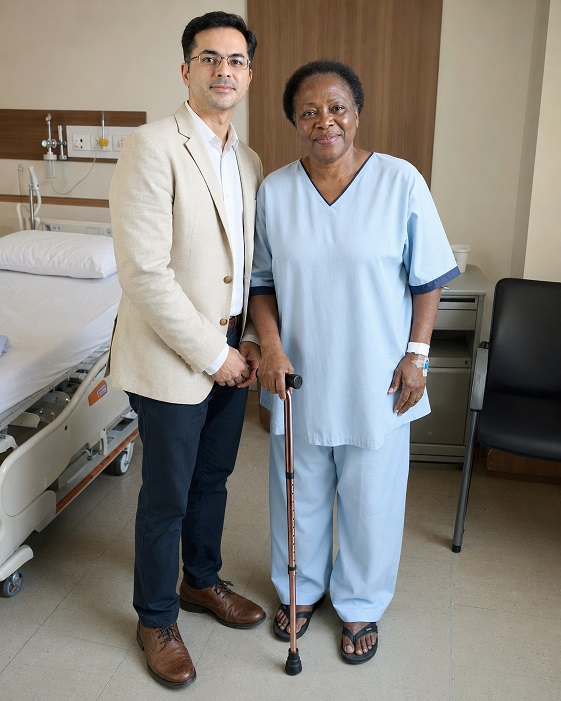
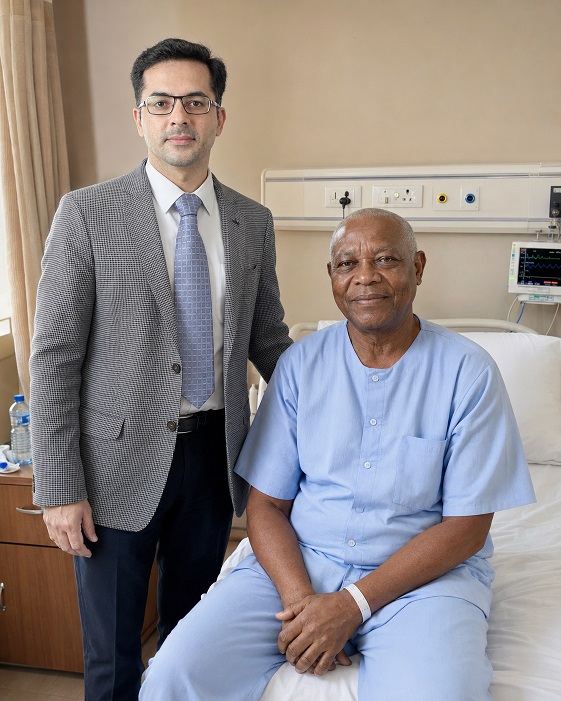
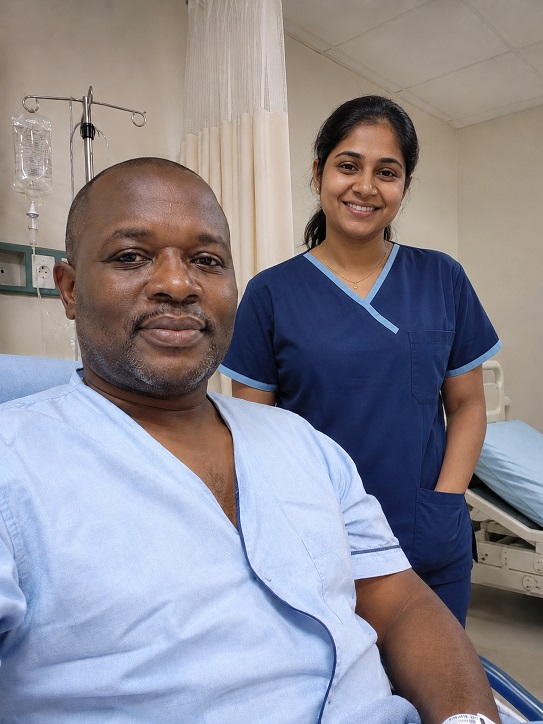
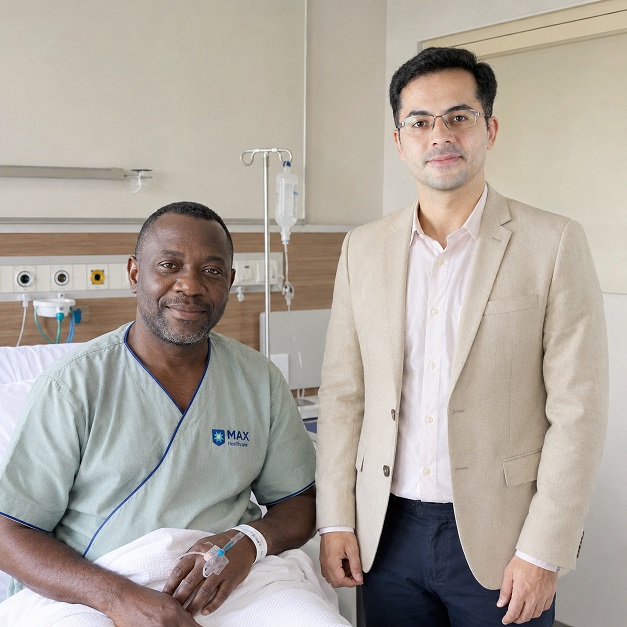
Patient Testimonials from Nigeria

Ready to Take the First Step?
Share your Medical Reports with our Healthcare Managers Today and Get a FREE CONSULTATION, a Personalized Treatment Plan, and Complete Support from Arrival to Recovery.
Get Your Free ConsultationAreas We Serve
This resource has been thoughtfully prepared for patients from Nigeria who are considering medical treatment in India. We also welcome patients from the wider region in the countries mentioned below-
We assist patients from:
- Benin
- Niger
- Chad
- Cameroon
- Algeria
- Egypt
- Libya
- Morocco
- Sudan
- Tunisia
- Burkina Faso
- Cabo Verde
- Côte d'Ivoire
- Gambia
- Ghana
- Equatorial Guinea
- São Tomé and Príncipe
Many of the insights, treatment pathways, hospital recommendations, travel guidance, and patient support services described here are equally relevant and may be used as a reference when planning treatment in India.
From Nigeria to India: Your Complete Patient Support Guide
- Artificial Disc Replacement in India for Nigerian Patients
- Weight Loss and Bariatric Surgery in India for Nigerian Patients
- Bone Marrow Transplant in India for Nigerian Patients
- Brain Tumour Surgery in India for Nigerian Patients
- Breast Cancer Treatment and Surgery in India for Nigerian Patients
- Cancer Treatment and Surgery in India for Nigerian Patients
- Cardiac Arrhythmia and Heart Pacemaker Treatment in India for Nigerian Patients
- Cardiac Surgery in India for Nigerian Patients
- Colorectal Cancer Treatment and Surgery in India for Nigerian Patients
- Complex Orthopaedic and Joint Revision Surgery in India for Nigerian Patients
- Cornea Transplant and Advanced Eye Surgery in India for Nigerian Patients
- CyberKnife Treatment in India for Nigerian Patients
- Gamma Knife Treatment in India for Nigerian Patients
- Heart Failure Treatment and Surgery in India for Nigerian Patients
- Hip Surgery in India for Nigerian Patients
- HIPEC Cancer Surgery in India for Nigerian Patients
- IVF and Fertility Treatment in India for Nigerian Patients
- Joint Arthroscopy and Sports Medicine in India for Nigerian Patients