

Robotic Cancer Surgery in India for Nigerian Patients
A pair of surgeon-controlled robotic arms operating with a precision human hands cannot match — genuinely worth the premium in some tumours, and not in most.
Robotic surgery places a surgeon at a console, controlling wristed instruments through a magnified 3D view, offering a genuine, measurable improvement in precision and dexterity over both conventional laparoscopic and open surgery. That precision earns its real premium in specific, anatomically demanding locations, and adds cost without a clear corresponding benefit elsewhere. Understanding which category a specific cancer diagnosis falls into matters more than the general appeal of operating with the most advanced technology available. This guide sets out where that precision genuinely changes an outcome, what robotic surgery costs and takes to complete in India, and why Nigeria's own, very recent first steps into this technology matter for how patients should think about their options today.
| 6,087 | 541 | Nov 2025 | $1.5–2.5M |
|---|---|---|---|
| ROBOTIC SURGICAL SYSTEMS INSTALLED IN THE UNITED STATES AS OF MID-2025 | SYSTEMS INSTALLED ACROSS THE ENTIRE REST OF THE WORLD COMBINED | NIGERIA'S FIRST ROBOT-ASSISTED PROSTATECTOMY PERFORMED, A HISTORIC FIRST | COST OF A SINGLE ROBOTIC SURGICAL SYSTEM, BEFORE MAINTENANCE AND CONSUMABLES |
Healing Journeys of Nigerian Patients









Key Takeaways
- The guide explains that robotic surgery is not automatically better than laparoscopic or open surgery. Its strongest advantage is in anatomically tight and complex areas where precision and instrument dexterity matter.
- The clearest examples are deep pelvic cancers, particularly prostate and rectal cancer, where nerve preservation, surgical margins and access within a narrow space can be important.
- The guide also identifies selected complex head and neck tumours and certain thoracic procedures as situations where robotic precision may provide a meaningful advantage.
- Nigeria is only beginning to develop robotic surgical capacity. The guide records the country's first robot-assisted prostatectomy in November 2025 and an announcement in January 2026 for a dedicated robotic surgery centre in Imo State.
- The page 4 global distribution chart shows 6,087 robotic systems in the United States, 2,006 in Europe, 1,854 in Asia and 541 across the rest of the world combined, highlighting the uneven global availability.
- For Nigerian patients considering treatment abroad, the guide states that international travel remains the realistic route to established robotic cancer surgery capacity while domestic programmes are still developing.
- Indicative Indian costs are US$3,500–US$6,000 for laparoscopic surgery, US$8,500–US$13,000 for robotic prostatectomy and US$9,500–US$15,000 for robotic colorectal resection.
- The guide explains that smaller incisions can mean less post-operative pain, shorter hospitalisation and faster return to normal activity compared with open surgery, although similar recovery advantages can often be achieved through good laparoscopic surgery.
- The page 6 recovery pathway illustrates approximately 4 days for consultation and staging, 4 days for robotic surgery and hospital stay, 7 days of early recovery and 2 days for fitness-to-fly clearance.
- Nigerian patients are advised to ask specifically why robotic surgery is preferable to laparoscopic surgery for their tumour location, confirm the surgeon's personal robotic experience and request procedure-specific outcome data before booking treatment.
Quick Facts
- Treatment
- Robotic Cancer Surgery
- Country
- India
- Patients
- Patients from Nigeria
- Key Specialist
- Surgical Oncologist / Robotic Cancer Surgeon
- Main Advantage
- Precision and Dexterity in Tight Anatomical Spaces
- Common Indications
- Prostate and Rectal Cancer
- Other Indications
- Selected Head and Neck and Thoracic Tumours
- Laparoscopic Surgery
- US$3,500–US$6,000
- Robotic Prostatectomy
- US$8,500–US$13,000
- Robotic Colorectal Resection
- US$9,500–US$15,000
- Important Check
- Ask Why Robotic Surgery Is Preferred for the Specific Tumour
- Surgeon Check
- Confirm Personal Robotic Platform Experience
- Outcome Check
- Request Procedure-Specific Outcome Data
- Pre-Travel Records
- Imaging, Pathology and Previous Treatment Records
- Visa
- Indian Medical Visa and Medical Attendant Visa
- Travel
- Lagos/Abuja to Indian Medical Hubs With One Stop
- Recovery
- Shorter Hospital Stay Than Open Surgery in Typical Cases
- Follow-Up
- Nigerian Oncologist and Post-Surgical Monitoring
- Author
- Dr. Dheeraj Bojwani
- Experience
- 24+ Years
In Brief
For Nigerian patients considering robotic cancer surgery in India, the guide recommends first establishing why robotic precision is specifically useful for the tumour's location, rather than assuming the newest technology is automatically the best option. The strongest rationale is described for cancers in confined spaces such as the deep pelvis, while many other cancers can achieve comparable outcomes with well-performed laparoscopic or open surgery at lower cost. Patients should verify the surgeon's robotic experience, request procedure-specific outcome information, obtain a written comparison of robotic and laparoscopic costs, and arrange coordinated follow-up with a Nigerian oncologist.
01 · WHERE IT GENUINELY EARNS ITS PREMIUM
Tight, complex spaces
The clearest evidence for robotic surgery's advantage sits with operations in anatomically confined, delicate spaces, most notably the deep pelvis. Prostate removal and rectal cancer resection both require working within a narrow, nerve-dense space where a few millimetres of precision can meaningfully affect nerve preservation, surgical margins, and long-term function. The robotic system's wristed instruments, offering a greater range of motion than the human hand inside a small space, provide a real, demonstrable advantage here.
Beyond the pelvis, a smaller number of other cancer surgeries share this same anatomical logic, complex head and neck tumours close to major nerves and blood vessels, and certain thoracic procedures performed through narrow spaces between the ribs. In each case, the shared feature is not the type of cancer itself, but the physical constraint of operating precisely within a small, delicate, hard-to-reach space, exactly the kind of environment where the robotic system's engineering advantages translate into a genuine clinical difference.
Outside these specific anatomical challenges, well-performed laparoscopic surgery, and in some cases open surgery, achieves comparable oncological outcomes at meaningfully lower cost. A programme recommending robotic surgery should be able to explain, specifically, why the anatomy of a particular case benefits from that precision, rather than presenting robotic as a general upgrade for any cancer operation.
This distinction is worth holding onto firmly, because robotic surgery is often marketed as an unambiguous premium option, appealing to a patient's understandable instinct to seek out the most advanced available technology. A confident, experienced surgical oncologist should welcome a direct question about whether that instinct is actually well-founded for a specific diagnosis, rather than treating it as an unusual challenge to their recommendation.
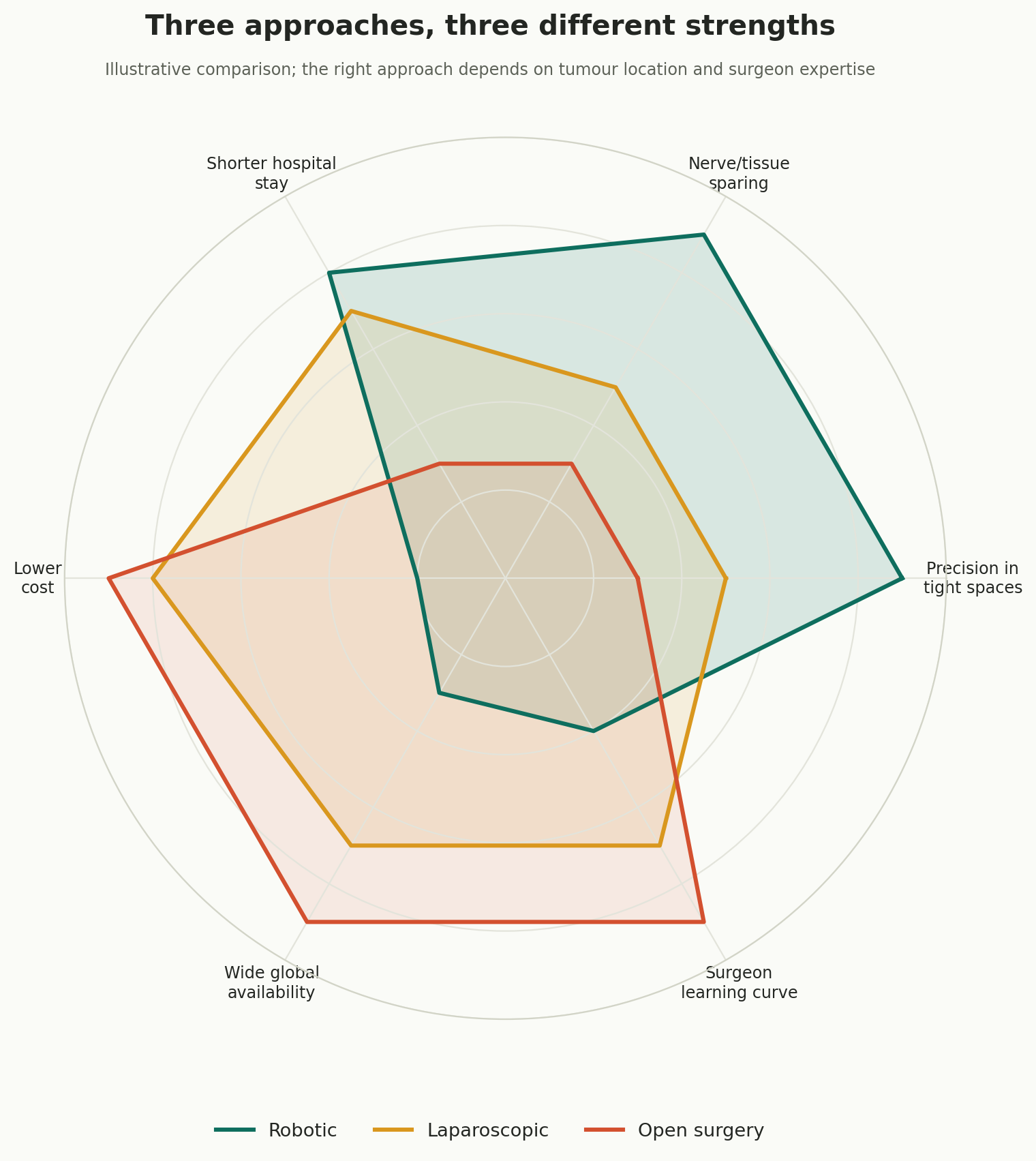
Figure 1. Robotic surgery wins decisively on precision in tight spaces. Open surgery wins decisively on cost and availability. The right choice depends on where the tumour actually sits.
02 · A STARK GLOBAL PICTURE
Nigeria's very first steps
Robotic surgery's global adoption has been rapid but deeply uneven. Sub-Saharan Africa's presence in that picture has, until very recently, been essentially nonexistent.
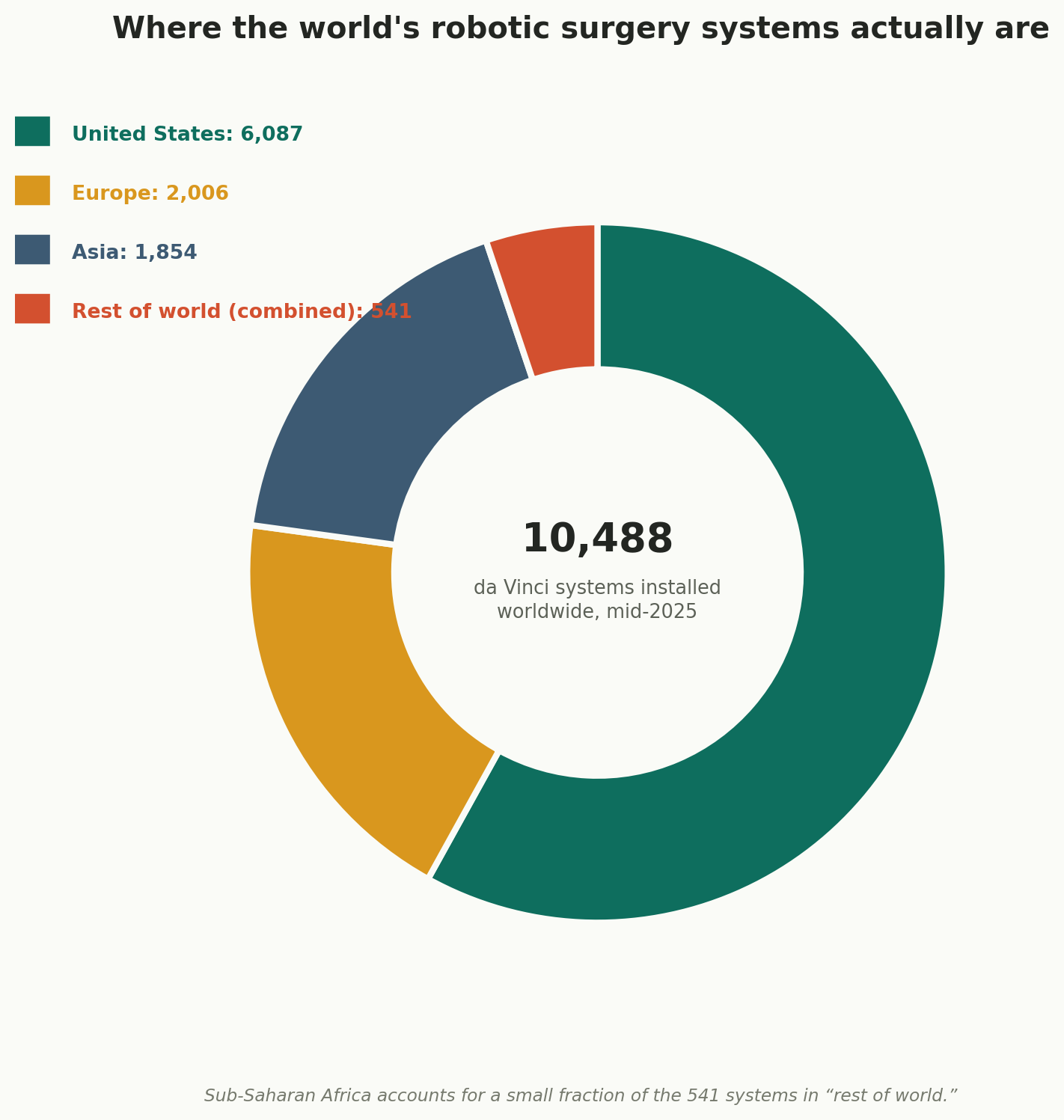
Figure 2. Sub-Saharan Africa accounts for a small fraction of the 541 systems outside the US, Europe, and Asia.
Against that backdrop, Nigeria reached a genuine, historic milestone in November 2025, its first robot- assisted prostatectomy, and Imo State announced a partnership in January 2026 to establish the country's first dedicated robotic surgery centre. These are real, welcome first steps, and deserve recognition as such. They do not yet represent established, wide-scale domestic capacity; for the great majority of Nigerian patients weighing robotic surgery today, international travel remains the realistic route to this specific technology.
It is worth holding both facts at once, honestly: this is a genuine, positive beginning for Nigerian surgical capability, and it remains, for now, a single historic first rather than a functioning national programme most patients can currently access. A family weighing this decision should ask specifically whether any Nigerian option under consideration reflects sustained, ongoing capacity, or a single milestone procedure not yet available at scale.
The barriers behind this slow pace of adoption are well documented and go beyond simply affording the equipment itself. Reliable power supply, dependable internet connectivity for system diagnostics, and a pipeline of surgeons, nurses, and technicians trained specifically on robotic platforms all take years to build even once a hospital has committed to the capital investment. Regional training initiatives, including dedicated minimally invasive surgery training programmes elsewhere on the continent, are working to close this gap, but the timeline for that to translate into widespread Nigerian access remains genuinely uncertain.
03 · COST AND RECOVERY
What it costs, and what patients actually gain
Figure 3. The robotic premium reflects the underlying cost of the system itself, not a proportionally larger surgical achievement in every
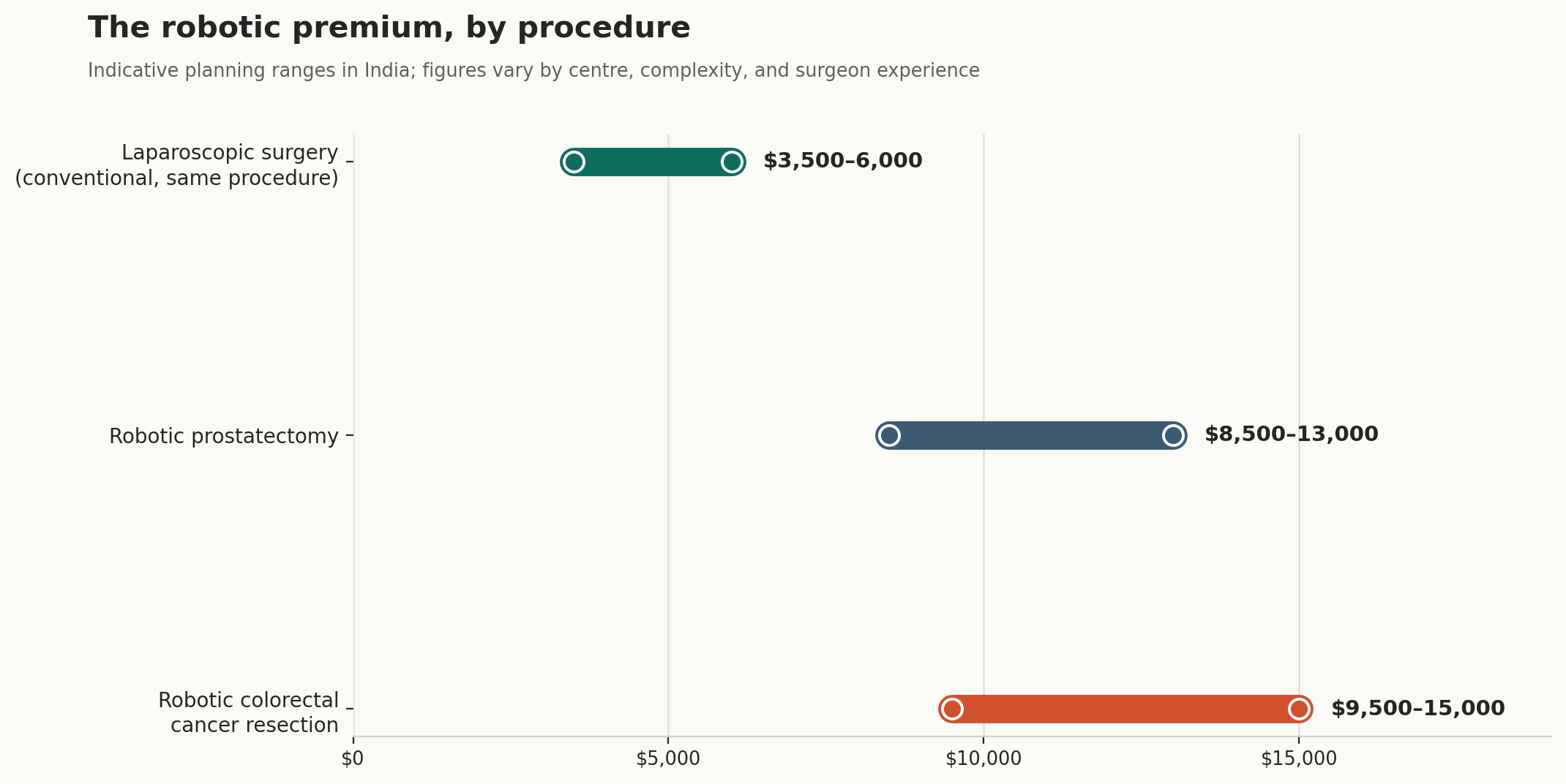
case.
| Approach | Typically suits | Indicative cost |
|---|---|---|
| Laparoscopic surgery | Most cancer operations, standard evidence base | $3,500–6,000 |
| Robotic prostatectomy | Prostate cancer, deep pelvic anatomy | $8,500–13,000 |
| Robotic colorectal resection | Rectal cancer, narrow pelvic space | $9,500–15,000 |
Table 1. Indicative international-patient pricing at accredited Indian centres, mid-2026. Figures vary by tumour stage, complexity, and specific centre.
The gap between these figures reflects the underlying facility investment. A robotic system, at $1.5 to $2.5 million before ongoing maintenance and per-procedure consumables, represents a capital cost on an entirely different scale from conventional laparoscopic equipment, and that cost is, unavoidably, reflected directly in the price charged to patients.
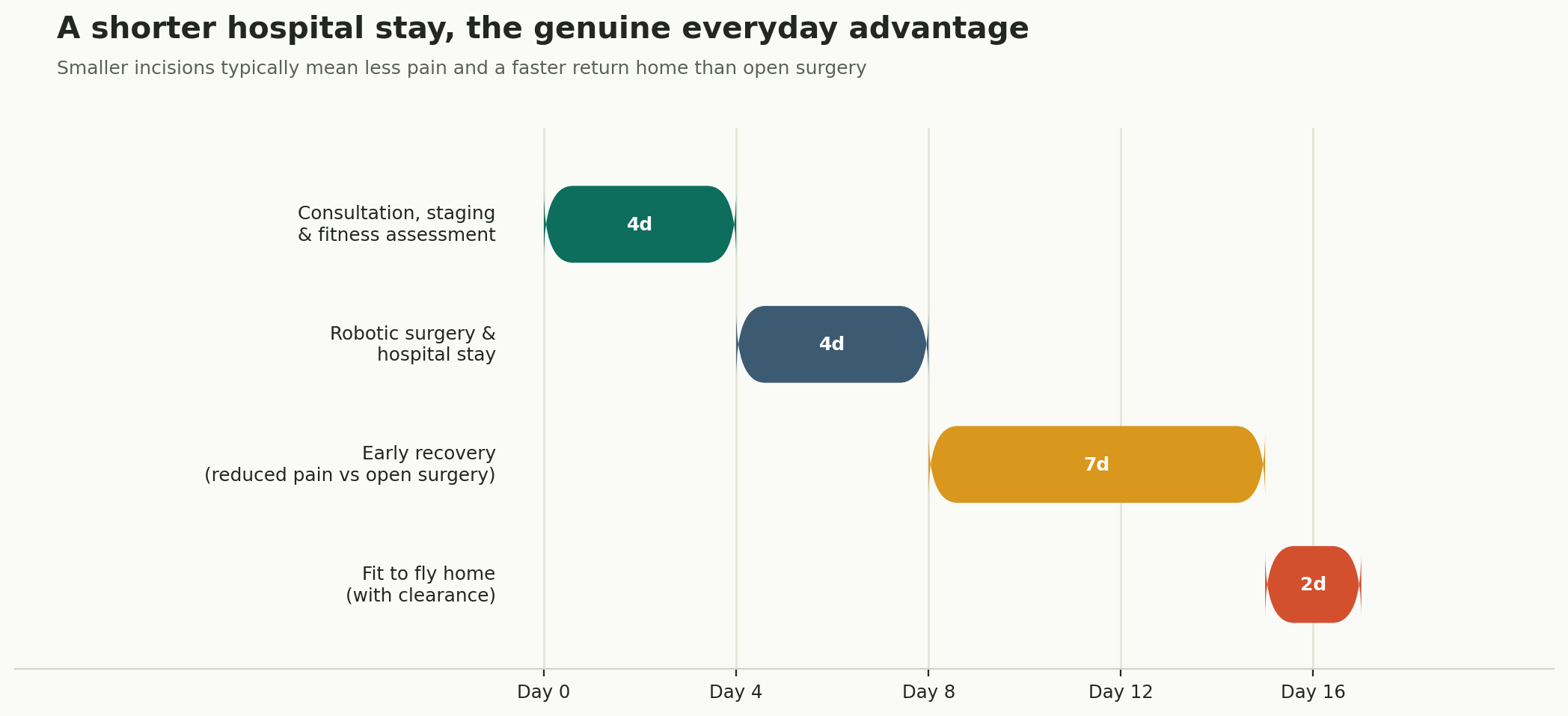
Figure 4. The genuine everyday advantage: smaller incisions typically mean a shorter hospital stay and faster return home than open surgery.
This everyday advantage, meaningfully less post-operative pain and a faster return to normal activity, applies broadly across robotic procedures, even in cases where the oncological outcome itself is comparable to laparoscopic surgery. For a patient weighing cost against comfort and recovery speed specifically, rather than surgical precision in a complex anatomical space, this remains a genuinely relevant, separate consideration worth discussing directly with a surgeon.
It is worth being clear that this recovery advantage is not unique to robotic surgery; well-performed laparoscopic surgery offers much of the same benefit over open surgery, since both approaches rely on small incisions rather than a large surgical opening. The genuinely distinguishing factor for robotic specifically remains the precision advantage described earlier in this guide, not the recovery experience alone, which laparoscopic surgery can often match at a substantially lower cost.
On visa and travel. India issues a Medical Visa (M) to the patient and a Medical Attendant Visa (MX) to accompanying family, through the High Commission in Abuja, the Consulate in Lagos, or the e-Medical route. Lagos and Abuja reach India's major medical hubs with a single stop, a 13 to 18 hour total journey.
Before you commit to a robotic surgery plan
- Ask directly why robotic, rather than laparoscopic, is being recommended for your specific tumour location.
- Confirm the surgeon's personal experience specifically with the robotic platform, not general surgical experience.
- Request the centre's own outcome data for the exact procedure being proposed.
- Get a full written cost comparison between robotic and laparoscopic options for your case.
- Establish a Nigerian oncologist for coordinated follow-up care after treatment.
- Pay into the hospital's own institutional account only, never an individual's personal account.
Straight Answers for Nigerian Patients about Robotic Cancer Surgery in India
Is robotic surgery always better than laparoscopic or open surgery?
No. Robotic offers a genuine advantage in tight, complex spaces like the deep pelvis, but laparoscopic and open surgery remain equally effective and considerably cheaper for many other cancer operations.
Is robotic cancer surgery available in Nigeria?
Domestic capacity is only just beginning. Nigeria's first robot-assisted prostatectomy took place in November 2025, and a dedicated centre was announced for Imo State in January 2026. Wide-scale capacity does not yet exist.
Why is robotic surgery so much more expensive?
A robotic system costs $1.5 to $2.5 million before maintenance and consumables, a vastly larger investment than laparoscopic equipment, reflected directly in what patients are charged.
What is the genuine everyday advantage for patients?
Smaller incisions and greater precision typically mean less post-operative pain and a shorter hospital stay than open surgery, alongside potential nerve-sparing advantages in complex cases.
Do Nigerians need a visa for robotic surgery in India?
Yes. You need an Indian Medical Visa from the High Commission in Abuja, the Consulate in Lagos, or the e- Medical route, plus a Medical Attendant Visa for accompanying family.
A closing word
Robotic surgery is a genuine surgical advancement, and its value lies in being chosen for the specific anatomical challenges it was built to solve, not as a default premium option for every cancer diagnosis. The patients who navigate this best ask directly whether their tumour's location genuinely benefits from robotic precision, rather than assuming the newest technology is automatically the right choice for their case, and they take genuine, if early, encouragement from Nigeria's own first domestic steps into this field without mistaking one milestone for established national capacity.
A cancer diagnosis already asks a family to absorb a great deal of complex, unfamiliar information under real emotional pressure. The single most protective thing a family can do, when a specific surgical technology is recommended, is to ask why, specifically, for this tumour, in this location, rather than accepting either the newest option or the cheapest option as an automatic default in either direction.
Sources
- 🌐 Robotic Surgery in Africa: History, Contemporary, and Thereafter. Nigerian Medical Journal, 2025
- 🌐 Integration of Robotic Surgery in African Urology: Measured Progress or Misplaced Priority? MDPI, 2026
- 🌐 The Global Price of Progress: The Geography of Robotic Surgery. Yale Global Health Review, 2026
- 🌐 American Cancer Society — Robotic surgery for cancer, patient information
- 🌐 High Commission of India, Abuja — Medical and Medical Attendant Visa requirements
Frequently Asked Questions by Nigerians about Robotic Cancer Surgery in India
Is robotic cancer surgery always better than laparoscopic surgery for Nigerian patients?
No. The guide explains that robotic surgery offers its strongest advantage in tight, complex anatomical spaces, while laparoscopic surgery can provide comparable cancer outcomes for many other procedures at lower cost.
Which cancers may benefit most from robotic surgery?
The guide particularly highlights prostate cancer and rectal cancer, where surgery takes place in the narrow, nerve-dense pelvis. Selected head and neck and thoracic tumours may also benefit.
How much does robotic prostatectomy cost in India for Nigerian patients?
The guide gives an indicative cost of US$8,500–US$13,000 at accredited Indian centres. Actual pricing varies according to tumour stage, complexity and centre.
How much does robotic colorectal cancer surgery cost in India?
The indicative range for robotic colorectal resection is US$9,500–US$15,000, depending on the case and hospital.
Why is robotic cancer surgery more expensive?
The guide explains that a robotic system can cost approximately US$1.5–US$2.5 million before maintenance and consumables. This substantial infrastructure investment contributes to the higher treatment price.
What is the main recovery advantage of robotic surgery?
Smaller incisions can result in less post-operative pain, shorter hospitalisation and faster return to normal activity compared with open surgery. However, good laparoscopic surgery can offer many of the same recovery benefits.
Is robotic cancer surgery available in Nigeria?
Nigeria's domestic capacity is only beginning. The guide records the first robot-assisted prostatectomy in November 2025 and a January 2026 announcement concerning a dedicated robotic surgery centre in Imo State.
What should Nigerian patients ask before choosing robotic surgery in India?
They should ask why robotic surgery is preferable for their particular tumour location, confirm the surgeon's personal robotic experience and request outcome data for the exact procedure being proposed.
How long may Nigerian patients need to stay in India for robotic cancer surgery?
The guide's illustrative recovery pathway includes approximately 4 days for consultation and staging, 4 days for surgery/hospital stay, 7 days of early recovery and 2 days for fitness-to-fly clearance. Individual stays can vary.
What follow-up should Nigerian patients arrange after robotic cancer surgery?
The guide recommends establishing a Nigerian oncologist for coordinated follow-up care after treatment. Patients should also return with their operative records, pathology information and post-operative instructions.
Page Summary
This guide explains the major considerations for Nigerian patients exploring robotic cancer surgery in India, with its central focus on identifying the situations where robotic precision genuinely adds value over laparoscopic or open surgery. It highlights deep pelvic procedures such as prostatectomy and rectal cancer surgery, while also mentioning selected head and neck and thoracic procedures. The guide provides indicative costs of US$8,500–US$13,000 for robotic prostatectomy and US$9,500–US$15,000 for robotic colorectal resection, compared with US$3,500–US$6,000 for conventional laparoscopic surgery. It also covers Nigeria's early domestic robotic surgery developments, recovery advantages, surgeon experience, medical visas, travel and coordinated follow-up.
Citation Block
| Topic | Information |
|---|---|
| Topic Information | Robotic Cancer Surgery in India for Patients from Nigeria |
| Treatment | Robotic Cancer Surgery |
| Intended Audience | Patients from Nigeria |
| Key Specialist | Surgical Oncologist / Robotic Cancer Surgeon |
| Primary Assessment | Imaging, Pathology and Tumour-Location Assessment |
| Main Indications | Prostate Cancer and Rectal Cancer |
| Other Indications | Selected Head and Neck and Thoracic Tumours |
| Robotic Prostatectomy Cost | US$8,500–US$13,000 |
| Robotic Colorectal Resection Cost | US$9,500–US$15,000 |
| Laparoscopic Cost | US$3,500–US$6,000 |
| Main Robotic Advantage | Precision and Dexterity in Confined Anatomical Spaces |
| Important Specialist Check | Confirm Personal Experience With the Robotic Platform |
| Treatment Choice Check | Ask Why Robotic Is Preferred Over Laparoscopic Surgery |
| Outcome Check | Request Centre-Specific Data for the Exact Procedure |
| Important Warning | Do Not Choose Robotic Surgery Simply Because It Is More Advanced Technology |
| Recovery Advantage | Smaller Incisions, Less Pain and Shorter Hospital Stay Than Open Surgery |
| Nigeria Context | First Robot-Assisted Prostatectomy Reported in November 2025 |
| Pre-Travel Records | Imaging, Pathology and Previous Cancer Treatment Records |
| Visa Requirement | Indian Medical Visa and Medical Attendant Visa |
| Patient Journey | Consultation/staging → robotic surgery → hospital recovery → fitness to fly → home follow-up |
| Follow-Up | Nigerian Oncologist and Coordinated Post-Surgical Monitoring |


Our Mission Statement
Our mission is to place patients at the centre of every healthcare decision by providing trustworthy, evidence-based, and unbiased medical information. We believe that informed patients make better decisions. Backed by personalised guidance from our experienced advisory team, we help patients understand their treatment options, compare them objectively, and confidently choose the path that best suits their medical needs and personal circumstances.
Patient Testimonials from Nigeria















Ready to Take the First Step?
Share your Medical Reports with our Healthcare Managers Today and Get a FREE CONSULTATION, a Personalized Treatment Plan, and Complete Support from Arrival to Recovery.
Get Your Free ConsultationAreas We Serve
This resource has been thoughtfully prepared for patients from Nigeria who are considering medical treatment in India. We also welcome patients from the wider region in the countries mentioned below-
We assist patients from:
- Benin
- Niger
- Chad
- Cameroon
- Algeria
- Egypt
- Libya
- Morocco
- Sudan
- Tunisia
- Gambia
- Ghana
- Burkina Faso
- Cabo Verde
- Côte d'Ivoire
- Equatorial Guinea
- São Tomé and Príncipe
Many of the insights, treatment pathways, hospital recommendations, travel guidance, and patient support services described here are equally relevant and may be used as a reference when planning treatment in India.
From Nigeria to India: Your Complete Patient Support Guide
- Artificial Disc Replacement in India for Nigerian Patients
- Weight Loss and Bariatric Surgery in India for Nigerian Patients
- Bone Marrow Transplant in India for Nigerian Patients
- Brain Tumour Surgery in India for Nigerian Patients
- Breast Cancer Treatment and Surgery in India for Nigerian Patients
- Cancer Treatment and Surgery in India for Nigerian Patients
- Cardiac Arrhythmia and Heart Pacemaker Treatment in India for Nigerian Patients
- Cardiac Surgery in India for Nigerian Patients
- Colorectal Cancer Treatment and Surgery in India for Nigerian Patients
- Complex Orthopaedic and Joint Revision Surgery in India for Nigerian Patients
- Cornea Transplant and Advanced Eye Surgery in India for Nigerian Patients
- CyberKnife Treatment in India for Nigerian Patients
- Gamma Knife Treatment in India for Nigerian Patients
- Heart Failure Treatment and Surgery in India for Nigerian Patients
- Hip Surgery in India for Nigerian Patients
- HIPEC Cancer Surgery in India for Nigerian Patients
- IVF and Fertility Treatment in India for Nigerian Patients
- Joint Arthroscopy and Sports Medicine in India for Nigerian Patients