

Prostate Cancer Treatment and Surgery in India for Nigerian Patients
The cancer that kills more Nigerian men than any other — and the single most fixable problem in how it is usually found.
Prostate cancer is now the leading cause of cancer death among Nigerian men, and more than a third of all new cancers diagnosed in Nigerian men are prostate cancer. That statistic is not really about the disease's aggressiveness. It is about timing: study after study from Nigerian hospitals finds the same pattern, of men arriving with advanced, high-grade disease that could have been caught years earlier, often because nobody thought to ask for the test. This guide sets out what actually follows a prostate cancer diagnosis today — the treatment options, what they cost in India once travel is counted, what Nigeria's own urology and radiotherapy capacity can and cannot offer, and what a realistic recovery actually looks like once the operation is behind you.
| 37.5% | #1 | Advanced | 70–85% |
|---|---|---|---|
| OF NEW CANCERS IN NIGERIAN MEN ARE PROSTATE CANCER | CAUSE OF CANCER DEATH AMONG NIGERIAN MEN, GLOBOCAN 2022 | STAGE IS THE MOST COMMON FINDING AT DIAGNOSIS IN NIGERIAN STUDIES | TYPICAL SAVING ON AN EQUIVALENT INDIA PATHWAY VS. THE US |
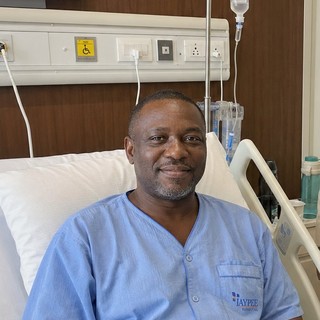
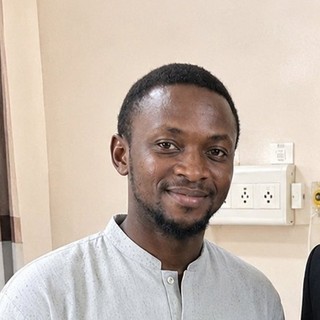
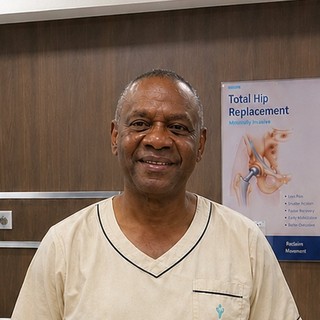
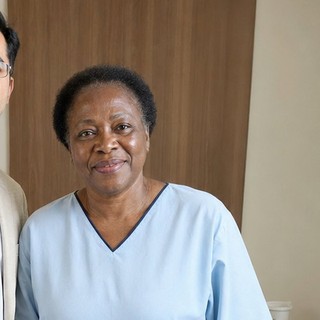
Healing Journeys of Nigerian Patients


Key Takeaways
- Prostate cancer is the leading cause of cancer death among Nigerian men, largely because many patients are diagnosed at an advanced stage rather than because the disease is inherently more aggressive.
- Early PSA testing and timely consultation with a urologist significantly improve the chances of curative treatment and expand the available treatment options.
- Treatment depends on the PSA level, Gleason score, tumour stage and overall health rather than a single standard approach.
- India offers robotic-assisted radical prostatectomy, external beam radiotherapy, HDR brachytherapy and multidisciplinary cancer care, providing more treatment choices for Nigerian patients.
- Robot-assisted radical prostatectomy generally costs USD 8,000–15,000, while external beam radiotherapy typically costs USD 4,500–7,500.
- A complete robotic surgery journey generally requires a budget of approximately USD 13,500–19,000, including surgery, investigations, accommodation, flights and visa expenses.
- Most patients can return home within one to two weeks after robotic surgery, although continence recovery continues for several months.
- Long-term follow-up is based on regular PSA testing, pathology review and monitoring rather than the surgical wound alone.
- Before travelling, patients should understand whether nerve-sparing surgery is planned and what impact this may have on urinary continence and erectile function.
- Every written quotation should clearly separate surgeon fees, robotic platform charges, hospital costs, staging investigations, radiotherapy (if required) and possible additional treatment following final pathology.
Quick Facts
- Conditions Covered
- Localized Prostate Cancer, Intermediate-Risk Prostate Cancer, High-Risk Prostate Cancer, Locally Advanced Prostate Cancer and Metastatic Prostate Cancer
- Procedures Mentioned
- Open Radical Prostatectomy, Robot-Assisted Radical Prostatectomy (RARP), External Beam Radiotherapy (IMRT), HDR Brachytherapy, Hormone Therapy and Multidisciplinary Cancer Care
- Target Audience
- Nigerian patients seeking prostate cancer treatment in India
- Open Radical Prostatectomy
- USD 5,500–9,000
- Robot-Assisted Radical Prostatectomy
- USD 8,000–15,000
- External Beam Radiotherapy (IMRT)
- USD 4,500–7,500
- HDR Brachytherapy
- USD 3,500–6,000
- Combined Surgery and Adjuvant Radiotherapy
- USD 10,000–18,000
- Estimated Complete Treatment Budget
- Approximately USD 13,500–19,000
- Typical Stay in India
- Approximately 2 weeks for robotic surgery
- Important Pre-Travel Records
- PSA history, biopsy report, Gleason score, MRI images, pathology slides, blood investigations and complete medical history
- Medical Travel Requirements
- Indian Medical Visa, Medical Attendant Visa, hospital invitation letter, financial documents and passport validity
- Author/Advisor
- Dr. Dheeraj Bojwani
- Experience
- 24+ Years in Medical Travel
In Brief
India provides Nigerian patients with comprehensive prostate cancer care through experienced urologic oncologists, robotic-assisted surgery, advanced radiotherapy techniques and multidisciplinary cancer centres. Treatment decisions should always be based on PSA levels, Gleason score, MRI findings and tumour stage rather than selecting surgery alone. A complete treatment plan should explain whether surgery, radiotherapy, brachytherapy or hormone therapy is most appropriate, outline the expected recovery, and include a structured PSA follow-up programme after returning to Nigeria.
01 · the Real Problem
Why this is a timing disease before it is a treatment one
Start with the numbers. GLOBOCAN 2022 recorded 18,019 new prostate cancer cases in Nigerian men and 11,443 deaths — a case-to-death ratio that says plainly how advanced the disease usually is by the time it is found. A pooled analysis across Nigerian studies put national prevalence at roughly 1,070 cases per 100,000 men, and repeatedly found the same clinical picture: high Gleason scores, advanced stage at diagnosis, and mortality reaching well over half of patients within a few years in some series.
None of this reflects a uniquely aggressive Nigerian strain of the disease. It reflects screening. Nigerian urology researchers studying delayed diagnosis consistently point to the same drivers: limited awareness of what prostate cancer even is, discomfort with digital rectal examination, low uptake of PSA testing, and a health system where symptoms are often only investigated once they have become impossible to ignore — bone pain, inability to urinate, weight loss. A 2025 study from South-East Nigeria described men arriving in genuine oncological emergencies, sometimes started on presumptive hormone therapy before a biopsy could even confirm the diagnosis, simply because the disease had already progressed that far.
The practical consequence for a family today is this: a PSA test and a conversation with a urologist, done early, changes almost everything about what happens next — from which treatments are even still curative, to how much any of it costs.
02 · Nigeria's Capacity
What Nigeria can do, and where it is still thin
Nigerian urologists are not the constraint here — equipment and system capacity are. Across Sub-Saharan Africa, only a handful of centres can perform radical prostatectomy at all, and it is almost always done as open surgery rather than the minimally invasive, robotic-assisted approach that has become standard in the UK and US, where more than 84 to 91 percent of prostatectomies are now done robotically.
That is changing, slowly. A private hospital group in Lagos and Abuja only introduced robotic-assisted radical prostatectomy in 2025, after bringing in a surgeon and building a four-urologist team — a genuine milestone, but one hospital group's programme, not a national capability. Radiotherapy and brachytherapy for prostate cancer exist at a small number of centres, including a high-dose-rate brachytherapy programme at University College Hospital Ibadan that has treated a few dozen men a year since 2020. This sits within a national radiotherapy infrastructure of only around ten consistently functioning machines for the whole country.
None of this means Nigeria cannot treat prostate cancer well. Early-stage disease, managed by an experienced urologist through open surgery or referral to one of the radiotherapy centres, is genuinely treatable at home. What remains scarce is exactly what matters most for a man wanting the fastest recovery and the best functional outcome: robotic surgical capacity, and the volume of cases that keeps a surgical team's skills sharp.
03 · THE TREATMENT MAP
Which treatment, and what it costs
Prostate cancer treatment is not one operation. The right option depends on stage, Gleason score, PSA level, and whether the disease is still confined to the gland, and the cost difference between approaches is wide enough that a vague quote tells a family almost nothing useful.
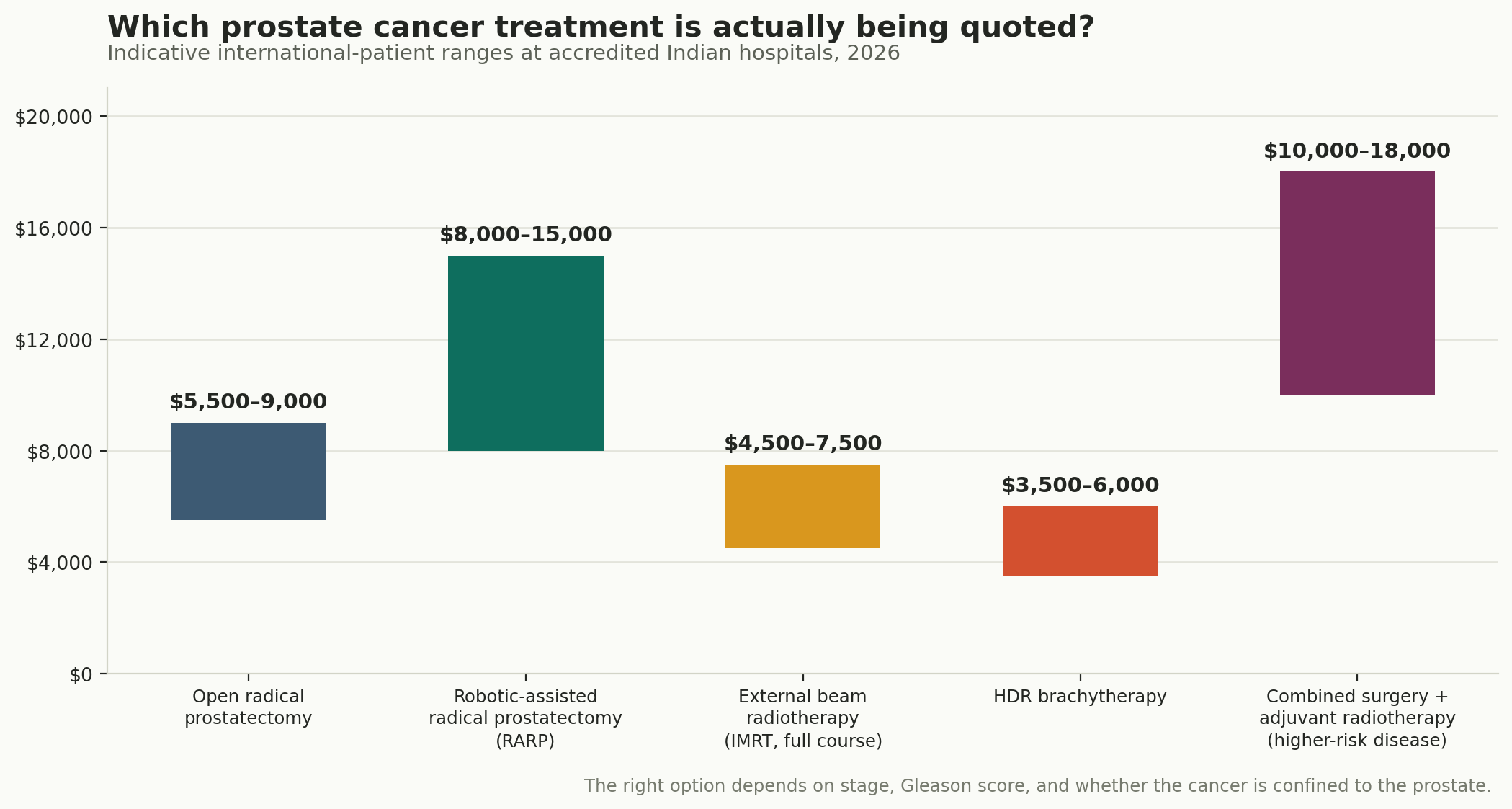
Figure 1. Combined surgery and radiotherapy, used for higher-risk disease where cancer may extend beyond the prostate capsule, costs roughly double a straightforward single-modality case.
| Treatment | Typically suits | Indicative cost | Hospital stay |
|---|---|---|---|
| Open radical prostatectomy | Localised disease where robotic access is unavailable or unnecessary | $5,500–9,000 | 4–6 nights |
| Robotic-assisted radical prostatectomy (RARP) | Localised disease, the current international standard of care | $8,000–15,000 | 1–3 nights |
| External beam radiotherapy (IMRT, full course) | Localised or locally advanced disease, an alternative to surgery | $4,500–7,500 | Outpatient, 5– 8 weeks |
| HDR brachytherapy | Localised disease, delivered as a small number of sessions | $3,500–6,000 | 2–4 day visits |
| Combined surgery + adjuvant radiotherapy | Higher-risk disease with suspected extension beyond the prostate | $10,000–18,000 | Varies by sequence |
Table 1. Indicative international-patient pricing at accredited Indian urology and oncology centres, mid-2026. Figures are planning ranges, not offers, and vary by hospital tier, surgeon experience, and case complexity.
Set against the alternatives, the case for travelling is strongest for robotic surgery specifically — the option Nigeria's own capacity can offer to only a fraction of the men who might benefit from it today.
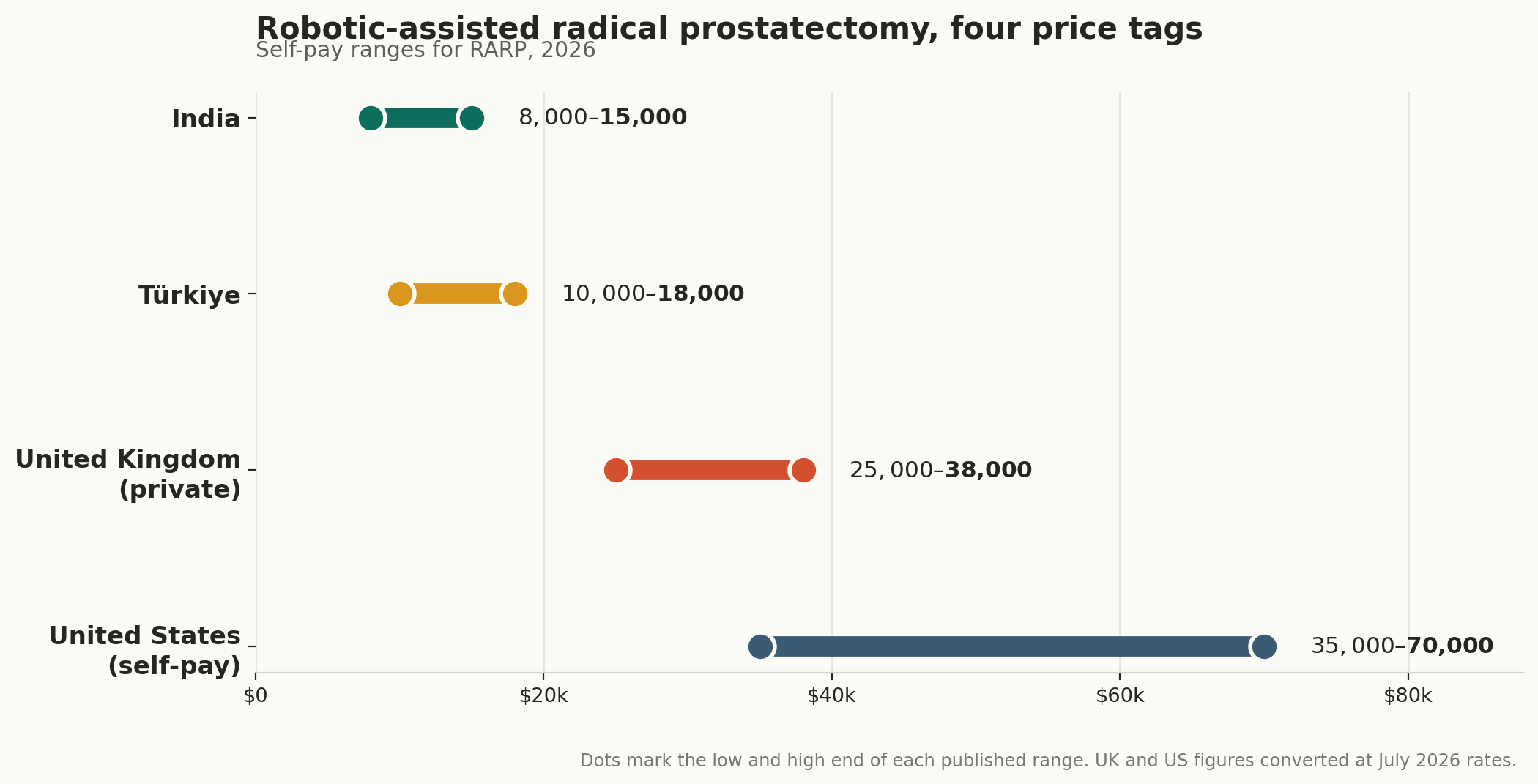
Figure 2. Robotic-assisted radical prostatectomy, priced across four common destinations for Nigerian medical travellers.
04 · the Full Budget
What the whole journey costs, beyond the operation
The surgical fee is the number families anchor on, and the least complete one. A representative pathway — robotic-assisted radical prostatectomy, one patient and one attendant, roughly two weeks in India — adds up like this:
- Surgical package (robotic surgery, surgeon, hospital stay): $9,000–15,000
- Return flights, two travellers (Lagos/Abuja – Delhi/Mumbai/Chennai): $2,200–3,000
- Pre-surgical workup (PSA, MRI, biopsy review, staging scans): $600–1,100
- Accommodation, two weeks, two people : $900–1,400
- Medical and attendant visas (two applications): $400–500
- Contingency for extended catheter care or a delayed flight-home clearance: 15–20% All-in, most families should plan for US$13,500–19,000 for robotic surgery — roughly ₦18.6–26.2 million at the official mid-July 2026 rate of about ₦1,380 to the dollar, somewhat higher at parallel-market rates near ₦1,410. Radiotherapy-only pathways run lower on the treatment line but longer in duration, since a full course is delivered over five to eight weeks rather than a single admission.
What a proper written quote must itemise
- Surgeon, anaesthesia and robotic-platform fees, separated from ward and ICU charges
- Whether nerve-sparing technique is planned, and its implications for continence and function
- The number of radiotherapy fractions included, if radiotherapy forms part of the plan
- Pathology and staging costs, priced separately from the treatment package
- What happens, and what it costs, if final pathology shows disease beyond what imaging suggested
05 · Getting There
Visa, travel, and what recovery actually involves
India issues a Medical Visa (M) to the patient and a Medical Attendant Visa (MX) to up to two close relatives. Applications go through the High Commission in Abuja or the Consulate General in Lagos by prior appointment, and an e-Medical route turns around in days for straightforward files. The hospital's invitation letter, three months of certified bank statements, and a passport valid six months with two blank pages move the process fastest.
Lagos and Abuja both reach Delhi, Mumbai and Chennai with a single stop, usually via Addis Ababa, Doha, Dubai, Nairobi or Istanbul, a total journey of 13 to 18 hours. Robotic prostatectomy recovery is fast enough
that most men can travel within one to two weeks, but should carry a catheter care kit and a written note from the surgical team in case airport or airline staff have questions.
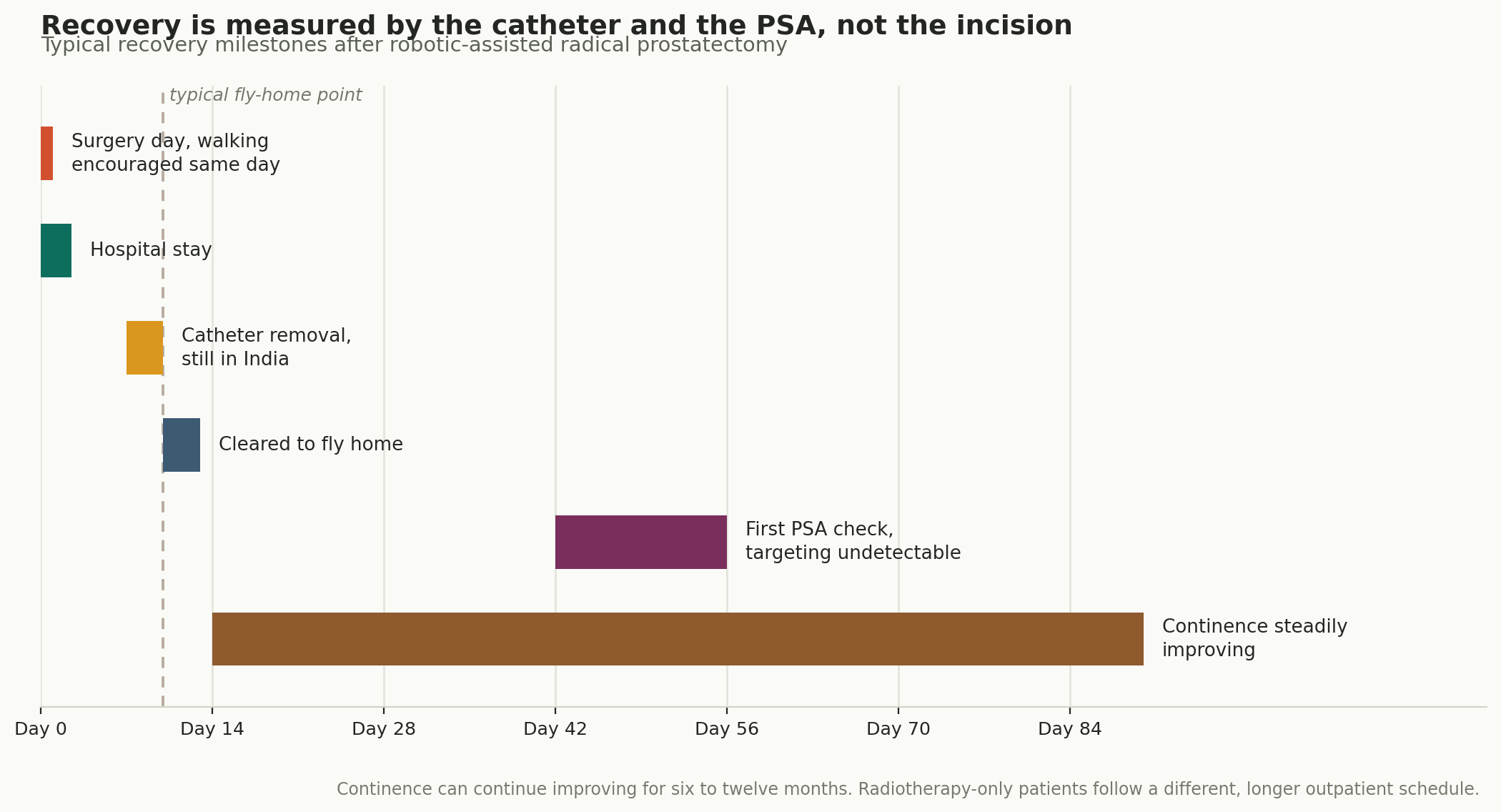
Figure 3. Recovery is tracked by two things above all: when the catheter comes out, and what the first post-operative PSA reads. Continence typically keeps improving for months after both of those milestones.
What has to travel home with the patient
- Full operative note and final pathology report, including margin status
- A written continence and pelvic floor exercise plan
- The follow-up PSA testing schedule, since PSA monitoring continues for years, not months
- Discharge medication using generic names available in Nigerian pharmacies
- A named clinician contact for teleconsultation if PSA results or symptoms raise concern
06 · THE HONEST COMPARISON
What stays in Nigeria, and what travels
Early-stage prostate cancer, managed by an experienced Nigerian urologist through open surgery, or referred promptly to one of the country's radiotherapy centres, is genuinely treatable at home, and there is no reason to travel for a straightforward, early diagnosis handled quickly.
What tips the calculation toward travel is access to robotic surgery specifically, which remains concentrated in a very small number of Nigerian centres, and cases where higher-risk or borderline disease benefits from a high-volume surgical team and the option to add radiotherapy without changing hospitals. Those are exactly the situations where India's case numbers and integrated cancer centres offer a real, measurable advantage.
Before you commit to a treatment plan abroad
- Get a confirmed PSA level, Gleason score from biopsy, and staging imaging before contacting any hospital.
- Ask explicitly whether robotic or open surgery is being recommended, and why, given your specific case.
- Confirm whether nerve-sparing surgery is planned, and what that means for expected continence and function.
- Ask what happens, and what it costs, if final pathology shows more advanced disease than imaging suggested.
- For radiotherapy, get the exact number of fractions and the technique named in writing.
- Establish the long-term PSA follow-up plan before you leave India, not after you get home.
- Verify the invitation letter has reached the mission by email, with both attendants named.
- Pay into the hospital's own institutional account only, never an individual's personal account.
Straight Answers for Nigerian Patients about Prostate Cancer Treatment and Surgery in India
Is prostate cancer surgery in India cheaper than the UK or US?
Yes, substantially. Robotic-assisted radical prostatectomy is indicatively $8,000 to $15,000 in India, against roughly $25,000 to $38,000 privately in the UK and $35,000 to $70,000 self-pay in the United States.
How long does recovery take after robotic prostatectomy?
Hospital stay is typically one to three days. The urinary catheter is usually removed around seven to ten days after surgery, light activity resumes within two to three weeks, and continence continues improving for several months afterward.
Do Nigerians need a visa for prostate cancer treatment in India?
Yes. You need an Indian Medical Visa from the High Commission in Abuja, the Consulate in Lagos, or the e- Medical route, plus a Medical Attendant Visa for up to two close relatives, with a hospital invitation letter and financial proof.
Is robotic prostatectomy available in Nigeria?
It has only recently become available at a small number of private hospitals, with limited urologist teams trained in the technique. Open radical prostatectomy remains the standard approach at most Nigerian centres.
Can prostate cancer be treated without surgery?
Yes, for many localised cases. External beam radiotherapy or brachytherapy can offer comparable cure rates to surgery for suitable candidates, and active surveillance is an option for very low-risk disease under regular monitoring.
What happens if the cancer has already spread at diagnosis?
Advanced or metastatic prostate cancer is generally managed with hormone therapy, sometimes combined with radiotherapy or chemotherapy, rather than prostate removal, since surgery alone does not address cancer that has spread beyond the gland.
Is India better than Nigeria for prostate cancer treatment?
Not for every case, but for surgical and radiotherapy capacity specifically, India's case volume, robotic surgery access, and radiotherapy infrastructure matter most given how thinly stretched Nigeria's own oncology and urology workforce remains.
The decision that matters more than the destination
Every question in this guide — which surgery, which hospital, which country — comes after the one decision that actually determines the outcome: getting a PSA test and a urologist's opinion before symptoms force the issue. Nigeria's prostate cancer numbers are not a story about a harder disease. They are a story about timing, and timing is the one part of this that a family can still control. In twenty-four years of this work, the men who do best are the ones who treat a raised PSA as information to act on quickly, ask precisely what a quote includes before committing to it, and stay engaged with follow-up PSA testing for years afterward, not just the weeks around surgery. The operation happens once. Watching the PSA is a habit that has to last.
Sources
- 🌐 American Cancer Society — Prostate cancer treatment options
- 🌐 NHS (UK) — Prostate cancer: diagnosis and treatment
- 🌐 Olorunniyi SB, Ogo CN — Predictors of late diagnosis of prostate cancer among men of African ancestry, Federal Medical Centre
- 🌐 Iheanacho CO, Enechukwu OH — Epidemiology of prostate cancer in Nigeria: a mixed methods systematic review. Cancer Causes & Control, 2025
- 🌐 GLOBOCAN 2022 — Nigeria cancer fact sheet. Global Cancer Observatory, IARC
- 🌐 High Commission of India, Abuja — Medical and Medical Attendant Visa requirements
Frequently Asked Questions by Nigerians about Prostate Cancer Treatment and Surgery in India
Why do many Nigerian patients travel to India for prostate cancer treatment?
Many Nigerian patients choose India because it offers experienced urologic oncologists, robotic-assisted prostate surgery, advanced radiotherapy, HDR brachytherapy and multidisciplinary cancer centres with higher surgical volumes and comprehensive treatment planning.
How much does prostate cancer treatment in India cost for Nigerian patients?
Indicative treatment costs include: Open Radical Prostatectomy: USD 5,500–9,000 Robot-Assisted Radical Prostatectomy: USD 8,000–15,000 External Beam Radiotherapy (IMRT): USD 4,500–7,500 HDR Brachytherapy: USD 3,500–6,000 A complete robotic surgery journey generally requires a budget of approximately USD 13,500–19,000, including treatment and travel expenses.
Is robotic prostate surgery better than open surgery?
Robot-assisted radical prostatectomy is considered the current international standard for many men with localised prostate cancer because it uses minimally invasive techniques and may support faster recovery. However, the most appropriate treatment depends on the PSA level, Gleason score, tumour stage and the surgeon's recommendation.
Can prostate cancer be treated without surgery?
Yes. Depending on the stage and risk of the disease, treatment may include external beam radiotherapy, HDR brachytherapy, hormone therapy or active surveillance. Surgery is not the only option and is not suitable for every patient.
How long should Nigerian patients stay in India for prostate cancer surgery?
Most patients undergoing robotic prostatectomy remain in India for approximately two weeks. Hospital stay is usually one to three nights, with catheter removal generally occurring seven to ten days after surgery before travelling home.
What medical records should Nigerian patients send before travelling?
Patients should provide their PSA history, biopsy report, Gleason score, MRI scans, pathology slides, blood test reports and previous medical records so that specialists can prepare an appropriate treatment plan before arrival.
What should be included in a written treatment quotation?
The quotation should clearly separate surgeon fees, robotic platform charges, anaesthesia, hospital stay, staging investigations, pathology review, radiotherapy (if required), and any additional treatment costs if the final pathology shows more advanced disease than expected.
Do Nigerian patients need a medical visa for prostate cancer treatment in India?
Yes. Patients require an Indian Medical Visa, while accompanying relatives may apply for a Medical Attendant Visa. The application normally requires a hospital invitation letter, financial documents and a valid passport.
How is recovery monitored after prostate cancer surgery?
Recovery is monitored through catheter removal, urinary continence, wound healing and regular PSA testing. While many patients travel home within one to two weeks, PSA monitoring continues for years after treatment.
Is India always a better choice than Nigeria for prostate cancer treatment?
Not necessarily. Early-stage prostate cancer can often be treated successfully in Nigeria. India may provide additional advantages for patients requiring robotic-assisted surgery, advanced radiotherapy, multidisciplinary cancer care or higher-volume specialist centres.
Page Summary
This guide explains prostate cancer treatment in India for Nigerian patients, including open and robotic radical prostatectomy, radiotherapy, HDR brachytherapy and multidisciplinary cancer care. It outlines treatment costs, recovery timelines, travel planning, visa requirements, continence rehabilitation and long-term PSA surveillance, helping patients understand how treatment decisions are made according to the stage and risk of the disease.
Citation Block
| Topic | Information |
|---|---|
| Topic Information | Details |
| Procedure | Prostate Cancer Treatment and Surgery |
| Country | India |
| Intended Audience | Nigerian Patients |
| Conditions Covered | Localized, Intermediate-Risk, High-Risk, Locally Advanced and Metastatic Prostate Cancer |
| Procedures | Open Radical Prostatectomy, Robot-Assisted Radical Prostatectomy, IMRT, HDR Brachytherapy and Hormone Therapy |
| Typical Stay | Approximately 2 Weeks for Robotic Surgery |
| Hospital Stay | 1–3 Nights (Robotic Surgery); 4–6 Nights (Open Surgery) |
| Recovery | Travel Usually Within 1–2 Weeks; Continence Recovery Continues for 6–12 Months |
| Average Robotic Surgery Cost | USD 8,000–15,000 |
| Estimated Complete Budget | USD 13,500–19,000 |


Our Mission Statement
Our mission is to place patients at the centre of every healthcare decision by providing trustworthy, evidence-based, and unbiased medical information. We believe that informed patients make better decisions. Backed by personalised guidance from our experienced advisory team, we help patients understand their treatment options, compare them objectively, and confidently choose the path that best suits their medical needs and personal circumstances.
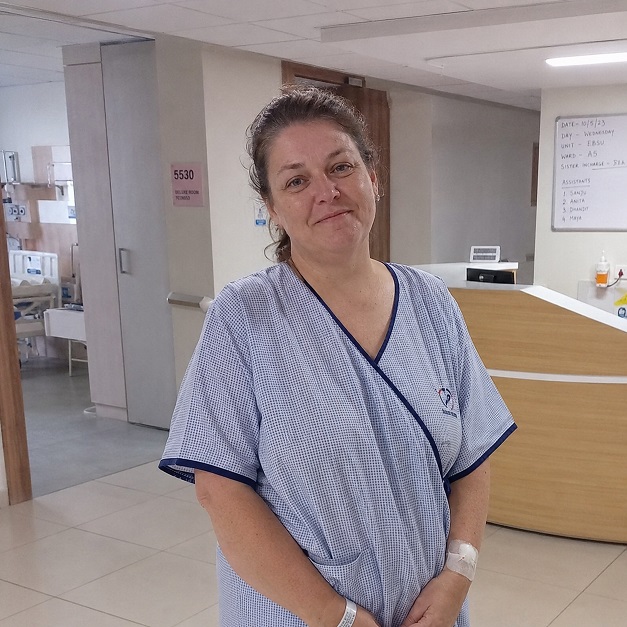
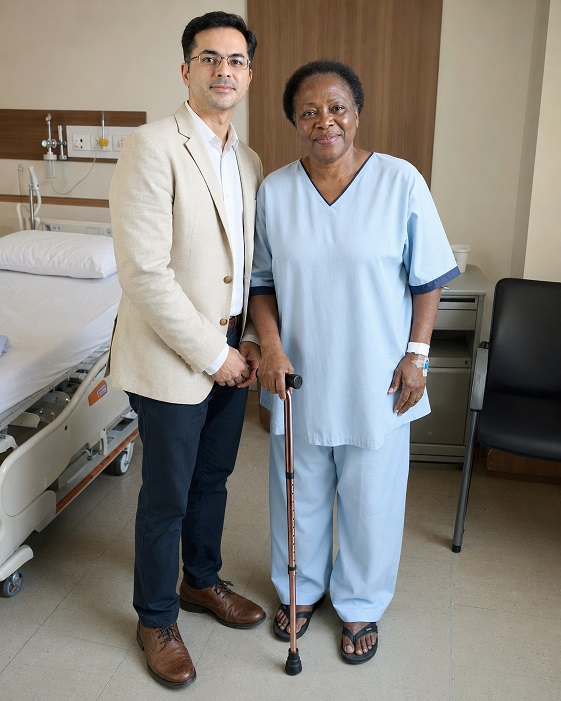
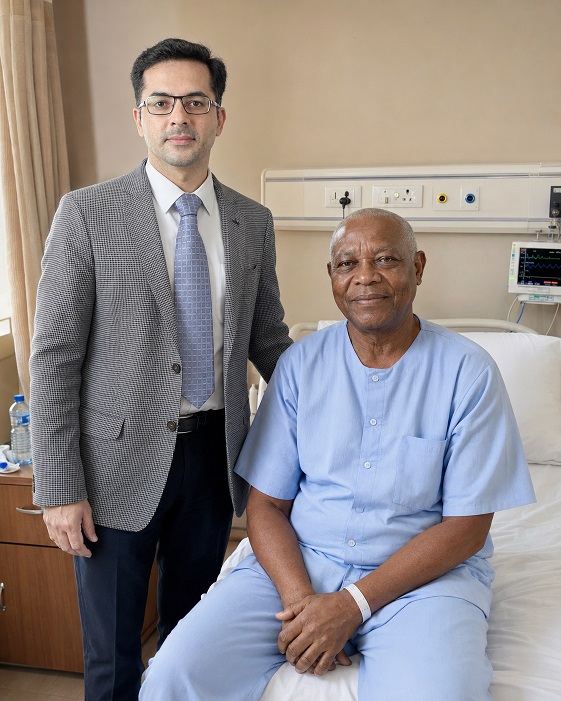
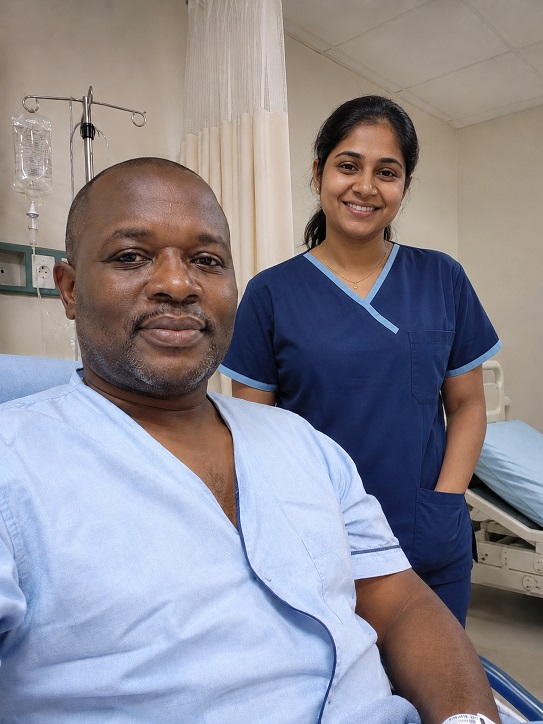
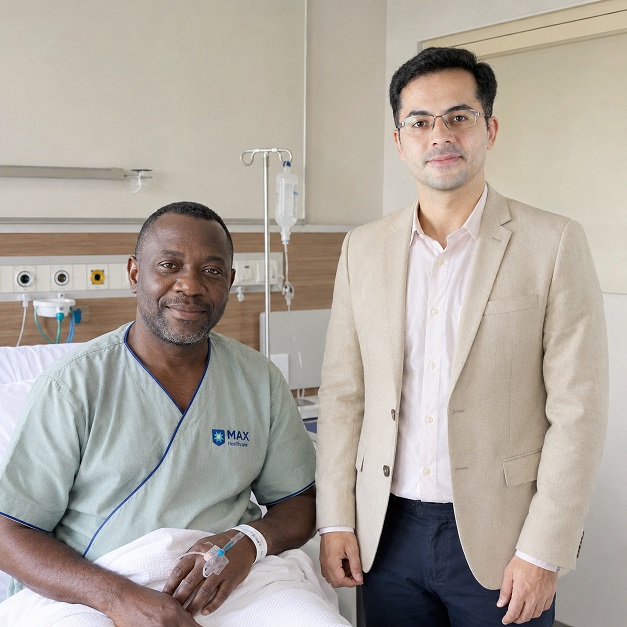
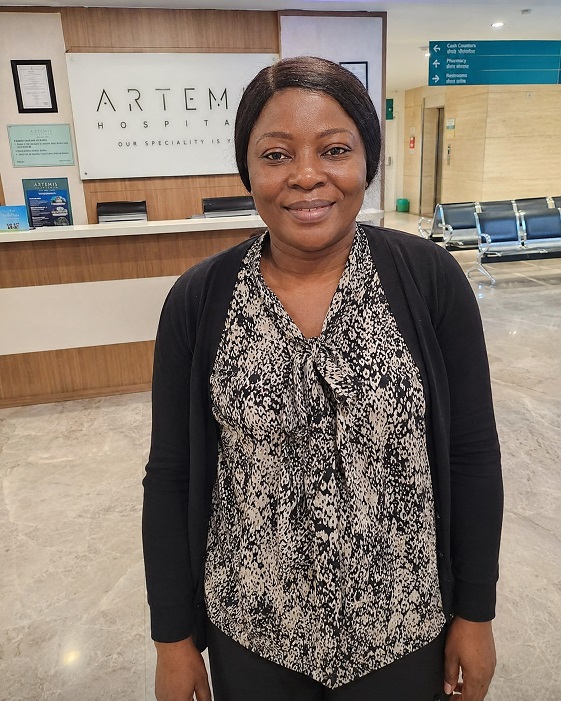
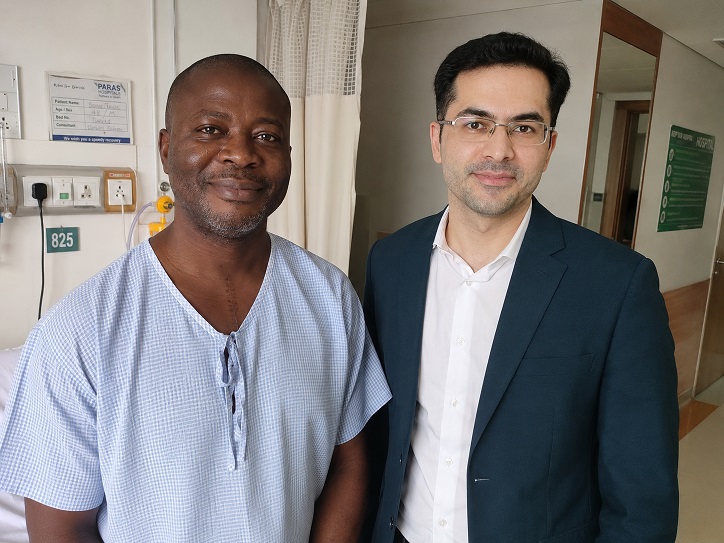
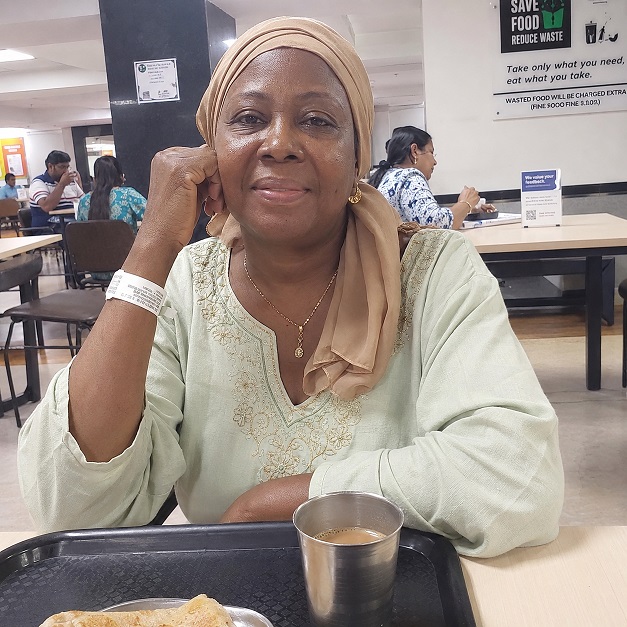
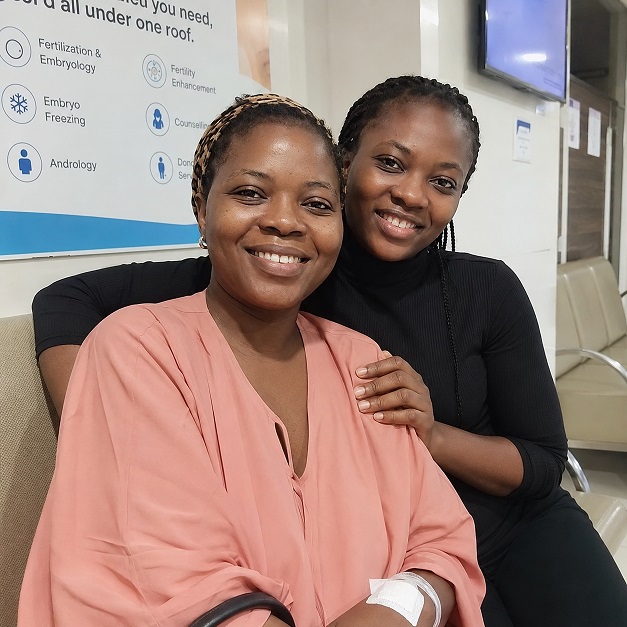
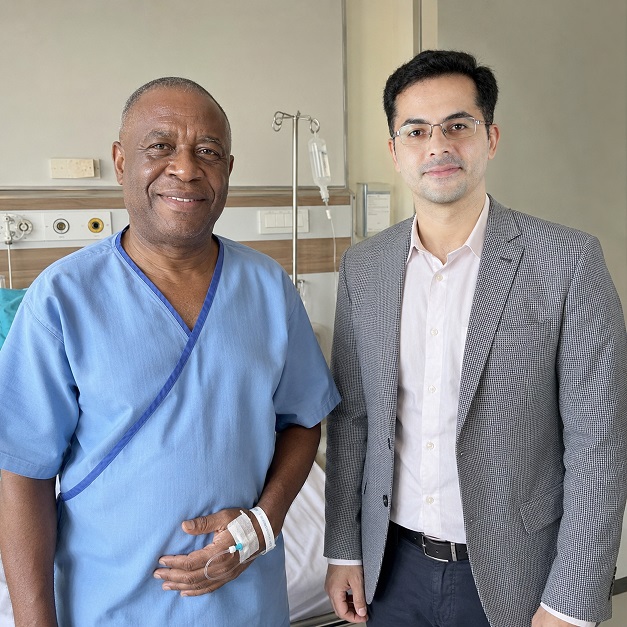
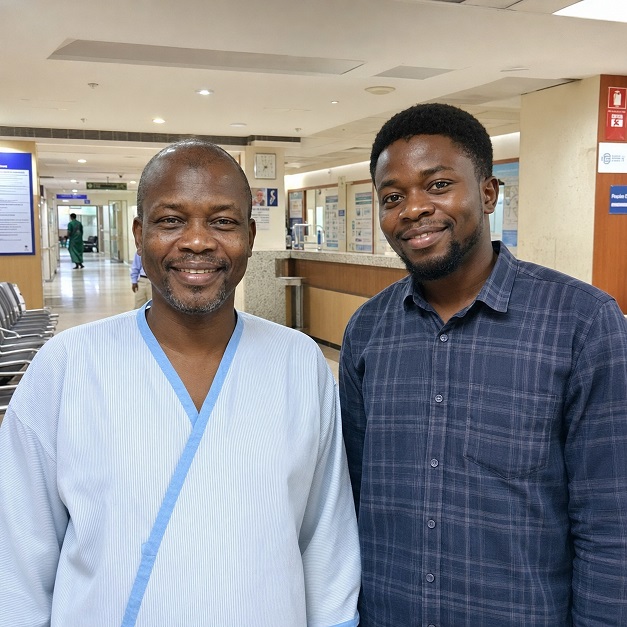
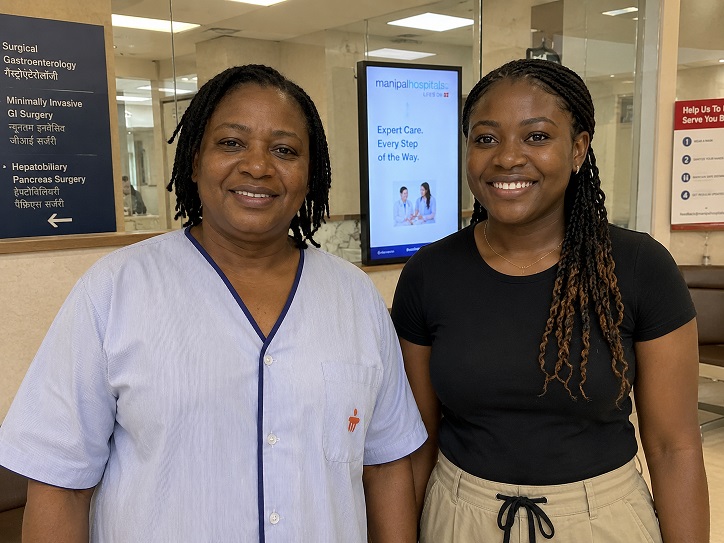
Patient Testimonials from Nigeria

Ready to Take the First Step?
Share your Medical Reports with our Healthcare Managers Today and Get a FREE CONSULTATION, a Personalized Treatment Plan, and Complete Support from Arrival to Recovery.
Get Your Free ConsultationAreas We Serve
This resource has been thoughtfully prepared for patients from Nigeria who are considering medical treatment in India. We also welcome patients from the wider region in the countries mentioned below-
We assist patients from:
- Benin
- Niger
- Chad
- Cameroon
- Algeria
- Egypt
- Libya
- Morocco
- Sudan
- Tunisia
- Gambia
- Ghana
- Burkina Faso
- Cabo Verde
- Côte d'Ivoire
- Equatorial Guinea
- São Tomé and Príncipe
Many of the insights, treatment pathways, hospital recommendations, travel guidance, and patient support services described here are equally relevant and may be used as a reference when planning treatment in India.
From Nigeria to India: Your Complete Patient Support Guide
- Artificial Disc Replacement in India for Nigerian Patients
- Weight Loss and Bariatric Surgery in India for Nigerian Patients
- Bone Marrow Transplant in India for Nigerian Patients
- Brain Tumour Surgery in India for Nigerian Patients
- Breast Cancer Treatment and Surgery in India for Nigerian Patients
- Cancer Treatment and Surgery in India for Nigerian Patients
- Cardiac Arrhythmia and Heart Pacemaker Treatment in India for Nigerian Patients
- Cardiac Surgery in India for Nigerian Patients
- Colorectal Cancer Treatment and Surgery in India for Nigerian Patients
- Complex Orthopaedic and Joint Revision Surgery in India for Nigerian Patients
- Cornea Transplant and Advanced Eye Surgery in India for Nigerian Patients
- CyberKnife Treatment in India for Nigerian Patients
- Gamma Knife Treatment in India for Nigerian Patients
- Heart Failure Treatment and Surgery in India for Nigerian Patients
- Hip Surgery in India for Nigerian Patients
- HIPEC Cancer Surgery in India for Nigerian Patients
- IVF and Fertility Treatment in India for Nigerian Patients
- Joint Arthroscopy and Sports Medicine in India for Nigerian Patients