

Penile Implant Surgery in India for Nigerian Patients
For erectile dysfunction that medication, injections, and vacuum devices have already failed to fix — and for the specific, well-documented Nigerian cases where a childhood or adult medical emergency, not age, is the actual cause.
Erectile dysfunction is common, affecting an estimated half of men between 40 and 70 worldwide, and for most, first-line treatment with oral medication resolves it adequately. Penile implant surgery exists for a specific, smaller group: men for whom medication, injection therapy, or vacuum devices genuinely have not worked, or are not medically appropriate. A 2025 case series from a comparable West African setting found the leading causes among implant patients to be diabetes, hypertension, and priapism, a prolonged, medically urgent erection that, left untreated, can permanently damage the erectile tissue itself. One of the youngest patients in that series had sickle cell disease, a well-established and often under-discussed cause of recurrent priapism. This guide sets out what penile implant surgery actually costs in India once travel is counted, why device choice in this specific region has historically been shaped by cost rather than clinical preference alone, and what a realistic, carefully managed recovery involves.
| ~52% | 42% | 17% | 70–85% |
|---|---|---|---|
| OF MEN AGED 40–70 WORLDWIDE ARE AFFECTED BY ERECTILE DYSFUNCTION | OF IMPLANT PATIENTS IN A 2025 WEST AFRICAN CASE SERIES WERE DIABETIC | OF THE SAME SERIES HAD PRIAPISM AS THE UNDERLYING CAUSE | TYPICAL SAVING ON AN EQUIVALENT INDIA PATHWAY VS. THE US |
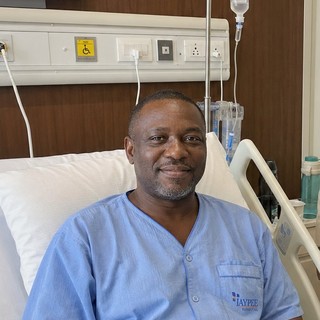
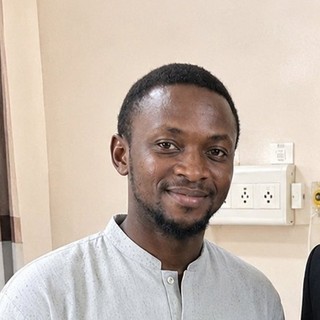
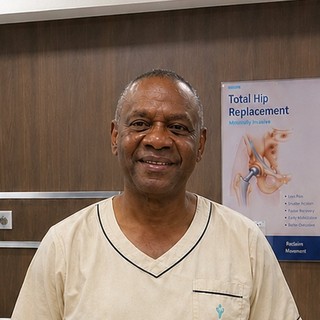
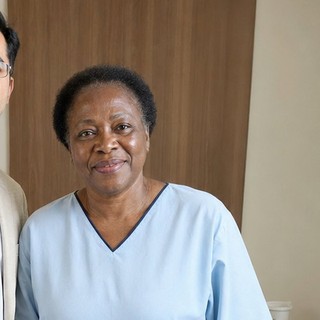
Healing Journeys of Nigerian Patients


Key Takeaways
- Penile implant surgery is presented as a last-line treatment for erectile dysfunction, not the first treatment a patient should consider. Oral medication, penile injections and vacuum devices should generally be tried first unless they are medically unsuitable.
- The document states that erectile dysfunction affects approximately 52% of men aged 40–70 worldwide, but only a smaller proportion eventually require an implant.
- Penile prosthesis surgery has been available since 1973 and remains a definitive surgical option when appropriately tried non-surgical treatments have failed. It offers a permanent mechanical solution and is associated with high patient and partner satisfaction.
- The underlying cause of erectile dysfunction matters. A 2025 West African case series cited in the guide found 42% of penile implant patients were diabetic, while hypertension and priapism were also important contributors.
- Approximately 17% of patients in the same series had priapism as the underlying cause of their erectile dysfunction.
- Priapism is a prolonged erection that constitutes a medical emergency. If untreated, particularly when ischemic, it can permanently damage and scar the erectile tissue.
- Sickle cell disease is specifically relevant to Nigerian patients because it is a recognised cause of recurrent priapism. One of the youngest patients in the West African series developed erectile dysfunction after a previous priapism episode associated with sickle cell disease.
- International sexual-medicine recommendations updated in 2024 support early penile prosthesis placement in selected severe ischemic priapism cases,
Quick Facts
- Treatment
- Penile Implant / Penile Prosthesis Surgery
- Country
- India
- Intended Audience
- Nigerian Male Patients
- Primary Specialty
- Andrology and Reconstructive Urology
- Primary Condition
- Erectile Dysfunction
- Erectile Dysfunction in Men Aged 40–70
- Approximately 52%
- Treatment Position
- Last-Line / Definitive Surgical Treatment
- First-Line Treatments
- Oral Medication, Injection Therapy and Vacuum Devices
- Penile Implant Surgery Available Since
- 1973
- West African Implant Patients With Diabetes
- 42%
- West African Implant Patients With Priapism
- 17%
- Other Cause Mentioned
- Hypertension
- Nigeria-Specific Concern
- Sickle Cell Disease and Recurrent Priapism
- Priapism
- Medical Emergency
- Author
- Dr. Dheeraj Bojwani
- Experience
- 24 Years
In Brief
Penile implant surgery in India for Nigerian patients is intended for erectile dysfunction that has not responded adequately to oral medication, injections or vacuum devices. The guide gives particular attention to diabetes, hypertension and priapism, including sickle-cell-related priapism, as important West African causes of severe erectile dysfunction. Indicative costs range from US$3,500–5,500 for a malleable implant to US$7,500–12,000 for a three-piece inflatable prosthesis, while implantation into fibrotic tissue after priapism or infection can cost US$9,000–15,000. A complete three-piece inflatable implant pathway including major travel costs is estimated at approximately US$12,500–18,000. Early infection prevention and wound care are particularly important because prosthesis infection can require device removal.
01 · the Real Problem
A last-line treatment, and a very specific set of causes behind it
Penile implant surgery has been available since 1973 and remains, by clinical consensus, the definitive treatment for erectile dysfunction once medical therapy has been properly tried and has not succeeded. It is not a first step; oral medication, injection therapy, and vacuum devices are the appropriate starting point for most men, and the implant is reserved for cases where these approaches fail or are contraindicated, offering in return a high rate of patient and partner satisfaction and a permanent, reliable solution.
What causes the underlying erectile dysfunction matters enormously for how a case is approached. A 2025 case series from Kumasi, Ghana, a country facing very similar health patterns to Nigeria, found diabetes and hypertension, two conditions with a well-documented and rising burden across West Africa, as the leading causes among its patients. Priapism accounted for a further meaningful share, and the series specifically noted one of its youngest patients, a man with sickle cell disease, had developed erectile dysfunction following a prior priapism episode. Given how heavily sickle cell disease concentrates in Nigeria specifically, this is not an incidental detail; it is a direct, documented consequence of the same underlying condition covered elsewhere in this series.
International sexual medicine guidelines updated in 2024 make a further point worth taking seriously: for certain cases of ischemic priapism, particularly in sickle cell disease, early penile prosthesis placement is now specifically recommended, since delay allows the erectile tissue to scar and fibrose, making later surgery technically harder and reducing eventual outcomes.
02 · NIGERIA'S CAPACITY
Real surgical skill, shaped by device cost
The Ghana case series offers an honest, directly comparable picture of what implant surgery looks like in a resource-constrained West African setting: all twelve patients received a malleable, semi-rigid implant rather than an inflatable one, and the authors were explicit about why, citing the high cost of the inflatable device, which is the internationally preferred option. Infection occurred in two of the first six cases before an overhaul of infection prevention protocols eliminated further infections in the following six, and one patient required two revision surgeries after infection led to erosion of an oversized implant in tissue already weakened by prior infection.
This picture is instructive for Nigeria specifically, where similar cost and device-availability constraints are likely to shape what is offered locally. The surgical skill to perform implant surgery clearly exists in the region. What is harder to access consistently is the fuller range of device options, particularly inflatable implants, and the depth of experience needed for the more technically demanding cases, such as implantation into fibrotic tissue following priapism or a prior infection.
None of this means implant surgery cannot be sought in Nigeria. It means a patient considering this treatment deserves a clear, honest conversation about which device is actually available, what experience the treating surgeon has with cases like their own, and what the real infection and revision risks look like at that specific centre.
03 · THE TREATMENT MAP
Which device, and what it costs
Device choice, and whether the surrounding erectile tissue is healthy or scarred from prior priapism or infection, are the two biggest drivers of both surgical complexity and cost.
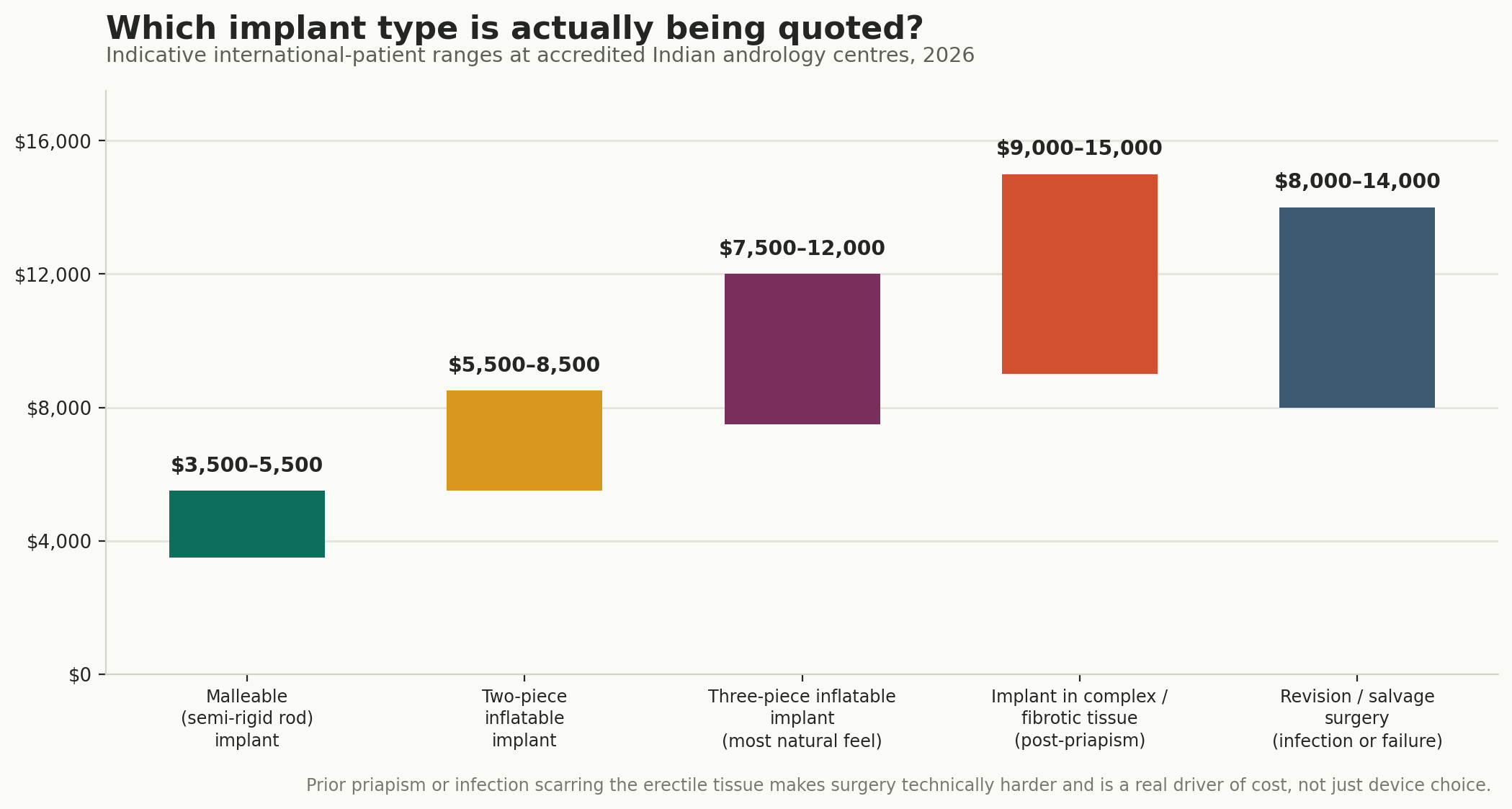
Figure 1. Prior priapism or infection scarring the erectile tissue is a genuine, independent driver of surgical complexity and cost, separate from which device is chosen.
| Procedure | Typically suits | Indicative cost | Hospital stay |
|---|---|---|---|
| Malleable (semi-rigid) implant | Straightforward cases, or where cost is the primary constraint | $3,500–5,500 | 1–2 nights |
| Two-piece inflatable implant | A balance between natural function and simpler mechanics | $5,500–8,500 | 1–2 nights |
| Three-piece inflatable implant | The most natural feel and concealment, the internationally preferred option | $7,500–12,000 | 2–3 nights |
| Implant in complex / fibrotic tissue | Prior priapism or infection, needing more demanding surgical technique | $9,000–15,000 | 2–4 nights |
| Revision / salvage surgery | A prior implant that has become infected or mechanically failed | $8,000–14,000 | 2–4 nights |
Table 1. Indicative international-patient pricing at accredited Indian andrology centres, mid-2026. Figures are planning ranges, not offers, and vary by device brand, tissue condition, and hospital tier.
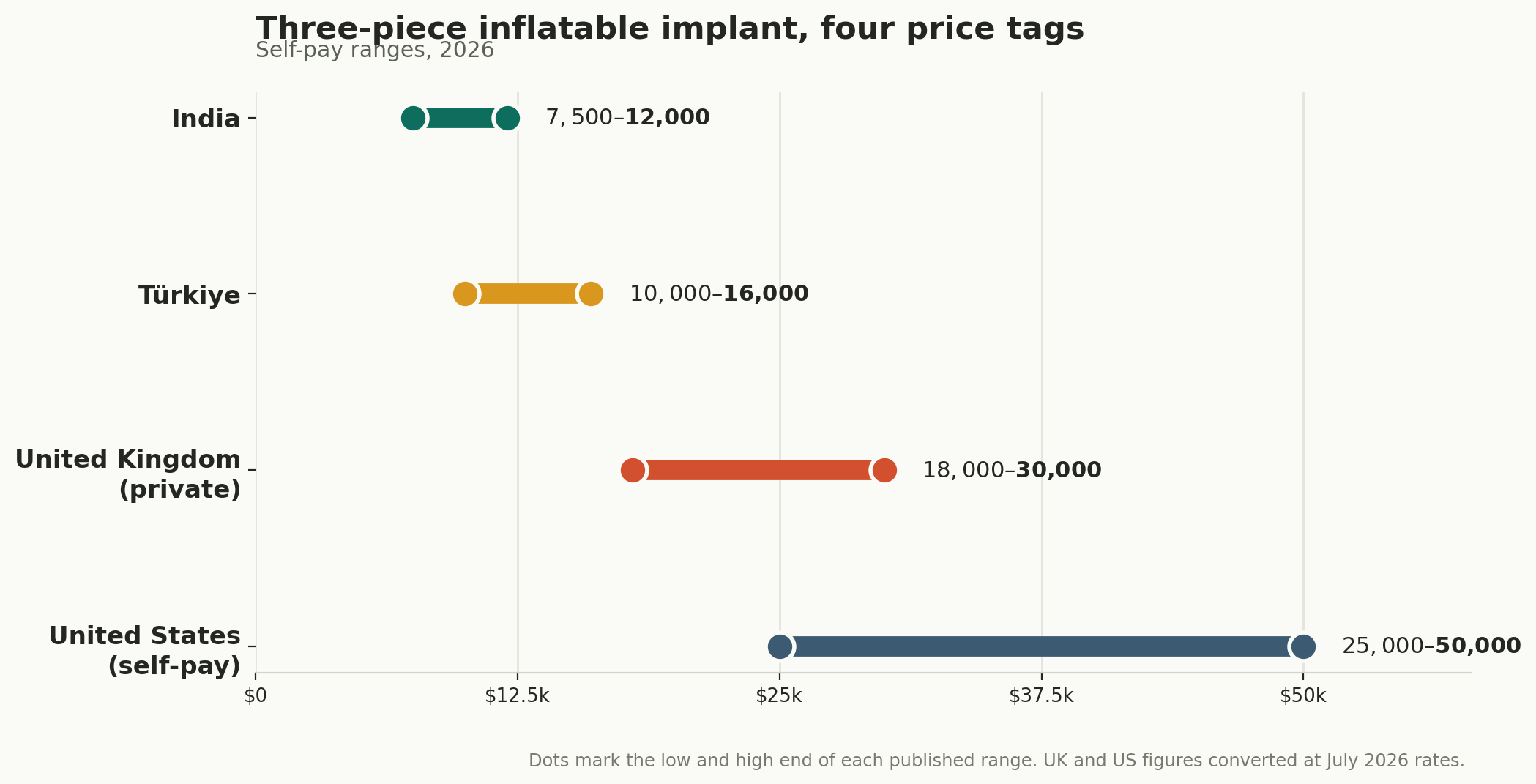
Figure 2. A three-piece inflatable implant, priced across four common destinations for Nigerian patients.
What a proper written quote must itemise
- The exact device brand and type, and whether it is malleable or inflatable
- Confirmation of prior treatments tried, and why they were not adequate, before surgery is recommended
- The surgeon's specific experience with fibrotic or post-priapism cases, if relevant
- Infection prevention protocol used during surgery
- Written policy on cost if revision surgery becomes necessary due to infection or mechanical issues
04 · the Full Budget
What the whole journey costs, beyond the operation
The surgical fee is the number families anchor on, and the least complete one. A representative pathway — three-piece inflatable implant, one patient and one attendant, roughly two to three weeks in India — adds up like this:
- Surgical package (surgery, device, hospital stay): $8,000–12,500
- Return flights, two travellers (Lagos/Abuja – Delhi/Mumbai/Chennai): $2,200–3,000
- Pre-surgical workup (hormonal and vascular assessment, bloodwork): $400–700
- Accommodation, two to three weeks, two people : $1,000–1,600
- Medical and attendant visas (two applications): $400–500
- Contingency for extended monitoring: 15–20% All-in, most patients should plan for US$12,500–18,000 for a three-piece inflatable implant — roughly ₦17.3– 24.8 million at the official mid-July 2026 rate of about ₦1,380 to the dollar, somewhat higher at parallel- market rates near ₦1,410. A malleable device runs considerably lower, closer to $7,500–10,500 all-in.
05 · GETTING THERE
Visa, travel, and why the early weeks matter most
India issues a Medical Visa (M) to the patient and a Medical Attendant Visa (MX) to a close relative. Applications go through the High Commission in Abuja or the Consulate General in Lagos by prior appointment, and an e-Medical route turns around in days for straightforward files. The hospital's invitation letter, three months of certified bank statements, and a passport valid six months with two blank pages move the process fastest.
Lagos and Abuja both reach Delhi, Mumbai and Chennai with a single stop, usually via Addis Ababa, Doha, Dubai, Nairobi or Istanbul, a total journey of 13 to 18 hours.
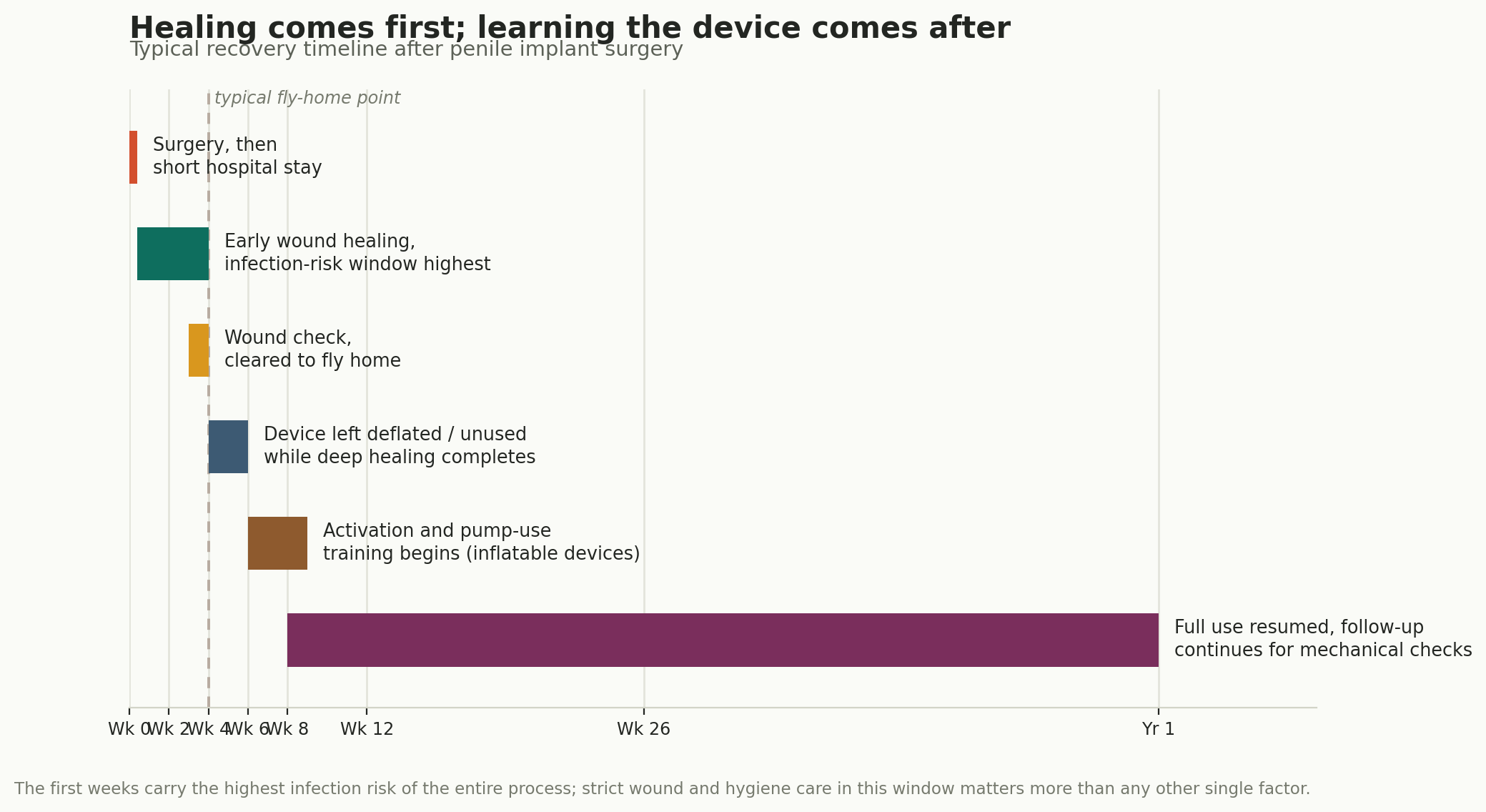
Figure 3. The first weeks after surgery carry the highest infection risk of the entire process; strict wound care during this window matters more than any single other factor in the outcome.
On infection risk, honestly. Device infection is the complication that most often leads to implant removal, and it is highest in the weeks immediately following surgery. Careful surgical technique and antibiotic protocols reduce this risk substantially, but strict wound hygiene during recovery remains the patient's own responsibility and matters as much as anything the surgical team does.
What has to travel home with the patient
- Full operative note and device serial number, for future reference
- A written wound care and activity restriction schedule for the early recovery weeks
- Instructions for device activation and pump use, for inflatable models
- Written warning signs of infection or mechanical concern, to act on urgently if they appear
- A named clinician contact for teleconsultation during the early recovery period
06 · THE HONEST COMPARISON
What stays in Nigeria, and what travels
Diagnosis, hormonal and vascular assessment, and a genuine trial of first-line treatments, oral medication, injection therapy, or vacuum devices, are all appropriate to pursue with a Nigerian urologist, and surgery should never be the first option offered without these having been tried properly.
What tips the calculation toward travelling is access to the full range of device options, particularly inflatable implants, and the more demanding surgical experience needed for fibrotic or post-priapism cases, where documented regional cost and device constraints are real. For a patient who has genuinely exhausted first- line options and is considering an implant, that broader access is a legitimate, often decisive factor.
Before you commit to implant surgery abroad
- Confirm that first-line treatments have genuinely been tried and failed before considering surgery.
- Get a hormonal and vascular workup to identify and, where possible, address any underlying treatable cause.
- Ask explicitly which device is planned, malleable or inflatable, and why it suits your case.
- For cases involving prior priapism or infection, ask about the surgeon's specific experience with fibrotic tissue.
- Confirm the infection prevention protocol used, and the centre's own infection rate if available.
- Get the wound care and activation schedule in writing before you leave.
- Establish written policy on cost if revision surgery becomes necessary.
- Pay into the hospital's own institutional account only, never an individual's personal account.
Straight Answers for Nigerian Patients about Penile Implant Surgery in India
Is penile implant surgery in India cheaper than the UK or US?
Yes, substantially. A three-piece inflatable implant is indicatively $7,500 to $12,000 in India, against roughly $18,000 to $30,000 privately in the UK and $25,000 to $50,000 self-pay in the United States.
When is a penile implant actually the right treatment?
Generally after first-line treatments, such as oral medication, injection therapy, or vacuum devices, have been tried and have not worked, or are not suitable. It is the definitive, permanent surgical option once these approaches have genuinely failed.
What is the connection between priapism and penile implant surgery?
A prolonged, unresolved erection can permanently damage the erectile tissue if not treated promptly, later requiring a penile implant. Sickle cell disease is a well-documented cause of recurrent priapism, and international guidelines now recommend early prosthesis placement in some of these cases specifically to preserve outcomes.
Do Nigerians need a visa for penile implant surgery in India?
Yes. You need an Indian Medical Visa from the High Commission in Abuja, the Consulate in Lagos, or the e- Medical route, plus a Medical Attendant Visa for a close relative, with a hospital invitation letter and financial proof.
What is the difference between a malleable and an inflatable implant?
A malleable implant is a semi-rigid rod bent into position when needed; simpler and less expensive, but always somewhat rigid. An inflatable implant is pumped up before use and deflated afterward, offering a more natural feel, and is the internationally preferred option where cost allows.
How serious is the infection risk after implant surgery?
It is a genuine, well-documented risk, highest in the weeks immediately after surgery, and a device infection generally requires removal. Careful surgical technique, antibiotic protocols, and strict wound care in early recovery substantially reduce this risk.
Is India better than Nigeria for penile implant surgery?
For access to the full range of implant types, particularly inflatable devices, and for complex or fibrotic cases specifically, often yes, given documented cost and device-availability constraints across the wider West African region. Diagnosis and first-line treatment can appropriately continue with a Nigerian urologist.
A closing word
Erectile dysfunction is common, treatable in most cases without surgery, and, when surgery genuinely is needed, addressable with a well-established procedure carrying a high satisfaction rate. What deserves more attention than it usually gets is the specific chain of events that brings some Nigerian men to this point: diabetes and hypertension left unmanaged, or a priapism episode not treated as the medical emergency it actually is, allowing preventable damage to become permanent.
In twenty-four years of this work, the patients who do best are the ones who pursue proper first-line treatment before assuming surgery is the answer, treat priapism as an urgent medical emergency rather than something to wait out, and take wound care in the early weeks after implant surgery as seriously as the operation itself. The device restores function. Protecting it from infection in those first vulnerable weeks is what makes it last.
Sources
- 🌐 American Urological Association — Penile implants, patient information
- 🌐 NHS (UK) — Penile implants for erectile dysfunction: overview
- 🌐 Outcome of penile prosthesis implantation for treating erectile dysfunction: our experience with 12 penile implants in a hospital in Kumasi
- 🌐 Priapism: recommendations from the Fifth International Consultation on Sexual Medicine (ICSM 2024)
- 🌐 The Management of Ischemic Priapism Due to Sickle Cell Disease and Other Etiologies
- 🌐 High Commission of India, Abuja — Medical and Medical Attendant Visa requirements
Frequently Asked Questions by Nigerians about Penile Implant Surgery in India
When is a penile implant actually the right treatment?
It is generally considered after oral medication, injection therapy or vacuum devices have been properly tried and have failed or are medically unsuitable. It is a definitive surgical treatment rather than a first-line option.
How much does a penile implant cost in India for Nigerian patients?
The guide lists approximately US$3,500–5,500 for a malleable implant and US$7,500–12,000 for a three-piece inflatable device. A complete three-piece medical-travel pathway is around US$12,500–18,000.
What is the difference between a malleable and an inflatable penile implant?
A malleable implant uses semi-rigid rods that are manually positioned. An inflatable prosthesis is pumped up for use and deflated afterward, generally providing more natural concealment and function.
What is the connection between priapism and penile implant surgery?
Untreated ischemic priapism can permanently scar the erectile tissue and cause severe erectile dysfunction. Sickle cell disease is an important cause of recurrent priapism, particularly relevant to Nigerian patients.
Why can prior priapism make penile implant surgery more difficult?
Prolonged priapism can produce fibrosis inside the erectile tissue. This makes space for the prosthesis harder to create and increases surgical complexity, which is why the guide lists fibrotic cases at US$9,000–15,000.
How serious is infection after penile implant surgery?
It is one of the most important complications because an infected implant may need to be removed. Risk is highest during the early postoperative weeks, making infection-control protocols and wound care particularly important.
How much should a Nigerian patient budget for a three-piece inflatable implant in India?
The guide recommends approximately US$12,500–18,000 overall, including the implant, surgery, investigations, flights, accommodation, visas and contingency.
Do Nigerian patients need an Indian visa for penile implant surgery?
Yes. The document specifies an Indian Medical Visa for the patient and a Medical Attendant Visa for a close relative, supported by a hospital invitation letter and financial documentation.
Is India always better than Nigeria for penile implant surgery?
No. Diagnosis, hormonal and vascular assessment and proper trials of first-line therapy can appropriately take place in Nigeria. India becomes more relevant for broader inflatable-device access and complex fibrotic or revision cases.
What should patients take back to Nigeria after implant surgery?
Patients should carry the operative note, device brand/model and serial number, wound-care and activity restrictions, activation and pump-use instructions for inflatable devices, written warning signs of infection or mechanical problems and a clinician contact for early follow-up.
Page Summary
This guide presents penile implant surgery as a definitive but last-line treatment, rather than a shortcut for erectile dysfunction. Most men should begin with oral medication, injections or vacuum therapy. Surgery becomes appropriate when these treatments genuinely fail, cannot be tolerated or are medically unsuitable. The document's Nigerian and West African context is particularly important. Diabetes and hypertension are major causes of erectile dysfunction, but priapism represents a different pathway to permanent damage. In the cited 2025 West African implant series, 17% of patients had priapism as the underlying cause and one younger patient had sickle cell disease.
Citation Block
| Topic | Information |
|---|---|
| Topic Information | Penile Implant Surgery in India for Nigerian Patients |
| Procedure | Penile Prosthesis Implantation |
| Country | India |
| Intended Audience | Nigerian Male Patients |
| Primary Condition | Erectile Dysfunction Unresponsive to First-Line Treatment |
| First-Line Treatments | Oral Medication, Injection Therapy and Vacuum Devices |
| Nigeria / West Africa Causes Discussed | Diabetes, Hypertension and Priapism |
| Sickle Cell Relevance | Recurrent Priapism Can Cause Erectile Tissue Damage |
| West African Diabetes Figure | 42% of Implant Patients |
| West African Priapism Figure | 17% of Implant Patients |
| Malleable Implant Cost | US$3,500–5,500 |
| Two-Piece Inflatable Implant Cost | US$5,500–8,500 |
| Three-Piece Inflatable Implant Cost | US$7,500–12,000 |
| Complex / Fibrotic Implant Cost | US$9,000–15,000 |
| Revision / Salvage Surgery Cost | US$8,000–14,000 |
| All-In Malleable Implant Budget | Approximately US$7,500–10,500 |
| Primary Complexity Factor | Fibrosis Following Priapism or Infection |
| Major Complication | Device Infection |
| Critical Recovery Period | Early Postoperative Weeks |
| Nigeria Appropriate Care | Diagnosis and First-Line Erectile Dysfunction Treatment |
| Travel More Relevant For | Inflatable Implants, Fibrotic Cases and Revision Surgery |
| Medical Visa | Medical Visa (M) |
| Medical Attendant Visa | Medical Attendant Visa (MX) |
| Records for Follow-Up | Operative Note, Device Serial Number, Activation Instructions and Warning Signs |
| Author | Dr. Dheeraj Bojwani |
| Experience | 24 Years |


Our Mission Statement
Our mission is to place patients at the centre of every healthcare decision by providing trustworthy, evidence-based, and unbiased medical information. We believe that informed patients make better decisions. Backed by personalised guidance from our experienced advisory team, we help patients understand their treatment options, compare them objectively, and confidently choose the path that best suits their medical needs and personal circumstances.
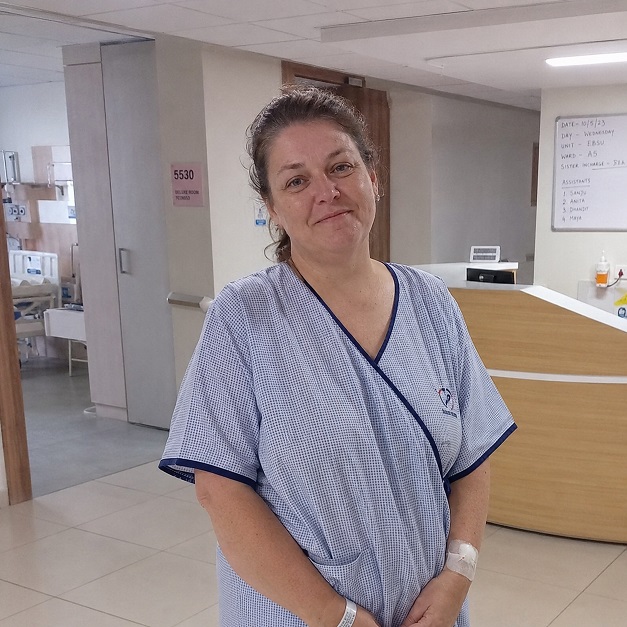
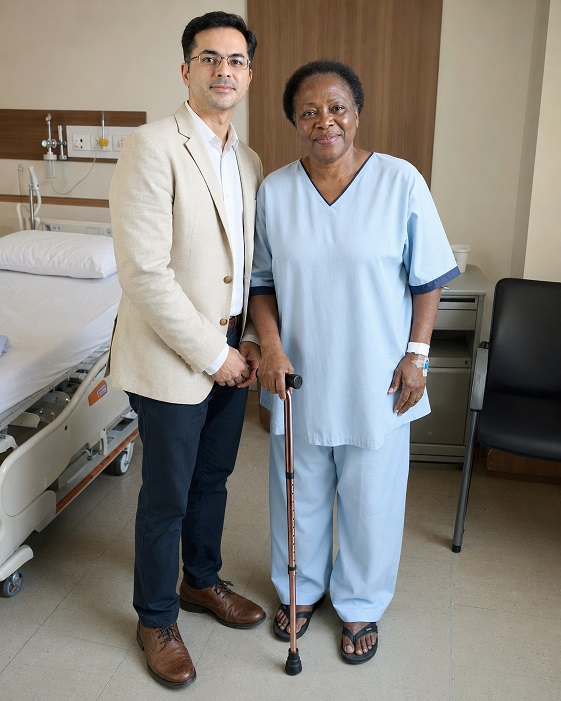
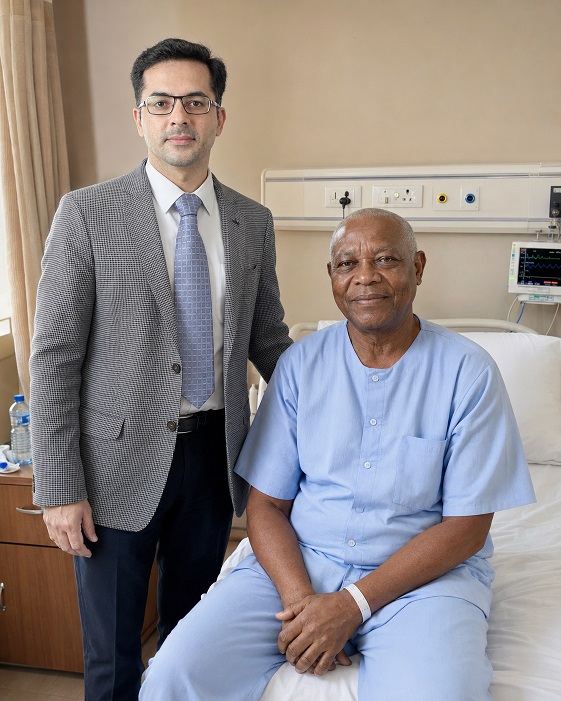
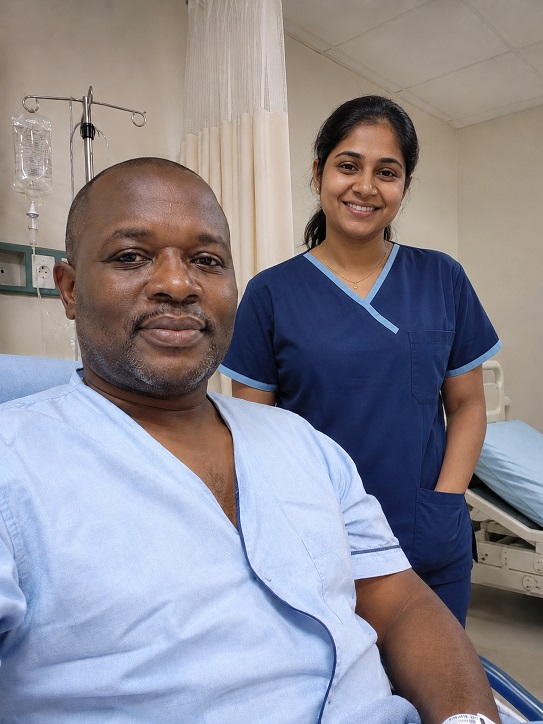
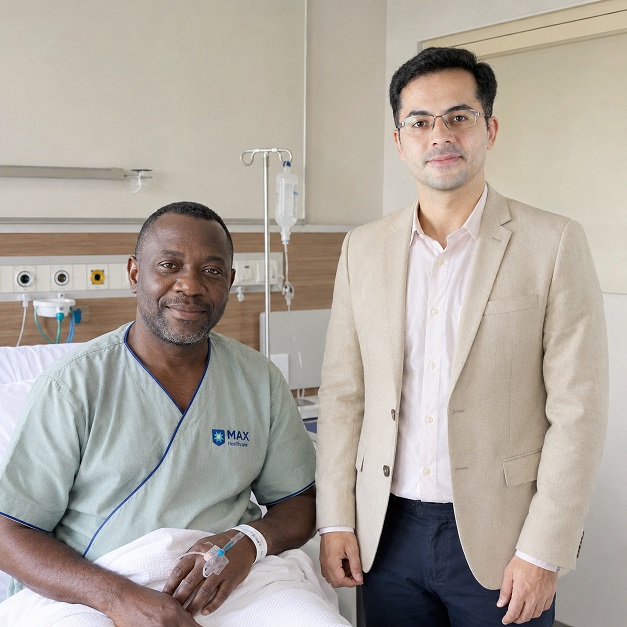
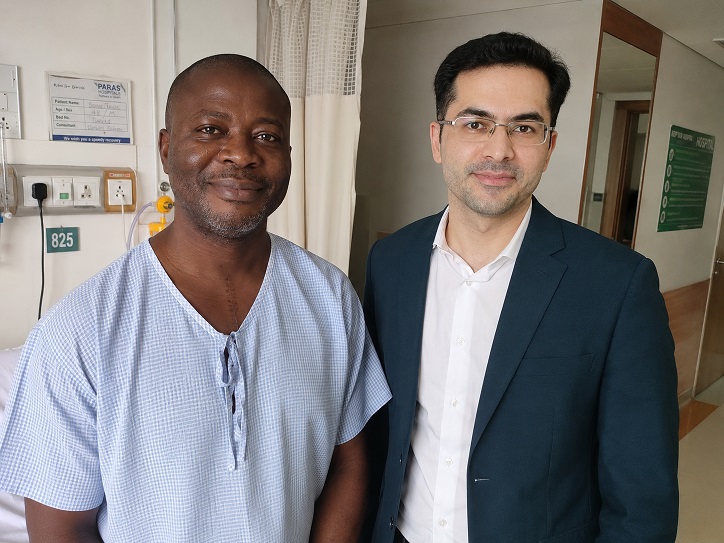
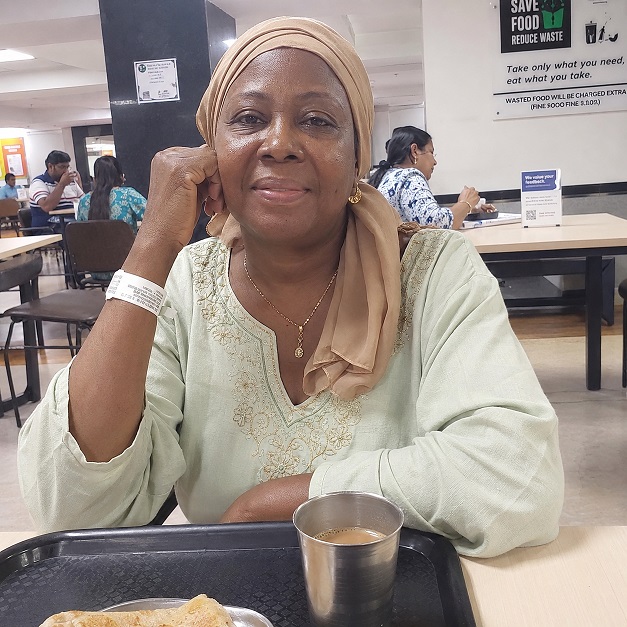
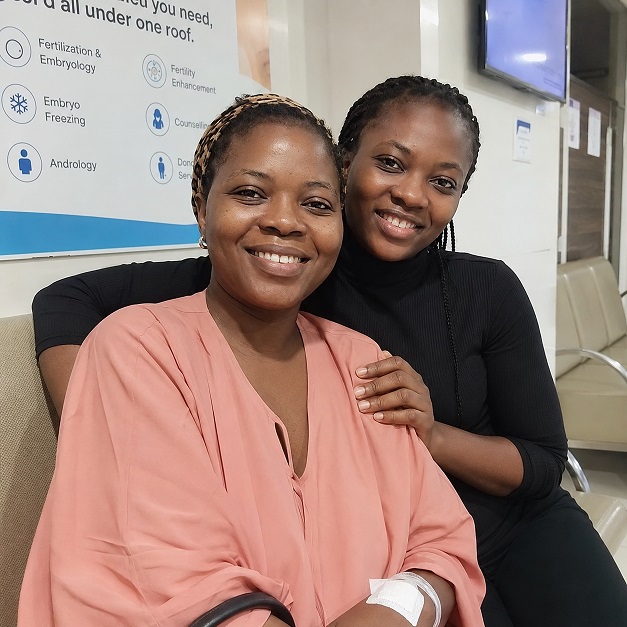
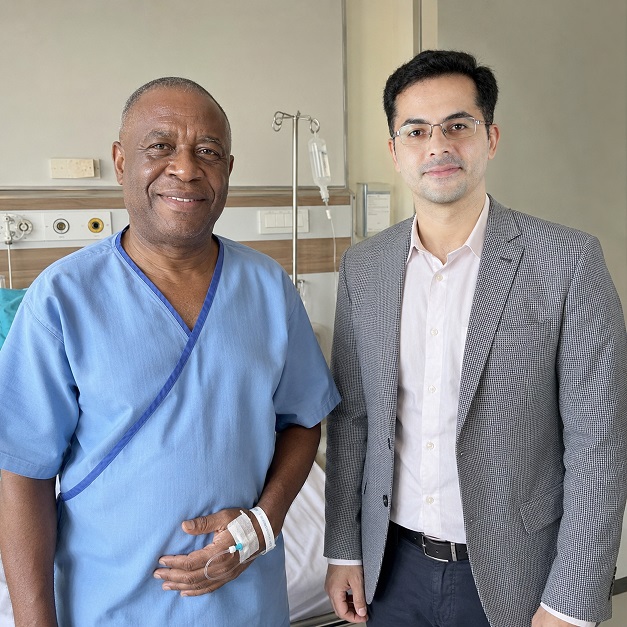
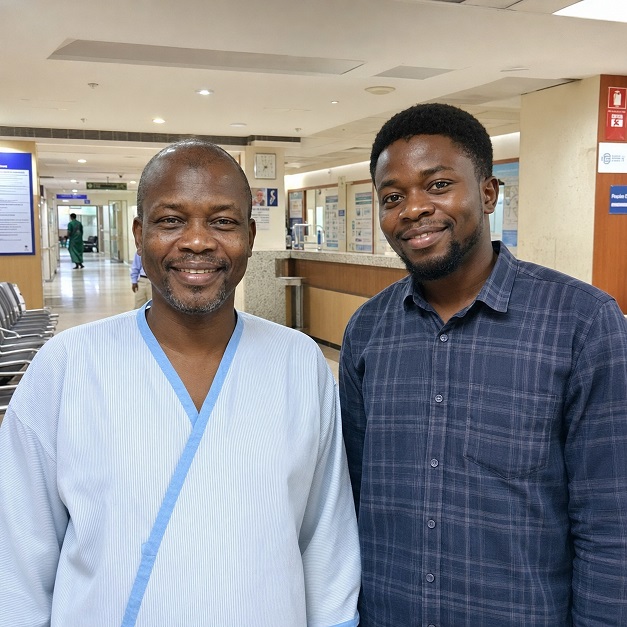
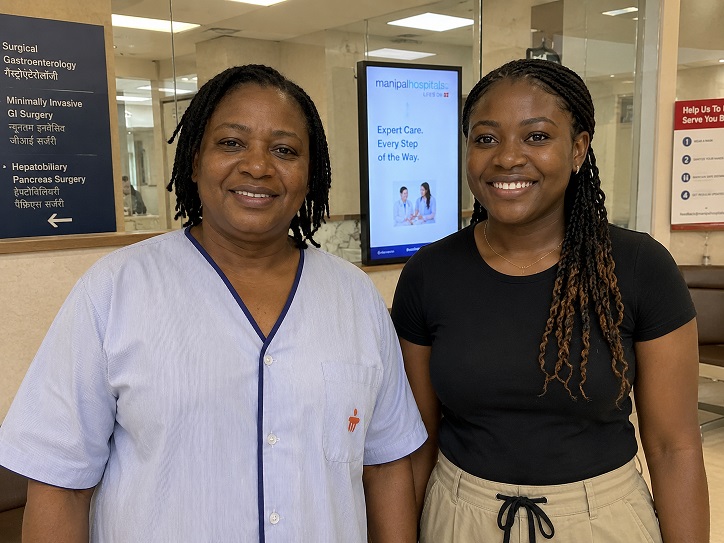
Patient Testimonials from Nigeria


Ready to Take the First Step?
Share your Medical Reports with our Healthcare Managers Today and Get a FREE CONSULTATION, a Personalized Treatment Plan, and Complete Support from Arrival to Recovery.
Get Your Free ConsultationAreas We Serve
This resource has been thoughtfully prepared for patients from Nigeria who are considering medical treatment in India. We also welcome patients from the wider region in the countries mentioned below-
We assist patients from:
- Benin
- Niger
- Chad
- Cameroon
- Algeria
- Egypt
- Libya
- Morocco
- Sudan
- Tunisia
- Gambia
- Ghana
- Burkina Faso
- Cabo Verde
- Côte d'Ivoire
- Equatorial Guinea
- São Tomé and Príncipe
Many of the insights, treatment pathways, hospital recommendations, travel guidance, and patient support services described here are equally relevant and may be used as a reference when planning treatment in India.
From Nigeria to India: Your Complete Patient Support Guide
- Artificial Disc Replacement in India for Nigerian Patients
- Weight Loss and Bariatric Surgery in India for Nigerian Patients
- Bone Marrow Transplant in India for Nigerian Patients
- Brain Tumour Surgery in India for Nigerian Patients
- Breast Cancer Treatment and Surgery in India for Nigerian Patients
- Cancer Treatment and Surgery in India for Nigerian Patients
- Cardiac Arrhythmia and Heart Pacemaker Treatment in India for Nigerian Patients
- Cardiac Surgery in India for Nigerian Patients
- Colorectal Cancer Treatment and Surgery in India for Nigerian Patients
- Complex Orthopaedic and Joint Revision Surgery in India for Nigerian Patients
- Cornea Transplant and Advanced Eye Surgery in India for Nigerian Patients
- CyberKnife Treatment in India for Nigerian Patients
- Gamma Knife Treatment in India for Nigerian Patients
- Heart Failure Treatment and Surgery in India for Nigerian Patients
- Hip Surgery in India for Nigerian Patients
- HIPEC Cancer Surgery in India for Nigerian Patients
- IVF and Fertility Treatment in India for Nigerian Patients
- Joint Arthroscopy and Sports Medicine in India for Nigerian Patients