

Parkinson's Treatment and DBS Surgery in India for Nigerian Patients
For the tremor that has become a daily companion, and an honest starting point: the most urgent problem for most Nigerian patients with Parkinson's disease is not access to advanced surgery. It is reliable access to a medicine invented in the 1960s.
Levodopa remains, six decades after its introduction, the single most effective medication for Parkinson's disease, and it is inexpensive to manufacture. A 2017 World Health Organization survey found that no low-income country reported consistent levodopa availability at primary care level, and fewer than a quarter had it reliably available even in hospitals. Nigerian researchers, writing in 2025, described the country's own levodopa access specifically as intermittent and poorly affordable, and called plainly for this to change. Deep brain stimulation, the advanced surgical option this guide also covers, is only ever the right next question for a patient whose basic medication access is already secure. This guide sets out both parts of that picture honestly: what genuinely determines DBS candidacy, what the surgery costs in India once travel is counted, and why medication access, not surgical access, remains the more urgent problem for the majority of Nigerian patients living with this disease.
| 0 | Intermittent | Most | 70–85% |
|---|---|---|---|
| LOW-INCOME COUNTRIES WITH CONSISTENT PRIMARY-CARE LEVODOPA ACCESS, WHO 2017 | LEVODOPA AVAILABILITY DOCUMENTED SPECIFICALLY IN NIGERIA | AFRICAN COUNTRIES LACK ACCESS TO SECOND-LINE DOPAMINE AGONIST MEDICATIONS | TYPICAL SAVING ON AN EQUIVALENT INDIA PATHWAY VS. THE US |
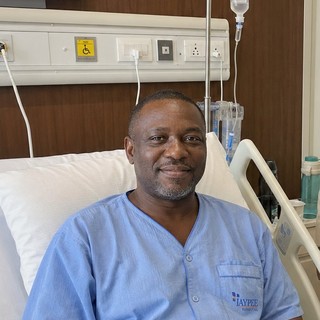
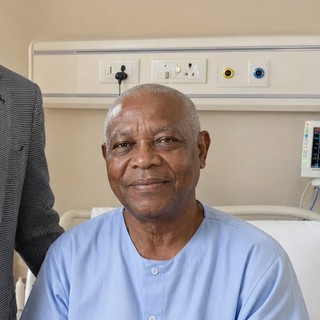
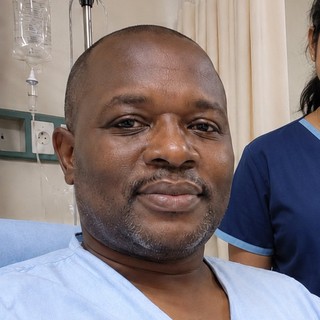
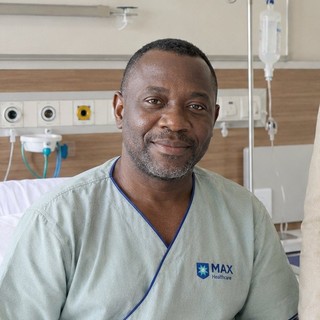
Healing Journeys of Nigerian Patients
Key Takeaways
- The guide begins with a deliberately important point: for most Nigerian patients with Parkinson’s disease, the most urgent treatment issue is reliable access to levodopa rather than advanced surgery.
- Levodopa remains the single most effective medication for Parkinson’s disease despite having been introduced decades ago. For many patients, it provides good or excellent symptom control for years before surgery ever becomes relevant.
- A 2017 World Health Organization survey cited in the document found no low-income country reporting consistent levodopa availability at primary-care level, while fewer than one-quarter reported reliable hospital-level access.
- Nigerian researchers writing in 2025 specifically described levodopa access in Nigeria as intermittent and poorly affordable, despite the drug's relatively low manufacturing cost.
- The guide also states that second-line dopamine agonist medications remain unavailable across much of Africa.
- This context matters because deep brain stimulation is not a substitute for proper medication treatment. A patient being considered for DBS should usually have demonstrated a strong response to levodopa first.
- DBS involves implanting thin electrodes into precise targets deep within the brain. These electrodes connect to a pulse generator implanted beneath the skin of the chest, which continuously delivers electrical stimulation.
- DBS does not cure Parkinson’s disease and does not stop the disease from progressing.
Quick Facts
- Treatment
- Parkinson’s Disease Treatment and Deep Brain Stimulation
- Country
- India
- Intended Audience
- Nigerian Patients and Families
- Primary Specialty
- Movement Disorder Neurology and Functional Neurosurgery
- First-Line Treatment
- Levodopa-Based Medical Therapy
- Levodopa Role
- Most Effective Medication for Parkinson’s Motor Symptoms
- Nigeria Levodopa Availability
- Documented as Intermittent
- Nigeria Levodopa Affordability
- Documented Barrier
- WHO Low-Income Countries With Consistent Primary-Care Levodopa Access
- 0
- Hospital-Level Reliable Access in Low-Income Countries
- Fewer Than One-Quarter
- Second-Line Dopamine Agonist Access in Africa
- Unavailable Across Most Countries
- DBS
- Deep Brain Stimulation
- DBS Function
- Electrical Stimulation of Specific Brain Targets
- DBS Cure for Parkinson’s
- No
- DBS Slows Disease Progression
- No
- Main DBS Indications
- Motor Fluctuations, Dyskinesias and Medication-Refractory Tremor
- Author
- Dr. Dheeraj Bojwani
- Experience
- 24 Years
In Brief
Parkinson’s treatment in India for Nigerian patients should begin with optimising medication rather than assuming deep brain stimulation is the next step. The guide states that levodopa access in Nigeria remains intermittent and poorly affordable, while DBS is appropriate only for a carefully selected group of patients who previously responded strongly to levodopa but later developed disabling motor fluctuations, dyskinesias or medication-resistant tremor. Bilateral DBS is listed at approximately US$18,000–28,000 in India, while a complete pathway including surgery, initial programming, travel and accommodation is estimated at US$27,500–41,500. DBS is not a cure and requires ongoing programming and eventual battery replacement over the years that follow.
01 · the Real Problem
Before surgery is even a question, is the medication reliable?
Parkinson's disease is a progressive neurological condition causing tremor, slowness of movement, and stiffness, treated first and foremost with levodopa, a medication that replaces the dopamine the brain gradually loses. For the large majority of patients, for years after diagnosis, levodopa alone provides good, sometimes excellent, symptom control. The World Health Organization's 2017 Neurology Atlas found this most basic building block of Parkinson's care was not reliably available in the settings that need it most: no low-income country reported consistent primary-care access, and even at hospital level, fewer than a quarter of low-income countries had reliable supply.
Nigeria's own literature bears this out directly. A 2025 paper by researchers including a Nigerian neurologist described levodopa access in the country as intermittent, with genuine affordability barriers on top of supply inconsistency, despite the medication's low underlying manufacturing cost. Dopamine agonists, the class of medication typically used alongside or before levodopa in earlier disease, are documented as unavailable across most African countries entirely.
This context matters enormously for any conversation about DBS, because the surgery is only appropriate for patients who have already had a strong, sustained response to levodopa and have then developed specific complications from years of use. A patient whose levodopa access has been inconsistent may never get the chance to demonstrate that response in the first place, which is precisely why securing reliable medication, not scheduling surgery, is the right first step for most patients reading this guide.
02 · Who DBS is Actually for
A specific answer for a specific, later- stage problem
Deep brain stimulation implants thin electrodes into precise targets deep within the brain, connected to a pulse generator placed under the skin of the chest, delivering continuous electrical stimulation that reduces specific motor symptoms. It is not a cure, and it does not slow the underlying progression of Parkinson's disease. What it treats well, in the right candidate, is the motor fluctuations and involuntary movements, known as dyskinesias, that often develop after years of levodopa use, along with tremor that medication alone has not adequately controlled.
Good candidacy generally requires a documented strong response to levodopa at some point in the disease course, motor complications significant enough to affect daily function despite optimised medication, and the absence of significant cognitive decline or major psychiatric illness, both of which can be worsened by the procedure or make its risks outweigh its benefits. This is a genuinely narrow, carefully assessed group, not a general offer for anyone with a Parkinson's diagnosis and the means to travel.
There is no evidence of established DBS capacity within Nigeria, and even regionally, published accounts of African DBS experience centre almost entirely on South Africa, itself serving a small fraction of the continent's need. For the specific subset of patients who are genuinely good candidates, this means the procedure, where appropriate, currently has to happen abroad.
03 · THE TREATMENT MAP
Which stage of care, and what it costs
The pathway usually begins with a proper movement disorder specialist assessment and medication optimisation, well before surgery becomes a realistic conversation.
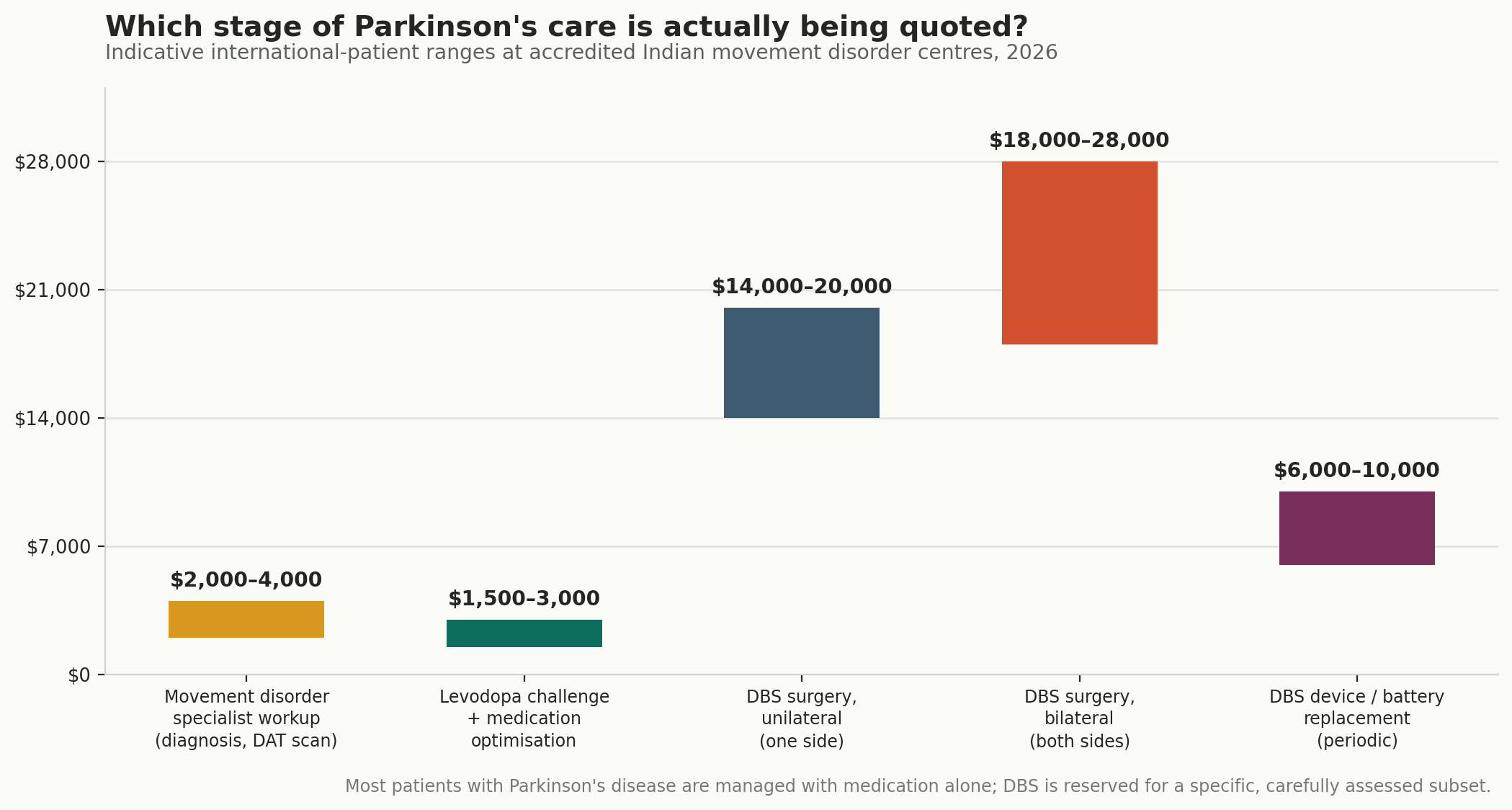
Figure 1. Most patients belong at the left of this chart, in specialist assessment and medication optimisation; DBS surgery is the right answer for a specific, smaller group further along the disease course.
| Stage of care | Typically suits | Indicative cost | Duration |
|---|---|---|---|
| Movement disorder specialist workup | Confirming diagnosis and ruling out other causes of parkinsonism | $2,000–4,000 | 3–5 days |
| Levodopa challenge + medication optimisation | Establishing the best achievable medical response before any surgical decision | $1,500–3,000 | 3–5 days |
| DBS surgery, unilateral | Symptoms predominantly on one side of the body | $14,000–20,000 | 6–9 nights |
| DBS surgery, bilateral | Symptoms affecting both sides, the most common pattern requiring surgery | $18,000–28,000 | 7–10 nights |
| DBS device / battery replacement | Periodic maintenance for existing DBS patients, typically every few years | $6,000–10,000 | 1–2 nights |
Table 1. Indicative international-patient pricing at accredited Indian movement disorder centres, mid-2026. Figures are planning ranges, not offers, and vary by hospital tier and case complexity.
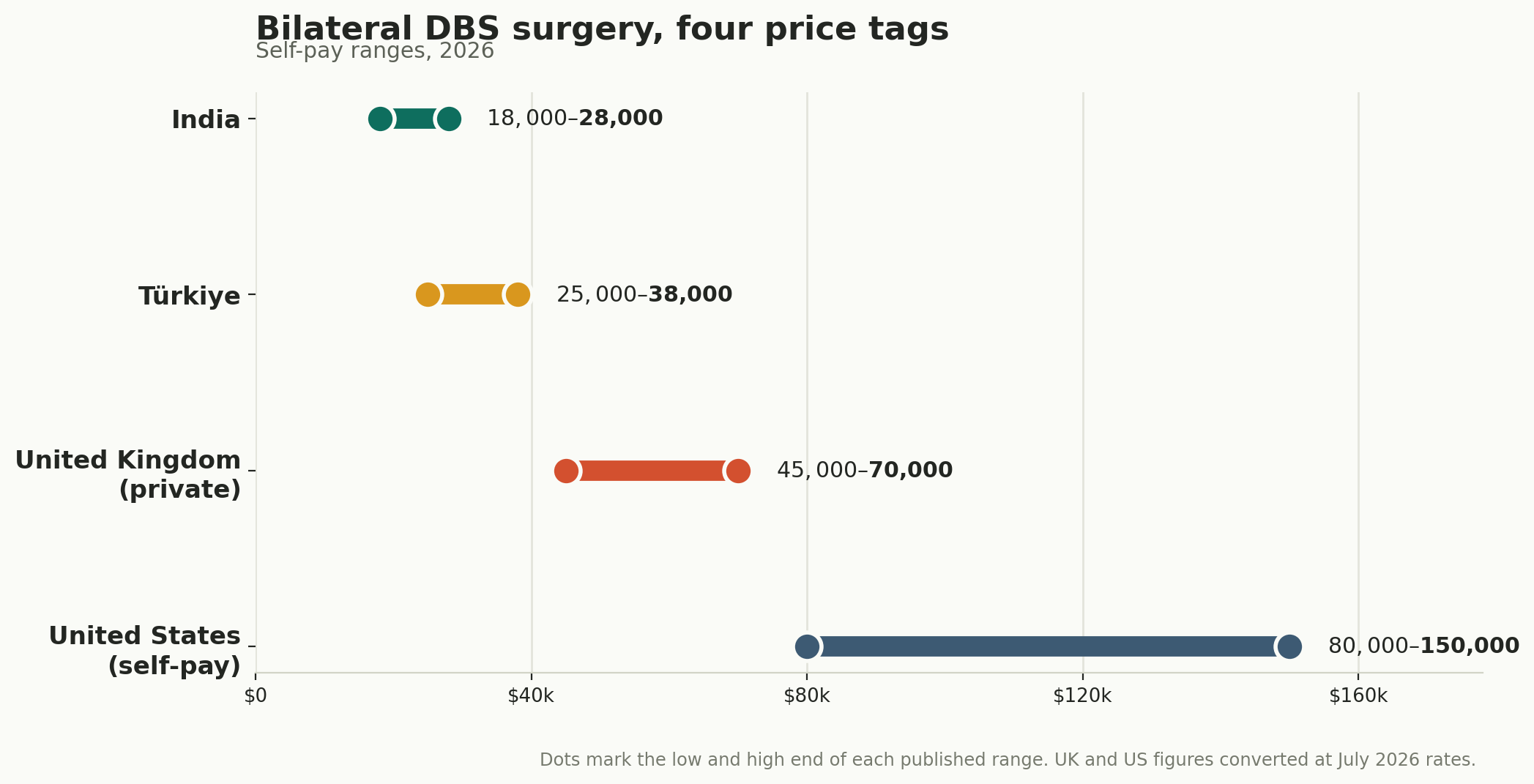
Figure 2. Bilateral DBS surgery, priced across four common destinations for Nigerian medical travellers.
What a proper written quote must itemise
- Confirmation, in writing, of the specific candidacy criteria met for DBS, not just a Parkinson's diagnosis
- Whether unilateral or bilateral implantation is planned, and why
- The device system planned, and its expected battery life before replacement is needed
- The number of programming sessions included in the package, and the plan beyond that
- Written cost policy if additional programming visits or a device adjustment become necessary
04 · the Full Budget
What the whole journey costs, beyond the operation
The surgical fee is the number families anchor on, and the least complete one, especially for a procedure whose benefit depends heavily on the programming period that follows. A representative pathway — bilateral DBS, one patient and one attendant, roughly six to eight weeks in India covering surgery and initial programming — adds up like this:
- Surgical and initial programming package : $19,000–29,000
- Return flights, two travellers (Lagos/Abuja – Delhi/Mumbai/Chennai): $2,200–3,000
- Pre-surgical workup (MRI, levodopa challenge, neuropsychological assessment): $1,000–1,800
- Extended accommodation, six to eight weeks, two people : $2,600–4,200
- Medical and attendant visas (extended validity, two applications): $450–600
- Contingency for additional programming sessions: 15–20% All-in, most families should plan for US$27,500–41,500 for bilateral DBS with initial programming — roughly ₦38.0–57.3 million at the official mid-July 2026 rate of about ₦1,380 to the dollar, somewhat higher at parallel-market rates near ₦1,410. This figure covers the initial pathway only; ongoing programming and eventual battery replacement are separate, recurring costs over the years that follow.
05 · Getting There
Visa, travel, and a relationship that outlasts the trip
India issues a Medical Visa (M) to the patient and a Medical Attendant Visa (MX) to up to two close relatives, and given the length of stay this procedure requires, extended visa validity should be requested from the outset. Applications go through the High Commission in Abuja or the Consulate General in Lagos by prior appointment. The hospital's invitation letter, three months of certified bank statements, and passports valid well beyond six months move the process fastest.
Lagos and Abuja both reach Delhi, Mumbai and Chennai with a single stop, usually via Addis Ababa, Doha, Dubai, Nairobi or Istanbul, a total journey of 13 to 18 hours.
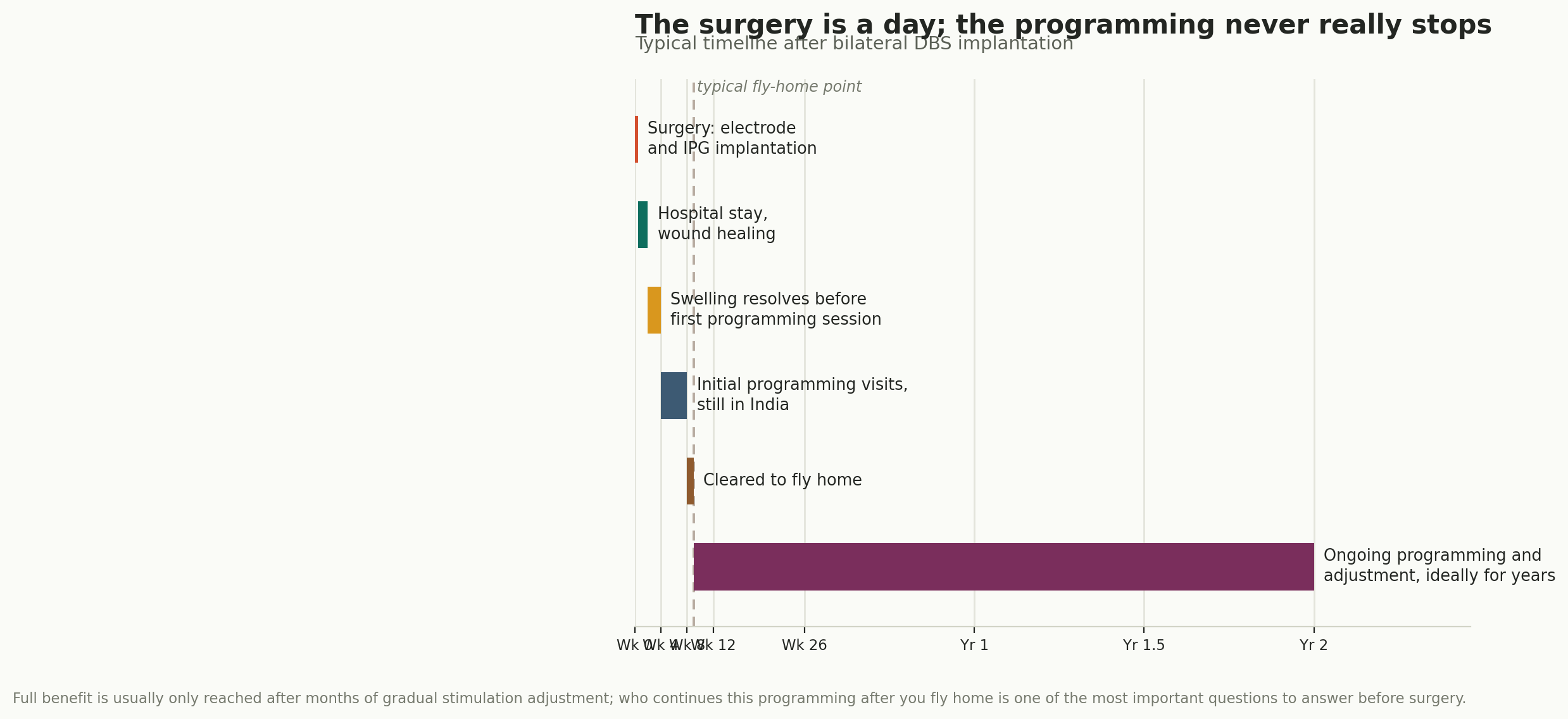
Figure 3. Full benefit is usually only reached after months of gradual stimulation adjustment; deciding who will continue this programming after you fly home is one of the most important questions to resolve before surgery, not after.
On ongoing programming, honestly. DBS is not a single completed procedure; it is the start of a long-term relationship between the patient and a movement disorder team who can adjust stimulation settings as symptoms and needs change over years. Confirm, before travelling, whether the treating centre offers remote programming support, and separately identify whether any clinician in Nigeria has the specific training to assist with adjustments between visits.
What has to travel home with the patient
- Full operative note, device model and serial numbers, and initial programming settings
- A device identification card for airport security and future medical care
- A written medication plan, since most patients continue some levodopa alongside DBS
- A programming and follow-up schedule, including remote support options if available
- A named clinician contact for teleconsultation between in-person programming visits
06 · THE HONEST COMPARISON
What stays in Nigeria, and what travels
Diagnosis, medication management, and ongoing neurological care for the majority of Parkinson's patients who are well controlled on levodopa belong with a Nigerian neurologist, and the most important immediate action for most patients is securing consistent, affordable access to that medication, not planning international travel.
What tips the calculation toward travelling is the specific, later-stage picture DBS is designed for: a strong prior levodopa response now complicated by motor fluctuations, with no established domestic surgical option to address it. For that carefully assessed group, India's movement disorder programmes offer a genuine, currently necessary route to a treatment that measurably improves quality of life.
Before you commit to a Parkinson's treatment plan abroad
- Confirm your levodopa access and medication optimisation are genuinely as good as they can be before considering DBS.
- Get a formal movement disorder specialist assessment confirming DBS candidacy, not a general neurology opinion alone.
- Ask explicitly whether unilateral or bilateral surgery is recommended, and why.
- Confirm neuropsychological assessment has ruled out significant cognitive concerns before surgery.
- Ask how many programming sessions are included, and what remote support is available afterward.
- Identify whether any Nigerian clinician has training to assist with device adjustments between visits.
- Budget realistically for recurring costs: future programming visits and eventual battery replacement.
- Pay into the hospital's own institutional account only, never an individual's personal account.
Straight Answers for Nigerian Patients about Parkinson's Treatment and DBS Surgery in India
Is DBS surgery in India cheaper than the UK or US?
Yes, substantially. Bilateral DBS surgery is indicatively $18,000 to $28,000 in India, against roughly $45,000 to $70,000 privately in the UK and $80,000 to $150,000 self-pay in the United States.
Is levodopa actually available in Nigeria?
Availability has been documented as intermittent, with real affordability problems. A 2017 WHO survey found no low-income country reported consistent levodopa availability at primary care level, and Nigerian researchers have specifically called for better access to this decades-old, low-cost medication.
Is every Parkinson's patient a candidate for DBS?
No. Good candidates typically have a strong initial response to levodopa but have developed motor fluctuations or dyskinesias over time, or have a medication-refractory tremor, without significant cognitive decline or major psychiatric illness. DBS manages specific motor symptoms; it is not a cure.
Do Nigerians need a visa for Parkinson's treatment in India?
Yes. You need an Indian Medical Visa from the High Commission in Abuja, the Consulate in Lagos, or the e- Medical route, plus a Medical Attendant Visa for up to two close relatives, with a hospital invitation letter and financial proof.
Does DBS surgery work immediately?
No. Full benefit is usually reached only after months of gradual stimulation adjustment through repeated programming sessions. Who will continue this programming after you return home is one of the most important practical questions to resolve before surgery.
Does the DBS device need ongoing maintenance?
Yes. The implanted pulse generator's battery eventually needs replacement, and stimulation settings often require periodic adjustment as the disease progresses, making DBS a long-term care relationship rather than a single completed procedure.
Is India better than Nigeria for Parkinson's treatment?
For DBS surgery specifically, yes, since there is no evidence of established domestic DBS capacity in Nigeria. For medication management, the more urgent priority for most patients is securing consistent access to levodopa itself, pursued through a Nigerian neurologist.
A closing word
For most Nigerian families reading this guide, the honest, most useful advice is not about DBS at all. It is that a sixty-year-old, genuinely low-cost medication should be reliably reaching every patient who needs it, and that securing this, through a persistent relationship with a Nigerian neurologist, is the single most important step available today. DBS deserves serious consideration for the smaller group of patients whose disease has progressed to the specific complications it was built to address.
In twenty-four years of this work, the families who navigate this best get medication access sorted first and thoroughly, seek a genuine movement disorder specialist opinion before assuming surgery is the answer, and understand from the outset that DBS is the beginning of ongoing care, not its conclusion. The electrode placement takes a single day. The relationship that makes it work continues for the rest of a patient's life.
Sources
- 🌐 Parkinson's Foundation — Deep brain stimulation, patient information
- 🌐 NHS (UK) — Parkinson's disease: treatment overview
- 🌐 Subramanian I, Okubadejo N, Fothergill-Misbah N
- 🌐 Parkinson's Disease Research on the African Continent: Obstacles and Opportunities. Frontiers in Neurology
- 🌐 Parkinson's Disease in Africa: A South African Perspective. World Neurology
- 🌐 High Commission of India, Abuja — Medical and Medical Attendant Visa requirements
Frequently Asked Questions by Nigerians about Parkinson's Treatment and DBS Surgery in India
Is DBS surgery in India cheaper than the UK or US?
Yes. Bilateral DBS is listed at approximately US$18,000–28,000 in India, compared with roughly US$45,000–70,000 privately in the UK and US$80,000–150,000 self-pay in the United States.
Is levodopa reliably available in Nigeria?
The guide says availability has been documented as intermittent, with genuine affordability problems. Improving reliable access to levodopa remains the more urgent issue for most Nigerian Parkinson’s patients.
Is every Parkinson’s patient suitable for DBS?
No. Good candidates typically have a strong previous response to levodopa but later develop disabling motor fluctuations, dyskinesias or medication-resistant tremor without major cognitive or psychiatric problems.
Does DBS cure Parkinson’s disease?
No. DBS can reduce specific motor symptoms, but it does not cure Parkinson’s disease and does not stop the underlying disease from progressing.
How much does bilateral DBS cost in India?
The procedure itself is approximately US$18,000–28,000. Including initial programming, investigations, travel, accommodation and visas, the guide recommends about US$27,500–41,500 overall.
Does DBS work immediately after surgery?
No. Full benefit is generally reached gradually over months through repeated programming sessions that adjust stimulation settings according to the patient's response.
Does a DBS device require future maintenance?
Yes. Programming continues over time, and the implanted pulse generator eventually requires battery replacement. The guide lists battery or device replacement at approximately US$6,000–10,000.
Do Nigerian patients need a visa for DBS treatment in India?
Yes. The guide specifies an Indian Medical Visa for the patient and a Medical Attendant Visa for up to two close relatives. Extended validity should be requested because the initial DBS pathway may require six to eight weeks.
Is India better than Nigeria for Parkinson’s treatment?
Not for most routine Parkinson’s care. Diagnosis, medication management and neurological follow-up should generally remain with a Nigerian neurologist. India becomes relevant for properly selected patients who genuinely require DBS, which is not established domestically.
What should patients take back to Nigeria after DBS surgery?
Patients should carry the operative note, device model and serial numbers, device identification card, initial programming settings, medication plan, future programming schedule and contact details for ongoing clinical support.
Page Summary
This guide deliberately challenges the idea that advanced surgery is the most urgent Parkinson’s treatment gap for Nigerian patients. For the majority, the first priority is much simpler: consistent access to levodopa. Levodopa remains the most effective medication for Parkinson’s disease, yet Nigerian researchers have described its availability as intermittent and its affordability as problematic. The document therefore argues that a patient whose medication access remains unstable should address that problem before considering surgery.
Citation Block
| Topic | Information |
|---|---|
| Topic Information | Parkinson’s Treatment and DBS Surgery in India for Nigerian Patients |
| Procedure | Deep Brain Stimulation and Parkinson’s Medical Management |
| Country | India |
| Intended Audience | Nigerian Patients and Families |
| Primary Condition | Parkinson’s Disease |
| First-Line Treatment | Levodopa-Based Medication |
| Nigeria-Specific Issue | Intermittent and Poorly Affordable Levodopa Access |
| DBS Role | Management of Selected Motor Complications |
| DBS Cure | No |
| Good Candidate Profile | Strong Previous Levodopa Response With Disabling Motor Fluctuations, Dyskinesias or Tremor |
| Important Exclusions | Significant Cognitive Decline or Major Psychiatric Illness |
| Representative Package | US$19,000–29,000 Including Initial Programming |
| Typical Stay in India | Approximately 6–8 Weeks |
| Average Cost / All-In Bilateral DBS Budget | US$27,500–41,500 |
| Programming | Repeated Over Subsequent Months |
| Long-Term Maintenance | Programming + Eventual Battery Replacement |
| Nigeria Appropriate Care | Diagnosis, Medication Management and Ongoing Neurological Care |
| Travel More Relevant For | Formally Selected DBS Candidates |
| Medical Visa | Medical Visa (M) |
| Medical Attendant Visa | Medical Attendant Visa (MX), Up to Two Close Relatives |
| Records for Follow-Up | Operative Note, Device Details, Programming Settings and Medication Plan |
| Author | Dr. Dheeraj Bojwani |
| Experience | 24 Years |


Our Mission Statement
Our mission is to place patients at the centre of every healthcare decision by providing trustworthy, evidence-based, and unbiased medical information. We believe that informed patients make better decisions. Backed by personalised guidance from our experienced advisory team, we help patients understand their treatment options, compare them objectively, and confidently choose the path that best suits their medical needs and personal circumstances.
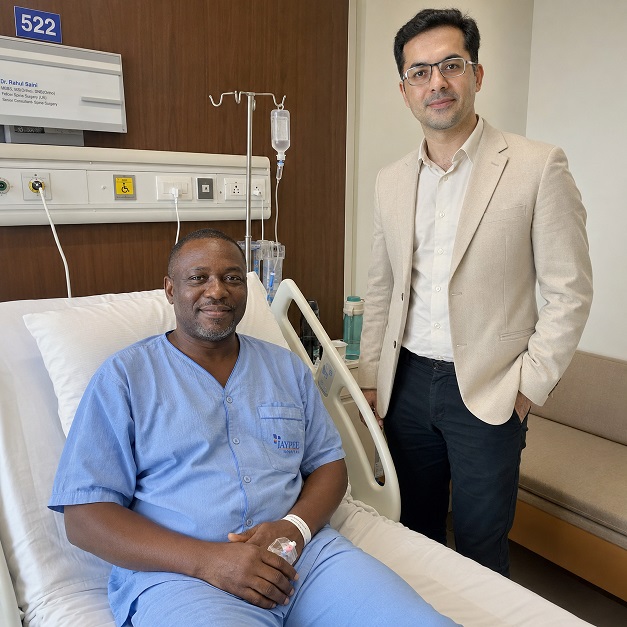
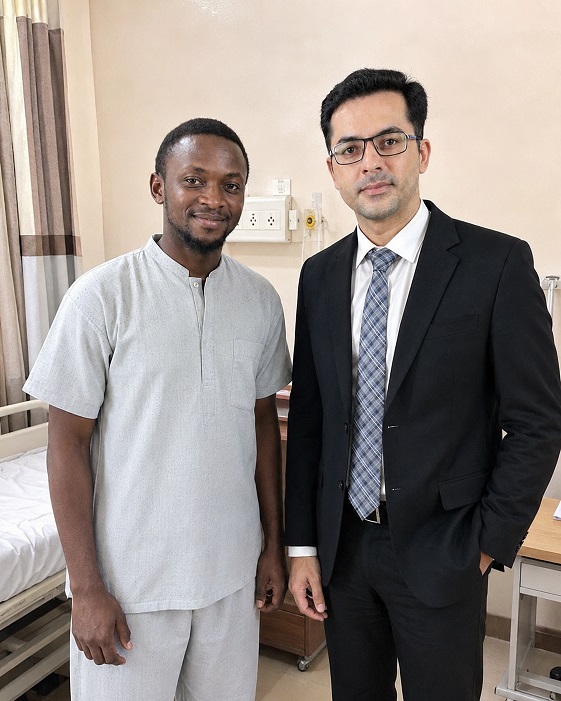
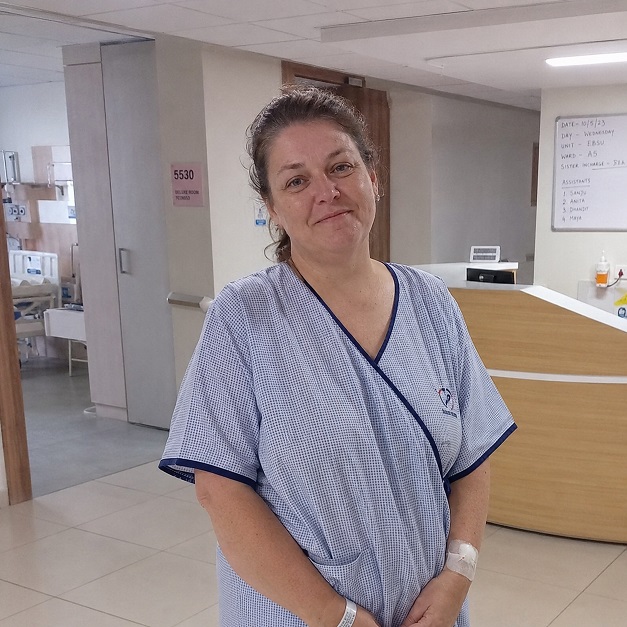
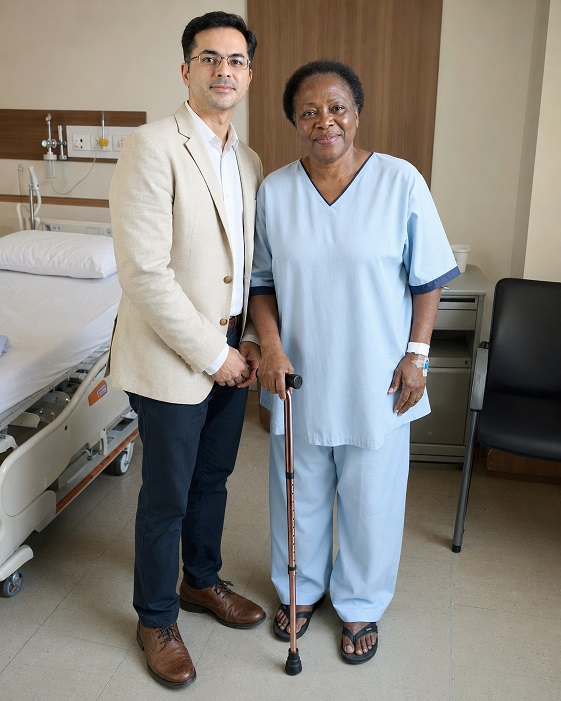
Patient Testimonials from Nigeria
Ready to Take the First Step?
Share your Medical Reports with our Healthcare Managers Today and Get a FREE CONSULTATION, a Personalized Treatment Plan, and Complete Support from Arrival to Recovery.
Get Your Free ConsultationAreas We Serve
This resource has been thoughtfully prepared for patients from Nigeria who are considering medical treatment in India. We also welcome patients from the wider region in the countries mentioned below-
We assist patients from:
- Benin
- Niger
- Chad
- Cameroon
- Algeria
- Egypt
- Libya
- Morocco
- Sudan
- Tunisia
- Gambia
- Ghana
- Burkina Faso
- Cabo Verde
- Côte d'Ivoire
- Equatorial Guinea
- São Tomé and Príncipe
Many of the insights, treatment pathways, hospital recommendations, travel guidance, and patient support services described here are equally relevant and may be used as a reference when planning treatment in India.
From Nigeria to India: Your Complete Patient Support Guide
- Artificial Disc Replacement in India for Nigerian Patients
- Weight Loss and Bariatric Surgery in India for Nigerian Patients
- Bone Marrow Transplant in India for Nigerian Patients
- Brain Tumour Surgery in India for Nigerian Patients
- Breast Cancer Treatment and Surgery in India for Nigerian Patients
- Cancer Treatment and Surgery in India for Nigerian Patients
- Cardiac Arrhythmia and Heart Pacemaker Treatment in India for Nigerian Patients
- Cardiac Surgery in India for Nigerian Patients
- Colorectal Cancer Treatment and Surgery in India for Nigerian Patients
- Complex Orthopaedic and Joint Revision Surgery in India for Nigerian Patients
- Cornea Transplant and Advanced Eye Surgery in India for Nigerian Patients
- CyberKnife Treatment in India for Nigerian Patients
- Gamma Knife Treatment in India for Nigerian Patients
- Heart Failure Treatment and Surgery in India for Nigerian Patients
- Hip Surgery in India for Nigerian Patients
- HIPEC Cancer Surgery in India for Nigerian Patients
- IVF and Fertility Treatment in India for Nigerian Patients
- Joint Arthroscopy and Sports Medicine in India for Nigerian Patients