

Paediatric Orthopaedic Surgery in India for Nigerian Patients
For the foot that turned inward at birth, and the single fact that matters more than almost anything else in this guide: how early treatment actually starts.
Clubfoot, a congenital deformity affecting one to two in every thousand babies born, is one of the most common paediatric orthopaedic conditions worldwide, and Africa carries a disproportionate share of the global burden. A January 2026 meta-analysis pooling results from 47 studies across 15 African countries found the non-surgical Ponseti method, the internationally recognised gold standard, correcting the deformity successfully in 84.8 percent of cases. Nigeria's own history with this condition tells a more complicated story: clubfoot was treated surgically in the country from the 1980s onward, and the gentler, cheaper, non-surgical method has only reached wide practice more recently, hampered by real, documented barriers on both the practitioner and family side. This guide sets out what paediatric orthopaedic treatment actually costs in India once travel is counted, why the age at which treatment starts changes almost everything about how straightforward it is, and what Nigeria's own capacity for this care looks like today.
| 84.8% | 1–2 | 1980s | 70–85% |
|---|---|---|---|
| PONSETI METHOD SUCCESS RATE, POOLED ACROSS 15 AFRICAN COUNTRIES | IN 1,000 LIVE BIRTHS AFFECTED BY CLUBFOOT WORLDWIDE | DECADE NIGERIA'S CLUBFOOT TREATMENT HISTORICALLY DEFAULTED TO SURGERY | TYPICAL SAVING ON AN EQUIVALENT INDIA PATHWAY VS. THE US |
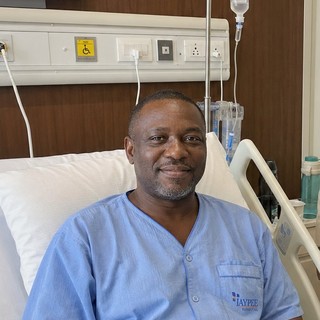
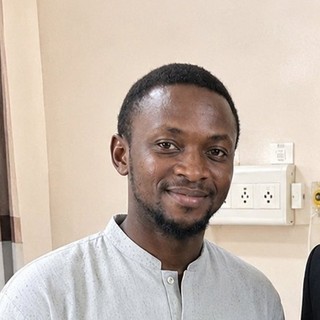
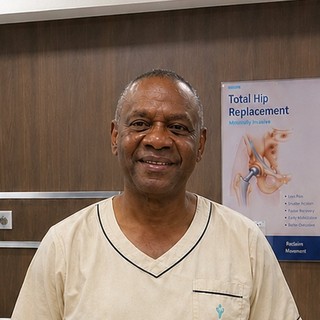
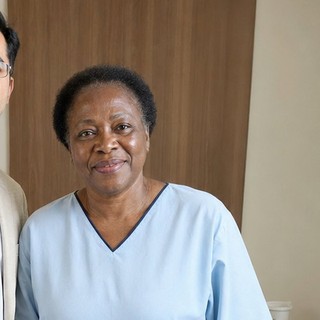
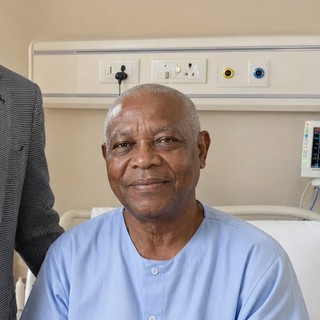
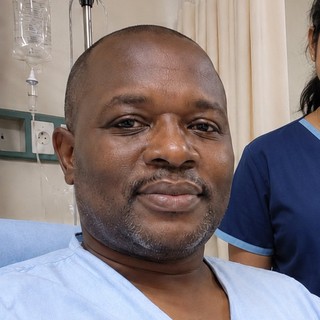
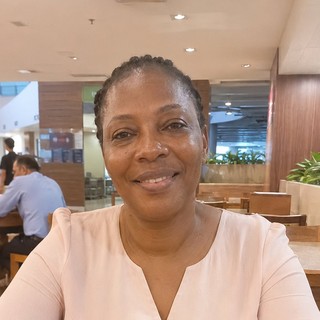
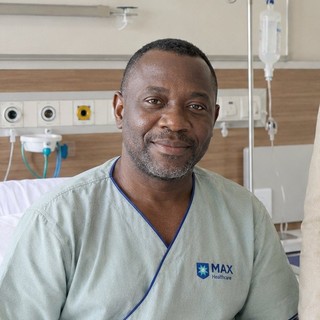
Healing Journeys of Nigerian Patients
Key Takeaways
- Clubfoot is one of the most common congenital orthopaedic deformities worldwide, affecting approximately 1–2 babies per 1,000 live births. The guide places particular emphasis on one factor above almost everything else: how early treatment begins.
- A January 2026 meta-analysis pooling 47 studies across 15 African countries found that the Ponseti method successfully corrected clubfoot in 84.8% of cases.
- The Ponseti method is the internationally recognised gold-standard treatment for most early-presenting clubfoot. It uses a sequence of gentle casts to gradually reposition the foot, usually followed by a small Achilles tenotomy when needed and then a prolonged bracing programme.
- The method is deliberately non-surgical in most infants. When treatment begins in the first weeks of life, major surgery can usually be avoided.
- The same African analysis reported a relapse rate of approximately 11.7%, with relapse strongly associated with inconsistent brace use rather than failure of the initial casting treatment.
- This distinction is central to the document: casting corrects the foot, while bracing keeps it corrected. The brace is therefore not an optional aftercare item but an essential part of the treatment itself.
- Nigeria's history with clubfoot is somewhat different. The guide notes that surgical treatment was commonly used from the 1980s onward, while wider implementation of the Ponseti method developed more recently.
- Documented barriers to Ponseti adoption in Nigeria include inadequate practitioner information, limited training, resource constraints, funding problems, low family awareness, cultural or religious explanations for the deformity and difficulty maintaining years of brace compliance.
Quick Facts
- Treatment
- Paediatric Orthopaedic Treatment and Surgery
- Country
- India
- Intended Audience
- Nigerian Children, Parents and Families
- Primary Condition
- Clubfoot
- Other Conditions Covered
- Developmental Hip Dysplasia, Angular Limb Deformity and Neuromuscular Contractures
- Clubfoot Frequency
- Approximately 1–2 per 1,000 Live Births
- Gold-Standard Early Treatment
- Ponseti Method
- African Ponseti Success Rate Mentioned
- 84.8%
- Studies Included in Meta-Analysis
- 47
- African Countries Included
- 15
- Relapse Rate Mentioned
- 11.7%
- Main Relapse Driver
- Inconsistent Brace Wear
- Ideal Treatment Window
- First Weeks of Life
- Nigeria Historical Treatment Pattern
- Surgery Commonly Used From the 1980s
- Nigeria Current Ponseti Availability
- Established Programmes Exist
- Main Nigeria Barriers
- Training, Awareness, Funding, Access and Long-Term Brace Compliance
- Author
- Dr. Dheeraj Bojwani
- Experience
- 24 Years' Experience
In Brief
Paediatric orthopaedic treatment in India for Nigerian children is particularly relevant to neglected or relapsed clubfoot and other complex deformities, but the guide emphasises that early clubfoot often does not require surgery at all. The Ponseti method achieves successful correction in 84.8% of cases across pooled African studies when properly applied, while relapse is strongly associated with inconsistent bracing. Early Ponseti casting costs approximately US$800–1,800, whereas neglected or relapsed clubfoot correction can rise to US$3,500–6,500. A complete early-treatment pathway including travel is estimated at approximately US$6,900–11,300. The central principle is that the earlier treatment starts, the simpler and less invasive it usually is.
01 · the Real Problem
A gentle, low-cost fix that depends entirely on timing
The Ponseti method treats clubfoot with a series of gentle castings, usually beginning in the first weeks of life, gradually repositioning the foot before a brief tendon release and a long bracing period that maintains the correction as the child grows. It is inexpensive, does not require major surgery, and, done properly and started early, works for the large majority of children. The African meta-analysis found relapse, reported in 11.7 percent of cases, overwhelmingly linked to inconsistent brace wear during the maintenance phase rather than a failure of the initial correction, underlining that the months and years after casting matter just as much as the casting itself.
Nigeria's relationship with this treatment has its own specific history. Clubfoot was managed surgically in the country from the 1980s, and a formal evaluation of the Ponseti method's introduction found real, named barriers slowing its wider adoption: among practitioners, inadequate information, limited resources, insufficient training, and funding constraints; among families, limited awareness of the condition and its treatment, financial pressure, cultural and religious beliefs about the deformity's cause, and difficulty sustaining the long compliance the bracing phase demands. Separate Nigerian research on children presenting after walking age, sometimes described as neglected clubfoot, found the Ponseti method still effective in this older group, but requiring a modified approach and a harder road to full correction than treatment begun in infancy would have needed.
This is why age at first treatment sits at the centre of this entire guide. A foot treated at three weeks old and a foot treated at three years old are, functionally, two different clinical problems, even though they share the same name, and a family's most important decision is often made long before any hospital is contacted, in the first weeks after noticing something looks wrong with a newborn's foot.
02 · What the Numbers Actually Show
Where the method works, and why relapse happens
Seeing the pooled African outcome data as a single picture makes clear both how effective this treatment genuinely is, and where its real vulnerability lies.
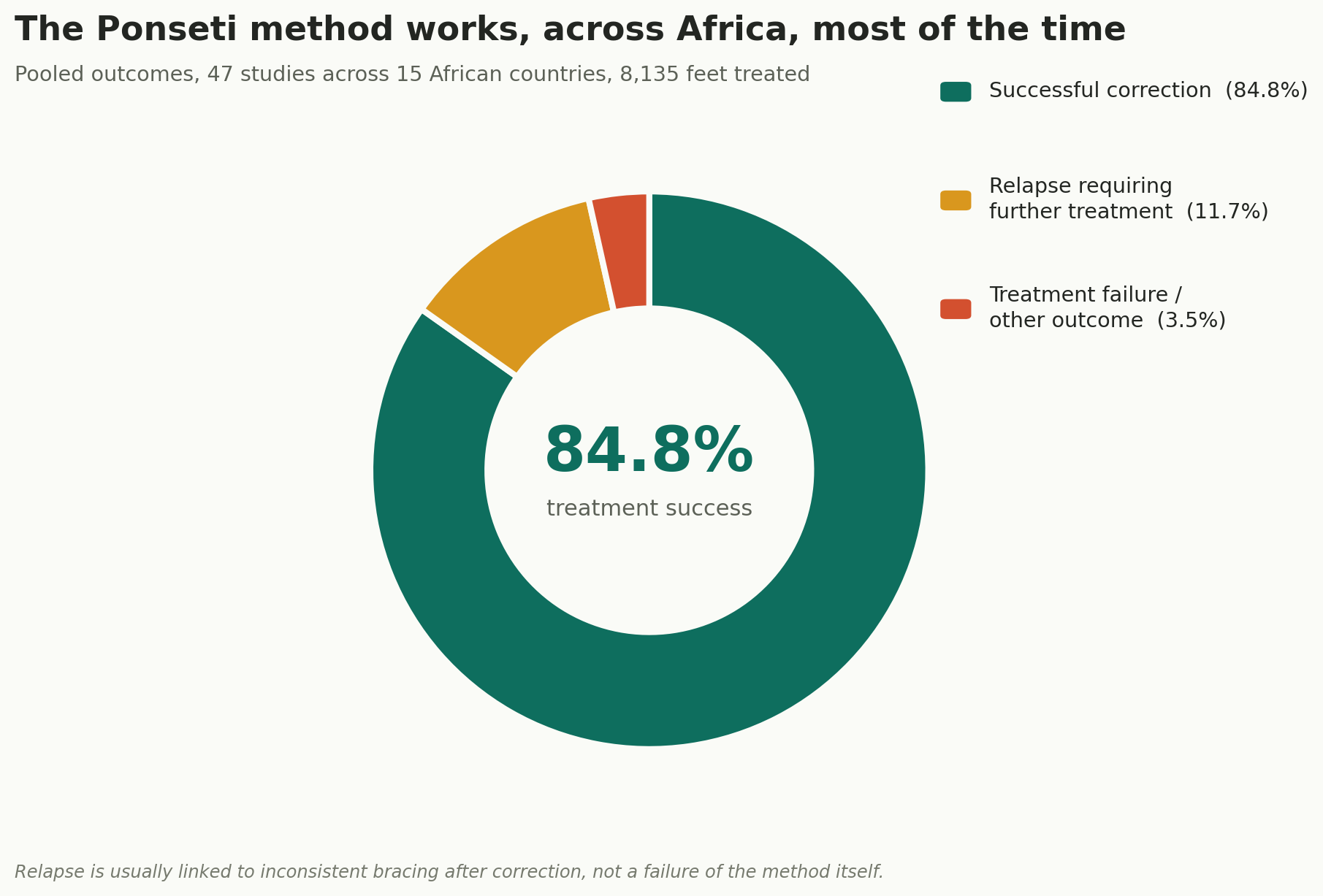
Figure 1. The method itself works for the great majority of children; what determines whether that success holds is almost entirely what happens during the bracing years that follow.
Nigeria's own Ponseti programmes, where established, report results broadly consistent with this regional picture for children who complete treatment as prescribed. The harder Nigerian reality sits upstream of the casting itself: how many children reach a properly trained Ponseti practitioner at all, and how early, given that many families still first encounter clubfoot through traditional or religious explanations rather than a paediatric orthopaedic referral.
03 · the Treatment Map
Which condition, which stage, and what it costs
Paediatric orthopaedic care spans a range of conditions well beyond clubfoot, and within clubfoot itself, timing is the single biggest driver of both complexity and cost.
Figure 2. A neglected clubfoot, treated after walking age, costs roughly four times what the same deformity would have cost to correct in
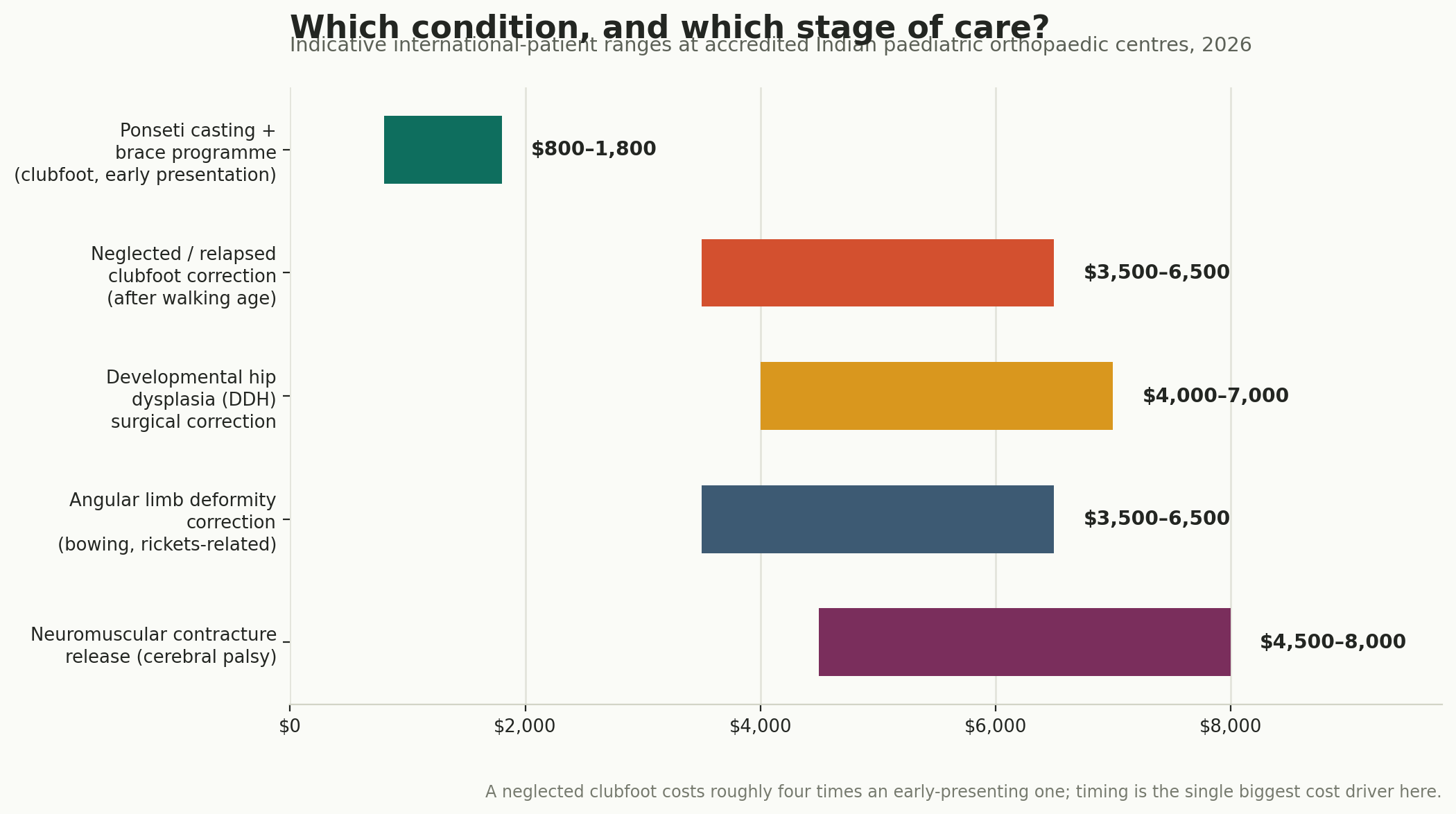
early infancy.
| Condition / stage | Typically suits | Indicative cost | Duration |
|---|---|---|---|
| Ponseti casting + bracing programme | Clubfoot presenting in early infancy, the ideal treatment window | $800–1,800 | 4–6 weeks casting, years bracing |
| Neglected / relapsed clubfoot correction | Clubfoot presenting after walking age, or relapsed after prior treatment | $3,500–6,500 | Weeks to months |
| Developmental hip dysplasia surgery | Hip joint instability not resolved by earlier bracing | $4,000–7,000 | 2–4 nights |
| Angular limb deformity correction | Significant bowing of the legs, including rickets-related deformity | $3,500–6,500 | 2–4 nights |
| Neuromuscular contracture release | Fixed joint contractures from cerebral palsy or similar conditions | $4,500–8,000 | 3–5 nights |
Table 1. Indicative international-patient pricing at accredited Indian paediatric orthopaedic centres, mid-2026. Figures are planning ranges, not offers, and vary by severity, age, and case complexity.
What a proper written quote must itemise
- The child's exact age and presentation, since this changes the treatment approach entirely
- Whether Ponseti casting alone is appropriate, or surgery is genuinely needed, and why
- The full bracing programme, including brace type and how many years of wear are expected
- A written follow-up schedule to monitor for relapse during the bracing years
- Whether the underlying cause (for example, rickets or a neuromuscular condition) is being treated alongside the deformity itself
04 · the Full Budget
What the whole journey costs, beyond the treatment fee
The treatment fee is the number families anchor on, and the least complete one. A representative pathway — early-presenting clubfoot, Ponseti casting programme, one child and one parent, roughly six weeks of casting in India followed by home bracing — adds up like this:
- Treatment package (weekly casting sessions, tenotomy if needed, initial brace): $1,000–2,200
- Return flights, two travellers (Lagos/Abuja – Delhi/Mumbai/Chennai): $2,200–3,000
- Pre-treatment workup (clinical assessment, X-rays if needed): $200–400
- Accommodation, about six weeks, two people : $2,600–4,200
- Medical and attendant visas (two applications): $400–500
- Contingency for an extended casting course: 15–20% All-in, most families should plan for US$6,900–11,300 for a full early-presentation Ponseti pathway — roughly ₦9.5–15.6 million at the official mid-July 2026 rate of about ₦1,380 to the dollar, somewhat higher at parallel-market rates near ₦1,410. Neglected or relapsed cases needing surgical correction should be budgeted considerably higher, reflecting both the procedure itself and the added complexity.
05 · GETTING THERE
Visa, travel, and why age changes everything
The child travels on an Indian Medical Visa, and at least one parent on a Medical Attendant Visa; a second attendant can be included. Applications go through the High Commission in Abuja or the Consulate in Lagos by prior appointment, and an e-Medical route turns around in days for straightforward files. The hospital's invitation letter, three months of bank statements, and passports valid six months with two blank pages move the process fastest.
Lagos and Abuja both reach Delhi, Mumbai and Chennai with a single stop, usually via Addis Ababa, Doha, Dubai, Nairobi or Istanbul, 13 to 18 hours total. Ponseti casting requires weekly clinic visits over several weeks, so families should plan to remain near the treating centre for the full casting course, not travel back and forth.
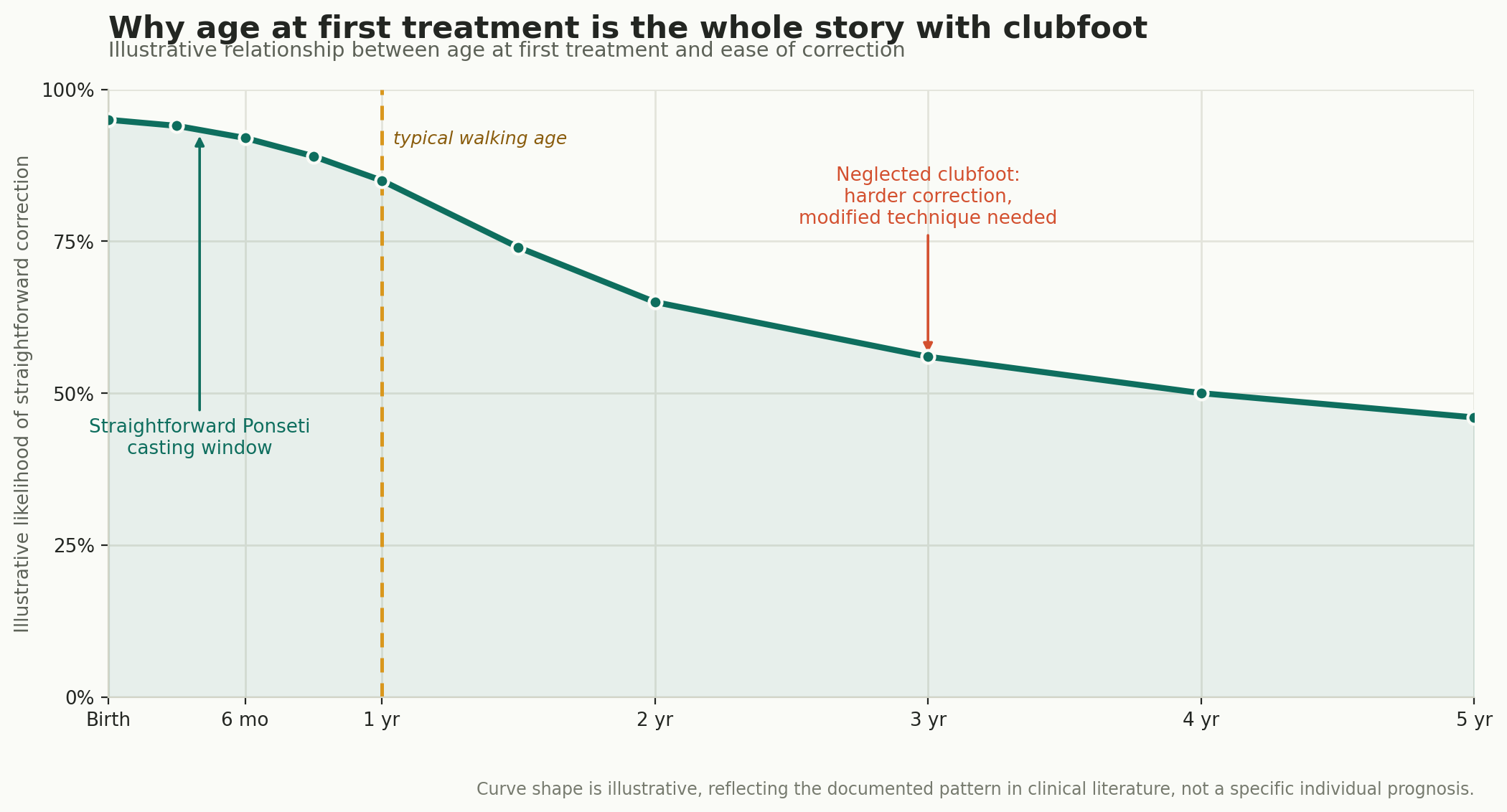
Figure 3. This single relationship, between age at first treatment and how straightforward correction is, matters more than almost any other decision described in this guide.
On bracing, honestly. The casting phase corrects the foot. The brace, worn for most of the day in the first months and then overnight for several years afterward, is what keeps it corrected. Relapse is overwhelmingly a bracing-compliance problem, not a sign that the original treatment failed, and families should treat consistent brace wear as seriously as the casting itself.
What has to travel home with the child
- Full treatment record, including casting details and, if performed, tenotomy notes
- The specific brace prescribed, with clear instructions on wear schedule and duration
- A written relapse-monitoring schedule for the years of bracing that follow
- Guidance on where replacement or larger braces can be sourced as the child grows
- A named clinician contact for teleconsultation if the foot's position appears to change
06 · THE HONEST COMPARISON
What stays in Nigeria, and what travels
Where a Nigerian Ponseti programme is genuinely established and a child presents early, treatment at home is entirely appropriate, and the earlier that treatment starts, the better, wherever it happens. Waiting to travel abroad while a treatable window closes is rarely the right trade-off.
What tips the calculation toward travelling is precisely what Nigeria's own documented barriers point to: limited access to trained Ponseti practitioners in some regions, neglected or relapsed cases needing more complex correction, and other paediatric orthopaedic conditions needing surgical expertise not consistently available locally. For those situations, an established international paediatric orthopaedic programme offers a genuine, often decisive advantage.
Before you commit to a treatment plan abroad
- Get a confirmed diagnosis and, for clubfoot, start treatment as early as possible, ideally within the first weeks of life.
- Ask explicitly whether Ponseti casting is appropriate, or whether the case genuinely needs surgery, and why.
- Confirm the full bracing programme and duration before you leave, not just the casting phase.
- Ask what causes are being investigated if a limb deformity is present, such as rickets or a neuromuscular condition.
- Establish a relapse-monitoring schedule that a Nigerian clinician can help continue.
- Confirm where replacement braces can be sourced as the child grows.
- Plan to remain near the treating centre for the full casting course, given the weekly visit schedule.
- Pay into the hospital's own institutional account only, never an individual's personal account.
Straight Answers for Nigerian Patients about Paediatric Orthopaedic Surgery in India
Is clubfoot treatment in India cheaper than the UK or US?
Yes, substantially. A full Ponseti casting and bracing programme for an infant presenting early is indicatively $800 to $1,800 in India, far below equivalent programmes in the UK or US once travel and repeated visits are factored in.
Does clubfoot need surgery?
Usually not, if treatment starts in early infancy. The Ponseti method corrects the large majority of cases without surgery. Surgery becomes more likely the later treatment starts, particularly for children presenting after walking age.
Why does Nigeria still rely on surgery for clubfoot more than other countries?
Clubfoot in Nigeria was historically treated surgically from the 1980s onward, and the non-surgical Ponseti method has only been implemented more recently, facing documented barriers including limited practitioner training, funding constraints, and low public awareness.
Do Nigerians need a visa for paediatric orthopaedic treatment in India?
Yes. The child travels on an Indian Medical Visa and at least one parent on a Medical Attendant Visa, applied for through the High Commission in Abuja, the Consulate in Lagos, or the e-Medical route, with a hospital invitation letter and financial proof.
What happens if clubfoot treatment starts late?
Treatment is still possible, using a modified Ponseti approach, but correction generally becomes more difficult and more likely to require surgical intervention the longer treatment is delayed, particularly once a child has begun walking on the untreated foot.
Why is bracing after correction so important?
Relapse after successful casting is strongly linked to inconsistent brace wear during the maintenance phase, not a failure of the correction itself. Consistent bracing, often for several years, is what makes the initial correction last.
Is India better than Nigeria for paediatric orthopaedic care?
For neglected, relapsed, or complex cases specifically, often yes, given documented gaps in Ponseti training and follow-up infrastructure in parts of Nigeria. For a child presenting early with a straightforward case, a competent Nigerian Ponseti programme is often the right first option.
A closing word
Clubfoot is, by the evidence, one of the more forgiving conditions in this entire series when caught early: gentle, inexpensive, non-surgical treatment corrects the large majority of cases. What determines the outcome is rarely which country the treatment happens in. It is whether a family recognised the deformity, found a properly trained practitioner, and started treatment while the window for straightforward correction was still open.
In twenty-four years of this work, the families who do best are the ones who begin treatment in the first weeks of a child's life, take the bracing years as seriously as the casting weeks, and understand that a neglected clubfoot, while still treatable, asks far more of a child and a family than the same deformity would have asked if caught at birth. The correction itself can happen quickly. Protecting it takes years.
Sources
- 🌐 Global Clubfoot Initiative — Advancing clubfoot treatment worldwide
- 🌐 NHS (UK) — Clubfoot: overview and treatment – nhs.uk
- 🌐 Abdu SM, Assefa EM, Tareke AA — Treatment outcome of the Ponseti method for clubfoot in Africa: a systematic review and meta-analysis
- 🌐 Initial Program Evaluation of the Ponseti Method in Nigeria
- 🌐 Ponseti method treatment of neglected idiopathic clubfoot: preliminary results of a multi-centre study in Nigeria
- 🌐 High Commission of India, Abuja — Medical and Medical Attendant Visa requirements
Frequently Asked Questions by Nigerians about Paediatric Orthopaedic Surgery in India
Is paediatric orthopaedic treatment in India cheaper than the UK or US?
The guide states that Indian treatment pathways typically cost substantially less than equivalent private UK or self-pay US care, with savings commonly in the 70–85% range depending on the procedure.
Does clubfoot always require surgery?
No. Usually not when treatment starts in early infancy. The Ponseti method corrects the large majority of cases without major surgery, while surgery becomes more likely after delayed presentation.
How successful is the Ponseti method in African children?
A 2026 meta-analysis of 47 studies from 15 African countries found a pooled successful correction rate of 84.8%.
Why does Nigeria still use surgery for some clubfoot cases?
Clubfoot was historically treated surgically in Nigeria from the 1980s onward. Wider Ponseti adoption developed later and has faced barriers including limited training, resources, funding and public awareness.
What happens if clubfoot treatment begins after the child starts walking?
Treatment is still possible, often using a modified Ponseti approach, but correction is generally harder and surgery becomes more likely the longer treatment has been delayed.
Why is bracing so important after clubfoot correction?
The casting phase corrects the foot, but the brace maintains that correction. Relapse is strongly associated with inconsistent brace wear rather than failure of the initial Ponseti treatment.
How much does early Ponseti treatment cost in India?
The treatment itself is listed at approximately US$800–1,800. A complete six-week pathway for one child and one parent, including travel and accommodation, is approximately US$6,900–11,300.
Do Nigerian children need an Indian visa for paediatric orthopaedic treatment?
Yes. The child travels on an Indian Medical Visa, while at least one parent uses a Medical Attendant Visa. A second attendant can also be included.
Is India always better than Nigeria for clubfoot treatment?
No. A child presenting early with a straightforward case may be appropriately treated through a competent Nigerian Ponseti programme. India becomes more relevant for neglected, relapsed or complex cases.
What should parents bring back to Nigeria after treatment?
Families should return with the full casting record, tenotomy details where applicable, the exact prescribed brace, a written wear schedule, long-term relapse-monitoring instructions, guidance on replacing the brace as the child grows and a clinician contact for teleconsultation.
Page Summary
This guide is centred on perhaps the clearest timing message in the entire paediatric orthopaedic series: clubfoot treated in the first weeks of life and clubfoot first treated after walking age are effectively two different clinical problems. The Ponseti method uses sequential casting, a small tendon release where necessary and prolonged bracing rather than major reconstructive surgery. A 2026 African meta-analysis found an 84.8% success rate across 47 studies in 15 countries. Nigeria already has Ponseti programmes, and the guide explicitly states that children presenting early with straightforward clubfoot may appropriately be treated at home by a properly trained team. The challenge is uneven access, practitioner training, family awareness and years of brace adherence.
Citation Block
| Topic | Information |
|---|---|
| Topic Information | Paediatric Orthopaedic Surgery in India for Nigerian Patients |
| Treatment | Paediatric Orthopaedic Treatment and Surgery |
| Country | India |
| Intended Audience | Nigerian Children, Parents and Families |
| Primary Condition | Clubfoot |
| Other Conditions | Developmental Hip Dysplasia, Angular Limb Deformity and Neuromuscular Contractures |
| Clubfoot Incidence | Approximately 1–2 per 1,000 Live Births |
| Preferred Early Treatment | Ponseti Method |
| African Ponseti Success Rate | 84.8% |
| Relapse Rate Mentioned | 11.7% |
| Primary Relapse Cause | Poor Brace Compliance |
| Best Treatment Timing | First Weeks of Life |
| Representative Treatment Package | US$1,000–2,200 |
| Representative India Stay | Approximately 6 Weeks |
| All-In Early Ponseti Budget | US$6,900–11,300 |
| Casting Duration | Approximately 4–6 Weeks |
| Bracing Duration | Several Years |
| Nigeria Appropriate Care | Early Straightforward Clubfoot at Competent Ponseti Centres |
| Travel More Relevant For | Neglected, Relapsed and Complex Cases |
| Long-Term Follow-Up | Relapse Monitoring Throughout Bracing Years |
| Medical Visa | Indian Medical Visa |
| Parent Visa | Medical Attendant Visa |
| Records for Return to Nigeria | Treatment Record, Tenotomy Notes, Brace Instructions and Follow-Up Plan |
| Author | Dr. Dheeraj Bojwani |
| Experience | 24 Years' Experience |

Our Mission Statement
Our mission is to place patients at the centre of every healthcare decision by providing trustworthy, evidence-based, and unbiased medical information. We believe that informed patients make better decisions. Backed by personalised guidance from our experienced advisory team, we help patients understand their treatment options, compare them objectively, and confidently choose the path that best suits their medical needs and personal circumstances.
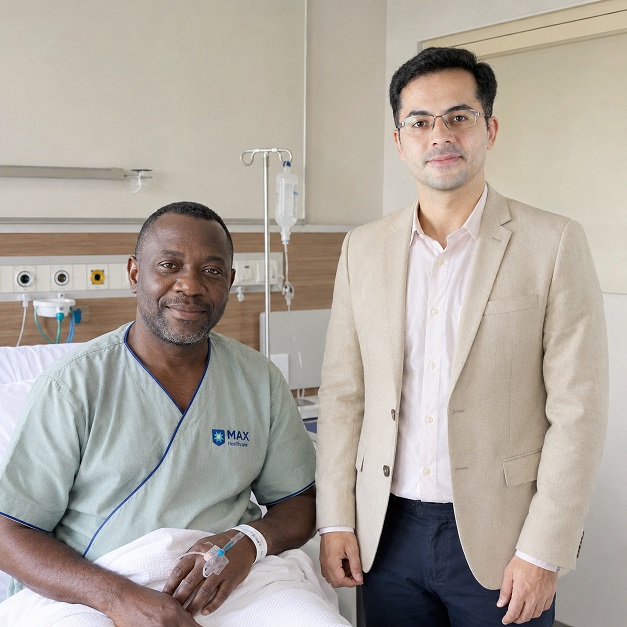
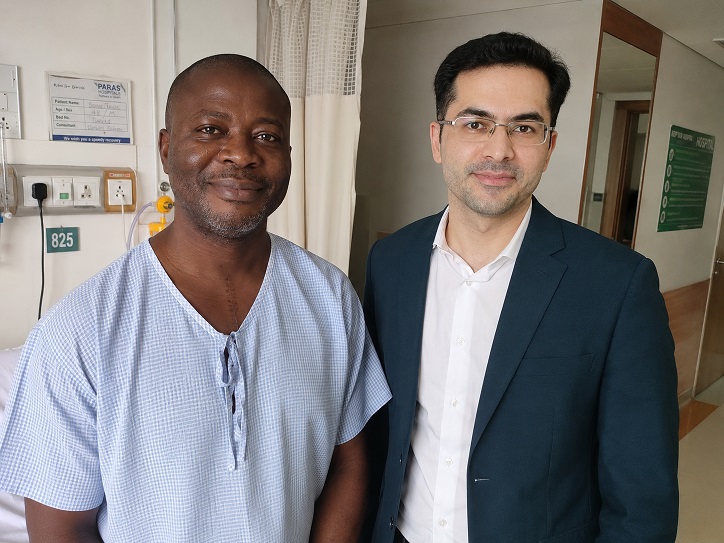
Patient Testimonials from Nigeria
Ready to Take the First Step?
Share your Medical Reports with our Healthcare Managers Today and Get a FREE CONSULTATION, a Personalized Treatment Plan, and Complete Support from Arrival to Recovery.
Get Your Free ConsultationAreas We Serve
This resource has been thoughtfully prepared for patients from Nigeria who are considering medical treatment in India. We also welcome patients from the wider region in the countries mentioned below-
We assist patients from:
- Benin
- Niger
- Chad
- Cameroon
- Algeria
- Egypt
- Libya
- Morocco
- Sudan
- Tunisia
- Gambia
- Ghana
- Burkina Faso
- Cabo Verde
- Côte d'Ivoire
- Equatorial Guinea
- São Tomé and Príncipe
Many of the insights, treatment pathways, hospital recommendations, travel guidance, and patient support services described here are equally relevant and may be used as a reference when planning treatment in India.
From Nigeria to India: Your Complete Patient Support Guide
- Artificial Disc Replacement in India for Nigerian Patients
- Weight Loss and Bariatric Surgery in India for Nigerian Patients
- Bone Marrow Transplant in India for Nigerian Patients
- Brain Tumour Surgery in India for Nigerian Patients
- Breast Cancer Treatment and Surgery in India for Nigerian Patients
- Cancer Treatment and Surgery in India for Nigerian Patients
- Cardiac Arrhythmia and Heart Pacemaker Treatment in India for Nigerian Patients
- Cardiac Surgery in India for Nigerian Patients
- Colorectal Cancer Treatment and Surgery in India for Nigerian Patients
- Complex Orthopaedic and Joint Revision Surgery in India for Nigerian Patients
- Cornea Transplant and Advanced Eye Surgery in India for Nigerian Patients
- CyberKnife Treatment in India for Nigerian Patients
- Gamma Knife Treatment in India for Nigerian Patients
- Heart Failure Treatment and Surgery in India for Nigerian Patients
- Hip Surgery in India for Nigerian Patients
- HIPEC Cancer Surgery in India for Nigerian Patients
- IVF and Fertility Treatment in India for Nigerian Patients
- Joint Arthroscopy and Sports Medicine in India for Nigerian Patients