

Paediatric Heart Surgery in India for Nigerian Patients
For the hole in a newborn's heart that scan technicians see far more often than surgeons get to fix — and why, for children, timing decides almost everything.
One in every hundred Nigerian children is born with a congenital heart defect, and Nigeria has been described in its own surgical literature as having virtually no dedicated paediatric heart care to meet that need. A Nigerian-trained cardiac surgeon working with one of the charities filling this gap put it plainly: for every adult she sees in Nigeria who needs heart surgery, there are ten children who need it and cannot get it. This guide is about those ten children: what congenital heart surgery actually costs in India once travel is counted, what Nigeria's own paediatric cardiac capacity can and cannot offer today, and why, for a child's heart, the calendar matters as much as the diagnosis.
| ~85,000 | 1 in 100 | 69% | 70–85% |
|---|---|---|---|
| NIGERIAN CHILDREN ESTIMATED BORN WITH A HEART DEFECT YEARLY | CHILDREN BORN IN NIGERIA HAVE A CONGENITAL HEART DEFECT | OF GLOBAL CHD DEATHS OCCUR BEFORE A CHILD'S FIRST BIRTHDAY | TYPICAL SAVING ON AN EQUIVALENT INDIA PATHWAY VS. THE US |
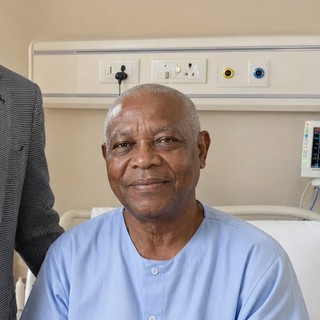
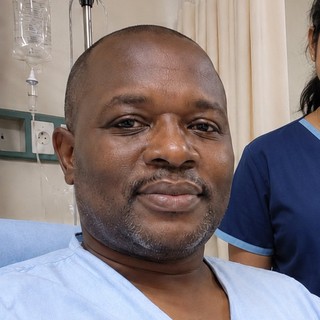
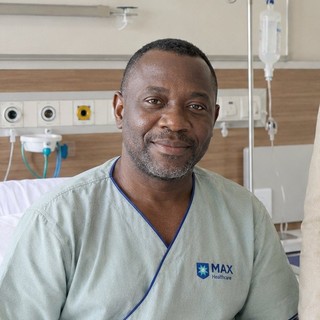
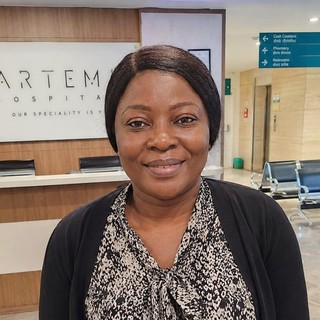
Healing Journeys of Nigerian Patients

Key Takeaways
- The guide states that approximately 1 in every 100 Nigerian children is born with a congenital heart defect, translating to an estimated 85,000 Nigerian children each year.
- Congenital heart defects are structural abnormalities present from birth. They can include holes between heart chambers, narrowed blood vessels or valves, and more complex abnormalities affecting how blood circulates through the heart and lungs.
- For children, timing is one of the most important treatment variables. Some defects that are relatively straightforward to correct during infancy can become substantially more difficult—or sometimes impossible to repair safely—after years of delay.
- A large unrepaired communication between the heart chambers can eventually cause irreversible damage to the pulmonary blood vessels. Once severe pulmonary vascular disease develops, closing the original defect may no longer be possible.
- The document notes that an estimated 69% of global congenital-heart-disease deaths occur before a child's first birthday, reinforcing why timely specialist assessment matters particularly in infancy.
- Nigeria's paediatric cardiac surgical capacity is described as extremely limited relative to the size of the need. The guide discusses programmes in Lagos, Enugu and Abuja, but their total surgical volume remains small compared with the estimated annual burden of congenital heart disease.
- Lagos State University Teaching Hospital began an open-heart programme in 2004 with mission support, while the National Cardiothoracic Centre in Enugu completed 266 operations between 2013 and 2019 through repeated visiting-team programmes.
Quick Facts
- Treatment
- Paediatric Heart / Congenital Cardiac Surgery
- Country
- India
- Intended Audience
- Nigerian Children, Parents and Families
- Primary Specialty
- Paediatric Cardiac Surgery
- Primary Conditions
- Congenital Heart Defects
- Nigeria Congenital Heart Defect Rate Mentioned
- Approximately 1 in 100 Children
- Estimated Nigerian Children Born With CHD Each Year
- Approximately 85,000
- Global CHD Deaths Before First Birthday Mentioned
- 69%
- Most Important Treatment Factor
- Timing
- Major Risk of Delayed Repair
- Irreversible Pulmonary Vascular Damage
- Nigeria Dedicated Paediatric Cardiac Capacity
- Extremely Limited Relative to Need
- Nigerian Programmes Mentioned
- Lagos, Enugu and Abuja
- Enugu Operations Mentioned
- 266 Between 2013 and 2019
- Charitable Support Mentioned
- Kanu Heart Foundation, Hospitals for Humanity and VOOM Foundation
- Kanu Heart Foundation Surgeries Funded
- More Than 500 Since 2000
- Author
- Dr. Dheeraj Bojwani
- Experience
- 24 Years' Experience
In Brief
Paediatric heart surgery in India can provide Nigerian children with year-round access to high-volume congenital cardiac teams for conditions such as ASD, VSD, PDA, Tetralogy of Fallot, coarctation of the aorta and complex single-ventricle defects. The guide estimates that around one in 100 Nigerian children is born with a congenital heart defect, while domestic dedicated paediatric cardiac capacity remains very limited. Indicative Indian costs range from US$3,500–6,000 for PDA closure to US$12,000–22,000 per stage for complex single-ventricle palliation. A straightforward ASD or VSD pathway is estimated at US$11,500–17,500 all-in. Timing matters because some defects become harder or even impossible to repair safely after irreversible pulmonary vascular damage develops.
01 · the Real Problem
Why a child's heart defect is a closing window, not a waiting list
A congenital heart defect is a structural problem present from birth — a hole between two chambers, a narrowed valve, a vessel that never formed the way it should have. Globally it is estimated at around 1.8 cases per 100 live births, and sub-Saharan African studies put the figure higher still, 2 to 14 per 1,000 live births depending on the population studied. In southern Nigerian tertiary hospitals, congenital heart disease accounts for the large majority of all paediatric heart disease seen, far outweighing acquired conditions like rheumatic heart disease in children.
What makes this different from most conditions is timing. Many congenital defects straightforward to close in early infancy become progressively more dangerous to operate on, or in some cases inoperable, the longer they are left. A large hole between the heart's pumping chambers, left unrepaired for years, can drive irreversible damage to the blood vessels of the lungs — a change that, once established, cannot be undone by surgery, however skilled the surgeon. This is a major reason an estimated 69 percent of global CHD deaths occur in a child's first year: the defects that kill early are often the ones that would have been very fixable, reached in time.
None of this is meant to frighten a family reading this after a diagnosis. It explains why, for a child's heart specifically, “let's wait and see” carries a different kind of risk than it does for a knee or a hip.
02 · Nigeria's Capacity
What Nigeria can do, and where it is honestly close to absent
Open-heart surgery in Nigeria is concentrated in a small number of public centres — Lagos State University Teaching Hospital, which began its programme in 2004 with mission support; the National Cardiothoracic Centre in Enugu, revived between 2013 and 2019 through repeated visits from foreign teams and completing 266 operations across that period; and a newer Federal Medical Centre Abuja programme, which began in 2022 and performed just seven cases in its first six months, only one entirely by local staff. These are genuine, hard-won achievements, and also, by any measure, a small fraction of what a country with an estimated 85,000 new congenital heart cases a year requires.
Into that gap has stepped a network of charities Nigerian families increasingly rely on by name. The Kanu Heart Foundation, founded by former footballer Nwankwo Kanu, has funded over 500 open-heart surgeries since 2000, sending patients abroad to India, the UK, Israel and Sudan at an average cost of around $10,000 per patient. Hospitals for Humanity has performed over 145 free paediatric cardiac procedures inside Nigeria since 2014, flying in volunteer teams from the US, UK and India. The VOOM Foundation runs an annual mission at a hospital in Oraifite built for that purpose, performing close to fifty paediatric operations there in recent years.
These organisations are a genuine lifeline. But a mission that visits once a year is not the same as a hospital that can see your child this month. For families who can raise the funds, travelling directly to a high-volume paediatric cardiac centre often means the difference between a scheduled operation and an indefinite wait.
03 · THE TREATMENT MAP
Which repair, and what it costs
“Heart surgery for children” is not one operation. The right approach depends on which structure is affected, how the child is growing, and whether the defect can be fixed in a single operation or needs stages over several years.
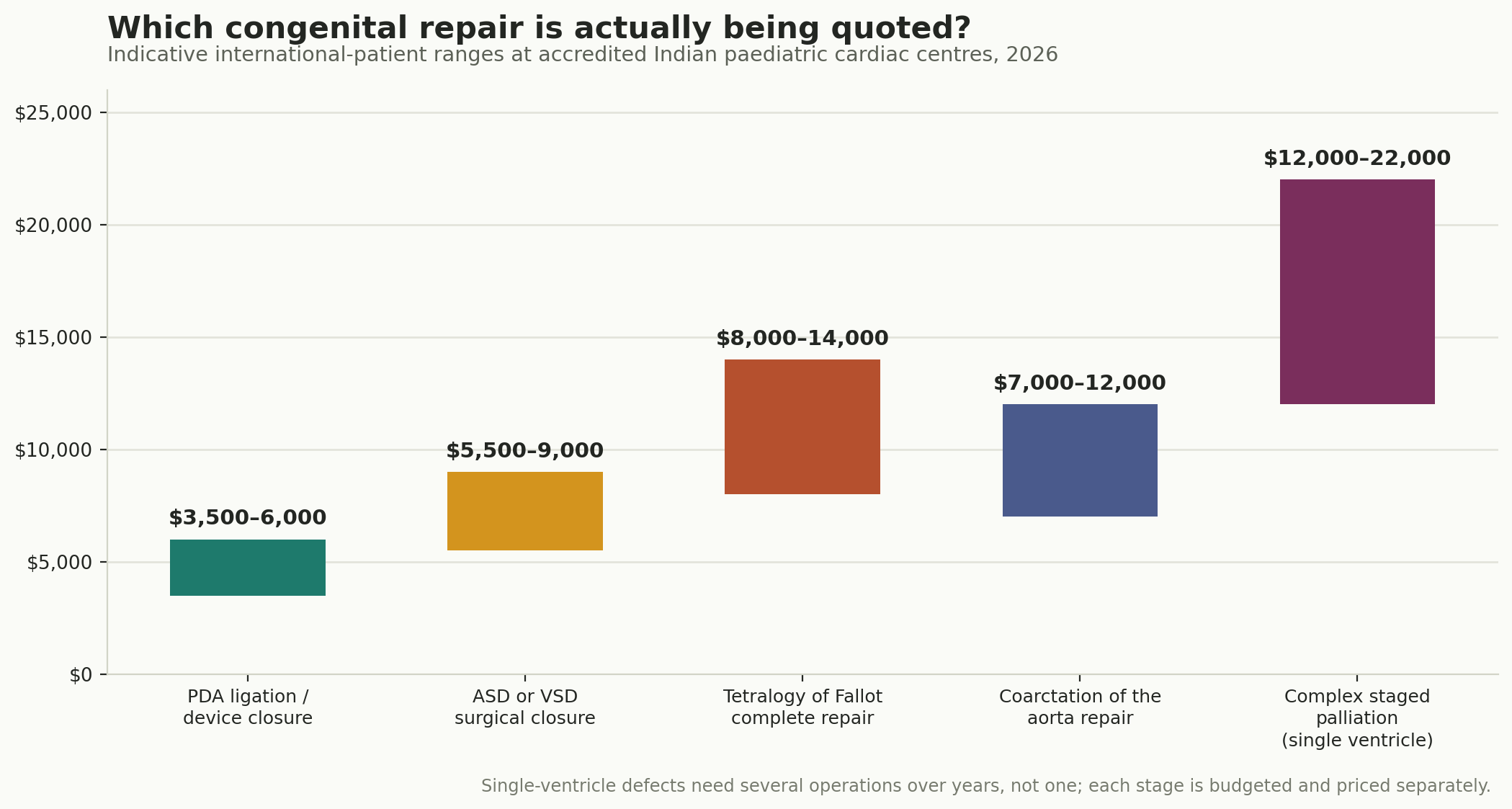
Figure 1. Complex single-ventricle defects are not one operation but a planned series across childhood, which is why they carry the highest cost per stage and the longest overall commitment.
| Procedure | Typically suits | Indicative cost | Hospital stay |
|---|---|---|---|
| PDA ligation / device closure | A persistent vessel connection that should have closed after birth | $3,500–6,000 | 2–5 nights |
| ASD or VSD surgical closure | A hole between the heart's upper or lower chambers | $5,500–9,000 | 6–9 nights |
| Tetralogy of Fallot complete repair | A combination defect causing the classic “blue baby” presentation | $8,000–14,000 | 8–12 nights |
| Coarctation of the aorta repair | A narrowing of the body's main artery, often found in infancy | $7,000–12,000 | 7–10 nights |
| Complex staged palliation (single ventricle) | Defects where only one functioning pumping chamber is present | $12,000–22,000 | 10–16 nights, per stage |
Table 1. Indicative international-patient pricing at accredited Indian paediatric cardiac centres, mid-2026. Figures are planning ranges, not offers, and vary by the child's age, weight, and case complexity.
Some defects, particularly certain PDA and selected ASD cases, can now be closed with a catheter-based device rather than open surgery, meaning a shorter stay and faster return home. Ask specifically whether your child's defect qualifies before assuming open surgery is the only route.
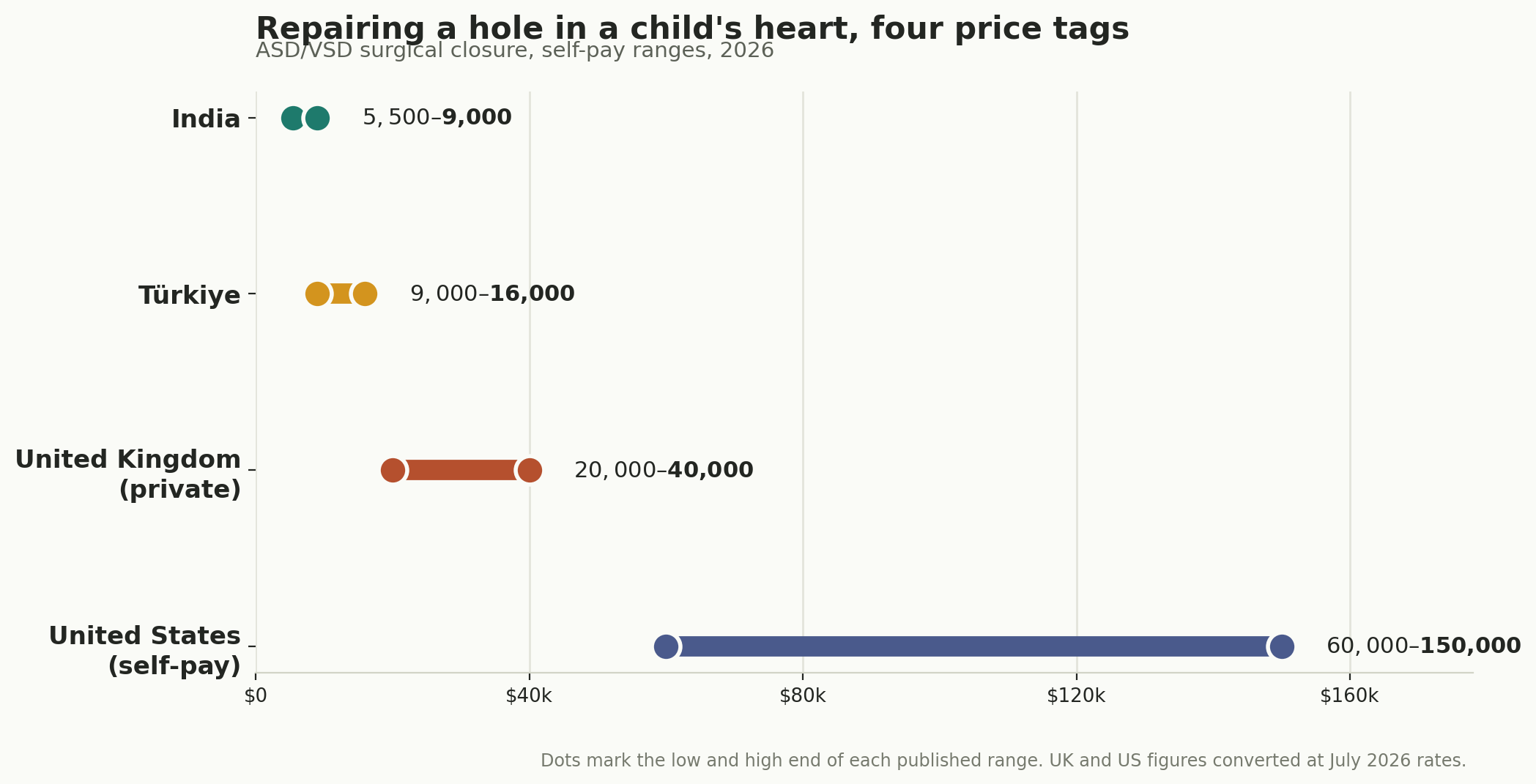
Figure 2. Repairing a hole in a child's heart, priced across four common destinations for Nigerian medical travellers.
04 · the Full Budget
What the whole journey costs, beyond the operation
The surgical fee is the number families anchor on, and the least complete one. A representative pathway — straightforward ASD or VSD closure, one child and one parent, three weeks in India — adds up like this:
- Surgical package (surgery, paediatric ICU, ward stay): $6,500–10,500
- Return flights, two travellers (Lagos/Abuja – Delhi/Mumbai/Chennai): $2,200–3,000
- Pre-surgical workup (echocardiogram, paediatric cardiology consultation, bloodwork): $500–900
- Accommodation, three weeks, two people : $1,300–2,000
- Medical and attendant visas (two applications): $400–500
- Contingency for extended ICU stay or a longer feeding-recovery period: 15–20% All-in, plan for US$11,500–17,500 for a straightforward congenital repair — roughly ₦15.9–24.2 million at the official mid-July 2026 rate of about ₦1,380 to the dollar, somewhat higher at parallel-market rates near ₦1,410. Complex or staged repairs should be budgeted well above this; ask directly how many separate admissions the full plan needs.
What a proper written quote must itemise
- The exact defect being treated and the specific procedure planned, not just “heart surgery”
- Whether the case is a candidate for catheter-based closure instead of open surgery
- Paediatric ICU nights included in the package, and the rate beyond that Whether the plan is a single operation or the first of several planned stages
- What happens, and what it costs, if the child needs a longer stay than the standard package assumes
05 · GETTING THERE
Visa, travel, and what recovery actually involves
The child travels on an Indian Medical Visa, and at least one parent on a Medical Attendant Visa; a second attendant can be included. Applications go through the High Commission in Abuja or the Consulate in Lagos by prior appointment, and an e-Medical route turns around in days for straightforward files. The hospital's invitation letter, three months of bank statements, and passports valid six months with two blank pages move the process fastest.
Lagos and Abuja both reach Delhi, Mumbai and Chennai with a single stop, usually via Addis Ababa, Doha, Dubai, Nairobi or Istanbul, 13 to 18 hours total. For a cyanotic infant — a baby whose defect causes low oxygen and a bluish skin tinge — fitness to fly needs a specific, written paediatric cardiologist assessment before travel is booked either way; some infants are not safe to fly until stabilised first.
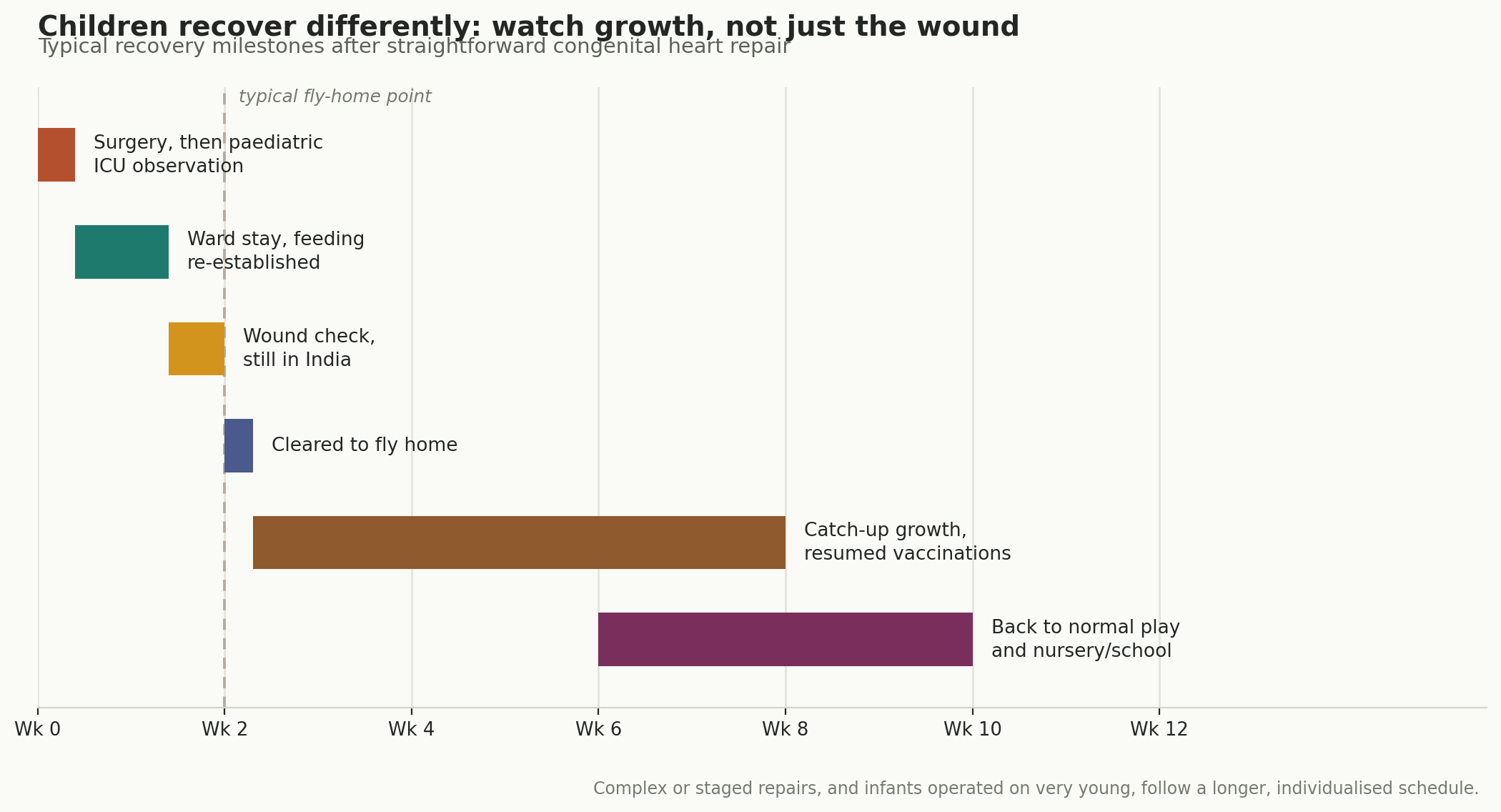
Figure 3. Children are watched by different measures than adults after heart surgery: feeding, weight gain, and catching up on missed vaccinations matter as much as the wound itself.
What has to travel home with the child
- Full operative note, echocardiogram images, and a plain-language summary a Nigerian paediatrician can act on
- A written feeding and growth-monitoring plan, since catch-up growth is a key marker of recovery
- An updated vaccination record and catch-up schedule for immunisations delayed around surgery
- For staged repairs, a clear timeline for when and where the next stage should happen
- A named clinician contact for teleconsultation if breathing trouble, feeding refusal, or fever arise
06 · THE HONEST COMPARISON
What stays in Nigeria, and what travels
Nigerian paediatricians and cardiologists frequently make the diagnosis in the first place, and simple defects being watched rather than operated on can usually be monitored safely at home with a competent paediatric cardiologist. Charitable missions, when their schedule aligns with a family's need, provide genuinely excellent, free surgical care within Nigeria.
What tips the calculation toward travelling directly is urgency that cannot wait for the next mission's calendar, complex or staged defects needing a dedicated team working year-round, and any case where a firm operating date matters more than cost. Those are exactly the situations where India's paediatric cardiac case volume, built for this surgery at scale, offers a real, often decisive advantage.
Before you commit to a treatment plan abroad
- Get a confirmed echocardiographic diagnosis and named defect before contacting any hospital.
- Ask explicitly whether the defect qualifies for catheter-based closure instead of open surgery.
- Ask directly how urgent the timing is, and what happens if repair is delayed.
- For complex defects, ask how many separate stages the full treatment plan needs.
- Get written, cardiologist-confirmed fitness-to-fly clearance before booking flights for a cyanotic infant.
- Establish the feeding, growth, and vaccination catch-up plan before leaving India.
- Verify the invitation letter reached the mission by email, with both parents named.
- Pay into the hospital's institutional account only, never an individual's personal account.
Straight Answers for Nigerian Patients about Paediatric Heart Surgery in India
Is paediatric heart surgery in India cheaper than the UK or US?
Yes, substantially. A straightforward congenital defect closure is indicatively $5,500 to $9,000 in India, against $20,000 to $40,000 privately in the UK and $60,000 to $150,000 self-pay in the United States.
Is paediatric heart surgery available in Nigeria at all?
On a very limited basis. A small number of centres in Lagos, Enugu and Abuja perform open-heart surgery, often with visiting foreign teams, and several charities run periodic missions. Dedicated, year-round paediatric cardiac capacity remains extremely scarce nationally.
How urgent is congenital heart surgery in infants?
It depends on the defect, but timing matters enormously. Some defects straightforward to correct in early infancy become far more complex, or cause irreversible lung damage, if delayed for years, so a firm diagnosis and specialist opinion should not wait.
Do parents need a visa to accompany a child for heart surgery in India?
Yes. The child travels on an Indian Medical Visa and at least one parent on a Medical Attendant Visa, applied for through the High Commission in Abuja, the Consulate in Lagos, or the e-Medical route, with a hospital invitation letter and financial proof.
Can some heart defects be closed without open surgery?
Yes. Certain defects, particularly some patent ductus arteriosus and selected atrial septal defect cases, can be closed using a catheter-based device rather than open surgery, generally with a shorter stay and faster recovery.
What is a staged repair, and why do some children need several operations?
Complex defects such as single-ventricle heart conditions cannot always be fully corrected in one operation. Instead, a series of planned procedures over several years progressively reroutes blood flow, each stage timed to the child's growth and development.
Is India better than Nigeria for paediatric heart surgery?
For most congenital cases specifically, yes, given that Nigeria's own literature describes paediatric cardiac surgical capacity as close to absent outside charity-run missions. India offers dedicated paediatric cardiac teams operating year-round at high volume.
A closing word
A child's heart defect is not a story about whether it can be fixed — the great majority can. It is a story about whether it gets fixed while fixing it is still straightforward. Nigeria's own cardiac surgeons and the charities working alongside them are honest about how far capacity sits from the need, and that honesty is worth taking as a reason to move with purpose, not despair.
In twenty-four years of this work, the families who navigate this best get a precise diagnosis early, ask directly how urgent their child's defect is, and treat a firm operating date as worth planning and saving for immediately. The operation often takes a few hours. Getting a child to it in time is the part a family actually controls.
indicative ranges gathered in July 2026 and move with currency, hospital tariffs and case complexity, so obtain a written quote against your child's own reports before committing money. Blue or grey lips and skin, breathing difficulty, poor feeding with weight loss, or sudden lethargy in a child with a known or suspected heart condition are medical emergencies and should never wait for a scheduled review; seek emergency care immediately.
Sources
- 🌐 World Heart Federation — World Heart Report 2026: Congenital Heart Disease
- 🌐 NHS (UK) — Congenital heart disease: overview and treatment
- 🌐 Ikegwuonu et al. — The State of Open-Heart Surgery in Nigeria: Challenges, Opportunities, and the Way Forward. Cureus, 2026
- 🌐 Manuel V et al. — Narrative review in paediatric and congenital heart surgery in sub-Saharan Africa. AME Surgical Journal, 2021
- 🌐 Compendium of cardiac diseases among children presenting in tertiary institutions in southern Nigeria. PubMed, 2021
- 🌐 High Commission of India, Abuja — Medical and Medical Attendant Visa requirements
Frequently Asked Questions by Nigerians about Paediatric Heart Surgery in India
Is paediatric heart surgery in India cheaper than the UK or US?
Yes. The guide lists straightforward congenital defect closure at approximately US$5,500–9,000 in India, compared with US$20,000–40,000 privately in the UK and US$60,000–150,000 self-pay in the United States.
Is paediatric heart surgery available in Nigeria?
Yes, but on a very limited basis. Centres in Lagos, Enugu and Abuja perform some open-heart surgery, often with visiting teams, while charities also organise periodic paediatric cardiac missions.
How urgent is congenital heart surgery in infants?
Urgency depends on the exact defect, but timing can be crucial. Some lesions that are straightforward to repair early can cause irreversible lung-vessel damage if left untreated for years.
Can some heart defects be closed without open surgery?
Yes. Selected PDA and ASD cases may qualify for catheter-based device closure, which generally involves a shorter admission and faster recovery than open surgery.
How much does ASD or VSD surgery cost in India?
The guide lists approximately US$5,500–9,000 for surgical closure, with a typical hospital stay of 6–9 nights.
What is a staged congenital heart repair?
Some complex conditions, particularly single-ventricle defects, cannot be corrected in one operation. Several planned procedures are performed over childhood as the child's circulation and body grow.
How much should Nigerian parents budget for a straightforward heart repair in India?
The guide recommends approximately US$11,500–17,500 all-in for an ASD/VSD-type pathway involving one child and one parent for around three weeks.
Can a cyanotic baby safely fly from Nigeria to India?
Not automatically. The guide requires specific written fitness-to-fly assessment from a paediatric cardiologist because some infants with low oxygen levels need stabilisation before air travel.
Do parents need a visa to accompany their child to India?
Yes. The child travels on an Indian Medical Visa, while at least one parent travels on a Medical Attendant Visa; a second attendant can also be included.
What should parents take back to Nigeria after surgery?
Families should have the operative note, echocardiogram images, a plain-language treatment summary, feeding and growth plan, updated vaccination schedule and, for staged repairs, a written timeline for the next procedure.
Page Summary
This guide focuses on one overriding principle in congenital heart disease: for children, timing can determine whether a defect remains straightforward to repair. The document estimates that approximately one in every 100 Nigerian children is born with a congenital heart defect—around 85,000 new cases annually. Yet Nigeria's year-round paediatric cardiac surgical capacity remains extremely small relative to that burden. Existing Nigerian programmes in Lagos, Enugu and Abuja represent genuine progress, while charities such as the Kanu Heart Foundation, Hospitals for Humanity and VOOM Foundation have helped fill part of the treatment gap. The guide nevertheless explains that periodic missions cannot always provide the predictable operating date an infant with a time-sensitive defect needs.
Citation Block
| Topic | Information |
|---|---|
| Topic Information | Paediatric Heart Surgery in India for Nigerian Patients |
| Treatment | Congenital / Paediatric Cardiac Surgery |
| Country | India |
| Intended Audience | Nigerian Children, Parents and Families |
| Conditions Covered | PDA, ASD, VSD, Tetralogy of Fallot, Coarctation and Single-Ventricle Defects |
| Nigeria CHD Rate Mentioned | Approximately 1 in 100 Children |
| Estimated Annual Nigerian CHD Cases | Approximately 85,000 |
| Global CHD Deaths Before Age One | 69% |
| Primary Clinical Issue | Timing of Repair |
| First Diagnostic Requirement | Echocardiogram and Named Defect |
| Hospital Stay | Approximately 2–16 Nights Depending on Procedure |
| Representative Surgical Package | US$6,500–10,500 |
| All-In Straightforward Repair Budget | US$11,500–17,500 |
| Representative India Stay | Approximately 3 Weeks |
| Alternative to Open Surgery | Catheter-Based Closure for Selected PDA / ASD |
| Nigeria Capacity | Small Number of Centres and Periodic Charitable Missions |
| Travel More Relevant For | Urgent, Complex and Staged Defects Requiring Year-Round Dedicated Care |
| Recovery Monitoring | Feeding, Growth, Wound Healing and Cardiac Status |
| Cyanotic Infant Travel | Cardiologist Fitness-to-Fly Clearance |
| Medical Visa | Indian Medical Visa |
| Parent Visa | Medical Attendant Visa |
| Records for Return to Nigeria | Operative Note, Echocardiograms, Growth Plan, Vaccination Schedule and Future Stage Timeline |
| Author | Dr. Dheeraj Bojwani |
| Experience | 24 Years' Experience |

Our Mission Statement
Our mission is to place patients at the centre of every healthcare decision by providing trustworthy, evidence-based, and unbiased medical information. We believe that informed patients make better decisions. Backed by personalised guidance from our experienced advisory team, we help patients understand their treatment options, compare them objectively, and confidently choose the path that best suits their medical needs and personal circumstances.
Patient Testimonials from Nigeria
Ready to Take the First Step?
Share your Medical Reports with our Healthcare Managers Today and Get a FREE CONSULTATION, a Personalized Treatment Plan, and Complete Support from Arrival to Recovery.
Get Your Free ConsultationAreas We Serve
This resource has been thoughtfully prepared for patients from Nigeria who are considering medical treatment in India. We also welcome patients from the wider region in the countries mentioned below-
We assist patients from:
- Benin
- Niger
- Chad
- Cameroon
- Algeria
- Egypt
- Libya
- Morocco
- Sudan
- Tunisia
- Gambia
- Ghana
- Burkina Faso
- Cabo Verde
- Côte d'Ivoire
- Equatorial Guinea
- São Tomé and Príncipe
Many of the insights, treatment pathways, hospital recommendations, travel guidance, and patient support services described here are equally relevant and may be used as a reference when planning treatment in India.
From Nigeria to India: Your Complete Patient Support Guide
- Artificial Disc Replacement in India for Nigerian Patients
- Weight Loss and Bariatric Surgery in India for Nigerian Patients
- Bone Marrow Transplant in India for Nigerian Patients
- Brain Tumour Surgery in India for Nigerian Patients
- Breast Cancer Treatment and Surgery in India for Nigerian Patients
- Cancer Treatment and Surgery in India for Nigerian Patients
- Cardiac Arrhythmia and Heart Pacemaker Treatment in India for Nigerian Patients
- Cardiac Surgery in India for Nigerian Patients
- Colorectal Cancer Treatment and Surgery in India for Nigerian Patients
- Complex Orthopaedic and Joint Revision Surgery in India for Nigerian Patients
- Cornea Transplant and Advanced Eye Surgery in India for Nigerian Patients
- CyberKnife Treatment in India for Nigerian Patients
- Gamma Knife Treatment in India for Nigerian Patients
- Heart Failure Treatment and Surgery in India for Nigerian Patients
- Hip Surgery in India for Nigerian Patients
- HIPEC Cancer Surgery in India for Nigerian Patients
- IVF and Fertility Treatment in India for Nigerian Patients
- Joint Arthroscopy and Sports Medicine in India for Nigerian Patients