

Oral and Maxillofacial Surgery in India for Nigerian Patients
For the jaw swelling that has been growing quietly for months, or years — and the single fact that determines almost everything about how this treats: how long it has been left.
Ameloblastoma, a benign but locally aggressive jaw tumour with unlimited growth potential, has an unusually strong presence in Nigerian clinical literature. One large study from Kaduna found it accounted for 73 percent of all odontogenic tumours seen, against a roughly 1 percent share of all jaw tumours internationally. A separate analysis of 1,246 cases across ten Nigerian hospitals, spanning more than five decades, confirmed the pattern nationally. What repeats across nearly every published Nigerian series on this tumour is the same finding, stated plainly: late presentation remains the central challenge, with patients in some studies waiting an average of nearly two years, and in individual cases as long as eight, before seeking treatment. This guide sets out what jaw tumour surgery actually costs in India once travel is counted, why the timing of treatment changes the entire nature of the operation needed, and what Nigeria's own extensive, well- documented surgical experience with this specific condition looks like today.
| 73% | ~1% | 1,246 | Up to 8 yrs |
|---|---|---|---|
| OF ODONTOGENIC TUMOURS IN A LARGE NIGERIAN SERIES WERE AMELOBLASTOMA | SHARE AMELOBLASTOMA REPRESENTS AMONG ALL JAW TUMOURS INTERNATIONALLY | NIGERIAN AMELOBLASTOMA CASES ANALYSED ACROSS 10 HOSPITALS, 1964–2017 | DOCUMENTED SYMPTOM DURATION BEFORE TREATMENT IN INDIVIDUAL NIGERIAN CASES |
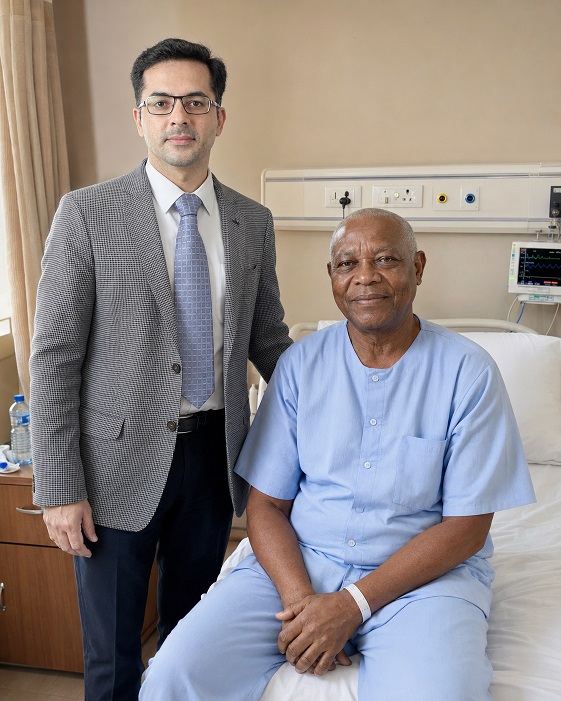
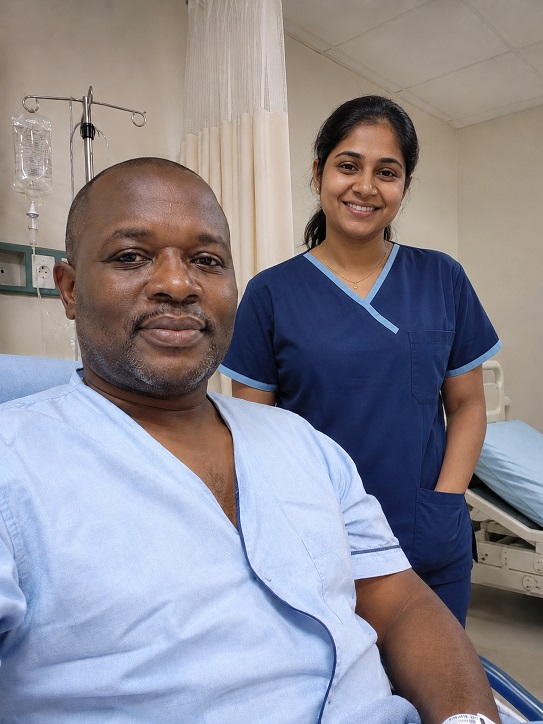
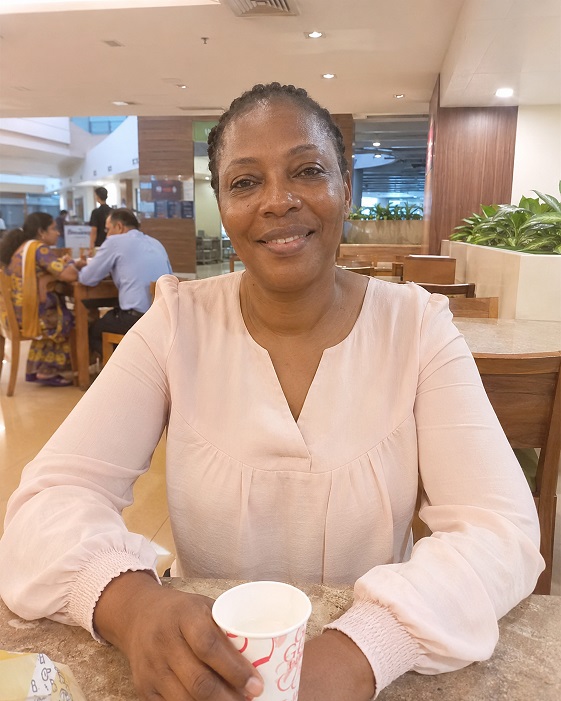
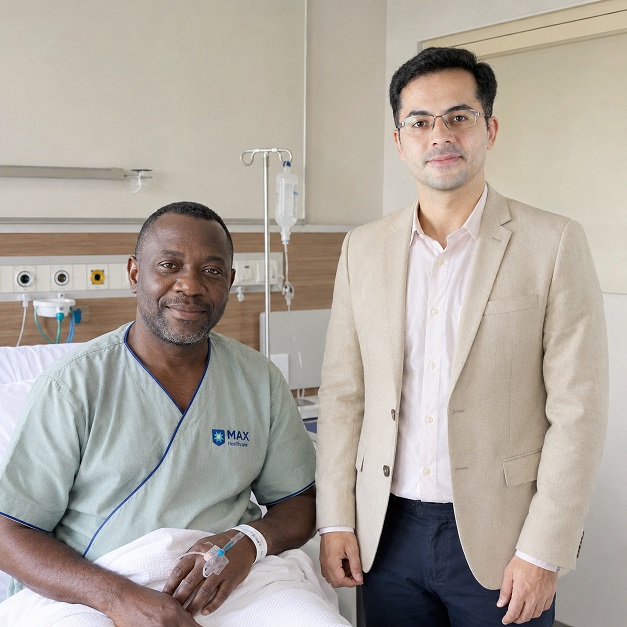
Healing Journeys of Nigerian Patients
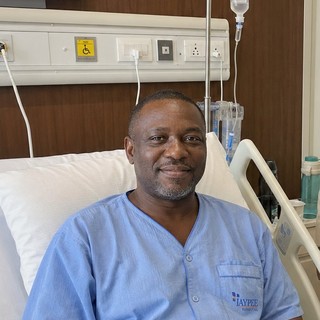
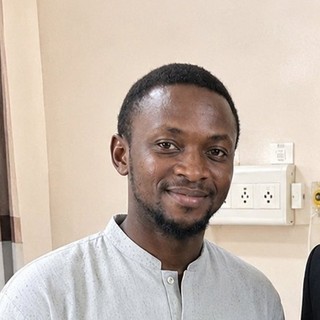
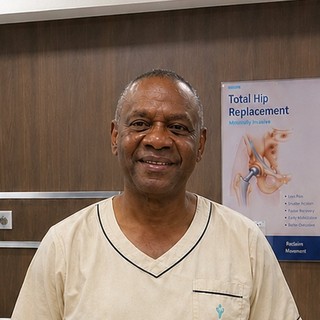
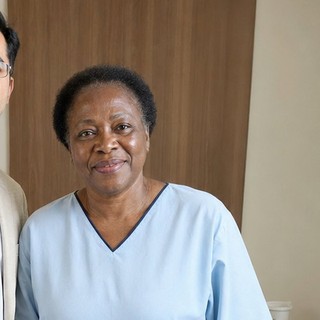
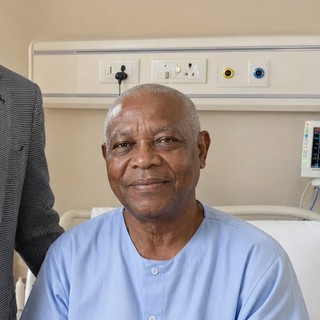
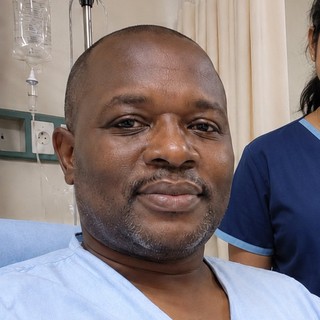

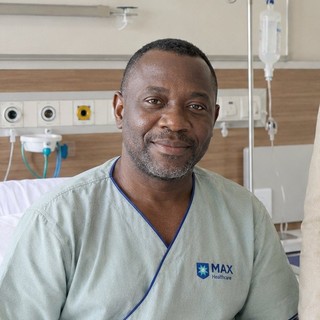
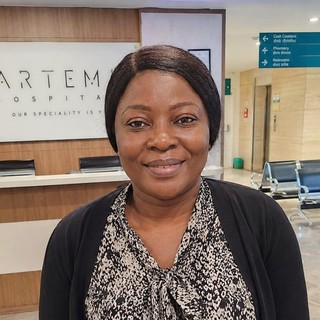
Key Takeaways
- Ameloblastoma is the central Nigeria-specific condition discussed in this guide. It is a benign but locally aggressive jaw tumour with strong capacity for continued local growth and recurrence if not adequately treated.
- A large Nigerian study from Kaduna found ameloblastoma accounted for 73% of odontogenic tumours in that series, while the guide contrasts this with an approximately 1% share among jaw tumours internationally.
- Another analysis reviewed 1,246 Nigerian ameloblastoma cases across 10 hospitals between 1964 and 2017, confirming that the condition has been studied and treated at substantial scale in Nigeria.
- The main Nigerian problem identified is late presentation, not lack of surgical knowledge. In one teaching-hospital series, patients had experienced symptoms for an average of nearly two years before treatment, with some individual cases delayed for as long as eight years.
- Ameloblastoma usually arises in the mandible from tissue associated with tooth development. It does not usually behave like a distant-spreading malignant cancer, but it can continue expanding and progressively destroy jaw bone if left untreated.
- The guide repeatedly stresses that timing changes the operation. A small tumour detected early may sometimes be managed with conservative enucleation, preserving much of the jaw.
- The same tumour, if allowed to enlarge substantially, may require segmental or radical resection, removing a portion of the jaw and creating a reconstruction problem that would not have existed with earlier treatment.
- Nigeria has deep oral and maxillofacial surgical experience. Published Nigerian outcomes include conservative tumour removal, radical resection and reconstruction using the patient's own bone.
Quick Facts
- Treatment
- Oral and Maxillofacial Surgery
- Country
- India
- Intended Audience
- Nigerian Patients and Families
- Primary Nigeria-Specific Condition
- Ameloblastoma
- Tumour Type
- Benign but Locally Aggressive Jaw Tumour
- Most Common Location
- Mandible
- Major Clinical Behaviour
- Continued Local Growth and Recurrence Risk
- Ameloblastoma Share in Kaduna Odontogenic Tumour Study
- 73%
- International Comparison Mentioned
- Approximately 1% of Jaw Tumours
- Nigerian Cases Analysed
- 1,246
- Hospitals Included
- 10
- Study Period Mentioned
- 1964–2017
- Main Nigeria-Specific Problem
- Late Presentation
- Average Delay Mentioned
- Nearly 2 Years in One Series
- Author
- Dr. Dheeraj Bojwani
- Experience
- 24 Years' Experience
In Brief
Oral and maxillofacial surgery in India for Nigerian patients is especially relevant to complex jaw tumours such as ameloblastoma, a benign but locally aggressive tumour extensively documented in Nigerian clinical literature. One large Nigerian series found ameloblastoma in 73% of odontogenic tumours, while delays before treatment have been reported to average nearly two years and extend to eight years in some cases. Early lesions may sometimes be treated with conservative enucleation for US$2,000–3,500, whereas advanced disease may require radical resection with bone graft reconstruction for US$8,000–13,000 or microvascular free flap reconstruction for US$13,000–20,000. Long-term imaging is essential because recurrence remains possible even after apparently complete surgery.
01 · THE REAL PROBLEM
A benign tumour that punishes delay
Ameloblastoma begins as a slow-growing tumour of the tissue that would normally form tooth enamel, most commonly in the mandible. It is not cancer, and it does not spread to distant organs in the way a malignant tumour would. What makes it dangerous over time is its unlimited local growth capacity and strong tendency to recur, meaning a tumour left untreated does not stay the same size; it continues expanding, gradually destroying surrounding bone and distorting the jaw's structure.
Nigerian clinical literature on this specific tumour is genuinely extensive, spanning multiple decades and thousands of documented cases across the country's teaching hospitals. What that same literature returns to, study after study, is the consequence of delay: an eleven-year review at one Nigerian teaching hospital found jaw swellings the most common presentation, with symptom duration before treatment averaging nearly two years and ranging as high as eight, concluding plainly that late presentation remains the main challenge in early detection and management. A tumour that could have been treated with conservative enucleation in its early stages instead requires segmental or radical resection once it has grown large enough, removing not just the tumour but a meaningful portion of the jaw itself.
This is not a story about a tumour Nigerian surgeons do not understand. It is a story about a race against a growth pattern that does not pause, and about how much of that race is lost before a patient ever reaches a surgeon's chair, often because an early, painless swelling is mistaken for something minor and simply watched rather than investigated.
02 · Nigeria's Capacity
Deep surgical experience, and a harder reconstruction question
Nigerian oral and maxillofacial surgeons have managed this specific tumour at real scale for decades, with published outcomes across a range of resection techniques, from conservative enucleation to radical resection with bone graft reconstruction. Historical Nigerian data on reconstruction after radical surgery is itself instructive: autogenous bone grafts, using the patient's own bone, were uniformly successful, while an older prosthetic reconstruction method was frequently rejected due to infection or mechanical failure, a finding that has shaped how reconstruction is approached since.
Where the gap becomes more significant is at the most advanced end of reconstruction: microvascular free flap surgery, transplanting bone and tissue with its own blood supply from elsewhere in the body and reconnecting it under microscope-assisted technique, offers meaningfully better long-term function for the most extensive defects than older methods, but depends on specialised microsurgical training and equipment not uniformly available across Nigerian centres. Follow-up compliance is also a documented, recurring problem in Nigerian case series, with many patients not returning for the regular review that catches recurrence early, sometimes because a long journey back to the treating hospital is itself a genuine barrier.
03 · the Treatment Map
How far the tumour has grown, and what it costs
The single biggest driver of both surgical complexity and cost is how advanced the tumour is at the time of treatment, not the diagnosis alone.
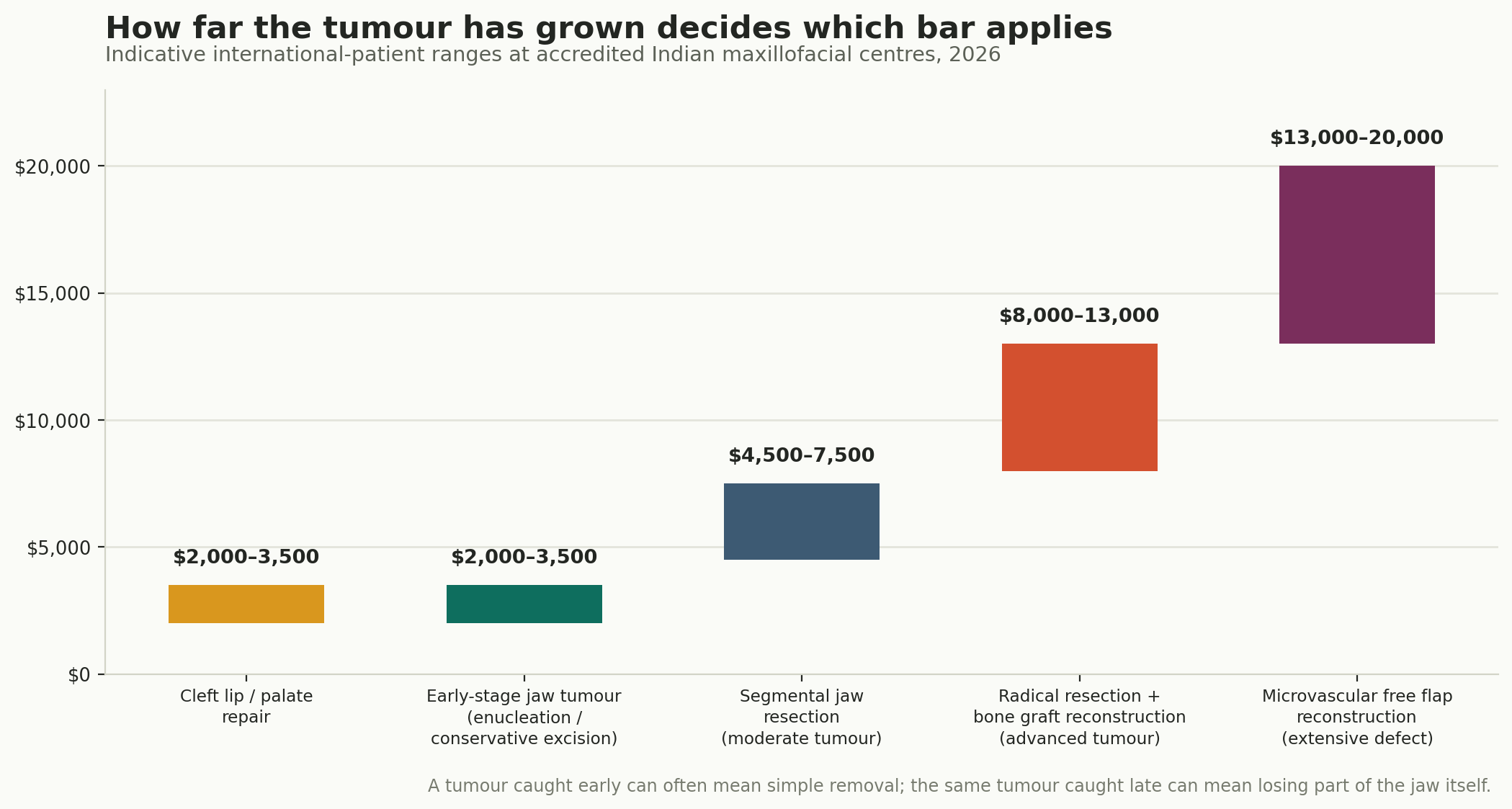
Figure 1. A tumour caught early can often mean conservative removal preserving jaw structure; the same tumour caught late can mean losing part of the jaw itself.
| Procedure | Typically suits | Indicative cost | Hospital stay |
|---|---|---|---|
| Cleft lip / palate repair | Congenital cleft, ideally repaired in infancy or early childhood | $2,000–3,500 | 2–3 nights |
| Early-stage jaw tumour (enucleation) | A small tumour caught early, preserving jaw structure | $2,000–3,500 | 2–4 nights |
| Segmental jaw resection | A moderate-sized tumour needing partial jaw removal | $4,500–7,500 | 5–7 nights |
| Radical resection + bone graft reconstruction | An advanced tumour, using the patient's own bone to rebuild the jaw | $8,000–13,000 | 7–10 nights |
| Microvascular free flap reconstruction | The most extensive defects, needing transplanted tissue with its own blood supply | $13,000–20,000 | 10–14 nights |
Table 1. Indicative international-patient pricing at accredited Indian maxillofacial centres, mid-2026. Figures are planning ranges, not offers, and vary by tumour size, location, and reconstruction method.
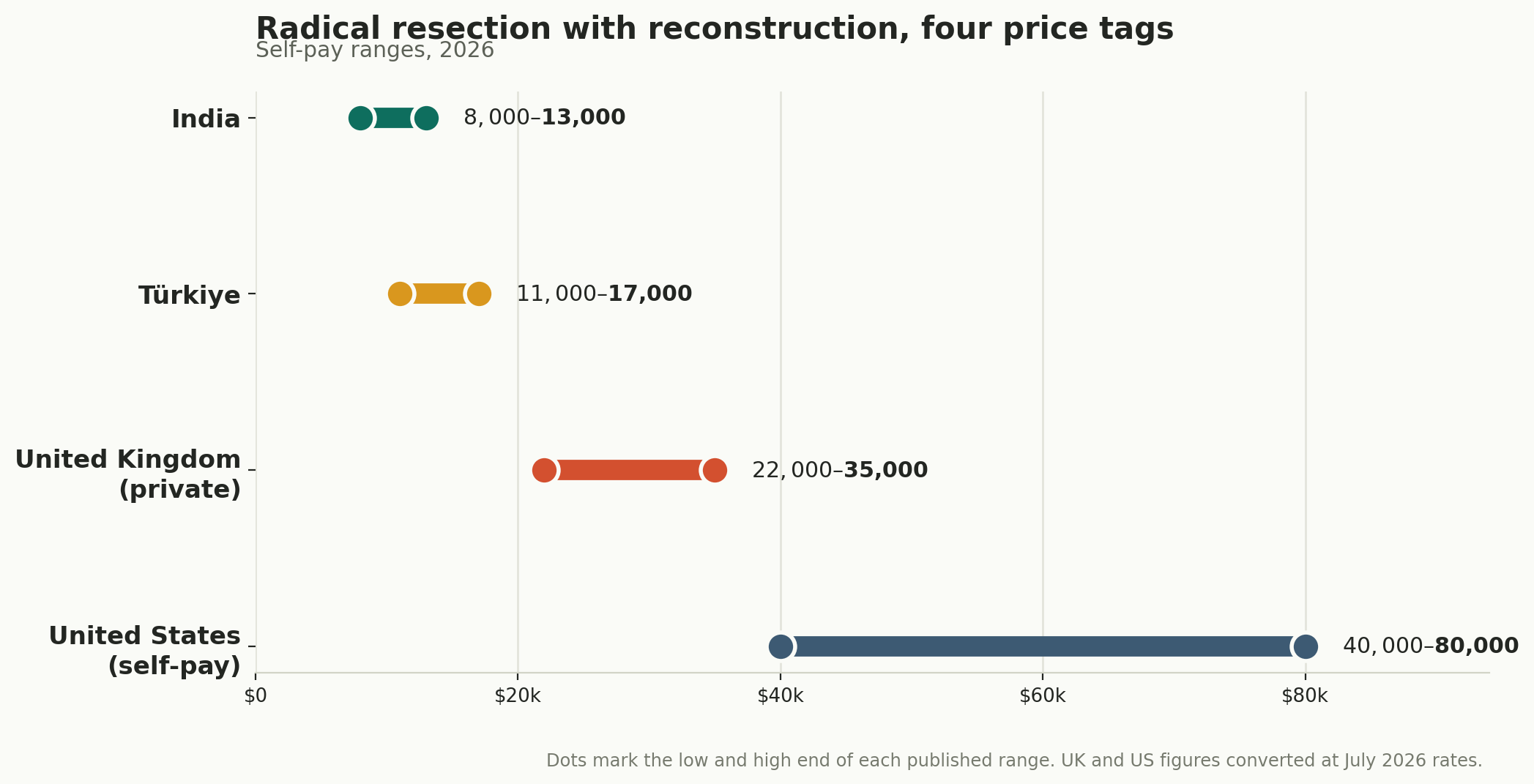
Figure 2. Radical resection with reconstruction, priced across four common destinations for Nigerian medical travellers.
What a proper written quote must itemise
- Confirmed diagnosis by biopsy, and the exact extent of the tumour on imaging
- Whether conservative or radical surgery is genuinely indicated, and why
- The specific reconstruction method planned, if any, and why it suits your case
- The surgical team's specific experience with this tumour type and reconstruction technique
- A written long-term follow-up schedule for recurrence monitoring
04 · the Full Budget
What the whole journey costs, beyond the operation
The surgical fee is the number families anchor on, and the least complete one. A representative pathway — radical resection with bone graft reconstruction, one patient and one attendant, roughly three to four weeks in India — adds up like this:
- Surgical package (resection, reconstruction, hospital stay): $9,000–14,000
- Return flights, two travellers (Lagos/Abuja – Delhi/Mumbai/Chennai): $2,200–3,000
- Pre-surgical workup (imaging, biopsy, bloodwork): $500–900
- Accommodation, three to four weeks, two people : $1,300–2,100
- Medical and attendant visas (two applications): $400–500
- Contingency for extended reconstruction or a longer stay: 15–20% All-in, most families should plan for US$15,500–23,500 for radical resection with bone graft reconstruction — roughly ₦21.4–32.4 million at the official mid-July 2026 rate of about ₦1,380 to the dollar, somewhat higher at parallel-market rates near ₦1,410. Early-stage cases needing conservative enucleation cost considerably less and require a much shorter stay.
05 · GETTING THERE
Visa, travel, and why follow-up is not optional
India issues a Medical Visa (M) to the patient and a Medical Attendant Visa (MX) to up to two close relatives. Applications go through the High Commission in Abuja or the Consulate General in Lagos by prior appointment, and an e-Medical route turns around in days for straightforward files. The hospital's invitation letter, three months of certified bank statements, and a passport valid six months with two blank pages move the process fastest.
Lagos and Abuja both reach Delhi, Mumbai and Chennai with a single stop, usually via Addis Ababa, Doha, Dubai, Nairobi or Istanbul, a total journey of 13 to 18 hours.
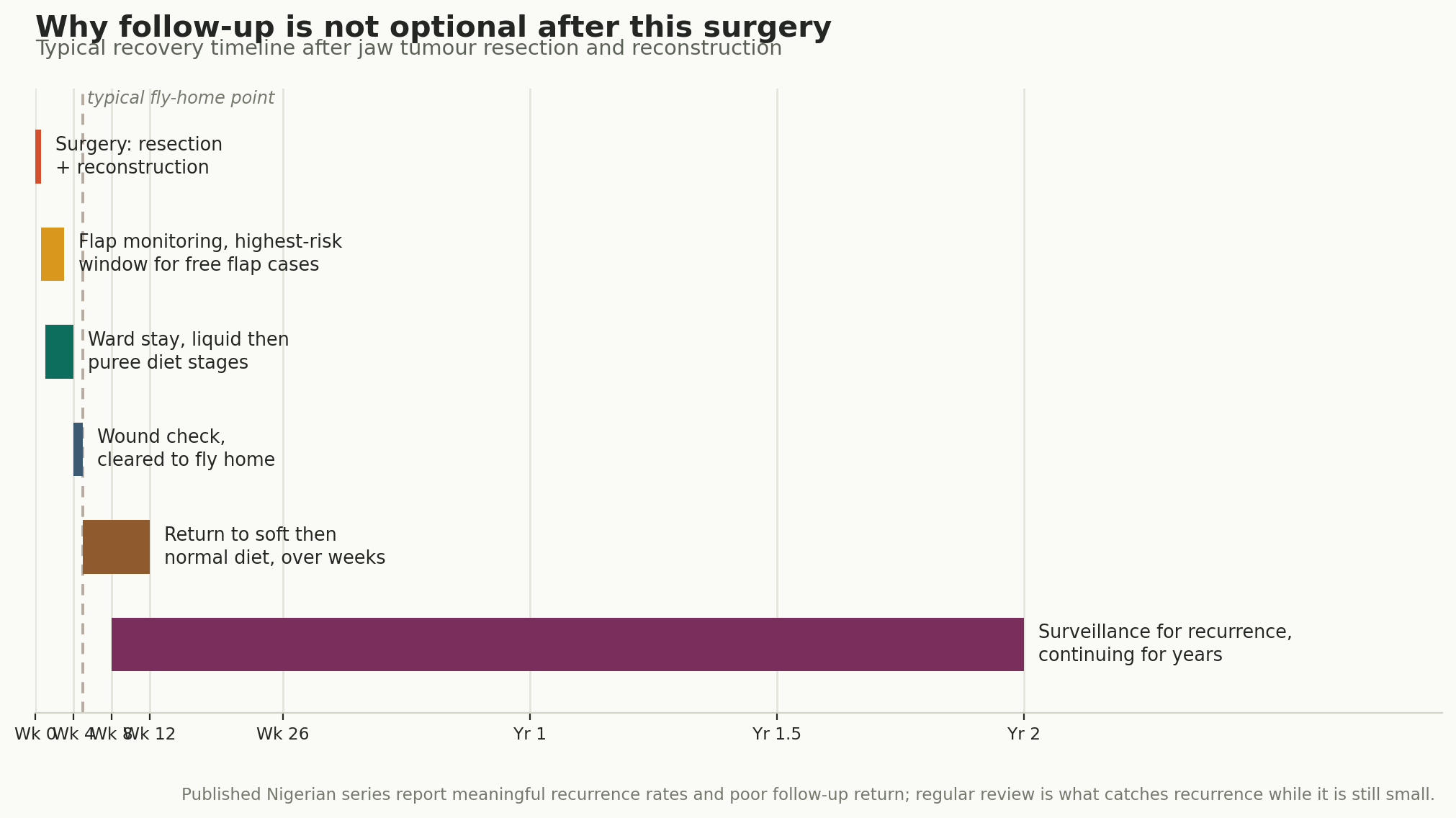
Figure 3. Published Nigerian series report meaningful recurrence rates and poor return-for-follow-up; regular review is what catches recurrence while it is still small and treatable.
On follow-up, honestly. Nigerian studies on this tumour have repeatedly noted that many patients do not return for scheduled review after surgery, and recurrence has been documented in a meaningful share of cases, particularly after more conservative procedures. Committing to years of follow-up imaging, not just the operation itself, is what actually determines whether this surgery succeeds over the long term.
What has to travel home with the patient
- Full operative note, resection margins, and reconstruction details
- Complete histopathology report confirming tumour type and margins
- A written dietary progression plan following jaw surgery
- A long-term surveillance imaging schedule for recurrence monitoring
- A named clinician contact for teleconsultation if new swelling or symptoms appear
06 · THE HONEST COMPARISON
What stays in Nigeria, and what travels
Diagnosis, biopsy, and standard resection, including radical resection with bone graft reconstruction, are all within genuine, well-documented Nigerian surgical experience, and there is little reason to travel purely for these procedures where a competent maxillofacial surgeon is accessible.
What tips the calculation toward travelling is the most extensive reconstruction cases, where microvascular free flap technique offers a meaningfully better long-term functional result than older methods but depends on specialised resources not uniformly available domestically. For any case, wherever it is treated, the single most important action remains the same: seeking assessment for a jaw swelling promptly, rather than waiting.
Before you commit to jaw tumour surgery, at home or abroad
- Seek assessment for any jaw swelling promptly; do not wait to see if it resolves on its own.
- Get a confirmed diagnosis by biopsy and full imaging before any treatment plan is made.
- Ask explicitly whether conservative or radical surgery is indicated, and what determined that decision.
- For extensive defects, ask specifically whether microvascular free flap reconstruction is being offered or is appropriate.
- Confirm the surgical team's specific experience with this tumour type and reconstruction method.
- Get the long-term follow-up imaging schedule in writing before you leave.
- Commit, in advance, to returning for every scheduled follow-up review, given documented recurrence risk.
- Pay into the hospital's own institutional account only, never an individual's personal account.
Straight Answers for Nigerian Patients about Oral and Maxillofacial Surgery in India
Is jaw tumour surgery in India cheaper than the UK or US?
Yes, substantially. Radical resection with bone graft reconstruction is indicatively $8,000 to $13,000 in India, against roughly $22,000 to $35,000 privately in the UK and $40,000 to $80,000 self-pay in the United States.
Why is ameloblastoma so significant in Nigeria specifically?
Multiple Nigerian case series describe ameloblastoma as unusually common, accounting for as much as 73 percent of odontogenic tumours in one large study, well above its roughly 1 percent share among all jaw tumours internationally.
Does a jaw tumour always require radical, disfiguring surgery?
No. Caught early, it can often be managed with conservative enucleation, preserving jaw structure. Nigerian studies repeatedly identify late presentation, sometimes years in duration, as the reason so many cases ultimately need more extensive resection.
Do Nigerians need a visa for maxillofacial surgery in India?
Yes. You need an Indian Medical Visa from the High Commission in Abuja, the Consulate in Lagos, or the e- Medical route, plus a Medical Attendant Visa for up to two close relatives, with a hospital invitation letter and financial proof.
What is a microvascular free flap?
For extensive jaw defects, a piece of bone and tissue with its own blood supply is transplanted from elsewhere in the body and reconnected under microscope-assisted surgery, offering better long-term function than some older prosthetic reconstruction methods.
How likely is ameloblastoma to come back after surgery?
Recurrence is genuinely possible even after apparently complete removal, with published Nigerian series reporting recurrence in a meaningful share of cases, particularly after more conservative procedures. Regular follow-up imaging is essential.
Is India better than Nigeria for maxillofacial surgery?
For advanced cases needing microvascular free flap reconstruction specifically, often yes. Nigerian oral and maxillofacial surgeons have extensive, well-documented experience managing these tumours, including complex resections.
A closing word
Ameloblastoma is, in a real sense, a tumour that Nigerian medicine understands very well, having studied and treated it at genuine scale for over five decades. What the same body of research keeps returning to is not a knowledge gap but a timing one: a benign tumour with unlimited growth potential does not wait for a patient to feel ready to seek care, and every study on this condition in Nigeria tells some version of the same story about what that waiting costs.
In twenty-four years of this work, the patients who do best are the ones who seek assessment for a jaw swelling the moment they notice it, ask directly whether conservative treatment is still possible, and treat years of follow-up imaging as seriously as the surgery itself. The operation removes what has already grown. Seeking care early is what determines how much there was left to remove.
Sources
- 🌐 American Association of Oral and Maxillofacial Surgeons — Jaw tumours, patient information
- 🌐 Ameloblastoma. StatPearls, NCBI Bookshelf, 2026
- 🌐 Adisa AO et al. — Biological profile of ameloblastoma and its location in the jaw in 1246 Nigerians
- 🌐 A review of 318 odontogenic tumors in Kaduna, Nigeria. Head and Neck Pathology
- 🌐 Maxillofacial tumors and tumor-like lesions in a Nigerian teaching hospital: an eleven year retrospective analysis
- 🌐 High Commission of India, Abuja — Medical and Medical Attendant Visa requirements
Frequently Asked Questions by Nigerians about Oral and Maxillofacial Surgery in India
Is jaw tumour surgery in India cheaper than the UK or US?
Yes, according to the guide. Radical resection with bone graft reconstruction is approximately US$8,000–13,000 in India, compared with US$22,000–35,000 privately in the UK and US$40,000–80,000 self-pay in the United States.
Why is ameloblastoma particularly significant in Nigeria?
Multiple Nigerian case series describe it as unusually common. One large series found ameloblastoma in 73% of odontogenic tumours, and a national analysis documented 1,246 cases across 10 hospitals.
Does every jaw tumour require radical or disfiguring surgery?
No. The guide states that smaller tumours found early may sometimes be treated conservatively with enucleation, preserving jaw structure. Extensive surgery becomes more likely after prolonged growth.
What is a microvascular free flap?
It is a reconstruction technique in which bone and tissue with its own blood supply are transferred from another part of the body and the blood vessels are reconnected using microsurgery.
How much does microvascular jaw reconstruction cost in India?
The guide lists approximately US$13,000–20,000, with a hospital stay of about 10–14 nights for extensive defects.
Can ameloblastoma come back after surgery?
Yes. Recurrence remains possible even after apparently complete removal, with Nigerian series documenting recurrence in a meaningful proportion of patients, particularly after conservative procedures.
How much should Nigerian families budget for radical jaw resection and reconstruction in India?
The guide recommends approximately US$15,500–23,500 all-in for radical resection with bone graft reconstruction, including treatment, flights, investigations, accommodation and visas.
Do Nigerian patients need a visa for maxillofacial surgery in India?
Yes. The guide specifies an Indian Medical Visa for the patient and a Medical Attendant Visa for up to two close relatives, supported by hospital invitation and financial documentation.
Is India always better than Nigeria for maxillofacial surgery?
No. Nigerian surgeons have extensive documented experience with ameloblastoma, including radical resection and bone graft reconstruction. India becomes more relevant for very extensive defects requiring microvascular free flap reconstruction.
What should patients take home after jaw tumour surgery?
The guide recommends the full operative note, resection margins, reconstruction details, complete histopathology report, written dietary progression plan, long-term surveillance imaging schedule and a named clinician contact for new swelling or symptoms.
Page Summary
This guide is built around one central principle: the timing of assessment can change the entire scale of jaw tumour surgery. Ameloblastoma is particularly important in Nigerian maxillofacial practice. The guide cites a Kaduna study in which it represented 73% of odontogenic tumours and a national analysis of 1,246 cases across 10 hospitals. Nigerian surgeons therefore have extensive experience with the disease. The problem is not primarily lack of expertise. It is delay. Patients in one Nigerian series waited nearly two years on average before treatment, and some waited up to eight years. Because ameloblastoma continues growing locally, waiting can turn a tumour suitable for conservative removal into one requiring loss of part of the jaw.
Citation Block
| Topic | Information |
|---|---|
| Topic Information | Oral and Maxillofacial Surgery in India for Nigerian Patients |
| Treatment | Oral and Maxillofacial Surgery / Jaw Tumour Surgery |
| Country | India |
| Intended Audience | Nigerian Patients and Families |
| Primary Condition | Ameloblastoma |
| Other Procedure Mentioned | Cleft Lip / Palate Repair |
| Tumour Behaviour | Benign but Locally Aggressive |
| Nigeria Ameloblastoma Figure | 73% of Odontogenic Tumours in One Large Series |
| Nigerian Cases Analysed | 1,246 Across 10 Hospitals |
| Main Nigeria Challenge | Late Presentation |
| Delay Mentioned | Nearly 2 Years Average; Up to 8 Years in Individual Cases |
| First Requirement | Biopsy and Full Imaging |
| Early-Stage Treatment | Enucleation |
| Moderate Disease Treatment | Segmental Jaw Resection |
| Advanced Treatment | Radical Resection + Bone Graft |
| Most Extensive Reconstruction | Microvascular Free Flap |
| Hospital Stay | Approximately 2–14 Nights Depending on Procedure |
| Representative Surgical Package | US$9,000–14,000 |
| All-In Representative Budget | US$15,500–23,500 |
| Representative India Stay | Approximately 3–4 Weeks |
| Nigeria Appropriate Care | Diagnosis, Biopsy, Standard Resection and Bone Graft Reconstruction |
| Travel More Relevant For | Extensive Microvascular Free Flap Reconstruction |
| Long-Term Follow-Up | Recurrence Surveillance Imaging for Years |
| Records for Return to Nigeria | Operative Note, Margins, Reconstruction Details and Histopathology |
| Medical Visa | Indian Medical Visa |
| Attendant Visa | Medical Attendant Visa for Up to Two Close Relatives |
| Author | Dr. Dheeraj Bojwani |
| Experience | 24 Years' Experience |

Our Mission Statement
Our mission is to place patients at the centre of every healthcare decision by providing trustworthy, evidence-based, and unbiased medical information. We believe that informed patients make better decisions. Backed by personalised guidance from our experienced advisory team, we help patients understand their treatment options, compare them objectively, and confidently choose the path that best suits their medical needs and personal circumstances.
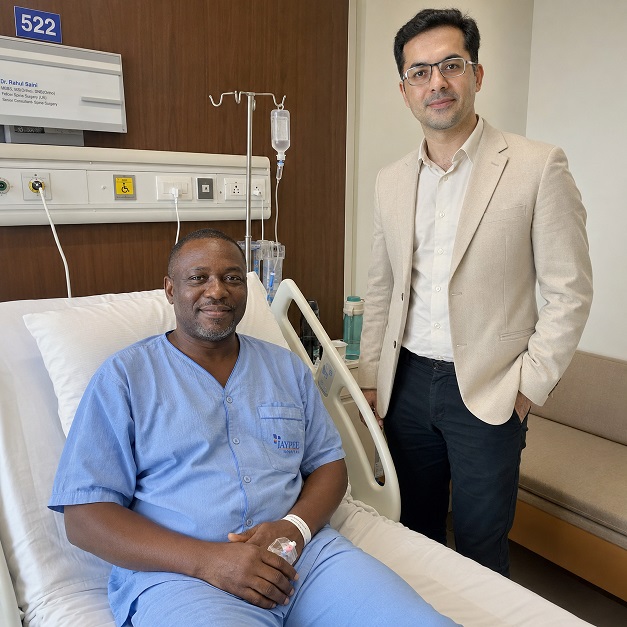
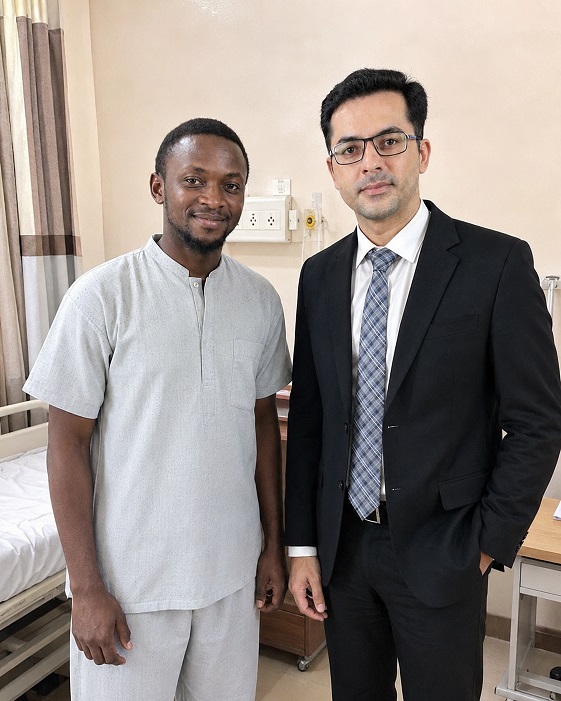
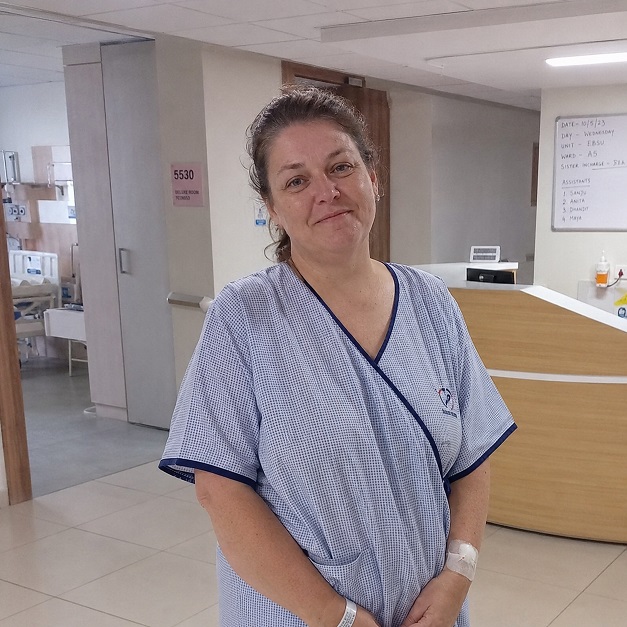
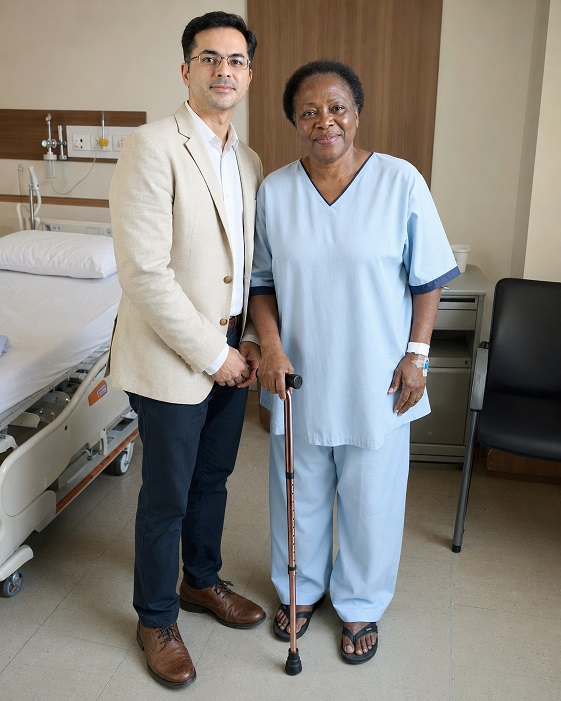
Patient Testimonials from Nigeria
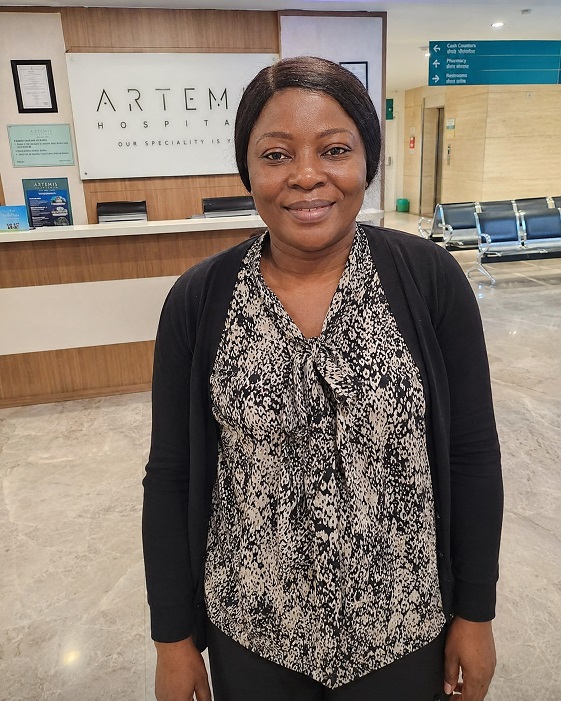
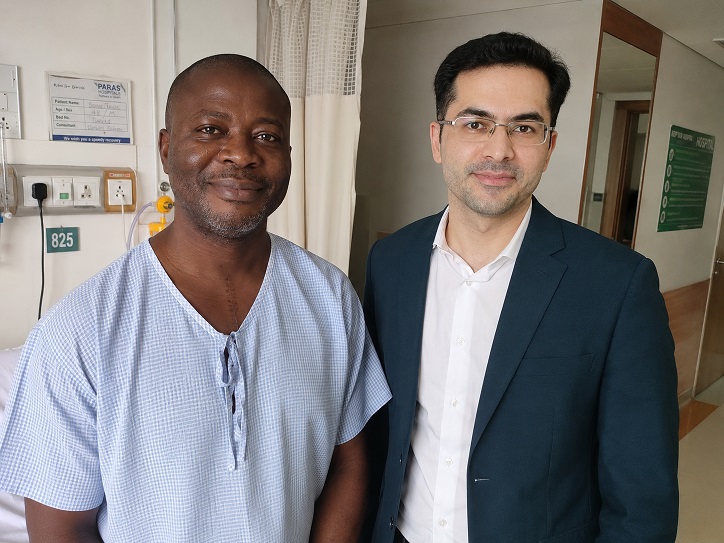
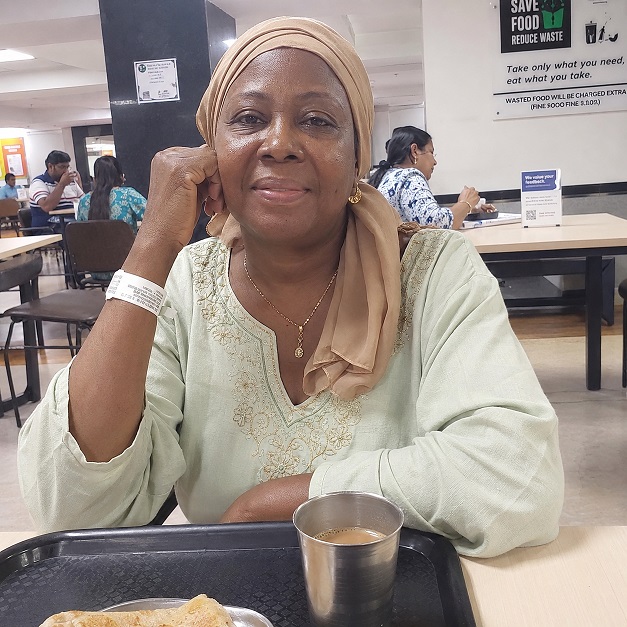
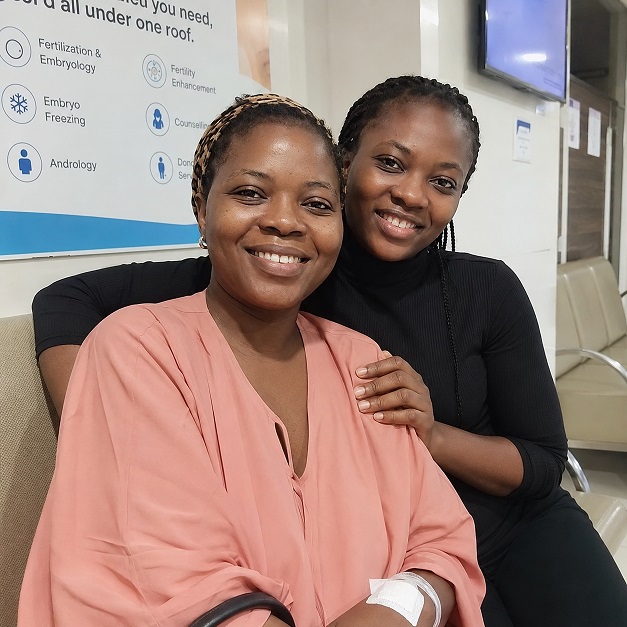
Ready to Take the First Step?
Share your Medical Reports with our Healthcare Managers Today and Get a FREE CONSULTATION, a Personalized Treatment Plan, and Complete Support from Arrival to Recovery.
Get Your Free ConsultationAreas We Serve
This resource has been thoughtfully prepared for patients from Nigeria who are considering medical treatment in India. We also welcome patients from the wider region in the countries mentioned below-
We assist patients from:
- Benin
- Niger
- Chad
- Cameroon
- Algeria
- Egypt
- Libya
- Morocco
- Sudan
- Tunisia
- Gambia
- Ghana
- Burkina Faso
- Cabo Verde
- Côte d'Ivoire
- Equatorial Guinea
- São Tomé and Príncipe
Many of the insights, treatment pathways, hospital recommendations, travel guidance, and patient support services described here are equally relevant and may be used as a reference when planning treatment in India.
From Nigeria to India: Your Complete Patient Support Guide
- Artificial Disc Replacement in India for Nigerian Patients
- Weight Loss and Bariatric Surgery in India for Nigerian Patients
- Bone Marrow Transplant in India for Nigerian Patients
- Brain Tumour Surgery in India for Nigerian Patients
- Breast Cancer Treatment and Surgery in India for Nigerian Patients
- Cancer Treatment and Surgery in India for Nigerian Patients
- Cardiac Arrhythmia and Heart Pacemaker Treatment in India for Nigerian Patients
- Cardiac Surgery in India for Nigerian Patients
- Colorectal Cancer Treatment and Surgery in India for Nigerian Patients
- Complex Orthopaedic and Joint Revision Surgery in India for Nigerian Patients
- Cornea Transplant and Advanced Eye Surgery in India for Nigerian Patients
- CyberKnife Treatment in India for Nigerian Patients
- Gamma Knife Treatment in India for Nigerian Patients
- Heart Failure Treatment and Surgery in India for Nigerian Patients
- Hip Surgery in India for Nigerian Patients
- HIPEC Cancer Surgery in India for Nigerian Patients
- IVF and Fertility Treatment in India for Nigerian Patients
- Joint Arthroscopy and Sports Medicine in India for Nigerian Patients