

Neurosurgery in India for Nigerian Patients
For the back pain that turned out to be a herniated disc, the scan that found an aneurysm nobody knew was there, and everything that is planned rather than an emergency.
A pooled analysis of nearly 46,000 Nigerian neurosurgery patients found that trauma, overwhelmingly from motorcycle and road accidents, dominates the country's neurosurgical caseload, and in rural practice the median time between injury and surgery has been measured at over eighty hours. That statistic belongs to a different conversation than this one. This guide is not about acute trauma, which should always be treated at the nearest capable hospital, immediately. It is about the planned, non-emergency neurosurgery that follows a diagnosis with time to think: a degenerating disc, an aneurysm found incidentally on a scan, a chronic subdural bleed, a functional condition that has never quite been fixed. It sets out what that kind of neurosurgery actually costs in India once travel is counted, what Nigeria's own neurosurgical capacity can and cannot offer today, and why cranial and spinal recovery follow such different timelines.
| 169 | 45,763 | 82 hrs | 70–85% |
|---|---|---|---|
| NEUROSURGEONS CURRENTLY SERVING 230 MILLION NIGERIANS | PATIENTS IN THE LARGEST POOLED STUDY OF NIGERIAN NEUROTRAUMA | MEDIAN TIME FROM INJURY TO SURGERY IN A RURAL NIGERIAN STUDY | TYPICAL SAVING ON AN EQUIVALENT INDIA PATHWAY VS. THE US |
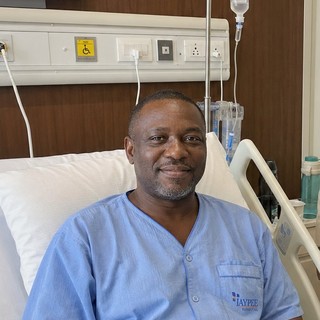
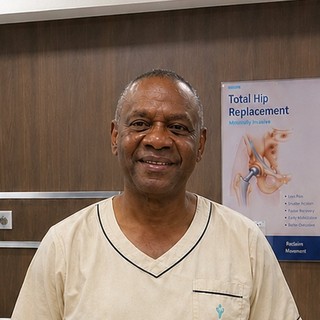
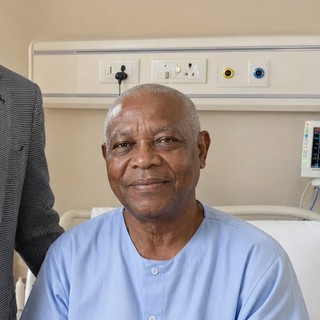
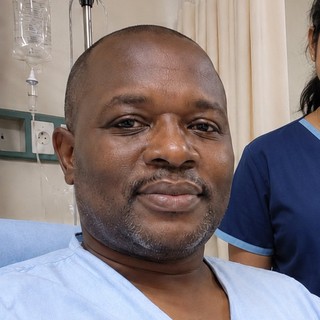
Healing Journeys of Nigerian Patients




Key Takeaways
- This guide is specifically about planned, non-emergency neurosurgery. It does not cover acute head injury or acute spinal trauma, which should be treated immediately at the nearest capable hospital rather than delayed for international travel.
- Nigeria currently has an estimated 169 neurosurgeons serving approximately 230 million people. The country's neurosurgical workload is heavily influenced by trauma, particularly road traffic and motorcycle accidents.
- The largest pooled Nigerian neurotrauma analysis cited in the document included 45,763 patients. A rural Nigerian study found a median interval of approximately 82 hours between injury and surgery among patients who ultimately required an operation.
- The document explains that emergency trauma appropriately absorbs a significant share of Nigeria's limited neurosurgical resources. As a result, patients with planned conditions may face longer waits for theatre availability, MRI access or specialist assessment.
- Nigeria can successfully manage many straightforward neurosurgical conditions. The guide specifically mentions single-level disc herniation and chronic subdural haematoma as conditions routinely treated by competent Nigerian neurosurgical teams.
- The calculation changes for vascular, complex and equipment-dependent neurosurgery. Cerebral aneurysms and arteriovenous malformations increasingly rely on endovascular procedures requiring specialised angiography suites and interventional expertise that remain concentrated in relatively few Nigerian centres.
- The guide therefore states that there is little reason to travel for an uncomplicated disc operation if a competent Nigerian team can schedule it promptly.
Quick Facts
- Treatment
- Planned Neurosurgery
- Country
- India
- Intended Audience
- Nigerian Patients and Families
- Scope
- Planned, Non-Emergency Neurosurgical Conditions
- Acute Trauma
- Immediate Treatment at the Nearest Capable Hospital
- Neurosurgeons Serving Nigeria
- Approximately 169
- Population Served
- Approximately 230 Million
- Largest Nigerian Neurotrauma Pooled Study
- 45,763 Patients
- Rural Median Injury-to-Surgery Time
- 82 Hours
- Dominant Nigerian Neurosurgical Burden
- Trauma
- Major Trauma Cause
- Road Traffic and Motorcycle Accidents
- Straightforward Cases Treated in Nigeria
- Single-Level Disc Herniation and Chronic Subdural Haematoma
- Major Capacity Gap
- Vascular, Complex and Equipment-Dependent Neurosurgery
- Specialised Vascular Treatment
- Endovascular Neurosurgery
- Specialised Infrastructure
- Angiography Suites
- Author
- Dr. Dheeraj Bojwani
- Experience
- 24 Years
In Brief
Planned neurosurgery in India for Nigerian patients includes procedures ranging from routine spinal decompression to complex cerebral aneurysm treatment. Nigeria has approximately 169 neurosurgeons serving 230 million people, while emergency neurotrauma consumes a substantial proportion of available neurosurgical capacity. Straightforward disc disease and chronic subdural haematomas can often be managed appropriately in Nigeria, while vascular and equipment-dependent procedures may justify treatment abroad. Indicative Indian costs range from US$2,500–5,000 for lumbar or cervical discectomy/decompression to US$8,000–15,000 for cerebral aneurysm clipping or coiling.
01 · the Real Problem
A trauma-dominated system, and the planned surgery that gets crowded out
Studies from academic neurosurgical practices across Nigeria describe a remarkably consistent picture: road traffic accidents, especially motorcycle crashes, account for the overwhelming majority of neurosurgical trauma seen, with one major Ibadan-based study finding all-terrain road accidents responsible for over eighty percent of head injuries treated over a seven-year period. A rural neurosurgical practice further found that road accidents caused roughly seventy-nine percent of all neurotrauma, and that only five percent of patients ultimately needed surgery — but for those who did, the median wait between injury and operation stretched past eighty hours.
A separate hospital-based study from Ado-Ekiti, covering an eighteen-month period into 2025, found traumatic brain injury was the single most common reason for neurosurgery, ahead of spinal cord compression and brain tumours combined. What this means in practice is that Nigeria's limited neurosurgical capacity is disproportionately absorbed by emergency trauma, which is exactly as it should be — but it also means that planned, non-urgent conditions can face genuinely long waits for a theatre slot, an MRI, or a specialist opinion.
This guide is written for that second group. If you or a family member has suffered a head injury or acute spinal trauma, the right and only answer is the nearest capable hospital, immediately, not a flight booking. What follows is for conditions where there is time to plan properly: a diagnosis in hand, imaging already done, and weeks rather than hours to make a decision.
02 · Nigeria's Capacity
What Nigeria can do, and where it is genuinely thin
Nigeria currently has an estimated 169 neurosurgeons for a population of 230 million, a shortage severe enough that the Federal Government moved this July to address it after public warnings from the Brain and Spine Foundation Africa. That workforce treats the full breadth of adult neurosurgical disease: trauma first, then degenerative spine disease, brain and spinal tumours, vascular conditions, and functional disorders, all competing for the same limited theatre time and intensive care beds.
Vascular neurosurgery illustrates the gap especially clearly. Treating a cerebral aneurysm or an arteriovenous malformation increasingly relies on endovascular techniques — catheter-based procedures performed from inside the blood vessels — which need specialised angiography suites and interventional training that remain concentrated in only a small number of Nigerian centres. Nigerian neurosurgeons publish real, credible outcomes in this field, but access to the equipment itself is the binding constraint far more often than surgical skill.
For straightforward, common conditions — a single-level disc herniation, a chronic subdural haematoma in an elderly patient — competent Nigerian neurosurgical teams treat these successfully every week, and there is little reason to travel for an uncomplicated case that can be scheduled promptly at home. It is the vascular, complex, and equipment-dependent cases where the calculation shifts.
03 · THE TREATMENT MAP
Which procedure, and what it costs
“Neurosurgery” covers an unusually wide range of conditions, and the cost, recovery time, and urgency of each differs enormously. A vague quote for “brain surgery” or “spine surgery” without naming the specific procedure is not a quote a family can plan around.
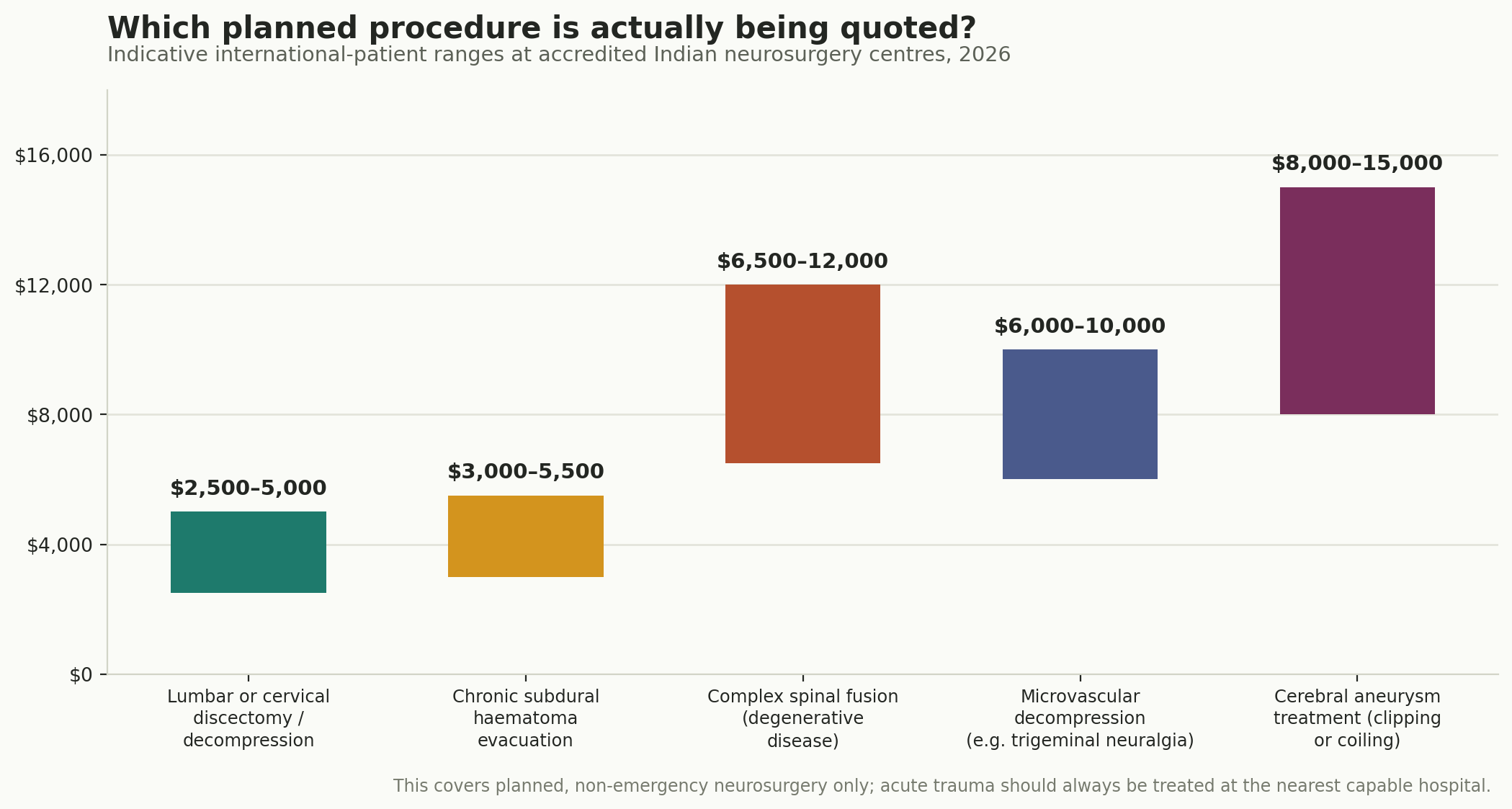
Figure 1. Five categories of planned neurosurgery under one broad specialty name. A cranial vascular procedure costs several times more than a routine disc decompression, and recovers on a completely different timeline.
| Procedure | Typically suits | Indicative cost | Hospital stay |
|---|---|---|---|
| Lumbar or cervical discectomy / decompression | A herniated disc or narrowed canal pressing on a nerve | $2,500–5,000 | 1–3 nights |
| Chronic subdural haematoma evacuation | A slow bleed under the skull, often in older patients | $3,000–5,500 | 3–5 nights |
| Complex spinal fusion (degenerative disease) | Instability or multi-level degeneration not suited to decompression alone | $6,500–12,000 | 5–8 nights |
| Microvascular decompression | Trigeminal neuralgia and related nerve-compression conditions | $6,000–10,000 | 4–6 nights |
| Cerebral aneurysm treatment (clipping or coiling) | An aneurysm found incidentally, or after a prior bleed, now stable | $8,000–15,000 | 7–12 nights |
Table 1. Indicative international-patient pricing at accredited Indian neurosurgery centres, mid-2026. Figures are planning ranges, not offers, and vary by hospital tier, technique, and case complexity. Brain tumour resection is covered in a dedicated companion guide.
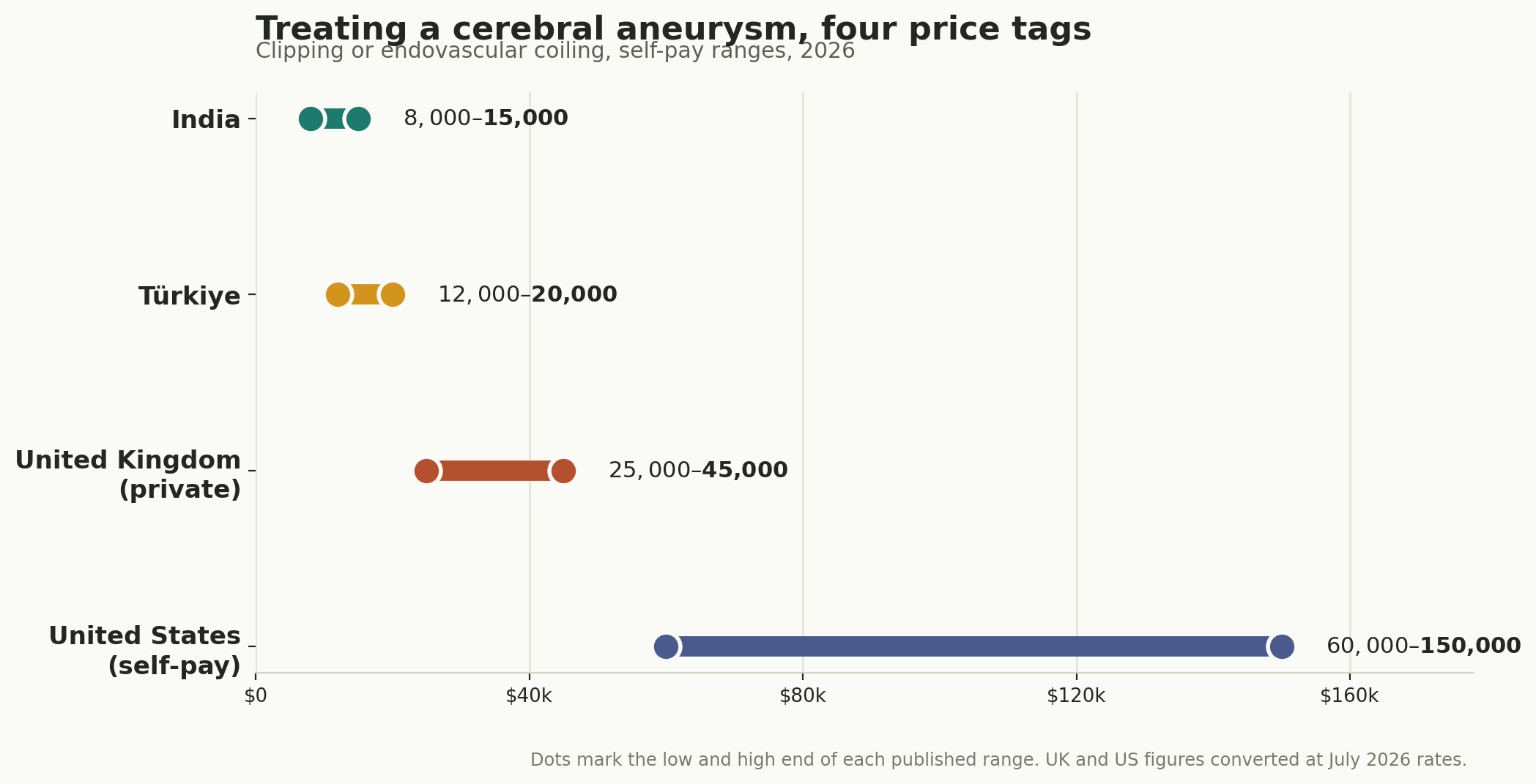
Figure 2. Treating a cerebral aneurysm, priced across four common destinations for Nigerian medical travellers.
What a proper written quote must itemise
- The exact procedure and technique — open clipping versus endovascular coiling, for instance, not just “aneurysm treatment”
- Surgeon, anaesthesia and, where relevant, interventional radiology fees, separated from ward and ICU charges
- ICU nights included, and specifically whether extended monitoring for vasospasm risk is built into the package
- Implant or coil hardware costs, itemised separately from the procedure fee
- What happens, and what it costs, if intra-operative findings differ from the pre-operative plan
04 · the Full Budget
What the whole journey costs, beyond the operation
The surgical fee is the number families anchor on, and the least complete one. A representative pathway — cerebral aneurysm treatment, one patient and one attendant, roughly three to four weeks in India — adds up like this:
- Surgical package (procedure, ICU, ward stay): $9,000–16,000
- Return flights, two travellers (Lagos/Abuja – Delhi/Mumbai/Chennai): $2,200–3,000
- Pre-surgical workup (MRI/CT angiography, bloodwork, anaesthetic clearance): $600–1,100
- Accommodation, three to four weeks, two people : $1,600–2,600
- Medical and attendant visas (two applications): $400–500
- Contingency for extended ICU monitoring: 15–20% All-in, most families should plan for US$14,000–22,000 for cranial vascular surgery — roughly ₦19.3–30.4 million at the official mid-July 2026 rate of about ₦1,380 to the dollar, somewhat higher at parallel-market rates near ₦1,410. A routine discectomy or decompression, by contrast, typically runs a full-journey budget closer to $6,000–9,500, reflecting its shorter stay and simpler recovery.
05 · GETTING THERE
Visa, travel, and what recovery actually involves
India issues a Medical Visa (M) to the patient and a Medical Attendant Visa (MX) to up to two close relatives. Applications go through the High Commission in Abuja or the Consulate General in Lagos by prior appointment, and an e-Medical route turns around in days for straightforward files. The hospital's invitation letter, three months of certified bank statements, and a passport valid six months with two blank pages move the process fastest.
Lagos and Abuja both reach Delhi, Mumbai and Chennai with a single stop, usually via Addis Ababa, Doha, Dubai, Nairobi or Istanbul, a total journey of 13 to 18 hours. Cranial procedures need written fitness-to-fly clearance from the treating neurosurgeon, since cabin pressure changes are a genuine consideration after intracranial surgery in a way they generally are not after spinal surgery.
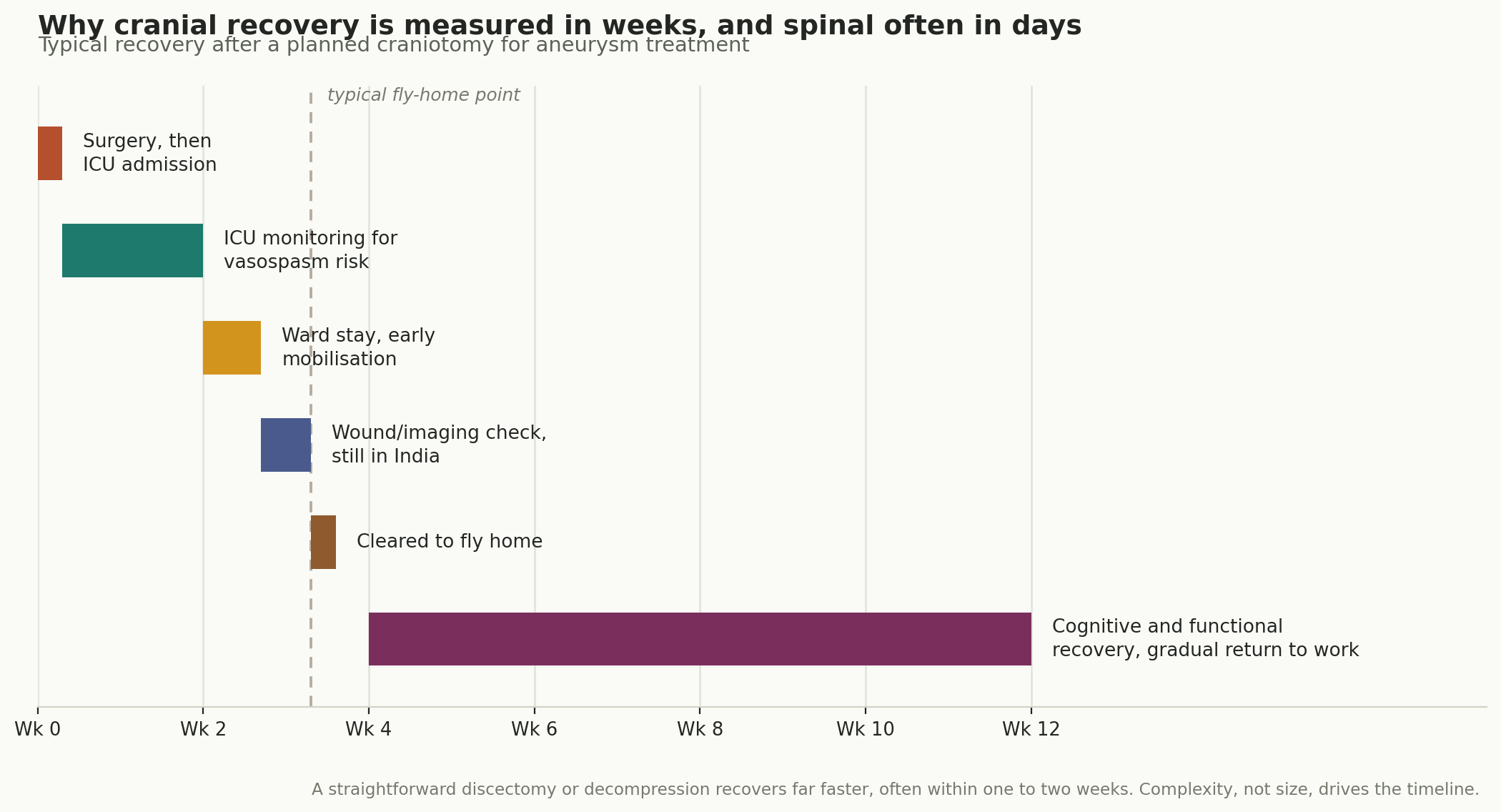
Figure 3. A craniotomy needs extended monitoring in the days after surgery specifically to watch for vasospasm, a narrowing of blood vessels that can occur even after a technically successful operation. A straightforward disc decompression carries no such risk and recovers in a fraction of the time.
What has to travel home with the patient
- Full operative note, imaging on disc, and details of any implant, clip, or coil used
- A written activity restriction schedule specific to the procedure performed
- Discharge medication using generic names available in Nigerian pharmacies
- A follow-up imaging schedule where relevant, particularly for vascular procedures
- A named clinician contact for teleconsultation if headache, weakness, or wound concerns arise
06 · THE HONEST COMPARISON
What stays in Nigeria, and what travels
Nigerian neurosurgical teams handle the country's trauma burden daily, and manage many planned conditions, particularly straightforward disc disease and subdural haematomas, with real competence. There is little reason to travel for a single-level disc herniation that a local team can schedule within a reasonable timeframe.
What tips the calculation toward travelling is precisely what the workforce and equipment numbers suggest is hardest to access locally: vascular neurosurgery needing endovascular capability, complex multi-level spinal reconstruction, and any case where a long local wait risks a stable condition becoming an unstable one. Those are exactly the situations where India's neurosurgical case volume and dedicated vascular suites offer a genuine, often decisive advantage.
Before you commit to a treatment plan abroad
- Confirm the exact diagnosis and procedure being recommended, by name, before contacting any hospital.
- For vascular conditions, ask explicitly whether clipping or coiling is planned, and why, for this specific case.
- Ask what extended ICU monitoring is built into the package, and what happens if it runs longer than expected.
- Get written confirmation of implant, clip, or coil hardware costs separately from the procedure fee.
- Confirm fitness-to-fly clearance requirements before booking any flight after a cranial procedure.
- Establish the follow-up imaging schedule before you leave India, not after you get home.
- Verify the invitation letter has reached the mission by email, with both attendants named.
- Pay into the hospital's own institutional account only, never an individual's personal account.
Straight Answers for Nigerian Patients about Neurosurgery in India
Is neurosurgery in India cheaper than the UK or US?
Yes, substantially. Cerebral aneurysm treatment is indicatively $8,000 to $15,000 in India, against roughly $25,000 to $45,000 privately in the UK and $60,000 to $150,000 self-pay in the United States.
Should I travel abroad for a head injury or spinal trauma emergency?
No. Acute trauma, sudden severe headache, worsening consciousness, or new weakness after an injury need immediate care at the nearest capable hospital. This guide covers planned, non-emergency neurosurgery only, once a patient is stable and a firm diagnosis is in hand.
Do Nigerians need a visa for neurosurgery in India?
Yes. You need an Indian Medical Visa from the High Commission in Abuja, the Consulate in Lagos, or the e- Medical route, plus a Medical Attendant Visa for up to two close relatives, with a hospital invitation letter and financial proof.
How long does recovery take after brain surgery?
It depends heavily on the procedure. A straightforward discectomy or decompression often allows return to light activity within one to two weeks. A craniotomy, such as for aneurysm treatment, typically needs several weeks of monitoring and a gradual return to work over two to three months.
Is a cerebral aneurysm always an emergency?
Not always. An aneurysm found incidentally on a scan, before it has ruptured, is often treated as a planned procedure with time to seek a second opinion and compare options. A ruptured aneurysm causing sudden severe headache is a medical emergency requiring immediate local care.
What is the difference between aneurysm clipping and coiling?
Clipping is an open surgical procedure that places a metal clip across the base of the aneurysm. Coiling is a minimally invasive endovascular procedure that fills the aneurysm from inside the blood vessel. The right choice depends on size, shape and location.
Is India better than Nigeria for neurosurgery?
For complex or vascular procedures specifically, often yes, given Nigeria's severe neurosurgeon shortage and limited endovascular treatment capacity. For straightforward disc or decompression surgery, a competent Nigerian neurosurgical team frequently delivers a good outcome locally.
A closing word
Neurosurgery is not one specialty with one risk profile; it is dozens of very different procedures sharing a single name. The trauma numbers that dominate Nigeria's neurosurgical caseload are a genuine, honestly documented strain on the system, and they are also, mostly, not this guide's subject. This guide is for the family with time: a diagnosis already made, imaging already done, and a real choice about where and how to proceed.
In twenty-four years of this work, the patients who navigate planned neurosurgery best are the ones who get the exact procedure named before they ask for a price, understand why a cranial case recovers differently from a spinal one, and treat the follow-up imaging schedule as seriously as the operation itself. The surgery addresses the structural problem. What happens in the weeks and months after is what determines how completely a patient actually recovers.
Sources
- 🌐 American Association of Neurological Surgeons — Patient information on cranial and spinal procedures
- 🌐 NHS (UK) — Brain aneurysm: overview and treatment
- 🌐 Ukachukwu A-EK et al. — Epidemiological Burden of Neurotrauma in Nigeria: A Systematic Review and Pooled Analysis of 45,763 Patients
- 🌐 Adeleye AO, Ogun MI — Clinical Epidemiology of Head Injury from Road-Traffic Trauma in a Developing Country in the Current Era
- 🌐 Dada OA — Pattern and outcomes of neurosurgical interventions in Ado-Ekiti, Nigeria: a retrospective study
- 🌐 High Commission of India, Abuja — Medical and Medical Attendant Visa requirements
Frequently Asked Questions by Nigerians about Neurosurgery in India
Is neurosurgery in India cheaper than the UK or US for Nigerian patients?
Yes. The document lists cerebral aneurysm treatment at approximately US$8,000–15,000 in India, compared with US$25,000–45,000 privately in the UK and US$60,000–150,000 self-pay in the United States.
Should a Nigerian patient travel to India after an acute head injury or spinal trauma?
No. Acute trauma requires immediate treatment at the nearest capable hospital. International travel should never delay emergency assessment for worsening consciousness, weakness or other serious neurological symptoms.
How much does disc decompression surgery cost in India?
Lumbar or cervical discectomy/decompression is listed at approximately US$2,500–5,000, with a hospital stay of around one to three nights.
How much does cerebral aneurysm treatment cost in India?
Clipping or coiling is listed at approximately US$8,000–15,000. For the complete journey, the document recommends budgeting approximately US$14,000–22,000.
What is the difference between aneurysm clipping and coiling?
Clipping is open surgery in which a metal clip is placed across the base of the aneurysm. Coiling is an endovascular procedure performed from inside the blood vessel. The appropriate technique depends on the aneurysm's size, shape and location.
How long does recovery take after neurosurgery?
It depends on the procedure. Straightforward discectomy or decompression may allow light activity within one to two weeks, whereas recovery after a craniotomy may continue for two to three months.
Is a cerebral aneurysm always an emergency?
No. An incidentally discovered unruptured aneurysm may sometimes be managed as a planned procedure. A ruptured aneurysm causing sudden severe headache is a medical emergency requiring immediate local treatment.
Do Nigerian patients need a visa for neurosurgery in India?
Yes. The document specifies a Medical Visa for the patient and a Medical Attendant Visa for up to two close relatives, supported by a hospital invitation letter and financial documentation.
Is India always better than Nigeria for neurosurgery?
No. Straightforward disc disease and decompression procedures can often be treated successfully in Nigeria. The guide identifies India's strongest advantage in vascular, complex and equipment-dependent neurosurgery.
What should Nigerian patients confirm before travelling for neurosurgery?
Confirm the exact diagnosis and procedure, establish whether clipping or coiling is planned for vascular disease, obtain ICU and hardware costs in writing, confirm fitness-to-fly requirements and establish the follow-up imaging schedule before leaving India.
Page Summary
This guide focuses specifically on planned neurosurgery rather than emergency neurological trauma. Acute head injury, acute spinal trauma, sudden severe headache after suspected rupture, worsening consciousness or new weakness require immediate treatment at the nearest capable hospital. Nigeria's neurosurgical system operates under substantial pressure. Approximately 169 neurosurgeons serve 230 million people, while road traffic and motorcycle trauma consume a significant proportion of available specialist, theatre and intensive-care capacity. This does not mean straightforward neurosurgery cannot be performed successfully in Nigeria. The document specifically identifies uncomplicated disc disease and chronic subdural haematoma as conditions that competent Nigerian teams routinely manage.
Citation Block
| Topic | Information |
|---|---|
| Topic Information | Neurosurgery in India for Nigerian Patients |
| Procedure | Planned Neurosurgery |
| Country | India |
| Intended Audience | Nigerian Patients and Families |
| Conditions Covered | Disc Herniation, Spinal Canal Narrowing, Chronic Subdural Haematoma, Degenerative Spinal Instability, Trigeminal Neuralgia and Stable Cerebral Aneurysm |
| Procedures | Discectomy/Decompression, Subdural Evacuation, Spinal Fusion, Microvascular Decompression and Aneurysm Clipping/Coiling |
| Nigerian Neurosurgeons Mentioned | 169 |
| Population Served | Approximately 230 Million |
| Largest Neurotrauma Study | 45,763 Patients |
| Median Injury-to-Surgery Time | 82 Hours in Rural Nigerian Study |
| Discectomy / Decompression Cost | US$2,500–5,000 |
| Hospital Stay | Approximately 1–12 Nights Depending on Procedure |
| Representative Cranial Surgical Package | US$9,000–16,000 |
| Typical Stay in India | Approximately 3–4 Weeks for Representative Cranial Vascular Surgery |
| Recovery | 1–2 Weeks to Light Activity for Straightforward Decompression; Approximately 2–3 Months Gradual Return to Work After Craniotomy |
| Average Cost / All-In Cranial Budget | US$14,000–22,000 |
| Routine Discectomy All-In Budget | US$6,000–9,500 |
| Nigeria Appropriate Care | Straightforward Disc Disease and Chronic Subdural Haematoma |
| Travel More Relevant For | Vascular, Complex and Equipment-Dependent Neurosurgery |
| Medical Visa | Medical Visa (M) |
| Medical Attendant Visa | Medical Attendant Visa (MX), Up to Two Close Relatives |
| Follow-Up | Procedure-Specific Imaging and Clinical Review |
| Author | Dr. Dheeraj Bojwani |
| Experience | 24 Years |


Our Mission Statement
Our mission is to place patients at the centre of every healthcare decision by providing trustworthy, evidence-based, and unbiased medical information. We believe that informed patients make better decisions. Backed by personalised guidance from our experienced advisory team, we help patients understand their treatment options, compare them objectively, and confidently choose the path that best suits their medical needs and personal circumstances.
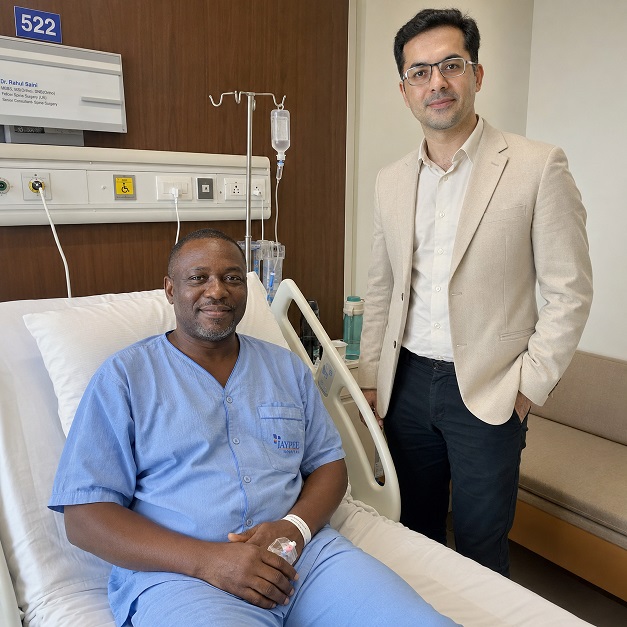
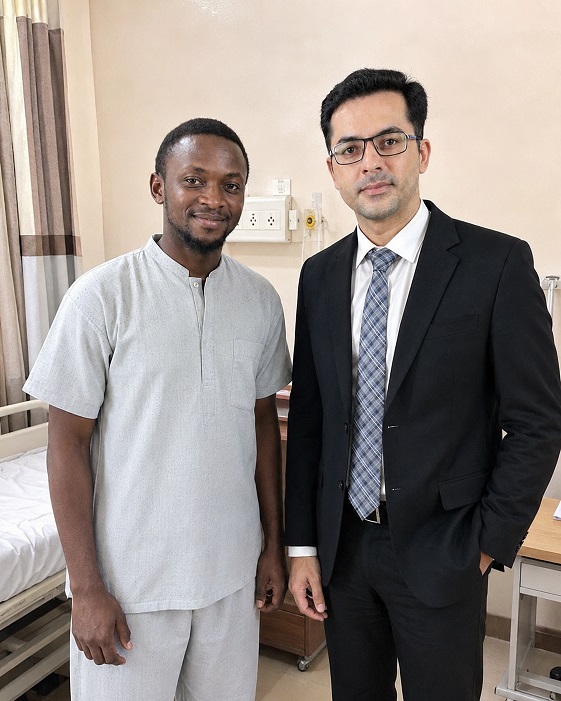
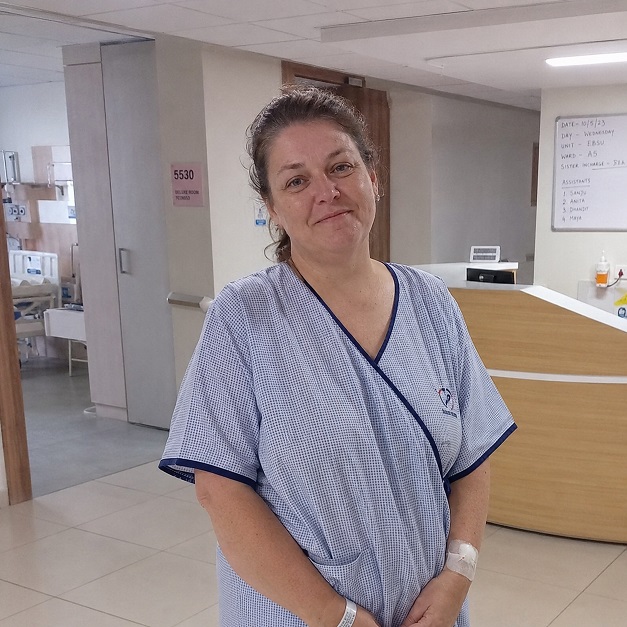
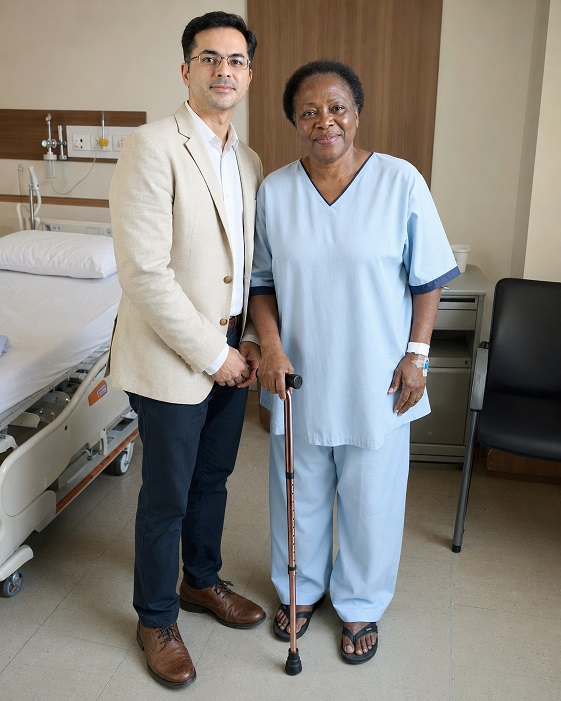
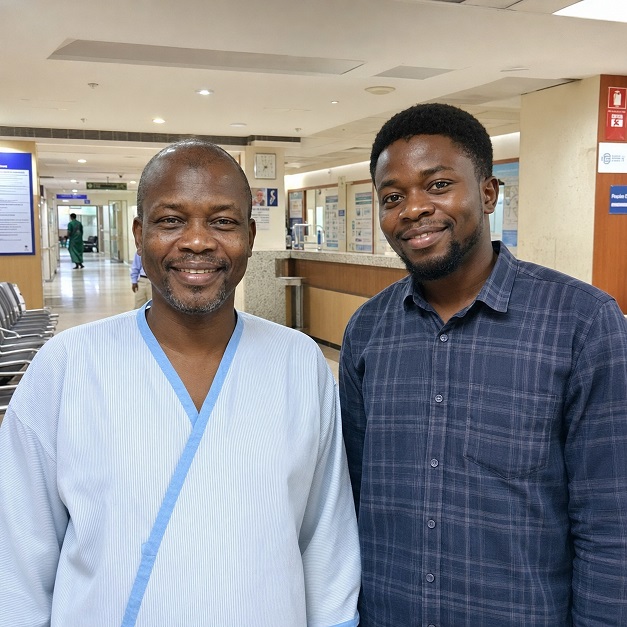
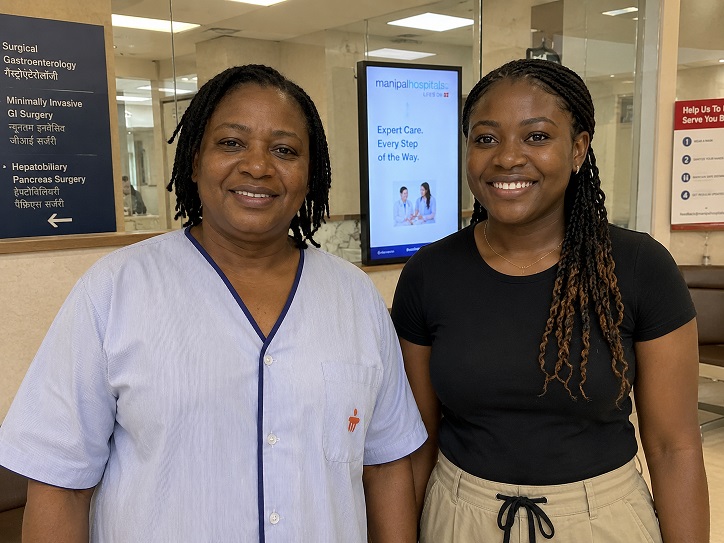
Patient Testimonials from Nigeria

Ready to Take the First Step?
Share your Medical Reports with our Healthcare Managers Today and Get a FREE CONSULTATION, a Personalized Treatment Plan, and Complete Support from Arrival to Recovery.
Get Your Free ConsultationAreas We Serve
This resource has been thoughtfully prepared for patients from Nigeria who are considering medical treatment in India. We also welcome patients from the wider region in the countries mentioned below-
We assist patients from:
- Benin
- Niger
- Chad
- Cameroon
- Algeria
- Egypt
- Libya
- Morocco
- Sudan
- Tunisia
- Gambia
- Ghana
- Burkina Faso
- Cabo Verde
- Côte d'Ivoire
- Equatorial Guinea
- São Tomé and Príncipe
Many of the insights, treatment pathways, hospital recommendations, travel guidance, and patient support services described here are equally relevant and may be used as a reference when planning treatment in India.
From Nigeria to India: Your Complete Patient Support Guide
- Artificial Disc Replacement in India for Nigerian Patients
- Weight Loss and Bariatric Surgery in India for Nigerian Patients
- Bone Marrow Transplant in India for Nigerian Patients
- Brain Tumour Surgery in India for Nigerian Patients
- Breast Cancer Treatment and Surgery in India for Nigerian Patients
- Cancer Treatment and Surgery in India for Nigerian Patients
- Cardiac Arrhythmia and Heart Pacemaker Treatment in India for Nigerian Patients
- Cardiac Surgery in India for Nigerian Patients
- Colorectal Cancer Treatment and Surgery in India for Nigerian Patients
- Complex Orthopaedic and Joint Revision Surgery in India for Nigerian Patients
- Cornea Transplant and Advanced Eye Surgery in India for Nigerian Patients
- CyberKnife Treatment in India for Nigerian Patients
- Gamma Knife Treatment in India for Nigerian Patients
- Heart Failure Treatment and Surgery in India for Nigerian Patients
- Hip Surgery in India for Nigerian Patients
- HIPEC Cancer Surgery in India for Nigerian Patients
- IVF and Fertility Treatment in India for Nigerian Patients
- Joint Arthroscopy and Sports Medicine in India for Nigerian Patients