

Neuronavigation and Advanced Brain Tumor Surgery in India for Nigerian Patients
For a tumour sitting somewhere the surgeon cannot afford to guess, and a direct quote from a real Nigerian operating theatre: “we did not have the privilege of an intraoperative neuronavigation.”
A March 2026 formal rating of Nigerian neurosurgical facilities, published in the Nigerian Medical Journal, assessed seven neurosurgical subspecialty capabilities nationally and found neuronavigation among the weakest, with a mean availability score of just 0.1, ahead of only aneurysm coiling. A published Nigerian case series from Ibadan documenting awake brain tumour surgery states the finding plainly, in the surgeons' own words: the operation was performed without the benefit of intraoperative neuronavigation. Where this technology is genuinely available, it functions like GPS guidance for the surgeon, fusing a patient's scans with real-time tracking to maximise safe tumour removal near the brain regions controlling speech and movement. This guide sets out what neuronavigation-guided and awake brain tumour surgery actually cost in India once travel is counted, why this specific technology matters so much for tumours near critical brain function, and what Nigeria's own documented capacity for it looks like today.
| 0.1 | 2nd lowest | 89.5% | 70–85% |
|---|---|---|---|
| MEAN NATIONAL AVAILABILITY SCORE FOR NEURONAVIGATION ACROSS NIGERIAN NEUROSURGICAL FACILITIES, 2026 | OF SEVEN NEUROSURGICAL SUBSPECIALTY CAPABILITIES RATED NATIONALLY | MEAN EXTENT OF TUMOUR REMOVAL ACHIEVED WITH PROPER AWAKE CRANIOTOMY TECHNIQUE, AFRICAN CASE DATA | TYPICAL SAVING ON AN EQUIVALENT INDIA PATHWAY VS. THE US |
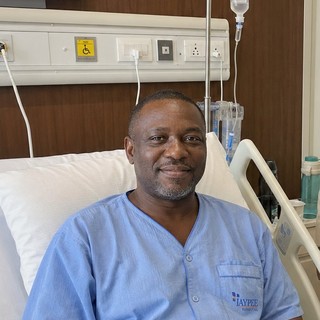
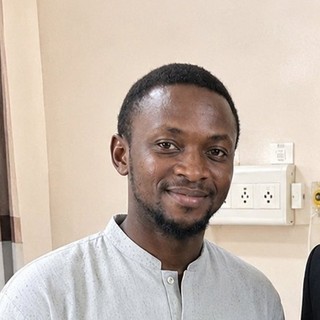
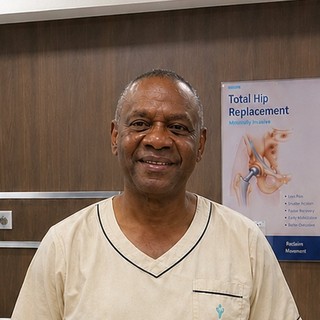
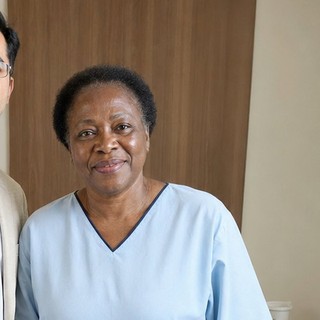
Healing Journeys of Nigerian Patients
Key Takeaways
- Neuronavigation is described in the guide as a form of GPS guidance for brain surgery. It combines the patient's pre-operative MRI or CT scans with real-time tracking in the operating theatre so the surgeon can continuously identify where surgical instruments are relative to the tumour and nearby critical brain structures.
- The central surgical challenge is to remove as much tumour as safely possible while protecting the areas of the brain controlling speech, movement, vision and other essential functions. For tumours close to these eloquent brain regions, the guide treats additional precision as clinically meaningful rather than simply technologically impressive.
- A March 2026 formal assessment of Nigerian neurosurgical facilities gave neuronavigation a mean national availability score of only 0.1, making it the second-lowest of seven neurosurgical subspecialty capabilities assessed.
- A Nigerian awake-craniotomy case series from Ibadan specifically reported that surgery had been performed without intraoperative neuronavigation, relying instead on anatomical landmarks and direct cortical mapping.
- The guide is careful not to interpret this as a lack of Nigerian surgical ability. It states that Nigerian neurosurgeons have demonstrated real skill in complex brain surgery, including awake craniotomy; the more consistent limitation is access to the advanced imaging and navigation technology surrounding the operation.
- The same Nigerian literature also documents gaps in histology and molecular profiling, meaning that in at least one reported case surgeons could not establish the exact molecular subtype of the resected tumour with certainty.
- Postoperative MRI access can also be constrained by cost, and the guide notes that this may delay subsequent radiotherapy after tumour removal.
Quick Facts
- Treatment
- Neuronavigation and Advanced Brain Tumor Surgery
- Country
- India
- Intended Audience
- Nigerian Patients and Families
- Primary Specialty
- Neuro-Oncology and Image-Guided Neurosurgery
- Primary Technology
- Intraoperative Neuronavigation
- Neuronavigation Function
- Real-Time Surgical Guidance Using Pre-Operative MRI or CT
- Common Comparison
- GPS Guidance for the Neurosurgeon
- Primary Surgical Goal
- Maximal Safe Tumour Resection
- Critical Brain Functions Protected
- Speech, Movement, Vision and Other Essential Functions
- Nigeria Neuronavigation Availability Score
- 0.1
- National Ranking
- Second-Lowest of Seven Neurosurgical Subspecialty Capabilities Assessed
- Nigeria Surgical Skill
- Documented Awake Craniotomy and Complex Brain Tumour Surgery Experience
- Main Nigeria Gap
- Consistent Access to Neuronavigation and Advanced Imaging Technology
- Author
- Dr. Dheeraj Bojwani
- Experience
- 24 Years' Experience
In Brief
Neuronavigation-guided brain tumor surgery in India can provide Nigerian patients with real-time image guidance designed to maximise safe tumour removal while protecting critical brain functions. A 2026 Nigerian facility assessment gave neuronavigation a mean availability score of just 0.1, making it one of the least consistently available advanced neurosurgical capabilities nationally. Indicative Indian costs range from US$3,000–5,000 for neuronavigation-guided stereotactic biopsy to US$14,000–22,000 for complex eloquent-area resection with intraoperative MRI. A representative neuronavigation-guided craniotomy pathway is estimated at approximately US$14,500–22,000 all-in, with molecular profiling and postoperative MRI forming important parts of the treatment plan.
01 · the Real Problem
Precision, not just access, is what this technology adds
Brain tumour surgery has always faced the same fundamental tension: remove as much of the tumour as safely possible, while preserving the surrounding brain tissue that controls speech, movement, vision, and other essential functions. Neuronavigation addresses this directly by fusing a patient's pre-operative MRI or CT scans with a real-time tracking system in the operating theatre, allowing the surgeon to see, continuously, exactly where surgical instruments sit relative to the tumour's true boundaries and the critical structures around it. For tumours in or near eloquent brain regions, this precision is not a convenience; it is often the difference between a resection that preserves function and one that does not.
Nigeria's own formal, published self-assessment of this capability is unusually direct. The 2026 national facility rating found neuronavigation availability scoring just 0.1 on average across the facilities assessed, the second-lowest of seven neurosurgical subspecialty services rated, ahead of only aneurysm coiling. A separate, published Nigerian case series from Ibadan documenting awake craniotomy for brain tumour removal states, in the operating surgeons' own account, that the procedure was performed without access to intraoperative neuronavigation, relying instead on anatomical landmarks and direct cortical mapping alone.
This does not mean Nigerian neurosurgeons lack the skill to perform brain tumour surgery, including awake craniotomy for tumours near speech and motor areas; the same literature documents genuinely skilled, carefully executed procedures achieving real results, using anatomical landmarks and direct intraoperative testing where imaging-guided navigation was not available. It means the specific technology that adds an additional, meaningful layer of precision and safety margin is not yet consistently available where the surgical skill already exists.
02 · NIGERIA'S CAPACITY
Real skill, working around real equipment gaps
The same Nigerian literature that documents the absence of neuronavigation also documents a further, compounding gap: limited access to histology and molecular profiling facilities, meaning surgeons in at least one published case were unable to specify a resected tumour's exact subtype with certainty after surgery. Financial constraints on postoperative MRI have also been reported delaying the start of radiotherapy after tumour resection, in a system where care is predominantly financed out-of-pocket by patients directly. A comparable study from Morocco described the same underlying pattern regionally: lack of functional MRI, tractography, ultrasonic surgical aspirators, neuronavigation, and intraoperative imaging as the central barriers to more advanced neuro-oncology care.
Where these tools are available and properly used, even in resource-constrained African settings, outcomes can be genuinely strong: one published series achieved a mean extent of tumour removal of 89.5 percent with an 85 percent rate of total or subtotal resection using awake mapping technique. The equipment gap, not surgical skill, is the more consistent limiting factor across the region, and it is a gap that shows up specifically in the technology layer surrounding surgery, imaging, tracking, and tissue analysis, rather than in the hands performing the operation itself.
03 · THE TREATMENT MAP
Which level of precision, and what it costs
Tumour location relative to critical brain structures, not tumour size alone, is what determines which surgical technique genuinely applies and what it costs.
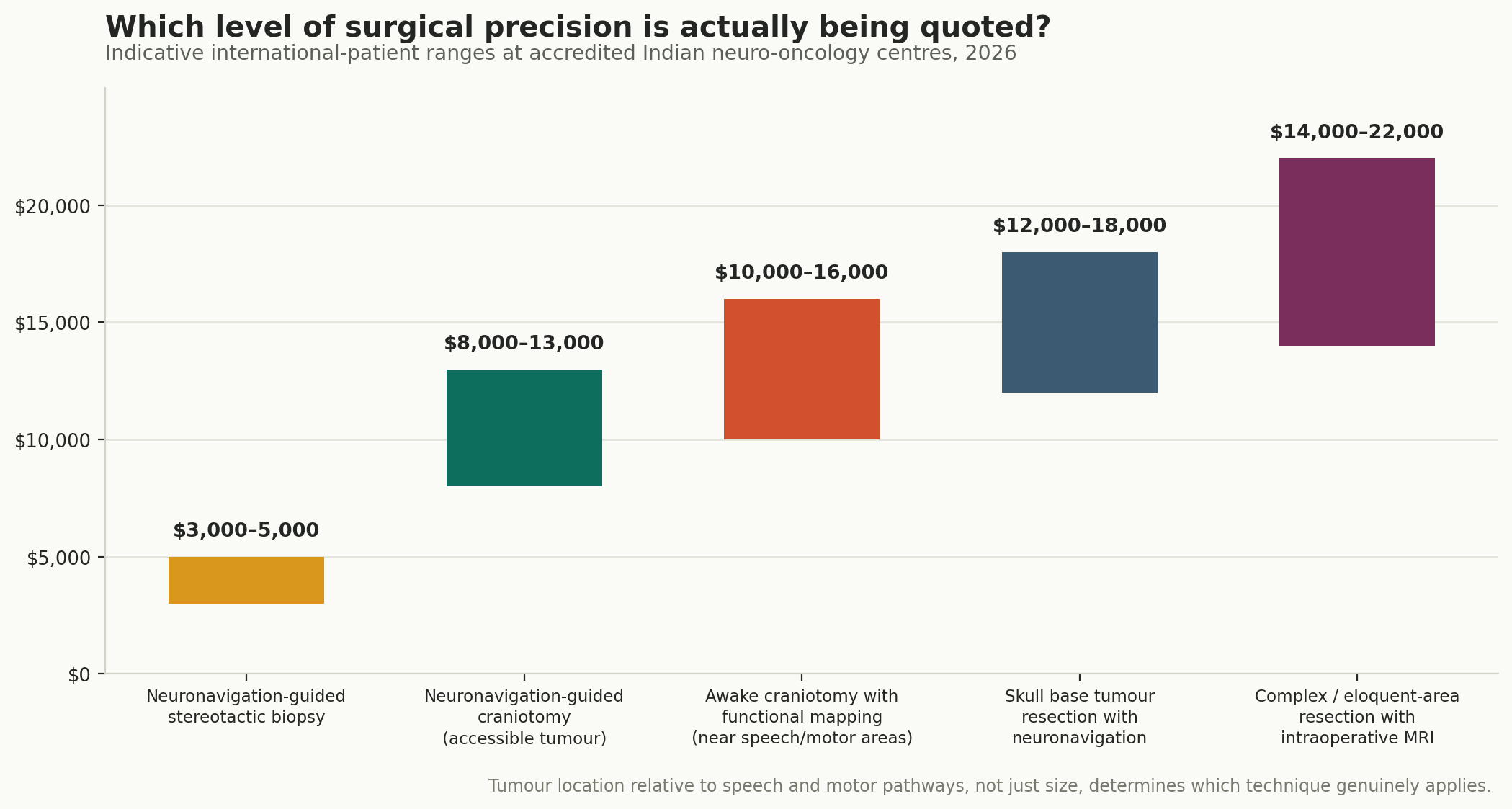
Figure 1. A tumour near speech or motor pathways requires a fundamentally different, more resource-intensive approach than one in a more accessible location.
| Procedure | Typically suits | Indicative cost | Hospital stay |
|---|---|---|---|
| Neuronavigation-guided stereotactic biopsy | Confirming diagnosis before deciding on further treatment | $3,000–5,000 | 2–3 nights |
| Neuronavigation-guided craniotomy | An accessible tumour away from critical functional areas | $8,000–13,000 | 5–8 nights |
| Awake craniotomy with functional mapping | Tumours near speech or motor pathways | $10,000–16,000 | 6–9 nights |
| Skull base tumour resection with neuronavigation | Tumours at the base of the skull, near critical structures | $12,000–18,000 | 7–10 nights |
| Complex eloquent-area resection with intraoperative MRI | The most demanding tumour locations, confirming resection extent in real time | $14,000–22,000 | 8–12 nights |
Table 1. Indicative international-patient pricing at accredited Indian neuro-oncology centres, mid-2026. Figures are planning ranges, not offers, and vary by tumour location, size, and case complexity.
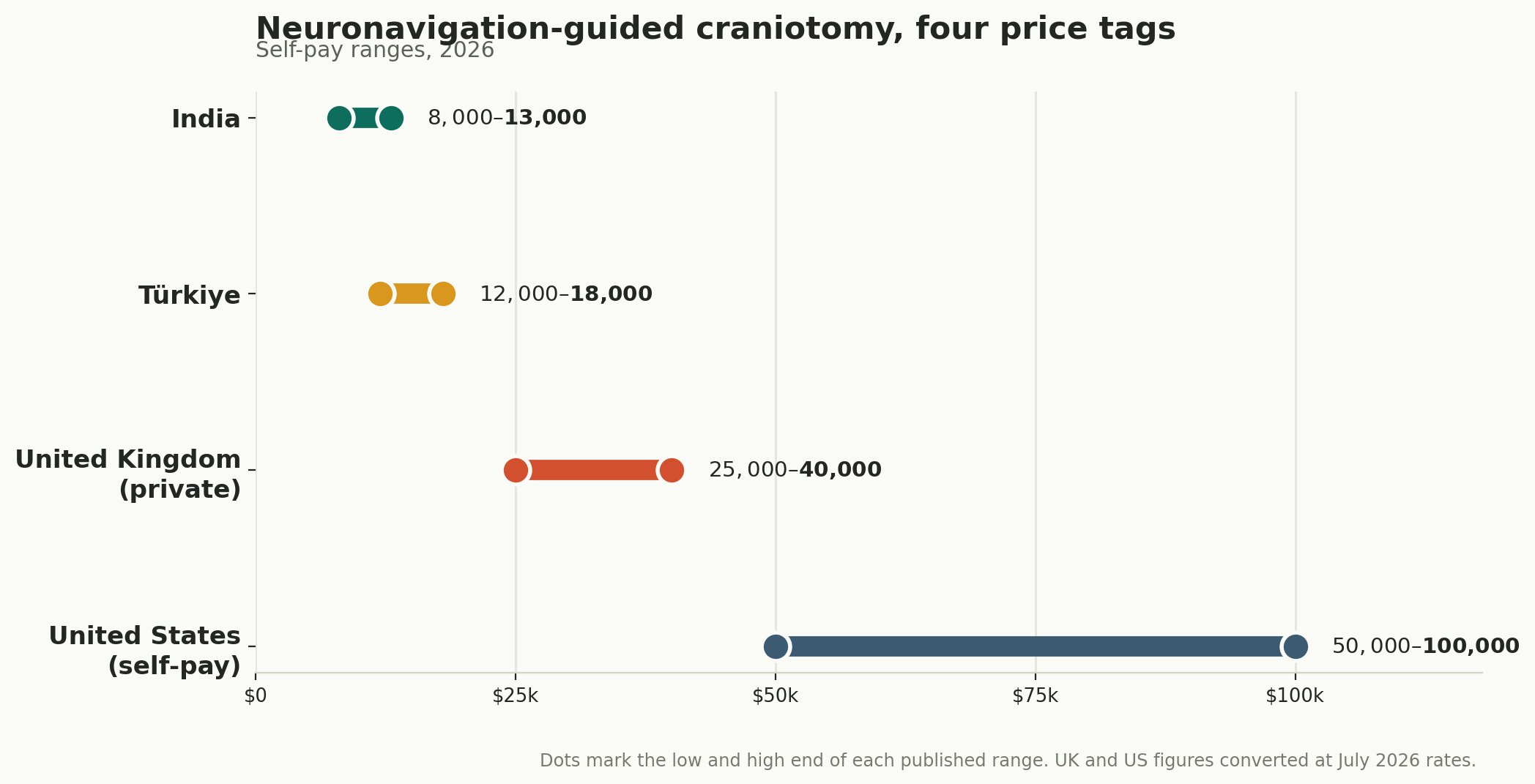
Figure 2. Neuronavigation-guided craniotomy, priced across four common destinations for Nigerian medical travellers.
What a proper written quote must itemise
- Confirmation that neuronavigation, and where relevant functional mapping, is genuinely used for the specific case
- Whether the tumour's location requires an awake or asleep surgical approach, and why
- Molecular and histological profiling included in the pathology assessment
- Post-operative MRI included to confirm extent of resection
- A written plan for adjuvant radiotherapy or chemotherapy, if the pathology result indicates it
04 · the Full Budget
What the whole journey costs, beyond the operation
The surgical fee is the number families anchor on, and the least complete one. A representative pathway — neuronavigation-guided craniotomy, one patient and one attendant, roughly three to four weeks in India — adds up like this:
- Surgical package (surgery, neuronavigation, hospital stay, pathology): $9,000–14,000
- Return flights, two travellers (Lagos/Abuja – Delhi/Mumbai/Chennai): $2,200–3,000
- Pre-surgical workup (MRI, functional imaging where needed, bloodwork): $700–1,300
- Accommodation, three to four weeks, two people : $1,300–2,100
- Medical and attendant visas (two applications): $400–500
- Contingency for extended monitoring or adjuvant treatment planning: 15–20% All-in, most families should plan for US$14,500–22,000 for neuronavigation-guided craniotomy — roughly ₦20.0–30.4 million at the official mid-July 2026 rate of about ₦1,380 to the dollar, somewhat higher at parallel-market rates near ₦1,410. Awake craniotomy and skull base cases should be budgeted higher, reflecting their added complexity.
05 · Getting There
Visa, travel, and why the tumour type matters as much as its removal
India issues a Medical Visa (M) to the patient and a Medical Attendant Visa (MX) to up to two close relatives. Applications go through the High Commission in Abuja or the Consulate General in Lagos by prior appointment, and an e-Medical route turns around in days for straightforward files. The hospital's invitation letter, three months of certified bank statements, and a passport valid six months with two blank pages move the process fastest.
Lagos and Abuja both reach Delhi, Mumbai and Chennai with a single stop, usually via Addis Ababa, Doha,
Dubai, Nairobi or Istanbul, a total journey of 13 to 18 hours.
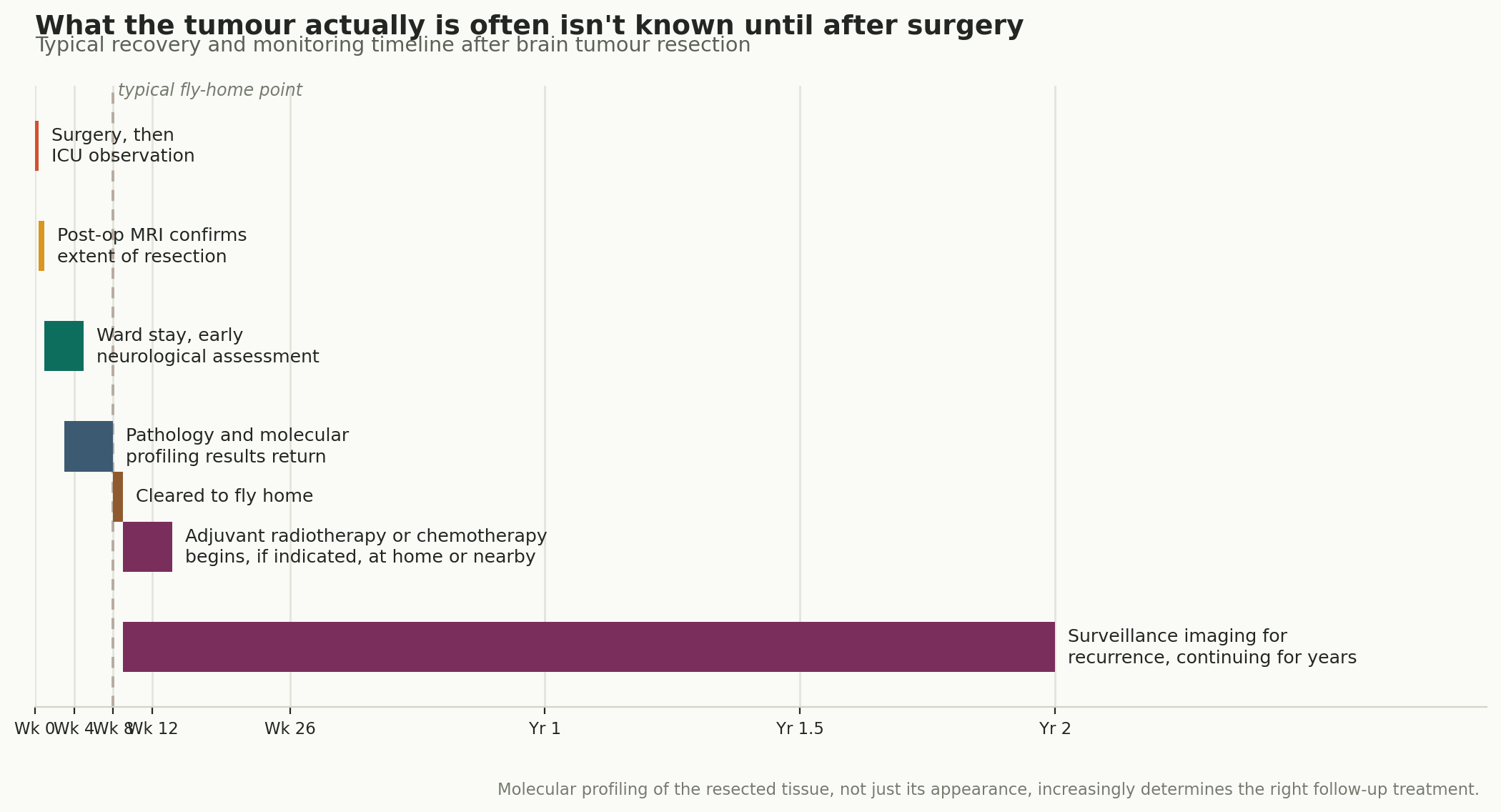
Figure 3. What the tumour actually is often isn't fully known until after surgery; molecular profiling of the resected tissue increasingly determines the right follow-up treatment.
On pathology, honestly. A tumour's exact molecular and histological identity, not just its appearance on a scan, increasingly determines whether radiotherapy, chemotherapy, or neither is the right next step. Confirm before surgery that comprehensive pathology and molecular profiling is included, since a tumour resected without this testing leaves genuinely important treatment decisions less precisely informed.
What has to travel home with the patient
- Full operative note, extent of resection, and post-operative imaging
- Complete pathology and molecular profiling report
- A written plan for adjuvant treatment, if indicated, including timing
- A surveillance imaging schedule for the years following surgery
- A named clinician contact for teleconsultation if new neurological symptoms arise
06 · THE HONEST COMPARISON
What stays in Nigeria, and what travels
Initial diagnosis, imaging, and referral to a neurosurgical specialist are all appropriate to begin within Nigeria, and Nigerian neurosurgeons have genuine, documented skill in performing complex procedures, including awake craniotomy, even without the full range of advanced equipment.
What tips the calculation toward travelling is precisely what the country's own 2026 facility rating documents: neuronavigation and the molecular diagnostic infrastructure around it remain among the least consistently available neurosurgical capabilities nationally. For a tumour near speech, motor, or other critical brain function specifically, that added layer of precision is a genuine, often decisive factor in the outcome.
Before you commit to brain tumour surgery abroad
- Get a confirmed diagnosis and full imaging, including the tumour's exact location relative to critical structures.
- Ask explicitly whether neuronavigation will genuinely be used for your specific case.
- For tumours near speech or motor areas, confirm whether an awake approach with functional mapping is planned.
- Confirm comprehensive pathology and molecular profiling is included in the surgical package.
- Ask about the surgical team's specific case volume for tumours in a comparable location.
- Establish the plan for adjuvant radiotherapy or chemotherapy before surgery, not after.
- Get the long-term surveillance imaging schedule in writing before you leave.
- Pay into the hospital's own institutional account only, never an individual's personal account.
Straight Answers for Nigerian Patients about Neuronavigation and Advanced Brain Tumor Surgery in India
Is neuronavigation-guided brain tumour surgery in India cheaper than the UK or US?
Yes, substantially. Neuronavigation-guided craniotomy is indicatively $8,000 to $13,000 in India, against roughly $25,000 to $40,000 privately in the UK and $50,000 to $100,000 self-pay in the United States.
What is neuronavigation, and why does it matter?
Neuronavigation fuses a patient's pre-operative scans with real-time tracking during surgery, functioning like GPS guidance for the surgeon, allowing more precise tumour removal while avoiding critical areas controlling speech, movement, and other essential functions.
Is neuronavigation available in Nigeria?
A 2026 national rating of Nigerian neurosurgical facilities found neuronavigation among the least available subspecialty services nationally, with a mean availability score of just 0.1, second lowest of seven capabilities assessed. It exists at some centres but is not consistently available.
Do Nigerians need a visa for brain tumour surgery in India?
Yes. You need an Indian Medical Visa from the High Commission in Abuja, the Consulate in Lagos, or the e- Medical route, plus a Medical Attendant Visa for up to two close relatives, with a hospital invitation letter and financial proof.
What is awake craniotomy?
For tumours near speech or movement centres, the patient is kept awake and responsive during part of the operation so the surgical team can directly test function while removing the tumour, allowing maximal safe resection through real-time feedback.
Why is knowing the exact tumour type so important?
Molecular and histological profiling of the resected tissue increasingly determines the correct follow-up treatment, including whether radiotherapy or specific chemotherapy is needed. Without this testing, decisions rely on the tumour's appearance alone.
Is India better than Nigeria for advanced brain tumour surgery?
For tumours near speech, motor, or other critical brain regions specifically, often yes, given documented gaps in neuronavigation and molecular diagnostic access across Nigerian neurosurgical facilities. Diagnosis and general neurosurgical care can appropriately begin domestically.
A closing word
Brain tumour surgery has always demanded a careful balance between removing disease and preserving function, and the technology this guide describes exists specifically to make that balance more precise, not to replace surgical skill Nigerian neurosurgeons genuinely have. The country's own honest, published self- assessment of where that precision technology is and is not available is worth taking seriously as exactly what it is: a specific, documented gap, not a broader judgment on the people working to close it.
In twenty-four years of this work, the families who navigate this best get precise imaging and a clear sense of the tumour's location relative to critical brain structures before assuming any particular approach, ask directly whether neuronavigation and molecular profiling will genuinely be used, and treat pathology results as seriously as the surgery itself, since they often determine everything that follows. The resection is a single, careful day. Knowing exactly what was removed is what shapes the years after it.
Sources
- 🌐 American Association of Neurological Surgeons — Brain tumour surgery, patient information
- 🌐 NHS (UK) — Brain tumour surgery: overview – nhs.uk
- 🌐 The Rating of Nigerian Neurosurgical Facilities Based on the Availability of Sub-Specialty Services in 2024. Nigerian Medical Journal, 2026
- 🌐 Challenging the myth of outpatient craniotomy for brain tumor in a Sub-Saharan African setting: a case series from Ibadan, Nigeria
- 🌐 Awake Craniotomy in Africa: A Scoping Review of Literature and Proposed Solutions to Tackle Challenges. Neurosurgery, 2023
- 🌐 High Commission of India, Abuja — Medical and Medical Attendant Visa requirements
Frequently Asked Questions by Nigerians about Neuronavigation and Advanced Brain Tumor Surgery in India
Is neuronavigation-guided brain tumor surgery in India cheaper than the UK or US?
Yes. The guide lists neuronavigation-guided craniotomy at approximately US$8,000–13,000 in India, compared with US$25,000–40,000 privately in the UK and US$50,000–100,000 self-pay in the US.
What is neuronavigation and why does it matter?
Neuronavigation combines pre-operative scans with real-time surgical tracking, functioning like GPS guidance so the surgeon can remove tumour more precisely while avoiding important functional brain areas.
Is neuronavigation available in Nigeria?
It exists at some centres but is not consistently available. A 2026 national assessment gave it a mean availability score of just 0.1, the second-lowest of seven capabilities assessed.
What is awake craniotomy?
For selected tumours near speech or motor areas, the patient remains awake and responsive during part of the operation so the surgical team can test function while tumour tissue is removed.
How much does awake brain tumour surgery cost in India?
The guide lists awake craniotomy with functional mapping at approximately US$10,000–16,000, with a typical hospital stay of 6–9 nights.
Why is molecular profiling important after brain tumour surgery?
The exact molecular and histological tumour type increasingly determines whether radiotherapy, chemotherapy or another follow-up strategy is appropriate. Imaging alone may not provide this information.
How much should Nigerian families budget for a neuronavigation-guided craniotomy pathway?
The guide advises approximately US$14,500–22,000 all-in for a representative procedure, with awake and skull-base cases generally requiring a higher budget.
Do Nigerian patients need a visa for advanced brain tumour surgery in India?
Yes. The guide specifies an Indian Medical Visa for the patient and a Medical Attendant Visa for up to two close relatives, supported by the required hospital invitation and financial documentation.
Is India always better than Nigeria for brain tumour surgery?
No. Initial diagnosis and general neurosurgical care can appropriately begin in Nigeria. India's clearest advantage in this guide is for tumours near critical functional regions where consistent neuronavigation and molecular diagnostic access are important.
What should patients bring back to Nigeria after surgery?
The guide recommends the complete operative note, extent-of-resection information, postoperative imaging, full pathology and molecular profiling, an adjuvant-treatment plan where required and a written surveillance-imaging schedule.
Page Summary
This guide focuses on the precision layer surrounding advanced brain tumour surgery rather than suggesting Nigerian neurosurgeons lack the surgical skill to operate on complex tumours. The core technology is neuronavigation, which combines pre-operative imaging with real-time intraoperative tracking. Its purpose is to help the surgeon understand continuously where instruments are positioned relative to both the tumour and the functional regions surrounding it. Nigeria's own published facility assessment provides the central context. In 2026, neuronavigation received a mean national availability score of only 0.1, making it the second-least available of seven advanced neurosurgical capabilities assessed. Nigerian case literature nevertheless demonstrates awake craniotomy performed skilfully even where neuronavigation was unavailable.
Citation Block
| Topic | Information |
|---|---|
| Topic Information | Neuronavigation and Advanced Brain Tumor Surgery in India for Nigerian Patients |
| Treatment | Image-Guided Brain Tumor Surgery |
| Country | India |
| Intended Audience | Nigerian Patients and Families |
| Primary Technology | Neuronavigation |
| Primary Objective | Maximal Safe Tumour Resection |
| Conditions Covered | Brain Tumours Including Eloquent-Area and Skull-Base Tumours |
| Nigeria Neuronavigation Score | 0.1 |
| Nigeria Capability Ranking | Second-Lowest of Seven Subspecialty Capabilities |
| African Awake Craniotomy Mean Resection | 89.5% |
| Total / Subtotal Resection Rate | 85% |
| Primary Planning Factor | Tumour Location Relative to Critical Brain Function |
| Hospital Stay | Approximately 2–12 Nights Depending on Procedure |
| Representative Surgical Package | US$9,000–14,000 |
| All-In Representative Budget | US$14,500–22,000 |
| Representative India Stay | Approximately 3–4 Weeks |
| Postoperative Imaging | MRI to Confirm Extent of Resection |
| Pathology | Histological and Molecular Profiling |
| Possible Further Treatment | Radiotherapy and/or Chemotherapy |
| Nigeria Appropriate Care | Initial Diagnosis, Imaging and General Neurosurgical Care |
| Travel More Relevant For | Tumours Near Speech, Motor or Other Critical Functional Areas |
| Long-Term Follow-Up | Surveillance Imaging |
| Medical Visa | Indian Medical Visa |
| Attendant Visa | Medical Attendant Visa for Up to Two Close Relatives |
| Author | Dr. Dheeraj Bojwani |
| Experience | 24 Years' Experience |

Our Mission Statement
Our mission is to place patients at the centre of every healthcare decision by providing trustworthy, evidence-based, and unbiased medical information. We believe that informed patients make better decisions. Backed by personalised guidance from our experienced advisory team, we help patients understand their treatment options, compare them objectively, and confidently choose the path that best suits their medical needs and personal circumstances.
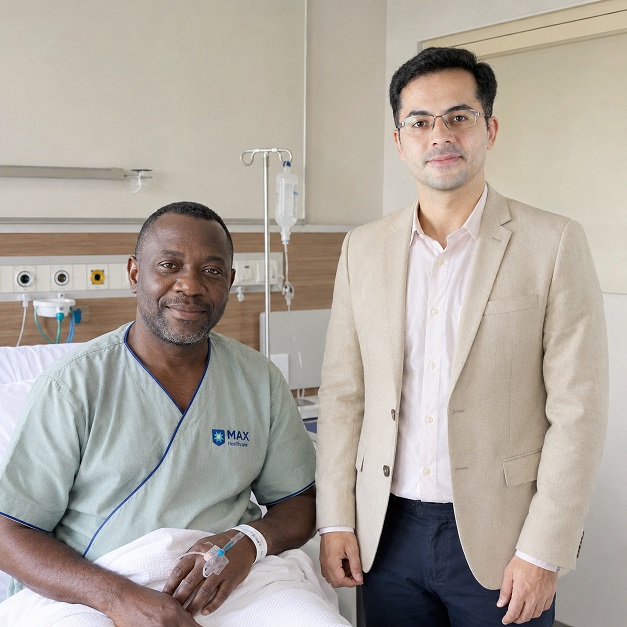
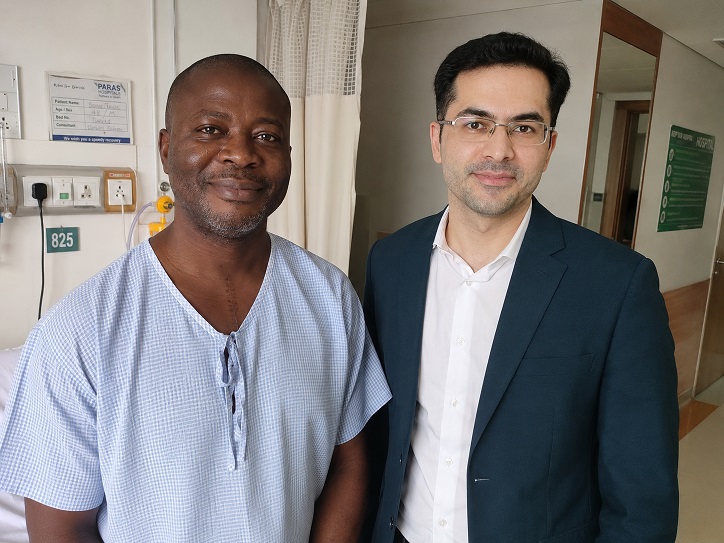
Patient Testimonials from Nigeria
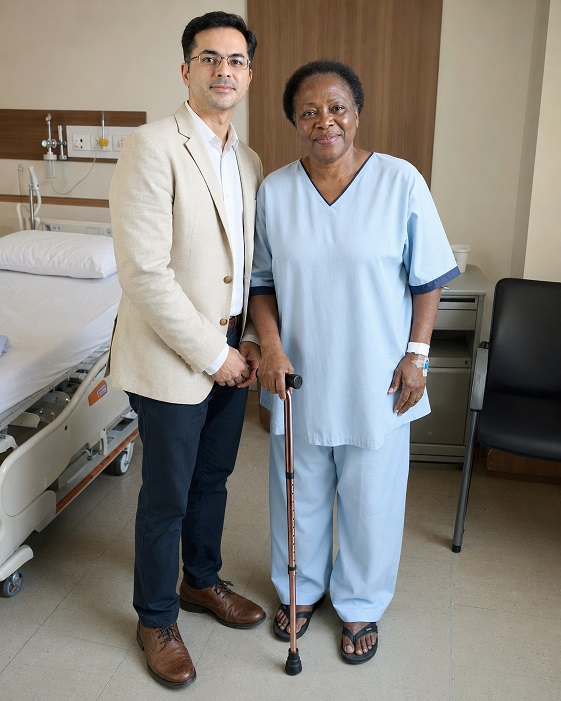
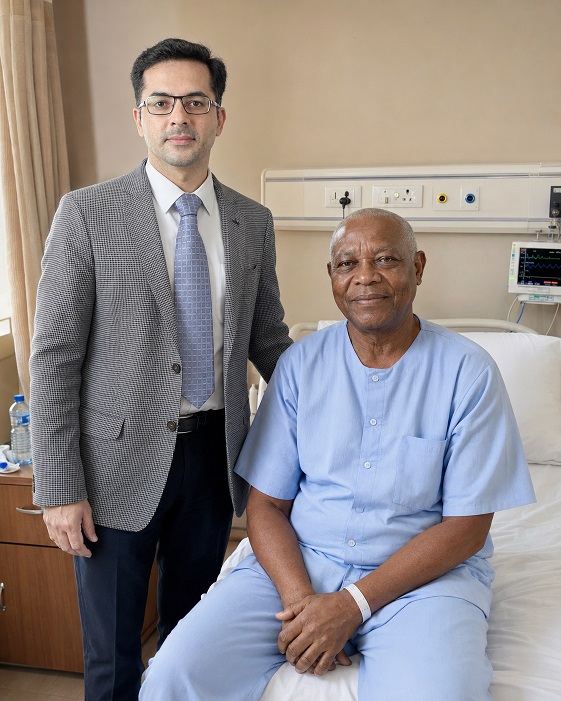
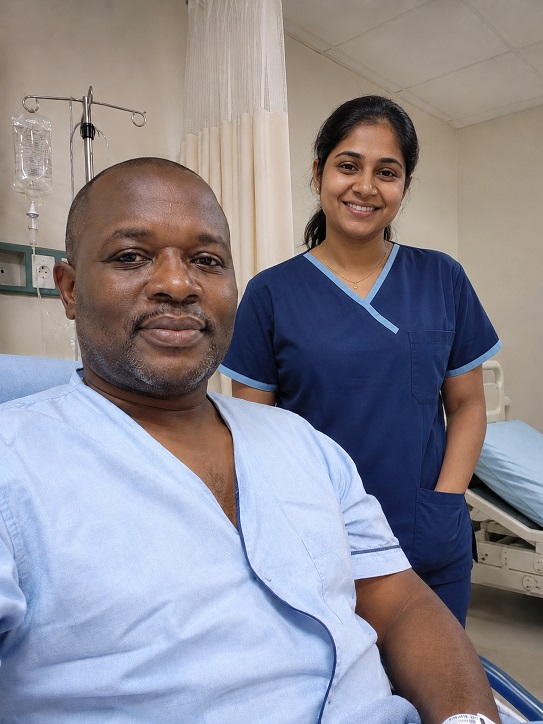
Ready to Take the First Step?
Share your Medical Reports with our Healthcare Managers Today and Get a FREE CONSULTATION, a Personalized Treatment Plan, and Complete Support from Arrival to Recovery.
Get Your Free ConsultationAreas We Serve
This resource has been thoughtfully prepared for patients from Nigeria who are considering medical treatment in India. We also welcome patients from the wider region in the countries mentioned below-
We assist patients from:
- Benin
- Niger
- Chad
- Cameroon
- Algeria
- Egypt
- Libya
- Morocco
- Sudan
- Tunisia
- Gambia
- Ghana
- Burkina Faso
- Cabo Verde
- Côte d'Ivoire
- Equatorial Guinea
- São Tomé and Príncipe
Many of the insights, treatment pathways, hospital recommendations, travel guidance, and patient support services described here are equally relevant and may be used as a reference when planning treatment in India.
From Nigeria to India: Your Complete Patient Support Guide
- Artificial Disc Replacement in India for Nigerian Patients
- Weight Loss and Bariatric Surgery in India for Nigerian Patients
- Bone Marrow Transplant in India for Nigerian Patients
- Brain Tumour Surgery in India for Nigerian Patients
- Breast Cancer Treatment and Surgery in India for Nigerian Patients
- Cancer Treatment and Surgery in India for Nigerian Patients
- Cardiac Arrhythmia and Heart Pacemaker Treatment in India for Nigerian Patients
- Cardiac Surgery in India for Nigerian Patients
- Colorectal Cancer Treatment and Surgery in India for Nigerian Patients
- Complex Orthopaedic and Joint Revision Surgery in India for Nigerian Patients
- Cornea Transplant and Advanced Eye Surgery in India for Nigerian Patients
- CyberKnife Treatment in India for Nigerian Patients
- Gamma Knife Treatment in India for Nigerian Patients
- Heart Failure Treatment and Surgery in India for Nigerian Patients
- Hip Surgery in India for Nigerian Patients
- HIPEC Cancer Surgery in India for Nigerian Patients
- IVF and Fertility Treatment in India for Nigerian Patients
- Joint Arthroscopy and Sports Medicine in India for Nigerian Patients