

Liver Transplant in India for Nigerian Patients
For end-stage liver disease that medication alone cannot reverse, and a warning worth stating first: much of this need begins decades earlier, with a viral infection that quietly went undiagnosed.
Nigeria ranks third globally for total viral hepatitis burden and carries the highest burden of any country in Africa, with an estimated 20 million Nigerians living with viral hepatitis. Nigeria and nine other countries together accounted for 69 percent of the world's hepatitis B deaths in 2024. Left undiagnosed or untreated for years, chronic hepatitis B and C can progress silently to cirrhosis and liver cancer, the two leading reasons patients ultimately need a liver transplant. Nigeria's own capacity to manage this at the specialist level remains thin, with fewer than 200 gastroenterologists actively practising nationwide for a population above 223 million. This guide sets out what liver transplant surgery actually costs in India once travel is counted, why hepatitis drives so much of the underlying need in a Nigerian context, and why the transplant itself is only the beginning of a genuinely lifelong course of care.
| 3rd | ~20M | 69% | <200 |
|---|---|---|---|
| NIGERIA'S GLOBAL RANK FOR TOTAL VIRAL HEPATITIS BURDEN, HIGHEST IN AFRICA | NIGERIANS ESTIMATED TO BE LIVING WITH VIRAL HEPATITIS | OF GLOBAL HEPATITIS B DEATHS IN 2024 CAME FROM JUST TEN COUNTRIES, INCLUDING NIGERIA | GASTROENTEROLOGISTS ACTIVELY PRACTISING NATIONWIDE IN NIGERIA |
Healing Journeys of Nigerian Patients




Key Takeaways
- Nigeria is described in the guide as having the third-highest total viral hepatitis burden worldwide and the highest burden in Africa, with approximately 20 million Nigerians estimated to be living with viral hepatitis.
- Nigeria and nine other countries together accounted for 69% of global hepatitis B deaths in 2024, highlighting the scale of the disease burden addressed in the document.
- Chronic hepatitis B and C can remain silent for years or decades before progressing to cirrhosis or hepatocellular carcinoma, two major reasons patients ultimately require liver transplantation.
- The guide stresses that liver transplantation often represents the final stage of a disease process that began years earlier with a potentially detectable or treatable viral infection.
- Chronic hepatitis B can also remain relevant after transplantation because the virus that damaged the original liver may threaten the transplanted liver if viral suppression is not properly managed.
- Nigeria is described as having fewer than 200 actively practising gastroenterologists for a population exceeding 223 million, illustrating the limited specialist capacity available for chronic liver disease management.
- The document states that there is no published evidence of an established liver transplant programme currently operating in Nigeria.
- This is not presented as a lack of knowledge among Nigerian physicians. The guide identifies the limiting factors as the highly specialised infrastructure required for living donor hepatectomy, complex recipient surgery, transplant anaesthesia, blood-bank support, intensive care and lifelong immunosuppression.
- For Nigerian patients pursuing treatment abroad, living donor liver transplantation is the dominant pathway, because it does not depend on access to a deceased-donor waiting list in another country.
Quick Facts
- Treatment
- Liver Transplantation
- Country
- India
- Intended Audience
- Nigerian Patients and Families
- Primary Specialty
- Hepatology and Hepatobiliary Transplant Surgery
- Primary Transplant Pathway
- Living Donor Liver Transplant
- Major Nigeria-Specific Cause
- Chronic Viral Hepatitis
- Nigeria Global Viral Hepatitis Rank
- 3rd
- Nigeria African Viral Hepatitis Rank
- Highest in Africa
- Nigerians Living With Viral Hepatitis Mentioned
- Approximately 20 Million
- Global Hepatitis B Deaths From Ten Countries Including Nigeria
- 69% in 2024
- Major End-Stage Conditions
- Cirrhosis and Hepatocellular Carcinoma
- Nigeria Gastroenterologists Mentioned
- Fewer Than 200
- Established Liver Transplant Programme in Nigeria
- No Published Evidence Mentioned
- Nigeria Appropriate Care
- Hepatitis Screening, Antiviral Treatment and Earlier-Stage Liver Disease Management
- First Requirement
- Confirmed Diagnosis and Liver Disease Staging
- Donor Requirement
- Independently Evaluated Healthy Living Donor
- Transplant Candidacy Evaluation Cost
- US$2,000–4,000
- Evaluation Duration
- 3–5 Days
- Author
- Dr. Dheeraj Bojwani
- Experience
- 24 Years' Experience
01 · THE REAL PROBLEM
A transplant need built years earlier, by a virus
Liver transplant is, globally, most commonly needed for two reasons: cirrhosis, the scarring that results from years of ongoing liver injury, and hepatocellular carcinoma, a liver cancer that frequently develops in a cirrhotic liver. While alcohol-related and metabolic fatty liver disease increasingly drive transplant need in wealthier countries, chronic viral hepatitis remains the dominant cause in regions with high endemicity, and Nigeria sits firmly among them. Chronic hepatitis B infection, transmitted primarily through blood, unsafe injections, and mother-to-child transmission at birth, can progress silently for decades before cirrhosis or cancer is diagnosed, often only once the disease has advanced beyond earlier, more manageable treatment options.
The scale here is genuinely striking. Nigeria's viral hepatitis burden ranks third worldwide and highest across Africa, and a 2026 review of Nigerian hepatitis care described the cost of testing and treatment as having more than doubled over five years, identified as a primary barrier to controlling the disease. Nigeria pledged, alongside other African Union member states, to eliminate hepatitis as a public health threat by 2030, a target that will require substantially better access to affordable diagnosis and care than currently exists.
This context matters directly for anyone facing a liver transplant referral. The disease that eventually requires a transplant very often began as a treatable, even preventable, infection years or decades earlier, and understanding that history shapes what happens after transplant just as much as before it, since the same virus that caused the original damage can sometimes threaten a newly transplanted liver if it is not properly suppressed before and after surgery.
02 · Nigeria's Capacity
Thin specialist capacity, and no established transplant programme
Managing chronic liver disease well, before it reaches transplant-requiring severity, depends on consistent access to hepatology and gastroenterology expertise, exactly the specialist capacity Nigeria's own numbers show is thin: fewer than 200 practising gastroenterologists for a population exceeding 223 million. Liver transplant surgery itself demands a substantially higher tier of infrastructure again, including living donor hepatectomy expertise, complex recipient hepatobiliary surgery, transplant-specific intensive care, and lifelong immunosuppression management. There is no published evidence of an established liver transplant programme currently operating in Nigeria, consistent with the broader pattern this series has documented for comparably specialised transplant and reconstructive surgery across the region.
None of this reflects a lack of clinical knowledge among Nigerian physicians managing liver disease. It reflects the scale of infrastructure this specific level of surgery requires, transplant-trained anaesthesiology, a blood bank capable of supporting major hepatobiliary surgery, and round-the-clock critical care, infrastructure that very few countries anywhere in the world have built entirely on their own.
03 · THE TREATMENT MAP
Which pathway, and what it costs
Living donor liver transplant, using a portion of a healthy donor's liver, is the dominant pathway wherever deceased donor organ supply is limited, and it applies to most Nigerian patients pursuing transplant abroad.
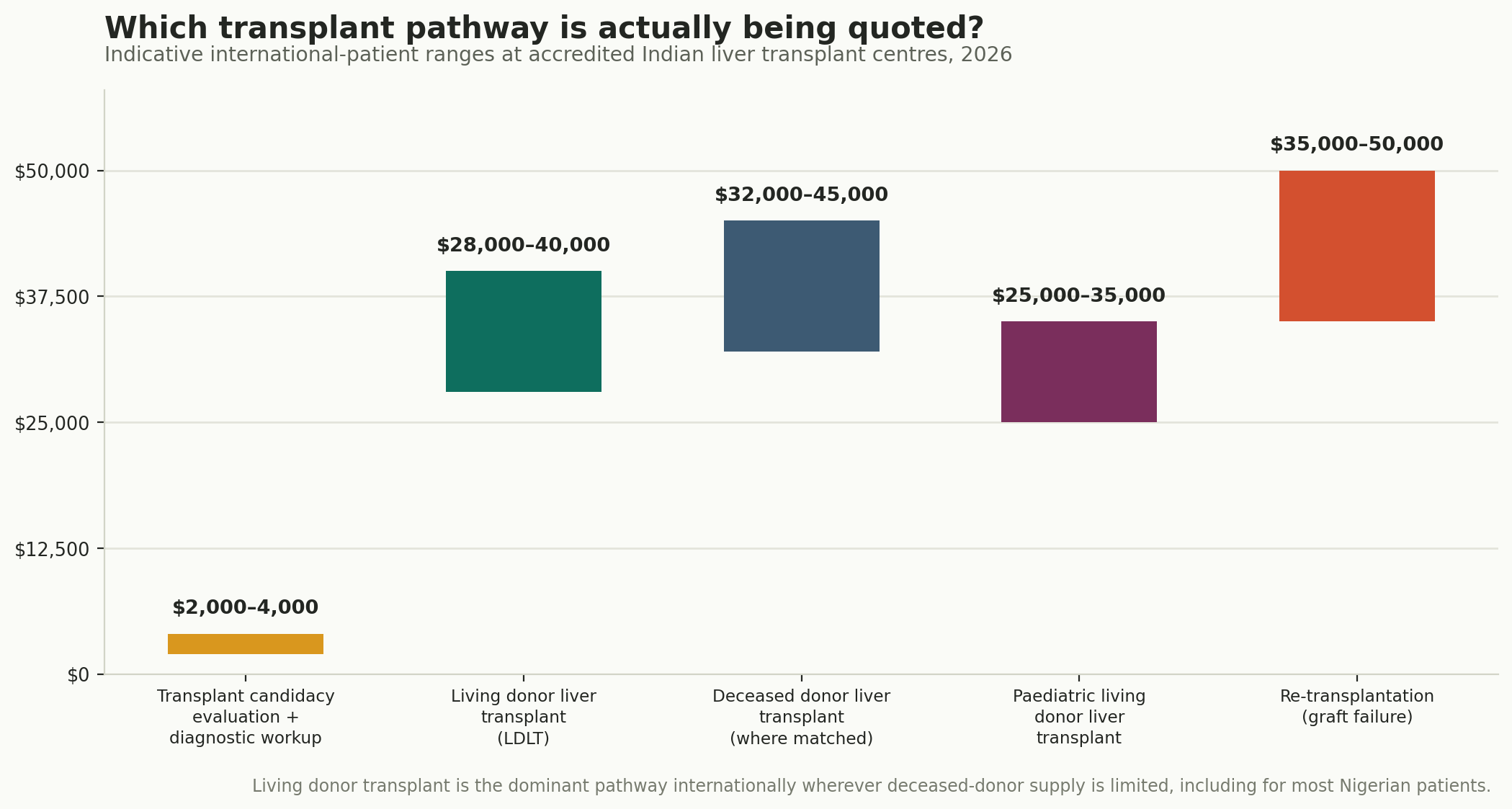
Figure 1. Living donor transplant is the pathway most Nigerian patients will pursue, since it does not depend on a deceased donor waiting list in the destination country.
| Pathway | Typically suits | Indicative cost | Hospital stay |
|---|---|---|---|
| Transplant candidacy evaluation | Confirming transplant is appropriate and identifying a suitable donor | $2,000–4,000 | 3–5 days |
| Living donor liver transplant | A healthy, matched family donor is available | $28,000–40,000 | 21–28 nights |
| Deceased donor liver transplant | Where a suitable deceased donor organ becomes available | $32,000–45,000 | 21–28 nights |
| Paediatric living donor liver transplant | Children, often for biliary atresia or inherited liver disease | $25,000–35,000 | 18–25 nights |
| Re-transplantation | A prior transplant that has failed | $35,000–50,000 | 25–32 nights |
Table 1. Indicative international-patient pricing at accredited Indian liver transplant centres, mid-2026. Figures are planning ranges, not offers, and vary by disease severity, donor match, and case complexity.
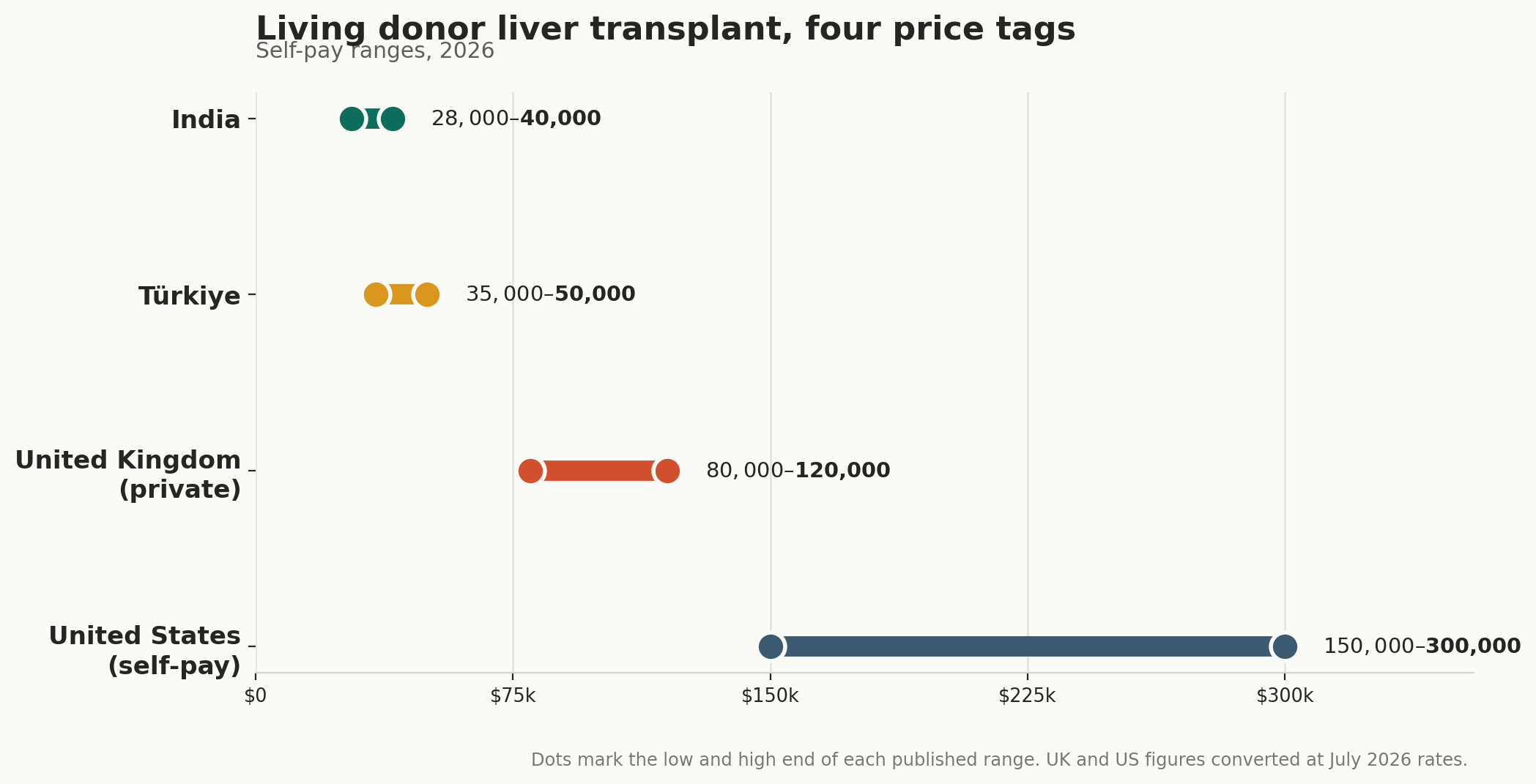
Figure 2. Living donor liver transplant, priced across four common destinations for Nigerian medical travellers.
What a proper written quote must itemise
- The specific cause of liver disease, and confirmation of transplant candidacy by a specialist team
- Full details of the donor evaluation process, and independent assessment of donor safety
- Expected ICU and total hospital stay, and the policy for any extension
- The immunosuppression protocol planned, and long-term medication cost expectations
- A written plan for lifelong monitoring, including who continues bloodwork once you are home
04 · the Full Budget
What the whole journey costs, beyond the operation
The surgical fee is the number families anchor on, and the least complete one, given how extended and lifelong this pathway genuinely is. A representative pathway — living donor liver transplant, recipient plus donor plus one additional attendant, roughly six to eight weeks in India — adds up like this:
- Transplant package (recipient surgery, donor surgery, ICU, extended ward stay): $30,000–42,000
- Return flights, three travellers (Lagos/Abuja – Delhi/Mumbai/Chennai): $3,300–4,500
- Pre-transplant workup (imaging, donor and recipient testing): $1,500–2,500
- Extended accommodation, six to eight weeks, three people : $3,500–5,500
- Medical and attendant visas (extended validity, three applications): $600–800
- Contingency for extended ICU stay or complications: 15–20% All-in, most families should plan for US$45,000–62,000 for a complete living donor liver transplant pathway — roughly ₦62.1–85.6 million at the official mid-July 2026 rate of about ₦1,380 to the dollar, somewhat higher at parallel-market rates near ₦1,410. Lifelong immunosuppressive medication is a further, ongoing cost that continues indefinitely after return to Nigeria.
05 · Getting There
Visa, travel, and a course of care that never fully ends
India issues a Medical Visa (M) to the patient and a Medical Attendant Visa (MX) to the living donor and other close relatives, and given the length of stay this pathway requires, extended visa validity should be requested from the outset. Applications go through the High Commission in Abuja or the Consulate General in Lagos by prior appointment. The hospital's invitation letter, three months of certified bank statements, and passports valid well beyond six months move the process fastest.
Lagos and Abuja both reach Delhi, Mumbai and Chennai with a single stop, usually via Addis Ababa, Doha, Dubai, Nairobi or Istanbul, a total journey of 13 to 18 hours.
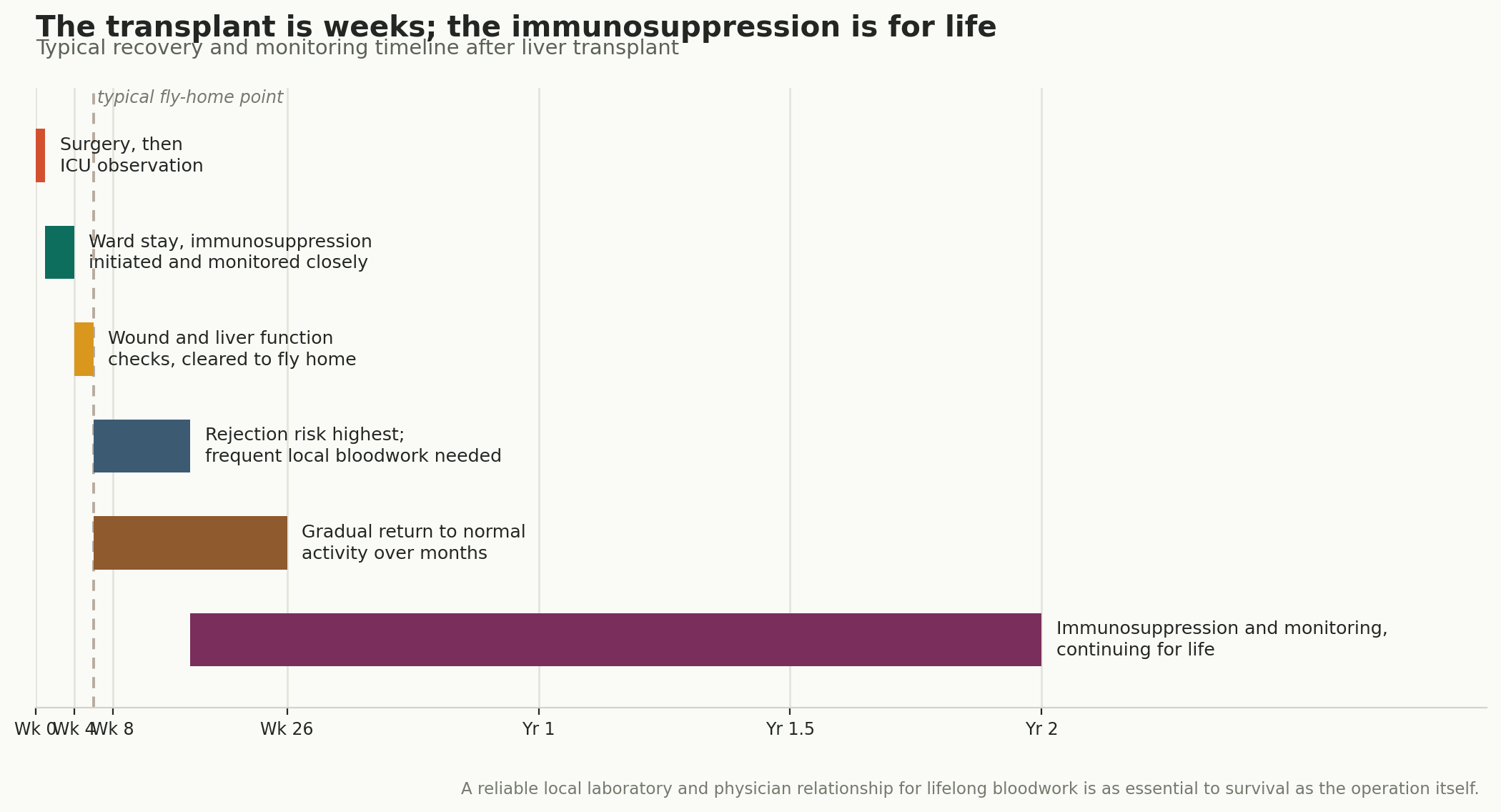
Figure 3. A reliable local laboratory and physician relationship for lifelong bloodwork is as essential to survival as the operation itself.
On lifelong follow-up, honestly. Immunosuppressive medication and regular monitoring bloodwork continue for the rest of a transplant recipient's life. This is not a temporary post-operative phase; it is a permanent feature of living with a transplanted organ. Establishing a reliable Nigerian physician and laboratory relationship before you travel, not after you return, is one of the most important steps in this entire process.
What has to travel home with the recipient
- Full operative and donor documentation, including graft details
- The specific immunosuppression protocol, using medication names available in Nigeria
- A written lifelong monitoring schedule for liver function and drug-level bloodwork
- Clear, written warning signs of rejection or infection, given lifelong immunosuppression
- A named clinician contact for urgent teleconsultation if concerning symptoms arise
06 · THE HONEST COMPARISON
What stays in Nigeria, and what travels
Hepatitis screening, early antiviral treatment, and management of earlier-stage liver disease are all appropriate to pursue with a Nigerian physician, and catching chronic hepatitis before it progresses to cirrhosis is, by a wide margin, the more effective and far less costly path than reaching transplant at all.
What has to travel is the transplant itself, given the absence of an established domestic programme, along with the specialised surgical and critical care infrastructure it depends on. For a patient who has reached end-stage liver disease, that gap is not a matter of degree; it is the difference between an available treatment and one that currently is not.
Before you commit to liver transplant surgery abroad
- Get a confirmed diagnosis and staging of liver disease before contacting any transplant centre.
- Identify and independently evaluate a potential living donor as early as possible in the process.
- Ask explicitly about the transplant team's specific living donor case volume and outcomes.
- Confirm the full immunosuppression protocol and its long-term medication cost before committing.
- Establish a lifelong monitoring plan with a Nigerian physician before you travel, not after.
- Ask what happens, and what it costs, if donor evaluation rules out your first-choice donor.
- Budget realistically for the full six-to-eight-week stay, not just the surgical fee.
- Pay into the hospital's own institutional account only, never an individual's personal account.
Straight Answers for Nigerian Patients about Liver Transplant in India
Is liver transplant surgery in India cheaper than the UK or US?
Yes, substantially. A living donor liver transplant is indicatively $28,000 to $40,000 in India, against roughly $80,000 to $120,000 privately in the UK and $150,000 to $300,000 self-pay in the United States.
Why is hepatitis B such a common cause of liver transplant need in Nigeria?
Nigeria ranks third globally for viral hepatitis burden and highest in Africa, with an estimated 20 million Nigerians living with viral hepatitis. Chronic hepatitis B can progress over years to cirrhosis and liver cancer, both leading indications for transplant.
What is a living donor liver transplant?
A portion of a healthy living donor's liver, often a close family member, is removed and transplanted into the recipient. Both livers regenerate to near-normal size within weeks, and this is the dominant pathway wherever deceased donor supply is limited.
Do Nigerians need a visa for liver transplant surgery in India?
Yes. You need an Indian Medical Visa from the High Commission in Abuja, the Consulate in Lagos, or the e- Medical route, plus a Medical Attendant Visa for the living donor and other close relatives, with a hospital invitation letter and financial proof.
Does immunosuppression after a liver transplant ever stop?
No. Immunosuppressive medication and monitoring bloodwork continue for the rest of the recipient's life to prevent rejection, making a reliable ongoing relationship with a local physician and laboratory as important as the transplant itself.
Is a living liver donor at serious risk?
Living donor surgery carries genuine, well-documented risks and requires the donor to be independently and thoroughly medically evaluated. Donor safety assessment is a formal, separate part of any legitimate living donor transplant programme.
Is liver transplant available in Nigeria?
There is no published evidence of an established liver transplant programme in Nigeria, consistent with the broader West African pattern for this level of transplant infrastructure. Earlier-stage liver disease management can be pursued domestically before a transplant referral becomes necessary.
A closing word
Liver transplant is, in a real sense, the last chapter of a story that usually began years earlier, often with a hepatitis infection that went undiagnosed or untreated while it was still manageable. Nigeria's own extraordinary viral hepatitis burden means that story plays out far too often, and far too late, for far too many families.
In twenty-four years of this work, the families who navigate this best treat hepatitis screening as seriously as any other essential health check long before a transplant is ever discussed, identify and evaluate a potential living donor as early as possible if transplant does become necessary, and build a genuine, lasting relationship with a Nigerian physician for the lifelong monitoring that follows. The surgery restores a working liver. The decades of care around it, before and after, are what determine how that gift is used.
Sources
- 🌐 American Liver Foundation — Liver transplant, patient information
- 🌐 NHS (UK) — Liver transplant: overview – nhs.uk
- 🌐 High cost of hepatitis care, stressed facilities expose 20m to liver damage. The Guardian Nigeria, 2026
- 🌐 Hepatitis B in Nigeria: fresh data to inform prevention and care. The Conversation, 2026
- 🌐 Liver Transplantation. StatPearls, NCBI Bookshelf, 2026
- 🌐 High Commission of India, Abuja — Medical and Medical Attendant Visa requirements
Frequently Asked Questions by Nigerians about Liver Transplant in India
Is liver transplant surgery in India cheaper than the UK or US?
Yes, according to the guide. Living donor liver transplant is approximately US$28,000–40,000 in India, compared with roughly US$80,000–120,000 privately in the UK and US$150,000–300,000 self-pay in the United States.
Why is hepatitis B such an important cause of liver transplant need in Nigeria?
Nigeria has one of the world's largest viral hepatitis burdens. Chronic hepatitis B can silently progress over years to cirrhosis and liver cancer, both major indications for transplantation.
What is a living donor liver transplant?
A medically suitable donor gives a portion of their liver to the recipient. The guide states that both the donor's remaining liver and the transplanted portion regenerate toward near-normal size over the following weeks.
How much does a living donor liver transplant cost in India?
The guide lists approximately US$28,000–40,000 for the transplant itself, with a representative package including recipient and donor surgery, ICU and ward care of US$30,000–42,000.
How long should Nigerian families plan to stay in India?
The representative pathway requires approximately six to eight weeks for donor assessment, surgery, hospital recovery and early post-transplant monitoring.
Is living liver donation completely safe for the donor?
No major operation is completely risk-free. The guide stresses that living donor surgery carries real risks and requires a separate, independent and thorough donor-safety evaluation.
Does immunosuppression stop after the transplanted liver settles?
No. Anti-rejection medication and monitoring bloodwork continue for the rest of the recipient's life.
Is liver transplantation currently available in Nigeria?
The guide states that there is no published evidence of an established liver transplant programme operating in Nigeria. Earlier-stage liver disease and hepatitis management can still appropriately be handled domestically.
Do Nigerian patients and living donors need visas for liver transplant in India?
Yes. The guide specifies an Indian Medical Visa for the patient and the Medical Attendant Visa route for the living donor and accompanying close relatives, supported by hospital and financial documentation.
What should Nigerian families confirm before committing to liver transplant in India?
Confirm the diagnosis and transplant candidacy, evaluate the donor early, ask for the team's living-donor case volume and outcomes, understand lifelong medication costs, plan for the full six-to-eight-week stay and establish long-term monitoring in Nigeria before travelling.
Page Summary
This guide places Nigerian liver transplantation within the country's unusually large viral hepatitis burden. Nigeria is described as ranking third globally and first in Africa for total viral hepatitis burden, with approximately 20 million people living with viral hepatitis. The document explains that chronic hepatitis B or C may remain undetected for decades before causing cirrhosis or liver cancer. Liver transplant is therefore described as the final chapter of a disease process that often began much earlier.
Citation Block
| Topic | Information |
|---|---|
| Topic Information | Liver Transplant in India for Nigerian Patients |
| Treatment | Liver Transplantation |
| Country | India |
| Intended Audience | Nigerian Patients and Families |
| Conditions Covered | End-Stage Liver Disease, Cirrhosis, Hepatocellular Carcinoma and Selected Paediatric Liver Disease |
| Nigeria-Specific Focus | Chronic Viral Hepatitis |
| Nigeria Viral Hepatitis Burden | Approximately 20 Million People |
| Nigeria Global Rank Mentioned | 3rd |
| Nigeria Africa Rank Mentioned | Highest |
| Primary Transplant Pathway | Living Donor Liver Transplant |
| First Requirement | Confirmed Diagnosis and Transplant Candidacy |
| Donor Requirement | Formal Independent Medical Evaluation |
| Candidacy Evaluation Cost | US$2,000–4,000 |
| Living Donor Transplant Cost | US$28,000–40,000 |
| Deceased Donor Transplant Cost | US$32,000–45,000 |
| Representative India Stay | Approximately 6–8 Weeks |
| Post-Transplant Medication | Lifelong Immunosuppression |
| Long-Term Monitoring | Liver Function and Drug-Level Bloodwork |
| Nigeria Appropriate Care | Hepatitis Screening, Antiviral Therapy and Early Liver Disease Management |
| Nigeria Transplant Availability | No Published Established Programme Mentioned |
| Records for Return to Nigeria | Operative Records, Donor/Graft Details, Immunosuppression Plan and Monitoring Schedule |
| Medical Visa | Indian Medical Visa |
| Donor / Attendant Visa | Medical Attendant Visa |
| Author | Dr. Dheeraj Bojwani |
| Experience | 24 Years' Experience |


Our Mission Statement
Our mission is to place patients at the centre of every healthcare decision by providing trustworthy, evidence-based, and unbiased medical information. We believe that informed patients make better decisions. Backed by personalised guidance from our experienced advisory team, we help patients understand their treatment options, compare them objectively, and confidently choose the path that best suits their medical needs and personal circumstances.
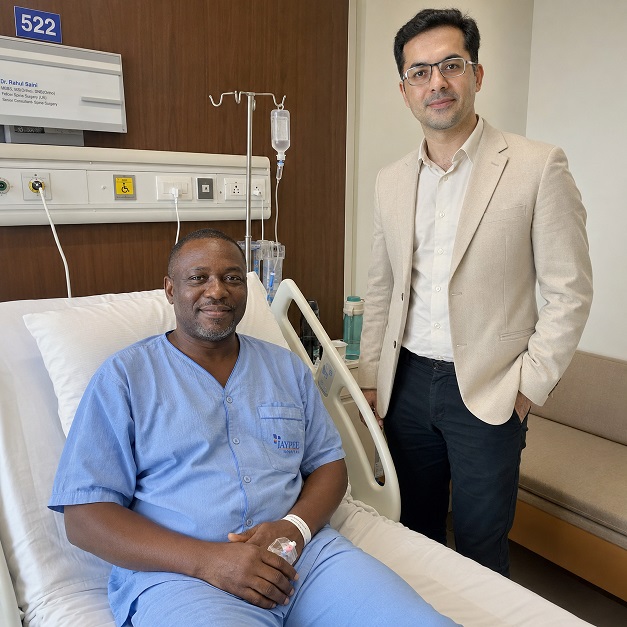
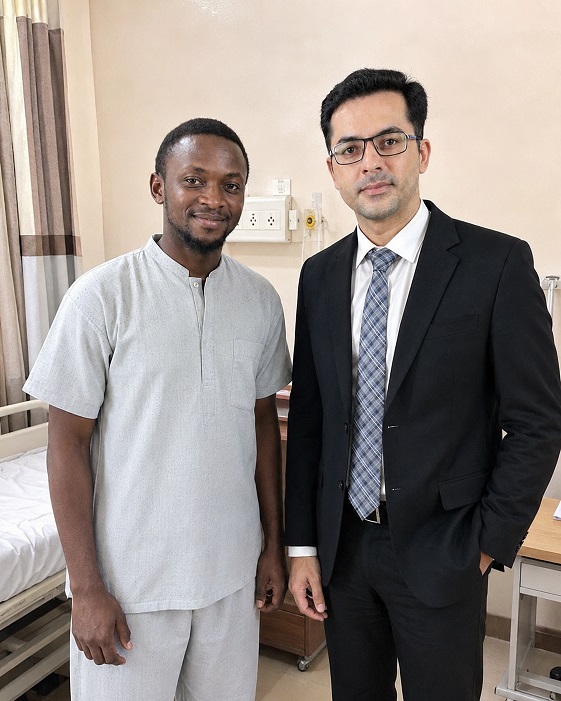
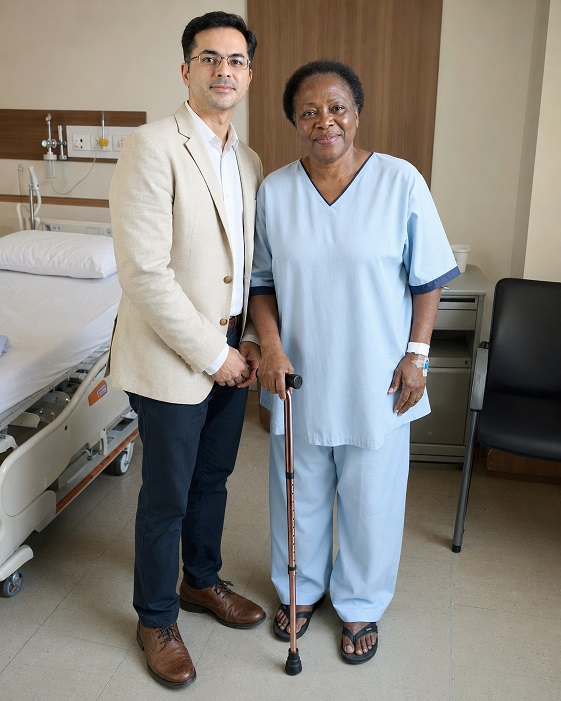
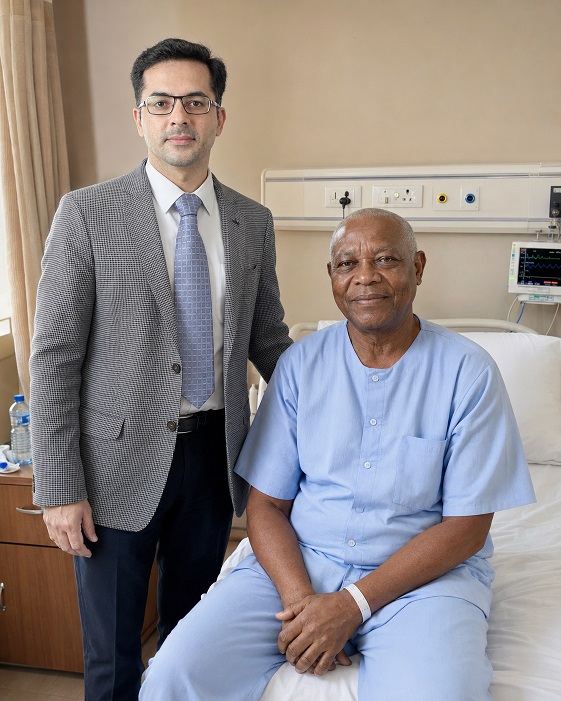
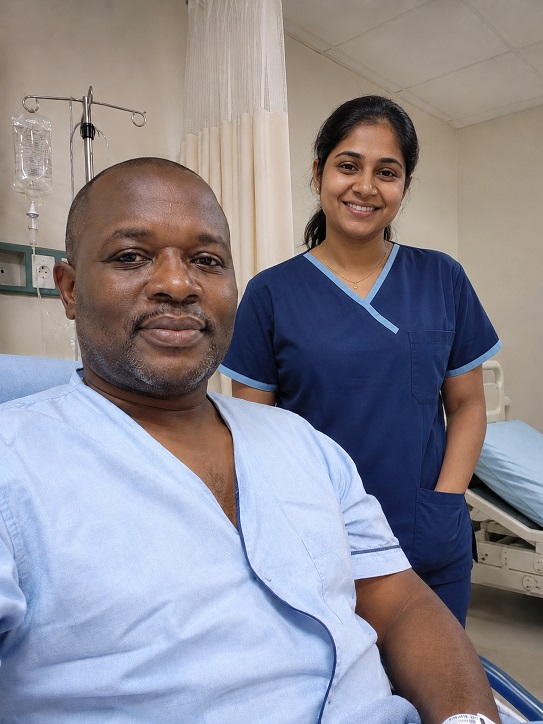
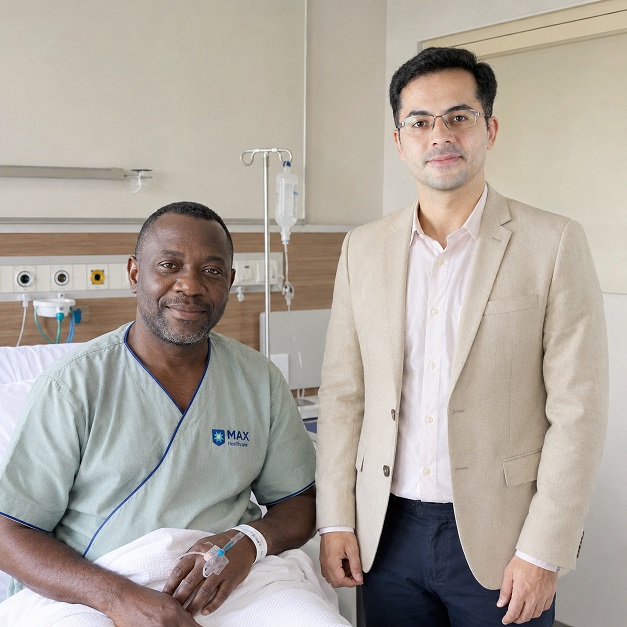
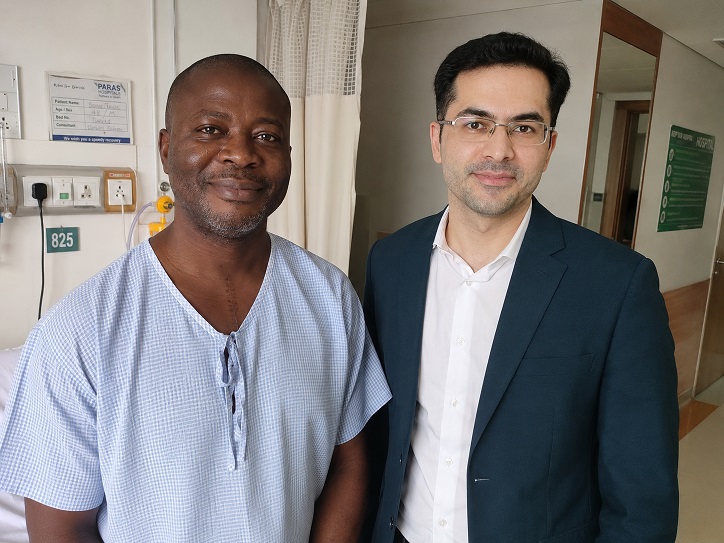
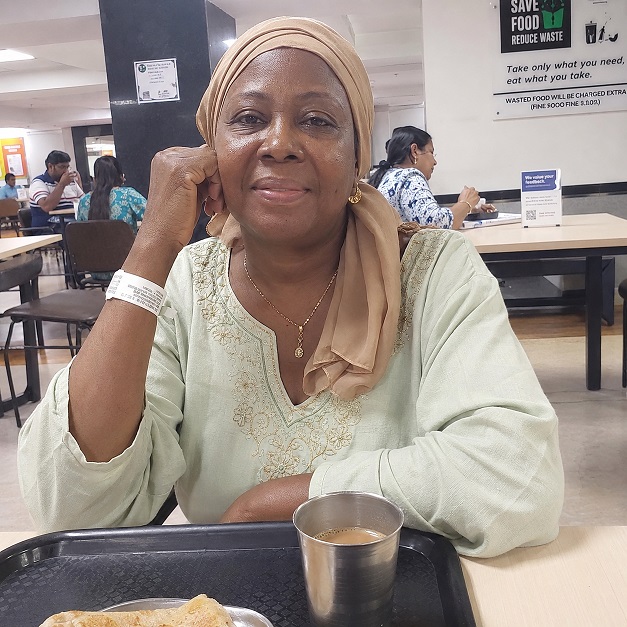
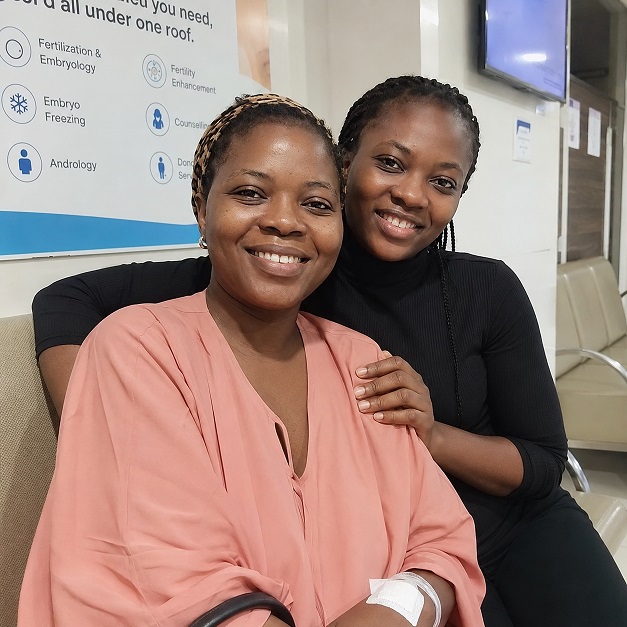
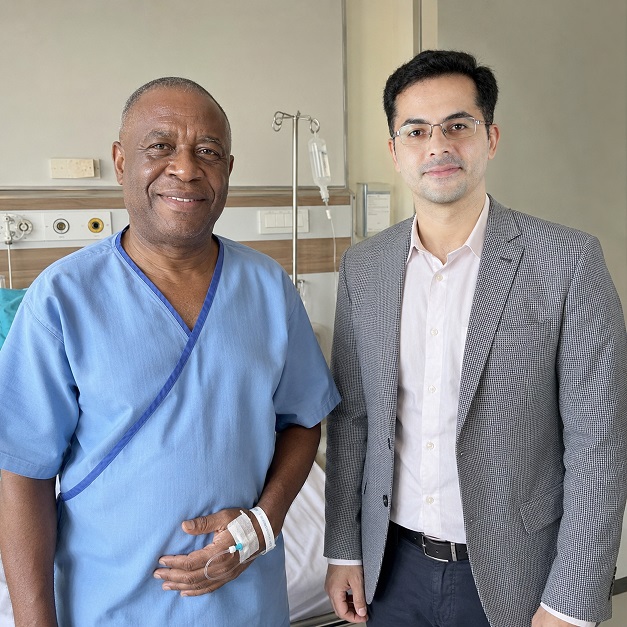
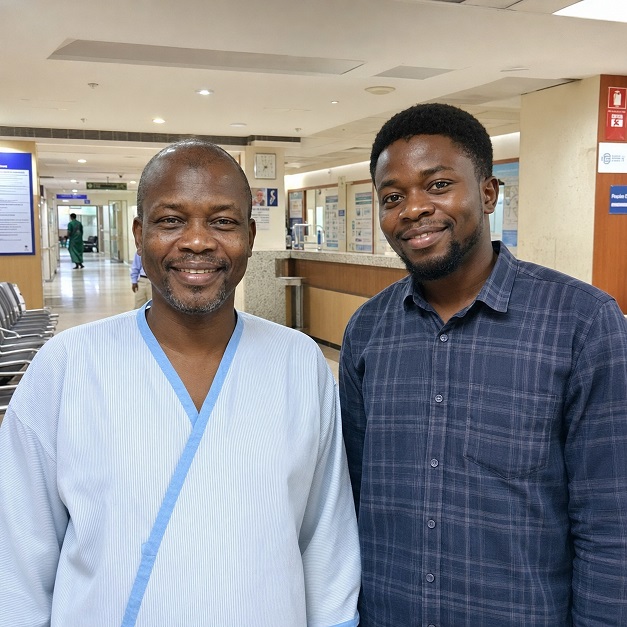
Patient Testimonials from Nigeria


Ready to Take the First Step?
Share your Medical Reports with our Healthcare Managers Today and Get a FREE CONSULTATION, a Personalized Treatment Plan, and Complete Support from Arrival to Recovery.
Get Your Free ConsultationAreas We Serve
This resource has been thoughtfully prepared for patients from Nigeria who are considering medical treatment in India. We also welcome patients from the wider region in the countries mentioned below-
We assist patients from:
- Benin
- Niger
- Chad
- Cameroon
- Algeria
- Egypt
- Libya
- Morocco
- Sudan
- Tunisia
- Gambia
- Ghana
- Burkina Faso
- Cabo Verde
- Côte d'Ivoire
- Equatorial Guinea
- São Tomé and Príncipe
Many of the insights, treatment pathways, hospital recommendations, travel guidance, and patient support services described here are equally relevant and may be used as a reference when planning treatment in India.
From Nigeria to India: Your Complete Patient Support Guide
- Artificial Disc Replacement in India for Nigerian Patients
- Weight Loss and Bariatric Surgery in India for Nigerian Patients
- Bone Marrow Transplant in India for Nigerian Patients
- Brain Tumour Surgery in India for Nigerian Patients
- Breast Cancer Treatment and Surgery in India for Nigerian Patients
- Cancer Treatment and Surgery in India for Nigerian Patients
- Cardiac Arrhythmia and Heart Pacemaker Treatment in India for Nigerian Patients
- Cardiac Surgery in India for Nigerian Patients
- Colorectal Cancer Treatment and Surgery in India for Nigerian Patients
- Complex Orthopaedic and Joint Revision Surgery in India for Nigerian Patients
- Cornea Transplant and Advanced Eye Surgery in India for Nigerian Patients
- CyberKnife Treatment in India for Nigerian Patients
- Gamma Knife Treatment in India for Nigerian Patients
- Heart Failure Treatment and Surgery in India for Nigerian Patients
- Hip Surgery in India for Nigerian Patients
- HIPEC Cancer Surgery in India for Nigerian Patients
- IVF and Fertility Treatment in India for Nigerian Patients
- Joint Arthroscopy and Sports Medicine in India for Nigerian Patients