

Leukaemia, Lymphoma and Blood Cancer Treatment in India for Nigerian Patients
For the cancer that modern medicine already knows how to cure, quickly and reliably, in most children who reach treatment early — and the tragedy of how many, in Nigeria, do not.
Burkitt lymphoma is, by the numbers, one of the more curable cancers in all of oncology: contemporary treatment protocols achieve cure rates approaching 90 percent, sometimes with less than two months of chemotherapy for early disease. It is also one of Nigeria's most common childhood cancers, concentrated in the same equatorial belt across Africa where it was first identified in 1958. Recent Nigerian research found 92 percent of Burkitt lymphoma patients presenting with advanced disease by the time they reach treatment. The gap between what this cancer's biology allows and what Nigerian patients actually experience is almost entirely a story about timing and access, not about medicine's limits. This guide sets out what leukaemia and lymphoma treatment actually costs in India once travel is counted, what Nigeria's own paediatric and adult haemato-oncology capacity can and cannot offer today, and why treatment for these cancers unfolds in phases, some completed abroad and some, necessarily, continued for years at home.
| Up to 90% | 92% | Top 3 | 70–85% |
|---|---|---|---|
| CURE RATE FOR BURKITT LYMPHOMA IN WELL-RESOURCED, EARLY TREATMENT SETTINGS | OF NIGERIAN BURKITT LYMPHOMA PATIENTS PRESENT WITH ADVANCED DISEASE | BURKITT LYMPHOMA RANKS AMONG NIGERIA'S MOST COMMON CHILDHOOD CANCERS | TYPICAL SAVING ON AN EQUIVALENT INDIA PATHWAY VS. THE US |
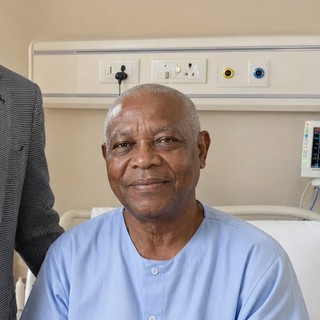
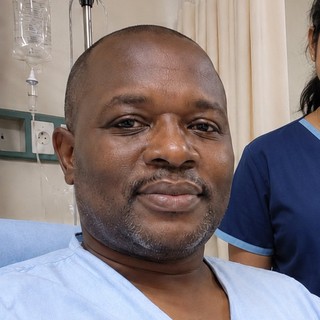
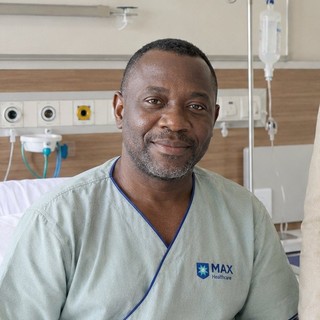
Healing Journeys of Nigerian Patients
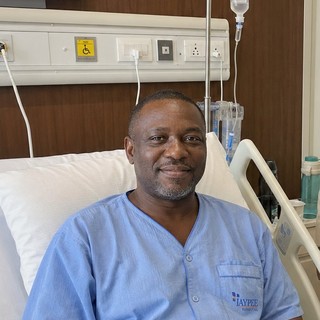
Key Takeaways
- The guide gives particular attention to Burkitt lymphoma, one of Nigeria's most important childhood cancers and one of the fastest-growing human tumours. Despite its aggressive biology, modern treatment can achieve cure rates approaching 90% in well-resourced settings when treatment begins early.
- The Nigeria-specific problem is delayed presentation. The document cites recent Nigerian research finding 92% of Burkitt lymphoma patients presenting with advanced disease by the time treatment begins.
- Burkitt lymphoma is described as one of Nigeria's top three childhood cancers and is strongly associated with the equatorial African disease pattern linked to Epstein-Barr virus exposure and malaria.
- The guide emphasises an important biological paradox: Burkitt lymphoma grows exceptionally quickly, but that same rapid cell turnover makes it highly sensitive to chemotherapy when treatment is delivered promptly and completely.
- The document draws a similar comparison with acute lymphoblastic leukaemia (ALL), describing it as one of modern paediatric oncology's major success stories when children receive a complete, uninterrupted treatment protocol.
- Nigeria's principal challenge is not absence of known treatment protocols. The guide describes the bigger problem as reaching and completing treatment, with delays, diagnostic limitations, medicine access, workforce shortages, weak supportive care and low insurance coverage repeatedly identified in Nigerian paediatric oncology research.
- A 2026 scoping review cited in the document identifies limited access to biopsy, flow cytometry and cytogenetic testing as important diagnostic constraints because these tests establish the exact blood-cancer subtype and guide treatment.
Quick Facts
- Treatment
- Leukaemia, Lymphoma and Blood Cancer Treatment
- Country
- India
- Intended Audience
- Nigerian Patients and Families
- Primary Specialty
- Haemato-Oncology
- Major Nigeria-Specific Childhood Cancer
- Burkitt Lymphoma
- Burkitt Lymphoma Cure Rate Mentioned
- Up to Approximately 90% in Well-Resourced Early-Treatment Settings
- Nigerian Burkitt Patients Presenting With Advanced Disease
- 92%
- Burkitt Lymphoma Ranking in Nigeria
- Among the Top Three Childhood Cancers
- Important Burkitt Feature
- Very Fast-Growing but Highly Chemotherapy-Sensitive
- Other Major Childhood Blood Cancer
- Acute Lymphoblastic Leukaemia
- Key Treatment Requirement
- Complete and Uninterrupted Protocol
- Nigeria Main Barriers
- Delayed Presentation, Diagnostic Constraints, Medicine Access, Supportive Care and Treatment Abandonment
- Important Diagnostic Tests
- Bone Marrow Biopsy
- Author
- Dr. Dheeraj Bojwani
- Experience
- 24 Years' Experience
In Brief
Leukaemia, lymphoma and other blood cancers in Nigerian patients require accurate subtype confirmation before treatment because chemotherapy, targeted therapy and transplant decisions differ substantially between diseases. The guide highlights Burkitt lymphoma as a particularly important Nigerian childhood cancer: modern treatment can cure up to about 90% of patients in well-resourced early-treatment settings, yet 92% of Nigerian patients in one recent analysis presented with advanced disease. Indicative Indian costs range from US$5,000–9,000 for Hodgkin lymphoma to US$12,000–20,000 for AML or relapsed disease. Childhood ALL treatment commonly unfolds over multiple phases, with some treatment delivered abroad and maintenance continuing for years at home.
01 · the Real Problem
A cancer medicine already knows how to beat, losing ground to delay
Endemic Burkitt lymphoma, strongly linked to earlier Epstein-Barr virus infection combined with malaria exposure, is concentrated across equatorial Africa, including Nigeria, where researchers at the University of Ibadan have studied it for over four decades. Its biology is unusual: it is one of the fastest-growing human tumours known, which sounds purely frightening but cuts both ways, since that same rapid growth makes it unusually responsive to chemotherapy when treatment starts early. Global data confirms the pattern starkly: high-resource regions have seen mortality from childhood Burkitt lymphoma decline over recent decades, while low-resource regions, including much of sub-Saharan Africa, carry the highest incidence, mortality, and disability burden in the world.
A 2025 analysis of Nigerian outcomes data made the mechanism explicit: with 92 percent of patients presenting with advanced disease, poor outcomes become almost mathematically expected, since tumour bulk and delay are directly linked to drug-resistant disease in a cancer this fast-growing. Nigerian researchers have also documented something more sobering: treatment quality for Burkitt lymphoma at Ibadan measurably declined through the early 1980s as the country's broader economic conditions worsened, a rare, decades-long illustration of how directly a nation's economy can translate into cancer survival.
Acute lymphoblastic leukaemia, the most common childhood leukaemia, tells a similar story: it is one of the genuine triumphs of modern paediatric oncology, curable in the large majority of children treated on a complete, uninterrupted protocol, but that completion is exactly where treatment in a resource-constrained setting most often breaks down.
02 · NIGERIA'S CAPACITY
Not a missing cure. A missing finish line.
A 2026 scoping review of Nigerian paediatric oncology, mapping the country's own published literature, found the same barriers recurring across studies: delayed presentation, limited diagnostic capacity for the biopsy, flow cytometry and cytogenetic testing that determine exactly which subtype a patient has, inequitable access to essential medicines, workforce shortages, weak supportive care during intensive treatment, and low insurance coverage. Nigeria's most common childhood cancers, including Burkitt lymphoma, acute leukaemia and retinoblastoma, all sit squarely within this documented gap.
What this means in practice is that the single hardest problem is not usually finding a chemotherapy regimen; it is completing one. Treatment abandonment, families beginning a curative protocol and being unable to sustain the cost, travel, or time away from income for its full duration, is a well-documented phenomenon across low-resource paediatric oncology settings, and it converts a highly curable cancer into a fatal one just as surely as an unavailable drug would.
None of this means Nigerian haematologists and oncologists lack the clinical knowledge to manage these cancers. It means the surrounding infrastructure — rapid subtyping, reliable medicine supply, and the financial and logistical support that lets a family actually finish a months-long protocol — is where the system is most strained.
03 · THE TREATMENT MAP
Which cancer, and what it costs
Blood cancers are not one disease, and the right treatment, and its cost, depends entirely on the exact type and subtype, confirmed by proper laboratory testing rather than assumed from symptoms.
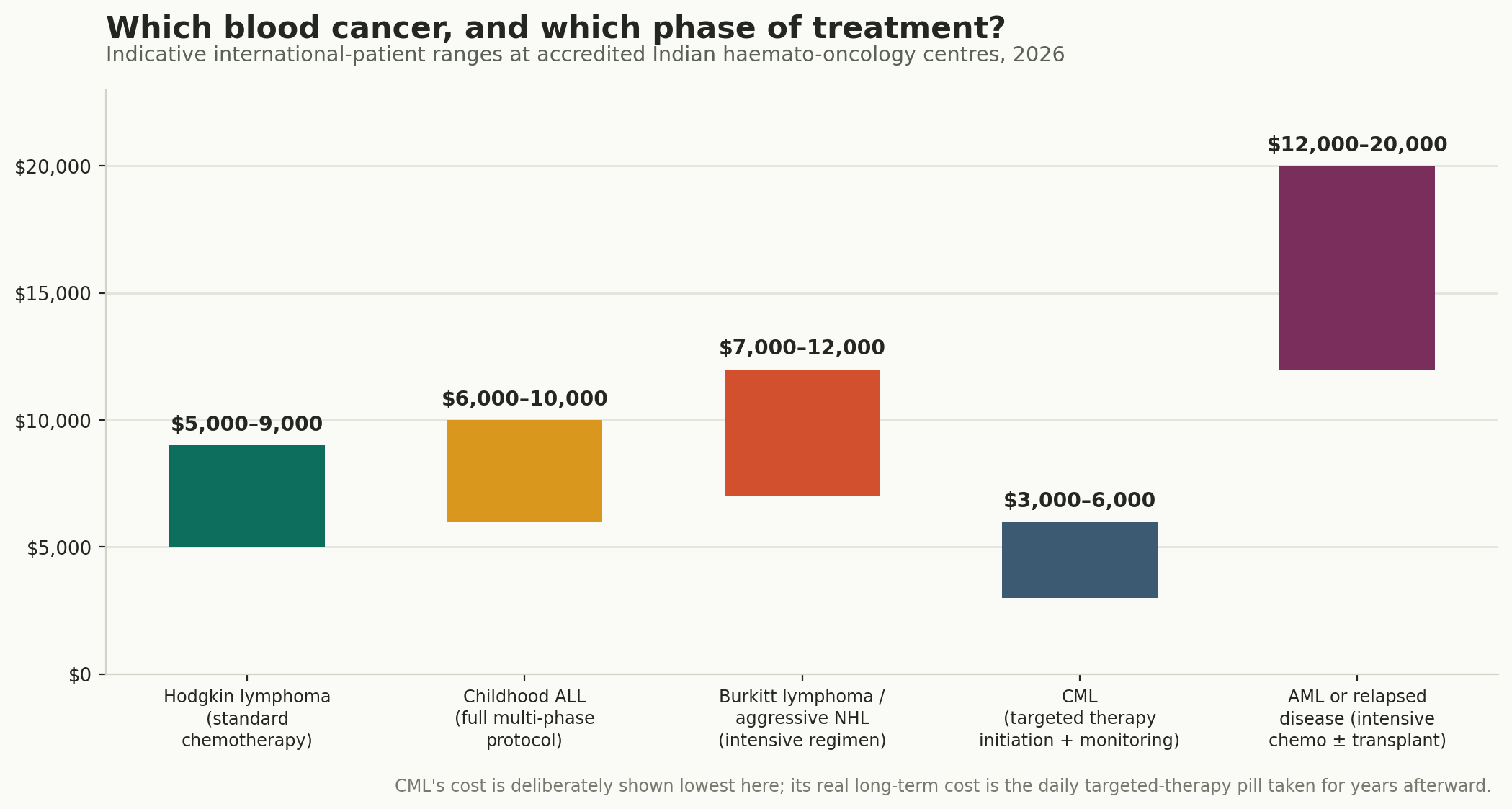
Figure 1. CML's low upfront figure is deliberate: unlike the other categories here, its real cost is a daily targeted-therapy pill taken indefinitely, not a single treatment episode.
| Diagnosis | Typically involves | Indicative cost | Typical duration |
|---|---|---|---|
| Hodgkin lymphoma | Standard multi-agent chemotherapy, highly curable disease | $5,000–9,000 | 4–6 months |
| Childhood ALL, full protocol | Induction through consolidation; maintenance continues at home | $6,000–10,000 | 6–9 months abroad |
| Burkitt lymphoma / aggressive NHL | Intensive, rapidly delivered chemo-immunotherapy for fast-growing disease | $7,000–12,000 | 2–6 months |
| CML, targeted therapy initiation | Diagnosis, genetic confirmation, and starting a tyrosine kinase inhibitor | $3,000–6,000 | Ongoing, lifelong medication |
| AML or relapsed disease | More intensive chemotherapy, sometimes followed by transplant | $12,000–20,000 | 3–6 months, or longer |
Table 1. Indicative international-patient pricing at accredited Indian haemato-oncology centres, mid-2026. Figures are planning ranges, not offers, and vary by subtype, risk stratification, and response to initial treatment.
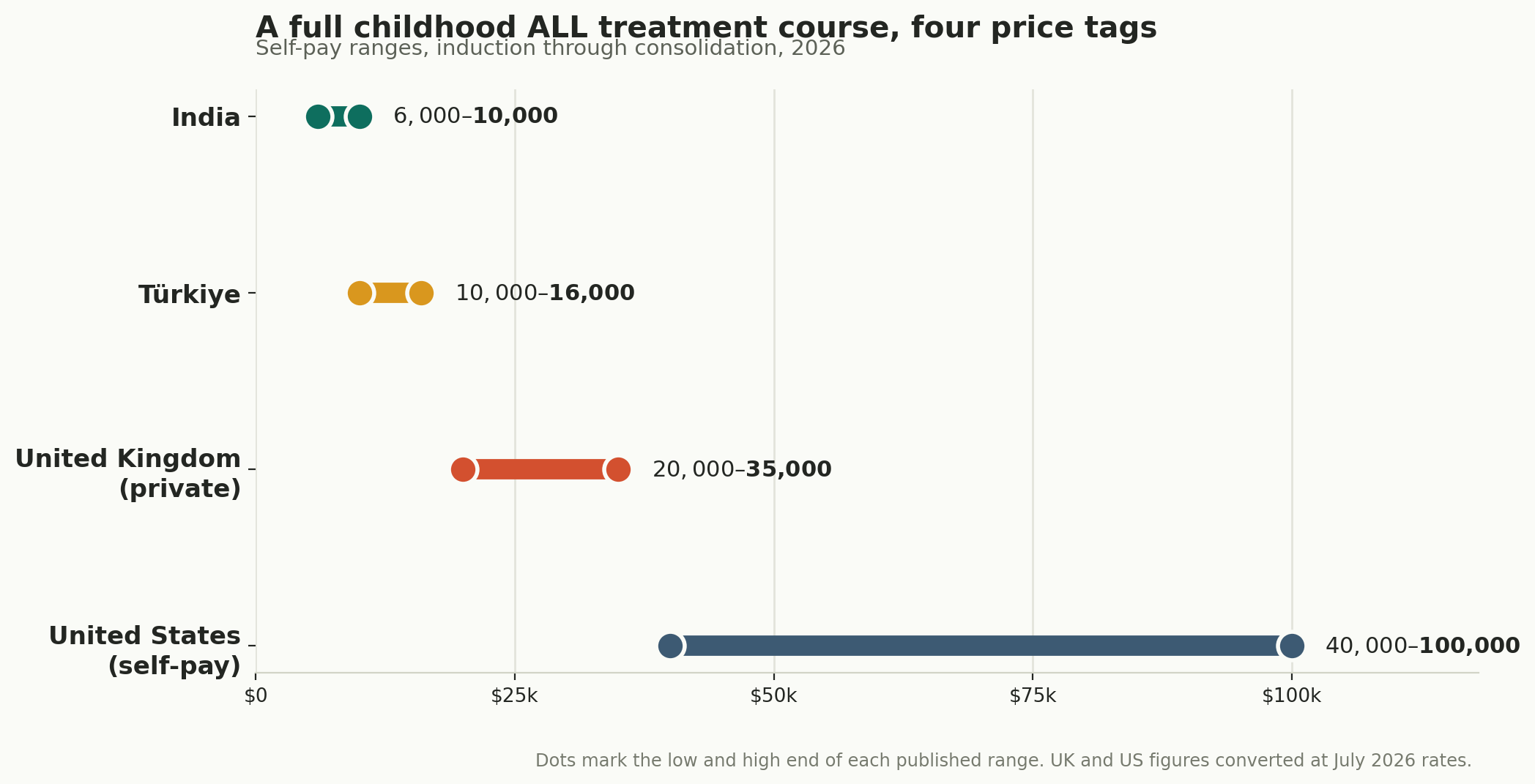
Figure 2. A full childhood ALL treatment course through consolidation, priced across four common destinations for Nigerian families.
What a proper written quote must itemise
- The confirmed subtype, by bone marrow biopsy, flow cytometry, or cytogenetics, not a presumptive diagnosis
- Which specific treatment phases are included, and which will continue after returning to Nigeria
- Whether targeted therapy or immunotherapy, where relevant, is included or billed separately
- Supportive care included, such as blood product support and infection prevention during intensive chemotherapy
- A written plan for handing off maintenance or ongoing therapy to a Nigerian haematologist
04 · the Full Budget
What the whole journey costs, beyond the chemotherapy itself
The treatment fee is the number families anchor on, and the least complete one. A representative pathway — childhood ALL, induction through consolidation, one patient and one parent, roughly six to eight months in India — adds up like this:
- Treatment package (chemotherapy cycles, admissions, supportive care): $7,000–11,000
- Return flights, two travellers (Lagos/Abuja – Delhi/Mumbai/Chennai): $2,200–3,000
- Diagnostic workup (bone marrow biopsy, flow cytometry, cytogenetics): $700–1,300
- Extended accommodation, six to eight months, two people : $6,000–9,500
- Medical and attendant visas (extended validity, two applications): $450–600
- Contingency for extended cycles or a treatment-related complication: 15–20% All-in, most families should plan for US$16,500–25,500 for a full induction-through-consolidation ALL pathway — roughly ₦22.8–35.2 million at the official mid-July 2026 rate of about ₦1,380 to the dollar, somewhat higher at parallel-market rates near ₦1,410. Burkitt lymphoma and Hodgkin lymphoma pathways are typically shorter and less expensive overall, reflecting their more compressed treatment schedules.
05 · GETTING THERE
Visa, travel, and a treatment that outlasts the trip
India issues a Medical Visa (M) to the patient and a Medical Attendant Visa (MX) to up to two close relatives, and given the length of stay these protocols often require, extended visa validity should be requested from the outset. Applications go through the High Commission in Abuja or the Consulate General in Lagos by prior appointment. The hospital's invitation letter, three months of certified bank statements, and passports valid well beyond six months move the process fastest.
Lagos and Abuja both reach Delhi, Mumbai and Chennai with a single stop, usually via Addis Ababa, Doha, Dubai, Nairobi or Istanbul, a total journey of 13 to 18 hours.
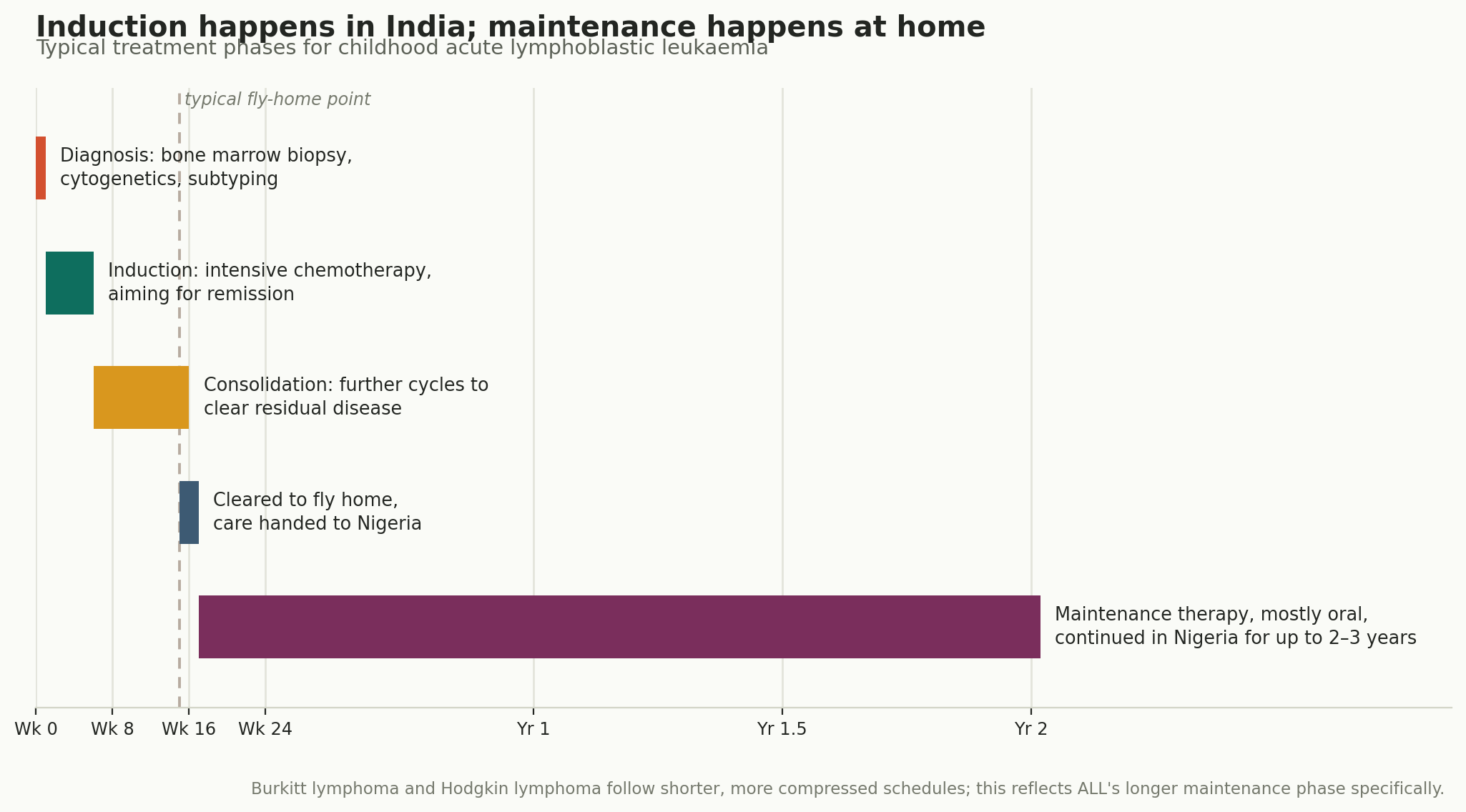
Figure 3. The most intensive, highest-risk phases happen in India; the longest phase, maintenance, is deliberately designed to be manageable at home, mostly through oral medication.
On finishing the protocol, honestly. The single biggest determinant of whether a curable blood cancer is actually cured is whether the full treatment protocol, including the maintenance phase completed back in Nigeria, is finished without interruption. Before returning home, confirm exactly which medications are needed, that they are available through Nigerian pharmacies, and who will monitor blood counts and adjust doses over the following months and years.
What has to travel home with the patient
- Full treatment record, including exact chemotherapy regimen and cumulative doses given
- A written maintenance therapy schedule, if applicable, with medication names available in Nigeria
- A monitoring schedule for blood counts and disease markers over the following months and years
- Clear written warning signs requiring urgent reassessment, such as fever during low blood counts
- A named clinician contact for teleconsultation as maintenance therapy continues at home
06 · THE HONEST COMPARISON
What stays in Nigeria, and what travels
Maintenance therapy, follow-up blood counts, and long-term surveillance, the parts of treatment that run for years, belong with a Nigerian haematologist, and building that relationship from the start of treatment, not after returning home, makes the whole pathway more likely to succeed.
What tips the calculation toward travelling for the intensive early phases is precisely what the documented gaps point to: rapid, precise subtyping that determines the correct protocol from day one, reliable access to the full chemotherapy regimen without interruption, and supportive care robust enough to safely carry a patient through the most dangerous weeks of treatment. Those are exactly the conditions under which a highly curable cancer actually gets cured.
Before you commit to a treatment plan abroad
- Insist on a confirmed subtype by bone marrow biopsy and flow cytometry before any treatment begins.
- Ask explicitly which phases will happen abroad and which will continue in Nigeria, and get this in writing.
- Confirm supportive care capacity, including blood product access and infection management during chemotherapy.
- For CML or other targeted-therapy diagnoses, confirm the medication's long-term availability and cost in Nigeria before starting.
- Identify a Nigerian haematologist to take over ongoing monitoring before you travel, not after you return.
- Ask what happens, and what it costs, if the disease does not respond to first-line treatment as expected.
- Budget realistically for the full length of stay; underestimating this is the most common cause of treatment interruption.
- Pay into the hospital's own institutional account only, never an individual's personal account.
Straight Answers for Nigerian Patients about Leukaemia, Lymphoma and Blood Cancer Treatment in India
Is leukaemia or lymphoma treatment in India cheaper than the UK or US?
Yes, substantially. A full childhood ALL treatment course through consolidation is indicatively $6,000 to $10,000 in India, against roughly $20,000 to $35,000 privately in the UK and $40,000 to $100,000 self-pay in the United States.
Is Burkitt lymphoma really curable?
Yes, and often quickly. Contemporary treatment protocols achieve cure rates approaching 90 percent in well- resourced settings, sometimes with less than two months of chemotherapy for early-stage disease. Outcomes depend heavily on how early treatment starts.
Why is Burkitt lymphoma specifically common in Nigeria?
Endemic Burkitt lymphoma is strongly associated with prior Epstein-Barr virus infection combined with malaria exposure, common across equatorial Africa including Nigeria. First described in East African children in 1958, it remains one of Nigeria's most common childhood cancers.
Do Nigerians need a visa for blood cancer treatment in India?
Yes. You need an Indian Medical Visa from the High Commission in Abuja, the Consulate in Lagos, or the e- Medical route, plus a Medical Attendant Visa for up to two close relatives, with a hospital invitation letter and financial proof.
Does leukaemia treatment always need a bone marrow transplant?
No. Most childhood ALL and many AML and lymphoma cases are treated successfully with chemotherapy alone. Transplant is generally reserved for higher-risk disease, relapse, or specific subtypes where chemotherapy alone is less likely to achieve a lasting cure.
What is CML, and why is it treated differently?
Chronic myeloid leukaemia is driven by a specific genetic abnormality that daily oral targeted-therapy medications can directly address, turning what was once a rapidly fatal disease into a manageable chronic condition for patients with reliable, ongoing access to the medication.
Is India better than Nigeria for blood cancer treatment?
For diagnostic subtyping, treatment completion support, and access to targeted therapies specifically, often yes, given documented gaps in Nigeria's paediatric oncology capacity. Early, accurate diagnosis, wherever it happens, remains the single most important factor in outcome.
A closing word
Few areas of medicine offer as stark a contrast between what is possible and what is happening as childhood blood cancer in Nigeria. The biology of these diseases, especially Burkitt lymphoma and childhood
ALL, is often on the family's side, curable in the large majority of children who receive prompt, complete treatment. The gap is not medical knowledge. It is the distance between a diagnosis made in time and one made too late, and between a protocol started and one actually finished.
In twenty-four years of this work, the families who do best are the ones who push for a precise subtype diagnosis immediately, plan realistically for the full length of treatment rather than budgeting only for the first phase, and build a relationship with a Nigerian haematologist from day one to carry maintenance therapy through to completion. The chemotherapy does the biological work. Finishing it, every phase, without interruption, is what turns a curable diagnosis into an actual cure.
Sources
- 🌐 American Cancer Society — Leukemia and lymphoma treatment overview
- 🌐 NHS (UK) — Leukaemia and lymphoma: diagnosis and treatment
- 🌐 Williams CK — Burkitt Lymphoma: A Model of Cancer Chemotherapy. Medical Research Archives, 2025
- 🌐 Global burden of childhood Burkitt lymphoma (1990–2021): epidemiological trends, regional disparities, and projections for 2035. 2025
- 🌐 The current landscape of pediatric oncology in Nigeria: a scoping review of diagnostic delays, treatment access, and outcomes
- 🌐 High Commission of India, Abuja — Medical and Medical Attendant Visa requirements
Frequently Asked Questions by Nigerians about Leukaemia, Lymphoma and Blood Cancer Treatment in India
Is Burkitt lymphoma curable in Nigerian children?
Yes. The guide states that modern treatment can achieve cure rates approaching 90% in well-resourced settings when treatment begins early and the complete protocol is delivered.
Why are outcomes worse when Burkitt lymphoma is diagnosed late?
Burkitt lymphoma grows extremely quickly. The guide reports that 92% of Nigerian patients in one recent analysis presented with advanced disease, making treatment substantially more difficult.
How much does childhood ALL treatment cost in India?
The guide lists approximately US$6,000–10,000 for a full protocol through major early treatment phases, with maintenance treatment potentially continuing after the patient returns home.
How long does childhood ALL treatment take?
The document lists approximately six to nine months of treatment abroad through induction and consolidation, while maintenance therapy can continue subsequently in Nigeria.
Why are flow cytometry and cytogenetic tests important?
They identify the exact subtype and biological characteristics of the blood cancer. Treatment should not be selected from symptoms alone because different subtypes require different protocols.
How much does Burkitt lymphoma treatment cost in India?
The guide gives an indicative range of US$7,000–12,000, with treatment generally delivered intensively over approximately two to six months.
Why is CML treatment priced differently from other blood cancers?
The guide's lower US$3,000–6,000 figure covers diagnosis and targeted-therapy initiation. The real long-term cost comes from daily tyrosine kinase inhibitor medication that may continue indefinitely.
Can AML require a bone marrow transplant?
Yes. AML and relapsed blood cancers may require more intensive chemotherapy and, in selected cases, subsequent stem cell transplantation. The guide lists initial treatment at approximately US$12,000–20,000.
Is India always better than Nigeria for blood cancer treatment?
No. Nigerian haematologists and oncologists understand these diseases and their protocols. Travel becomes more relevant when precise subtyping, reliable medicine supply, supportive care or uninterrupted completion of intensive treatment cannot be assured locally.
What should Nigerian families confirm before travelling for treatment?
Confirm the exact diagnosis and subtype, which treatment phases will be completed in India, whether targeted therapy or transplant may be required, the expected total duration and how the remaining care will continue after return to Nigeria.
Page Summary
This guide approaches blood cancer treatment through one of the clearest gaps between what modern medicine can achieve and what delayed access can prevent. Burkitt lymphoma is highly curable when treated early, yet the document reports that 92% of Nigerian patients in one recent analysis present with advanced disease. The guide explains why Burkitt lymphoma behaves unusually. It is among the fastest-growing human tumours, but its rapid cell division also makes it highly sensitive to intensive chemotherapy. In appropriate settings, cure rates can approach 90%.
Citation Block
| Topic | Information |
|---|---|
| Topic Information | Leukaemia, Lymphoma and Blood Cancer Treatment in India for Nigerian Patients |
| Treatment | Haemato-Oncology Treatment |
| Country | India |
| Intended Audience | Nigerian Patients and Families |
| Conditions Covered | Hodgkin Lymphoma, ALL, Burkitt Lymphoma, Aggressive NHL, CML and AML |
| Nigeria-Specific Focus | Burkitt Lymphoma and Childhood Blood Cancer |
| Burkitt Cure Rate Mentioned | Up to Approximately 90% |
| Advanced Nigerian Burkitt Presentation | 92% |
| First Requirement | Confirm Exact Diagnosis and Subtype |
| Diagnostic Tests | Bone Marrow Biopsy, Flow Cytometry and Cytogenetics |
| Treatment Duration | From Months to Lifelong Depending on Diagnosis |
| ALL Treatment Abroad | Approximately 6–9 Months Through Major Early Phases |
| CML Treatment Model | Long-Term Targeted Therapy |
| AML / Relapsed Disease | May Require Stem Cell Transplant |
| Nigeria Main Challenges | Diagnosis, Supportive Care, Medicine Access and Treatment Completion |
| Long-Term Care | Continued Haematology / Oncology Follow-Up |
| Medical Visa | Indian Medical Visa |
| Attendant Visa | Medical Attendant Visa for Parent or Relative |
| Author | Dr. Dheeraj Bojwani |
| Experience | 24 Years' Experience |

Our Mission Statement
Our mission is to place patients at the centre of every healthcare decision by providing trustworthy, evidence-based, and unbiased medical information. We believe that informed patients make better decisions. Backed by personalised guidance from our experienced advisory team, we help patients understand their treatment options, compare them objectively, and confidently choose the path that best suits their medical needs and personal circumstances.
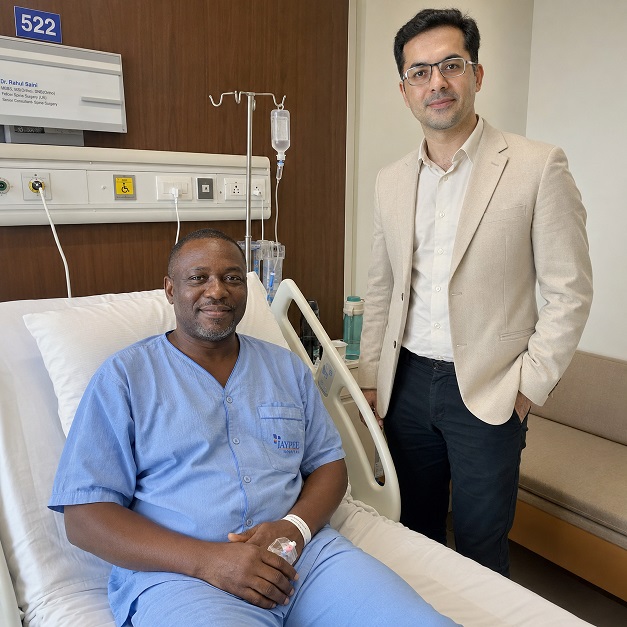
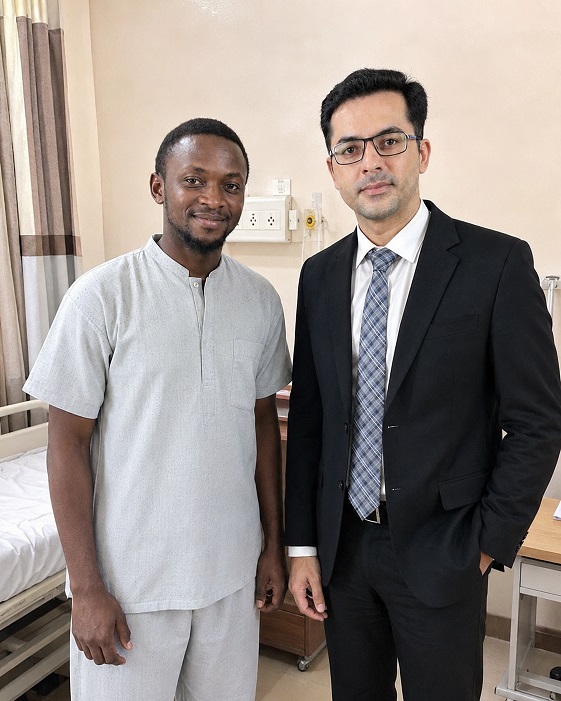
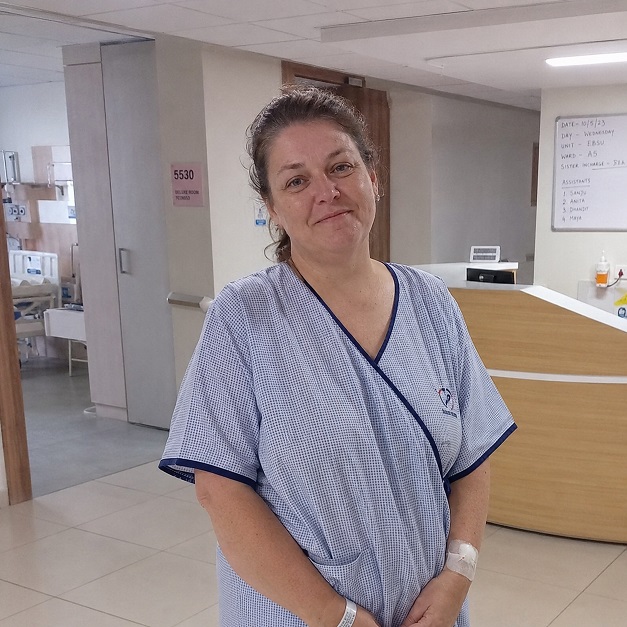
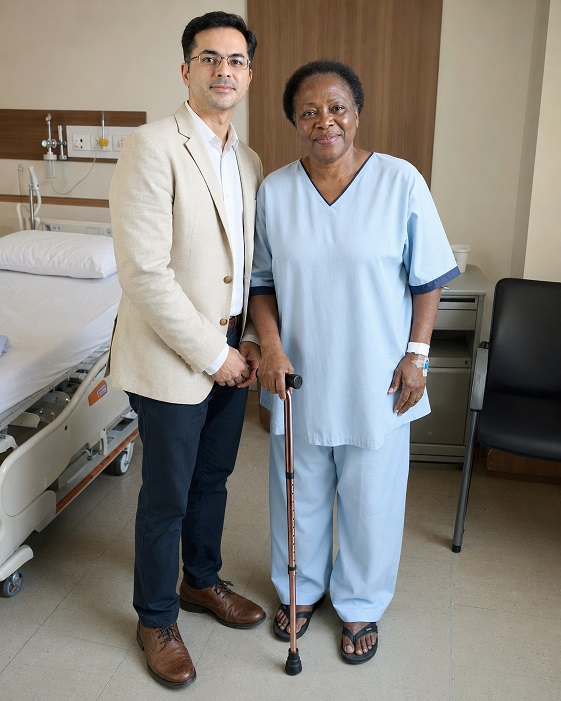
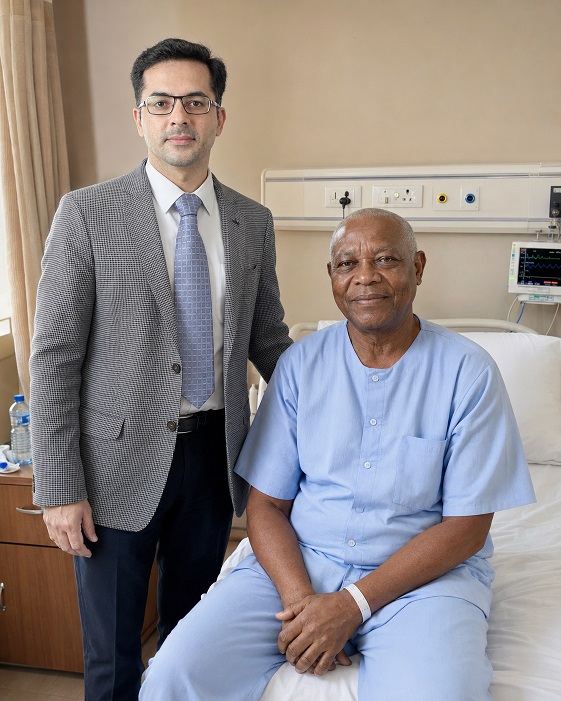
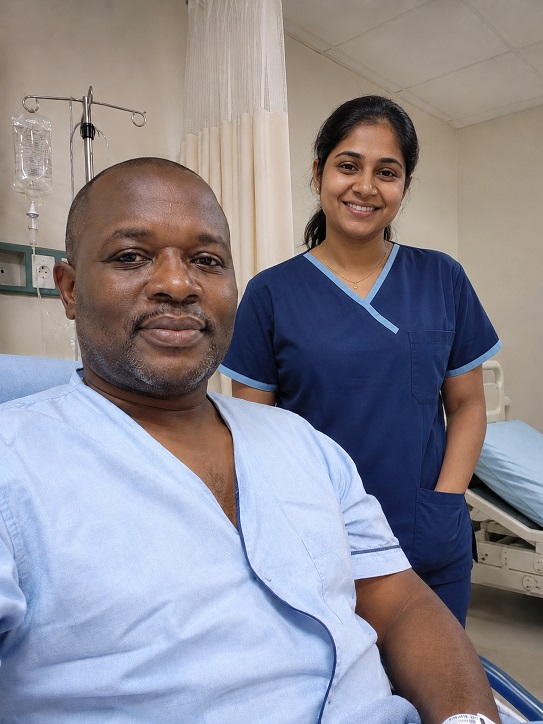
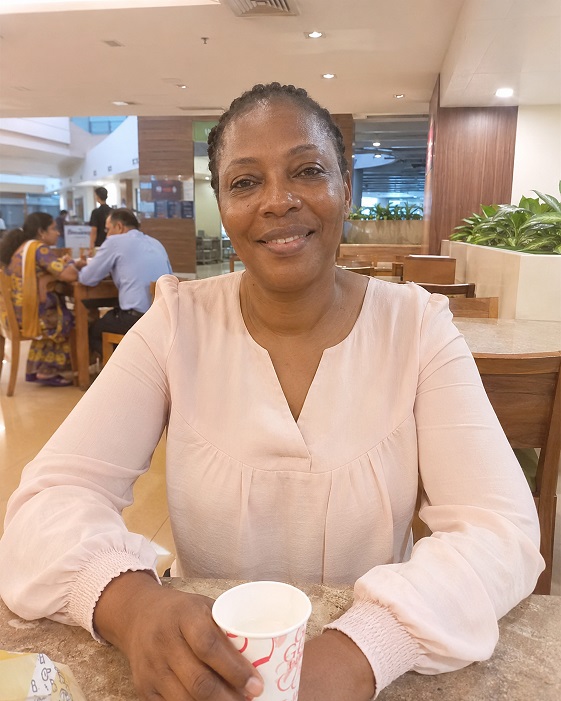
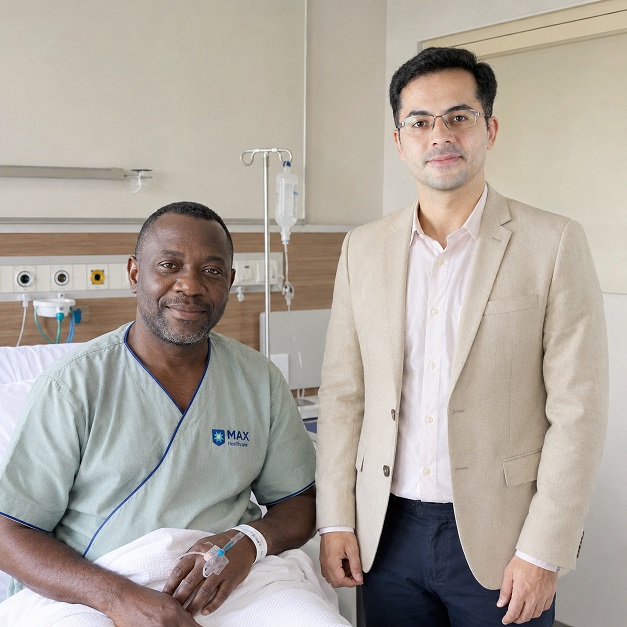
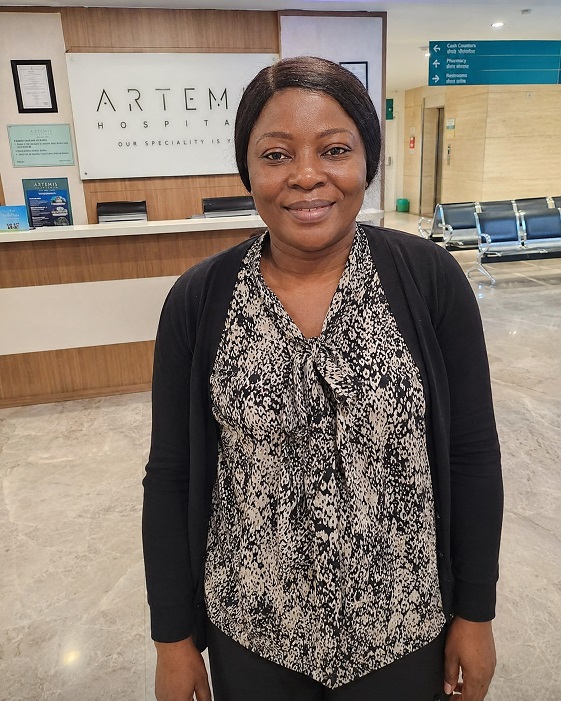
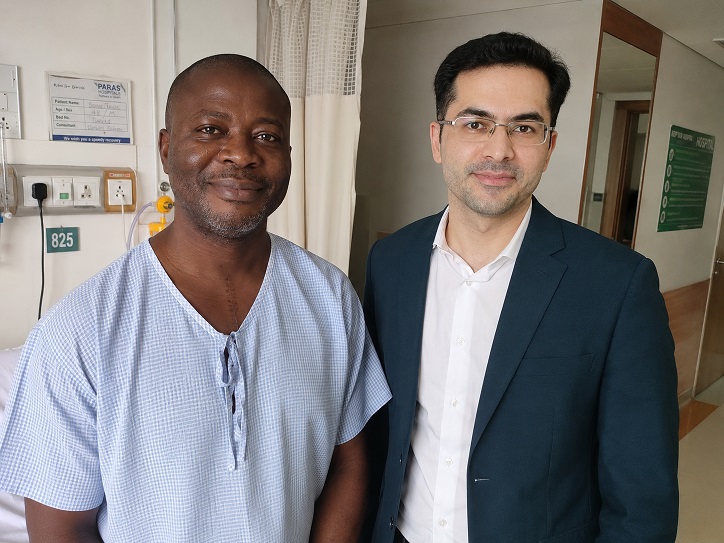
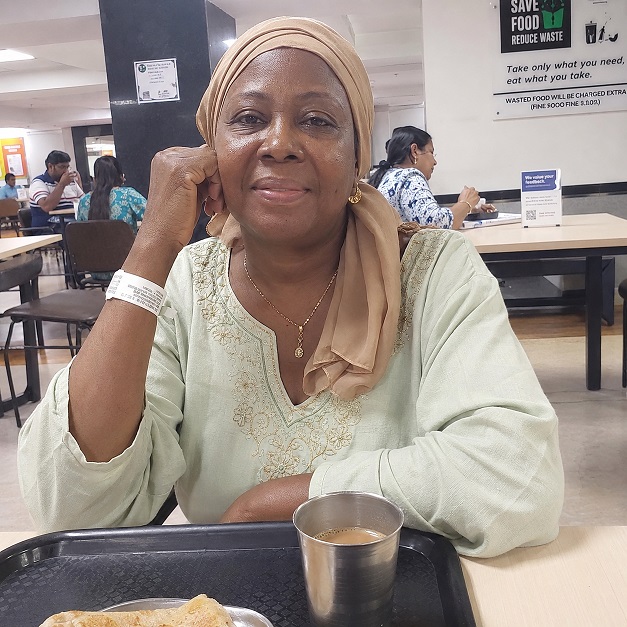
Patient Testimonials from Nigeria
Ready to Take the First Step?
Share your Medical Reports with our Healthcare Managers Today and Get a FREE CONSULTATION, a Personalized Treatment Plan, and Complete Support from Arrival to Recovery.
Get Your Free ConsultationAreas We Serve
This resource has been thoughtfully prepared for patients from Nigeria who are considering medical treatment in India. We also welcome patients from the wider region in the countries mentioned below-
We assist patients from:
- Benin
- Niger
- Chad
- Cameroon
- Algeria
- Egypt
- Libya
- Morocco
- Sudan
- Tunisia
- Gambia
- Ghana
- Burkina Faso
- Cabo Verde
- Côte d'Ivoire
- Equatorial Guinea
- São Tomé and Príncipe
Many of the insights, treatment pathways, hospital recommendations, travel guidance, and patient support services described here are equally relevant and may be used as a reference when planning treatment in India.
From Nigeria to India: Your Complete Patient Support Guide
- Artificial Disc Replacement in India for Nigerian Patients
- Weight Loss and Bariatric Surgery in India for Nigerian Patients
- Bone Marrow Transplant in India for Nigerian Patients
- Brain Tumour Surgery in India for Nigerian Patients
- Breast Cancer Treatment and Surgery in India for Nigerian Patients
- Cancer Treatment and Surgery in India for Nigerian Patients
- Cardiac Arrhythmia and Heart Pacemaker Treatment in India for Nigerian Patients
- Cardiac Surgery in India for Nigerian Patients
- Colorectal Cancer Treatment and Surgery in India for Nigerian Patients
- Complex Orthopaedic and Joint Revision Surgery in India for Nigerian Patients
- Cornea Transplant and Advanced Eye Surgery in India for Nigerian Patients
- CyberKnife Treatment in India for Nigerian Patients
- Gamma Knife Treatment in India for Nigerian Patients
- Heart Failure Treatment and Surgery in India for Nigerian Patients
- Hip Surgery in India for Nigerian Patients
- HIPEC Cancer Surgery in India for Nigerian Patients
- IVF and Fertility Treatment in India for Nigerian Patients
- Joint Arthroscopy and Sports Medicine in India for Nigerian Patients