

Kidney Transplant in India for Nigerian Patients
For failing kidneys that dialysis can only manage, not cure, and a genetic finding specific to West African ancestry that helps explain why this burden falls so heavily here.
A 2025 study spanning Ghana and Nigeria, published in the New England Journal of Medicine, found high-risk APOL1 gene variant prevalence of up to 29.7 percent among participants with chronic kidney disease, part of a wider body of research identifying West Africa, and Nigeria specifically, as carrying the world's highest prevalence of these variants. A separate Nigerian study states the consequence of this burden meeting limited treatment capacity in stark, direct terms: most individuals will die soon after developing end-stage renal disease, given how limited dialysis and kidney transplantation remain domestically. Chronic kidney disease prevalence in Nigeria itself is estimated at 11.4 to 26 percent, depending on the population studied. This guide sets out what living donor kidney transplant actually costs in India once travel is counted, why a specific genetic factor concentrated in West African populations matters for both patients and donors, and why the transplant itself is only the beginning of a genuinely lifelong course of care.
| 29.7% | Highest | 11.4–26% | 70–85% |
|---|---|---|---|
| HIGH-RISK APOL1 VARIANT PREVALENCE AMONG CKD PATIENTS IN A 2025 GHANA-NIGERIA STUDY | GLOBAL PREVALENCE OF APOL1 HIGH-RISK VARIANTS IS FOUND IN WEST AFRICA, INCLUDING NIGERIA | ESTIMATED CHRONIC KIDNEY DISEASE PREVALENCE ACROSS NIGERIAN POPULATIONS STUDIED | TYPICAL SAVING ON AN EQUIVALENT INDIA PATHWAY VS. THE US |
Healing Journeys of Nigerian Patients









Key Takeaways
- The guide identifies a particularly important Nigeria-specific kidney disease issue: APOL1 gene variants, which are strongly associated with progressive chronic kidney disease in people of recent African ancestry.
- A 2025 study covering Ghana and Nigeria found high-risk APOL1 variant prevalence of up to 29.7% among participants with chronic kidney disease. The guide describes West Africa, including Nigeria, as having the world's highest prevalence of these high-risk variants.
- Nigeria's estimated chronic kidney disease prevalence is given as approximately 11.4–26%, depending on the population studied.
- The document stresses that APOL1 does not replace more familiar kidney-disease causes. Hypertension and diabetes remain major contributors, and the genetic risk compounds these existing problems.
- Once a patient reaches end-stage renal disease, dialysis can manage kidney failure but does not cure it. The guide describes sustained dialysis in Nigeria as expensive, largely financed out of pocket and geographically concentrated.
- A Nigeria-specific health-economic analysis cited in the document found the same broad pattern seen internationally: for appropriate candidates, living donor kidney transplant is generally more cost-effective and clinically preferable over time than prolonged haemodialysis, despite its higher upfront cost.
- Kidney transplantation is already performed in Nigeria, predominantly through living donation. The issue identified in the guide is scale relative to the country's kidney-disease burden, rather than total absence of transplant expertise.
- For Nigerian patients travelling abroad, the most common pathway is therefore a living donor kidney transplant, usually involving a healthy matched family donor.
Quick Facts
- Treatment
- Kidney / Renal Transplantation
- Country
- India
- Intended Audience
- Nigerian Patients and Families
- Primary Specialty
- Nephrology and Transplant Surgery
- Primary Pathway
- Living Donor Kidney Transplant
- Major Nigeria-Specific Risk Factor
- APOL1 High-Risk Gene Variants
- High-Risk APOL1 Prevalence Mentioned
- Up to 29.7% Among CKD Patients in Ghana-Nigeria Study
- Region With Highest APOL1 Burden Mentioned
- West Africa
- Nigeria CKD Prevalence Mentioned
- Approximately 11.4–26%
- Other Major Kidney Disease Drivers
- Hypertension and Diabetes
- Dialysis Role
- Manages Kidney Failure but Does Not Cure It
- Nigeria Dialysis Limitation
- Expensive, Predominantly Out-of-Pocket and Geographically Concentrated
- Kidney Transplant Availability in Nigeria
- Yes
- Author
- Dr. Dheeraj Bojwani
- Experience
- 24 Years' Experience
In Brief
Kidney transplant in India for Nigerian patients is most commonly pursued through a living donor, usually a healthy matched family member. The guide highlights APOL1 as a particularly relevant Nigerian consideration: a 2025 Ghana-Nigeria study found high-risk APOL1 variants in up to 29.7% of chronic kidney disease patients, and donor APOL1 status may be worth discussing during donor evaluation. Indicative Indian costs range from US$12,000–18,000 for standard living donor transplant to US$16,000–24,000 for complex sensitised or repeat transplantation. A complete living donor pathway, including major travel-related costs, is estimated at approximately US$25,000–36,000. Lifelong immunosuppression and ongoing nephrology monitoring remain essential after surgery.
01 · the Real Problem
A genetic risk factor concentrated almost nowhere else
Apolipoprotein L1, or APOL1, is a gene carrying specific variants strongly associated with progressive chronic kidney disease risk in people of recent African ancestry. These variants likely persisted through evolution because they offer some protection against a parasitic infection, a genuine case of a genetic trade- off, and researchers estimate more than 100 million people across Sub-Saharan Africa may carry two high- risk copies. A landmark 2025 study specifically examining West African populations in Ghana and Nigeria found monoallelic APOL1 variant prevalence of 43.0 percent and biallelic, higher-risk variant prevalence of 29.7 percent among participants with chronic kidney disease, confirming that this genetic factor is not a minor contributor but a central one in the region's kidney disease burden.
This genetic reality compounds, rather than replaces, the more familiar drivers of kidney disease already documented elsewhere in Nigeria's health picture: hypertension and diabetes, both with well-established rising burdens nationally. The combination helps explain why chronic kidney disease prevalence in Nigeria has been estimated as high as 26 percent in some studied populations, and why the consequence of that burden meeting genuinely limited treatment capacity has been described, in the medical literature itself, in stark terms: most individuals who reach end-stage renal disease in Nigeria will die soon afterward, given how limited sustained dialysis and transplant access remain.
This is precisely the context in which the decision between prolonged dialysis and pursuing transplant early carries unusually high stakes for Nigerian patients specifically.
02 · Nigeria's Capacity
Dialysis that is hard to sustain, and transplant that is hard to reach
Dialysis in Nigeria is predominantly financed out-of-pocket, expensive to sustain over the months and years many patients need it, and geographically concentrated in a limited number of centres. A Nigerian health- economic analysis specifically comparing the costs of long-term haemodialysis against living donor kidney transplant found the pattern seen in most health systems worldwide holds true domestically as well: transplant, despite its higher upfront cost, is generally the more cost-effective and clinically superior path over time for patients who are good candidates, avoiding the cumulative expense and quality-of-life burden of years of repeated dialysis sessions.
Kidney transplant itself is performed in Nigeria, using the living donor model given the absence of a developed deceased-donor organ system domestically, a pattern this series has documented across several comparable transplant procedures. What remains constrained is scale relative to documented need, and this is precisely why so many patients who could benefit from transplant instead remain on dialysis for as long as they and their families can sustain its cost.
03 · THE TREATMENT MAP
Which stage of the pathway, and what it costs
Living donor kidney transplant, using a matched, healthy donor, usually a close family member, is the pathway most Nigerian patients pursuing transplant abroad will follow.
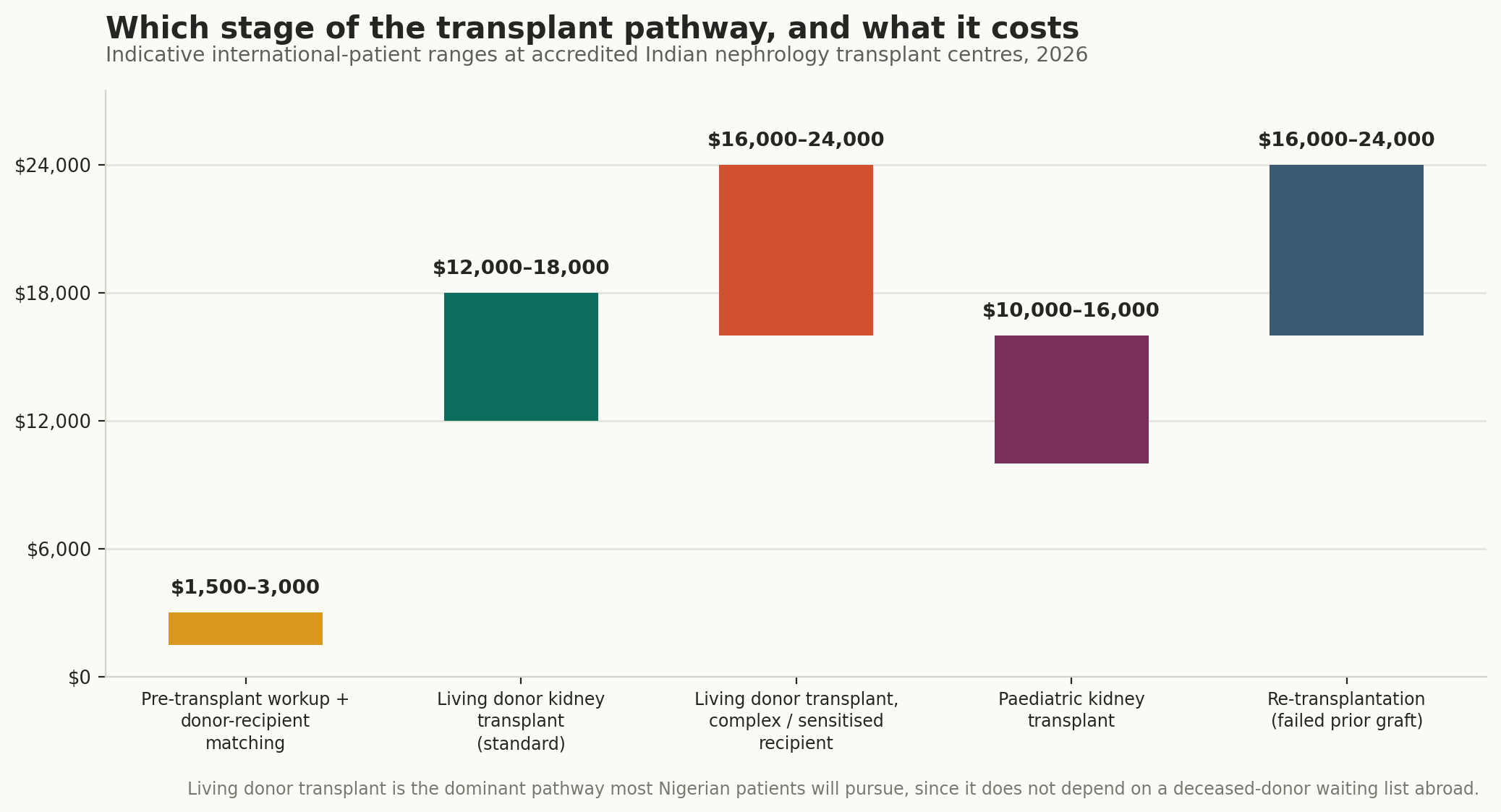
Figure 1. Living donor transplant is the dominant pathway most Nigerian patients will pursue, since it does not depend on a deceased- donor waiting list abroad.
| Pathway | Typically suits | Indicative cost | Hospital stay |
|---|---|---|---|
| Pre-transplant workup + donor matching | Confirming transplant candidacy and donor suitability | $1,500–3,000 | 3–5 days |
| Living donor kidney transplant, standard | A well-matched, healthy family donor is available | $12,000–18,000 | 10–14 nights |
| Living donor transplant, complex/sensitised recipient | Prior transplant, blood group incompatibility, or high antibody levels | $16,000–24,000 | 14–18 nights |
| Paediatric kidney transplant | Children, often for congenital or inherited kidney disease | $10,000–16,000 | 10–14 nights |
| Re-transplantation | A prior transplant that has failed | $16,000–24,000 | 14–18 nights |
Table 1. Indicative international-patient pricing at accredited Indian nephrology transplant centres, mid-2026. Figures are planning ranges, not offers, and vary by donor match, recipient complexity, and hospital tier.
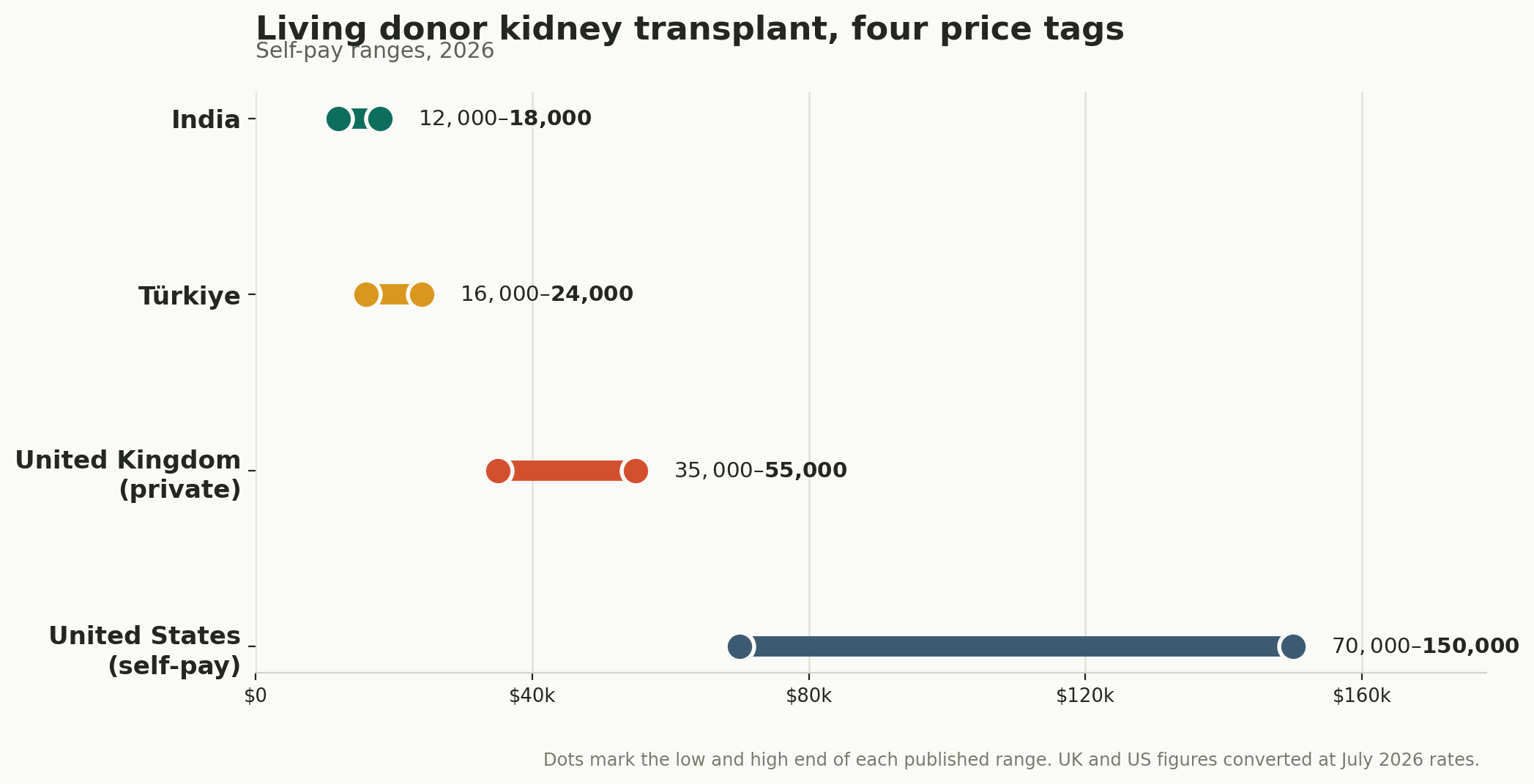
Figure 2. Living donor kidney transplant, priced across four common destinations for Nigerian medical travellers.
What a proper written quote must itemise
- Full donor-recipient compatibility testing, including blood group and tissue matching
- Whether APOL1 testing is offered or discussed for donors of West African ancestry
- Expected ICU and total hospital stay for both donor and recipient
- The immunosuppression protocol planned, and long-term medication cost expectations
- A written plan for lifelong monitoring, including who continues bloodwork once you are home
04 · the Full Budget
What the whole journey costs, beyond the operation
The surgical fee is the number families anchor on, and the least complete one, especially set against the ongoing cost of dialysis it is often being weighed against. A representative pathway — standard living donor kidney transplant, recipient plus donor plus one additional attendant, roughly four to five weeks in India — adds up like this:
- Transplant package (recipient surgery, donor surgery, hospital stays): $13,500–19,500
- Return flights, three travellers (Lagos/Abuja – Delhi/Mumbai/Chennai): $3,300–4,500
- Pre-transplant workup (imaging, donor and recipient testing): $1,200–2,200
- Extended accommodation, four to five weeks, three people : $2,500–3,900
- Medical and attendant visas (extended validity, three applications): $600–800
- Contingency for extended monitoring or complications: 15–20% All-in, most families should plan for US$25,000–36,000 for a complete living donor kidney transplant pathway — roughly ₦34.5–49.7 million at the official mid-July 2026 rate of about ₦1,380 to the dollar, somewhat higher at parallel-market rates near ₦1,410. Lifelong immunosuppressive medication is a further, ongoing cost that continues indefinitely after return to Nigeria.
05 · Getting There
Visa, travel, and a course of care that never fully ends
India issues a Medical Visa (M) to the patient and a Medical Attendant Visa (MX) to the living donor and other close relatives, and given the length of stay this pathway requires, extended visa validity should be requested from the outset. Applications go through the High Commission in Abuja or the Consulate General in Lagos by prior appointment. The hospital's invitation letter, three months of certified bank statements, and passports valid well beyond six months move the process fastest.
Lagos and Abuja both reach Delhi, Mumbai and Chennai with a single stop, usually via Addis Ababa, Doha, Dubai, Nairobi or Istanbul, a total journey of 13 to 18 hours.
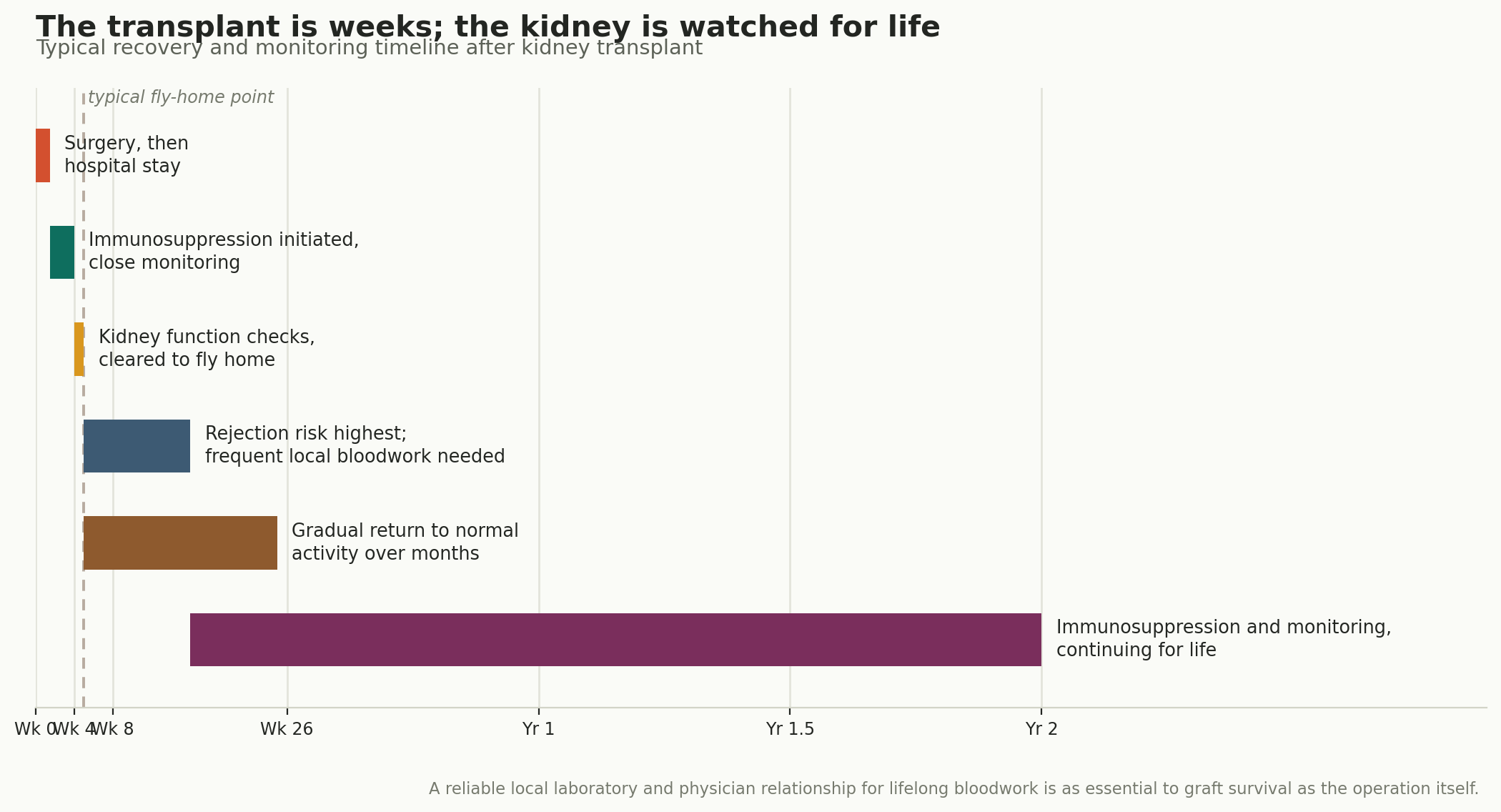
Figure 3. A reliable local laboratory and physician relationship for lifelong bloodwork is as essential to graft survival as the operation itself.
On donor APOL1 status, honestly. Research has found that a living kidney donor's own APOL1 genotype can influence how long the transplanted kidney functions in the recipient, a genuinely modern consideration relevant specifically to donors of West African ancestry. Ask any transplant centre directly whether this testing is offered or discussed as part of donor evaluation, since this is an active, evolving area of transplant medicine worth understanding before donation.
What has to travel home with the recipient
- Full operative and donor documentation, including tissue matching results
- The specific immunosuppression protocol, using medication names available in Nigeria
- A written lifelong monitoring schedule for kidney function and drug-level bloodwork
- Clear, written warning signs of rejection or infection, given lifelong immunosuppression
- A named clinician contact for urgent teleconsultation if concerning symptoms arise
06 · THE HONEST COMPARISON
What stays in Nigeria, and what travels
Diagnosis, blood pressure and diabetes management, and dialysis where transplant is not yet an option are all appropriate to pursue with a Nigerian nephrologist, and this ongoing relationship remains essential both before and after any transplant.
What has to travel, for most patients, is the transplant itself, given how limited domestic capacity remains relative to Nigeria's documented chronic kidney disease burden. For a patient who is a genuine transplant candidate with an available, matched living donor, pursuing that surgery earlier rather than continuing prolonged dialysis is, by the weight of both clinical and economic evidence, generally the better path where it is achievable.
Before you commit to kidney transplant surgery abroad
- Get a confirmed diagnosis and staging of kidney disease before contacting any transplant centre.
- Identify and independently evaluate a potential living donor as early as possible in the process.
- Ask explicitly whether donor APOL1 testing is offered or discussed as part of the evaluation.
- Confirm the full immunosuppression protocol and its long-term medication cost before committing.
- Establish a lifelong monitoring plan with a Nigerian nephrologist before you travel, not after.
- Ask what happens, and what it costs, if donor evaluation rules out your first-choice donor.
- Budget realistically for the full four-to-five-week stay, not just the surgical fee.
- Pay into the hospital's own institutional account only, never an individual's personal account.
Straight Answers for Nigerian Patients about Kidney Transplant in India
Is kidney transplant surgery in India cheaper than the UK or US?
Yes, substantially. A living donor kidney transplant is indicatively $12,000 to $18,000 in India, against roughly $35,000 to $55,000 privately in the UK and $70,000 to $150,000 self-pay in the United States.
What is APOL1, and why does it matter for Nigerian patients?
APOL1 carries variants strongly linked to chronic kidney disease risk in people of recent African ancestry. A 2025 study spanning Ghana and Nigeria found high-risk variant prevalence of up to 29.7 percent among CKD patients, and West Africa, particularly Nigeria, has the highest global prevalence of these variants.
Is dialysis a long-term substitute for a kidney transplant?
Generally not, for transplant candidates. Long-term dialysis carries a lower quality of life and higher cumulative cost than transplant in most health economic analyses, including Nigeria-specific research, and sustained dialysis access in Nigeria remains limited and expensive.
Do Nigerians need a visa for kidney transplant surgery in India?
Yes. You need an Indian Medical Visa from the High Commission in Abuja, the Consulate in Lagos, or the e- Medical route, plus a Medical Attendant Visa for the living donor and other close relatives, with a hospital invitation letter and financial proof.
Should a living kidney donor be tested for APOL1 variants?
This is an active, evolving area of transplant medicine. Research has found a donor's high-risk APOL1 genotype can affect long-term graft survival, and some centres now discuss or offer this testing, particularly relevant for donors of West African ancestry.
Does immunosuppression after a kidney transplant ever stop?
No. Immunosuppressive medication and monitoring bloodwork continue for the rest of the recipient's life to prevent rejection, making a reliable ongoing relationship with a local physician and laboratory as important as the transplant itself.
Is India better than Nigeria for kidney transplant?
For transplant access at meaningful scale specifically, often yes, given how limited dialysis and transplant capacity remains domestically relative to Nigeria's documented chronic kidney disease burden. Earlier-stage disease management can continue with a Nigerian nephrologist.
A closing word
Kidney disease in Nigeria carries a genuinely distinctive burden, shaped in part by a genetic risk factor concentrated more heavily in West Africa than almost anywhere else in the world, layered onto the country's already documented struggles with hypertension and diabetes. Understanding that this burden has a real, named cause is not an abstract scientific curiosity; it helps explain why the stakes of the dialysis-versus- transplant decision are unusually high here, and why acting on it early matters.
In twenty-four years of this work, the families who navigate this best identify a potential living donor early, pursue transplant rather than accepting years of dialysis as the default, and build a genuine, lasting relationship with a Nigerian nephrologist for the lifelong monitoring that follows. The surgery restores a working kidney. The decades of care around it are what determine how that gift is used.
Sources
- 🌐 National Kidney Foundation — Kidney transplant, patient information
- 🌐 NHS (UK) — Kidney transplant: overview – nhs.uk
- 🌐 Gbadegesin RA, Adu D, Ojo A et al. — APOL1 Bi- and Monoallelic Variants and Chronic Kidney Disease in West Africans
- 🌐 APOL1 kidney disease: conclusions from a KDIGO Controversies Conference. Kidney International, 2025
- 🌐 A Payer's Perspective: Comparison of Hemodialysis Versus Living Donor Kidney Transplant Costs for End-Stage Renal Disease in Nigeria
- 🌐 High Commission of India, Abuja — Medical and Medical Attendant Visa requirements
Frequently Asked Questions by Nigerians about Kidney Transplant in India
Is kidney transplant surgery in India cheaper than the UK or US?
Yes, according to the guide. Standard living donor kidney transplant is approximately US$12,000–18,000 in India, compared with roughly US$35,000–55,000 privately in the UK and US$70,000–150,000 self-pay in the United States.
What is APOL1 and why does it matter for Nigerian patients?
APOL1 is a gene with specific variants associated with increased chronic kidney disease risk in people of recent African ancestry. The guide cites high-risk variant prevalence of up to 29.7% among CKD patients in a Ghana-Nigeria study.
Is dialysis a long-term substitute for kidney transplant?
Generally not for a suitable transplant candidate. The guide states that long-term dialysis is associated with lower quality of life and higher cumulative cost, while sustained dialysis access in Nigeria remains expensive and limited.
Should a Nigerian living kidney donor have APOL1 testing?
The guide describes this as an evolving area rather than a universal requirement. Some transplant centres discuss or offer APOL1 testing for donors of West African ancestry because donor genotype may influence long-term graft outcomes.
How much should Nigerian families budget for a complete living donor kidney transplant in India?
The guide recommends approximately US$25,000–36,000 all-in for the recipient, living donor and one additional attendant, including surgery, investigations, flights, accommodation and visas.
How long should Nigerian patients plan to stay in India?
The representative pathway requires approximately four to five weeks, covering donor and recipient evaluation, transplant surgery, initial recovery and early monitoring.
Does immunosuppression stop after the transplanted kidney settles?
No. The document states that immunosuppressive medication and monitoring bloodwork continue for the rest of the recipient's life to reduce rejection risk.
Do Nigerian patients and their donor need Indian visas?
Yes. The patient requires an Indian Medical Visa, while the living donor and appropriate accompanying relatives use the Medical Attendant Visa pathway with the required hospital invitation and financial documentation.
Is kidney transplantation available in Nigeria?
Yes. The guide states that kidney transplants are performed domestically, mainly through living donation. The limitation is the scale of access relative to Nigeria's substantial chronic kidney disease burden.
What should the recipient bring back to Nigeria after transplant?
The guide recommends complete operative and donor documentation, tissue-matching results, the exact immunosuppression protocol, a lifelong kidney-function and drug-level monitoring schedule, written rejection and infection warning signs, and a clinician contact for urgent advice.
Page Summary
This guide approaches kidney transplantation through a distinctly West African clinical issue: the unusually high prevalence of APOL1 kidney-risk variants, layered onto Nigeria's existing burdens of hypertension, diabetes and limited long-term renal replacement capacity. The document cites chronic kidney disease prevalence estimates of 11.4–26% across studied Nigerian populations and a 2025 Ghana-Nigeria study reporting high-risk APOL1 variants in up to 29.7% of CKD patients.
Citation Block
| Topic | Information |
|---|---|
| Topic Information | Kidney Transplant in India for Nigerian Patients |
| Treatment | Kidney / Renal Transplantation |
| Country | India |
| Intended Audience | Nigerian Patients and Families |
| Primary Pathway | Living Donor Kidney Transplant |
| Nigeria-Specific Risk Factor | APOL1 High-Risk Variants |
| High-Risk APOL1 Prevalence Mentioned | Up to 29.7% Among CKD Patients |
| Nigeria CKD Prevalence Mentioned | 11.4–26% |
| Other Causes Mentioned | Hypertension and Diabetes |
| First Requirement | Confirmed Diagnosis and Disease Staging |
| Donor Assessment | Blood Group, Tissue Matching and Medical Evaluation |
| Donor APOL1 Consideration | Testing May Be Discussed for West African Donors |
| Hospital Stay | Approximately 10–18 Nights Depending on Complexity |
| Representative Package | US$13,500–19,500 |
| All-In Living Donor Budget | US$25,000–36,000 |
| Representative India Stay | Approximately 4–5 Weeks |
| Post-Transplant Medication | Lifelong Immunosuppression |
| Long-Term Monitoring | Kidney Function and Drug-Level Bloodwork |
| Nigeria Appropriate Care | Diagnosis, Blood Pressure/Diabetes Care, Dialysis and Lifelong Follow-Up |
| Travel More Relevant For | Transplant Access at Greater Scale |
| Medical Visa | Indian Medical Visa |
| Donor / Attendant Visa | Medical Attendant Visa |
| Records for Return to Nigeria | Operative Records, Tissue Matching, Immunosuppression Plan and Monitoring Schedule |
| Author | Dr. Dheeraj Bojwani |
| Experience | 24 Years' Experience |


Our Mission Statement
Our mission is to place patients at the centre of every healthcare decision by providing trustworthy, evidence-based, and unbiased medical information. We believe that informed patients make better decisions. Backed by personalised guidance from our experienced advisory team, we help patients understand their treatment options, compare them objectively, and confidently choose the path that best suits their medical needs and personal circumstances.
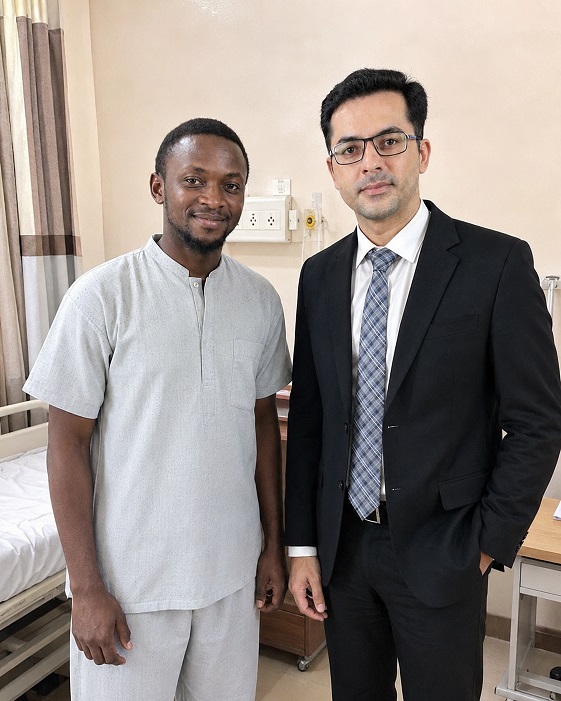
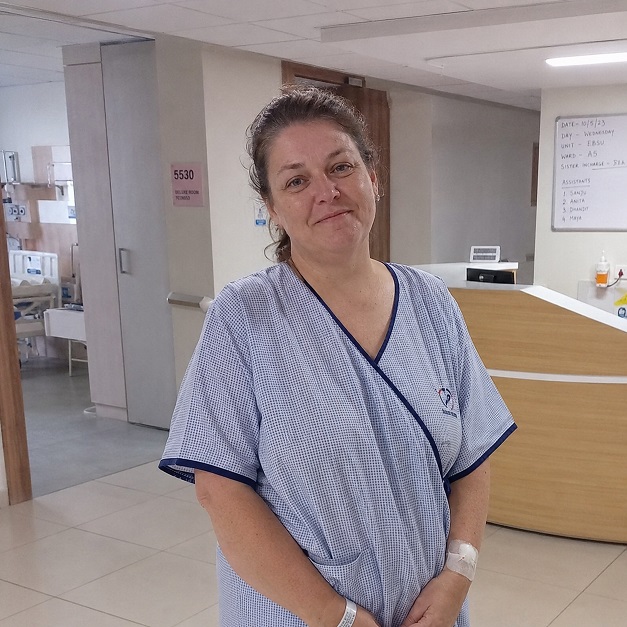
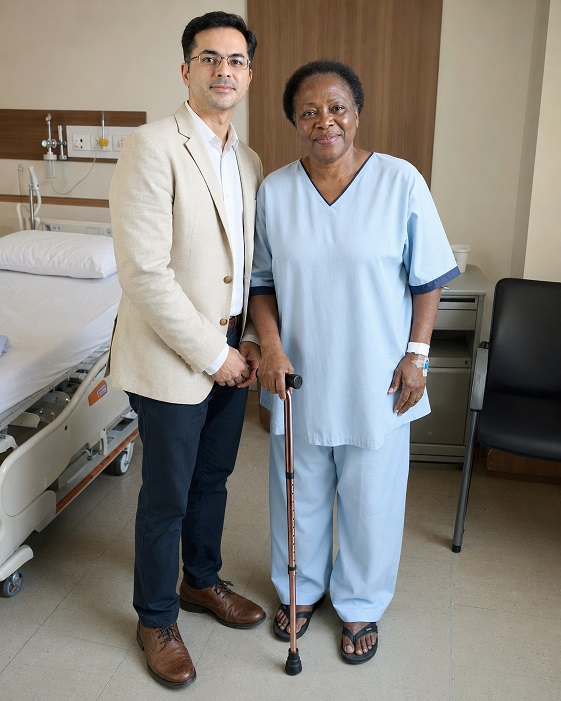
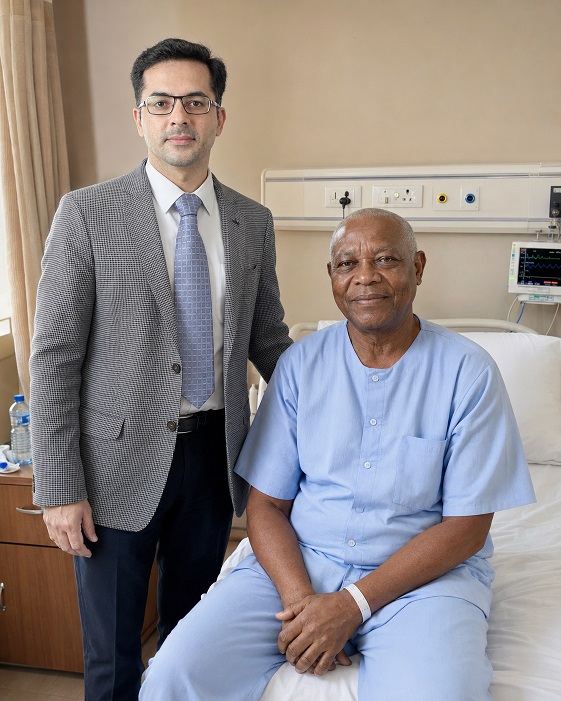
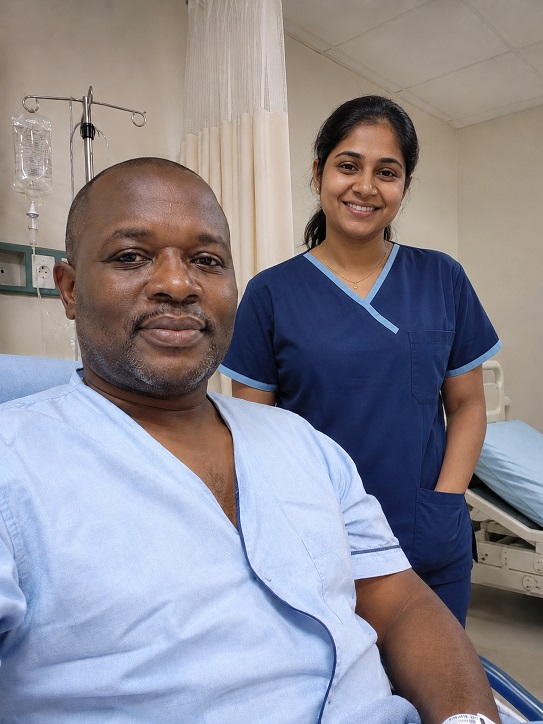
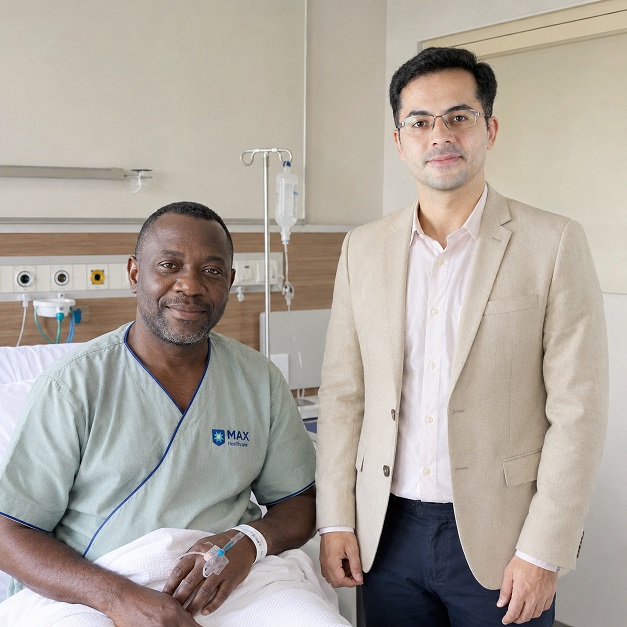
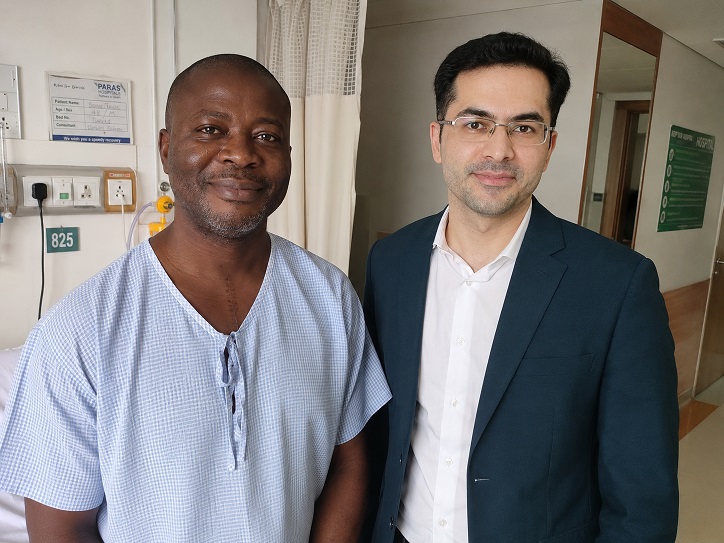
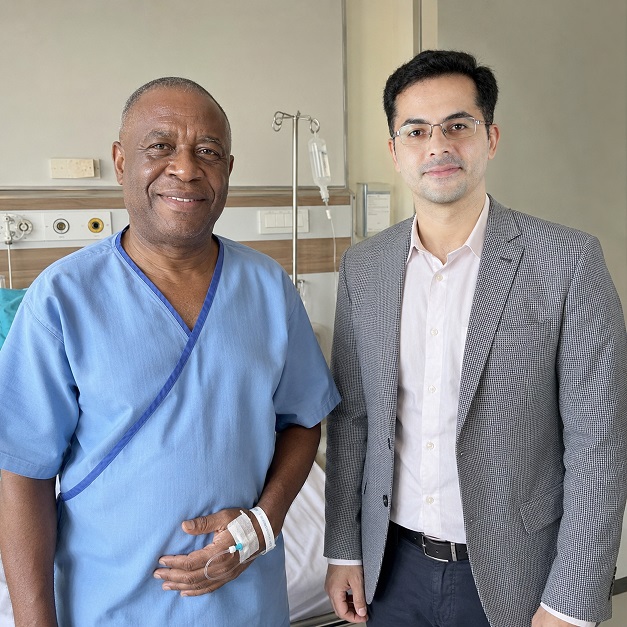
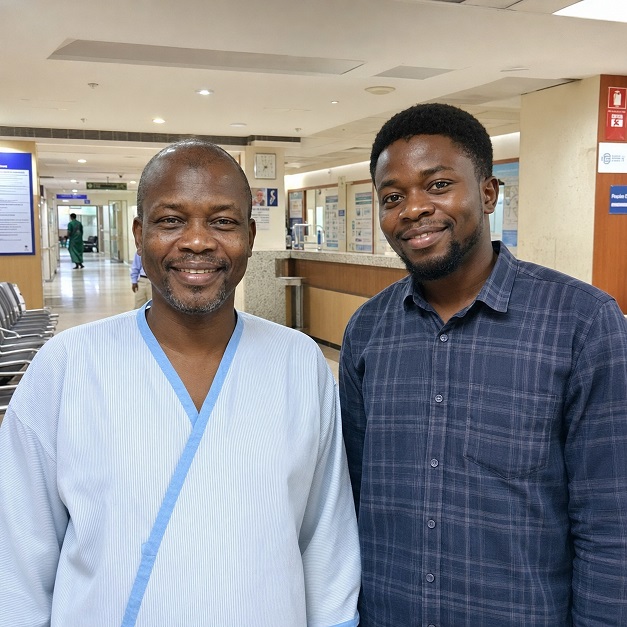
Patient Testimonials from Nigeria




Ready to Take the First Step?
Share your Medical Reports with our Healthcare Managers Today and Get a FREE CONSULTATION, a Personalized Treatment Plan, and Complete Support from Arrival to Recovery.
Get Your Free ConsultationAreas We Serve
This resource has been thoughtfully prepared for patients from Nigeria who are considering medical treatment in India. We also welcome patients from the wider region in the countries mentioned below-
We assist patients from:
- Benin
- Niger
- Chad
- Cameroon
- Algeria
- Egypt
- Libya
- Morocco
- Sudan
- Tunisia
- Gambia
- Ghana
- Burkina Faso
- Cabo Verde
- Côte d'Ivoire
- Equatorial Guinea
- São Tomé and Príncipe
Many of the insights, treatment pathways, hospital recommendations, travel guidance, and patient support services described here are equally relevant and may be used as a reference when planning treatment in India.
From Nigeria to India: Your Complete Patient Support Guide
- Artificial Disc Replacement in India for Nigerian Patients
- Weight Loss and Bariatric Surgery in India for Nigerian Patients
- Bone Marrow Transplant in India for Nigerian Patients
- Brain Tumour Surgery in India for Nigerian Patients
- Breast Cancer Treatment and Surgery in India for Nigerian Patients
- Cancer Treatment and Surgery in India for Nigerian Patients
- Cardiac Arrhythmia and Heart Pacemaker Treatment in India for Nigerian Patients
- Cardiac Surgery in India for Nigerian Patients
- Colorectal Cancer Treatment and Surgery in India for Nigerian Patients
- Complex Orthopaedic and Joint Revision Surgery in India for Nigerian Patients
- Cornea Transplant and Advanced Eye Surgery in India for Nigerian Patients
- CyberKnife Treatment in India for Nigerian Patients
- Gamma Knife Treatment in India for Nigerian Patients
- Heart Failure Treatment and Surgery in India for Nigerian Patients
- Hip Surgery in India for Nigerian Patients
- HIPEC Cancer Surgery in India for Nigerian Patients
- IVF and Fertility Treatment in India for Nigerian Patients
- Joint Arthroscopy and Sports Medicine in India for Nigerian Patients