

Choosing a Spine Surgeon and Hospital in India: A Nigerian Patient’s Decision File
Three Indian hospitals, one MRI, three different operations — how a Nigerian patient works out which spine surgery is actually being sold.
A teacher in Port Harcourt, 54, with pain running down her right leg for eleven months. She sends the same MRI to three Indian hospitals. The first proposes a microdiscectomy at one level. The second proposes a two-level fusion with screws. The third proposes a disc replacement. Three units, one set of films, three different operations — and three prices that are not remotely comparable because they are not the same product. This is what makes spine different from every other operation a Nigerian patient travels for. With a knee, you are choosing who does it. With a spine, you are also choosing what gets done. In 24 years of moving West African patients into Indian operating theatres, I have seen far more regret come from the wrong operation than from the wrong hospital. This file is how to take those three proposals apart. The consultation that matters happens before you book anything: your films, read out loud, by a surgeon willing to name the operation, name the levels, and say what it will not fix.
Healing Journeys of Nigerian Patients



Key Takeaways
- Nigerian patients should compare the proposed operation before comparing the price, because decompression, fusion and disc replacement are different procedures with different goals, recovery periods and costs.
- The most important question is why a particular operation is recommended and why a smaller procedure would not achieve the desired outcome.
- Indian spine centres often provide greater depth of experience for complex spine surgery, with dedicated spine surgeons performing hundreds of spinal procedures annually, supported by neuromonitoring, navigation and specialised neuro-ICUs.
- Nigerian patients should request the surgeon's annual volume for the exact procedure, along with reoperation and infection rates.
- Before surgery, spinal tuberculosis, infection and tumours should be actively excluded, especially in patients with weight loss, fever, vertebral collapse or sickle cell disease.
- Patients should ask for the exact implant manufacturer, implant system and confirmation that intraoperative neuromonitoring is included in the quotation.
- A single-level lumbar decompression with fusion in India is commonly quoted at approximately USD 6,000–10,500, while the complete medical journey generally costs around ₦11 million–₦18 million.
- Most Nigerian patients remain in India for approximately 21–24 days, including pre-operative work-up, hospitalisation, supervised rehabilitation and fit-to-fly assessment.
- Recovery should include a written rehabilitation protocol, activity restrictions, implant card and coordinated follow-up with a Nigerian doctor.
- A second opinion frequently changes the operation itself, not merely the surgeon, making independent review of MRI images an important part of treatment planning.
Quick Facts
- Conditions Covered
- Lumbar Disc Herniation, Cervical Disc Disease, Lumbar Spinal Stenosis, Degenerative Spine Disease, Spondylolisthesis, Spinal Deformity, Spinal Tuberculosis, Spinal Tumours and Failed Spine Surgery
- Procedures Mentioned
- Microdiscectomy, Lumbar Decompression, Spinal Fusion, Instrumented Fusion, Cervical Spine Surgery, Disc Replacement, Revision Spine Surgery and Minimally Invasive Spine Surgery
- Target Audience
- Nigerian patients choosing spine surgeons and hospitals in India
- Treatment Highlights
- Dedicated spine surgeons, high surgical volumes, neuronavigation, intraoperative neuromonitoring, specialised neuro-ICUs, advanced implant systems, multidisciplinary rehabilitation and structured follow-up
- Indicative Treatment Cost
- Single-Level Lumbar Decompression with Fusion: USD 6,000–10,500
- Estimated Complete Budget
- Approximately ₦11 million–₦18 million
- Typical Stay in India
- Approximately 21–24 Days
- Hospital Stay
- Approximately 5–7 Days
- Pre-Operative Preparation
- Approximately 3 Days after arrival, following MRI review and treatment planning
- Important Diagnostic Requirements
- MRI images (not only the report), standing spine X-rays where appropriate, blood investigations, medication list, medical history and assessment for infection, tuberculosis or tumours
- Important Questions Before Surgery
- Exact diagnosis, spinal levels involved, reason for the selected operation, expected outcomes, implant manufacturer, neuromonitoring, rehabilitation schedule and escalation policy
- Medical Travel Requirements
- Indian Medical Visa, Medical Attendant Visa, hospital invitation letter, valid yellow fever certificate and passport with adequate validity
- Author/Advisor
- Dr. Dheeraj Bojwani
- Experience
- 24+ Years in Medical Travel
In Brief
Choosing a spine surgeon and hospital in India requires Nigerian patients to compare the proposed operation, not simply the hospital or price. Patients should understand whether decompression, fusion or disc replacement is recommended, ask why alternative procedures are unsuitable, and obtain detailed written explanations of the diagnosis, spinal levels involved and expected outcomes. A complete quotation should include implant details, neuromonitoring, rehabilitation, escalation charges and long-term follow-up planning before any deposit is paid.
First: what you are actually comparing
Start by being fair to home. Nigeria does spine surgery, and does it with real skill. The National Orthopaedic Hospital, Igbobi, has run spinal services for decades, and LUTH, UCH Ibadan, UNTH Enugu and the National Hospital Abuja all carry serious neurosurgical and orthopaedic weight. On the private side, Duchess International and Lagoon in Lagos, Cedarcrest and Garki in Abuja, Reddington and Euracare operate spines with competent, often foreign-trained surgeons. Nobody serious tells Nigerian patients their country cannot operate.
The comparison is not skill against no skill. It is depth against depth, and in spine that depth is unusually concentrated. Nigeria has very few dedicated spine surgeons for its population, so one busy consultant covers everything from trauma to tumours. A senior spine surgeon at a large Indian centre may perform 400 to 500 spinal procedures a year and nothing else; neuromonitoring, navigation, an on-site neuro-ICU and a full range of implant sizes are routine rather than requested. That concentration is what you are buying, and it is why the price of a properly instrumented spine operation usually falls rather than rises when Nigerian patients cross over.
The trip earns its keep most clearly when a fusion or instrumentation is proposed; when the problem sits in the cervical spine or the cord itself, where the margin for error is smallest; when a previous operation has failed and revision is discussed; when deformity, spinal tuberculosis or a tumour is in the picture; or when the Lagos private quote already sits close to the Indian one. If your case is a simple single-level disc and you have a local surgeon who does spines week in and week out, put the same seven questions to him. They work equally well in Lagos.
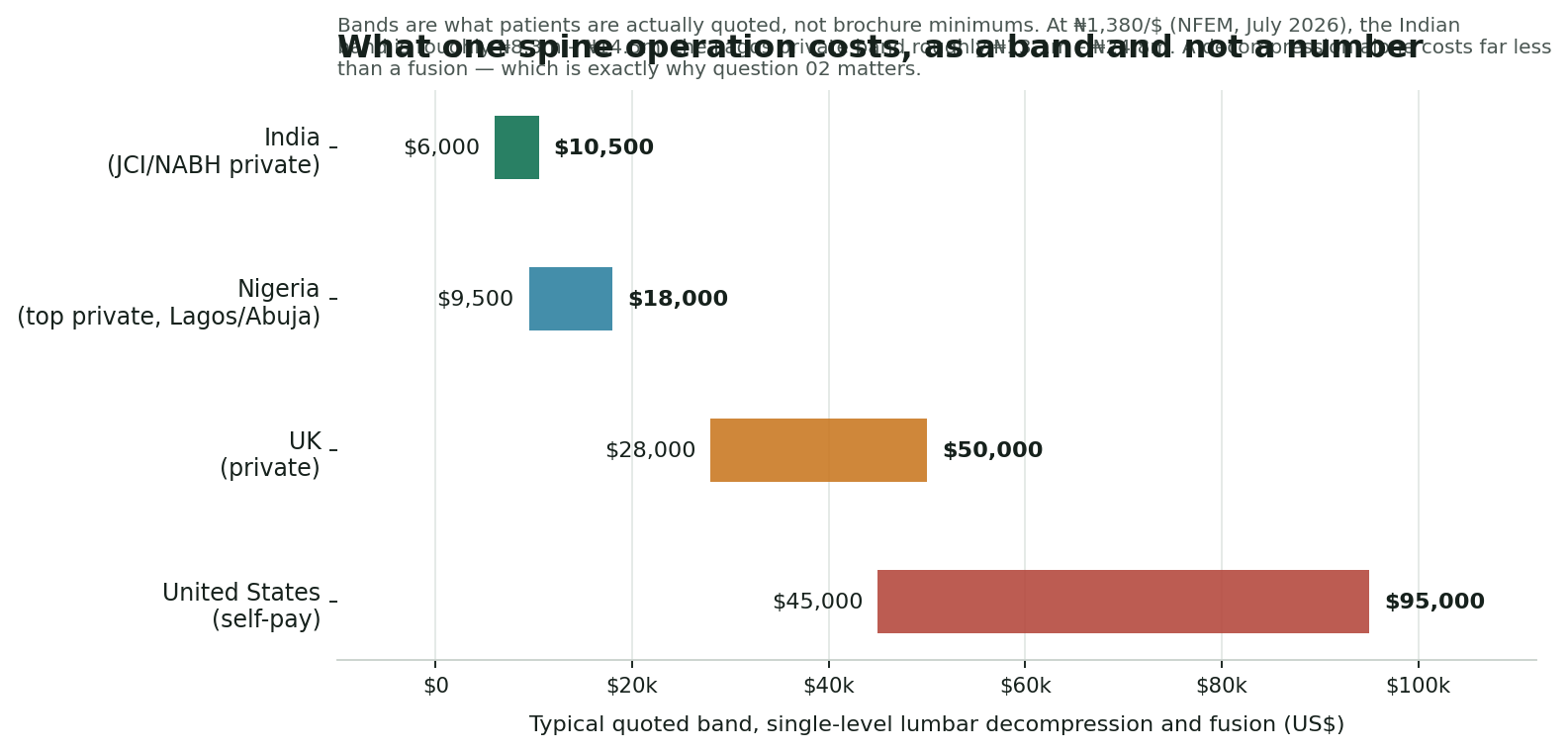
Ranges, not single figures. In spine the band is wide because the operations inside it differ: a decompression, a one-level fusion and a two-level instrumented fusion are three different bills.
The seven questions
What follows is not a list of things to “consider.” It is seven questions to send in writing to every hospital that has quoted you. The answers — and how specific they are — will separate those proposals faster than any brochure or ranking page.
01 Who operates, and how many of this exact procedure does he do in a year?
Spine is not one specialty. Neurosurgeons and orthopaedic spine surgeons both do it, and either can be excellent; what matters is what he does all day. A surgeon performing 300 spines a year meets the awkward intra-operative moment differently from one doing 40. Ask for the number for your operation, not for “spine surgery” in general, and ask his reoperation and infection rates in the same message. Units that keep a register answer within a day.
| Good Answer | Bad Answer |
|---|---|
| “Dr X does roughly 350 spinal procedures a year, about 120 of them lumbar fusions; deep infection under 1%.” | “Our surgeons are highly experienced and internationally trained.” That is a sentence about nobody. |
02 Why this operation, and why this many levels?
This is where three quotes stop being comparable. A decompression removes what presses on the nerve. A fusion also stops that segment moving, costs considerably more, takes longer to recover from and loads the levels above and below. Sometimes it is plainly right — instability, slippage, deformity, recurrent disc. Sometimes it is the expensive default. Ask the surgeon to state in writing the diagnosis, the levels, the operation, and why a smaller one will not do. Then send the same films to a second unit without saying what the first proposed.
| Good Answer | Bad Answer |
|---|---|
| A named diagnosis, named levels, and a clear reason a decompression alone would fail. | “Fusion is the permanent solution.” No operation on this list is permanent for everyone. |
03 What will this fix, and what will it not fix?
This is the most important question in the file, and the one most often answered vaguely. Spine surgery is far more reliable at relieving pain that shoots down a limb than pain in the back itself. Decompression for a trapped nerve has a strong record; surgery for long-standing back pain with no clear nerve compression has a much weaker one. Numbness and weakness present for many months may improve slowly, partially, or not at all, because nerves recover on their own timetable. A surgeon who says this before you book is protecting your expectations. One who promises everything is protecting his conversion rate.
| Good Answer | Bad Answer |
|---|---|
| “Expect the leg pain to settle substantially; the back ache may persist; the foot weakness may take a year and may not fully return.” | “You will be completely normal after surgery.” |
04 Have you excluded tuberculosis, infection and tumour on my films?
For a Nigerian patient this is not academic. Tuberculosis of the spine is common enough here to be a live possibility in anyone with back pain, night sweats, weight loss or a collapsing vertebra, and it is treated with drugs first and surgery second — instrumenting an undiagnosed tuberculous spine is a serious error. The same caution applies to pyogenic infection and secondary tumour deposits. Ask whether these have been excluded and whether a biopsy is wanted before theatre. If you have sickle cell disease, say so in the first message: it changes the differential, the anaesthetic plan and the transfusion strategy.
| Good Answer | Bad Answer |
|---|---|
| A reasoned exclusion of infection and malignancy, and a stated plan to biopsy if there is doubt. | Silence, or an operation date before anyone has asked about fevers and weight loss. |
05 What instrumentation will be used, and is neuromonitoring included?
Ask for the manufacturer and system name of any screws, cages or plates in writing, and for an implant card at discharge. Then ask what few patients know to ask: will intraoperative neuromonitoring be used, and is it inside the quoted price? Watching the nerves live is standard for cervical, deformity and complex cases in serious units, and it is sometimes quietly priced as an extra. Ask too whether a globally distributed implant system is being used — if you ever need revision surgery in Nigeria, that surgeon must be able to identify your hardware and obtain matching parts.
| Good Answer | Bad Answer |
|---|---|
| A named implant system, neuromonitoring stated as included, and an implant card promised at discharge. | “We use imported high-quality implants.” Every hospital on earth says this. |
06 What is not in this quote, and what happens if the operation escalates in theatre?
Serious disputes almost never concern the quoted price. They concern what the quote silently omitted — and spine has an omission the others do not: the operation can grow. Ask what happens to the bill if a second level must be included, if a dural tear needs repair, if an unplanned ICU night follows, or if a brace or transfusion is needed. Then the ordinary questions: extra hospital days, rehabilitation beyond the package, a problem found at work-up, and accommodation for your attendant. Get currency, payment method and refund terms in the same reply.
| Good Answer | Bad Answer |
|---|---|
| An itemised estimate with a named scope, per-level and per-day rates for escalation, and a written escalation route. | A round number in a WhatsApp message with no breakdown. |
07 How much supervised rehabilitation before I fly, and what is the plan back in Lagos?
A spine operation is not finished when the wound closes; it is finished months later, and the first three weeks set the direction. Ask how many days of supervised rehabilitation are included, whether a brace is needed and for how long, and what the restrictions on sitting, bending and lifting are — a long-haul flight is a long sit. Then secure the handover: a discharge summary a Nigerian doctor can act on, a named physiotherapist in your city who already has your protocol, a channel for reaching the surgeon, and a plain list of symptoms meaning go to hospital tonight, not message tomorrow.
| Good Answer | Bad Answer |
|---|---|
| A daily rehabilitation schedule, written activity restrictions, and a fit-to-fly review at around day 20–24. | “Physiotherapy is arranged as needed. You can always call us.” |
Turn the answers into a score
Seven answers are hard to compare side by side, so turn them into numbers. Score each hospital 0 to 10 on the six axes below. Under 40 out of 60 does not deserve your deposit, whatever the price says.
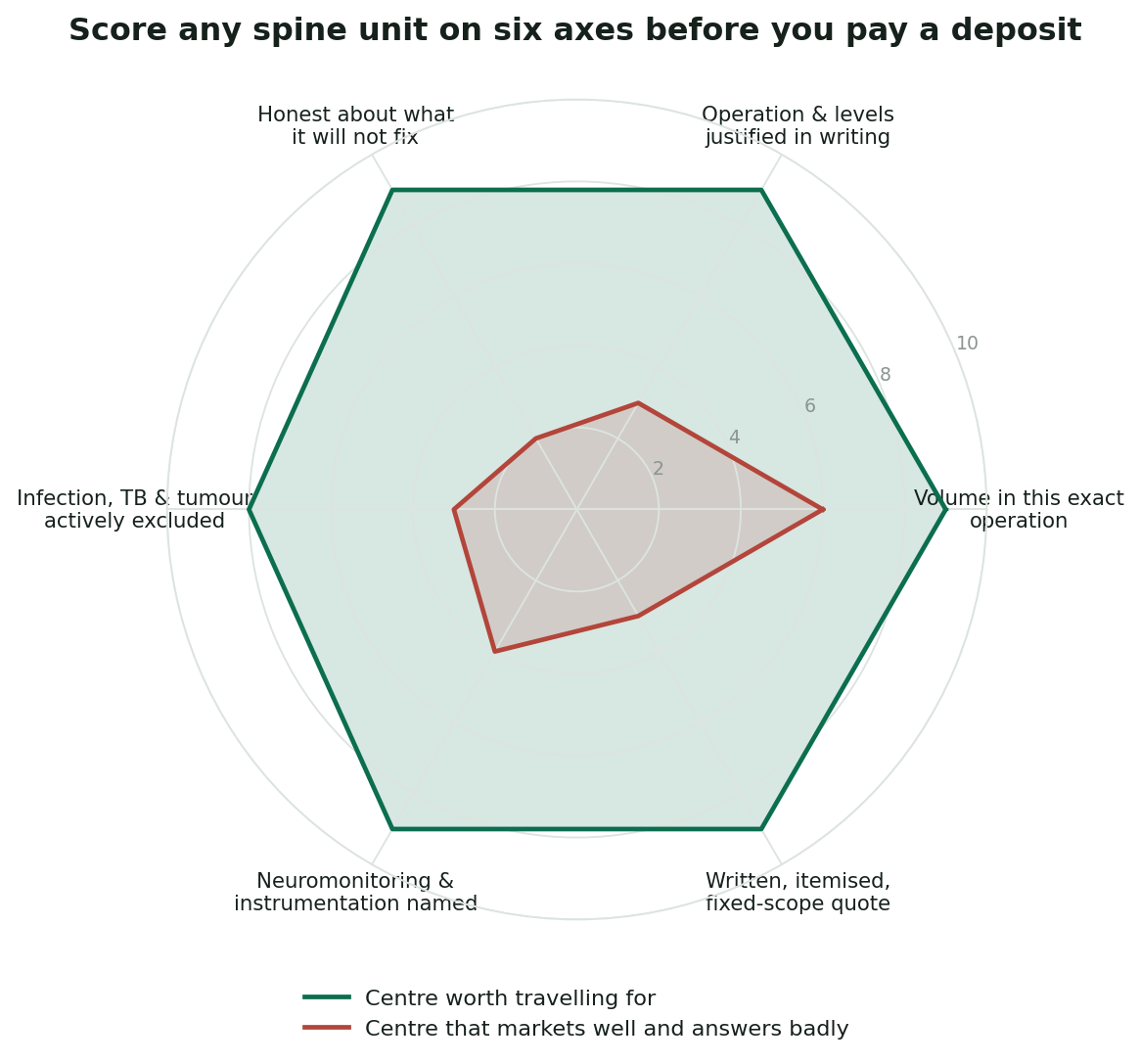
The shape tells you more than the total. Weak units score well on logistics, because that is the sales function, and thin out wherever the clinical answers live.
| Axis | What a 10 looks like | Your score |
|---|---|---|
| Volume in this exact operation | A specific annual number for your procedure, plus reoperation and infection figures | ___ / 10 |
| Operation and levels justified | Diagnosis, levels and reason a smaller operation will not do, in writing | ___ / 10 |
| Honest about limits | States plainly what will improve, what may not, and over what timescale | ___ / 10 |
| Infection, TB and tumour excluded | Actively considered, with a biopsy plan if there is any doubt | ___ / 10 |
| Instrumentation and monitoring | Named implant system, neuromonitoring included, implant card at discharge | ___ / 10 |
| Written itemised quote | Fixed scope, listed exclusions, per-level escalation rates, refund position | ___ / 10 |
Four Ways Nigerian Patients Get Burned
- Comparing prices before comparing operations. A decompression quote and a two-level fusion quote are not the same product. Settle what is being done, then compare what it costs.
- Paying a person instead of a hospital. Money moves to an account in the hospital’s own name against an invoice. A personal account or a “facilitation fee” paid before any medical opinion exists is not a booking.
- Accepting the first proposal without a second read of the same MRI. Spine is the one area where a second opinion routinely changes the operation, not just the surgeon.
- Underbudgeting the tail. Surgery is about a quarter of the spend. Implants, three to four weeks of hotel and food, rehabilitation and flights for two are what ambush families.
The money, in naira and in plain terms
Two facts frame everything. The naira has held a relatively stable band through mid-2026, near ₦1,380 to the dollar on the official NFEM window and roughly ₦1,410–1,425 in the parallel market. The second is the one no brochure prints: this is out-of-pocket money. Cover under the NHIA framework is built around care delivered inside Nigeria, and standard HMO plans do not fund elective surgery abroad. Assume you are funding this yourself, then check your schedule.
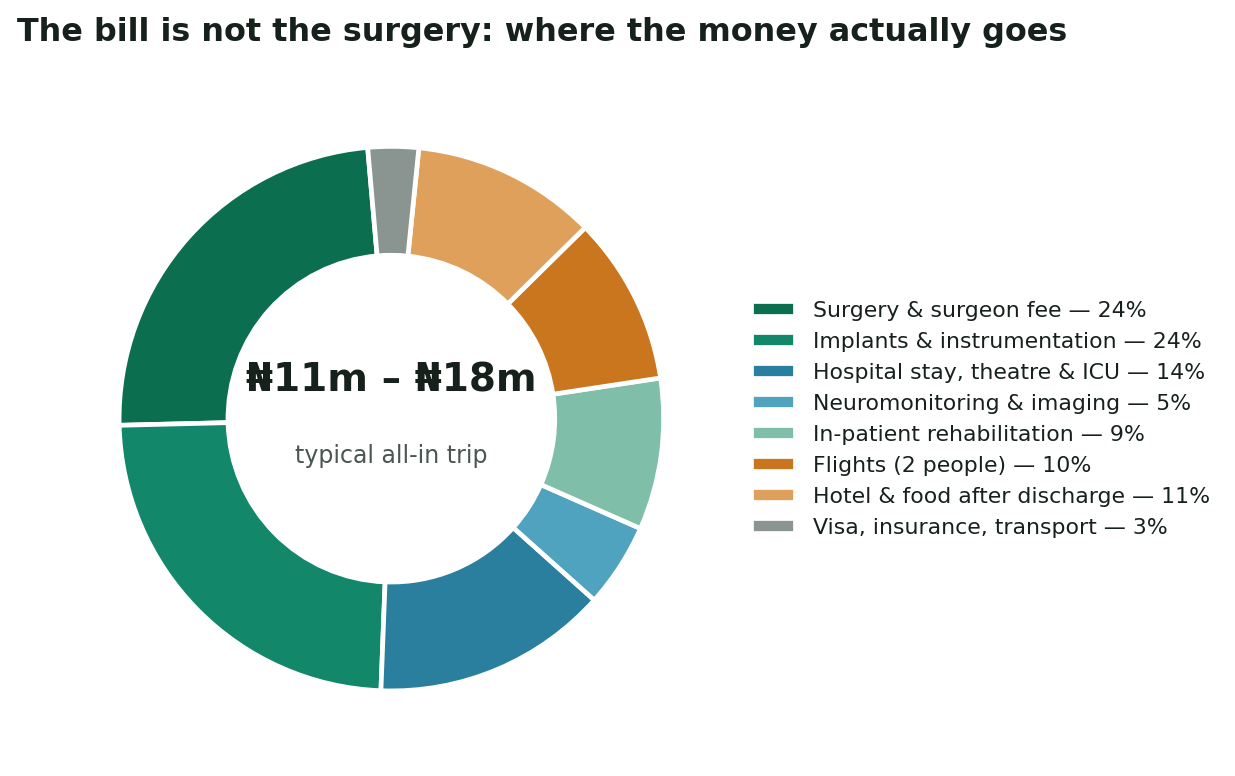
Implants and instrumentation rival the surgical fee itself, which is precisely why question 02 — how many levels, and why — is also a financial question.
Practical money rules. Transfer to the hospital’s own account and keep the SWIFT confirmation. Take the estimate in dollars and never let an intermediary set your exchange rate. Carry cards from two banks and leave a naira buffer at home. Budget 15% contingency — not because Indian hospitals overcharge, but because spines do not read estimates.
The clock, and the Nigeria-specific practicalities
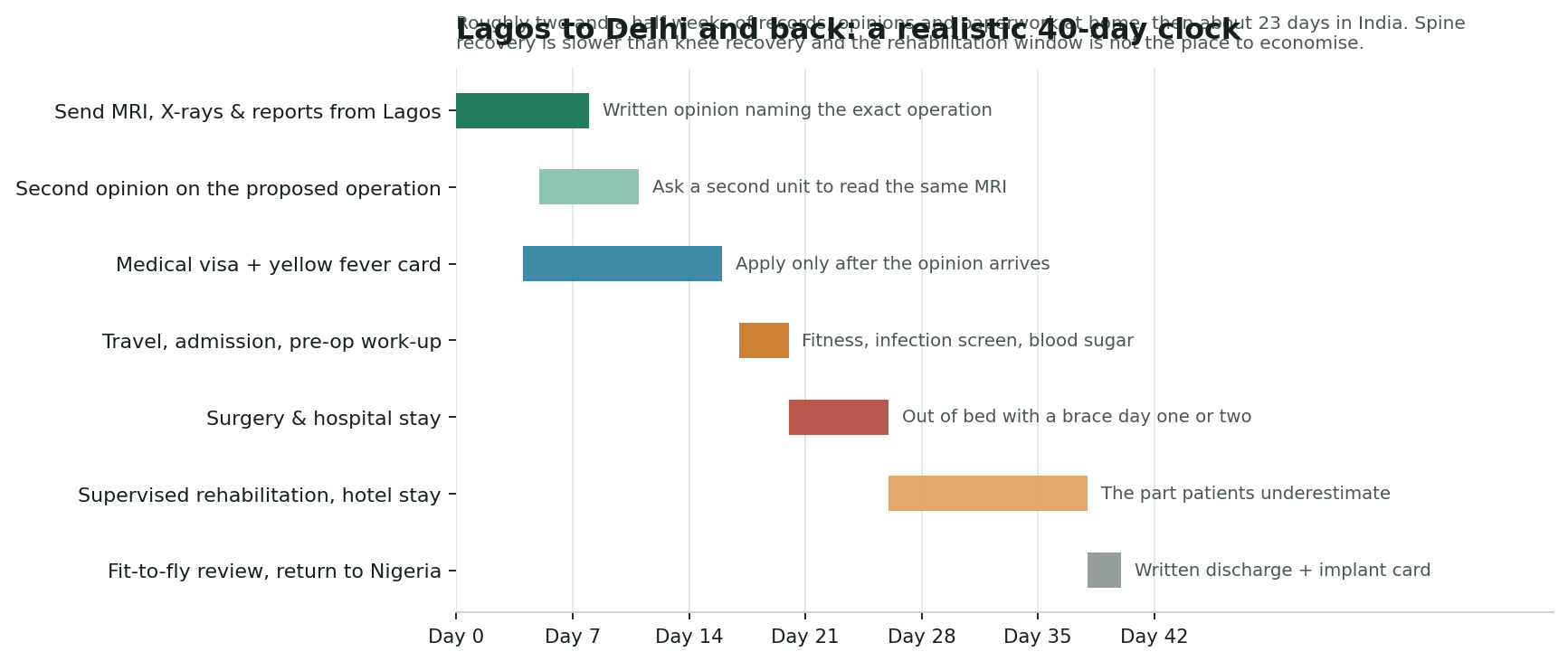
Build the calendar backwards from the fit-to-fly review, not forwards from the flight you would like to take. Spine recovery does not compress to suit a return ticket.
Yellow fever is not optional. Travelling from Nigeria you need a valid yellow fever certificate to enter India, presented on arrival. Sort it early; it derails more departures than anything else on this list.
Apply for the visa after the opinion, not before. The Indian High Commission in Abuja and the Consulate General in Lagos handle Nigerian applications, and the medical visa is issued against the hospital’s invitation letter. Put the medical attendant visa in the same batch; nobody should do this trip alone, and after spine surgery you will need a second pair of hands for weeks.
Routing and the flight home. With no practical non-stop from Lagos or Abuja, most patients connect through Addis Ababa, Dubai, Doha or Istanbul — fifteen to twenty hours door to door. That is a long time seated with a fresh spinal wound. Ask for an aisle seat, stand and walk hourly, take the prescribed clot prevention seriously, and be certain the surgeon has cleared you to fly before booking the return.
Send the films, not just the reports. Indian units want the MRI images themselves, not a radiologist’s summary, so ask your imaging centre for the study on a disc or a transfer link. Send X-rays taken standing where possible: slippage visible on a standing film can vanish on one taken lying down, and it is often the finding that decides whether you need a fusion at all.
None of that is exotic or expensive to get right. In 24 years of this work, the trips that went wrong almost never went wrong in theatre. They went wrong in a WhatsApp thread three weeks earlier, where a question was not asked.
Straight Answers for Nigerian Patients about Spine Surgery in India
How much does spine surgery cost in India for a Nigerian patient?
Most Nigerian patients are quoted US$6,000 to US$10,500 for a single-level lumbar decompression and fusion at an accredited Indian hospital — roughly ₦8.3m to ₦14.5m at mid-2026 rates. A decompression or microdiscectomy alone costs considerably less. Budget ₦11m to ₦18m all-in, including implants, flights for two, accommodation and rehabilitation.
How long must a Nigerian patient stay in India for spine surgery?
About three weeks to twenty-four days in India: three days of pre-operative work-up, five to seven as an in- patient, then roughly twelve days of supervised rehabilitation before a fit-to-fly review. Add about two and a half weeks at home beforehand for films, opinions, a second read and the visa.
Do I really need a fusion, or is a decompression enough?
That depends on whether the segment is unstable, slipped or deformed, not on which quote arrived first. Ask the surgeon to state the diagnosis, the levels and why a smaller operation would fail, then send the same MRI to a second unit without telling them what the first proposed. In spine surgery a second opinion frequently changes the operation, not just the surgeon.
Will NHIA or my Nigerian HMO pay for spine surgery in India?
Almost certainly not. Cover under the NHIA framework is built around accredited providers inside Nigeria, and standard HMO plans do not fund elective surgery abroad. A few corporate and international policies carry overseas benefits, so ask your HMO in writing first.
What documents does a Nigerian patient need to travel to India for spine surgery?
A passport valid six months, an Indian medical visa issued against the hospital’s invitation letter, attendant visas for family, a valid yellow fever certificate, and your full imaging file: the MRI study itself rather than only the report, standing X-rays where possible, blood results and current medicines.
A closing word
Send the seven questions to all three hospitals tonight and give them 48 hours. Read the replies not for what they promise but for what they will be specific about, because specificity is the one quality here that cannot be faked cheaply.
Frequently Asked Questions by Nigerians about Spine Surgery in India
Why do Nigerian patients choose India for spine surgery?
Nigerian patients may choose India for access to dedicated high-volume spine surgeons, advanced navigation, intraoperative neuromonitoring, specialised neuro-ICUs, wider implant options, complex revision surgery and structured rehabilitation.
How much does spine surgery in India cost for Nigerian patients?
A single-level lumbar decompression with fusion is commonly quoted at approximately USD 6,000–10,500. The complete medical travel budget may be around ₦11 million–₦18 million, including implants, flights for two, accommodation and rehabilitation.
How long should Nigerian patients stay in India after spine surgery?
Most patients should plan to stay for approximately 21–24 days, including pre-operative tests, five to seven days in hospital, supervised rehabilitation and a fit-to-fly review before returning to Nigeria.
How can a patient know whether decompression or spinal fusion is needed?
The surgeon should explain the diagnosis, spinal levels involved and whether instability, slippage, deformity or recurrent disc disease makes fusion necessary. A second opinion on the same MRI is important because it may change the proposed operation.
What medical records should Nigerian patients send before travelling?
Patients should send the actual MRI images rather than only the report, standing spine X-rays where possible, blood results, current medicines, medical history and information about fever, weight loss, sickle cell disease or previous spine surgery.
Why should spinal tuberculosis and infection be excluded before surgery?
Spinal tuberculosis, bacterial infection and tumours can resemble degenerative spine disease. Their treatment may require medication or biopsy before instrumentation, so these conditions should be actively considered before an operation is scheduled.
What should Nigerian patients check in a spine surgery quotation?
The quotation should specify the exact operation, spinal levels, implant system, neuromonitoring, hospital and ICU days, rehabilitation, brace charges, additional-level costs and what happens if the procedure expands during surgery.
Is intraoperative neuromonitoring important during spine surgery?
It is particularly important for cervical, deformity and complex spinal procedures because it monitors nerve and spinal cord function during surgery. Patients should confirm whether it is included in the quoted package.
Do Nigerian patients need a medical visa for spine surgery in India?
Yes. The patient requires an Indian Medical Visa, while an accompanying relative may apply for a Medical Attendant Visa. A hospital invitation letter, valid passport and yellow fever certificate are also required.
What follow-up care is needed after returning to Nigeria?
Patients should continue rehabilitation, follow restrictions on sitting, bending and lifting, monitor the wound, retain the implant card and discharge summary, and maintain follow-up with a Nigerian spine specialist and the Indian surgical team.
Page Summary
This guide helps Nigerian patients compare spine surgeons and hospitals in India by focusing on the operation itself rather than the lowest quotation. It explains how to evaluate decompression, fusion and disc replacement proposals, compare surgeon experience, review implant systems, understand rehabilitation, estimate treatment costs and prepare for safe recovery after returning to Nigeria.
Citation Block
| Topic | Information |
|---|---|
| Topic Information | Details |
| Procedure | Spine Surgery |
| Country | India |
| Intended Audience | Nigerian Patients |
| Conditions Covered | Disc Herniation, Spinal Stenosis, Cervical Spine Disease, Spondylolisthesis, Spinal Deformity, Spinal Tuberculosis and Failed Spine Surgery |
| Procedures | Microdiscectomy, Lumbar Decompression, Spinal Fusion, Disc Replacement, Cervical Spine Surgery and Revision Spine Surgery |
| Typical Stay | Approximately 21–24 Days |
| Hospital Stay | Approximately 5–7 Days |
| Recovery | Approximately 12 Days of Supervised Rehabilitation Before Fit-to-Fly Assessment, Followed by Ongoing Recovery in Nigeria |
| Average Procedure Cost | USD 6,000–10,500 (Single-Level Lumbar Decompression with Fusion) |
| Estimated Complete Budget | Approximately ₦11 Million–₦18 Million |


Our Mission Statement
Our mission is to place patients at the centre of every healthcare decision by providing trustworthy, evidence-based, and unbiased medical information. We believe that informed patients make better decisions. Backed by personalised guidance from our experienced advisory team, we help patients understand their treatment options, compare them objectively, and confidently choose the path that best suits their medical needs and personal circumstances.
Patient Testimonials from Nigeria

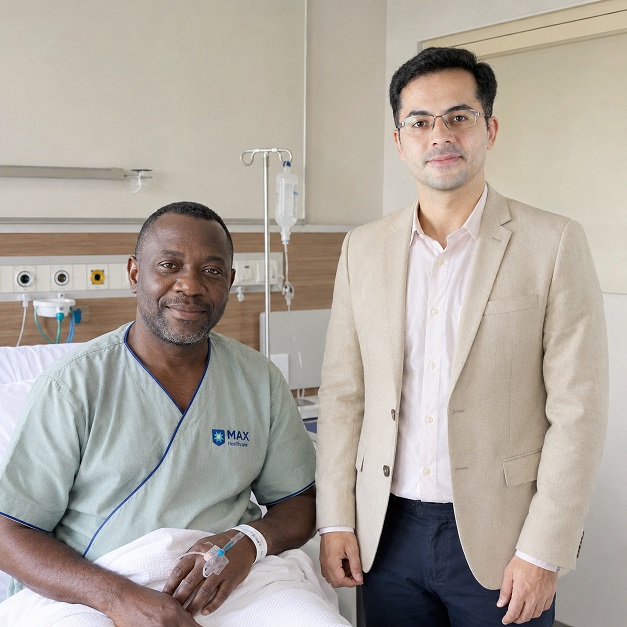
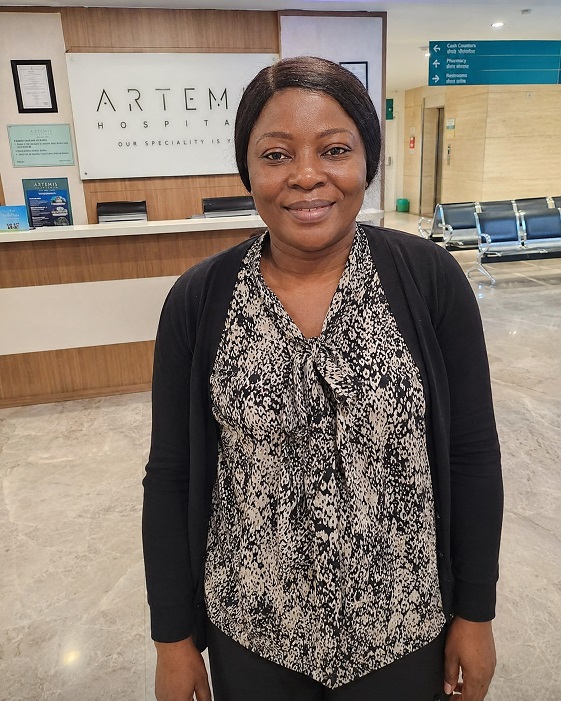
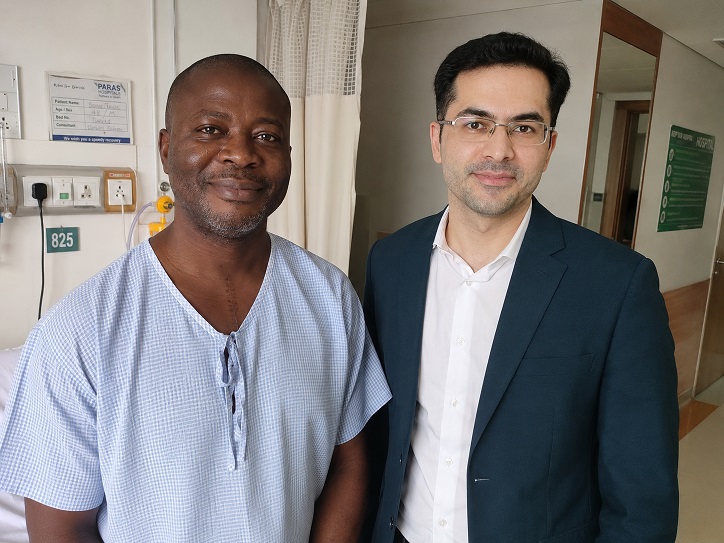
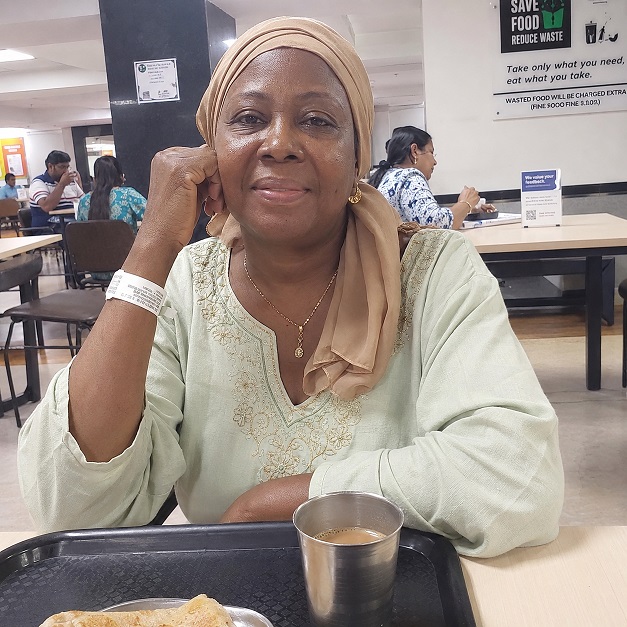
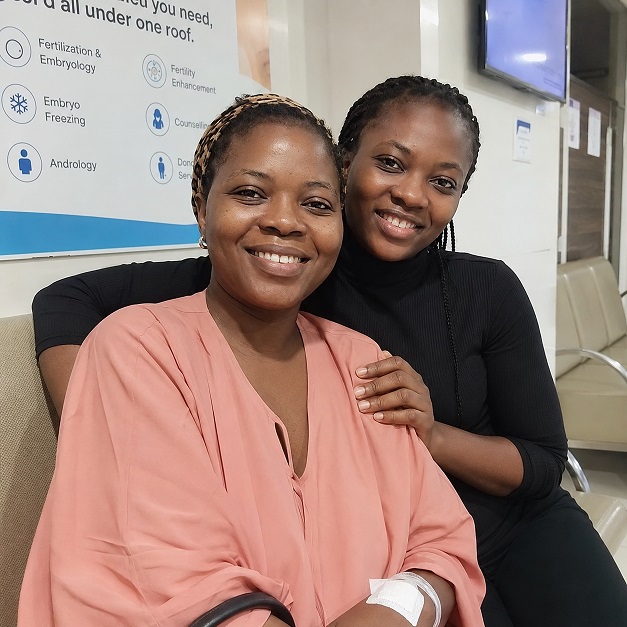
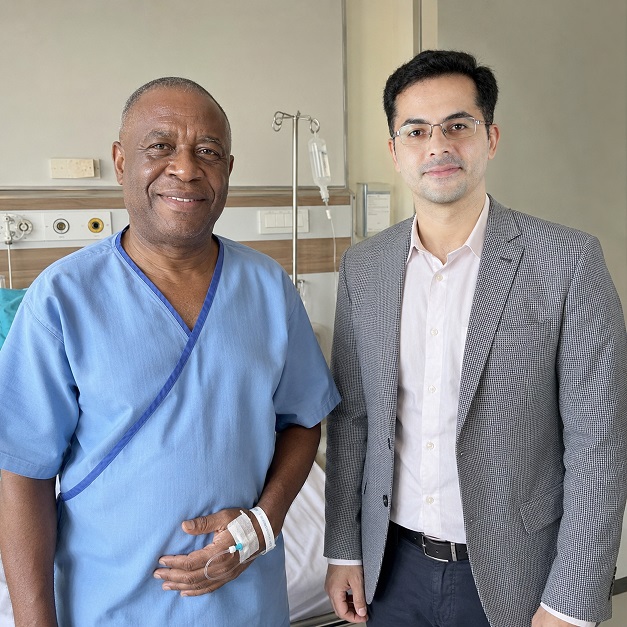
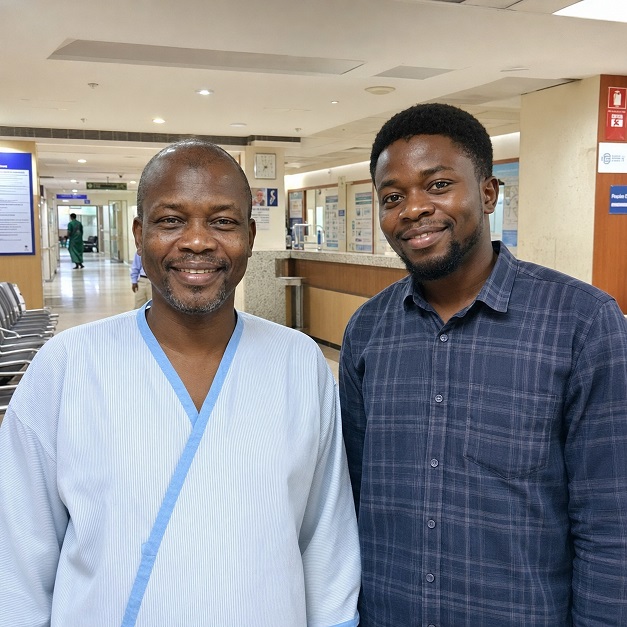
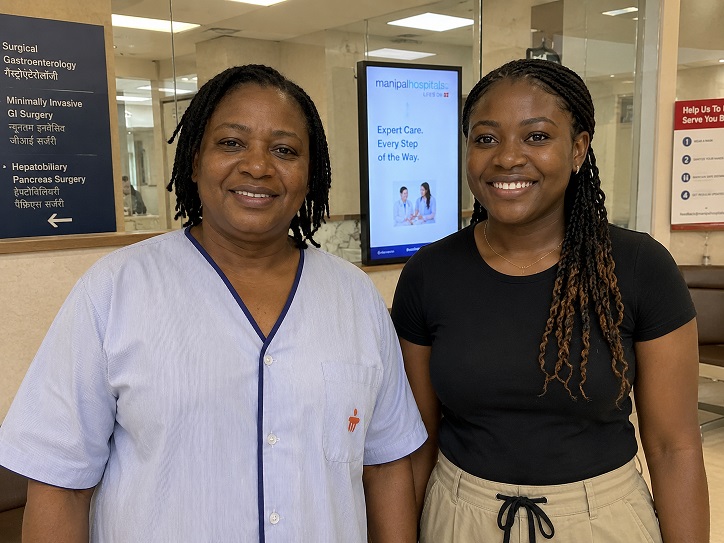
Ready to Take the First Step?
Share your Medical Reports with our Healthcare Managers Today and Get a FREE CONSULTATION, a Personalized Treatment Plan, and Complete Support from Arrival to Recovery.
Get Your Free ConsultationAreas We Serve
This resource has been thoughtfully prepared for patients from Nigeria who are considering medical treatment in India. We also welcome patients from the wider region in the countries mentioned below-
We assist patients from:
- Benin
- Niger
- Chad
- Cameroon
- Algeria
- Egypt
- Libya
- Morocco
- Sudan
- Tunisia
- Gambia
- Ghana
- Burkina Faso
- Cabo Verde
- Côte d'Ivoire
- Equatorial Guinea
- São Tomé and Príncipe
Many of the insights, treatment pathways, hospital recommendations, travel guidance, and patient support services described here are equally relevant and may be used as a reference when planning treatment in India.
From Nigeria to India: Your Complete Patient Support Guide
- Artificial Disc Replacement in India for Nigerian Patients
- Weight Loss and Bariatric Surgery in India for Nigerian Patients
- Bone Marrow Transplant in India for Nigerian Patients
- Brain Tumour Surgery in India for Nigerian Patients
- Breast Cancer Treatment and Surgery in India for Nigerian Patients
- Cancer Treatment and Surgery in India for Nigerian Patients
- Cardiac Arrhythmia and Heart Pacemaker Treatment in India for Nigerian Patients
- Cardiac Surgery in India for Nigerian Patients
- Colorectal Cancer Treatment and Surgery in India for Nigerian Patients
- Complex Orthopaedic and Joint Revision Surgery in India for Nigerian Patients
- Cornea Transplant and Advanced Eye Surgery in India for Nigerian Patients
- CyberKnife Treatment in India for Nigerian Patients
- Gamma Knife Treatment in India for Nigerian Patients
- Heart Failure Treatment and Surgery in India for Nigerian Patients
- Hip Surgery in India for Nigerian Patients
- HIPEC Cancer Surgery in India for Nigerian Patients
- IVF and Fertility Treatment in India for Nigerian Patients
- Joint Arthroscopy and Sports Medicine in India for Nigerian Patients