

Choosing a Prostate Cancer Surgeon and Hospital in India: A Nigerian Patient’s Decision File
In prostate cancer the operation is only one of several correct answers — how a Nigerian man makes sure he is buying the right one.
A man in Abuja, 63, PSA of 46, biopsy positive, told by his brother-in-law that India is the answer. He sends the report to three hospitals. Two reply within a day with a quote for robotic prostatectomy. The third replies with a question: where is the PSMA PET-CT, and has anyone looked at the bones? The third hospital is the one worth talking to. Prostate cancer is not like a knee or a hip, where the operation is the decision. Here the operation is only one of several correct answers, and for some men it is the wrong one entirely — because the disease has already left the prostate, and no surgeon can cut out what has spread. In 24 years of moving West African patients into Indian hospitals, the most expensive mistake I see in this disease is a man paying for the wrong treatment beautifully delivered. This file is how to make sure that does not happen to you. The consultation that matters happens before you book anything: your PSA history, your biopsy grade and your scans, read together by people who are willing to tell you that surgery may not be your treatment.
Healing Journeys of Nigerian Patients
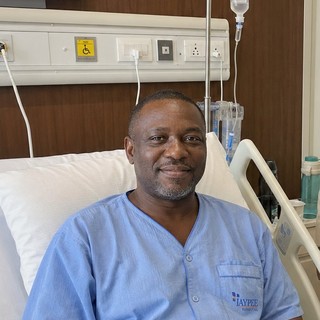
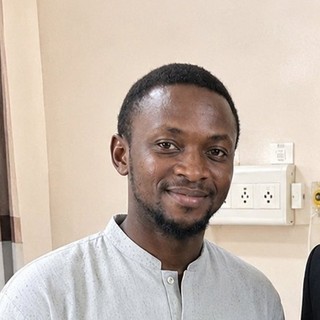
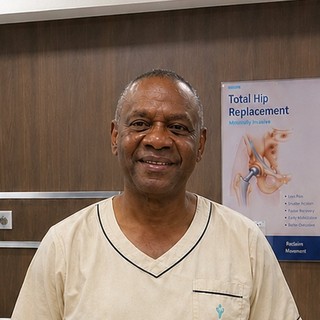
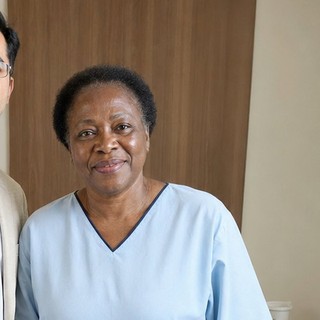


Key Takeaways
- Prostate cancer treatment should always begin with accurate staging, not with choosing surgery. PSA history, biopsy grade, MRI and, where appropriate, PSMA PET-CT determine the correct treatment pathway.
- A hospital that recommends robotic prostatectomy before reviewing complete staging investigations may not be providing an evidence-based treatment recommendation.
- Nigerian patients should prefer hospitals where a multidisciplinary tumour board reviews every case rather than relying on a single surgeon's opinion.
- Depending on the stage and risk group, treatment may include active surveillance, robotic radical prostatectomy, radiotherapy, hormone therapy or systemic therapy.
- Robot-assisted radical prostatectomy in India generally costs USD 6,000–9,500, while a complete radiotherapy course may cost approximately USD 5,000–8,500.
- Nigerian patients should budget approximately ₦10 million–₦17 million for the complete medical journey, including staging investigations, surgery, accommodation, flights and follow-up.
- Most surgical patients remain in India for approximately 18 days, although several weeks of preparation are required before travel for pathology review, staging and visa processing.
- Long-term PSA monitoring continues for life after treatment, and follow-up should be coordinated between the Indian cancer centre and the patient's Nigerian doctor.
- Patients should send paraffin blocks or biopsy slides, PSA history, MRI scans and previous reports before travelling so that pathology can be reviewed independently.
- Before paying a deposit, Nigerian patients should compare hospitals according to staging quality, tumour board review, surgeon experience, continence outcomes, pathology planning and long-term follow-up rather than marketing claims.
Quick Facts
- Conditions Covered
- Localized Prostate Cancer, Intermediate-Risk Prostate Cancer, High-Risk Prostate Cancer, Locally Advanced Prostate Cancer, Recurrent Prostate Cancer and Metastatic Prostate Cancer
- Procedures Mentioned
- Robot-Assisted Radical Prostatectomy, Open Radical Prostatectomy, Laparoscopic Radical Prostatectomy, Pelvic Lymph Node Dissection, PSMA PET-CT, Multiparametric MRI, External Beam Radiotherapy, Hormone Therapy and Systemic Therapy
- Target Audience
- Nigerian patients choosing prostate cancer surgeons and hospitals in India
- Treatment Highlights
- Multidisciplinary tumour board review, PSMA PET-CT staging, expert pathology review, robotic prostate surgery, advanced radiotherapy, personalised treatment planning and coordinated long-term follow-up
- Robot-Assisted Radical Prostatectomy
- USD 6,000–9,500
- Open or Laparoscopic Radical Prostatectomy
- Lower than robotic surgery
- External Beam Radiotherapy
- USD 5,000–8,500
- Typical Stay in India
- Approximately 18 days for surgical treatment
- Hospital Stay
- Approximately 3–4 days after robotic radical prostatectomy
- Important Diagnostic Requirements
- PSA history, biopsy report, paraffin blocks or biopsy slides, multiparametric MRI, PSMA PET-CT (where indicated), blood investigations and complete medical history
- Follow-Up Requirements
- Lifetime PSA monitoring, pathology review, continence rehabilitation, pelvic floor exercises and coordinated care with a Nigerian urologist or oncologist
- Medical Travel Requirements
- Indian Medical Visa, Medical Attendant Visa, hospital invitation letter, valid yellow fever certificate and changeable return ticket
- Author/Advisor
- Dr. Dheeraj Bojwani
- Experience
- 24+ Years in Medical Travel
In Brief
Choosing a prostate cancer surgeon and hospital in India requires Nigerian patients to focus on diagnosis before treatment. The most important questions concern disease staging, tumour board review, surgeon experience, continence outcomes, pathology planning and long-term PSA follow-up. Robotic surgery is only one possible treatment and is not appropriate for every patient. High-quality cancer centres review MRI scans, PSMA PET-CT, biopsy slides and PSA history before recommending surgery, radiotherapy or systemic treatment. Patients should obtain a detailed written treatment plan and an itemised quotation before travelling.
First: what you are actually comparing
Start by being fair to home. Nigeria treats prostate cancer, and treats it with real skill. LUTH, UCH Ibadan, UNTH Enugu, ABUTH Zaria and the National Hospital Abuja have urology departments doing radical surgery, and the NSIA-LUTH Cancer Treatment Centre, Lakeshore Cancer Centre and a handful of private units in Lagos and Abuja run modern oncology services. Nobody serious tells Nigerian men their country cannot treat this disease.
The comparison is not skill against no skill. It is completeness against completeness. Prostate cancer is not treated by a surgeon; it is treated by a system — urologist, radiation oncologist, medical oncologist, uropathologist and nuclear medicine, meeting as a tumour board and deciding together what this cancer needs. Large Indian cancer centres offer that whole apparatus under one roof on one week’s schedule: PSMA PET-CT, multiparametric MRI, an expert re-read of your biopsy slides, robotic surgery, image- guided radiotherapy and systemic therapy. Radiotherapy capacity in Nigeria remains concentrated in a small number of centres, and that alone changes the calculation for many men.
The trip earns its keep most clearly when the disease is intermediate or high risk and the right treatment is genuinely arguable; when robotic surgery or precise image-guided radiotherapy is being considered; when staging is incomplete and a plan is being made on thin evidence; when a rising PSA after previous treatment needs investigating; or when you want one institution to carry the whole decision rather than assembling it across three cities. If your cancer is low risk and your urologist at home recommends active surveillance, put the same seven questions to him. They work equally well in Lagos.
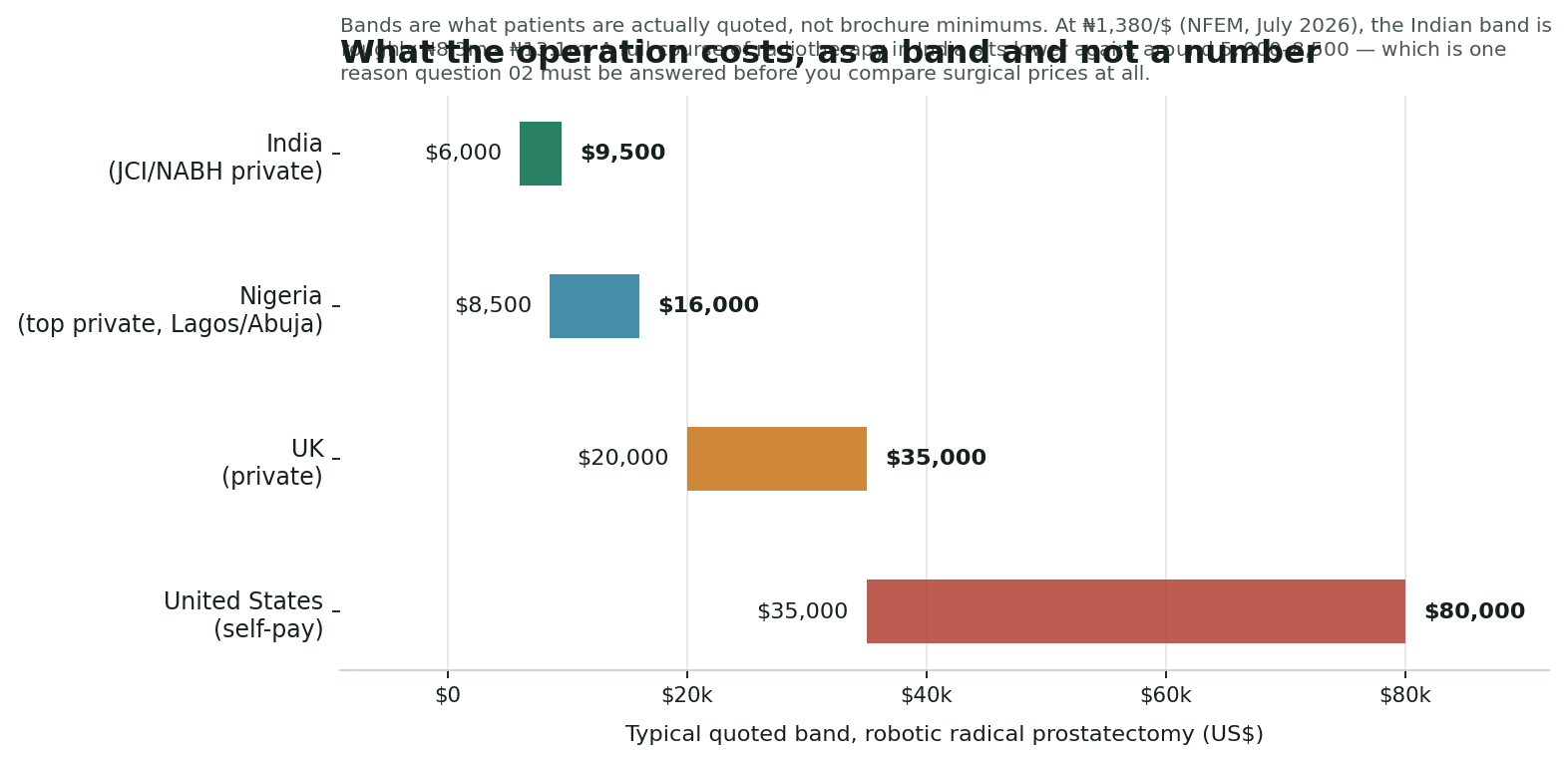
Ranges, not single figures — and the surgical band is not even the whole menu. For many men the correct treatment is radiotherapy or systemic therapy, priced quite differently. Settle what you need before you compare what it costs.
The seven questions
What follows is not a list of things to “consider.” It is seven questions to send in writing to every hospital that has quoted you. The answers — and how specific they are — will separate those quotes faster than any brochure or ranking page.
01 What is my stage and risk group — and what scans is that based on?
Everything else in this file depends on this answer. Prostate cancer is graded and staged before it is treated: the PSA level and its rate of rise, the Gleason score or grade group from the biopsy, how much of the gland is involved, and imaging showing whether disease has escaped the prostate. A multiparametric MRI and, in most intermediate and high-risk cases, a PSMA PET-CT are what a modern centre uses to answer that. If a hospital quotes you an operation without seeing those, it has not staged you; it has priced you.
| Good Answer | Bad Answer |
|---|---|
| “Grade group 3, PSA 46, MRI shows extracapsular extension, PSMA PET-CT clear of bone and nodes — here is the plan that follows from that.” | A surgery quote issued from a biopsy report alone. |
02 Has a tumour board reviewed my case, or only a surgeon?
Surgeons offer surgery. Radiation oncologists offer radiotherapy. Both can be right for the same man, and serious cancer centres resolve that at a multidisciplinary board where every specialty sees the same file. For localised disease the two give broadly comparable cancer control with different side-effect profiles; for disease that has already spread, neither leads and systemic therapy does. Ask whether your case will go to a board, and ask for the board’s written recommendation, not one consultant’s letter.
| Good Answer | Bad Answer |
|---|---|
| “Your case goes to the uro-oncology board on Thursday; you will receive the board note with the options and the reasoning.” | “Our surgeon has reviewed and recommends robotic surgery.” That is one specialty voting for itself. |
03 Am I being offered cancer surgery, or prostate-enlargement surgery?
Ask this bluntly, because the confusion is common and expensive. An operation for an enlarged prostate — a TURP or laser enucleation — relieves difficulty passing urine. It is not cancer surgery and it does not remove the cancer. A radical prostatectomy removes the whole gland with its capsule and, where indicated, the nearby lymph nodes. Men are quoted one while believing they are getting the other. Make the hospital name the operation precisely in writing.
| Good Answer | Bad Answer |
|---|---|
| “Robot-assisted radical prostatectomy with bilateral pelvic lymph node dissection, nerve- sparing where oncologically safe.” | “Prostate surgery, 3 days admission.” That phrase covers two entirely different operations. |
04 Who operates, and how many radical prostatectomies does he personally do a year?
This operation has a long learning curve, and results improve markedly with volume. Ask for the surgeon’s name, his annual number of radical prostatectomies, how many of those are robotic, and how long he has been doing them. Then ask for his positive surgical margin rate — the proportion of cases where cancer is found at the cut edge — because it is the single most honest surgical quality measure in this disease, and a unit that tracks it will say so plainly, with a caveat about case mix.
| Good Answer | Bad Answer |
|---|---|
| “Dr X does about 150 radical prostatectomies a year, mostly robotic; positive margins around 15% overall, higher in locally advanced disease.” | “Our surgeons are highly experienced in robotic surgery.” That is a sentence about a machine, not a man. |
05 What will this cost me in continence and potency — and what are your figures at twelve months?
No honest conversation about this operation skips it. Most men leak urine after the catheter comes out and most regain control over months; a minority do not fully. Erections are affected in almost all men initially, and recovery depends on age, function beforehand and whether the nerves could be spared without leaving cancer behind. Radiotherapy trades a different set of effects, weighted towards bowel and urinary irritation and a later decline in potency. Ask for twelve-month continence figures and how the unit defines continence, and ask what pelvic floor rehabilitation is provided rather than merely recommended.
| Good Answer | Bad Answer |
|---|---|
| Real percentages, a stated definition, and a frank account of what nerve-sparing will and will not be possible in your case. | “You will be completely normal after surgery.” |
06 What is not in this quote, and what happens if the pathology comes back worse?
Serious disputes almost never concern the quoted price; they concern what it silently omitted. Here the omission has a name: the final pathology. The gland is examined after removal and not uncommonly shows more disease than the scans suggested — positive margins, involved nodes, a higher grade. That can mean radiotherapy or hormone therapy afterwards: a second treatment with a second cost, sometimes started while you are still in India. Ask now what that would cost. Then the ordinary questions: staging scans included or extra, extra hospital days, an unplanned ICU night, accommodation for your attendant, and the currency, payment method and refund position.
| Good Answer | Bad Answer |
|---|---|
| An itemised estimate that names what happens in each pathology scenario, with prices attached. | A round number in a WhatsApp message with no breakdown. |
07 What does follow-up look like once I am back in Nigeria?
Prostate cancer is followed for life, not for six weeks. After surgery your PSA should become undetectable, and the point of monitoring is to catch it rising early enough for salvage treatment to work. Ask how often PSA should be checked, who reads the result, and at what number you should get on a plane again. If hormone therapy is part of the plan, ask which drug, whether it is available in Nigeria and at what monthly cost — a treatment you cannot refill in Lagos or Kano is not a treatment. Get the discharge summary, the final pathology and the follow-up schedule in writing before you leave, and copy a named doctor at home.
| Good Answer | Bad Answer |
|---|---|
| A written surveillance schedule, a named PSA threshold for action, and a named Nigerian doctor copied into the plan. | “Come back in one year for review.” |
Turn the answers into a score
Seven answers are hard to compare side by side, so turn them into numbers. Score each hospital 0 to 10 on the six axes below. Under 40 out of 60 does not deserve your deposit, whatever the price says.
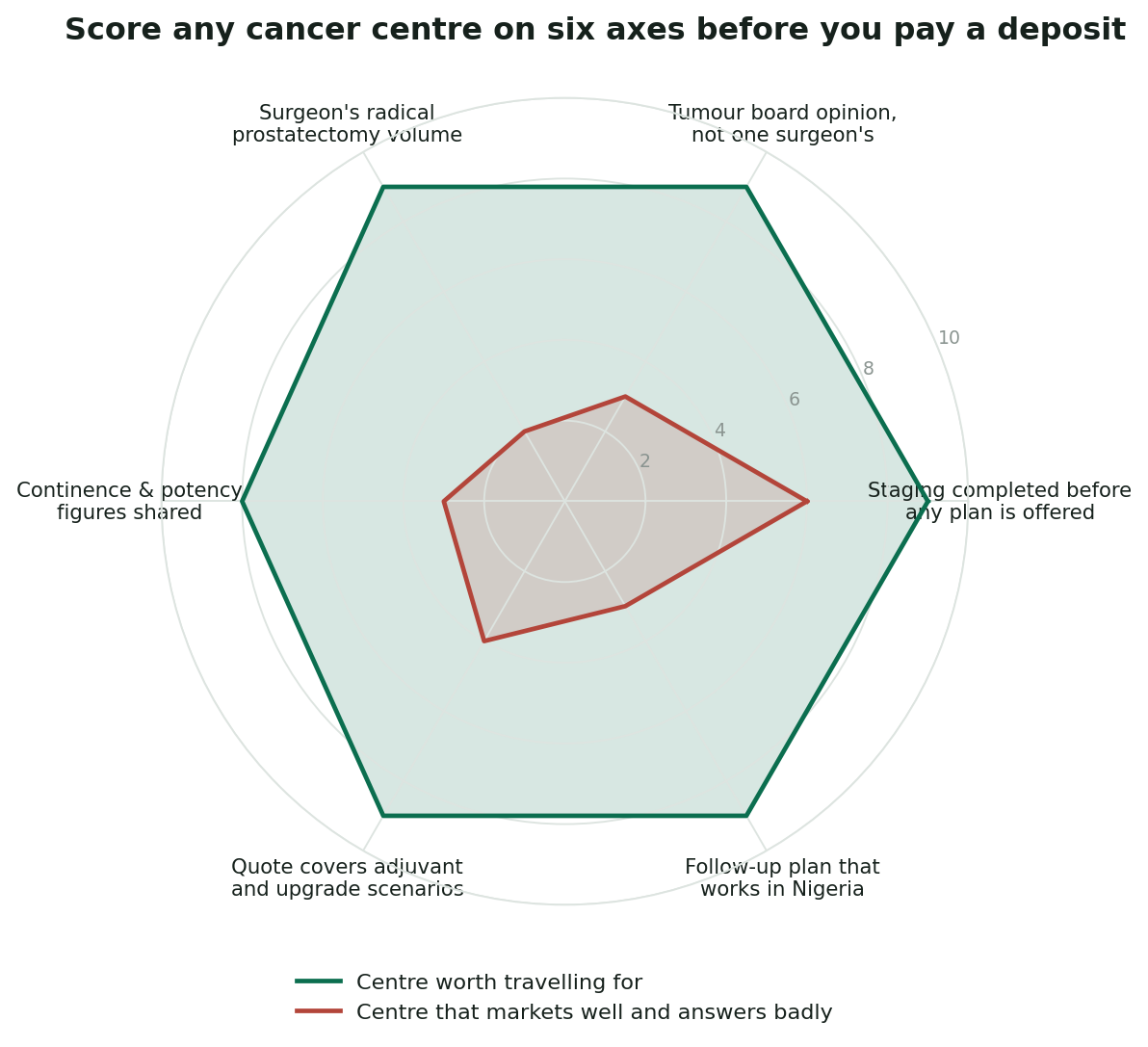
The shape tells you more than the total. Weak centres score well on logistics, because that is the sales function, and thin out wherever the oncology lives.
| Axis | What a 10 looks like | Your score |
|---|---|---|
| Staging completed first | MRI and, where indicated, PSMA PET-CT before any treatment is proposed | ___ / 10 |
| Tumour board opinion | A written multidisciplinary recommendation, not one consultant’s letter | ___ / 10 |
| Surgeon’s prostatectomy volume | A specific annual number, robotic experience, and a positive margin rate | ___ / 10 |
| Continence and potency data | Twelve-month figures with a stated definition, and rehabilitation provided | ___ / 10 |
| Quote covers what comes next | Prices attached to each pathology scenario, including adjuvant treatment | ___ / 10 |
| Follow-up that works at home | PSA schedule, action threshold, drugs obtainable in Nigeria, named local doctor | ___ / 10 |
Four Ways Nigerian Patients Get Burned
- Buying an operation before buying a diagnosis. A quote that arrives before staging is a sales document. Pay for the scans and the board opinion first; they are the cheapest part of this and they decide everything else.
- Paying a person instead of a hospital. Money moves to an account in the hospital’s own name against an invoice. A personal account or a “facilitation fee” paid before any medical opinion exists is not a booking.
- Mistaking enlargement surgery for cancer surgery. A TURP relieves symptoms; it does not remove the cancer. Make the hospital name the operation precisely in writing.
- Budgeting for the operation and not the year. Staging scans, a long hotel stay through the catheter period, possible radiotherapy afterwards and lifelong PSA monitoring are the costs that ambush families.
The money, in naira and in plain terms
Two facts frame everything. The naira has held a relatively stable band through mid-2026, near ₦1,380 to the dollar on the official NFEM window and roughly ₦1,410–1,425 in the parallel market. The second is the one no brochure prints: this is out-of-pocket money. Cover under the NHIA framework is built around care delivered inside Nigeria, and standard HMO plans do not fund elective surgery abroad. Assume you are funding this yourself, then check your schedule.
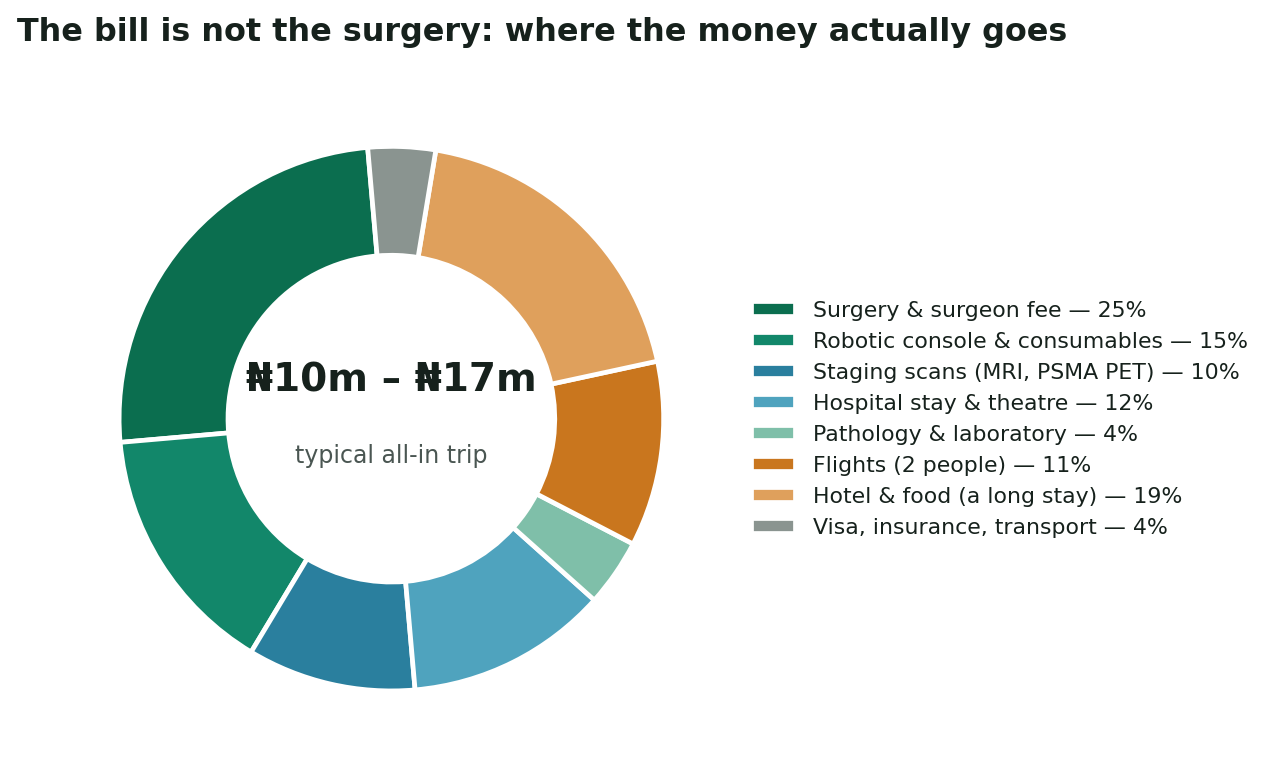
Accommodation is the quiet giant here, because the catheter period keeps you in the country long after discharge. Note too that staging scans are a real line item — and the one you should be most willing to pay for.
Practical money rules. Transfer to the hospital’s own account and keep the SWIFT confirmation. Take the estimate in dollars and never let an intermediary set your exchange rate. Carry cards from two banks and leave a naira buffer at home. Budget 15% contingency — not because Indian hospitals overcharge, but because bodies do not read estimates.
The clock, and the Nigeria-specific practicalities
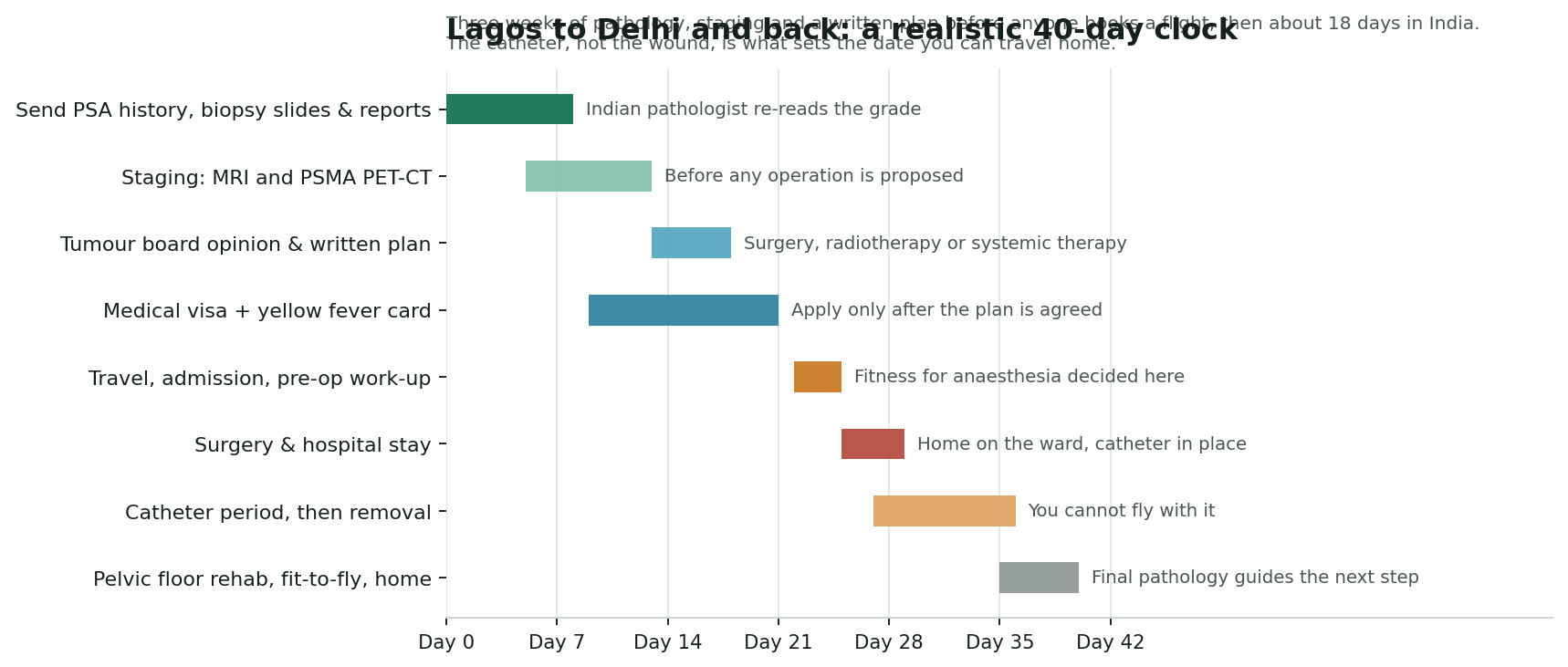
Notice how much of this happens before anyone books a flight. The pathology re-read, the staging and the board opinion are the first three weeks, and they are what protect you from the wrong operation.
Yellow fever is not optional. Travelling from Nigeria you need a valid yellow fever certificate to enter India, presented on arrival. Sort it early; it derails more departures than anything else on this list.
Apply for the visa after the opinion, not before. The Indian High Commission in Abuja and the Consulate General in Lagos handle Nigerian applications, and the medical visa is issued against the hospital’s invitation letter. Put the medical attendant visa in the same batch; nobody should do this trip alone, and the weeks after discharge are easier with family present.
Routing, and why the return date floats. With no practical non-stop from Lagos or Abuja, most patients connect through Addis Ababa, Dubai, Doha or Istanbul — fifteen to twenty hours door to door, with a real clot risk after pelvic surgery. Book a changeable return ticket: the date depends on when the catheter comes out and how the final pathology reads, and neither of those can be scheduled in advance. Ask for an aisle seat, walk hourly, and take the prescribed clot prevention seriously.
Send the slides, not just the report. Ask the laboratory that did your biopsy for the paraffin blocks or stained slides and courier them ahead. Indian uropathologists routinely re-read outside material, and grade changes on review are not rare — a shift between grade groups can move you from surveillance to surgery, or from surgery to radiotherapy. Send the full PSA history with dates too, because the rate of rise tells them what a single number cannot.
None of that is exotic or expensive to get right. In 24 years of this work, the trips that went wrong almost never went wrong in theatre. They went wrong in a WhatsApp thread three weeks earlier, where a question was not asked.
Straight Answers for Nigerian Patients about Prostate Cancer Surgery in India
How much does prostate cancer surgery cost in India for a Nigerian patient?
Most Nigerian patients are quoted US$6,000 to US$9,500 for a robot-assisted radical prostatectomy at an accredited Indian hospital — roughly ₦8.3m to ₦13.1m at mid-2026 rates. Open or laparoscopic surgery costs less, and a full course of radiotherapy sits at around US$5,000 to US$8,500. Budget ₦10m to ₦17m all-in, including staging scans, flights for two and a long accommodation stay.
How long must a Nigerian patient stay in India for prostate cancer treatment?
Plan on about eighteen days in India for surgery: work-up and admission, three to four days as an in-patient, then the catheter period and pelvic floor rehabilitation before a fit-to-fly review. Add roughly three weeks at home beforehand for pathology review, staging scans, the tumour board opinion and the visa. Radiotherapy is a different shape of trip, running several weeks of daily treatment.
Should I have surgery or radiotherapy for prostate cancer?
For localised disease both give broadly comparable cancer control with different side-effect profiles, so the answer depends on your grade, stage, age, urinary function and preferences. If the disease has already spread, neither is the primary answer and systemic therapy leads. This is exactly why the decision belongs to a multidisciplinary tumour board rather than to a single surgeon, and why staging must be complete before anyone quotes you.
Will NHIA or my Nigerian HMO pay for prostate cancer treatment in India?
Almost certainly not. Cover under the NHIA framework is built around accredited providers inside Nigeria, and standard HMO plans do not fund elective treatment abroad. A few corporate and international policies carry overseas oncology benefits, so ask your HMO in writing first, and ask specifically about follow-up and hormone therapy costs at home.
What should a Nigerian patient send to an Indian hospital before travelling?
Your full PSA history with dates, the biopsy report plus the paraffin blocks or slides for re-reading, any MRI study on disc rather than only the report, other imaging and blood results, a list of current medicines, and details of any heart, kidney or diabetes problems. Add a passport valid six months, and expect the medical visa to be issued against the hospital’s invitation letter.
A closing word
Send the seven questions to every hospital that has quoted you and give them 48 hours. Read the replies not for what they promise but for what they will be specific about, because specificity is the one quality here that cannot be faked cheaply. And treat any centre that quotes an operation before staging you as having answered all seven questions at once.
Frequently Asked Questions by Nigerians about Prostate Cancer Surgery in India
Why do Nigerian patients choose India for prostate cancer treatment?
Many Nigerian patients choose India because major cancer centres provide multidisciplinary tumour boards, PSMA PET-CT, multiparametric MRI, expert pathology review, robotic prostate surgery, advanced radiotherapy and comprehensive cancer care under one roof.
How much does prostate cancer treatment in India cost for Nigerian patients?
Robot-assisted radical prostatectomy generally costs USD 6,000–9,500, while a complete course of radiotherapy typically costs USD 5,000–8,500. The total medical travel budget, including surgery, staging investigations, accommodation and flights, is approximately ₦10 million–₦17 million.
Should every Nigerian patient with prostate cancer undergo robotic surgery?
No. Robotic prostatectomy is only one treatment option. Depending on the PSA level, biopsy grade, MRI findings, PSMA PET-CT results and tumour stage, some patients may benefit more from active surveillance, radiotherapy, hormone therapy or systemic treatment. Complete staging should always be performed before surgery is recommended.
Why is a multidisciplinary tumour board important before treatment?
A multidisciplinary tumour board allows urologists, radiation oncologists, medical oncologists, pathologists and nuclear medicine specialists to review the case together. This helps ensure that treatment recommendations are based on the patient's stage and overall condition rather than the opinion of a single specialist.
What medical records should Nigerian patients send before travelling to India?
Patients should send their complete PSA history, biopsy report, paraffin blocks or biopsy slides, multiparametric MRI images, PSMA PET-CT (if available), blood test reports, current medication list and details of other medical conditions before receiving a final treatment recommendation.
How long should Nigerian patients stay in India for prostate cancer surgery?
Most patients undergoing robotic radical prostatectomy should plan to remain in India for approximately 18 days, including hospitalisation, catheter care, pelvic floor rehabilitation and fitness-to-fly assessment before returning home.
What should Nigerian patients check before accepting a treatment quotation?
Patients should confirm that the quotation includes staging investigations, surgeon fees, robotic system charges, pathology review, hospital stay, catheter management, possible additional treatment if pathology findings change, and follow-up planning after returning to Nigeria.
Do Nigerian patients need a medical visa for prostate cancer treatment in India?
Yes. Nigerian patients require an Indian Medical Visa, while accompanying relatives may apply for a Medical Attendant Visa. The application is generally supported by the hospital's invitation letter, and patients travelling from Nigeria must also carry a valid yellow fever vaccination certificate.
How is follow-up managed after returning to Nigeria?
Follow-up includes lifelong PSA monitoring, review of pathology findings, continence rehabilitation, pelvic floor exercises and regular consultations with a Nigerian urologist or oncologist. Teleconsultations with the treating Indian specialist may also form part of the long-term care plan.
What is the biggest mistake Nigerian patients should avoid before travelling for prostate cancer treatment?
The most common mistake is committing to surgery before the cancer has been fully staged. Treatment decisions should only be made after reviewing the PSA history, biopsy, MRI, PSMA PET-CT (when indicated) and tumour board recommendations to ensure the patient receives the most appropriate therapy.
Page Summary
This guide helps Nigerian patients choose the right prostate cancer surgeon and hospital in India. It explains why complete staging, tumour board review and pathology assessment should come before selecting surgery. It covers robotic prostatectomy, radiotherapy, treatment costs, medical travel planning, long-term PSA monitoring and the questions patients should ask before committing to treatment.
Citation Block
| Topic | Information |
|---|---|
| Topic Information | Details |
| Procedure | Prostate Cancer Treatment and Surgery |
| Country | India |
| Intended Audience | Nigerian Patients |
| Conditions Covered | Localized, Intermediate-Risk, High-Risk, Locally Advanced and Metastatic Prostate Cancer |
| Procedures | Robotic Radical Prostatectomy, Open Surgery, Laparoscopic Surgery, Radiotherapy, Hormone Therapy and Systemic Therapy |
| Typical Stay | Approximately 18 Days |
| Hospital Stay | Approximately 3–4 Days |
| Recovery | Several Weeks, with Long-Term PSA Monitoring and Follow-Up |
| Average Robotic Surgery Cost | USD 6,000–9,500 |
| Estimated All-In Budget | Approximately ₦10 Million–₦17 Million |


Our Mission Statement
Our mission is to place patients at the centre of every healthcare decision by providing trustworthy, evidence-based, and unbiased medical information. We believe that informed patients make better decisions. Backed by personalised guidance from our experienced advisory team, we help patients understand their treatment options, compare them objectively, and confidently choose the path that best suits their medical needs and personal circumstances.
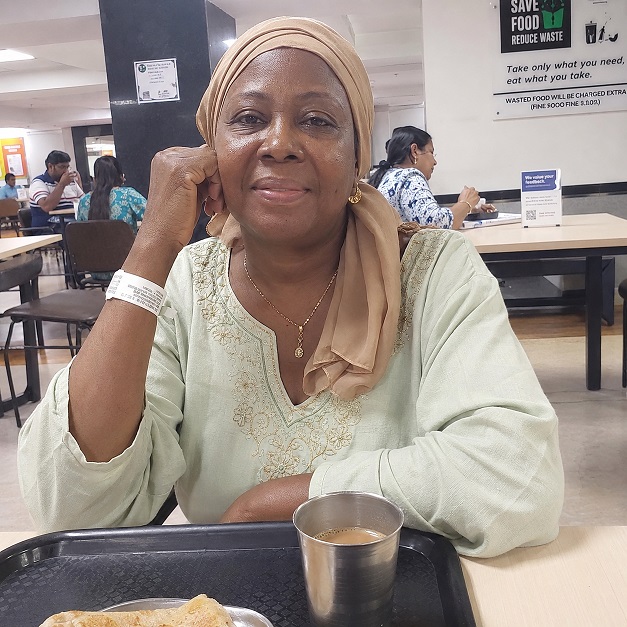
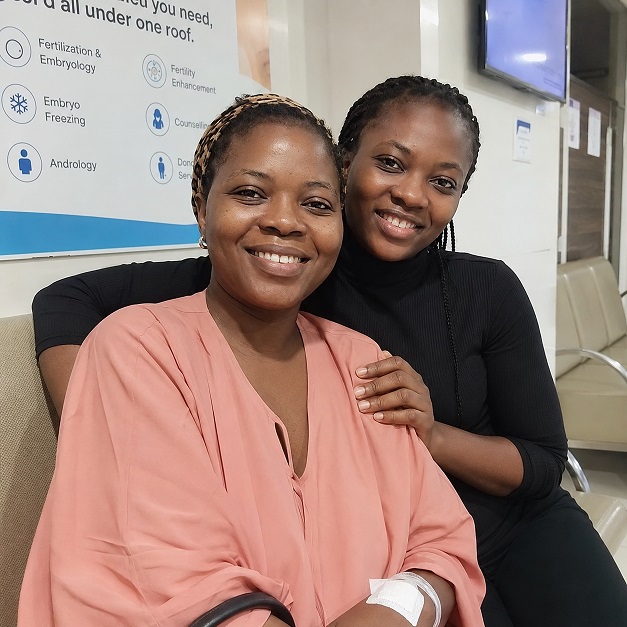
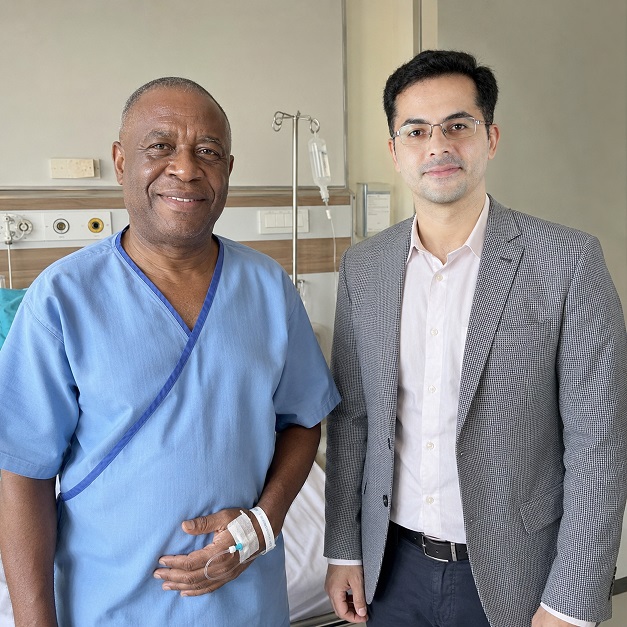
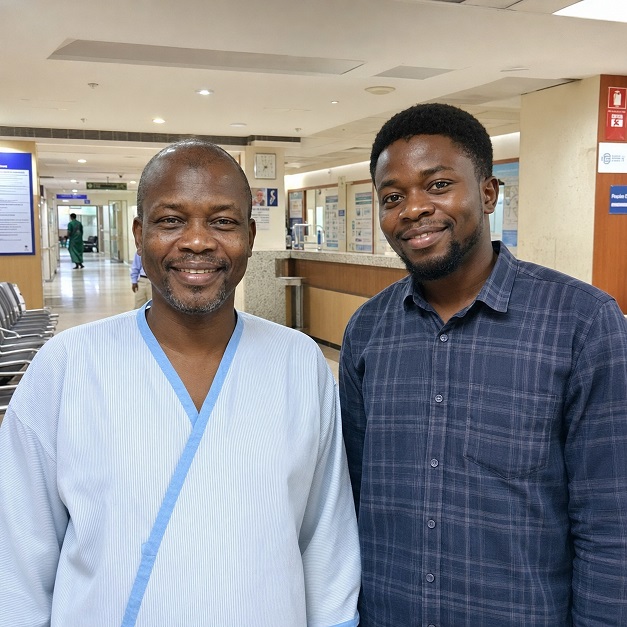
Patient Testimonials from Nigeria
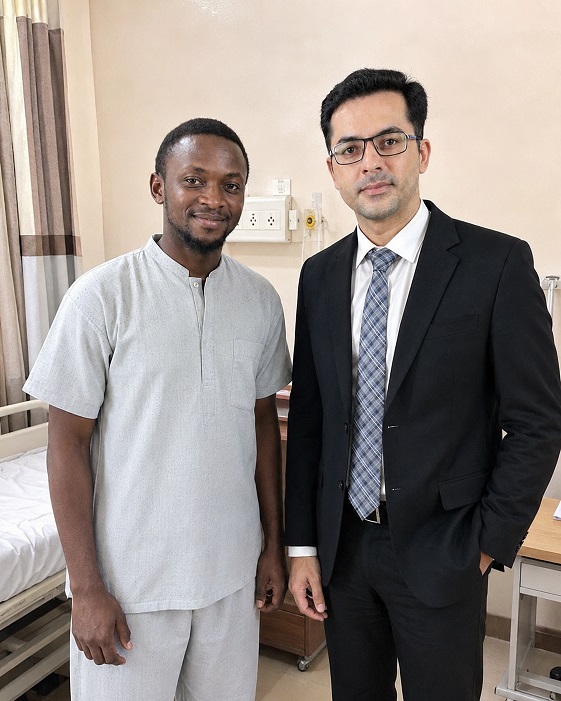
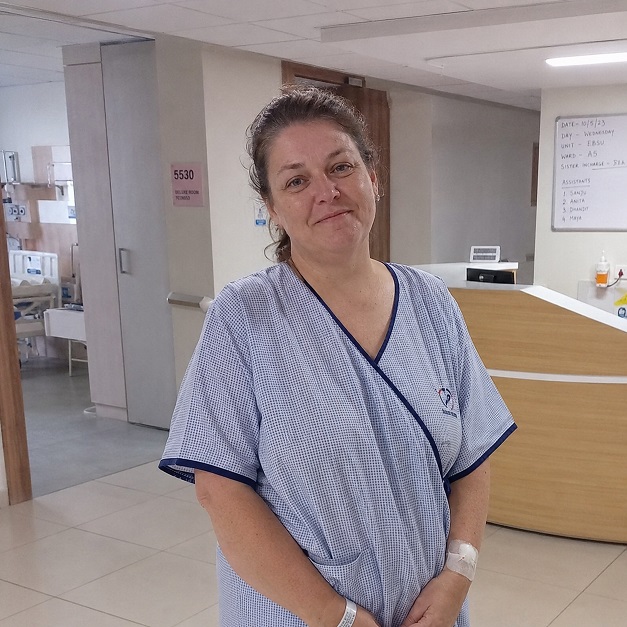
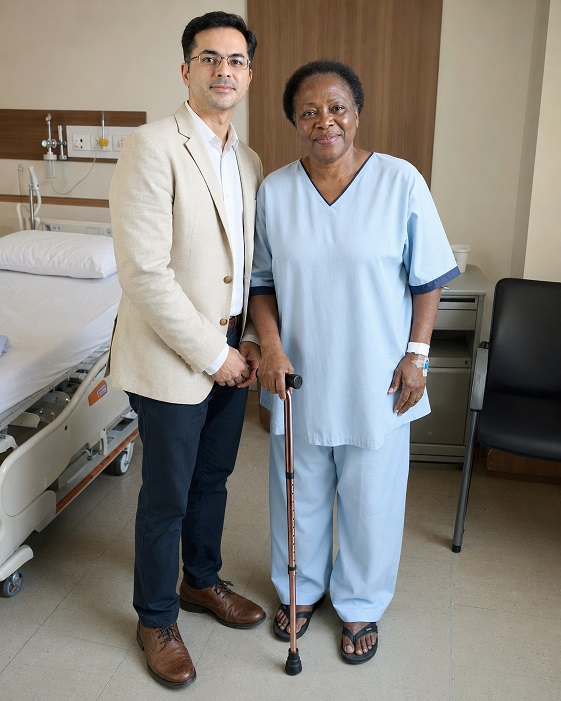
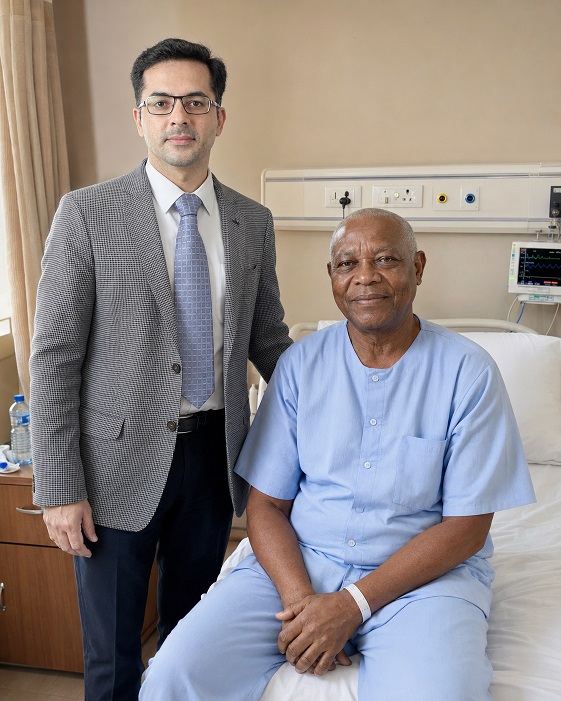

Ready to Take the First Step?
Share your Medical Reports with our Healthcare Managers Today and Get a FREE CONSULTATION, a Personalized Treatment Plan, and Complete Support from Arrival to Recovery.
Get Your Free ConsultationAreas We Serve
This resource has been thoughtfully prepared for patients from Nigeria who are considering medical treatment in India. We also welcome patients from the wider region in the countries mentioned below-
We assist patients from:
- Benin
- Niger
- Chad
- Cameroon
- Algeria
- Egypt
- Libya
- Morocco
- Sudan
- Tunisia
- Gambia
- Ghana
- Burkina Faso
- Cabo Verde
- Côte d'Ivoire
- Equatorial Guinea
- São Tomé and Príncipe
Many of the insights, treatment pathways, hospital recommendations, travel guidance, and patient support services described here are equally relevant and may be used as a reference when planning treatment in India.
From Nigeria to India: Your Complete Patient Support Guide
- Artificial Disc Replacement in India for Nigerian Patients
- Weight Loss and Bariatric Surgery in India for Nigerian Patients
- Bone Marrow Transplant in India for Nigerian Patients
- Brain Tumour Surgery in India for Nigerian Patients
- Breast Cancer Treatment and Surgery in India for Nigerian Patients
- Cancer Treatment and Surgery in India for Nigerian Patients
- Cardiac Arrhythmia and Heart Pacemaker Treatment in India for Nigerian Patients
- Cardiac Surgery in India for Nigerian Patients
- Colorectal Cancer Treatment and Surgery in India for Nigerian Patients
- Complex Orthopaedic and Joint Revision Surgery in India for Nigerian Patients
- Cornea Transplant and Advanced Eye Surgery in India for Nigerian Patients
- CyberKnife Treatment in India for Nigerian Patients
- Gamma Knife Treatment in India for Nigerian Patients
- Heart Failure Treatment and Surgery in India for Nigerian Patients
- Hip Surgery in India for Nigerian Patients
- HIPEC Cancer Surgery in India for Nigerian Patients
- IVF and Fertility Treatment in India for Nigerian Patients
- Joint Arthroscopy and Sports Medicine in India for Nigerian Patients