

Selecting the Best Neurosurgeons and Hospitals in India for Nigerian Patients
Brain surgery is not one specialty wearing one name. Get the type of case right first, and the rest of this decision gets much clearer.
A surgeon who removes brain tumours skillfully, day after day, is not automatically the right person for a ruptured aneurysm, and a hospital genuinely excellent at one kind of neurosurgery can be entirely unequipped for another. Families researching treatment abroad often search for "the best neurosurgery hospital in India" as though that were a single, meaningful category. It rarely is. Neurosurgery splits into distinct subspecialties, tumour, vascular, functional, skull base, each demanding its own combination of surgeon experience and hospital-specific technology, and getting this match right is the actual decision this guide is about. This distinction matters more here than in almost any other surgical field this series covers, because the tissue involved leaves so little room for a mismatch between what a case needs and what a programme actually offers. A delay in recognising that mismatch, or an assumption that general neurosurgical reputation covers every subtype, is where families most often lose time and leverage in an already difficult decision.
Should you even be reading this guide? If a neurosurgical condition has been diagnosed and surgery has genuinely been recommended by a specialist, this guide will help you match the case to the right surgeon and hospital combination. If you have not yet had a confirmed diagnosis and full imaging, start there first before evaluating surgical options abroad.
Healing Journeys of Nigerian Patients
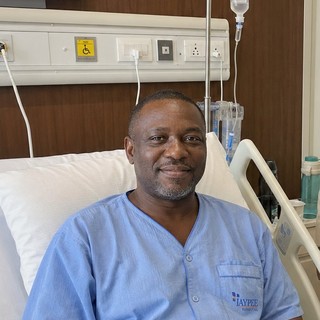
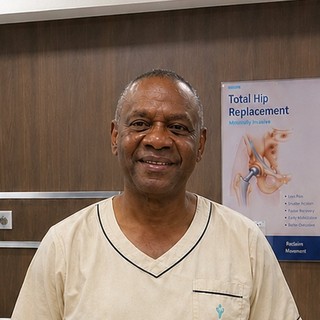
Key Takeaways
- Nigerian patients considering neurosurgery in India should not search for a single “best neurosurgery hospital” without first establishing what type of neurosurgical case they actually have. The guide explains that tumour, vascular, functional and skull-base neurosurgery require different combinations of surgeon expertise and hospital technology.
- A surgeon who regularly removes brain tumours is not automatically the correct specialist for an aneurysm, just as a hospital with a strong tumour programme may not have the vascular infrastructure required for complex cerebrovascular surgery.
- The first step should therefore be a confirmed diagnosis with full imaging. The document specifically advises families not to begin serious surgeon or hospital comparison until the condition and anatomy are sufficiently defined.
- The case-requirement matrix on page 2 shows that neuronavigation and dedicated neuro-ICU capability are relevant across nearly all major case categories, while awake mapping/neuromonitoring and vascular suites become more case-specific.
- For a non-eloquent-area brain tumour, the matrix identifies neuronavigation and neuro-ICU as key capabilities.
- For a tumour near speech or motor areas, the guide additionally identifies awake mapping or neuromonitoring.
- For vascular cases such as aneurysms or AVMs, the matrix shows the broadest equipment requirement: neuronavigation, awake mapping/neuromonitoring where relevant, neuro-ICU and an on-site vascular suite.
- Functional cases such as epilepsy surgery require neuronavigation, mapping/monitoring and neuro-ICU capability.
- The guide gives four major warning signs: vague answers about neuronavigation, no plan for full histological and molecular pathology, surgery proposed before proper imaging review and reluctance to discuss procedure-specific complication rates.
- After surgery, the patient should return to Nigeria with complete documentation, including pathology results, for continuing care with a Nigerian neurologist or neurosurgeon.
Quick Facts
- Treatment
- Neurosurgery
- Country
- India
- Intended Audience
- Nigerian Patients and Families
- Primary Focus
- Selecting the Right Neurosurgeon and Hospital for the Exact Neurosurgical Case
- First Requirement
- Confirmed Diagnosis and Full Imaging
- Main Case Categories
- Brain Tumour, Vascular Neurosurgery, Functional Neurosurgery and Skull-Base Neurosurgery
- Primary Selection Principle
- Match the Specific Case to the Correct Surgeon Subspecialty and Hospital Capability
- Surgeon vs Hospital Weighting
- Surgeon 55% / Hospital 45%
- Why Hospital Weight Is High
- Neurosurgery Depends Heavily on Enabling Technology and Neuro-Critical-Care Infrastructure
- Recovery Question
- Ask for a Case-Specific Recovery and Follow-Up Plan
- Important Hospital Question
- Is Neuronavigation Standard for This Specific Case?
- Nigeria Neuronavigation Availability Score
- 0.1 Mean Score in a 2026 National Facility Rating
- Nigeria-Specific Interpretation
- Surgical Skill Exists, but Specific Technology Is Inconsistently Available
- Follow-Up
- Full Documentation and Pathology Should Be Handed to a Nigerian Neurologist or Neurosurgeon
In Brief
Nigerian patients choosing a neurosurgeon and hospital in India should first identify the exact neurosurgical category—tumour, vascular, functional or skull base—because different cases require different combinations of surgeon subspecialty experience and hospital technology. The guide weights the surgeon at 55% and the hospital at 45%, reflecting how heavily neurosurgery depends on both technical skill and enabling systems such as neuronavigation, awake mapping, a dedicated neuro-ICU and, for selected vascular or skull-base cases, an on-site vascular suite. Patients should verify the surgeon's specific case volume and complication rate, confirm that the named surgeon will perform the critical operative steps, and obtain written confirmation of case-specific technology and pathology capabilities before travelling.
START HERE
Know what your specific case actually requires
Before evaluating any specific surgeon or hospital, establish what category your case falls into, since this determines which capabilities genuinely matter for it. This single step, done properly, filters out a large share of otherwise reasonable-sounding options that simply do not fit the specific problem at hand.
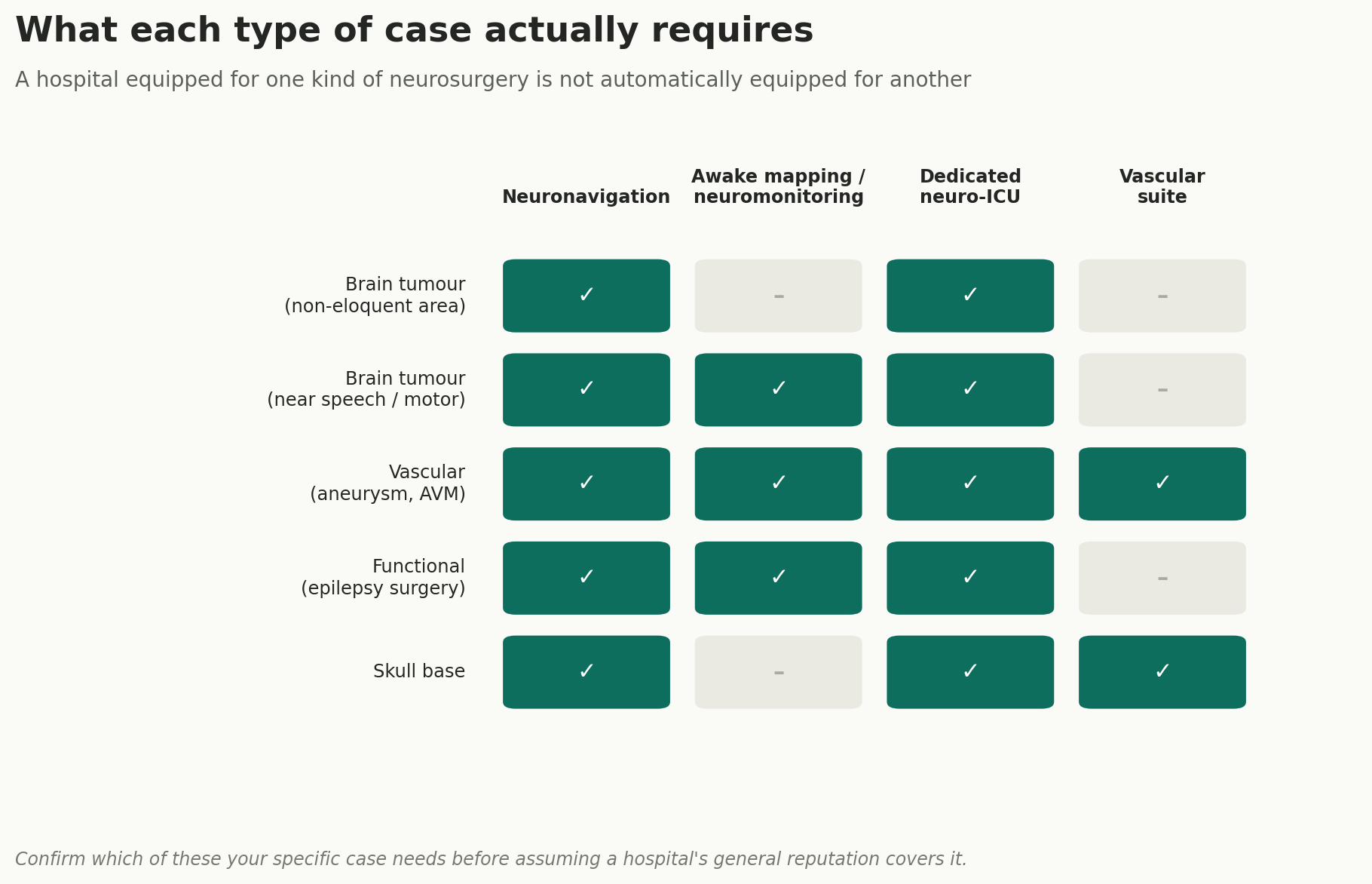
A hospital genuinely strong in tumour surgery may have no vascular suite at all; confirm the specific match for your case, not a general reputation.
Notice that neuronavigation and neuro-ICU capacity are required across nearly every category, while more specialised needs, a vascular suite, awake mapping, apply only to specific case types. This is useful precisely because it tells you which questions are universal and which are specific to your situation, saving time in any consultation call. A programme that cannot confirm the universal requirements, regardless of your specific case type, has already told you something important before the conversation goes any further.
THE BALANCE
Surgeon skill and hospital capability, closer to even here
Once the case type is clear, the next question is how to weigh the surgeon against the hospital in evaluating any specific option. For neurosurgery, this balance sits differently than it does for some other specialties covered elsewhere in this series.
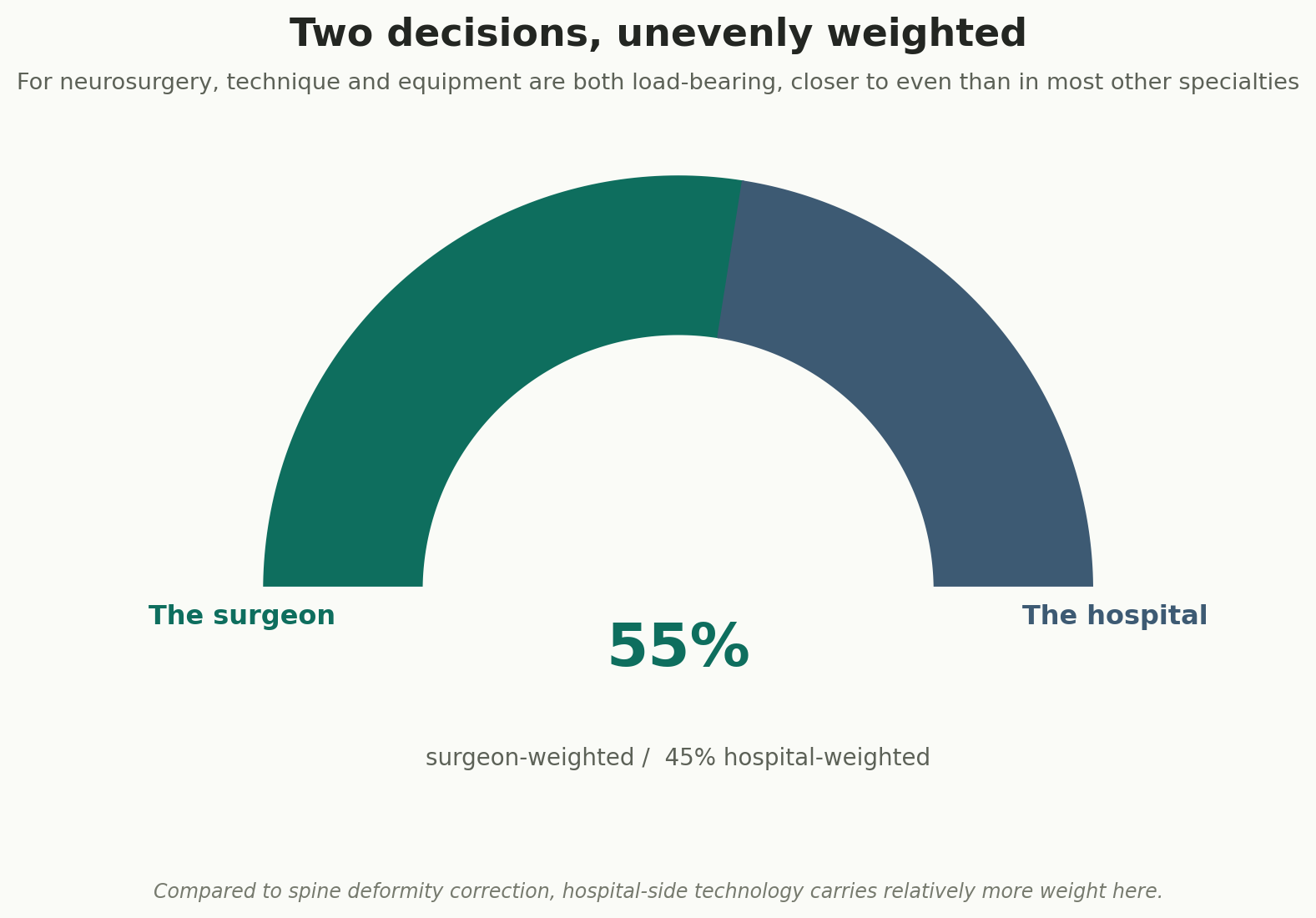
Compared to procedures where technique alone can substitute for missing technology, neurosurgery depends unusually heavily on specific enabling equipment working alongside a skilled surgeon.
The reason this balance sits closer to even is specific to how neurosurgery actually works: a highly skilled surgeon operating without neuronavigation, functional mapping, or adequate neuro-ICU support is working with a genuinely narrower safety margin than the same surgeon with that infrastructure in place. Skill and technology are less separable here than in many other surgical fields, which is exactly why both sides of this evaluation deserve serious, roughly comparable attention. Treating either side as a formality, assuming a well-known hospital must have the right equipment, or assuming any neurosurgeon can handle any case, is where this decision most commonly goes wrong.
A note on why this matters practically. "Neurosurgery" as a category covers everything from a straightforward, accessible tumour to a complex vascular malformation deep in the brain. The surgeon- hospital balance shown above is a general guide across the specialty; for the most complex case types identified in the matrix above, particularly vascular and skull base cases, hospital-side capability becomes even more central to the decision. A family evaluating a vascular case, for instance, should treat the presence of an on-site vascular suite as close to non-negotiable, regardless of how strong the surgeon's individual reputation is.
THE EVIDENCE
Two real figures, and why they matter to this decision
Rather than a general assertion that equipment matters, two specific, sourced figures illustrate exactly why, and both come from the kind of published clinical and health-systems literature this series relies on throughout, not marketing material from any hospital or clinic.
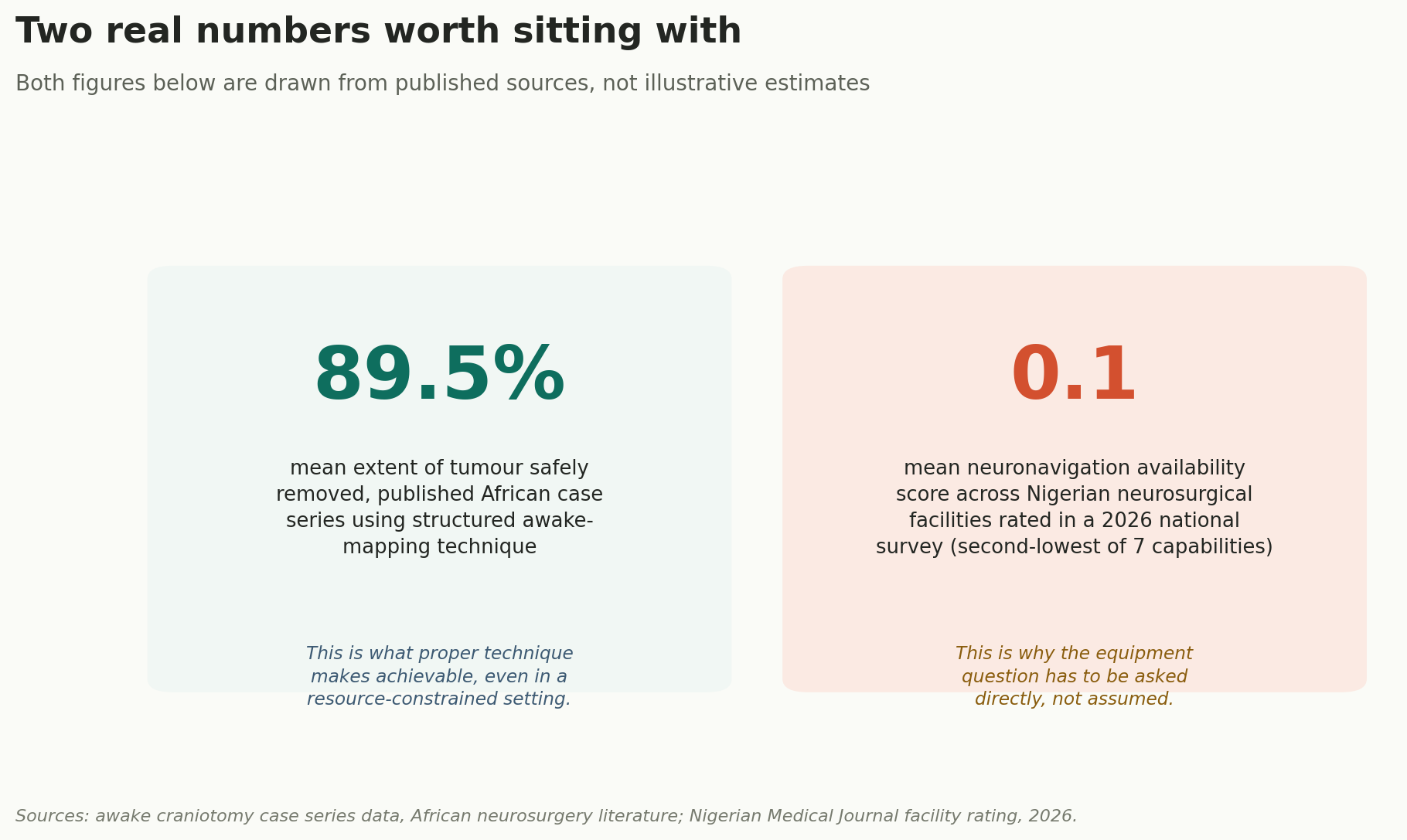
The first number shows what proper technique makes achievable, even in a resource-constrained setting. The second shows why that technique cannot simply be assumed to be present.
Read together, these two figures make the practical case for this entire guide: good outcomes are genuinely achievable, and the specific capability that enables them is documented as inconsistently available. The gap between what is possible and what is reliably present is exactly what a family's evaluation process needs to close. Neither figure is a reason for alarm on its own; together, they are a reason to ask specific, direct questions rather than accepting a general assurance that "we have good facilities" at face value.
THE VETTING CONVERSATION
What to actually ask, once the case type is clear
These questions are meant to be asked directly, in writing where possible, and a programme's willingness to answer them specifically, rather than reassuringly, is itself part of the evaluation.
Questions for the surgeon
- What is your specific case volume in this exact subspecialty? A high general neurosurgery volume does not confirm deep experience in your specific case type.
- What is your complication rate for this specific procedure? A candid, specific answer is more reassuring than a vague, reassuring one.
- Will you personally perform the critical steps of the operation? In some settings, a senior name is attached to a case a more junior surgeon largely performs; ask directly.
- What does a realistic recovery and follow-up plan look like for my specific diagnosis? A precise answer suggests real, case-specific experience.
Questions for the hospital
- Is neuronavigation used as standard for cases like mine, confirmed against the matrix above? Not every case needs it, but where it applies, it should not be optional.
- Is full histological and molecular pathology testing included? Knowing the precise tumour subtype changes what follow-up treatment is genuinely needed.
- What is the dedicated neuro-ICU or high-dependency capacity, and typical length of stay there? Recovery from major neurosurgery depends heavily on this infrastructure, not just the operation itself.
- For vascular or skull base cases specifically, is there an on-site vascular suite? Some case types cannot be safely managed without this, regardless of surgical skill.
Nigeria-specific Considerations
Why this evaluation carries extra weight here
A 2026 national rating of Nigerian neurosurgical facilities, assessing seven distinct subspecialty capabilities, found neuronavigation among the weakest nationally, and separate published Nigerian case reports describe complex brain tumour surgery, including awake craniotomy, performed without access to this specific technology. This does not reflect a shortage of surgical skill; Nigerian neurosurgeons are documented achieving real, careful results using anatomical technique alone where imaging-guided navigation was not available. It reflects a genuine, specific equipment gap that a family evaluating options abroad should understand clearly, since it is precisely the gap this guide's vetting questions are designed to surface. Understanding this distinction, skill present, specific technology inconsistently available, is what allows a family to ask precise questions rather than either dismissing domestic care entirely or assuming any facility abroad must automatically be better equipped.
Because most Nigerian families do not have an existing local benchmark for what a fully equipped neurosurgical programme looks like, verifying capability directly, rather than relying on a hospital's general reputation, matters more here than it would for a more routine, well-established procedure with a clearer domestic point of comparison. This is not a criticism of families navigating an unfamiliar system under real pressure; it is precisely why a structured checklist, rather than instinct or a hospital's marketing material, is the more reliable tool for this specific decision.
Four warning signs worth taking seriously
- Vague or evasive answers about whether neuronavigation is used for your specific case. A confident programme states this plainly and specifically.
- No clear plan for full pathology and molecular testing of any removed tissue. This affects real follow-up treatment decisions, not just diagnostic curiosity.
- A treatment plan proposed before your imaging has been properly reviewed. Neurosurgical planning depends entirely on the specific anatomy involved.
- Reluctance to discuss complication rates for your specific procedure type. Every genuinely experienced programme can speak to this directly.
A practical order of operations
- Get a confirmed diagnosis and full imaging before contacting any surgeon or hospital.
- Identify which category in the matrix your case falls into, and which capabilities that implies.
- Ask the surgeon-side questions first, and the hospital-side questions immediately after.
- Confirm neuronavigation and pathology testing explicitly, in writing, before booking travel.
- Travel, surgery, and a supervised recovery period appropriate to the specific procedure.
- Hand full documentation, including pathology results, to a Nigerian neurologist or neurosurgeon for ongoing follow-up.
Straight Answers for Nigerian Patients about Neurosurgery in India
Is a hospital good at brain tumour surgery automatically good at vascular neurosurgery?
Not necessarily. Different subtypes, tumour, vascular, functional, skull base, require different specific equipment and surgeon subspecialty experience, and a hospital equipped for one is not automatically equipped for another.
What is neuronavigation, and why does it matter so much?
It fuses a patient's scans with real-time tracking during surgery, like GPS guidance for the surgeon. A 2026 national survey found it among the least available capabilities across Nigerian facilities, making it essential to confirm directly rather than assume.
Why does the hospital matter more here than for some other specialties?
Neurosurgery depends unusually heavily on specific enabling technology, neuronavigation, functional mapping, dedicated neuro-ICU capacity, alongside surgeon skill, so both sides of the evaluation carry closer to balanced weight.
What is a realistic red flag when choosing a neurosurgery programme?
A programme that cannot clearly state whether neuronavigation and full molecular pathology testing are included, avoids discussing complication rates, or proposes surgery before reviewing your actual imaging, are all genuine warning signs.
What this guide is really about
Neurosurgery is not a single decision about finding "the best" surgeon or hospital in the abstract. It is a specific match between a specific type of case and the specific combination of surgical skill and hospital technology that case actually requires. Skipping the first step, understanding what your case genuinely needs, makes every question that follows harder to ask well. In twenty-four years of this work, the families who navigate this best identify their case's real category first, weigh the surgeon and hospital questions with roughly equal seriousness, and treat the equipment question, neuronavigation specifically, as a direct, answerable fact to confirm rather than an assumption to make. The operation may take hours. Getting this match right, the category, the surgeon, the equipment, all three, together, is what those hours actually depend on.
Sources
- 🌐 American Association of Neurological Surgeons — Choosing a neurosurgeon, patient resources
- 🌐 The Rating of Nigerian Neurosurgical Facilities Based on the Availability of Sub-Specialty Services in 2024. Nigerian Medical Journal, 2026
- 🌐 Awake Craniotomy in Africa: A Scoping Review of Literature and Proposed Solutions to Tackle Challenges. Neurosurgery, 2023
- 🌐 NHS (UK) — Neurosurgery: overview – nhs.uk
- 🌐 High Commission of India, Abuja — Medical and Medical Attendant Visa requirements
Frequently Asked Questions by Nigerians about Neurosurgery in India
How should Nigerian patients choose the best neurosurgeon in India?
First identify the exact neurosurgical category and then ask how many cases in that specific subspecialty the surgeon personally performs. A high general neurosurgery volume does not automatically demonstrate expertise in tumour, vascular, functional or skull-base surgery.
Is a hospital that is good at brain tumour surgery automatically good at vascular neurosurgery?
No. The guide explicitly says different neurosurgical categories require different technology and subspecialty expertise. A strong tumour programme may not have the vascular suite required for aneurysm or AVM treatment.
What is neuronavigation and why is it important?
Neuronavigation combines the patient's scans with real-time surgical tracking, functioning like image-guided GPS for the surgeon. The guide highlights it because a 2026 Nigerian assessment found neuronavigation among the least available neurosurgical capabilities nationally.
Is the surgeon or hospital more important in neurosurgery?
The guide weights the surgeon at 55% and hospital at 45%. The split is deliberately close because skilled surgery depends heavily on neuronavigation, functional mapping, neuro-ICU care and other institutional capabilities.
What hospital facilities are important for brain tumour surgery?
Neuronavigation and dedicated neuro-ICU capability are important across most tumour cases. Tumours near speech or motor areas may additionally require awake mapping or neuromonitoring.
What should Nigerian patients check for vascular neurosurgery in India?
The guide identifies neuronavigation, neuro-ICU support and an on-site vascular suite as important. For relevant complex vascular cases, the vascular suite is described as close to non-negotiable.
What should patients ask the neurosurgeon before paying a deposit?
Ask about exact subspecialty case volume, the surgeon's complication rate for the specific operation, whether the named surgeon will personally perform the critical steps and what realistic recovery and follow-up should look like.
Why does molecular pathology matter after neurosurgery?
For tumour cases, full histological and molecular pathology can determine the precise tumour subtype and influence what additional treatment or surveillance is required after surgery.
Does this guide provide a neurosurgery cost range for India?
No. This particular surgeon-and-hospital-selection guide does not provide a specific treatment-cost range, so one should not be added when summarising the document.
What are the main warning signs when evaluating a neurosurgery programme?
The guide identifies four: vague answers about neuronavigation, no clear plan for histological and molecular pathology, surgery proposed before the actual imaging has been properly reviewed and reluctance to discuss procedure-specific complication rates.
Page Summary
This guide argues that neurosurgery is not one specialty when Nigerian families compare hospitals in India. The right surgeon and hospital depend first on whether the case is a brain tumour, a vascular lesion, a functional disorder or a skull-base condition, and a centre strong in one cannot be assumed equipped for another. Neuronavigation and a dedicated neuro-ICU are needed across almost every category, while awake mapping, neuromonitoring and vascular-suite access matter for particular cases. The weighting is 55% surgeon to 45% hospital, kept deliberately close because technique and infrastructure work together. A published African awake-mapping series reported 89.5% mean safe resection, while a 2026 Nigerian facility assessment scored neuronavigation availability at 0.1 — Nigerian surgical skill can be strong even where the technology is not consistently there.
Citation Block
| Topic | Information |
|---|---|
| Topic Information | Selecting Neurosurgeons and Hospitals in India for Nigerian Patients |
| Procedure | Neurosurgery |
| Country | India |
| Intended Audience | Nigerian Patients and Families |
| Case Types Covered | Brain Tumour, Vascular, Functional and Skull-Base Neurosurgery |
| First Requirement | Confirmed Diagnosis and Full Imaging |
| Primary Selection Principle | Match the Exact Case to the Correct Surgeon Subspecialty and Hospital Technology |
| Surgeon Weighting | 55% |
| Hospital Weighting | 45% |
| Core Hospital Technology | Neuronavigation |
| Critical Hospital Facility | Dedicated Neuro-ICU |
| Follow-Up | Full Documentation and Pathology Handover to Nigerian Neurologist/Neurosurgeon |


Our Mission Statement
Our mission is to place patients at the centre of every healthcare decision by providing trustworthy, evidence-based, and unbiased medical information. We believe that informed patients make better decisions. Backed by personalised guidance from our experienced advisory team, we help patients understand their treatment options, compare them objectively, and confidently choose the path that best suits their medical needs and personal circumstances.
Patient Testimonials from Nigeria
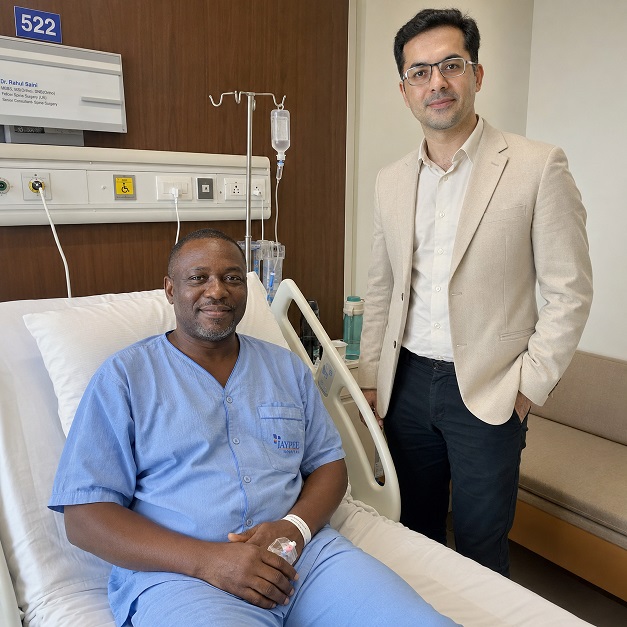
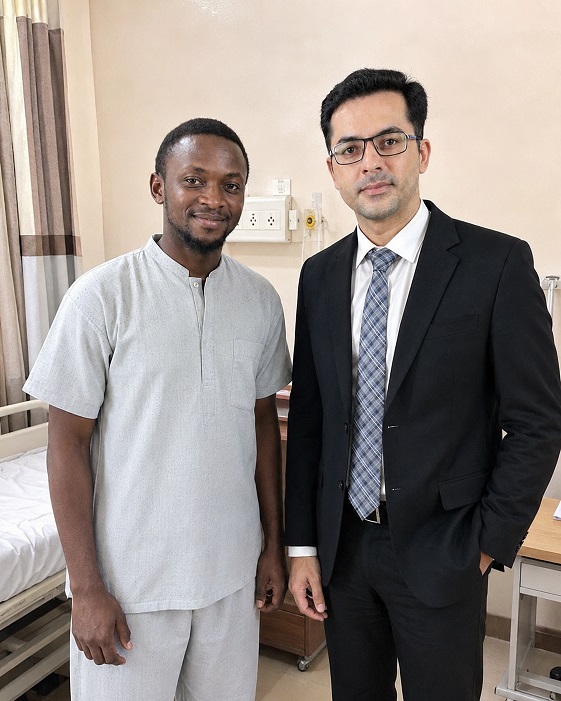
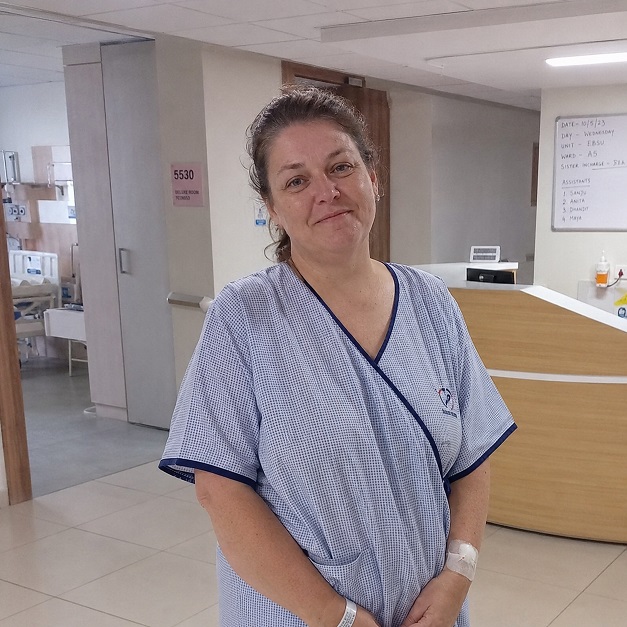
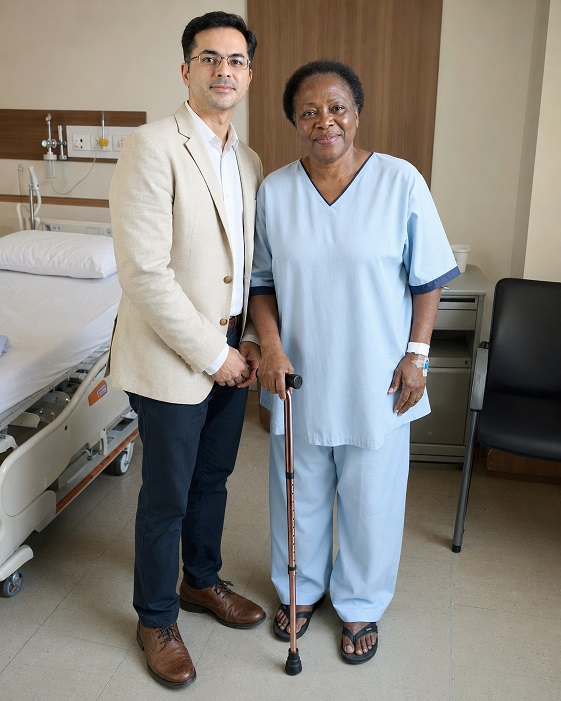
Ready to Take the First Step?
Share your Medical Reports with our Healthcare Managers Today and Get a FREE CONSULTATION, a Personalized Treatment Plan, and Complete Support from Arrival to Recovery.
Get Your Free ConsultationAreas We Serve
This resource has been thoughtfully prepared for patients from Nigeria who are considering medical treatment in India. We also welcome patients from the wider region in the countries mentioned below-
We assist patients from:
- Benin
- Niger
- Chad
- Cameroon
- Algeria
- Egypt
- Libya
- Morocco
- Sudan
- Tunisia
- Gambia
- Ghana
- Burkina Faso
- Cabo Verde
- Côte d'Ivoire
- Equatorial Guinea
- São Tomé and Príncipe
Many of the insights, treatment pathways, hospital recommendations, travel guidance, and patient support services described here are equally relevant and may be used as a reference when planning treatment in India.
From Nigeria to India: Your Complete Patient Support Guide
- Artificial Disc Replacement in India for Nigerian Patients
- Weight Loss and Bariatric Surgery in India for Nigerian Patients
- Bone Marrow Transplant in India for Nigerian Patients
- Brain Tumour Surgery in India for Nigerian Patients
- Breast Cancer Treatment and Surgery in India for Nigerian Patients
- Cancer Treatment and Surgery in India for Nigerian Patients
- Cardiac Arrhythmia and Heart Pacemaker Treatment in India for Nigerian Patients
- Cardiac Surgery in India for Nigerian Patients
- Colorectal Cancer Treatment and Surgery in India for Nigerian Patients
- Complex Orthopaedic and Joint Revision Surgery in India for Nigerian Patients
- Cornea Transplant and Advanced Eye Surgery in India for Nigerian Patients
- CyberKnife Treatment in India for Nigerian Patients
- Gamma Knife Treatment in India for Nigerian Patients
- Heart Failure Treatment and Surgery in India for Nigerian Patients
- Hip Surgery in India for Nigerian Patients
- HIPEC Cancer Surgery in India for Nigerian Patients
- IVF and Fertility Treatment in India for Nigerian Patients
- Joint Arthroscopy and Sports Medicine in India for Nigerian Patients