

Choosing a Hip Surgeon and Hospital in India: A Nigerian Patient’s Decision File
Why the cheapest hip quote is often the right implant for the wrong patient — and how a Nigerian family tells three proposals apart.
A trader in Kano, 41, sickle cell disease, with both femoral heads dying and the right one already collapsed. He sends the same films to three Indian hospitals. The first quotes $4,900 for a cemented hip. The second quotes $6,300. The third quotes $8,400 for a ceramic-on-polyethylene cementless hip and mentions, almost in passing, that a haematologist should see him before he travels. He is 41. Whatever goes in will have to last through decades of work, and one of those three quotes is priced for a man of 75. That is the thing about hips that catches Nigerian families out: the cheapest quote is often perfectly good hardware for the wrong patient. In 24 years of moving West African patients into Indian operating theatres, I have seen more hip regret come from age and diagnosis being ignored than from surgical technique. This file is how to take those three quotes apart. The consultation that matters happens before you book anything: your films, read out loud, by a surgeon willing to name the implant, name the bearing, and explain why it suits your age rather than his stock.
Healing Journeys of Nigerian Patients




Key Takeaways
- Nigerian patients should compare hip replacement quotations by the implant, bearing surface and fixation method, not by price alone. A cemented hip for an older patient and a cementless ceramic-bearing hip for a younger patient are not equivalent treatments.
- India may be particularly suitable for complex cases involving avascular necrosis, sickle cell disease, both hips, previous hip replacement failure, deformity, childhood infection and neglected fractures.
- Before recommending replacement, the surgeon should explain whether the joint has already collapsed or whether a joint-preserving procedure such as core decompression may still be possible.
- Patients should ask for the implant manufacturer, system, bearing surface, head size and whether fixation will be cemented or cementless.
- For Nigerian patients with sickle cell disease, the hospital should arrange haematology review before travel, including blood assessment, transfusion planning, hydration and oxygenation protocols.
- A surgeon’s annual hip replacement volume and experience with the patient’s exact diagnosis are more useful than general claims about hospital reputation.
- Most Nigerian patients are quoted approximately USD 4,800–8,500 for one total hip replacement at an accredited Indian hospital.
- The estimated complete medical travel budget is approximately ₦8 million–₦15 million, including surgery, implant, flights for two, accommodation and physiotherapy.
- Patients should usually plan to remain in India for approximately 21 days, including pre-operative evaluation, hospitalisation, supervised physiotherapy and fitness-to-fly review.
- Long-term success depends on supervised rehabilitation, written movement precautions, implant documentation and coordinated follow-up after returning to Nigeria.
Quick Facts
- Conditions Covered
- Avascular Necrosis, Sickle Cell–Related Hip Damage, Osteoarthritis, Femoral Head Collapse, Neglected Femoral Neck Fracture, Childhood Hip Infection, Stiff or Fused Hip, Protrusio, Failed Hip Replacement and Bilateral Hip Disease
- Procedures Mentioned
- Total Hip Replacement, Cemented Hip Replacement, Cementless Hip Replacement, Ceramic-on-Polyethylene Hip Replacement, Core Decompression, Bilateral Hip Replacement and Revision Hip Replacement
- Target Audience
- Nigerian patients considering hip surgery or total hip replacement in India
- Treatment Highlights
- High-volume hip surgeons, implant selection based on age and activity, haematology support for sickle cell disease, infection and dislocation monitoring, supervised physiotherapy, written movement precautions and coordinated follow-up
- Indicative Hip Replacement Cost
- USD 4,800–8,500 for one total hip replacement
- Estimated All-In Budget
- Approximately ₦8 million–₦15 million
- Typical Stay in India
- Approximately 21 days
- Hospital Stay
- Approximately 4–5 days
- Important Implant Details
- Manufacturer, implant system, bearing surface, head size, cemented or cementless fixation and implant card
- Important Sickle Cell Planning
- Genotype disclosure, haematologist review, blood count, transfusion strategy, hydration, oxygenation, warming and planning for the second hip
- Important Pre-Travel Records
- Standing X-ray of the complete pelvis, MRI images, previous scans, genotype, blood investigations and current medication list
- Medical Travel Requirements
- Hospital invitation letter, Indian Medical Visa, Medical Attendant Visa, valid yellow fever certificate and changeable return ticket
- Author/Advisor
- Dr. Dheeraj Bojwani
- Experience
- 24+ Years in Medical Travel
In Brief
Choosing a hip surgeon and hospital in India requires Nigerian patients to look beyond the package price. The most important factors are the surgeon’s annual hip volume, experience with the patient’s diagnosis, the proposed implant and bearing surface, fixation method, infection and dislocation results, and the quality of rehabilitation. For younger patients and those with avascular necrosis or sickle cell disease, implant durability and haematology planning are especially important. A detailed written quotation should explain what is included, possible escalation costs, physiotherapy arrangements and the expected fit-to-fly timeline.
First: what you are actually comparing
Start by being fair to home. Nigeria does hip replacement, and does it with real skill. The National Orthopaedic Hospital, Igbobi, has been replacing hips for decades, with sister institutions in Enugu and Dala, Kano, and LUTH, UCH Ibadan and the National Hospital Abuja all carry serious orthopaedic weight. On the private side, Duchess International and Lagoon in Lagos, Cedarcrest and Garki in Abuja, Reddington and Euracare run arthroplasty lists staffed by competent, often foreign-trained surgeons. Nobody serious tells Nigerian patients their country cannot operate.
The comparison is not skill against no skill. It is depth against depth. A senior hip surgeon at a large Indian centre may do 250 to 400 hips a year and almost nothing else; the full range of stem sizes, heads, bearings and revision options sits on the shelf, so the implant is chosen in theatre rather than by what could be imported in time; both hips can be done in one admission; and haematology, cardiology and a physiotherapy gym are in the same building, for the same bill. That concentration is what you are buying, and it is why cost usually falls rather than rises when Nigerian patients cross over.
The trip earns its keep most clearly when both hips are affected and you want them done together, common in sickle cell disease; when you are young enough that this will not be your last hip and the bearing choice matters; when the hip is stiff, fused, protruded or wrecked by childhood infection or an old neglected fracture, so a standard implant will not simply drop in; when a previous replacement needs revision; or when the Lagos private quote already sits close to the Indian one. If your case is a straightforward primary hip and you have a local surgeon who does hips week in and week out, put the same seven questions to him. They work equally well in Lagos.
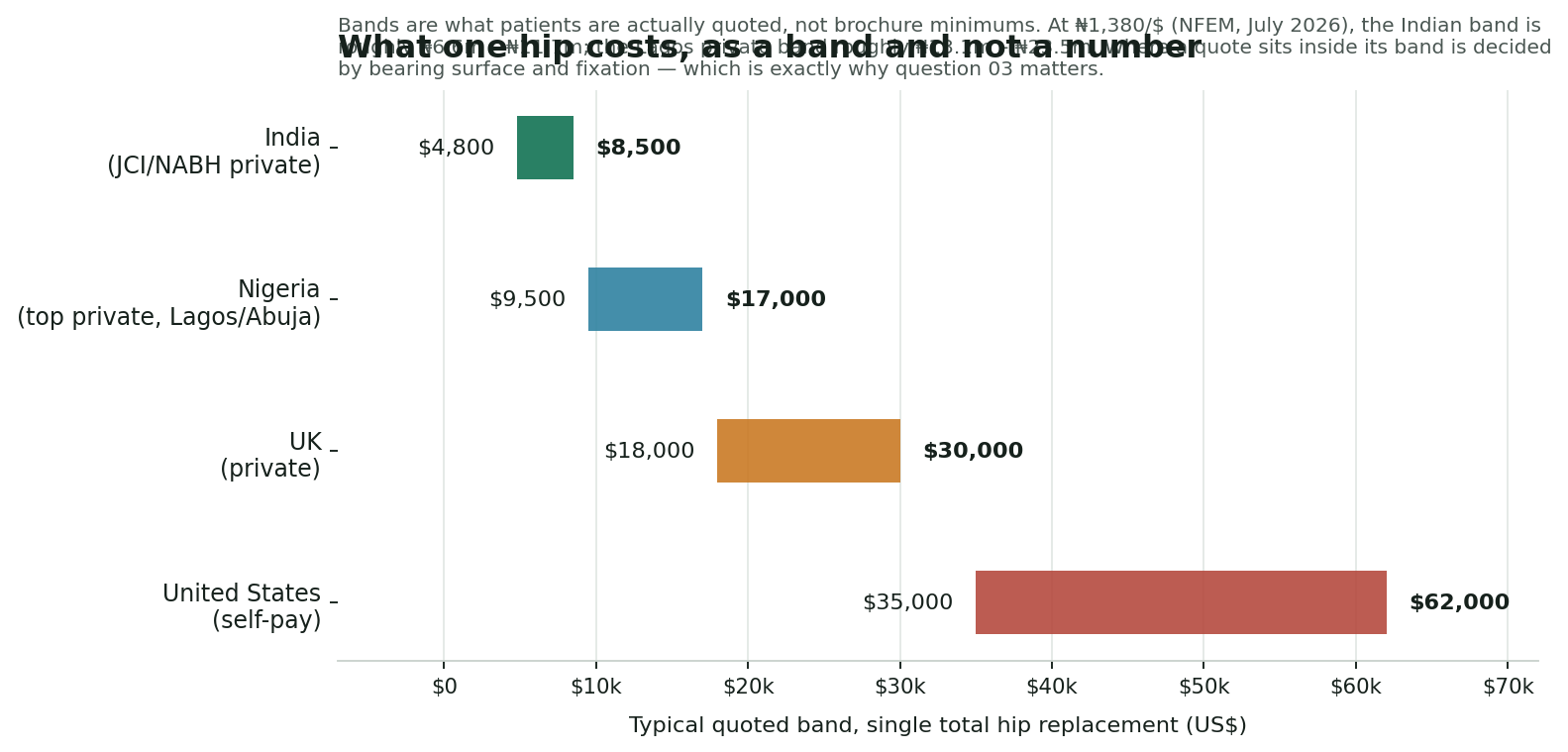
Ranges, not single figures. The band is wide because what sits inside it differs: a cemented hip for an elderly patient and a cementless ceramic hip built to last a working lifetime are two different bills.
The seven questions
What follows is not a list of things to “consider.” It is seven questions to send in writing to every hospital that has quoted you. The answers — and how specific they are — will separate those quotes faster than any brochure or ranking page.
01 Who operates, how many hips a year — and how many in patients like me?
Volume has a boring, well-documented relationship to outcome: a surgeon doing 300 hips a year meets the awkward intra-operative moment differently from one doing 40. But the second half matters just as much here — how many does he do in your situation? Avascular necrosis in a young patient, a hip wrecked by childhood infection, a neglected femoral neck fracture, a stiff or protruded hip: none of those is a routine primary. Ask his infection and dislocation rates in the same message.
| Good Answer | Bad Answer |
|---|---|
| “Dr X does around 320 hips a year, roughly 90 of them for avascular necrosis, many in patients under 45.” | “Our surgeons are highly experienced and internationally trained.” That is a sentence about nobody. |
02 Is my hip actually ready for replacement, or is there still a joint- preserving option?
Ask this before anything about price. In avascular necrosis caught early, before the femoral head collapses, core decompression and related procedures can buy years and are far smaller operations. Once the head has collapsed and the socket is damaged, that window has closed and replacement is the honest answer. The logic runs both ways: a hip already destroyed does not improve with waiting, and delaying while the bone deforms makes the eventual operation harder. A surgeon who tells you which side of that line your films sit on is worth listening to.
| Good Answer | Bad Answer |
|---|---|
| A staged reading of your films that names where the disease has reached and why replacement is or is not yet the right step. | An operation date offered before anyone has explained what stage the hip is at. |
03 Which implant, bearing surface, head size and fixation — and why that choice for my age?
This is where the $4,900 and $8,400 quotes part company. The gap is rarely skill; it is hardware. Ask for the manufacturer and system in writing, whether stem and cup are cemented or cementless, which bearing is proposed and what head size. Younger, heavier, more active patients are usually served by a hard-wearing bearing and cementless fixation, because the goal is to push the first revision as far away as possible. Then ask what almost nobody asks: if this hip needs revision in fifteen years, can a surgeon in Nigeria identify the system and obtain matching parts? Choose a globally distributed implant, then keep and photograph the implant card.
| Good Answer | Bad Answer |
|---|---|
| A named system, a named bearing, and a reason tied to your age, weight and activity — plus an implant card promised at discharge. | “We use imported high-quality implants.” Every hospital on earth says this. |
04 How will my sickle cell disease be managed around the operation?
For Nigerian hip patients this often decides everything, because avascular necrosis in sickle cell disease is one of the commonest reasons to need a hip at forty rather than seventy. It changes the whole operation: the transfusion target before theatre, oxygenation and warming during it, hydration afterwards, a higher risk of infection and blood loss, harder bone that lengthens the procedure, and a real chance the other hip needs doing too. Put your genotype in the very first message. The right response is a haematologist reviewing you before you fly, not a coordinator saying it will be handled on arrival.
| Good Answer | Bad Answer |
|---|---|
| A named haematologist involved before travel, a stated transfusion strategy, and a plan for the second hip. | Silence about your genotype, or a quote issued without anyone asking for a blood count. |
05 Which approach do you use, and what are your dislocation and infection rates?
Patients read a great deal about anterior versus posterior approaches. The honest answer is that a surgeon who has done thousands through the approach he trained in will beat one experimenting with the fashionable alternative. Ask which he uses, then move straight to the numbers that describe his results: dislocation rate, deep infection rate, and how he counts them. Deep infection costs a second operation and usually a second implant. A unit that measures it keeps it down; a unit that answers with adjectives is telling you it does not.
| Good Answer | Bad Answer |
|---|---|
| “Posterior, which is what I have always used; dislocation under 1%, deep infection under 1%, counted at 90 days.” | “We have a very high success rate, over 99%.” Unmeasured perfection is marketing. |
06 What is not in this quote, and what happens if the operation escalates?
Serious disputes almost never concern the quoted price. They concern what the quote silently omitted — and hips escalate. Ask what happens to the bill if bone graft or an augment is needed, if a longer stem must be used, if a transfusion or unplanned ICU night follows. Then the ordinary questions: extra hospital days, physiotherapy beyond the package, a problem found at work-up, accommodation for your attendant. If both hips are in play, ask what the second costs in the same admission and whether he advises doing them together. Get currency, payment method and refund terms in the same reply.
| Good Answer | Bad Answer |
|---|---|
| An itemised estimate with a named scope, per-day rates for overruns, a stated position on graft and revision components, and a written escalation route. | A round number in a WhatsApp message with no breakdown. |
07 How much supervised physiotherapy before I fly, and what is the plan back in Lagos?
A hip replacement is not finished when the wound closes. Ask how many supervised sessions are included and what the movement precautions are — then translate them into your actual life. Low stools, deep sofas, squat toilets, long services on hard pews and climbing onto an okada or into a keke are exactly what puts a new hip at risk in the early months, and a good physiotherapist will work through them with you. Then secure the handover: a discharge summary a Nigerian doctor can act on, a named physiotherapist in your city who already has your protocol, a channel for reaching the surgeon, and a plain list of symptoms meaning go to hospital tonight, not message tomorrow.
| Good Answer | Bad Answer |
|---|---|
| A daily physiotherapy schedule, written precautions adapted to how you actually live, and a fit- to-fly review at around day 18–21. | “Physiotherapy is arranged as needed. You can always call us.” |
Turn the answers into a score
Seven answers are hard to compare side by side, so turn them into numbers. Score each hospital 0 to 10 on the six axes below. Under 40 out of 60 does not deserve your deposit, whatever the price says.
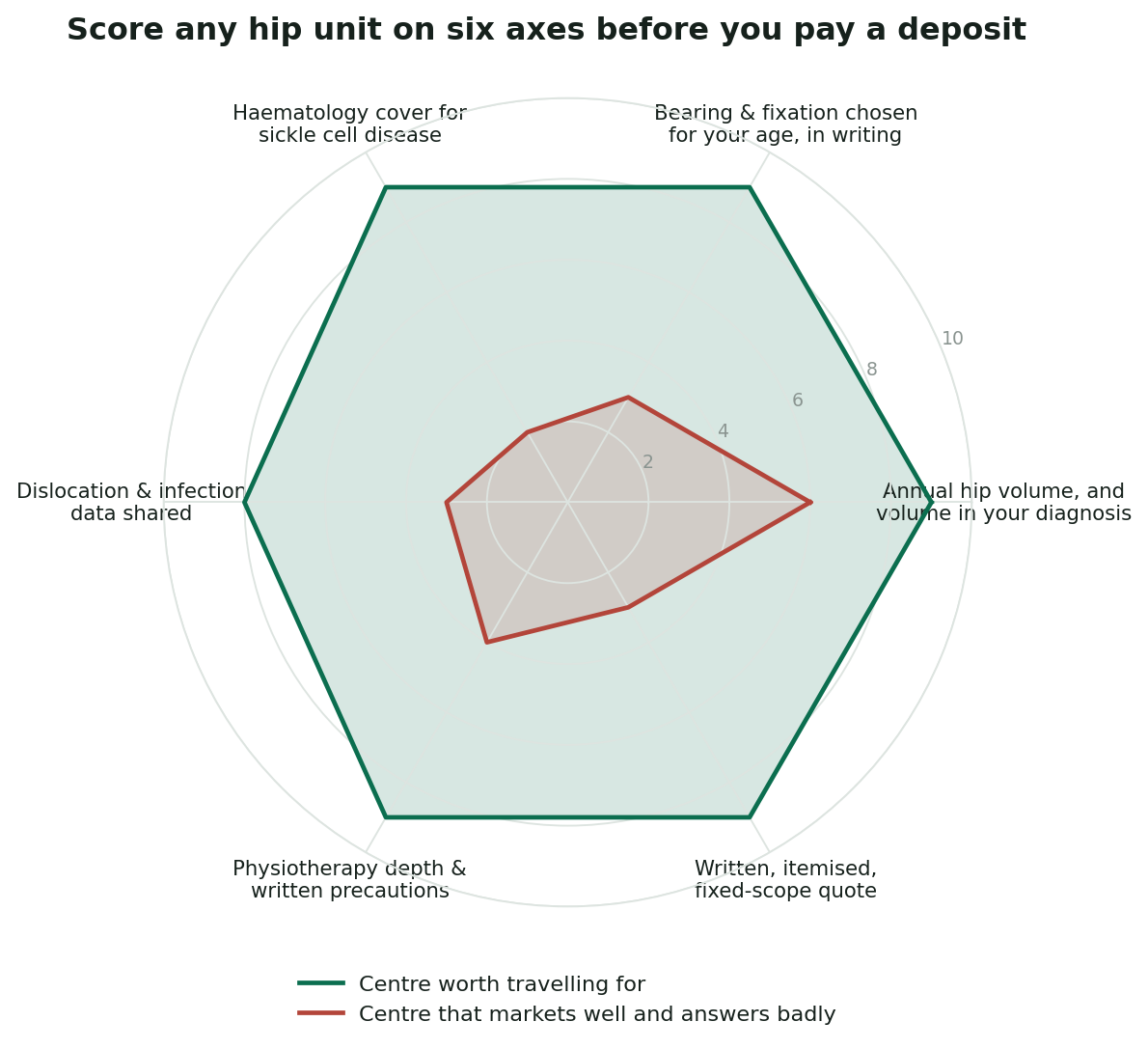
The shape tells you more than the total. Weak units score well on logistics, because that is the sales function, and thin out wherever the clinical answers live.
| Axis | What a 10 looks like | Your score |
|---|---|---|
| Hip volume, and volume in your diagnosis | A specific annual number, plus how many cases like yours, plus infection and dislocation figures | ___ / 10 |
| Bearing and fixation justified | Named system and bearing, chosen for your age, weight and activity, in writing | ___ / 10 |
| Haematology cover | A haematologist engaged before travel, with a stated transfusion and hydration plan | ___ / 10 |
| Dislocation and infection data | Real figures, a stated method of counting, and a caveat about case mix | ___ / 10 |
| Physiotherapy depth | Daily supervised sessions and written precautions adapted to how you live | ___ / 10 |
| Written itemised quote | Fixed scope, listed exclusions, overrun rates, position on graft and revision parts | ___ / 10 |
Four Ways Nigerian Patients Get Burned
- Comparing prices before comparing implants. A cemented hip and a cementless ceramic hip are not the same product. Settle what is going in, then compare what it costs.
- Paying a person instead of a hospital. Money moves to an account in the hospital’s own name against an invoice. A personal account or a “facilitation fee” paid before any medical opinion exists is not a booking.
- Hiding the genotype until arrival. Sickle cell disease is not a detail to mention at admission. Declared early it is planned for; declared late it becomes an emergency in a strange country.
- Underbudgeting the tail. Surgery is about a quarter of the spend. Implants, flights for two, three weeks of hotel and food, and physiotherapy are what ambush families.
The money, in naira and in plain terms
Two facts frame everything. The naira has held a relatively stable band through mid-2026, near ₦1,380 to the dollar on the official NFEM window and roughly ₦1,410–1,425 in the parallel market. The second is the one no brochure prints: this is out-of-pocket money. Cover under the NHIA framework is built around care delivered inside Nigeria, and standard HMO plans do not fund elective surgery abroad. Assume you are funding this yourself, then check your schedule.
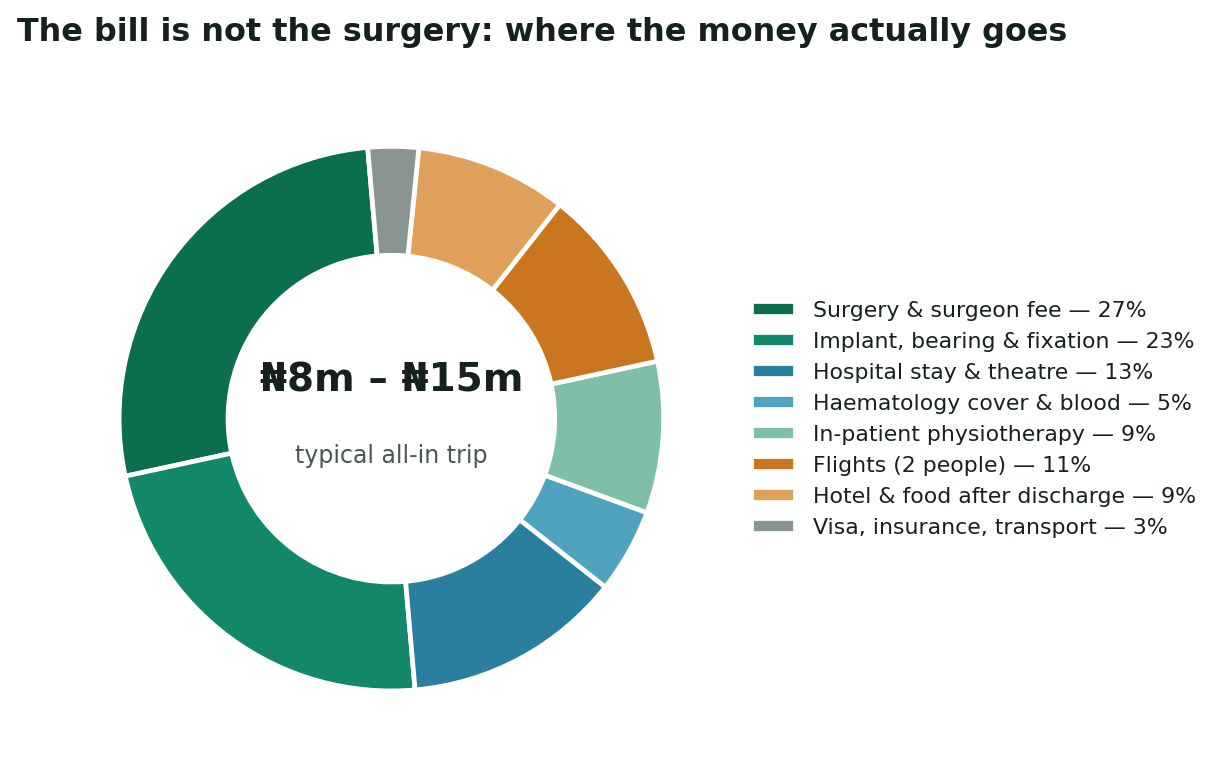
The implant nearly matches the surgical fee itself, which is precisely why question 03 — which bearing, and why — is also a financial question.
Practical money rules. Transfer to the hospital’s own account and keep the SWIFT confirmation. Take the estimate in dollars and never let an intermediary set your exchange rate. Carry cards from two banks and leave a naira buffer at home. Budget 15% contingency — not because Indian hospitals overcharge, but because bodies do not read estimates.
The clock, and the Nigeria-specific practicalities
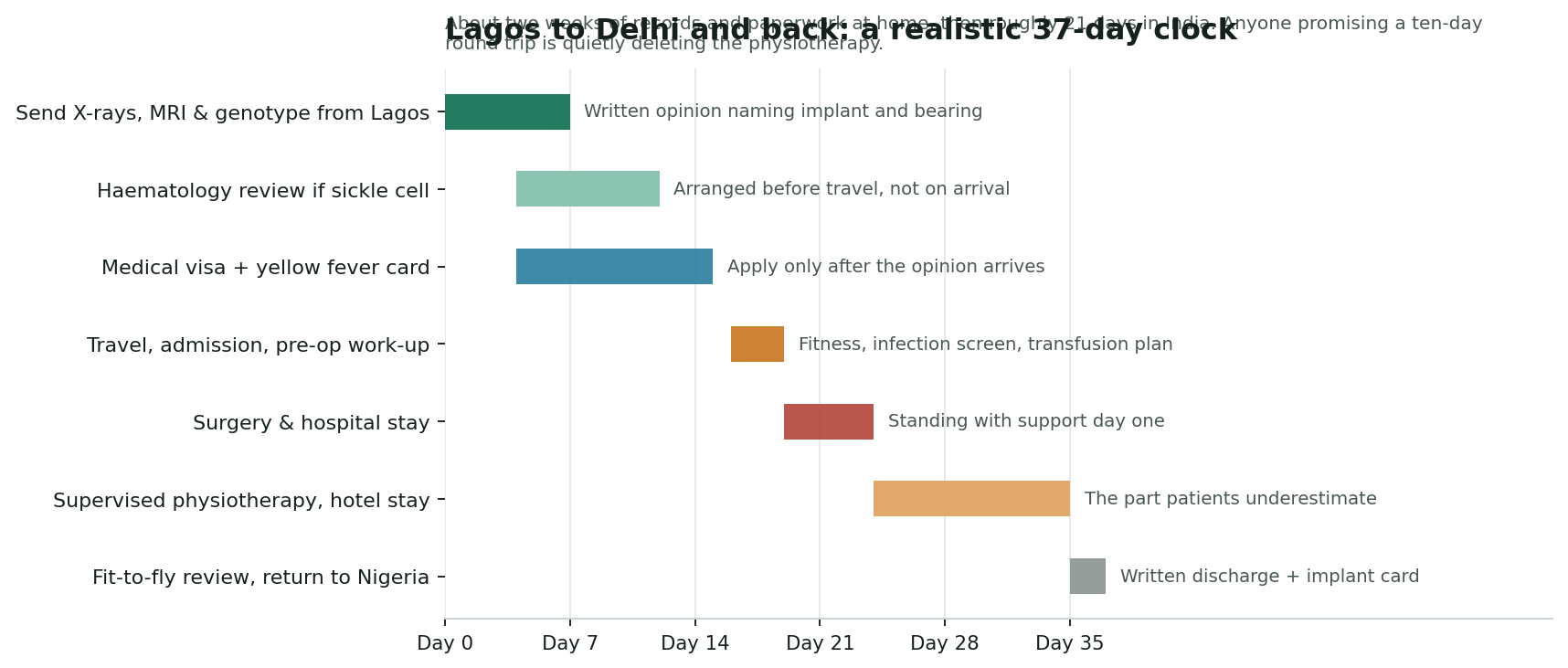
Build the calendar backwards from the fit-to-fly review, not forwards from the flight you would like to take. If sickle cell is in the picture, the haematology review belongs at the start of this chart, not the middle.
Yellow fever is not optional. Travelling from Nigeria you need a valid yellow fever certificate to enter India, presented on arrival. Sort it early; it derails more departures than anything else on this list.
Apply for the visa after the opinion, not before. The Indian High Commission in Abuja and the Consulate General in Lagos handle Nigerian applications, and the medical visa is issued against the hospital’s invitation letter. Put the medical attendant visa in the same batch; nobody should do this trip alone, and after a hip replacement you will need a second pair of hands for weeks.
Routing and the flight home. With no practical non-stop from Lagos or Abuja, most patients connect through Addis Ababa, Dubai, Doha or Istanbul — fifteen to twenty hours door to door, and the clot risk is real. Ask for an aisle seat, walk hourly, take the prescribed clot prevention seriously, and drink water steadily, which matters doubly in sickle cell disease where dehydration is exactly the trigger to avoid. Be certain the surgeon has cleared you to fly before booking the return.
Send both hips, not just the painful one. Ask your imaging centre for a standing X-ray of the whole pelvis, and send the MRI study itself rather than only the report. In sickle cell and steroid-related disease the second hip is very often already affected without hurting yet, and knowing that before you travel changes the plan, the budget and possibly the number of operations.
None of that is exotic or expensive to get right. In 24 years of this work, the trips that went wrong almost never went wrong in theatre. They went wrong in a WhatsApp thread three weeks earlier, where a question was not asked.
Straight Answers for Nigerian Patients about Hip Surgery in India
How much does hip replacement surgery cost in India for a Nigerian patient?
Most Nigerian patients are quoted US$4,800 to US$8,500 for one total hip replacement at an accredited Indian hospital — roughly ₦6.6m to ₦11.7m at mid-2026 rates. Where a quote sits inside that band is decided mainly by the bearing surface and fixation. Budget ₦8m to ₦15m all-in, including flights for two, accommodation and physiotherapy.
How long must a Nigerian patient stay in India for hip surgery?
About twenty-one days in India: three days of pre-operative work-up, four to five as an in-patient, then roughly eleven days of supervised physiotherapy before a fit-to-fly review. Add about two weeks at home beforehand for films, opinion, haematology review and the visa. A ten-day package has removed the physiotherapy.
I have sickle cell disease and avascular necrosis of the hip. Can I still have surgery in India?
Yes, and it is one of the commonest reasons Nigerian patients travel. What matters is that the hospital plans for it: a haematologist reviewing you before you fly, a stated transfusion target, careful oxygenation, warming and hydration around the operation, and a plan for the second hip, which is frequently affected too. Send your genotype and blood results in the first message.
Will NHIA or my Nigerian HMO pay for hip surgery in India?
Almost certainly not. Cover under the NHIA framework is built around accredited providers inside Nigeria, and standard HMO plans do not fund elective surgery abroad. A few corporate and international policies carry overseas benefits, so ask your HMO in writing first.
What documents does a Nigerian patient need to travel to India for hip surgery?
A passport valid six months, an Indian medical visa issued against the hospital’s invitation letter, attendant visas for family, a valid yellow fever certificate, and your full file: a standing X-ray of the whole pelvis, the MRI study itself rather than only the report, genotype and blood results, and a list of current medicines.
A closing word
Send the seven questions to all three hospitals tonight and give them 48 hours. Read the replies not for what they promise but for what they will be specific about, because specificity is the one quality here that cannot be faked cheaply.
Frequently Asked Questions by Nigerians about Hip Surgery in India
Why do Nigerian patients choose India for hip replacement surgery?
Nigerian patients may choose India for access to high-volume hip surgeons, a wider range of implants and bearing surfaces, specialist support for sickle cell disease, bilateral hip replacement, revision surgery, and structured physiotherapy in one hospital system.
How much does hip replacement surgery in India cost for Nigerian patients?
A single total hip replacement is generally quoted at around USD 4,800–8,500. The complete trip may cost approximately ₦8 million–₦15 million after including the implant, flights for two, accommodation, physiotherapy, visas and other expenses.
How long should Nigerian patients stay in India after hip replacement?
Most patients should plan to stay for about 21 days, including approximately three days of pre-operative evaluation, four to five days in hospital, supervised physiotherapy and a fit-to-fly assessment around day 18–21.
Can Nigerian patients with sickle cell disease undergo hip replacement in India?
Yes. The hospital should arrange a haematology review before travel, assess the blood count, prepare a transfusion strategy and plan hydration, oxygenation, temperature control and infection prevention around surgery.
Is hip replacement always necessary for avascular necrosis?
No. In early avascular necrosis before the femoral head collapses, joint-preserving procedures such as core decompression may still be considered. Once the head has collapsed and the socket is damaged, total hip replacement is more likely to be recommended.
Which hip implant is best for a younger Nigerian patient?
There is no single implant that suits everyone. Younger and more active patients may be offered cementless fixation and a durable bearing such as ceramic-on-polyethylene. The surgeon should explain the manufacturer, implant system, head size, bearing surface and reason for the choice.
Can both hips be replaced during one trip to India?
In selected patients, especially those with bilateral avascular necrosis, both hips may be treated during the same admission. The decision depends on general health, sickle cell status, blood loss risk, rehabilitation needs and the surgeon’s assessment.
What should Nigerian patients check before accepting a hip surgery quotation?
The quotation should identify the implant brand, bearing surface, fixation method, hospital stay, physiotherapy sessions, blood products, ICU charges, possible bone grafts or revision components, extra-day rates and the cost of treating the second hip if required.
What records should be sent to the Indian hip surgeon before travel?
Patients should send a standing X-ray of the whole pelvis, MRI images rather than only the written report, previous scans, genotype, blood test results, medication list and details of any previous hip surgery or childhood infection.
What follow-up care is needed after returning to Nigeria?
Patients usually need continued physiotherapy, wound review, gradual mobility progression and monitoring for infection, blood clots or dislocation. They should return with the discharge summary, rehabilitation protocol and implant identification card for future care in Nigeria.
Page Summary
This decision guide explains how Nigerian patients can select a hip surgeon and hospital in India. It covers whether hip replacement is necessary, implant and bearing choices, cemented versus cementless fixation, avascular necrosis, sickle cell management, bilateral hip replacement, surgeon experience, infection and dislocation data, treatment costs, medical travel planning, supervised physiotherapy and follow-up after returning to Nigeria. It helps patients compare quotations according to clinical suitability and implant quality rather than selecting the lowest package price.
Citation Block
| Topic | Information |
|---|---|
| Topic Information | Details |
| Procedure | Hip Surgery and Total Hip Replacement |
| Country | India |
| Intended Audience | Nigerian Patients |
| Conditions Covered | Avascular Necrosis, Sickle Cell Hip Disease, Osteoarthritis, Femoral Head Collapse, Failed Hip Replacement and Bilateral Hip Disease |
| Procedures | Total Hip Replacement, Cemented and Cementless Hip Replacement, Core Decompression, Bilateral Hip Replacement and Revision Surgery |
| Typical Stay | Approximately 21 Days |
| Hospital Stay | Approximately 4–5 Days |
| Physiotherapy Period | Approximately 10–11 Days Before Fit-to-Fly Review |
| Recovery | Several Weeks to Months, Depending on Diagnosis, Surgery and Rehabilitation |
| Average Hip Replacement Cost | USD 4,800–8,500 |
| Estimated All-In Budget | Approximately ₦8 Million–₦15 Million |


Our Mission Statement
Our mission is to place patients at the centre of every healthcare decision by providing trustworthy, evidence-based, and unbiased medical information. We believe that informed patients make better decisions. Backed by personalised guidance from our experienced advisory team, we help patients understand their treatment options, compare them objectively, and confidently choose the path that best suits their medical needs and personal circumstances.
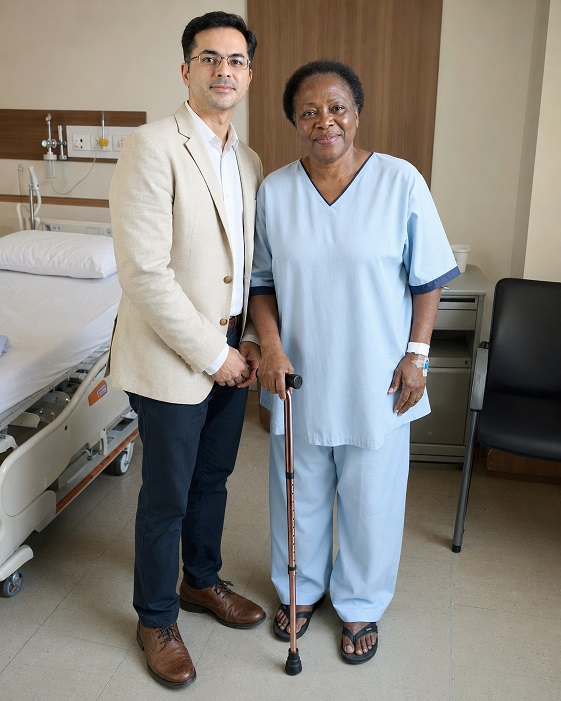
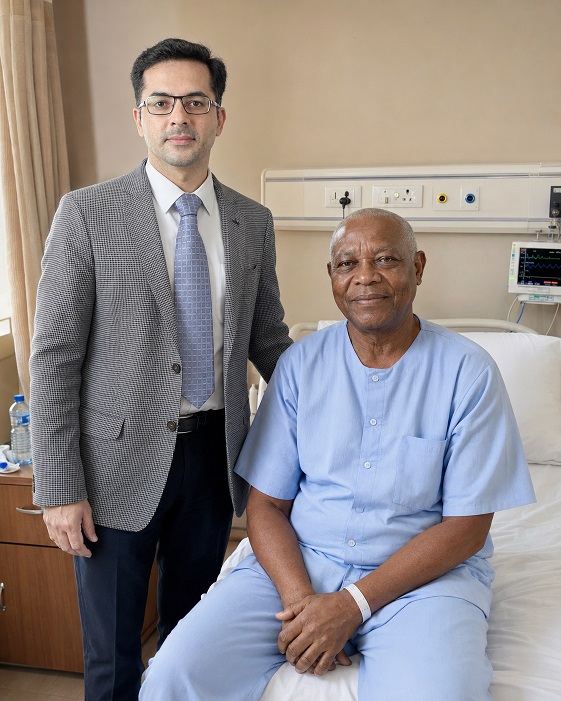
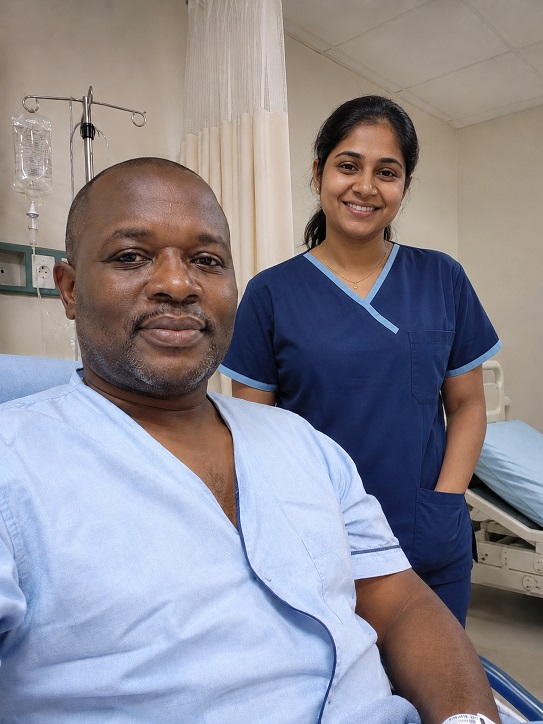
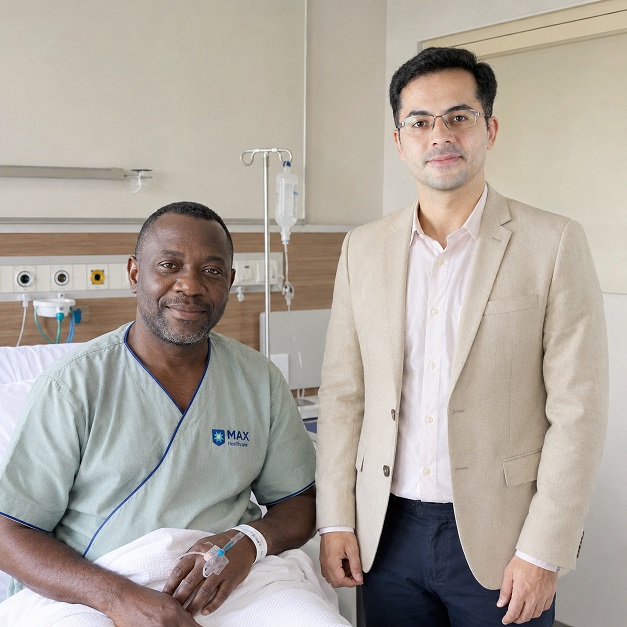
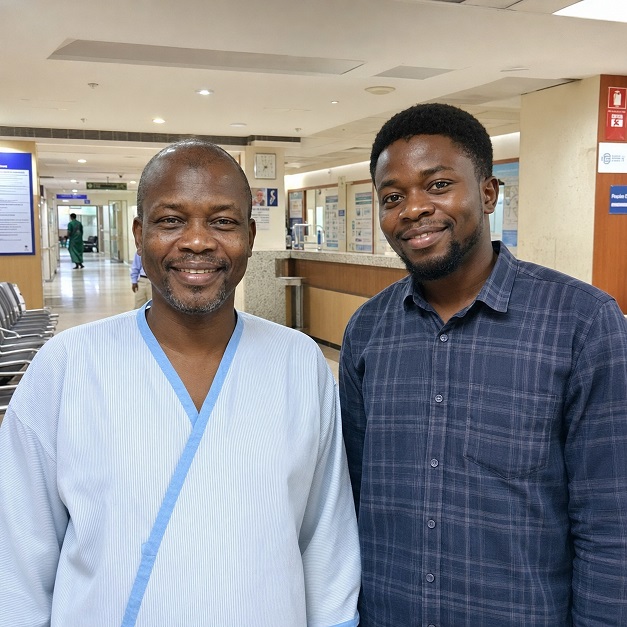
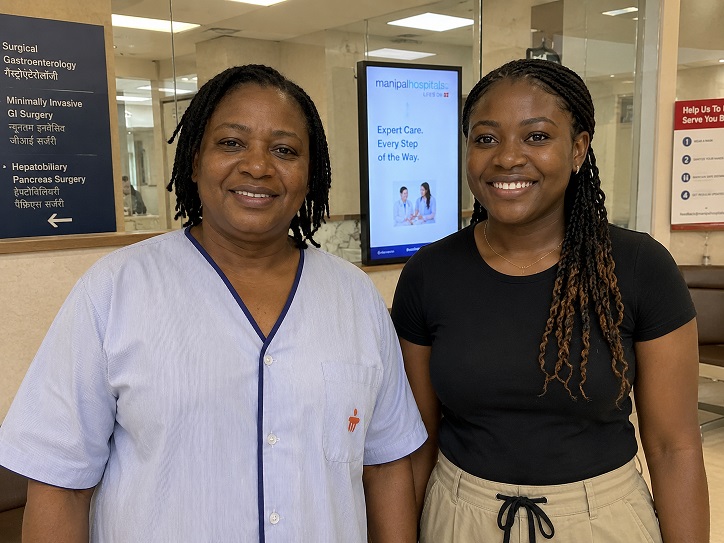
Patient Testimonials from Nigeria


Ready to Take the First Step?
Share your Medical Reports with our Healthcare Managers Today and Get a FREE CONSULTATION, a Personalized Treatment Plan, and Complete Support from Arrival to Recovery.
Get Your Free ConsultationAreas We Serve
This resource has been thoughtfully prepared for patients from Nigeria who are considering medical treatment in India. We also welcome patients from the wider region in the countries mentioned below-
We assist patients from:
- Benin
- Niger
- Chad
- Cameroon
- Algeria
- Egypt
- Libya
- Morocco
- Sudan
- Tunisia
- Gambia
- Ghana
- Burkina Faso
- Cabo Verde
- Côte d'Ivoire
- Equatorial Guinea
- São Tomé and Príncipe
Many of the insights, treatment pathways, hospital recommendations, travel guidance, and patient support services described here are equally relevant and may be used as a reference when planning treatment in India.
From Nigeria to India: Your Complete Patient Support Guide
- Artificial Disc Replacement in India for Nigerian Patients
- Weight Loss and Bariatric Surgery in India for Nigerian Patients
- Bone Marrow Transplant in India for Nigerian Patients
- Brain Tumour Surgery in India for Nigerian Patients
- Breast Cancer Treatment and Surgery in India for Nigerian Patients
- Cancer Treatment and Surgery in India for Nigerian Patients
- Cardiac Arrhythmia and Heart Pacemaker Treatment in India for Nigerian Patients
- Cardiac Surgery in India for Nigerian Patients
- Colorectal Cancer Treatment and Surgery in India for Nigerian Patients
- Complex Orthopaedic and Joint Revision Surgery in India for Nigerian Patients
- Cornea Transplant and Advanced Eye Surgery in India for Nigerian Patients
- CyberKnife Treatment in India for Nigerian Patients
- Gamma Knife Treatment in India for Nigerian Patients
- Heart Failure Treatment and Surgery in India for Nigerian Patients
- Hip Surgery in India for Nigerian Patients
- HIPEC Cancer Surgery in India for Nigerian Patients
- IVF and Fertility Treatment in India for Nigerian Patients
- Joint Arthroscopy and Sports Medicine in India for Nigerian Patients