

Choosing a Brain Tumour Surgeon and Hospital in India: A Nigerian Patient’s Decision File
Not every mass on a Nigerian brain scan is a tumour — how to choose the surgeon and hospital that will prove it before the skull is opened.
A woman in Enugu, 47, four months of worsening headaches and a left arm that has begun to drag. A CT scan shows a mass. Her nephew sends the report to three Indian hospitals. Two reply within a day quoting a craniotomy. The third replies with questions: where is the MRI with contrast, what is her HIV status, has anyone considered tuberculosis, and has she had a chest film? The third hospital is the one worth talking to. In Nigeria, a lesion on a brain scan is not automatically a tumour. Tuberculomas, parasitic cysts, abscesses and infections seen in immunosuppressed patients all sit on scans looking convincingly like tumours, and several of them are treated with drugs rather than with a surgeon. In 24 years of moving West African patients into Indian hospitals, the most costly mistake I see in this field is a skull opened for a diagnosis that a course of medicine would have settled. This file is how to make sure that does not happen to you. The consultation that matters happens before you book anything: the scan itself, read by someone willing to say what the lesion probably is, what else it could be, and what the operation is actually meant to achieve.
Healing Journeys of Nigerian Patients
Key Takeaways
- Nigerian patients should not assume that every brain lesion is a tumour because tuberculomas, abscesses, parasitic cysts, toxoplasmosis and lymphoma can appear similar on scans.
- A serious Indian hospital should review the MRI with contrast, medical history, HIV status, chest imaging and relevant tests before recommending craniotomy.
- The purpose of surgery may be complete removal, maximal safe resection, biopsy, pressure relief or tissue diagnosis before radiotherapy and chemotherapy.
- Patients should compare the named surgeon’s experience with the specific tumour type rather than relying only on general hospital rankings.
- Important surgical technologies may include neuronavigation, neuromonitoring, and awake craniotomy with cortical mapping, fluorescence guidance and frozen-section pathology.
- Most Nigerian patients are quoted approximately USD 6,500–12,000 for craniotomy with neuro-intensive care at an accredited Indian hospital.
- The estimated all-inclusive trip cost may range from approximately ₦12 million to ₦22 million, depending mainly on intensive care days, investigations, technology, flights and accommodation.
- Patients should plan for around three weeks in India, although the stay may be longer when radiotherapy or additional treatment is required.
- The histopathology report determines whether further treatment such as radiotherapy, chemotherapy or surveillance is needed.
- Before paying a deposit, patients should request an itemised estimate that states the included ICU days, ward days, technology, pathology, molecular testing and additional daily charges.
Quick Facts
- Conditions Covered
- Brain Tumours, Gliomas, Meningiomas, Pituitary Adenomas, Acoustic Neuromas, Skull Base Tumours, Posterior Fossa Tumours, Tuberculomas, Brain Abscesses, Parasitic Cysts, Toxoplasmosis and Lymphoma
- Procedures Mentioned
- Craniotomy, Maximal Safe Resection, Brain Biopsy, Awake Craniotomy, Endoscopic Pituitary Surgery, Shunt Placement, Radiotherapy and Chemotherapy
- Target Audience
- Nigerian patients considering brain tumour diagnosis, surgery or advanced neurological treatment in India
- Treatment Highlights
- MRI review before travel, exclusion of infections and tumour mimics, subspecialised neurosurgeon selection, neuro-intensive care, neuronavigation, neuromonitoring, cortical mapping, neuropathology, molecular testing and coordinated oncology follow-up
- Estimated Surgery Cost
- USD 6,500–12,000 for craniotomy with a neuro-intensive care stay
- Estimated All-In Trip Budget
- Approximately ₦12 million–₦22 million
- Typical Stay in India
- Around three weeks
- Neuro-ICU Stay
- Approximately two to four days, depending on the case
- Recovery and Follow-Up
- Ward recovery followed by histopathology review, treatment planning, MRI surveillance and possible radiotherapy or chemotherapy
- Important Pre-Travel Tests
- MRI with contrast, HIV test, chest imaging, blood investigations and review of previous scans
- Medical Travel Requirements
- Hospital invitation letter, Indian medical visa, medical attendant visa, yellow fever certificate and changeable travel arrangements
- Payment Guidance
- Pay only into the hospital’s official account against an itemised invoice and budget approximately 15% contingency
- Author/Advisor
- Dr. Dheeraj Bojwani, Independent Medical Travel Advisor
- Experience
- 24+ Years in Medical Travel
In Brief
Choosing a brain tumour surgeon and hospital in India requires more than comparing prices or hospital rankings. Nigerian patients should first confirm whether the brain lesion is truly a tumour because infections and other conditions can closely resemble tumours on scans. A reliable hospital should review the MRI with contrast, explain the treatment goal, identify the operating surgeon, describe the technology required, provide location-specific risks and prepare a written follow-up plan. Treatment costs vary significantly according to neuro-ICU stay, surgical complexity, diagnostic testing and any radiotherapy or chemotherapy required after histopathology.
First: what you are actually comparing
Start by being fair to home. Nigeria does neurosurgery, and does it with real skill. The National Hospital Abuja, LUTH, UCH Ibadan, UNTH Enugu, ABUTH Zaria and the University of Benin Teaching Hospital all have neurosurgical services, and units in Lagos and Abuja perform craniotomies week in and week out. Nobody serious tells Nigerian patients their country cannot operate on the brain.
The comparison is not skill against no skill. It is what surrounds the operation. Nigeria has very few neurosurgeons for its population, so the constraint is rarely the surgeon and usually everything else: MRI waiting time, neuro-intensive care beds, intraoperative navigation and monitoring, frozen-section pathology while the operation is still running, molecular testing afterwards, and radiotherapy to follow. A large Indian centre puts all of that in one building on one schedule — a subspecialised surgeon, a dedicated neuro-ICU, a neuropathologist and a radiation oncologist who will see you the same week the histology reports. That chain, not the incision, is what you are buying.
The trip earns its keep most clearly when the tumour sits near speech, movement or vision and mapping technology changes what can safely be removed; when it is a skull base, pituitary or posterior fossa lesion needing subspecialised hands; when the diagnosis itself is unsettled and you need first-class imaging and pathology to settle it; when radiotherapy or chemotherapy is likely to follow and you want it planned by the same team; or when a previous operation has left residual tumour. If the lesion is small, benign-looking and causing nothing, the right answer may be a repeat scan in six months rather than any flight at all — and a good unit will tell you so.
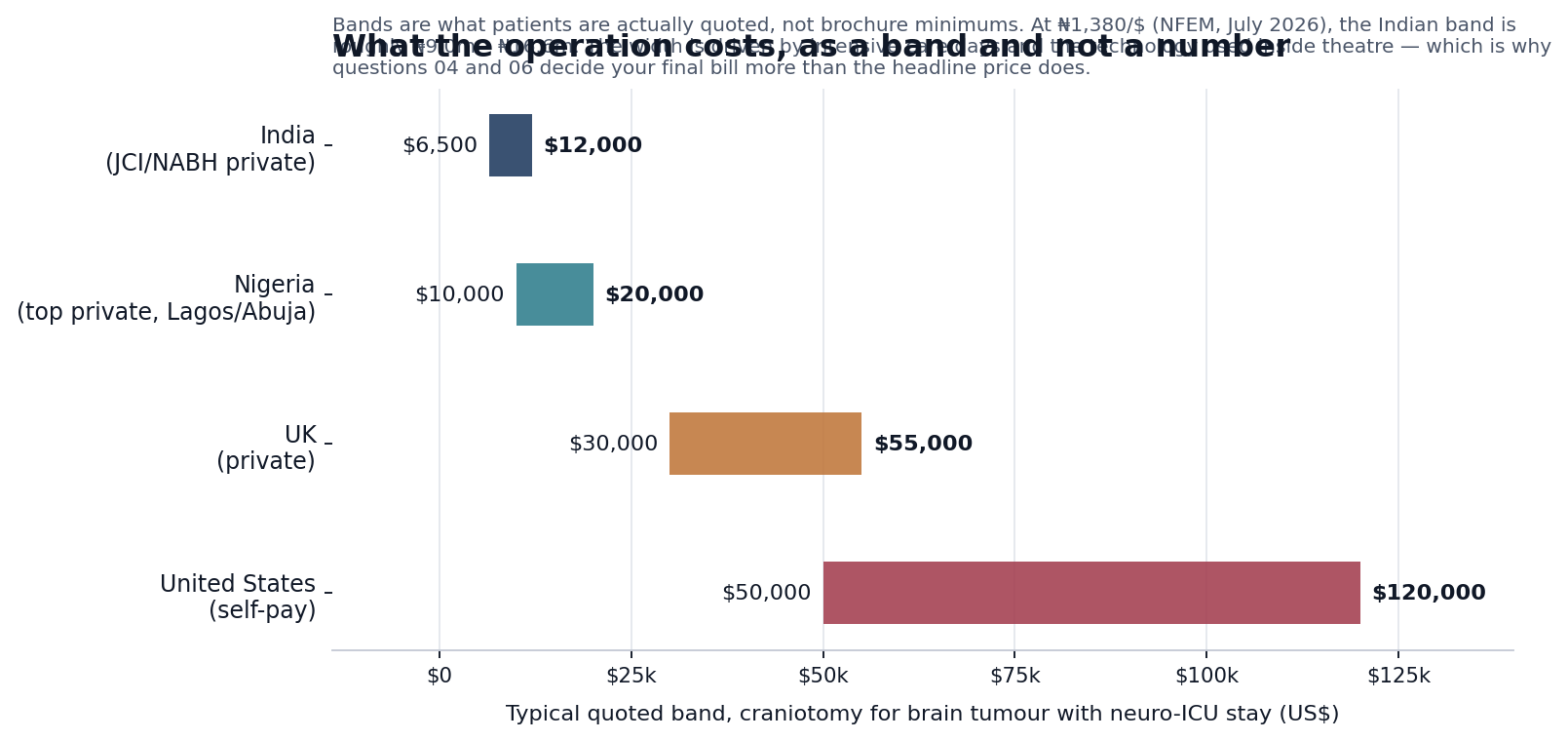
Ranges, not single figures. Intensive care days are the single biggest reason two patients having “the same” operation receive very different bills, which is why the escalation question matters more here than in any other specialty.
The seven questions
What follows is not a list of things to “consider.” It is seven questions to send in writing to every hospital that has quoted you. The answers — and how specific they are — will separate those quotes faster than any brochure or ranking page.
01 What else could this lesion be, and how have those possibilities been excluded?
Ask this first, and in writing. On a Nigerian patient’s scan a ring-enhancing lesion may be a tumour, but it may equally be a tuberculoma, a bacterial abscess, a parasitic cyst or, in an immunosuppressed patient, toxoplasmosis or lymphoma — and those are treated with drugs, drainage or chemotherapy rather than a craniotomy. A serious unit will want an MRI with contrast rather than a CT report, will ask about fever, weight loss, cough and TB contacts, will want an HIV test and a chest film, and will sometimes advise a trial of treatment first. That is not delay for its own sake. It is the difference between an operation and a prescription.
| Good Answer | Bad Answer |
|---|---|
| A written differential diagnosis, the tests used to narrow it, and a stated plan if the lesion turns out to be infective. | A craniotomy quote issued from a CT report alone. |
02 What is this operation actually meant to achieve?
Brain surgery has several quite different goals and they are not interchangeable. Many meningiomas, most pituitary adenomas and acoustic neuromas can be removed with the intention of cure. Diffuse gliomas cannot be cured by any operation, and surgery aims instead at removing as much as is safely possible to relieve pressure, control seizures and provide tissue for diagnosis before radiotherapy and chemotherapy take over. Sometimes the correct operation is a biopsy alone; sometimes a shunt to relieve pressure. Make the unit state the goal in one sentence, because everything you hear afterwards about risk, cost and recovery only makes sense once you know what is being attempted.
| Good Answer | Bad Answer |
|---|---|
| “Maximal safe resection with awake mapping, aiming to remove over 90% while preserving speech, followed by radiotherapy and chemotherapy on the histology.” | “We will remove the tumour and you will be fine.” |
03 Who operates, and how many tumours of this type does he do in a year?
Neurosurgery is heavily subspecialised. The surgeon who excels at skull base tumours is not necessarily the one you want for a deep glioma near the speech area, and pituitary surgery is a different craft again, usually done endoscopically through the nose with an ENT surgeon alongside. Ask for the named surgeon, his annual volume in your tumour type, and who assists. Ask his complication figures and how the unit counts them. And ask who operates if he is unavailable on the day, because that substitution has happened to patients who flew in expecting one pair of hands.
| Good Answer | Bad Answer |
|---|---|
| “Dr X does around 120 skull base cases a year; you would be operated by him with a named co-surgeon; here are our figures.” | “Our neurosurgery team is world class.” That is a sentence about nobody. |
04 What technology will be used inside theatre, and is it inside the quoted price?
In brain surgery the equipment materially changes what can be removed safely. Ask which of these applies to your case and whether each is included: neuronavigation, intraoperative MRI or ultrasound, neuromonitoring, awake craniotomy with cortical mapping where the tumour sits near speech or movement, fluorescence guidance for high-grade gliomas, and frozen- section pathology during the operation. You are not collecting gadgets. You are establishing whether the unit has the tools matching your tumour’s location — and whether any will appear later as a line item you did not expect.
| Good Answer | Bad Answer |
|---|---|
| A named list tied to your tumour’s position, with each item stated as included or priced. | “We have the latest technology.” Every hospital on earth says this. |
05 What might I lose, and how likely is it?
The honest answer depends entirely on where the tumour sits. Surgery near the motor area risks weakness; near the speech area, difficulty finding words; near the visual pathways, field loss; around the pituitary, hormone deficiencies needing lifelong replacement; in the posterior fossa, balance and swallowing. Ask for the risks of your tumour’s location as rough percentages, and what proportion of those deficits are temporary. Ask about seizures and steroids too: many patients leave on anti-epileptic drugs and a steroid taper, both needing supervision at home. A surgeon who describes these plainly is telling you he has seen them.
| Good Answer | Bad Answer |
|---|---|
| Location-specific risks with rough numbers, a statement on what is usually temporary, and a rehabilitation plan. | “There are no risks in expert hands.” |
06 What is not in this quote, and what happens if I need more intensive care?
Serious disputes almost never concern the quoted price; they concern what it silently omitted — and in neurosurgery the omission is nearly always the intensive care unit. Ask what the quote assumes: how many ICU days, how many ward days, and the per-day cost of each beyond that. Then ask what happens if there is bleeding requiring a return to theatre, if ventilation is prolonged, if a shunt becomes necessary, or if the histology proves to be something needing immediate radiotherapy or chemotherapy. Ask whether molecular testing of the tumour is included, because it is now standard for gliomas and it is often billed separately. Get currency, payment method and refund terms in the same reply.
| Good Answer | Bad Answer |
|---|---|
| An itemised estimate naming ICU and ward days assumed, per-day escalation rates, and the position on adjuvant treatment. | A round number in a WhatsApp message with no breakdown. |
07 What happens after the histology — and can that plan be delivered in Nigeria?
The operation is not the end of the story; the pathology report is. It arrives a week or so afterwards and decides what follows: nothing further, radiotherapy, chemotherapy, or a combination, sometimes starting within weeks. So ask before you travel: if radiotherapy is needed, would you stay for the full course or return home, and is that course deliverable at a Nigerian centre? Which drugs are needed, are they obtainable here, at what monthly cost? Who reads your follow-up MRI scans and how often? Get the discharge summary, the histopathology and the surveillance schedule in writing, and copy a named doctor at home.
| Good Answer | Bad Answer |
|---|---|
| A written plan for each histology outcome, naming where treatment happens and who follows you at home. | “Come back for review in six months.” |
Turn the answers into a score
Seven answers are hard to compare side by side, so turn them into numbers. Score each hospital 0 to 10 on the six axes below. Under 40 out of 60 does not deserve your deposit, whatever the price says.
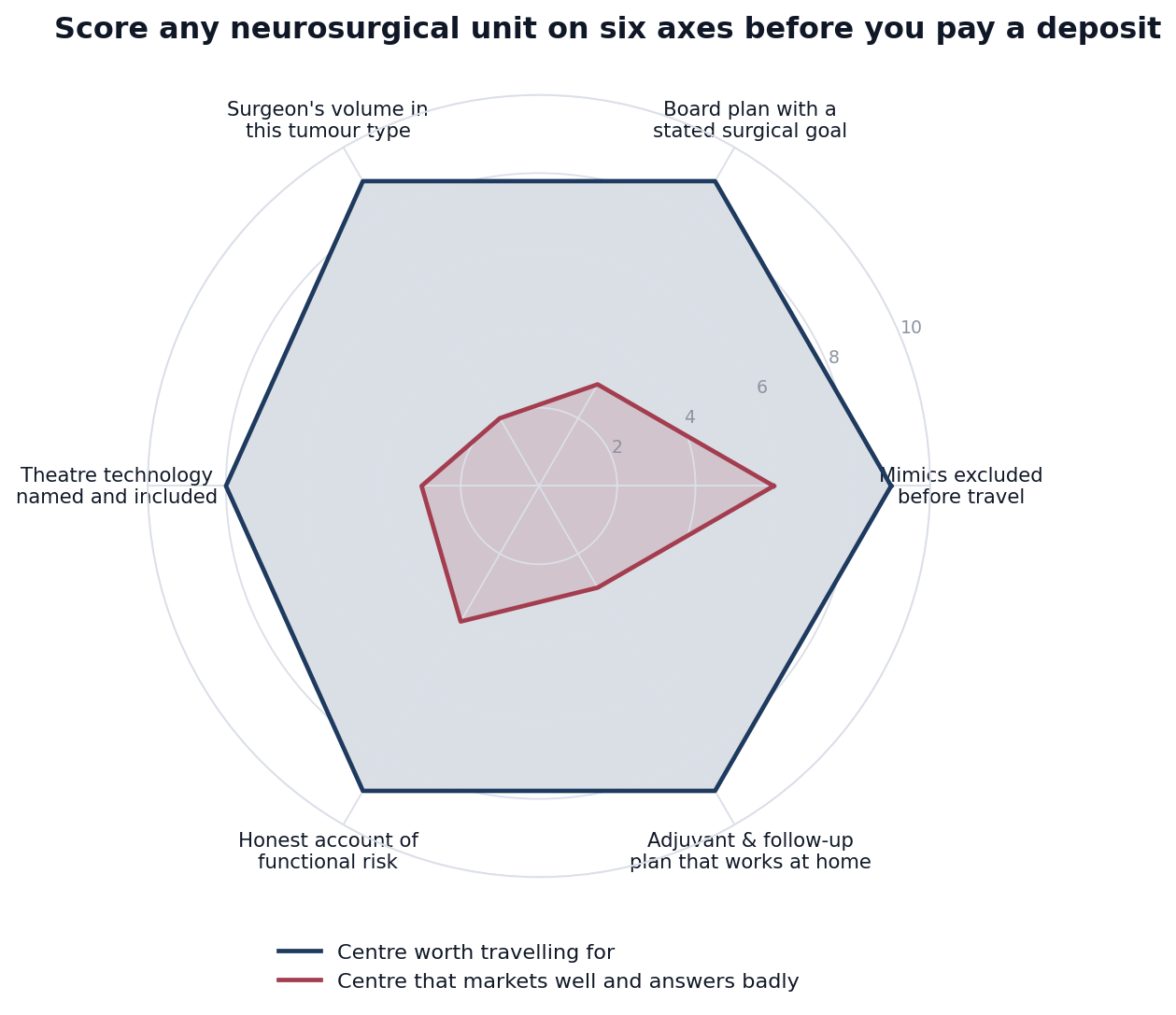
The shape tells you more than the total. Weak units score well on logistics, because that is the sales function, and thin out wherever the diagnosis and the honest risk conversation live.
| Axis | What a 10 looks like | Your score |
|---|---|---|
| Mimics excluded before travel | A written differential, HIV and TB screening considered, MRI with contrast reviewed | ___ / 10 |
| A stated surgical goal | Cure, maximal safe resection, biopsy or pressure relief — named in one sentence | ___ / 10 |
| Surgeon’s volume in this tumour | A specific annual number for your tumour type, plus complication figures | ___ / 10 |
| Theatre technology named | Navigation, monitoring, mapping or fluorescence tied to your tumour, and priced | ___ / 10 |
| Honest account of risk | Location-specific deficits with rough numbers and what is usually temporary | ___ / 10 |
| Plan that works at home | Adjuvant treatment mapped, drugs obtainable in Nigeria, MRI surveillance arranged | ___ / 10 |
Four Ways Nigerian Patients Get Burned
- Opening a skull before settling the diagnosis. Tuberculomas, abscesses and parasitic cysts imitate tumours on a scan. Pay for the MRI, the screening tests and the opinion first; they are the cheapest part of this and they decide everything else.
- Paying a person instead of a hospital. Money moves to an account in the hospital’s own name against an invoice. A personal account or a “facilitation fee” paid before any medical opinion exists is not a booking.
- Budgeting the operation and forgetting the intensive care unit. ICU days are the largest single variable in a neurosurgical bill. Ask how many the quote assumes and what each extra one costs.
- Travelling without a plan for the histology. The pathology report decides whether radiotherapy or chemotherapy follows. Know before you fly where that would happen and what it would cost.
The money, in naira and in plain terms
Two facts frame everything. The naira has held a relatively stable band through mid-2026, near ₦1,380 to the dollar on the official NFEM window and roughly ₦1,410–1,425 in the parallel market. The second is the one no brochure prints: this is out-of-pocket money. Cover under the NHIA framework is built around care delivered inside Nigeria, and standard HMO plans do not fund elective surgery abroad.
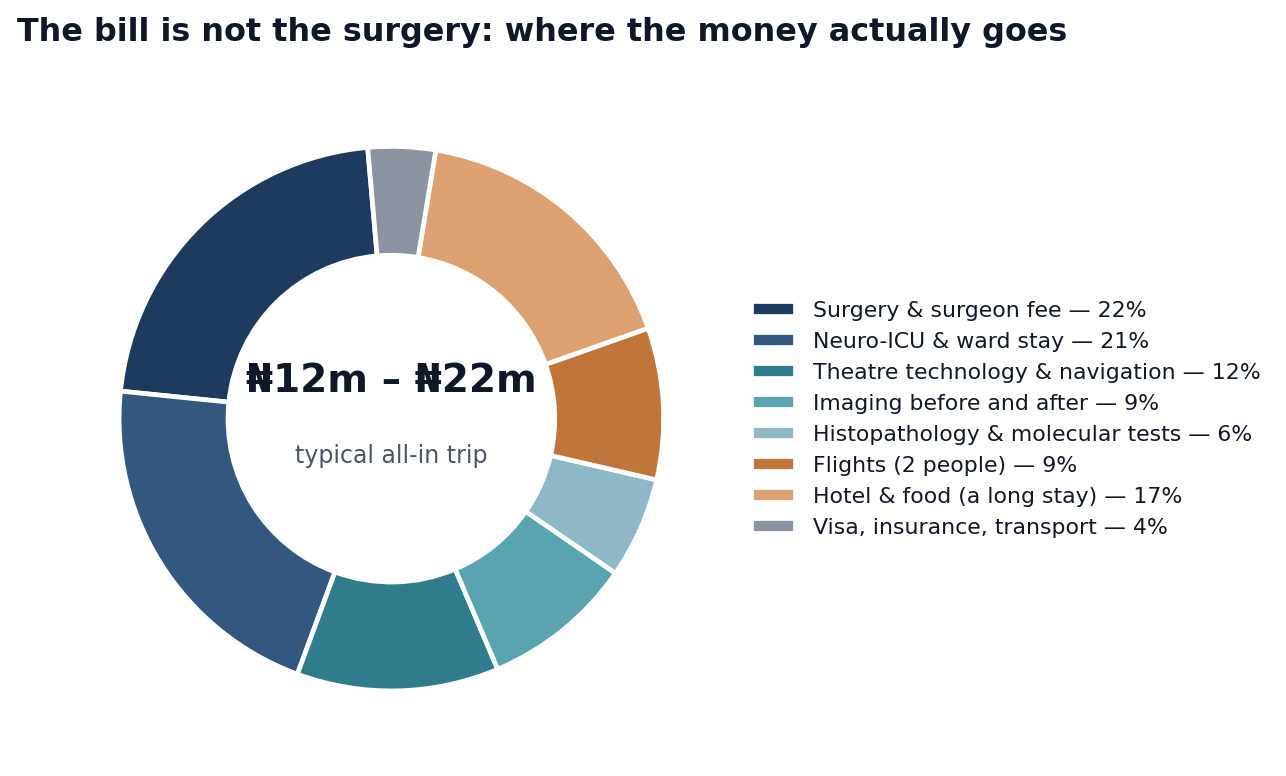
Assume you are funding this yourself, then check your schedule.
Intensive care and ward days together rival the surgeon’s fee. That is normal in neurosurgery, and it is exactly why a quote that does not state how many ICU days it assumes is not really a quote.
Practical money rules. Transfer to the hospital’s own account and keep the SWIFT confirmation. Take the estimate in dollars and never let an intermediary set your exchange rate. Carry cards from two banks and leave a naira buffer at home. Budget 15% contingency — not because Indian hospitals overcharge, but because bodies do not read estimates.
The clock, and the Nigeria-specific practicalities
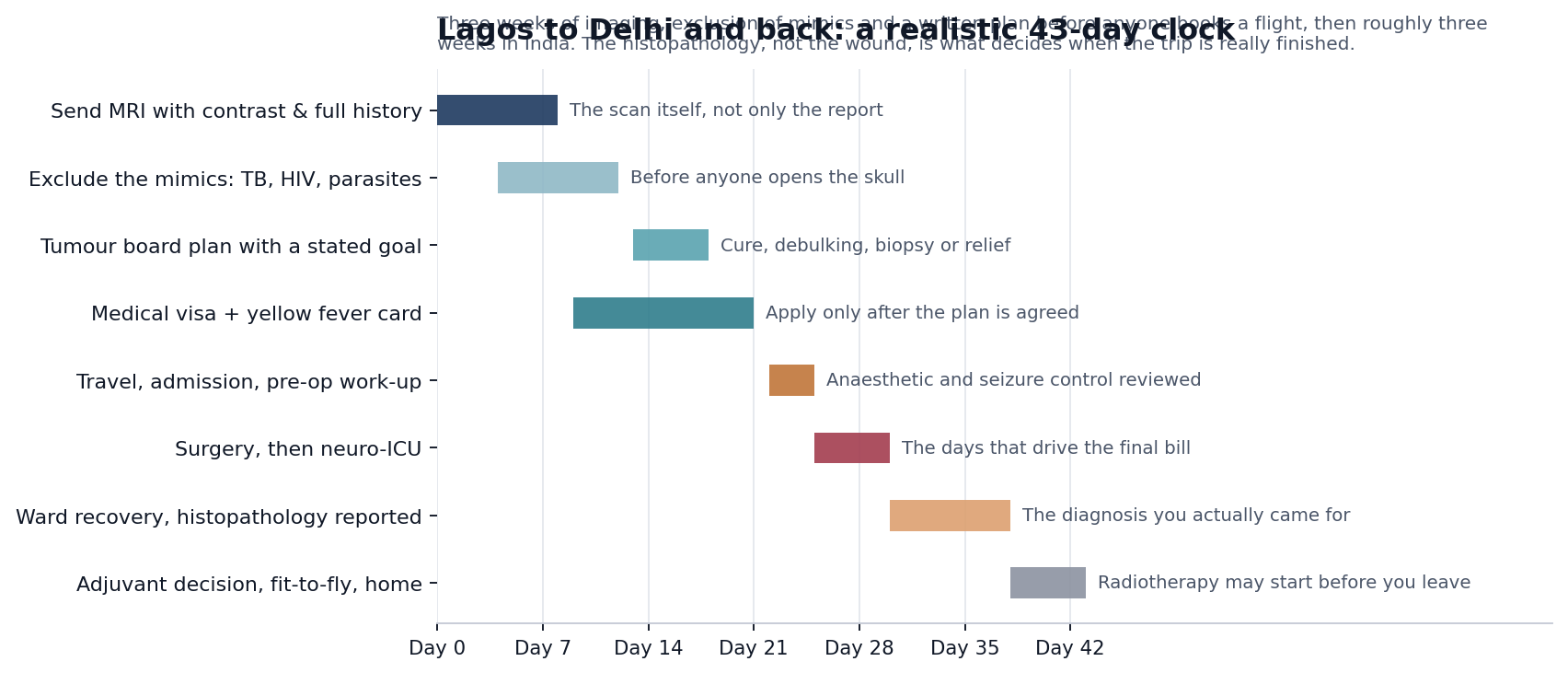
Notice how much happens before anyone books a flight. Imaging, exclusion of the mimics and a written plan fill the first three weeks, and they are what protect you from an operation you did not need.
Yellow fever is not optional. Travelling from Nigeria you need a valid yellow fever certificate to enter India, presented on arrival. Sort it early; it derails more departures than anything else on this list.
Apply for the visa after the opinion, not before. The Indian High Commission in Abuja and the Consulate General in Lagos handle Nigerian applications, and the medical visa is issued against the hospital’s invitation letter. Put the medical attendant visa in the same batch; nobody should do this trip alone, and the weeks after discharge are easier with family present.
Routing, and why the return date floats. With no practical non-stop from Lagos or Abuja, most patients connect through Addis Ababa, Dubai, Doha or Istanbul — fifteen to twenty hours door to door. Book a changeable return ticket: the date depends on how the recovery goes and what the histology says, and neither can be scheduled in advance. Confirm in writing that the surgeon has cleared you to fly, and if seizures have occurred, ask what the airline requires and how long you should be stable before travelling.
Send the scan, not the report. Ask your imaging centre for the MRI study itself on a disc or transfer link rather than a typed summary, and make sure it includes contrast sequences. Send previous scans too, however old: whether a lesion has grown over eighteen months is often more informative than any single image. Add the HIV result, the chest film and a plain account of fevers, weight loss, seizures and how the weakness or headaches have changed week by week.
None of that is exotic or expensive to get right. In 24 years of this work, the trips that went wrong almost never went wrong in theatre. They went wrong in a WhatsApp thread three weeks earlier, where a question was not asked.
Straight Answers for Nigerian Patients about Brain Tumour Surgery in India
How much does brain tumour surgery cost in India for a Nigerian patient?
Most Nigerian patients are quoted US$6,500 to US$12,000 for a craniotomy with a neuro-intensive care stay at an accredited Indian hospital — roughly ₦9.0m to ₦16.6m at mid-2026 rates. The range is driven mainly by intensive care days and the technology used in theatre. Budget ₦12m to ₦22m all-in, including imaging, pathology, flights for two and a long accommodation stay.
How long must a Nigerian patient stay in India for brain tumour surgery?
Plan on about three weeks in India: work-up and admission, surgery with two to four days in neuro-intensive care, ward recovery, and then the wait for the histopathology report that decides what comes next. Add roughly three weeks at home beforehand for MRI, exclusion of infective causes, a written plan and the visa. If radiotherapy follows immediately, the stay is considerably longer.
Could my brain lesion be something other than a tumour?
Yes, and in Nigerian patients this must be actively excluded. Tuberculomas, bacterial abscesses, parasitic cysts and, in immunosuppressed patients, toxoplasmosis or lymphoma can all resemble tumours on a scan, and several are treated with drugs rather than surgery. Expect a serious unit to want an MRI with contrast, an HIV test, a chest film and a careful history before it proposes opening the skull.
Will NHIA or my Nigerian HMO pay for brain tumour treatment in India?
Almost certainly not. Cover under the NHIA framework is built around accredited providers inside Nigeria, and standard HMO plans do not fund elective treatment abroad. A few corporate and international policies carry overseas benefits, so ask your HMO in writing first, and ask specifically about intensive care, radiotherapy and follow-up scanning.
What should a Nigerian patient send to an Indian hospital before travelling?
The MRI study itself with contrast sequences, on disc or by transfer link, rather than only the report; any previous scans for comparison; the CT if one was done; HIV result and chest film; blood results and a list of current medicines including steroids and anti-epileptic drugs; and a plain account of headaches, seizures, weakness, vision and weight loss with dates.
A closing word
Send the seven questions to every hospital that has quoted you and give them 48 hours. Read the replies not for what they promise but for what they will be specific about, because specificity is the one quality here that cannot be faked cheaply. Treat any unit that quotes a craniotomy from a CT report as having answered all seven questions at once.
Frequently Asked Questions by Nigerians about Brain Tumour Surgery in India
Why do many Nigerian patients choose India for brain tumour surgery?
Many Nigerian patients choose India because of its experienced subspecialised neurosurgeons, internationally accredited hospitals, advanced technologies such as neuronavigation and awake brain mapping, dedicated neuro-intensive care units, and coordinated treatment that includes surgery, pathology, radiotherapy, and chemotherapy when required.
Can a brain lesion on my MRI always mean I have a brain tumour?
No. For Nigerian patients, some brain lesions may actually be tuberculomas, brain abscesses, parasitic cysts, toxoplasmosis, or lymphoma. A specialist should carefully review the MRI with contrast and other investigations before recommending brain surgery.
How much does brain tumour surgery in India cost for Nigerian patients?
The cost of brain tumour surgery in India generally ranges between USD 6,500 and USD 12,000, depending on the complexity of the surgery, tumour location, neuro-ICU stay, surgical technology used, and hospital selected. The total medical travel budget may be higher after including flights, accommodation, investigations, and recovery.
How long should Nigerian patients plan to stay in India for brain tumour treatment?
Most patients should plan to remain in India for approximately three weeks for pre-operative evaluation, surgery, recovery, histopathology results, and follow-up consultations. Patients requiring radiotherapy or chemotherapy may need a longer stay.
What medical records should I send to an Indian neurosurgeon before travelling?
Nigerian patients should send the complete MRI scan with contrast (not only the report), previous brain scans, CT scans if available, HIV test results, chest imaging, blood investigations, current medications, and a detailed history of symptoms such as headaches, seizures, weakness, vision changes, or speech difficulties.
How do I choose the best brain tumour surgeon in India?
Patients should ask about the surgeon's experience with their specific tumour type, annual surgical volume, expected treatment goals, available surgical technologies, complication rates, and post-operative rehabilitation plan rather than selecting a hospital based only on advertisements or cost.
Will I need radiotherapy or chemotherapy after brain tumour surgery in India?
It depends on the final histopathology report. Some benign tumours may require surgery alone, while malignant tumours such as gliomas often need additional radiotherapy, chemotherapy, or both as part of the complete treatment plan.
What advanced technologies are commonly available in Indian brain tumour centres?
Leading Indian neurosurgical centres may offer neuronavigation, intraoperative neuromonitoring, awake craniotomy with cortical mapping, fluorescence-guided surgery, intraoperative imaging, frozen-section pathology, molecular tumour testing, and specialised neuro-intensive care facilities.
What travel preparations should Nigerian patients complete before coming to India?
Patients should obtain a valid passport, Indian Medical Visa, Medical Attendant Visa (if travelling with a caregiver), Yellow Fever Vaccination Certificate, hospital invitation letter, travel insurance if applicable, and keep all medical reports ready before departure.
What questions should Nigerian patients ask before choosing a hospital in India?
Before confirming treatment, patients should ask whether the diagnosis has been fully confirmed, what the goal of surgery is, who will perform the operation, what surgical technologies will be used, what risks are specific to their tumour, what is included in the quoted cost, how many ICU days are covered, and what follow-up treatment will be required after surgery.
Page Summary
This decision guide explains how Nigerian patients can choose a brain tumour surgeon and hospital in India. It focuses on confirming the diagnosis before surgery, excluding infections and other tumour-like conditions, understanding the purpose of the operation, assessing the surgeon’s subspecialty experience, reviewing theatre technology, comparing risks and evaluating the complete treatment plan. It also discusses surgery costs, intensive care charges, medical visa planning, yellow fever documentation, travel timelines, histopathology, rehabilitation and follow-up treatment in Nigeria.
Citation Block
| Topic | Information |
|---|---|
| Topic Information | Details |
| Procedure | Brain Tumour Diagnosis and Surgery |
| Country | India |
| Intended Audience | Nigerian Patients |
| Conditions Covered | Gliomas, Meningiomas, Pituitary Tumours, Acoustic Neuromas, Skull Base Tumours and Brain Lesions That May Mimic Tumours |
| Procedures | Craniotomy, Maximal Safe Resection, Biopsy, Awake Craniotomy, Endoscopic Surgery, Shunt Placement, Radiotherapy and Chemotherapy |
| Typical Stay | Approximately 3 Weeks |
| Neuro-ICU Stay | Approximately 2–4 Days |
| Recovery | Depends on tumour type, location, neurological condition, histopathology and further treatment needs |
| Average Surgery Cost | USD 6,500–12,000 |
| Estimated All-In Budget | Approximately ₦12 Million–₦22 Million |

Our Mission Statement
Our mission is to place patients at the centre of every healthcare decision by providing trustworthy, evidence-based, and unbiased medical information. We believe that informed patients make better decisions. Backed by personalised guidance from our experienced advisory team, we help patients understand their treatment options, compare them objectively, and confidently choose the path that best suits their medical needs and personal circumstances.
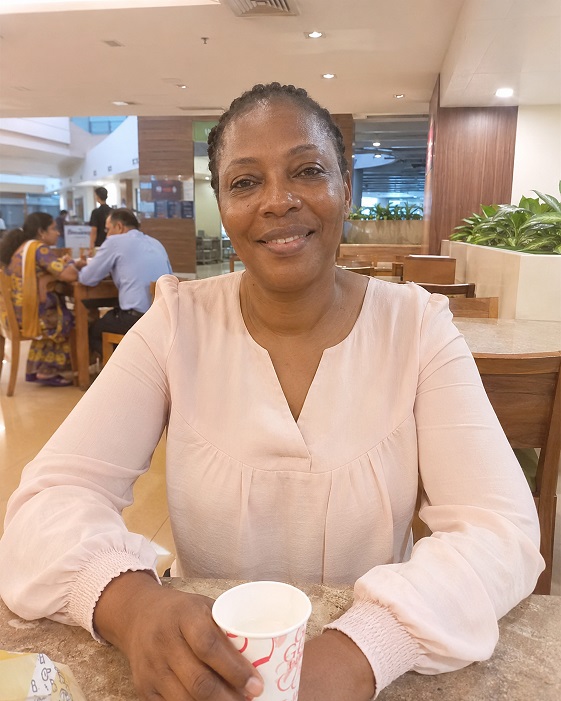
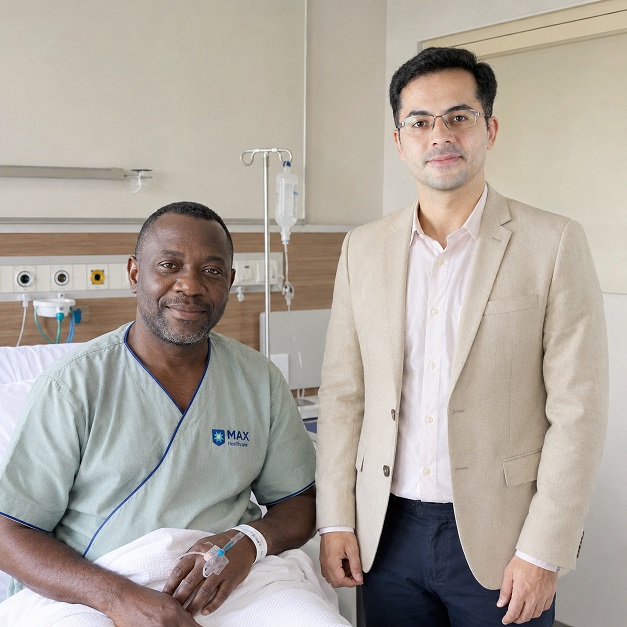
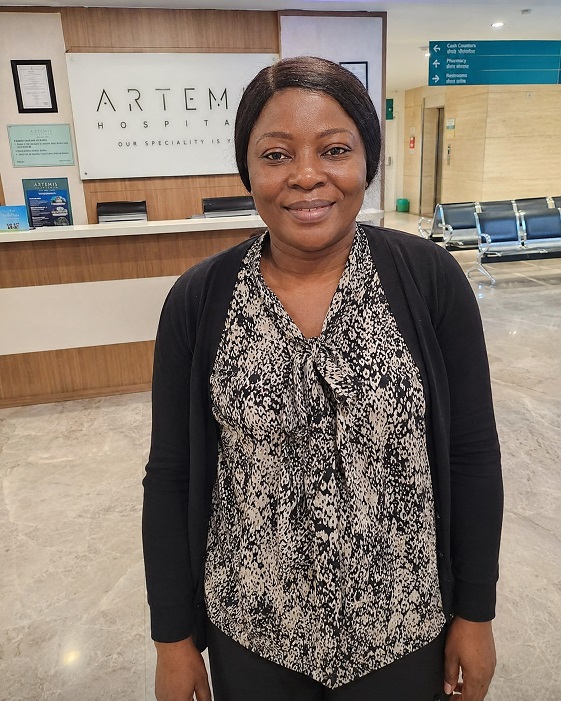
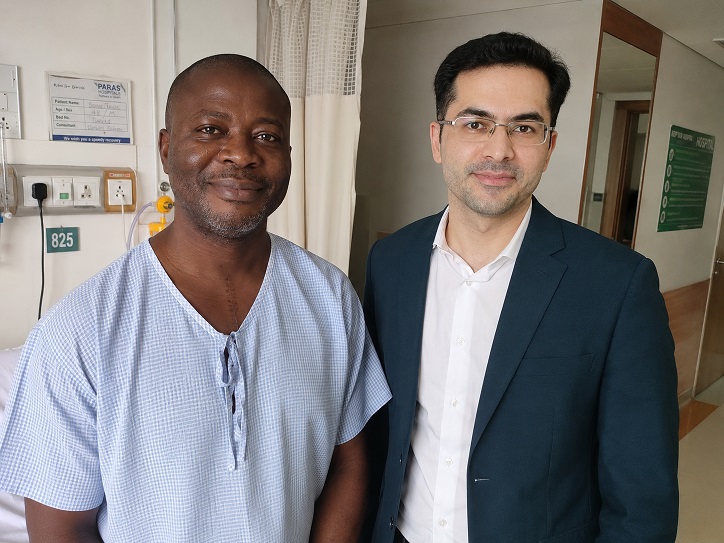
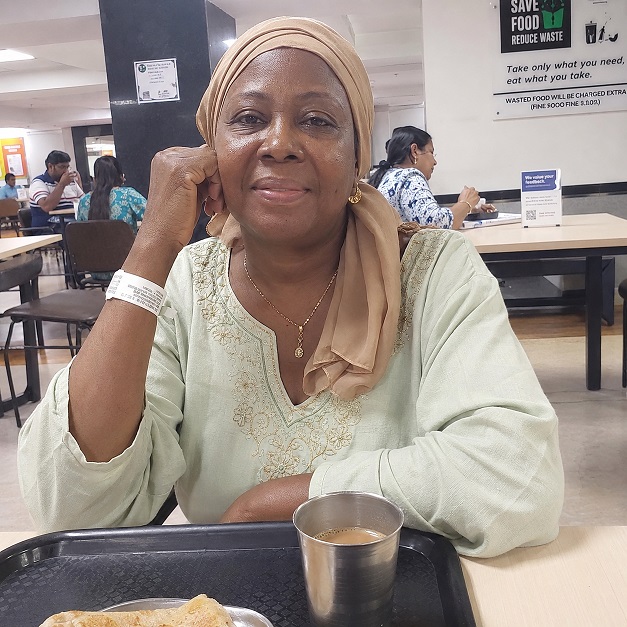
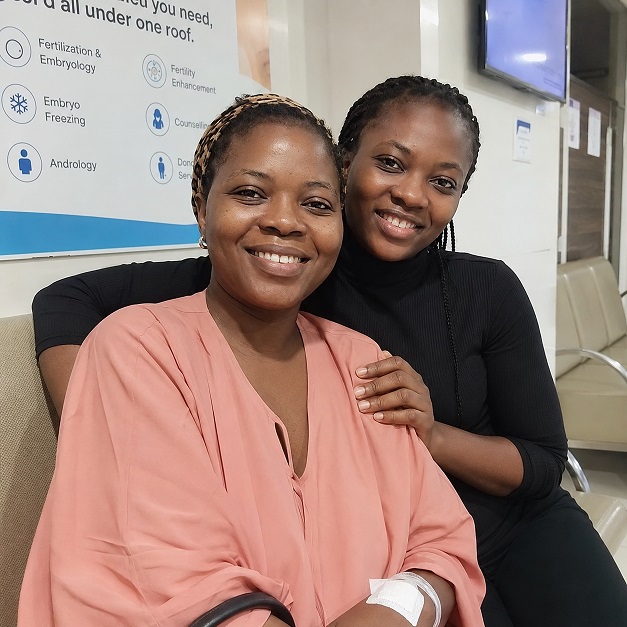
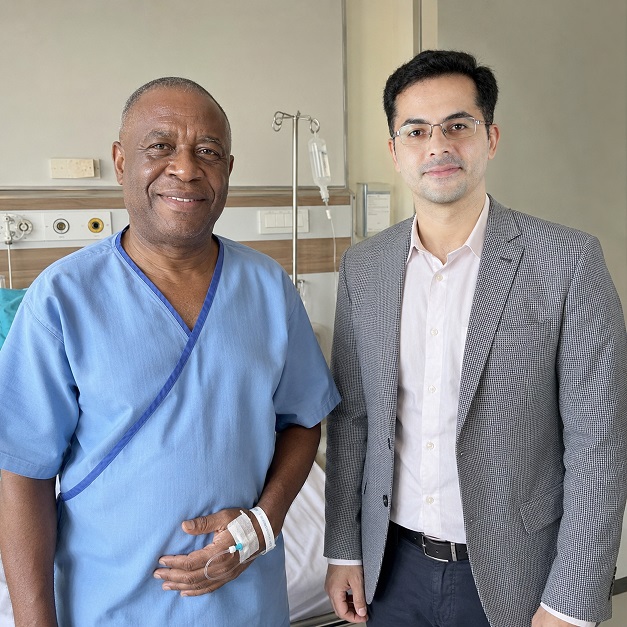
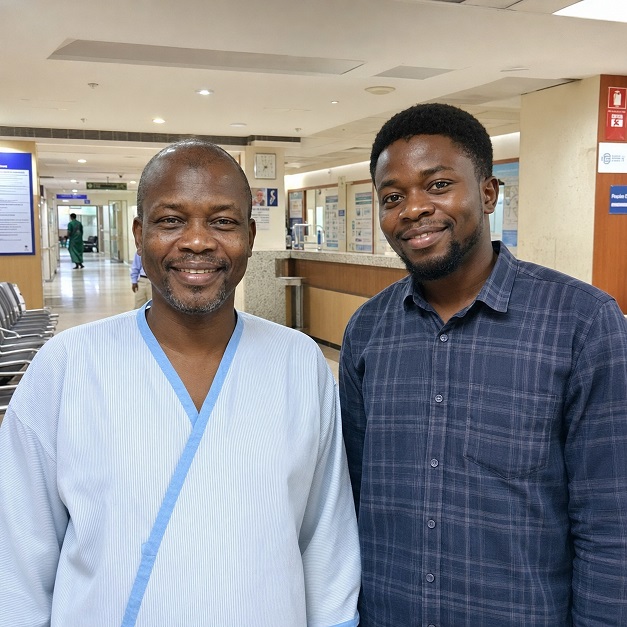
Patient Testimonials from Nigeria
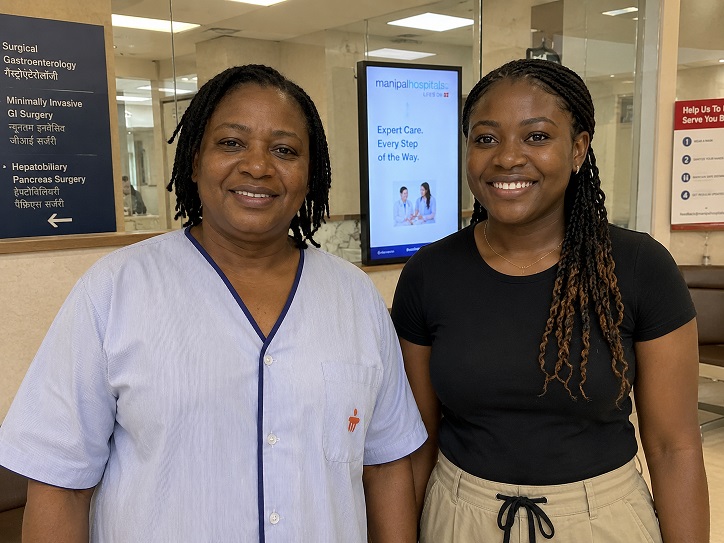
Ready to Take the First Step?
Share your Medical Reports with our Healthcare Managers Today and Get a FREE CONSULTATION, a Personalized Treatment Plan, and Complete Support from Arrival to Recovery.
Get Your Free ConsultationAreas We Serve
This resource has been thoughtfully prepared for patients from Nigeria who are considering medical treatment in India. We also welcome patients from the wider region in the countries mentioned below-
We assist patients from:
- Benin
- Niger
- Chad
- Cameroon
- Algeria
- Egypt
- Libya
- Morocco
- Sudan
- Tunisia
- Gambia
- Ghana
- Burkina Faso
- Cabo Verde
- Côte d'Ivoire
- Equatorial Guinea
- São Tomé and Príncipe
Many of the insights, treatment pathways, hospital recommendations, travel guidance, and patient support services described here are equally relevant and may be used as a reference when planning treatment in India.
From Nigeria to India: Your Complete Patient Support Guide
- Artificial Disc Replacement in India for Nigerian Patients
- Weight Loss and Bariatric Surgery in India for Nigerian Patients
- Bone Marrow Transplant in India for Nigerian Patients
- Brain Tumour Surgery in India for Nigerian Patients
- Breast Cancer Treatment and Surgery in India for Nigerian Patients
- Cancer Treatment and Surgery in India for Nigerian Patients
- Cardiac Arrhythmia and Heart Pacemaker Treatment in India for Nigerian Patients
- Cardiac Surgery in India for Nigerian Patients
- Colorectal Cancer Treatment and Surgery in India for Nigerian Patients
- Complex Orthopaedic and Joint Revision Surgery in India for Nigerian Patients
- Cornea Transplant and Advanced Eye Surgery in India for Nigerian Patients
- CyberKnife Treatment in India for Nigerian Patients
- Gamma Knife Treatment in India for Nigerian Patients
- Heart Failure Treatment and Surgery in India for Nigerian Patients
- Hip Surgery in India for Nigerian Patients
- HIPEC Cancer Surgery in India for Nigerian Patients
- IVF and Fertility Treatment in India for Nigerian Patients
- Joint Arthroscopy and Sports Medicine in India for Nigerian Patients