

Selecting the Best Bariatric Surgeons and Hospitals in India: What Kenyan Patients Should Actually Look For
In bariatric surgery the operation is the easy part — what matters is the lifelong programme you are joining, not the afternoon in theatre.
Bariatric surgery is the one procedure in this series where the operation is genuinely the easy part. Across 24 years of guiding international patients through Indian hospitals, the bariatric patients who do well are not the ones who found the best surgeon for a single afternoon in theatre — they are the ones who understood, going in, that they were joining a lifelong programme, not booking a one-off fix. This is the framework I use when a Kenyan patient is weighing bariatric surgery in India. It follows the surgeon-then-hospital structure of this series, with one addition specific to this operation: the programme built around the surgery matters as much as the surgeon performing it.
Key Takeaways
- Kenyan patients should first confirm whether bariatric surgery is appropriate for them. The assessment should consider BMI, weight-related conditions and previous attempts at diet and lifestyle changes.
- Kenya has capable bariatric surgeons and private hospitals. For a straightforward sleeve gastrectomy with suitable local expertise and dietitian support, treatment in Nairobi may also be worth considering.
- India may be a suitable option when patients are looking for greater bariatric programme depth, structured specialist support or a significant difference in treatment costs.
- Surgeon experience is an important factor when choosing treatment in India. Patients should ask about the surgeon's personal annual bariatric case volume and experience with the specific procedure being recommended.
- The choice between sleeve gastrectomy and gastric bypass should depend on the patient's individual health profile. Patients should understand the expected benefits, risks and long-term nutritional requirements of the recommended procedure.
- The hospital should offer more than surgery alone. Dietitian support, psychological care, complication management, structured follow-up and lifelong nutritional monitoring are important parts of long-term bariatric care.
- Kenyan patients should also plan the practical aspects of travelling to India before confirming treatment. This includes checking the complete hospital quotation, arranging flights and accommodation, understanding what is included in the surgical package and planning for supplements and follow-up after returning to Kenya. A clear postoperative plan should be arranged before leaving India.
Quick Facts
- Treatment
- Bariatric Surgery
- Country
- India
- Patients
- Kenyan Patients
- Main Procedures
- Sleeve Gastrectomy and Gastric Bypass
- Eligibility
- BMI 40+, or BMI 35+ with significant weight-related conditions
- Key Selection Factor
- Surgeon Experience and Bariatric Programme Quality
- Procedure Selection
- Based on Individual Health Profile
- Important Support
- Dietitian, Psychological Care and Follow-Up
- Long-Term Care
- Vitamin and Mineral Monitoring
- Kenya Follow-Up
- Written Supplementation and Follow-Up Plan
- Why Consider India
- Specialist Expertise, Programme Depth and Potential Cost Differences
- Travel Routes
- Nairobi–Delhi and Nairobi–Mumbai
- Indicative Stay
- 10–14 Days
- Sleeve Gastrectomy Cost
- USD 3,200–6,500
- Gastric Bypass Cost
- May Be Higher
- Nairobi Private-Care Comparison
- USD 7,000–11,000
- Package Check
- Confirm Inclusions and Exclusions Before Payment
- Ongoing Care
- Supplements, Follow-Up and Nutritional Monitoring
- Travel Planning
- Flights, Accommodation and Medical Documents
- Postoperative Planning
- Arrange Continued Care in Kenya
- Patient Preparation
- Review Diet, Recovery and Supplement Requirements
In Brief
Kenyan patients selecting bariatric surgeons and hospitals in India should evaluate the complete treatment programme rather than focusing only on the surgeon or surgical price. Surgeon experience, proper eligibility assessment and an appropriate choice between sleeve gastrectomy and gastric bypass are important considerations. Patients should also look for dietitian and psychological support, complication management, structured follow-up and lifelong nutritional monitoring. Before returning to Kenya, patients should obtain a written supplementation and follow-up plan for continued care at home.
Why this matters more in Kenya than people assume
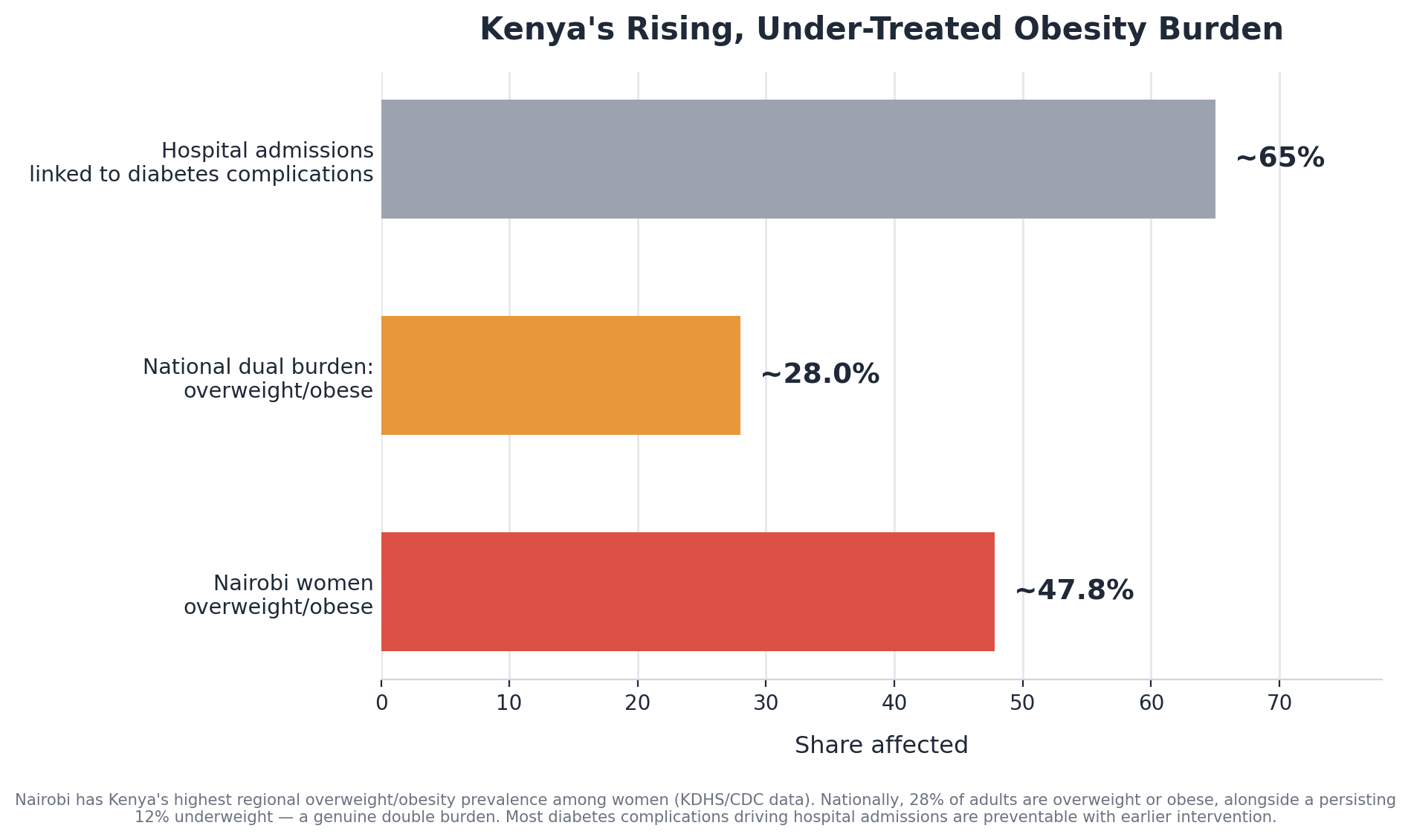
Kenya carries a genuine double burden: roughly 12 percent of adults remain underweight while 28 percent nationally are overweight or obese, and in Nairobi specifically, close to half of women fall into that category — the highest regional rate in the country. This is not a slow-moving trend; urbanisation and dietary change have driven it hard over the past decade, and it sits alongside rising, frequently undiagnosed type 2 diabetes. In some Kenyan hospital settings, the majority of admissions now trace back to diabetes-related complications, often diagnosed only after serious harm has already occurred.
Bariatric surgery is a genuine, evidence-based treatment for this pattern in the right patient, not a cosmetic shortcut, though it remains underused and rarely discussed openly in Kenya. Weight-related stigma often makes patients delay seeking help until comorbidities like diabetes or joint damage are already established, which is precisely the wrong direction — earlier intervention, while a patient is still relatively healthy, tends to produce better surgical and long-term outcomes than waiting until complications force the issue. If you are considering it, you are engaging with a real medical intervention for a real and growing health problem, not something to feel embarrassed about raising with a doctor.
Should you travel at all?
Kenya performs bariatric surgery, and Aga Khan University Hospital Nairobi, The Nairobi Hospital and a small number of other private centres offer it, with capable Kenyan surgeons doing this work. For a straightforward sleeve gastrectomy with a trusted local surgeon and genuine post-operative dietitian support, treatment in Nairobi is worth exploring first. The case for India strengthens where local programme depth is limited — particularly the ongoing dietitian and psychological support that determines long-term success far more than the surgery itself — or where the cost differential is large enough to matter for a family weighing this decision seriously.
On funding: Kenya's Social Health Authority funds overseas treatment only for 36 gazetted procedures unavailable locally, and bariatric surgery is not among them, since Kenya can perform it. Plan to pay for surgery in India yourself, and check your private insurance separately, since some policies specifically exclude weight-loss surgery regardless of medical justification.
Part one: judging the surgeon
1. Personal annual bariatric case volume
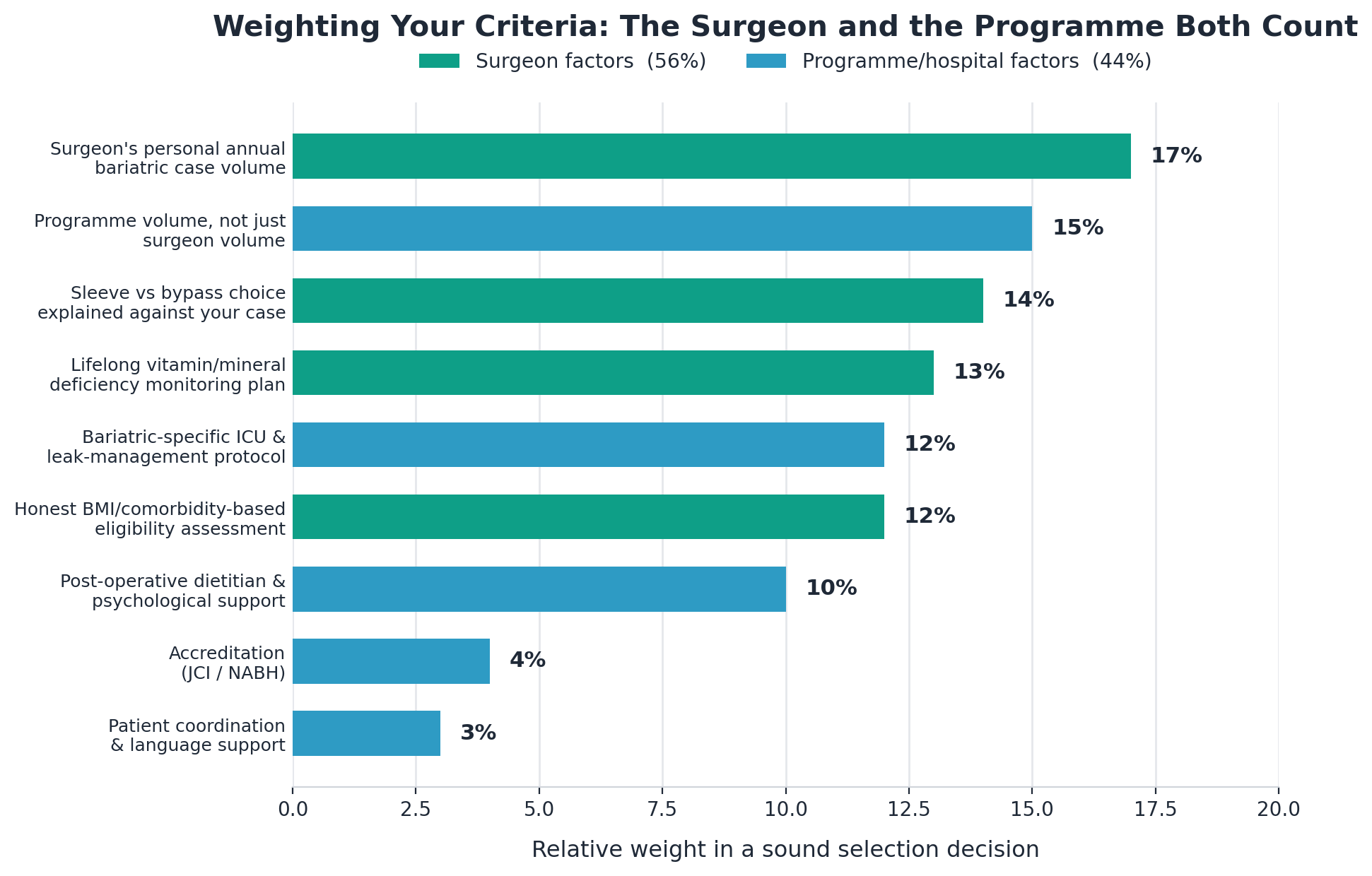
I weight this above every other single factor, and the chart below reflects that. Ask directly how many bariatric procedures the surgeon personally performs each year, and specifically how many of the exact procedure being proposed for you. Complication rates, particularly leak rates at the staple or join line, correlate strongly with individual surgeon experience.
2. Honest eligibility assessment
Ask whether you meet recognised criteria — generally a BMI of 40 or above, or 35 or above with a significant weight-related condition such as diabetes, hypertension or sleep apnoea — and whether genuine attempts at diet and lifestyle change have been considered first. A surgeon willing to operate simply because you can pay, without this honest assessment, is not the surgeon you want.
3. Sleeve versus bypass, explained against your case
Ask why sleeve gastrectomy or gastric bypass is being proposed specifically for you, referencing your BMI, comorbidities and eating pattern, rather than the programme's default preference. Bypass often produces greater weight loss and can be more effective for significant diabetes, but carries a higher long-term nutritional deficiency risk than sleeve, since it reroutes part of the digestive tract rather than simply reducing stomach volume; a good surgeon explains this trade-off plainly rather than defaulting to one procedure for everyone who walks through the door.
Part two: judging the programme and hospital
For bariatric surgery, the surrounding programme carries substantial weight, reflected in the meaningful hospital-side percentage below — this is a rare procedure in this series where "the hospital" really means "the team around the surgeon."
4. Programme volume, not just surgeon volume
Ask how many bariatric cases the department performs annually as a whole, and whether it holds recognised bariatric centre accreditation, such as IFSO Centre of Excellence status where applicable. A programme with genuine scale has practised systems — pre-operative optimisation, standardised leak-check protocols, structured follow-up — that an occasional provider has not, and this institutional depth matters as much for a procedure this dependent on aftercare as the individual surgeon's own hands.
5. Post-operative dietitian and psychological support
Ask whether a dietitian is genuinely part of your care before and after surgery, not an optional add-on, and whether psychological support is available given the significant lifestyle and relationship-with- food changes this surgery demands. Long-term weight-loss success depends heavily on this support, arguably as much as the operation itself — patients who receive structured dietary counselling and follow-up in the months after surgery consistently maintain more of their weight loss than those left to manage the transition alone.
6. Lifelong vitamin and mineral deficiency monitoring
Bariatric surgery, particularly bypass, causes lifelong risk of deficiencies in vitamin B12, iron, folate and vitamin D, among others, because the surgery changes how your body absorbs nutrients permanently, not just temporarily while you heal. Ask what supplement regimen is prescribed and what monitoring schedule is planned, and insist this is handed over in writing to a doctor in Kenya who will continue it indefinitely — this is not a course that ends when the wound heals, and an undetected deficiency years later can cause genuine harm.
7. Bariatric-specific ICU and leak-management protocol
Ask what the protocol is for detecting and managing a staple-line or anastomotic leak, the most serious early complication, and whether appropriately experienced surgical and critical care staff are available if one occurs. Ask too what routine imaging or dye testing is done before discharge to confirm the join is secure. A programme that discusses this openly, rather than deflecting the question, is one confident in its own safety record.
8. The cost you will actually pay
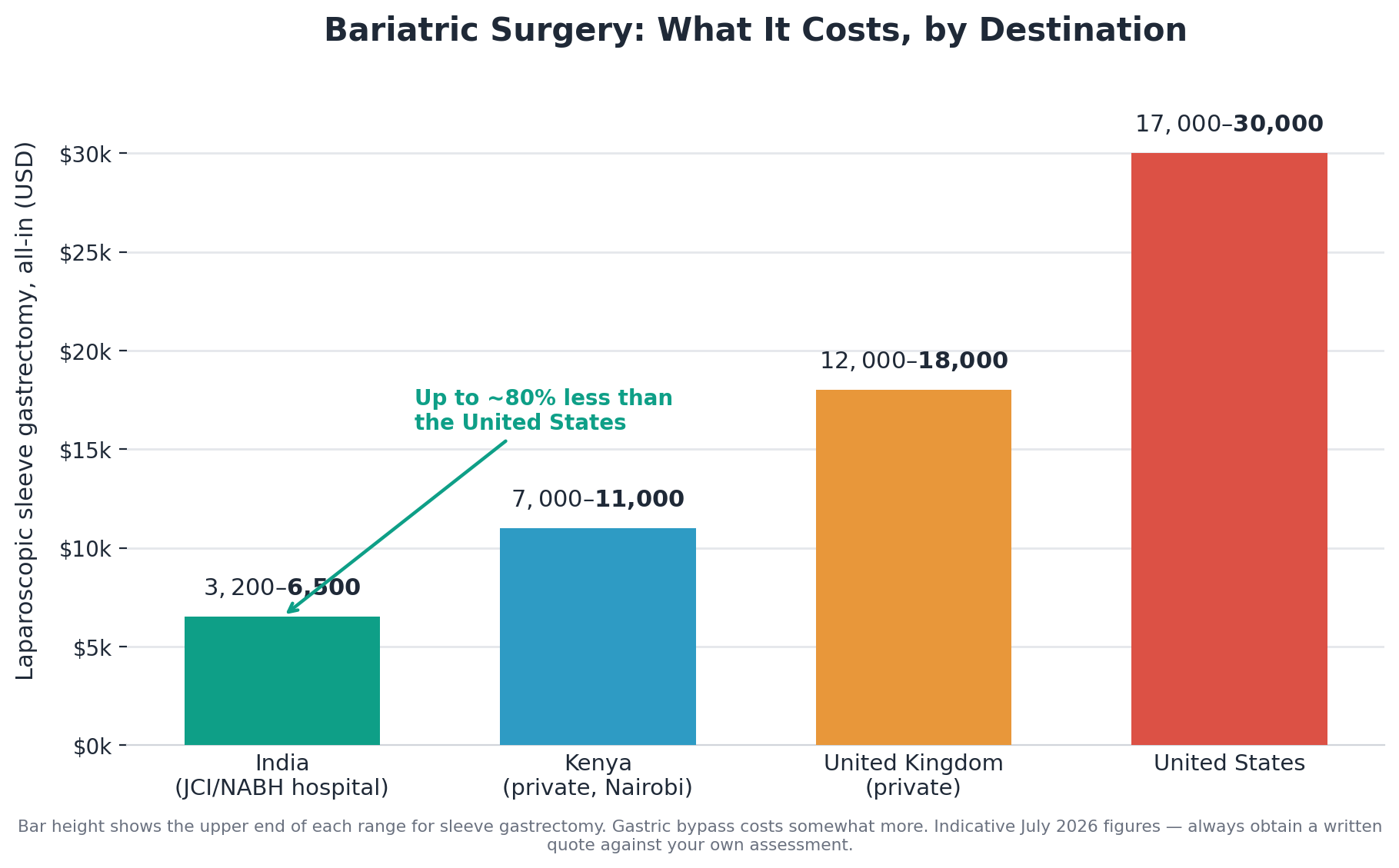
Let me be emphatic about this, because 24 years of handling these cases has taught me nothing more consistently: disputes almost never concern the quoted price. They concern what the quote silently omitted. Insist the written estimate states which procedure is assumed, whether dietitian consultations are included or billed separately, and what ongoing supplement costs to expect.
Budget beyond the surgery. Direct Nairobi–Delhi and Nairobi–Mumbai flights run roughly 550 to 850 dollars return, and 10 to 14 days of accommodation for you and an attendant adds a genuine sum worth planning for.
Four signals that should make you pause
Certain patterns reliably precede a poor outcome. A programme willing to operate without assessing your BMI and comorbidities against recognised criteria. No dietitian or psychological support mentioned as part of the package. A single default procedure offered regardless of your individual case. And no written plan for lifelong vitamin and mineral monitoring after you return home.
None alone proves a bad programme. Together they warrant a second opinion before committing to a lifelong change.
The Kenya-specific practicalities
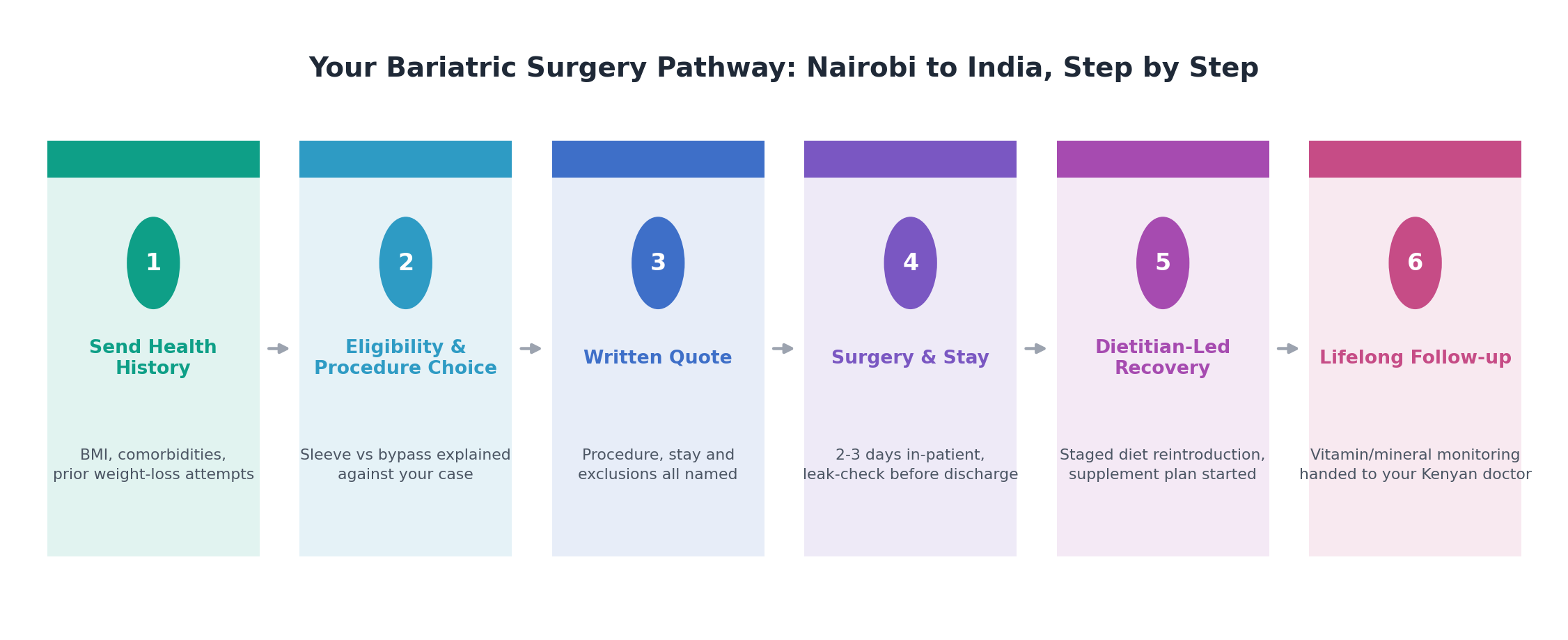
Send a full health history, including BMI, existing comorbidities, current medications and any prior weight-loss attempts, before your first consultation, so the surgeon can give you a genuine assessment rather than a generic quote. Direct Nairobi–Delhi and Nairobi–Mumbai flights make the journey roughly six hours. The Indian medical e-visa is issued within three to five working days against a hospital letter, and an attendant can travel with you on a medical attendant visa, which is worth having given how much dietary supervision the first fortnight involves.
Before you fly, identify a Kenyan doctor or dietitian who will manage your lifelong follow-up, and confirm the specific supplements you will be prescribed are available and affordable in Kenya — this single check prevents a dangerous gap in care months after your wound has healed.
The questions I would ask before paying a deposit
Of the surgeon:
- How many bariatric procedures, and specifically this exact one, do you personally perform each year?
- Do I genuinely meet recognised eligibility criteria for this surgery?
- Why sleeve or bypass for my specific case?
Of the programme:
- Is a dietitian and psychological support genuinely part of my care, before and after?
- What is your leak-detection and management protocol?
- What is my lifelong vitamin and mineral monitoring plan, in writing?
- What exactly is excluded from the quoted price?
A team that answers all seven without irritation is very likely the right team. One that becomes vague at the first or the fourth has told you what you needed to know at no cost at all.
Straight Answers
How do I choose the best bariatric surgeon and hospital in India?
Start with an honest eligibility assessment against BMI and comorbidity criteria. Ask the surgeon's personal annual case volume, why sleeve or bypass is recommended for your case, and confirm the programme includes dietitian and psychological support, not just the operation.
How much does bariatric surgery cost in India for a Kenyan patient?
Sleeve gastrectomy typically costs 3,200 to 6,500 US dollars all in; bypass somewhat more. The same surgery is roughly 7,000 to 11,000 in Nairobi private care, 12,000 to 18,000 in the UK, and 17,000 to 30,000 in the United States.
Why is obesity becoming such a significant problem in Kenya?
Kenya carries a genuine double burden — 12 percent underweight alongside 28 percent overweight/obese nationally, with Nairobi women at nearly 48 percent. Diabetes is rising alongside this, often diagnosed only after complications. Bariatric surgery is a real, evidence-based treatment for this pattern, though still underused and under-discussed in Kenya.
Am I actually a candidate for bariatric surgery?
Generally BMI 40 or above, or 35 or above with a significant weight-related condition, alongside genuine prior attempts at diet and lifestyle change. A responsible surgeon assesses this honestly rather than operating simply because you can pay.
Sleeve gastrectomy or gastric bypass — which is better?
Neither universally — it depends on your health picture. Sleeve is simpler and preserves normal anatomy; bypass often produces greater weight loss and helps significant diabetes more, but carries higher long-term deficiency risk. Ask your surgeon to explain the choice against your own case.
Will SHA pay for bariatric surgery in India?
No. SHA's overseas benefit covers only 36 gazetted procedures unavailable in Kenya, and bariatric surgery isn't among them since Kenya can perform it. Plan to self-fund and check your private insurance separately.
How long must I stay in India, and what happens afterward?
Roughly 10 to 14 days for the surgery itself. Afterward, this is a lifelong relationship — regular vitamin and mineral checks and ongoing dietitian support should continue indefinitely under a Kenyan doctor using a written protocol from your Indian team.
A closing word
The best bariatric programme in India for you is the one that assesses you honestly against real criteria, explains sleeve versus bypass against your own health rather than habit, and treats the dietitian and lifelong monitoring plan as seriously as the operation. If you would like me to talk through your situation honestly, including whether this surgery is genuinely right for you, get in touch.
Sources
- 🌐 Kimani-Murage EW, et al. Prevalence and associated factors of underweight and overweight/obesity among adults in Kenya
- 🌐 Prevalence and Predictors of Overweight and Obesity Among Kenyan Women. Preventing Chronic Disease, CDC
- 🌐 Rising Diabetes Cases in Kenya Demand Early Screening. Kenyatta University Teaching, Referral & Research Hospital (KUTRRH) , 2026
- 🌐 National Medical Commission of India — surgeon and specialist registration verification
- 🌐 National Accreditation Board for Hospitals & Healthcare Providers (NABH) — accredited hospital directory
- 🌐 Kenya Social Health Authority (SHA) — benefits packages and overseas treatment guidance
Frequently Asked Questions
Why should Kenyan patients consider bariatric surgery in India?
Kenyan patients may consider bariatric surgery in India when they are looking for greater bariatric programme depth, specialist expertise, structured support and comprehensive postoperative care. Treatment decisions should be based on individual medical needs and the overall quality of the programme.
How much does bariatric surgery cost in India for Kenyan patients?
The guide gives an indicative cost of approximately USD 3,200–6,500 for sleeve gastrectomy, while gastric bypass may cost more. The final cost depends on the procedure and the services included in the treatment package.
Which bariatric procedures are available for Kenyan patients in India?
The two main procedures discussed are sleeve gastrectomy and gastric bypass. The appropriate procedure should be selected according to the patient's individual health profile, medical conditions and long-term treatment needs.
How can Kenyan patients choose a bariatric surgeon in India?
Patients should ask about the surgeon's personal bariatric experience, annual case volume and experience with the specific procedure being recommended. They should also understand why the surgeon considers that procedure appropriate for their condition.
What should Kenyan patients look for in a bariatric hospital in India?
Patients should evaluate the complete bariatric programme rather than focusing only on the surgery. Important factors include dietitian support, psychological care, structured follow-up, complication management and long-term nutritional monitoring.
Do Kenyan patients need to meet specific criteria for bariatric surgery in India?
Yes. The guide discusses BMI of 40 or above, or 35 or above with a significant weight-related condition such as diabetes, hypertension or sleep apnoea. Previous attempts at diet and lifestyle change should also be considered during assessment.
How long do Kenyan patients need to stay in India for bariatric surgery?
The guide indicates an approximate stay of 10–14 days for surgery and the immediate treatment period. Patients should also arrange their long-term dietary, nutritional and medical follow-up in Kenya before returning home.
Can Kenyan patients continue bariatric follow-up in Kenya after surgery in India?
Yes. Patients should obtain a written supplementation and follow-up plan from the Indian bariatric team. This can help a doctor or dietitian in Kenya continue monitoring their nutritional needs and postoperative care.
What should Kenyan patients check before paying for bariatric surgery in India?
Patients should confirm the exact procedure included in the quotation and check which hospital and professional services are covered. They should also clarify exclusions, additional charges, dietitian services and ongoing supplement requirements before making payment.
Is bariatric surgery in India covered by Kenya's Social Health Authority (SHA)?
According to the guide, bariatric surgery is not included under SHA's overseas benefit because the procedure can be performed in Kenya. Kenyan patients considering treatment in India should therefore plan for self-funding and separately check any applicable private insurance coverage.
Page Summary
This guide helps Kenyan patients understand how to choose bariatric surgeons and hospitals in India, with a focus on eligibility, procedure selection, surgeon experience and comprehensive postoperative support. It explains the key considerations for sleeve gastrectomy and gastric bypass and highlights the importance of dietitian support, nutritional monitoring and structured follow-up. Patients are also advised to obtain a clear supplementation and follow-up plan before returning to Kenya so that their long-term bariatric care can continue at home.
Citation Block
| Topic | Information |
|---|---|
| Topic Information | Bariatric Surgery in India for Kenyan Patients |
| Treatment | Bariatric Surgery and Long-Term Weight Management |
| Country | India |
| Intended Audience | Kenyan Patients and Families |
| Primary Condition | Obesity and Weight-Related Conditions |
| Main Procedures | Sleeve Gastrectomy and Gastric Bypass |
| Eligibility | BMI 40+, or BMI 35+ with significant weight-related conditions |
| Key Selection Factor | Surgeon Experience and Bariatric Programme Quality |
| Procedure Selection | Based on Individual Health Profile |
| Important Support | Dietitian, Psychological Care and Structured Follow-Up |
| Long-Term Care | Vitamin and Mineral Monitoring |
| Kenya Follow-Up | Written Supplementation and Follow-Up Plan |
| Why Consider India | Specialist Expertise, Programme Depth and Potential Cost Differences |
| Travel Routes | Nairobi–Delhi and Nairobi–Mumbai |
| Indicative Return Airfare | Approximately USD 550–850 |
| Indicative Stay | Approximately 10–14 Days |
| Sleeve Gastrectomy Cost | USD 3,200–6,500 |
| Gastric Bypass Cost | May Be Higher |
| Nairobi Private-Care Comparison | Approximately USD 7,000–11,000 |
| Programme Accreditation | IFSO Centre of Excellence Where Applicable |
| Package Check | Confirm Inclusions and Exclusions Before Payment |
| Travel Planning | Flights, Accommodation and Medical Documents |
| Postoperative Planning | Continued Follow-Up in Kenya |
| Patient Preparation | Diet, Recovery and Supplement Requirements |
| Ongoing Costs | Supplements, Follow-Up and Nutritional Monitoring |
| Author | Dr. Dheeraj Bojwani |
| Experience | 24 Years' Experience |


Our Mission Statement
Our mission is to place patients at the centre of every healthcare decision by providing trustworthy, evidence-based, and unbiased medical information. We believe that informed patients make better decisions. Backed by personalised guidance from our experienced advisory team, we help patients understand their treatment options, compare them objectively, and confidently choose the path that best suits their medical needs and personal circumstances.
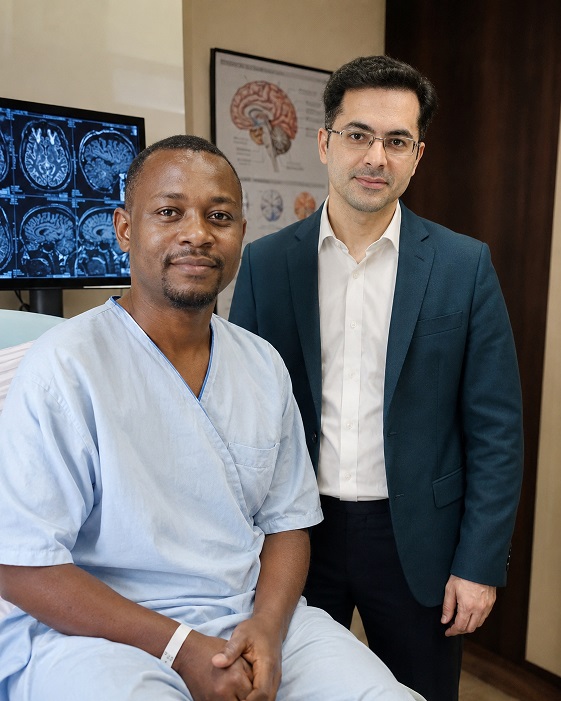
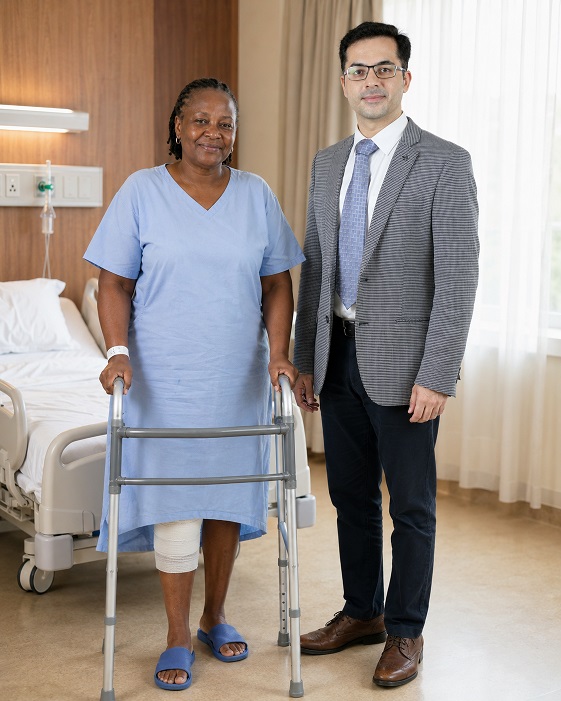
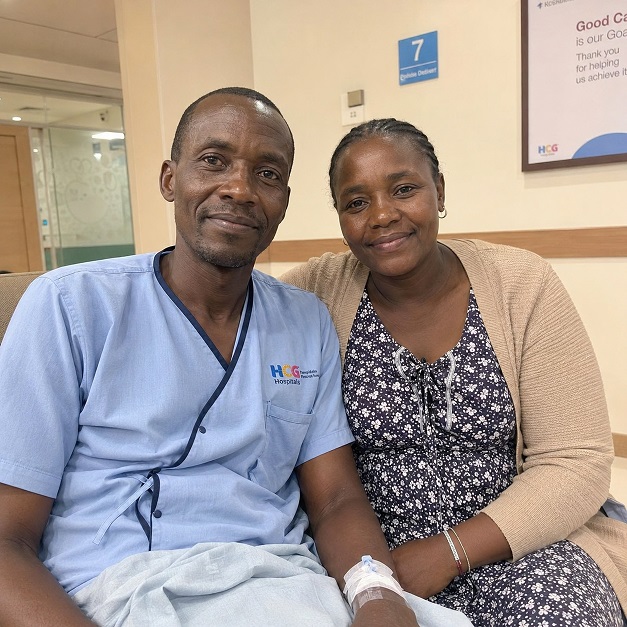
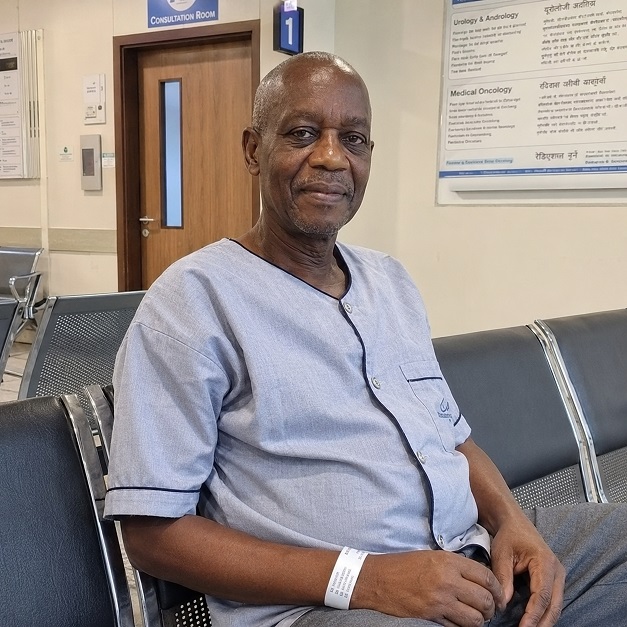
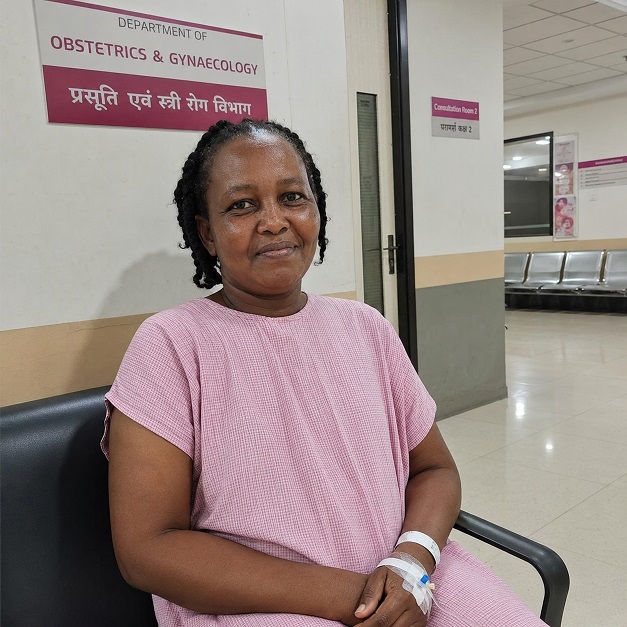
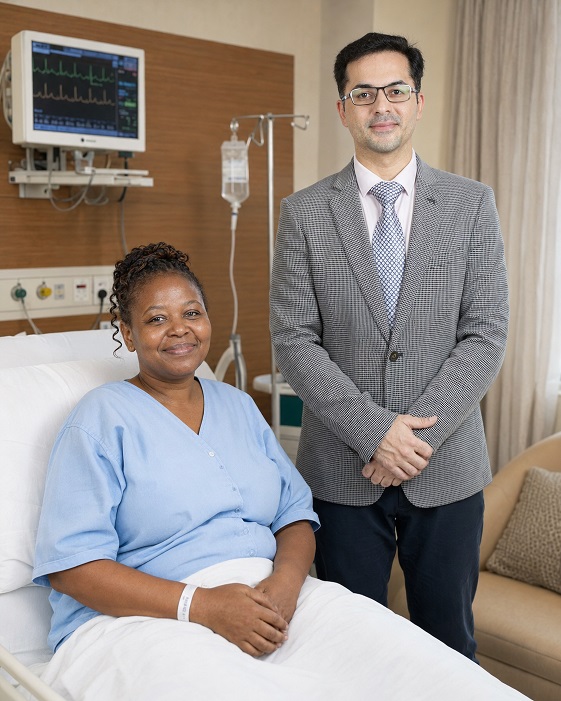
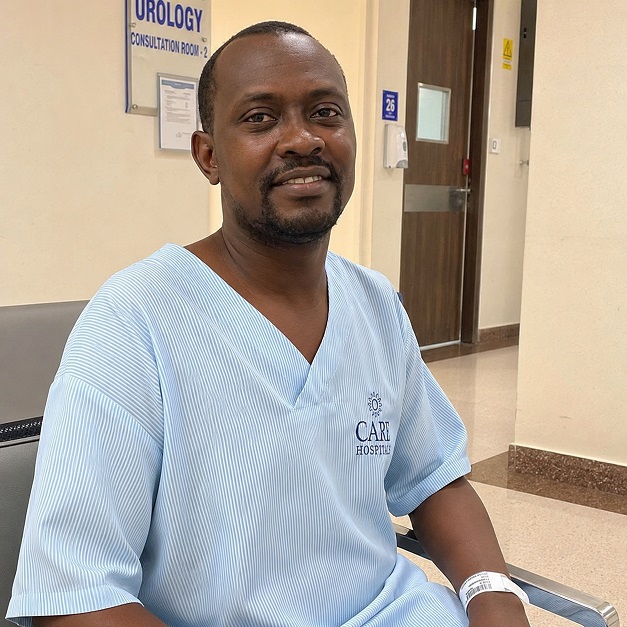
Patient Testimonials from Kenya


Ready to Take the First Step?
Share your Medical Reports with our Healthcare Managers Today and Get a FREE CONSULTATION, a Personalized Treatment Plan, and Complete Support from Arrival to Recovery.
Get Your Free ConsultationAreas We Serve
This resource has been thoughtfully prepared for patients from Kenya who are considering medical treatment in India. We also welcome patients from the wider region in the countries mentioned below-
We assist patients from:
- Ethiopia
- Somalia
- Tanzania
- Uganda
- Seychelles
- Guinea
- Guinea-Bissau
- Liberia
- Mali
- Mauritania
- Niger
- Nigeria
- Senegal
- Togo
- South Sudan
- Sierra Leone
Many of the insights, treatment pathways, hospital recommendations, travel guidance, and patient support services described here are equally relevant and may be used as a reference when planning treatment in India.
From Kenya to India: Your Complete Patient Support Guide
- Brain Tumour Surgery in India for Kenyan Patients
- Cancer Treatment and Surgery in India for Kenyan Patients
- Cardiac Treatment and Surgery in India for Kenyan Patients
- Heart Valve Replacement Surgery in India for Kenyan Patients
- Knee Replacement in India for Kenyan Patients
- Prostate Cancer Treatment and Surgery in India for Kenyan Patients
- Spine Treatment and Surgery in India for Kenyan Patients
- Selecting the Best Bariatric Surgeons and Hospitals in India: What Kenyan Patients Should Actually Look For
- Selecting the Best Cancer Surgeons and Hospitals in India: What Kenyan Patients Should Actually Look For
- Selecting the Best Cardiac Surgeons and Hospitals in India: What Kenyan Patients Should Actually Look For
- Selecting the Best Dental Surgeons and Clinics in India: What Kenyan Patients Should Actually Look For
- Selecting the Best Hip Surgeons and Hospitals in India: What Kenyan Patients Should Actually Look For
- Selecting the Best Kidney Transplant Surgeons and Hospitals in India: What Kenyan Patients Should Actually Look For
- Selecting the Best Knee Surgeons and Hospitals in India: What Kenyan Patients Should Actually Look For
- Selecting the Best Liver Transplant Surgeons and Hospitals in India: What Kenyan Patients Should Actually Look For
- Selecting the Best Neurosurgeons and Hospitals in India: What Kenyan Patients Should Actually Look For
- Selecting the Best Prostate Cancer Surgeons and Hospitals in India: What Kenyan Patients Should Actually Look For
- Selecting the Best Spine Surgeons and Hospitals in India: What Kenyan Patients Should Actually Look For