

Selecting the Best Hip Surgeons and Hospitals in India: What Kenyan Patients Should Actually Look For
How you walk in five years is decided by the surgeon at the table and the institution behind him — not by the hospital name or the price.
Every week I speak to a Kenyan patient who has been told they need a hip replacement, and almost every one asks the same question first: which hospital, and how much. Both matter, but neither is the question that determines how you will walk in five years' time. That is decided by two things working together — the surgeon standing at the table, and the institution standing behind him. This article sets out the criteria I use when I shortlist surgeons and hospitals for a patient flying from Nairobi, Mombasa or Kisumu. Across 24 years of guiding international patients to Indian hospitals, I have learned that some of the best-marketed names are not the ones I send hip patients to.
Healing Journeys of Kenyan Patients








Key Takeaways
- Kenyan patients considering hip replacement in India should evaluate the surgeon and the hospital together. The guide emphasises that long-term outcomes depend on the surgeon's experience as well as the infrastructure supporting the operation and recovery.
- For a straightforward primary hip replacement, treatment in Nairobi can be a reasonable option. The case for travelling to India becomes stronger for revision hip replacement, avascular necrosis in younger patients, hip dysplasia, post-infective arthritis and other complex cases requiring greater surgical volume and subspecialisation.
- The surgeon's personal annual hip replacement volume is presented as the most important selection criterion. The guide suggests asking how many total hip replacements, revisions and complex primary procedures the surgeon personally performs each year.
- A surgeon performing approximately 150–300 hip replacements annually is described as having substantially greater repeated experience with component positioning, leg-length restoration, offset and soft-tissue balancing than an occasional operator.
- Patients should ask surgeons directly about their dislocation, infection and revision rates. The guide considers openness about complications an important sign of experience and transparency.
- Implant choice matters, particularly for younger and more active patients. For most patients, the guide describes a ceramic head with a highly cross-linked polyethylene liner as a sensible default because of its wear characteristics.
Quick Facts
- Conditions Covered
- Hip osteoarthritis, avascular necrosis, hip dysplasia, post-infective arthritis, failed hip replacement and complex hip conditions
- Procedures Mentioned
- Primary total hip replacement, complex primary hip replacement and revision hip replacement
- Target Audience
- Kenyan patients considering hip replacement surgery in India
- Author/Advisor
- Dr. Dheeraj Bojwani, Independent Medical Travel Advisor, 24 years' experience
- Surgeon Selection Priority
- Personal annual hip replacement volume rather than the hospital's overall surgical volume
- Suggested High-Volume Benchmark
- Approximately 150–300 hip replacements personally performed per year
- Complication Transparency
- Patients should ask about the surgeon's dislocation, deep infection and revision rates.
- Implant Selection
- The guide describes a ceramic head articulating with highly cross-linked polyethylene as a sensible default for most patients.
- Indicative 15-Year Implant Survivorship – Page 3 Chart
- Ceramic-on-highly-cross-linked polyethylene ~96%; ceramic-on-ceramic ~94%; metal-on-highly-cross-linked polyethylene ~92%; conventional polyethylene ~86%.
- Surgical Approach
- The guide notes that early recovery differences between anterior and posterior approaches largely disappear by approximately three months; surgeon experience with the chosen approach is considered more important.
In Brief
Kenyan patients choosing a hip surgeon and hospital in India should look beyond hospital branding and package prices. The guide recommends assessing the surgeon's personal annual hip volume, revision experience, complication rates, implant and bearing-surface choice, and experience with the preferred surgical approach. Hospital factors include dedicated arthroplasty theatres, infection control, 24-hour critical-care support, implant inventory, revision capability and structured rehabilitation. The page 6 cost chart places indicative hip replacement surgery in India at approximately USD 6,500, while the guide's voice-search section gives a typical range of USD 5,500–8,000 at an accredited Indian hospital.
First, be honest about whether you need to travel at all
Kenya performs hip replacement, and performs it competently. Kenyatta National Hospital and Kenyatta University Teaching, Referral & Research Hospital both run arthroplasty services. Aga Khan University Hospital Nairobi, The Nairobi Hospital, MP Shah and Karen Hospital all have orthopaedic surgeons doing primary hips, several of them fellowship-trained abroad and genuinely good at what they do.
If you have straightforward osteoarthritis, normal bone stock, no previous hip surgery, and a Nairobi surgeon you trust offers a primary total hip with a good implant, taking that offer is entirely reasonable. I have told patients exactly this and watched them do very well.
The calculation changes when the hip is not straightforward. Revision of a failed replacement. Avascular necrosis in a thirty-four-year-old who needs an implant to last forty years. Hip dysplasia with a shallow socket. Post-infective arthritis. These are operations where the gap between a surgeon who does twelve a year and one who does two hundred shows up in theatre, not in the brochure. India's advantage is not cleverer surgeons. It is volume, sub-specialisation, and the depth of the institution behind the surgeon when something unexpected appears on the table.
Part one: judging the surgeon
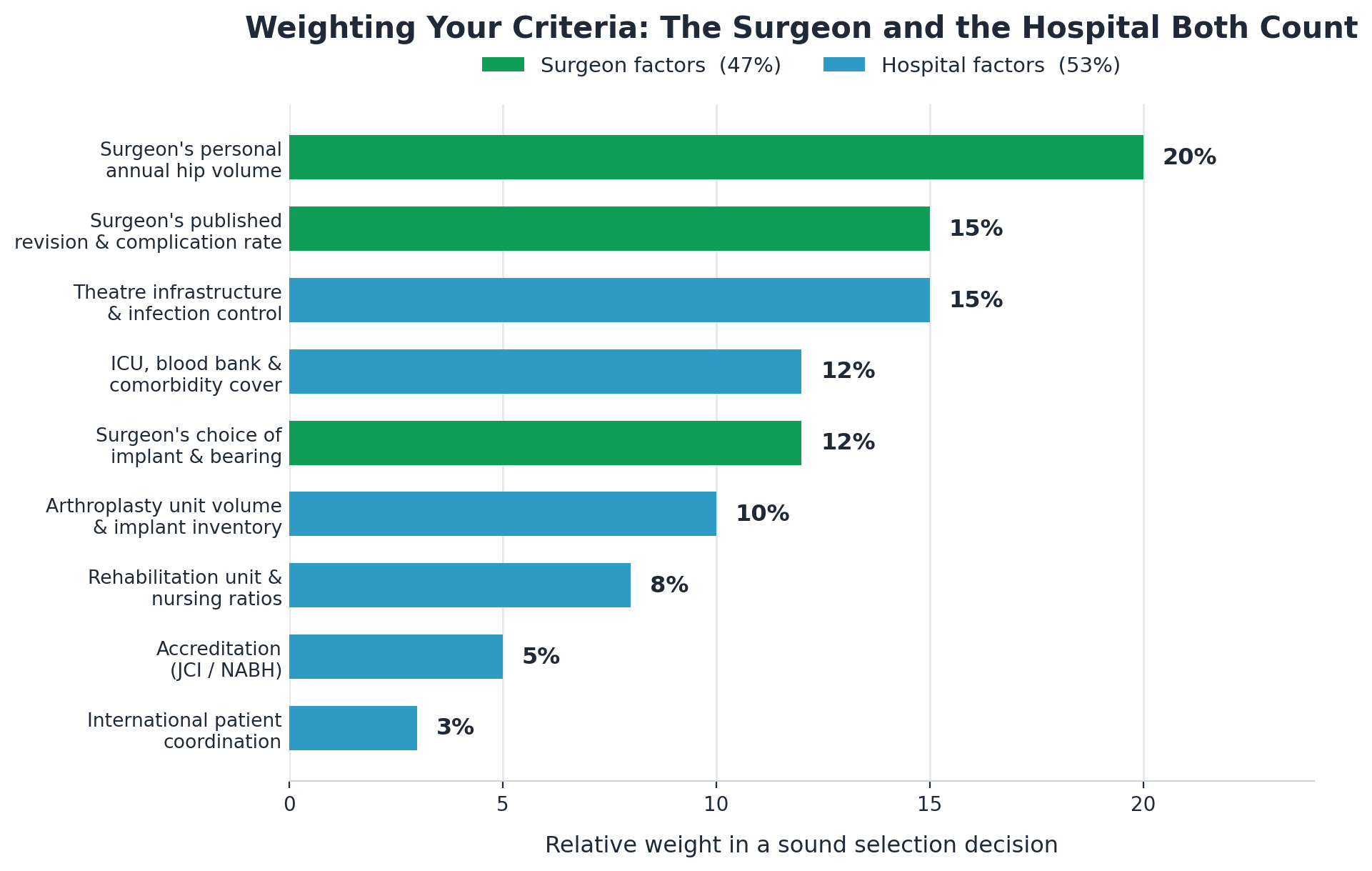
1. The surgeon's personal annual hip volume
This is the single most predictive number in the entire decision, and it is the one hospitals are least keen to publish. Ask it plainly, in writing: How many total hip replacements do you personally perform each
A surgeon doing 150 to 300 hips annually has automated the parts of the operation that go wrong for occasional operators: component positioning, leg-length restoration, offset, soft-tissue balancing. The volume-outcome relationship in arthroplasty is one of the more robust findings in orthopaedic literature. If a surgeon answers with the hospital's total rather than his own, treat that as information.
2. Whether they will discuss their complications
I put more weight on this than on any certificate hanging in the consulting room. A good hip surgeon will volunteer his dislocation, infection and revision rates without being cornered, and will tell you the circumstances in which his results are worse. A surgeon who claims a zero complication rate is either inexperienced or not being straight with you, and neither is what you want.
3. The implant and the bearing surface
Patients rarely ask about this and it is arguably the second most important decision after choosing the surgeon. The bearing surface — the pair of materials that rub against each other inside your new joint — determines how long the implant lasts.
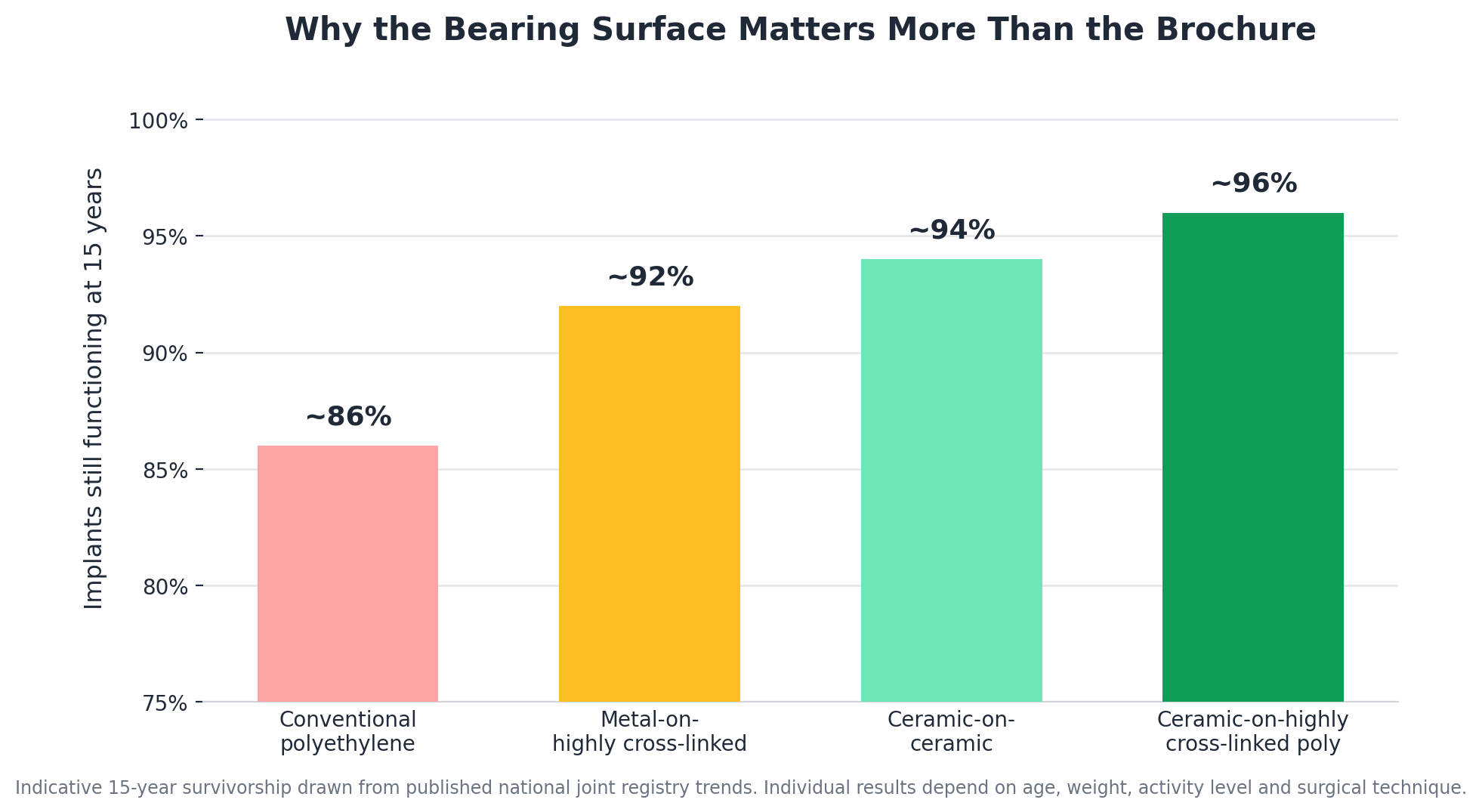
For most patients, a ceramic head articulating with a highly cross-linked polyethylene liner is the sensible default: excellent wear characteristics without the squeaking and fracture risk that occasionally accompanies ceramic-on-ceramic. Conventional polyethylene, still used in some cost-driven packages, wears measurably faster and is a poor choice in anyone under seventy.
Ask which implant system is proposed and why that one for you specifically. Then ask the question that separates a real answer from a sales answer: what would you use if I were your brother? Be alert to the cheapest package quotes, which often achieve their price by fitting an implant you would not choose if you understood the trade-off.
4. The surgical approach, briefly
Much is written online about the anterior approach delivering faster recovery than the posterior. There is some truth in it early on, but by three months the difference largely disappears. What matters is that your surgeon uses the approach he has done thousands of times. Ask which he uses and why, then accept the answer if volume sits behind it.
Part two: judging the hospital
Patients research surgeons and accept whichever hospital that surgeon happens to work in. That is the wrong way round for hip surgery. The operation itself lasts ninety minutes; the institution around it governs everything that happens in the ten days afterwards, and it is in those ten days that the serious complications declare themselves. Five hospital factors deserve real scrutiny.
5. Accreditation, but read it properly
JCI accreditation and NABH accreditation are meaningful signals — they audit infection control, medication safety, surgical checklists and incident reporting. But accreditation belongs to the hospital, not to the surgeon operating on you, and it certifies that systems exist rather than that they are excellent. Use accreditation as a filter to exclude candidates, not as a reason to choose one.
6. The operating theatre itself
Deep infection of a hip prosthesis is the complication that turns a good outcome into two years of misery, and unlike most complications it is substantially an institutional problem rather than a surgical one. This is where hospitals genuinely differ, and where you are entitled to ask direct questions.
Ask whether hips are done in a dedicated arthroplasty theatre or one shared with trauma and abdominal cases. Ask whether it has laminar airflow, whether the team uses body exhaust suits, and what the protocols are on antibiotic prophylaxis and theatre traffic during implantation. A good hospital answers these easily because it audits them. One that treats the question as impertinent is telling you something.
7. What stands behind the theatre at two in the morning
This is the criterion I would put highest for any Kenyan patient over sixty or anyone with hypertension, diabetes or kidney impairment — which, in practice, is most of the patients I see. Hip replacement is well tolerated, but the people who get into difficulty do so from a chest infection, a cardiac event, a bleed, or a blood sugar that runs away from them on day two. What determines the outcome then is not the orthopaedic surgeon. It is whether an intensivist is physically present in the building overnight.
Establish four things. Is there an intensive care unit with an on-site intensivist around the clock, or only an on-call arrangement? Is there an in-house blood bank? Are cardiology, nephrology and diabetology available for same-day in-patient review? And what is the nursing ratio on the ward at night? A hospital with a strong arthroplasty surgeon but a thin overnight critical care service is a poor place to be an unwell seventy-year-old a long way from home.
8. The unit's volume, implant inventory and revision capability
Ask what the arthroplasty unit as a whole does. A department performing 800 to 1,500 joint replacements a year has practised systems — pre-operative optimisation, standardised pain protocols, day-one mobilisation, discharge criteria — that a department doing 150 has not.
Then ask about implant inventory. Does the hospital hold a full range of stem and cup sizes on the shelf, including revision components, or order your implant per case? This sounds like a procurement detail and is not. If your anatomy differs from what the X-ray suggested, or the surgeon finds poor bone stock once he is inside, an alternative component on the shelf is the difference between adapting and compromising. A unit that routinely accepts revisions referred from other hospitals is signalling both inventory depth and institutional confidence.
9. Rehabilitation, nursing and continuity of care
Hip outcomes are made in the six weeks after surgery as much as in the ninety minutes of the operation, and rehabilitation is an institutional capability rather than a surgeon's. Ask whether there is a dedicated in-patient physiotherapy gym or only a bedside visit, whether you are mobilised on day one, how many sessions are included and how many are billed extra, and who reviews you each morning — the operating surgeon, or a rotating junior. For an international patient that last point matters, because you cannot chase an inconsistency once you have flown home.
Finally, establish the plan for physiotherapy back in Kenya. A good unit writes a rehabilitation protocol your Nairobi physiotherapist can follow and stays reachable on WhatsApp when a question arises at week four.
10. The cost you will actually pay
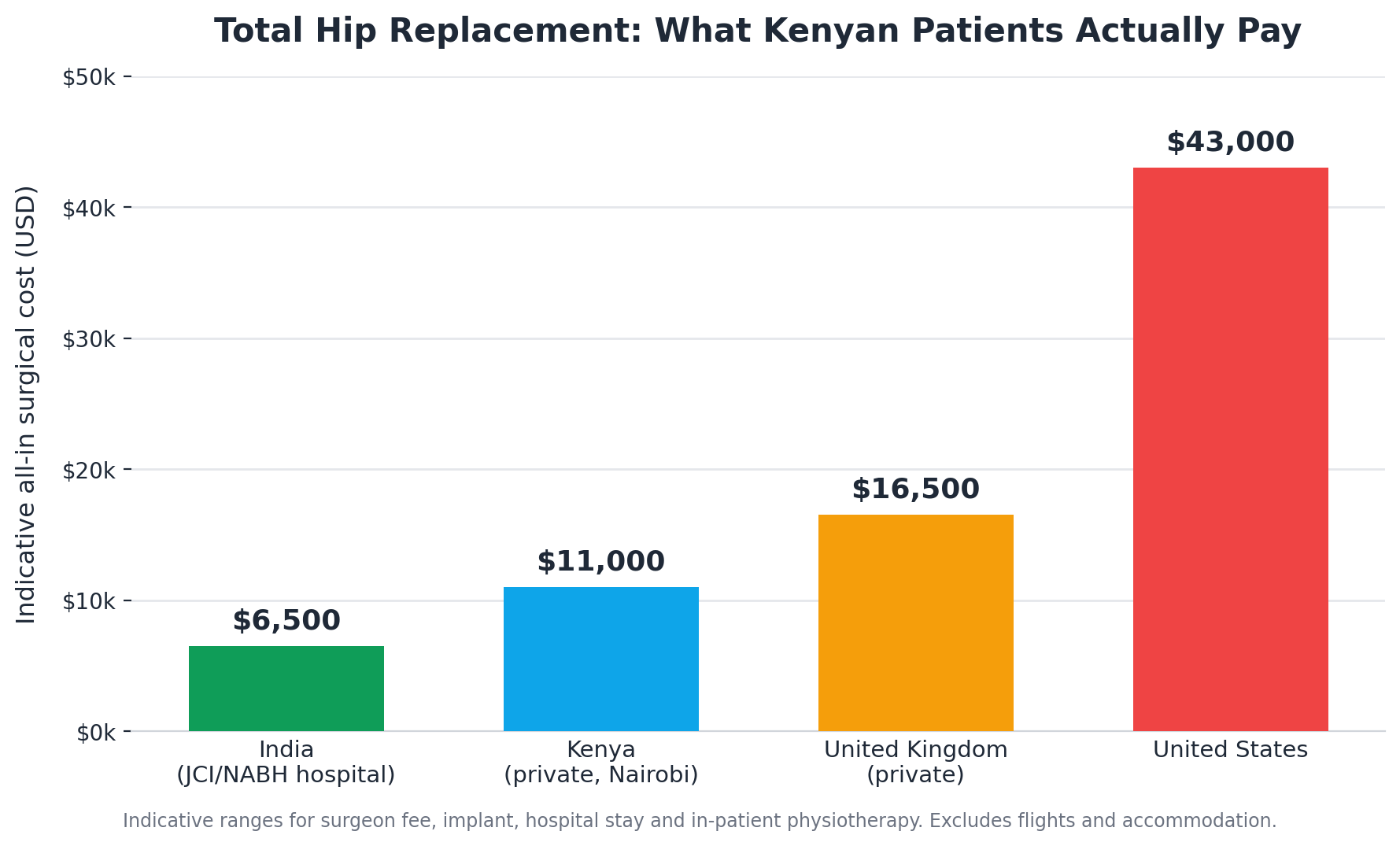
The figures above are indicative all-in surgical costs. What matters is not the quoted package price but a written estimate specifying what happens if you need an extra ICU day, an unexpected transfusion, or a longer stay. Ask for the exclusions in writing. Let me be emphatic about this, because 24 years of handling these cases has taught me nothing more consistently: disputes almost never concern the quoted price. They concern what the quote silently omitted.
Budget beyond the surgery: direct return flights from Nairobi run 550 to 850 dollars, three weeks of accommodation for you and an attendant 700 to 1,200 dollars, and you will lose four to six weeks of earnings. Saving 4,000 dollars against a Nairobi quote is a real saving, but it is not a free operation.
Four warning signs that should make you pause
Certain patterns reliably precede an unhappy patient. First, a quotation that arrives within an hour of your first enquiry and before anyone has looked at your X-rays — that is a sales process, not a clinical one. Second, pressure to confirm quickly because the surgeon's list is filling up; good hip surgeons are busy, but reputable hospitals do not manufacture urgency. Third, an unwillingness to arrange a video consultation with the operating surgeon before you travel, as opposed to a call with a coordinator. Fourth, a package price notably below every other quotation you have received, which almost always means a cheaper implant, a shorter stay, or physiotherapy billed separately once you arrive.
None of these alone proves a bad hospital. All four together mean you should get a second opinion from a unit with no financial relationship to the first.
11. The practical Kenyan considerations
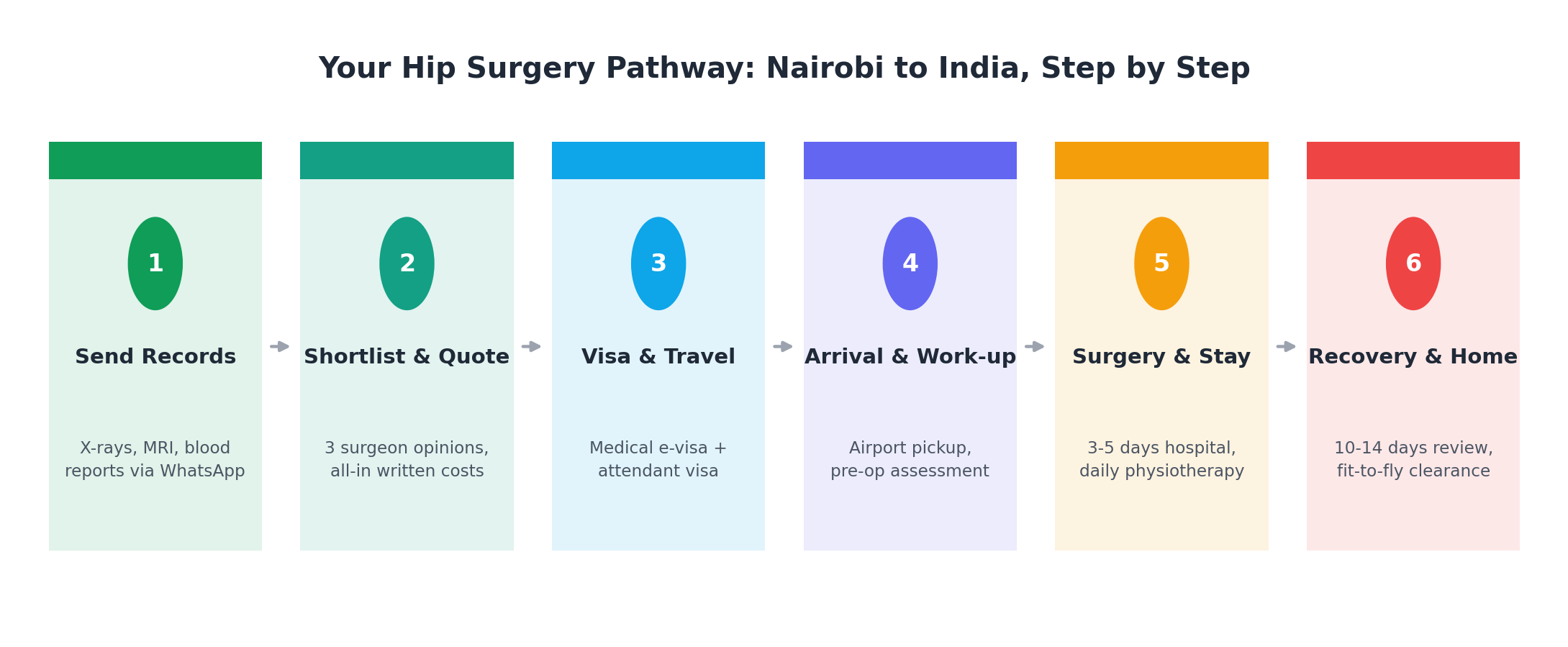
Direct Nairobi–Delhi and Nairobi–Mumbai flights make India roughly a six-hour journey, which matters more than it sounds when travelling with a painful hip. The Indian medical e-visa is issued to Kenyan passport holders within three to five working days against a hospital letter, and up to two attendants can travel on a medical attendant visa. Swahili-speaking coordinators are now standard at the larger units — but ask whether the coordinator is a translator or an employee whose job is to sell the package, because these are not the same thing.
The questions I would ask before I paid a deposit
Of the surgeon:
- How many hip replacements do you personally perform each year, and how many are revisions?
- What is your dislocation rate and your deep infection rate?
- Which implant and which bearing surface, and why that one for me?
- Which approach do you use, and what is your reasoning?
Of the hospital:
- Are hips done in a dedicated arthroplasty theatre with laminar airflow?
- Is there an on-site intensivist overnight, and an in-house blood bank?
- How many joint replacements does the unit perform annually?
- Do you hold revision implants and a full size range in stock?
- How many physiotherapy sessions are included, and who reviews me each morning?
- What exactly is excluded from the quoted price?
- May I speak to a previous patient from East Africa?
A team that answers all eleven without irritation is very likely the right team. One that becomes defensive at the second or the sixth has told you what you needed to know at a cost of nothing.
Straight Answers for Kenyan Patients about Hip Surgeons and Hospitals in India
How do I choose the best hip surgeon in India from Kenya?
Start with the surgeon's annual hip volume rather than the hospital's advertising. Ask how many hip replacements he or she personally performs each year, what proportion are revisions, and which implant systems are used routinely. A surgeon doing 150 to 300 hips a year has a materially different error rate from one doing thirty. Then confirm JCI or NABH accreditation, get the all-in cost in writing, and insist on a video consultation before booking a flight.
How much does hip replacement surgery cost in India for a Kenyan patient?
Typically 5,500 to 8,000 US dollars all in at an accredited Indian hospital, covering surgeon fee, implant, theatre, a three to five day stay and in-patient physiotherapy. Nairobi private hospitals generally run 9,000 to 14,000 dollars, private UK care around 16,000, and the United States above 40,000. Add 1,200 to 2,000 dollars for flights, accommodation for you and an attendant, and the two-week recovery period before flying home.
Is hip replacement available in Kenya, and should I just have it done in Nairobi?
Yes. Kenyatta National Hospital, KUTRRH, Aga Khan University Hospital, Nairobi Hospital, MP Shah and Karen Hospital all perform hip replacement, and several Kenyan orthopaedic surgeons are genuinely excellent. For a straightforward primary hip in a healthy patient, Nairobi is a reasonable choice. The case for India strengthens with complexity: revision surgery, avascular necrosis in a young patient, hip dysplasia, previous infection, or where you want a specific bearing surface and a surgeon who does that operation weekly.
Which hip implant is best and does it really matter?
It matters more than the brochure suggests. For most patients under sixty-five, a ceramic head on a highly cross-linked polyethylene liner offers the best combination of wear resistance and safety, with roughly 96 percent of implants still functioning at fifteen years in registry data. Conventional polyethylene performs considerably worse. Ask which bearing is proposed and why, and make sure the answer relates to your age, weight and activity level rather than hospital stock.
How long must I stay in India after hip replacement surgery?
Plan for eighteen to twenty-one days: two to three days of pre-operative work-up, three to five days as an in- patient, then ten to fourteen days of outpatient physiotherapy and wound review before fit-to-fly clearance. Flying earlier than two weeks after hip surgery raises deep vein thrombosis risk, so do not book a return ticket that forces you to cut recovery short.
Do I need a medical visa and can my family member travel with me?
Yes to both. Kenyan passport holders can apply for an Indian medical e-visa online, usually issued within three to five working days against a hospital letter. Up to two attendants can accompany you on a medical attendant visa, applied for separately but processed alongside yours. After hip surgery you will need help washing, dressing and moving for the first ten days, so travelling with an attendant is not optional in practical terms.
A closing word
The best hip surgeon in India for you is not the one with the largest advertising budget or the most photogenic hospital lobby. He is the one who does your specific operation frequently, tells you his complication rate before you ask, and chooses your implant based on your age rather than his stock cupboard. And the best hospital is not the one with the most photogenic lobby — it is the one with a dedicated arthroplasty theatre, an intensivist awake at two in the morning, revision implants on the shelf, and a written statement of what it will and will not charge you for. Everything else — the airport pickup, the marble atrium, the welcome basket — is packaging.
If you would like me to look at your X-rays and MRI and tell you honestly whether this operation is worth travelling for, send them across. Sometimes my answer is that you should stay in Nairobi, and I would rather say that than sell you a flight.
Frequently Asked Questions by Kenyans about Hip Surgeons and Hospitals in India
How should Kenyan patients choose the best hip surgeon in India?
The guide recommends starting with the surgeon's personal annual hip replacement volume, rather than the hospital's overall numbers or marketing. Kenyan patients should ask how many total hip replacements the surgeon personally performs each year, how many are revisions and how many are complex primary procedures. The guide identifies approximately 150–300 hip replacements per year as a meaningful high-volume benchmark.
Is it better for a Kenyan patient to have hip replacement in Nairobi or India?
The guide states that hip replacement is performed competently in Kenya and that a straightforward primary hip replacement in a healthy patient can reasonably be performed in Nairobi. The case for India becomes stronger with revision surgery, avascular necrosis in a younger patient, hip dysplasia, previous infection or other complex situations where higher procedure volumes and subspecialisation may be beneficial.
How much does hip replacement surgery in India cost for Kenyan patients?
The voice-search section gives a typical cost of approximately USD 5,500–8,000 at an accredited Indian hospital, covering the surgeon's fee, implant, theatre, a 3–5 day hospital stay and inpatient physiotherapy. The cost chart on page 6 uses USD 6,500 as an indicative India figure, compared with USD 11,000 for private treatment in Nairobi.
Which hip implant does the guide recommend for Kenyan patients?
For most patients, the guide describes a ceramic head articulating with a highly cross-linked polyethylene liner as a sensible default because of its wear characteristics. The chart on page 3 shows indicative 15-year survivorship of approximately 96% for ceramic-on-highly-cross-linked polyethylene, compared with approximately 86% for conventional polyethylene. Individual results still depend on factors such as age, weight, activity and surgical technique.
How long should Kenyan patients stay in India after hip replacement?
The guide recommends planning approximately 18–21 days in India: around 2–3 days for preoperative assessment, 3–5 days as an inpatient and another 10–14 days for outpatient physiotherapy and wound review before fit-to-fly clearance. It advises against booking a return journey that forces the patient to shorten this recovery period.
What should Kenyan patients check when choosing a hospital for hip replacement in India?
Patients should ask whether the hospital has a dedicated arthroplasty theatre with laminar airflow, 24-hour on-site intensivist support, an in-house blood bank, adequate implant inventory, revision capability and structured physiotherapy. The guide also recommends considering JCI or NABH accreditation as a useful screening criterion rather than treating accreditation alone as proof of superior outcomes.
Should Kenyan patients ask a hip surgeon about complication rates?
Yes. The guide considers willingness to discuss complications an important indicator of transparency. Patients should ask specifically about the surgeon's dislocation, deep infection and revision rates. It warns that a surgeon claiming a zero complication rate should be viewed cautiously.
What extra costs should Kenyan patients budget for beyond hip replacement surgery?
In addition to the hospital package, the guide estimates approximately USD 550–850 for direct return flights from Nairobi and USD 700–1,200 for around three weeks of accommodation for the patient and attendant. Patients should also consider lost earnings and obtain written information about charges for additional ICU days, transfusions, longer hospital stays and other exclusions.
What warning signs should Kenyan patients watch for before booking hip surgery in India?
The guide identifies four important warning signs: a quotation issued before anyone reviews the X-rays, pressure to confirm quickly, refusal to arrange a video consultation with the operating surgeon, and a package price substantially lower than competing quotations. A very low price may reflect a cheaper implant, shorter hospital stay or separately charged physiotherapy.
What should Kenyan patients arrange before returning home after hip replacement in India?
Patients should complete their wound review and physiotherapy and obtain fit-to-fly clearance before returning to Kenya. The guide also recommends receiving a written rehabilitation protocol that a physiotherapist in Nairobi can follow, with the Indian treatment team remaining accessible if questions arise during the subsequent recovery period.
Page Summary
This guide explains how Kenyan patients should select a hip surgeon and hospital in India rather than relying on hospital advertising or the lowest package price. It acknowledges that straightforward primary hip replacement can be performed competently in Kenya and identifies complex cases—such as revision surgery, avascular necrosis in younger patients, hip dysplasia and post-infective arthritis—as situations where India's higher surgical volume and subspecialisation may become particularly relevant.
Citation Block
| Topic | Information |
|---|---|
| Topic Information | Selecting the Best Hip Surgeons and Hospitals in India for Kenyan Patients |
| Procedure | Hip Replacement Surgery |
| Country | India |
| Intended Audience | Kenyan Patients |
| Conditions Covered | Hip Osteoarthritis, Avascular Necrosis, Hip Dysplasia, Post-Infective Arthritis and Failed Hip Replacement |
| Procedures | Primary Total Hip Replacement, Complex Primary Hip Replacement and Revision Hip Replacement |
| Typical Stay | Approximately 18–21 Days in India |
| Hospital Stay | Approximately 3–5 Days |
| Recovery in India Before Flying | Approximately 10–14 Days of Physiotherapy and Wound Review |
| Typical India Cost | Approximately USD 5,500–8,000 |
| Indicative Page 6 Cost | Approximately USD 6,500 |
| Preferred Bearing Discussed | Ceramic Head With Highly Cross-Linked Polyethylene Liner |
| Author | Dr. Dheeraj Bojwani |
| Experience | 24 Years' Experience |


Our Mission Statement
Our mission is to place patients at the centre of every healthcare decision by providing trustworthy, evidence-based, and unbiased medical information. We believe that informed patients make better decisions. Backed by personalised guidance from our experienced advisory team, we help patients understand their treatment options, compare them objectively, and confidently choose the path that best suits their medical needs and personal circumstances.
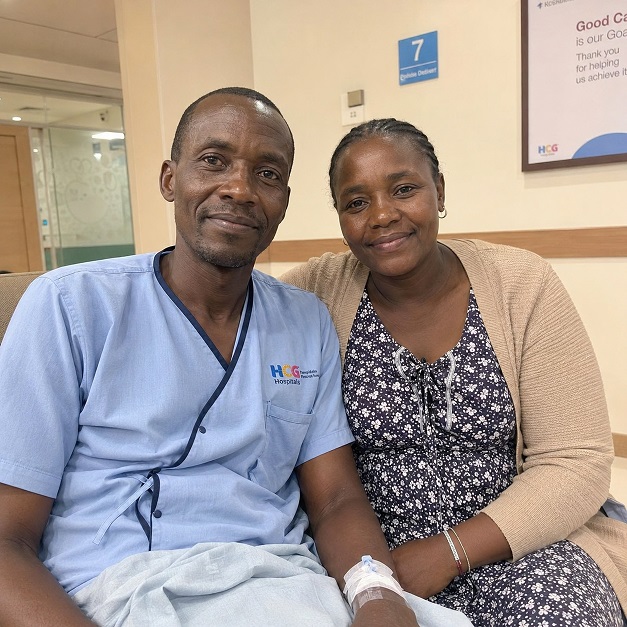
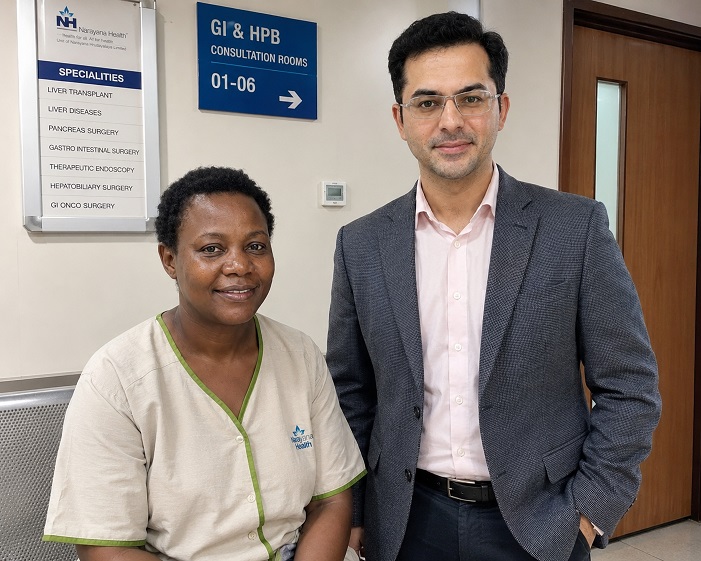
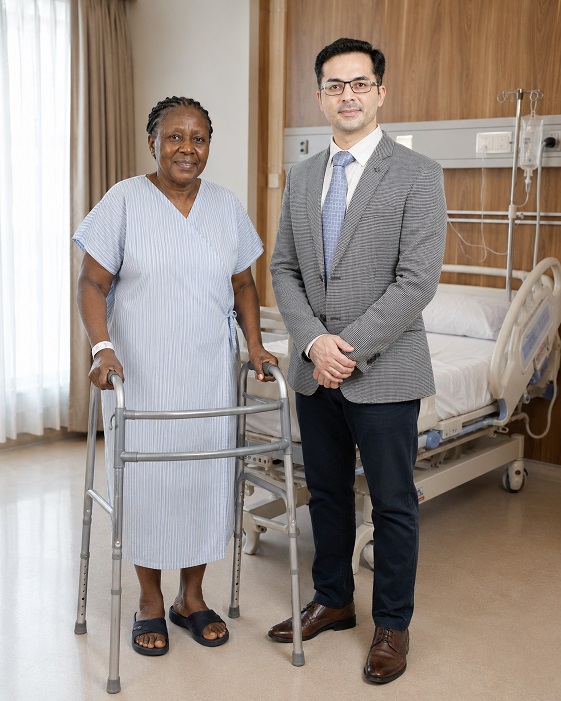
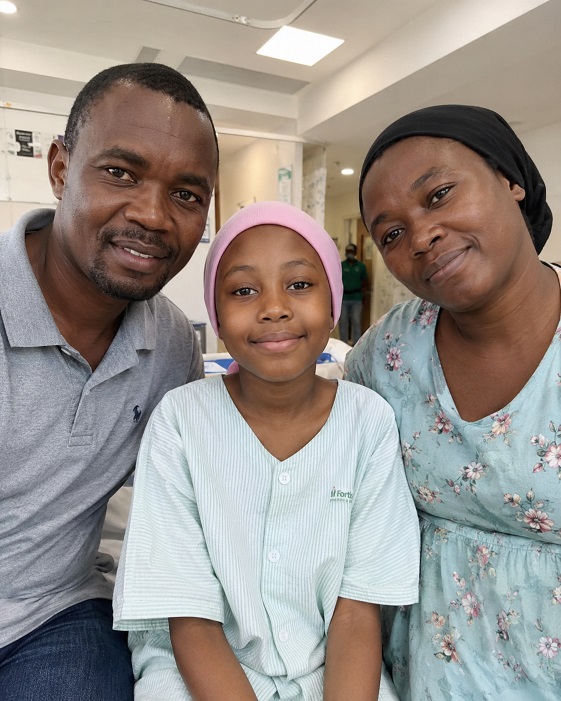
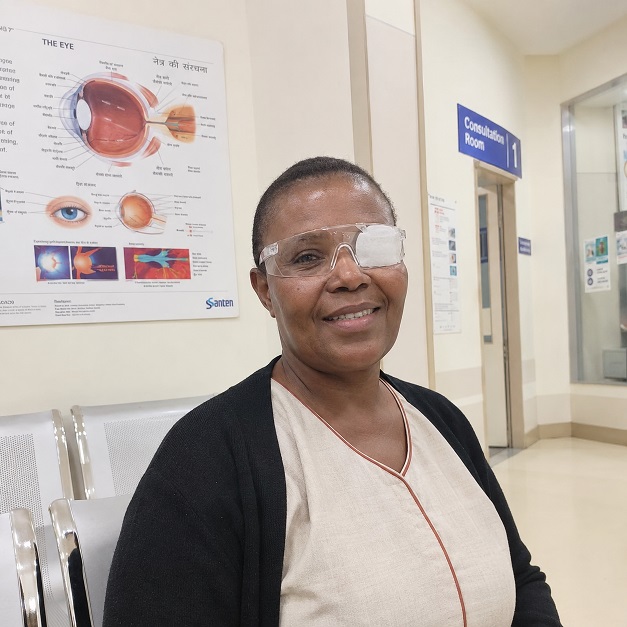
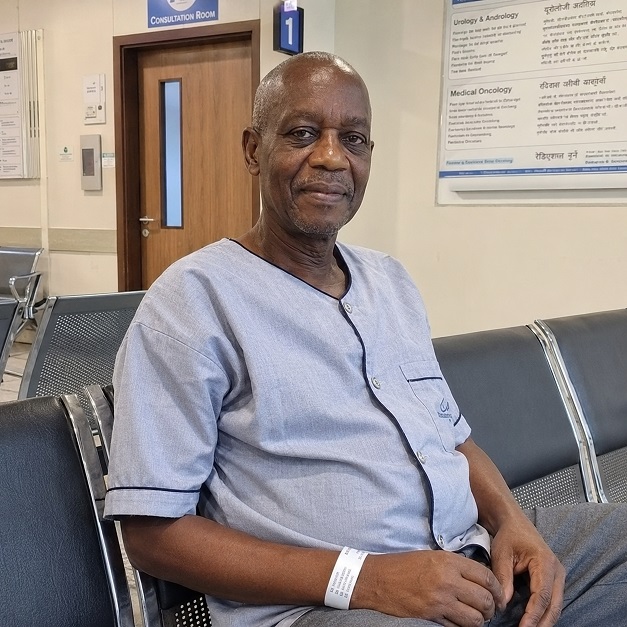
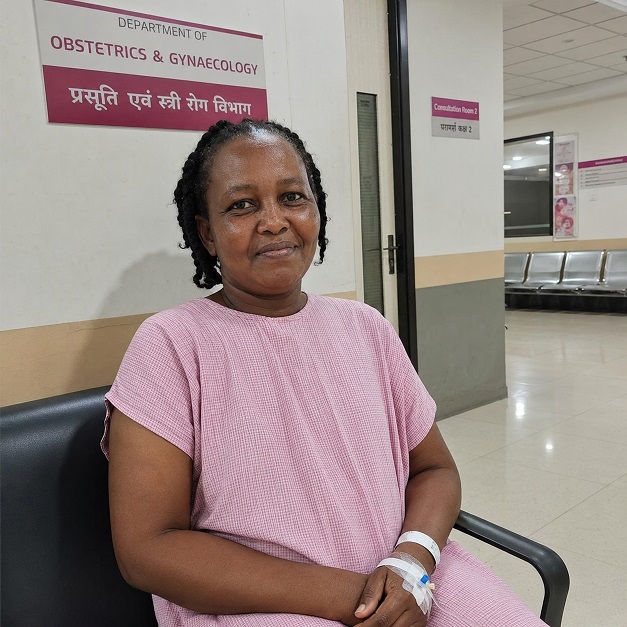
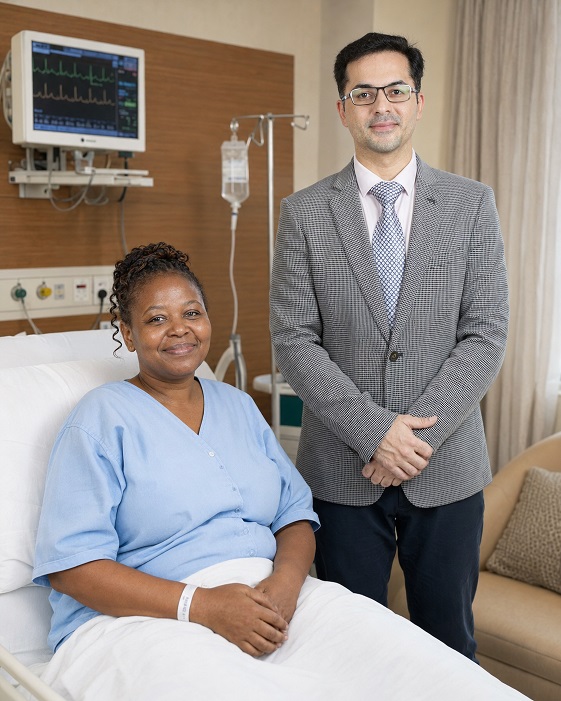
Patient Testimonials from Kenya


Ready to Take the First Step?
Share your Medical Reports with our Healthcare Managers Today and Get a FREE CONSULTATION, a Personalized Treatment Plan, and Complete Support from Arrival to Recovery.
Get Your Free ConsultationAreas We Serve
This resource has been thoughtfully prepared for patients from Kenya who are considering medical treatment in India. We also welcome patients from the wider region in the countries mentioned below-
We assist patients from:
- Ethiopia
- Somalia
- Tanzania
- Uganda
- Seychelles
- Guinea
- Guinea-Bissau
- Liberia
- Mali
- Mauritania
- Niger
- Nigeria
- Senegal
- Togo
- South Sudan
- Sierra Leone
Many of the insights, treatment pathways, hospital recommendations, travel guidance, and patient support services described here are equally relevant and may be used as a reference when planning treatment in India.
From Kenya to India: Your Complete Patient Support Guide
- Brain Tumour Surgery in India for Kenyan Patients
- Cancer Treatment and Surgery in India for Kenyan Patients
- Cardiac Treatment and Surgery in India for Kenyan Patients
- Heart Valve Replacement Surgery in India for Kenyan Patients
- Knee Replacement in India for Kenyan Patients
- Prostate Cancer Treatment and Surgery in India for Kenyan Patients
- Spine Treatment and Surgery in India for Kenyan Patients
- Selecting the Best Bariatric Surgeons and Hospitals in India: What Kenyan Patients Should Actually Look For
- Selecting the Best Cancer Surgeons and Hospitals in India: What Kenyan Patients Should Actually Look For
- Selecting the Best Cardiac Surgeons and Hospitals in India: What Kenyan Patients Should Actually Look For
- Selecting the Best Dental Surgeons and Clinics in India: What Kenyan Patients Should Actually Look For
- Selecting the Best Hip Surgeons and Hospitals in India: What Kenyan Patients Should Actually Look For
- Selecting the Best Kidney Transplant Surgeons and Hospitals in India: What Kenyan Patients Should Actually Look For
- Selecting the Best Knee Surgeons and Hospitals in India: What Kenyan Patients Should Actually Look For
- Selecting the Best Liver Transplant Surgeons and Hospitals in India: What Kenyan Patients Should Actually Look For
- Selecting the Best Neurosurgeons and Hospitals in India: What Kenyan Patients Should Actually Look For
- Selecting the Best Prostate Cancer Surgeons and Hospitals in India: What Kenyan Patients Should Actually Look For
- Selecting the Best Spine Surgeons and Hospitals in India: What Kenyan Patients Should Actually Look For