

Cancer Treatment and Surgery in India for Kenyan Patients
Getting the Right Diagnosis, Weighing Your Options, and Planning Care With Confidence
A cancer diagnosis rearranges a family’s whole world in a single afternoon. One clinic visit, and people in Nairobi or Nakuru are suddenly learning words they never wanted — stage, grade, margins — while trying to stay steady for the person they love. If that is where you find yourself, start with this: cancer is not one illness fought the same way for everyone. It is dozens of different diseases, each with its own playbook, and outcomes hinge on an accurate diagnosis and a complete, well-run treatment plan begun as early as possible. That combination is precisely what has drawn thousands of Kenyan patients to India, and it is what I want to help you understand.
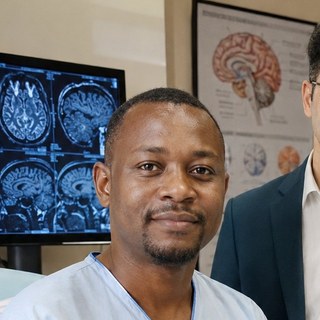
Healing Journeys of Kenyan Patients




Key Takeaways
- Kenyan patients considering cancer treatment in India should begin with an accurate diagnosis and complete staging, because cancer is not one disease and treatment varies considerably according to cancer type, stage, grade and biological characteristics.
- A biopsy identifies the cancer type, imaging establishes how far the disease has spread, and increasingly molecular or genomic testing can identify mutations that may influence targeted treatment choices.
- Modern cancer treatment commonly combines more than one approach. Options covered in the guide include surgery, chemotherapy, radiotherapy, targeted therapy, immunotherapy and stem-cell/bone-marrow transplantation.
- Cancer surgery in India may be performed using open, laparoscopic or robotic techniques, depending on the organ involved, cancer stage and individual treatment plan.
- The guide recommends treatment planning through a multidisciplinary tumour board involving surgical, medical and radiation oncologists alongside pathology, radiology and specialist nursing teams.
- According to the cost table on page 4, cancer surgery in India is approximately USD 3,000–13,000, chemotherapy approximately USD 400–1,500 per cycle, and a full course of IMRT/SBRT radiotherapy approximately USD 3,000–6,000.
- Targeted therapy or immunotherapy is listed at approximately USD 1,500–12,000 per month, while bone-marrow or stem-cell transplantation is approximately USD 22,000–35,000.
Quick Facts
- Conditions Covered
- Solid cancers and blood cancers requiring multidisciplinary oncology treatment
- Procedures/Treatments Mentioned
- Open cancer surgery, laparoscopic cancer surgery, robotic cancer surgery, chemotherapy, IMRT, VMAT, SBRT, CyberKnife, targeted therapy, immunotherapy and stem-cell/bone-marrow transplantation
- Target Audience
- Kenyan patients and families considering cancer treatment or cancer surgery in India
- Author/Advisor
- Dr. Dheeraj Bojwani, Independent Medical Travel Advisor, 24 years guiding international patients to India
- Diagnosis
- Biopsy establishes the cancer type, imaging and staging assess disease extent, grade indicates aggressiveness, and molecular or genomic testing may identify mutations influencing treatment.
- Treatment Planning
- The guide recommends obtaining a firm diagnosis, written stage-based treatment plan and second opinion before committing to treatment.
- Multidisciplinary Care
- Treatment should ideally be planned through a tumour board involving surgical, medical and radiation oncologists, pathology, radiology and specialist nursing teams.
- Cancer Surgery Cost
- Approximately USD 3,000–13,000
- Chemotherapy Cost
- Approximately USD 400–1,500 per cycle
- Radiotherapy Cost
- Approximately USD 3,000–6,000 for a full IMRT/SBRT course
In Brief
Cancer treatment in India for Kenyan patients begins with an accurate diagnosis, staging and a written treatment plan rather than immediately selecting a surgery or hospital package. Depending on the cancer type and stage, treatment may combine surgery, chemotherapy, radiotherapy, targeted therapy, immunotherapy or stem-cell transplantation. The guide recommends multidisciplinary tumour-board review and consideration of molecular or genomic profiling where appropriate. Indicative cancer surgery costs in India range from approximately USD 3,000–13,000, while the overall treatment pathway illustrated on page 3 is approximately USD 6,000–20,000. Kenyan patients should also plan for diagnostics, medicines, accommodation, follow-up and continuing oncology care after returning home.
Why Kenyan families look to India for cancer care
Kenya carries a heavy cancer burden — the Ministry of Health counts roughly 45,000 new cases and 29,000 deaths each year — and the country has skilled oncologists at Kenyatta National Hospital, Kenyatta University Teaching & Referral Hospital, Aga Khan University Hospital and a handful of private centres. The bottleneck is capacity, especially in radiotherapy. Public radiotherapy machines are few and heavily booked, specialist oncologists are in short supply, and many patients are diagnosed late, when treatment is harder. It is no accident that, by the government’s own medical-tourism records, the large majority of Kenyans with advanced cancers already seek treatment in India.
What India offers is a full cancer ecosystem under one roof. Comprehensive centres such as Tata Memorial, Apollo, HCG, Fortis and Medanta hold JCI and NABH accreditation, run weekly multidisciplinary tumour boards, and keep every tool of modern oncology in-house: robotic and laparoscopic surgery, precise radiotherapy including IMRT, VMAT and CyberKnife, chemotherapy, targeted therapy, immunotherapy, and bone-marrow transplant, all guided by molecular and genomic testing. Short waiting times, Swahili-speaking coordinators, direct flights to Mumbai and Delhi, and a medical e-visa that clears in days round out why the path is so well worn.
First, understand what you are dealing with
Because “cancer” covers so many different diseases, everything begins with a precise diagnosis. A biopsy identifies the exact type; imaging and staging show how far it has travelled; the grade describes how aggressive it is; and, increasingly, molecular or genomic testing reveals the specific mutations driving your tumour. Together these decide the entire plan, because a treatment that suits one cancer can be useless or harmful for another. This is why I urge every patient to secure a firm diagnosis and, ideally, a second opinion on their reports before committing to a course of action.
One truth sits behind all of this: the earlier and more completely a cancer is treated, the better the odds. Across much of sub-Saharan Africa, survival trails wealthier regions largely because disease is caught late and treatment is interrupted. Getting a full, uninterrupted plan — the right surgery, followed by whatever therapy the tumour needs, without gaps — is often what separates a good outcome from a poor one.
The treatment options, in plain language
Modern cancer care rarely relies on a single weapon. Most plans combine two or more of these, sequenced to the cancer’s type and stage:
| Treatment | What it does | When it is used |
|---|---|---|
| Surgery | Removes the tumour and nearby tissue | Often the first step for solid cancers caught early. |
| Chemotherapy | Drugs that kill fast-dividing cells throughout the body | To shrink tumours, mop up stray cells, or treat spread. |
| Radiotherapy | Focused high-energy beams (IMRT, VMAT, CyberKnife) | To destroy cancer in one area, alone or after surgery. |
| Targeted therapy | Drugs aimed at the specific fault driving the cancer | When genomic testing finds a matching target. |
| Immunotherapy | Helps your own immune system attack the cancer | For certain cancers, often when others fall short. |
| Stem-cell / bone-marrow transplant | Replaces diseased marrow after intensive treatment | Mainly for blood cancers such as leukaemia and lymphoma. |
Worth asking about early: genomic profiling of your tumour. Matching the drug to the mutation is now central to good cancer care, and India’s better centres offer it routinely. It can spare you treatments unlikely to work and point toward ones that will.
Why the team decides the outcome
No single doctor treats cancer well alone. At a serious centre, a multidisciplinary tumour board — surgical, medical and radiation oncologists alongside a pathologist, a radiologist and specialist nurses — agrees your plan together and adjusts it as your cancer responds. When you weigh hospitals, confirm that a board will review your case, and ask for a written, stage-based plan and a second opinion on your scans and biopsy before you travel. Any reputable Indian centre provides this remotely, from the reports you send, usually at little or no cost.
The cost question: India versus the UK and the US
Cancer is as much a financial shock as a medical one, and honesty about money helps families plan. The chart below shows an indicative total for surgery plus follow-on therapy; your own figure will swing widely with the cancer type, its stage and the drugs required.
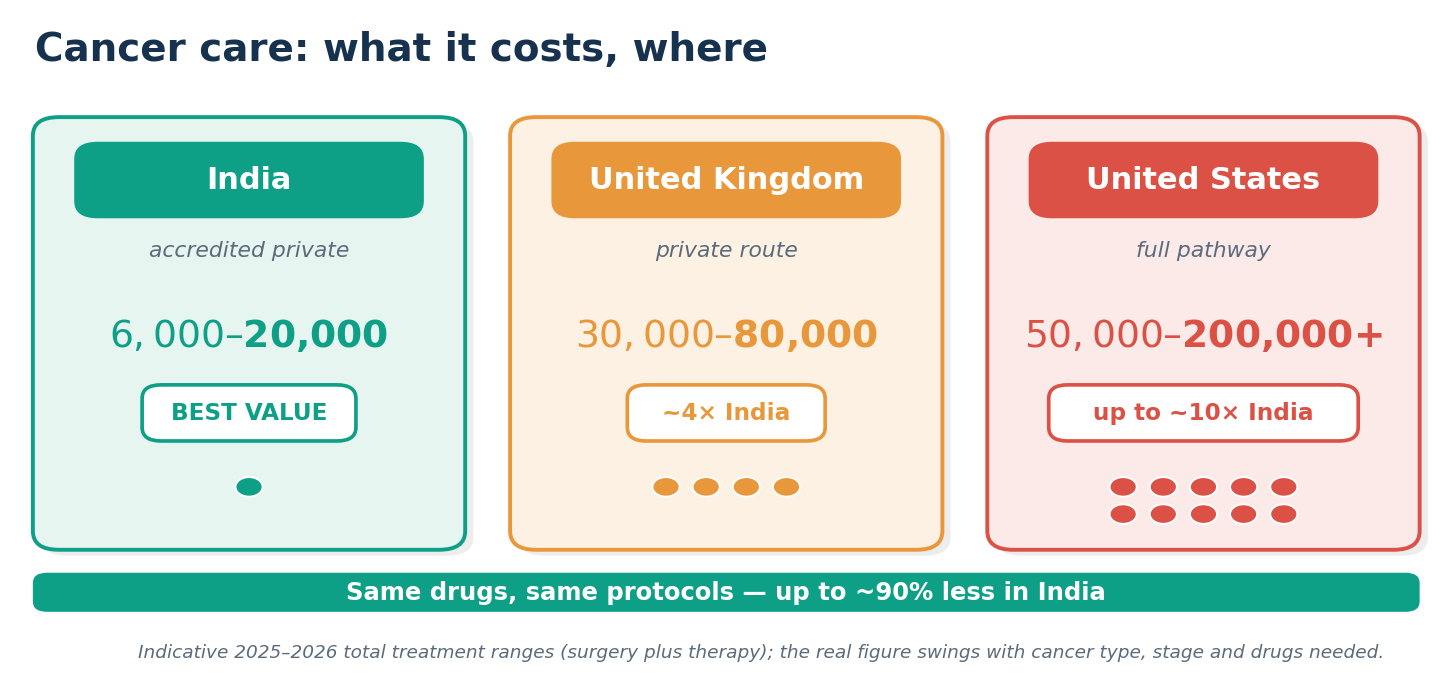
Figure 1 — Cancer treatment cost compared: India, the UK and the US.
| Treatment in India | Approx. cost (USD) | Notes |
|---|---|---|
| Cancer surgery (open / laparoscopic / robotic) | $3,000–13,000 | Varies by organ and surgical approach. |
| Chemotherapy (per cycle) | $400–1,500 | Several cycles are usually needed; drug choice drives the price. |
| Radiotherapy (full course, IMRT / SBRT) | $3,000–6,000 | Delivered over a few weeks. |
| Targeted / immunotherapy (per month) | $1,500–12,000 | May run for months; far cheaper than the West. |
| Bone-marrow / stem-cell transplant | $22,000–35,000 | For blood cancers; complex, specialised care. |
| United Kingdom (private, full pathway) | $30,000–80,000 | NHS free but capacity-pressured; private is costly. |
| United States (full pathway) | $50,000–200,000+ | Among the world’s highest; average annual cancer care exceeds $170,000. |
Ranges are indicative 2025–2026 estimates; always obtain a written, itemised quote based on your own reports before committing.
The saving runs to 60–90 percent against Western prices, and it holds even after flights and a longer stay. For most Kenyan patients an accredited Indian centre delivers the same drugs, the same protocols and comparable technology to a top American or British hospital, for a fraction of the bill.
Budget for the whole journey, not just the first step
Cancer costs accumulate over time, so the surgery quote is only the beginning. Build in your diagnostics and molecular tests, the several cycles of chemotherapy or the full radiotherapy course, any targeted or immunotherapy drugs that may run for months, accommodation for a longer stay, a companion’s costs, and the follow-up scans you will need back in Kenya. Add it all up in shillings, so the number you are weighing is the honest one.
The pathway and your recovery
Seeing the journey laid out makes an overwhelming diagnosis feel more manageable. Here is the route most patients take.
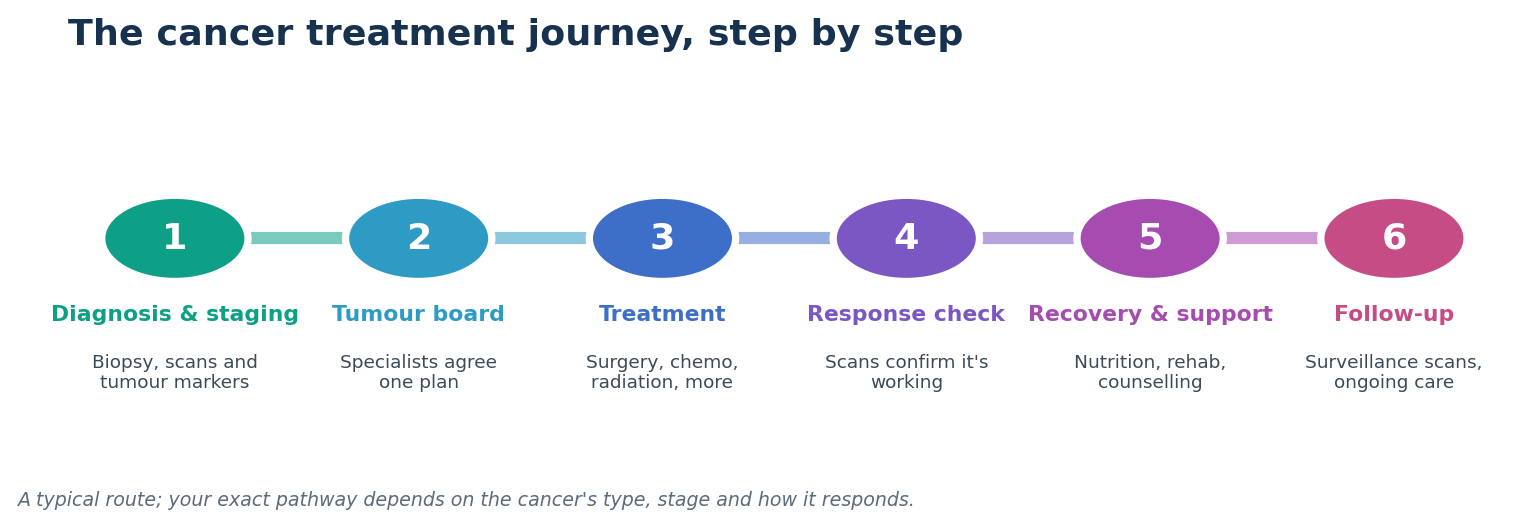
Figure 2 — The cancer treatment journey, from first diagnosis to long-term follow-up.
How long you stay depends entirely on the plan. A surgery with a short course of follow-up may mean two to four weeks in India; a full programme of chemotherapy or radiotherapy can call for several weeks, or a first trip for surgery and a planned return for the rest. Good centres wrap treatment in supportive care — nutrition, physiotherapy, pain control and counselling — because getting through cancer well is about the whole person, not the tumour alone. Some therapy, such as ongoing tablets or immunotherapy, can be continued under a local oncologist once you are home, which is why the handover of records matters so much.
What to settle before you book
Before committing to anything, run through this short list — the same one I would want a member of my own family to work through:
- A firm diagnosis and a written, stage-based plan. Send your biopsy, scans and reports for review, and get a plan and a second opinion in writing before you pay for a flight.
- Accreditation and a named oncology team. Insist on a JCI- or NABH-accredited cancer centre, and ask who your surgical, medical and radiation oncologists will be.
- A tumour board and molecular testing. Confirm your case will be discussed by a full team, and ask whether genomic profiling could refine your treatment.
- Your total landed cost, in shillings. Add diagnostics, every cycle of therapy, drugs that run for months, accommodation, a companion and follow-up. Ask outright what complications would cost.
- The visa, done properly. Apply for the medical e-visa on the official Government of India portal only, and bring a companion on a medical-attendant visa.
- Care that continues in Kenya. Line up a local oncologist for ongoing therapy and surveillance, and ask the Indian team for a full discharge summary, pathology report and plan.
- An advisor who isn’t on a hospital’s payroll. Many facilitators earn commissions from particular hospitals, which quietly colours their advice. Choose someone who compares options for you and is open about how they are paid.
Short, direct answers to the questions Kenyan families raise most often when they first call.
Straight Answers for Kenyan Patients about Cancer Treatment and Surgery in India
Is cancer treatment in India cheaper than the UK?
Yes, usually by 60–80%. A full treatment pathway that costs $30,000–$80,000 privately in the UK often falls between $6,000 and $20,000 at an accredited Indian hospital.
Is India better than Kenya for complex cancer care?
For complex cases, generally yes. India’s comprehensive centres offer more advanced technology, far higher case volumes and every treatment under one roof. Straightforward cancers can often be treated well in Kenya.
Is radiotherapy available in India?
Yes, at many leading hospitals, and with little waiting. Indian cancer centres routinely offer IMRT, VMAT, SBRT and CyberKnife, with a full course typically costing about $3,000 to $6,000.
How long will I need to stay in India for cancer treatment?
Usually two to four weeks for surgery with short follow-up. A full course of chemotherapy or radiotherapy can take several weeks, so many patients plan a first trip for surgery and return later.
Do Kenyans need a visa for cancer treatment in India?
Yes. Kenyan passport holders apply for a medical e-visa on the official Government of India portal, and it is usually granted within a few working days. A relative can travel on a medical-attendant visa.
Can I continue my cancer treatment after returning to Kenya?
Yes, in most cases. Ongoing tablets, hormone therapy and some immunotherapy can be supervised by a local oncologist, provided you carry your discharge summary, pathology report and treatment plan home.
Are Indian cancer hospitals safe and accredited?
The leading centres hold JCI and NABH accreditation, the same international standards used worldwide. Always confirm a hospital’s accreditation and ask about your named oncology team before you travel.
A closing word
Cancer is frightening, but fear is a poor planner. The families who come through this best are usually the ones who slowed down just enough to get the diagnosis right, understood the full plan before starting, and then moved without delay. For a Kenyan patient who needs specialist cancer care without a long wait or a ruinous bill, India offers depth, technology and value that are hard to match anywhere — as long as the decision rests on an accurate diagnosis, a written plan, checked credentials and a clear-eyed budget. Get your reports reviewed early. Ask what the whole journey involves, not just the first operation. And keep beside you an advisor whose only interest is seeing you well. Face this way, with a clear map in hand, and the road ahead becomes something you can walk one steady step at a time.
Sources
- 🌐 Treatment for Cancer — National Cancer Institute (surgery, chemotherapy, radiation, immunotherapy, targeted therapy)
- 🌐 Global Cancer Facts & Figures — American Cancer Society. cancer.org — global cancer facts
- 🌐 Kenya to expand access to cancer diagnosis and treatment services — International Atomic Energy Agency
- 🌐 WHO calls for urgent action as cancer cases are projected to nearly double by 2050 — World Health Organization
- 🌐 Medical e-Visa — official Government of India portal
- 🌐 FRRO registration for medical-visa holders — Government of India
Frequently Asked Questions by Kenyans about Cancer Treatment and Surgery in India
Why do Kenyan patients consider India for cancer treatment?
The guide explains that Kenyan patients may consider India for access to a comprehensive cancer-care ecosystem, including surgical, medical and radiation oncology, molecular testing and advanced treatment technologies under one roof. It also highlights shorter waiting times and access to multidisciplinary tumour-board planning as important considerations for complex cancer cases.
What cancer treatments are available in India for Kenyan patients?
The treatment table on page 2 covers cancer surgery, chemotherapy, radiotherapy, targeted therapy, immunotherapy and stem-cell/bone-marrow transplantation. Surgical treatment may involve open, laparoscopic or robotic techniques, while radiotherapy options discussed include IMRT, VMAT, SBRT and CyberKnife. The appropriate combination depends on the cancer type and stage.
How much does cancer surgery in India cost for Kenyan patients?
According to the cost table on page 4, cancer surgery using open, laparoscopic or robotic techniques costs approximately USD 3,000–13,000 in India. The actual amount varies according to the organ involved and surgical approach. The guide advises obtaining a written, itemised quotation based on the patient's own reports before committing to treatment.
How much do chemotherapy and radiotherapy cost in India for Kenyan patients?
The guide gives an indicative chemotherapy cost of approximately USD 400–1,500 per cycle, with several cycles often required. A full course of radiotherapy using techniques such as IMRT or SBRT is approximately USD 3,000–6,000. Drug selection, number of cycles and the individual treatment plan can substantially change the final cost.
Should Kenyan patients get a second opinion before travelling to India for cancer treatment?
Yes. The guide recommends sending the biopsy, scans and medical reports for review before booking travel and obtaining a firm diagnosis, written stage-based treatment plan and second opinion. This helps patients understand the complete proposed treatment pathway before making financial or travel commitments.
Why is a multidisciplinary tumour board important for cancer treatment in India?
Cancer treatment often requires several specialties rather than one doctor. The guide recommends a multidisciplinary tumour board involving surgical, medical and radiation oncologists together with pathology, radiology and specialist nursing teams. The team can agree on the treatment sequence and modify the plan according to how the cancer responds.
How long should Kenyan patients stay in India for cancer treatment?
The guide states that surgery with short follow-up may require approximately 2–4 weeks in India. A full chemotherapy or radiotherapy programme can require several weeks. Depending on the treatment plan, some Kenyan patients may make an initial trip for surgery and return later for subsequent therapy.
Should Kenyan patients ask about genomic testing before cancer treatment in India?
Yes. The guide specifically recommends asking about genomic profiling early in the treatment process. Molecular or genomic testing can identify mutations driving certain cancers and may help determine whether a targeted treatment is appropriate, potentially avoiding therapies that are unlikely to work.
What should Kenyan families include when budgeting for cancer treatment in India?
Families should calculate the entire treatment journey rather than only the initial surgery price. The guide recommends including diagnostics, molecular testing, every chemotherapy cycle or the complete radiotherapy course, targeted or immunotherapy drugs, accommodation, companion expenses and follow-up scans after returning to Kenya.
Can Kenyan patients continue cancer treatment after returning home from India?
Yes, in many cases. The guide states that ongoing tablets, hormone therapy and some immunotherapy may be supervised by a local oncologist in Kenya. Patients should arrange this follow-up before travelling and return with their discharge summary, pathology report and treatment plan so that continuing care and surveillance can be coordinated properly.
Page Summary
This guide explains how Kenyan patients can approach cancer treatment and surgery in India, beginning with accurate diagnosis, staging and multidisciplinary treatment planning. It covers surgery, chemotherapy, radiotherapy, targeted therapy, and immunotherapy and stem-cell/bone-marrow transplantation, while highlighting the growing importance of molecular and genomic profiling.
Citation Block
| Topic | Information |
|---|---|
| Topic Information | Cancer Treatment and Surgery in India for Kenyan Patients |
| Procedure | Comprehensive Cancer Treatment & Cancer Surgery |
| Country | India |
| Intended Audience | Kenyan Patients and Families |
| Conditions Covered | Solid Cancers and Blood Cancers Requiring Oncology Treatment |
| Procedures | Open/Laparoscopic/Robotic Surgery, Chemotherapy, Radiotherapy, Targeted Therapy, Immunotherapy and Stem-Cell/Bone-Marrow Transplant |
| Typical Stay | Approximately 2–4 Weeks for Surgery With Short Follow-Up; Several Weeks for a Full Chemotherapy or Radiotherapy Programme |
| Hospital Stay | Treatment-Dependent; No Single Inpatient Duration Specified |
| Recovery | Treatment-Dependent; May Include Nutrition, Physiotherapy, Pain Control and Counselling |
| Targeted/Immunotherapy Cost | Approximately USD 1,500–12,000 Per Month |
| Bone-Marrow/Stem-Cell Transplant Cost | Approximately USD 22,000–35,000 |
| Author | Dr. Dheeraj Bojwani |
| Experience | 24 Years Guiding International Patients to India |


Our Mission Statement
Our mission is to place patients at the centre of every healthcare decision by providing trustworthy, evidence-based, and unbiased medical information. We believe that informed patients make better decisions. Backed by personalised guidance from our experienced advisory team, we help patients understand their treatment options, compare them objectively, and confidently choose the path that best suits their medical needs and personal circumstances.
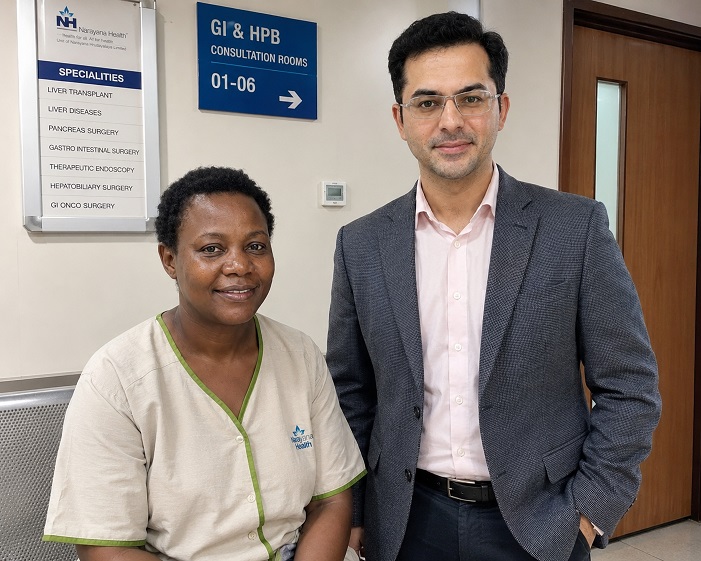
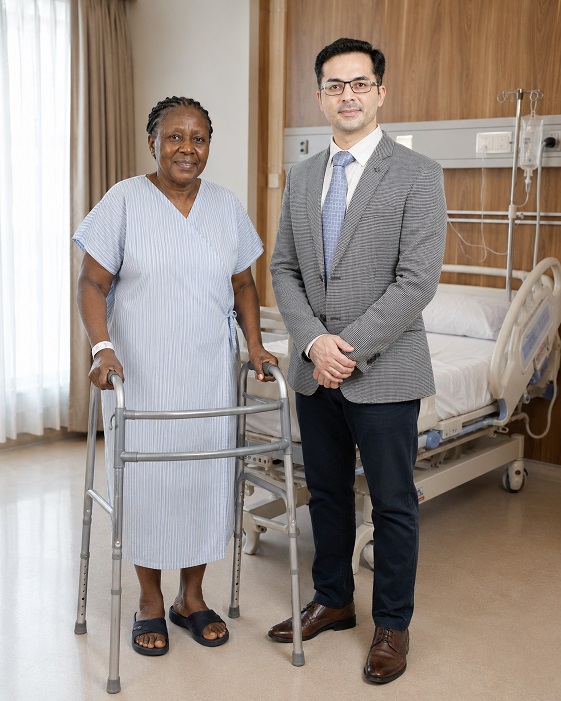
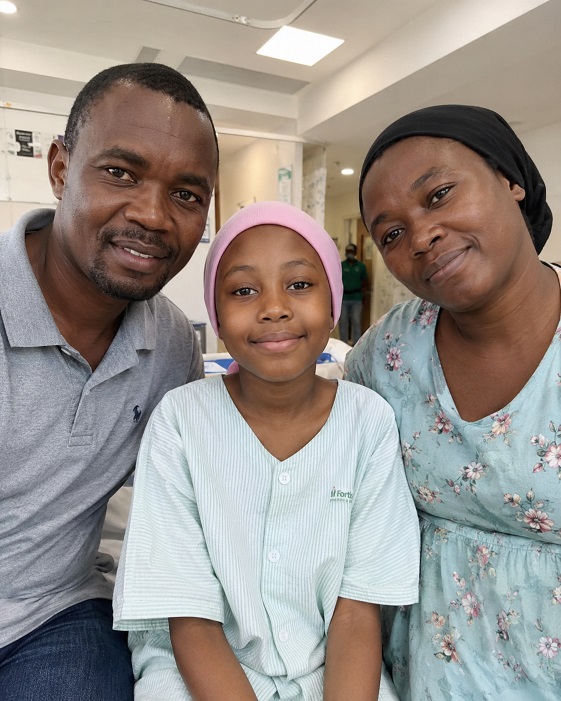
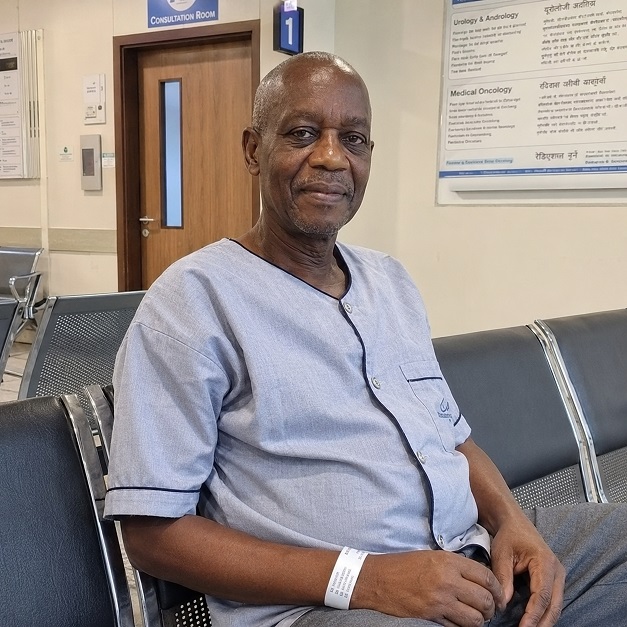
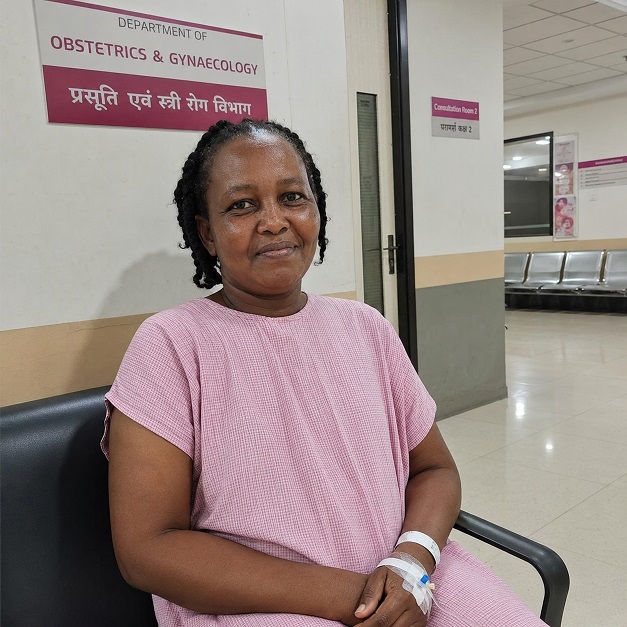
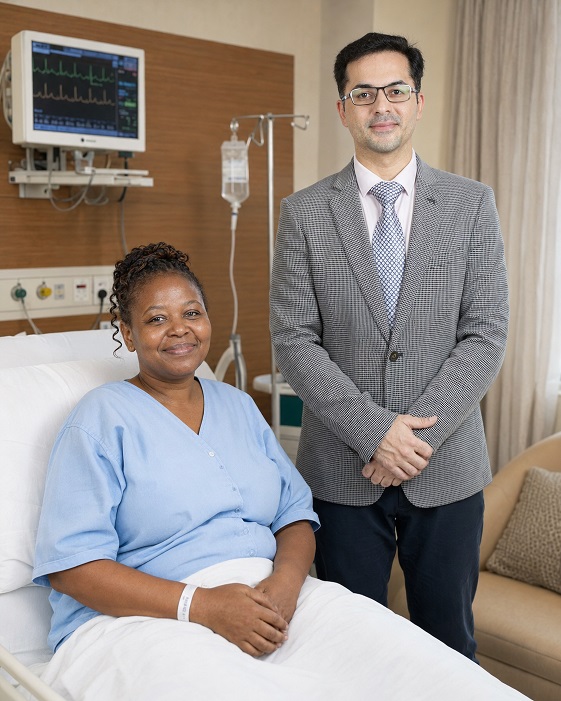
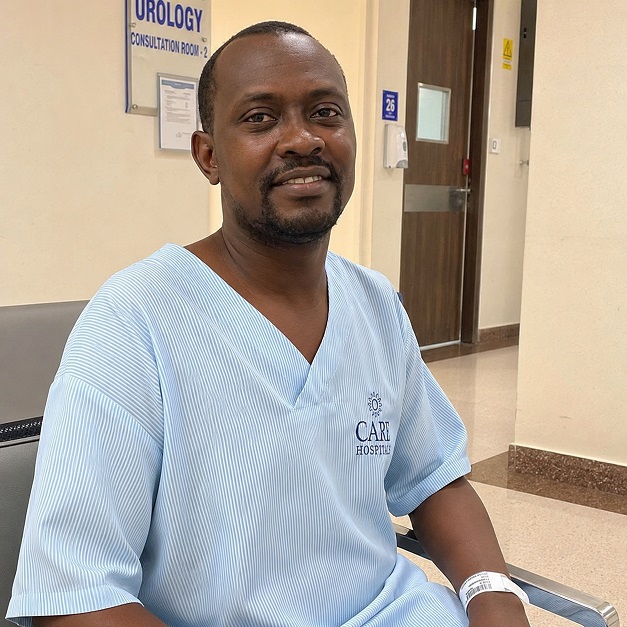
Patient Testimonials from Kenya

Ready to Take the First Step?
Share your Medical Reports with our Healthcare Managers Today and Get a FREE CONSULTATION, a Personalized Treatment Plan, and Complete Support from Arrival to Recovery.
Get Your Free ConsultationAreas We Serve
This resource has been thoughtfully prepared for patients from Kenya who are considering medical treatment in India. We also welcome patients from the wider region in the countries mentioned below-
We assist patients from:
- Ethiopia
- Somalia
- Tanzania
- Uganda
- Seychelles
- Guinea
- Guinea-Bissau
- Liberia
- Mali
- Mauritania
- Niger
- Nigeria
- Senegal
- Togo
- South Sudan
- Sierra Leone
Many of the insights, treatment pathways, hospital recommendations, travel guidance, and patient support services described here are equally relevant and may be used as a reference when planning treatment in India.
From Kenya to India: Your Complete Patient Support Guide
- Brain Tumour Surgery in India for Kenyan Patients
- Cancer Treatment and Surgery in India for Kenyan Patients
- Cardiac Treatment and Surgery in India for Kenyan Patients
- Heart Valve Replacement Surgery in India for Kenyan Patients
- Knee Replacement in India for Kenyan Patients
- Prostate Cancer Treatment and Surgery in India for Kenyan Patients
- Spine Treatment and Surgery in India for Kenyan Patients
- Selecting the Best Bariatric Surgeons and Hospitals in India: What Kenyan Patients Should Actually Look For
- Selecting the Best Cancer Surgeons and Hospitals in India: What Kenyan Patients Should Actually Look For
- Selecting the Best Cardiac Surgeons and Hospitals in India: What Kenyan Patients Should Actually Look For
- Selecting the Best Dental Surgeons and Clinics in India: What Kenyan Patients Should Actually Look For
- Selecting the Best Hip Surgeons and Hospitals in India: What Kenyan Patients Should Actually Look For
- Selecting the Best Kidney Transplant Surgeons and Hospitals in India: What Kenyan Patients Should Actually Look For
- Selecting the Best Knee Surgeons and Hospitals in India: What Kenyan Patients Should Actually Look For
- Selecting the Best Liver Transplant Surgeons and Hospitals in India: What Kenyan Patients Should Actually Look For
- Selecting the Best Neurosurgeons and Hospitals in India: What Kenyan Patients Should Actually Look For
- Selecting the Best Prostate Cancer Surgeons and Hospitals in India: What Kenyan Patients Should Actually Look For
- Selecting the Best Spine Surgeons and Hospitals in India: What Kenyan Patients Should Actually Look For