

Selecting the Best Prostate Cancer Surgeons and Hospitals in India: What Kenyan Patients Should Actually Look For
For a meaningful share of men the right answer is not to operate at all — how a Kenyan patient settles that question before choosing a surgeon.
Prostate cancer carries a decision that most other cancers do not: for a meaningful share of men, the right answer is not to operate at all. Across 24 years of guiding international patients through Indian hospitals, I have watched Kenyan men arrive convinced that a cancer diagnosis means immediate surgery, when their actual Gleason score and PSA level put them in a category where careful monitoring is the more sensible course. Getting this first decision right matters more than which surgeon eventually operates, if one operates at all. This is the framework I use when a Kenyan patient is weighing prostate cancer treatment in India. It follows the surgeon-then-hospital structure of this series, but begins, as it must for this particular cancer, with the question of whether surgery is the right treatment at all.
Healing Journeys of Kenyan Patients



Key Takeaways
- Kenyan men considering prostate cancer treatment in India should first establish whether surgery is actually necessary. The guide emphasises that some low-grade, low-volume prostate cancers may be managed safely with active surveillance rather than immediate surgery.
- The decision between active surveillance, surgery and radiation should be based on the patient's PSA level, Gleason score or Grade Group, MRI findings and overall stage rather than on the availability of robotic surgery.
- Active surveillance involves regular PSA testing, periodic imaging and repeat biopsy where appropriate, with treatment introduced if the disease shows evidence of progression.
- The guide highlights a Kenya-specific screening gap. Published Kenyan studies cited in the document report that only around 4–11% of Kenyan men have ever been screened for prostate cancer, while later-stage presentation remains common.
- Men of African ancestry are described in the guide as being advised to begin prostate-cancer screening from around age 40 rather than 50, particularly when family history or other risk factors are present.
- Treatment in Kenya remains a reasonable option for many early-stage, organ-confined prostate cancers. The guide states that surgery is performed at Kenyan centres including Kenyatta National Hospital, MP Shah and Aga Khan University Hospital Nairobi.
- The case for treatment in India becomes stronger when a patient wants robotic-assisted prostatectomy, needs more complex multidisciplinary uro-oncology care, requires advanced radiotherapy or is considering a specialised nerve-sparing approach.
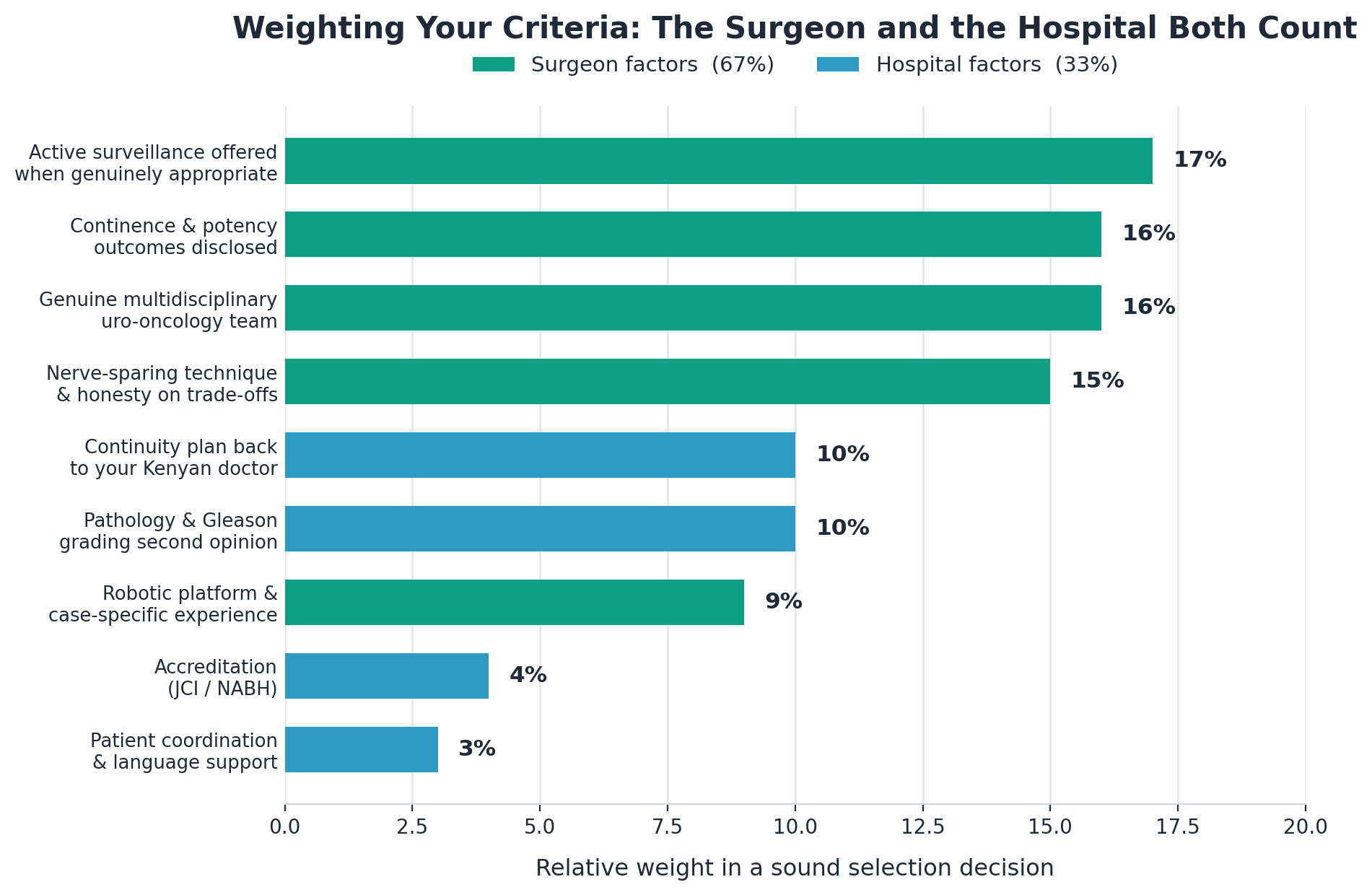
- The highest-weighted decision factor is whether active surveillance is offered when genuinely appropriate, receiving 17% in the page 3 chart.
Quick Facts
- Treatment
- Prostate Cancer Treatment and Surgery
- Country
- India
- Intended Audience
- Kenyan Men and Families
- Primary Condition
- Prostate Cancer
- First Treatment Question
- Surgery, Active Surveillance or Radiation?
- Important Clinical Principle
- Not Every Prostate Cancer Requires Immediate Surgery
- Active Surveillance
- Regular PSA Testing, Periodic Imaging and Biopsy With Treatment Reserved for Progression
- Primary Treatment Factors
- PSA Level, Gleason Score/Grade Group, MRI Findings and Cancer Stage
- Kenya Screening Uptake Mentioned
- Approximately 4–11%
- Higher-Risk Screening Age Mentioned
- From Around Age 40 for Men of African Ancestry
- Treatment in Kenya
- Early-Stage Organ-Confined Prostate Cancer Can Often Be Managed Locally
- When India Becomes More Relevant
- Robotic Surgery, Complex Disease, Advanced Radiotherapy, Uro-Oncology Team Review and Specialist Nerve-Sparing Surgery
- Primary Team Requirement
- Genuine Multidisciplinary Uro-Oncology Team
- Team Members Mentioned
- Uro-Oncologist, Radiation Oncologist and Pathologist
- Surgeon vs Hospital Weighting
- Surgeon Factors 67%; Hospital Factors 33%
- Highest-Weighted Factor
- Active Surveillance Offered When Appropriate – 17%
- Continence and Potency Outcomes Weight
- 16%
- Multidisciplinary Uro-Oncology Team Weight
- 16%
- Nerve-Sparing Technique Weight
- 15%
- Continuity Plan Back to Kenya Weight
- 10%
- Pathology and Gleason Grading Second Opinion Weight
- 10%
- Robotic Platform and Case-Specific Experience Weight
- 9%
- Accreditation Weight
- 4%
Before anything else: surgery, surveillance, or radiation?
Prostate cancer often grows slowly, and a substantial proportion of men diagnosed with low-grade, low-volume disease will never develop symptoms from it in their lifetime. For these men, active surveillance — regular PSA testing, periodic biopsy and imaging, with treatment held in reserve unless the disease shows signs of progressing — is a legitimate, evidence-based option that spares the very real side effects of surgery: incontinence and erectile dysfunction chief among them.
This is not a case for avoiding treatment altogether. It is a case for insisting that your specific Gleason score, PSA level and MRI findings are reviewed by a genuine uro-oncology team before anyone schedules an operation. Ask plainly: given my results, is active surveillance a reasonable option for me, or does my disease genuinely require treatment now? A team that answers this honestly, including telling you that surgery is necessary when it is, is one you can trust on everything that follows.
Why this question matters more for Kenyan men specifically
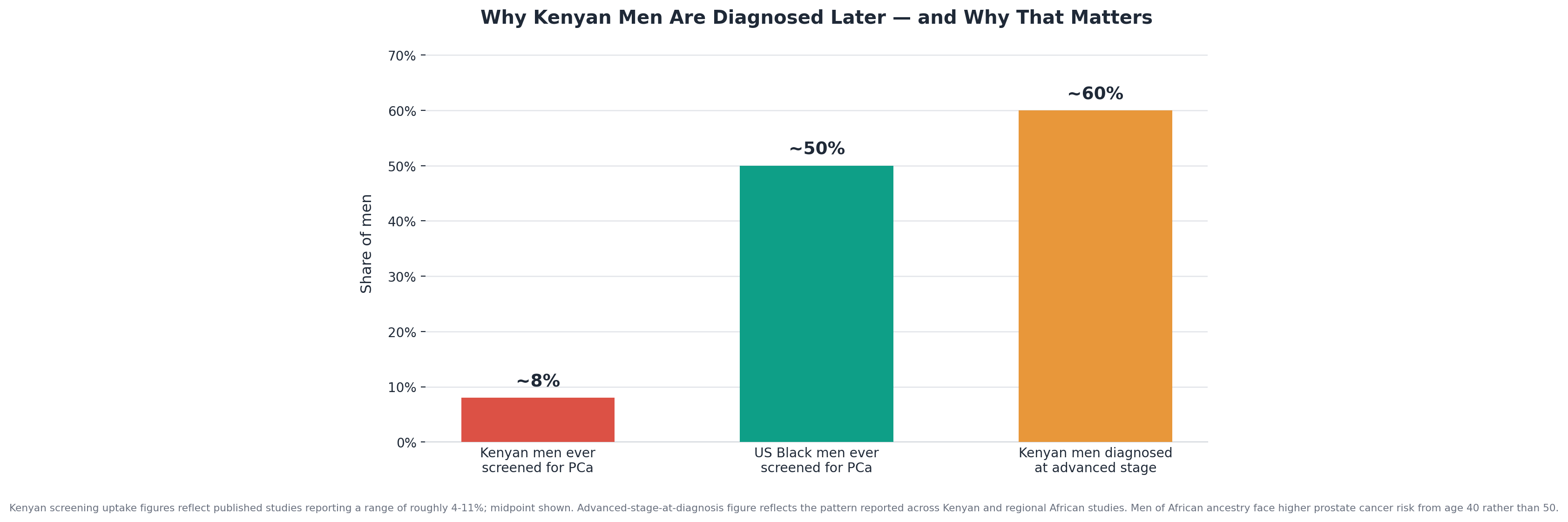
Published Kenyan studies report that only around 4 to 11 percent of Kenyan men have ever been screened for prostate cancer, against roughly half of Black men in the United States, a population that itself carries elevated risk. Because early prostate cancer is usually symptomless, low screening uptake translates directly into late diagnosis: African studies consistently find that a majority of men present with locally advanced or metastatic disease rather than cancer confined to the prostate. Men of African ancestry are also advised to begin screening from age 40 rather than 50, a fact that remains poorly known in Kenya.
The practical implication cuts two ways. If you are reading this because a PSA test came back raised, do not assume the worst before proper staging — many raised PSA results are not aggressive cancer. But if you are over 40 and have never been screened, or have a family history, raise it with a Kenyan doctor now rather than waiting for symptoms, because by the time prostate cancer causes symptoms it has often already advanced.
Should you travel at all?
Kenya treats prostate cancer, and Kenyatta National Hospital, MP Shah, Aga Khan University Hospital Nairobi and other private centres perform prostatectomies, with Kenyan urologists doing genuinely competent work. For early-stage, organ-confined disease where a standard operation is planned, treatment in Nairobi is a reasonable choice.
The case for India strengthens with robotic-assisted surgery, which remains limited in Kenya, and with more complex disease requiring a genuine multidisciplinary uro-oncology team, advanced radiotherapy techniques, or a nerve-sparing approach performed by a surgeon doing it routinely rather than occasionally.
On funding: Kenya's Social Health Authority raised its domestic Cancer Benefits Package to 800,000 shillings a year in 2026 for treatment received inside Kenya. Separately, cancer appears on SHA's list of 36 overseas-funded procedures, but only for specific advanced therapies Kenya cannot provide — CAR T-cell therapy, bispecific T-cell engagers, Lutetium-177 radionuclide therapy and proton therapy
— capped at 500,000 shillings and requiring prior approval. Standard prostate cancer surgery is not on that list. Plan to pay for surgery in India yourself, and use the domestic package for whatever care you receive inside Kenya.
Part one: judging the surgeon
1. Genuine uro-oncology team involvement, not a solo opinion
This is where the surveillance-versus-surgery decision gets made properly, and I weight it above every technical factor — which is why surgeon factors carry unusually heavy weight in the chart below for this particular cancer. Ask whether your case is reviewed by a team including a uro-oncologist, radiation oncologist and pathologist, or decided by one surgeon alone.
2. Personal robotic prostatectomy volume
Robotic-assisted radical prostatectomy has become the standard approach at India's major centres, and outcomes correlate strongly with the individual surgeon's case volume, not merely the hospital's ownership of a robotic platform. Ask how many robotic prostatectomies he personally performs each year, not the number the hospital's marketing quotes for the department.
3. Nerve-sparing, and honesty about when it is not possible
Ask directly whether nerve-sparing technique is planned for your case, on which side or sides, and why. A surgeon who explains this against your specific imaging and biopsy findings, including telling you plainly when full nerve-sparing is not advisable because it would compromise cancer clearance, is giving you a clinical answer rather than a reassuring one.
4. Continence and potency outcomes, disclosed honestly
Ask for his personal figures on urinary continence recovery and erectile function at six and twelve months, not the published literature's best-case numbers. A surgeon who tracks and shares his own results, including the less favourable ones, is a surgeon auditing himself. One who quotes only headline success rates from a journal article is not answering the question you asked.
Part two: judging the hospital
For prostate cancer specifically, hospital factors matter less than surgeon factors — hence the weighting above — because the operation is highly surgeon-dependent and the institution's main contributions are diagnostic accuracy and continuity of care rather than emergency infrastructure of the kind that matters more in, say, spine surgery.
5. Pathology and Gleason grading quality
Your entire treatment decision, including whether surgery is indicated at all, rests on an accurate Gleason score from your biopsy. Ask whether the hospital will review your original biopsy slides rather than relying solely on your Kenyan pathology report, and what the pathology lab's specific sub- specialisation in genitourinary cancers looks like.
6. Accreditation, read properly
JCI and NABH accreditation are meaningful filters on infection control and safety systems, but they say nothing about whether the uro-oncology team is genuinely multidisciplinary or whether active surveillance is offered when appropriate. Use accreditation to exclude candidates, not to choose between the remaining ones.
7. The continuity plan back to Kenya
Prostate cancer follow-up is a years-long process of periodic PSA testing to confirm the cancer has not returned. Ask whether the hospital will provide a written follow-up protocol — testing intervals, threshold values that should prompt concern — that a Kenyan doctor can manage directly, and whether the Indian team remains reachable if a PSA result raises a question two years from now.
8. The cost you will actually pay
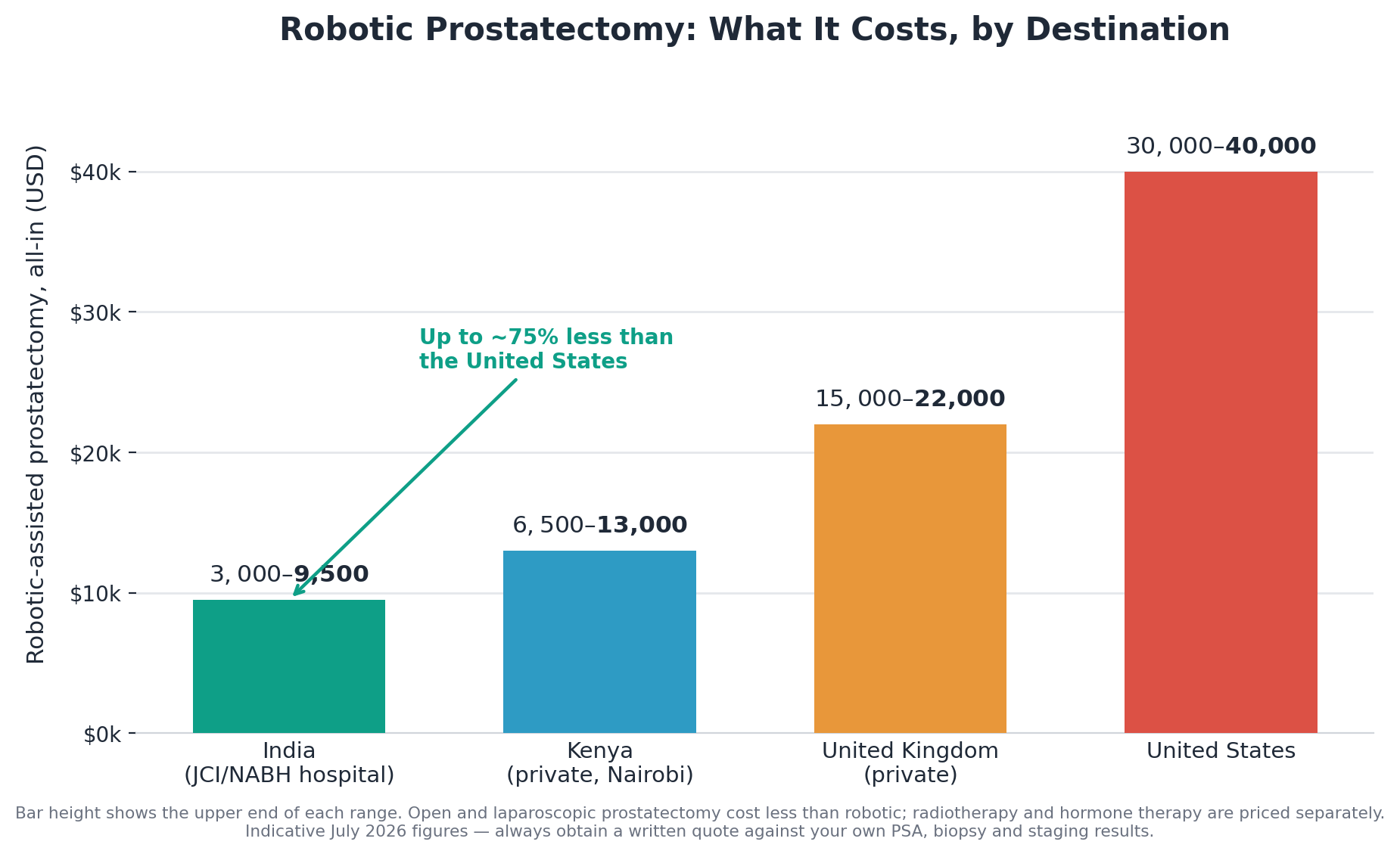
Let me be emphatic about this, because 24 years of handling these cases has taught me nothing more consistently: disputes almost never concern the quoted price. They concern what the quote silently omitted. Insist the written estimate states whether the approach is robotic, laparoscopic or open, since these carry genuinely different prices, and what happens if lymph node involvement is found during surgery and the operation needs to extend.
Budget beyond the surgery. Direct Nairobi–Delhi and Nairobi–Mumbai flights run roughly 550 to 850 dollars return, and around two weeks of accommodation for you and an attendant adds several hundred dollars more.
Four signals that should make you pause
Certain patterns reliably precede regret. Surgery recommended at the first consultation without any discussion of active surveillance as an option, regardless of your Gleason score. A quoted continence and potency outcome that sounds better than anything published in the peer-reviewed literature. Reluctance to state the personal, rather than departmental, robotic case volume. And no plan offered for PSA follow-up once you are back in Kenya.
None alone proves a bad hospital. Together they warrant a second opinion before you commit.
The Kenya-specific practicalities
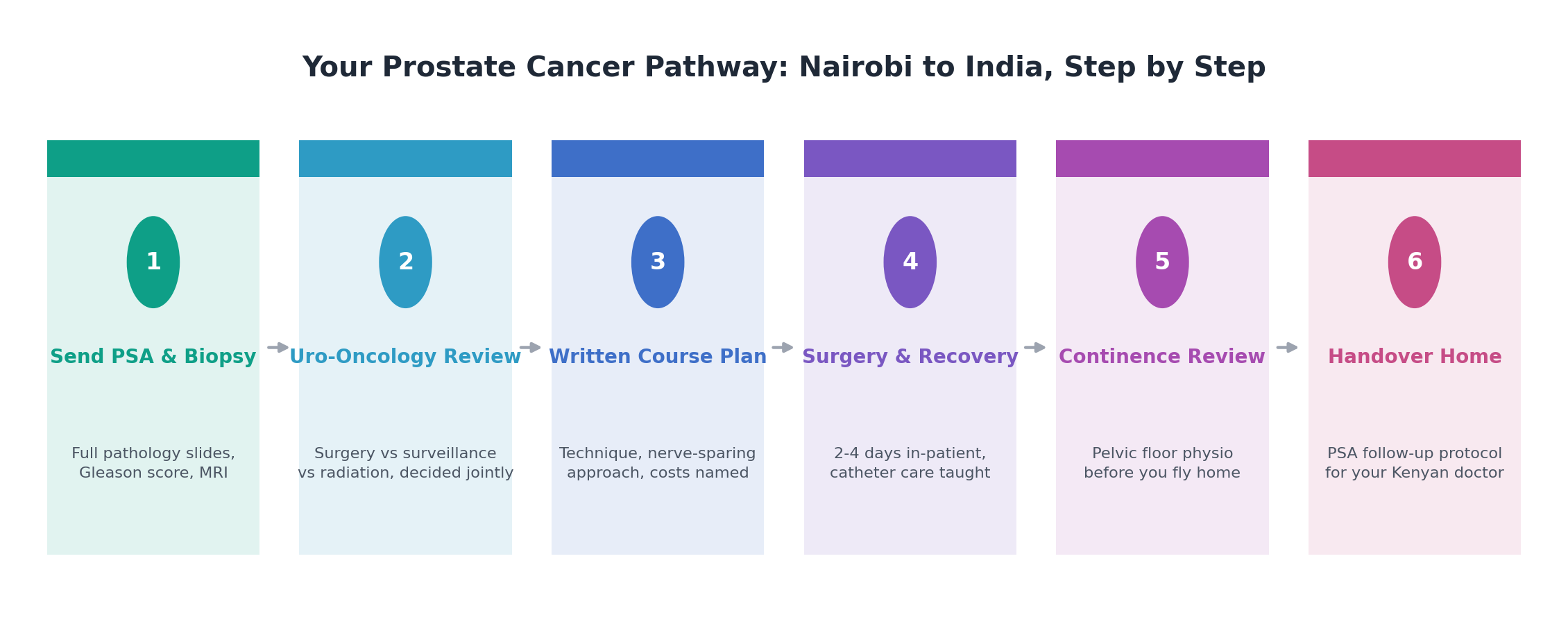
Send your PSA history, biopsy pathology slides and any MRI images, not just a summary letter — a uro-oncology team cannot properly stage you from a typed report alone. Direct Nairobi–Delhi and Nairobi–Mumbai flights make this roughly a six-hour journey. The Indian medical e-visa is issued to Kenyan passport holders within three to five working days against a hospital letter, and up to two attendants can travel on a medical attendant visa.
One point worth raising candidly with your GP if you have not already: if you are over 40 and have a family history of prostate cancer, or simply have never been screened, ask about PSA testing before symptoms appear. Kenya's low screening uptake is a solvable problem for you individually even where it remains a population-level challenge.
The questions I would ask before paying a deposit
Of the surgeon:
- Given my Gleason score and PSA, is active surveillance a genuine option, or do I need treatment now?
- How many robotic prostatectomies do you personally perform each year?
- Is nerve-sparing planned for my case, and why or why not?
- What are your own continence and potency outcome figures at six and twelve months?
Of the hospital:
- Will you review my original biopsy slides before confirming a treatment plan?
- Is my case discussed by a genuine multidisciplinary uro-oncology team?
- Will you provide a written PSA follow-up protocol for my doctor in Kenya?
- What exactly is included in the quote, and what if the surgery needs to extend?
- May I speak to a previous patient from East Africa?
A team that answers all nine without irritation is very likely the right team. One that becomes vague at the first or the third has told you what you needed to know at no cost at all.
Straight Answers for Kenyan Patients about Prostate Cancer Surgeons and Hospitals in India
How do I choose the best prostate cancer surgeon in India as a Kenyan patient?
Confirm the recommendation came from a genuine uro-oncology team, not one urologist, and that active surveillance was honestly considered. Ask his personal annual robotic prostatectomy volume, his nerve-sparing approach, and his own disclosed continence and potency outcomes rather than published best-case figures.
How much does prostate cancer surgery cost in India for a Kenyan patient?
Robotic-assisted prostatectomy typically costs 3,000 to 9,500 US dollars all in; open or laparoscopic surgery costs somewhat less, and radiotherapy or hormone therapy are priced separately. The same robotic procedure runs roughly 6,500 to 13,000 in Nairobi private care, 15,000 to 22,000 in the UK, and 30,000 to 40,000 in the United States.
Is every prostate cancer diagnosis in Kenya an automatic case for surgery?
No. A meaningful share of low-grade, low-volume prostate cancers are safely managed with active surveillance rather than immediate surgery, sparing men side effects they may never have needed to face. Whether this applies depends on your specific Gleason score, PSA and imaging, and should be decided by a uro-oncology team, not assumed either way.
Why are Kenyan men diagnosed with prostate cancer later than men in other countries?
Screening uptake is low — published studies suggest roughly 4 to 11 percent of Kenyan men have ever been screened, against about half of Black men in the United States. Because early prostate cancer is usually symptomless, this translates into later-stage diagnosis. Men of African ancestry also face higher risk from age 40 rather than 50, which is not widely known in Kenya.
What is nerve-sparing surgery and does it matter for me?
It is an attempt to preserve the nerve bundles controlling erectile function during prostatectomy, where the cancer's location safely allows it. It matters for quality of life but is not always advisable, particularly with more advanced disease where cancer clearance must take priority. Ask your surgeon directly whether it is planned for your case and why.
Will SHA pay for my prostate cancer treatment in India?
Only for specific advanced therapies — CAR T-cell therapy, bispecific T-cell engagers, Lutetium-177 radionuclide therapy and proton therapy — capped at 500,000 shillings a year with prior approval. Standard prostate surgery is not on that list. The separate domestic 800,000-shilling Cancer Benefits Package applies to care received inside Kenya, not travel abroad for routine surgery.
How long must I stay in India for prostate cancer surgery?
Typically 12 to 16 days: a few days for staging and team review, two to four days as an in-patient, then about a week of recovery with catheter care before fit-to-fly clearance. If radiotherapy or hormone therapy continues in India rather than Kenya, the stay extends considerably, so clarify the full sequence beforehand.
A closing word
The best prostate cancer surgeon in India for you is the one willing to tell you that you may not need surgery at all, and who explains nerve-sparing and continence outcomes against your own results rather than a brochure's. The best hospital reviews your original pathology before it schedules you, involves a genuine uro-oncology team, and writes down in advance how your PSA follow-up continues once you are home. If you would like me to look at your PSA history, biopsy report and imaging and talk through honestly what a uro-oncology team is likely to recommend, send them across.
Sources
- 🌐 Mbugua RG, Oluchina S, Karanja S. Prostate cancer awareness and screening among men in a rural community in Kenya: a cross-sectional study
- 🌐 Barriers and facilitators to prostate cancer screening, early presentation and diagnosis
- 🌐 Factors Influencing Prostate Cancer Screening Among Men from Eastern Kenya. Central African Journal of Public Health , 2025
- 🌐 Prostate cancer screening uptake in Kenya: an analysis of the Demographic and Health Survey. Cancer Epidemiology , ScienceDirect, 2023
- 🌐 National Medical Commission of India — surgeon and specialist registration verification
- 🌐 National Accreditation Board for Hospitals & Healthcare Providers (NABH) — accredited hospital directory
- 🌐 Joint Commission International (JCI) — accredited organisation search
- 🌐 Kenya Social Health Authority (SHA) — benefits packages and overseas treatment guidance
- 🌐 Indian medical e-visa portal, Government of India — official application and requirements
Frequently Asked Questions by Kenyans about Prostate Cancer Surgeons and Hospitals in India
Does every Kenyan man with prostate cancer need surgery in India?
No. The guide explains that some low-grade, low-volume cancers can be managed through active surveillance. The decision depends on PSA, Gleason score, MRI findings and stage and should be made by a multidisciplinary uro-oncology team.
How should Kenyan patients choose a prostate cancer surgeon in India?
Ask whether the treatment recommendation came from a genuine uro-oncology team, whether active surveillance was considered and how many robotic prostatectomies the named surgeon personally performs each year.
How much does robotic prostate cancer surgery cost in India for Kenyan patients?
The guide gives an indicative range of approximately USD 3,000–9,500 for robotic-assisted prostatectomy. Open or laparoscopic surgery generally costs less, while radiotherapy or hormone therapy is priced separately.
What is nerve-sparing prostate surgery?
Nerve-sparing attempts to preserve nerve bundles involved in erectile function during prostate removal. It is only appropriate when doing so does not compromise cancer clearance, so patients should ask whether it is planned and why.
Why should patients ask about continence and potency outcomes?
Urinary continence and erectile function are major quality-of-life outcomes after prostatectomy. The guide recommends asking surgeons for their own six- and twelve-month results rather than relying only on published averages.
Is the surgeon or hospital more important for prostate cancer surgery?
The guide gives greater importance to the surgeon side: 67% surgeon factors versus 33% hospital factors. The operation is highly surgeon-dependent, although pathology quality and long-term follow-up systems remain important.
Should the original prostate biopsy be reviewed in India?
Yes. The guide recommends asking the hospital to review the original biopsy slides because accurate Gleason grading affects whether surveillance, surgery, radiation or another approach is appropriate.
How long should a Kenyan patient stay in India for prostate cancer surgery?
Typically 12–16 days, including several days for staging and team review, around 2–4 inpatient days and roughly one week of recovery and catheter care before fit-to-fly clearance.
Will Kenya's SHA pay for prostate cancer surgery in India?
According to the guide, standard prostate surgery is not covered under the overseas SHA pathway. That pathway is limited to specified advanced cancer therapies and capped at KES 500,000 with prior approval.
What follow-up is needed in Kenya after prostate cancer surgery in India?
Long-term PSA testing is essential. The Indian hospital should provide a written follow-up protocol stating testing intervals and values that should trigger specialist review, so the patient's Kenyan doctor can continue surveillance.
Page Summary
This guide explains that the most important question for a Kenyan man diagnosed with prostate cancer is not initially which surgeon to choose, but whether surgery is needed at all. Low-grade, low-volume disease may sometimes be managed through active surveillance, while higher-risk disease may require surgery, radiotherapy or other treatment. PSA, Gleason score, MRI and staging therefore need to be reviewed before a surgical date is fixed.
Citation Block
| Topic | Information |
|---|---|
| Topic Information | Selecting Prostate Cancer Surgeons and Hospitals in India for Kenyan Patients |
| Procedure | Prostate Cancer Treatment and Radical Prostatectomy |
| Country | India |
| Intended Audience | Kenyan Men and Families |
| Condition Covered | Prostate Cancer |
| Treatment Options | Active Surveillance, Robotic Prostatectomy, Open/Laparoscopic Surgery, Radiotherapy and Hormone Therapy |
| First Decision | Active Surveillance vs Surgery vs Radiation |
| Primary Team Requirement | Multidisciplinary Uro-Oncology Team |
| Surgeon Factors | 67% Overall Weighting |
| Hospital Factors | 33% Overall Weighting |
| Important Surgical Technique | Nerve-Sparing Prostatectomy Where Oncologically Appropriate |
| Important Outcomes | Urinary Continence and Erectile Function |
| India Robotic Prostatectomy Cost | Approximately USD 3,000–9,500 |
| Typical Stay | Approximately 12–16 Days |
| Hospital Stay | Approximately 2–4 Days |
| Recovery Before Flying | About One Week After Discharge With Catheter Care |
| Follow-Up | Long-Term PSA Monitoring |
| Accreditation Mentioned | JCI and NABH |
| Author | Dr. Dheeraj Bojwani |
| Experience | 24 Years' Experience |


Our Mission Statement
Our mission is to place patients at the centre of every healthcare decision by providing trustworthy, evidence-based, and unbiased medical information. We believe that informed patients make better decisions. Backed by personalised guidance from our experienced advisory team, we help patients understand their treatment options, compare them objectively, and confidently choose the path that best suits their medical needs and personal circumstances.
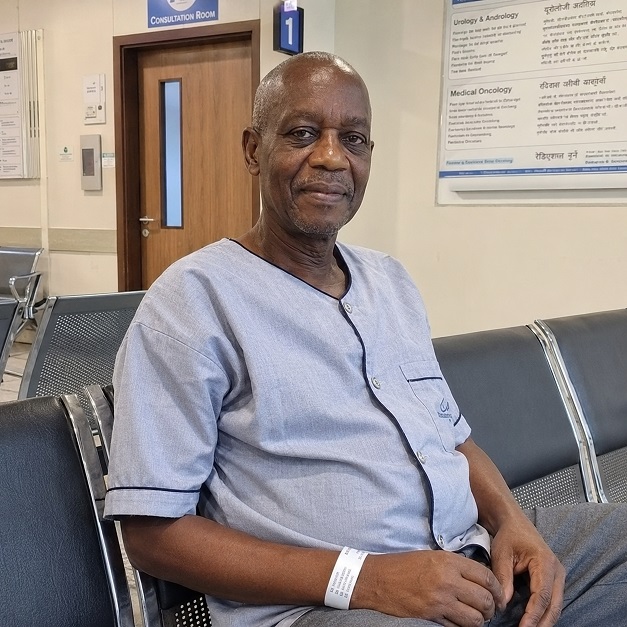
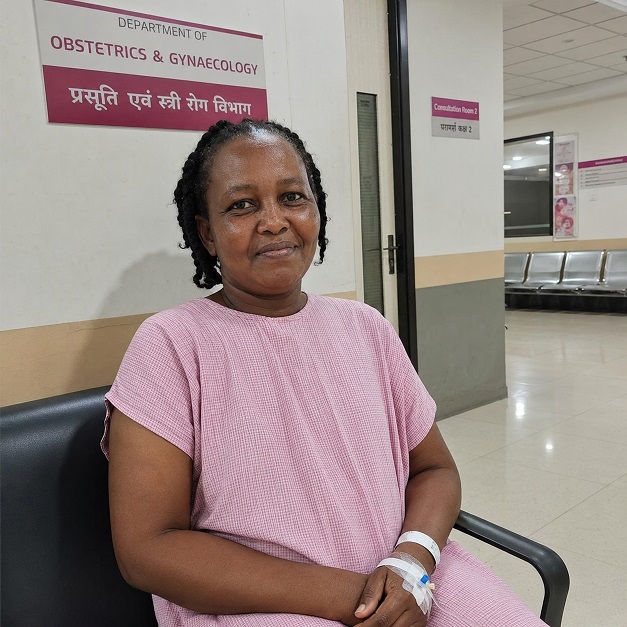
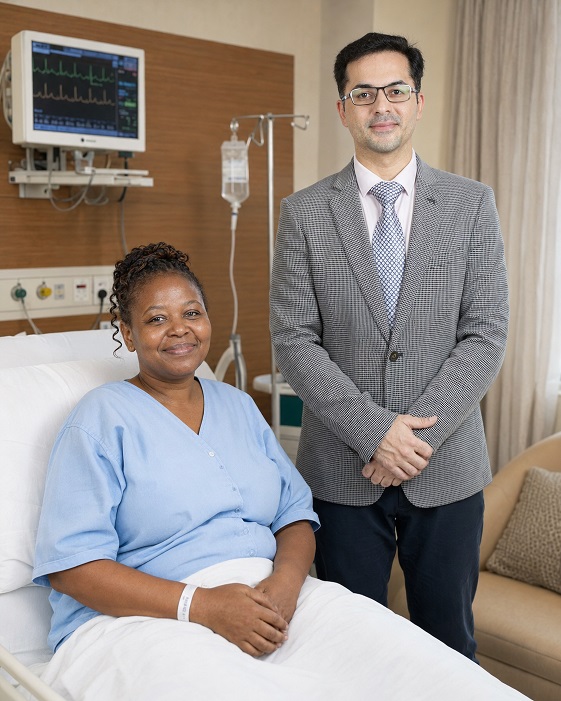
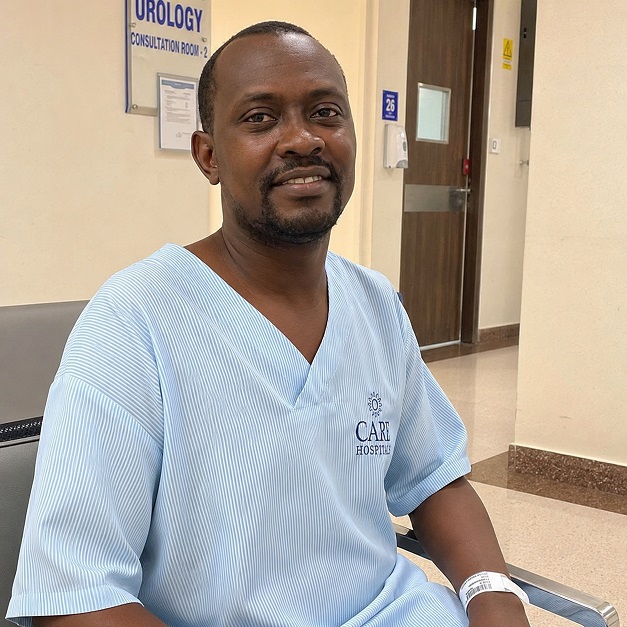
Patient Testimonials from Kenya
Ready to Take the First Step?
Share your Medical Reports with our Healthcare Managers Today and Get a FREE CONSULTATION, a Personalized Treatment Plan, and Complete Support from Arrival to Recovery.
Get Your Free ConsultationAreas We Serve
This resource has been thoughtfully prepared for patients from Kenya who are considering medical treatment in India. We also welcome patients from the wider region in the countries mentioned below-
We assist patients from:
- Ethiopia
- Somalia
- Tanzania
- Uganda
- Seychelles
- Guinea
- Guinea-Bissau
- Liberia
- Mali
- Mauritania
- Niger
- Nigeria
- Senegal
- Togo
- South Sudan
- Sierra Leone
Many of the insights, treatment pathways, hospital recommendations, travel guidance, and patient support services described here are equally relevant and may be used as a reference when planning treatment in India.
From Kenya to India: Your Complete Patient Support Guide
- Brain Tumour Surgery in India for Kenyan Patients
- Cancer Treatment and Surgery in India for Kenyan Patients
- Cardiac Treatment and Surgery in India for Kenyan Patients
- Heart Valve Replacement Surgery in India for Kenyan Patients
- Knee Replacement in India for Kenyan Patients
- Prostate Cancer Treatment and Surgery in India for Kenyan Patients
- Spine Treatment and Surgery in India for Kenyan Patients
- Selecting the Best Bariatric Surgeons and Hospitals in India: What Kenyan Patients Should Actually Look For
- Selecting the Best Cancer Surgeons and Hospitals in India: What Kenyan Patients Should Actually Look For
- Selecting the Best Cardiac Surgeons and Hospitals in India: What Kenyan Patients Should Actually Look For
- Selecting the Best Dental Surgeons and Clinics in India: What Kenyan Patients Should Actually Look For
- Selecting the Best Hip Surgeons and Hospitals in India: What Kenyan Patients Should Actually Look For
- Selecting the Best Kidney Transplant Surgeons and Hospitals in India: What Kenyan Patients Should Actually Look For
- Selecting the Best Knee Surgeons and Hospitals in India: What Kenyan Patients Should Actually Look For
- Selecting the Best Liver Transplant Surgeons and Hospitals in India: What Kenyan Patients Should Actually Look For
- Selecting the Best Neurosurgeons and Hospitals in India: What Kenyan Patients Should Actually Look For
- Selecting the Best Prostate Cancer Surgeons and Hospitals in India: What Kenyan Patients Should Actually Look For
- Selecting the Best Spine Surgeons and Hospitals in India: What Kenyan Patients Should Actually Look For