

Cardiac Treatment and Surgery in India for Kenyan Patients
Your Options From Stents to Bypass, the Real Costs, and How to Plan the Trip
The call usually comes after a scare. A businessman in Nairobi felt a tightness climbing the office stairs and put it down to age. A mother in Kisumu grew breathless hanging washing and blamed the heat. Then an ECG, an echo, and an angiogram turn vague worry into something specific: blocked arteries, and a doctor saying the word surgery. What families ask me next is nearly always the same pair of questions. Can we get this done quickly, and can we afford it? Heart disease does not wait patiently, so both deserve straight answers.
Healing Journeys of Kenyan Patients







Key Takeaways
- India offers Kenyan patients access to advanced cardiac care with experienced heart teams, accredited hospitals, dedicated cardiac ICUs and shorter scheduling times for complex procedures.
- Heart conditions covered in the guide include coronary artery disease, heart valve disease, heart failure and cardiac rhythm disorders. Initial evaluation commonly includes an ECG, echocardiogram and, where necessary, an angiogram.
- Treatment options include medicines and cardiac rehabilitation, angioplasty with stenting, coronary artery bypass grafting (CABG), heart valve repair or replacement, and pacemaker or defibrillator implantation.
- The choice between angioplasty and bypass surgery depends on the pattern of coronary disease and the patient's overall condition. The guide notes that bypass surgery often provides better long-term results for patients with several blockages or diabetes, while angioplasty may be appropriate for simpler disease.
- A multidisciplinary heart team—including an interventional cardiologist, cardiac surgeon, imaging specialist and anaesthetist—should review the angiogram and agree on the treatment plan before a major cardiac procedure.
- According to the cost chart on page 3, CABG in India costs approximately USD 4,000–9,000, compared with USD 25,000–55,000 through the UK private route and USD 70,000–150,000 in the United States.
Quick Facts
- Conditions Covered
- Coronary artery disease, heart valve disease, heart failure and cardiac rhythm disorders
- Procedures Mentioned
- Angioplasty with stenting, coronary artery bypass grafting (CABG), heart valve repair, heart valve replacement, pacemaker implantation and defibrillator implantation
- Target Audience
- Kenyan patients and families considering cardiac treatment or heart surgery in India
- Author/Advisor
- Dr. Dheeraj Bojwani, Independent Medical Travel Advisor, 24 years guiding international patients to India
- Initial Cardiac Tests
- ECG, echocardiogram and, where appropriate, coronary angiography
- Treatment Selection
- Medicines and lifestyle measures may be appropriate for mild disease. Angioplasty may suit one or two discrete blockages, while CABG is discussed for multiple blockages, diabetes or weak heart pumping.
- Heart-Team Review
- The guide recommends collaborative review by an interventional cardiologist, cardiac surgeon, imaging specialist and anaesthetist.
- Angioplasty Cost
- Approximately USD 2,400–6,400
- CABG Cost
- Approximately USD 4,000–9,000
- Valve Repair/Replacement Cost
- Approximately USD 4,800–12,000
- Pacemaker Implantation Cost
- Approximately USD 3,000–7,000
- UK Private CABG Cost
- Approximately USD 25,000–55,000
- US CABG Cost
- Approximately USD 70,000–150,000
- Typical Stay in India
- Approximately 3–4 weeks after bypass surgery
- Hospital Stay After CABG
- Approximately 7–10 days, generally including 1–2 days in intensive care
In Brief
India provides Kenyan patients with access to established cardiac treatments including angioplasty with stenting, coronary artery bypass grafting (CABG), valve repair or replacement, and pacemaker implantation. The guide recommends that complex cases be reviewed by a multidisciplinary heart team rather than relying on one specialist alone. Indicative CABG costs in India are approximately USD 4,000–9,000, while angioplasty costs approximately USD 2,400–6,400. After bypass surgery, patients generally remain in hospital for 7–10 days and should plan approximately 3–4 weeks in India before being cleared for the return journey to Kenya.
Why Kenyan patients look to India for heart care
Kenya treats heart disease competently. Kenyatta National Hospital, the Nairobi Hospital, Aga Khan University Hospital and Mater Misericordiae all run cardiac services, and Kenyan cardiologists place stents every week. The pinch comes with the bigger operations, which need a full team, a dedicated theatre and intensive care beds concentrated in a few centres. Patients tell me about waiting lists that stretch while symptoms worsen, and private quotes that put surgery out of reach.
India solved this problem at scale years ago. Its cardiac centres perform over a hundred thousand heart surgeries a year between them, which is the kind of volume that sharpens teams and lowers prices. Hospitals such as Apollo, Fortis Escorts, Medanta, Narayana Health and Max hold JCI and NABH accreditation and keep everything in-house: hybrid catheterisation labs, beating-heart and robotic techniques, round-the-clock cardiac ICUs and structured rehabilitation. The practicalities line up too: surgery scheduled within days rather than months, Swahili-speaking coordinators, information offices in Nairobi, direct flights to Delhi and Mumbai, and a medical e-visa that clears in days.
First, understand what you are dealing with
Heart trouble is not one condition, and the treatment depends entirely on which one you have. Coronary artery disease means the arteries feeding the heart muscle have narrowed, causing angina or a heart attack. Valve disease means one of the heart’s doors is leaking or stiff. Heart failure means the muscle is pumping poorly. Rhythm disorders mean the electrical signalling has gone awry. Each has its own answer, and the tests that separate them are straightforward: an ECG, an echocardiogram, and often an angiogram to map the blockages.
Two things are worth saying plainly. First, medicines and lifestyle change do a great deal of the work in mild disease, and a good cardiologist will not push you toward a theatre you do not need. Second, some symptoms are emergencies. Crushing chest pain, pain spreading to the jaw or arm, sudden breathlessness, or fainting mean you call for help immediately rather than booking a flight. Travel is for planned treatment, never for an unfolding heart attack.
The treatment options, in plain language
Once the diagnosis is clear, the choices are well established and increasingly less invasive:
| Treatment | Best suited to | What it involves |
|---|---|---|
| Medicines and cardiac rehab | Mild to moderate disease | Drugs, supervised exercise and risk-factor control; the foundation of all heart care. |
| Angioplasty and stenting | One or two discrete blockages | A balloon and stent opened through a wrist or groin artery; usually home in a day or two. |
| Bypass surgery (CABG) | Multiple blockages, diabetes, weak pumping | Healthy vessels reroute blood past the blockages; the most durable fix for complex disease. |
| Valve repair or replacement | Leaking or narrowed valves | The valve is mended or exchanged, by open surgery or increasingly through a catheter. |
| Pacemakers and defibrillators | Rhythm disorders | A small device implanted under the skin to regulate or rescue the heartbeat. |
Worth asking your cardiologist directly: stent or bypass? For several blockages, or if you are diabetic, bypass often gives better long-term results, while a stent is quicker and gentler for simpler disease. A surgeon and a cardiologist should weigh that together, not one of them alone.
Why the heart team matters
The best cardiac units do not let a single doctor decide. A heart team — an interventional cardiologist, a cardiac surgeon, an imaging specialist and an anaesthetist — reviews your angiogram together and agrees the plan. That structure protects you from the natural bias of whichever specialist you happened to see first. Before committing to travel, send your angiogram, echo and reports for review and ask for a written plan and a second opinion. Any reputable Indian centre does this remotely, from your reports, usually at no cost, and will tell you honestly if medicines would serve you better than an operation.
The cost question: India versus the UK and the US
Money is not the whole story, but for most families it decides what is possible. The chart below covers bypass surgery, the benchmark major heart operation. Angioplasty costs considerably less; valve work and complex redo surgery cost more.
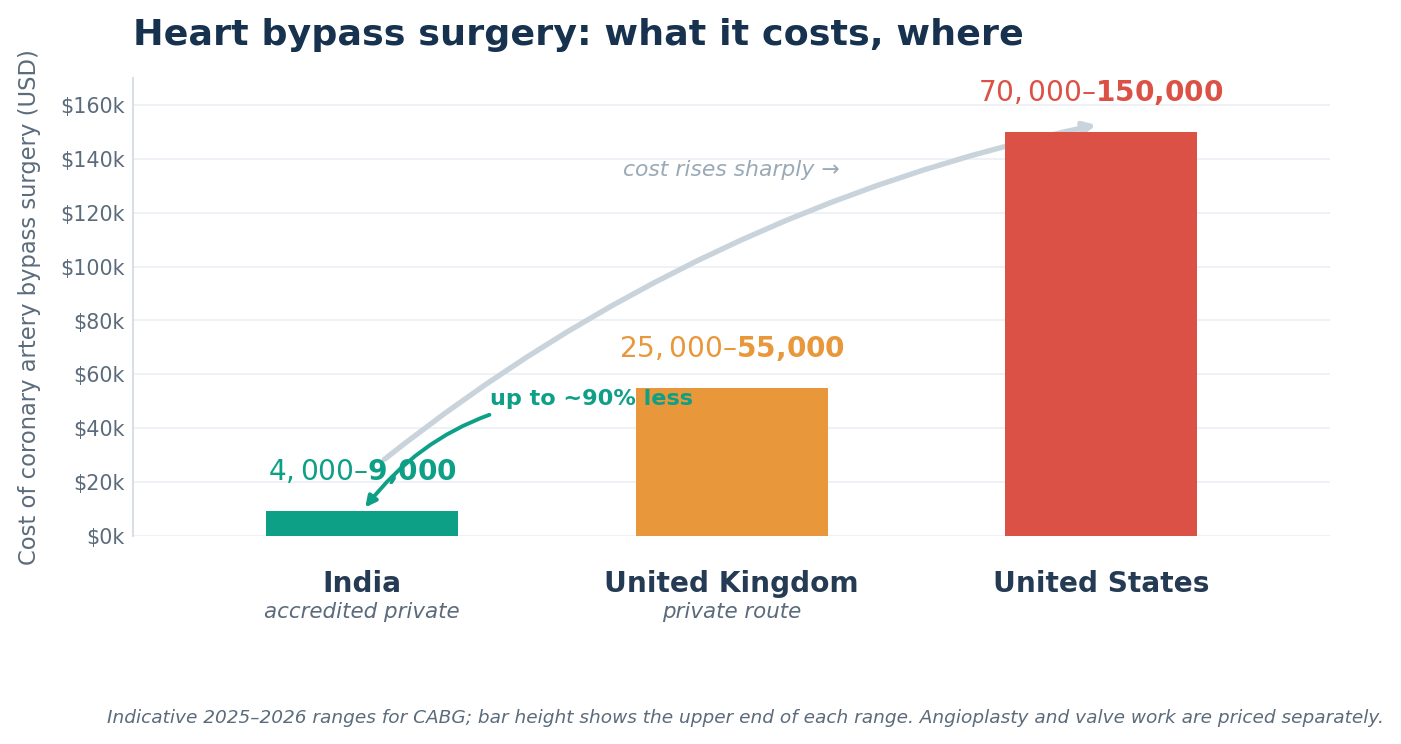
Figure 1 — Cost of heart bypass surgery, rising from India to the United States.
| Procedure | Approx. cost in India (USD) | Notes |
|---|---|---|
| Angioplasty with stent | $2,400–6,400 | Stent type and number drive the price. |
| Bypass surgery (CABG) | $4,000–9,000 | Grafts, ICU stay and hospital tier affect the total. |
| Valve repair or replacement | $4,800–12,000 | Mechanical or tissue valve changes the cost. |
| Pacemaker implantation | $3,000–7,000 | Single or dual chamber devices. |
| United Kingdom (private bypass) | $25,000–55,000 | NHS free but waitlisted; private is costly. |
| United States (bypass) | $70,000–150,000 | Among the world’s highest prices. |
Ranges are indicative 2025–2026 estimates; always obtain a written, itemised quote based on your own angiogram and reports before committing.
The saving typically runs between 60 and 90 percent against Western private prices, and it survives flights and a three to four week stay. An accredited Indian centre buys an internationally trained surgeon, a modern ICU and rehabilitation for a fraction of the London or Boston price.
Budget for the whole journey, not just the operation
A cardiac package usually covers the surgeon, anaesthesia, theatre, ICU and your ward nights. What it often leaves out is the pre-operative angiogram if you have not had one, extra ICU days should you need them, accommodation for the weeks of recovery before you are cleared to fly, a companion’s costs, and the lifelong medicines and check-ups waiting for you at home. Total it in shillings before you decide.
The pathway and your recovery
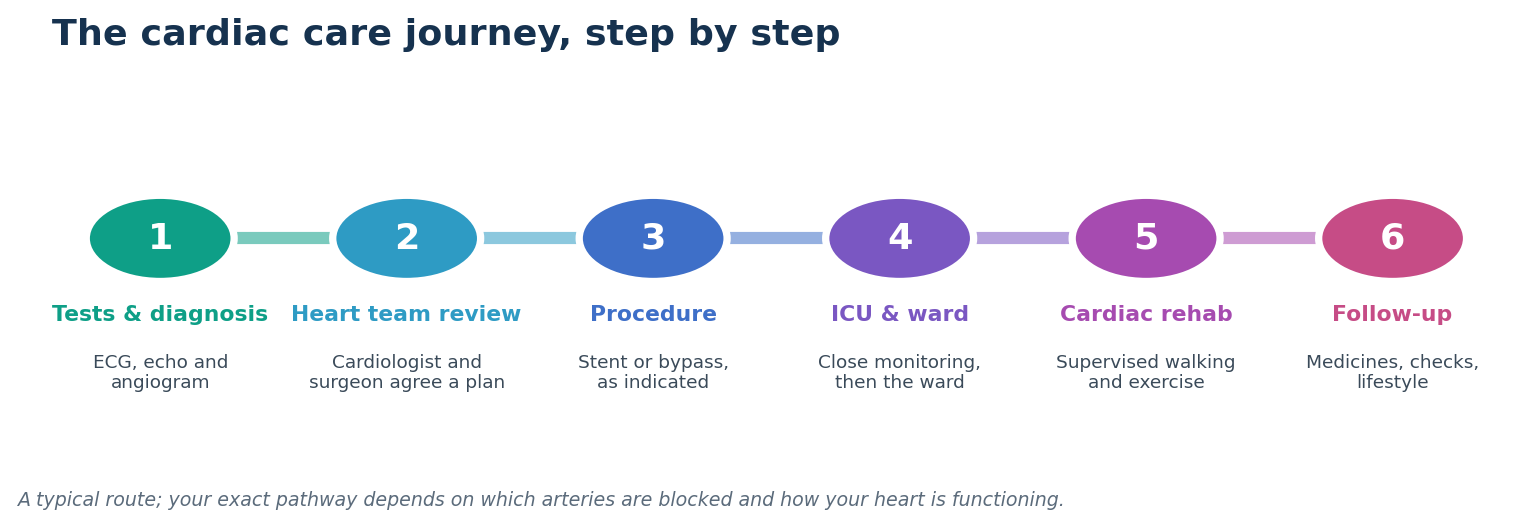
Seeing the sequence laid out settles most people’s nerves. Here is the route most patients take.
-
1
Tests and diagnosis in Kenya
An ECG, echocardiogram and usually an angiogram establish what is wrong, how many vessels are involved and how well the heart is pumping.
-
2
Remote heart team review
Send your angiogram, echo and reports to India for review. Ask for a written plan and a second opinion before you book anything.
-
3
Medical e-visa and travel
Apply on the official Government of India portal, usually granted in a few working days, with a relative on a medical-attendant visa.
-
4
Pre-procedure workup and admission
Tests are confirmed in India and the heart team settles the choice between medicines, stenting and surgery before you are admitted.
-
5
Angioplasty or bypass surgery
Angioplasty patients often go home the next day. After bypass expect a day or two in intensive care and seven to ten days in hospital.
-
6
Rehabilitation, then lifelong follow-up
Cardiac rehab starts before discharge, with about three to four weeks in India for flight clearance, then medicines and follow-up at home in Kenya.
Figure 2 — The cardiac care journey, from first tests to long-term follow-up.
After bypass surgery expect a day or two in intensive care and roughly seven to ten days in hospital altogether. Walking starts early, often the day after surgery, and cardiac rehabilitation begins before you leave. Most surgeons want you in India for about three to four weeks in total so they can check the wound, settle your medicines and clear you for a long flight. Full strength returns over six to twelve weeks. Angioplasty is far quicker: many patients go home the next day and fly within a week or two. What decides your long-term result is not the operation but what follows: tablets taken faithfully, blood pressure controlled, cigarettes abandoned.
What is putting Kenyan hearts at risk
It is worth understanding why cardiac cases are climbing at home, because much of it is preventable and all of it affects how well you do after treatment. High blood pressure is the biggest single driver, and it is dangerous precisely because it causes no symptoms until damage is done; a large share of Kenyan adults who have it do not know. Diabetes runs alongside it and roughly doubles cardiac risk, while also making blockages more diffuse and harder to stent, which is why diabetic patients are so often advised toward bypass rather than stents. Tobacco, the shift to processed and salt-heavy urban diets, sedentary office work and the sheer stress of city life complete the picture.
The practical point for you is this. If blood pressure, blood sugar and cholesterol are left uncontrolled, a bypass simply buys time before the same disease closes the new grafts. I have seen patients treated beautifully in Delhi return home, stop their tablets within a year, and undo the whole benefit. Ask your Indian team to write out your target numbers and hand that sheet to your doctor in Nairobi. It costs nothing and it protects everything you have spent.
What to settle before you book
Before committing to anything, work through this short list:
- A written plan and a second opinion first. Send your angiogram, echo and reports for review, and get the recommendation in writing before you pay for a flight.
- Accreditation and a named cardiac surgeon. Insist on a JCI- or NABH-accredited hospital, and ask how many of your specific operation the surgeon performs each year.
- Stent versus surgery, properly debated. Ask whether a heart team reviewed your case, and why the recommended option beats the alternative for you.
- Your total landed cost, in shillings. Add diagnostics, possible extra ICU days, flights, accommodation, a companion and follow-up. Ask outright what a complication would cost.
- The visa, done properly. Apply for the medical e-visa on the official Government of India portal only, and bring a companion on a medical-attendant visa.
- Cardiac rehab and medicines for home. Ask for a discharge summary, a medicine list and a rehabilitation plan your Kenyan cardiologist can continue.
- An advisor who isn’t on a hospital’s payroll. Many facilitators earn commissions from particular hospitals, which quietly colours their advice. Choose someone who compares options and is open about how they are paid.
Short, direct answers to the questions Kenyan families raise most often when they first call.
Straight Answers for Kenyan Patients about Cardiac Treatment and Surgery in India
Is heart surgery in India cheaper than the UK?
Yes, usually by 60–80%. Bypass surgery that costs $25,000–$55,000 privately in the UK generally falls between $4,000 and $9,000 at an accredited Indian hospital.
Is India better than Kenya for complex heart surgery?
For complex cases, generally yes. Indian cardiac centres offer far higher case volumes, hybrid theatres and dedicated cardiac ICUs. Stenting and routine cardiac care are often handled well in Nairobi.
How long do I need to stay in India for bypass surgery?
Plan for about three to four weeks. That covers pre-operative tests, seven to ten days in hospital, and enough recovery for your surgeon to clear you to fly home.
Is angioplasty available in India?
Yes, at all major cardiac centres and with very little waiting. Angioplasty with a stent typically costs $2,400 to $6,400, and most patients go home within a day or two.
Do Kenyans need a visa for heart surgery in India?
Yes. Kenyan passport holders apply for a medical e-visa on the official Government of India portal, usually granted within a few working days. A relative can travel on a medical-attendant visa.
How soon can heart surgery be scheduled in India?
Often within days of arrival. Kenyan patients regularly report surgery scheduled inside a week, compared with waits of several months for elective open-heart surgery at home.
Can I continue my heart treatment after returning to Kenya?
Yes. Medicines, cardiac rehabilitation and routine checks are supervised by a local cardiologist, provided you carry home your discharge summary, medicine list and operation notes.
A closing word
A heart diagnosis frightens people into either freezing or rushing, and neither serves you. The patients who do best are the ones who got the diagnosis pinned down, had the plan argued properly between a cardiologist and a surgeon, and then moved without dithering. For a Kenyan patient who needs cardiac surgery without a long wait or a crushing bill, India offers experience, technology and value that are genuinely hard to match. Send your angiogram ahead. Ask why this operation and not the other. Speak to the surgeon who will open your chest. And keep an advisor beside you whose only interest is your recovery. Do that, and the journey ends where it should: with you back home, walking further each week, and thinking about your heart a good deal less than you do today.
Sources
- 🌐 Recovering from a coronary artery bypass graft — NHS (UK). nhs.uk — CABG recovery
- 🌐 2020 ACC/AHA Guideline for the Management of Patients With Valvular Heart Disease
- 🌐 Coronary Artery Bypass Grafting: information for patients — Oxford University Hospitals NHS Foundation Trust
- 🌐 Cardiovascular disease diagnosis and treatment for Kenyan patients — Apollo Hospitals Information Centre, Nairobi
- 🌐 Medical e-Visa — official Government of India portal
- 🌐 FRRO registration for medical-visa holders — Government of India
Frequently Asked Questions by Kenyans about Cardiac Treatment and Surgery in India
Why do Kenyan patients consider India for cardiac treatment and heart surgery?
The guide explains that Kenyan patients may consider India for complex cardiac procedures, higher surgical volumes, dedicated cardiac ICUs, hybrid catheterisation laboratories and shorter scheduling times. Routine cardiac care and stenting are available in Kenya, while complex operations requiring larger multidisciplinary teams are concentrated in fewer centres.
What heart treatments are available in India for Kenyan patients?
The treatment table on page 2 covers medicines and cardiac rehabilitation, angioplasty with stenting, coronary artery bypass grafting (CABG), heart valve repair or replacement, and pacemaker or defibrillator implantation. The appropriate treatment depends on the patient's diagnosis, number and pattern of blockages, heart function and overall health.
How much does bypass surgery in India cost for Kenyan patients?
According to the cost chart on page 3 and table on page 4, CABG in India costs approximately USD 4,000–9,000. For comparison, the guide lists private bypass surgery in the UK at approximately USD 25,000–55,000 and bypass surgery in the United States at USD 70,000–150,000. These are indicative 2025–2026 estimates.
How much does angioplasty with a stent cost in India for Kenyan patients?
The guide gives an indicative cost of approximately USD 2,400–6,400 for angioplasty with stenting. The final price depends particularly on the number and type of stents required. Most patients are discharged within a day or two after an uncomplicated procedure.
Is angioplasty or bypass surgery better for Kenyan patients with blocked arteries?
There is no single answer for every patient. The guide explains that angioplasty may suit one or two discrete blockages, while CABG is commonly considered for multiple blockages, diabetes or weak heart pumping. It recommends that an interventional cardiologist and cardiac surgeon review the angiogram together before deciding between the two approaches.
How long should Kenyan patients stay in India after bypass surgery?
The guide recommends planning approximately 3–4 weeks in India. After CABG, patients typically spend around 1–2 days in intensive care and approximately 7–10 days in hospital overall. The remaining time allows for wound review, medication adjustment, rehabilitation and medical clearance for the return flight.
How long does recovery take after bypass surgery in India?
According to the recovery section on page 5, walking often begins the day after surgery, and cardiac rehabilitation starts before hospital discharge. Full strength generally returns over approximately 6–12 weeks, although individual recovery varies.
What should Kenyan patients check before choosing a cardiac hospital in India?
The checklist on page 6 recommends obtaining a written treatment plan and second opinion, confirming JCI or NABH accreditation, identifying the named cardiac surgeon and asking how many of the specific procedure they perform each year. Patients should also confirm that a heart team has reviewed whether a stent or surgery is the more appropriate option.
What should Kenyan families include when budgeting for heart surgery in India?
Families should calculate the whole journey rather than only the hospital package. The guide advises budgeting for diagnostics, possible additional ICU days, flights, accommodation during recovery, companion expenses, lifelong medicines and follow-up. Patients should also ask in advance what additional costs could arise if complications occur.
Can Kenyan patients continue cardiac care after returning home from India?
Yes. The guide states that medicines, cardiac rehabilitation and routine follow-up can continue under a local cardiologist in Kenya. Patients should return with their discharge summary, medication list, operation notes and rehabilitation plan. Long-term results also depend on controlling blood pressure, blood sugar and cholesterol and maintaining prescribed medication and lifestyle changes.
Page Summary
This guide explains cardiac treatment and heart surgery in India for Kenyan patients, covering coronary artery disease, valve disease, heart failure and rhythm disorders. It outlines treatment options ranging from medicines and cardiac rehabilitation to angioplasty, CABG, valve repair or replacement, and pacemaker or defibrillator implantation. The guide particularly emphasises multidisciplinary heart-team review when deciding between stenting and bypass surgery.
Citation Block
| Topic | Information |
|---|---|
| Topic Information | Cardiac Treatment and Surgery in India for Kenyan Patients |
| Procedure | Cardiac Treatment & Heart Surgery |
| Country | India |
| Intended Audience | Kenyan Patients and Families |
| Conditions Covered | Coronary Artery Disease, Heart Valve Disease, Heart Failure and Cardiac Rhythm Disorders |
| Procedures | Angioplasty With Stenting, CABG, Valve Repair, Valve Replacement, Pacemaker and Defibrillator Implantation |
| Typical Stay | Approximately 3–4 Weeks in India After CABG |
| Hospital Stay | Approximately 7–10 Days After CABG, Including Around 1–2 Days in ICU |
| Recovery | Approximately 6–12 Weeks for Fuller Recovery After CABG |
| Angioplasty Cost | Approximately USD 2,400–6,400 |
| CABG Cost | Approximately USD 4,000–9,000 |
| Valve Surgery Cost | Approximately USD 4,800–12,000 |
| Pacemaker Cost | Approximately USD 3,000–7,000 |
| Author | Dr. Dheeraj Bojwani |
| Experience | 24 Years Guiding International Patients to India |


Our Mission Statement
Our mission is to place patients at the centre of every healthcare decision by providing trustworthy, evidence-based, and unbiased medical information. We believe that informed patients make better decisions. Backed by personalised guidance from our experienced advisory team, we help patients understand their treatment options, compare them objectively, and confidently choose the path that best suits their medical needs and personal circumstances.
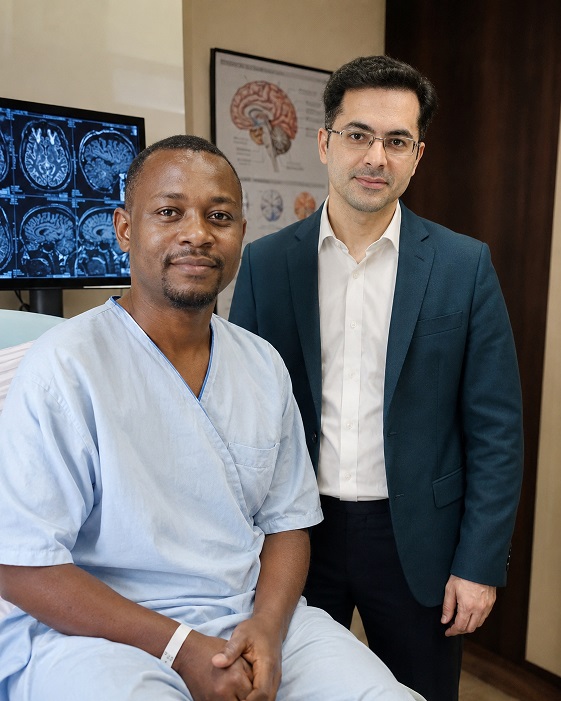
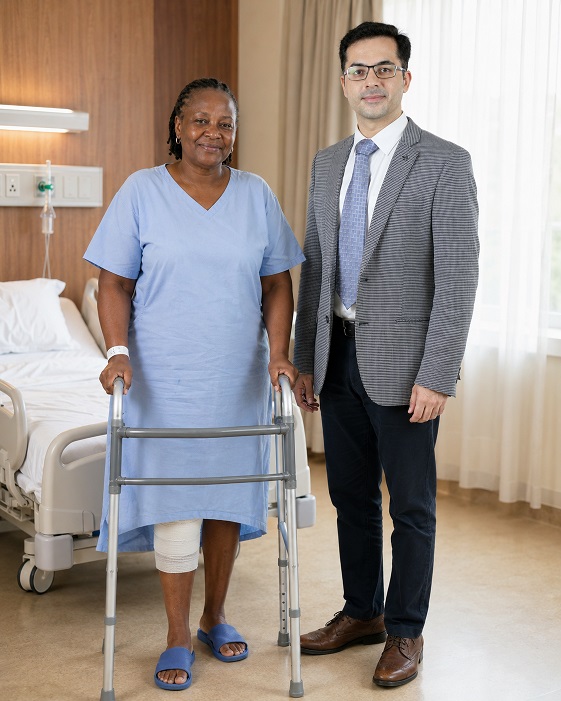
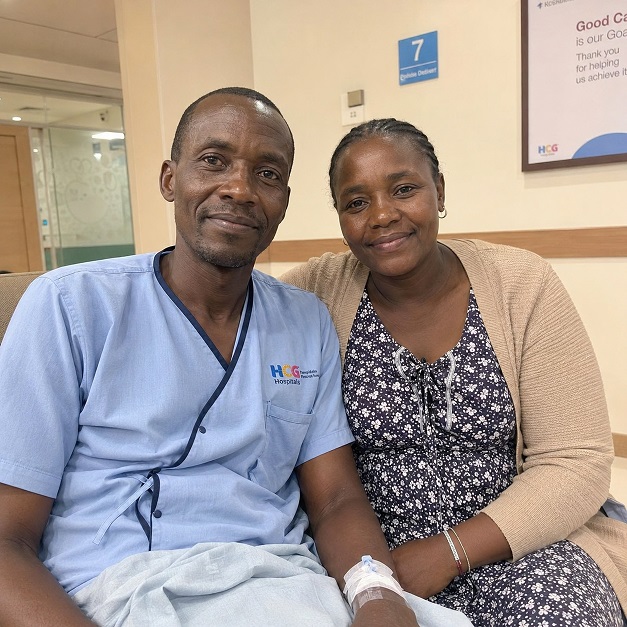
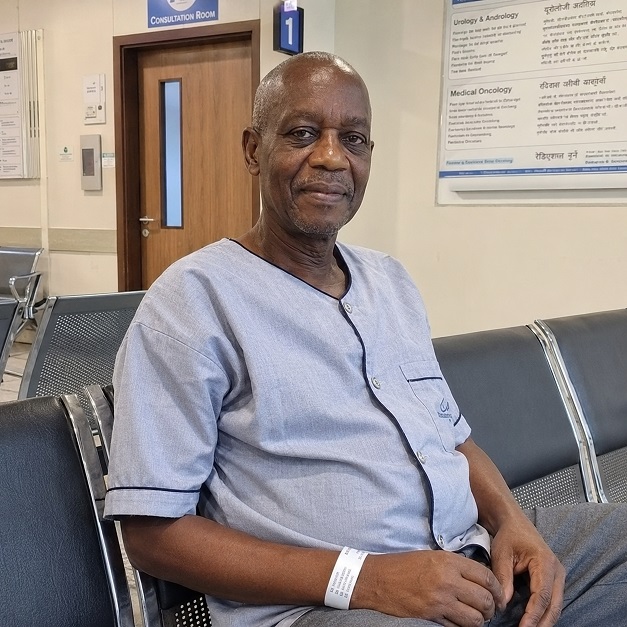
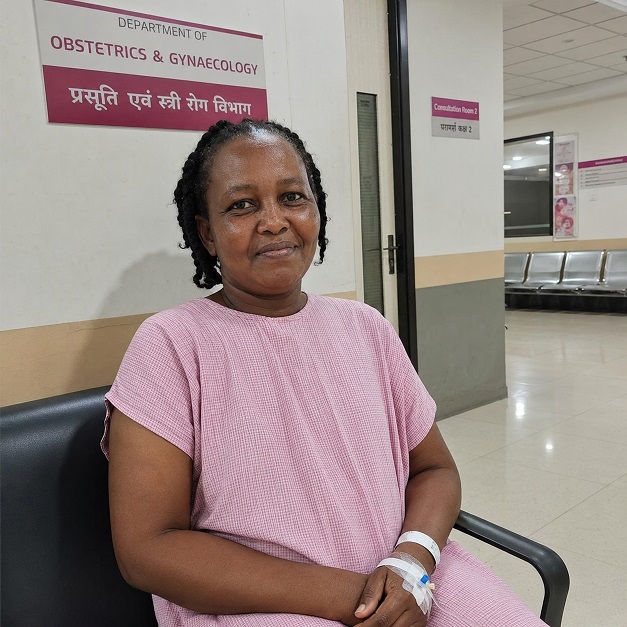
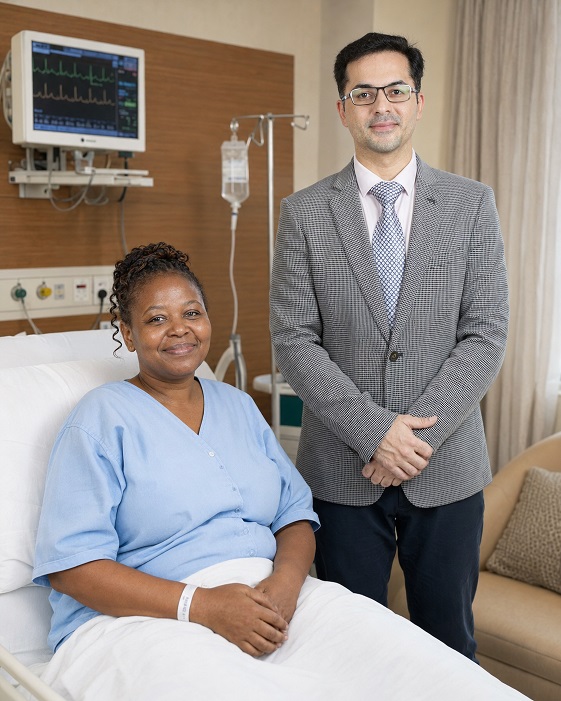
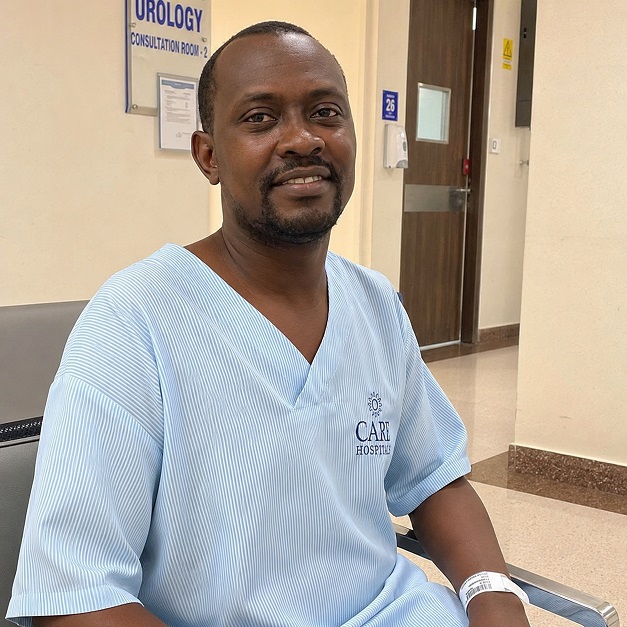
Patient Testimonials from Kenya


Ready to Take the First Step?
Share your Medical Reports with our Healthcare Managers Today and Get a FREE CONSULTATION, a Personalized Treatment Plan, and Complete Support from Arrival to Recovery.
Get Your Free ConsultationAreas We Serve
This resource has been thoughtfully prepared for patients from Kenya who are considering medical treatment in India. We also welcome patients from the wider region in the countries mentioned below-
We assist patients from:
- Ethiopia
- Somalia
- Tanzania
- Uganda
- Seychelles
- Guinea
- Guinea-Bissau
- Liberia
- Mali
- Mauritania
- Niger
- Nigeria
- Senegal
- Togo
- South Sudan
- Sierra Leone
Many of the insights, treatment pathways, hospital recommendations, travel guidance, and patient support services described here are equally relevant and may be used as a reference when planning treatment in India.
From Kenya to India: Your Complete Patient Support Guide
- Brain Tumour Surgery in India for Kenyan Patients
- Cancer Treatment and Surgery in India for Kenyan Patients
- Cardiac Treatment and Surgery in India for Kenyan Patients
- Heart Valve Replacement Surgery in India for Kenyan Patients
- Knee Replacement in India for Kenyan Patients
- Prostate Cancer Treatment and Surgery in India for Kenyan Patients
- Spine Treatment and Surgery in India for Kenyan Patients
- Selecting the Best Bariatric Surgeons and Hospitals in India: What Kenyan Patients Should Actually Look For
- Selecting the Best Cancer Surgeons and Hospitals in India: What Kenyan Patients Should Actually Look For
- Selecting the Best Cardiac Surgeons and Hospitals in India: What Kenyan Patients Should Actually Look For
- Selecting the Best Dental Surgeons and Clinics in India: What Kenyan Patients Should Actually Look For
- Selecting the Best Hip Surgeons and Hospitals in India: What Kenyan Patients Should Actually Look For
- Selecting the Best Kidney Transplant Surgeons and Hospitals in India: What Kenyan Patients Should Actually Look For
- Selecting the Best Knee Surgeons and Hospitals in India: What Kenyan Patients Should Actually Look For
- Selecting the Best Liver Transplant Surgeons and Hospitals in India: What Kenyan Patients Should Actually Look For
- Selecting the Best Neurosurgeons and Hospitals in India: What Kenyan Patients Should Actually Look For
- Selecting the Best Prostate Cancer Surgeons and Hospitals in India: What Kenyan Patients Should Actually Look For
- Selecting the Best Spine Surgeons and Hospitals in India: What Kenyan Patients Should Actually Look For