

Selecting the Best Knee Surgeons and Hospitals in India: What Kenyan Patients Should Actually Look For
A knee replacement is not a repair and there is no going back to the joint you had — which is why the surgeon deserves more scrutiny than the price.
A knee replacement is not a repair. It is the removal of the surfaces of your knee and their replacement with metal and plastic, and once it is done there is no going back to the joint you had. That is why the decision about who performs it deserves more scrutiny than most Kenyan patients give it. Across 24 years of guiding international patients through Indian hospitals, I have watched people spend three months choosing a car and three days choosing the surgeon who will open their knee. This is the framework I use when shortlisting knee surgeons and hospitals in India. It divides deliberately into two halves, because the surgeon and the institution are separate decisions, and patients routinely make only the first.
Healing Journeys of Kenyan Patients





Key Takeaways
- For Kenyan patients choosing knee replacement treatment in India, the surgeon and the hospital should be assessed separately. The guide stresses that selecting a highly regarded surgeon is not enough; the hospital's theatre infrastructure, ICU support, physiotherapy programme, blood bank and implant inventory can materially affect the treatment journey.
- Routine knee replacement is already performed in Kenya. The guide names Kenyatta National Hospital, Kenyatta University Teaching, Referral & Research Hospital, Aga Khan University Hospital Nairobi, The Nairobi Hospital, MP Shah and Karen Hospital as institutions where knee replacement care is available. It therefore recommends considering travel particularly carefully rather than assuming India is automatically necessary.
- The case for travelling to India becomes stronger for severe varus or valgus deformity, revision of a failed knee replacement, previous fracture, post-infective arthritis, rheumatoid disease with poor bone stock and other complex knees where high-volume sub-specialisation and institutional depth may be particularly valuable.
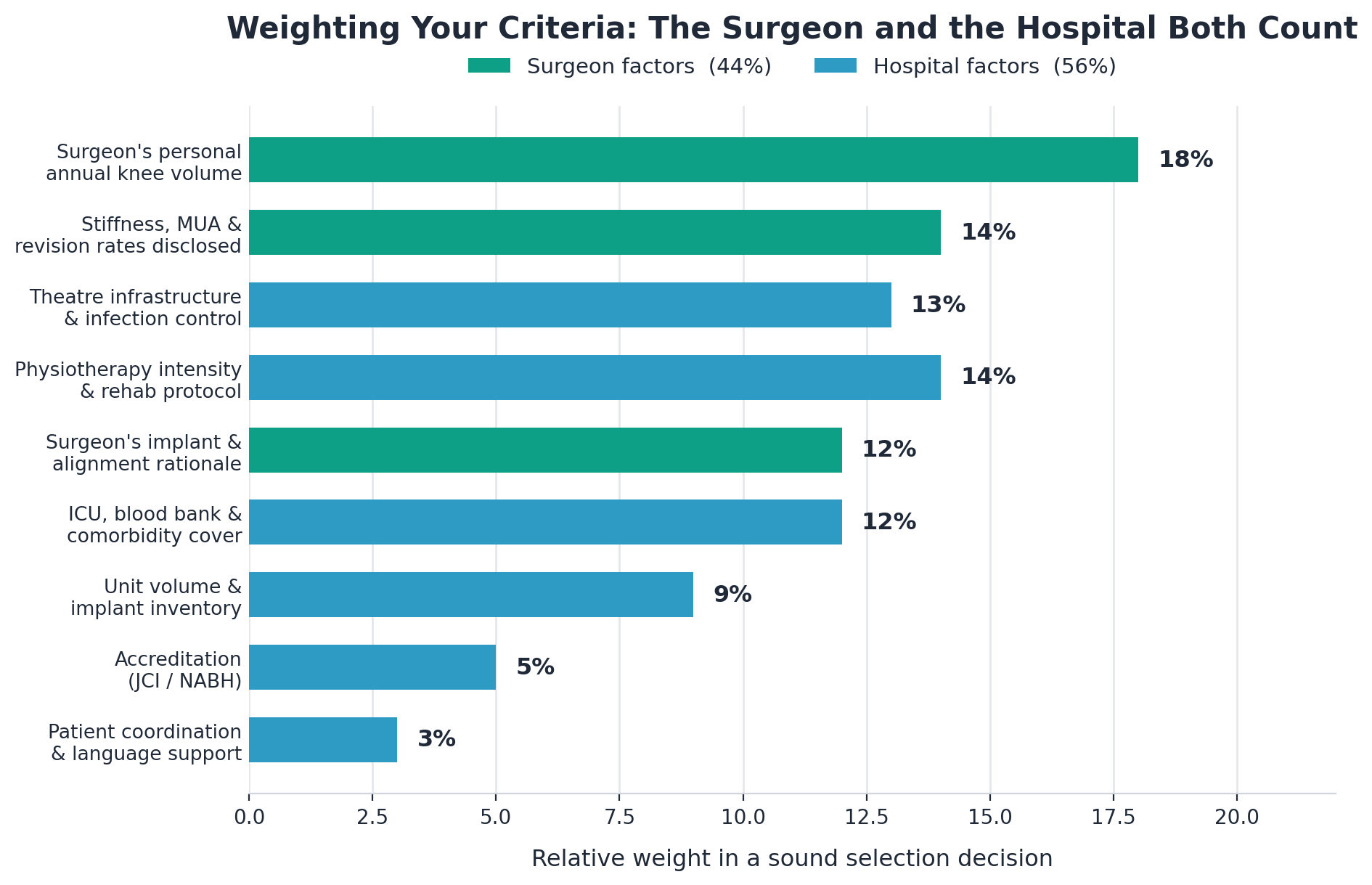
- The guide identifies the surgeon's personal annual knee replacement volume as the most predictive selection number. India's busiest arthroplasty surgeons are described as performing approximately 300–600 knee replacements personally each year. Patients should ask for the surgeon's own volume rather than the hospital's combined number.
- The selection chart on page 2 assigns the greatest individual weight to the surgeon's personal annual knee volume at 18%, followed by stiffness/MUA and revision-rate disclosure at 14%, physiotherapy and rehabilitation at 14%, theatre infrastructure and infection control at 13%, implant/alignment rationale at 12%, ICU/blood bank/comorbidity cover at 12%, unit volume/implant inventory at 9%, accreditation at 5% and patient coordination/language support at 3%. Overall, the chart gives 44% weight to surgeon factors and 56% to hospital factors.
Quick Facts
- Specialty
- Knee Replacement / Arthroplasty
- Country
- India
- Intended Audience
- Kenyan patients considering knee replacement surgery in India
- Main Procedure
- Total knee replacement
- Other Procedures Discussed
- Bilateral knee replacement, revision knee replacement and complex primary knee replacement
- Key Selection Principle
- Judge the surgeon and hospital separately.
- Surgeon Factors
- 44% of the page 2 selection framework
- Hospital Factors
- 56% of the page 2 selection framework
- Highest Individual Criterion
- Surgeon's personal annual knee volume — 18%
- High-Volume Indian Surgeon
- Approximately 300–600 knee replacements personally per year, according to the guide
- Important Outcome Questions
- Infection rate, revision rate and manipulation under anaesthesia (MUA) rate for stiffness
- Implant Designs Mentioned
- Cruciate-retaining, posterior-stabilised and high-flexion
- Robotic Knee Replacement
- Improves precision of bone cuts and component positioning
- Robotic Premium
- Approximately USD 1,500–2,000
- Robotics Recommendation
- Do not change from an experienced surgeon simply to obtain robotic surgery.
- Both Knees in One Operation
- Page 4 illustrative cost approximately USD 10,500
- Both Knees – One Trip
- Approximately 24 days away from Kenya
- Staged Bilateral Surgery
- Page 4 illustrative total approximately USD 13,000
- Staged Surgery – Two Trips
- Approximately 40 days away from Kenya
- Simultaneous Bilateral Surgery
- Often considered for fit patients under 70 with sound heart and kidney function.
- Staging Favoured
- Significant cardiac, respiratory or renal disease
- Hospital Accreditation
- JCI and NABH
- Accreditation Role
- Useful for excluding unsuitable hospitals, but not sufficient by itself to identify the best hospital.
- Theatre Factors
- Dedicated arthroplasty theatre, laminar airflow, body exhaust suits, antibiotic prophylaxis and controlled theatre traffic
In Brief
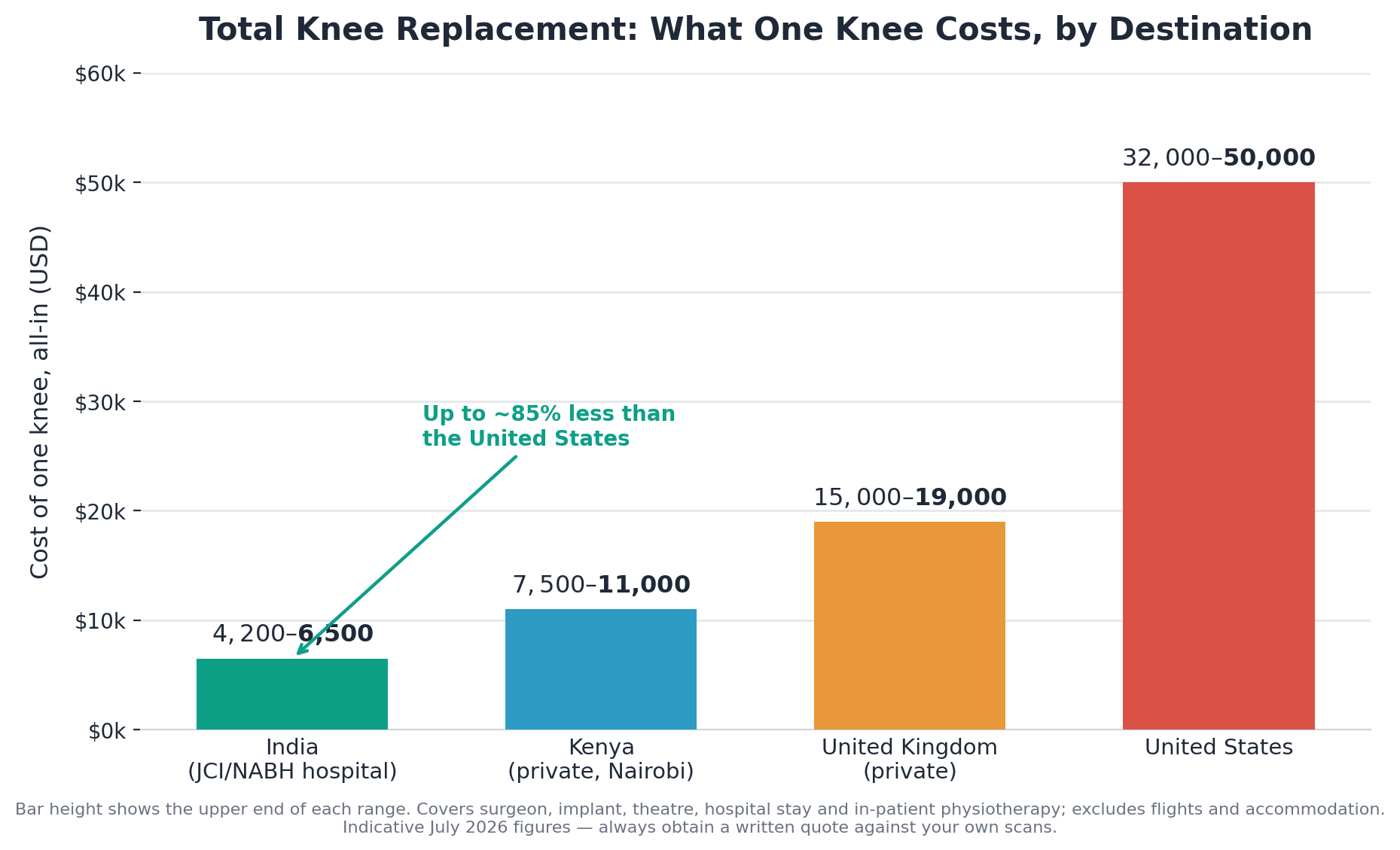
Choosing the best knee surgeon and hospital in India for a Kenyan patient requires assessing both independently. The guide gives the surgeon's personal annual knee-replacement volume the greatest individual weight, but overall assigns 56% of its selection criteria to hospital factors such as theatre infrastructure, physiotherapy, ICU and blood-bank support, unit volume and accreditation. Patients should ask about the surgeon's own annual case volume, stiffness/MUA and revision rates, implant rationale and approach to bilateral surgery. The guide estimates one knee replacement at approximately USD 4,200–6,500 in an Indian JCI/NABH hospital versus USD 7,500–11,000 in private Nairobi hospitals, while emphasising that flights, accommodation and rehabilitation must also be included in the true cost.
Before anything else: should you travel at all?
Kenya replaces knees, and does it competently. Kenyatta National Hospital and Kenyatta University Teaching, Referral & Research Hospital both run arthroplasty lists. Aga Khan University Hospital Nairobi, The Nairobi Hospital, MP Shah and Karen Hospital all have orthopaedic surgeons doing total knees, several fellowship-trained abroad and genuinely capable.
There is also a policy point that no one selling medical travel will volunteer. When Kenya moved from NHIF to the Social Health Authority, the government gazetted 36 procedures it will fund overseas — and capped that benefit at 500,000 shillings per patient per year. Standard knee replacement is not on the list, and the stated reason is that Kenya can already do it. The orthopaedic procedures that did qualify are the rarer ones: ankle, wrist and metacarpal arthroplasty, distal femoral and proximal tibial replacement, allograft work. So if you fly to India for a routine total knee, you will be paying for it yourself, and you should plan on that basis.
That said, the case for travelling strengthens sharply in three situations. Severe deformity, where the knee has drifted into marked varus or valgus after years of untreated arthritis — common in patients who present late. Revision of a failed replacement. And complex knees: previous fracture, post- infective arthritis, rheumatoid disease with poor bone stock, or a young patient who needs the implant to survive thirty years. In these cases India's advantage is real, and it is not cleverness. It is volume, sub-specialisation, and the depth of the institution standing behind the surgeon.
Part one: judging the surgeon
1. Personal annual knee volume
This is the most predictive number in the decision and the one hospitals publish least willingly. Ask it in writing: How many total knee replacements do you personally perform each year? How many are
India performs well over 200,000 knee replacements a year, and its busiest arthroplasty surgeons carry personal caseloads of 300 to 600. A surgeon at that volume has automated what goes wrong for occasional operators: rotational alignment of the femoral component, ligament balancing in flexion and extension, restoring the joint line. If he answers with the hospital's total rather than his own, treat
that as information.
2. Whether he will discuss stiffness, not just infection
Every surgeon expects to be asked about infection. Fewer expect to be asked about stiffness, which is the complication that most often leaves a knee patient quietly disappointed. Ask what proportion of his patients require manipulation under anaesthesia because the knee has not regained flexion, and what his threshold is for doing it. A surgeon who tracks that number is a surgeon who audits his own results.
Ask also for his infection and revision figures, and for the circumstances in which his outcomes are worse. Anyone claiming a zero complication rate is either inexperienced or not being straight with you.
3. The implant, and the reasoning behind it
India regulates this market in a way that works in your favour. The National Pharmaceutical Pricing Authority caps the price of knee implant components, which is a significant part of why Indian knee surgery costs what it does. But a price ceiling is not a quality floor, and implant choice still varies considerably.
Ask which system is proposed and why that one for you. A cruciate-retaining design behaves differently from a posterior-stabilised one; a high-flexion design may matter a great deal if you need to kneel. Then ask the question that separates a clinical answer from a sales answer: what would you use
through an implant you would not choose if the trade-off were explained.
4. Robotics, honestly assessed
Robotic-assisted knee replacement is marketed hard in India and adds roughly 1,500 to 2,000 dollars. It genuinely improves the precision of bone cuts and component positioning. What it has not reliably shown, in the published comparisons to date, is better pain and function at two years than a high- volume surgeon operating conventionally. My position is straightforward: take it if your chosen surgeon already uses it routinely, and never change surgeons to get it.
5. If both knees are affected
Many Kenyan patients arrive with both knees gone, having managed the pain for years. The choice between operating on both in one sitting and staging them across two trips is genuinely consequential.
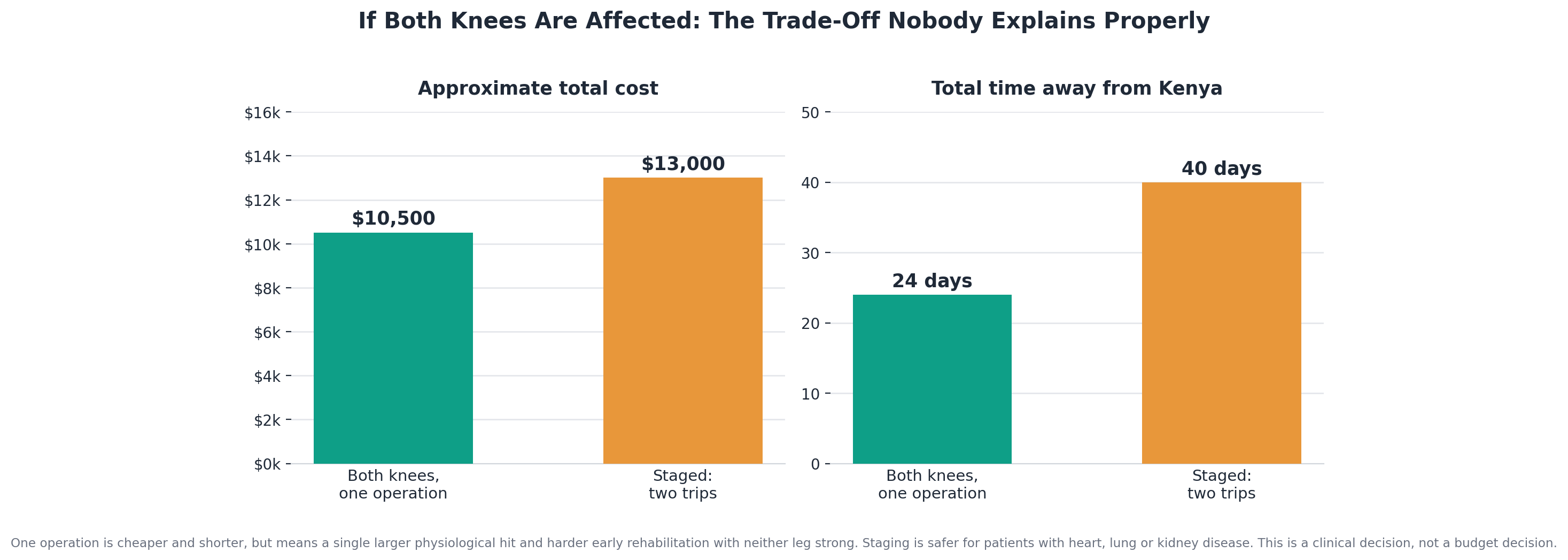
Simultaneous surgery is cheaper, involves one anaesthetic and one journey, and appeals enormously when you are counting airfares. It also delivers a much larger physiological insult, carries a higher transfusion requirement, and makes the first fortnight harder because you have no strong leg to lean on. For a fit patient under seventy with sound heart and kidney function it is often right. With cardiac, respiratory or renal disease, staging is safer.
The signal to watch for is a surgeon who agrees to simultaneous bilateral surgery because you asked, rather than because he assessed you and concluded it was appropriate. That is a commercial answer wearing a clinical coat.
Part two: judging the hospital
Patients research surgeons and then accept whichever hospital that surgeon happens to work in. For knee surgery that is the wrong way round. The operation lasts ninety minutes; the institution governs the fortnight afterwards, and in a knee that fortnight is where the outcome is actually decided.
6. Accreditation, read properly
JCI and NABH accreditation audit infection control, medication safety, surgical checklists and incident reporting. They are meaningful. But accreditation belongs to the hospital rather than to the surgeon, and it certifies that systems exist rather than that they are excellent. Use it to exclude candidates, not to choose one.
7. The theatre itself
Deep infection of a knee prosthesis turns a good result into two years of misery, and it is substantially institutional rather than surgical. Ask whether knees are done in a dedicated arthroplasty theatre or one shared with trauma and abdominal work, and about laminar airflow, body exhaust suits, antibiotic prophylaxis and theatre traffic during implantation. Hospitals that audit these things answer easily. One that finds the question impertinent has told you something.
8. What stands behind the theatre at two in the morning
This is the criterion I would rank highest for any Kenyan patient over sixty, and for anyone with hypertension, diabetes or kidney impairment — which describes a large share of the patients I see. Knee replacement is well tolerated, but people who get into difficulty do so from a chest infection, a cardiac event, a bleed, or a blood sugar that runs away on day two. What determines the outcome then is whether an intensivist is physically in the building.
Establish four things. Is there an ICU with an on-site intensivist around the clock, or only an on-call arrangement? Is there an in-house blood bank — which matters more for bilateral knees than for almost any other elective operation? Are cardiology, nephrology and diabetology available for same- day in-patient review? And what is the night nursing ratio on the ward?
9. Physiotherapy, which for a knee is not a footnote
A hip largely rehabilitates itself. A knee does not. The flexion you achieve in the first six weeks is broadly the flexion you keep, and getting there requires daily, uncomfortable, well-supervised work. This makes physiotherapy the single most important hospital-side factor in knee surgery, which is why I weight it above accreditation.
Ask whether there is a dedicated in-patient physiotherapy gym or only a bedside visit; whether you are walking on day one; how many sessions are included and how many are billed separately; what flexion target is set before discharge; and whether outpatient physiotherapy during your remaining two weeks in India is inside the package or extra. Then ask what happens afterwards. A good unit writes a week-by-week protocol your Nairobi physiotherapist can follow and stays reachable on WhatsApp at week five when your knee is stiff and you are frightened.
10. Unit volume and implant inventory
A unit performing 800 to 1,500 joint replacements a year has practised systems — pre-operative optimisation, standardised pain protocols, day-one mobilisation, written discharge criteria — that a unit doing 150 has not. Ask too whether a full range of component sizes, including revision and constrained implants, sits on the shelf or is ordered per case. If your deformity proves worse than the X-ray suggested, that inventory is the difference between adapting and compromising.
11. The cost you will actually pay
Let me be emphatic about this, because 24 years of handling these cases has taught me nothing more consistently: disputes almost never concern the quoted price. They concern what the quote silently omitted. Insist on a written estimate naming the implant model and stating what happens if you need an extra ICU day, a transfusion, or a longer stay.
Budget beyond the surgery too. Direct Nairobi–Delhi and Nairobi–Mumbai flights run roughly 550 to 850 dollars return, three weeks of accommodation for you and an attendant 700 to 1,200 dollars, and you will lose six to eight weeks of earnings. Saving several thousand dollars against a Nairobi quote is real, but it is not a free operation.
Four signals that should make you pause
Certain patterns reliably precede an unhappy patient. A quotation arriving within an hour of your enquiry, before anyone has seen your X-rays — that is a sales process, not a clinical one. Pressure to confirm because the list is filling up. Refusal to arrange a video consultation with the operating surgeon rather than a coordinator. And a package price well below every other quote, which usually means a cheaper implant, a shorter stay, or physiotherapy billed separately once you have landed.
None alone proves a bad hospital. All four together mean you should get a second opinion from a unit with no financial relationship to the first.
The Kenya-specific practicalities
Direct Nairobi–Delhi and Nairobi–Mumbai flights make this roughly a six-hour journey. The Indian medical e-visa is issued to Kenyan passport holders within three to five working days against a hospital letter, and up to two attendants can travel on a medical attendant visa. After knee surgery you will need help for the first ten days, so an attendant is not optional in practice.
Three further points that matter more here than the brochures suggest. Optimise before you fly: an HbA1c above 8 percent or uncontrolled blood pressure raises your infection risk materially, and a good surgeon will delay you rather than proceed. Arrange your Nairobi physiotherapy before you leave, not after you return, because the gap between discharge and your first session at home is where progress is lost. And be honest with your surgeon about kneeling — if you farm, or pray in a kneeling position, say so at the consultation, because most replaced knees reach 110 to 125 degrees of flexion and that is generally not enough for full squatting.
The questions I would ask before paying a deposit
Of the surgeon:
- How many knee replacements do you personally perform each year, and how many are revisions?
- What proportion of your patients need manipulation under anaesthesia for stiffness?
- Which implant and which design, and why that one for me?
- If both knees are involved, do you recommend one sitting or two, and on what clinical grounds?
Of the hospital:
- Are knees done in a dedicated arthroplasty theatre with laminar airflow?
- Is there an on-site intensivist overnight and an in-house blood bank?
- How many physiotherapy sessions are included, and what flexion target must I reach before discharge?
- Is outpatient physiotherapy for my remaining two weeks in India included or extra?
- How many joint replacements does the unit perform annually, and do you stock revision implants?
- What exactly is excluded from the quoted price?
- May I speak to a previous patient from East Africa?
A team that answers all eleven without irritation is very likely the right team. One that becomes defensive at the second or the eighth has told you what you needed to know at no cost at all.
Straight Answers for Kenyan Patients about Knee Surgeons and Hospitals in India
How do I choose the best knee surgeon in India as a Kenyan patient?
Begin with the surgeon's personal annual knee volume, not the hospital's advertising. Ask how many total knees he performs each year, how many are revisions, and what proportion of his patients need manipulation under anaesthesia for stiffness. Then insist on a video consultation with the operating surgeon before booking a flight.
How much does knee replacement surgery cost in India for a Kenyan patient?
Roughly 4,200 to 6,500 US dollars per knee all in at an accredited Indian hospital, with robotic assistance adding 1,500 to 2,000. Both knees in one operation typically runs 7,800 to 10,500. Nairobi private hospitals are broadly 7,500 to 11,000 per knee, private UK care 15,000 to 19,000, and the United States 32,000 to 50,000.
Will SHA pay for my knee replacement in India?
Almost certainly not. Kenya's Social Health Authority funds overseas treatment only for 36 gazetted procedures unavailable locally, capped at 500,000 shillings per patient per year. Standard knee replacement is excluded because Kenya performs it. Assume you are paying yourself, and check your private insurer's overseas terms separately.
Should I have both knees replaced at once or one at a time?
That is a clinical decision, not a budget one. One sitting is cheaper and means a single trip of about 24 days rather than two totalling 40, but it is a bigger physiological hit and early rehabilitation is harder with neither leg strong. Fit patients under seventy often do well; significant heart, lung or kidney disease favours staging.
Is robotic knee replacement worth paying extra for?
It improves the precision of bone cuts, but current evidence does not show better pain or function at two years than a high-volume surgeon operating conventionally. An experienced surgeon without a robot beats an inexperienced one with it. Take it if your chosen surgeon already uses it routinely; never switch surgeons for it.
How long must I stay in India after knee replacement?
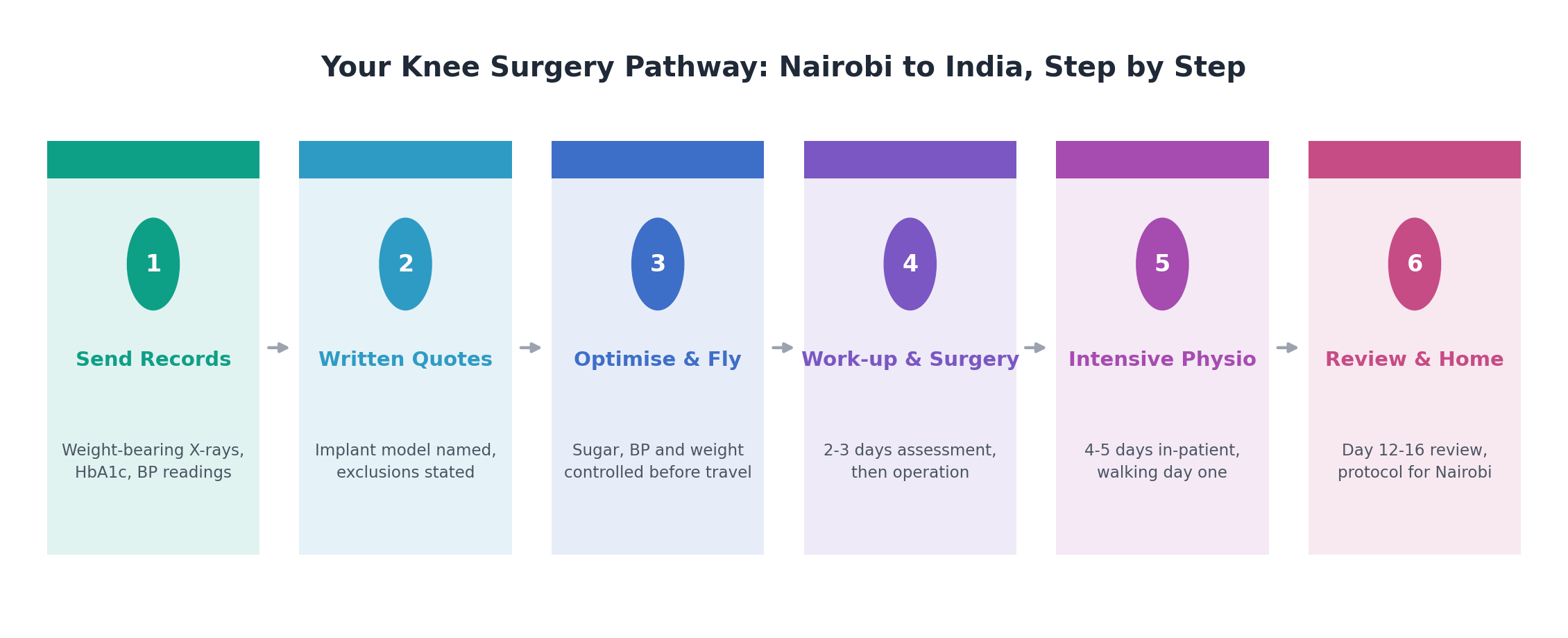
Plan 18 to 24 days for one knee and 24 to 28 for both. That covers two to three days of assessment, four to five days as an in-patient, then ten to fourteen days of daily physiotherapy before fit-to-fly clearance. The flexion you gain in the first six weeks is broadly what you keep, so do not compress this to save on accommodation.
Can I still kneel and squat after a knee replacement?
Usually not comfortably, and this matters more in Kenya than European surgeons tend to appreciate. Most replaced knees reach 110 to 125 degrees of flexion — enough for stairs, chairs and matatu seats, generally not for full squatting. If you farm, pray kneeling, or use a pit latrine, raise it before surgery so it can shape the implant choice.
A closing word
The best knee surgeon in India for you is not the one with the largest advertising budget. He is the one who does your specific operation weekly, tracks his own stiffness rate, chooses your implant around your age and the way you actually use your knee, and tells you plainly whether both knees should be done together. The best hospital is not the one with the most photogenic lobby — it is the one with a dedicated arthroplasty theatre, an intensivist awake at two in the morning, a physiotherapy gym rather than a bedside visit, and a written statement of what it will and will not charge you for.
If you would like me to look at your weight-bearing X-rays and tell you honestly whether this operation is worth travelling for, send them across. Sometimes the answer is that you should have it done in Nairobi, and I would rather say that than sell you a flight.
Frequently Asked Questions by Kenyans about Knee Surgeons and Hospitals in India
How should Kenyan patients choose the best knee surgeon in India?
The guide recommends starting with the surgeon's personal annual knee-replacement volume, rather than the hospital's overall numbers or advertising. Ask how many total knee replacements the surgeon personally performs each year, how many are revisions, and how many involve significant deformity. The guide notes that some of India's busiest arthroplasty surgeons personally perform around 300–600 knee replacements annually.
What should Kenyan patients check when choosing a hospital for knee replacement in India?
The hospital should be assessed separately from the surgeon. The guide recommends checking for JCI or NABH accreditation, dedicated arthroplasty theatre arrangements, laminar airflow, infection-control systems, an on-site intensivist, ICU facilities, an in-house blood bank, intensive physiotherapy and adequate implant inventory. The page 2 chart gives hospital factors a combined 56% weighting, compared with 44% for surgeon factors.
How much does knee replacement surgery in India cost for a Kenyan patient?
According to the page 6 cost chart, one total knee replacement at a JCI/NABH-accredited Indian hospital costs approximately USD 4,200–6,500. The same chart shows approximately USD 7,500–11,000 for private treatment in Nairobi, USD 15,000–19,000 in the private UK sector and USD 32,000–50,000 in the United States. Flights and accommodation are excluded from these figures.
Will Kenya's SHA pay for knee replacement surgery in India?
According to the guide, routine knee replacement is not included among the 36 procedures funded overseas by Kenya's Social Health Authority (SHA), because standard knee replacement is already available in Kenya. The guide states that the overseas benefit is capped at KES 500,000 per patient per year for qualifying procedures and advises patients travelling for routine knee replacement to assume they will be self-funding.
Should Kenyan patients have both knees replaced at once or separately?
The guide says this should be a clinical decision rather than a budget decision. Its page 4 graphic illustrates both knees in one operation at approximately USD 10,500 with 24 days away from Kenya, compared with staged surgery across two trips at approximately USD 13,000 and 40 days away. Simultaneous surgery may suit a fit patient under 70 with sound heart and kidney function, while significant cardiac, respiratory or renal disease generally favours staging.
Is robotic knee replacement worth the additional cost in India?
The guide states that robotic assistance can improve the precision of bone cuts and component positioning and adds approximately USD 1,500–2,000. However, it says published comparisons have not reliably demonstrated better pain and function at two years than surgery performed conventionally by a high-volume surgeon. Its recommendation is to consider robotics when the chosen surgeon already uses it routinely, but not to change surgeons simply to obtain robotic surgery.
How long should Kenyan patients stay in India after knee replacement?
The guide recommends planning approximately 18–24 days for one knee and 24–28 days for both knees. This generally allows 2–3 days for assessment, 4–5 days as an inpatient and approximately 10–14 days of intensive physiotherapy before fit-to-fly clearance. The page 7 pathway similarly shows assessment, surgery, inpatient rehabilitation, review and return home as separate stages.
Why is physiotherapy so important when choosing a knee replacement hospital?
The guide describes physiotherapy as the single most important hospital-side factor in knee surgery. It states that the flexion achieved during the first six weeks is broadly the flexion the patient keeps. Kenyan patients should therefore ask how many physiotherapy sessions are included, whether walking starts on Day 1, what flexion target must be reached before discharge and whether outpatient physiotherapy during the remaining stay in India costs extra.
Can Kenyan patients kneel or squat after knee replacement?
The guide states that most replaced knees achieve approximately 110–125 degrees of flexion. This is generally sufficient for stairs, chairs and ordinary daily activities but may not permit comfortable full squatting. Patients who farm, pray in a kneeling position or regularly need deep knee flexion should discuss this with the surgeon before surgery, because functional requirements can influence implant and treatment planning.
What questions should Kenyan patients ask before paying a deposit for knee surgery in India?
The guide recommends asking about the surgeon's personal annual knee volume, revision and stiffness/MUA rates, proposed implant and design, and whether bilateral surgery should be simultaneous or staged. Patients should also ask the hospital about its arthroplasty theatre, laminar airflow, overnight intensivist and blood bank, physiotherapy programme, annual joint-replacement volume, revision implant inventory, package exclusions and whether they can speak with a previous patient from East Africa.
Page Summary
This guide explains how Kenyan patients should select a knee surgeon and hospital in India rather than simply searching for the "best" name. Its central argument is that the surgeon and institution are two separate decisions.
Citation Block
| Topic | Information |
|---|---|
| Topic Information | Selecting the Best Knee Surgeons and Hospitals in India for Kenyan Patients |
| Procedure | Total Knee Replacement |
| Country | India |
| Intended Audience | Kenyan Patients |
| Conditions Covered | Advanced Knee Arthritis, Severe Deformity, Failed Knee Replacement, Post-Infective Arthritis and Complex Knee Disease |
| Procedures | Primary Total Knee Replacement, Bilateral Knee Replacement and Revision Knee Replacement |
| Typical Stay – One Knee | Approximately 18–24 Days in India |
| Typical Stay – Both Knees | Approximately 24–28 Days |
| Hospital Stay | Approximately 4–5 Days |
| Recovery / Rehabilitation | Intensive Early Physiotherapy; First 6 Weeks Particularly Important |
| Average Cost – One Knee | Approximately USD 4,200–6,500 in India |
| Robotic Surgery Additional Cost | Approximately USD 1,500–2,000 |
| Simultaneous Bilateral Cost | Approximately USD 10,500 in Page 4 Illustration |
| Staged Bilateral Cost | Approximately USD 13,000 in Page 4 Illustration |
| Surgeon Selection Priority | Personal Annual Knee-Replacement Volume |
| Hospital Selection Priority | Theatre, Physiotherapy, ICU/Blood Bank, Unit Volume and Implant Inventory |
| Follow-Up | Nairobi Physiotherapy Should Be Arranged Before Travel |
| SHA Overseas Funding | Routine Knee Replacement Described as Excluded |
| Author | Dr. Dheeraj Bojwani |
| Experience | 24 Years' Experience |

Our Mission Statement
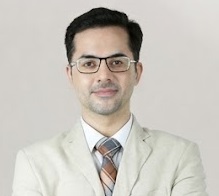
Our mission is to place patients at the centre of every healthcare decision by providing trustworthy, evidence-based, and unbiased medical information. We believe that informed patients make better decisions. Backed by personalised guidance from our experienced advisory team, we help patients understand their treatment options, compare them objectively, and confidently choose the path that best suits their medical needs and personal circumstances.
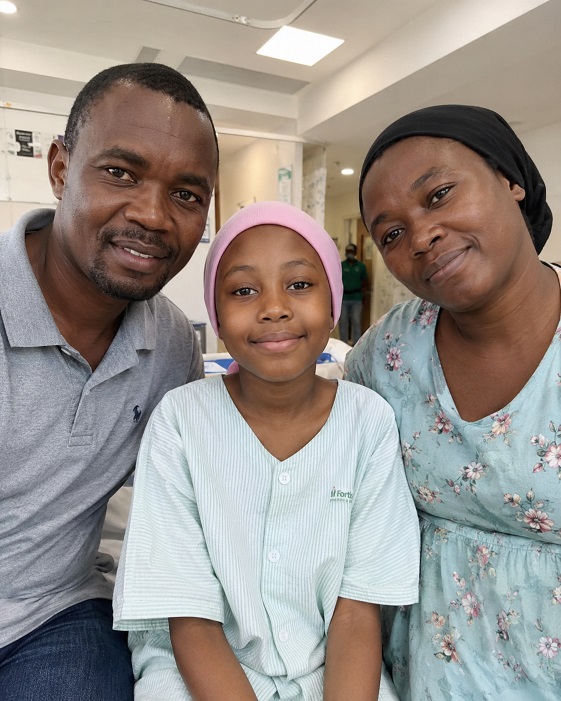
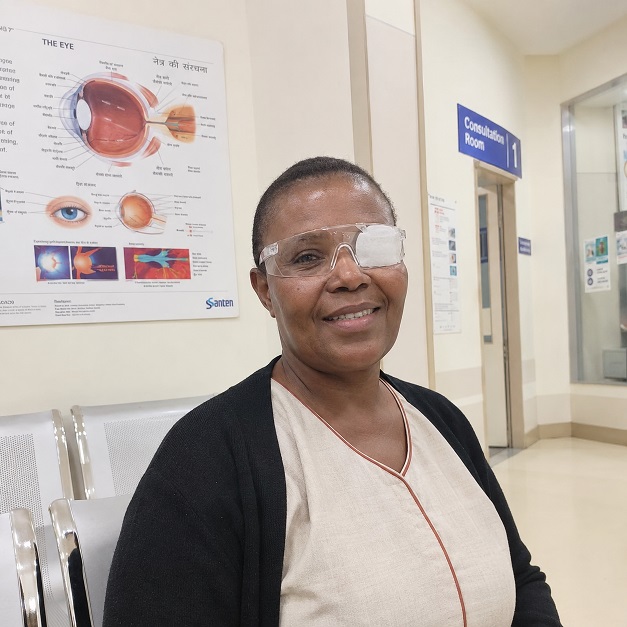
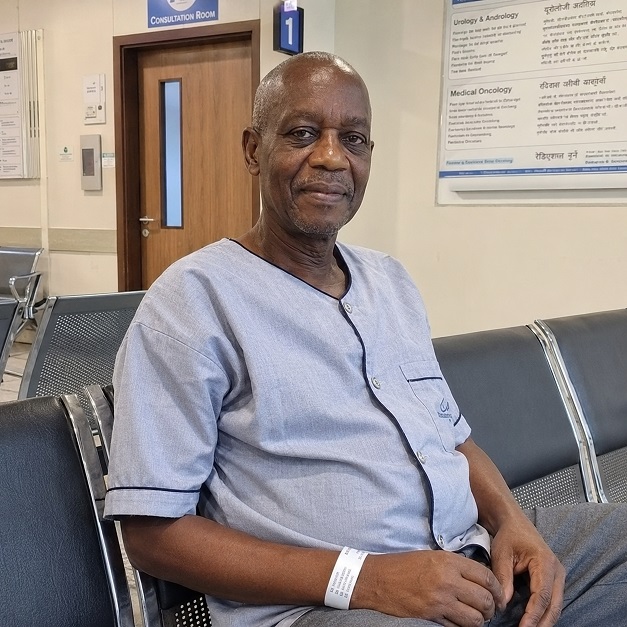
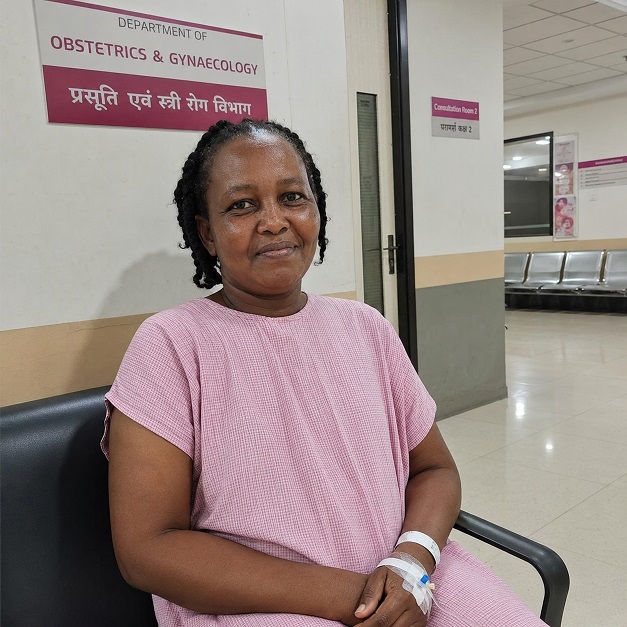
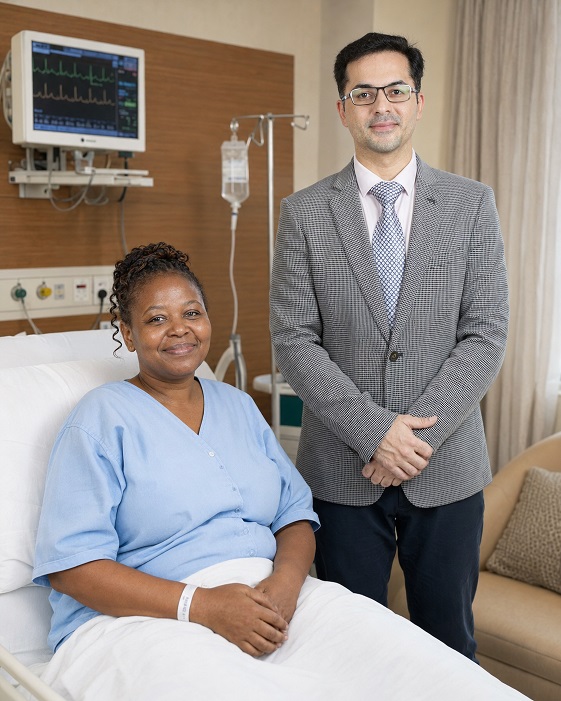
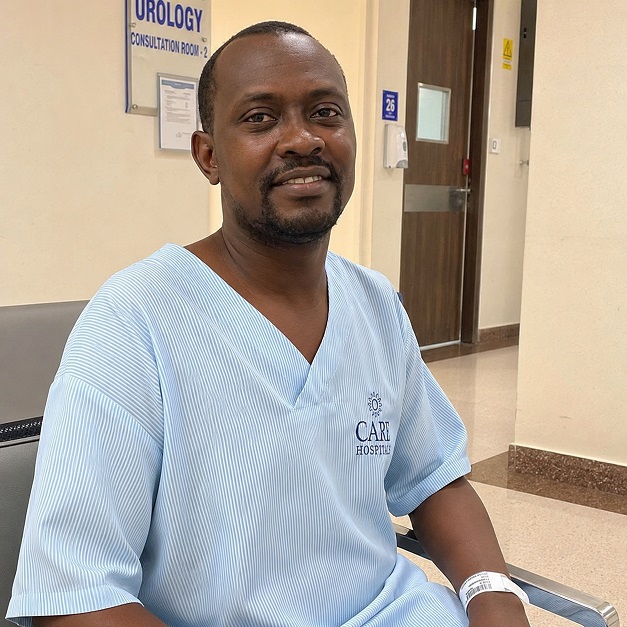
Patient Testimonials from Kenya

Ready to Take the First Step?
Share your Medical Reports with our Healthcare Managers Today and Get a FREE CONSULTATION, a Personalized Treatment Plan, and Complete Support from Arrival to Recovery.
Get Your Free ConsultationAreas We Serve
This resource has been thoughtfully prepared for patients from Kenya who are considering medical treatment in India. We also welcome patients from the wider region in the countries mentioned below-
We assist patients from:
- Ethiopia
- Somalia
- Tanzania
- Uganda
- Seychelles
- Guinea
- Guinea-Bissau
- Liberia
- Mali
- Mauritania
- Niger
- Nigeria
- Senegal
- Togo
- South Sudan
- Sierra Leone
Many of the insights, treatment pathways, hospital recommendations, travel guidance, and patient support services described here are equally relevant and may be used as a reference when planning treatment in India.
From Kenya to India: Your Complete Patient Support Guide
- Brain Tumour Surgery in India for Kenyan Patients
- Cancer Treatment and Surgery in India for Kenyan Patients
- Cardiac Treatment and Surgery in India for Kenyan Patients
- Heart Valve Replacement Surgery in India for Kenyan Patients
- Knee Replacement in India for Kenyan Patients
- Prostate Cancer Treatment and Surgery in India for Kenyan Patients
- Spine Treatment and Surgery in India for Kenyan Patients
- Selecting the Best Bariatric Surgeons and Hospitals in India: What Kenyan Patients Should Actually Look For
- Selecting the Best Cancer Surgeons and Hospitals in India: What Kenyan Patients Should Actually Look For
- Selecting the Best Cardiac Surgeons and Hospitals in India: What Kenyan Patients Should Actually Look For
- Selecting the Best Dental Surgeons and Clinics in India: What Kenyan Patients Should Actually Look For
- Selecting the Best Hip Surgeons and Hospitals in India: What Kenyan Patients Should Actually Look For
- Selecting the Best Kidney Transplant Surgeons and Hospitals in India: What Kenyan Patients Should Actually Look For
- Selecting the Best Knee Surgeons and Hospitals in India: What Kenyan Patients Should Actually Look For
- Selecting the Best Liver Transplant Surgeons and Hospitals in India: What Kenyan Patients Should Actually Look For
- Selecting the Best Neurosurgeons and Hospitals in India: What Kenyan Patients Should Actually Look For
- Selecting the Best Prostate Cancer Surgeons and Hospitals in India: What Kenyan Patients Should Actually Look For
- Selecting the Best Spine Surgeons and Hospitals in India: What Kenyan Patients Should Actually Look For