

Heart Valve Replacement Surgery in India for Kenyan Patients
Repair or Replace, Mechanical or Tissue, and What It Really Costs
Valve disease announces itself quietly. A young teacher in Nakuru finds she cannot climb to her classroom without stopping. A man in Mombasa wakes at night short of breath and props himself on pillows. Often there is a history that seems irrelevant — a bad sore throat in childhood, rheumatic fever, joint pains that passed. Years later a stethoscope picks up a murmur and an echocardiogram tells the story: a heart valve that no longer opens or closes properly. In Kenya that story is common, and it is worth understanding before you decide anything.
Healing Journeys of Kenyan Patients









Key Takeaways
- Heart valve disease among Kenyan patients is frequently linked to rheumatic heart disease, which can affect people much younger than the degenerative valve disease commonly seen in wealthier countries.
- The two main valve problems are stenosis, where the valve does not open fully, and regurgitation, where the valve does not close properly and allows blood to leak backwards. The mitral and aortic valves are commonly affected.
- Timing is important. Mild valve disease may only require monitoring, but delaying necessary treatment can allow the heart muscle to stretch and weaken. Breathlessness at rest, fainting, chest pain or leg swelling require urgent medical assessment.
- When possible, valve repair may be preferable to replacement because it preserves the patient's own valve tissue and usually avoids lifelong warfarin therapy.
- For valve replacement, patients generally choose between mechanical and tissue valves. Mechanical valves may last 20–30 years or more but require lifelong warfarin and regular INR monitoring. Tissue valves generally avoid lifelong anticoagulation but typically last around 10–20 years before another replacement may be necessary.
- For younger Kenyan patients, the decision between mechanical and tissue valves should consider age, reliable access to INR testing and future pregnancy plans. The guide particularly highlights this issue for women of childbearing age.
- Treatment options include open surgical valve replacement (SAVR/MVR) and, for suitable older or high-risk patients with aortic stenosis, TAVI/TAVR, where the replacement valve is delivered through an artery without opening the chest.
- A multidisciplinary heart team consisting of a cardiac surgeon, interventional cardiologist, imaging specialist and anaesthetist should review the echocardiogram and determine whether repair or replacement—and open surgery or TAVI—is appropriate.
Quick Facts
- Conditions Covered
- Rheumatic heart disease, heart valve stenosis, heart valve regurgitation, mitral valve disease and aortic valve disease
- Procedures Mentioned
- Heart valve repair, mechanical valve replacement, tissue/biological valve replacement, SAVR, MVR and TAVI/TAVR
- Target Audience
- Kenyan patients and families considering heart valve surgery in India
- Author/Advisor
- Dr. Dheeraj Bojwani, Independent Medical Travel Advisor, 24 years guiding international patients to India
- Valve Problems
- Stenosis prevents a valve from opening fully, while regurgitation prevents complete closure and allows backward blood flow.
- Commonly Affected Valves
- Mitral and aortic valves
- Valve Repair
- Preferred where clinically possible because the patient's own valve is preserved and lifelong warfarin is usually avoided.
- Mechanical Valve
- Generally suited to younger patients; may last 20–30 years or more, but requires lifelong warfarin and regular INR testing.
- Tissue/Biological Valve
- Often considered for older patients or women planning pregnancy; generally does not require lifelong blood-thinning therapy but typically lasts 10–20 years.
- Open Valve Surgery
- SAVR/MVR is described as the proven approach for most patients, including those with rheumatic valve disease.
- TAVI/TAVR
- Keyhole valve implantation may suit older or high-risk patients with aortic stenosis and commonly involves approximately 3–5 days in hospital.
- Heart-Team Review
- Cardiac surgeon, interventional cardiologist, imaging specialist and anaesthetist
- Valve Repair Cost
- Approximately USD 4,500–9,000
- Single Valve Replacement Cost
- Approximately USD 5,000–12,000
- Double Valve Replacement Cost
- Approximately USD 9,000–16,000
In Brief
Heart valve replacement surgery in India offers Kenyan patients access to valve repair, mechanical and tissue valve replacement, and TAVI/TAVR for suitable cases. Because rheumatic heart disease often affects younger Kenyan patients, valve selection requires careful consideration of durability, lifelong anticoagulation, reliable INR monitoring and future pregnancy plans. The guide recommends multidisciplinary heart-team review before treatment. Indicative costs in India range from USD 4,500–9,000 for valve repair and USD 5,000–12,000 for single open-valve replacement to USD 20,000–35,000 for TAVI/TAVR. After open surgery, patients generally remain in hospital for 7–10 days and should plan approximately 3–4 weeks in India.
Why valve disease matters so much in Kenya
In wealthy countries most valve disease is the wear of old age. Across sub-Saharan Africa it is largely rheumatic heart disease , the long shadow of untreated strep throat in childhood, and it strikes far younger. The contrast is stark: in one large international registry, rheumatic valve disease was found in 22 percent of African patients with atrial fibrillation, against just 2 percent in North America. That is why Kenyan valve patients are so often in their twenties, thirties and forties, with families and jobs depending on them.
Kenya has skilled cardiac surgeons, and visiting teams periodically run valve operating missions in Nairobi, which speaks to both the need and the shortfall. Open-heart valve surgery demands a full cardiac theatre, a perfusionist, an ICU bed and lifelong follow-up, and those resources sit in very few centres. Patients describe waiting years while breathlessness narrows their lives.
India is where many of them go. Its cardiac centres — Apollo, Fortis Escorts, Medanta, Narayana Health, Max — hold JCI and NABH accreditation, operate on valves in high volume, and know rheumatic disease intimately, because India treats a great deal of it. Both routes are available: open surgery and, for suitable patients, keyhole transcatheter implantation. Surgery is usually scheduled within days, coordinators often speak Swahili, direct flights connect Nairobi with Delhi and Mumbai, and the e-visa clears in days.
First, understand what you are dealing with
Your heart has four valves working as one-way doors. Two problems can develop. Stenosis means a valve has stiffened and will not open fully, so the heart strains to push blood through. Regurgitation means it will not close properly, so blood leaks backwards. The mitral and aortic valves are the ones most often affected, and an echocardiogram — a painless ultrasound of the heart — grades the severity and drives every decision that follows.
Timing matters more than most patients realise. Waiting too long lets the heart muscle stretch and weaken, and that damage does not fully reverse even after a perfect operation. Equally, mild valve disease may need only monitoring for years. The skill lies in judging the moment, which is why regular echocardiograms matter. Breathlessness at rest, fainting, chest pain or swelling of the legs are signals to be seen urgently rather than to wait and see.
Repair, replace, and choosing a valve
Where a valve can be repaired rather than replaced, that is often the better outcome, since it preserves your own tissue and usually avoids lifelong blood thinners. When replacement is necessary, you face a genuine choice:
| Option | Best suited to | What it means for you |
|---|---|---|
| Valve repair | Leaking valves with salvageable tissue | Your own valve is remodelled; usually no lifelong warfarin. |
| Mechanical valve | Younger patients | Lasts 20–30 years or more, but requires lifelong warfarin and regular blood tests. |
| Tissue (biological) valve | Older patients, or women planning pregnancy | No lifelong blood thinner, but typically lasts 10–20 years before needing replacement. |
| Open surgery (SAVR / MVR) | Most patients, including rheumatic disease | The proven approach; chest opened, 7–10 days in hospital. |
| TAVI / TAVR (keyhole) | Older or high-risk patients with aortic stenosis | New valve threaded through an artery; no chest incision, often home in 3–5 days. |
The question to press hardest: mechanical or tissue valve? A mechanical valve rarely needs replacing but ties you to warfarin and regular INR testing for life — ask honestly whether reliable monitoring is available where you live. A tissue valve frees you from that but may need redoing in your lifetime. This is your decision to make with your surgeon, not one to be made for you.
Why the heart team matters
A good centre will not let one clinician decide alone. A heart team — cardiac surgeon, interventional cardiologist, imaging specialist and anaesthetist — reviews your echocardiogram together and agrees whether to repair or replace, and whether open surgery or TAVI suits you better. Before you commit to travel, send your echo report, ECG and medical history for review, and ask for a written plan and a second opinion. Reputable Indian centres provide this remotely, usually at no cost, and will say plainly if your valve should simply be watched for now.
The cost question: India versus the UK and the US
The chart below covers surgical valve replacement, the most common route. Keyhole TAVI sits higher because of the device itself, and a double valve replacement costs more than a single.
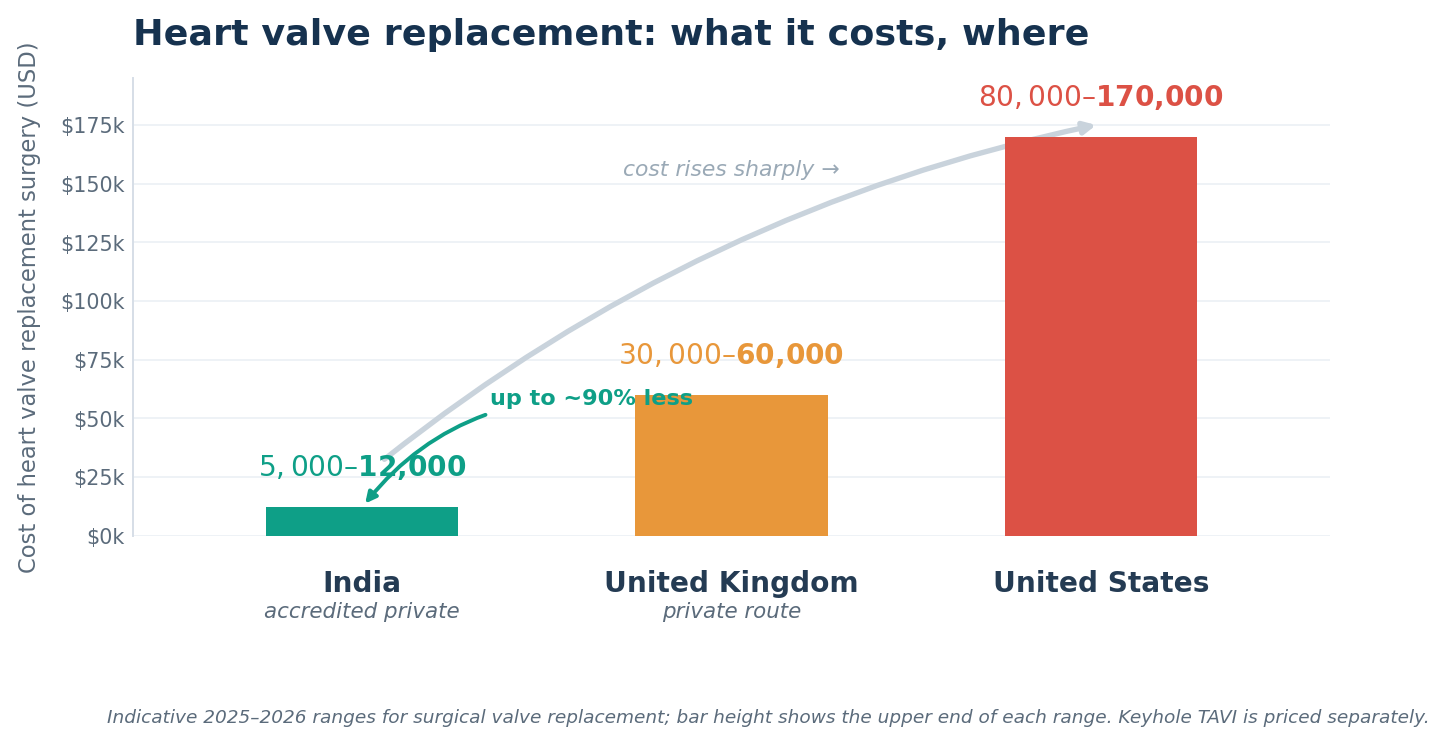
Figure 1 — Cost of heart valve replacement surgery, rising from India to the United States.
| Procedure | Approx. cost in India (USD) | Notes |
|---|---|---|
| Valve repair | $4,500–9,000 | Where the valve can be saved rather than replaced. |
| Single valve replacement (open) | $5,000–12,000 | Mechanical or tissue valve; the valve type affects the price. |
| Double valve replacement | $9,000–16,000 | Common in advanced rheumatic disease. |
| TAVI / TAVR (keyhole) | $20,000–35,000 | Device-driven cost; Indian-made valves reduce it. |
| United Kingdom (private) | $30,000–60,000 | NHS free but waitlisted; private is costly. |
| United States | $80,000–170,000 | Among the world’s highest prices. |
Ranges are indicative 2025–2026 estimates; always obtain a written, itemised quote based on your own echocardiogram and reports before committing.
The gap runs to 75–90 percent against Western private prices and easily absorbs flights and a month’s stay, buying an experienced valve surgeon, a modern cardiac ICU and structured rehabilitation for a fraction of the London or New York price.
Budget for the whole journey, not just the operation
The quoted package usually covers the surgeon, anaesthesia, theatre, ICU and ward nights. It rarely covers the pre-operative workup, extra ICU days if you need them, accommodation for the weeks before you are cleared to fly, a companion’s costs, or what comes after — warfarin, regular INR tests and lifelong echocardiograms. Add all of it in shillings so the figure you are weighing is honest.
The pathway and your recovery
Seeing the sequence laid out makes it far less daunting. Here is the route most patients take.
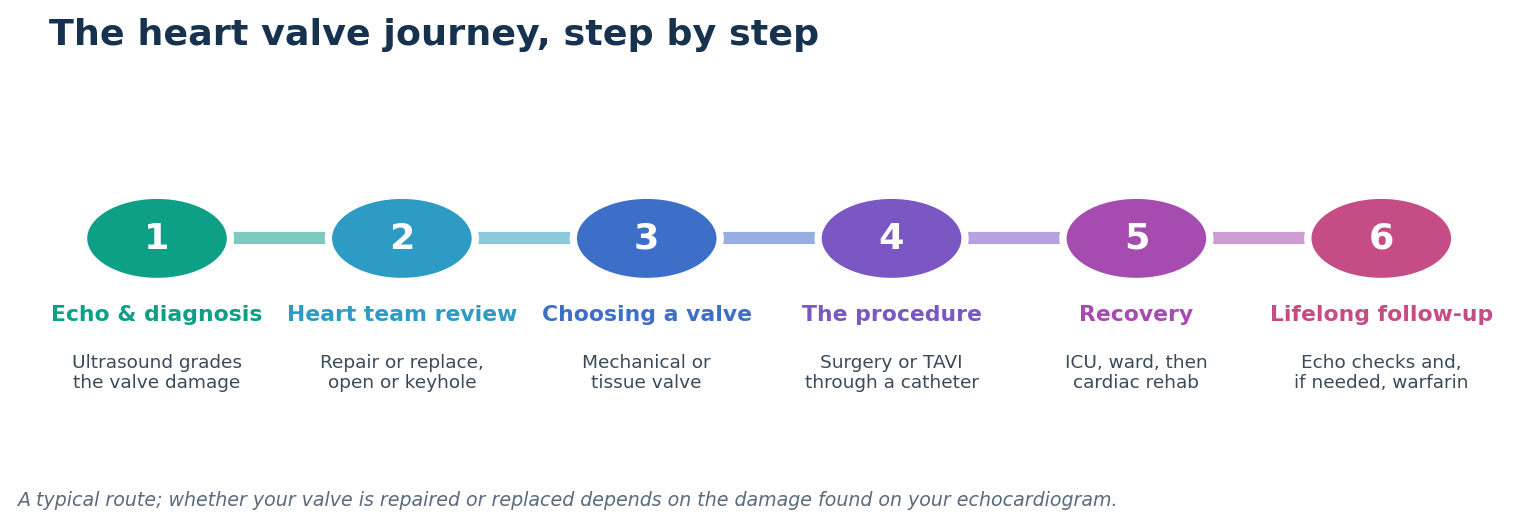
Figure 2 — The heart valve journey, from echocardiogram to lifelong follow-up.
After open valve surgery expect a day or two in intensive care and about seven to ten days in hospital. Walking begins early and cardiac rehabilitation starts before discharge. Most surgeons want you in India for roughly three to four weeks so the wound can be checked, your warfarin dose stabilised if you have a mechanical valve, and clearance given for a long flight. Full recovery takes six to twelve weeks. TAVI is quicker: often three to five days in hospital and a shorter stay overall. Afterwards, valve patients need lifelong care — periodic echocardiograms, antibiotic cover before dental work, and, with a mechanical valve, steady INR monitoring. Arranging that in Kenya before you travel is not an afterthought; it is part of the treatment.
Pregnancy, and the decision young women face
Because rheumatic valve disease strikes young, a great many Kenyan patients are women of childbearing age, and the valve choice becomes bound up with whether they hope to have children. Warfarin, the blood thinner required with a mechanical valve, carries risks to a developing baby, particularly in the first trimester, and managing anticoagulation through a pregnancy needs careful specialist supervision. That is one reason a tissue valve is often favoured for a woman planning a family, despite the likelihood of needing replacement later. There is no single right answer here, only trade-offs, and any surgeon worth trusting will raise the subject before you do. If you are a woman in your twenties or thirties, say plainly what your plans are; it should change the conversation.
Stopping the next case before it starts
Rheumatic heart disease is almost entirely preventable, which makes its prevalence in Kenya particularly painful. It begins with an untreated streptococcal throat infection, usually in a child between five and fifteen. Treated promptly with a simple course of penicillin, the story ends there. Left untreated, it can trigger rheumatic fever, and repeated attacks scar the heart valves permanently. Once a child has had rheumatic fever, regular preventive penicillin injections can stop further attacks and protect the valves that remain.
So if you are travelling for valve surgery, look at the children in your household too. A sore throat with fever in a school-age child deserves a clinic visit, not a wait-and-see. It is the cheapest cardiac intervention there is, and it may spare someone you love the journey you are about to make.
What to settle before you book
Before committing to anything, work through this short list:
- A written plan and a second opinion first. Send your echocardiogram, ECG and history for review, and get the recommendation in writing before you pay for a flight.
- Repair before replacement. Ask directly whether your valve could be repaired rather than replaced, and how often that surgeon performs repairs.
- Mechanical or tissue, decided with you. Weigh your age, plans for pregnancy and access to reliable INR testing at home before choosing.
- Accreditation and a named valve surgeon. Insist on a JCI- or NABH-accredited hospital, and ask how many valve operations the surgeon does each year.
- Your total landed cost, in shillings. Add the workup, possible extra ICU days, flights, accommodation, a companion, and the warfarin monitoring waiting at home.
- The visa, done properly. Apply for the medical e-visa on the official Government of India portal only, and bring a companion on a medical-attendant visa.
- Lifelong follow-up arranged in Kenya. Line up a cardiologist for INR checks and echoes, and take home your discharge summary, valve card and operation notes.
- An advisor who isn’t on a hospital’s payroll. Many facilitators earn commissions from particular hospitals, which quietly colours their advice.
Short, direct answers to the questions Kenyan families raise most often when they first call.
Straight Answers for Kenyan Patients about Heart Valve Replacement Surgery in India
Is heart valve replacement in India cheaper than the UK?
Yes, usually by 75–85%. A valve replacement costing $30,000–$60,000 privately in the UK typically falls between $5,000 and $12,000 at an accredited Indian hospital.
Is India better than Kenya for heart valve surgery?
For valve surgery, generally yes. Indian centres perform far more valve operations each year, are highly experienced in rheumatic valve disease, and offer both open surgery and keyhole TAVI with little waiting.
Is TAVI available in India?
Yes, at leading cardiac centres. Keyhole aortic valve implantation typically costs $20,000 to $35,000 in India, with most patients discharged within three to five days.
Which is better, a mechanical or tissue valve?
Neither is universally better. Mechanical valves last 20–30 years but need lifelong warfarin; tissue valves avoid blood thinners but usually last 10–20 years. Age and access to INR testing guide the choice.
How long do I need to stay in India for valve surgery?
Plan for roughly three to four weeks. That covers pre-operative tests, seven to ten days in hospital, and enough recovery for your surgeon to clear you to fly home.
Do Kenyans need a visa for heart valve surgery in India?
Yes. Kenyan passport holders apply for a medical e-visa on the official Government of India portal, usually granted within a few working days. A relative can travel on a medical-attendant visa.
What follow-up will I need after returning to Kenya?
Lifelong care: periodic echocardiograms, antibiotic cover before dental work, and regular INR blood tests if you have a mechanical valve. Arrange a local cardiologist before you travel.
A closing word
Valve disease is unusually cruel because it often strikes young and progresses slowly enough to be ignored. It is also unusually rewarding to treat: a well-chosen, well-timed valve operation can hand someone back the stairs, the walk to work, the pregnancy they were told to postpone. For a Kenyan patient facing that decision, India offers surgeons who see this disease constantly, both open and keyhole options, and prices that make treatment possible rather than theoretical. Send your echo ahead. Ask whether repair is possible before accepting replacement. Think carefully about which valve suits the life you actually live. And arrange your follow-up at home before you ever board the plane. Get those four things right and the operation becomes what it should be — a single hard week that buys back decades.
Sources
- 🌐 2020 ACC/AHA Guideline for the Management of Patients With Valvular Heart Disease
- 🌐 Information for patients having heart surgery (valve repair, mechanical and tissue valves)
- 🌐 Prevalence and outcomes of valvular atrial fibrillation in African patients (rheumatic heart disease burden) — THESUS-HF registry
- 🌐 Advice for patients having open heart surgery — Blackpool Teaching Hospitals NHS Foundation Trust
- 🌐 Medical e-Visa — official Government of India portal
- 🌐 FRRO registration for medical-visa holders — Government of India
Frequently Asked Questions by Kenyans about Heart Valve Replacement Surgery in India
Why do Kenyan patients consider India for heart valve replacement surgery?
The guide explains that Indian cardiac centres perform high volumes of valve procedures and have substantial experience with rheumatic heart disease, which is particularly relevant for Kenyan patients. Both open-heart valve surgery and keyhole TAVI/TAVR are available, with treatment generally scheduled more quickly than in settings where specialist cardiac resources are limited.
How much does heart valve replacement surgery in India cost for Kenyan patients?
According to the cost chart on page 3 and table on page 4, a single open-valve replacement costs approximately USD 5,000–12,000 in India. Valve repair is approximately USD 4,500–9,000, while double-valve replacement costs around USD 9,000–16,000. These are indicative 2025–2026 estimates.
Is valve repair better than valve replacement for Kenyan patients?
Where the damaged valve can be successfully repaired, the guide states that repair is often preferable because it preserves the patient's own valve tissue and usually avoids lifelong warfarin. Patients are advised to ask directly whether repair is possible before accepting replacement and how frequently their surgeon performs valve repairs.
Should Kenyan patients choose a mechanical or tissue heart valve?
Neither option is universally better. A mechanical valve may last 20–30 years or more but requires lifelong warfarin and regular INR testing. A tissue valve generally avoids lifelong anticoagulation but typically lasts around 10–20 years before another replacement may be required. Age, access to reliable INR testing and future pregnancy plans should influence the decision.
Is TAVI/TAVR available in India for Kenyan patients?
Yes. The guide describes TAVI/TAVR as a keyhole alternative for selected older or high-risk patients with aortic stenosis. The valve is delivered through an artery without opening the chest. Treatment costs approximately USD 20,000–35,000, and patients are often discharged within 3–5 days.
How long should Kenyan patients stay in India after heart valve surgery?
After open valve surgery, patients should generally plan approximately 3–4 weeks in India. The guide describes around 1–2 days in intensive care and approximately 7–10 days in hospital overall, followed by additional recovery so the wound can be checked, medication adjusted and the patient medically cleared for the flight back to Kenya.
How long does recovery take after heart valve replacement surgery?
The guide gives a typical recovery period of approximately 6–12 weeks after open valve surgery. Walking begins early and cardiac rehabilitation starts before hospital discharge. TAVI generally has a shorter recovery because the procedure does not require opening the chest.
What should young Kenyan women consider when choosing a replacement valve?
The guide specifically highlights pregnancy because rheumatic valve disease often affects women of childbearing age. Warfarin required with a mechanical valve carries risks during pregnancy, particularly during the first trimester. This is one reason a tissue valve may be considered for a woman planning a family, despite its shorter expected lifespan.
What should Kenyan patients check before booking heart valve surgery in India?
The checklist on page 6 recommends sending the echocardiogram, ECG and medical history for review, obtaining a written treatment plan and second opinion, asking whether repair is possible, and discussing mechanical versus tissue valves, confirming the named valve surgeon and verifying JCI or NABH accreditation. Patients should also calculate the complete treatment and travel cost rather than looking only at the surgical package.
What follow-up is required in Kenya after heart valve replacement?
The guide states that valve patients require lifelong follow-up, including periodic echocardiograms and antibiotic cover before dental work. Patients with mechanical valves additionally require lifelong warfarin and regular INR blood testing. A cardiologist in Kenya should therefore be arranged before travelling, and patients should return with their discharge summary, valve card and operation notes.
Page Summary
This guide explains heart valve replacement surgery in India for Kenyan patients, with particular attention to rheumatic heart disease and the younger age at which valve problems can affect patients in Kenya. It explains stenosis and regurgitation, why the timing of intervention matters, and how patients and heart teams decide between valve repair and replacement.
Citation Block
| Topic | Information |
|---|---|
| Topic Information | Heart Valve Replacement Surgery in India for Kenyan Patients |
| Procedure | Heart Valve Repair & Replacement Surgery |
| Country | India |
| Intended Audience | Kenyan Patients and Families |
| Conditions Covered | Rheumatic Heart Disease, Valve Stenosis, Valve Regurgitation, Mitral Valve Disease and Aortic Valve Disease |
| Procedures | Valve Repair, Mechanical Valve Replacement, Tissue Valve Replacement, SAVR, MVR and TAVI/TAVR |
| Typical Stay | Approximately 3–4 Weeks in India After Open Valve Surgery |
| Hospital Stay | Approximately 7–10 Days After Open Surgery; Around 3–5 Days After TAVI |
| Recovery | Approximately 6–12 Weeks After Open Valve Surgery |
| Valve Repair Cost | Approximately USD 4,500–9,000 |
| Single Valve Replacement Cost | Approximately USD 5,000–12,000 |
| Double Valve Replacement Cost | Approximately USD 9,000–16,000 |
| TAVI/TAVR Cost | Approximately USD 20,000–35,000 |
| Author | Dr. Dheeraj Bojwani |
| Experience | 24 Years Guiding International Patients to India |


Our Mission Statement
Our mission is to place patients at the centre of every healthcare decision by providing trustworthy, evidence-based, and unbiased medical information. We believe that informed patients make better decisions. Backed by personalised guidance from our experienced advisory team, we help patients understand their treatment options, compare them objectively, and confidently choose the path that best suits their medical needs and personal circumstances.
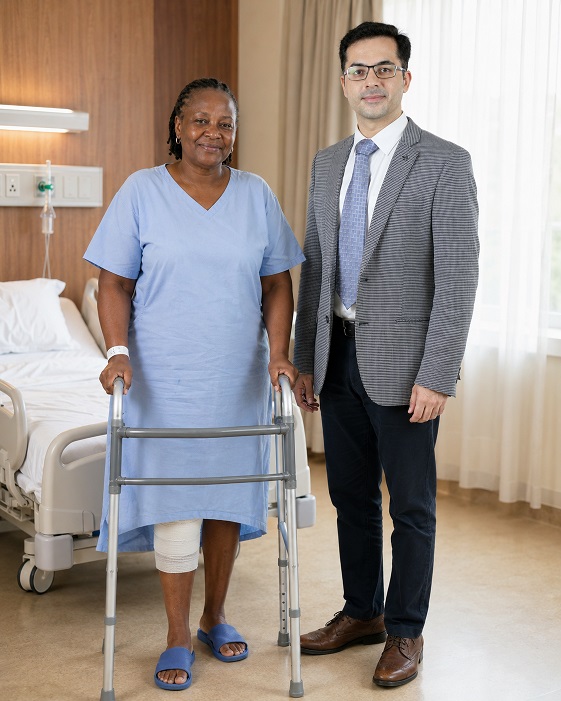
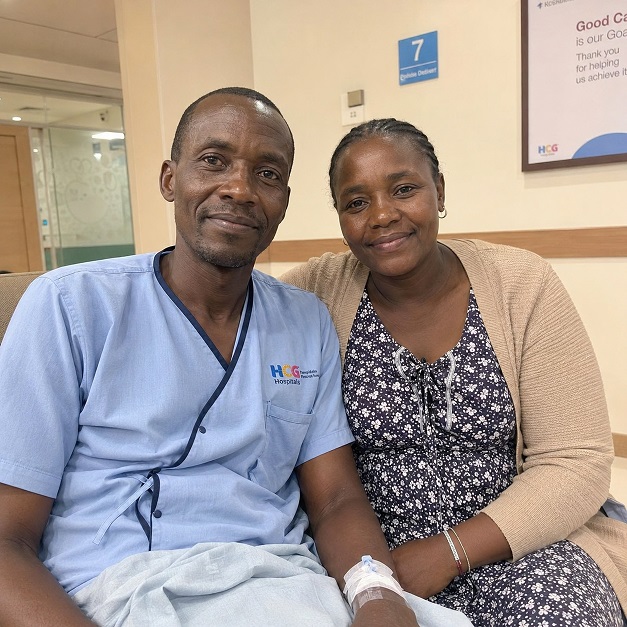
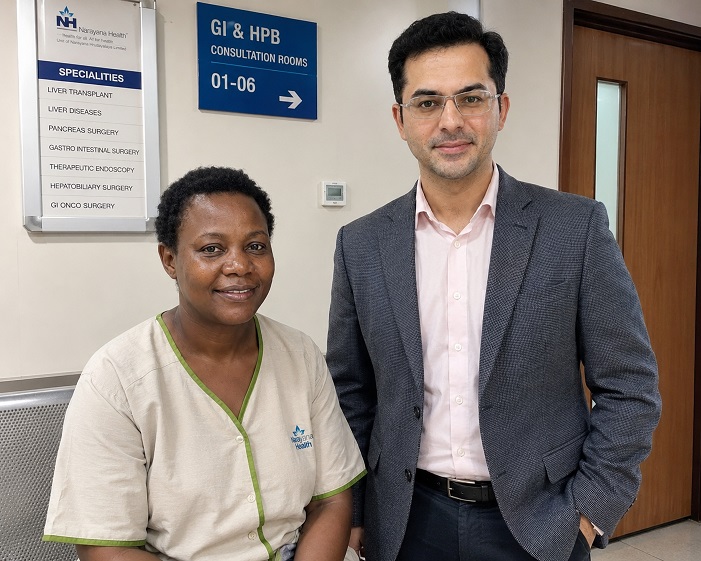
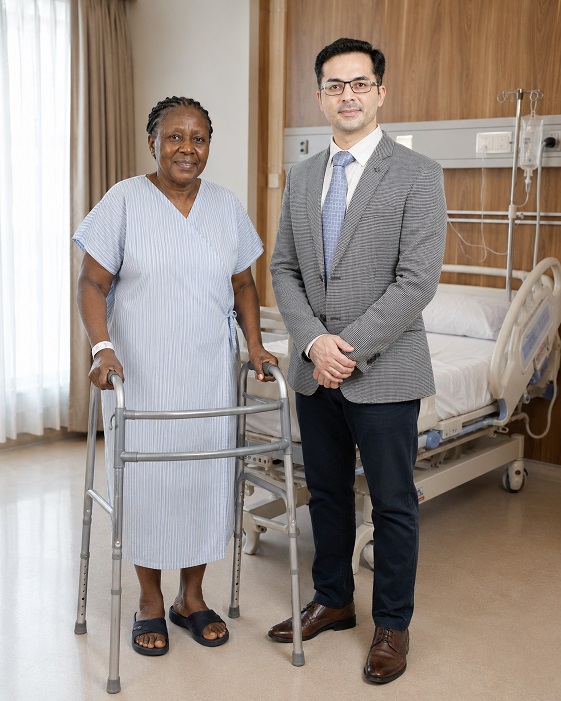
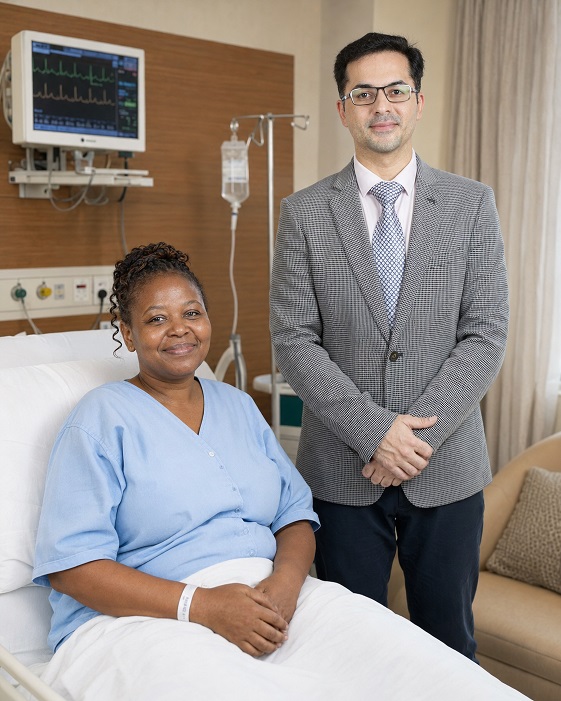
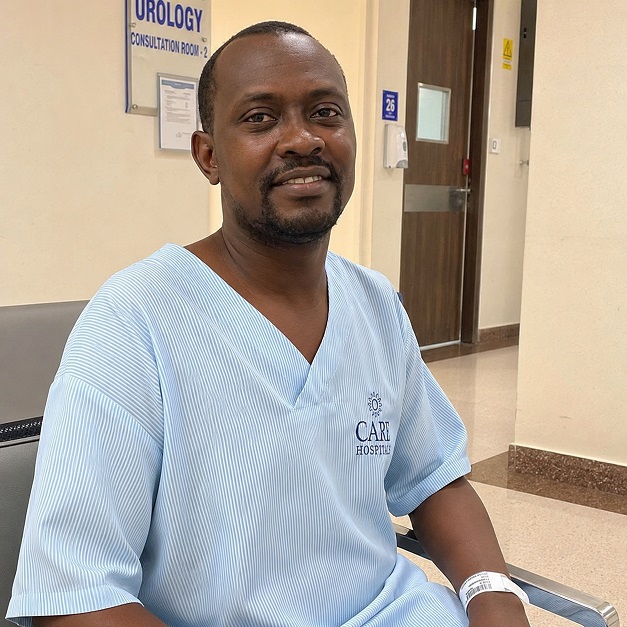
Patient Testimonials from Kenya


Ready to Take the First Step?
Share your Medical Reports with our Healthcare Managers Today and Get a FREE CONSULTATION, a Personalized Treatment Plan, and Complete Support from Arrival to Recovery.
Get Your Free ConsultationAreas We Serve
This resource has been thoughtfully prepared for patients from Kenya who are considering medical treatment in India. We also welcome patients from the wider region in the countries mentioned below-
We assist patients from:
- Ethiopia
- Somalia
- Tanzania
- Uganda
- Seychelles
- Guinea
- Guinea-Bissau
- Liberia
- Mali
- Mauritania
- Niger
- Nigeria
- Senegal
- Togo
- South Sudan
- Sierra Leone
Many of the insights, treatment pathways, hospital recommendations, travel guidance, and patient support services described here are equally relevant and may be used as a reference when planning treatment in India.
From Kenya to India: Your Complete Patient Support Guide
- Brain Tumour Surgery in India for Kenyan Patients
- Cancer Treatment and Surgery in India for Kenyan Patients
- Cardiac Treatment and Surgery in India for Kenyan Patients
- Heart Valve Replacement Surgery in India for Kenyan Patients
- Knee Replacement in India for Kenyan Patients
- Prostate Cancer Treatment and Surgery in India for Kenyan Patients
- Spine Treatment and Surgery in India for Kenyan Patients
- Selecting the Best Bariatric Surgeons and Hospitals in India: What Kenyan Patients Should Actually Look For
- Selecting the Best Cancer Surgeons and Hospitals in India: What Kenyan Patients Should Actually Look For
- Selecting the Best Cardiac Surgeons and Hospitals in India: What Kenyan Patients Should Actually Look For
- Selecting the Best Dental Surgeons and Clinics in India: What Kenyan Patients Should Actually Look For
- Selecting the Best Hip Surgeons and Hospitals in India: What Kenyan Patients Should Actually Look For
- Selecting the Best Kidney Transplant Surgeons and Hospitals in India: What Kenyan Patients Should Actually Look For
- Selecting the Best Knee Surgeons and Hospitals in India: What Kenyan Patients Should Actually Look For
- Selecting the Best Liver Transplant Surgeons and Hospitals in India: What Kenyan Patients Should Actually Look For
- Selecting the Best Neurosurgeons and Hospitals in India: What Kenyan Patients Should Actually Look For
- Selecting the Best Prostate Cancer Surgeons and Hospitals in India: What Kenyan Patients Should Actually Look For
- Selecting the Best Spine Surgeons and Hospitals in India: What Kenyan Patients Should Actually Look For