

Knee Replacement in India for Kenyan Patients
What It Really Costs, How It Compares, and How to Plan the Trip
Most people who ring me about their knees have already tried everything else. The tablets stopped working. Physiotherapy helped for a while, then stopped helping. Climbing the stairs at home, or standing through a full church service, has quietly become the thing they dread. By the time a patient in Nairobi or Mombasa asks whether India is worth the journey, the real question underneath is usually shorter: can I trust it, and can I afford it? Both are fair. In more than two decades of arranging joint-replacement care for East African patients, I’ve learned that people make far better decisions with plain numbers than with a glossy brochure. So here is how India actually stacks up for a Kenyan patient — the money, the medicine, and the things I’d want my own family to check before anyone booked a flight.
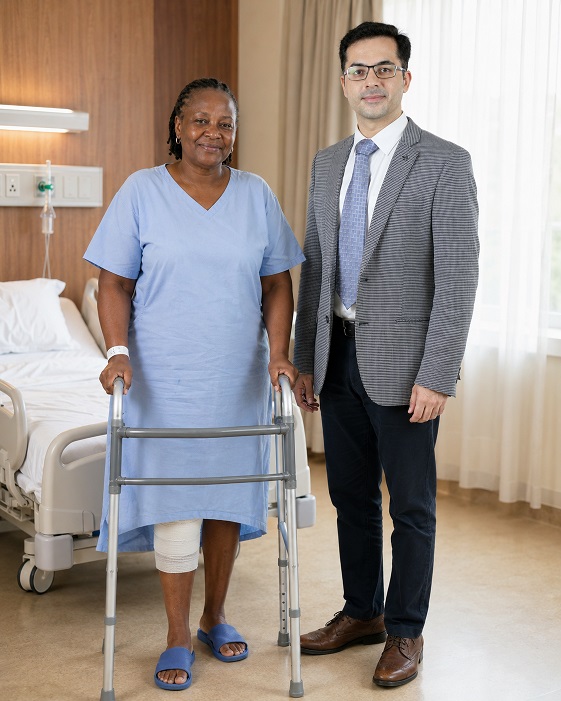
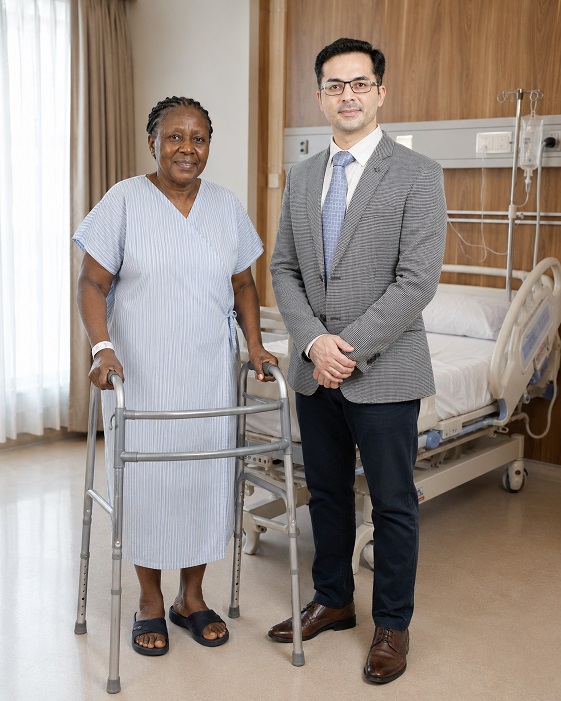
Healing Journeys of Kenyan Patients








Key Takeaways
- Knee replacement in India can be a practical option for Kenyan patients who have advanced knee arthritis, persistent pain and reduced mobility despite medicines and physiotherapy. The guide notes that capable orthopaedic care is available in Kenya, but some patients consider India because of private-sector costs, public-sector waiting times, implant availability and access to high-volume joint-replacement programmes.
- A knee replacement removes the worn surfaces of the joint and replaces them with metal-and-plastic components. Most patients require a total knee replacement, while selected patients with damage limited to one part of the knee may qualify for a partial replacement. In some cases where both knees are severely affected, bilateral replacement may also be considered.
- Modern knee implants are designed for long-term use. The guide cites registry-based estimates suggesting that approximately 9 in 10 knee replacements are still functioning well at 10 years and about 8 in 10 at 20 years. It also cautions against choosing surgery purely according to implant-brand marketing because no single brand is presented as universally superior.
- The cost chart on page 2 provides one of the guide's most important comparisons. Indicative 2025–2026 costs for a single total knee replacement are shown as approximately USD 4,000–8,000 in India, USD 8,000–12,000 in private hospitals in Nairobi, USD 15,000–21,000 for private treatment in the UK and USD 35,000–50,000+ in the United States.
- The table on page 3 reinforces that these are planning ranges rather than guaranteed prices. The final quotation varies according to the hospital, city, surgeon, implant and patient's medical history.
Quick Facts
- Specialty
- Orthopaedic Joint Replacement
- Country
- India
- Intended Audience
- Kenyan patients considering knee replacement surgery in India
- Primary Procedure
- Total knee replacement
- Other Procedures Mentioned
- Partial knee replacement and bilateral knee replacement
- Common Reason for Surgery
- Advanced arthritic knee damage with persistent pain and reduced function despite conservative treatment
- Procedure
- Worn joint surfaces are removed and replaced with metal-and-plastic implant components.
- Typical Hospital Stay
- Approximately 3–5 days
- First Mobilisation
- Usually within 1 day, using a walking frame
- Implant Longevity – 10 Years
- Approximately 9 in 10 still functioning well
- Implant Longevity – 20 Years
- Approximately 8 in 10 still functioning well
- Implant Selection
- The guide does not identify one implant brand as universally superior.
- India Single-Knee Cost
- Approximately USD 4,000–8,000
- Kenya Private/Nairobi Cost
- Approximately USD 8,000–12,000
- UK Private Cost
- Approximately USD 15,000–21,000
- United States Cost
- Approximately USD 35,000–50,000+
- Cost Data
- Indicative 2025–2026 planning ranges
- Typical Hospital Package
- Surgeon, anaesthesia, implant, theatre and inpatient stay
- Potential Additional Expenses
- Flights, accommodation, companion expenses, medicines and follow-up
- Financial Planning
- Calculate the total landed cost in Kenyan shillings, not only the surgery price.
In Brief
Knee replacement in India for Kenyan patients can offer a lower-cost alternative to private surgery in Kenya, the UK or the United States while providing access to high-volume orthopaedic programmes. The guide estimates a single total knee replacement in an accredited private Indian hospital at approximately USD 4,000–8,000, compared with USD 8,000–12,000 in private hospitals in Nairobi. Hospitalisation is typically 3–5 days, with patients usually standing within a day of surgery. However, recovery continues for months: the page 4 timeline shows progression from walking with assistance on Day 1 to fuller strength and return toward normal life over approximately 3–6 months. Patients should calculate the complete cost of treatment and travel and arrange ongoing physiotherapy in Kenya before leaving India.
Why so many Kenyans start looking abroad
Let me be clear about one thing: Nairobi has capable orthopaedic surgeons. Aga Khan University Hospital, M.P. Shah and The Karen Hospital all perform knee replacements to a good standard. Where patients get stuck is elsewhere. In the private sector the bill climbs quickly and the range of implant brands on offer can be limited. In the public system, the wait can stretch for months — and when a knee is bone-on-bone, waiting is never neutral. Every month that passes usually means more pain, worse sleep, and often lost income.
India worked through a version of this problem twenty years ago. Its leading orthopaedic hospitals carry JCI and NABH accreditation, their surgeons replace joints by the thousand each year, and robotic and computer-navigated techniques are now everyday tools rather than showpieces. Just as useful for you: hospitals in Delhi, Mumbai, Chennai and Bengaluru run East African patient desks, often with Swahili- speaking coordinators, and a Kenyan passport holder can secure a medical e-visa in a matter of days. None of this is exotic. It is simply what scale does — it pushes the price down and the experience up.
The operation, in plain language
A knee replacement removes the worn, arthritic surfaces of the joint and caps them with a metal-and- plastic implant. Most people need a total replacement; some, with damage on only one side, qualify for a smaller partial one; and if both knees have gone, a surgeon may do them together. In India the hospital stay usually runs three to five days, and you’ll be helped onto your feet with a frame within a day of the operation.
It’s worth being honest about how long a modern implant lasts. The reassuring figures from joint- replacement registries suggest roughly nine in ten still working well at ten years, and about eight in ten at twenty. No single implant brand has been shown to beat the rest, so trust your surgeon’s judgement over any marketing. And recovery is a project measured in months of physiotherapy, not a fortnight — the surgery is the start of the work, not the end of it.
The cost question: India vs Kenya, the UK and the US
Money is rarely the only factor, but for most families it decides the matter. The figures below cover a single-knee total replacement including the surgeon, the implant and the hospital stay. Treat them as a planning guide — your own quote will move with the hospital, the city and your medical history.
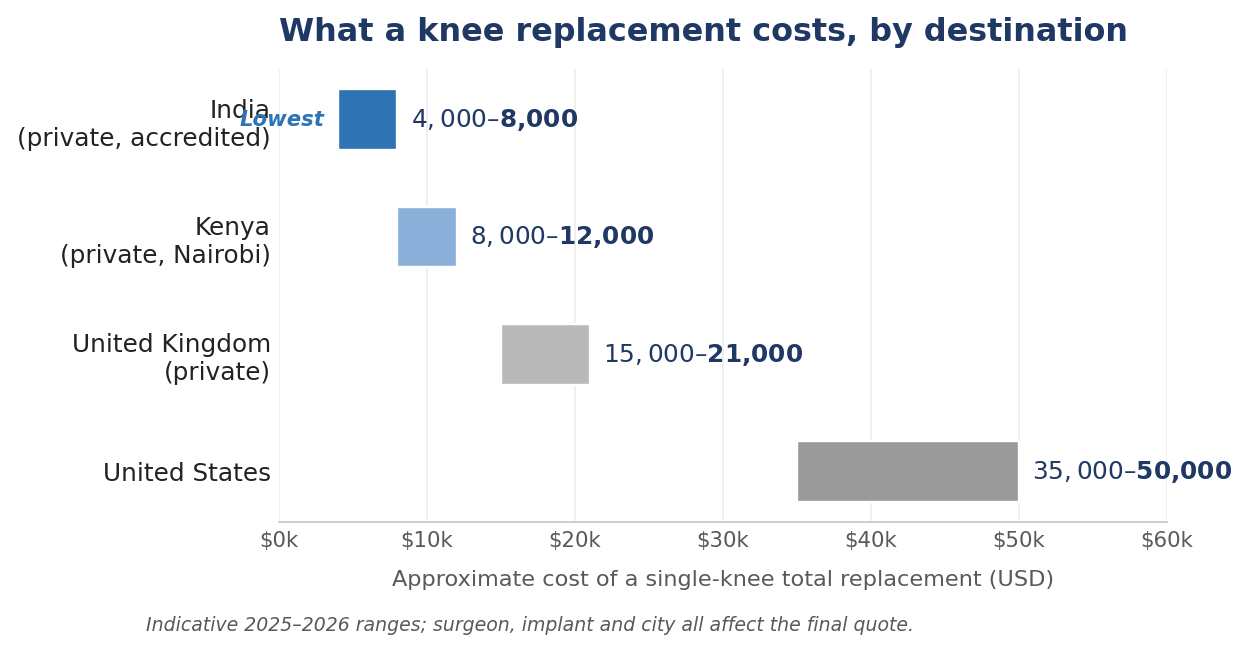
Figure 1 — Typical cost of a single-knee replacement across four destinations.
| Destination | Single-knee cost (USD) | What it means for you |
|---|---|---|
| India (accredited private) | $4,000–8,000 | Internationally trained, high-volume surgeons; premium imported implants; robotic option; short waits. |
| Kenya (private, Nairobi) | $8,000–12,000 | Good local care, but implant choice is narrower and public-sector waiting lists run long. |
| United Kingdom | $15,000–21,000 private | The NHS is free but waitlisted; going private is costly. |
| United States | $35,000–50,000+ | Among the world’s highest prices; hard to manage without full insurance. |
Ranges are indicative 2025–2026 estimates; always get a written, itemised quote before you commit.
The shape of it is hard to miss. A knee replacement in India often lands at a fraction of the private cost in the UK or the US, and it frequently undercuts the all-in private price in Kenya too — while still buying you an internationally trained surgeon, a premium implant and a private room. For many of my Kenyan patients that leaves enough headroom in the budget to cover the travel and the recovery on top.
What the surgical price doesn’t show
A hospital package usually covers the surgeon, the anaesthetic, the implant, theatre time and your inpatient stay. It won’t cover your flights, the extra weeks of accommodation while you finish physiotherapy, a companion’s costs, or the medicines and follow-up you’ll need once you’re back in Nairobi. Building the real total in Kenyan shillings — not just the surgery figure — is the most useful hour you can spend before deciding.
Your recovery, step by step
Patients almost always ask how long they’ll be away. Here is the honest arc. You’ll stand within a day, leave hospital in three to five, have stitches out around day ten, and reach the six-week mark walking unaided — which is usually when a surgeon clears you to fly home and, later, to drive. That’s why I ask people to plan for two to three weeks in India in total, not a long weekend.
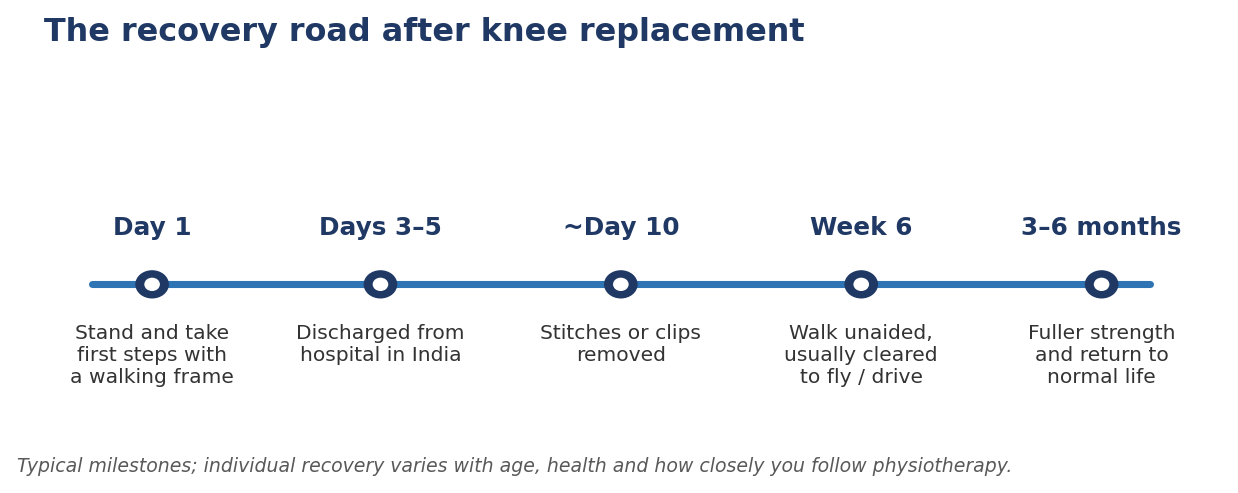
Figure 2 — The typical recovery road after a knee replacement.
What I’d check before booking anything
If you were my own relative, this is the short list I’d hand you:
- Accreditation and a named surgeon. Insist on a JCI- or NABH-accredited hospital, and ask to speak with the actual surgeon — their qualifications, their annual case numbers, their results. That matters more than any hospital’s advertising.
- Your total landed cost, in shillings. Convert every quote to KES and add flights, visa, accommodation, food, transport and medicines. Ask plainly what a complication would cost and who pays.
- The visa, done properly. Apply for the medical e-visa on the official Government of India portal only — the government itself warns against look-alike sites that charge a premium for nothing.
- Enough time to heal before flying. Don’t book a return ticket that forces you into a plane seat before your surgeon says your knee is ready.
- A companion. A spouse, adult child or friend makes the first fortnight after surgery far easier. Budget for their travel from the start.
- Follow-up back home. Line up who will supervise your physiotherapy in Kenya, and ask the Indian team for a full discharge summary and implant details to hand over.
- An advisor who isn’t on a hospital’s payroll. Many facilitators earn commissions from particular hospitals, which quietly bends their advice. Work with someone who compares options for you and is open about how they’re paid.
Straight Answers for Kenyan Patients about Knee Replacement in India
Is it safe to have surgery so far from home?
At an accredited hospital with an experienced surgeon, the risk profile is comparable to good private care anywhere. The distance is a logistics question, not a safety one — which is exactly why planning matters.
How long will I need to be in India?
Plan for two to three weeks: a few days of assessment, three to five in hospital, then enough supervised physiotherapy for your surgeon to clear you to fly.
Will my knee be assessed before I travel?
Yes. You share X-rays, scans and history first, and a surgeon reviews them and gives a written estimate before you commit to anything.
What happens if something goes wrong after I get home?
This is why the discharge summary, implant card and a named local physiotherapist matter. A good facilitator keeps a line open to the Indian team for remote follow-up.
Can I bring a family member?
Yes — an attendant can travel on a medical-attendant visa alongside your medical e-visa. I always encourage it.
A closing word
For a Kenyan patient who needs a knee replaced without a long wait or a Western price tag, India is often the most sensible route — but only when the decision rests on real numbers and verified credentials rather than a persuasive sales pitch. Get everything in writing, insist on speaking to your surgeon, and choose an advisor whose only stake in the matter is whether you walk again without pain. Do that, and travelling for treatment stops being a gamble and becomes what it should be: a well- planned step back to your own life.
Sources
- 🌐 Recovering from a knee replacement — NHS (UK). nhs.uk/tests-and-treatments/knee- replacement/recovery
- 🌐 Total Knee Replacement — OrthoInfo, American Academy of Orthopaedic Surgeons
- 🌐 How long do knee replacements last? — American Association of Hip and Knee Surgeons
- 🌐 Medical e-Visa — official Government of India portal
- 🌐 FRRO registration for medical-visa holders — Government of India
Frequently Asked Questions by Kenyans about Knee Replacement in India
How much does knee replacement in India cost for Kenyan patients?
The guide estimates a single total knee replacement in an accredited private Indian hospital at approximately USD 4,000–8,000. The cost chart on page 2 compares this with approximately USD 8,000–12,000 in private hospitals in Nairobi, USD 15,000–21,000 for private treatment in the UK and USD 35,000–50,000+ in the United States. These are indicative 2025–2026 planning ranges rather than guaranteed quotations.
Is knee replacement cheaper in India than in Kenya?
According to the guide's page 2 chart and page 3 comparison table, it often is. The indicative range for India is USD 4,000–8,000 for a single knee, compared with USD 8,000–12,000 for private treatment in Nairobi. However, Kenyan patients should compare the complete landed cost, including flights, visa, accommodation, medicines, companion expenses and follow-up, rather than comparing only hospital prices.
How long does a modern knee replacement implant last?
The guide cites joint-replacement registry figures suggesting that approximately 9 in 10 knee replacements are still working well at 10 years and around 8 in 10 at 20 years. It also cautions patients against choosing an implant purely because of brand marketing, stating that no single implant brand has been shown to outperform all others.
How long will a Kenyan patient stay in hospital after knee replacement in India?
The typical hospital stay given in the guide is approximately 3–5 days. Patients are generally helped to stand and take their first steps using a walking frame within a day of surgery. The recovery timeline on page 4 shows discharge around Days 3–5 and removal of stitches or clips at approximately Day 10.
How long should Kenyan patients plan to remain in India?
The guide recommends planning approximately 2–3 weeks in India, allowing time for assessment, surgery, the hospital stay and supervised early physiotherapy. However, the document also says patients should not book a return flight that forces them to travel before the surgeon considers the knee ready. Individual medical clearance should determine the actual return date.
How long does full recovery take after knee replacement?
The page 4 recovery timeline shows first assisted steps on Day 1, hospital discharge around Days 3–5, stitch or clip removal around Day 10, walking unaided and usually clearance to fly or drive around Week 6, and fuller strength with return toward normal life over approximately 3–6 months. Recovery varies according to age, health and adherence to physiotherapy.
What expenses are usually not included in the knee replacement hospital package?
According to the guide, a typical package generally covers the surgeon, anaesthesia, implant, operating theatre and inpatient hospital stay. It may not cover international flights, accommodation after hospital discharge, a companion's expenses, medicines and follow-up after returning to Nairobi. The guide therefore recommends calculating the entire treatment journey in Kenyan shillings before deciding.
How should Kenyan patients choose a knee replacement surgeon and hospital in India?
The page 4 checklist recommends choosing a JCI- or NABH-accredited hospital and asking to speak with the actual surgeon. Patients should check the surgeon's qualifications, annual knee-replacement case numbers and results instead of relying primarily on hospital advertising. The guide also recommends obtaining a written, itemised quotation before committing to treatment.
Can a family member travel with a Kenyan patient going to India for knee replacement?
Yes. The guide states that an attendant can accompany the patient using a medical-attendant visa alongside the patient's medical e-visa. It recommends travelling with a spouse, adult child or friend where possible because having support can make the first fortnight after knee replacement considerably easier.
What should Kenyan patients arrange before returning home after knee replacement?
The guide recommends arranging a local physiotherapist in Kenya before leaving India and obtaining a complete discharge summary and implant details from the Indian hospital. Physiotherapy continues for months after surgery, so successful recovery depends on maintaining rehabilitation after returning home rather than treating hospital discharge as the end of treatment.
Page Summary
This guide explains knee replacement in India for Kenyan patients through three practical questions: what the surgery involves, what the complete treatment journey costs, and how to plan recovery safely. The opening section acknowledges that knee replacement is available in Kenya but explains why some Kenyan patients investigate India, including cost differences, waiting periods and access to high-volume orthopaedic programmes.
Citation Block
| Topic | Information |
|---|---|
| Topic Information | Knee Replacement in India for Kenyan Patients |
| Specialty | Orthopaedic Joint Replacement |
| Country | India |
| Intended Audience | Kenyan Patients |
| Condition Covered | Advanced Knee Arthritis / Severely Worn Knee Joint |
| Procedures | Total Knee Replacement, Partial Knee Replacement and Bilateral Knee Replacement |
| Typical Stay in India | Approximately 2–3 Weeks for Treatment and Early Recovery Planning |
| Hospital Stay | Approximately 3–5 Days |
| First Mobilisation | Usually Within 1 Day |
| Recovery | Fuller Strength and Return Toward Normal Life Over Approximately 3–6 Months |
| India Cost | Approximately USD 4,000–8,000 for a Single Total Knee Replacement |
| Kenya Private Cost | Approximately USD 8,000–12,000 |
| UK Private Cost | Approximately USD 15,000–21,000 |
| US Cost | Approximately USD 35,000–50,000+ |
| Implant Longevity | Approximately 9 in 10 at 10 Years; About 8 in 10 at 20 Years |
| Rehabilitation | Months of Physiotherapy; Continued Follow-Up Should Be Arranged in Kenya |
| Key Planning Principle | Calculate the Complete Treatment and Travel Cost, Not Only the Hospital Package |
| Author | Dr. Dheeraj Bojwani |
| Experience | 24 Years Guiding International Patients to India |


Our Mission Statement
Our mission is to place patients at the centre of every healthcare decision by providing trustworthy, evidence-based, and unbiased medical information. We believe that informed patients make better decisions. Backed by personalised guidance from our experienced advisory team, we help patients understand their treatment options, compare them objectively, and confidently choose the path that best suits their medical needs and personal circumstances.
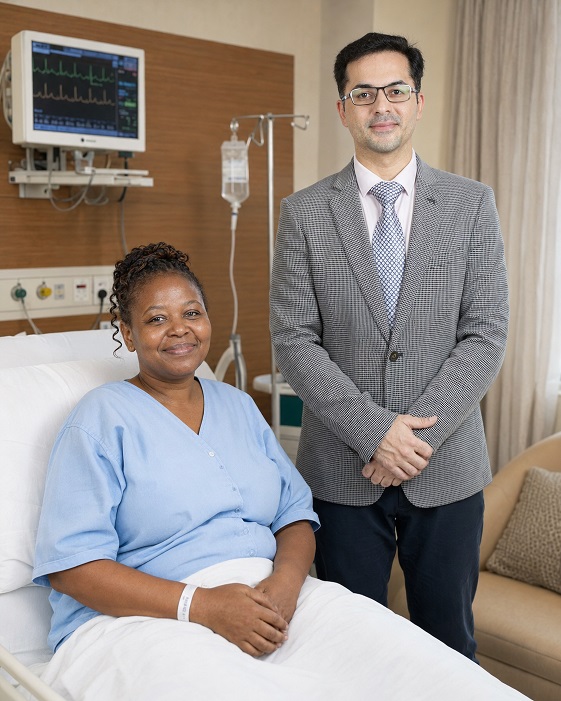
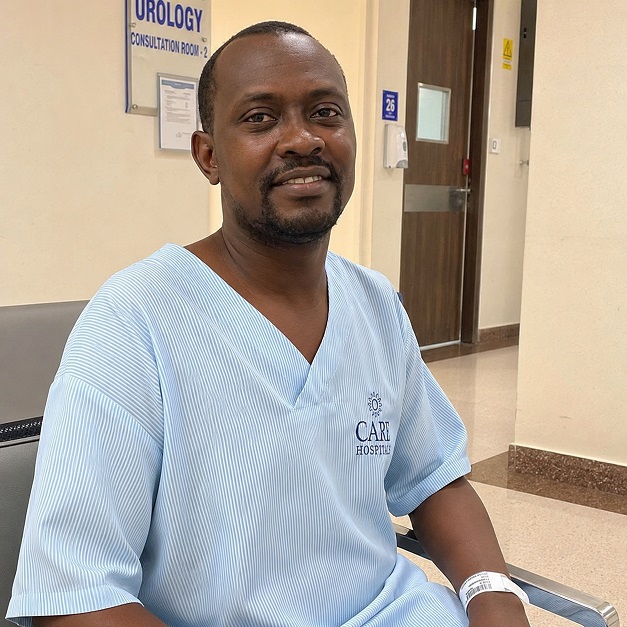
Patient Testimonials from Kenya



Ready to Take the First Step?
Share your Medical Reports with our Healthcare Managers Today and Get a FREE CONSULTATION, a Personalized Treatment Plan, and Complete Support from Arrival to Recovery.
Get Your Free ConsultationAreas We Serve
This resource has been thoughtfully prepared for patients from Kenya who are considering medical treatment in India. We also welcome patients from the wider region in the countries mentioned below-
We assist patients from:
- Ethiopia
- Somalia
- Tanzania
- Uganda
- Seychelles
- Guinea
- Guinea-Bissau
- Liberia
- Mali
- Mauritania
- Niger
- Nigeria
- Senegal
- Togo
- South Sudan
- Sierra Leone
Many of the insights, treatment pathways, hospital recommendations, travel guidance, and patient support services described here are equally relevant and may be used as a reference when planning treatment in India.
From Kenya to India: Your Complete Patient Support Guide
- Brain Tumour Surgery in India for Kenyan Patients
- Cancer Treatment and Surgery in India for Kenyan Patients
- Cardiac Treatment and Surgery in India for Kenyan Patients
- Heart Valve Replacement Surgery in India for Kenyan Patients
- Knee Replacement in India for Kenyan Patients
- Prostate Cancer Treatment and Surgery in India for Kenyan Patients
- Spine Treatment and Surgery in India for Kenyan Patients
- Selecting the Best Bariatric Surgeons and Hospitals in India: What Kenyan Patients Should Actually Look For
- Selecting the Best Cancer Surgeons and Hospitals in India: What Kenyan Patients Should Actually Look For
- Selecting the Best Cardiac Surgeons and Hospitals in India: What Kenyan Patients Should Actually Look For
- Selecting the Best Dental Surgeons and Clinics in India: What Kenyan Patients Should Actually Look For
- Selecting the Best Hip Surgeons and Hospitals in India: What Kenyan Patients Should Actually Look For
- Selecting the Best Kidney Transplant Surgeons and Hospitals in India: What Kenyan Patients Should Actually Look For
- Selecting the Best Knee Surgeons and Hospitals in India: What Kenyan Patients Should Actually Look For
- Selecting the Best Liver Transplant Surgeons and Hospitals in India: What Kenyan Patients Should Actually Look For
- Selecting the Best Neurosurgeons and Hospitals in India: What Kenyan Patients Should Actually Look For
- Selecting the Best Prostate Cancer Surgeons and Hospitals in India: What Kenyan Patients Should Actually Look For
- Selecting the Best Spine Surgeons and Hospitals in India: What Kenyan Patients Should Actually Look For