

Prostate Cancer Treatment and Surgery in India for Kenyan Patients
Your Options, the Real Costs, and How to Plan Treatment With a Clear Head
For most Kenyan men, this story starts quietly — a raised PSA on a routine blood test, or a doctor’s frown during a check-up. Then comes the word nobody wants to hear. What I tell every family who calls me at this point is worth repeating up front: prostate cancer is the most common cancer among men in Kenya, but it is also one of the most treatable when it is caught in good time, and most men diagnosed with it do not die of it. The task now is not panic but a clear diagnosis and the right treatment, at a price your family can manage — and that is the ground I want to walk you through.
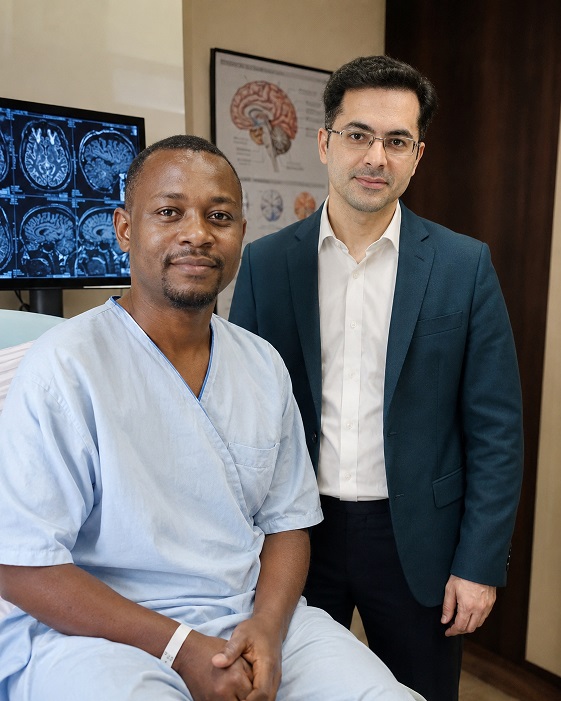
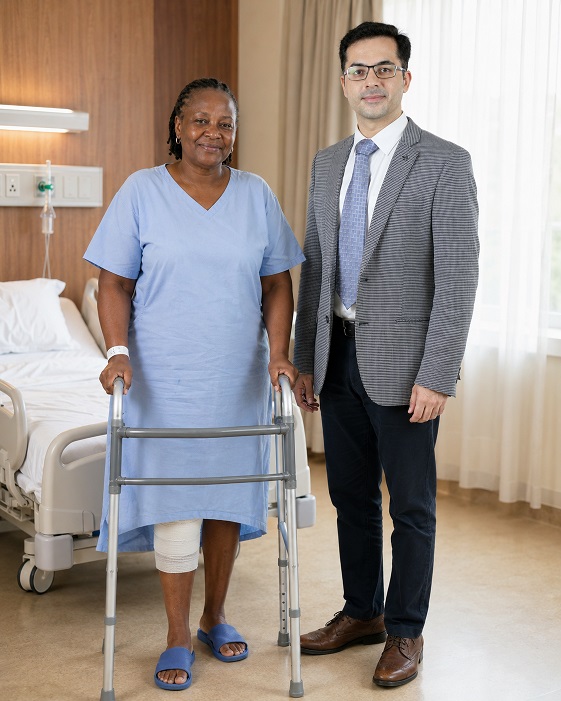
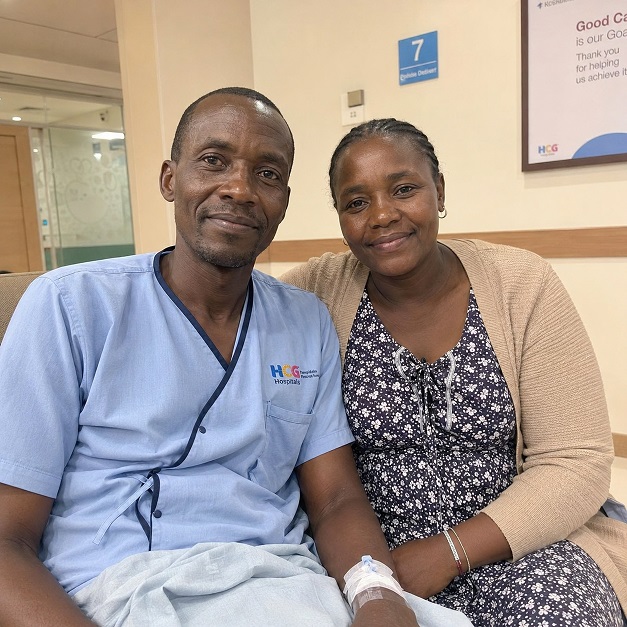
Healing Journeys of Kenyan Patients




Key Takeaways
- Prostate cancer treatment for Kenyan patients should begin with a complete diagnosis rather than an immediate decision about surgery. The guide explains that PSA testing and multiparametric MRI help identify a suspicious area, while a biopsy confirms cancer and provides the Gleason score or Grade Group. Together with the cancer stage, these findings determine whether the disease falls into a low-, intermediate- or high-risk category.
- Not every prostate cancer requires immediate treatment. Some low-risk, slow-growing cancers can be managed with active surveillance, using regular PSA tests and scans and starting treatment only if there are signs that the cancer is changing.
- The treatment table on page 2 presents five main approaches: active surveillance for selected low-risk disease; robotic radical prostatectomy for localised cancer in otherwise fit men; external radiation or brachytherapy for localised or locally advanced disease; hormone therapy for advanced or spreading cancer; and focal therapy/HIFU for carefully selected cases.
- For early prostate cancer, the guide states that surgery, external radiation and brachytherapy have broadly similar cure rates. The treatment decision therefore often depends on the patient's risk group, age, priorities and the different side-effect profiles of the available options.
- Quality of life is an important part of surgical planning. The guide specifically recommends discussing nerve-sparing surgery, urinary continence and sexual function, and asking the surgeon about their own patients' rates of incontinence and erectile dysfunction rather than focusing only on cancer-control outcomes.
Quick Facts
- Specialty
- Uro-Oncology / Prostate Cancer
- Country
- India
- Intended Audience
- Kenyan men considering prostate cancer treatment in India
- Primary Condition
- Prostate cancer
- Initial Test
- PSA blood test
- Imaging
- Multiparametric MRI
- Diagnostic Confirmation
- Prostate biopsy
- Cancer Aggressiveness
- Assessed using the Gleason score or Grade Group
- Risk Classification
- Low, intermediate or high risk
- Important Principle
- Not every prostate cancer requires immediate treatment.
- Active Surveillance
- Appropriate for selected low-risk, slow-growing cancers
- Treatment Options
- Active surveillance, robotic radical prostatectomy, radiation therapy, hormone therapy and focal therapy/HIFU
- Robotic Radical Prostatectomy
- Primarily discussed for localised cancer in otherwise fit men
- Radiation Therapy
- EBRT, IMRT/VMAT or brachytherapy depending on the treatment plan
- Hormone Therapy
- Used for advanced or spreading disease and may accompany other treatments
- Focal Therapy/HIFU
- Reserved for carefully selected cases
- Early Cancer Cure Rates
- Surgery, external radiation and brachytherapy are described as having broadly similar cure rates.
In Brief
Prostate cancer treatment in India for Kenyan patients should be selected according to PSA findings, multiparametric MRI, biopsy results, Gleason score or Grade Group, stage and individual priorities. Not every prostate cancer requires immediate treatment; selected low-risk disease may be managed with active surveillance. When treatment is necessary, options include robotic radical prostatectomy, radiation therapy, hormone therapy and focal therapy/HIFU in selected cases. For early cancers, the guide states that surgery, external radiation and brachytherapy have broadly similar cure rates, making side effects and quality-of-life priorities particularly important. Indicative robotic prostatectomy costs in India are approximately USD 6,000–9,500, with most surgical patients staying in hospital for 2–3 days and planning approximately 2–4 weeks in India.
Why so many Kenyan men look to India
Kenya has real expertise in this field. Kenyatta National Hospital, the newer Kenyatta University Teaching, Referral & Research Hospital, Aga Khan University Hospital and several specialist urology clinics in Nairobi diagnose and treat prostate cancer to a good standard. The strain shows further down the pathway. For years Nairobi held the country’s only public radiotherapy centre, and even with newer machines the waiting lists are long, the number of oncologists is small, and men who live far from the capital may travel for days to reach treatment. It is telling that, by the government’s own medical- tourism figures, the overwhelming majority of Kenyans with locally advanced cancers already seek care in India.
India’s appeal is not mystery, it is capacity. Its leading cancer centres are JCI and NABH accredited, they run large uro-oncology units with experienced surgeons, and they operate one of the world’s biggest fleets of robotic surgical systems — well over a hundred and eighty da Vinci robots across the country. Every modern option sits under one roof: robotic surgery, precise radiotherapy such as IMRT and VMAT, brachytherapy, CyberKnife, hormone therapy and focal treatments. Add Swahili-speaking coordinators, direct flights from Nairobi to Mumbai and Delhi, established links with Kenyan doctors and a medical e- visa that comes through in days, and you can see why the route is so well travelled.
First, understand what you are dealing with
Before anyone discusses surgery, a proper diagnosis has to be built, and it comes in steps. A PSA blood test and a multiparametric MRI point to whether there is a problem and where it sits. A biopsy then confirms it and, crucially, gives the Gleason score (or Grade Group) — a measure of how aggressive the cancer is. Alongside the stage, which describes how far it has spread, this is what places you in a low-, intermediate- or high-risk group. Everything that follows flows from those numbers.
Here is the part that surprises many men, and it matters: not every prostate cancer needs immediate treatment. Some low-risk cancers grow so slowly that the sensible course is active surveillance — careful monitoring with regular PSA tests and scans, treating only if there are signs of change. That spares a man the side effects of surgery or radiation he may never have needed. A good team explains honestly where you sit on that spectrum rather than rushing you toward the operating theatre.
The treatment options, in plain language
When treatment is warranted, several genuinely different approaches exist, and the right one depends on your risk group, your age and your own priorities:
| Option | Best suited to | What it involves |
|---|---|---|
| Active surveillance | Low-risk, slow-growing cancer | Regular PSA tests and scans; treatment only if the cancer changes. |
| Robotic radical prostatectomy | Localised cancer, otherwise fit men | The prostate is removed through keyhole cuts with a da Vinci robot, nerve-sparing where possible. |
| Radiation therapy (EBRT / brachytherapy) | Localised or locally advanced cancer | External radiation over several weeks, or radioactive seeds; often with hormone therapy. |
| Hormone therapy | Advanced or spreading cancer | Medicines that lower testosterone to slow the cancer. |
| Focal therapy / HIFU | Selected, carefully chosen cases | Treats only the cancerous part of the gland, to reduce side effects. |
For early cancers, surgery, external radiation and brachytherapy have broadly similar cure rates, so the decision often turns on the side-effect profile each carries and what you can live with. That is a conversation to have carefully, not a box to tick quickly.
A point I press with every man: with prostate cancer, curing the disease is only half the goal — protecting your continence and sexual function is the other half. When you speak to a surgeon, ask directly about nerve-sparing technique and about their own patients’ side-effect rates, not just their cure rates.
Why the team matters as much as the surgeon
Good prostate cancer care is decided by a group, not an individual. At a serious centre your case is reviewed by a multidisciplinary tumour board — a urologist or uro-oncologist, a radiation oncologist, a medical oncologist, a radiologist and a pathologist — who weigh the options together. When you compare hospitals, ask whether such a board will review your scans and biopsy, and insist on a written treatment plan and a second opinion before you travel . Any reputable Indian centre will provide both remotely, from the reports you send, at little or no cost. It is the single best way to be sure the plan fits you rather than the hospital’s busiest machine.
The cost question: India versus the UK and the US
Money should not be the only factor in a cancer decision, but for most families it is a heavy one. The figures below are for robotic prostate removal, the most common surgical route. Your own quote will depend on the stage, whether radiation or hormone therapy is added, and the hospital you choose.
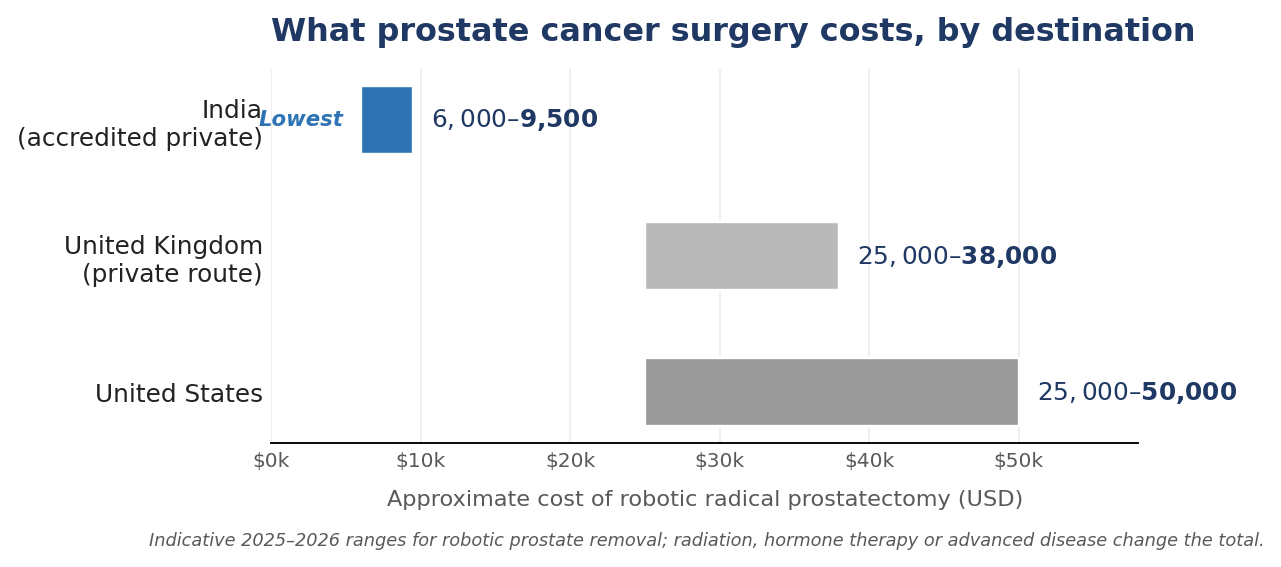
Figure 1 — Typical cost of robotic radical prostatectomy across three destinations.
| Option | Approx. cost (USD) | What it means for you |
|---|---|---|
| India — robotic radical prostatectomy | $6,000–9,500 | Nerve-sparing da Vinci surgery; experienced uro-oncologists; short waiting times. |
| India — radiation therapy (IMRT / VMAT / brachytherapy) | $4,000–8,000 | Precise, non-surgical option delivered over a few weeks. |
| India — complete stage-based package (with hormone therapy if needed) | $3,000–12,000 | The full pathway for localised or more advanced disease. |
| United Kingdom (private route) | $25,000–38,000 | The NHS is free but capacity-pressured; the private route is costly. |
| United States | $25,000–50,000+ | Among the world’s highest prices; large bills without full insurance. |
Ranges are indicative 2025–2026 estimates; always obtain a written, itemised quote based on your own reports before committing.
The gap is large, and it holds even after the extras. For most of my Kenyan patients, an accredited Indian centre delivers an experienced surgeon, a modern robotic theatre and a full tumour-board plan for a fraction of the Western private price — often with enough room in the budget to cover the whole pathway, not just the operation.
What the surgical price doesn’t show
A surgical package usually covers the surgeon, anaesthesia, theatre and your inpatient stay. It won’t automatically include the pathology and any genomic tests that fine-tune the plan, radiation or hormone therapy that may follow, your flights and accommodation, a companion’s costs, or the PSA tests and follow-up you’ll need back in Kenya. Build the whole pathway into your budget in Kenyan shillings before deciding — not just the line marked “surgery.”
The pathway and your recovery
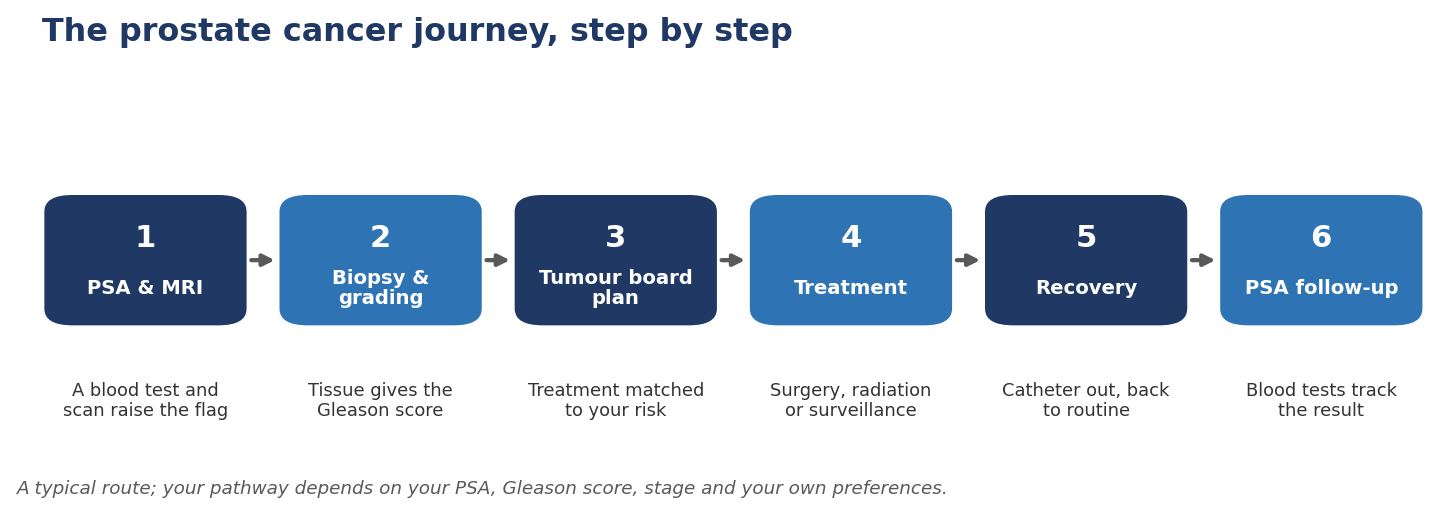
Knowing the shape of the journey takes some of the fear out of it. Here is the route most men follow.
-
1
PSA test and diagnosis
A raised PSA leads to an MRI and a prostate biopsy, which together establish the grade and stage of the cancer.
-
2
Staging scans and tumour board review
Scans complete the picture, then a multidisciplinary tumour board — urologist, radiation oncologist, medical oncologist and radiologist — agrees the plan.
-
3
Remote second opinion and written plan
Send your PSA results, biopsy report and scans to India for review, and get the recommendation in writing before you book anything.
-
4
Medical e-visa and travel
Apply on the official Government of India portal, usually granted in a few working days, with a relative on a medical-attendant visa.
-
5
Surgery, radiation or surveillance
Robotic radical prostatectomy means two to three days in hospital and a catheter for a week or two. Radiation runs over several weeks as an outpatient; low-risk disease may need only active surveillance.
-
6
Recovery, then lifelong PSA follow-up
Roughly two to four weeks in India for surgery, longer for a full course of radiation. Pelvic-floor exercises and a PSA that stays low are the long-term measure of success.
Figure 2 — The prostate cancer journey, from first blood test to follow-up.
After robotic surgery most men are in hospital for only two to three days. You’ll go home with a urinary catheter for a week or two, and most men are back to light routine within about four weeks, with strength and continence improving steadily over the months that follow. If your plan is radiation instead, that is delivered over several weeks as an outpatient, which is why some patients plan a longer stay or a second trip. Either way, recovery is not a footnote: pelvic-floor exercises and follow-up matter, and the long-term measure of success is a PSA that stays low. For surgery, plan for roughly two to four weeks in India; for a full course of radiation, longer.
What I’d check before booking anything
If this were my own father or brother, here is the short list I’d hand across the table:
- A written plan and a second opinion first. Before you pay for a flight, send your PSA history, MRI and biopsy for review and get a written plan. Reputable Indian centres do this remotely.
- Accreditation and a named uro-oncologist. Insist on a JCI- or NABH-accredited hospital, and ask specifically how many robotic prostatectomies your surgeon performs each year.
- A multidisciplinary tumour board. Confirm your case will be discussed by a full team, so the plan fits your cancer rather than one clinician’s speciality.
- Function, not just cure. Ask directly about nerve-sparing surgery and the surgeon’s own rates of incontinence and erectile dysfunction.
- Your total landed cost, in shillings. Add pathology, any radiation or hormone therapy, flights, accommodation, a companion and follow-up. Ask plainly what a complication would cost.
- The visa, done properly. Apply for the medical e-visa on the official Government of India portal only, and bring a companion on a medical-attendant visa.
- Follow-up back home. Line up a urologist or oncologist in Kenya for your PSA monitoring, and ask the Indian team for a full discharge summary, pathology report and plan to hand over.
- An advisor who isn’t on a hospital’s payroll. Many facilitators earn commissions from particular hospitals, which quietly bends their advice. Work with someone who compares options for you and is open about how they are paid.
A closing word
A prostate cancer diagnosis is frightening, but it rarely demands a decision made in a hurry. For a Kenyan man who needs specialist surgery or radiation without a long wait or a Western price tag, India is often the most sensible route — provided the choice rests on a proper diagnosis, a written plan, verified credentials and a clear, all-in budget. Get your reports reviewed before you fly, insist on speaking to the specialist who will treat you, ask as much about protecting your quality of life as about clearing the cancer, and work with an advisor whose only stake is your recovery. Handled that way, treatment abroad stops being a leap in the dark and becomes what it should be: a calm, well- supported plan to get you well and keep you living fully.
Sources
- 🌐 Treating Prostate Cancer — American Cancer Society. cancer.org — prostate cancer treating
- 🌐 Initial Treatment of Prostate Cancer, by Stage and Risk Group — American Cancer Society. cancer.org — treatment by stage
- 🌐 Prostate Cancer Treatment (PDQ®), Patient Version — National Cancer Institute. cancer.gov — prostate treatment
- 🌐 Kenya to expand access to cancer diagnosis and treatment services — International Atomic Energy Agency
- 🌐 Medical e-Visa — official Government of India portal
- 🌐 FRRO registration for medical-visa holders — Government of India
Frequently Asked Questions by Kenyans about Prostate Cancer Treatment and Surgery in India
What prostate cancer treatment options are available in India for Kenyan patients?
The guide describes several options depending on the cancer's risk group, stage, the patient's age and personal priorities. These include active surveillance, robotic radical prostatectomy, external radiation therapy, brachytherapy, hormone therapy and focal therapy/HIFU for carefully selected cases. The treatment table on page 2 shows that no single option is appropriate for every prostate cancer patient.
Does every Kenyan man diagnosed with prostate cancer need immediate treatment?
No. The guide specifically explains that some low-risk, slow-growing prostate cancers can be managed with active surveillance. This involves regular PSA testing and scans, with treatment started only if there are signs that the cancer is changing. This approach can help avoid the side effects of surgery or radiation when immediate treatment may not be necessary.
What tests are needed before deciding on prostate cancer surgery?
According to the guide, the diagnostic pathway begins with a PSA blood test and multiparametric MRI. A biopsy then confirms the cancer and provides the Gleason score or Grade Group, which indicates how aggressive it is. These findings, together with the cancer stage, help classify the disease as low, intermediate or high risk and guide treatment selection.
How much does robotic prostate cancer surgery in India cost for Kenyan patients?
The cost chart on page 3 shows an indicative 2025–2026 cost of approximately USD 6,000–9,500 for robotic radical prostatectomy in India. For comparison, the guide shows approximately USD 25,000–38,000 through the UK private route and USD 25,000–50,000+ in the United States. Patients should obtain an individual written quotation based on their reports.
How much does radiation therapy for prostate cancer cost in India?
The table on page 4 gives an indicative cost of approximately USD 4,000–8,000 for IMRT, VMAT or brachytherapy in India. A complete stage-based treatment package, including hormone therapy where required, is shown at approximately USD 3,000–12,000. The actual amount depends on the cancer stage and treatment combination.
Is robotic surgery better than radiation for early prostate cancer?
The guide does not present one as universally better. It states that for early prostate cancers, surgery, external radiation and brachytherapy have broadly similar cure rates. The choice therefore often depends on the patient's risk group, age, overall health, side-effect profile and personal priorities. Continence and sexual function should be discussed alongside cancer control when comparing the options.
What should Kenyan patients ask a prostate cancer surgeon before travelling to India?
The guide recommends asking how many robotic prostatectomies the named uro-oncologist performs each year, whether nerve-sparing surgery is appropriate, and the surgeon's own rates of urinary incontinence and erectile dysfunction. Patients should also confirm that their case will be reviewed by a multidisciplinary tumour board and obtain a written treatment plan and second opinion before travelling.
How long does recovery take after robotic prostatectomy in India?
According to the recovery section on page 5, most men remain in hospital for approximately 2–3 days after robotic surgery. A urinary catheter is generally required for 1–2 weeks, and many patients return to a light routine in around four weeks. Strength and urinary continence may continue improving over the following months.
How long should a Kenyan patient stay in India for prostate cancer treatment?
For robotic prostate cancer surgery, the guide recommends planning approximately 2–4 weeks in India. Radiation treatment may require a longer stay because it can be delivered over several weeks as an outpatient. Some patients may therefore need an extended stay or a second trip, depending on the treatment schedule.
What follow-up is needed after returning to Kenya?
The page 5 treatment pathway ends with PSA follow-up, emphasising that treatment does not finish when the patient leaves India. Kenyan patients should arrange a urologist or oncologist at home for ongoing PSA monitoring. The Indian team should provide a complete discharge summary, pathology report and follow-up plan for the Kenyan doctor.
Page Summary
This guide explains prostate cancer treatment and surgery in India for Kenyan patients from initial diagnosis through long-term PSA follow-up, rather than treating surgery as the automatic starting point. The page 2 treatment table begins with risk assessment. PSA, multiparametric MRI and biopsy establish whether cancer is present, while Gleason score/Grade Group and stage help determine its risk category. Depending on these findings, treatment may range from active surveillance to robotic surgery, radiation, hormone therapy or selected focal treatments.
Citation Block
| Topic | Information |
|---|---|
| Topic Information | Prostate Cancer Treatment and Surgery in India for Kenyan Patients |
| Procedure | Prostate Cancer Treatment / Robotic Radical Prostatectomy |
| Country | India |
| Intended Audience | Kenyan Men with Prostate Cancer |
| Conditions Covered | Low-, Intermediate- and High-Risk Prostate Cancer; Localised, Locally Advanced and Spreading Disease |
| Procedures | Active Surveillance, Robotic Radical Prostatectomy, Radiation Therapy, Hormone Therapy and Focal Therapy/HIFU |
| Typical Stay | Approximately 2–4 Weeks in India for Surgery; Longer for a Full Radiation Course |
| Hospital Stay | Approximately 2–3 Days After Robotic Surgery |
| Recovery | Light Routine Around 4 Weeks; Strength and Continence Continue Improving Over Following Months |
| Robotic Prostatectomy Cost | Approximately USD 6,000–9,500 |
| Key Diagnostic Factors | PSA, Multiparametric MRI, Biopsy, Gleason Score/Grade Group and Stage |
| Quality-of-Life Considerations | Continence, Sexual Function and Nerve-Sparing |
| Follow-Up | Long-Term PSA Monitoring with Urologist/Oncologist in Kenya |
| Author | Dr. Dheeraj Bojwani |
| Experience | 24 Years Guiding International Patients to India |


Our Mission Statement
Our mission is to place patients at the centre of every healthcare decision by providing trustworthy, evidence-based, and unbiased medical information. We believe that informed patients make better decisions. Backed by personalised guidance from our experienced advisory team, we help patients understand their treatment options, compare them objectively, and confidently choose the path that best suits their medical needs and personal circumstances.
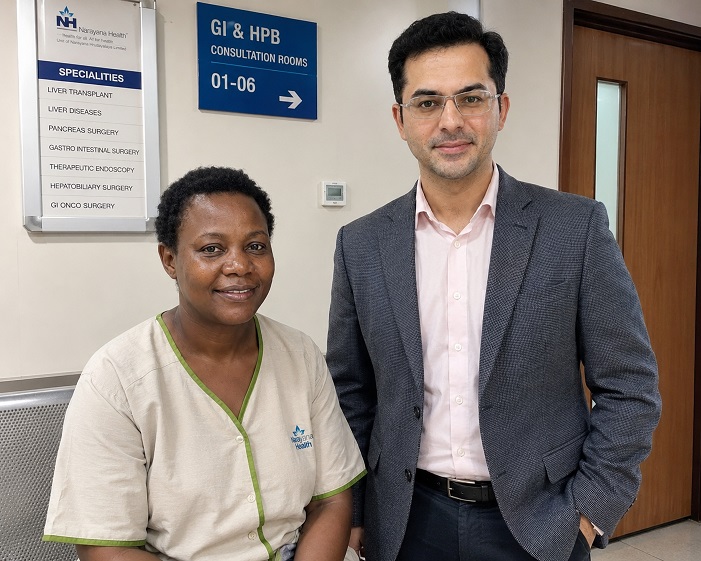
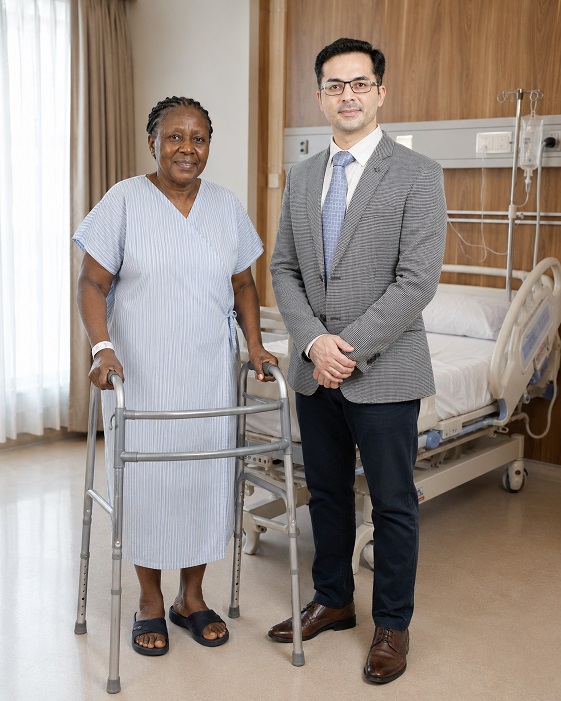
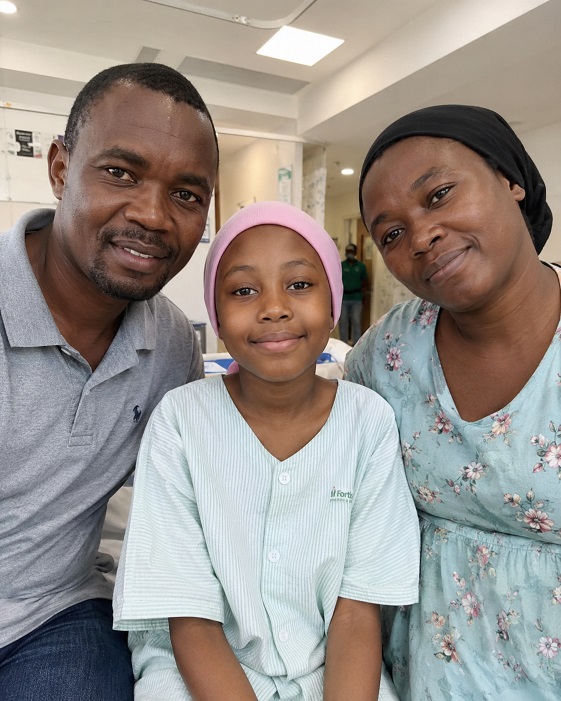
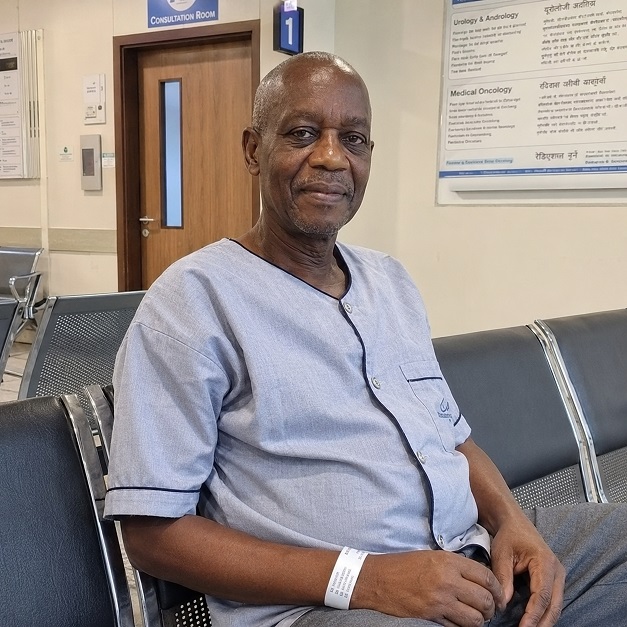
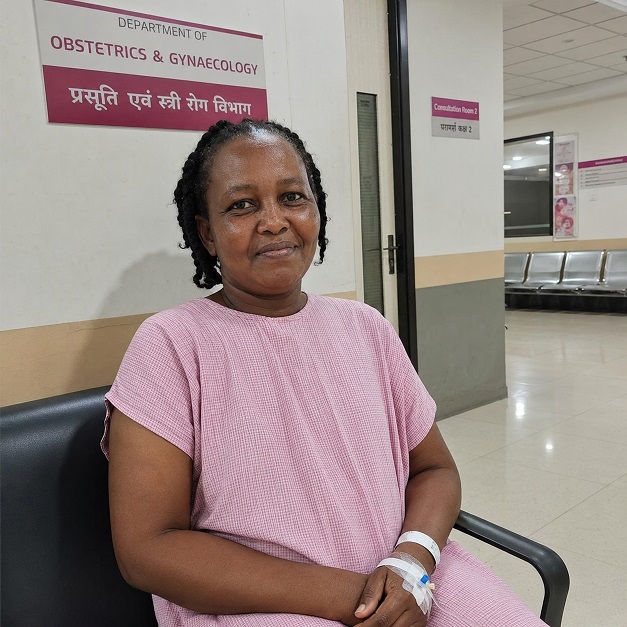
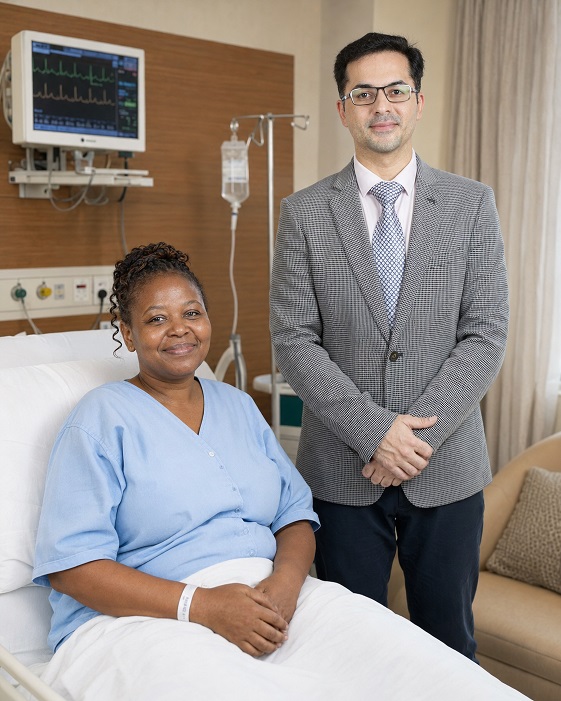
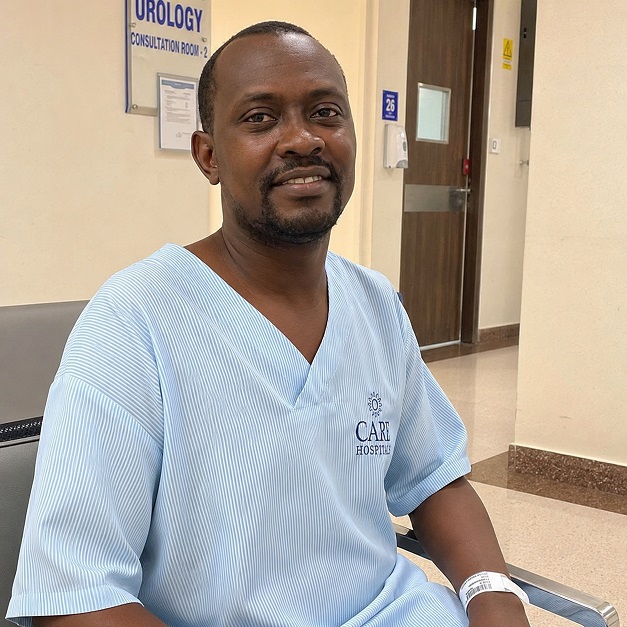
Patient Testimonials from Kenya

Ready to Take the First Step?
Share your Medical Reports with our Healthcare Managers Today and Get a FREE CONSULTATION, a Personalized Treatment Plan, and Complete Support from Arrival to Recovery.
Get Your Free ConsultationAreas We Serve
This resource has been thoughtfully prepared for patients from Kenya who are considering medical treatment in India. We also welcome patients from the wider region in the countries mentioned below-
We assist patients from:
- Ethiopia
- Somalia
- Tanzania
- Uganda
- Seychelles
- Guinea
- Guinea-Bissau
- Liberia
- Mali
- Mauritania
- Niger
- Nigeria
- Senegal
- Togo
- South Sudan
- Sierra Leone
Many of the insights, treatment pathways, hospital recommendations, travel guidance, and patient support services described here are equally relevant and may be used as a reference when planning treatment in India.
From Kenya to India: Your Complete Patient Support Guide
- Brain Tumour Surgery in India for Kenyan Patients
- Cancer Treatment and Surgery in India for Kenyan Patients
- Cardiac Treatment and Surgery in India for Kenyan Patients
- Heart Valve Replacement Surgery in India for Kenyan Patients
- Knee Replacement in India for Kenyan Patients
- Prostate Cancer Treatment and Surgery in India for Kenyan Patients
- Spine Treatment and Surgery in India for Kenyan Patients
- Selecting the Best Bariatric Surgeons and Hospitals in India: What Kenyan Patients Should Actually Look For
- Selecting the Best Cancer Surgeons and Hospitals in India: What Kenyan Patients Should Actually Look For
- Selecting the Best Cardiac Surgeons and Hospitals in India: What Kenyan Patients Should Actually Look For
- Selecting the Best Dental Surgeons and Clinics in India: What Kenyan Patients Should Actually Look For
- Selecting the Best Hip Surgeons and Hospitals in India: What Kenyan Patients Should Actually Look For
- Selecting the Best Kidney Transplant Surgeons and Hospitals in India: What Kenyan Patients Should Actually Look For
- Selecting the Best Knee Surgeons and Hospitals in India: What Kenyan Patients Should Actually Look For
- Selecting the Best Liver Transplant Surgeons and Hospitals in India: What Kenyan Patients Should Actually Look For
- Selecting the Best Neurosurgeons and Hospitals in India: What Kenyan Patients Should Actually Look For
- Selecting the Best Prostate Cancer Surgeons and Hospitals in India: What Kenyan Patients Should Actually Look For
- Selecting the Best Spine Surgeons and Hospitals in India: What Kenyan Patients Should Actually Look For