

Weight Loss and Bariatric Surgery in India for Kenyan Patients
Which weight loss operation suits which patient, how to judge the bariatric team in India, and what a Kenyan patient should expect to pay and to change afterwards.
Kenya's national STEPwise survey on non-communicable disease risk factors found something worth sitting with: nearly one in two Kenyan women, 49.5%, has central obesity, against roughly one in three men, 32.9%. This isn't a minor statistical curiosity; central obesity carries a meaningfully elevated risk of type 2 diabetes, hypertension, and cardiovascular disease, and the scale of this gap means a very large number of Kenyan women are living with a health risk that, for many, has never been properly discussed with a doctor. Across 24 years of guiding Kenyan patients through treatment in India, weight loss and bariatric surgery is a category where I see this gap between risk and actual medical guidance play out repeatedly. This article explains what bariatric surgery involves, why so many Kenyans facing genuine obesity-related health risk never receive proper medical guidance, what treatment costs in India compared with Kenya and Western countries, and the practical factors to weigh before deciding where to be treated.
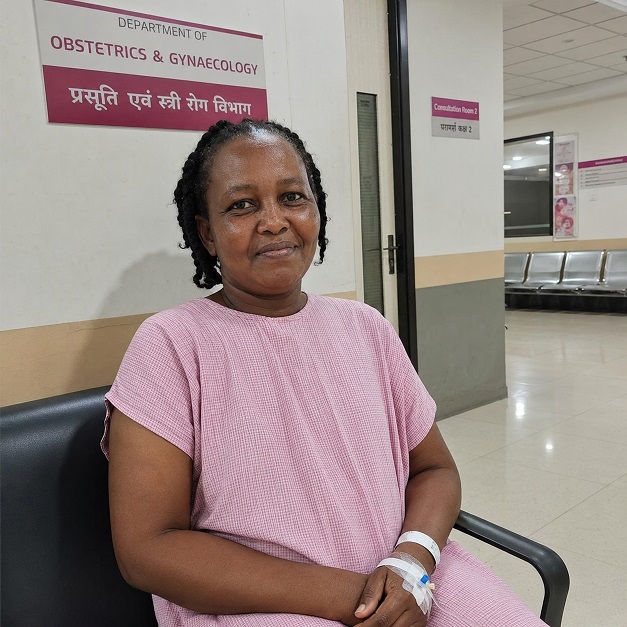
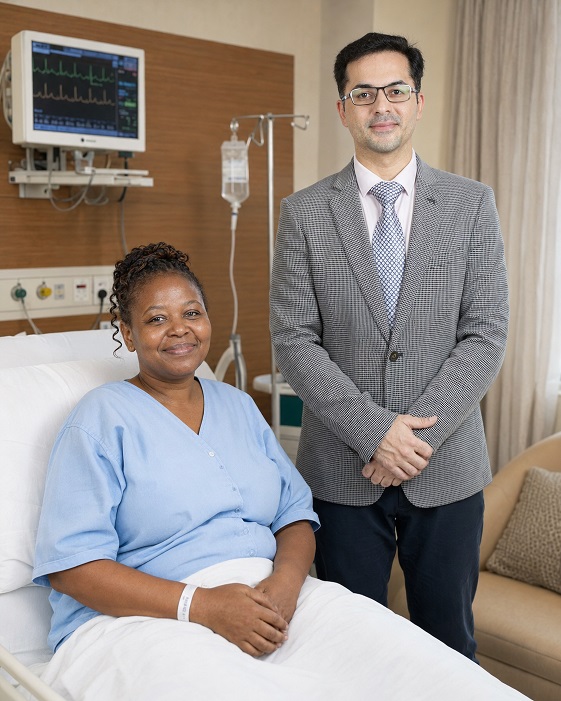
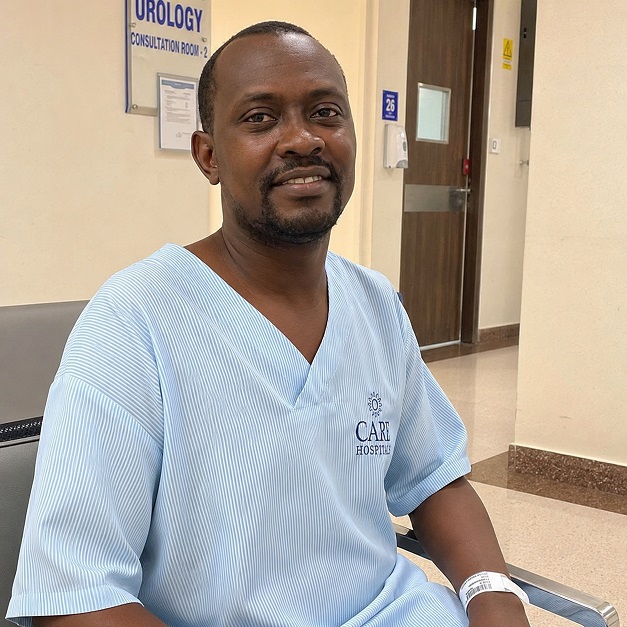
Healing Journeys of Kenyan Patients





Key Takeaways
- The guide highlights Kenya's significant obesity burden, with the national STEPwise survey reporting central obesity in 49.5% of Kenyan women and 32.9% of Kenyan men. It explains that severe obesity can increase the risk of conditions such as type 2 diabetes, hypertension and cardiovascular disease, and that bariatric surgery should be considered a medical treatment rather than simply a cosmetic procedure.
- Before choosing surgery, Kenyan patients should undergo a structured assessment of BMI, blood pressure, blood sugar, sleep quality, joint health and previous weight-loss efforts. The guide explains that common procedures include sleeve gastrectomy and Roux-en-Y gastric bypass, with the appropriate operation depending on the patient's overall health profile and medical needs.
- India has developed dedicated multidisciplinary bariatric programmes involving bariatric surgeons, dietitians, endocrinologists and physiotherapists. The guide emphasises that successful treatment depends not only on the operation but also on proper pre-operative assessment, informed procedure selection and long-term nutritional follow-up.
- The guide recommends checking genuine JCI or NABH accreditation, independently verifying the hospital and asking for the surgeon's specific annual bariatric case volume rather than relying on general laparoscopic experience. Patients should also ask the surgeon to explain honestly why sleeve gastrectomy, gastric bypass or another option is appropriate for their individual case.
- The guide compares approximate private bariatric surgery costs of US$4,000–6,000 in India, US$6,000–15,000 in Kenya, US$12,000–20,000 in the UK and US$15,000–25,000 in the US. Kenyan patients should confirm exactly what the quotation includes, including surgery, hospital stay and dietitian consultations, and separately budget for travel and related expenses.
- Long-term care is an important part of the treatment. The guide recommends arranging a written nutritional follow-up plan before leaving India and identifying a doctor in Kenya who can continue monitoring after surgery. Travel planning should also allow approximately one to two weeks in India for pre-operative assessment, surgery and initial recovery, depending on medical advice.
Quick Facts
- Author
- Dr. Dheeraj Bojwani
- Experience
- 24+ Years
- Treatment
- Weight Loss & Bariatric Surgery
- Patients
- Kenyan Patients
- First Assessment
- BMI, obesity-related conditions and previous weight-loss efforts
- Key Specialist
- Bariatric Surgeon
- Programme
- Multidisciplinary bariatric team
- Common Procedures
- Sleeve gastrectomy and gastric bypass
- Case Volume
- Bariatric-specific annual experience
- Procedure Selection
- Individualised recommendation based on health profile
- Hospital Check
- JCI / NABH accreditation
- Cost Check
- Written estimate covering surgery, hospital stay and dietitian care
- India Cost
- US$4,000–6,000
- Kenya Private Cost
- US$6,000–15,000
- Medical Records
- Relevant medical and weight-management history
- Visa
- Indian medical e-visa with hospital invitation
- Travel
- Nairobi–India return flights
- Stay
- Approximately 1–2 weeks, depending on medical advice
- Communication
- Clear treatment and travel coordination
- Follow-Up
- Long-term nutritional monitoring in Kenya
- Key Warning
- Choosing surgery based only on price or general surgical experience
- Decision Principle
- Prioritise bariatric-specific expertise, multidisciplinary care and long-term follow-up.
In Brief
For Kenyan patients considering bariatric surgery in India, the key decision is to choose a genuine multidisciplinary bariatric programme and a surgeon with substantial bariatric-specific experience, rather than selecting a provider based only on price. Patients should confirm the most appropriate procedure, hospital accreditation, complete costs, travel timeline and a long-term nutritional follow-up plan in Kenya.
What weight loss and bariatric surgery actually involves
Bariatric surgery is reserved for patients with severe obesity, typically a body mass index above 35 to 40, or above 30 with significant obesity-related health conditions like type 2 diabetes or sleep apnoea, for whom diet and lifestyle changes alone haven't achieved lasting results. It isn't a cosmetic procedure; it's a treatment for a serious medical condition with well-documented, significant health consequences.
Deciding whether surgery is genuinely appropriate involves more than a BMI calculation. A proper evaluation looks at the full pattern of obesity-related risk, blood pressure, blood sugar control, sleep quality, and joint health, alongside a realistic assessment of what non-surgical approaches have and haven't achieved so far. This is precisely the kind of structured evaluation that a single, time-pressed consultation often can't provide.
The two most common procedures are sleeve gastrectomy, where roughly 75 to 80% of the stomach is surgically removed, leaving a narrow, sleeve-shaped pouch that limits food intake and reduces hunger-signalling hormones, and Roux-en-Y gastric bypass, where a small stomach pouch is created and connected directly to a lower section of the small intestine, both limiting intake and altering digestion. Both are typically performed laparoscopically, through small incisions, and a substantial body of evidence, including a 2022 meta-analysis published in The Lancet, has found bariatric surgery remains the most effective long-term treatment for severe obesity, outperforming both lifestyle interventions and newer weight-loss medications over periods beyond five years.
Beyond the weight loss itself, bariatric surgery consistently shows measurable improvement, and sometimes complete resolution, of the conditions that often accompany severe obesity: type 2 diabetes, high blood pressure, sleep apnoea, and joint problems related to excess weight. This is part of why bariatric surgery is properly understood as treatment for a medical condition with serious downstream consequences, not a cosmetic choice, and why the decision deserves the same careful, structured evaluation as any other significant surgical intervention.
Why so many Kenyans facing genuine obesity-related risk never receive proper medical guidance
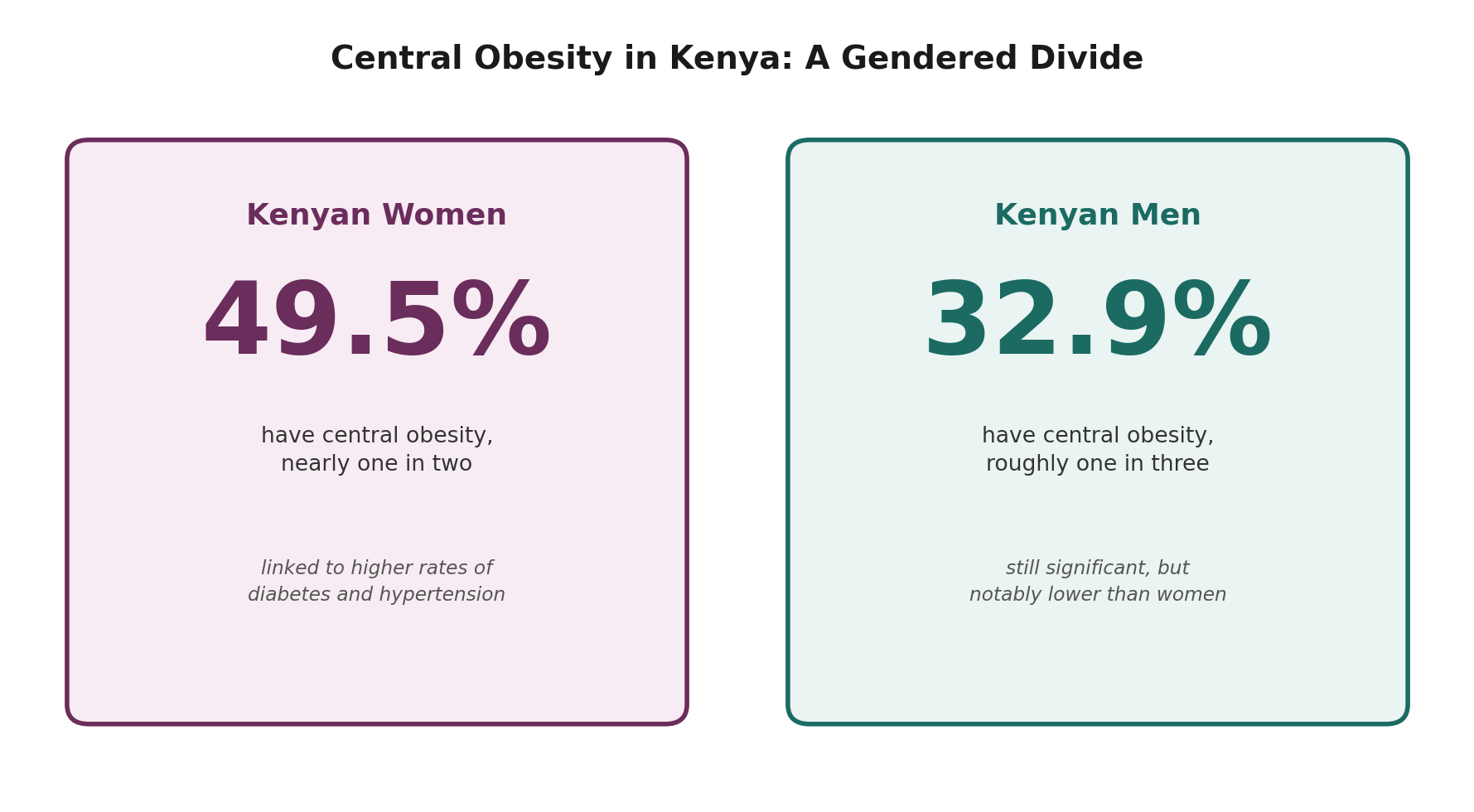
This is the pattern every Kenyan patient or family member facing this decision should understand clearly. Kenya's 2015 national STEPwise survey found central obesity in 49.5% of women, against 32.9% of men, a striking gender disparity that reflects a genuinely significant, gendered health burden. Separate research examining the same national survey data found that a substantial share of overweight and obese Kenyan participants reported never having received weight loss advice from a physician or healthcare provider at all.
This isn't necessarily a failure of individual doctors; researchers studying this gap point to Kenya's overburdened healthcare system, where physicians managing high patient volumes with limited resources may simply not have the structured time for the kind of ongoing weight management conversation obesity genuinely requires. The practical consequence is that many Kenyans living with clinically significant obesity, and the diabetes, hypertension, and cardiovascular risk that comes with it, are navigating this on their own, without ever having had a proper, structured conversation about what treatment options, including surgery for the most severe cases, might actually be appropriate for them.
Why India has become a genuine hub for bariatric surgery
India has developed substantial, dedicated bariatric surgery capacity, with surgical teams built specifically around metabolic and weight-loss surgery, combining surgeons, dietitians, endocrinologists, and physiotherapists into a structured, multidisciplinary programme, precisely the kind of coordinated care that a single overburdened physician often can't provide alone. This matters because successful bariatric surgery outcomes depend heavily on this surrounding structure, proper pre-operative evaluation, informed procedure selection, and genuine long-term nutritional follow-up, not just the surgery itself.
India's leading bariatric centres combine this structured, multidisciplinary approach with JCI and NABH accredited safety standards and surgeons with genuine, high-volume experience across the range of bariatric procedures. In 24 years of guiding patients through this decision, the clearest advice I offer is this: if you've been living with severe obesity and its associated health risks without ever having had a proper, structured medical conversation about your options, that conversation, not necessarily surgery itself, is the first and most important step, and a genuine bariatric programme is built specifically to have it properly.
For Kenyan women specifically, given the scale of the central obesity burden the national data documents, this matters in a very concrete way. A structured programme should assess not just candidacy for surgery, but the full picture of obesity-related risk, blood pressure, blood sugar, cardiovascular health, and build a plan around that complete picture rather than treating weight loss as an isolated goal.
What it costs: India versus Kenya, the UK, and the US
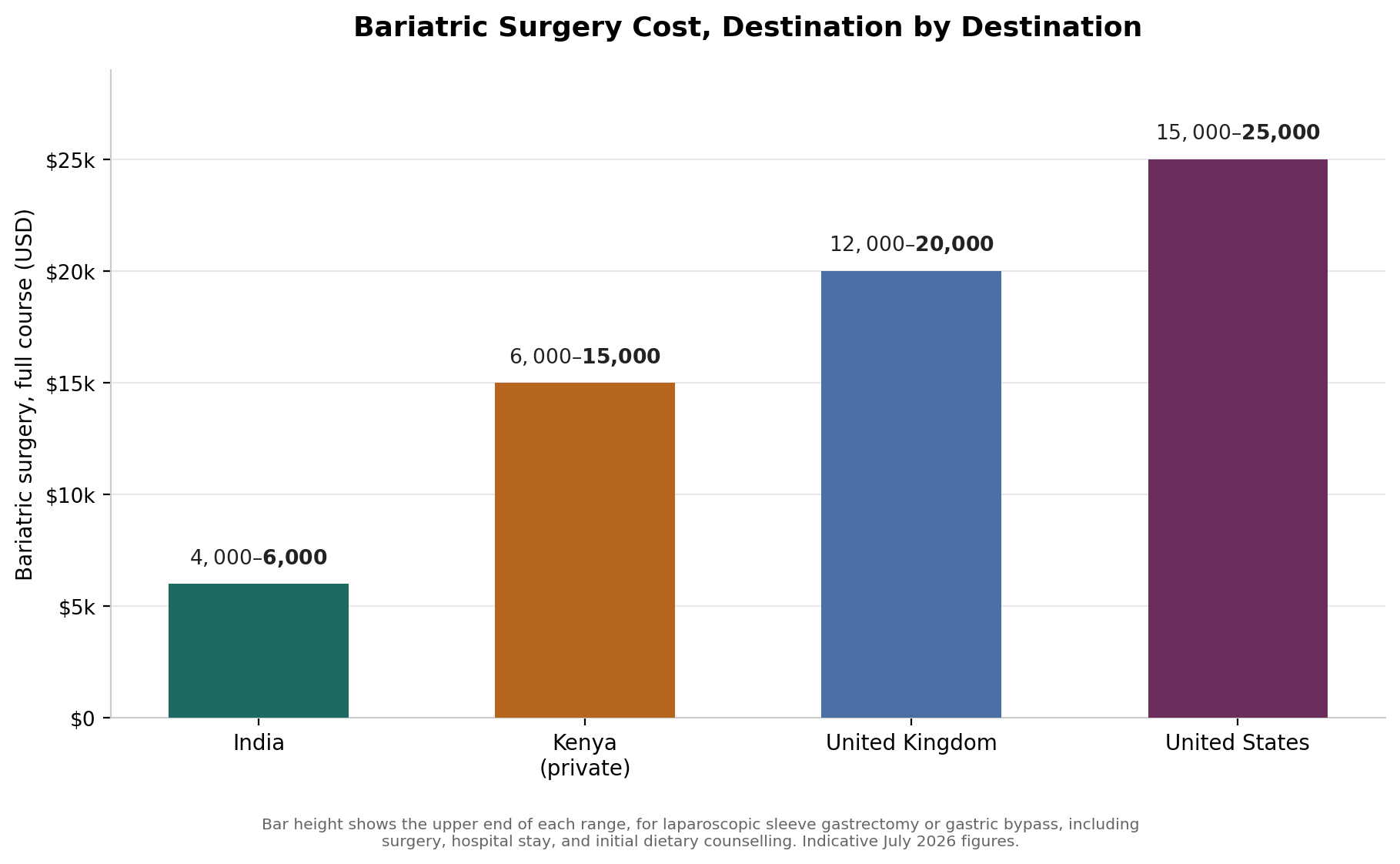
In India, bariatric surgery typically costs between 4,000 and 6,000 US dollars, covering surgery, hospital stay, and initial dietary counselling. In Kenya, private bariatric surgery costs run roughly 6,000 to 15,000 dollars. In the UK, private bariatric surgery typically costs 12,000 to 20,000 dollars, and in the US, 15,000 to 25,000 dollars.
Beyond the procedure itself, budget for travel. Direct flights between Nairobi and Delhi or Mumbai run roughly 550 to 850 dollars return, and most bariatric surgery patients need one to two weeks in India, covering pre- operative evaluation, the surgery, and initial recovery before travel home is medically advisable.
What a Kenyan patient should actually check before booking
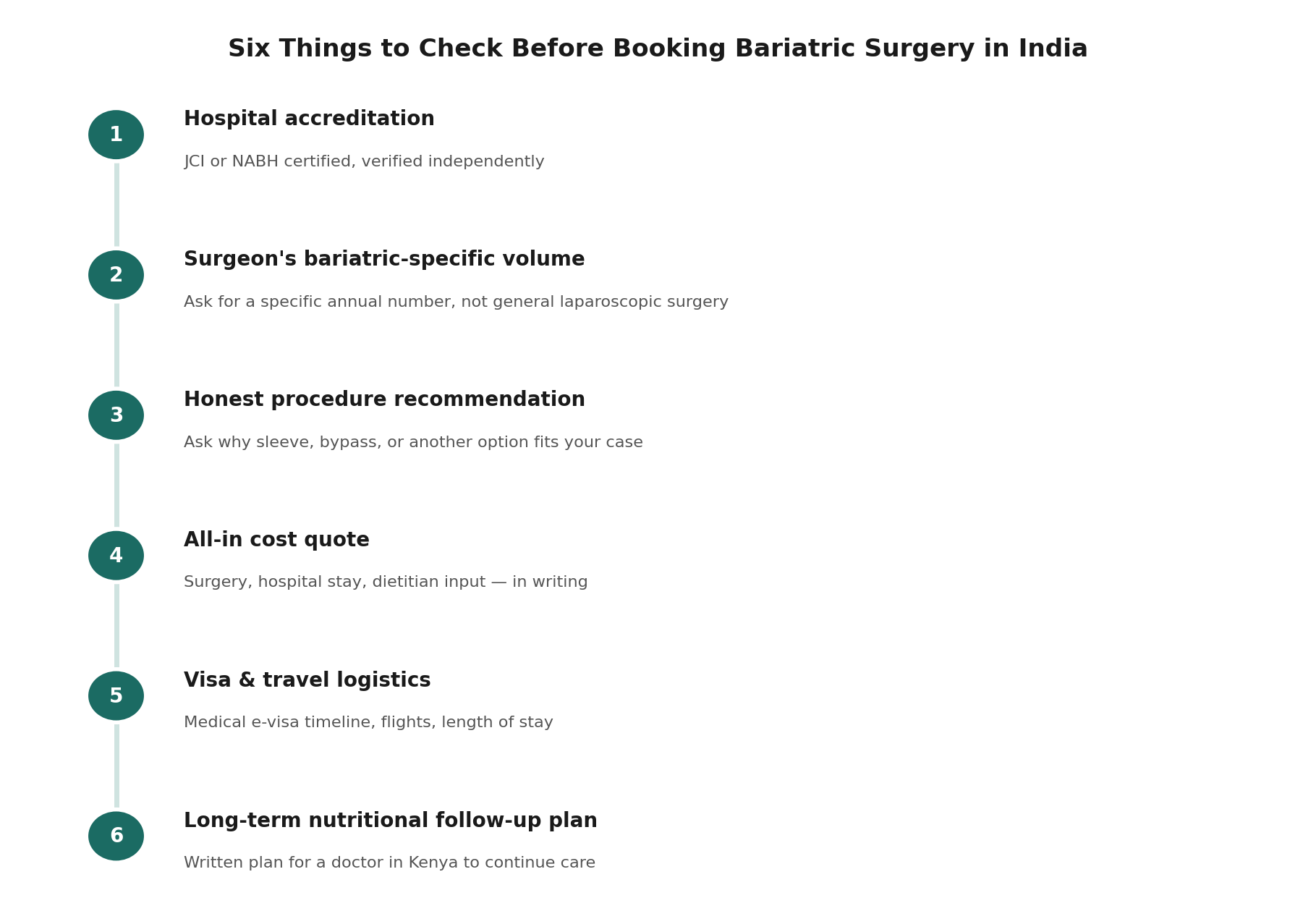
Given how much structured, ongoing support matters for this specific surgery, work through these questions directly.
Confirm genuine accreditation. Ask whether the hospital holds JCI or NABH certification, and verify it independently.
Ask about the surgeon's bariatric-specific volume. A specific number, how many bariatric procedures the surgeon personally performs each year, tells you more than general laparoscopic surgery experience.
Get an honest procedure recommendation. Ask your surgeon to explain, based on your specific health profile, why sleeve gastrectomy, gastric bypass, or another option is being recommended for you.
Get the full cost breakdown in writing. Confirm what's included, surgery, hospital stay, and dietitian consultations.
Plan your visa and travel timeline. The Indian medical e-visa is typically issued within three to five working days once you have a formal hospital invitation letter.
Arrange your long-term nutritional follow-up plan before you leave. Bariatric surgery requires ongoing nutritional monitoring for years afterward. Agree on a written plan and identify a doctor in Kenya who can continue that care.
Straight Answers for Kenyan Patients about Weight Loss and Bariatric Surgery in India
How significant is the gender gap in obesity in Kenya?
Kenya's national STEPwise survey found central obesity in 49.5% of women against 32.9% of men, a substantial gap linked to correspondingly higher rates of diabetes and hypertension risk among Kenyan women.
How much does bariatric surgery cost in India compared to Kenya?
India typically costs 4,000 to 6,000 US dollars, while Kenya runs roughly 6,000 to 15,000 dollars privately.
Who is actually a candidate for bariatric surgery?
Generally patients with a body mass index above 35 to 40, or above 30 with significant obesity-related conditions like type 2 diabetes, who haven't achieved lasting results through diet and lifestyle changes alone.
Why do so many Kenyans with obesity never receive medical weight-loss guidance?
Research suggests Kenya's overburdened healthcare system, with physicians managing high patient volumes and limited resources, often lacks the structured time for the kind of ongoing weight management conversation obesity genuinely requires.
Is bariatric surgery more effective than weight-loss medication long-term?
A 2022 meta-analysis published in The Lancet found bariatric surgery remains the most effective long-term treatment for severe obesity, outperforming both lifestyle interventions and medications like semaglutide beyond five years.
How do I get a medical visa to India from Kenya?
The Indian medical e-visa is typically issued within three to five working days once you have a formal invitation letter from the treating hospital.
A Closing Word
Kenya's own national survey data shows a striking, gendered obesity burden, and separate research suggests many affected Kenyans have never had a proper, structured conversation with a doctor about their options. Bariatric surgery isn't the right answer for everyone, but for patients with severe, medically significant obesity, India's structured, multidisciplinary bariatric programmes offer the kind of comprehensive care, before, during, and long after surgery, that this decision genuinely deserves.
Sources
- 🌐 Socio-economic and demographic determinants of non-communicable diseases in Kenya: a secondary analysis of the Kenya stepwise survey. PMC
- 🌐 Prevalence and predictors of receipt of weight loss advice among a nationally representative sample of overweight and obese Kenyans. PMC
- 🌐 The avoidable disease burden associated with overweight and obesity in Kenya: A modelling study. eClinicalMedicine, The Lancet
- 🌐 National Medical Commission of India — specialist registration verification
- 🌐 National Accreditation Board for Hospitals & Healthcare Providers (NABH) — accredited hospital directory
Frequently Asked Questions by Kenyans about Weight Loss and Bariatric Surgery in India
Who may be considered for bariatric surgery?
The guide describes candidates generally as patients with BMI above 35–40, or above 30 with significant obesity-related conditions, when lifestyle measures have not achieved lasting results.
What are the common bariatric procedures?
The guide identifies sleeve gastrectomy and Roux-en-Y gastric bypass as the two common procedures, with selection based on the patient's health profile.
Which specialist should Kenyan patients choose?
Patients should look for a bariatric surgeon with substantial bariatric-specific experience, rather than relying only on general laparoscopic surgery experience.
Why is multidisciplinary care important?
Bariatric treatment involves more than surgery. The guide highlights coordinated care involving surgeons, dietitians, endocrinologists and physiotherapists.
How much does bariatric surgery cost in India?
The guide gives an approximate Indian cost of US$4,000–6,000, compared with roughly US$6,000–15,000 privately in Kenya.
What should be checked before booking a hospital?
Confirm current JCI or NABH accreditation, verify it independently and ask about the surgeon's annual bariatric-specific procedure volume.
How should the procedure be selected?
The surgeon should explain honestly why sleeve gastrectomy, gastric bypass or another option fits the patient's individual health profile.
What should the treatment quotation include?
Patients should confirm that the written quotation clearly identifies surgery, hospital stay and dietitian consultations, along with any exclusions.
How long might a Kenyan patient stay in India?
The guide states that most bariatric patients need approximately one to two weeks in India for assessment, surgery and initial recovery, subject to medical advice.
What follow-up is needed after returning to Kenya?
The guide recommends arranging long-term nutritional monitoring for years after surgery and identifying a doctor in Kenya who can continue that care.
Page Summary
This five-page guide focuses on bariatric surgery as a structured medical treatment for severe obesity, rather than a cosmetic procedure. Pages 1–2 explain Kenya's obesity burden, eligibility considerations and common procedures, while page 3 compares bariatric surgery costs in India, Kenya, the UK and US. The page 4 “Six Things to Check” graphic highlights hospital accreditation, bariatric-specific surgeon volume, honest procedure recommendation, all-inclusive costing, visa and travel logistics, and long-term nutritional follow-up.
Citation Block
| Topic | Information |
|---|---|
| Topic | Weight Loss & Bariatric Surgery in India for Kenyan Patients |
| Treatment | Bariatric Surgery |
| Patients | Kenyan Patients |
| First Assessment | BMI, obesity-related conditions and previous weight-loss efforts |
| Key Specialist | Bariatric Surgeon |
| Programme | Multidisciplinary bariatric team |
| Common Procedures | Sleeve Gastrectomy / Gastric Bypass |
| Case Volume | Bariatric-specific annual experience |
| Procedure Selection | Honest recommendation based on individual health profile |
| Hospital Check | JCI / NABH accreditation |
| Cost Check | Written estimate covering surgery, hospital stay and dietitian care |
| India Cost | US$4,000–6,000 |
| Kenya Cost | US$6,000–15,000 private |
| Medical Records | Relevant medical and weight-management history |
| Visa Planning | Indian medical e-visa with hospital invitation |
| Travel | Nairobi–India return flights |
| Stay | Approximately 1–2 weeks, depending on medical advice |
| Follow-Up | Long-term nutritional monitoring in Kenya |
| Surgeon Question | How many bariatric procedures do you personally perform each year? |
| Procedure Question | Why is sleeve, bypass or another procedure suitable for my case? |
| Hospital Question | Is your JCI or NABH accreditation current and independently verifiable? |
| Cost Question | What exactly is included in the complete treatment quotation? |
| Follow-Up Question | Who will manage my nutritional care after I return to Kenya? |
| Warning Signs | No bariatric-specific experience or accreditation cannot be verified |
| Payment Warning | Treatment cost not provided as a clear written breakdown |
| Key Decision | Verify bariatric-specific expertise, hospital quality and long-term follow-up |


Our Mission Statement
Our mission is to place patients at the centre of every healthcare decision by providing trustworthy, evidence-based, and unbiased medical information. We believe that informed patients make better decisions. Backed by personalised guidance from our experienced advisory team, we help patients understand their treatment options, compare them objectively, and confidently choose the path that best suits their medical needs and personal circumstances.
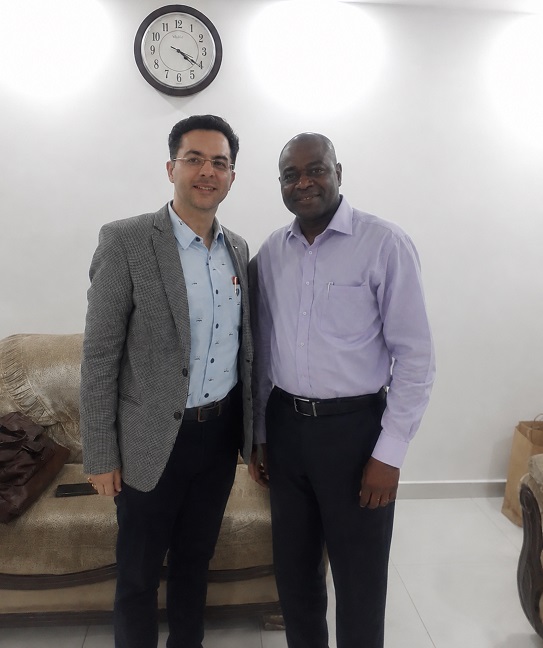
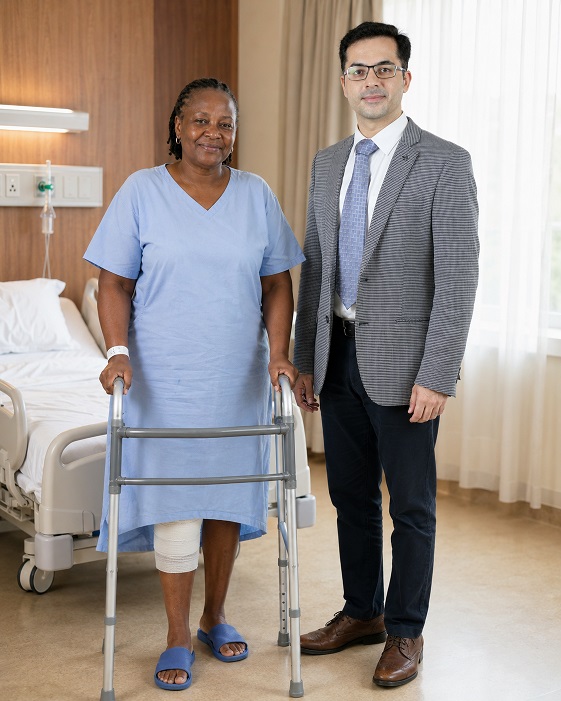
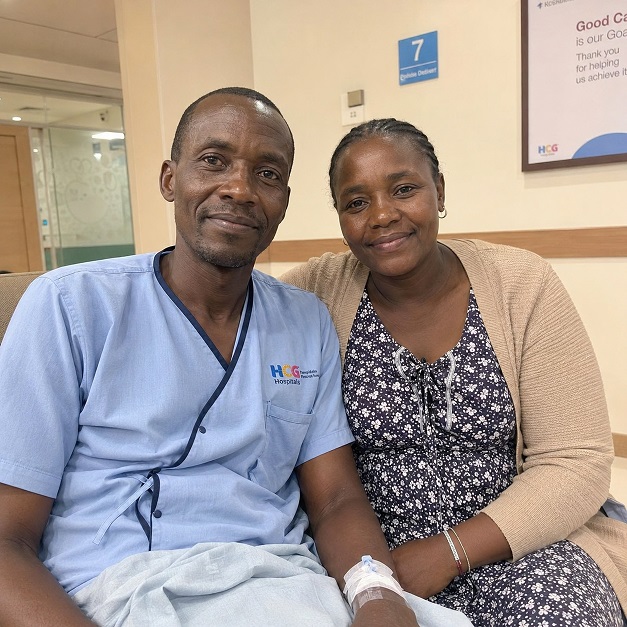
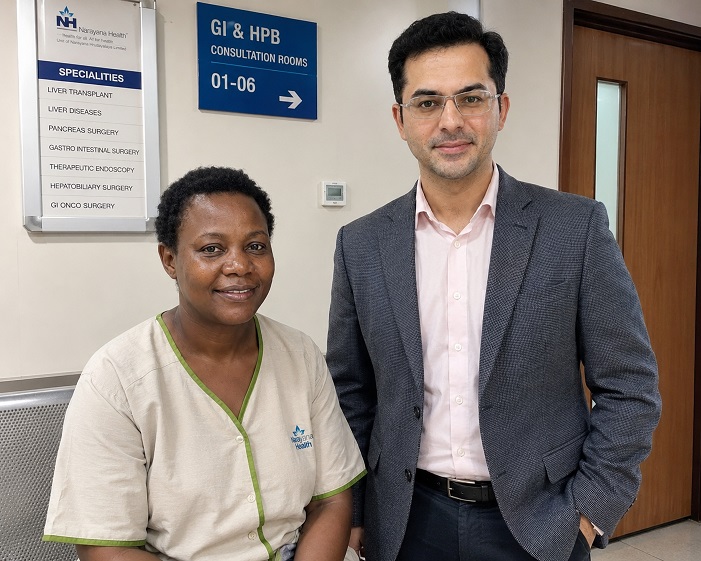
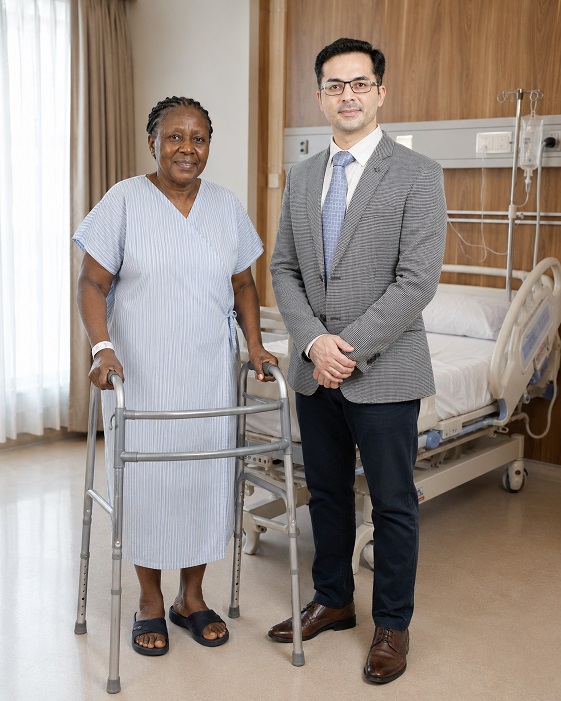
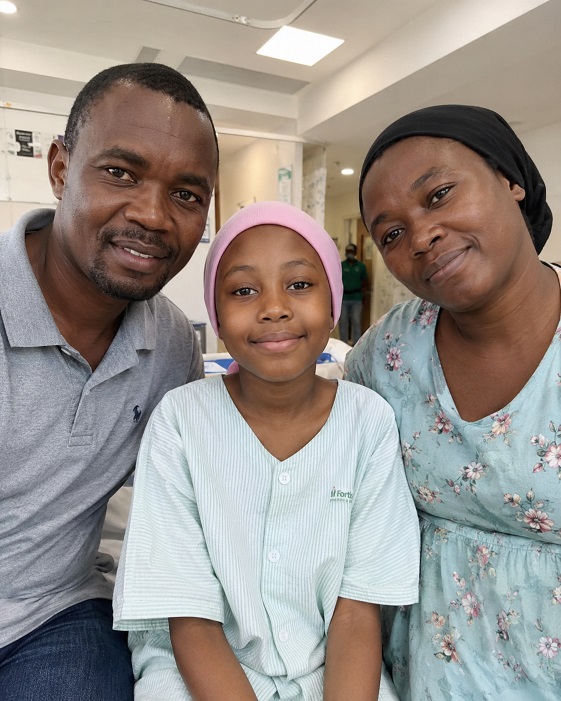
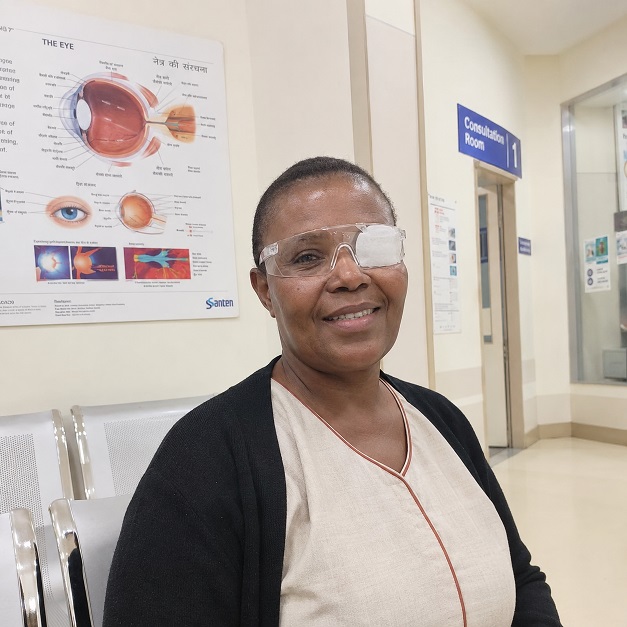
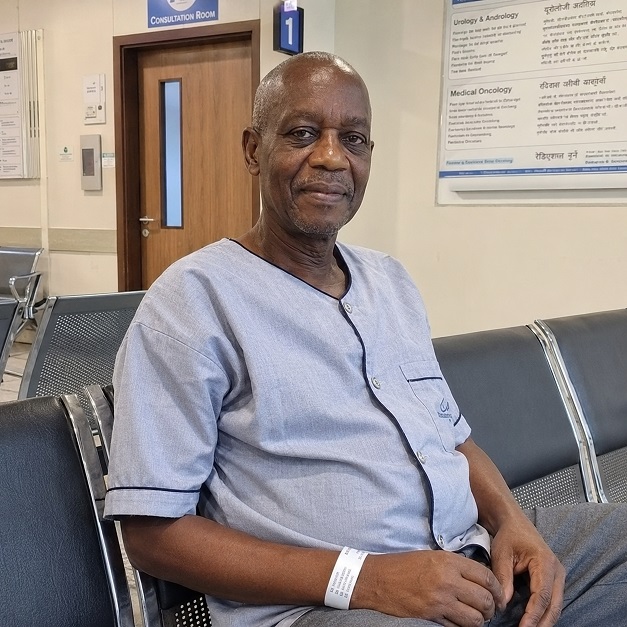
Patient Testimonials from Kenya


Ready to Take the First Step?
Share your Medical Reports with our Healthcare Managers Today and Get a FREE CONSULTATION, a Personalized Treatment Plan, and Complete Support from Arrival to Recovery.
Get Your Free ConsultationAreas We Serve
This resource has been thoughtfully prepared for patients from Kenya who are considering medical treatment in India. We also welcome patients from the wider region in the countries mentioned below-
We assist patients from:
- Ethiopia
- Somalia
- Tanzania
- Uganda
- Seychelles
- Guinea
- Guinea-Bissau
- Liberia
- Mali
- Mauritania
- Niger
- Nigeria
- Senegal
- Togo
- South Sudan
- Sierra Leone
Many of the insights, treatment pathways, hospital recommendations, travel guidance, and patient support services described here are equally relevant and may be used as a reference when planning treatment in India.
From Kenya to India: Your Complete Patient Support Guide
- Brain Tumour Surgery in India for Kenyan Patients
- Cancer Treatment and Surgery in India for Kenyan Patients
- Cardiac Treatment and Surgery in India for Kenyan Patients
- Heart Valve Replacement Surgery in India for Kenyan Patients
- Knee Replacement in India for Kenyan Patients
- Prostate Cancer Treatment and Surgery in India for Kenyan Patients
- Spine Treatment and Surgery in India for Kenyan Patients
- Selecting the Best Bariatric Surgeons and Hospitals in India: What Kenyan Patients Should Actually Look For
- Selecting the Best Cancer Surgeons and Hospitals in India: What Kenyan Patients Should Actually Look For
- Selecting the Best Cardiac Surgeons and Hospitals in India: What Kenyan Patients Should Actually Look For
- Selecting the Best Dental Surgeons and Clinics in India: What Kenyan Patients Should Actually Look For
- Selecting the Best Hip Surgeons and Hospitals in India: What Kenyan Patients Should Actually Look For
- Selecting the Best Kidney Transplant Surgeons and Hospitals in India: What Kenyan Patients Should Actually Look For
- Selecting the Best Knee Surgeons and Hospitals in India: What Kenyan Patients Should Actually Look For
- Selecting the Best Liver Transplant Surgeons and Hospitals in India: What Kenyan Patients Should Actually Look For
- Selecting the Best Neurosurgeons and Hospitals in India: What Kenyan Patients Should Actually Look For
- Selecting the Best Prostate Cancer Surgeons and Hospitals in India: What Kenyan Patients Should Actually Look For
- Selecting the Best Spine Surgeons and Hospitals in India: What Kenyan Patients Should Actually Look For