

15 Frequently Asked Questions: Weight Loss and Bariatric Surgery in India for Kenyan Patients
Introduction
Weight Loss and Bariatric Surgery, also known as Metabolic and Bariatric Surgery (MBS), is an established treatment option for appropriately selected patients with obesity. It can produce significant weight loss and may also improve obesity-related conditions such as type 2 diabetes, high blood pressure, obstructive sleep apnoea, fatty liver disease and obesity-related joint problems. Common procedures include Sleeve Gastrectomy, Roux-en-Y Gastric Bypass and One-Anastomosis Gastric Bypass. Selected patients may also be considered for endoscopic weight-loss procedures or revisional surgery. Indian obesity-management guidance recognises obesity as a chronic disease and recommends an individualized, multidisciplinary approach involving lifestyle management, medication, endoscopic treatment and/or metabolic bariatric surgery according to the patient's clinical condition.
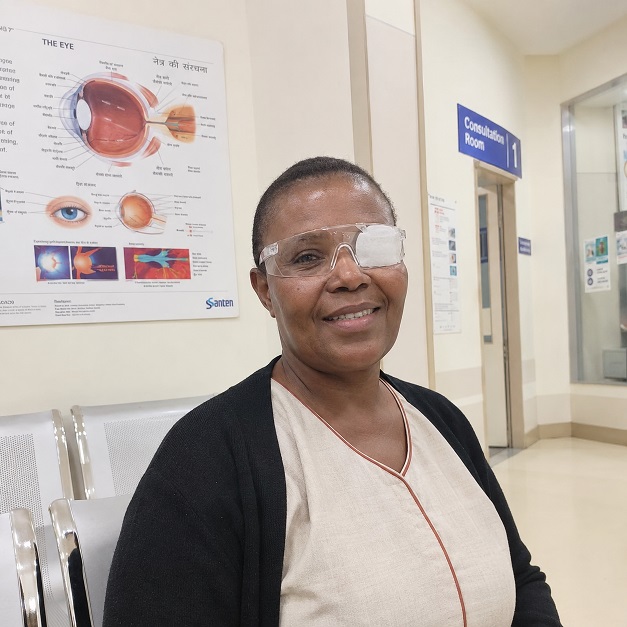
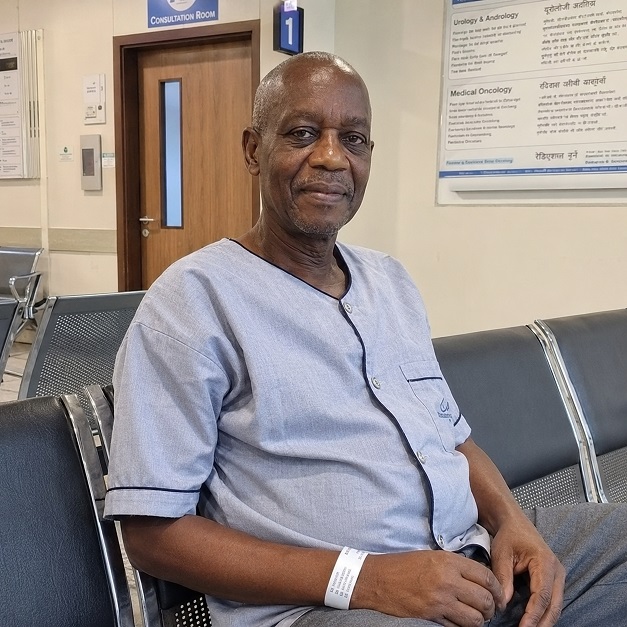
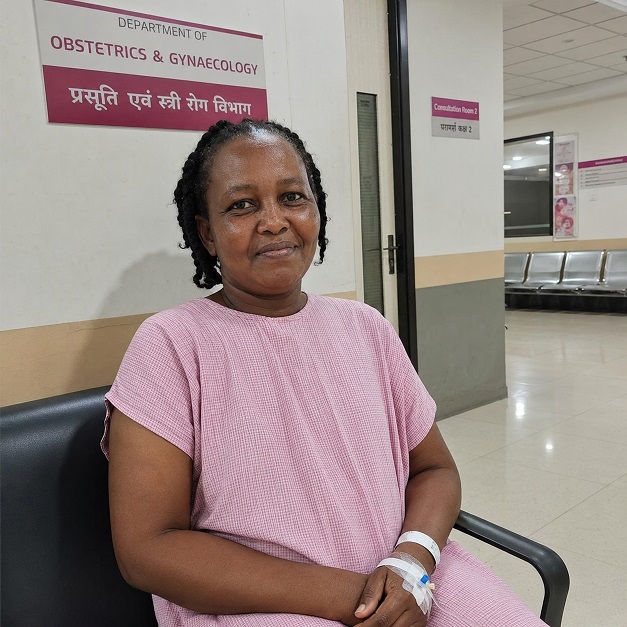
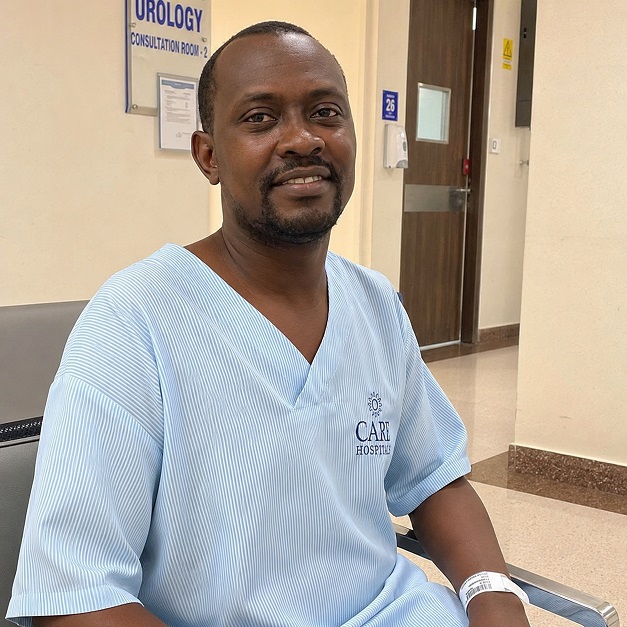
Healing Journeys of Kenyan Patients




In Brief
Weight Loss and Bariatric Surgery, also known as Metabolic and Bariatric Surgery (MBS), is an established treatment option for appropriately selected patients with obesity. It can produce significant weight loss and may also improve obesity-related conditions such as type 2 diabetes, high blood pressure, obstructive sleep apnoea, fatty liver disease and obesity-related joint problems. Common procedures include Sleeve Gastrectomy, Roux-en-Y Gastric Bypass and One-Anastomosis Gastric Bypass.
Q1 · Why do Kenyan patients consider Weight Loss and Bariatric Surgery in India?
Severe or clinically significant obesity can affect several organs and may increase the risk of diabetes, cardiovascular disease, sleep apnoea, fatty liver disease and musculoskeletal problems.
Kenyan patients may consider specialist bariatric treatment in India for
- Severe obesity
- Obesity with type 2 diabetes
- Obesity-related hypertension
- Obstructive sleep apnoea
- Fatty liver disease
- Obesity-related joint problems
- Reduced mobility
- Metabolic syndrome
- Previous unsuccessful weight-loss attempts
- Significant weight regain
- Complications following previous bariatric surgery
- Revisional bariatric surgery
India has established metabolic and bariatric surgery programmes, and the Obesity and Metabolic Surgery Society of India (OSSI) publishes guidelines for patient and procedure selection. Current 2026 OSSI guidance includes sleeve gastrectomy, Roux-en-Y gastric bypass, one-anastomosis gastric bypass and other established metabolic procedures.
Bariatric surgery should be considered as part of a long-term obesity-management programme, rather than simply as a quick method of losing weight.
Q2 · How much does Weight Loss and Bariatric Surgery cost in India for Kenyan patients?
The cost depends on the procedure, hospital, surgeon, medical complexity, investigations, surgical consumables and postoperative care.
For planning purposes:
For planning: US$1 ≈ KES 129.5 • US$1 ≈ INR 96
Indicative Weight Loss & Bariatric Surgery Cost Comparison
| Procedure / Treatment | Kenya – Local Currency / USD | India – INR / USD | Indicative Saving |
|---|---|---|---|
| Sleeve Gastrectomy | KES 700,000–1,100,000 US$5,405–8,495 | INR 250,000–500,000 US$2,605–5,210 | Approx. 25– 50% |
| Roux-en-Y Gastric Bypass | KES 900,000–1,500,000 US$6,950–11,585 | INR 300,000–600,000 US$3,125–6,250 | Approx. 25– 50% |
| One-Anastomosis / Mini Gastric Bypass | KES 850,000–1,400,000 US$6,565–10,810 | INR 350,000–600,000 US$3,645–6,250 | Approx. 25– 50% |
| Revisional Bariatric Surgery | KES 1,100,000–1,800,000 US$8,495–13,900 | INR 500,000–900,000 US$5,210–9,375 | Approx. 20– 45% |
| Complex / High-Risk Bariatric Surgery | KES 1,300,000–2,200,000 US$10,040–16,990 | INR 600,000–1,100,000 US$6,250–11,460 | Approx. 20– 45% |
| Endoscopic Sleeve Gastroplasty | KES 600,000–1,000,000 US$4,635–7,720 | INR 250,000–400,000 US$2,605–4,165 | Approx. 20– 45% |
Important: These are indicative planning ranges and are not fixed hospital quotations.
Current 2026 Indian private-hospital estimates place sleeve gastrectomy at approximately INR 250,000– 500,000 and Roux-en-Y gastric bypass at approximately INR 300,000–600,000, although prices vary by hospital, city, surgeon and individual case.
Published Indian city-level estimates also show variation; for example, sleeve-gastrectomy estimates differ between major cities such as Delhi, Mumbai, Chennai, Bengaluru, Hyderabad and Pune.
The final quotation should clarify whether it includes
- Bariatric surgeon consultation
- Preoperative investigations
- Anaesthesia
- Operating-room charges
- Surgical staplers and consumables
- Hospitalisation
- ICU if required
- Medicines
- Dietitian consultation
- Postoperative imaging
- Follow-up consultations
- Management of complications
Patients should also ask about the long-term cost of vitamins, minerals, medicines and follow-up blood tests, because these expenses can continue after surgery.
Q3 · Which Indian cities can Kenyan patients consider for Weight Loss and Bariatric Surgery?
Kenyan patients can consider several major Indian medical cities:
Indian City Why It May Be Considered
| City | Considerations |
|---|---|
| Delhi | Major tertiary hospitals with bariatric and metabolic surgery |
| Chennai | Established bariatric and minimally invasive surgery services |
| Mumbai | Large multispeciality hospitals and metabolic programmes |
| Bengaluru | Advanced laparoscopic and bariatric surgery infrastructure |
| Hyderabad | Multiple tertiary hospitals with bariatric services |
| Gurugram | Large super-speciality hospitals |
| Noida | Tertiary-care surgical facilities |
| Kolkata | Major eastern Indian medical centre |
| Pune | Established bariatric and metabolic services |
| Ahmedabad | Specialist surgical and metabolic-care facilities |
| Kochi | Advanced tertiary-care services |
| Thiruvananthapuram | Specialist surgical facilities |
| Chandigarh | Major tertiary medical centre |
| Nagpur | Growing specialist surgical infrastructure |
For bariatric surgery, patients should compare the bariatric team, surgeon experience, multidisciplinary support, procedure options and long-term follow-up, rather than selecting a hospital solely because of a low package price.
Q4 · Which hospitals in India can Kenyan patients consider?
The following hospitals can be considered when researching bariatric treatment in India.
Not every hospital listed necessarily provides every bariatric procedure. The exact bariatric programme, surgeon availability and current procedure options should be confirmed before travel.
Delhi Hospitals
- Fortis Escorts Heart Institute, New Delhi
- BLK-Max Super Speciality Hospital, New Delhi
- Max Super Speciality Hospital, Saket
- Indraprastha Apollo Hospitals, New Delhi
- Sir Ganga Ram Hospital
- Max Super Speciality Hospital, Patparganj
- Manipal Hospital, Dwarka
- Fortis Hospital, Vasant Kunj
- Institute of Brain and Spine Hospital (IBS Hospital)
- Dharamshila Narayana Hospital
- Indian Spinal Injuries Centre
- AIIMS New Delhi
Chennai Hospitals
- MGM Healthcare
- MIOT International
- Apollo Hospitals, Greams Road
- Sri Ramachandra Medical Centre
- SIMS Hospital
- Kauvery Hospital
- Gleneagles HealthCity Chennai
- Vijaya Hospital
- Apollo Speciality Hospitals
- Rela Hospital
Mumbai Hospitals
- Bombay Hospital & Medical Research Centre
- Lilavati Hospital & Research Centre
- Jaslok Hospital & Research Centre
- Gleneagles Hospital, Mumbai
- Nanavati Max Super Speciality Hospital
- Kokilaben Dhirubhai Ambani Hospital
- P. D. Hinduja Hospital & Medical Research Centre
- Sir H. N. Reliance Foundation Hospital
- Wockhardt Hospitals, Mumbai
- Apollo Hospitals, Mumbai
Bengaluru Hospitals
- Manipal Hospital, Old Airport Road
- Manipal Hospital, Whitefield
- Manipal Hospital, Yeshwanthpur
- Apollo Hospitals, Bengaluru
- Fortis Hospital, Bannerghatta Road
- Aster CMI Hospital
- Sakra World Hospital
- Narayana Health City
- Sagar Hospitals
- Kauvery Hospital, Bengaluru
Hyderabad Hospitals
- KIMS Hospitals
- Yashoda Hospitals
- Apollo Health City
- CARE Hospitals
- Continental Hospitals
- Gleneagles Hospitals, Hyderabad
- Sunshine Hospitals
- Star Hospitals
Gurugram Hospitals
- Fortis Memorial Research Institute (FMRI)
- Medanta – The Medicity
- Artemis Hospital
- Max Hospital, Gurugram
- CK Birla Hospital, Gurugram
- Manipal Hospital, Gurugram
- Paras Health
- Narayana Superspeciality Hospital
Noida Hospitals
- Fortis Hospital, Noida
- Jaypee Hospital
- Max Super Speciality Hospital, Noida
- Yatharth Hospital
- Kailash Hospital
- Metro Hospital & Heart Institute
- Metro Center for Neurosciences
Kolkata Hospitals
- Apollo Multispeciality Hospitals
- AMRI Hospitals
- Fortis Hospital, Anandapur
- Manipal Hospitals, Salt Lake
- Medica Superspecialty Hospital
- Narayana Superspeciality Hospital
- Ruby General Hospital
Pune Hospitals
- Ruby Hall Clinic
- Jehangir Hospital
- Deenanath Mangeshkar Hospital
- Sahyadri Super Speciality Hospital
- Aditya Birla Memorial Hospital
- Manipal Hospital, Kharadi
- Medicover Hospital, Pune
Ahmedabad Hospitals
- Apollo Hospitals, Ahmedabad
- Zydus Hospitals
- Sterling Hospitals
- Shalby Hospitals
- HCG Hospitals
- SAL Hospital
- CIMS Hospital
Kochi Hospitals
- Aster Medcity
- Amrita Hospital
- VPS Lakeshore Hospital
- Rajagiri Hospital
- Aster MIMS
- Lisie Hospital
- Renai Medicity
Thiruvananthapuram Hospitals
- KIMSHEALTH Hospital
- Ananthapuri Hospitals and Research Institute
- SUT Hospital
- SP Medifort Hospital
- PRS Hospital
- GG Hospital
Goa Hospitals
- Manipal Hospital, Goa
- Healthway Hospital
- Manipal Hospitals, Dona Paula
- Goa Medical College and Hospital
- Apollo Victor Hospital
Nagpur Hospitals
- Wockhardt Hospitals, Nagpur
- Max Multispeciality Hospital
- CARE Hospitals, Nagpur
- Kingsway Hospitals
- Lata Mangeshkar Hospital
Q5 · What types of Weight Loss and Bariatric Surgery are available?
Sleeve Gastrectomy
Sleeve gastrectomy removes a large portion of the stomach, leaving a smaller tube-shaped stomach.
It can help with weight loss through
- Reduced stomach capacity
- Earlier satiety
- Changes in appetite-related hormones
- Metabolic effects
It does not bypass the small intestine.
It is currently one of the most commonly performed bariatric procedures.
1. Roux-en-Y Gastric Bypass
Gastric bypass creates a smaller stomach pouch and changes the route food takes through part of the small intestine.
It can produce substantial weight loss and metabolic improvement and may be considered in selected patients with type 2 diabetes or other obesity-related conditions.
2. One-Anastomosis Gastric Bypass
Also known as mini gastric bypass, this procedure creates a smaller stomach pouch and connects it to the small intestine using one main gastrointestinal connection.
Patient selection should take into account reflux, nutritional considerations, medical conditions and the surgeon's assessment.
3. Revisional Bariatric Surgery
Patients who have already undergone bariatric surgery may require another operation because of:
- Inadequate weight loss
- Significant weight regain
- Anatomical complications
- Severe reflux
- Other procedure-related problems
Revisional surgery is generally more complex than primary bariatric surgery.
Endoscopic Weight-Loss Procedures
Selected patients may be considered for endoscopic treatments such as:
- Endoscopic Sleeve Gastroplasty
- Intragastric Balloon
- Other established endoscopic bariatric therapies
Current OSSI guidance recognises endoscopic bariatric therapies for selected patients who may not meet surgical thresholds, are not suitable for surgery or require an intermediate/bridge treatment.
Q6 · What are the possible benefits of Bariatric Surgery?
For appropriately selected patients, metabolic and bariatric surgery may provide
- Significant weight loss
- Improvement in type 2 diabetes
- Better blood-pressure control
- Improvement in obstructive sleep apnoea
- Improvement in fatty liver disease
- Reduced stress on weight-bearing joints
- Improved mobility
- Improved physical functioning
- Improvement in obesity-related quality of life
- Improvement in metabolic health
Bariatric surgery can also produce metabolic benefits that are not explained by weight loss alone. Current Indian guidance specifically recognises metabolic improvement as an important component of bariatric treatment.
However, results vary between individuals, and surgery does not guarantee a particular amount of weight loss.
Q7 · Who may be suitable for Bariatric Surgery?
The decision should be based on a comprehensive assessment rather than weight alone.
The bariatric team may assess
- BMI
- Waist circumference
- Type 2 diabetes
- Hypertension
- Sleep apnoea
- Fatty liver disease
- Cardiovascular risk
- Joint problems
- Previous weight-loss attempts
- Nutritional status
- Eating behaviour
- Psychological readiness
- Surgical risk
- Ability to maintain long-term follow-up
Current 2026 OSSI guidance uses Asian-specific BMI thresholds and states that metabolic bariatric surgery may be considered from BMI 27.5 kg/m² in selected patients with serious obesity-related disease, with stronger recommendations at higher BMI levels.
Earlier Indian clinical guidelines similarly recognised lower BMI thresholds for Asian populations compared with traditional Western criteria.
Therefore, the exact BMI threshold for an individual Kenyan patient should be determined by the treating bariatric team rather than applying a single number to every patient.
Q8 · What medical documents should Kenyan patients send before travelling?
Patients should provide a comprehensive medical file.
Weight and Obesity Records
- Current weight
- Height
- BMI
- Waist circumference if available
- Previous weight history
- Previous weight-loss attempts
- Previous bariatric procedures
Medical Conditions
- Diabetes history
- HbA1c
- Blood-pressure records
- Lipid profile
- Fatty-liver evaluation
- Sleep-apnoea diagnosis
- Joint problems
- Heart disease
- Kidney disease
- Other obesity-related conditions
Previous Treatment
- Diet programmes
- Exercise programmes
- Weight-loss medicines
- Anti-obesity medicines
- GLP-1 or other incretin-based medicines where applicable
- Previous endoscopic treatment
- Previous bariatric surgery
Investigations
Where available:
- Complete blood count
- Kidney-function tests
- Liver-function tests
- Blood glucose
- HbA1c
- Lipid profile
- Thyroid tests when indicated
- Ultrasound abdomen
- ECG
- Sleep study
- Endoscopy where indicated
The bariatric team will determine which investigations need to be repeated in India.
Q9 · How does Bariatric Surgery work?
The treatment process usually involves several stages.
Stage 1 – Obesity Assessment
The team evaluates
- Weight
- BMI
- Waist circumference
- Obesity-related conditions
- Previous weight-loss attempts
Stage 2 – Multidisciplinary Assessment
Depending on the patient's needs, assessment may involve
- Bariatric surgeon
- Physician or endocrinologist
- Dietitian
- Anaesthetist
- Psychologist where appropriate
- Gastroenterologist
- Cardiologist or other specialists when required
Stage 3 – Procedure Selection
The team considers
- BMI
- Diabetes
- Reflux
- Eating patterns
- Previous surgery
- Medical conditions
- Surgical risk
- Patient preference
- Long-term nutritional requirements
The latest Indian consensus emphasises stage-based and individualized obesity treatment, including lifestyle intervention, medication, endoscopic treatment and metabolic surgery where appropriate.
Stage 4 – Surgery
Most common bariatric operations are performed using minimally invasive laparoscopic techniques when clinically appropriate.
Stage 5 – Early Recovery
The patient gradually progresses from liquids to other foods according to the surgical team's protocol.
Stage 6 – Long-Term Management
Long-term care may include
- Nutritional monitoring
- Vitamin and mineral supplementation
- Physical activity
- Behavioural changes
- Weight monitoring
- Management of obesity-related diseases
Q10 · What alternatives should Kenyan patients discuss before Bariatric Surgery?
Surgery is one component of modern obesity treatment.
Lifestyle and Nutrition Management
A structured programme may include:
- Calorie-controlled nutrition
- Increased physical activity
- Behavioural modification
- Sleep management
- Regular medical monitoring
Anti-Obesity Medicines
Depending on medical suitability and availability, anti-obesity medicines may be considered.
Current Indian guidance recognises newer anti-obesity medicines, including incretin-based therapies, as part of comprehensive obesity management. They may be used before or after surgery in selected patients.
Endoscopic Treatment
Selected patients may consider:
- Endoscopic sleeve gastroplasty
- Intragastric balloon
- Other established endoscopic therapies
Bariatric Surgery
Surgery may be considered when the expected benefits outweigh the risks and the patient meets the appropriate criteria.
The choice should be individualised rather than based only on the desire for rapid weight loss.
Q11 · What should Kenyan patients ask before accepting a Bariatric Surgery quotation?
Before travelling to India, patients should ask
- Which procedure is being recommended?
- Why is this procedure appropriate?
- What is the expected weight-loss range?
- Could the procedure improve diabetes or other medical conditions?
- Is the procedure laparoscopic?
- Who will perform the operation?
- How experienced is the surgeon with this procedure?
- Are preoperative tests included?
- Is anaesthesia included?
- Are surgical staplers and consumables included?
- How many hospital days are included?
- Is ICU care included if required?
- Are medicines included?
- Is dietitian support included?
- What vitamins and supplements will be required?
- What are the possible complications?
- What happens if significant weight regain occurs?
- What happens if revisional surgery becomes necessary?
- How will follow-up be managed in Kenya?
Patients should obtain an itemised written quotation before making financial arrangements.
Q12 · How long should Kenyan patients stay in India?
The required stay depends on the procedure and recovery.
Before Surgery
Several days may be needed for:
- Bariatric consultation
- Blood tests
- Medical evaluation
- Anaesthesia assessment
- Nutritional assessment
- Additional investigations
- Final procedure planning
Hospital Stay
An uncomplicated laparoscopic bariatric operation may require only a few days of hospitalisation, but the exact duration depends on the operation and patient's recovery.
After Discharge
International patients should allow additional time for:
- Wound review
- Dietary progression
- Hydration assessment
- Medication adjustment
- Early postoperative review
For an uncomplicated case, Kenyan patients may plan for approximately 2–3 weeks in India, although complex or revisional cases may require longer.
Return travel should be planned only after the surgical team confirms that the patient is medically fit to travel.
Q13 · What is recovery like after Bariatric Surgery?
Recovery continues for several months after the operation.
First Few Days
Patients may experience:
- Abdominal discomfort
- Fatigue
- Nausea
- Reduced appetite
- Difficulty drinking larger volumes
Dietary Progression
The diet is usually advanced gradually according to the bariatric team's protocol:
- Clear liquids
- Full liquids
- Soft or pureed foods
- Small portions of solid food
- Long-term balanced diet
The exact schedule varies by procedure and hospital.
Vitamins and Minerals
Nutritional deficiencies can occur after bariatric surgery.
Patients may require
- Multivitamins
- Iron
- Vitamin B12
- Calcium
- Vitamin D
- Other supplements according to laboratory results and procedure type
Long-term supplementation and monitoring are particularly important after procedures that alter nutrient absorption.
Physical Activity
Physical activity is usually increased gradually after surgery according to the surgeon's instructions.
Long-Term Monitoring
Follow-up may include:
- Weight
- BMI
- Nutritional status
- Blood tests
- Diabetes monitoring
- Blood-pressure monitoring
- Vitamin and mineral levels
- Management of excess skin or other issues when appropriate
Q14 · How can Bariatric Surgery follow-up be managed after returning to Kenya?
Before returning to Kenya, patients should obtain a complete treatment summary containing
- Exact procedure performed
- Operative report
- Discharge summary
- Weight at surgery
- Dietary progression plan
- Vitamin and mineral schedule
- Medication list
- Diabetes medication instructions
- Blood-test schedule
- Follow-up schedule
- Physical-activity guidance
- Warning signs
- Emergency instructions
After returning to Kenya, follow-up can be coordinated between the Indian bariatric team and a Kenyan doctor, dietitian, endocrinologist or obesity specialist.
Long-Term Monitoring May Include
- Weight
- BMI
- Blood pressure
- HbA1c
- Blood glucose
- Iron studies
- Vitamin B12
- Folate
- Vitamin D
- Calcium
- Liver function
- Kidney function
- Other procedure-specific tests
Patients should seek urgent medical attention for severe abdominal pain, persistent vomiting, inability to drink fluids, high fever, significant bleeding, breathing difficulty or other symptoms identified by their treating team.
Q15 · Should a Kenyan patient travel to India for Weight Loss and Bariatric Surgery?
India may be considered by Kenyan patients with clinically significant obesity who require specialist evaluation, particularly when structured lifestyle treatment and/or medical treatment has not produced adequate results.
Before travelling, the patient should obtain an individualized bariatric assessment based on complete medical records.
The assessment should establish
- Current weight and BMI
- Obesity-related medical conditions
- Previous weight-loss attempts
- Current medicines
- Whether bariatric surgery is appropriate
- Which procedure may be appropriate
- Expected benefits
- Potential risks
- Estimated cost
- Hospital stay
- Dietary requirements
- Long-term supplementation
- Follow-up requirements in Kenya
The latest Indian obesity-management consensus supports a multimodal approach involving lifestyle intervention, medical treatment, endoscopic options and metabolic bariatric surgery according to the patient's stage and clinical needs.
A second opinion can be particularly useful when deciding between medical weight management, endoscopic treatment and bariatric surgery.
The objective should be safe and sustainable improvement in health and weight, rather than simply achieving rapid weight loss.
Kenyan Patient Pre-Travel Checklist
Medical Records
- Current weight and height
- BMI calculation
- Waist circumference if available
- Previous weight history
- Diabetes/HbA1c reports
- Blood-pressure records
- Lipid profile
- Liver-function tests
- Kidney-function tests
- Sleep-apnoea reports
- Ultrasound/other imaging
- ECG where available
- Current medication list
Previous Weight-Loss Treatment
- Diet programmes
- Exercise programmes
- Weight-loss medicines
- Anti-obesity medicines
- GLP-1/incretin-based treatment where applicable
- Previous endoscopic treatment
- Previous bariatric surgery
Bariatric Planning
- Bariatric surgeon's opinion
- Multidisciplinary assessment
- Recommended procedure confirmed
- Expected weight-loss goals discussed
- Diabetes/metabolic goals discussed
- Surgical risks explained
- Written quotation received
- Procedure inclusions confirmed
- Vitamin and supplement plan discussed
- Long-term follow-up plan received
Travel
- Valid passport
- Medical visa documentation
- Medical records in digital and printed form
- Accommodation near hospital
- Attendant arrangements if required
- Flexible return-flight plan
- Adequate funds for additional stay
Follow-Up
- Kenyan doctor/dietitian identified
- Indian bariatric team's follow-up plan
- Dietary progression plan
- Vitamin/mineral schedule
- Blood-test schedule
- Physical-activity plan
- Warning signs understood
- Emergency contact information
Final Note
Weight Loss and Bariatric Surgery is not simply a procedure for reducing body weight. Modern bariatric treatment approaches obesity as a chronic medical condition and aims to improve both weight and obesity-related health problems. For Kenyan patients considering Weight Loss and Bariatric Surgery in India, the first step should be a comprehensive medical assessment rather than immediately choosing a procedure. The patient's BMI, metabolic health, diabetes status, sleep apnoea, fatty liver disease, previous weight-loss attempts, nutritional status, eating behaviour and overall health should be considered. The choice between Sleeve Gastrectomy, Roux-en-Y Gastric Bypass, One-Anastomosis Gastric Bypass, endoscopic treatment, medication-based treatment or another metabolic procedure should be individualized by an experienced multidisciplinary team. Accurate Obesity Assessment + Appropriate Treatment Selection + Experienced Bariatric Team + Nutrition Support + Long-Term Follow-Up = Comprehensive Weight Management Planning
Page Summary
This page answers 15 frequently asked questions about weight loss and bariatric surgery in India for Kenyan patients. It covers why patients travel for treatment, an indicative Kenya-versus-India cost comparison, the Indian cities and hospitals to consider, the treatment and surgical options available, how to obtain a quotation remotely, second opinions, advanced options, recovery, unexpected costs, combining treatments, medical visa and travel planning, length of stay, follow-up after returning to Kenya, and a complete pre-travel checklist.


Our Mission Statement
Our mission is to place patients at the centre of every healthcare decision by providing trustworthy, evidence-based, and unbiased medical information. We believe that informed patients make better decisions. Backed by personalised guidance from our experienced advisory team, we help patients understand their treatment options, compare them objectively, and confidently choose the path that best suits their medical needs and personal circumstances.
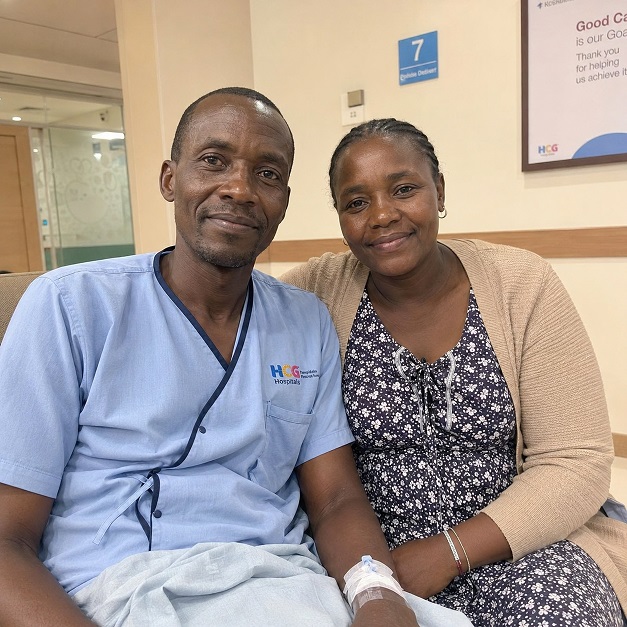
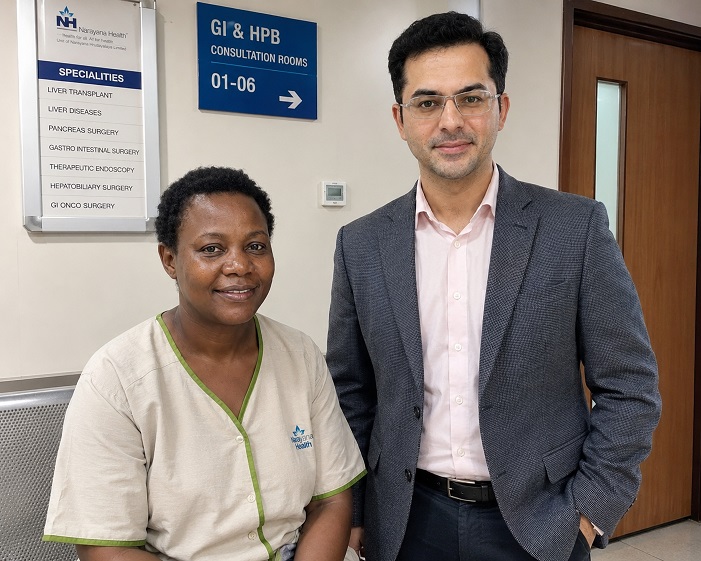
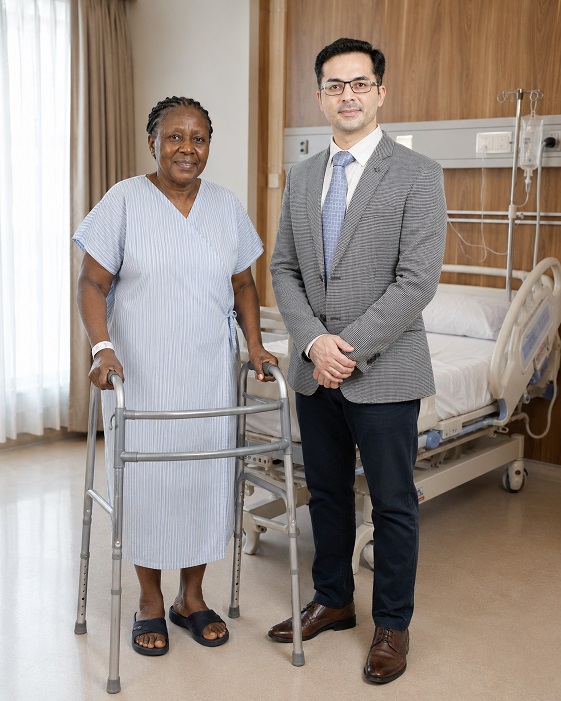
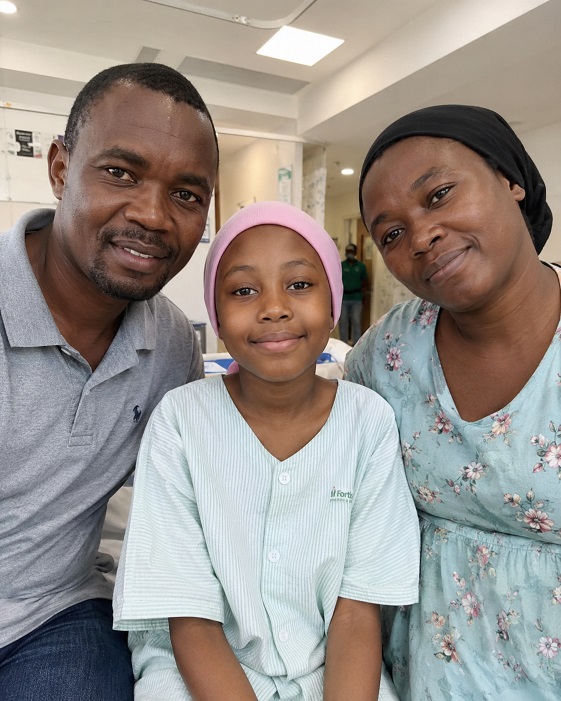
Patient Testimonials from Kenya



Ready to Take the First Step?
Share your Medical Reports with our Healthcare Managers Today and Get a FREE CONSULTATION, a Personalized Treatment Plan, and Complete Support from Arrival to Recovery.
Get Your Free ConsultationAreas We Serve
This resource has been thoughtfully prepared for patients from Kenya who are considering medical treatment in India. We also welcome patients from the wider region in the countries mentioned below-
We assist patients from:
- Ethiopia
- Somalia
- Tanzania
- Uganda
- Seychelles
- Guinea
- Guinea-Bissau
- Liberia
- Mali
- Mauritania
- Niger
- Nigeria
- Senegal
- Togo
- South Sudan
- Sierra Leone
Many of the insights, treatment pathways, hospital recommendations, travel guidance, and patient support services described here are equally relevant and may be used as a reference when planning treatment in India.
From Kenya to India: Your Complete Patient Support Guide
- Brain Tumour Surgery in India for Kenyan Patients
- Cancer Treatment and Surgery in India for Kenyan Patients
- Cardiac Treatment and Surgery in India for Kenyan Patients
- Heart Valve Replacement Surgery in India for Kenyan Patients
- Knee Replacement in India for Kenyan Patients
- Prostate Cancer Treatment and Surgery in India for Kenyan Patients
- Spine Treatment and Surgery in India for Kenyan Patients
- Selecting the Best Bariatric Surgeons and Hospitals in India: What Kenyan Patients Should Actually Look For
- Selecting the Best Cancer Surgeons and Hospitals in India: What Kenyan Patients Should Actually Look For
- Selecting the Best Cardiac Surgeons and Hospitals in India: What Kenyan Patients Should Actually Look For
- Selecting the Best Dental Surgeons and Clinics in India: What Kenyan Patients Should Actually Look For
- Selecting the Best Hip Surgeons and Hospitals in India: What Kenyan Patients Should Actually Look For
- Selecting the Best Kidney Transplant Surgeons and Hospitals in India: What Kenyan Patients Should Actually Look For
- Selecting the Best Knee Surgeons and Hospitals in India: What Kenyan Patients Should Actually Look For
- Selecting the Best Liver Transplant Surgeons and Hospitals in India: What Kenyan Patients Should Actually Look For
- Selecting the Best Neurosurgeons and Hospitals in India: What Kenyan Patients Should Actually Look For
- Selecting the Best Prostate Cancer Surgeons and Hospitals in India: What Kenyan Patients Should Actually Look For
- Selecting the Best Spine Surgeons and Hospitals in India: What Kenyan Patients Should Actually Look For