

15 Frequently Asked Questions: Urosurgery and Reconstructive Urology in India for Kenyan Patients
Introduction
Urosurgery and reconstructive urology cover a wide range of procedures designed to restore, repair or reconstruct the urinary and genital urinary system when normal anatomy or urinary function has been affected by disease, injury, previous surgery, congenital conditions, infection, trauma or treatment complications. For Kenyan patients, India offers specialist urology and reconstructive-urology services covering conditions such as urethral stricture, urethral obstruction, hypospadias complications, urinary fistula, ureteric injury, bladder reconstruction, complex urinary reconstruction and failed previous urological procedures. Reconstructive procedures may use techniques such as direct repair, tissue grafts, local flaps, buccal mucosal grafts or staged reconstruction depending on the location and severity of the problem. The Urological Society of India has specific guidance for urethral stricture management, while international EAU guidelines emphasise detailed evaluation before selecting a reconstructive procedure.
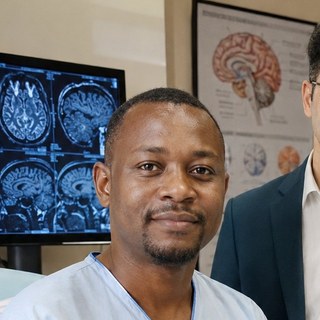
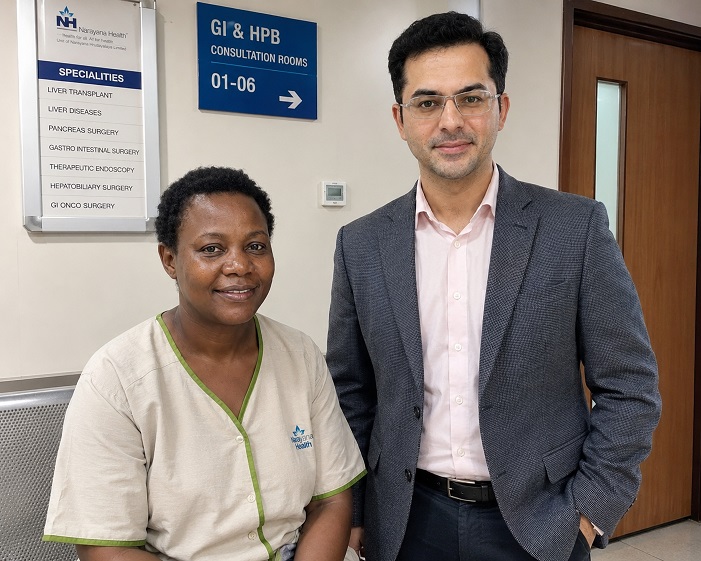
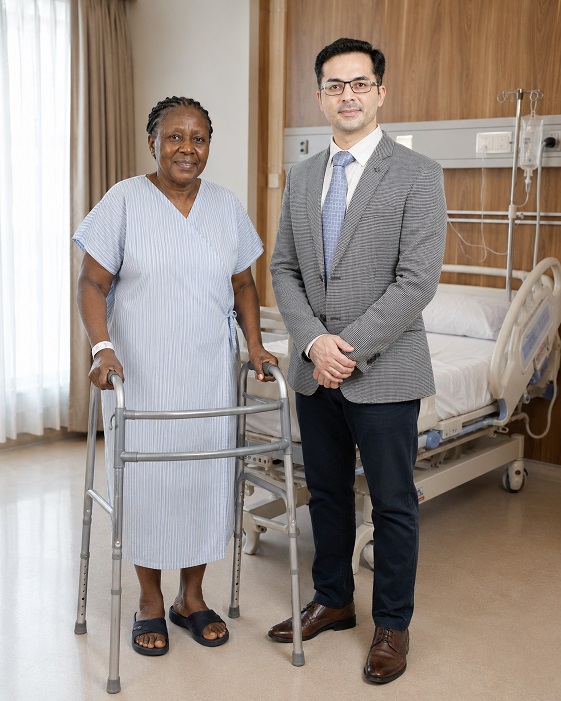
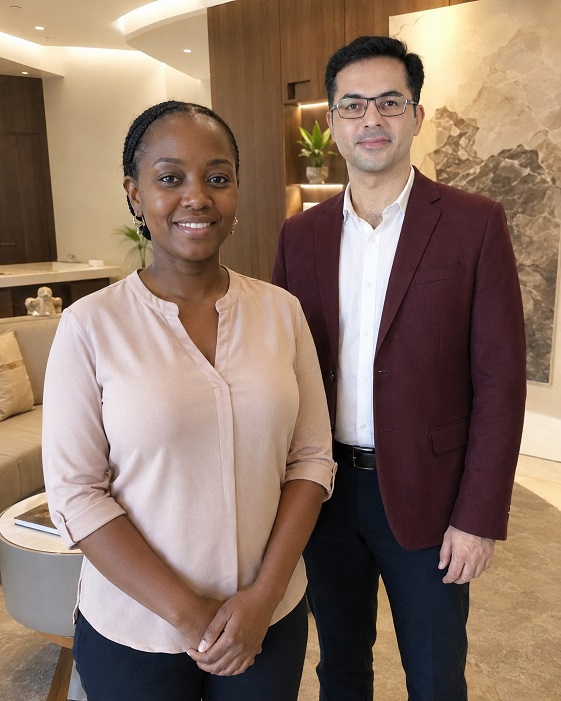
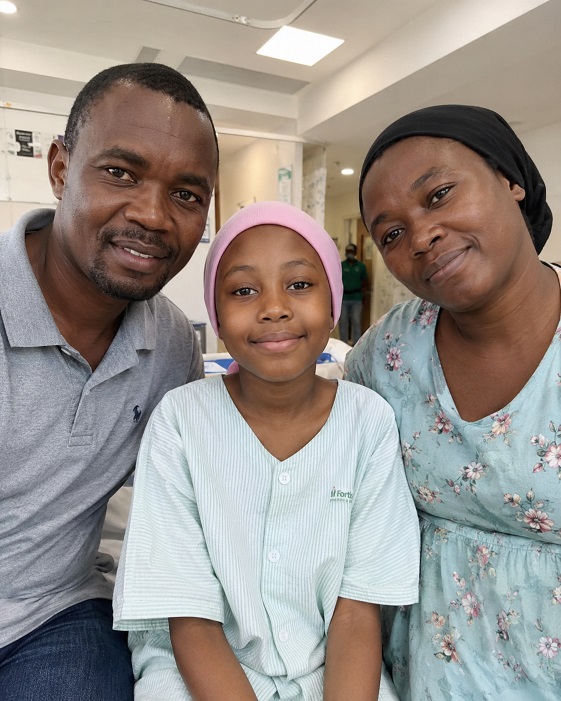
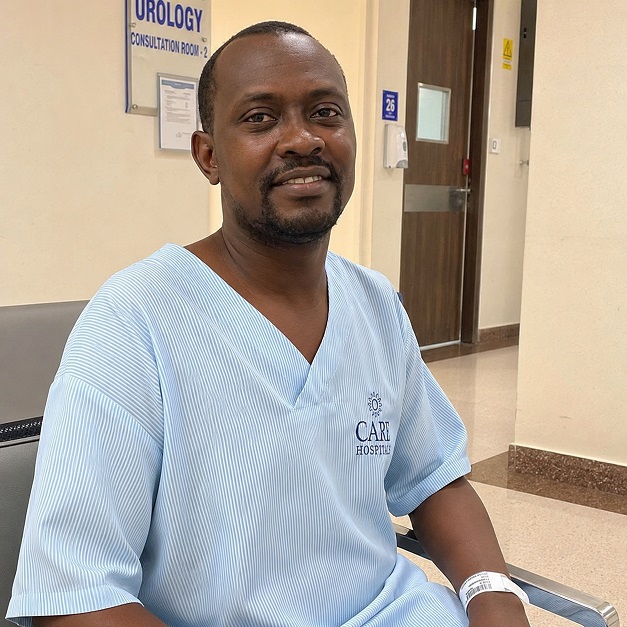
Healing Journeys of Kenyan Patients



In Brief
Urosurgery and reconstructive urology cover a wide range of procedures designed to restore, repair or reconstruct the urinary and genital urinary system when normal anatomy or urinary function has been affected by disease, injury, previous surgery, congenital conditions, infection, trauma or treatment complications. For Kenyan patients, India offers specialist urology and reconstructive-urology services covering conditions such as urethral stricture, urethral obstruction, hypospadias complications, urinary fistula, ureteric injury, bladder reconstruction, complex urinary reconstruction and failed previous urological procedures.
Q1 · Why do Kenyan patients consider Urosurgery and Reconstructive Urology in India?
Patients may require reconstructive urology when the urinary system has been damaged or narrowed and conventional treatment has not provided a durable solution.
Kenyan patients may consider specialist treatment in India for
- Urethral stricture
- Recurrent urethral stricture
- Complex urethral obstruction
- Failed previous urethroplasty
- Urethral fistula
- Urinary fistula
- Post-traumatic urethral injury
- Pelvic-fracture-related urethral injury
- Post-catheterisation strictures
- Post-prostate-surgery strictures
- Radiation-related urinary strictures
- Hypospadias complications
- Failed hypospadias repair
- Meatal stenosis
- Ureteric injuries
- Ureteric strictures
- Ureteral reconstruction
- Bladder reconstruction
- Urinary diversion
- Complex urinary-tract injuries
- Congenital urinary abnormalities
- Complications after previous urological surgery
India has specialist reconstructive-urology expertise, including surgeons and centres involved in urethral reconstruction. The Indian urethral-stricture guideline specifically addresses complex situations such as post-hypospadias strictures, radiation strictures, chronic renal failure and reconstruction after previous procedures.
Q2 · How much does Urosurgery and Reconstructive Urology cost in India for Kenyan patients?
The cost varies significantly because reconstructive urology includes many different procedures. A short uncomplicated urethral reconstruction is very different from a multi-stage reconstruction following trauma or several failed operations.
For planning purposes:
For planning: US$1 ≈ KES 129.5 • US$1 ≈ INR 96
Indicative Urosurgery & Reconstructive Urology Cost Comparison
| Procedure / Treatment | Kenya – Local Currency / USD | India – INR / USD | Indicative Saving |
|---|---|---|---|
| Urethral Stricture Surgery / Urethroplasty | KES 650,000–1,000,000 US$5,020–7,720 | INR 250,000–450,000 US$2,605–4,690 | Approx. 25– 50% |
| Buccal Mucosal Graft Urethroplasty | KES 800,000–1,300,000 US$6,180–10,040 | INR 350,000–600,000 US$3,645–6,250 | Approx. 25– 50% |
| Complex / Recurrent Urethral Reconstruction | KES 1,000,000–1,700,000 US$7,720–13,130 | INR 450,000–800,000 US$4,690–8,335 | Approx. 25– 45% |
| Hypospadias / Failed Hypospadias Reconstruction | KES 600,000–1,100,000 US$4,635–8,495 | INR 250,000–500,000 US$2,605–5,210 | Approx. 25– 50% |
| Ureteric Reconstruction / Complex Ureter Surgery Complex Urinary | KES 900,000–1,500,000 US$6,950–11,585 | INR 400,000–750,000 US$4,165–7,815 | Approx. 25– 45% |
| Reconstruction / Revision Surgery | KES 1,200,000–2,000,000 US$9,270–15,445 | INR 550,000–1,000,000 US$5,730–10,420 | Approx. 25– 45% |
Important: These are indicative planning ranges and should not be treated as fixed hospital quotations. The final price depends on the diagnosis, operation selected, previous surgery, graft or flap requirements, hospital stay, anaesthesia, investigations and postoperative care.
A quotation should clearly state whether it includes
- Specialist consultation
- Imaging and endoscopy
- Preoperative investigations
- Surgeon fees
- Anaesthesia
- Graft or flap procedure
- Operating-room charges
- Hospitalisation
- Catheter and drainage management
- Medicines
- Follow-up imaging
- Postoperative consultations
For reconstructive surgery, the cheapest initial quotation may not represent the lowest overall treatment cost if a patient requires staged surgery or revision.
Q3 · Which Indian cities can Kenyan patients consider?
Kenyan patients can consider several major Indian medical cities for urology and reconstructive-urology evaluation. Indian City Why It May Be Considered
| City | Considerations |
|---|---|
| Delhi | Major tertiary hospitals with advanced urology services |
| Chennai | Established urology and reconstructive surgical infrastructure |
| Mumbai | Large multispeciality hospitals and specialist urology departments |
| Bengaluru | Advanced urology and minimally invasive surgery services |
| Hyderabad | Multiple tertiary hospitals with specialist urology |
| Gurugram | Super-speciality hospitals with advanced surgical facilities |
| Noida | Tertiary-care urology services |
| Kolkata | Major eastern Indian medical centre |
| Pune | Specialist urology and reconstructive surgery services |
| Ahmedabad | Large tertiary hospitals and urology departments |
| Kochi | Advanced multispeciality and urological care |
| Thiruvananthapuram | Specialist urological services |
| Chandigarh | Major tertiary medical centre |
| Nagpur | Growing tertiary-care urology services |
For complex reconstruction, patients should select the surgeon and reconstructive-urology programme first, rather than selecting a city solely on convenience or cost.
Q4 · Which hospitals in India can Kenyan patients consider?
The following hospitals can be considered while researching treatment options. Not every hospital listed necessarily performs every reconstructive procedure. The exact service, surgeon expertise and current availability should be confirmed before travel.
Delhi Hospitals
- Fortis Escorts Heart Institute, New Delhi
- BLK-Max Super Speciality Hospital, New Delhi
- Max Super Speciality Hospital, Saket
- Indraprastha Apollo Hospitals, New Delhi
- Sir Ganga Ram Hospital
- Max Super Speciality Hospital, Patparganj
- Manipal Hospital, Dwarka
- Fortis Hospital, Vasant Kunj
- Institute of Brain and Spine Hospital (IBS Hospital)
- Dharamshila Narayana Hospital
- Indian Spinal Injuries Centre
- AIIMS New Delhi
Chennai Hospitals
- MGM Healthcare
- MIOT International
- Apollo Hospitals, Greams Road
- Sri Ramachandra Medical Centre
- SIMS Hospital
- Kauvery Hospital
- Gleneagles HealthCity Chennai
- Vijaya Hospital
- Apollo Speciality Hospitals
- Rela Hospital
Mumbai Hospitals
- Bombay Hospital & Medical Research Centre
- Lilavati Hospital & Research Centre
- Jaslok Hospital & Research Centre
- Gleneagles Hospital, Mumbai
- Nanavati Max Super Speciality Hospital
- Kokilaben Dhirubhai Ambani Hospital
- P. D. Hinduja Hospital & Medical Research Centre
- Sir H. N. Reliance Foundation Hospital
- Wockhardt Hospitals, Mumbai
- Apollo Hospitals, Mumbai
Bengaluru Hospitals
- Manipal Hospital, Old Airport Road
- Manipal Hospital, Whitefield
- Manipal Hospital, Yeshwanthpur
- Apollo Hospitals, Bengaluru
- Fortis Hospital, Bannerghatta Road
- Aster CMI Hospital
- Sakra World Hospital
- Narayana Health City
- Sagar Hospitals
- Kauvery Hospital, Bengaluru
Hyderabad Hospitals
- KIMS Hospitals
- Yashoda Hospitals
- Apollo Health City
- CARE Hospitals
- Continental Hospitals
- Gleneagles Hospitals, Hyderabad
- Sunshine Hospitals
- Star Hospitals
Gurugram Hospitals
- Fortis Memorial Research Institute (FMRI)
- Medanta – The Medicity
- Artemis Hospital
- Max Hospital, Gurugram
- CK Birla Hospital, Gurugram
- Manipal Hospital, Gurugram
- Paras Health
- Narayana Superspeciality Hospital
Noida Hospitals
- Fortis Hospital, Noida
- Jaypee Hospital
- Max Super Speciality Hospital, Noida
- Yatharth Hospital
- Kailash Hospital
- Metro Hospital & Heart Institute
- Metro Center for Neurosciences
Kolkata Hospitals
- Apollo Multispeciality Hospitals
- AMRI Hospitals
- Fortis Hospital, Anandapur
- Manipal Hospitals, Salt Lake
- Medica Superspecialty Hospital
- Narayana Superspeciality Hospital
- Ruby General Hospital
Pune Hospitals
- Ruby Hall Clinic
- Jehangir Hospital
- Deenanath Mangeshkar Hospital
- Sahyadri Super Speciality Hospital
- Aditya Birla Memorial Hospital
- Manipal Hospital, Kharadi
- Medicover Hospital, Pune
Ahmedabad Hospitals
- Apollo Hospitals, Ahmedabad
- Zydus Hospitals
- Sterling Hospitals
- Shalby Hospitals
- HCG Hospitals
- SAL Hospital
- CIMS Hospital
Kochi Hospitals
- Aster Medcity
- Amrita Hospital
- VPS Lakeshore Hospital
- Rajagiri Hospital
- Aster MIMS
- Lisie Hospital
- Renai Medicity
Thiruvananthapuram Hospitals
- KIMSHEALTH Hospital
- Ananthapuri Hospitals and Research Institute
- SUT Hospital
- SP Medifort Hospital
- PRS Hospital
- GG Hospital
Goa Hospitals
- Manipal Hospital, Goa
- Healthway Hospital
- Manipal Hospitals, Dona Paula
- Goa Medical College and Hospital
- Apollo Victor Hospital
Nagpur Hospitals
- Wockhardt Hospitals, Nagpur
- Max Multispeciality Hospital
- CARE Hospitals, Nagpur
- Kingsway Hospitals
- Lata Mangeshkar Hospital
Q5 · What types of Urosurgery and Reconstructive Urology are available?
Urethral Stricture Surgery
Urethral stricture occurs when scar tissue narrows the urethra and interferes with urine flow.
Treatment can include
- Urethral dilatation
- Direct vision internal urethrotomy in selected cases
- Excision and primary anastomosis
- Augmentation urethroplasty
- Buccal mucosal graft urethroplasty
- Staged urethroplasty
- Perineal urethrostomy in selected complex cases
The appropriate operation depends on stricture location, length, severity and previous treatment.
1. Buccal Mucosal Graft Urethroplasty
Tissue from the inner cheek may be used as a graft to reconstruct a narrowed urethral segment.
This technique is particularly relevant for selected strictures where additional tissue is required.
2. Staged Urethroplasty
Complex urethral disease may sometimes require reconstruction in stages rather than one operation.
Staged procedures may be considered in selected complex cases, including some failed previous repairs, severe tissue damage and difficult post-hypospadias strictures.
3. Hypospadias Reconstruction
Patients with congenital hypospadias or complications following previous childhood surgery may require specialised reconstruction.
4. Ureteric Reconstruction
Reconstructive surgery can be used for selected ureteric injuries or strictures, depending on the location and extent of the defect.
5. Bladder Reconstruction
Selected patients with bladder damage, fistula or other structural abnormalities may require reconstructive bladder procedures.
6. Urinary Fistula Repair
Fistulas between the urinary tract and surrounding structures can sometimes be repaired surgically depending on their location, cause and tissue condition.
Q6 · What are the possible benefits of Reconstructive Urology?
For appropriately selected patients, reconstructive urological surgery may help
- Improve urinary flow
- Relieve obstruction
- Restore urinary continuity
- Reduce recurrent urinary retention
- Reduce dependence on repeated catheterisation
- Correct urinary leakage caused by selected structural defects
- Repair urinary-tract injuries
- Improve urinary function after previous surgery
- Correct selected congenital abnormalities
- Address complications of previous urological procedures
- Improve quality of life
The objective is not simply to open a narrowed urinary passage temporarily. In appropriate cases, reconstruction aims to create a durable anatomical and functional result.
However, recurrence can occur after reconstructive surgery, particularly in complex disease. The EAU guideline recommends follow-up after urethroplasty because recurrence and postoperative complications can occur.
Q7 · Who may be suitable for Reconstructive Urology?
Patients may be evaluated for reconstructive urology when they have
- Persistent urethral narrowing
- Recurrent urethral stricture
- Difficult catheterisation
- Reduced urinary flow
- Recurrent urinary retention
- Previous unsuccessful dilatation
- Repeated urethrotomy
- Failed urethroplasty
- Urethral trauma
- Pelvic-fracture-related urethral injury
- Post-prostate-surgery stricture
- Radiation-related stricture
- Failed hypospadias repair
- Urethral fistula
- Ureteric injury
- Ureteric obstruction
- Congenital urinary abnormalities
- Complex urinary reconstruction requirements
Suitability depends on the anatomy and cause of the problem rather than simply the presence of urinary symptoms.
A detailed evaluation commonly includes medical history, physical examination, urine testing, uroflowmetry, post-void residual assessment, imaging and endoscopy when appropriate.
Q8 · What medical documents should Kenyan patients send before travelling?
Patients should provide as much previous medical information as possible.
Diagnostic Records
- Urologist's consultation reports
- Previous operative reports
- Urethroscopy/cystoscopy reports
- Retrograde urethrogram
- Voiding cystourethrogram where applicable
- Ultrasound reports
- CT/MRI reports where relevant
- Uroflowmetry results
- Post-void residual measurement
- Urine tests
- Urine culture
- Kidney-function tests
Previous Surgery Information
Patients should provide details of:
- Previous dilatations
- Previous urethrotomies
- Previous urethroplasties
- Hypospadias operations
- Catheterisation history
- Prostate surgery
- Radiation treatment
- Trauma
- Previous fistula repairs
Additional Information
- Current medicines
- Allergy history
- Diabetes history
- Kidney disease
- Previous infections
- Previous hospital-discharge summaries
- Photographs or operative diagrams where medically relevant and available
For reconstructive surgery, previous operative reports can be especially valuable, because the surgeon needs to understand what tissue has already been used or altered.
Q9 · How does Urosurgery and Reconstructive Urology work?
Treatment normally starts with a detailed anatomical assessment.
Step 1 – Clinical Evaluation
The surgeon reviews symptoms, previous procedures, urinary function and medical history.
Step 2 – Imaging and Functional Testing
Depending on the problem, evaluation may include
- Uroflowmetry
- Post-void residual measurement
- Retrograde urethrogram
- Voiding cystourethrogram
- Ultrasound
- CT
- MRI
- Cystoscopy
- Urethroscopy
Step 3 – Determine the Reconstruction
The surgeon assesses
- Location of the defect
- Length of the stricture
- Degree of scar tissue
- Tissue quality
- Previous operations
- Infection
- Associated fistula
- Bladder function
Step 4 – Surgical Reconstruction
Possible approaches include
- Excision and primary anastomosis
- Graft urethroplasty
- Buccal mucosal graft
- Local tissue flap
- Staged reconstruction
- Ureteric reimplantation or reconstruction
- Bladder reconstruction
- Fistula repair
Step 5 – Catheter and Healing Period
A urinary catheter may remain in place during the healing period, depending on the operation.
For urethroplasty, catheter duration varies according to the type and complexity of surgery. Indian guidelines and international guidance both emphasise postoperative assessment before catheter removal.
Step 6 – Follow-Up
The patient may undergo uroflowmetry, imaging, endoscopy or other testing to assess the reconstruction.
Q10 · What alternatives should Kenyan patients discuss?
Not every urinary obstruction requires reconstructive surgery.
Depending on the condition, alternatives may include
1. Observation
Very mild disease may sometimes be monitored when there is no significant obstruction or complication.
2. Urethral Dilatation
A narrowed urethra can sometimes be mechanically widened.
3. Internal Urethrotomy
A small incision may be made through a selected urethral stricture.
4. Catheterisation
Temporary or intermittent catheterisation may be appropriate in selected situations.
5. Endoscopic Treatment
Selected ureteric or bladder problems may be treated through minimally invasive techniques.
6. Reconstructive Surgery
For selected recurrent or complex strictures, urethroplasty may offer a more definitive reconstructive approach.
Repeated endoscopic procedures are not automatically the best solution for every recurrent stricture. The decision depends on the patient's anatomy and previous treatment history.
Q11 · What should Kenyan patients ask before accepting a quotation?
Before travelling to India, patients should ask
- What is the exact diagnosis?
- Where is the obstruction or defect located?
- How long is the stricture?
- Is reconstruction required?
- Which reconstructive procedure is recommended?
- Is a buccal mucosal graft required?
- Will surgery be single-stage or staged?
- Is the procedure being performed by a reconstructive urologist?
- How many similar cases does the surgeon treat?
- Will previous operative records be reviewed?
- Are imaging and endoscopy included?
- Is anaesthesia included?
- Is the graft/flap procedure included?
- How many hospital days are included?
- How long will the catheter remain?
- Will a postoperative urethrogram be required?
- What happens if the reconstruction fails?
- Could a second-stage procedure be required?
- What follow-up is required in Kenya?
- What are the additional costs if complications occur?
For complex reconstruction, patients should specifically ask whether the quoted procedure is intended as definitive reconstruction or an initial stage of a larger treatment plan.
Q12 · How long should Kenyan patients stay in India?
The required stay depends on the complexity of the reconstruction.
Initial Evaluation
Patients may need several days for:
- Specialist consultation
- Imaging
- Urethroscopy/cystoscopy
- Laboratory tests
- Surgical planning
Surgery and Hospitalisation
Many reconstructive procedures require several days of hospitalisation, although complex cases may require longer.
Postoperative Period
Some urethroplasty procedures require a catheter for several weeks. Indian urethral-stricture guidance describes catheter-removal timing that varies with the procedure and complexity, including longer periods for complex cases.
For international patients, the overall stay may therefore be approximately 2–6 weeks, depending on the procedure and postoperative assessment.
Staged reconstruction can require a substantially longer overall treatment timeline because the second stage may be performed months after the first stage when clinically appropriate. International guidance notes an interval of at least four to six months for certain staged penile urethroplasties.
Patients should not book a fixed return date until the treating surgeon confirms that travel is appropriate.
Q13 · What is recovery like after Reconstructive Urology?
Recovery depends on the operation.
Early Recovery
Patients may experience:
- Mild to moderate discomfort
- Temporary urinary catheter
- Swelling
- Bruising
- Temporary urinary restrictions
- Fatigue
- Need for wound care
Catheter Care
The catheter must be kept clean and secure during the healing period. Patients should follow the surgeon's instructions regarding:
- Catheter care
- Bathing
- Physical activity
- Sexual activity
- Work
- Driving
- Medication
1. Buccal Graft Recovery
When cheek tissue is used as a graft, temporary discomfort or sensitivity inside the mouth may occur.
2. Physical Activity
Heavy lifting and strenuous exercise may be restricted for a period determined by the surgeon.
3. Long-Term Monitoring
Follow-up may include:
- Uroflowmetry
- Residual urine measurement
- Urethrogram
- Cystoscopy
- Symptom assessment
Recurrence is possible after urethroplasty, which is why long-term follow-up is important.
Q14 · How can follow-up be managed after returning to Kenya?
Before leaving India, patients should obtain a complete treatment file containing
- Final diagnosis
- Operative report
- Exact procedure performed
- Site and length of the reconstructed segment where applicable
- Graft/flap details
- Catheter instructions
- Medication list
- Wound-care instructions
- Follow-up schedule
- Required imaging
- Uroflowmetry schedule
- Warning signs
- Indian surgeon's follow-up recommendations
After returning to Kenya, follow-up can be coordinated between the Indian reconstructive-urology team and a Kenyan urologist.
Follow-up may include
- Symptom assessment
- Urinary-flow testing
- Post-void residual
- Urethrogram
- Cystoscopy when indicated
- Assessment for recurrent obstruction
- Monitoring of urinary infection
Patients should seek urgent medical attention if they develop inability to pass urine, significant bleeding, high fever, severe pain, catheter blockage or other symptoms identified by their treating team.
Q15 · Should a Kenyan patient travel to India for Urosurgery and Reconstructive Urology?
India may be considered by Kenyan patients who require specialist reconstructive urology, particularly when the condition is complex, recurrent or has previously failed treatment.
Before travelling, the patient should ideally obtain a specialist review based on complete records.
The review should establish
- Exact diagnosis
- Location and extent of the problem
- Previous procedures
- Recommended reconstructive technique
- Whether graft or flap tissue is required
- Whether surgery can be completed in one stage
- Whether staged reconstruction may be necessary
- Expected hospital stay
- Estimated cost
- Catheter duration
- Expected recovery period
- Follow-up requirements in Kenya
For urethral stricture, the diagnostic assessment should establish the anatomy before choosing treatment. International guidelines recommend combining clinical assessment with appropriate urine testing, flow/ PVR evaluation, imaging and endoscopy as indicated.
Patients with complex traumatic or recurrent urethral disease should consider centres with substantial reconstructive experience; EAU guidance specifically recommends high-volume centres for complex post-traumatic posterior reconstruction.
Kenyan Patient Pre-Travel Checklist
Medical Records
- Urologist's report
- Exact diagnosis
- Uroflowmetry report
- Post-void residual report
- Urethrogram / VCUG where applicable
- Cystoscopy / urethroscopy report
- Ultrasound / CT / MRI reports
- Urine culture
- Kidney-function tests
- Previous hospital summaries
- Current medicines
Previous Surgery
- Previous urethral dilatation details
- Previous urethrotomy details
- Previous urethroplasty report
- Previous hypospadias surgery records
- Previous fistula surgery
- Prostate surgery records
- Trauma history
- Radiation history where applicable
Treatment Planning
- Specialist reconstructive-urology opinion
- Exact operation identified
- Single-stage vs staged surgery clarified
- Buccal graft requirement clarified
- Catheter duration discussed
- Hospital stay estimated
- Written quotation received
- Complication costs clarified
- Follow-up plan received
Travel
- Valid passport
- Medical visa documentation
- Medical records in digital and printed form
- Accommodation near hospital
- Attendant arrangements if required
- Flexible return-flight plan
- Sufficient funds for an extended stay
Follow-Up
- Kenyan urologist identified
- Indian surgeon's follow-up instructions
- Catheter-care instructions
- Medication schedule
- Follow-up imaging schedule
- Uroflowmetry plan
- Warning signs understood
- Emergency contact information
Final Note
Urosurgery and Reconstructive Urology is not a single operation. It covers a wide range of procedures designed to restore urinary anatomy and function after strictures, trauma, congenital abnormalities, previous surgery, fistulas and other urinary-tract problems. For Kenyan patients considering Urosurgery and Reconstructive Urology in India, the most important step is to obtain a specialist assessment before travelling. Complete previous surgical records, imaging and endoscopy reports can help the reconstructive urologist understand the anatomy and determine whether a single-stage, staged, graft-based or alternative procedure is appropriate. Accurate Diagnosis + Detailed Anatomical Assessment + Experienced Reconstructive Urologist + Appropriate Surgical Technique + Long-Term Follow-Up = Better Reconstructive Urology Planning
Page Summary
This page answers 15 frequently asked questions about urosurgery and reconstructive urology in India for Kenyan patients. It covers why patients travel for treatment, an indicative Kenya-versus-India cost comparison, the Indian cities and hospitals to consider, the treatment and surgical options available, how to obtain a quotation remotely, second opinions, advanced options, recovery, unexpected costs, combining treatments, medical visa and travel planning, length of stay, follow-up after returning to Kenya, and a complete pre-travel checklist.

Our Mission Statement
Our mission is to place patients at the centre of every healthcare decision by providing trustworthy, evidence-based, and unbiased medical information. We believe that informed patients make better decisions. Backed by personalised guidance from our experienced advisory team, we help patients understand their treatment options, compare them objectively, and confidently choose the path that best suits their medical needs and personal circumstances.
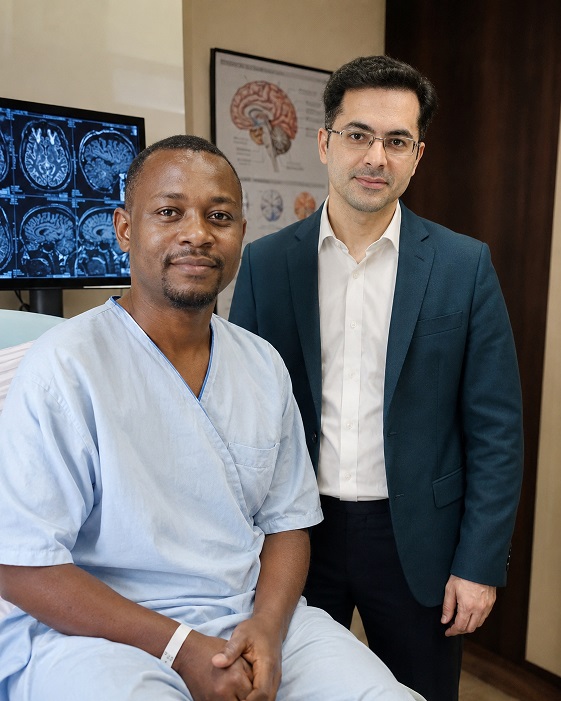
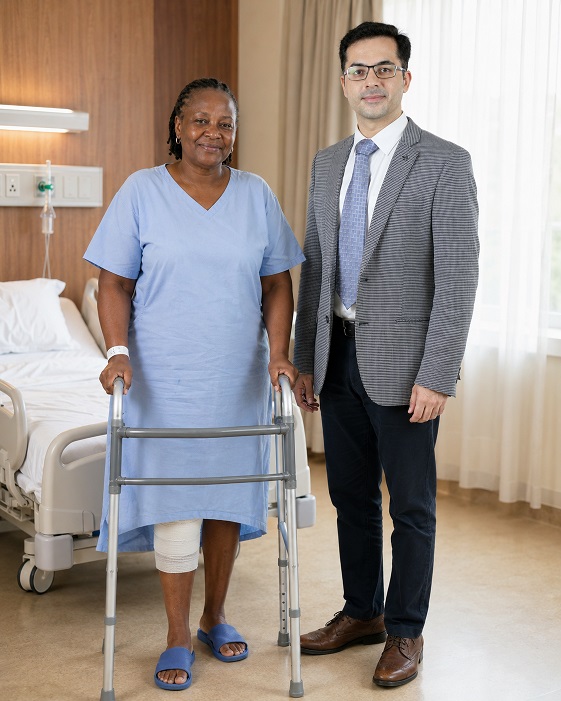
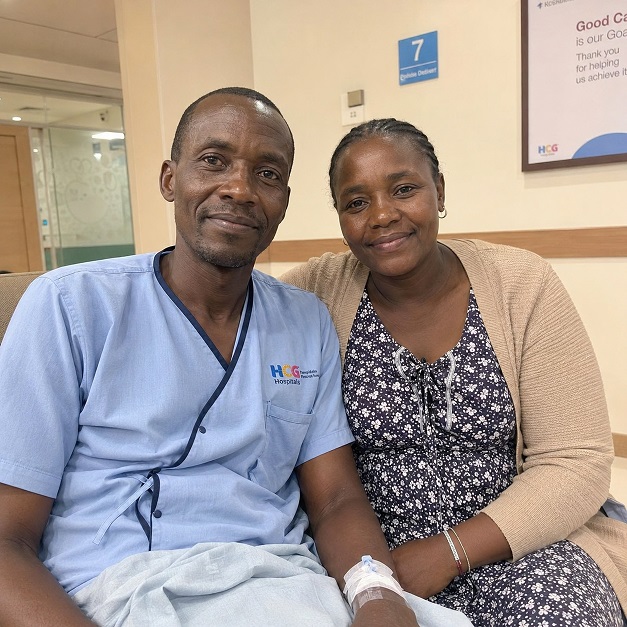
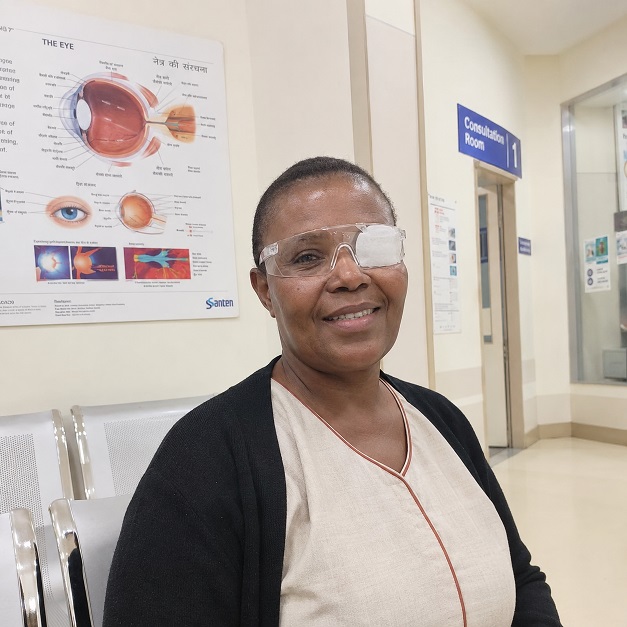
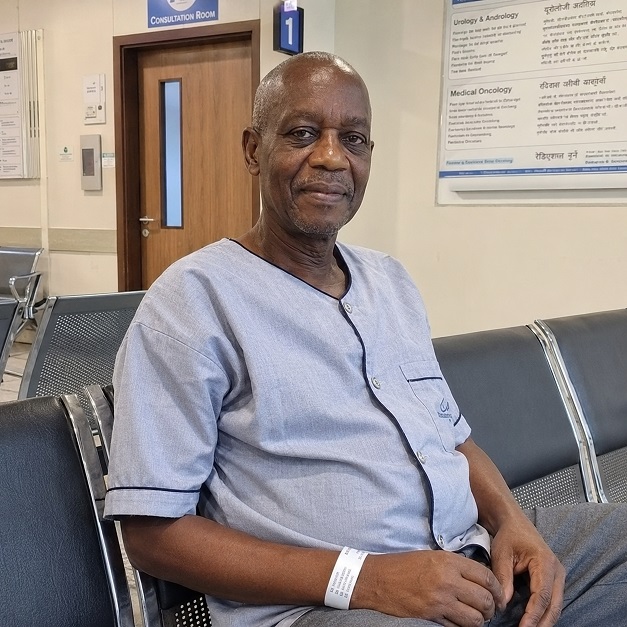
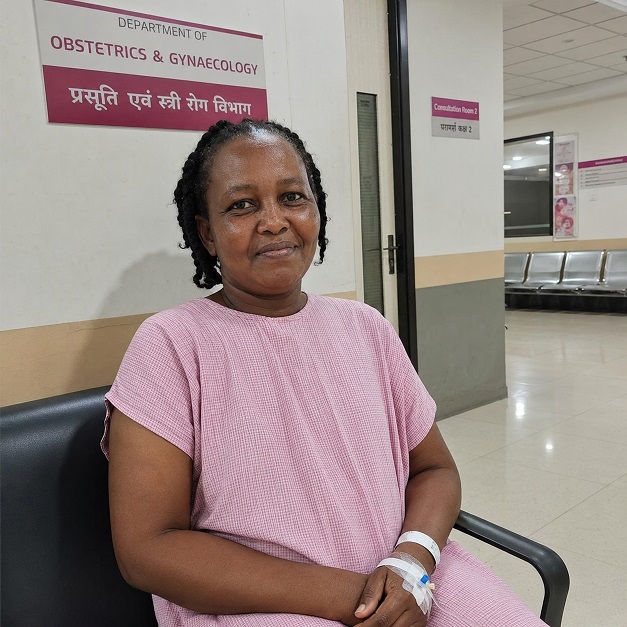
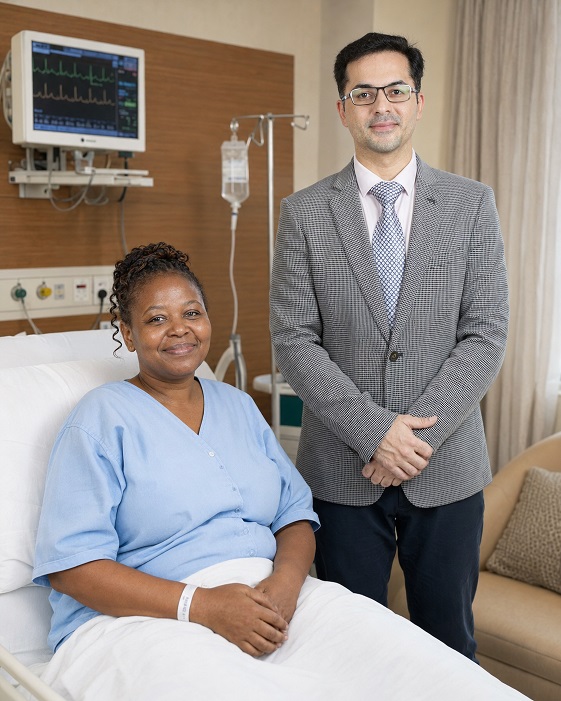
Patient Testimonials from Kenya
Ready to Take the First Step?
Share your Medical Reports with our Healthcare Managers Today and Get a FREE CONSULTATION, a Personalized Treatment Plan, and Complete Support from Arrival to Recovery.
Get Your Free ConsultationAreas We Serve
This resource has been thoughtfully prepared for patients from Kenya who are considering medical treatment in India. We also welcome patients from the wider region in the countries mentioned below-
We assist patients from:
- Ethiopia
- Somalia
- Tanzania
- Uganda
- Seychelles
- Guinea
- Guinea-Bissau
- Liberia
- Mali
- Mauritania
- Niger
- Nigeria
- Senegal
- Togo
- South Sudan
- Sierra Leone
Many of the insights, treatment pathways, hospital recommendations, travel guidance, and patient support services described here are equally relevant and may be used as a reference when planning treatment in India.
From Kenya to India: Your Complete Patient Support Guide
- Brain Tumour Surgery in India for Kenyan Patients
- Cancer Treatment and Surgery in India for Kenyan Patients
- Cardiac Treatment and Surgery in India for Kenyan Patients
- Heart Valve Replacement Surgery in India for Kenyan Patients
- Knee Replacement in India for Kenyan Patients
- Prostate Cancer Treatment and Surgery in India for Kenyan Patients
- Spine Treatment and Surgery in India for Kenyan Patients
- Selecting the Best Bariatric Surgeons and Hospitals in India: What Kenyan Patients Should Actually Look For
- Selecting the Best Cancer Surgeons and Hospitals in India: What Kenyan Patients Should Actually Look For
- Selecting the Best Cardiac Surgeons and Hospitals in India: What Kenyan Patients Should Actually Look For
- Selecting the Best Dental Surgeons and Clinics in India: What Kenyan Patients Should Actually Look For
- Selecting the Best Hip Surgeons and Hospitals in India: What Kenyan Patients Should Actually Look For
- Selecting the Best Kidney Transplant Surgeons and Hospitals in India: What Kenyan Patients Should Actually Look For
- Selecting the Best Knee Surgeons and Hospitals in India: What Kenyan Patients Should Actually Look For
- Selecting the Best Liver Transplant Surgeons and Hospitals in India: What Kenyan Patients Should Actually Look For
- Selecting the Best Neurosurgeons and Hospitals in India: What Kenyan Patients Should Actually Look For
- Selecting the Best Prostate Cancer Surgeons and Hospitals in India: What Kenyan Patients Should Actually Look For
- Selecting the Best Spine Surgeons and Hospitals in India: What Kenyan Patients Should Actually Look For