

Selecting the Best Shoulder Surgeons and Hospitals in India: What Kenyan Patients Should Actually Look For
Stabilisation, repair or replacement is a diagnosis, not a preference — how a Kenyan patient judges the shoulder surgeon in India and the hospital that has to rehabilitate the joint afterwards.
A shoulder injury rarely announces itself as an emergency. Someone comes off a boda boda at low speed, or falls carrying a sack at the market, and the arm goes into a sling while everyone assumes it will settle. Across 24 years of guiding international patients through Indian hospitals, I have seen how often that assumption is wrong, and how much the choice made in the first weeks shapes what the shoulder can still do years later. This is the framework I use when a Kenyan patient is weighing shoulder surgery in India, whether the problem is a torn rotator cuff, a dislocating joint, or arthritis needing replacement. It follows the surgeon-then-hospital structure of this series, but opens with a caution unique to the shoulder: what you do after the first injury often matters as much as who operates.
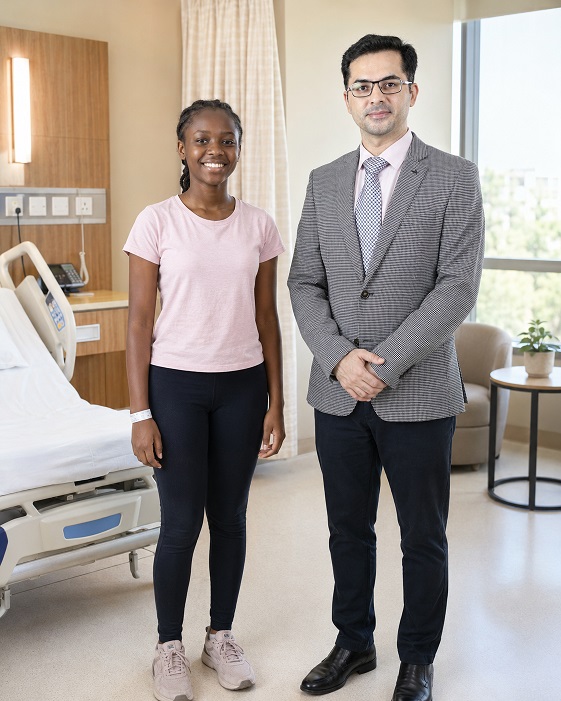
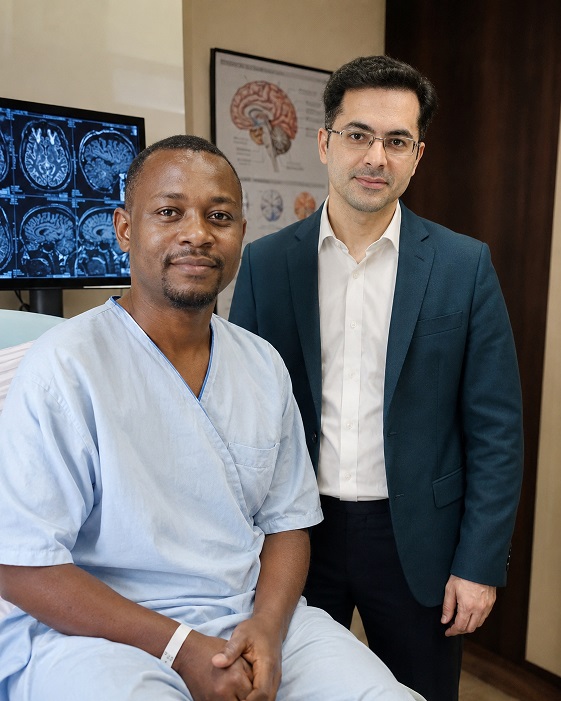
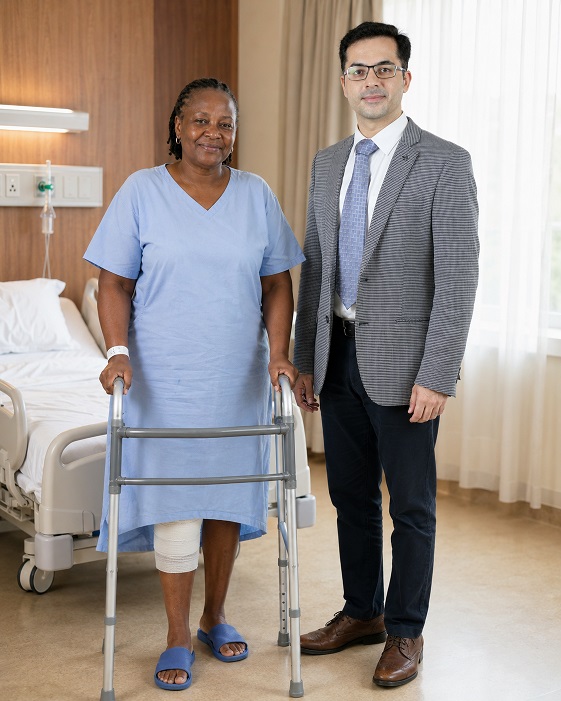
Healing Journeys of Kenyan Patients


Key Takeaways
- The guide explains why a first shoulder dislocation should be treated as an important diagnostic event, particularly in younger patients. Repeated instability can increase the likelihood of further damage, so imaging and assessment should determine whether early stabilisation is appropriate.
- For Kenyan patients, straightforward shoulder problems can often be treated locally, while India may become more relevant for recurrent instability requiring bone augmentation, complex rotator cuff tears, revision surgery and total or reverse shoulder replacement.
- The surgeon accounts for 53% of the selection weighting, while the hospital accounts for 47%. The page 3 weighting chart gives the highest individual score of 18% to matching the technique to the actual injury and activity level, followed by shoulder-specific surgical volume at 15%.
- Important surgeon factors include an imaging-confirmed diagnosis, shoulder-specific annual surgical volume and an honest explanation of re-injury risk and return-to-work expectations. The guide recommends distinguishing between stabilisation, repair and replacement based on the individual patient's condition.
- Hospital evaluation focuses on a dedicated shoulder or upper-limb subspecialist unit, structured physiotherapy, implant and anchor documentation and accreditation. The guide stresses that rehabilitation begins immediately after surgery and should continue through a written programme that can be followed in Kenya.
- The page 4 cost chart gives an indicative range of US$3,500–10,000 in India, compared with US$4,500–12,000 in Kenya, US$8,000–22,000 in the UK and US$15,000–55,000 in the US. Patients are advised to confirm implant or anchor costs, physiotherapy sessions and any later hardware-removal charges.
Quick Facts
- Treatment
- Shoulder Surgery
- Country
- India
- Patients
- Kenyan Patients
- Main Procedures
- Stabilisation, Rotator Cuff Repair & Replacement
- Key Conditions
- Dislocation, Cuff Tear & Arthritis
- Key Specialist
- Shoulder Surgeon
- Selection Criteria
- Weighted Criteria
- Surgeon Weight
- 53%
- Hospital Weight
- 47%
- Highest Criterion
- Technique Matched to Injury
- Shoulder Volume
- 15%
- Diagnosis
- Imaging-Confirmed
- Technique
- Stabilisation, Repair or Replacement
- Hospital
- Dedicated Shoulder Unit
- Rehabilitation
- Structured Physiotherapy
- Implant
- Brand & Model Documentation
- Cost in India
- US$3,500–10,000
- Follow-Up
- Kenyan Doctor / Physiotherapist
- Warning Signs
- Unclear Volume or Weak Rehabilitation
- Author
- Dr. Dheeraj Bojwani
- Experience
- 24+ Years
In Brief
For Kenyan patients considering shoulder surgery in India, the guide recommends sending complete MRI or CT files rather than only written reports, along with records of previous physiotherapy or procedures. Patients should ask whether their condition requires stabilisation, repair or replacement, how many similar shoulder procedures the surgeon personally performs each year and what the realistic re-injury and return-to-work risks are. The hospital should provide a dedicated shoulder or upper-limb team, structured physiotherapy and written implant or anchor documentation. Follow-up imaging and rehabilitation should also be planned in advance with the Kenyan physiotherapist or doctor.
Before the surgeon: why the first shoulder injury matters most
A dislocated shoulder that "pops back in" and feels fine within days is not necessarily healed. The younger the patient at first dislocation, the more likely it is to dislocate again, and each repeat episode makes the eventual repair less likely to hold. This matters for Kenya specifically, where shoulder injuries reaching hospital most often involve young, otherwise fit men: motorcycle taxi riders, casual labourers and footballers, exactly the group in whom an under-treated first dislocation causes lasting damage.
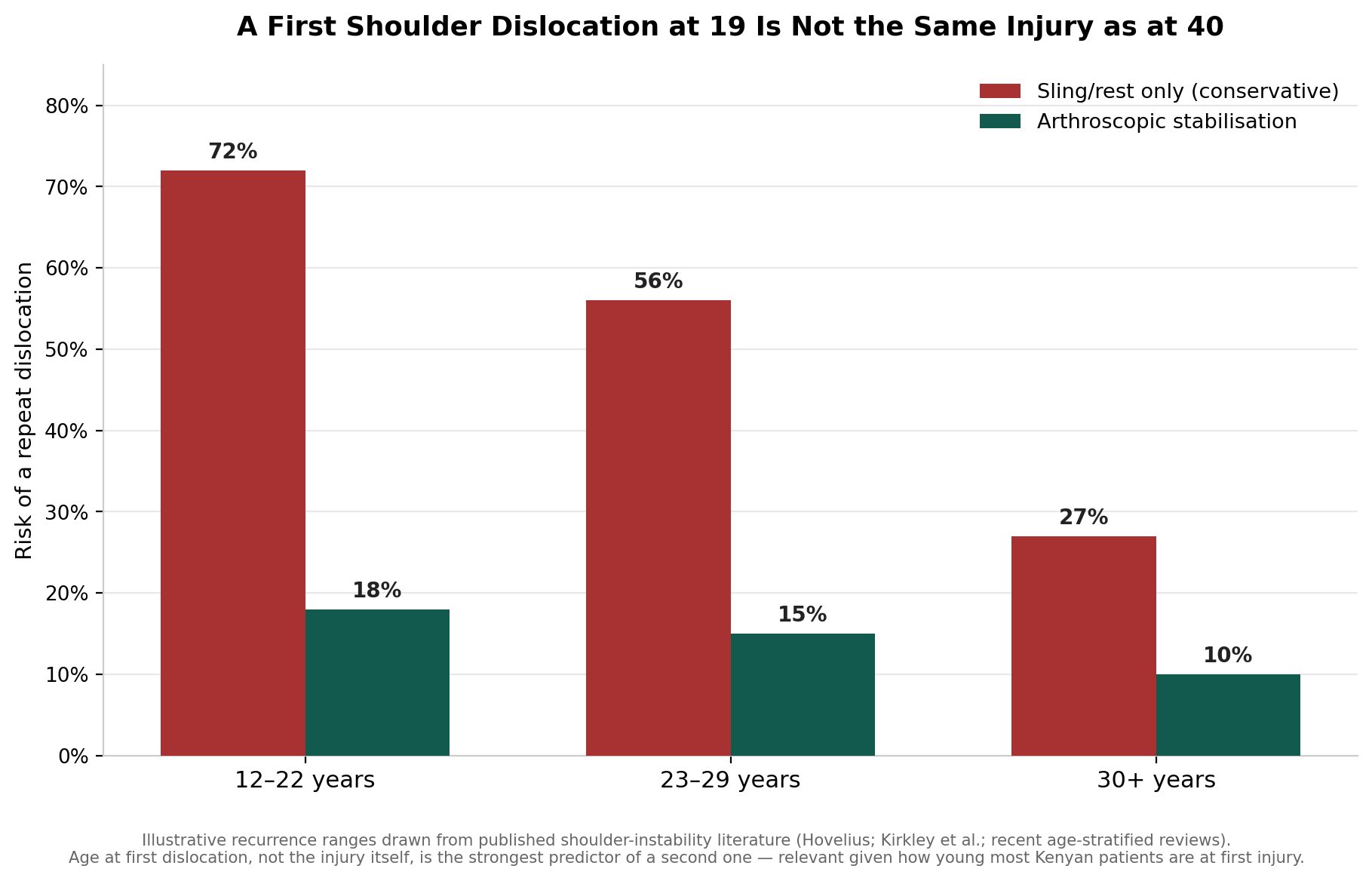
The practical takeaway is to treat a first dislocation as a diagnostic moment, not a minor injury to sling and forget. Ask whether imaging shows bone or cartilage damage, and whether your age and activity level make you a candidate for early stabilisation rather than months of physiotherapy that may fail anyway. A rotator cuff tear deserves the same seriousness: ask whether it is partial or full-thickness, and whether it will likely worsen if left untreated.
Should you travel at all?
Kenya treats shoulder problems every day, and Kenyatta National Hospital, Aga Khan University Hospital Nairobi and The Nairobi Hospital manage fractures, dislocations and straightforward arthroscopic work competently. For an isolated first-time dislocation in an older patient, or a simple decompression for impingement, Nairobi is worth exploring first.
The case for India strengthens for recurrent instability needing bone-augmentation surgery, large or complex cuff tears, revision surgery after a failed procedure, and total or reverse shoulder replacement, where sub-specialised volume and implant choice in Indian centres is wider than most Kenyan hospitals currently carry.
On funding: Kenya's Social Health Authority funds overseas treatment only for 36 gazetted procedures genuinely unavailable domestically, capped at 500,000 shillings per patient per year. Shoulder arthroscopy, rotator cuff repair and standard shoulder replacement are not on that list; SHA's overseas orthopaedic cover is reserved for rarer items such as wrist, hand and ankle joint replacement. Plan to self-fund the surgery, and use domestic SHA cover for physiotherapy and follow-up once you are home.
Part one: judging the surgeon
1. The technique matched to your actual injury and activity level
I weight this above every other factor, and the chart below reflects that. A young boda boda rider with a first dislocation needs a different conversation than a 60-year-old with cuff-tear arthropathy. Ask plainly which of stabilisation, repair or replacement applies to you, why, and what happens if you choose the more conservative path instead.
2. Personal annual volume in shoulder-specific surgery
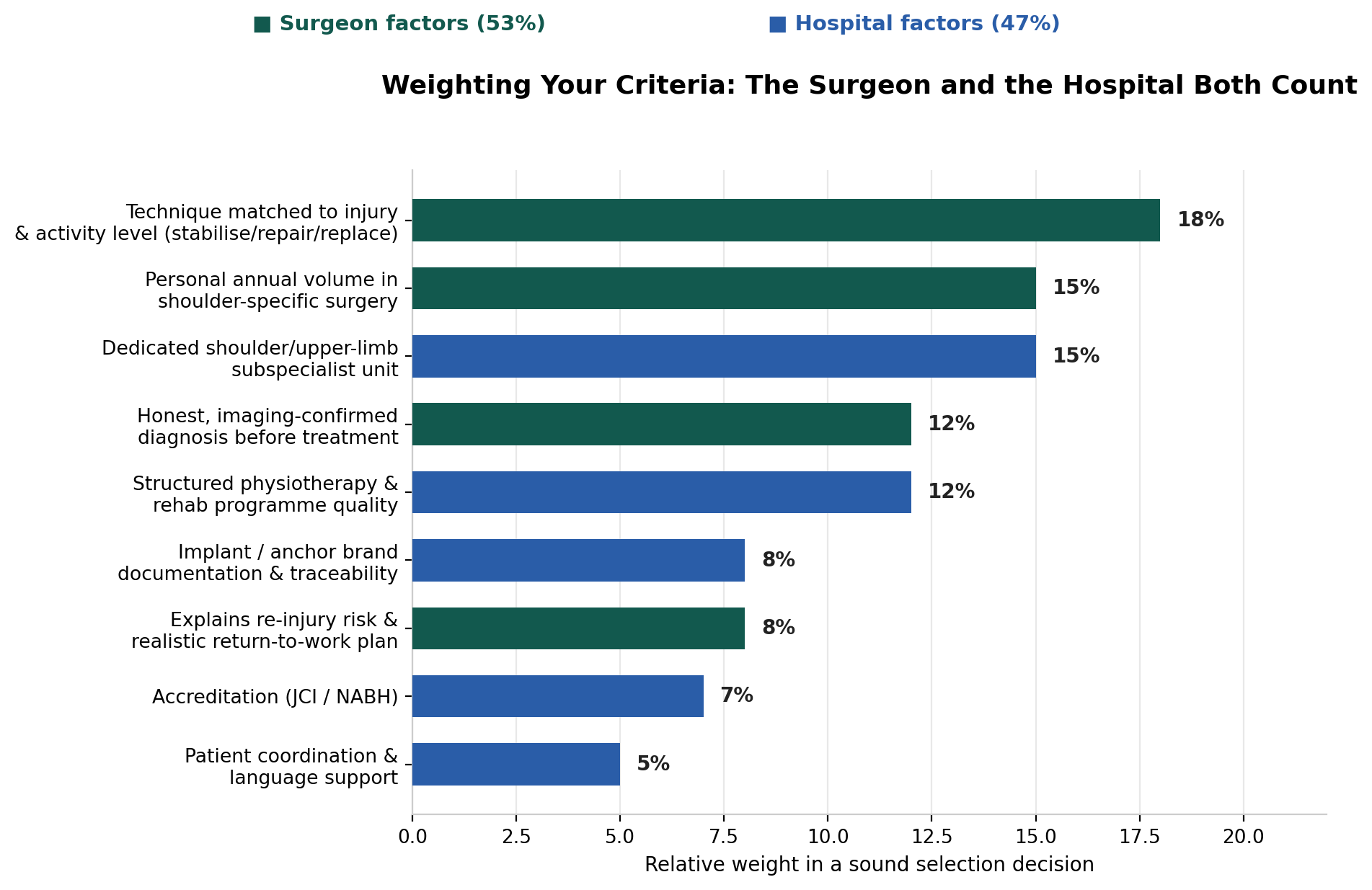
Ask how many shoulder arthroscopies, stabilisations or replacements the surgeon personally performs each year, not joint surgeries in general. The shoulder is technically distinct from the hip and knee, and a surgeon whose real volume sits in lower-limb replacement is not automatically the right choice for your shoulder.
3. An honest, imaging-confirmed diagnosis before treatment
Insist that MRI or arthroscopic findings, not symptoms alone, drive treatment. Shoulder pain has several competing causes, impingement, cuff tear, instability, frozen shoulder, arthritis, and treating the wrong one delays real recovery.
4. A realistic explanation of re-injury risk and return-to-work timeline
Ask what your risk of a repeat problem actually is, and how soon you can realistically return to riding, manual work or sport. A surgeon willing to give an honest, sometimes disappointing number is more trustworthy than one promising an easy timeline for everyone.
Part two: judging the hospital
For shoulder surgery, the surgeon's judgement carries slightly more weight than the institution, reflected in the balance above, but the hospital still supplies several things an individual cannot.
5. A dedicated shoulder or upper-limb subspecialist unit
Ask whether the hospital has surgeons focused specifically on shoulder and upper-limb work, rather than a general orthopaedic department treating hips, knees and shoulders interchangeably. Subspecialisation shows up in outcomes for exactly the complex cases that justify travelling to India.
6. Structured physiotherapy and rehabilitation quality
Shoulder surgery succeeds or fails largely in the months after, not on the table. Ask whether supervised physiotherapy begins in-hospital before discharge, and whether you receive a written, week-by-week programme to continue in Kenya.
7. Implant and anchor brand documentation
For stabilisation surgery and replacement, ask for the exact brand and model of any anchor or implant used, in writing. This matters if you ever need revision surgery or MRI scanning, and a hospital that cannot readily supply it is not tracking its own work carefully.
8. Accreditation, read properly
JCI and NABH accreditation are meaningful filters on safety and infection control, but say nothing about shoulder- specific sub-specialisation. Use accreditation to exclude weak candidates, not to choose between the strong ones.
9. The cost you will actually pay
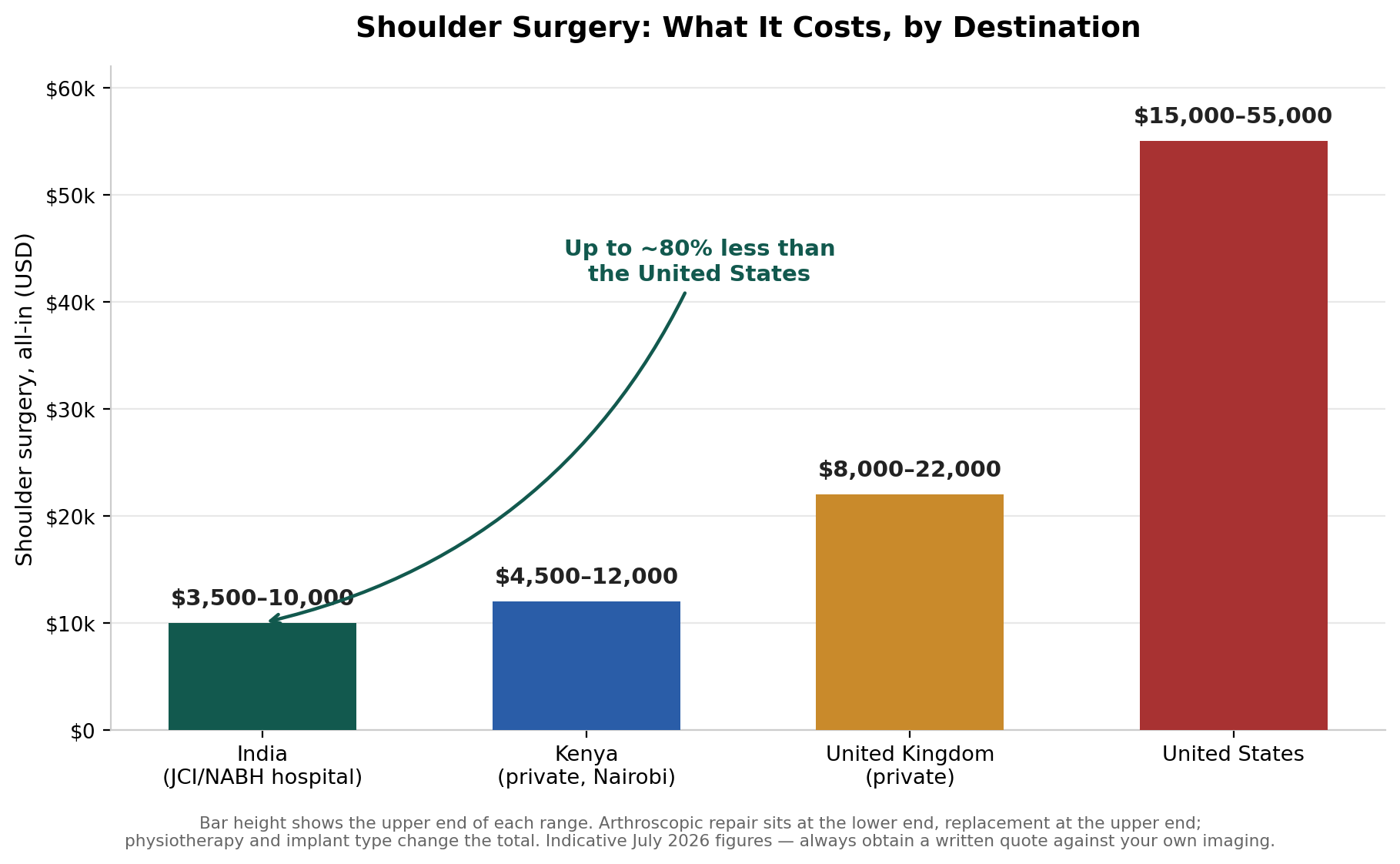
Let me be emphatic about this, because 24 years of handling these cases has taught me nothing more consistently: disputes almost never concern the quoted price. They concern what the quote silently omitted. For shoulder surgery specifically, insist the estimate states which implant or anchor brand is included, how many physiotherapy sessions are covered before discharge, and whether a later procedure, such as removing hardware, is priced separately.
Budget beyond the surgery. Direct Nairobi–Delhi and Nairobi–Mumbai flights run roughly 550 to 850 dollars return, and two to three weeks of accommodation for you and an attendant adds a genuine sum, more if extended physiotherapy is recommended before you fly home.
Four signals that should make you pause
Certain patterns reliably precede a difficult outcome.
- A surgeon recommending replacement without first showing imaging evidence that repair genuinely will not work.
- No clear answer on how many shoulder-specific procedures, versus general orthopaedic cases, the surgeon performs each year.
- A quote that omits the implant or anchor brand.
- A hospital unable to describe physiotherapy in your first two weeks.
None alone proves a bad hospital. Together they warrant a second opinion before you commit to shoulder surgery.
The Kenya-specific practicalities
Send the full imaging, MRI or CT files and not just the written report, so the Indian team can assess bone quality
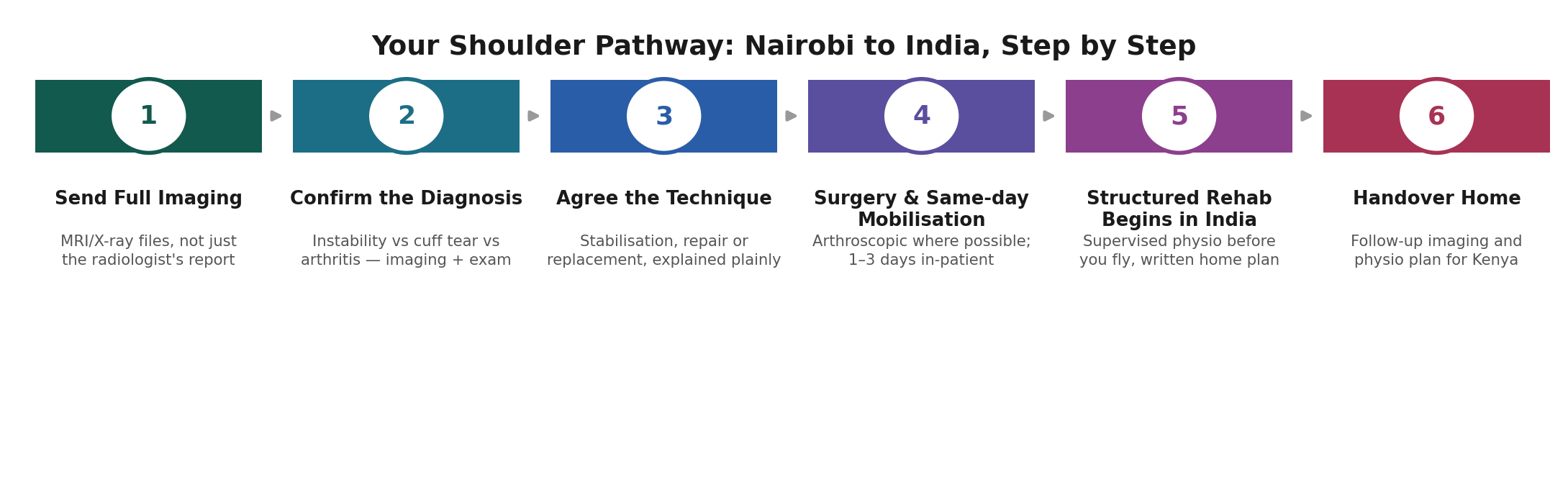
and cartilage loss themselves. If you have already had physiotherapy or a procedure in Kenya, send those records too, since prior treatment changes what technique is realistic now.
Direct Nairobi–Delhi and Nairobi–Mumbai flights make this roughly a six-hour journey. The Indian medical e-visa is issued within three to five working days against a hospital letter, and up to two attendants can travel on a medical attendant visa.
Agree in advance how follow-up imaging and physiotherapy will be handled once you are back in Kenya, and ask for a written rehabilitation protocol your Kenyan physiotherapist can follow directly, not a general instruction to "continue exercises."
The questions I would ask before paying a deposit
Of the surgeon:
- Is this genuinely a stabilisation, repair or replacement case, and why?
- How many procedures matching my specific injury do you personally perform each year?
- What is my realistic risk of a repeat problem, given my age and activity?
- If relevant, what implant or anchor brand would you use, and why?
Of the hospital:
- Do you have a dedicated shoulder or upper-limb subspecialist team?
- What does my physiotherapy look like in the first two weeks, and who provides it?
- Can you give me the implant or anchor brand and model in writing before surgery?
- What exactly is excluded from the quoted price?
- May I speak to a previous East African patient treated for a similar problem?
A team that answers all nine without irritation is very likely the right team. One that becomes vague at the first or the fourth has told you what you needed to know at no cost at all.
Straight Answers for Kenyan Patients about Shoulder Surgeons and Hospitals in India
How do I choose the best shoulder surgeon in India as a Kenyan patient?
Start with an honest, imaging-confirmed diagnosis, not a symptom-based guess. Ask the surgeon's annual volume in shoulder-specific procedures, not general orthopaedics, and which technique fits your injury and why.
How much does shoulder surgery cost in India for a Kenyan patient?
Typically 3,500 to 10,000 US dollars all in, depending on whether it's arthroscopic repair or full replacement. The same surgery runs roughly 4,500 to 12,000 dollars in private Nairobi care, 8,000 to 22,000 in the UK, and 15,000 to 55,000 in the US.
Is a first shoulder dislocation serious, or does it heal on its own?
It depends heavily on age. Research shows recurrence as high as 70 percent under 22, dropping to roughly 25 to 30 percent past 30. A young patient's first dislocation deserves proper imaging and a real conversation about early stabilisation, not just a sling.
Will SHA pay for my shoulder surgery in India?
Not for standard cases. SHA's overseas benefit covers only 36 gazetted procedures unavailable in Kenya, capped at 500,000 shillings a year, and routine shoulder surgery isn't among them. Budget to self-fund it, and use domestic SHA cover for physiotherapy at home.
What is the difference between rotator cuff repair and shoulder replacement?
Repair reattaches torn tendons and preserves your own joint. Replacement rebuilds the joint surfaces and is reserved for advanced arthritis or, in reverse form, cuff damage too severe to repair. Your surgeon should explain clearly which applies to you.
How long must I stay in India for shoulder surgery?
Typically two to three weeks: a few days for assessment and surgery, several more of supervised physiotherapy, then exercises to continue once cleared to fly. Replacement and complex stabilisation cases may need slightly longer.
A closing word
The best shoulder surgeon in India for you is the one who matches the technique to your actual injury and activity level rather than defaulting to what he performs most often, explains your real risk of a repeat problem honestly, and hands you a written rehabilitation plan rather than a vague promise. The best hospital pairs him with genuine subspecialist support, structured physiotherapy from day one, and careful documentation of what was implanted. If you would like me to look at your scans and reports and talk through honestly what a sound treatment plan looks like, send them across.
Sources
- 🌐 Olds M, Ellis R, Donaldson K, Parmar P, Kersten P. Risk factors which predispose first-time traumatic anterior shoulder dislocations to recurrent instability in adults: a systematic review and meta-analysis
- 🌐 Epidemiological characteristics of crashes and pattern of motorcycle injuries presenting to hospitals in Kisumu City, Kenya
- 🌐 Road traffic injuries in Kenya: a survey of commercial motorcycle drivers. PMC
- 🌐 National Medical Commission of India — surgeon and specialist registration verification
- 🌐 National Accreditation Board for Hospitals & Healthcare Providers (NABH) — accredited hospital directory
- 🌐 Kenya Social Health Authority (SHA) — benefits packages and overseas treatment guidance
Frequently Asked Questions by Kenyans about Shoulder Surgeons and Hospitals in India
Is a first shoulder dislocation serious?
It depends on the patient's age and activity level. Younger patients have a higher risk of recurrence, so imaging and discussion of early stabilisation may be important.
Which shoulder conditions are covered in the guide?
The guide covers shoulder dislocation and instability, rotator cuff tears and arthritis requiring shoulder replacement, including complex and revision cases.
What is the most important surgeon-selection criterion?
Matching the technique to the actual injury and activity level receives the highest weighting at 18%. The guide recommends asking whether stabilisation, repair or replacement is appropriate and why.
How important is shoulder-specific surgical volume?
It is highly important. Patients should ask how many shoulder arthroscopies, stabilisations and replacements the surgeon personally performs each year rather than relying on general orthopaedic volume.
What imaging should Kenyan patients send?
Patients should send the full MRI or CT files, not just the written report, so the Indian team can assess bone quality, cartilage loss and other relevant findings directly.
What should patients ask about shoulder implants?
They should request the exact implant or anchor brand and model in writing before surgery. This information can be important for future revision procedures and MRI assessment.
Why is rehabilitation important?
The guide states that shoulder surgery depends heavily on recovery during the months after the operation. Patients should receive a structured programme that their Kenyan physiotherapist can continue after returning home.
What does shoulder surgery cost in India?
The guide gives an indicative range of US$3,500–10,000, depending on the procedure. Patients should obtain an itemised quotation before committing.
Will Kenya's SHA normally cover shoulder surgery in India?
The guide states that standard shoulder arthroscopy, rotator cuff repair and shoulder replacement are not included in the listed overseas procedures. Patients should therefore plan for self-funding and verify current SHA rules.
How long should Kenyan patients expect to stay in India?
The guide indicates approximately two to three weeks for many cases, including assessment, surgery and supervised physiotherapy, although replacement and complex stabilisation may require longer.
Page Summary
This seven-page guide helps Kenyan patients evaluate shoulder surgeons and hospitals in India for dislocation, rotator cuff injuries, instability and shoulder replacement. It focuses on matching the surgical technique to the patient's injury, age and activity level, with 53% weight given to the surgeon and 47% to the hospital. Technique selection receives the highest individual weighting of 18%, followed by shoulder-specific surgical volume. The guide also highlights specialist diagnosis, rehabilitation, implant documentation and realistic return-to-work expectations. The page 2 chart illustrates recurrence risk after first dislocation by age, while page 4 compares indicative shoulder surgery costs across India, Kenya, the UK and US. The page 5 pathway covers imaging, diagnosis, technique selection, surgery, rehabilitation and follow-up in Kenya.
Citation Block
| Topic | Information |
|---|---|
| Topic | Shoulder Surgeons & Hospitals |
| Treatment | Shoulder Surgery |
| Country | India |
| Patients | Kenyan Patients |
| Main Procedures | Stabilisation, Rotator Cuff Repair & Replacement |
| Key Conditions | Dislocation, Instability, Cuff Tear & Arthritis |
| Key Specialist | Shoulder / Upper-Limb Surgeon |
| Main Focus | Technique Matched to Injury & Activity |
| Selection Framework | Weighted Surgeon & Hospital Criteria |
| Surgeon Weight | 53% |
| Hospital Weight | 47% |
| Highest Criterion | Technique Matched to Injury & Activity |
| Shoulder-Specific Volume | 15% |
| Diagnosis | Imaging-Confirmed |
| Technique Options | Stabilisation, Repair or Replacement |
| Outcome Check | Re-Injury Risk & Return-to-Work Timeline |
| Hospital Requirement | Dedicated Shoulder / Upper-Limb Unit |
| Rehabilitation | Structured Physiotherapy |
| Implant Documentation | Brand & Model |
| Accreditation | JCI / NABH |
| Cost Range in India | US$3,500–10,000 |
| Travel Route | Nairobi–Delhi / Nairobi–Mumbai |
| Visa | Indian Medical E-Visa |
| Follow-Up | Kenyan Doctor / Physiotherapist |
| Key Records | MRI/CT & Previous Treatment Records |
| Warning Signs | Unclear Volume or Weak Rehabilitation Plan |
| Key Questions | Technique, Volume, Risk, Implant & Follow-Up |

Our Mission Statement
Our mission is to place patients at the centre of every healthcare decision by providing trustworthy, evidence-based, and unbiased medical information. We believe that informed patients make better decisions. Backed by personalised guidance from our experienced advisory team, we help patients understand their treatment options, compare them objectively, and confidently choose the path that best suits their medical needs and personal circumstances.
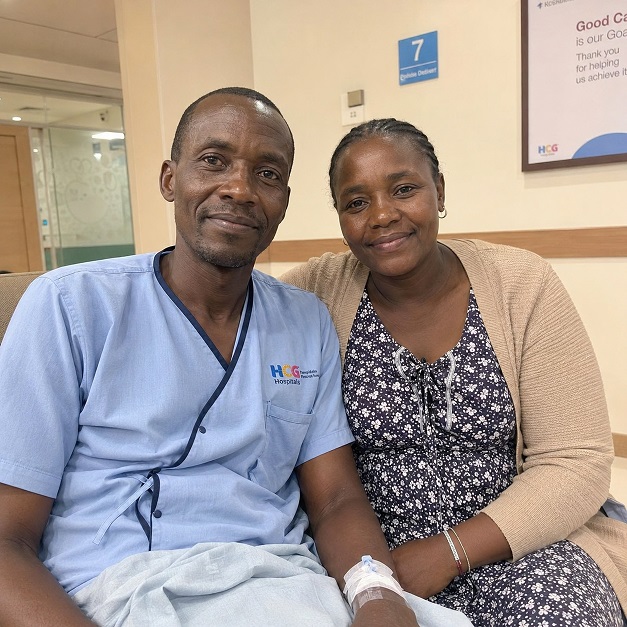
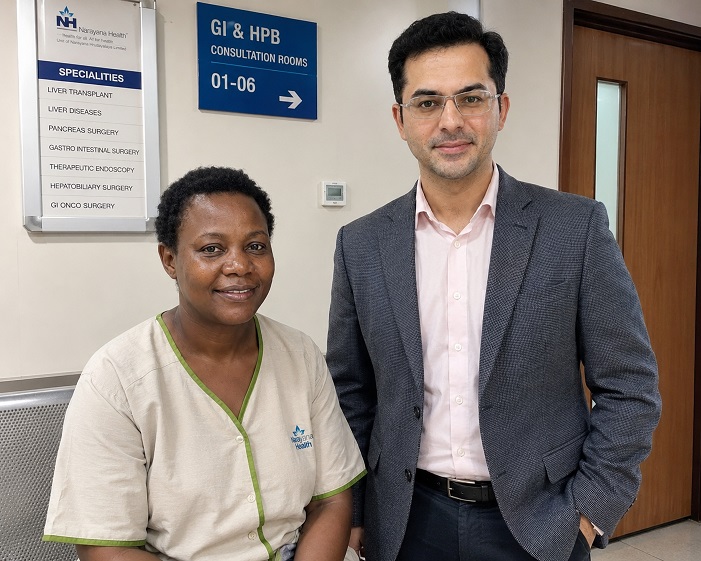
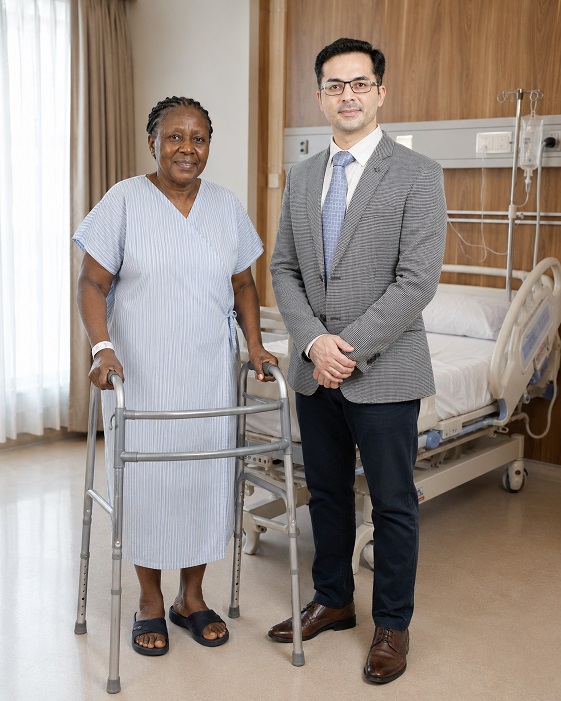
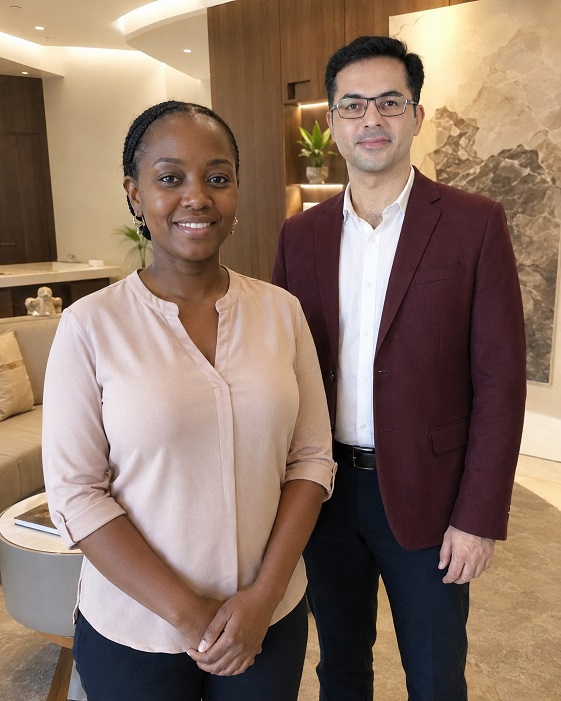
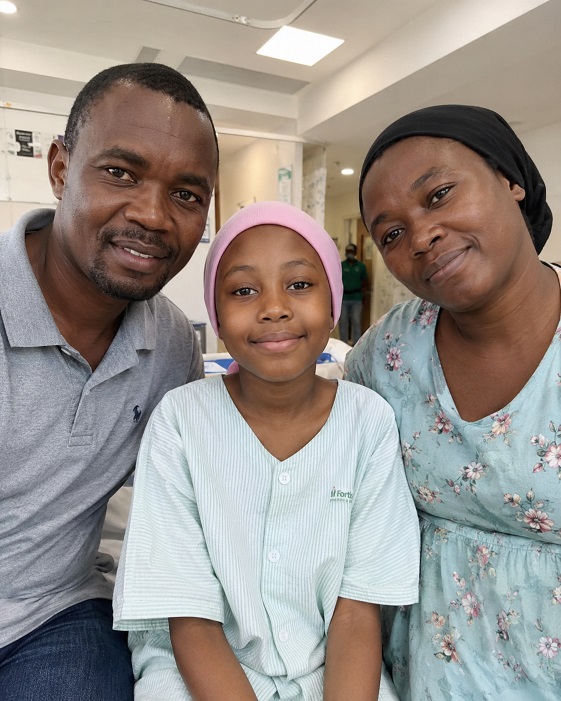
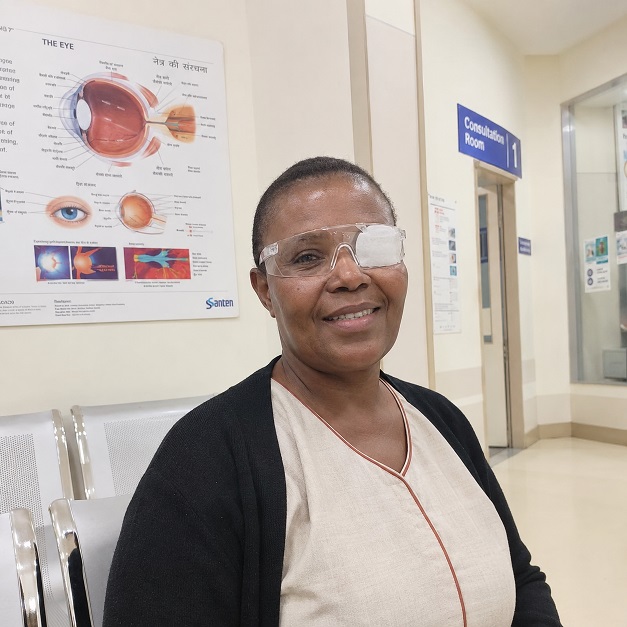
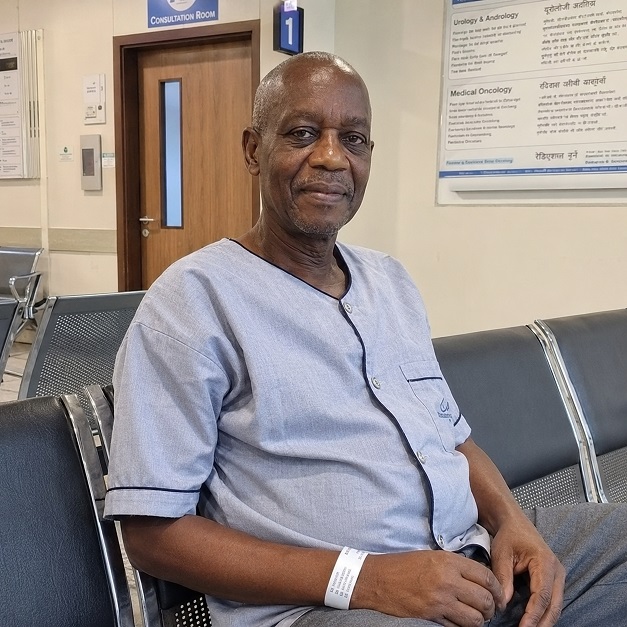
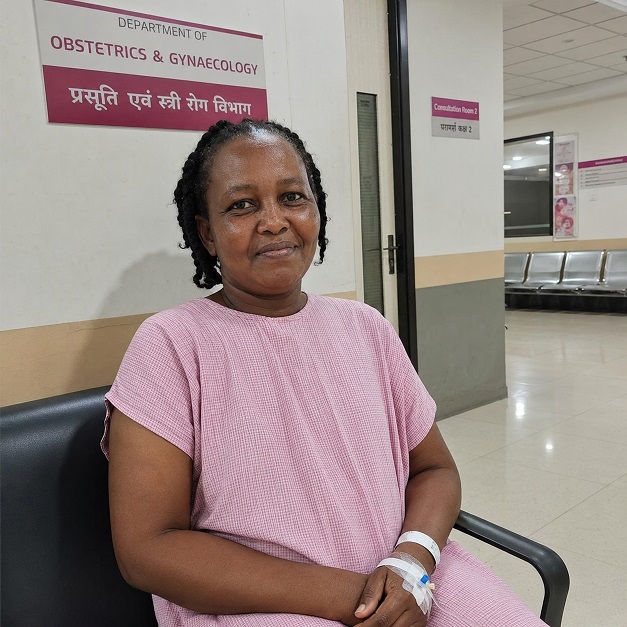
Patient Testimonials from Kenya
Ready to Take the First Step?
Share your Medical Reports with our Healthcare Managers Today and Get a FREE CONSULTATION, a Personalized Treatment Plan, and Complete Support from Arrival to Recovery.
Get Your Free ConsultationAreas We Serve
This resource has been thoughtfully prepared for patients from Kenya who are considering medical treatment in India. We also welcome patients from the wider region in the countries mentioned below-
We assist patients from:
- Ethiopia
- Somalia
- Tanzania
- Uganda
- Seychelles
- Guinea
- Guinea-Bissau
- Liberia
- Mali
- Mauritania
- Niger
- Nigeria
- Senegal
- Togo
- South Sudan
- Sierra Leone
Many of the insights, treatment pathways, hospital recommendations, travel guidance, and patient support services described here are equally relevant and may be used as a reference when planning treatment in India.
From Kenya to India: Your Complete Patient Support Guide
- Brain Tumour Surgery in India for Kenyan Patients
- Cancer Treatment and Surgery in India for Kenyan Patients
- Cardiac Treatment and Surgery in India for Kenyan Patients
- Heart Valve Replacement Surgery in India for Kenyan Patients
- Knee Replacement in India for Kenyan Patients
- Prostate Cancer Treatment and Surgery in India for Kenyan Patients
- Spine Treatment and Surgery in India for Kenyan Patients
- Selecting the Best Bariatric Surgeons and Hospitals in India: What Kenyan Patients Should Actually Look For
- Selecting the Best Cancer Surgeons and Hospitals in India: What Kenyan Patients Should Actually Look For
- Selecting the Best Cardiac Surgeons and Hospitals in India: What Kenyan Patients Should Actually Look For
- Selecting the Best Dental Surgeons and Clinics in India: What Kenyan Patients Should Actually Look For
- Selecting the Best Hip Surgeons and Hospitals in India: What Kenyan Patients Should Actually Look For
- Selecting the Best Kidney Transplant Surgeons and Hospitals in India: What Kenyan Patients Should Actually Look For
- Selecting the Best Knee Surgeons and Hospitals in India: What Kenyan Patients Should Actually Look For
- Selecting the Best Liver Transplant Surgeons and Hospitals in India: What Kenyan Patients Should Actually Look For
- Selecting the Best Neurosurgeons and Hospitals in India: What Kenyan Patients Should Actually Look For
- Selecting the Best Prostate Cancer Surgeons and Hospitals in India: What Kenyan Patients Should Actually Look For
- Selecting the Best Spine Surgeons and Hospitals in India: What Kenyan Patients Should Actually Look For