

Selecting the Best HIPEC Surgeons and Hospitals in India
A Kenyan Patient’s Guide to Choosing Well for Cytoreductive Surgery and HIPEC
If you are reading this, you have probably already had the hardest conversation — the one where a doctor explained that a cancer has spread to the lining of the abdomen, the peritoneum, and that a procedure called CRS with HIPEC might offer a real chance. It is a mouthful: cytoreductive surgery to remove every visible deposit of tumour, followed immediately by heated chemotherapy washed through the abdomen to kill what the eye cannot see. It is also one of the most demanding operations in all of cancer surgery, and here is the single most important thing I can tell a Kenyan family weighing it: with HIPEC, hospital around them, well.
who operates matters as much as where . This guide is about choosing that person, and the
Healing Journeys of Kenyan Patients







Key Takeaways
- The guide explains that surgeon experience is particularly important in CRS with HIPEC, one of the most demanding operations in cancer surgery. The treatment combines cytoreductive surgery to remove visible tumour with heated chemotherapy delivered inside the abdomen, making the experience of the surgeon and wider team an important consideration.
- Complete cytoreduction is a central measure of treatment quality. The guide identifies CC0 or CC1 as the desired levels of visible tumour removal because HIPEC is intended to address microscopic disease rather than bulky tumour that remains after surgery. Patients are encouraged to ask for the centre's own cytoreduction results rather than relying on general statistics.
- HIPEC is not appropriate for every patient with peritoneal cancer. The guide discusses its use in selected appendix cancers and pseudomyxoma peritonei, colorectal and ovarian cancers, peritoneal mesothelioma and selected gastric cancers. Disease burden, measured partly through the Peritoneal Cancer Index (PCI), must be low enough for complete tumour removal to be realistic.
- The guide identifies six important checks when selecting a HIPEC centre: surgeon and centre volume, completeness of cytoreduction, a genuine multidisciplinary tumour board, ICU and complication data, accreditation and reputation, and a clear written quotation. The table on page 3 explains why each factor matters and what a strong programme should be able to demonstrate.
- Transparency about outcomes is strongly emphasised. One of the guide's key questions for a prospective surgeon is how frequently complete cytoreduction is achieved in comparable patients and what the serious complication rate is. It also recommends asking about 30- and 90-day mortality, ICU arrangements and whether the case will be reviewed by a full tumour board before surgery.
- The page 5 cost comparison gives indicative 2025–2026 CRS + HIPEC ranges of US$10,500–17,000 at accredited private Indian centres and US$4,600–9,000 at government/teaching hospitals, compared with approximately US$30,000–60,000 for private treatment in the UK and US$20,000–100,000+ in the US. The guide stresses that these are indicative figures and that PCI, organs resected, ICU stay and complications can change the final bill.
- For Kenyan patients, the guide recommends planning the complete treatment journey rather than the operation alone. This includes advance submission of scans and pathology, medical visa arrangements, travel with a medical attendant, accommodation for several weeks, possible additional ICU costs and establishing follow-up with an oncologist in Kenya before returning home.
Quick Facts
- Treatment
- CRS + HIPEC
- Full Form
- Cytoreductive Surgery and Hyperthermic Intraperitoneal Chemotherapy
- Country
- India
- Patients
- Kenyan Patients
- Cancer Focus
- Selected Peritoneal Surface Malignancies
- Key Specialist
- Peritoneal Surface Oncology / Cancer Surgeon
- Key Assessment
- Peritoneal Cancer Index (PCI)
- Key Surgical Goal
- Complete Cytoreduction
- Target Cytoreduction
- CC0 / CC1
- Primary Selection Factor
- Surgeon & Centre Volume
- Multidisciplinary Care
- Tumour Board Review
- Critical Support
- Dedicated Surgical ICU
- Outcome Checks
- Complications and 30/90-Day Mortality
- Accreditation
- JCI or NABH
- Private India Cost
- US$10,500–17,000
- Indicative Hospital Stay
- 1–3 Weeks
- Pre-Travel Preparation
- Scans and Pathology
- Follow-Up
- Coordination with Oncologist in Kenya
- Key Pricing Check
- Itemised All-In Quote
- Warning Sign
- Unclear HIPEC Experience or Untransparent Outcomes
- Author
- Dr. Dheeraj Bojwani
- Experience
- 24+ Years
In Brief
For Kenyan patients considering CRS with HIPEC in India, selecting the right surgeon and hospital should begin with clinical suitability rather than price. The guide recommends confirming the cancer type and disease burden, reviewing the PCI assessment, and determining whether complete cytoreduction is realistically achievable. Patients should then assess the surgeon's CRS + HIPEC volume, complete-cytoreduction rate, complication and mortality data, multidisciplinary tumour-board process and ICU capabilities. A written, itemised quotation should clearly explain what is included and how additional costs may be handled if complications extend the hospital stay.
Why the choice of surgeon matters more here than almost anywhere
Most operations are forgiving of a merely competent surgeon. HIPEC is not. Its whole benefit rests on achieving what surgeons call complete cytoreduction — removing all visible disease, graded CC0 or CC1 — because heated chemotherapy can only mop up microscopic cells, not bulky tumour left behind. The published evidence is blunt about this. Studies of the HIPEC “learning curve” show that surgeons and teams need to have done a substantial number of these procedures, often well over a hundred, before their complication rates fall and their rate of complete cytoreduction climbs to where it should be. A high-volume peritoneal surface malignancy centre is not a luxury for this operation. It is the treatment.
This is precisely why India has become a serious destination for it. A handful of Indian cancer centres have built dedicated peritoneal surface malignancy programmes with surgeons who do these operations week in, week out, and publish their outcomes. For a Kenyan patient that concentration of experience, at a fraction of Western prices, is the whole point — provided you can find the genuine article rather than a hospital that merely advertises the service.
Is CRS with HIPEC even right for you?
Before choosing a surgeon, be sure the operation itself fits your situation, because a good centre will tell you honestly if it does not. HIPEC is used for cancers that have spread across the peritoneal surface rather than to distant organs — appendix cancers and pseudomyxoma peritonei, some colorectal and ovarian cancers, peritoneal mesothelioma, and selected gastric cancers. It works best when the disease burden, measured as a Peritoneal Cancer Index or PCI score, is low enough that complete removal is realistic. A trustworthy team will assess your scans, sometimes with a diagnostic laparoscopy, and give you a candid view. Beware anyone who promises HIPEC for every peritoneal cancer regardless of spread; the operation is powerful but selective, and offering it to the wrong patient does harm.
Six things to check before you choose a centre
When you compare Indian hospitals, judge them against the criteria below rather than on brochures or price. These are the factors that actually move outcomes.
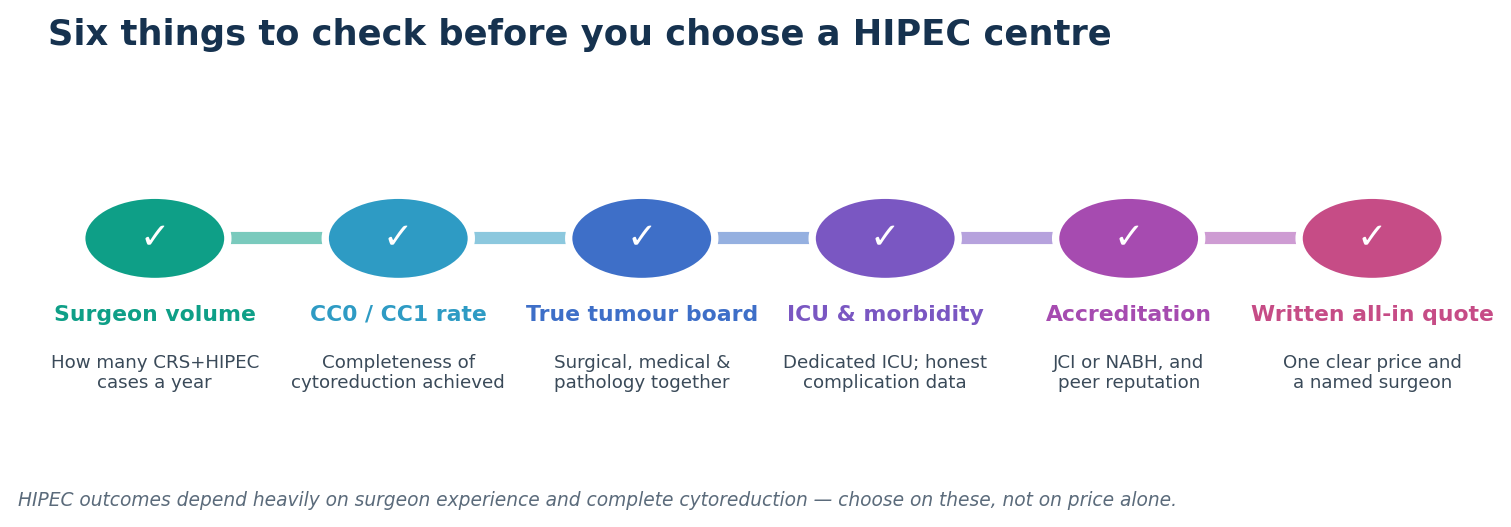
Figure 1 — The six checks that matter most when choosing a HIPEC surgeon and hospital.
| What to check | Why it matters | What good looks like |
|---|---|---|
| Surgeon & centre volume | Outcomes climb with experience | A named surgeon who performs many CRS+HIPEC cases a year within a dedicated programme. |
| Completeness of cytoreduction | The benefit depends on CC0/CC1 | The team can quote their own rate of complete cytoreduction, not just national averages. |
| A true tumour board | Selection and safety improve | Surgical, medical and radiation oncologists, a radiologist and a pathologist review your case together. |
| ICU & complication data | This is high-morbidity surgery | A dedicated surgical ICU and honest figures on complications and 30/90-day mortality. |
| Accreditation & reputation | A floor of safety and quality | JCI or NABH accreditation, plus recognition among peritoneal-cancer specialists. |
| A clear written quote | Protects you from surprises | One itemised, all-in estimate with a named surgeon, not a vague “starting from” figure. |
The one question that reveals the most: ask a prospective surgeon, “In patients like me, how often do you achieve complete cytoreduction, and what is your rate of serious complications?” A specialist who does this operation regularly will answer with numbers and comfort. Hesitation, or a pivot to marketing, tells you what you need to know.
Questions worth asking before you commit
A short, direct set of questions separates a genuine peritoneal-surface programme from a hospital that lists the procedure on its website:
- How many CRS+HIPEC operations does this surgeon perform each year, and for how many years? Volume and consistency are the strongest predictors of a good result.
- What is your rate of complete cytoreduction, and your complication and mortality rate? A real programme tracks and shares these.
- Will my case go before a full tumour board before surgery? Insist that it does, and ask for the plan in writing.
- What is my PCI score likely to be, and is complete removal realistic? This decides whether the operation can help you at all.
- Who covers me around the clock in the ICU afterwards? Recovery from this surgery is intensive and complications need fast, expert handling.
- What does the all-in price include, and what happens to the cost if complications extend my stay? Get the answer in writing before you travel.
The cost question: India versus the UK and the US
HIPEC is expensive everywhere because it combines major surgery, heated chemotherapy, high-end equipment and a long ICU stay. What varies enormously is the price, and India sits at the affordable end without compromising on the technology or the drugs.
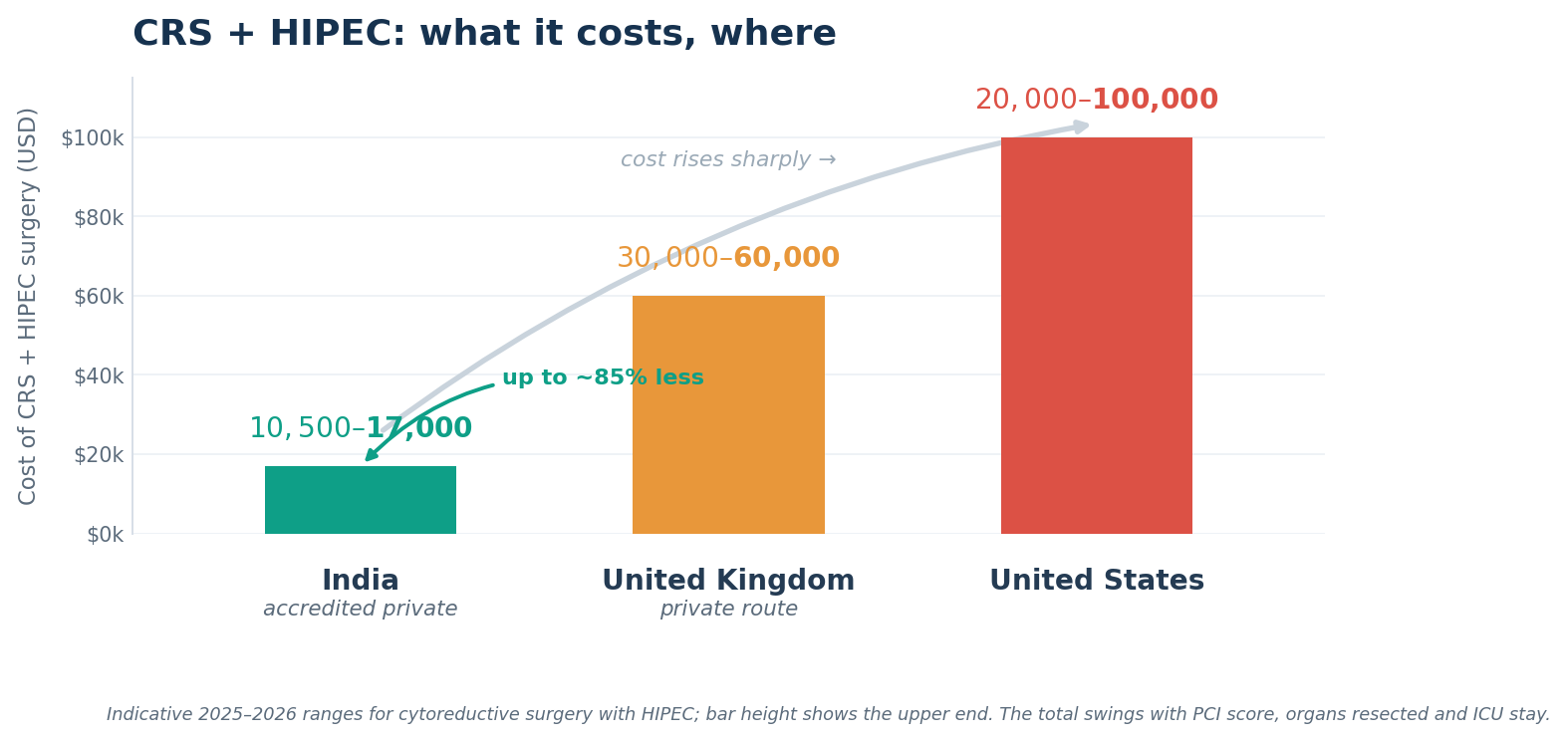
Figure 2 — Cost of CRS + HIPEC surgery, rising from India to the United States.
| Where | Approx. cost of CRS + HIPEC (USD) | Notes |
|---|---|---|
| India (accredited private) | $10,500–17,000 | Experienced peritoneal-surface teams; PCI score, organs resected and ICU stay drive the total. |
| India (government / teaching hospital) | $4,600–9,000 | Subsidised and highly experienced, but with waiting lists and less international support. |
| United Kingdom (private) | $30,000–60,000 | The NHS treats this at specialist centres but with waits; private is costly. |
| United States | $20,000–100,000+ | Median hospital cost around $20,000, but bills climb steeply with complications. |
Ranges are indicative 2025–2026 estimates; always obtain a written, itemised quote based on your own scans and PCI assessment before committing.
The saving against Western private prices is large, often 70 to 85 percent, and easily absorbs flights and a long stay. But price should be the last filter you apply, not the first. Choosing the cheaper of two experienced, high-volume centres is sensible; choosing a cheap but inexperienced one is a false economy that can cost far more than money.
Budget for the whole journey, not just the surgery
CRS with HIPEC is a big operation with a long tail. Build in your staging scans and diagnostic laparoscopy, a hospital stay that can run one to three weeks, extra ICU days if complications arise, any chemotherapy that follows, accommodation for a companion over several weeks, and the follow-up scans you will need back in Kenya. Because complications drive cost more than anything else, ask specifically what happens to the bill if your recovery is not smooth, and get that answer in writing.
Planning the trip from Kenya
The practicalities are the same as for any major treatment in India, and the better centres handle them smoothly. You apply for a medical e-visa on the official Government of India portal, usually granted within a few working days, and a family member travels with you on a medical-attendant visa — not optional for an operation this demanding. Send your scans and pathology ahead so a surgeon can assess your suitability and give a written plan before you fly. Ask for a Swahili-speaking coordinator if it helps, and arrange before you leave which oncologist in Kenya will oversee your follow-up and any further chemotherapy.
Short, direct answers to the questions Kenyan families raise most often when they first call.
Straight Answers for Kenyan Patients about HIPEC Surgeons and Hospitals in India
Is HIPEC surgery cheaper in India than the UK or US?
Yes, usually by 70–85%. CRS with HIPEC that costs $30,000–$60,000 privately in the UK, or up to $100,000 in the US, typically falls between $10,500 and $17,000 at an accredited Indian centre.
How do I choose the best HIPEC surgeon in India?
Choose on experience, not price. Pick a named surgeon within a dedicated peritoneal-surface programme who performs many CRS+HIPEC cases a year and can quote their own complete- cytoreduction and complication rates.
What makes a good HIPEC hospital?
A dedicated peritoneal surface malignancy programme, JCI or NABH accreditation, a full tumour board, a surgical ICU, high case volumes, and published or clearly stated outcomes. Volume and experience matter most.
Is HIPEC available at Indian hospitals?
Yes, at several leading cancer centres such as Tata Memorial, HCG, Medanta and Apollo. Only a handful run truly high-volume peritoneal-surface programmes, so confirm the specific surgeon's experience.
How long will I need to stay in India for HIPEC?
Plan for several weeks. The hospital stay alone often runs one to three weeks, and you will need further recovery time before your surgeon clears you for a long flight home.
Do Kenyans need a visa for HIPEC treatment in India?
Yes. Kenyan passport holders apply for a medical e-visa on the official Government of India portal, usually granted within a few working days. A relative can travel on a medical- attendant visa.
Is CRS with HIPEC right for every peritoneal cancer?
No. It suits cancers spread across the peritoneal surface with a low enough disease burden (PCI score) for complete removal. A good centre will assess your scans and tell you honestly if it cannot help.
A closing word
CRS with HIPEC can buy years of life, sometimes a cure, for people who were once offered only comfort care. But its promise lives entirely in the details — the right patient, the right disease burden, and above all a surgeon who has done this hard operation hundreds of times and can tell you their own results without flinching. India offers several centres that clear that bar at a cost that puts the treatment within reach of a Kenyan family, alongside others that merely advertise it. Your task is to tell them apart, and now you know how: ask about volume, ask about complete cytoreduction, ask about complications, and insist on a written plan from a named surgeon. Get those answers, weigh them above the price, and you will have done the most important part of this journey before you ever board the plane.
Sources
- 🌐 Cytoreductive Surgery and HIPEC: learning curve based on surgical and oncological outcomes — Cancers (peer-reviewed)
- 🌐 Feasibility and outcomes of CRS and HIPEC in low- and middle-income countries: 232 cases
- 🌐 What drives high costs of CRS and HIPEC: patient, provider or tumor? — Annals of Surgical Oncology
- 🌐 HIPEC treatment for cancer: surgery, recovery and costs — HCG Oncology (India)
- 🌐 Medical e-Visa — official Government of India portal
- 🌐 FRRO registration for medical-visa holders — Government of India
Frequently Asked Questions by Kenyans about HIPEC Surgeons and Hospitals in India
What is CRS with HIPEC?
CRS involves surgically removing visible tumour deposits from the abdominal cavity, followed immediately by heated chemotherapy delivered inside the abdomen. It is used for selected peritoneal surface cancers.
Is HIPEC suitable for every peritoneal cancer patient?
No. Suitability depends on the cancer type, extent of peritoneal disease and whether complete tumour removal is realistically achievable. PCI is an important part of this assessment.
How should Kenyan patients choose a HIPEC surgeon in India?
Patients should prioritise a named surgeon with substantial CRS + HIPEC experience within a dedicated programme. They should ask about annual case volume and the surgeon's own cytoreduction and complication results.
Why is complete cytoreduction important in HIPEC?
The guide explains that HIPEC is intended to treat microscopic cancer cells after visible disease has been removed. CC0 or CC1 cytoreduction therefore represents an important treatment objective.
What is PCI in HIPEC treatment?
The Peritoneal Cancer Index (PCI) is used to assess the extent of disease within the peritoneal cavity. A sufficiently low disease burden may make complete cytoreduction more realistic.
What should a good HIPEC hospital have?
The guide recommends a dedicated peritoneal surface malignancy programme, multidisciplinary tumour board, surgical ICU, transparent complication data, appropriate accreditation and substantial treatment experience.
How much does CRS with HIPEC cost in India?
The guide gives an indicative range of US$10,500–17,000 at accredited private Indian centres and US$4,600–9,000 at government/teaching hospitals. Actual costs depend on the individual case and hospital requirements.
How long should Kenyan patients stay in India for HIPEC?
The hospital stay may be approximately one to three weeks, but patients should plan for several weeks overall because recovery and fitness for long-distance air travel can require additional time.
What should be included in a HIPEC cost quotation?
Patients should request an itemised estimate covering the treatment and asking specifically what happens financially if complications prolong the hospital or ICU stay. The guide recommends obtaining the answer in writing before travelling.
Can Kenyan patients arrange follow-up after returning home?
Yes. The guide recommends arranging in advance which oncologist in Kenya will oversee follow-up and any further chemotherapy or investigations after the patient returns from India.
Page Summary
This nine-page guide helps Kenyan patients and families understand how to select experienced HIPEC surgeons and suitable hospitals in India for cytoreductive surgery and HIPEC. It explains why surgeon experience, treatment volume and the ability to achieve complete cytoreduction are central to the decision. The guide also covers patient suitability, PCI assessment, tumour-board review, ICU facilities, complication data, accreditation and transparent treatment quotations. It includes a practical checklist of questions patients should ask before committing to treatment. A cost comparison presents indicative CRS + HIPEC prices in India, the UK and the US, while the final sections explain hospital stay, medical travel preparation, advance review of scans and pathology, and follow-up planning with an oncologist in Kenya.
Citation Block
| Topic | Information |
|---|---|
| Topic | Selecting the Best HIPEC Surgeons and Hospitals in India |
| Treatment | CRS + HIPEC |
| Country | India |
| Patients | Kenyan Patients |
| Cancer Focus | Selected Peritoneal Surface Malignancies |
| Key Specialist | Peritoneal Surface Oncology / Cancer Surgeon |
| Patient Suitability | Cancer type, peritoneal disease distribution and PCI |
| Key Surgical Goal | Complete Cytoreduction |
| Target Cytoreduction | CC0 / CC1 |
| Primary Selection Factor | Surgeon & Centre Volume |
| Centre Requirement | Dedicated Peritoneal Surface Malignancy Programme |
| Multidisciplinary Care | Surgical, medical and radiation oncologists, radiologist and pathologist |
| ICU Requirement | Dedicated Surgical ICU |
| Outcome Data | Complication rates and 30/90-day mortality |
| Accreditation | JCI or NABH |
| Cost Assessment | Written, itemised all-in quotation |
| Private India Cost | US$10,500–17,000 |
| Government/Teaching India Cost | US$4,600–9,000 |
| UK Private Cost | US$30,000–60,000 |
| US Cost | US$20,000–100,000+ |
| Hospital Stay | Approximately 1–3 weeks |
| Overall Stay Planning | Several weeks |
| Pre-Travel Preparation | Scans and pathology sent for advance assessment |
| Travel Planning | Medical visa and medical-attendant arrangements |
| Follow-Up | Oncologist and further care coordination in Kenya |
| Key Questions | Volume, cytoreduction rate, PCI, tumour board, ICU, complications and total cost |
| Warning Signs | HIPEC offered without demonstrated specialist experience or transparent outcomes |


Our Mission Statement
Our mission is to place patients at the centre of every healthcare decision by providing trustworthy, evidence-based, and unbiased medical information. We believe that informed patients make better decisions. Backed by personalised guidance from our experienced advisory team, we help patients understand their treatment options, compare them objectively, and confidently choose the path that best suits their medical needs and personal circumstances.
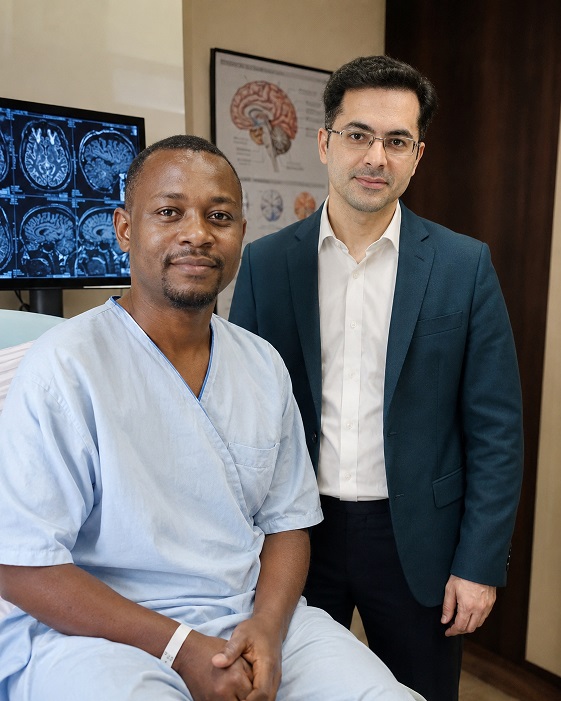
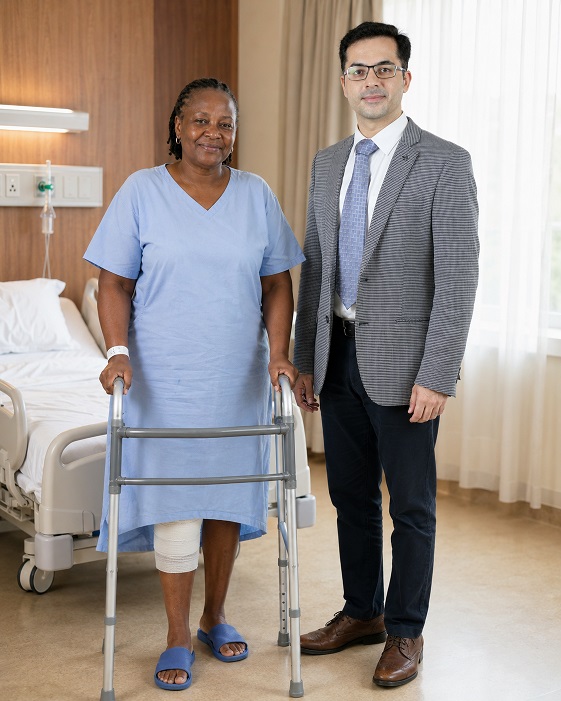
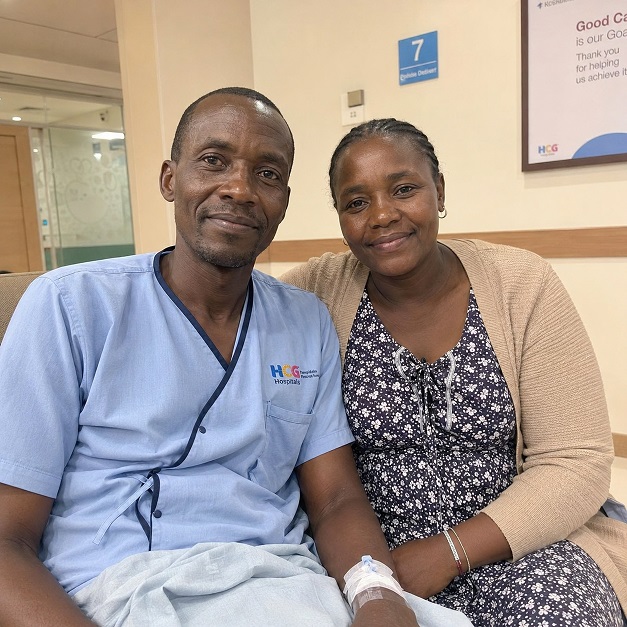
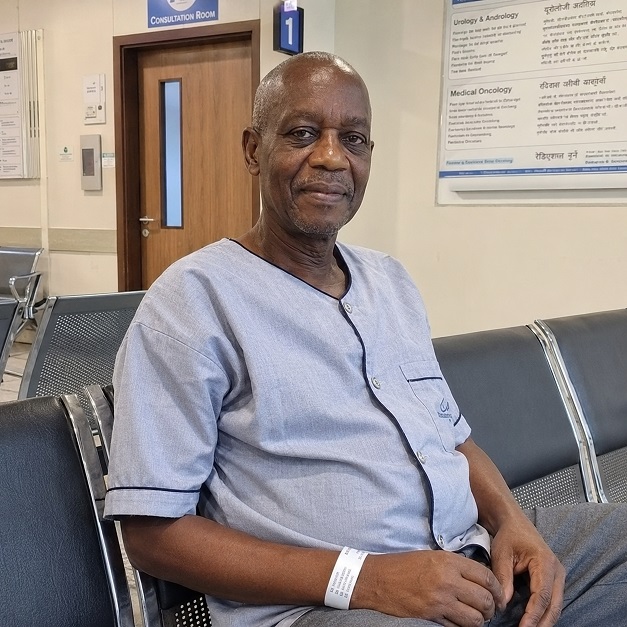
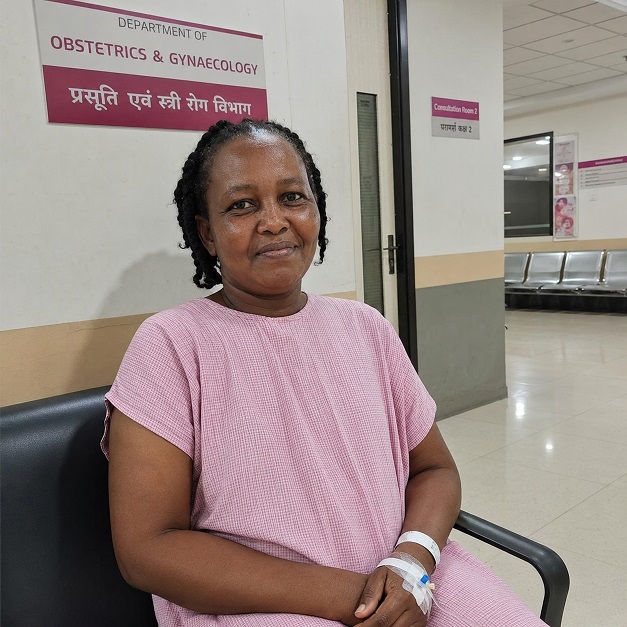
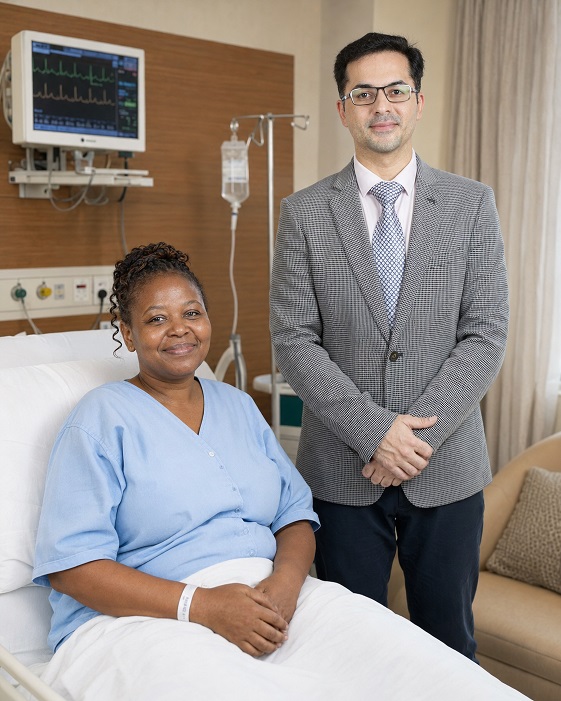
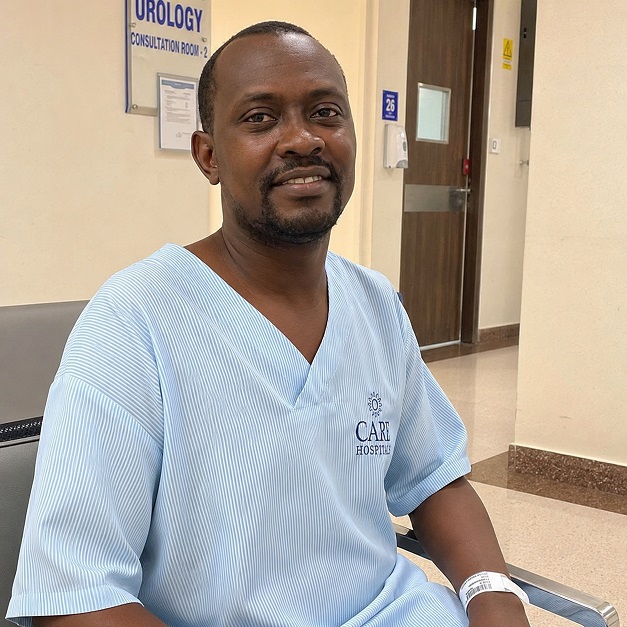
Patient Testimonials from Kenya


Ready to Take the First Step?
Share your Medical Reports with our Healthcare Managers Today and Get a FREE CONSULTATION, a Personalized Treatment Plan, and Complete Support from Arrival to Recovery.
Get Your Free ConsultationAreas We Serve
This resource has been thoughtfully prepared for patients from Kenya who are considering medical treatment in India. We also welcome patients from the wider region in the countries mentioned below-
We assist patients from:
- Ethiopia
- Somalia
- Tanzania
- Uganda
- Seychelles
- Guinea
- Guinea-Bissau
- Liberia
- Mali
- Mauritania
- Niger
- Nigeria
- Senegal
- Togo
- South Sudan
- Sierra Leone
Many of the insights, treatment pathways, hospital recommendations, travel guidance, and patient support services described here are equally relevant and may be used as a reference when planning treatment in India.
From Kenya to India: Your Complete Patient Support Guide
- Brain Tumour Surgery in India for Kenyan Patients
- Cancer Treatment and Surgery in India for Kenyan Patients
- Cardiac Treatment and Surgery in India for Kenyan Patients
- Heart Valve Replacement Surgery in India for Kenyan Patients
- Knee Replacement in India for Kenyan Patients
- Prostate Cancer Treatment and Surgery in India for Kenyan Patients
- Spine Treatment and Surgery in India for Kenyan Patients
- Selecting the Best Bariatric Surgeons and Hospitals in India: What Kenyan Patients Should Actually Look For
- Selecting the Best Cancer Surgeons and Hospitals in India: What Kenyan Patients Should Actually Look For
- Selecting the Best Cardiac Surgeons and Hospitals in India: What Kenyan Patients Should Actually Look For
- Selecting the Best Dental Surgeons and Clinics in India: What Kenyan Patients Should Actually Look For
- Selecting the Best Hip Surgeons and Hospitals in India: What Kenyan Patients Should Actually Look For
- Selecting the Best Kidney Transplant Surgeons and Hospitals in India: What Kenyan Patients Should Actually Look For
- Selecting the Best Knee Surgeons and Hospitals in India: What Kenyan Patients Should Actually Look For
- Selecting the Best Liver Transplant Surgeons and Hospitals in India: What Kenyan Patients Should Actually Look For
- Selecting the Best Neurosurgeons and Hospitals in India: What Kenyan Patients Should Actually Look For
- Selecting the Best Prostate Cancer Surgeons and Hospitals in India: What Kenyan Patients Should Actually Look For
- Selecting the Best Spine Surgeons and Hospitals in India: What Kenyan Patients Should Actually Look For