

Selecting the Best Complex Orthopaedic and Joint Revision Surgeons and Hospitals in India: What Kenyan Patients Should Actually Look For
A revision is only as good as the answer to why the first implant failed — what a Kenyan patient should demand of the surgeon, and of the hospital that has to support the reconstruction.
A first hip or knee replacement is, by now, a routine operation. A second one, on the same joint, is not. Across 24 years of guiding international patients through Indian hospitals, revision joint surgery is where the gap between an adequate surgeon and a genuinely excellent one shows up most starkly, because a failed implant is rarely a simple repeat of the original operation. It is a harder problem, often complicated by infection, bone loss, or both. This is the framework I use when a Kenyan patient's hip or knee replacement has failed, through infection, loosening, instability, or wear, and revision surgery is now the question. It follows the surgeon-then-hospital structure of this series, and opens with the distinction that changes everything about where you should go for it.
Healing Journeys of Kenyan Patients



Key Takeaways
- The guide explains that revision hip and knee replacement is substantially more complex than primary joint replacement. Failed implants may involve infection, loosening, instability, wear or significant bone loss, and the cause of failure must be established before a revision plan is fixed.
- The first major decision is determining whether the failure is aseptic or septic. Bloodwork and joint aspiration should be used to investigate infection, because infected cases may require implant removal, an antibiotic spacer, several weeks of treatment and a second operation before the permanent implant is inserted.
- The guide states that straightforward aseptic revisions may be managed in Kenya, while complex cases involving major bone loss, mega-prostheses, allograft reconstruction or infection requiring staged surgery may benefit from India's specialised revision centres. It presents this as a capability consideration rather than a cost argument alone.
- The surgeon accounts for 56% of the selection weighting, while hospital factors account for 44%. The page 3 chart gives the highest weight to personal annual revision-specific volume at 18%, followed by infection management at 16% and an honest explanation of why the first implant failed at 12%.
- Hospital evaluation focuses on mega-prosthesis and bone-graft capability, in-house microbiology and infectious disease support, extended supervised rehabilitation and accreditation. The guide also stresses that JCI/NABH accreditation should be used as a safety filter rather than as proof of revision-specific expertise.
- The guide identifies four warning signs: revision surgery proposed before infection is ruled out, no clear personal revision volume, quotations that do not distinguish one-stage from two-stage pricing and hospitals unable to confirm mega-prosthesis or allograft capability. It also advises Kenyan patients to send original implant details, imaging and infection results before travelling.
Quick Facts
- Treatment
- Complex Hip & Knee Revision Surgery
- Country
- India
- Patients
- Kenyan Patients
- Main Procedures
- Revision Hip & Knee Replacement
- Key Conditions
- Infection, Loosening, Instability, Wear & Bone Loss
- Key Specialist
- Revision Orthopaedic / Joint Replacement Surgeon
- Key Focus
- Revision-Specific Surgical Experience
- Selection Criteria
- Surgeon & Hospital Weighted Criteria
- Surgeon Weight
- 56%
- Hospital Weight
- 44%
- Highest Criterion
- Personal Annual Revision-Specific Volume
- Key Infection Check
- Bloodwork & Joint Aspiration
- Key Reconstruction
- Mega-Prosthesis & Allograft Bone
- Key Hospital Support
- Microbiology & Infectious Disease
- Rehabilitation
- Extended Supervised Physiotherapy
- Key Safety Filter
- JCI / NABH Accreditation
- Key Pricing Check
- One-Stage vs Two-Stage Cost
- Funding Consideration
- Kenya Social Health Authority Overseas Treatment
- Funding Cap
- 500,000 Kenyan Shillings per Patient per Year
- Travel Route
- Nairobi–Delhi / Nairobi–Mumbai
- Key Records
- Implant Details, Imaging & Infection History
- Follow-Up
- Kenyan Orthopaedic Team
- Author
- Dr. Dheeraj Bojwani
- Experience
- 24+ Years
In Brief
For Kenyan patients considering complex joint revision surgery in India, the guide recommends first establishing why the original implant failed and whether infection is present. Patients should assess the surgeon's personal annual volume in revision hip or knee procedures, ability to manage bone loss and experience with infected revisions. The hospital should have mega-prosthesis and allograft capability, dedicated microbiology and infectious disease support and extended supervised rehabilitation. Patients should obtain a written quotation that clearly explains one-stage versus two-stage costs and send their original implant details, imaging and infection history before travelling.
Before the surgeon: why revision is not just "doing it again"
A failed implant almost always falls into one of two categories, and the category determines nearly everything about the surgery ahead. Aseptic failure, loosening, wear, instability, without infection, is more straightforward. Septic failure, where bacteria have colonised the implant, usually requires the old implant removed entirely, an antibiotic spacer placed, weeks of intravenous treatment, and only then a second operation to implant the new prosthesis. Confusing the two, or treating a septic case as though aseptic, is the single most common reason revision surgery fails a second time.
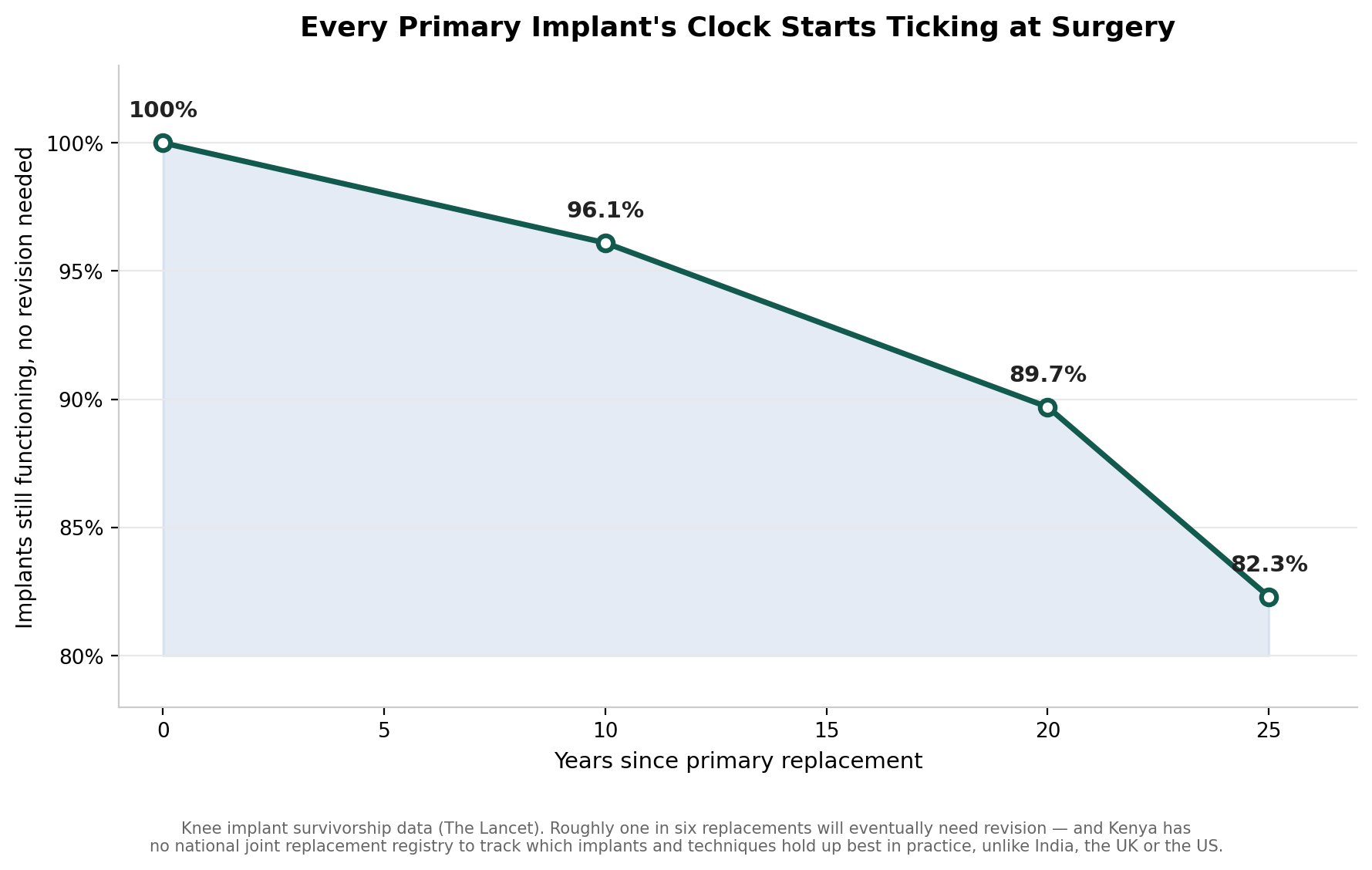
The practical takeaway is to insist on a clear answer, backed by bloodwork and joint aspiration, on which category you fall into before any date is fixed. A team that proposes revision surgery without first ruling infection in or out has skipped the step that determines whether the plan will actually work.
Should you travel at all?
Kenya now performs a reasonable volume of primary hip and knee replacements, and Aga Khan University Hospital Nairobi, The Nairobi Hospital and a small number of other private centres can manage straightforward aseptic revisions competently. For a simple polyethylene liner exchange with no bone loss and no infection, a first opinion in Nairobi is worth having.
For nearly everything more complex than that, India is the clear choice, and confidently so. Cases with significant bone loss requiring a mega-prosthesis or bone-graft reconstruction, and cases with confirmed or suspected infection requiring staged surgery with dedicated infectious disease support, sit at a level of sub-specialisation very few Kenyan facilities currently offer at scale. India's leading revision centres perform this exact surgery in volume, with the imaging, implant inventory and multidisciplinary infection support built around exactly this problem. This is where the case for India is strongest in the entire series: not a cost argument alone, but a genuine capability gap that self-funding a trip closes decisively.
On funding, this topic is the exception in the series worth knowing well. Kenya's Social Health Authority funds overseas treatment for 36 gazetted procedures unavailable domestically, capped at 500,000 shillings per patient per year, and unlike routine primary joint replacement, several listed procedures, whole or proximal femoral replacement, distal femoral replacement, proximal tibial replacement, and allograft bone use, are precisely the tools used in the most complex revision cases. If your revision involves major bone loss, ask your referring doctor directly whether your case may qualify; approval isn't automatic and depends on formal vetting, but the conversation is worth having.
Part one: judging the surgeon
1. Personal annual volume in revision-specific surgery
I weight this above every other factor, and the chart below reflects that. Ask how many revision hip or knee procedures, specifically, the surgeon performs each year, not primary replacements. Revision surgery draws on a different skill set, removing well-fixed implants, managing bone loss, working around scar tissue, and volume in this exact category matters more than general joint replacement experience.
2. Infection ruled out or properly treated before re-implantation
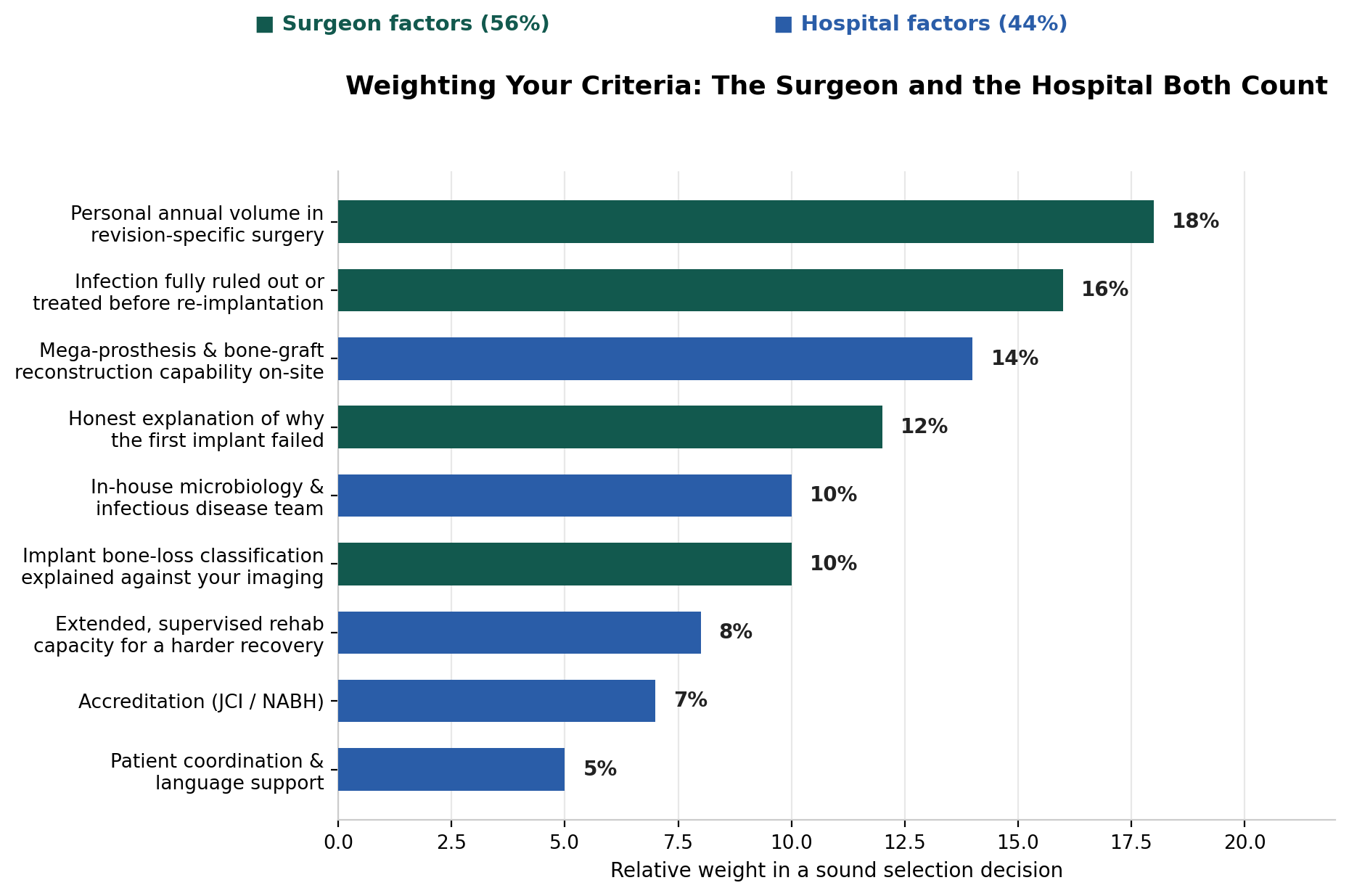
Ask directly what testing confirmed your case is aseptic, or if it is septic, what the staged treatment plan looks like and how the surgeon will confirm the infection has cleared before the new implant goes in. This is not a step to take on faith.
3. An honest explanation of why the first implant failed
Ask the surgeon to explain, against your own imaging and history, why the original replacement failed. A clear, specific answer, wear pattern, loosening at a particular interface, malalignment, tells you he has actually studied your case rather than defaulting to a generic revision protocol.
4. Bone loss classified and explained against your imaging
Ask how the surgeon classifies your bone loss and what that means for the implant choice, standard revision components, a mega-prosthesis, or allograft reconstruction. This classification should drive the plan, not the other way around.
Part two: judging the hospital
For revision surgery, the surgeon's individual skill carries slightly more weight than the institution, reflected in the balance above, but a hospital without the right infrastructure can make even excellent surgical judgement impossible to execute.
5. Mega-prosthesis and bone-graft reconstruction capability on-site
Ask whether the hospital stocks mega-prosthesis implants and has bone-graft or allograft capability in-house, rather than needing to source components after your case is already underway. This is precisely the capability gap that makes India the right destination for complex cases.
6. In-house microbiology and infectious disease support
For any case with suspected or confirmed infection, ask whether the hospital has dedicated microbiology and infectious disease specialists working directly with the orthopaedic team, not a general lab sending samples elsewhere.
7. Extended, supervised rehabilitation capacity
Revision recovery is longer and harder than a primary replacement. Ask what a realistic rehabilitation timeline looks like and whether supervised physiotherapy is available for as long as your specific case requires, not a fixed package built for primary surgery.
8. Accreditation, read properly
JCI and NABH accreditation are meaningful filters on safety and infection control, but say nothing about revision- specific sub-specialisation. Use accreditation to exclude weak candidates, not to choose between the strong ones.
9. The cost you will actually pay
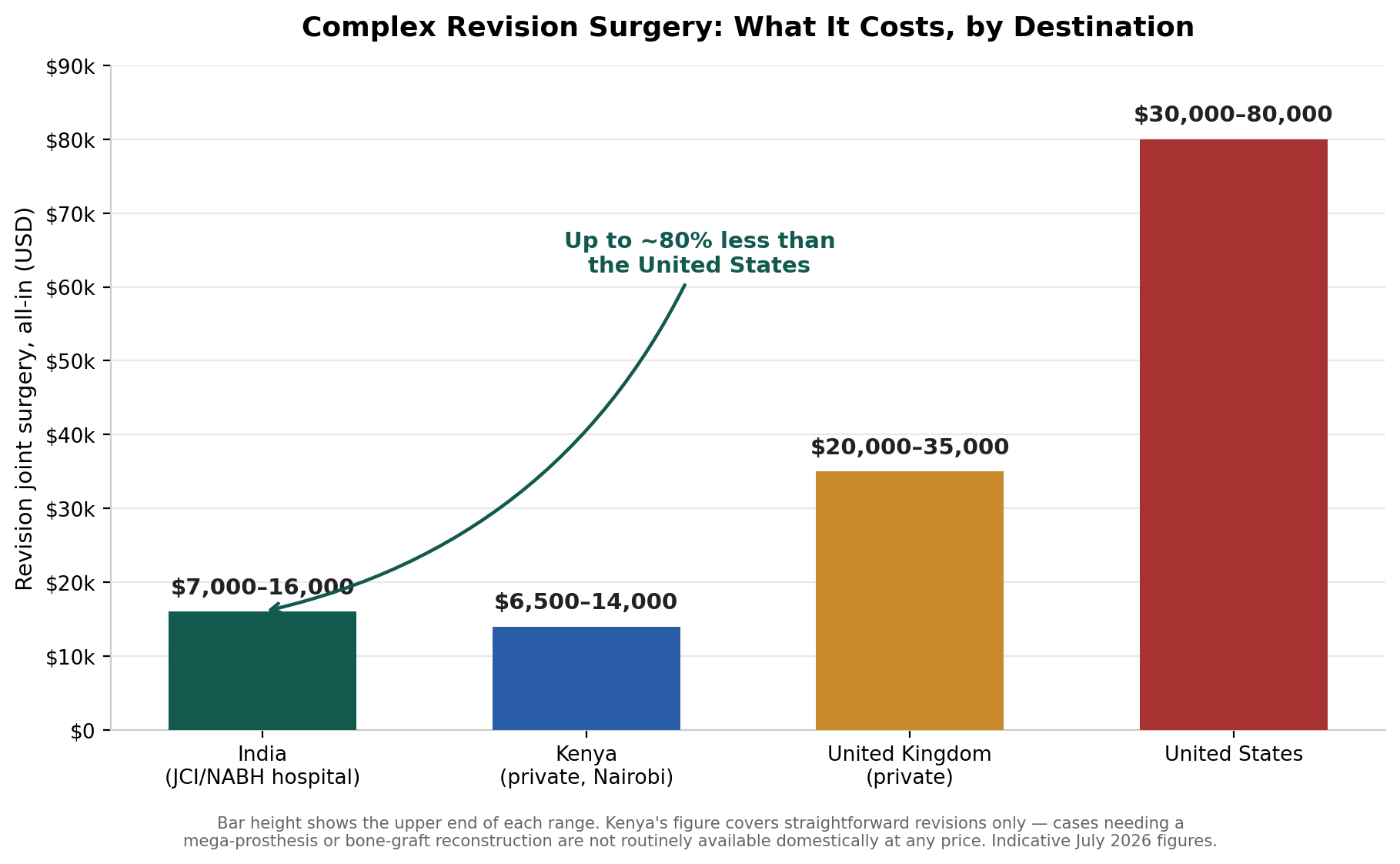
Let me be emphatic about this, because 24 years of handling these cases has taught me nothing more consistently: disputes almost never concern the quoted price. They concern what the quote silently omitted. For revision surgery specifically, insist the estimate states whether a two-stage procedure is priced as one case or two, what mega- prosthesis or allograft costs are included, and how many extended physiotherapy sessions are covered.
Budget beyond the surgery. Direct Nairobi–Delhi and Nairobi–Mumbai flights run roughly 550 to 850 dollars return, and a two-stage infected case may need two separate stays weeks apart, so ask early whether that applies to you.
Four signals that should make you pause
Certain patterns reliably precede a difficult outcome.
- A surgeon who proposes revision surgery before infection is definitively ruled out.
- No clear personal volume figure in revision-specific procedures.
- A quote that doesn't distinguish single-stage from two-stage pricing.
- A hospital that cannot describe its mega-prosthesis or allograft capability without checking elsewhere first.
None alone proves a bad hospital. Together they warrant a second opinion before you commit to revision surgery.
The Kenya-specific practicalities
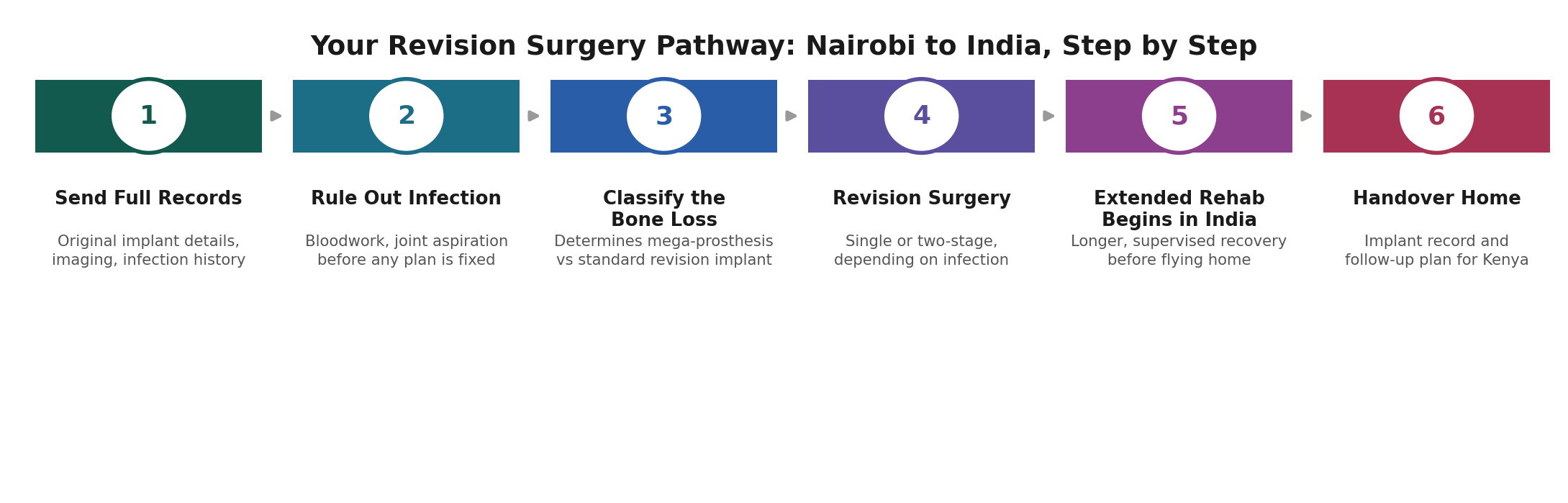
Send your original implant details if you have them, brand, model, date of surgery, with current imaging and any infection markers already tested. A revision team cannot plan properly without knowing exactly what is already in your joint.
Direct Nairobi–Delhi and Nairobi–Mumbai flights make this roughly a six-hour journey. The Indian medical e-visa is issued within three to five working days against a hospital letter, and up to two attendants can travel on a medical attendant visa.
If a two-stage procedure is likely, agree in advance on the plan for the weeks between stages, whether you return to Kenya or remain in India, and who manages your intravenous antibiotics during that gap.
The questions I would ask before paying a deposit
Of the surgeon:
- How many revision hip or knee procedures do you personally perform each year?
- What confirms my case is aseptic, or what is the staged plan if it is septic?
- Why did my original implant fail, specifically?
- Will I need a mega-prosthesis or bone graft, and why?
Of the hospital:
- Do you stock mega-prosthesis implants and allograft bone in-house?
- Do you have dedicated microbiology and infectious disease support?
- What does my rehabilitation timeline realistically look like?
- Is a two-stage procedure priced as one case or two?
- May I speak to a previous East African patient treated for a similar revision?
A team that answers all nine without irritation is very likely the right team. One that turns vague at the first or second has told you what you needed to know at no cost at all.
Straight Answers for Kenyan Patients about Complex Orthopaedic and Joint Revision Surgeons and Hospitals in India
How do I choose the best surgeon in India for revision joint surgery as a Kenyan patient?
Ask his annual volume in revision-specific procedures, not primary replacements, what confirmed whether your case is infected, and a specific explanation of why your original implant failed.
How much does revision hip or knee surgery cost in India for a Kenyan patient?
Typically 7,000 to 16,000 US dollars all in. The same surgery runs roughly 6,500 to 14,000 dollars in Kenya for straightforward cases only, 20,000 to 35,000 in the UK, and 30,000 to 80,000 in the US, with India offering the strongest combination of price and genuine sub-specialist capability.
Will SHA fund my revision surgery in India?
Possibly, unlike most procedures in this series. SHA's 36 gazetted overseas-funded procedures include mega- prosthesis components and allograft bone use for major bone loss, capped at 500,000 shillings a year. Ask your referring doctor whether your case qualifies; it isn't automatic.
What is the difference between a one-stage and two-stage revision?
A one-stage revision removes the failed implant and places the new one in a single operation, used for aseptic cases. A two-stage revision, used when infection is present, removes the implant, places a temporary antibiotic spacer, treats the infection over several weeks, then implants the permanent prosthesis in a second operation.
Why did my hip or knee replacement fail in the first place?
Most commonly infection, implant loosening over time, instability, or wear of the bearing surface. A surgeon should point to your specific imaging and explain which applies to you, not offer a generic explanation.
How long is recovery after revision joint surgery?
Longer than after a primary replacement, often several months of supervised rehabilitation. Two-stage infected cases add the weeks needed for antibiotic treatment between surgeries. Ask for a realistic, case-specific timeline rather than the one quoted for a first-time replacement.
A closing word
For complex revision joint surgery, India isn't simply the more affordable option for Kenyan patients, it is very often the only realistic one for a case involving significant bone loss or infection, and the best surgeon is the one whose revision-specific volume and honest diagnosis of why your first implant failed show he treats this as its own subspecialty. The best hospital pairs him with mega-prosthesis and allograft capability, real infectious disease support, and a rehabilitation programme built for a genuinely harder recovery. If you would like me to look at your scans and implant history and talk through honestly what your revision should involve, send them across.
Sources
- 🌐 SHA Gazette Notice 13369 (18 September 2025) — list of 36 healthcare services approved for overseas treatment funding
- 🌐 Long-term implant survivorship data for total knee replacement (10, 20 and 25-year follow-up)
- 🌐 Revision knee replacement for prosthetic joint infection: epidemiology, clinical outcomes and health-economic considerations. ScienceDirect
- 🌐 Arthroplasty Registries directory (NORE / EFORT)
- 🌐 National Medical Commission of India — surgeon and specialist registration verification
- 🌐 National Accreditation Board for Hospitals & Healthcare Providers (NABH) — accredited hospital directory
Frequently Asked Questions by Kenyans about Complex Orthopaedic and Joint Revision Surgeons and Hospitals in India
Why is revision joint surgery more complex than primary replacement?
Revision surgery may involve removing a well-fixed implant, managing scar tissue, infection, instability or significant bone loss. It therefore requires different expertise from routine primary joint replacement.
How should infection be ruled out before revision surgery?
The guide recommends appropriate bloodwork and joint aspiration before fixing a surgical date. If infection is present, a staged treatment plan may be required.
What is the most important surgeon-selection criterion?
Personal annual volume in revision-specific hip or knee surgery receives the highest weighting at 18%. Patients should ask about revision procedures specifically, not the surgeon's total joint replacement volume.
What is the difference between one-stage and two-stage revision?
A one-stage revision replaces the failed implant in one operation and is generally associated with aseptic cases. A two-stage revision is commonly used for infection, with implant removal and antibiotic spacer placement followed by treatment and later re-implantation.
When may India be particularly relevant for Kenyan patients?
The guide highlights complex cases involving major bone loss, mega-prostheses, allograft reconstruction or infected revisions requiring staged surgery and dedicated infection support.
What should patients ask about bone loss?
They should ask how the surgeon classifies their bone loss and whether the reconstruction requires standard revision components, a mega-prosthesis or allograft reconstruction.
Why is hospital infection support important?
Complex infected revisions may require dedicated microbiology and infectious disease specialists working alongside the orthopaedic team rather than relying only on a general laboratory service.
What rehabilitation should patients expect?
Revision recovery is usually longer and harder than primary replacement. The guide recommends asking for a realistic, case-specific rehabilitation timeline and extended supervised physiotherapy.
What should be included in the quotation?
Patients should confirm whether a two-stage procedure is priced as one case or two, whether mega-prosthesis or allograft costs are included and how many physiotherapy sessions are covered.
What records should Kenyan patients send before travelling?
They should provide original implant details such as brand, model and surgery date, together with current imaging and any infection markers already tested.
Page Summary
This eight-page guide helps Kenyan patients evaluate complex hip and knee revision surgeons and hospitals in India, particularly when a previous joint replacement has failed because of infection, loosening, instability, wear or bone loss. It first distinguishes aseptic from septic failure and stresses that infection must be ruled out before surgery is planned. The guide gives 56% weight to the surgeon and 44% to the hospital, with revision-specific annual volume receiving the highest individual weight. Hospital criteria include mega-prosthesis and allograft capability, microbiology and infectious disease support, extended rehabilitation and accreditation. The page 5 cost chart compares illustrative revision costs across India, Kenya, the UK and US, while the page 6 pathway shows records, infection assessment, bone-loss classification, surgery, rehabilitation and handover.
Citation Block
| Topic | Information |
|---|---|
| Topic | Complex Orthopaedic & Joint Revision Surgery |
| Treatment | Revision Hip & Knee Replacement |
| Country | India |
| Patients | Kenyan Patients |
| Key Conditions | Infection, Loosening, Instability, Wear & Bone Loss |
| Key Specialist | Revision Orthopaedic Surgeon |
| Selection Framework | Weighted Surgeon & Hospital Criteria |
| Surgeon Weight | 56% |
| Hospital Weight | 44% |
| Highest Criterion | Revision-Specific Annual Volume |
| Infection Assessment | Bloodwork & Joint Aspiration |
| Failure Assessment | Cause of Original Implant Failure |
| Bone Assessment | Implant Bone-Loss Classification |
| Reconstruction Capability | Mega-Prosthesis & Allograft |
| Infection Support | Microbiology & Infectious Disease |
| Rehabilitation | Extended Supervised Physiotherapy |
| Accreditation | JCI / NABH |
| Pricing Check | One-Stage vs Two-Stage Procedure |
| Funding | Kenya Social Health Authority |
| Funding Cap | 500,000 KES Per Patient Per Year |
| Travel Route | Nairobi–Delhi / Nairobi–Mumbai |
| Key Records | Implant Details, Imaging & Infection History |
| Follow-Up | Kenyan Orthopaedic Team |
| Warning Signs | Unresolved Infection or Unclear Revision Volume |
| Key Questions | Volume, Infection, Bone Loss, Cost & Rehabilitation |


Our Mission Statement
Our mission is to place patients at the centre of every healthcare decision by providing trustworthy, evidence-based, and unbiased medical information. We believe that informed patients make better decisions. Backed by personalised guidance from our experienced advisory team, we help patients understand their treatment options, compare them objectively, and confidently choose the path that best suits their medical needs and personal circumstances.
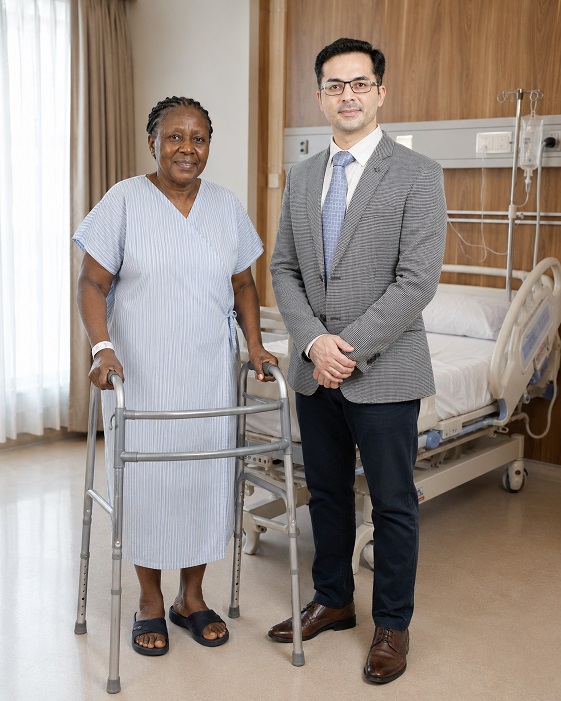
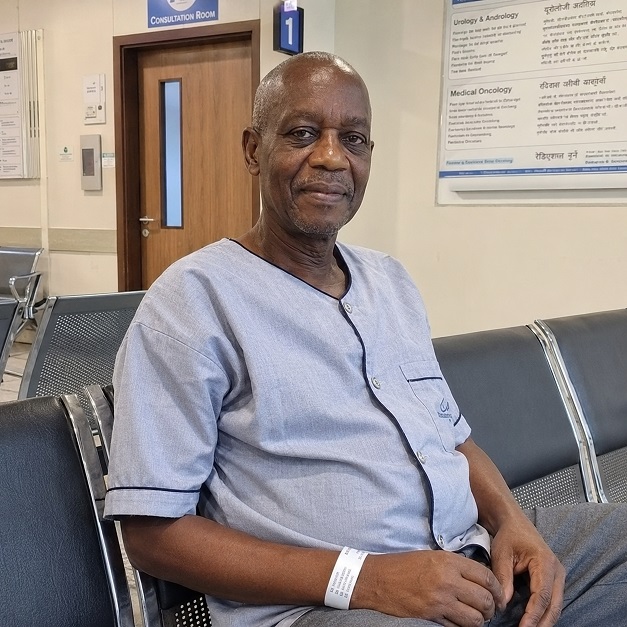
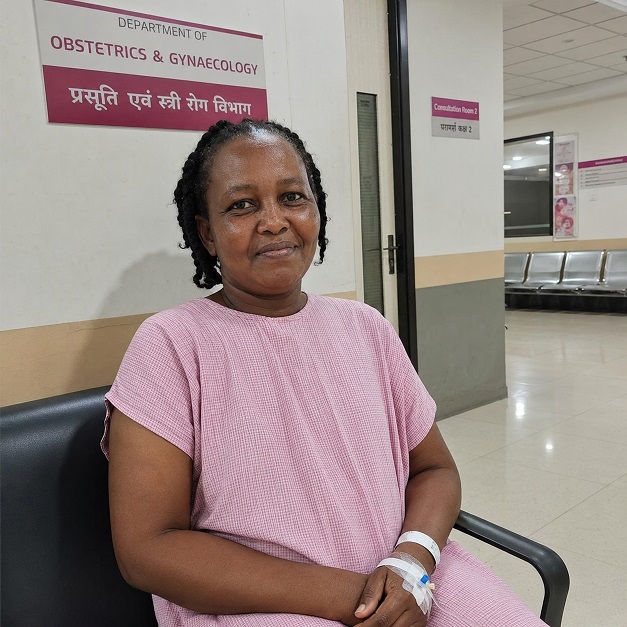
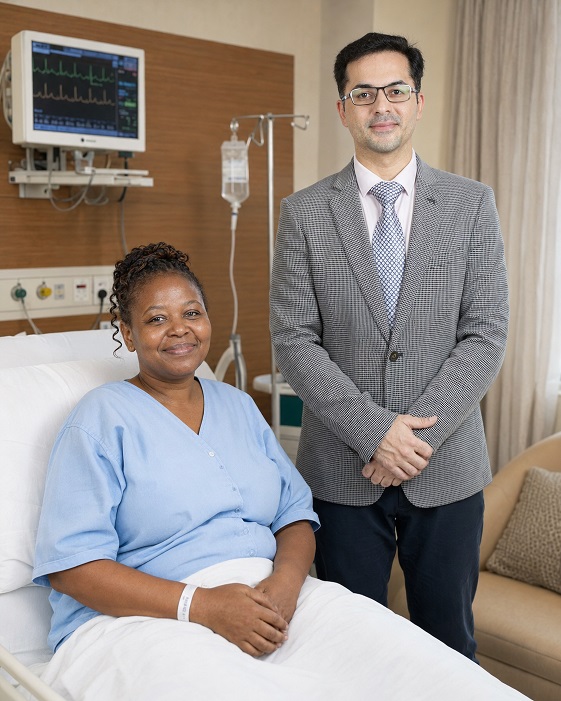
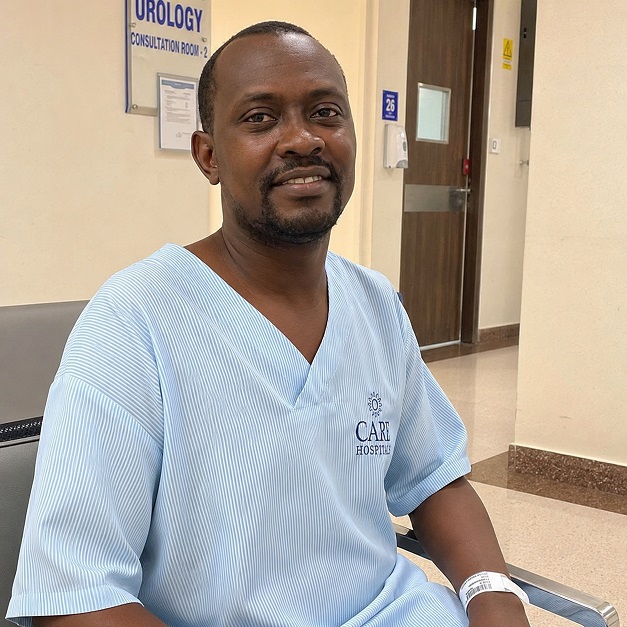
Patient Testimonials from Kenya
Ready to Take the First Step?
Share your Medical Reports with our Healthcare Managers Today and Get a FREE CONSULTATION, a Personalized Treatment Plan, and Complete Support from Arrival to Recovery.
Get Your Free ConsultationAreas We Serve
This resource has been thoughtfully prepared for patients from Kenya who are considering medical treatment in India. We also welcome patients from the wider region in the countries mentioned below-
We assist patients from:
- Ethiopia
- Somalia
- Tanzania
- Uganda
- Seychelles
- Guinea
- Guinea-Bissau
- Liberia
- Mali
- Mauritania
- Niger
- Nigeria
- Senegal
- Togo
- South Sudan
- Sierra Leone
Many of the insights, treatment pathways, hospital recommendations, travel guidance, and patient support services described here are equally relevant and may be used as a reference when planning treatment in India.
From Kenya to India: Your Complete Patient Support Guide
- Brain Tumour Surgery in India for Kenyan Patients
- Cancer Treatment and Surgery in India for Kenyan Patients
- Cardiac Treatment and Surgery in India for Kenyan Patients
- Heart Valve Replacement Surgery in India for Kenyan Patients
- Knee Replacement in India for Kenyan Patients
- Prostate Cancer Treatment and Surgery in India for Kenyan Patients
- Spine Treatment and Surgery in India for Kenyan Patients
- Selecting the Best Bariatric Surgeons and Hospitals in India: What Kenyan Patients Should Actually Look For
- Selecting the Best Cancer Surgeons and Hospitals in India: What Kenyan Patients Should Actually Look For
- Selecting the Best Cardiac Surgeons and Hospitals in India: What Kenyan Patients Should Actually Look For
- Selecting the Best Dental Surgeons and Clinics in India: What Kenyan Patients Should Actually Look For
- Selecting the Best Hip Surgeons and Hospitals in India: What Kenyan Patients Should Actually Look For
- Selecting the Best Kidney Transplant Surgeons and Hospitals in India: What Kenyan Patients Should Actually Look For
- Selecting the Best Knee Surgeons and Hospitals in India: What Kenyan Patients Should Actually Look For
- Selecting the Best Liver Transplant Surgeons and Hospitals in India: What Kenyan Patients Should Actually Look For
- Selecting the Best Neurosurgeons and Hospitals in India: What Kenyan Patients Should Actually Look For
- Selecting the Best Prostate Cancer Surgeons and Hospitals in India: What Kenyan Patients Should Actually Look For
- Selecting the Best Spine Surgeons and Hospitals in India: What Kenyan Patients Should Actually Look For