

Selecting the Best Cervical and Lumbar Disc Replacement Surgeons and Hospitals in India: What Kenyan Patients Should Actually Look For
Fusion or disc replacement is decided by your imaging, not by preference — how a Kenyan patient judges the surgeon who makes that call, and the hospital behind him.
A herniated or degenerated disc in the neck or lower back rarely announces itself as an emergency. It builds slowly, radiating pain down an arm or leg, until sitting, lifting, or driving becomes genuinely difficult. Across 24 years of guiding international patients through Indian hospitals, the choice that matters most for this condition isn't whether to have surgery. It's which surgery: fusion, which has been the standard for decades, or disc replacement, which preserves the joint's motion instead of eliminating it. This is the framework I use when a Kenyan patient is weighing cervical or lumbar disc replacement in India. It follows the surgeon-then-hospital structure of this series, and opens with a distinction that carries unusual weight for Kenyan patients specifically: how fast you can genuinely get back to work.
Healing Journeys of Kenyan Patients




Key Takeaways
- The guide explains that the key decision for suitable cervical or lumbar disc patients is often fusion versus disc replacement, rather than simply whether surgery is needed. Fusion eliminates movement at the treated level, while disc replacement is designed to preserve motion.
- This distinction is given particular importance for Kenyan patients because the guide notes that 83.8% of Kenya's workforce is informal, meaning many patients do not have paid sick leave. A faster return to physical work can therefore have a significant financial impact on households.
- Not every patient qualifies for disc replacement. Severe instability, significant bone loss and advanced facet-joint arthritis can make replacement unsuitable, while many single-level and some multi-level cases may be candidates. The guide recommends an imaging-based candidacy assessment before defaulting to fusion.
- The surgeon accounts for 56% of the selection weighting, while the hospital accounts for 44%. The page 3 weighting chart gives the highest score of 18% to personal annual disc-replacement volume, followed by honest fusion-versus-replacement assessment at 16% and implant data at 12%.
- Hospital criteria include dedicated spine imaging and navigation, structured post-operative physiotherapy, multi-level replacement capability and accreditation. The guide stresses that precise implant placement and recovery of genuine spinal motion are important parts of the treatment pathway.
- The page 4 cost chart gives an indicative range of US$5,500–16,000 in India, compared with approximately US$6,000–13,000 in Kenya, US$19,000–46,000 in the UK and US$35,000–90,000 in the US. The guide also warns patients to check what the quotation actually includes, especially implant brand, number of levels and physiotherapy.
Quick Facts
- Treatment
- Cervical & Lumbar Disc Replacement
- Country
- India
- Patients
- Kenyan Patients
- Main Alternative
- Spinal Fusion
- Key Focus
- Motion-Preserving Spine Surgery
- Key Conditions
- Cervical & Lumbar Disc Degeneration / Herniation
- Key Specialist
- Spine Surgeon
- Selection Criteria
- Weighted Surgeon & Hospital Criteria
- Surgeon Weight
- 56%
- Hospital Weight
- 44%
- Highest Criterion
- Personal Annual Disc-Replacement Volume
- Candidacy Assessment
- Fusion vs Replacement
- Key Implant Check
- Brand & Motion-Preservation Data
- Imaging
- MRI / CT Review
- Hospital Technology
- Spine Imaging & Navigation
- Multi-Level Capability
- Multi-Level Disc Replacement
- Rehabilitation
- Structured Post-Operative Physiotherapy
- Key Outcome
- Return-to-Work Timeline
- Key Pricing Check
- Implant Brand, Level Count & Physiotherapy
- Follow-Up
- Kenyan Doctor
- Visa Consideration
- Indian Medical E-Visa
- Warning Signs
- Unclear Volume or Unjustified Fusion Recommendation
- Author
- Dr. Dheeraj Bojwani
- Experience
- 24+ Years
In Brief
For Kenyan patients considering cervical or lumbar disc replacement in India, the guide recommends sending the full MRI or CT files rather than only the written report so the Indian spine team can independently assess candidacy. Patients should ask about the surgeon's annual disc-replacement volume, why replacement or fusion is appropriate, which implant will be used and what evidence supports its long-term performance. The hospital should provide intraoperative imaging and navigation, structured physiotherapy and genuine multi-level replacement experience when required. Patients should also obtain a written return-to-work timeline and follow-up imaging plan for their Kenyan doctor.
Before the surgeon: why the choice of technique matters more here than most
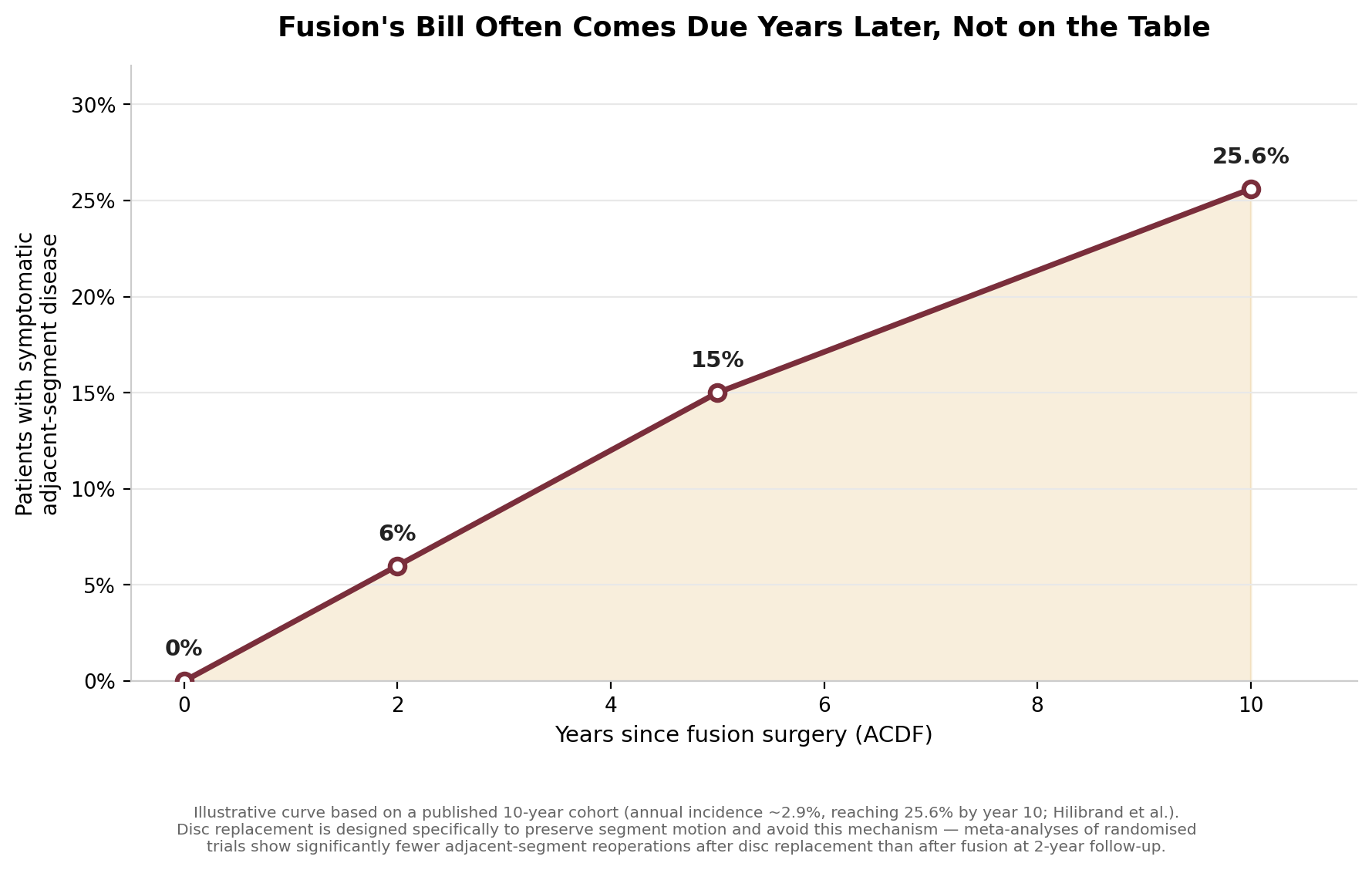
Spinal fusion permanently joins two vertebrae, eliminating movement at that level entirely. It works, but it changes the mechanics of the spine, and the segments above and below the fusion take on extra load. Over years, this can cause those segments to degenerate in turn, a well-documented complication called adjacent-segment disease. Disc replacement, by contrast, keeps the joint moving, and is designed specifically to avoid loading the neighbouring discs the way fusion does.
This distinction carries particular weight in Kenya, where 83.8% of the workforce is informal, according to the 2026 Economic Survey, meaning the overwhelming majority of Kenyan patients have no paid sick leave and no fallback income while they recover. A technique that returns a matatu driver, market trader, or farmer to physically demanding work weeks sooner than fusion is not a marginal convenience here; it is often the difference between a manageable recovery and a genuine financial crisis for the household.
The practical takeaway is to ask, specifically, whether your case is a genuine candidate for disc replacement rather than assuming fusion is the only option. Not every case qualifies, severe instability, significant bone loss, or advanced arthritis at the joint can rule it out, but many single-level and some multi-level cases are legitimate candidates, and the conversation is worth having before defaulting to fusion.
Should you travel at all?
Kenya manages routine spine surgery, and Aga Khan University Hospital Nairobi, The Nairobi Hospital and a small number of dedicated spine centres in Nairobi perform standard discectomy, decompression, and fusion competently. For straightforward disc herniation responding to conservative treatment, or a simple single-level fusion, Nairobi is a reasonable place to start.
For disc replacement specifically, India is where I steer patients, confidently. Genuine sub-specialisation in motion- preserving spine surgery, the range of implant options for different disc levels, and the volume needed to handle multi-level or revision cases safely are simply more developed in India's leading spine centres than in what is currently available at scale in Kenya. This isn't a marginal preference; disc replacement is a technically demanding procedure where the surgeon's specific experience with the technique matters enormously, and India's spine programmes have that experience in depth.
Part one: judging the surgeon
1. Personal annual volume in disc replacement specifically
I weight this above every other factor, and the chart below reflects that. Ask how many disc replacements, not fusions, the surgeon performs each year. A surgeon whose real volume is in fusion is not automatically the right
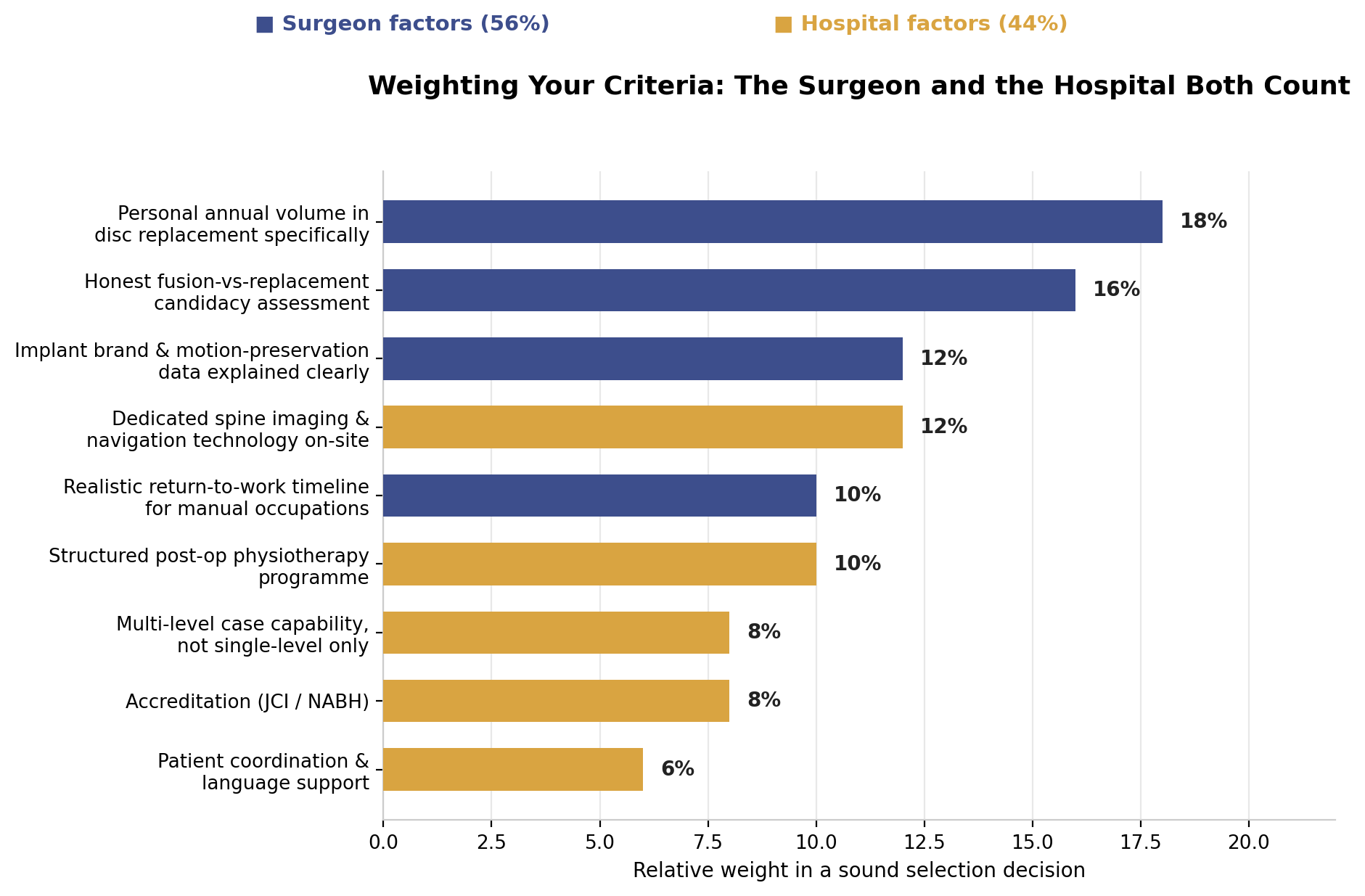
choice for a replacement candidate.
2. An honest fusion-versus-replacement candidacy assessment
Ask directly why replacement is or isn't right for your specific case, referencing your imaging. A surgeon who recommends fusion without first explaining why you aren't a replacement candidate may be defaulting to the more familiar procedure rather than the one that best fits you.
3. Implant brand and motion-preservation data explained clearly
Ask which implant is being used, and what data supports its long-term motion preservation at your specific spinal level. This is not a detail to gloss over; different implants have different track records.
4. A realistic return-to-work timeline for your occupation
Ask specifically how soon you can return to your actual work, not a generic answer. Manual labour, driving, and desk work all have different realistic timelines, and a surgeon who asks about your occupation before answering is engaging with your real situation.
Part two: judging the hospital
For disc replacement, the surgeon's specific technique experience carries more weight than the institution, reflected in the balance above, but the hospital still supplies capability an individual surgeon cannot.
5. Dedicated spine imaging and navigation technology on-site
Ask whether intraoperative imaging and navigation are standard for disc replacement cases, since precise implant placement matters enormously for how well the joint moves afterward.
6. A structured post-operative physiotherapy programme
Ask what physiotherapy looks like in the days and weeks after surgery, since a disc replacement's success depends partly on regaining a genuine range of motion, not just healing.
7. Multi-level case capability, not single-level only
If your case involves more than one disc level, ask specifically about the hospital's experience with multi-level replacement, which is technically harder and not every centre performing single-level cases is equally capable here.
8. Accreditation, read properly
JCI and NABH accreditation are meaningful filters on safety and infection control, but say nothing about spine sub- specialisation. Use accreditation to exclude weak candidates, not to choose between the strong ones.
9. The cost you will actually pay
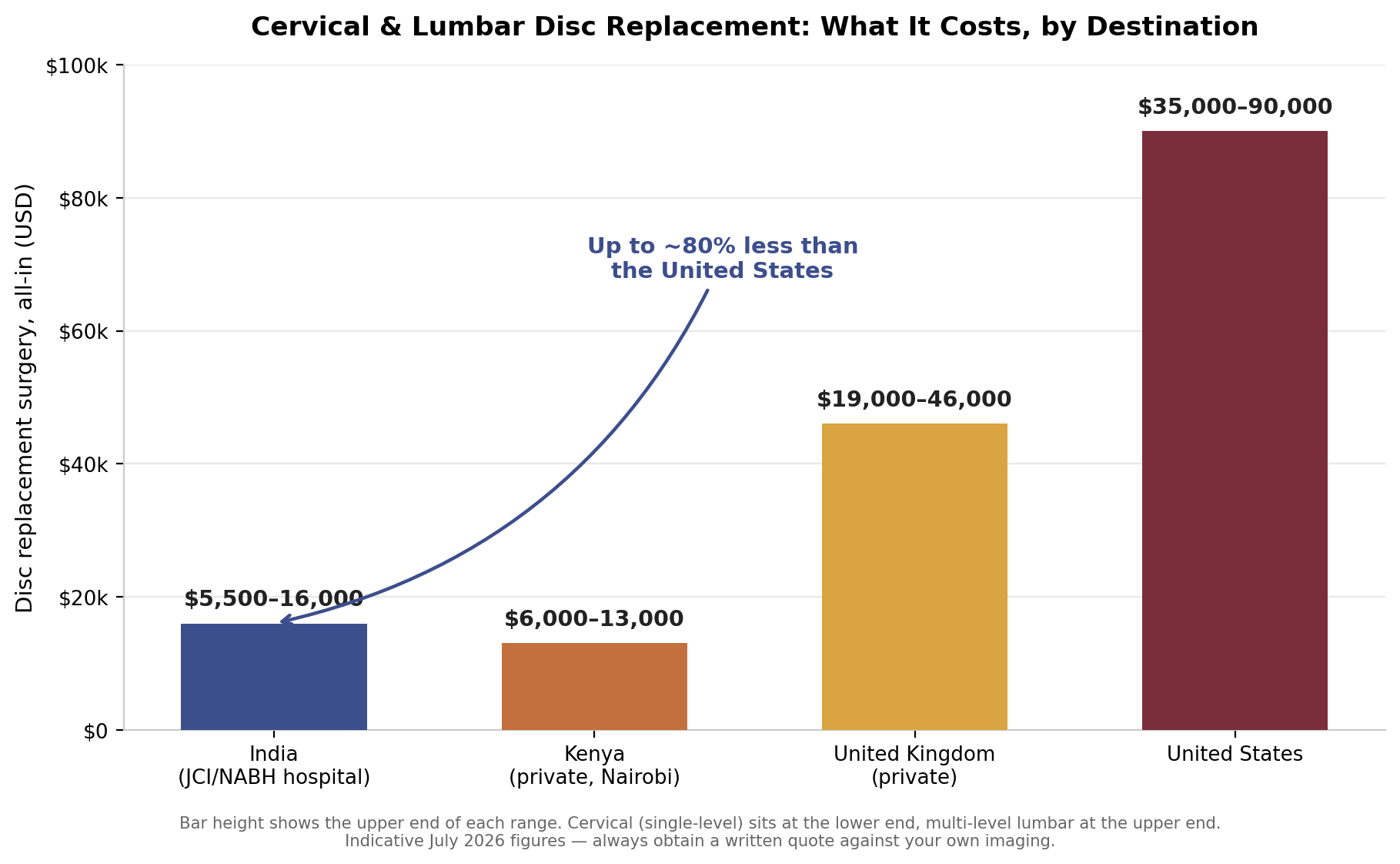
Let me be emphatic about this, because 24 years of handling these cases has taught me nothing more consistently: disputes almost never concern the quoted price. They concern what the quote silently omitted. For disc replacement specifically, insist the estimate states the implant brand and level count included, how many physiotherapy sessions are covered, and whether a second level, if needed, is priced separately.
Budget beyond the surgery. Direct Nairobi–Delhi and Nairobi–Mumbai flights run roughly 550 to 850 dollars return, and two to three weeks of accommodation for you and an attendant adds a genuine sum, though still far below what fusion recovery time off work would cost most Kenyan households.
Four signals that should make you pause
Certain patterns reliably precede a difficult outcome.
- A surgeon who recommends fusion without explaining why replacement isn't suitable for your case.
- No clear personal volume figure in disc replacement specifically.
- A quote that doesn't specify the implant brand.
- A hospital unable to describe its multi-level capability if your case needs it.
None alone proves a bad hospital. Together they warrant a second opinion before you commit to spine surgery.
The Kenya-specific practicalities
Send the full MRI or CT files, not just the written report, so the Indian team can assess your candidacy for
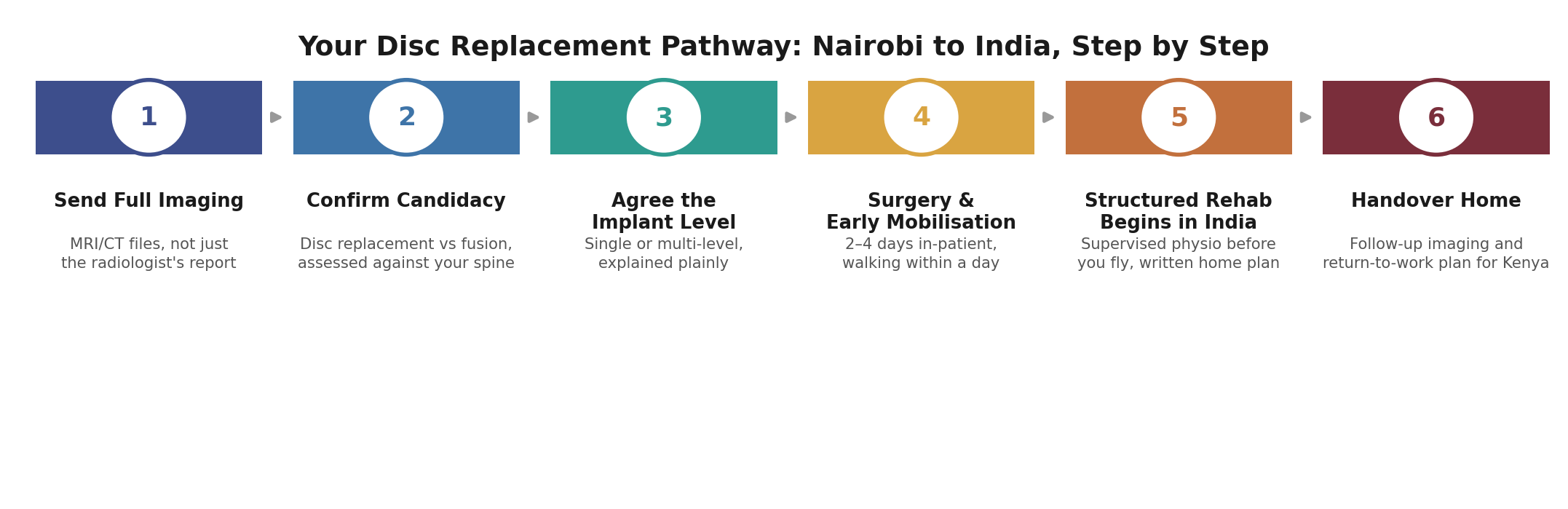
replacement themselves rather than relying on a summary letter.
Direct Nairobi–Delhi and Nairobi–Mumbai flights make this roughly a six-hour journey. The Indian medical e-visa is issued within three to five working days against a hospital letter, and up to two attendants can travel on a medical attendant visa.
Agree in advance on a written return-to-work timeline specific to your occupation, and a follow-up imaging plan your Kenyan doctor can continue once you are home.
The questions I would ask before paying a deposit
Of the surgeon:
- How many disc replacements do you personally perform each year?
- Am I a genuine candidate for replacement, or only for fusion, and why?
- Which implant would you use, and what supports its long-term performance?
- What is a realistic return-to-work timeline for my specific occupation?
Of the hospital:
- Is intraoperative imaging and navigation standard for these cases?
- What does my physiotherapy programme look like after surgery?
- Do you have genuine multi-level replacement experience?
- What exactly is excluded from the quoted price?
- May I speak to a previous East African patient treated for a similar condition?
A team that answers all nine without irritation is very likely the right team. One that turns vague at the first or second has told you what you needed to know at no cost at all.
Straight Answers for Kenyan Patients about Cervical and Lumbar Disc Replacement Surgeons and Hospitals in India
How do I choose the best surgeon in India for disc replacement as a Kenyan patient?
Ask his annual volume in disc replacement specifically, not fusion, why he considers you a genuine candidate for replacement, and which implant he'd use and why.
How much does disc replacement cost in India for a Kenyan patient?
Typically 5,500 to 16,000 US dollars all in. The same surgery runs roughly 6,000 to 13,000 dollars in Kenya, 19,000 to 46,000 in the UK, and 35,000 to 90,000 in the US.
Why does disc replacement matter more for Kenyan patients specifically?
Because 83.8% of Kenya's workforce is informal, meaning most patients have no paid sick leave. Disc replacement generally allows a faster, fuller return to physical work than fusion, which matters enormously when time off work means lost income directly.
Am I a candidate for disc replacement, or do I need fusion?
It depends on your specific imaging: severe instability, significant bone loss, or advanced facet joint arthritis can rule out replacement. Many single-level and some multi-level cases do qualify. Ask your surgeon for a specific, imaging-based answer rather than a default recommendation.
What is adjacent-segment disease, and why does it matter?
It's degeneration at the spinal levels next to a fusion, caused by the extra mechanical load those levels take on. Roughly a quarter of fusion patients develop symptomatic adjacent-segment disease within ten years. Disc replacement is designed specifically to reduce this risk by preserving motion at the treated level.
How long is recovery after disc replacement surgery?
Typically faster than fusion: most patients resume light activity within two to three weeks and are back to non- manual work within four to six weeks, though manual occupations need a longer, individually assessed timeline.
A closing word
For Kenyan patients, especially those whose livelihood depends on returning to physical work quickly, disc replacement in India offers something genuinely different from fusion: a faster, more complete path back to normal life, at a fraction of UK or US cost. The best surgeon is the one whose replacement-specific volume and honest candidacy assessment show he isn't defaulting to the more familiar procedure. The best hospital pairs him with precise imaging technology and a physiotherapy programme built around regaining real motion. If you would like me to look at your scans and reports and talk through honestly whether replacement is right for you, send them across.
Sources
- 🌐 Hilibrand AS, et al. Radiculopathy and myelopathy at segments adjacent to the site of a previous anterior cervical arthrodesis
- 🌐 Incidence of adjacent segment degeneration in cervical disc arthroplasty versus anterior cervical decompression and fusion
- 🌐 Kenya 2026 Economic Survey (Kenya National Bureau of Statistics) — informal sector employment share
- 🌐 National Medical Commission of India — surgeon and specialist registration verification
- 🌐 National Accreditation Board for Hospitals & Healthcare Providers (NABH) — accredited hospital directory
- 🌐 Indian medical e-visa portal — visa eligibility and processing guidance for medical travellers
Frequently Asked Questions by Kenyans about Cervical and Lumbar Disc Replacement Surgeons and Hospitals in India
What is the main choice discussed in the guide?
The guide focuses on deciding between spinal fusion and disc replacement. Fusion eliminates movement at the treated level, while disc replacement is designed to preserve motion.
Is every patient a candidate for disc replacement?
No. Severe instability, significant bone loss and advanced facet-joint arthritis can make disc replacement unsuitable. Candidacy should be determined from the patient's specific imaging and clinical situation.
What is the most important surgeon-selection criterion?
Personal annual volume in disc replacement specifically receives the highest weighting of 18%. Patients should ask about replacement procedures, not simply the surgeon's total spine surgery or fusion volume.
Why is return-to-work planning important for Kenyan patients?
The guide highlights that 83.8% of Kenya's workforce is informal, meaning many workers may not have paid sick leave. The expected recovery period can therefore have a direct financial impact.
What should patients ask about the implant?
They should ask which implant brand will be used and what evidence supports its long-term motion preservation at the specific spinal level being treated.
What imaging should Kenyan patients send?
The guide recommends sending the full MRI or CT files, rather than only the radiologist's written report, so the Indian team can independently assess the case.
Why is navigation technology important?
Dedicated intraoperative imaging and navigation can support precise implant placement, which the guide considers particularly important for disc replacement.
What should patients ask if they need multi-level replacement?
They should specifically ask how many multi-level disc replacement cases the hospital and surgeon have performed, because experience with single-level procedures does not automatically demonstrate equivalent multi-level expertise.
What should be included in the quotation?
The quotation should specify the implant brand, number of levels included, physiotherapy sessions and whether an additional level would be charged separately.
What recovery timeline does the guide mention?
It states that many patients resume light activity within two to three weeks and may return to non-manual work within approximately four to six weeks, while manual occupations require an individually assessed timeline.
Page Summary
This seven-page guide helps Kenyan patients evaluate cervical and lumbar disc replacement surgeons and hospitals in India, with particular emphasis on the decision between fusion and motion-preserving disc replacement. It explains why replacement is not suitable for every patient and highlights the importance of imaging-based candidacy assessment, implant selection and surgeon-specific experience. The guide gives 56% weight to the surgeon and 44% to the hospital, with personal annual disc-replacement volume receiving the highest individual weighting of 18%. The page 2 chart illustrates the potential development of symptomatic adjacent-segment disease after cervical fusion, while the page 3 weighting chart shows the full selection framework. The page 4 cost chart compares indicative costs across India, Kenya, the UK and US, and the page 5 pathway covers imaging, candidacy, implant selection, surgery, rehabilitation and follow-up in Kenya.
Citation Block
| Topic | Information |
|---|---|
| Topic | Cervical & Lumbar Disc Replacement |
| Treatment | Disc Replacement Surgery |
| Country | India |
| Patients | Kenyan Patients |
| Main Alternative | Spinal Fusion |
| Key Focus | Motion-Preserving Spine Surgery |
| Key Specialist | Spine Surgeon |
| Selection Framework | Weighted Surgeon & Hospital Criteria |
| Surgeon Weight | 56% |
| Hospital Weight | 44% |
| Highest Criterion | Personal Annual Disc-Replacement Volume |
| Candidacy Assessment | Fusion vs Replacement |
| Implant Assessment | Brand & Motion-Preservation Data |
| Imaging | MRI / CT Review |
| Hospital Technology | Spine Imaging & Navigation |
| Multi-Level Capability | Multi-Level Disc Replacement |
| Rehabilitation | Structured Post-Operative Physiotherapy |
| Outcome Planning | Occupation-Specific Return-to-Work Timeline |
| Pricing Check | Implant, Level Count & Physiotherapy |
| Follow-Up | Kenyan Doctor |
| Visa Consideration | Indian Medical E-Visa |
| Warning Signs | Unclear Volume or Unexplained Fusion Recommendation |
| Key Questions | Volume, Candidacy, Implant, Recovery & Follow-Up |


Our Mission Statement
Our mission is to place patients at the centre of every healthcare decision by providing trustworthy, evidence-based, and unbiased medical information. We believe that informed patients make better decisions. Backed by personalised guidance from our experienced advisory team, we help patients understand their treatment options, compare them objectively, and confidently choose the path that best suits their medical needs and personal circumstances.
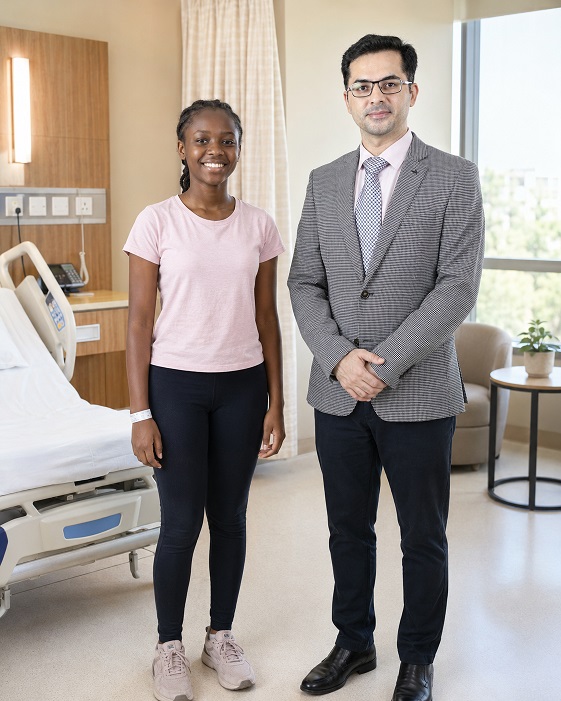
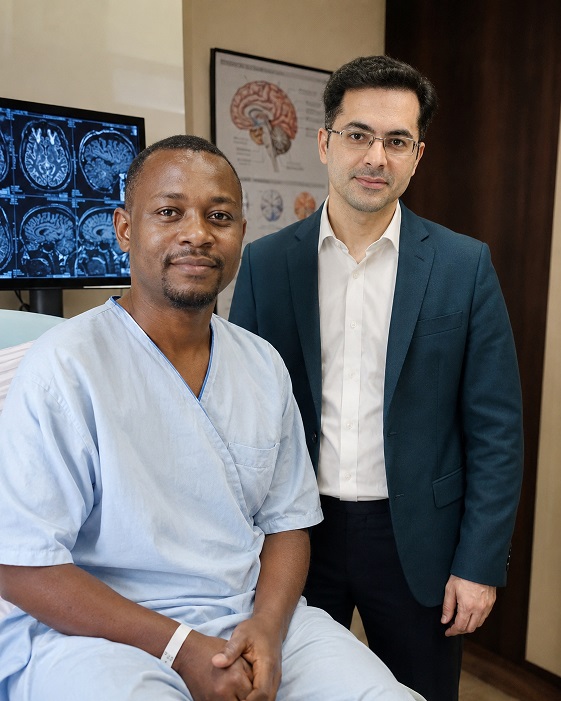
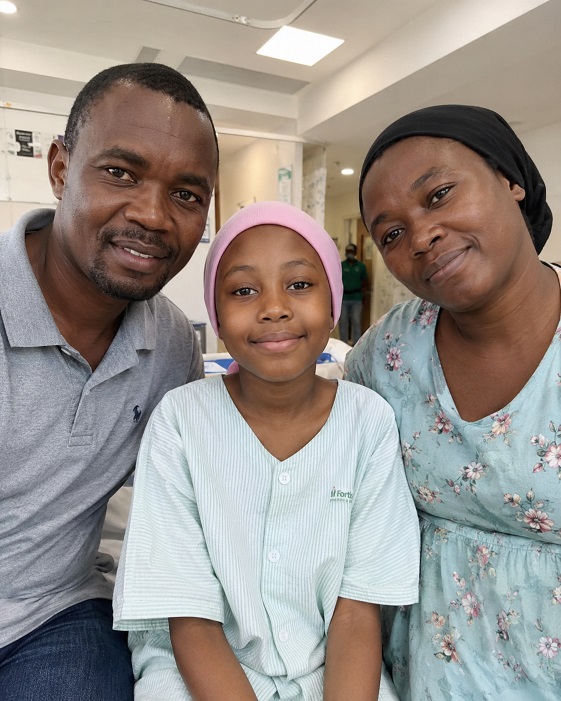
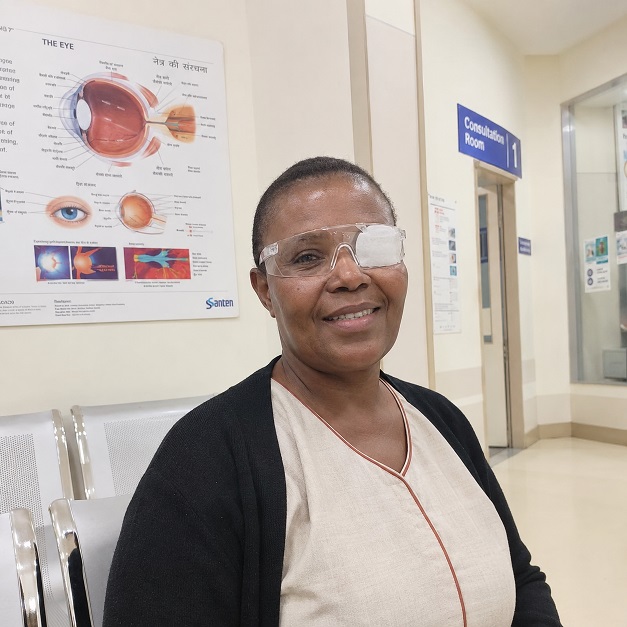
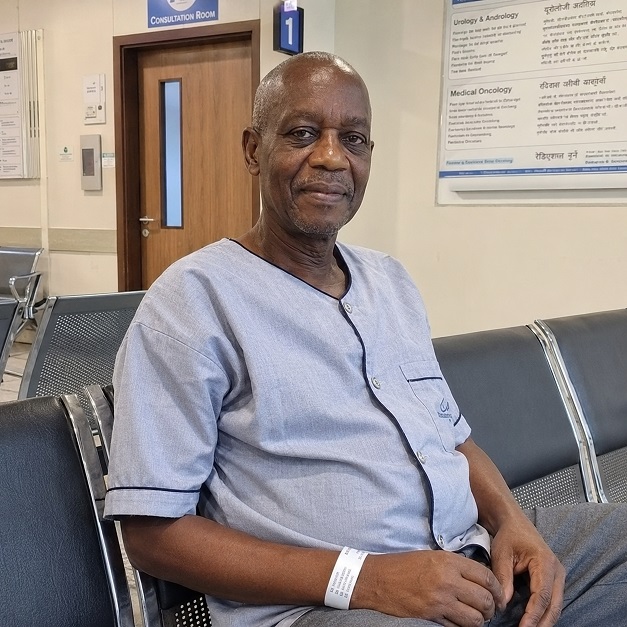
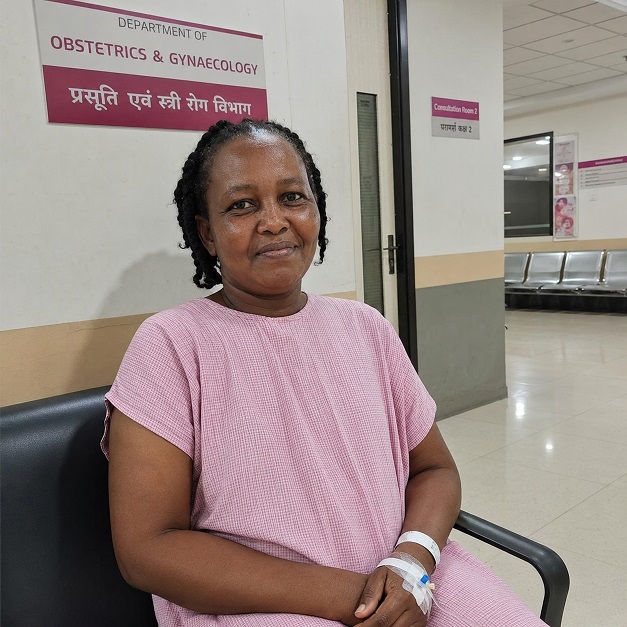
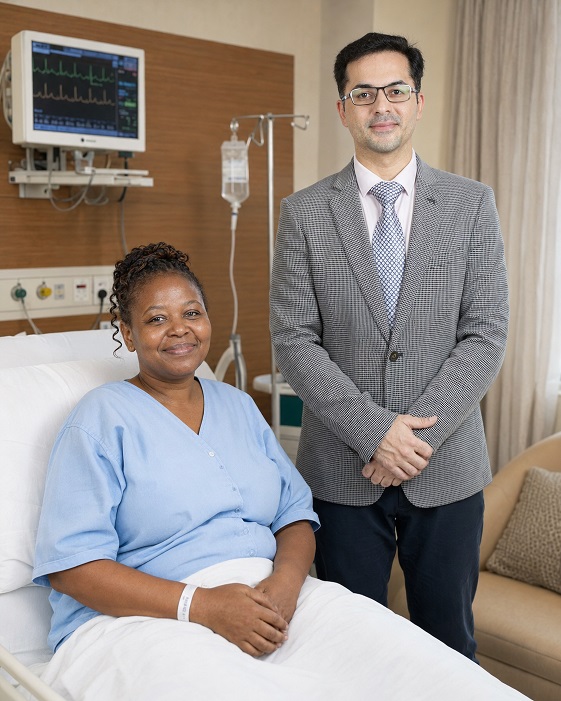
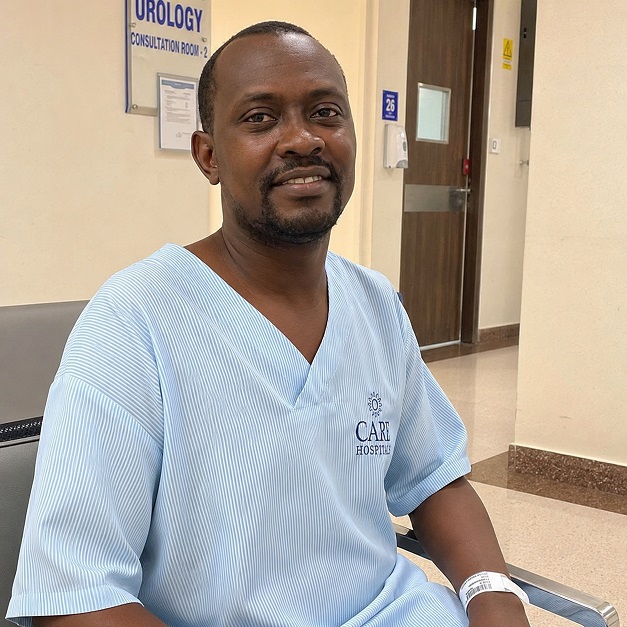
Patient Testimonials from Kenya

Ready to Take the First Step?
Share your Medical Reports with our Healthcare Managers Today and Get a FREE CONSULTATION, a Personalized Treatment Plan, and Complete Support from Arrival to Recovery.
Get Your Free ConsultationAreas We Serve
This resource has been thoughtfully prepared for patients from Kenya who are considering medical treatment in India. We also welcome patients from the wider region in the countries mentioned below-
We assist patients from:
- Ethiopia
- Somalia
- Tanzania
- Uganda
- Seychelles
- Guinea
- Guinea-Bissau
- Liberia
- Mali
- Mauritania
- Niger
- Nigeria
- Senegal
- Togo
- South Sudan
- Sierra Leone
Many of the insights, treatment pathways, hospital recommendations, travel guidance, and patient support services described here are equally relevant and may be used as a reference when planning treatment in India.
From Kenya to India: Your Complete Patient Support Guide
- Brain Tumour Surgery in India for Kenyan Patients
- Cancer Treatment and Surgery in India for Kenyan Patients
- Cardiac Treatment and Surgery in India for Kenyan Patients
- Heart Valve Replacement Surgery in India for Kenyan Patients
- Knee Replacement in India for Kenyan Patients
- Prostate Cancer Treatment and Surgery in India for Kenyan Patients
- Spine Treatment and Surgery in India for Kenyan Patients
- Selecting the Best Bariatric Surgeons and Hospitals in India: What Kenyan Patients Should Actually Look For
- Selecting the Best Cancer Surgeons and Hospitals in India: What Kenyan Patients Should Actually Look For
- Selecting the Best Cardiac Surgeons and Hospitals in India: What Kenyan Patients Should Actually Look For
- Selecting the Best Dental Surgeons and Clinics in India: What Kenyan Patients Should Actually Look For
- Selecting the Best Hip Surgeons and Hospitals in India: What Kenyan Patients Should Actually Look For
- Selecting the Best Kidney Transplant Surgeons and Hospitals in India: What Kenyan Patients Should Actually Look For
- Selecting the Best Knee Surgeons and Hospitals in India: What Kenyan Patients Should Actually Look For
- Selecting the Best Liver Transplant Surgeons and Hospitals in India: What Kenyan Patients Should Actually Look For
- Selecting the Best Neurosurgeons and Hospitals in India: What Kenyan Patients Should Actually Look For
- Selecting the Best Prostate Cancer Surgeons and Hospitals in India: What Kenyan Patients Should Actually Look For
- Selecting the Best Spine Surgeons and Hospitals in India: What Kenyan Patients Should Actually Look For