

Robotic Cancer Surgery in India for Kenyan Patients
Owning a robot is not the same as cancer-specific robotic experience — what a Kenyan patient should ask about volume and outcomes in India, and what it costs.
On August 19, 2026, Aga Khan University Hospital in Nairobi performed East Africa's first robotic-assisted surgery, a genuine milestone that made national headlines. It's worth understanding exactly what that milestone was, and wasn't, before deciding what it means for your own cancer treatment decision. Across 24 years of guiding Kenyan patients through treatment in India, robotic surgery is one of the clearest examples I see of a technology arriving in a region at a very early, general stage, well before the specific, cancer-focused expertise most patients actually need is established. This article explains what robotic cancer surgery involves, what East Africa's recent milestone actually represents, what treatment costs in India compared with Western countries, and the practical factors to weigh before deciding where to be treated.
Healing Journeys of Kenyan Patients



Key Takeaways
- The guide explains that East Africa's first robotic-assisted surgery was performed at Aga Khan University Hospital in Nairobi on August 19, 2026. The procedure was a laparoscopic cholecystectomy for gallbladder removal, making it an important regional milestone but not a cancer-specific robotic operation. Kenyan patients therefore need to distinguish between the arrival of robotic technology and the development of sustained robotic cancer expertise.
- For cancer surgery, the guide emphasises that owning or introducing a robotic system does not by itself establish cancer-specific expertise. Procedures such as robotic prostatectomy and colorectal cancer surgery require repeated experience with cancer anatomy, nerve-sparing techniques, lymph-node management and margin assessment. The guide states that meaningful programme expertise develops through sustained case volume across dozens or hundreds of relevant procedures.
- India's scale is considerably more established. As of early 2026, the guide reports more than 180 da Vinci robotic surgical systems and over 950 trained robotic surgeons in India, including dedicated cancer-focused robotic surgery teams. This provides Kenyan patients with access to surgeons who may have substantially greater experience with specific robotic cancer procedures than a newly established regional programme.
- The guide also explains why surgeon-specific experience matters more than simply selecting a hospital with a robot. Kenyan patients should ask how many robotic operations for their exact cancer type the surgeon personally performs each year and how much console time the named surgeon will actually control. This helps distinguish genuine hands-on expertise from general or trainee-assisted robotic experience.
- Robotic cancer surgery is commonly used for prostate, kidney, colorectal and gynaecological cancers, with growing use in gastric and thoracic cancers. The minimally invasive approach can provide smaller incisions, reduced blood loss and shorter recovery compared with open surgery, while specific cancer procedures may also benefit from improved nerve preservation and precise dissection.
- The guide estimates robotic cancer surgery in India at approximately US$6,500–15,000, using robotic prostatectomy as a representative example. Kenya currently has no established robotic cancer surgery programme to provide a comparable established price, while the guide gives ranges of US$25,000–45,000 in the UK and US$35,000–70,000 in the US. Kenyan patients should treat the Indian range as an initial estimate because the final cost varies by cancer type and complexity.
- Before booking, the guide recommends verifying JCI or NABH accreditation, cancer-specific robotic case volume, the named surgeon's actual console involvement and a complete written quotation covering the robotic system fee, surgery, ICU where required and follow-up. Kenyan patients should also arrange their medical e-visa, plan for approximately 2–3 weeks in India, and establish a written follow-up arrangement with a doctor in Kenya before returning home.
Quick Facts
- Author
- Dr. Dheeraj Bojwani
- Experience
- 24+ Years
- Treatment
- Robotic Cancer Surgery
- Patients
- Kenyan Patients
- First Assessment
- Cancer type, stage and surgical suitability
- Key Specialist
- Cancer-Specific Robotic Surgeon
- Common Cancers
- Prostate, kidney, colorectal and gynaecological cancers
- Technology
- da Vinci robotic surgical system
- East Africa Milestone
- First robotic-assisted surgery performed in Nairobi on August 19, 2026
- Kenya Status
- No established robotic cancer surgery programme
- India Capacity
- 180+ da Vinci systems and 950+ trained robotic surgeons
- Hospital Check
- JCI / NABH accreditation
- Case Volume
- Exact robotic cancer procedure
- Console Check
- Named surgeon's personal operating time
- Cost Check
- Written estimate including robotic fee, surgery, ICU and follow-up
- India Cost
- US$6,500–15,000
- Medical Records
- Imaging, pathology and previous oncology reports
- Visa
- Indian medical e-visa with hospital invitation
- Travel
- Nairobi–Delhi or Mumbai flights
- Stay
- Approximately 2–3 weeks
- Follow-Up
- Written follow-up plan in Kenya
- Key Warning
- General robotic experience presented as cancer-specific expertise
- Decision Principle
- Prioritise cancer-specific robotic volume, surgeon involvement and treatment continuity.
In Brief
For Kenyan patients considering robotic cancer surgery, the most important distinction is between general robotic capability and sustained cancer-specific robotic expertise. The guide recommends verifying the surgeon's annual volume for the exact cancer procedure, confirming how much console time the surgeon personally controls, obtaining a complete cost estimate and arranging follow-up in Kenya before travelling.
What robotic cancer surgery actually involves
Robotic-assisted surgery uses a surgeon-controlled robotic system, most commonly the da Vinci platform, to perform minimally invasive operations with greater precision, range of motion, and visualisation than either open surgery or standard laparoscopic techniques allow. The surgeon sits at a console, viewing a magnified 3D image of the surgical site, while controlling robotic arms that translate hand movements into smaller, more precise motions inside the patient, filtering out natural hand tremor in the process.
For cancer surgery specifically, this precision matters enormously. Robotic techniques are widely used for prostate, kidney, colorectal, gynaecological, and increasingly gastric and thoracic cancers, where the combination of small incisions, reduced blood loss, and precise tissue-sparing dissection genuinely improves recovery time and, in some cancer types, oncologic outcomes like nerve preservation and margin control. Recovery is typically faster than open surgery, hospital stays shorter, and blood transfusion rates measurably lower.
The learning curve for robotic cancer surgery is genuinely steeper than for general robotic procedures. A surgeon needs not only comfort with the robotic console itself, a skill that transfers reasonably well across different types of surgery, but also deep, procedure-specific experience with the cancer anatomy involved: knowing precisely where to dissect around a nerve bundle during a prostatectomy, or how to manage lymph nodes during a colorectal resection, in ways that only come from repetition across a substantial number of cases of that exact type.
What East Africa's recent milestone actually represents
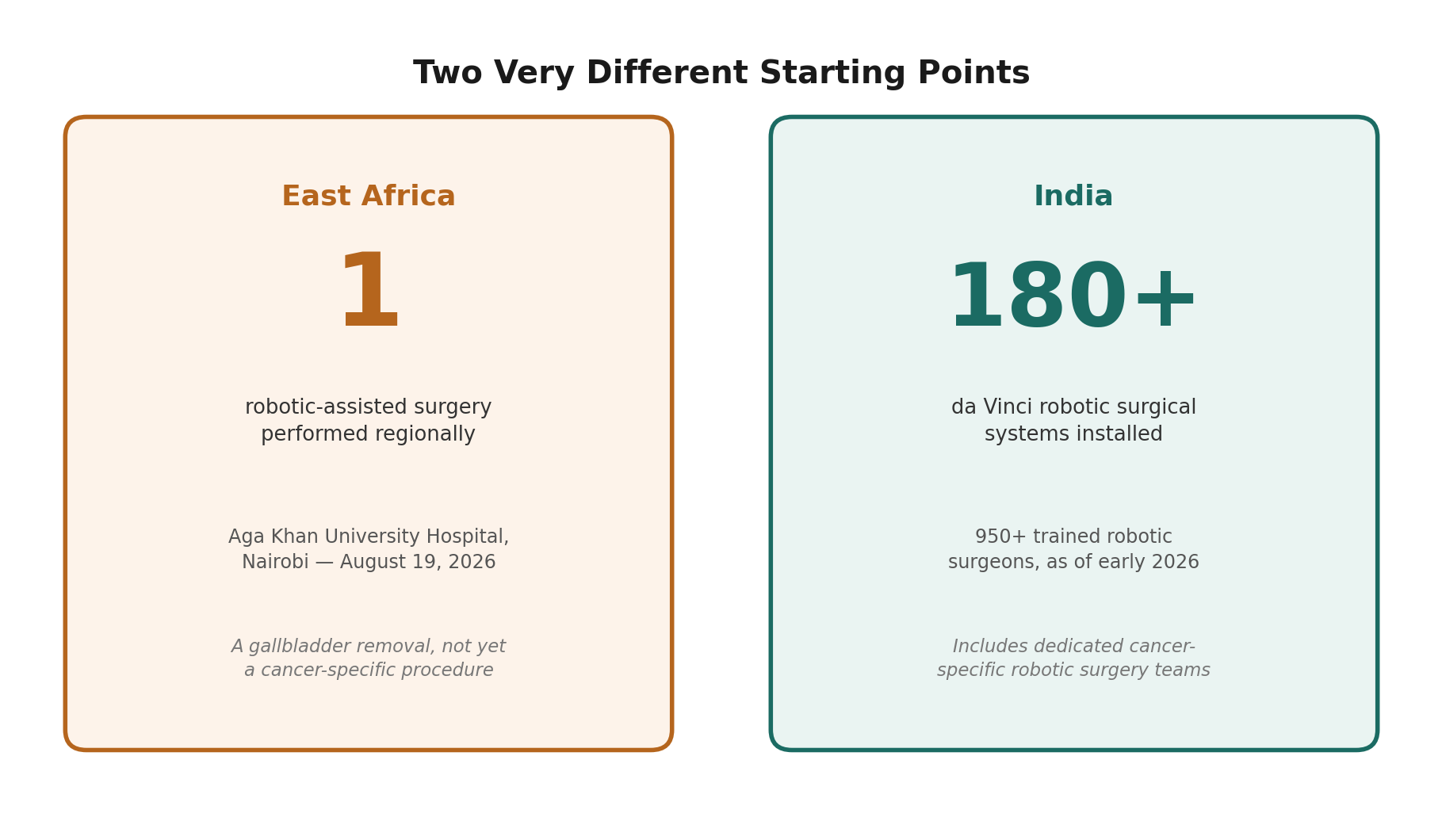
This is the distinction every Kenyan patient considering robotic cancer surgery needs to understand clearly. The August 2026 procedure at Aga Khan University Hospital was a robotic-assisted laparoscopic cholecystectomy, a gallbladder removal, a genuinely significant first step for the region, but not a cancer-specific procedure. It demonstrates that the general technology and technique can be introduced successfully, which matters, but it doesn't yet demonstrate the case volume, oncologic training, or complex cancer-specific experience that robotic cancer surgery genuinely requires.
This gap matters because robotic cancer surgery, particularly for complex procedures like radical prostatectomy or colorectal cancer resection, depends heavily on a surgeon's accumulated experience with cancer-specific technique, nerve-sparing dissection, lymph node management, margin assessment, in a way that a single general procedure, however well executed, doesn't establish. A programme needs sustained volume across dozens or hundreds of cases before that specific expertise becomes reliably available, and East Africa's robotic surgery programme, while genuinely promising, is still measured in single digits of total procedures rather than the volume a cancer-specific programme requires.
Why India has become a genuine hub for robotic cancer surgery
India's contrast with this starting point is stark. As of early 2026, India has more than 180 da Vinci robotic surgical systems installed and more than 950 trained robotic surgeons, a scale of infrastructure and expertise that includes dedicated cancer-specific robotic surgery teams at leading centres, not general surgeons occasionally using the technology. This volume translates directly into the kind of accumulated, cancer-specific experience that genuinely changes outcomes for complex oncologic procedures.
India's leading robotic cancer surgery centres combine this volume with JCI and NABH accredited safety standards, urologic and surgical oncologists with careers built specifically around robotic technique, and reported success rates that compare favourably with outcomes anywhere in the world. In 24 years of guiding patients through decisions like this one, the clearest signal of a genuinely capable programme has always been sustained, cancer-specific volume, not simply owning the equipment, and India offers that in a way that's currently, honestly, still developing across the region.
None of this diminishes what Aga Khan University Hospital's team achieved. Introducing any new surgical technology successfully is genuinely difficult, and it's a foundation the region's cancer care can build on over the coming years. But foundations take time to mature into the kind of specialised depth that complex cancer surgery specifically demands, and a patient facing a cancer diagnosis today is making a decision now, not in the years it will take that depth to develop.
What it costs: India versus Kenya, the UK, and the US
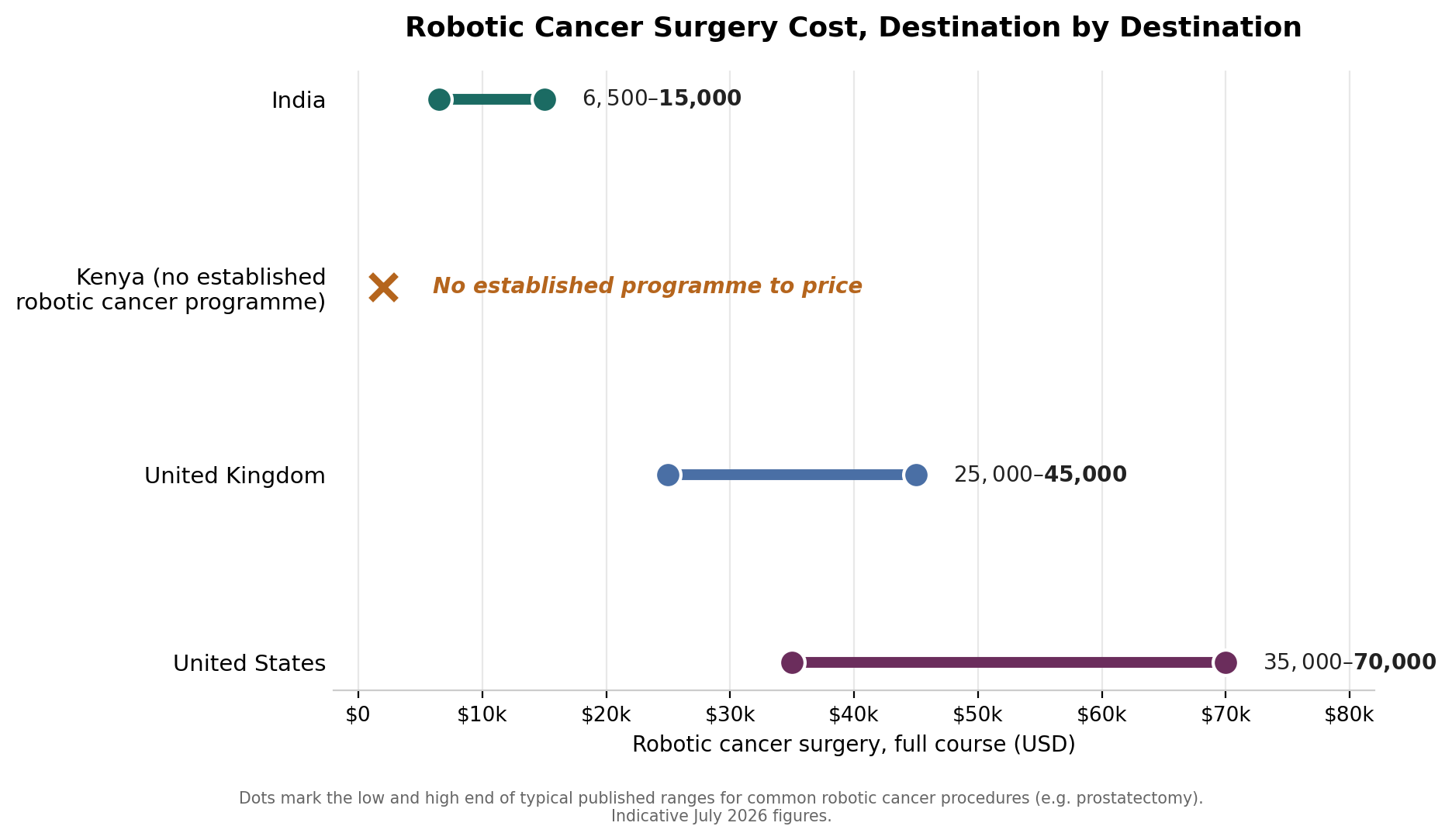
In India, robotic cancer surgery, using robotic prostatectomy as a representative example, typically costs between 6,500 and 15,000 US dollars, covering the surgery, robotic system fee, and hospital stay. In Kenya, no established robotic cancer surgery programme currently exists to price, given how recently and narrowly the underlying technology has been introduced regionally. In the UK, private robotic cancer surgery typically costs 25,000 to 45,000 dollars, and in the US, 35,000 to 70,000 dollars, up to roughly 80% more than the equivalent treatment in India.
Beyond the procedure itself, budget for travel. Direct flights between Nairobi and Delhi or Mumbai run roughly 550 to 850 dollars return, and most robotic cancer surgery patients need two to three weeks in India, covering pre- operative assessment, the surgery, and initial recovery before travel home is medically advisable. Costs also vary meaningfully by cancer type and complexity, so treat any quote as a starting point for a detailed, written breakdown rather than a final figure.
What a Kenyan patient should actually check before booking
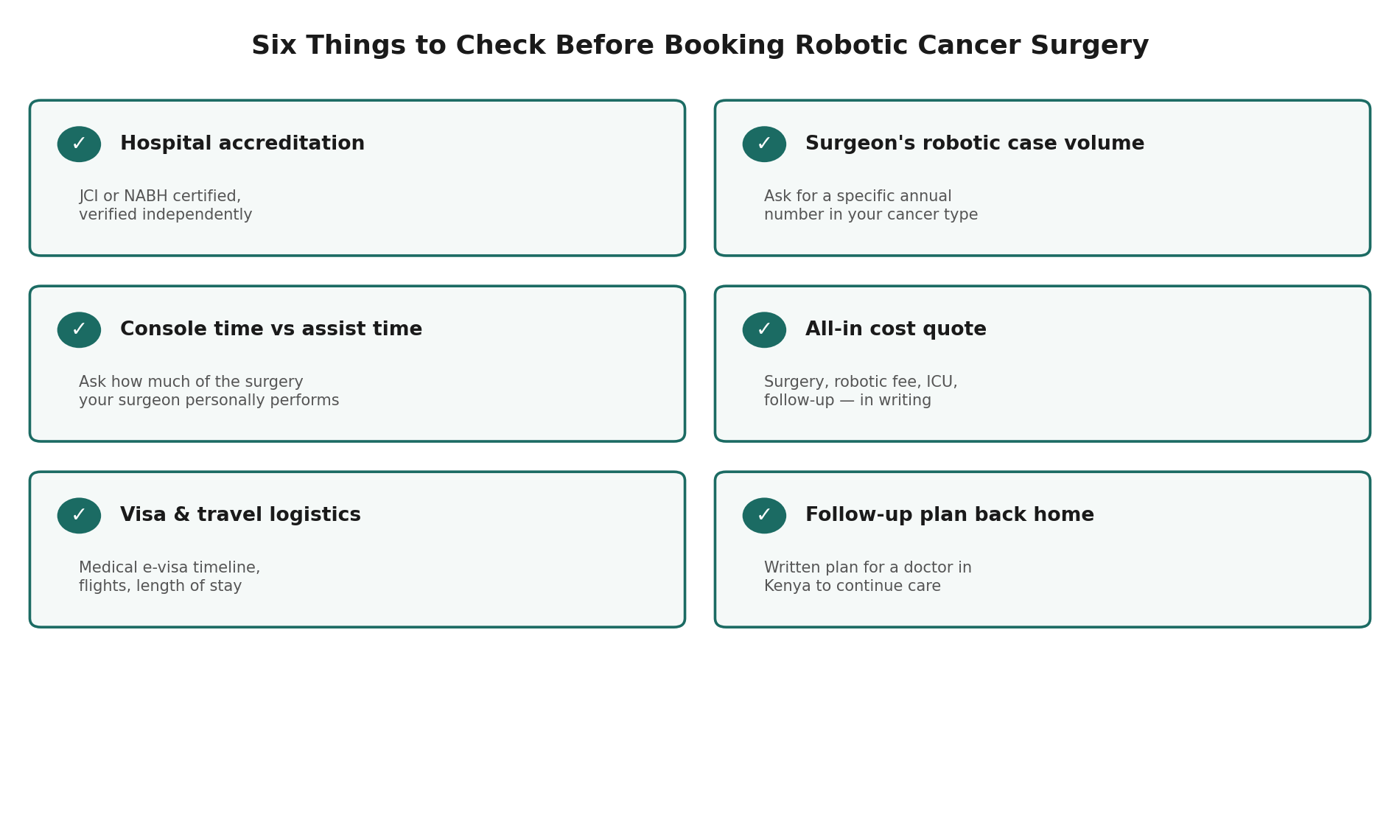
Given how much cancer-specific volume matters for this technology, work through these questions directly.
Confirm genuine accreditation. Ask whether the hospital holds JCI or NABH certification, and verify it independently.
Ask about the surgeon's robotic case volume in your specific cancer type. A specific number, how many robotic procedures matching your exact cancer type the surgeon personally performs each year, matters more than general robotic surgery experience.
Ask how much of the surgery your surgeon personally performs. In some settings, junior staff or trainees handle portions of a robotic case; ask directly what proportion of console time your specific surgeon will control.
Get the full cost breakdown in writing. Confirm what's included, surgery, the robotic system fee, ICU days, and follow-up consultations.
Plan your visa and travel timeline. The Indian medical e-visa is typically issued within three to five working days once you have a formal hospital invitation letter.
Arrange your follow-up plan before you leave. Agree on a written follow-up schedule and identify a doctor in Kenya who can continue monitoring once you're home.
Straight Answers for Kenyan Patients about Robotic Cancer Surgery in India
Is robotic surgery available in Kenya?
Robotic-assisted surgery arrived in the region for the first time on August 19, 2026, at Aga Khan University Hospital, Nairobi, but this was a general gallbladder procedure, not a cancer-specific operation, and a dedicated robotic cancer surgery programme has not yet been established.
How much does robotic cancer surgery cost in India compared to the US?
India typically costs 6,500 to 15,000 US dollars, against 35,000 to 70,000 dollars in the US, a saving of up to roughly 80%, at hospitals holding the same JCI and NABH accreditation standards.
Why does surgical volume matter so much for robotic cancer surgery specifically?
Cancer-specific robotic technique, including nerve-sparing dissection and lymph node management, depends on accumulated case experience across dozens or hundreds of procedures, which a single general procedure, however successful, doesn't establish.
What cancers is robotic surgery commonly used for?
Prostate, kidney, colorectal, gynaecological, and increasingly gastric and thoracic cancers, where precise, minimally invasive technique offers genuine advantages in recovery time and, for some cancer types, oncologic outcomes.
How experienced is India in robotic surgery?
As of early 2026, India has more than 180 da Vinci robotic surgical systems installed and more than 950 trained robotic surgeons, including dedicated cancer-specific robotic surgery teams at leading centres.
How long does robotic cancer surgery treatment take in India?
Most patients need two to three weeks in India, covering pre-operative assessment, the surgery itself, and initial recovery before travel home is medically advisable.
A Closing Word
East Africa's first robotic surgery is a genuine, welcome milestone, and it's reasonable to expect the region's capacity to keep developing. But for a patient facing a cancer diagnosis today, the gap between a single general procedure and the sustained, cancer-specific volume that genuinely changes outcomes remains real. India offers exactly that accumulated volume, accredited safety standards, and cost that makes it, for the great majority of Kenyan patients I've guided through this decision, the clearest option to investigate now, while regional capacity continues to build.
Sources
- 🌐 Aga Khan University Hospital Pushes East Africa Into New Era of Robotic Surgery. Kenya Today, 2026
- 🌐 Prostate Cancer Treatment in India: Find Costs, Top Hospitals and Doctors. Medical Tourism Corporation, 2026. medicaltouri
- 🌐 National Medical Commission of India — specialist registration verification
- 🌐 National Accreditation Board for Hospitals & Healthcare Providers (NABH) — accredited hospital directory
Frequently Asked Questions by Kenyans about Robotic Cancer Surgery in India
Is robotic cancer surgery currently available in Kenya?
Robotic-assisted surgery began in the region on August 19, 2026, at Aga Khan University Hospital in Nairobi, but the reported procedure was a gallbladder removal, not cancer surgery. A dedicated robotic cancer surgery programme has not yet been established.
Why should a Kenyan cancer patient not equate the Nairobi robotic milestone with robotic cancer expertise?
The Nairobi procedure demonstrated that robotic technology can be used successfully in the region, but one general procedure does not establish the cancer-specific case volume, oncologic training or experience needed for complex robotic cancer operations.
Why is India currently a stronger option for robotic cancer surgery?
As of early 2026, India had 180+ da Vinci systems and more than 950 trained robotic surgeons, including dedicated cancer-specific teams. This provides a much larger base of accumulated robotic cancer experience than the newly developing regional programme.
Which cancers are commonly treated using robotic surgery in India?
The guide identifies prostate, kidney, colorectal and gynaecological cancers as common applications, with robotic techniques increasingly being used for gastric and thoracic cancers as well.
How should a Kenyan patient verify a robotic cancer surgeon's experience?
Ask for the specific number of robotic procedures for your exact cancer type that the surgeon personally performs each year. The guide considers this more meaningful than simply confirming that the hospital owns a robotic system.
Why should Kenyan patients ask how much console time the surgeon personally controls?
Robotic surgery is surgeon-controlled, so patients should know who is actually operating the robotic system. The guide recommends asking whether junior staff or trainees will perform portions of the operation and what proportion of console time the named surgeon will control.
How much does robotic cancer surgery cost in India for Kenyan patients?
Using robotic prostatectomy as a representative example, the guide estimates approximately US$6,500–15,000 in India. The final price varies according to cancer type, procedure complexity and hospital requirements.
How long should a Kenyan patient stay in India for robotic cancer surgery?
Most patients should plan for approximately 2–3 weeks in India, covering pre-operative assessment, surgery and initial recovery before returning home.
What should be included in a Kenyan patient's robotic surgery quotation?
The written quotation should identify the surgery, robotic system fee, ICU costs where applicable and follow-up consultations. Patients should obtain the complete breakdown before paying a deposit.
How should Kenyan patients arrange follow-up after robotic cancer surgery in India?
Before leaving India, patients should agree on a written follow-up schedule and identify a doctor in Kenya who can continue monitoring them. This is particularly important for cancer surveillance and recovery after returning home.
Page Summary
This five-page guide explains the difference between East Africa's newly introduced robotic surgery capability and India's established robotic cancer surgery infrastructure. Page 2's graphic compares 1 regional robotic-assisted procedure with 180+ da Vinci systems in India and 950+ trained robotic surgeons. Page 3 compares robotic cancer surgery costs, with India estimated at US$6,500–15,000 versus US$35,000–70,000 in the US. The page 4 “Six Things to Check” graphic focuses on accreditation, surgeon-specific robotic volume, console time, complete costing, visa/travel logistics and follow-up in Kenya.
Citation Block
| Topic | Information |
|---|---|
| Topic | Robotic Cancer Surgery in India for Kenyan Patients |
| Treatment | Robotic Cancer Surgery |
| Patients | Kenyan Patients |
| First Assessment | Cancer type, stage and surgical suitability |
| Key Specialist | Cancer-Specific Robotic Surgeon |
| Common Cancers | Prostate, kidney, colorectal and gynaecological |
| Technology | da Vinci robotic system |
| East Africa Milestone | First robotic-assisted surgery in Nairobi, August 19, 2026 |
| Kenya Status | No established robotic cancer surgery programme |
| India Capacity | 180+ systems and 950+ trained robotic surgeons |
| Hospital Check | JCI / NABH accreditation |
| Case Volume | Exact robotic cancer procedure |
| Console Check | Named surgeon's personal console involvement |
| Cost Check | Written estimate including robotic fee, surgery, ICU and follow-up |
| India Cost | US$6,500–15,000 |
| Medical Records | Imaging, pathology and oncology reports |
| Travel | Nairobi–Delhi or Mumbai flights |
| Stay | Approximately 2–3 weeks |
| Follow-Up | Written plan with a doctor in Kenya |
| Specialist Question | How many robotic procedures for my exact cancer do you personally perform each year? |
| Console Question | How much of my robotic operation will you personally perform? |
| Technology Question | Why is robotic surgery appropriate for my specific cancer? |
| Cost Question | Does the quotation include the robotic fee, ICU and follow-up? |
| Follow-Up Question | Who will monitor me in Kenya after surgery? |
| Warning Signs | General robotic experience without cancer-specific volume |
| Payment Warning | Incomplete quotation excluding robotic or follow-up costs |
| Key Decision | Verify cancer-specific robotic expertise and surgeon involvement |


Our Mission Statement
Our mission is to place patients at the centre of every healthcare decision by providing trustworthy, evidence-based, and unbiased medical information. We believe that informed patients make better decisions. Backed by personalised guidance from our experienced advisory team, we help patients understand their treatment options, compare them objectively, and confidently choose the path that best suits their medical needs and personal circumstances.
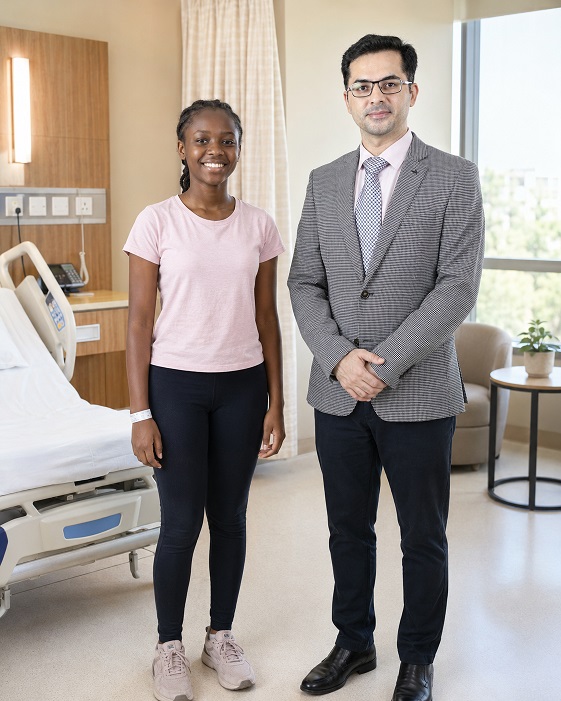
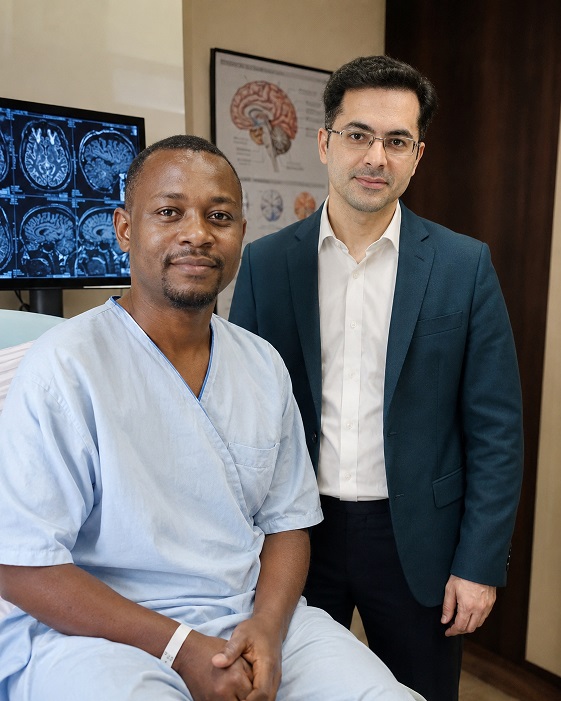
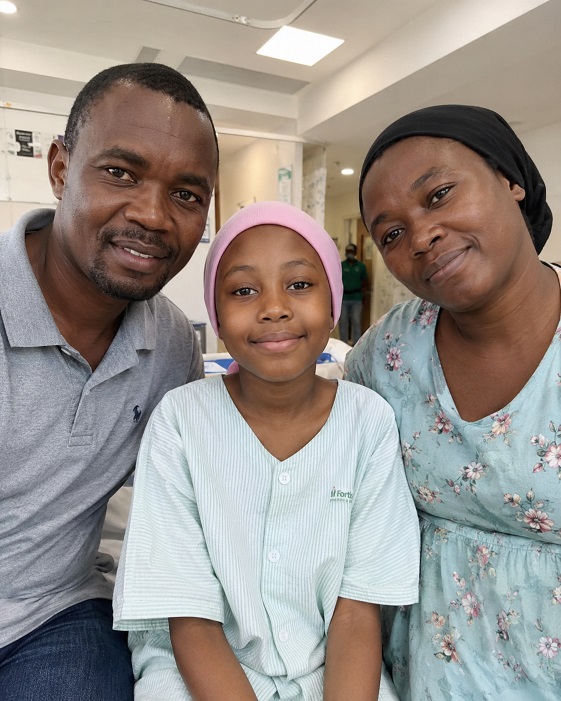
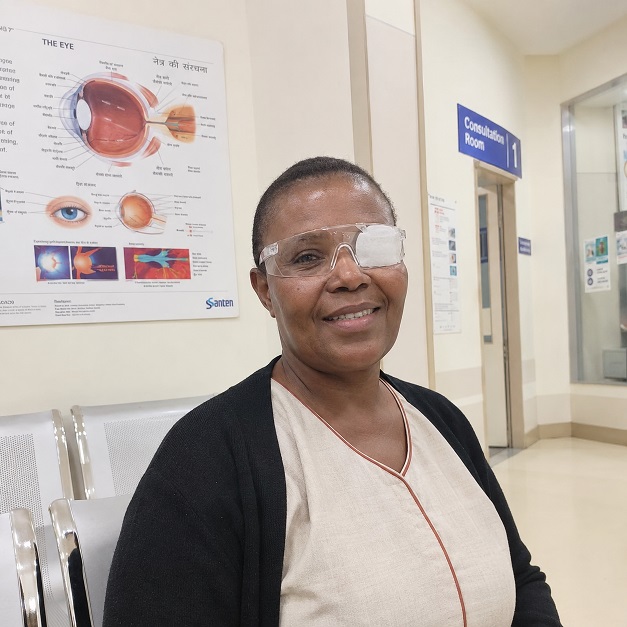
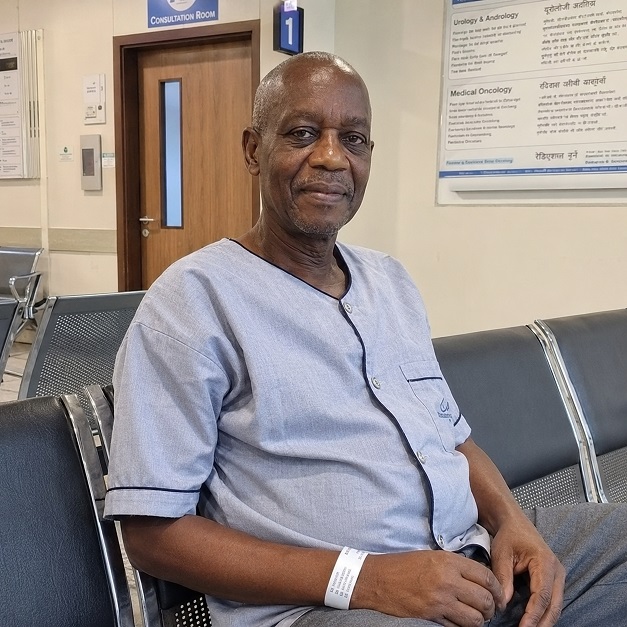
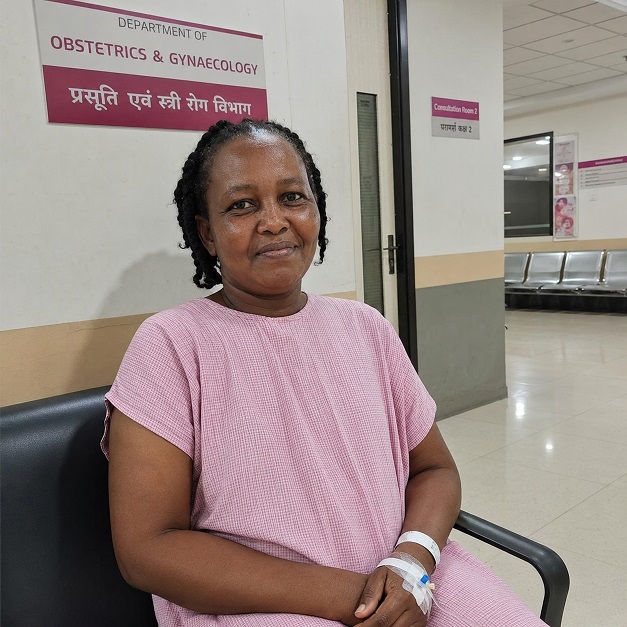
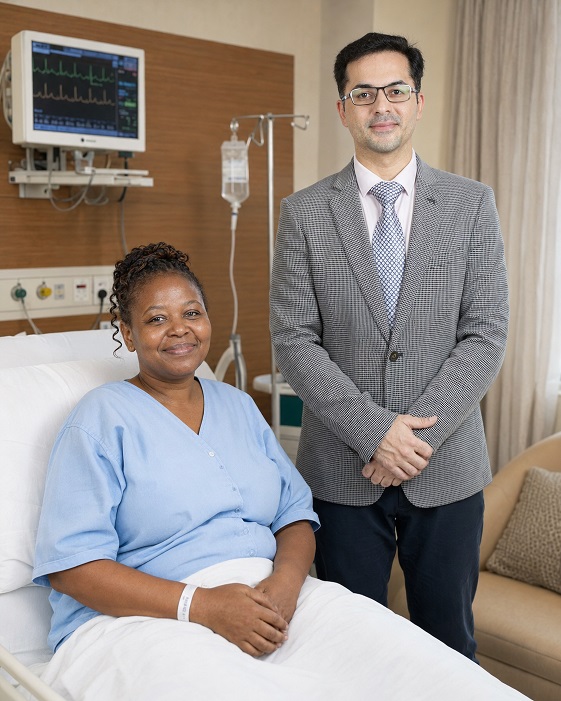
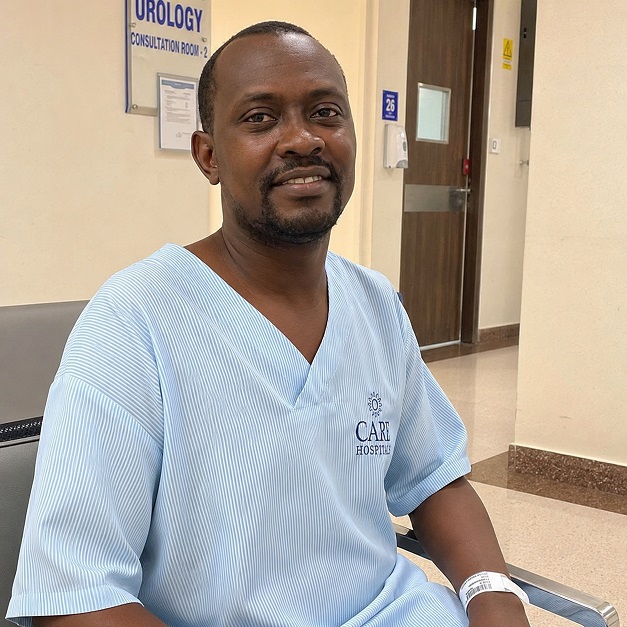
Patient Testimonials from Kenya

Ready to Take the First Step?
Share your Medical Reports with our Healthcare Managers Today and Get a FREE CONSULTATION, a Personalized Treatment Plan, and Complete Support from Arrival to Recovery.
Get Your Free ConsultationAreas We Serve
This resource has been thoughtfully prepared for patients from Kenya who are considering medical treatment in India. We also welcome patients from the wider region in the countries mentioned below-
We assist patients from:
- Ethiopia
- Somalia
- Tanzania
- Uganda
- Seychelles
- Guinea
- Guinea-Bissau
- Liberia
- Mali
- Mauritania
- Niger
- Nigeria
- Senegal
- Togo
- South Sudan
- Sierra Leone
Many of the insights, treatment pathways, hospital recommendations, travel guidance, and patient support services described here are equally relevant and may be used as a reference when planning treatment in India.
From Kenya to India: Your Complete Patient Support Guide
- Brain Tumour Surgery in India for Kenyan Patients
- Cancer Treatment and Surgery in India for Kenyan Patients
- Cardiac Treatment and Surgery in India for Kenyan Patients
- Heart Valve Replacement Surgery in India for Kenyan Patients
- Knee Replacement in India for Kenyan Patients
- Prostate Cancer Treatment and Surgery in India for Kenyan Patients
- Spine Treatment and Surgery in India for Kenyan Patients
- Selecting the Best Bariatric Surgeons and Hospitals in India: What Kenyan Patients Should Actually Look For
- Selecting the Best Cancer Surgeons and Hospitals in India: What Kenyan Patients Should Actually Look For
- Selecting the Best Cardiac Surgeons and Hospitals in India: What Kenyan Patients Should Actually Look For
- Selecting the Best Dental Surgeons and Clinics in India: What Kenyan Patients Should Actually Look For
- Selecting the Best Hip Surgeons and Hospitals in India: What Kenyan Patients Should Actually Look For
- Selecting the Best Kidney Transplant Surgeons and Hospitals in India: What Kenyan Patients Should Actually Look For
- Selecting the Best Knee Surgeons and Hospitals in India: What Kenyan Patients Should Actually Look For
- Selecting the Best Liver Transplant Surgeons and Hospitals in India: What Kenyan Patients Should Actually Look For
- Selecting the Best Neurosurgeons and Hospitals in India: What Kenyan Patients Should Actually Look For
- Selecting the Best Prostate Cancer Surgeons and Hospitals in India: What Kenyan Patients Should Actually Look For
- Selecting the Best Spine Surgeons and Hospitals in India: What Kenyan Patients Should Actually Look For