

Radiotherapy and Modern Cancer Treatments in India for Kenyan Patients
Radiotherapy only works if it is uninterrupted: what modern cancer treatment in India offers a Kenyan patient, how to judge the centre, and what it costs.
In January 2026, Kenyatta National Hospital's only linear accelerator, the machine responsible for delivering radiotherapy to cancer patients across Kenya's largest public referral hospital, broke down. For months, patients already partway through treatment were left waiting, some forced to borrow money for private care to avoid losing the progress they'd already made. It's a story that captures something important: Kenya's radiotherapy capacity isn't just limited, it's fragile, thin enough that a single equipment failure can disrupt treatment access for an entire country's public referral system. Across 24 years of guiding Kenyan patients through treatment in India, this is precisely the kind of structural vulnerability that makes radiotherapy access one of the more urgent conversations in this series. This article explains what radiotherapy and modern cancer treatment involve, why Kenya's capacity remains both limited and fragile, what treatment costs in India compared with Kenya and Western countries, and the practical factors to weigh before deciding where to be treated.
Healing Journeys of Kenyan Patients



Key Takeaways
- The guide explains that radiotherapy is a major part of modern cancer treatment, with around half of all cancer patients expected to benefit from it at some point. It may be used as the main treatment, together with surgery or chemotherapy, or to control symptoms in advanced cancer. Modern linear accelerators have largely replaced older cobalt-based systems for more precise treatment delivery.
- For Kenyan patients, access and treatment continuity are major concerns. Kenya has roughly one linear accelerator for every five million people, while 27 of Africa's 55 countries have no linac-based radiotherapy facility at all. The January 2026 breakdown of KNH's only linear accelerator demonstrated how quickly limited capacity can become a nationwide treatment-access problem.
- The KNH disruption caused average radiotherapy waiting times to increase from 18 days to 37 days. Patients who were already partway through treatment sometimes had to choose between waiting for equipment repairs and paying for private treatment elsewhere. The guide therefore presents machine reliability and backup capacity as clinical considerations, not simply matters of convenience.
- Modern radiotherapy in India includes IMRT, IGRT and stereotactic techniques, which allow radiation to be shaped more closely around the tumour and adjusted using imaging. These approaches can help reduce unnecessary radiation exposure to surrounding healthy organs, although the appropriate technique depends on the patient's cancer type, location and treatment objective.
- India's advantage is not only the availability of modern machines but the depth and redundancy of its cancer-treatment network. The guide describes thousands of linear accelerators across accredited centres, meaning patients have more opportunity to continue treatment if a particular machine is undergoing maintenance. Leading centres also offer access to targeted therapies and immunotherapy alongside radiotherapy when clinically appropriate.
- The guide estimates a complete radiotherapy course in India at US$2,000–6,000, including planning, imaging and treatment sessions. This compares with approximately US$3,000–10,000 for private radiotherapy in Kenya, US$15,000–30,000 in the UK and US$20,000–50,000 in the US. Patients should additionally budget for accommodation and a 4–7 week stay in India, depending on the treatment schedule.
- Before travelling, Kenyan patients should verify JCI or NABH accreditation, machine uptime and genuine backup capacity, as well as the radiation oncologist's experience with their particular cancer type. The guide also recommends obtaining an itemised quotation covering planning, imaging, every treatment session and follow-up scans, and arranging the follow-up imaging schedule with a doctor in Kenya before leaving India.
Quick Facts
- Author
- Dr. Dheeraj Bojwani
- Experience
- 24+ Years
- Treatment
- Radiotherapy & Modern Cancer Treatment
- Patients
- Kenyan Cancer Patients
- First Assessment
- Cancer type, stage and treatment plan
- Key Specialist
- Radiation Oncologist
- Main Technology
- Linear accelerator
- Modern Techniques
- IMRT, IGRT and stereotactic approaches
- Kenya Capacity
- Approximately 1 linac per 5 million people
- KNH Wait
- 37 days in 2026 after machine breakdown
- Hospital Check
- JCI / NABH accreditation
- Reliability Check
- Machine uptime and backup capacity
- Case Volume
- Specific cancer type
- Cost Check
- Written estimate covering planning, sessions and follow-up scans
- India Cost
- US$2,000–6,000
- Kenya Cost
- US$3,000–10,000 private
- Medical Records
- Imaging, pathology and oncology reports
- Visa
- Indian medical e-visa with hospital invitation
- Travel
- Nairobi–Delhi or Mumbai flights
- Stay
- Approximately 4–7 weeks
- Follow-Up
- Written imaging and oncology follow-up plan in Kenya
- Key Warning
- Treatment schedule dependent on a single machine without backup
- Decision Principle
- Prioritise treatment continuity, modern radiotherapy capability and cancer-specific expertise.
In Brief
For Kenyan cancer patients requiring radiotherapy, the key considerations are treatment continuity, modern radiation technology and specialist experience with the specific cancer type. Patients should verify machine backup arrangements, obtain a complete written quotation and establish follow-up imaging in Kenya before travelling.
What radiotherapy and modern cancer treatment actually involve
Radiotherapy uses high-energy radiation to damage the DNA of cancer cells, stopping their ability to divide and eventually causing them to die, while sparing as much surrounding healthy tissue as possible. It's estimated that around half of all cancer patients would benefit from radiotherapy at some point in their treatment, whether as the primary treatment, alongside surgery or chemotherapy, or to relieve symptoms in advanced disease.
Modern radiotherapy has moved well beyond older cobalt-based machines toward linear accelerators, or linacs, that deliver more precisely shaped and targeted radiation doses. Techniques like intensity-modulated radiotherapy (IMRT) and image-guided radiotherapy (IGRT) allow the radiation beam to be shaped around a tumour's exact contours and adjusted daily based on imaging, sparing nearby healthy organs far more effectively than older techniques. Alongside radiotherapy, modern cancer treatment increasingly includes targeted therapies that attack specific molecular features of a tumour and immunotherapy that helps a patient's own immune system recognise and fight cancer cells, both used alongside or instead of traditional chemotherapy depending on the specific cancer type.
A typical radiotherapy course isn't a single visit; most patients attend daily sessions, Monday through Friday, over several weeks, with each individual session itself lasting only a matter of minutes. What takes time is the careful planning beforehand, detailed imaging and calculation to map exactly how the radiation dose should be shaped and delivered, and the cumulative effect of repeated, precisely targeted doses over the full course, which is what ultimately determines treatment success.
Why Kenya's radiotherapy capacity remains both limited and fragile
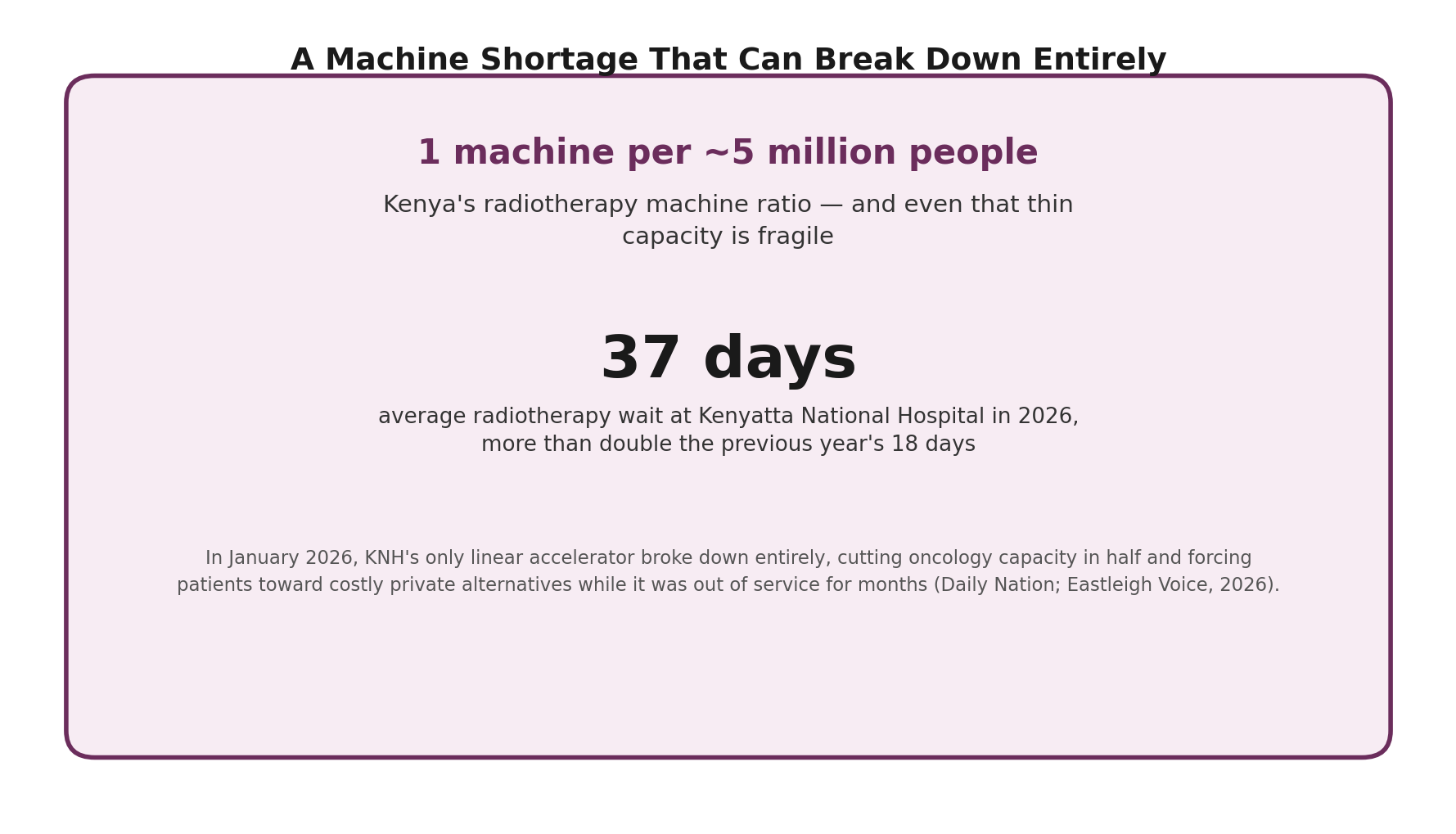
This is the pattern every Kenyan cancer patient needs to understand clearly, because it shapes treatment planning as much as the diagnosis itself. Kenya's radiotherapy machine ratio stands at roughly one linear accelerator for every five million people, among the thinnest ratios of any country in the world with radiotherapy capacity at all, and the situation across the wider region is starker still: 27 of Africa's 55 countries have no linac-based radiotherapy facility whatsoever.
What the January 2026 breakdown at Kenyatta National Hospital demonstrated is that even this thin capacity carries real fragility. With the hospital's sole linear accelerator out of service for spare parts, oncology capacity there was effectively cut in half, forcing the facility to fall back on an older cobalt machine while radiotherapy wait times, already averaging 18 days the previous year, more than doubled to 37 days. Patients already partway through a treatment course faced an impossible choice: wait indefinitely, or find and pay for private alternatives, often at real financial cost. This isn't a hypothetical risk; it's a documented event that directly disrupted cancer treatment for a meaningful number of Kenyan patients within the last year.
Why India has become a genuine hub for radiotherapy and modern cancer treatment
India operates thousands of linear accelerators across a dense network of accredited cancer centres, a scale of redundancy that means a single machine's downtime doesn't translate into a national capacity crisis. This matters enormously for a patient partway through a treatment course, where consistency and reliability of access genuinely affect outcomes, not just convenience.
India's leading cancer centres combine this infrastructure depth with JCI and NABH accredited safety standards, the full range of modern radiotherapy techniques including IMRT, IGRT, and stereotactic approaches, and increasingly, access to targeted therapies and immunotherapy, including domestically produced treatments priced well below global rates. In 24 years of guiding patients through this decision, the clearest advantage India offers isn't any single piece of technology, it's the sheer redundancy and reliability of the system as a whole, precisely what a thin, single- point-of-failure system like Kenya's current radiotherapy capacity cannot yet offer.
For a patient partway through treatment specifically, this reliability matters in very concrete terms. A course interrupted for weeks by equipment failure isn't simply a scheduling inconvenience; treatment gaps can meaningfully affect how well a radiotherapy course ultimately controls the cancer, which is precisely why the redundancy built into India's much larger network of accredited centres translates into a genuine clinical advantage, not just a logistical one.
What it costs: India versus Kenya, the UK, and the US
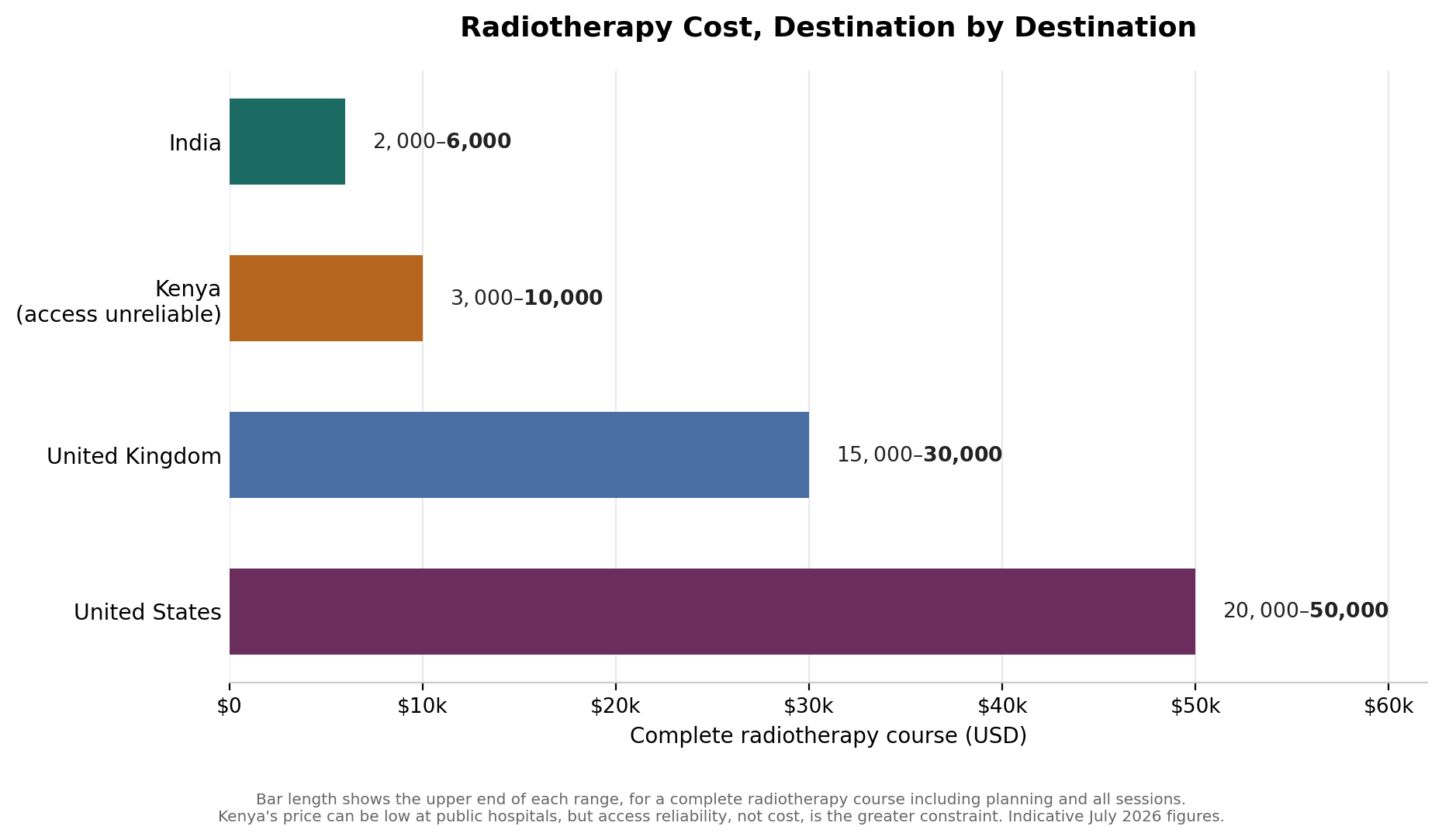
In India, a complete radiotherapy course typically costs between 2,000 and 6,000 US dollars, covering planning imaging and all treatment sessions. In Kenya, public hospital radiotherapy can be genuinely inexpensive when access is available, though private alternatives, often necessary when public capacity is disrupted, run roughly 3,000 to 10,000 dollars. In the UK, radiotherapy typically costs 15,000 to 30,000 dollars, and in the US, 20,000 to 50,000 dollars.
Beyond the treatment itself, budget for an extended stay. Direct flights between Nairobi and Delhi or Mumbai run roughly 550 to 850 dollars return, and a full radiotherapy course typically requires four to seven weeks in India, depending on how many sessions your specific cancer type and stage require.
What a Kenyan patient should actually check before booking
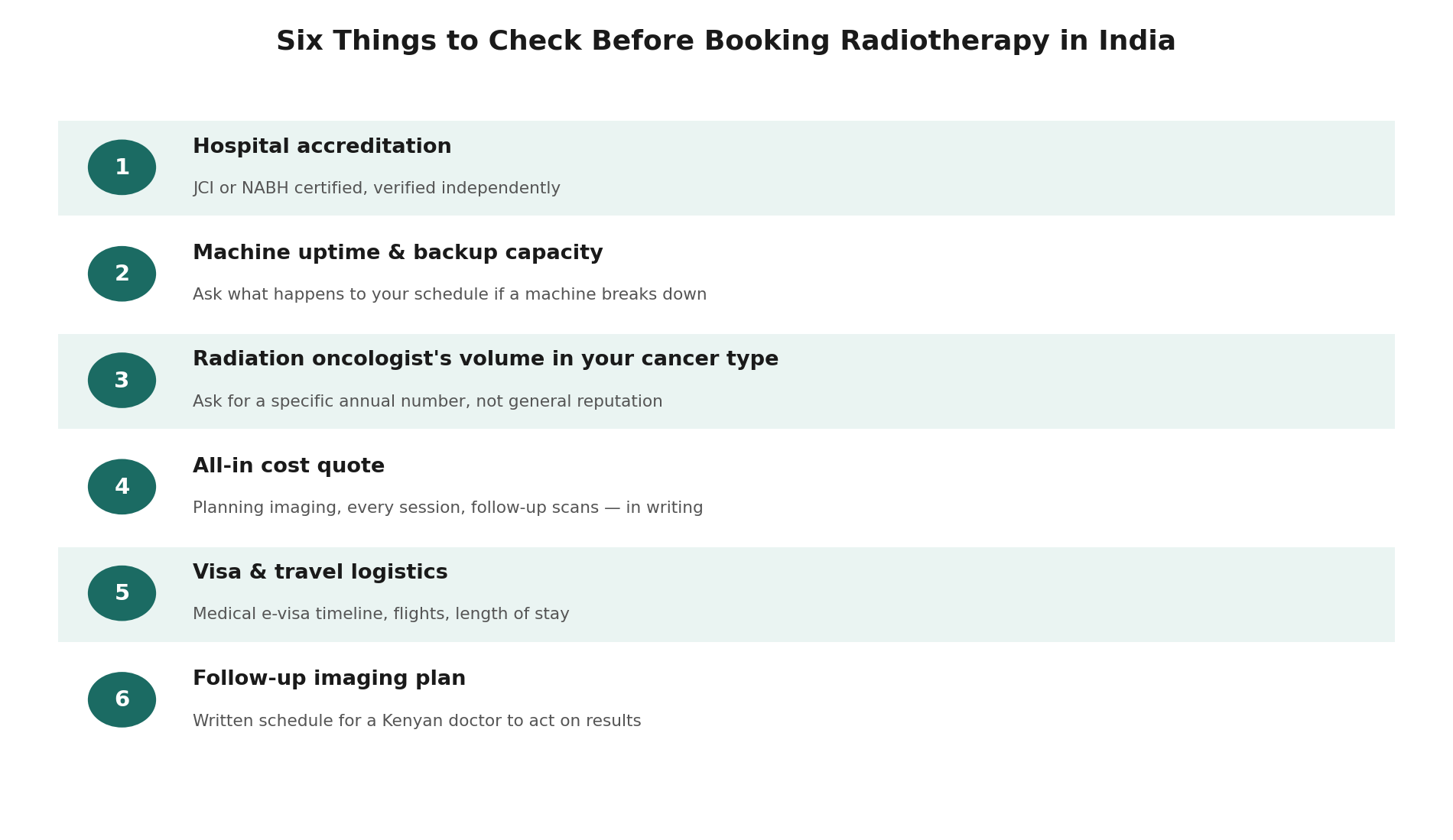
Given how much consistency matters for this treatment specifically, work through these questions directly.
Confirm genuine accreditation. Ask whether the hospital holds JCI or NABH certification, and verify it independently.
Ask about machine uptime and backup capacity. Ask directly what happens to your treatment schedule if a machine requires maintenance or breaks down, and whether backup equipment is genuinely available.
Ask about the radiation oncologist's volume in your specific cancer type. A specific number, how many cases matching your exact diagnosis the oncologist personally treats each year, tells you more than general facility reputation.
Get the full cost breakdown in writing. Confirm what's included, planning imaging, every session, and follow-up scans.
Plan your visa and travel timeline. The Indian medical e-visa is typically issued within three to five working days once you have a formal hospital invitation letter.
Arrange your follow-up imaging plan before you leave. Agree on a written follow-up schedule and identify a doctor in Kenya who can act on results once you're home.
Straight Answers for Kenyan Patients about Radiotherapy and Modern Cancer Treatments in India
How limited is Kenya's radiotherapy capacity?
Kenya has roughly one linear accelerator for every five million people, among the thinnest ratios globally, and 27 of Africa's 55 countries have no linac-based radiotherapy facility at all.
What happened at Kenyatta National Hospital in 2026?
The hospital's only linear accelerator broke down in January 2026, cutting oncology capacity in half and more than doubling average radiotherapy wait times to 37 days, forcing some patients toward costly private alternatives.
How much does radiotherapy cost in India compared to the US?
India typically costs 2,000 to 6,000 US dollars for a complete course, against 20,000 to 50,000 dollars in the US.
What modern cancer treatments does India offer beyond radiotherapy?
Targeted therapies attacking specific molecular features of a tumour, immunotherapy that helps the immune system fight cancer cells, and increasingly domestically produced treatments like CAR-T therapy priced well below global rates.
Why does machine reliability matter so much for radiotherapy specifically?
Radiotherapy is typically delivered across many sessions over weeks, and interrupting a course partway through can meaningfully affect treatment effectiveness, making consistent access to functioning equipment a genuine clinical concern, not just a convenience.
How do I get a medical visa to India from Kenya?
The Indian medical e-visa is typically issued within three to five working days once you have a formal invitation letter from the treating hospital.
A Closing Word
Kenya's radiotherapy story in 2026 is a genuinely instructive one: even a country's largest public referral hospital can find its entire cancer treatment capacity disrupted by a single machine failure, because the underlying capacity was thin enough that there was no meaningful backup. India's depth of infrastructure, spread across thousands of machines and hundreds of accredited centres, offers exactly the kind of redundancy that makes treatment continuity genuinely reliable, at a fraction of Western cost, making it worth investigating for the great majority of Kenyan cancer patients navigating this decision.
Sources
- 🌐 Lifeline for cancer patients at Kenyatta Hospital with new radiotherapy machine. Daily Nation, 2026. nation.africa/kenya/heal th
- 🌐 Cancer care delays hit KNH as key machines breakdown. Eastleigh Voice, 2025
- 🌐 Linacs to narrow radiotherapy gap. CERN Courier
- 🌐 National Medical Commission of India — specialist registration verification
- 🌐 National Accreditation Board for Hospitals & Healthcare Providers (NABH) — accredited hospital directory
Frequently Asked Questions by Kenyans about Radiotherapy and Modern Cancer Treatments in India
Why are Kenyan cancer patients concerned about radiotherapy treatment delays?
Kenya has approximately one linear accelerator per five million people. In January 2026, KNH's only linear accelerator broke down and the average radiotherapy wait increased from 18 to 37 days, disrupting treatment access.
What happened to radiotherapy access at Kenyatta National Hospital in 2026?
KNH's only linear accelerator went out of service, effectively reducing its oncology capacity and forcing the hospital to rely on an older cobalt machine. Some patients had to consider costly private alternatives to avoid prolonged treatment interruption.
Why should a Kenyan patient ask about backup radiotherapy equipment in India?
Radiotherapy is usually delivered through multiple sessions over several weeks. The guide recommends asking what happens if a machine requires maintenance or breaks down, because prolonged interruption can affect treatment continuity.
What modern radiotherapy techniques are available in India for Kenyan patients?
Leading Indian cancer centres offer techniques including IMRT, IGRT and stereotactic approaches, allowing radiation to be shaped and targeted more precisely according to the tumour and surrounding organs.
How should a Kenyan patient choose a radiation oncologist in India?
Ask for the specific number of patients with the same cancer type that the oncologist personally treats each year. The guide recommends a specific cancer-type volume rather than relying only on the centre's general reputation.
How much does a complete radiotherapy course cost in India for Kenyan patients?
The guide estimates approximately US$2,000–6,000 in India, compared with around US$3,000–10,000 for private radiotherapy in Kenya. The final cost depends on the cancer and treatment plan.
What should be included in a Kenyan patient's radiotherapy quotation?
The written quotation should clearly cover treatment planning, imaging, every radiotherapy session and follow-up scans. Patients should clarify any additional charges before travelling.
How long should a Kenyan patient stay in India for radiotherapy?
A complete course typically requires approximately 4–7 weeks in India, depending on the cancer type, stage and number of treatment sessions prescribed.
Can Kenyan patients access cancer treatments beyond radiotherapy in India?
Yes. The guide highlights access to targeted therapies and immunotherapy at leading Indian cancer centres, depending on the specific cancer diagnosis and molecular or clinical characteristics.
What follow-up should a Kenyan cancer patient arrange before returning from India?
Patients should agree on a written follow-up imaging schedule and identify a doctor in Kenya who can review the results and coordinate further oncology care after the radiotherapy course is completed.
Page Summary
This five-page guide focuses on Kenya's limited and fragile radiotherapy capacity and India's larger treatment infrastructure. Page 2's graphic highlights approximately one linear accelerator per five million people and a 37-day radiotherapy wait at KNH in 2026. Page 3 compares complete radiotherapy costs, showing US$2,000–6,000 in India versus US$20,000–50,000 in the US. The page 4 six-point graphic focuses on accreditation, machine backup, cancer-specific oncologist experience, complete costing, travel and follow-up imaging.
Citation Block
| Topic | Information |
|---|---|
| Topic | Radiotherapy & Modern Cancer Treatment in India for Kenyan Patients |
| Treatment | Radiotherapy / Modern Cancer Treatment |
| Patients | Kenyan Cancer Patients |
| First Assessment | Cancer type, stage and treatment plan |
| Key Specialist | Radiation Oncologist |
| Main Technology | Linear Accelerator |
| Modern Techniques | IMRT, IGRT and stereotactic approaches |
| Kenya Capacity | Approximately 1 linac per 5 million people |
| KNH Wait | 37 days in 2026 after machine breakdown |
| Hospital Check | JCI / NABH accreditation |
| Reliability Check | Machine uptime and backup capacity |
| Case Volume | Specific cancer type |
| Cost Check | Written estimate including planning, sessions and follow-up scans |
| India Cost | US$2,000–6,000 |
| Kenya Cost | US$3,000–10,000 private |
| Medical Records | Imaging, pathology and oncology reports |
| Travel | Nairobi–Delhi or Mumbai flights |
| Stay | Approximately 4–7 weeks |
| Follow-Up | Written imaging plan in Kenya |
| Specialist Question | How many patients with my exact cancer type do you personally treat with radiotherapy each year? |
| Reliability Question | What happens to my treatment schedule if the linear accelerator breaks down? |
| Technology Question | Which modern radiotherapy technique is appropriate for my cancer and why? |
| Cost Question | Does the quotation include planning, every treatment session and follow-up scans? |
| Travel Question | How long will I need to remain in India for the complete course? |
| Follow-Up Question | Which doctor in Kenya will review my follow-up imaging? |
| Warning Signs | No clear backup plan for machine downtime |
| Payment Warning | Quotation excluding planning or follow-up scans |
| Key Decision | Verify treatment continuity, modern technology and cancer-specific expertise |


Our Mission Statement
Our mission is to place patients at the centre of every healthcare decision by providing trustworthy, evidence-based, and unbiased medical information. We believe that informed patients make better decisions. Backed by personalised guidance from our experienced advisory team, we help patients understand their treatment options, compare them objectively, and confidently choose the path that best suits their medical needs and personal circumstances.
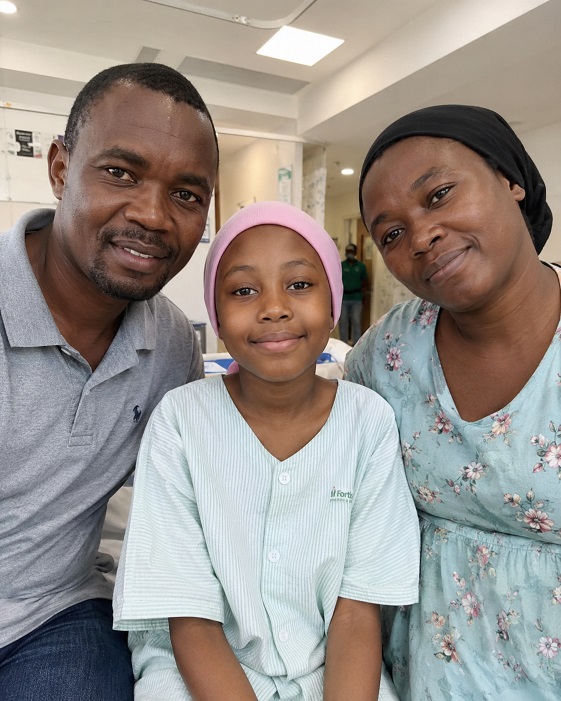
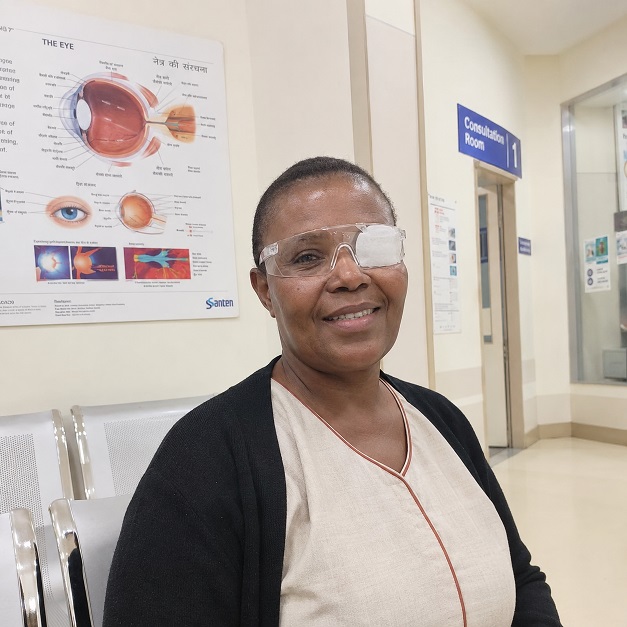
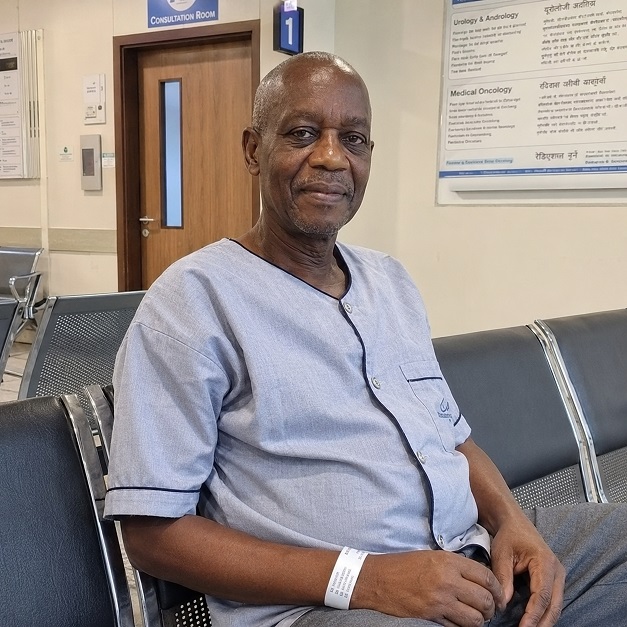
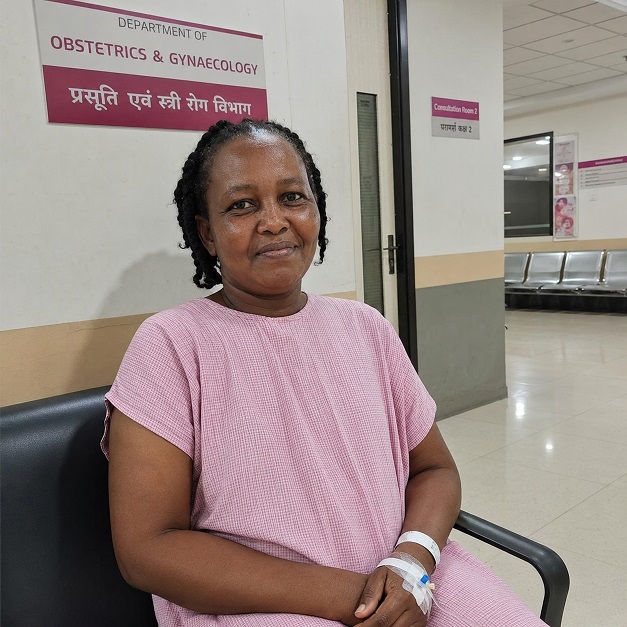
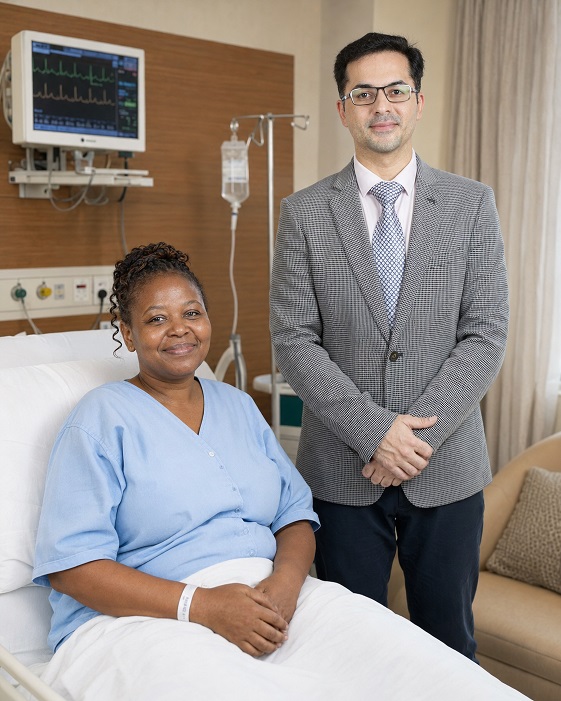
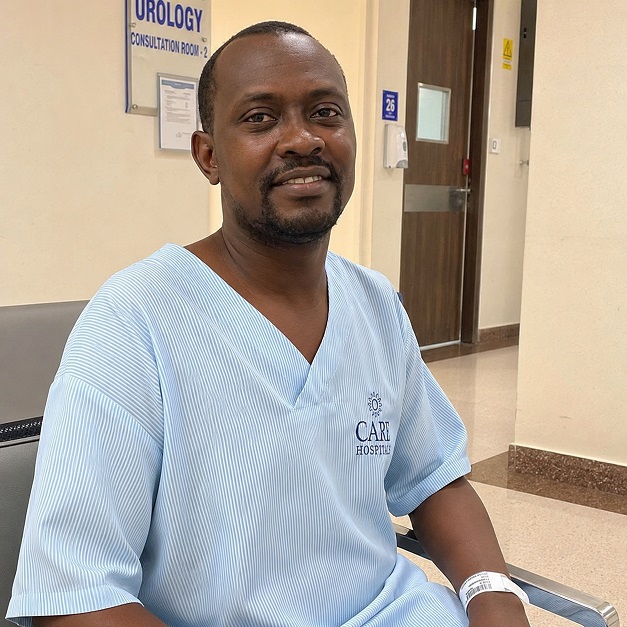
Patient Testimonials from Kenya

Ready to Take the First Step?
Share your Medical Reports with our Healthcare Managers Today and Get a FREE CONSULTATION, a Personalized Treatment Plan, and Complete Support from Arrival to Recovery.
Get Your Free ConsultationAreas We Serve
This resource has been thoughtfully prepared for patients from Kenya who are considering medical treatment in India. We also welcome patients from the wider region in the countries mentioned below-
We assist patients from:
- Ethiopia
- Somalia
- Tanzania
- Uganda
- Seychelles
- Guinea
- Guinea-Bissau
- Liberia
- Mali
- Mauritania
- Niger
- Nigeria
- Senegal
- Togo
- South Sudan
- Sierra Leone
Many of the insights, treatment pathways, hospital recommendations, travel guidance, and patient support services described here are equally relevant and may be used as a reference when planning treatment in India.
From Kenya to India: Your Complete Patient Support Guide
- Brain Tumour Surgery in India for Kenyan Patients
- Cancer Treatment and Surgery in India for Kenyan Patients
- Cardiac Treatment and Surgery in India for Kenyan Patients
- Heart Valve Replacement Surgery in India for Kenyan Patients
- Knee Replacement in India for Kenyan Patients
- Prostate Cancer Treatment and Surgery in India for Kenyan Patients
- Spine Treatment and Surgery in India for Kenyan Patients
- Selecting the Best Bariatric Surgeons and Hospitals in India: What Kenyan Patients Should Actually Look For
- Selecting the Best Cancer Surgeons and Hospitals in India: What Kenyan Patients Should Actually Look For
- Selecting the Best Cardiac Surgeons and Hospitals in India: What Kenyan Patients Should Actually Look For
- Selecting the Best Dental Surgeons and Clinics in India: What Kenyan Patients Should Actually Look For
- Selecting the Best Hip Surgeons and Hospitals in India: What Kenyan Patients Should Actually Look For
- Selecting the Best Kidney Transplant Surgeons and Hospitals in India: What Kenyan Patients Should Actually Look For
- Selecting the Best Knee Surgeons and Hospitals in India: What Kenyan Patients Should Actually Look For
- Selecting the Best Liver Transplant Surgeons and Hospitals in India: What Kenyan Patients Should Actually Look For
- Selecting the Best Neurosurgeons and Hospitals in India: What Kenyan Patients Should Actually Look For
- Selecting the Best Prostate Cancer Surgeons and Hospitals in India: What Kenyan Patients Should Actually Look For
- Selecting the Best Spine Surgeons and Hospitals in India: What Kenyan Patients Should Actually Look For