

15 Frequently Asked Questions: Radiotherapy and Modern Cancer Treatments in India for Kenyan Patients
Introduction
Radiotherapy is one of the major treatments used in cancer care. It uses carefully controlled radiation to destroy or control cancer cells while attempting to protect surrounding healthy tissue. Modern radiation oncology has developed considerably beyond conventional radiation. Depending on the cancer, treatment may involve 3D conformal radiotherapy (3D-CRT), intensity-modulated radiotherapy (IMRT), image-guided radiotherapy (IGRT), volumetric-modulated arc therapy (VMAT), stereotactic body radiotherapy (SBRT), stereotactic radiosurgery (SRS), CyberKnife, brachytherapy, proton therapy or other specialised techniques. Modern cancer treatment can also include chemotherapy, targeted therapy, immunotherapy, hormone therapy, surgery and specialised nuclear-medicine treatments. The appropriate combination depends on the cancer type, stage, pathology and molecular characteristics. Kenya has been expanding its modern radiation infrastructure. KUTRRH provides radiotherapy, brachytherapy and CyberKnife services, while Moi Teaching and Referral Hospital reports IMRT, VMAT, SRS and brachytherapy. Kenya's national radiotherapy framework also recognises techniques including IMRT, VMAT, SBRT, SRS, proton therapy, brachytherapy and intraoperative radiotherapy. Kenyan patients may nevertheless consider India when they require a specialised radiation plan, a second oncology opinion, complex cancer treatment, advanced stereotactic treatment, specialised surgery combined with radiation, or access to particular systemic or nuclear-medicine therapies.
Healing Journeys of Kenyan Patients



In Brief
Radiotherapy is one of the major treatments used in cancer care. It uses carefully controlled radiation to destroy or control cancer cells while attempting to protect surrounding healthy tissue. Modern radiation oncology has developed considerably beyond conventional radiation. Depending on the cancer, treatment may involve 3D conformal radiotherapy (3D-CRT), intensity-modulated radiotherapy (IMRT), image-guided radiotherapy (IGRT), volumetric-modulated arc therapy (VMAT), stereotactic body radiotherapy (SBRT), stereotactic radiosurgery (SRS), CyberKnife, brachytherapy, proton therapy or other specialised techniques.
Q1 · Why do Kenyan patients consider Radiotherapy and Modern Cancer Treatment in India?
Kenyan patients may consider India when they need specialised radiation oncology or a broader multidisciplinary cancer-treatment programme.
Potential reasons include
- Access to radiation oncology specialists.
- Detailed treatment planning using CT and other imaging.
- IMRT and IGRT.
- VMAT and other arc-based techniques.
- SBRT for selected tumours.
- SRS for selected brain and other lesions.
- CyberKnife treatment where clinically appropriate.
- Brachytherapy.
- Advanced image-guided treatment.
- Proton therapy for selected indications.
- Nuclear-medicine therapies for selected cancers.
- Combination treatment involving surgery, chemotherapy and radiotherapy.
- Multidisciplinary tumour-board review.
- Second opinions for difficult or recurrent cancers.
India has many tertiary cancer centres offering different radiation techniques. Current Indian pricing information also shows that the cost varies significantly by technique, with IMRT, IGRT, VMAT, SBRT and SRS generally requiring different levels of planning and treatment resources.
However, Kenya is also developing advanced cancer-care capacity. KUTRRH currently lists CyberKnife, brachytherapy and PET/CT services, while MTRH offers IMRT, VMAT, SRS and brachytherapy.
Q2 · How much does Radiotherapy and Modern Cancer Treatment cost in India for Kenyan patients?
The cost depends on the radiation technique, cancer site, number of sessions, treatment-planning requirements, hospital and whether chemotherapy or another treatment is given at the same time.
For planning purposes, this guide uses:
For planning: US$1 ≈ KES 129.5 • US$1 ≈ INR 96
These are approximate planning exchange rates only.
| Treatment / Estimated Estimated Procedure * | Kenya – Local Currency / USD | India – INR / USD | Indicative Saving |
|---|---|---|---|
| Conventional / 3D- CRT Radiotherapy | KES 350,000– 650,000 US$2,700–5,020 | INR 100,000– 200,000 US$1,040–2,085 | 20–40% |
| IMRT | KES 450,000– 800,000 US$3,475–6,180 | INR 180,000– 350,000 US$1,875–3,645 | 20–40% |
| IGRT / IMRT with Image Guidance | KES 500,000– 900,000 US$3,860–6,950 | INR 250,000– 500,000 US$2,605–5,210 | 20–40% |
| VMAT / Arc-Based Radiotherapy | KES 550,000– 950,000 US$4,250–7,335 | INR 300,000– 600,000 US$3,125–6,250 | 20–40% |
| SBRT | KES 700,000– 1,300,000 US$5,405– 700,000 US$3,125–7,290 | INR 300,000– 10,040 | 15–35% |
| SRS / Stereotactic Radiosurgery | KES 650,000– 1,200,000 US$5,020–9,265 | INR 400,000– 800,000 US$4,170–8,335 | 15–35% |
| Brachytherapy | KES 400,000– 800,000 US$3,090–6,180 | INR 150,000– 400,000 US$1,565–4,170 | 20–40% |
| CyberKnife | KES 700,000– 1,400,000 US$5,405– 1,000,000 US$5,210– 10,810 | INR 500,000– 10,420 | 10–30% |
| Proton Therapy | KES 2,500,000– 5,000,000 US$19,305– 6,000,000 US$26,040– 38,610 | INR 2,500,000– 62,500 | 5–25% |
*Potential saving is an indicative planning range and is not a guaranteed saving. Actual costs depend on cancer type, treatment plan, number of fractions, technology, hospital, medicines, imaging, complications and other services.
Current Indian published pricing gives broad ranges of approximately INR 60,000–150,000 for 3D-CRT, INR 120,000–250,000 for IMRT and INR 180,000–250,000 for IGRT at one Indian cancer provider, while corporate-hospital costs can be higher.
Other Indian hospital information gives approximately INR 2.5–7 lakh for selected SBRT treatments and higher ranges for SRS or CyberKnife depending on the cancer site and treatment plan.
What may be included?
Before accepting a quotation, ask whether the package includes:
- Radiation-oncology consultation
- Treatment-planning CT
- MRI/PET image fusion where required
- Treatment planning
- Dosimetry
- Radiation sessions
- Immobilisation devices
- Image guidance
- Contrast material
- Anaesthesia or sedation where required
- Brachytherapy applicators
- Day-care/hospital charges
- Medicines
- Follow-up consultation
If chemotherapy, immunotherapy or targeted therapy is being given together with radiotherapy, those costs may be separate.
Q3 · Which Indian cities can Kenyan patients consider?
Major Indian oncology cities include:
City Cancer Treatment Environment
| City | Considerations |
|---|---|
| Delhi / NCR | Comprehensive radiation, medical and surgical oncology |
| Gurugram | Advanced cancer treatment and radiation services |
| Noida | Oncology, radiotherapy and multidisciplinary care |
| Mumbai | Major cancer centres and radiation oncology |
| Chennai | Established radiation and medical oncology services |
| Bengaluru | Advanced radiation, robotic and multidisciplinary cancer care |
| Hyderabad | Modern radiotherapy and comprehensive oncology |
| Kolkata | Medical, surgical and radiation oncology |
| Ahmedabad | Established cancer-treatment infrastructure |
| Pune | Radiation and multidisciplinary oncology services |
| Kochi | Tertiary cancer treatment |
| Thiruvananthapuram | Specialist oncology and radiation services |
The city should be selected according to the patient's cancer type, treatment technology required, specialist availability and expected treatment duration.
Q4 · Which hospitals in India can Kenyan patients consider?
The following hospitals form part of the broad hospital reference list for Kenyan patients.
Important: Not every hospital listed provides every advanced radiotherapy technology. Patients should specifically confirm the availability of the required technique before travelling.
Delhi Hospitals
- Fortis Escorts Heart Institute, New Delhi
- BLK-Max Super Speciality Hospital, New Delhi
- Max Super Speciality Hospital, Saket
- Indraprastha Apollo Hospitals, New Delhi
- Sir Ganga Ram Hospital
- Max Super Speciality Hospital, Patparganj
- Manipal Hospital, Dwarka
- Fortis Hospital, Vasant Kunj
- Institute of Brain and Spine Hospital (IBS Hospital)
- Dharamshila Narayana Hospital
- Indian Spinal Injuries Centre
- AIIMS New Delhi
Chennai Hospitals
- MGM Healthcare
- MIOT International
- Apollo Hospitals, Greams Road
- Sri Ramachandra Medical Centre
- SIMS Hospital
- Kauvery Hospital
- Gleneagles HealthCity Chennai
- Vijaya Hospital
- Apollo Speciality Hospitals
- Rela Hospital
Mumbai Hospitals
- Bombay Hospital & Medical Research Centre
- Lilavati Hospital & Research Centre
- Jaslok Hospital & Research Centre
- Gleneagles Hospital, Mumbai
- Nanavati Max Super Speciality Hospital
- Kokilaben Dhirubhai Ambani Hospital
- P. D. Hinduja Hospital & Medical Research Centre
- Sir H. N. Reliance Foundation Hospital
- Wockhardt Hospitals, Mumbai
- Apollo Hospitals, Mumbai
Bengaluru Hospitals
- Manipal Hospital, Old Airport Road
- Manipal Hospital, Whitefield
- Manipal Hospital, Yeshwanthpur
- Apollo Hospitals, Bengaluru
- Fortis Hospital, Bannerghatta Road
- Aster CMI Hospital
- Sakra World Hospital
- Narayana Health City
- Sagar Hospitals
- Kauvery Hospital, Bengaluru
Hyderabad Hospitals
- KIMS Hospitals
- Yashoda Hospitals
- Apollo Health City
- CARE Hospitals
- Continental Hospitals
- Gleneagles Hospitals, Hyderabad
- Sunshine Hospitals
- Star Hospitals
Gurugram Hospitals
- Fortis Memorial Research Institute (FMRI)
- Medanta – The Medicity
- Artemis Hospital
- Max Hospital, Gurugram
- CK Birla Hospital, Gurugram
- Manipal Hospital, Gurugram
- Paras Health
- Narayana Superspeciality Hospital
Noida Hospitals
- Fortis Hospital, Noida
- Jaypee Hospital
- Max Super Speciality Hospital, Noida
- Yatharth Hospital
- Kailash Hospital
- Metro Hospital & Heart Institute
- Metro Center for Neurosciences
Kolkata Hospitals
- Apollo Multispeciality Hospitals
- AMRI Hospitals
- Fortis Hospital, Anandapur
- Manipal Hospitals, Salt Lake
- Medica Superspecialty Hospital
- Narayana Superspeciality Hospital
- Ruby General Hospital
Pune Hospitals
- Ruby Hall Clinic
- Jehangir Hospital
- Deenanath Mangeshkar Hospital
- Sahyadri Super Speciality Hospital
- Aditya Birla Memorial Hospital
- Manipal Hospital, Kharadi
- Medicover Hospital, Pune
Ahmedabad Hospitals
- Apollo Hospitals, Ahmedabad
- Zydus Hospitals
- Sterling Hospitals
- Shalby Hospitals
- HCG Hospitals
- SAL Hospital
- CIMS Hospital
Kochi Hospitals
- Aster Medcity
- Amrita Hospital
- VPS Lakeshore Hospital
- Rajagiri Hospital
- Aster MIMS
- Lisie Hospital
- Renai Medicity
Thiruvananthapuram Hospitals
- KIMSHEALTH Hospital
- Ananthapuri Hospitals and Research Institute
- SUT Hospital
- SP Medifort Hospital
- PRS Hospital
- GG Hospital
Goa Hospitals
- Manipal Hospital, Goa
- Healthway Hospital
- Manipal Hospitals, Dona Paula
- Goa Medical College and Hospital
- Apollo Victor Hospital
Nagpur Hospitals
- Wockhardt Hospitals, Nagpur
- Max Multispeciality Hospital
- CARE Hospitals, Nagpur
- Kingsway Hospitals
- Lata Mangeshkar Hospital
Q5 · What types of Radiotherapy and Modern Cancer Treatments are available?
1. 3D Conformal Radiotherapy
3D-CRT uses imaging to shape radiation fields around the tumour.
It remains useful for many cancers and may be appropriate when highly specialised techniques are not required.
2. IMRT — Intensity-Modulated Radiotherapy
IMRT changes the intensity of radiation within treatment fields to better conform the dose to the tumour.
It can be useful when the tumour is close to important organs.
3. IGRT — Image-Guided Radiotherapy
IGRT uses imaging during the treatment process to help confirm patient and tumour positioning.
It may be combined with IMRT or VMAT.
4. VMAT
Volumetric-Modulated Arc Therapy delivers radiation while the treatment machine rotates around the patient.
It can provide highly shaped radiation doses and may reduce treatment time per session.
5. SBRT
Stereotactic Body Radiotherapy delivers a high dose of radiation to selected tumours in a small number of highly precise treatments.
It may be considered for selected tumours in areas such as
- Lung
- Liver
- Spine
- Prostate
- Adrenal gland
- Selected metastatic sites
It is not suitable for every tumour.
1. SRS
Stereotactic Radiosurgery delivers highly focused radiation to selected brain or other small lesions.
Despite the term "radiosurgery", it may be performed without an incision.
2. CyberKnife
CyberKnife is a robotic radiation-delivery system using image guidance to deliver highly targeted radiation. KUTRRH currently describes its CyberKnife system as a non-invasive treatment capable of tracking movement during treatment.
3. Brachytherapy
Brachytherapy places the radioactive source inside or close to the tumour. It is commonly used for selected:
- Cervical cancers
- Prostate cancers
- Endometrial cancers
- Breast cancers
- Other appropriately selected tumours
KUTRRH and MTRH both provide brachytherapy services.
Proton Therapy
Proton therapy uses charged particles rather than conventional photon radiation.
It may have advantages for selected tumours where reducing radiation exposure to surrounding tissue is particularly important.
It is a specialised treatment and is not appropriate or necessary for every patient.
Systemic / Targeted Radiation
Selected cancers may be treated with radioactive medicines that travel through the body or target particular tumour cells.
For example, KUTRRH currently offers Lutetium-177 PSMA therapy for selected advanced prostate-cancer patients.
Q6 · What are the benefits of modern Radiotherapy?
Potential benefits depend on the cancer and the technique selected.
Modern radiation techniques may provide
- More precise targeting of the tumour.
- Better shaping of radiation dose.
- Improved protection of nearby organs in appropriately selected cases.
- Image guidance during treatment.
- Fewer treatment sessions for selected stereotactic treatments.
- Non-invasive treatment for certain tumours.
- Ability to treat some patients who may not be suitable for surgery.
- Treatment of selected recurrent or metastatic lesions.
- Combination with chemotherapy or other cancer therapies.
The goal is not simply to use the newest technology. The goal is to use the most appropriate technology for the individual cancer.
Q7 · Who is suitable for Radiotherapy and Modern Cancer Treatment?
Radiotherapy may be considered for patients with
- Newly diagnosed cancer.
- Locally advanced cancer.
- Certain early-stage cancers.
- Cancer remaining after surgery.
- Cancer with a high risk of local recurrence.
- Selected metastatic tumours.
- Selected recurrent cancers.
- Tumours that cannot be safely removed surgically.
- Tumours requiring symptom control.
Patients being considered for modern stereotactic techniques may need
- A relatively well-defined tumour.
- Appropriate tumour size.
- Suitable tumour location.
- Limited movement or manageable tumour motion.
- Adequate organ function.
- Appropriate previous-treatment history.
The radiation oncologist determines whether the patient should receive conventional radiotherapy, IMRT, VMAT, SBRT, SRS, brachytherapy or another treatment.
Q8 · What medical documents should Kenyan patients send before travelling?
Patients should send their complete oncology records before travelling.
Important documents
- Biopsy report
- Histopathology
- Immunohistochemistry
- Molecular/biomarker reports
- CT scans
- MRI
- PET-CT
- Previous radiation-treatment records
- Previous radiation dose and treatment plan
- Previous chemotherapy records
- Previous surgery reports
- Blood tests
- Current medication list
- Previous discharge summaries
For patients who have already received radiotherapy, the previous radiation dose, treatment field and treatment plan are particularly important.
The Indian radiation oncologist can then determine whether additional radiation is possible and which technique may be appropriate.
Q9 · How does modern Radiotherapy work?
Radiotherapy usually involves several stages.
Step 1 — Consultation
The radiation oncologist reviews the cancer diagnosis and previous treatment.
Step 2 — Imaging and Staging
CT, MRI, PET-CT or other imaging may be reviewed.
Step 3 — Simulation
The patient is positioned in the treatment position and planning images are obtained.
Step 4 — Treatment Planning
Radiation oncologists, medical physicists and dosimetrists create a plan designed to deliver the required dose to the target while limiting exposure to nearby normal tissues.
Step 5 — Verification
For modern techniques, imaging may be performed before or during treatment to verify positioning.
Step 6 — Treatment
The patient receives the planned radiation dose over the prescribed number of sessions.
Step 7 — Monitoring
The radiation oncology team monitors side effects and adjusts supportive treatment when required.
Step 8 — Follow-Up
After treatment, the patient undergoes clinical and imaging follow-up according to the cancer type.
Q10 · What are the alternatives or complementary treatments to Radiotherapy?
Radiotherapy is often part of a larger cancer-treatment strategy.
1. Surgery
Surgery may be preferred when a tumour can be safely removed and surgery offers an appropriate treatment benefit.
2. Chemotherapy
Chemotherapy may be used before, after or instead of radiation depending on the cancer.
3. Targeted Therapy
Targeted medicines may be used when the tumour contains an appropriate molecular target.
4. Immunotherapy
Immunotherapy may be appropriate for selected cancers and biomarker profiles.
5. Hormone Therapy
Used for certain hormone-sensitive cancers.
6. Active Surveillance
Some low-risk cancers may be monitored rather than immediately treated.
7. Ablation
Selected tumours may be treated with image-guided thermal or other ablation techniques.
8. Palliative Treatment
Radiotherapy may also be used to control pain, bleeding or other symptoms from advanced cancer.
The treatment decision should be based on the cancer's biology and stage rather than selecting a technology simply because it is newer.
Q11 · What should Kenyan patients ask before accepting a Radiotherapy quotation?
Before accepting treatment, ask
- What is the exact cancer diagnosis?
- What is the stage?
- Why is radiotherapy recommended?
- Is radiotherapy curative or palliative in my case?
- Which radiation technique is recommended?
- Why is IMRT, VMAT, SBRT, SRS or another technique appropriate?
- How many sessions are required?
- Can treatment be completed in Kenya?
- Would chemotherapy be given together with radiation?
- Is brachytherapy required?
- Is image guidance included?
- Is treatment planning included?
- Are immobilisation devices included?
- Are medicines included?
- What side effects are expected?
- What happens if treatment must be interrupted?
- What is the total expected treatment duration?
- How soon after treatment can I travel?
- What follow-up imaging will be required?
For previously irradiated patients, also ask
“Can the new radiation plan safely account for the radiation I received previously?”
Q12 · How long should Kenyan patients stay in India?
The required stay depends on the treatment technique.
1. Initial Consultation
Approximately 3–7 days may be required for consultation, imaging, pathology review and treatment planning.
2. Conventional / 3D-CRT
Treatment may involve several weeks of repeated sessions.
3. IMRT / VMAT
Many treatment courses involve multiple daily sessions over several weeks, although the exact schedule varies considerably.
4. SBRT / SRS
Selected patients may require only a few treatment sessions.
Current Indian information reports conventional radiation courses commonly involving around 15–35 sessions, while selected stereotactic treatments may use substantially fewer sessions.
5. Brachytherapy
The number of applications depends on the cancer type and treatment protocol.
6. Proton Therapy
Treatment schedules vary according to the cancer and proton-treatment plan.
Patients should ask the radiation oncologist for the exact number of sessions before booking accommodation or flights.
Q13 · What is recovery like after Radiotherapy?
Radiotherapy is usually an outpatient treatment, although some patients may require admission because of their overall condition or combined treatment.
Side effects depend heavily on the area being treated.
Possible short-term effects include
- Fatigue
- Skin changes
- Local irritation
- Appetite changes
- Nausea
- Sore mouth or throat
- Bowel changes
- Urinary symptoms
The specific effects depend on whether the head and neck, chest, abdomen, pelvis, brain or another body region is being treated.
Some side effects may occur during treatment, while others may develop later.
Patients should receive written instructions about
- Skin care
- Nutrition
- Hydration
- Medication
- Activity
- Warning symptoms
- Follow-up
Q14 · How can follow-up be managed after returning to Kenya?
Radiotherapy does not end cancer follow-up.
Before returning to Kenya, patients should obtain
- Final radiation-treatment summary
- Total radiation dose
- Number of fractions
- Treatment technique
- Treatment site
- Treatment dates
- Chemotherapy summary if applicable
- Medication list
- Follow-up schedule
- Recommended imaging
- Pathology reports
- Contact information for the treating centre
Follow-up can then be coordinated with an oncologist in Kenya.
Kenya's radiation infrastructure is expanding. MTRH provides IMRT, VMAT, SRS and brachytherapy, while KUTRRH provides radiotherapy, brachytherapy and CyberKnife. In May 2026, Kenya's Ministry of Health also commissioned the Mombasa Radiotherapy Centre at Coast General Teaching and Referral Hospital with a modern linear accelerator, increasing the facility's expected treatment capacity from 70 to 140 patients per day.
This means that some patients who travel to India for an initial opinion or treatment may potentially continue appropriate follow-up or selected components of care in Kenya.
Q15 · Should a Kenyan patient travel to India for Radiotherapy and Modern Cancer Treatment?
India can be considered by Kenyan patients who require specialised radiation planning, a second oncology opinion, complex multidisciplinary treatment or access to particular radiation or systemic therapies.
However, advanced technology does not automatically mean that it is the correct treatment.
Kenya already has several modern radiation capabilities, including IMRT, VMAT, SRS, brachytherapy and CyberKnife at selected centres. The country is also expanding regional radiotherapy infrastructure.
A Kenyan patient considering India should compare
- Exact cancer diagnosis
- Cancer stage
- Previous treatments
- Recommended radiation technique
- Number of sessions
- Radiation dose
- Specialist experience
- Treatment cost
- Expected stay in India
- Availability of the same or follow-up treatment in Kenya
- Long-term follow-up plan
For many patients, the best first step is to send the complete pathology, imaging and previous treatment records to an Indian radiation oncologist for a specialist opinion before travelling.
Kenyan Patient Pre-Travel Checklist
Medical Records
- Biopsy report
- Histopathology report
- Immunohistochemistry
- Molecular/biomarker results
- CT scans
- MRI scans
- PET-CT where available
- Previous surgery reports
- Previous chemotherapy records
- Previous radiotherapy records
- Previous radiation dose and treatment plan
- Current medication list
- Blood-test reports
Treatment Planning
- Confirm cancer type
- Confirm cancer stage
- Confirm why radiotherapy is required
- Ask whether treatment is curative or palliative
- Confirm recommended technique
- Ask whether IMRT/IGRT/VMAT is appropriate
- Ask whether SBRT/SRS is appropriate
- Ask whether brachytherapy is required
- Ask whether CyberKnife or proton therapy is actually indicated
- Confirm number of treatment sessions
- Obtain written treatment plan
Hospital and Cost
- Confirm radiation oncologist
- Confirm required radiation technology
- Confirm treatment-planning facilities
- Obtain written quotation
- Confirm number of sessions included
- Confirm imaging and planning charges
- Confirm medicines and supportive care
- Ask about additional charges
- Ask about possible treatment interruptions or complications
Travel
- Valid passport
- Appropriate Indian medical visa documentation
- Complete medical records in digital and printed form
- Accommodation for the expected treatment period
- Flexible return-flight arrangements
- Travel companion where appropriate
- Emergency contact details
Follow-Up
- Final radiation-treatment summary
- Radiation dose and fractionation details
- Treatment technique documented
- Follow-up imaging plan
- Medication schedule
- Kenyan oncologist identified
- Follow-up appointment arranged
- Warning symptoms understood
Final Note
Radiotherapy and Modern Cancer Treatments in India for Kenyan Patients can include conventional radiotherapy, 3D-CRT, IMRT, IGRT, VMAT, SBRT, SRS, CyberKnife, brachytherapy, proton therapy and selected systemic or targeted radiation treatments. Kenya itself now has several modern radiation capabilities, including IMRT, VMAT, SRS, brachytherapy and CyberKnife, and regional radiotherapy capacity continues to expand. Therefore, the decision to travel to India should be based on the specific cancer, required treatment technology, specialist opinion, treatment duration, cost and follow-up arrangements, rather than simply choosing the newest available technology. For Kenyan patients considering treatment in India, obtaining a specialist radiation-oncology opinion before travelling can help establish whether radiotherapy is required, which technique is appropriate and how many treatment sessions may be needed. Right Cancer Diagnosis. Right Radiation Technique. Right Oncology Team.
Page Summary
This page answers 15 frequently asked questions about radiotherapy and modern cancer treatments in India for Kenyan patients. It covers why patients travel for treatment, an indicative Kenya-versus-India cost comparison, the Indian cities and hospitals to consider, the treatment and surgical options available, how to obtain a quotation remotely, second opinions, advanced options, recovery, unexpected costs, combining treatments, medical visa and travel planning, length of stay, follow-up after returning to Kenya, and a complete pre-travel checklist.


Our Mission Statement
Our mission is to place patients at the centre of every healthcare decision by providing trustworthy, evidence-based, and unbiased medical information. We believe that informed patients make better decisions. Backed by personalised guidance from our experienced advisory team, we help patients understand their treatment options, compare them objectively, and confidently choose the path that best suits their medical needs and personal circumstances.
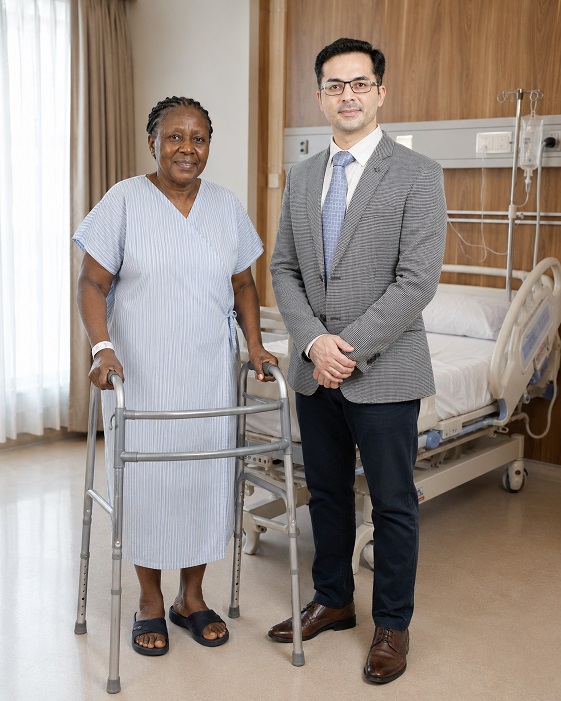
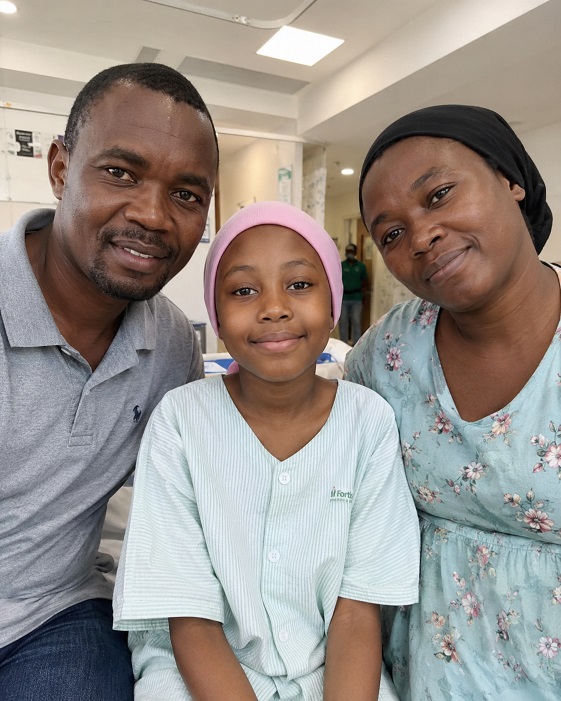
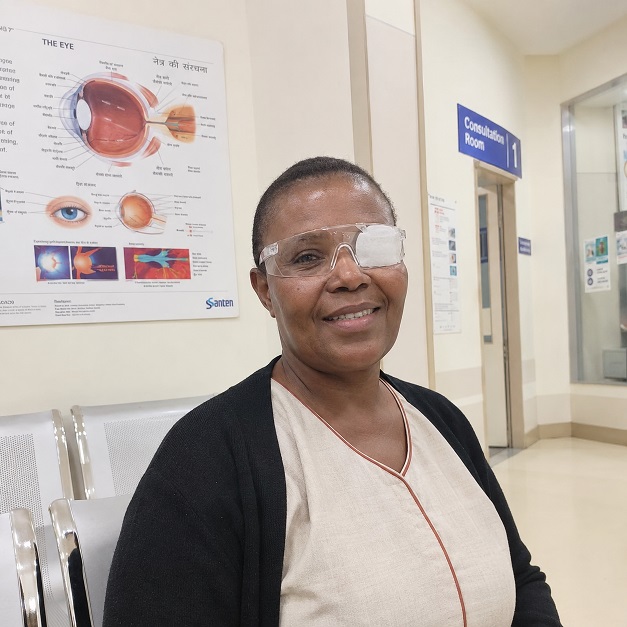
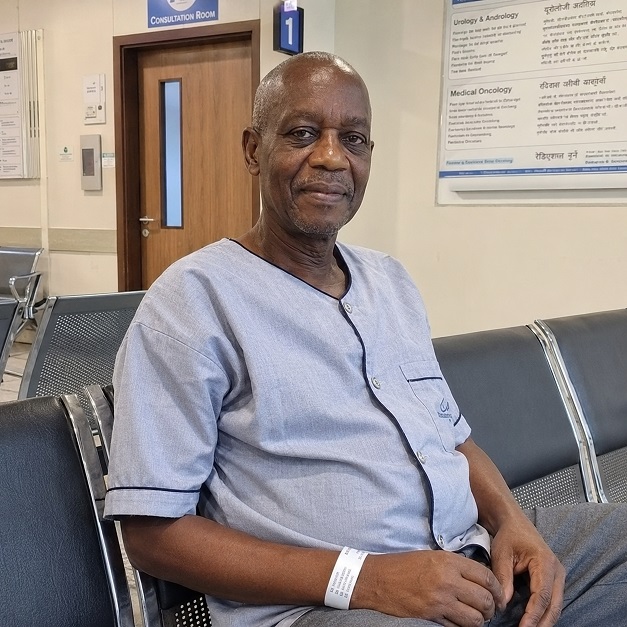
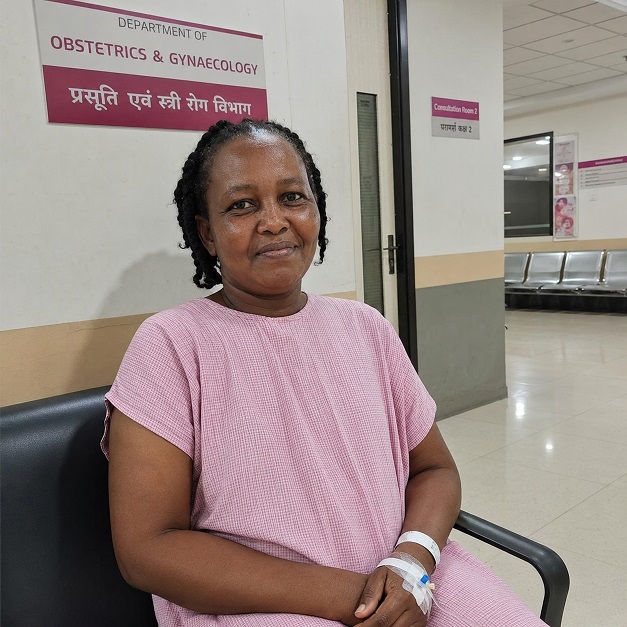
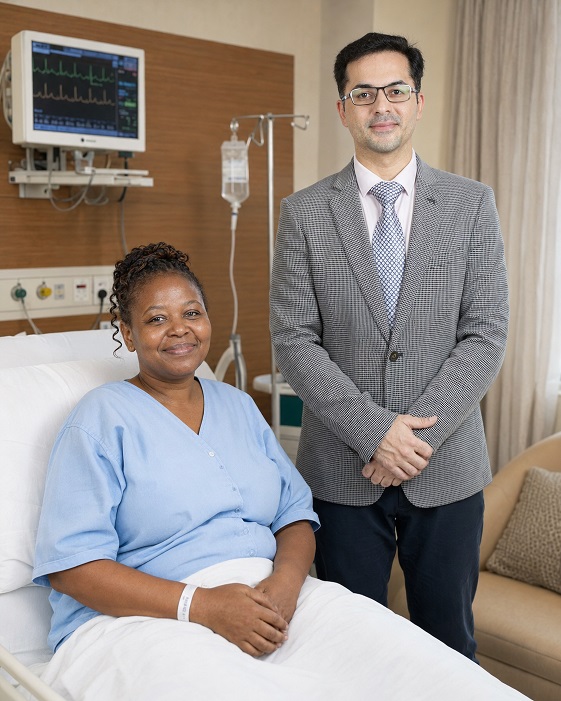
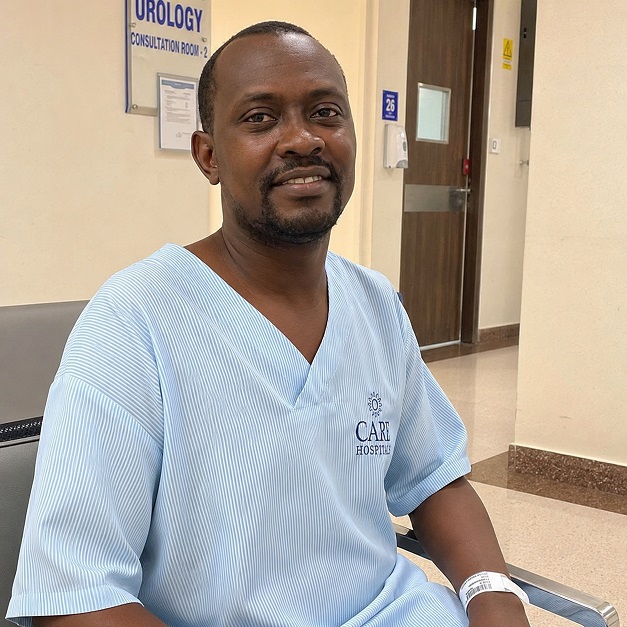
Patient Testimonials from Kenya

Ready to Take the First Step?
Share your Medical Reports with our Healthcare Managers Today and Get a FREE CONSULTATION, a Personalized Treatment Plan, and Complete Support from Arrival to Recovery.
Get Your Free ConsultationAreas We Serve
This resource has been thoughtfully prepared for patients from Kenya who are considering medical treatment in India. We also welcome patients from the wider region in the countries mentioned below-
We assist patients from:
- Ethiopia
- Somalia
- Tanzania
- Uganda
- Seychelles
- Guinea
- Guinea-Bissau
- Liberia
- Mali
- Mauritania
- Niger
- Nigeria
- Senegal
- Togo
- South Sudan
- Sierra Leone
Many of the insights, treatment pathways, hospital recommendations, travel guidance, and patient support services described here are equally relevant and may be used as a reference when planning treatment in India.
From Kenya to India: Your Complete Patient Support Guide
- Brain Tumour Surgery in India for Kenyan Patients
- Cancer Treatment and Surgery in India for Kenyan Patients
- Cardiac Treatment and Surgery in India for Kenyan Patients
- Heart Valve Replacement Surgery in India for Kenyan Patients
- Knee Replacement in India for Kenyan Patients
- Prostate Cancer Treatment and Surgery in India for Kenyan Patients
- Spine Treatment and Surgery in India for Kenyan Patients
- Selecting the Best Bariatric Surgeons and Hospitals in India: What Kenyan Patients Should Actually Look For
- Selecting the Best Cancer Surgeons and Hospitals in India: What Kenyan Patients Should Actually Look For
- Selecting the Best Cardiac Surgeons and Hospitals in India: What Kenyan Patients Should Actually Look For
- Selecting the Best Dental Surgeons and Clinics in India: What Kenyan Patients Should Actually Look For
- Selecting the Best Hip Surgeons and Hospitals in India: What Kenyan Patients Should Actually Look For
- Selecting the Best Kidney Transplant Surgeons and Hospitals in India: What Kenyan Patients Should Actually Look For
- Selecting the Best Knee Surgeons and Hospitals in India: What Kenyan Patients Should Actually Look For
- Selecting the Best Liver Transplant Surgeons and Hospitals in India: What Kenyan Patients Should Actually Look For
- Selecting the Best Neurosurgeons and Hospitals in India: What Kenyan Patients Should Actually Look For
- Selecting the Best Prostate Cancer Surgeons and Hospitals in India: What Kenyan Patients Should Actually Look For
- Selecting the Best Spine Surgeons and Hospitals in India: What Kenyan Patients Should Actually Look For