

Proton Therapy in India for Kenyan Patients
Proton therapy exists nowhere in Africa — which tumours genuinely benefit from it, what a Kenyan patient should confirm before travelling, and what it costs in India.
Ask a Kenyan patient with cancer whether proton therapy is available anywhere on their own continent, and the honest answer today is no, not one facility, anywhere in Africa. This isn't a Kenya-specific gap in an otherwise well-served region; it's a continent-wide absence of a technology that has existed and grown steadily for decades elsewhere. Across 24 years of guiding Kenyan patients through treatment in India, proton therapy is one of the clearest examples I see of a genuinely superior treatment option that simply isn't accessible at home, for reasons entirely unrelated to any individual patient's specific diagnosis. This article explains what proton therapy involves, why it remains completely unavailable across Africa, what treatment costs in India compared with Western countries, and the practical factors to weigh before deciding where to seek care.
Healing Journeys of Kenyan Patients




Key Takeaways
- The guide explains that proton therapy is not available anywhere in Africa. Of 136 operational proton therapy centres worldwide, none is located on the African continent. A proposed centre in Cape Town remains in the planning stage, while a facility in Egypt has not yet opened. This makes international treatment the only current route for Kenyan patients who are considered suitable candidates.
- Proton therapy differs from conventional X-ray radiotherapy because the proton beam deposits most of its energy at a controlled depth known as the Bragg peak and then stops, reducing radiation exposure beyond the tumour. The clearest potential advantage is for tumours close to critical structures such as the brainstem, spinal cord or eyes, and for children where reducing radiation to developing tissue may help limit long-term complications.
- India has established genuine proton therapy capacity, led by centres including Apollo Proton Cancer Centre in Chennai and Tata Memorial Centre in Mumbai. The guide states that India accounts for roughly 6–7% of proton treatments delivered globally, while Apollo has reported treating more than 2,000 international patients from 147 countries since 2019, including patients from Africa.
- The guide stresses that proton therapy is not automatically better for every cancer. Kenyan patients should obtain a specialist assessment explaining why proton therapy is expected to provide a meaningful advantage over conventional radiotherapy for their particular tumour type, location and treatment plan.
- The guide estimates a complete proton therapy course in India at approximately US$25,000–48,000, compared with US$57,000–76,000 for private treatment in the UK and US$100,000–250,000 in the US. Proton therapy is currently unavailable domestically in Kenya. A full course generally requires approximately 4–8 weeks in India, depending on the number of treatment sessions.
- The page 4 “Six Things to Check” graphic highlights hospital accreditation, confirmation that proton therapy genuinely suits the tumour, the radiation oncologist's experience with the specific tumour type and location, a complete cost quotation, visa and extended travel planning, and a follow-up imaging plan in Kenya.
Quick Facts
- Author
- Dr. Dheeraj Bojwani
- Experience
- 24+ Years
- Treatment
- Proton Therapy
- Patients
- Kenyan Cancer Patients
- First Assessment
- Tumour type, location and treatment suitability
- Key Specialist
- Radiation Oncologist
- Main Technology
- Proton beam therapy
- Africa Availability
- No operational proton therapy centre
- Global Centres
- 136 operational centres
- Best-Suited Cases
- Tumours near critical structures and selected childhood cancers
- India Capacity
- Approximately 6–7% of global proton treatments
- International Experience
- Apollo reports 2,000+ international patients from 147 countries since 2019
- Hospital Check
- JCI / NABH accreditation
- Case Volume
- Specific tumour type and location
- Cost Check
- Written estimate covering planning, treatment sessions and follow-up scans
- India Cost
- US$25,000–48,000
- UK Cost
- US$57,000–76,000 private
- US Cost
- US$100,000–250,000
- Medical Records
- Imaging, pathology and previous oncology reports
- Visa
- Indian medical e-visa with hospital invitation
- Travel
- Nairobi–Delhi or Mumbai flights
- Stay
- Approximately 4–8 weeks
- Follow-Up
- Written imaging and oncology follow-up plan in Kenya
- Key Warning
- Proton therapy recommended without explaining its specific advantage over standard radiotherapy
- Decision Principle
- Prioritise tumour-specific suitability, accredited technology and specialist experience.
In Brief
For Kenyan patients considering proton therapy, the most important step is confirming that the tumour is genuinely likely to benefit from proton treatment rather than conventional radiotherapy. Patients should verify an accredited centre, ask about the radiation oncologist's experience with their exact tumour type and location, obtain a complete treatment quotation and arrange follow-up imaging in Kenya before travelling.
What proton therapy actually involves
Proton therapy is a form of radiation treatment that uses protons rather than conventional x-rays to destroy cancer cells. The key difference lies in physics: a proton beam deposits most of its energy at a specific, controllable depth inside the body, called the Bragg peak, and then stops, releasing very little radiation beyond the tumour. Conventional x-ray radiotherapy, by contrast, deposits radiation along its entire path through the body, both before and after reaching the tumour, exposing more healthy tissue in the process.
This precision matters most in specific situations: tumours located near critical structures like the brainstem, spinal cord, or eyes, where sparing surrounding tissue meaningfully reduces the risk of long-term side effects, and in children specifically, where reducing radiation exposure to still-developing tissue lowers the risk of growth complications and secondary cancers later in life. It's also increasingly used for certain adult cancers, including some prostate, lung, and head and neck tumours, where the precision offers a genuine clinical advantage over standard radiotherapy.
A course of proton therapy typically involves daily treatment sessions over several weeks, similar in overall structure to conventional radiotherapy, though the exact number of sessions depends on the tumour type, size, and location. Each session itself is usually brief, often twenty to thirty minutes including setup, and doesn't require anaesthesia for adult patients, though young children sometimes need sedation to stay still during treatment.
Why proton therapy remains completely unavailable across Africa
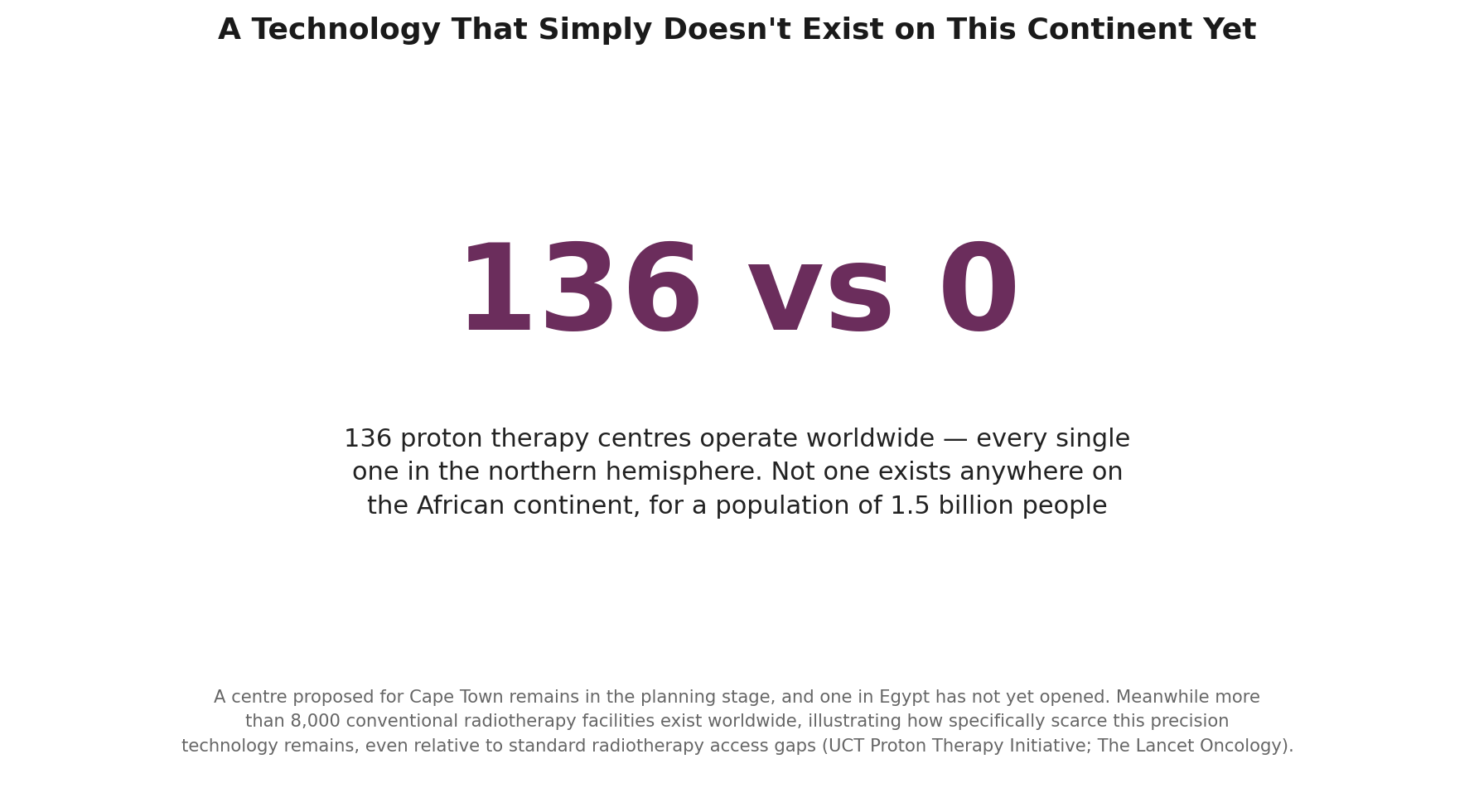
This is the fact every Kenyan patient considering this treatment needs to understand clearly, because it isn't really about Kenya specifically at all. Of 136 proton therapy centres currently operating worldwide, every single one is located in the northern hemisphere. Not one operational facility exists anywhere on the African continent, for a population of roughly 1.5 billion people. A proposed centre in Cape Town remains in the planning stage, and a facility in Egypt has similarly not yet opened. For comparison, more than 8,000 conventional radiotherapy facilities exist worldwide, illustrating just how specifically scarce this particular technology remains, even relative to standard radiotherapy access gaps that already affect much of the region.
This matters because it means the decision facing a Kenyan patient isn't really "domestic versus international care" in the way it is for many other conditions in this series. It's a decision about whether a genuinely superior, more precise treatment technology is worth pursuing at all, since it simply cannot be accessed anywhere closer to home, regardless of which hospital or specialist a patient might otherwise trust domestically.
Why India has become a genuine hub for proton therapy access
India has developed real capacity in this space specifically because the technology gap it fills matters enormously for lower and middle income countries generally, not just Kenya. Led by the Apollo Proton Cancer Centre in Chennai and Tata Memorial Centre in Mumbai, India now accounts for roughly six to seven percent of proton treatments delivered globally, a meaningful share for a technology this specialised and expensive to establish. Apollo alone has reported treating more than 2,000 international patients from 147 countries since 2019, including patients from across Africa specifically.
India's proton therapy centres combine this genuine international patient experience with JCI accreditation and the same core technology used at leading centres in the US and Europe. In 24 years of guiding patients toward treatment decisions, few situations are as clear-cut as this one: when a technology genuinely doesn't exist anywhere on your continent, and a well-established, accredited alternative exists at a fraction of Western cost with real experience treating patients from your region, the case for pursuing it becomes straightforward rather than a difficult trade-off between options.
That said, straightforward doesn't mean automatic. Proton therapy isn't the right choice for every cancer diagnosis; its precision advantage matters most for specific tumour locations and types, and a good oncologist, wherever they practise, should be able to explain clearly why it's being recommended for your particular case rather than assuming it's simply the newer, more expensive option and therefore the better one.
What it costs: India versus Kenya, the UK, and the US
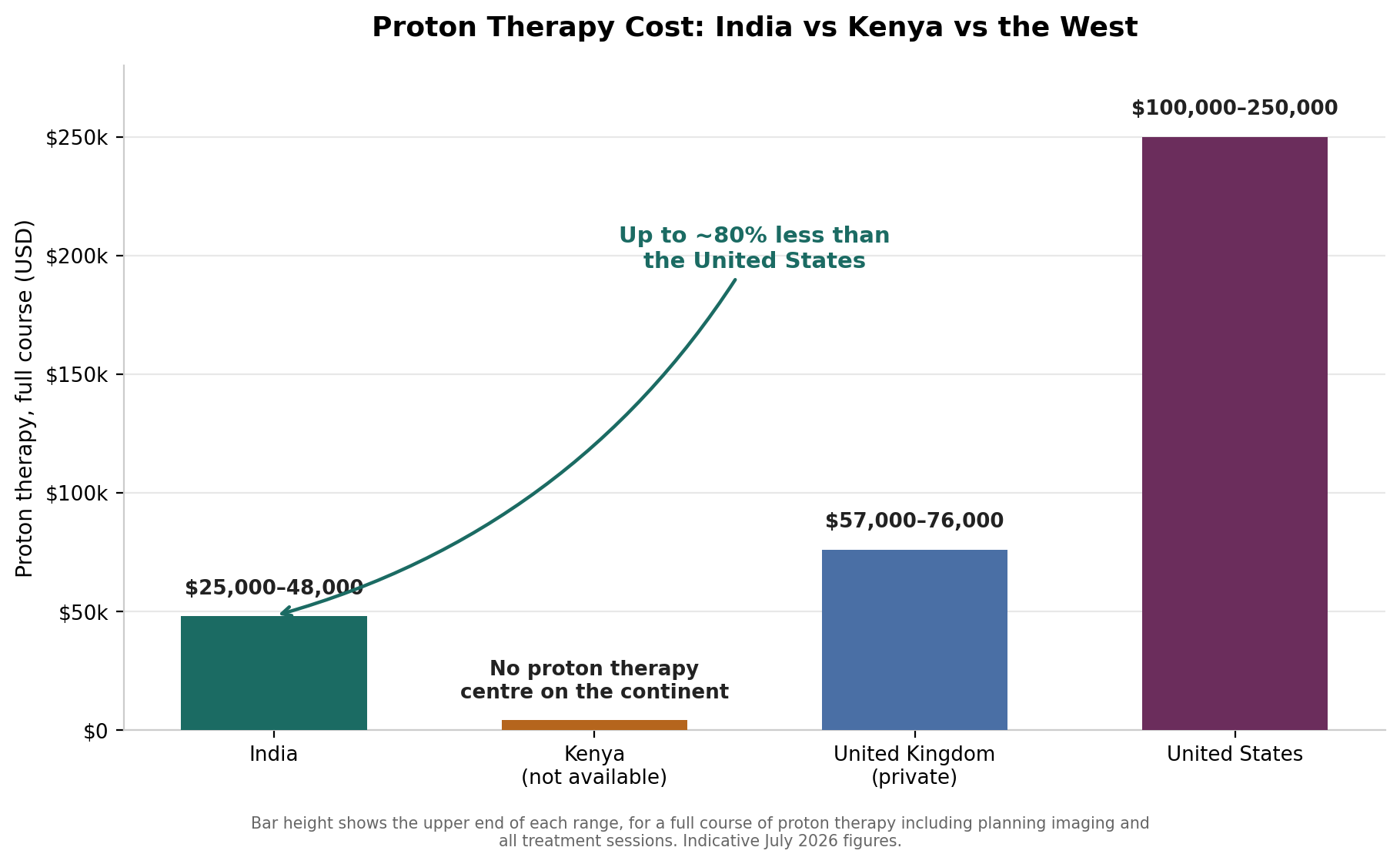
In India, a complete course of proton therapy typically costs between 25,000 and 48,000 US dollars, covering planning imaging and all treatment sessions. In Kenya, and across Africa more broadly, the treatment simply isn't available domestically at any price. In the UK, private proton therapy typically costs 57,000 to 76,000 dollars, and in the US, 100,000 to 250,000 dollars, up to roughly 80% more than the equivalent treatment in India.
Beyond the treatment itself, budget for an extended stay. Direct flights between Nairobi and Delhi or Mumbai run roughly 550 to 850 dollars return, and a full course of proton therapy typically requires four to eight weeks in India, depending on how many sessions your specific case requires. Some patients combine the treatment period with accommodation packages offered by the treating hospital itself, which can meaningfully simplify logistics for an extended stay of this length.
What a Kenyan patient should actually check before booking
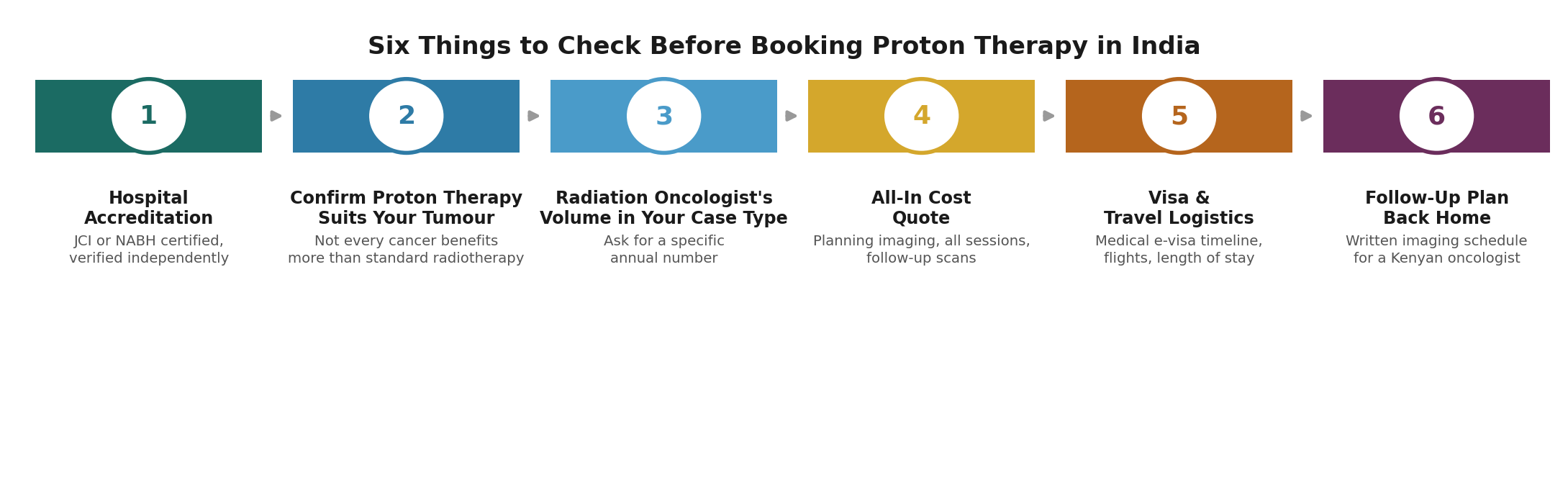
Given how specialised this technology is, these questions matter.
Confirm genuine accreditation. Ask whether the treating hospital holds JCI or NABH certification, and verify it independently.
Confirm proton therapy genuinely suits your specific tumour. Not every cancer benefits meaningfully more from proton therapy than from standard radiotherapy, so ask your treating oncologist to explain specifically why proton therapy is being recommended for your case.
Ask about the radiation oncologist's volume in your specific case type. A specific number, how many cases matching your exact tumour type and location the specialist personally treats each year, tells you more than general facility reputation.
Get the full cost breakdown in writing. Confirm what's included, planning imaging, every treatment session, and follow-up scans, and what additional sessions would cost if needed.
Plan your visa and extended travel logistics. The Indian medical e-visa is typically issued within three to five working days once you have a formal hospital invitation letter.
Arrange your follow-up imaging plan before you leave. Agree on a written follow-up schedule and identify a doctor in Kenya who can act on results once you're home.
Straight Answers for Kenyan Patients about Proton Therapy in India
Is proton therapy available anywhere in Africa?
No. Of 136 operational proton therapy centres worldwide, none exist on the African continent. A proposed centre in Cape Town remains in the planning stage, and a facility in Egypt has not yet opened.
How much does proton therapy cost in India compared to the US?
India typically costs 25,000 to 48,000 US dollars for a complete treatment course, against 100,000 to 250,000 dollars in the US, a saving of up to roughly 80%.
What makes proton therapy different from standard radiotherapy?
Proton beams deposit most of their energy at a controlled depth inside the body and then stop, sparing healthy tissue beyond the tumour, unlike conventional x-ray radiotherapy, which continues delivering radiation along its full path through the body.
Who benefits most from proton therapy specifically?
Patients with tumours near critical structures like the brainstem, spinal cord, or eyes, and children, where reducing radiation exposure to developing tissue lowers long-term risk, tend to see the clearest advantage over standard radiotherapy.
Does India have experience treating patients from Africa specifically?
Yes. Apollo Proton Cancer Centre in Chennai has reported treating more than 2,000 international patients from 147 countries since 2019, including patients from across Africa.
How long does a full course of proton therapy take?
Most patients need four to eight weeks in India, depending on how many treatment sessions their specific tumour type and case require.
A Closing Word
Proton therapy is one of the more unusual situations in this series, not because Kenya's domestic capacity falls short, but because the technology doesn't exist anywhere on the entire continent yet. India offers a genuinely accredited, high-volume alternative with real experience treating African patients, at a fraction of Western cost. For the right tumour type, that combination makes pursuing this treatment abroad a straightforward decision rather than a difficult trade-off.
Sources
- 🌐 UCT Proton Therapy Initiative — the case for a proton therapy centre in Africa. University of Cape Town. protontherapy.uct.a
- 🌐 Global democratisation of proton radiotherapy. The Lancet Oncology
- 🌐 Proton therapy expansion to put India high on global cancer care map. Business Standard, 2026. business-standard.com/he alth
- 🌐 National Medical Commission of India — specialist registration verification
- 🌐 National Accreditation Board for Hospitals & Healthcare Providers (NABH) — accredited hospital directory
Frequently Asked Questions by Kenyans about Proton Therapy in India
Is proton therapy available anywhere in Africa for Kenyan cancer patients?
No. The guide states that none of the 136 operational proton therapy centres worldwide is located in Africa. Proposed facilities in Cape Town and Egypt have not yet become operational.
Why might a Kenyan patient choose proton therapy instead of standard radiotherapy?
Proton therapy can reduce radiation exposure beyond the tumour because the beam stops after depositing its energy at a controlled depth. The potential advantage is greatest when the tumour is close to sensitive structures such as the brainstem, spinal cord or eyes.
Which Kenyan cancer patients may benefit most from proton therapy in India?
The guide identifies patients with tumours near critical structures and children requiring radiation as groups where the precision of proton therapy may offer a clearer advantage. Suitability must still be established for the individual tumour.
Why should a Kenyan patient not assume proton therapy is automatically better?
Proton therapy is not appropriate or clinically superior for every cancer. The guide recommends asking the treating oncologist to explain specifically why proton therapy is expected to provide an advantage over conventional radiotherapy in the patient's case.
Does India have experience treating African patients with proton therapy?
Yes. Apollo Proton Cancer Centre in Chennai has reported treating more than 2,000 international patients from 147 countries since 2019, including patients from across Africa. India is estimated to account for roughly 6–7% of global proton treatments.
How much does proton therapy cost in India for Kenyan patients?
The guide estimates a complete course at approximately US$25,000–48,000 in India. For comparison, private proton therapy is estimated at US$100,000–250,000 in the US.
What should a Kenyan patient's proton therapy quotation include?
The written estimate should clearly cover treatment planning, imaging, every proton therapy session and follow-up scans. Patients should also ask what additional sessions would cost if the treatment plan changes.
How long does a Kenyan patient need to stay in India for proton therapy?
A complete course generally requires approximately 4–8 weeks in India, depending on the number of treatment sessions prescribed for the patient's specific tumour.
How should Kenyan patients choose the radiation oncologist for proton therapy?
Ask for the specialist's specific annual experience treating the same tumour type and location with proton therapy. The guide considers this more useful than relying only on the general reputation of the treatment centre.
What follow-up should Kenyan patients arrange before returning home?
Patients should agree on a written follow-up imaging schedule before leaving India and identify a doctor in Kenya who can review the results and coordinate further oncology care.
Page Summary
This five-page guide focuses on the complete absence of operational proton therapy centres in Africa and India's role as an accessible international option for suitable Kenyan patients. Page 2's “136 vs 0” graphic highlights the 136 operational centres worldwide versus zero in Africa. Page 3 compares full-course proton therapy costs, showing US$25,000–48,000 in India versus US$100,000–250,000 in the US. The page 4 six-point graphic focuses on accreditation, tumour suitability, radiation-oncologist experience, complete costing, travel and follow-up imaging.
Citation Block
| Topic | Information |
|---|---|
| Topic | Proton Therapy in India for Kenyan Patients |
| Treatment | Proton Therapy / Proton Beam Radiotherapy |
| Patients | Kenyan Cancer Patients |
| First Assessment | Tumour type, location and suitability |
| Key Specialist | Radiation Oncologist |
| Main Technology | Proton beam therapy |
| Africa Availability | No operational centre |
| Global Centres | 136 operational centres |
| Best-Suited Cases | Tumours near critical structures and selected childhood cancers |
| India Capacity | Approximately 6–7% of global proton treatments |
| International Experience | 2,000+ international patients from 147 countries reported by Apollo since 2019 |
| Hospital Check | JCI / NABH accreditation |
| Case Volume | Exact tumour type and location |
| Cost Check | Written estimate including planning, sessions and follow-up scans |
| India Cost | US$25,000–48,000 |
| UK Cost | US$57,000–76,000 |
| US Cost | US$100,000–250,000 |
| Medical Records | Imaging, pathology and oncology reports |
| Travel | Nairobi–Delhi or Mumbai flights |
| Stay | Approximately 4–8 weeks |
| Follow-Up | Imaging and oncology follow-up in Kenya |
| Specialist Question | How many patients with my exact tumour type and location do you treat with proton therapy each year? |
| Suitability Question | Why would proton therapy benefit my tumour more than standard radiotherapy? |
| Cost Question | Does the quotation include treatment planning, all sessions and follow-up scans? |
| Travel Question | How long will I need to remain in India for the complete course? |
| Follow-Up Question | What imaging and oncology follow-up should I arrange in Kenya? |
| Warning Signs | Proton therapy recommended without a tumour-specific justification |
| Payment Warning | Quotation excluding planning or follow-up scans |
| Key Decision | Verify tumour suitability, accredited technology and specialist experience |


Our Mission Statement
Our mission is to place patients at the centre of every healthcare decision by providing trustworthy, evidence-based, and unbiased medical information. We believe that informed patients make better decisions. Backed by personalised guidance from our experienced advisory team, we help patients understand their treatment options, compare them objectively, and confidently choose the path that best suits their medical needs and personal circumstances.
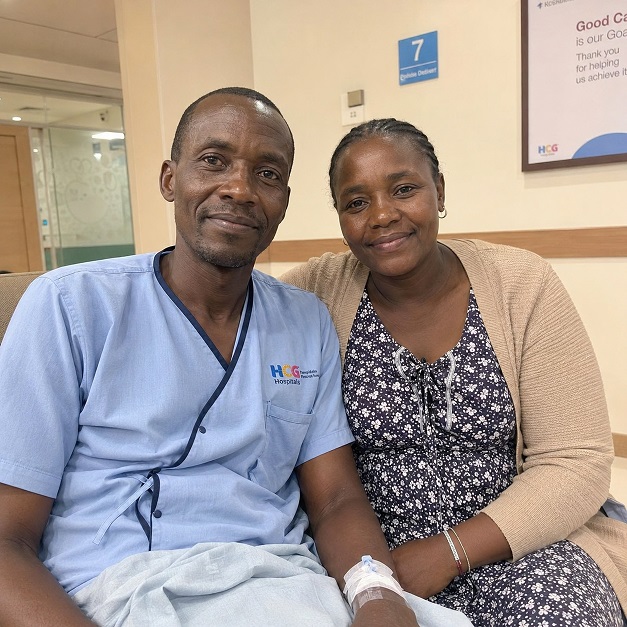
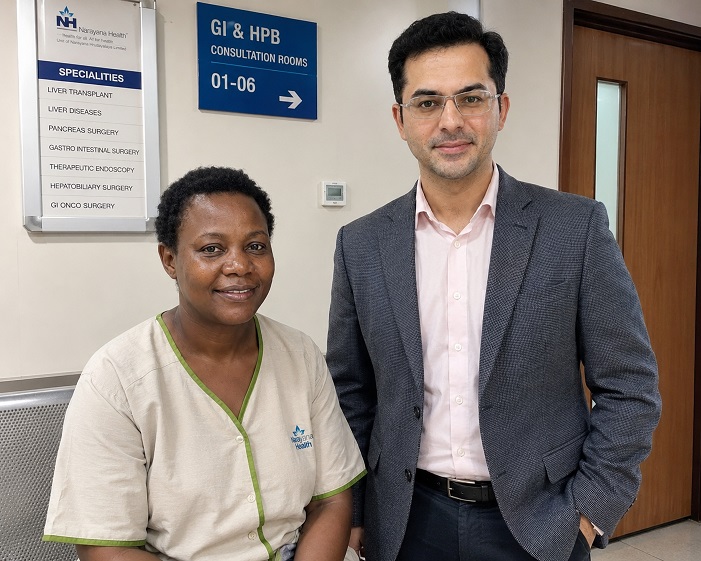
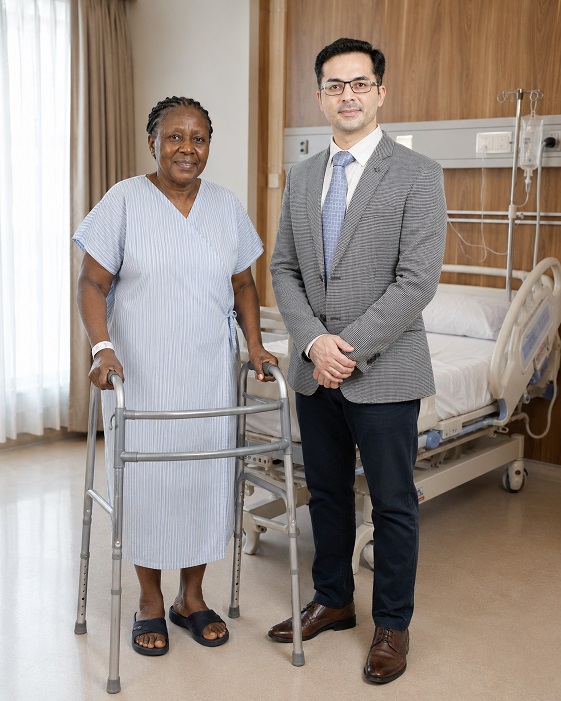
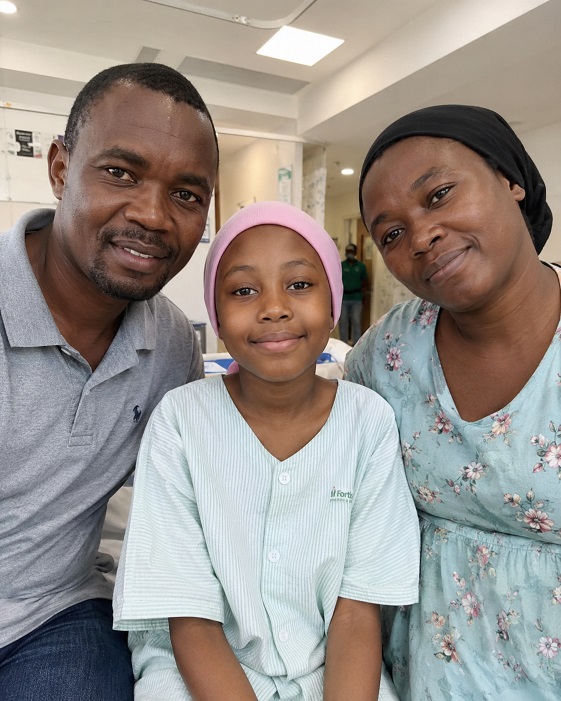
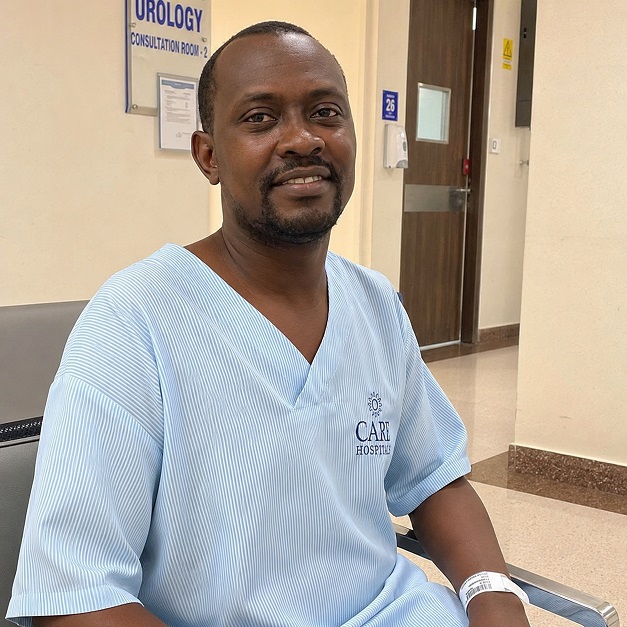
Patient Testimonials from Kenya

Ready to Take the First Step?
Share your Medical Reports with our Healthcare Managers Today and Get a FREE CONSULTATION, a Personalized Treatment Plan, and Complete Support from Arrival to Recovery.
Get Your Free ConsultationAreas We Serve
This resource has been thoughtfully prepared for patients from Kenya who are considering medical treatment in India. We also welcome patients from the wider region in the countries mentioned below-
We assist patients from:
- Ethiopia
- Somalia
- Tanzania
- Uganda
- Seychelles
- Guinea
- Guinea-Bissau
- Liberia
- Mali
- Mauritania
- Niger
- Nigeria
- Senegal
- Togo
- South Sudan
- Sierra Leone
Many of the insights, treatment pathways, hospital recommendations, travel guidance, and patient support services described here are equally relevant and may be used as a reference when planning treatment in India.
From Kenya to India: Your Complete Patient Support Guide
- Brain Tumour Surgery in India for Kenyan Patients
- Cancer Treatment and Surgery in India for Kenyan Patients
- Cardiac Treatment and Surgery in India for Kenyan Patients
- Heart Valve Replacement Surgery in India for Kenyan Patients
- Knee Replacement in India for Kenyan Patients
- Prostate Cancer Treatment and Surgery in India for Kenyan Patients
- Spine Treatment and Surgery in India for Kenyan Patients
- Selecting the Best Bariatric Surgeons and Hospitals in India: What Kenyan Patients Should Actually Look For
- Selecting the Best Cancer Surgeons and Hospitals in India: What Kenyan Patients Should Actually Look For
- Selecting the Best Cardiac Surgeons and Hospitals in India: What Kenyan Patients Should Actually Look For
- Selecting the Best Dental Surgeons and Clinics in India: What Kenyan Patients Should Actually Look For
- Selecting the Best Hip Surgeons and Hospitals in India: What Kenyan Patients Should Actually Look For
- Selecting the Best Kidney Transplant Surgeons and Hospitals in India: What Kenyan Patients Should Actually Look For
- Selecting the Best Knee Surgeons and Hospitals in India: What Kenyan Patients Should Actually Look For
- Selecting the Best Liver Transplant Surgeons and Hospitals in India: What Kenyan Patients Should Actually Look For
- Selecting the Best Neurosurgeons and Hospitals in India: What Kenyan Patients Should Actually Look For
- Selecting the Best Prostate Cancer Surgeons and Hospitals in India: What Kenyan Patients Should Actually Look For
- Selecting the Best Spine Surgeons and Hospitals in India: What Kenyan Patients Should Actually Look For