

Plastic and Reconstructive Surgery in India for Kenyan Patients
Burns, trauma and reconstruction after cancer: what plastic and reconstructive surgery in India involves for a Kenyan patient, staged over how long and at what cost.
A 13-year study of plastic surgery patients at a rural western Kenya hospital found something genuinely important about how reconstructive care actually reaches patients. For children needing cleft lip and palate repair, how far they lived from the hospital made no meaningful difference to how quickly they were treated, largely thanks to international medical camps and partnerships specifically focused on closing that gap. But for patients needing treatment after burns, hand trauma, or facial trauma, distance mattered enormously; the further a patient lived from specialist care, the longer their treatment was delayed, a statistically significant pattern the same study documented clearly. Across 24 years of guiding Kenyan patients through treatment in India, this distinction matters because it reveals that reconstructive need in Kenya isn't uniformly addressed, some conditions have benefited from focused international attention, while others, often just as urgent, haven't. This article explains what plastic and reconstructive surgery involves, why some reconstructive needs in Kenya are better supported than others, what treatment costs in India compared with Kenya and Western countries, and the practical factors to weigh before deciding where to be treated.
Healing Journeys of Kenyan Patients

Key Takeaways
- The guide explains that reconstructive plastic surgery restores function and appearance after injury, congenital conditions or disease, rather than primarily enhancing healthy features. It covers cleft lip and palate repair, burn reconstruction, hand trauma, facial trauma and reconstruction after tumour removal. Depending on the condition, treatment may involve skin grafting, tissue expansion, microvascular surgery or staged reconstruction.
- A 13-year study from rural western Kenya found that travel distance did not significantly delay cleft lip and palate treatment, largely because international medical camps and partnerships helped address that gap. However, greater travel time was significantly associated with delayed treatment for burns, hand trauma and maxillofacial trauma. This highlights an uneven distribution of reconstructive-care support in Kenya.
- India has developed dedicated reconstructive surgery capacity across burn reconstruction, hand surgery, craniofacial repair and microvascular tissue transfer. The guide stresses that Kenyan patients should select surgeons according to their exact reconstructive need, because burns, hand trauma and craniofacial reconstruction require different technical expertise. Accredited hospital infrastructure is also important for complex or staged procedures.
- The guide notes that older injuries are not necessarily untreatable. Scar contractures and functional problems caused by burns or trauma sustained years earlier may still be improved through reconstructive surgery after a proper specialist assessment. Complex cases may require several operations over months or years rather than a single procedure.
- The guide estimates reconstructive plastic surgery at approximately US$2,000–8,000 per procedure in India, compared with US$3,000–10,000 for private treatment in Kenya, US$10,000–25,000 in the UK and US$15,000–35,000 in the US. Initial treatment generally requires 1–3 weeks in India, although extensive burns and staged craniofacial reconstruction may require multiple visits.
- The page 4 “Six Things to Check” graphic highlights hospital accreditation, surgeon experience in the patient's exact condition, a clear staged treatment plan, a complete cost quotation, visa and travel planning, and long-term rehabilitation arrangements in Kenya. The guide also states that an Indian medical e-visa is typically issued within 3–5 working days after a formal hospital invitation letter.
Quick Facts
- Author
- Dr. Dheeraj Bojwani
- Experience
- 24+ Years
- Treatment
- Plastic & Reconstructive Surgery
- Patients
- Kenyan Patients
- First Assessment
- Condition, severity and previous treatment
- Key Specialist
- Reconstructive Plastic Surgeon
- Common Conditions
- Burns, hand trauma, facial trauma and cleft lip/palate
- Main Techniques
- Skin grafting, tissue expansion and microvascular reconstruction
- Treatment Approach
- Single or staged reconstruction depending on complexity
- Kenya Finding
- Travel distance linked to delays in burn, hand and facial trauma care
- Hospital Check
- JCI / NABH accreditation
- Case Volume
- Exact reconstructive condition and procedure
- Cost Check
- Written estimate including surgery, grafts/materials and physiotherapy
- India Cost
- US$2,000–8,000 per procedure
- Kenya Cost
- US$3,000–10,000 private
- Medical Records
- Imaging, operative reports and previous treatment records
- Visa
- Indian medical e-visa with hospital invitation
- Travel
- Nairobi–Delhi or Mumbai flights
- Stay
- Approximately 1–3 weeks initially
- Follow-Up
- Physiotherapy and scar-management plan in Kenya
- Key Warning
- General plastic-surgery experience without condition-specific expertise
- Decision Principle
- Prioritise exact-condition expertise, staged planning and long-term rehabilitation.
In Brief
For Kenyan patients seeking reconstructive surgery in India, the main priorities are condition-specific surgical expertise, a realistic staged treatment plan and reliable rehabilitation after returning home. Patients should verify the surgeon's experience with their exact injury or condition, obtain a complete written estimate and arrange physiotherapy and scar-management follow-up in Kenya.
What plastic and reconstructive surgery actually involves
Reconstructive plastic surgery restores form and function after injury, congenital conditions, or disease, distinct from cosmetic surgery, which focuses on enhancing typically healthy features. It covers a genuinely wide range: cleft lip and palate repair for infants born with this congenital condition, burn reconstruction to restore movement and reduce scarring after significant burns, hand surgery to repair function after traumatic injury, and reconstruction after tumour removal or facial trauma from accidents.
The specific techniques involved vary enormously by condition. Burn reconstruction often requires skin grafting, and for more extensive injuries, tissue expansion, a technique that gradually grows extra skin for later reconstructive use, or microvascular surgery, transferring tissue with its own blood supply from one part of the body to another. Cleft lip and palate repair typically requires staged surgery over a child's early years, timed carefully around growth and speech development. Hand and facial trauma reconstruction often demands both functional restoration, regaining movement and sensation, and careful attention to appearance, since both matter enormously to a patient's long-term quality of life.
Recovery timelines and the number of procedures required vary considerably by condition. A straightforward scar revision might involve a single outpatient procedure, while complex burn reconstruction or craniofacial repair can require several separate surgeries spread across months or years, each building on the results of the last. This staged approach isn't a sign of something going wrong; it reflects how the body's healing process itself often requires time between interventions for optimal results.
Why some reconstructive needs in Kenya are better supported than others
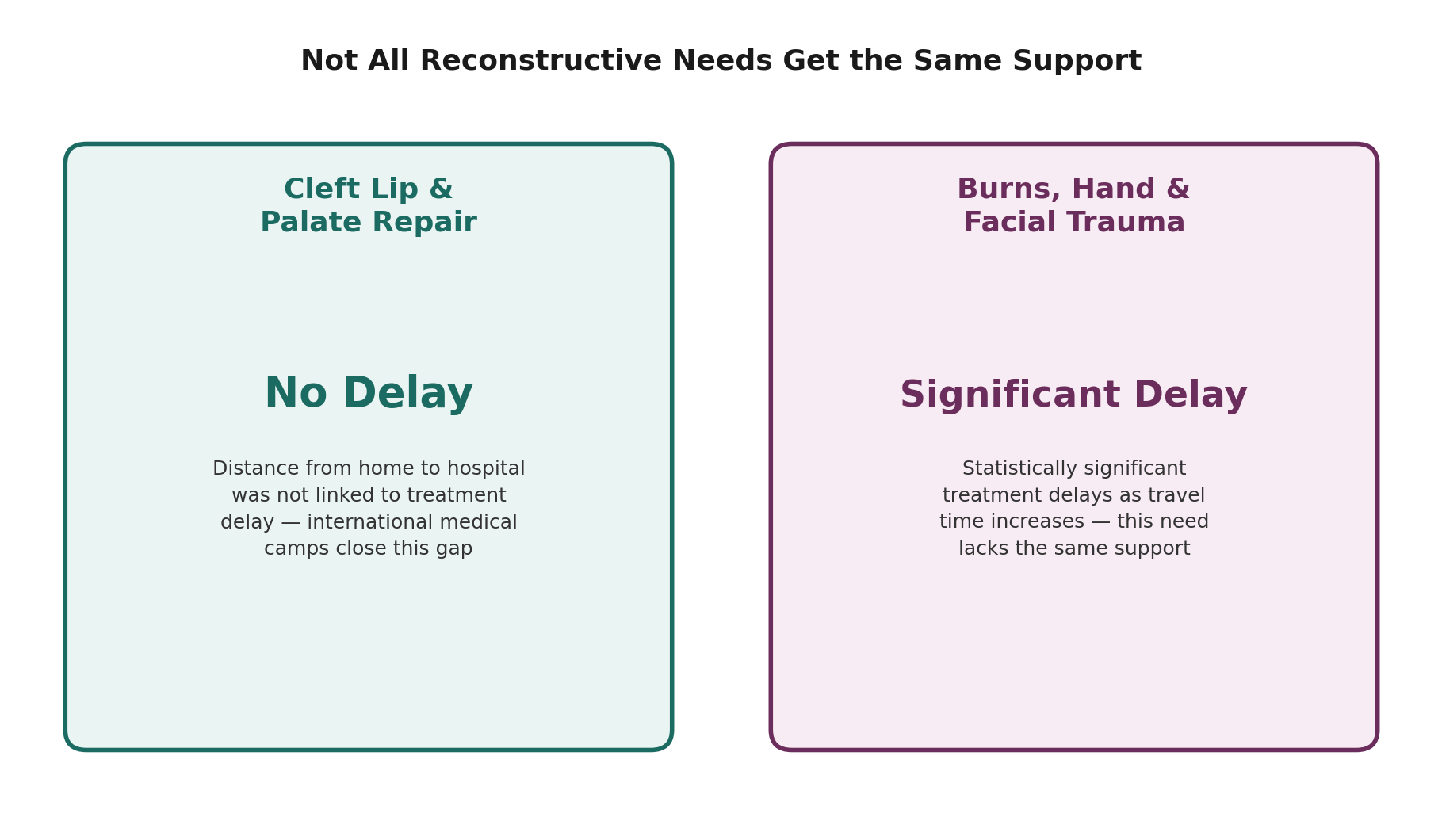
This is the pattern every Kenyan patient or family facing a reconstructive need should understand clearly, because it shapes how urgently and how proactively to seek care. The Kapsowar Hospital study, examining nearly 300 patients treated over three years in rural western Kenya, found that travel distance had no significant association with delays in cleft lip and palate treatment, a genuinely positive outcome the researchers attributed specifically to international partnerships and medical camps that have focused deliberately on closing this particular gap.
The same study found the opposite pattern for burns, maxillofacial trauma, and hand trauma: increased travel time was significantly associated with delayed treatment for all three. This isn't because these conditions are less common or less severe, cleft lip and palate, along with burn reconstruction, were in fact the most common diagnoses the study documented. It reflects, instead, an uneven distribution of international attention and dedicated programme support, with certain conditions receiving focused investment while others, despite comparable or greater urgency, haven't received the same coordinated response. For a Kenyan patient with a significant burn injury or traumatic hand injury specifically, this means the support systems that have helped shorten the path to treatment for cleft lip and palate patients may simply not exist in the same way.
Why India has become a genuine hub for plastic and reconstructive surgery
India has developed extensive, dedicated reconstructive surgery capacity across every subspecialty this field requires, burn reconstruction, hand surgery, craniofacial repair, and microvascular tissue transfer, with surgeons who have built careers specifically around these techniques rather than treating them as occasional additions to cosmetic practice. This matters because reconstructive outcomes depend heavily on genuine, procedure-specific surgical experience, particularly for complex cases involving significant tissue loss or functional impairment.
India's leading reconstructive centres combine this depth of expertise with JCI and NABH accredited safety standards and the full staged-treatment infrastructure complex reconstruction often requires, since many reconstructive cases genuinely need multiple procedures over time, not a single operation. In 24 years of guiding patients through this decision, the clearest advice I offer is this: for reconstructive needs that haven't benefited from the kind of coordinated international support cleft lip and palate care has received in Kenya, particularly burns and traumatic hand or facial injuries, India offers a genuinely accessible, high-quality path that doesn't depend on waiting for that same level of programme support to develop domestically.
This matters just as much for patients with older, unaddressed injuries as for those seeking care immediately after an accident. Scar contractures and functional limitations from burns or trauma sustained years earlier can often still be meaningfully improved through reconstructive surgery, even long after the initial injury; it's never necessarily too late to seek a genuine assessment of what's still achievable.
What it costs: India versus Kenya, the UK, and the US
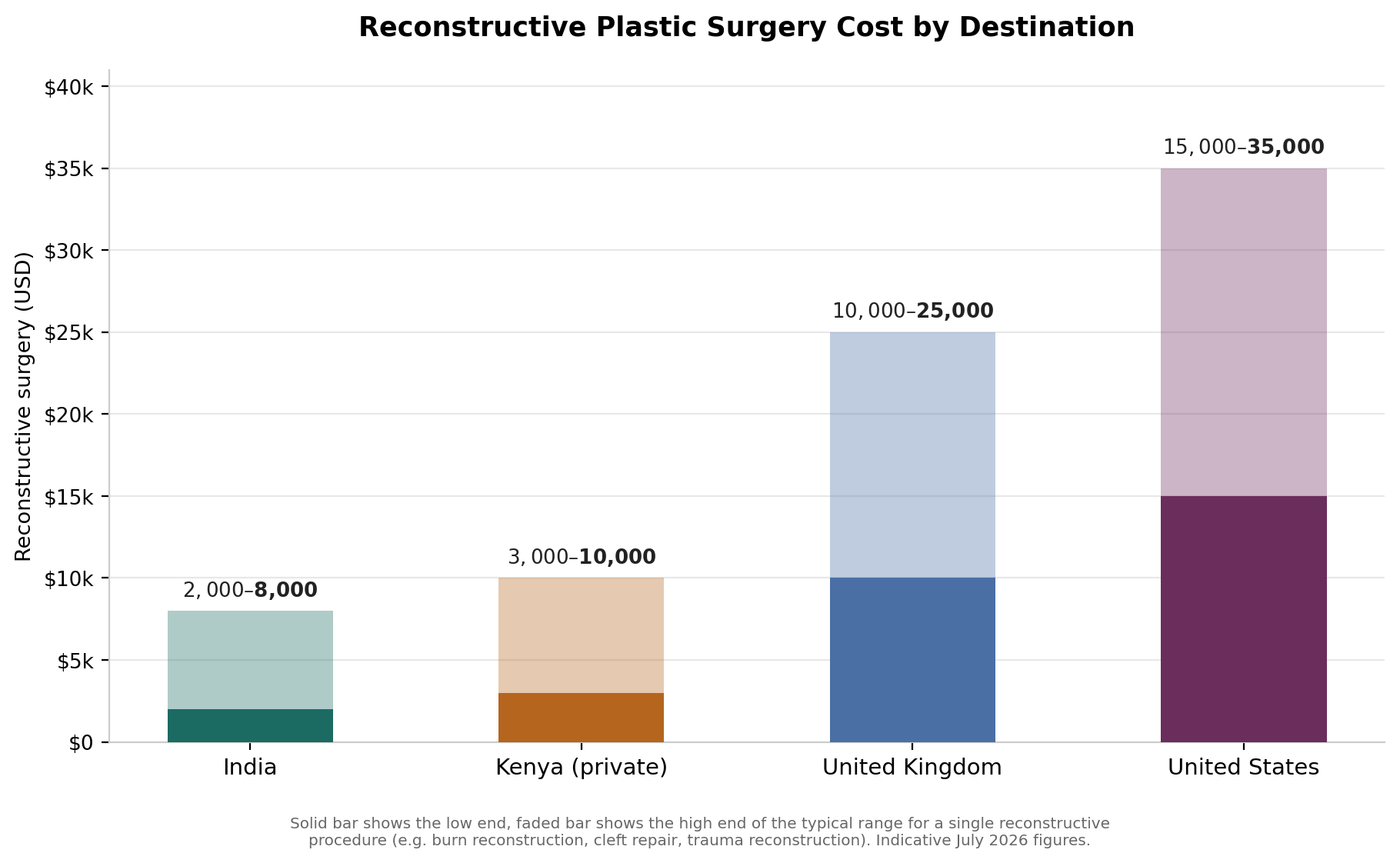
In India, reconstructive plastic surgery typically costs between 2,000 and 8,000 US dollars per procedure, depending on complexity. In Kenya, private reconstructive surgery costs run roughly 3,000 to 10,000 dollars. In the UK, reconstructive surgery typically costs 10,000 to 25,000 dollars, and in the US, 15,000 to 35,000 dollars.
Beyond the procedure itself, budget for your stay, and for the possibility of multiple visits. Direct flights between Nairobi and Delhi or Mumbai run roughly 550 to 850 dollars return, and initial treatment typically requires one to three weeks in India, though complex reconstructive cases, particularly extensive burns or staged craniofacial repair, may require multiple trips spread over months or years.
What a Kenyan patient should actually check before booking
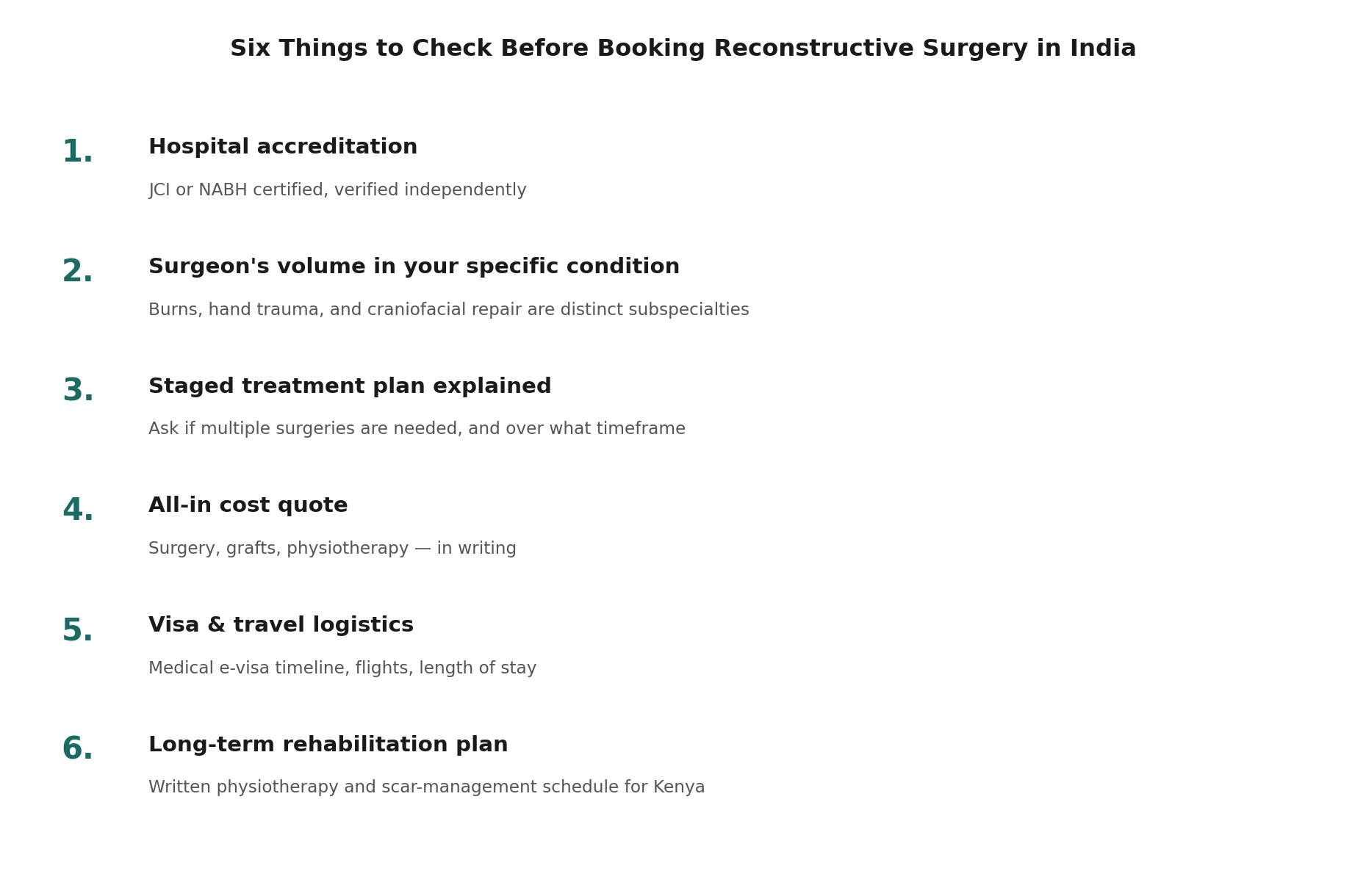
Given how much procedure-specific experience and staged planning matter here, work through these questions directly.
Confirm genuine accreditation. Ask whether the hospital holds JCI or NABH certification, and verify it independently.
Ask about the surgeon's volume in your specific condition. Burns, hand trauma, and craniofacial repair are genuinely distinct subspecialties; ask for a specific annual number matching your exact need.
Get a clear staged treatment plan. Ask whether your case requires multiple surgeries, and over what realistic timeframe, before committing to a single trip.
Get the full cost breakdown in writing. Confirm what's included, surgery, skin grafts or other materials, and physiotherapy.
Plan your visa and travel logistics. The Indian medical e-visa is typically issued within three to five working days once you have a formal hospital invitation letter.
Arrange your long-term rehabilitation plan before you leave. Agree on a written physiotherapy and scar- management schedule, and identify a doctor in Kenya who can continue that care.
Straight Answers for Kenyan Patients about Plastic and Reconstructive Surgery in India
Does distance from hospital affect treatment delays for all reconstructive conditions equally?
No. A 13-year Kenyan study found travel distance had no significant effect on cleft lip and palate treatment timing, but was significantly associated with delays for burns, hand trauma, and facial trauma.
How much does reconstructive surgery cost in India compared to the US?
India typically costs 2,000 to 8,000 US dollars per procedure, against 15,000 to 35,000 dollars in the US.
Why has cleft lip and palate care in Kenya seen better outcomes regarding treatment delays?
International medical camps and partnerships have focused deliberately on this specific condition, helping close the distance-related delay gap that other reconstructive needs still face.
What conditions does reconstructive plastic surgery treat?
Congenital conditions like cleft lip and palate, burn injuries, hand and facial trauma from accidents, and reconstruction after tumour removal, focused on restoring both function and appearance.
Does reconstructive surgery always require just one procedure?
No. Many reconstructive cases, particularly extensive burns or craniofacial conditions, require staged surgery across multiple procedures over months or years.
How do I get a medical visa to India from Kenya?
The Indian medical e-visa is typically issued within three to five working days once you have a formal invitation letter from the treating hospital.
A Closing Word
Reconstructive need in Kenya isn't uniformly addressed; cleft lip and palate care has genuinely benefited from focused international partnership, while burns, hand trauma, and facial injuries haven't received the same coordinated support, leaving patients further from specialist care facing real delays. India offers dedicated, procedure-specific expertise across the full range of reconstructive need, accredited safety standards, and cost that remains accessible, making it, for many Kenyan patients facing exactly the reconstructive needs that haven't been as well supported domestically, worth investigating directly.
Sources
- 🌐 The Burden of Plastic Surgery in Rural Kenya: The Kapsowar Hospital Experience. Plastic and Reconstructive Surgery, Global Open, 2024
- 🌐 Cleft Lip and Palate Surgery at a Rural African Hospital: A 13-Year Experience From Western Kenya. Journal of Craniofacial Surgery
- 🌐 Cleft Lip & Palate Medical Camps. Kenya Society of Plastic, Reconstructive & Aesthetic Surgeons, 2026. plasticsurgeons.co. ke
- 🌐 National Medical Commission of India — specialist registration verification
- 🌐 National Accreditation Board for Hospitals & Healthcare Providers (NABH) — accredited hospital directory
Frequently Asked Questions by Kenyans about Plastic and Reconstructive Surgery in India
Which reconstructive conditions are more likely to face treatment delays in Kenya?
The 13-year Kenyan study found that greater travel time was significantly associated with delays for burns, hand trauma and maxillofacial trauma, unlike cleft lip and palate treatment, which benefited from international medical camps and partnerships.
Why has cleft lip and palate treatment experienced less distance-related delay in Kenya?
The study attributed this difference to focused international partnerships and medical camps that have specifically helped patients access cleft lip and palate surgery despite living far from specialist hospitals.
Can an older burn injury still be treated through reconstructive surgery in India?
Yes, potentially. The guide explains that long-standing scar contractures and functional limitations from burns or trauma may still be meaningfully improved, even years after the original injury, following an appropriate specialist assessment.
How should a Kenyan patient choose an Indian reconstructive surgeon for a burn injury?
Ask specifically about the surgeon's annual experience with burn reconstruction, rather than accepting general plastic-surgery experience. The guide identifies burns, hand trauma and craniofacial reconstruction as distinct areas requiring procedure-specific expertise.
Why might a Kenyan patient need several trips to India for reconstructive surgery?
Extensive burns and complex craniofacial injuries may require staged reconstruction over months or years. The guide recommends understanding the likely number and timing of procedures before committing to international travel.
How much does reconstructive surgery cost in India for Kenyan patients?
The guide estimates approximately US$2,000–8,000 per procedure in India, compared with US$3,000–10,000 for private reconstructive surgery in Kenya. Complex cases requiring multiple procedures may have higher overall costs.
What should a Kenyan patient ask about the cost of burn or trauma reconstruction?
Request a written estimate covering the surgery, skin grafts or other materials and physiotherapy. Patients should also ask whether later stages of reconstruction would be charged separately.
How long should a Kenyan patient initially stay in India for reconstructive surgery?
Initial treatment generally requires approximately 1–3 weeks in India, although extensive reconstruction may require additional trips depending on the staged treatment plan.
What rehabilitation should Kenyan patients arrange before returning home?
The guide recommends agreeing on a written physiotherapy and scar-management schedule and identifying a doctor or rehabilitation provider in Kenya who can continue the patient's recovery after returning home.
How can Kenyan patients arrange an Indian medical visa for reconstructive surgery?
The guide states that the Indian medical e-visa is typically issued within three to five working days after a formal hospital invitation letter. Patients should organise the invitation after the reconstructive treatment plan and hospital arrangements are confirmed.
Page Summary
This five-page guide focuses on the uneven availability of reconstructive care for Kenyan patients, particularly those with burns, hand trauma and facial injuries. Page 2's graphic contrasts cleft lip and palate treatment, where international medical camps have helped reduce distance-related delays, with burns, hand and facial trauma, where significant delays remain. Page 3 compares reconstructive surgery costs in India, Kenya, the UK and US. The page 4 six-point graphic focuses on accreditation, condition-specific surgeon experience, staged treatment, complete costing, travel and long-term rehabilitation.
Citation Block
| Topic | Information |
|---|---|
| Topic | Plastic & Reconstructive Surgery in India for Kenyan Patients |
| Treatment | Reconstructive Plastic Surgery |
| Patients | Kenyan Patients |
| First Assessment | Condition, severity and previous treatment |
| Key Specialist | Reconstructive Plastic Surgeon |
| Common Conditions | Burns, hand trauma, facial trauma and cleft lip/palate |
| Main Techniques | Skin grafting, tissue expansion and microvascular reconstruction |
| Treatment Approach | Single or staged reconstruction |
| Kenya Finding | Travel distance linked to delays in burn, hand and facial trauma care |
| Hospital Check | JCI / NABH accreditation |
| Case Volume | Exact condition and procedure experience |
| Cost Check | Written estimate including surgery, materials and physiotherapy |
| India Cost | US$2,000–8,000 per procedure |
| Kenya Cost | US$3,000–10,000 private |
| Medical Records | Imaging and previous treatment reports |
| Travel | Nairobi–Delhi or Mumbai flights |
| Stay | Approximately 1–3 weeks initially |
| Follow-Up | Physiotherapy and scar management in Kenya |
| Specialist Question | How many patients with my exact reconstructive condition do you treat each year? |
| Treatment Question | Will my reconstruction require one operation or several stages? |
| Cost Question | Does the quotation include grafts, materials and physiotherapy? |
| Travel Question | How many trips to India are likely to be required? |
| Follow-Up Question | What rehabilitation and scar-management plan should I continue in Kenya? |
| Warning Signs | General plastic-surgery experience without exact-condition expertise |
| Payment Warning | Incomplete quotation excluding materials or rehabilitation |
| Key Decision | Verify condition-specific expertise, staged planning and long-term rehabilitation |

Our Mission Statement
Our mission is to place patients at the centre of every healthcare decision by providing trustworthy, evidence-based, and unbiased medical information. We believe that informed patients make better decisions. Backed by personalised guidance from our experienced advisory team, we help patients understand their treatment options, compare them objectively, and confidently choose the path that best suits their medical needs and personal circumstances.
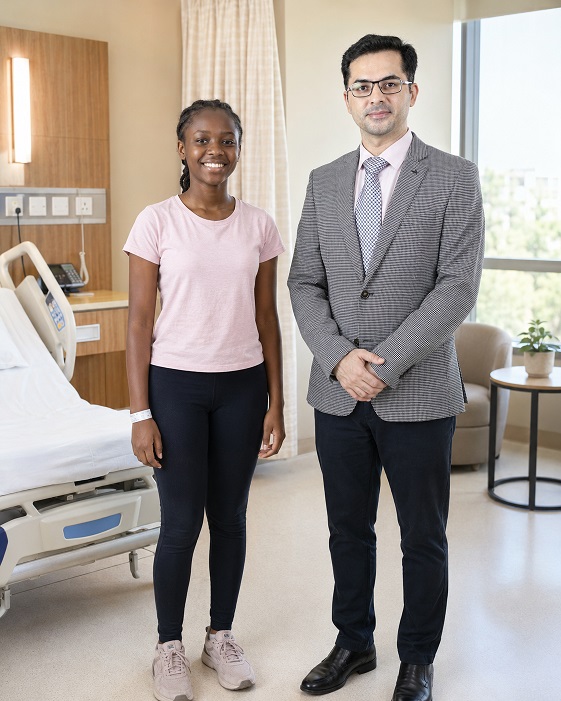
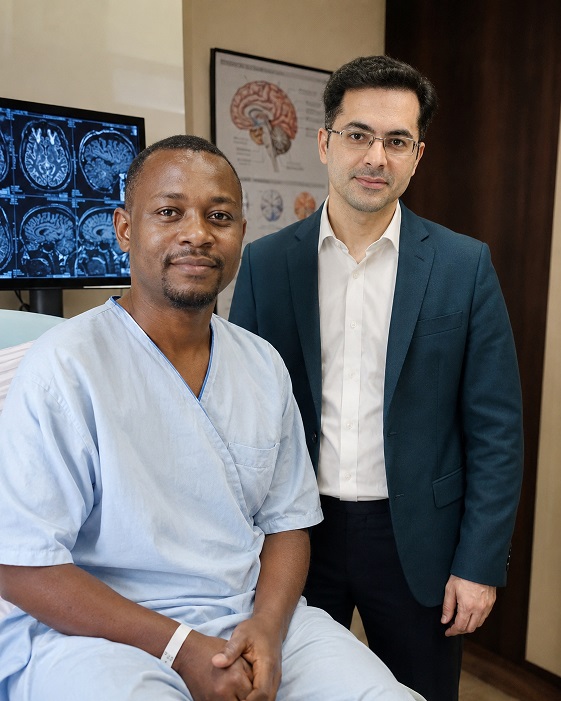
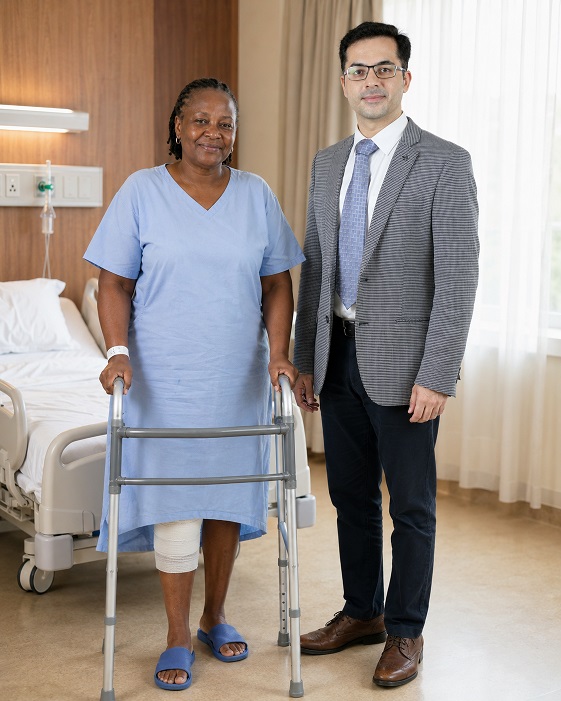
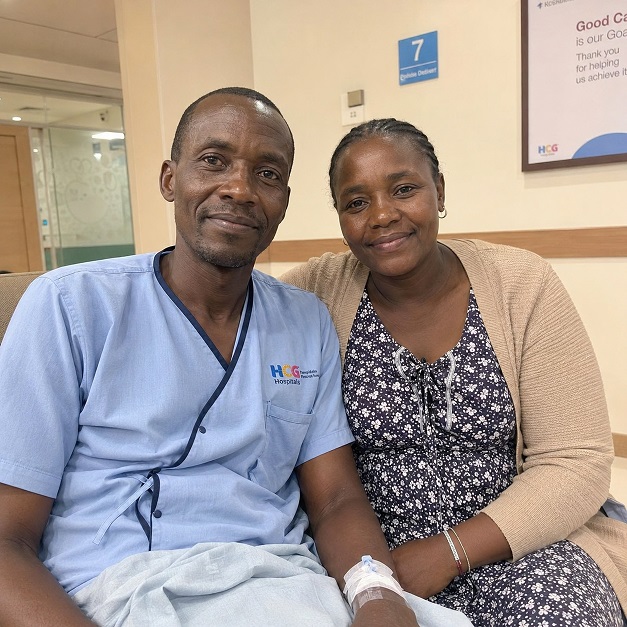
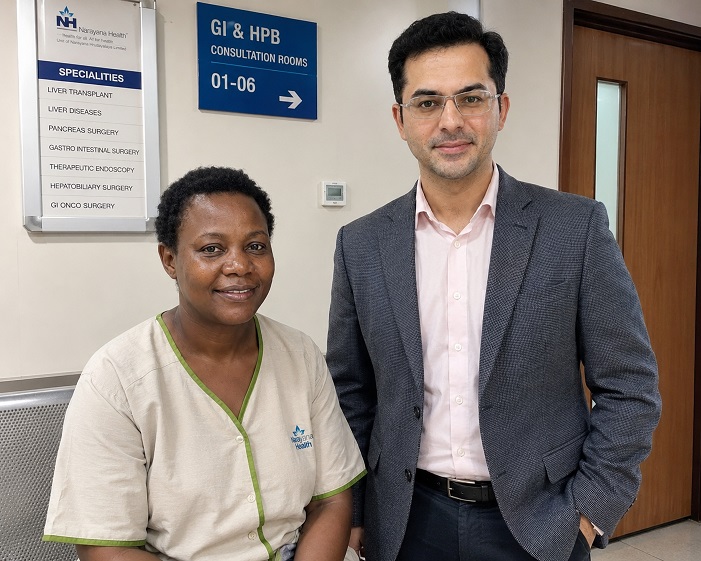
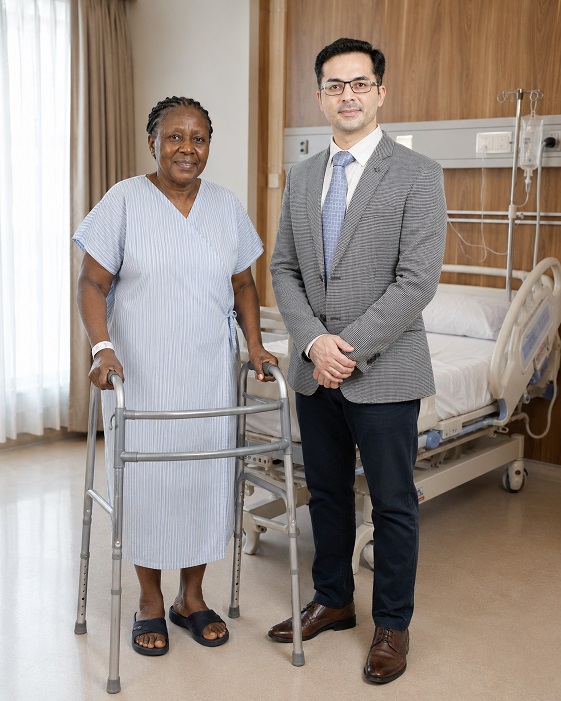
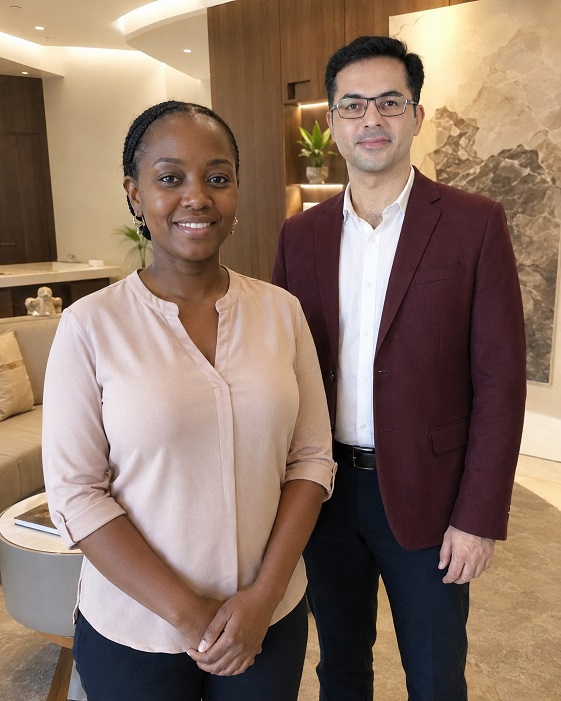
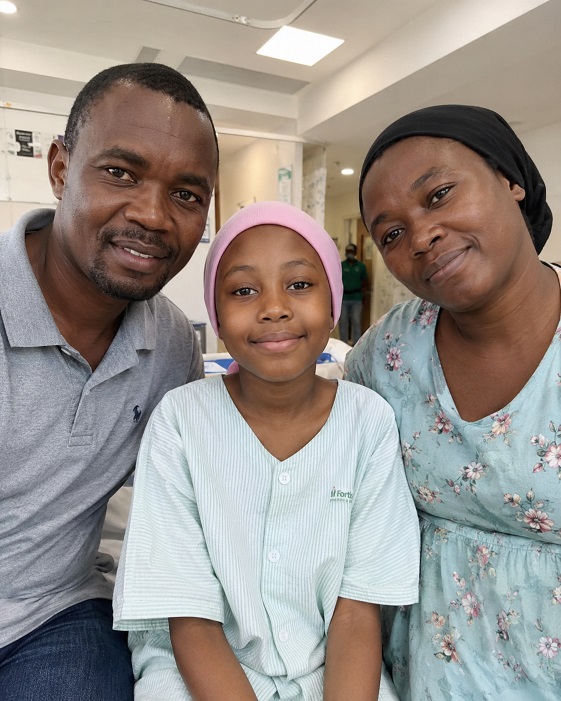
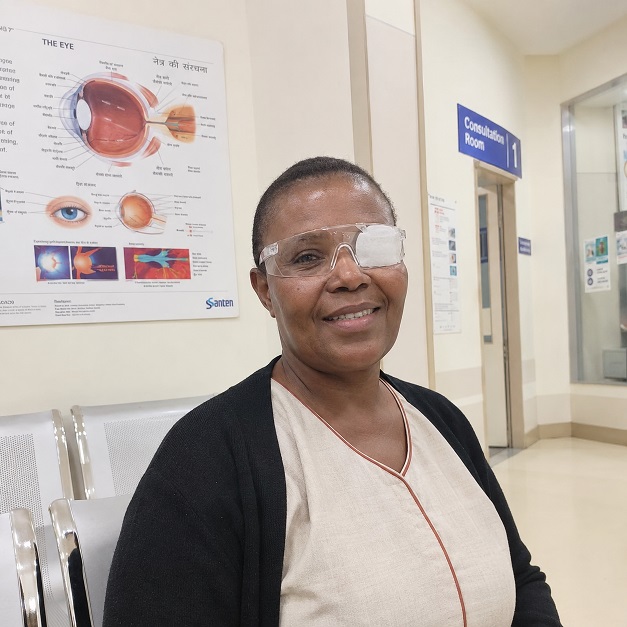
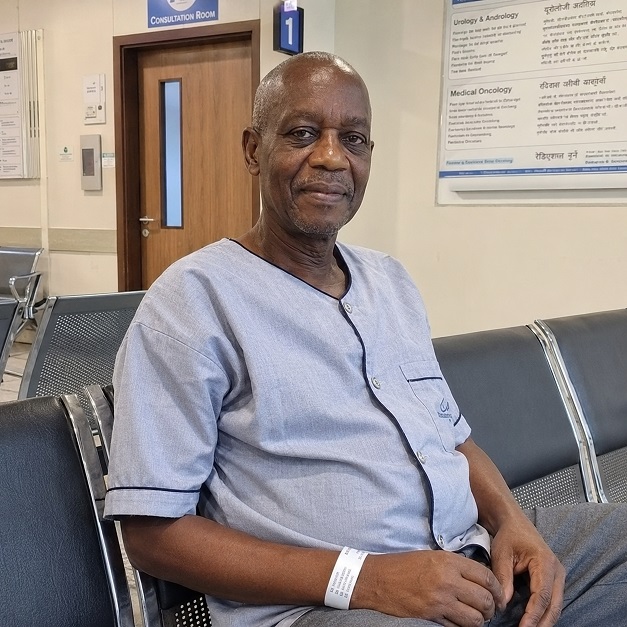
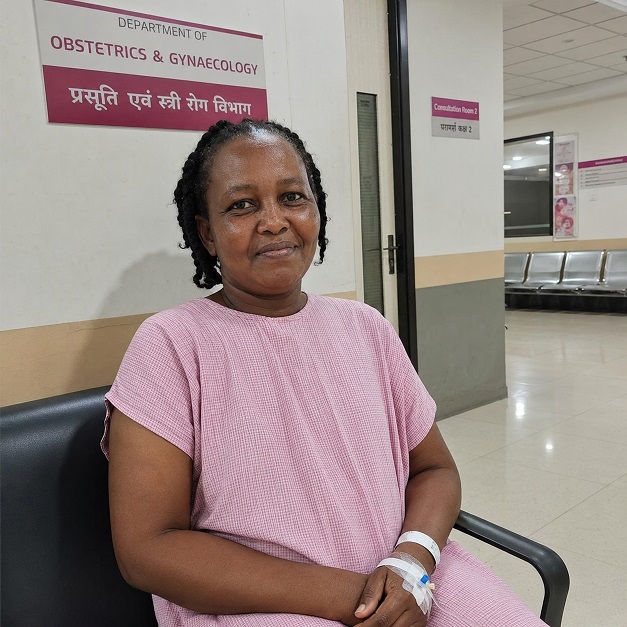
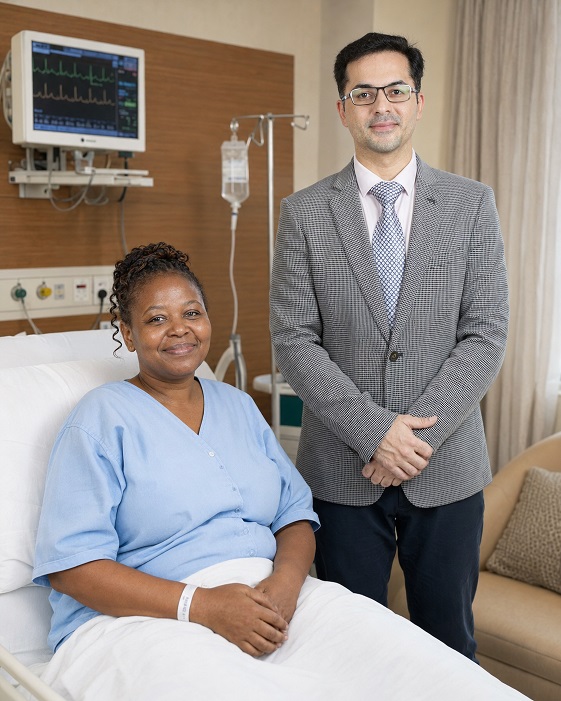
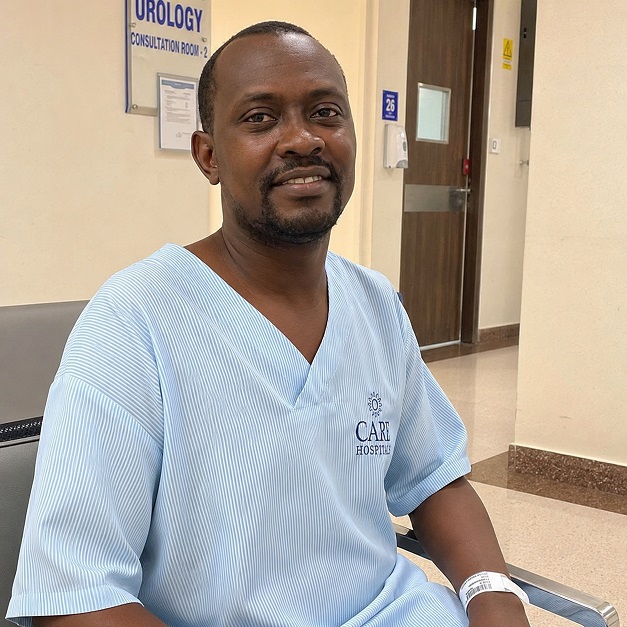
Patient Testimonials from Kenya
Ready to Take the First Step?
Share your Medical Reports with our Healthcare Managers Today and Get a FREE CONSULTATION, a Personalized Treatment Plan, and Complete Support from Arrival to Recovery.
Get Your Free ConsultationAreas We Serve
This resource has been thoughtfully prepared for patients from Kenya who are considering medical treatment in India. We also welcome patients from the wider region in the countries mentioned below-
We assist patients from:
- Ethiopia
- Somalia
- Tanzania
- Uganda
- Seychelles
- Guinea
- Guinea-Bissau
- Liberia
- Mali
- Mauritania
- Niger
- Nigeria
- Senegal
- Togo
- South Sudan
- Sierra Leone
Many of the insights, treatment pathways, hospital recommendations, travel guidance, and patient support services described here are equally relevant and may be used as a reference when planning treatment in India.
From Kenya to India: Your Complete Patient Support Guide
- Brain Tumour Surgery in India for Kenyan Patients
- Cancer Treatment and Surgery in India for Kenyan Patients
- Cardiac Treatment and Surgery in India for Kenyan Patients
- Heart Valve Replacement Surgery in India for Kenyan Patients
- Knee Replacement in India for Kenyan Patients
- Prostate Cancer Treatment and Surgery in India for Kenyan Patients
- Spine Treatment and Surgery in India for Kenyan Patients
- Selecting the Best Bariatric Surgeons and Hospitals in India: What Kenyan Patients Should Actually Look For
- Selecting the Best Cancer Surgeons and Hospitals in India: What Kenyan Patients Should Actually Look For
- Selecting the Best Cardiac Surgeons and Hospitals in India: What Kenyan Patients Should Actually Look For
- Selecting the Best Dental Surgeons and Clinics in India: What Kenyan Patients Should Actually Look For
- Selecting the Best Hip Surgeons and Hospitals in India: What Kenyan Patients Should Actually Look For
- Selecting the Best Kidney Transplant Surgeons and Hospitals in India: What Kenyan Patients Should Actually Look For
- Selecting the Best Knee Surgeons and Hospitals in India: What Kenyan Patients Should Actually Look For
- Selecting the Best Liver Transplant Surgeons and Hospitals in India: What Kenyan Patients Should Actually Look For
- Selecting the Best Neurosurgeons and Hospitals in India: What Kenyan Patients Should Actually Look For
- Selecting the Best Prostate Cancer Surgeons and Hospitals in India: What Kenyan Patients Should Actually Look For
- Selecting the Best Spine Surgeons and Hospitals in India: What Kenyan Patients Should Actually Look For