

Penile Implant Surgery in India for Kenyan Patients
When first-line treatments have genuinely been tried: what penile implant surgery involves, which implant suits whom, and what a Kenyan patient pays in India.
A study at Kenyatta National Hospital found that 95% of male patients with hypertension experience erectile dysfunction, among the highest rates recorded anywhere in published medical literature. Separately, a 2026 community-based study specifically examined erectile dysfunction in young men aged 18 to 35 in Nairobi County, a population largely absent from Kenya's national reproductive health policy, which doesn't explicitly address male sexual dysfunction in this age group at all. Together, these findings describe a condition that's both far more common in Kenya than most public conversation acknowledges, and, for a meaningful share of affected men, genuinely under-addressed by the healthcare system. Across 24 years of guiding Kenyan patients through treatment in India, this is an area where clear, factual information matters enormously, precisely because stigma so often prevents that information from reaching the men who need it. This article explains what penile implant surgery involves, why erectile dysfunction is more common and more overlooked in Kenya than commonly assumed, what treatment costs in India compared with Kenya and Western countries, and the practical factors to weigh before deciding where to be treated.
Healing Journeys of Kenyan Patients




Key Takeaways
- The guide explains that penile implant surgery is generally a last-line treatment for erectile dysfunction, considered when oral medicines, injections or vacuum devices have not provided satisfactory results. It describes two main options: malleable implants, which use flexible rods and offer simpler mechanics, and inflatable implants, which use a pump and reservoir system and provide a more natural flaccid appearance.
- Erectile dysfunction is a significant but under-addressed issue in Kenya. A study at Kenyatta National Hospital found erectile dysfunction in 95% of male patients with hypertension, while a 2026 Nairobi County study also documented the condition among sexually active men aged 18–35. The page 2 graphic highlights both the exceptionally high prevalence among hypertensive men and the lack of explicit policy attention to male sexual dysfunction in younger Kenyan men.
- India has developed a dedicated prosthetic urology subspecialty, with andrologists trained specifically in penile implant procedures. The guide stresses that Kenyan patients should assess the surgeon's experience with penile implants rather than relying only on general urological qualifications. Leading Indian centres also combine specialist expertise with JCI and NABH-accredited safety standards and access to different implant options.
- The guide reports satisfaction rates of around 80–95% among men and their partners, while modern implant devices have reported survival rates of approximately 60–80% at 10 years. It also explains that the choice between malleable and inflatable implants should be based on the patient's priorities and the surgeon's assessment rather than simply selecting the device that is most readily available.
- The guide estimates penile implant surgery at approximately US$4,500–17,500 in India, compared with US$6,000–15,000 for private treatment in Kenya, US$20,000–35,000 in the UK and US$25,000–40,000 in the US. Patients generally need approximately 5–7 days in India for surgery and initial recovery, although the implant is usually not activated for another 2–4 weeks.
- The page 4 “Six Things to Check” graphic highlights independent hospital accreditation, confirmation that first-line treatments were genuinely tried, the surgeon's specific prosthetic-urology volume, a complete quotation covering the device and surgery, visa and travel planning, and privacy and follow-up arrangements. These checks are particularly important because the condition can be sensitive and patients may need long-term care after returning to Kenya.
Quick Facts
- Author
- Dr. Dheeraj Bojwani
- Experience
- 24+ Years
- Treatment
- Penile Implant Surgery
- Patients
- Kenyan Patients
- First Assessment
- Erectile dysfunction history and previous treatment response
- Key Specialist
- Prosthetic Urologist / Andrologist
- Main Options
- Malleable and inflatable penile implants
- Treatment Position
- Last-line treatment after unsuccessful first-line therapies
- Satisfaction
- Approximately 80–95% reported
- Device Survival
- Approximately 60–80% at 10 years
- Kenya Finding
- 95% erectile dysfunction among hypertensive male patients in cited KNH study
- Hospital Check
- JCI / NABH accreditation
- Case Volume
- Penile implant-specific surgical experience
- Cost Check
- Written estimate including device, surgery, hospital stay and follow-up
- India Cost
- US$4,500–17,500
- Kenya Cost
- US$6,000–15,000 private
- Medical Records
- Urology reports and previous treatment history
- Visa
- Indian medical e-visa with hospital invitation
- Travel
- Nairobi–Delhi or Mumbai flights
- Stay
- Approximately 5–7 days
- Recovery
- Implant generally activated after 2–4 weeks
- Follow-Up
- Urology follow-up in Kenya
- Key Warning
- Implant surgery recommended before appropriate first-line treatments are tried
- Decision Principle
- Prioritise prosthetic-urology expertise, appropriate device selection and complete follow-up planning.
In Brief
For Kenyan men considering penile implant surgery, the key priorities are confirming that first-line treatments have genuinely been tried, choosing a surgeon with specific prosthetic-urology experience and understanding the differences between implant types. Patients should obtain a complete device-and-surgery quotation and establish a private, practical follow-up plan before returning to Kenya.
What penile implant surgery actually involves
A penile implant, or prosthesis, is a surgically placed device that allows a man to achieve an erection when other treatments haven't worked. It's considered a last-line option, used specifically for men who have tried and not achieved satisfactory results with oral medications, injections, or vacuum devices, particularly common in men with underlying vascular conditions like diabetes or long-standing hypertension, where blood flow issues can make first- line treatments less effective.
There are two main types. Malleable implants consist of two flexible rods placed within the erectile chambers, always semi-rigid and simply bent into position as needed; they're the simpler, more durable option, generally favoured for men who prioritise straightforward mechanics over a more natural resting state. Inflatable implants use a pump and reservoir system, allowing the device to remain flaccid until activated, offering a more natural look and feel at the cost of slightly more complex mechanics. Reported satisfaction rates with modern penile implants are genuinely high, with most studies showing 80 to 95% of men and their partners satisfied with the outcome, and device survival rates of 60 to 80% at ten years.
The surgery itself is generally well tolerated, performed under general or spinal anaesthesia, and typically completed within one to two hours. Most men return home from hospital within one to three days, with full recovery, including clearance to resume sexual activity, usually taking four to six weeks. This is a substantially shorter and less invasive recovery than many patients expect going in, which is worth knowing given how much anxiety often surrounds the decision itself.
Why erectile dysfunction is more common and more overlooked in Kenya than commonly assumed
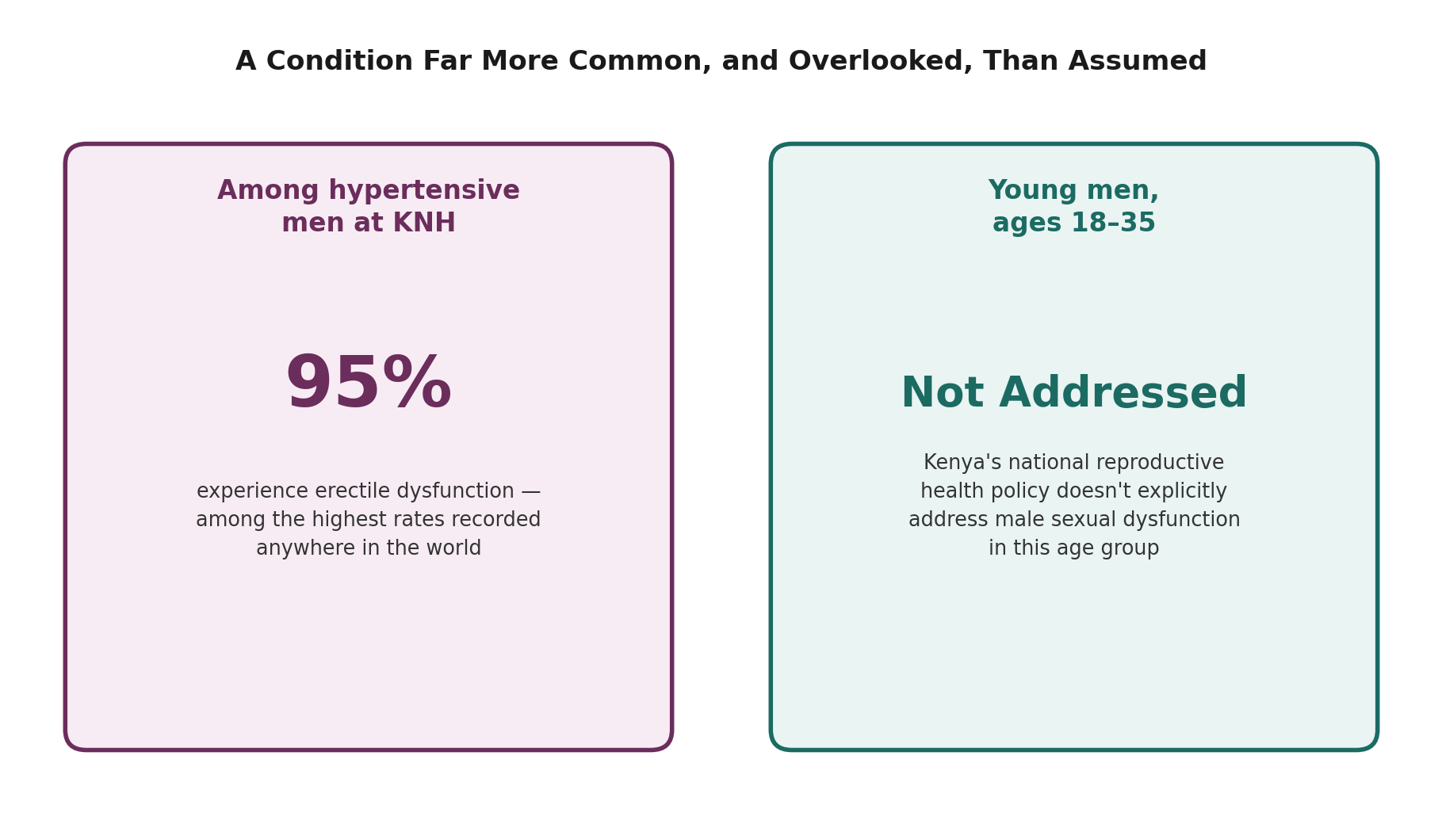
This is the pattern every Kenyan man facing this condition, and every family member supporting him, should understand clearly. The 95% prevalence found among hypertensive patients at Kenyatta National Hospital sits at the extreme end of a broader African pattern; studies across the region consistently find erectile dysfunction affecting a majority of men with diabetes or hypertension, conditions that are themselves increasingly common across Kenya. This isn't a rare or unusual complication; for men with these underlying conditions, it's closer to the expected outcome than the exception.
What's changed more recently is the recognition that erectile dysfunction isn't confined to older men with chronic disease. A 2026 study specifically examined the condition among sexually active men aged 18 to 35 in Nairobi County, finding it genuinely present in this younger population and noting that Kenya's national reproductive health policy doesn't explicitly address male sexual dysfunction in young men at all. This gap matters because untreated erectile dysfunction in younger men carries real consequences for self-esteem, mental health, and relationship stability, and because the condition can itself be an early warning sign of cardiovascular disease or diabetes, meaning addressing it seriously, rather than treating it as an embarrassing inconvenience, can have genuine preventive health value.
Why India has become a genuine hub for penile implant surgery
India has developed a substantial subspecialty of prosthetic urology, with andrologists specifically trained in penile implant technique, a distinct skill set beyond general urology that requires dedicated experience to perform well and manage complications should they arise. This matters because the difference between a satisfying long-term outcome and a disappointing one often comes down to surgical experience with this specific procedure, not general urological competence.
India's leading centres combine this specialised experience with JCI and NABH accredited safety standards, access to both premium international implant brands and durable domestic alternatives, and reported satisfaction rates of
90% or higher. In 24 years of guiding patients through this decision, the clearest advice I offer is this: given how genuinely common this condition is across Kenya, particularly among men with diabetes or hypertension, and how effectively it can be treated when the right surgical expertise is available, there's no reason a man should continue living with a condition that has a well-established, highly successful surgical solution.
Choosing between device types is a decision worth making with your surgeon based on your specific priorities, not a generic recommendation. Some men prioritise the simplicity and durability of a malleable device; others prefer the more natural feel an inflatable system offers. A genuinely experienced prosthetic urologist should walk through both options honestly, including the trade-offs of each, rather than defaulting to whichever device happens to be most readily available.
What it costs: India versus Kenya, the UK, and the US
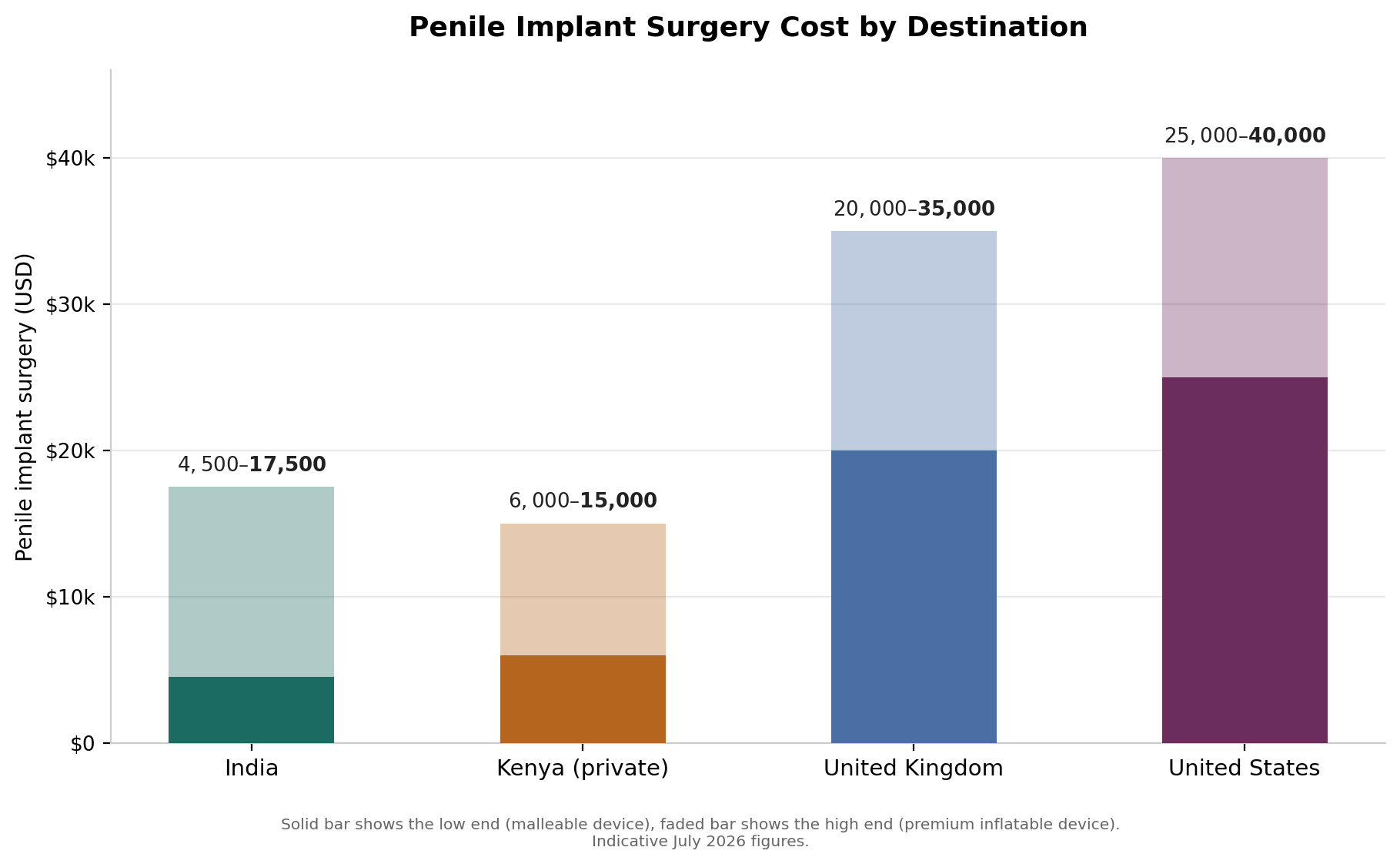
In India, penile implant surgery typically costs between 4,500 and 17,500 US dollars, depending on whether a malleable or premium inflatable device is chosen. In Kenya, private penile implant surgery costs run roughly 6,000 to 15,000 dollars. In the UK, penile implant surgery typically costs 20,000 to 35,000 dollars, and in the US, 25,000 to 40,000 dollars.
Beyond the procedure itself, budget for your stay. Direct flights between Nairobi and Delhi or Mumbai run roughly 550 to 850 dollars return, and penile implant surgery typically requires five to seven days in India for the procedure and initial recovery, with the device generally not activated for two to four weeks afterward.
What a Kenyan patient should actually check before booking
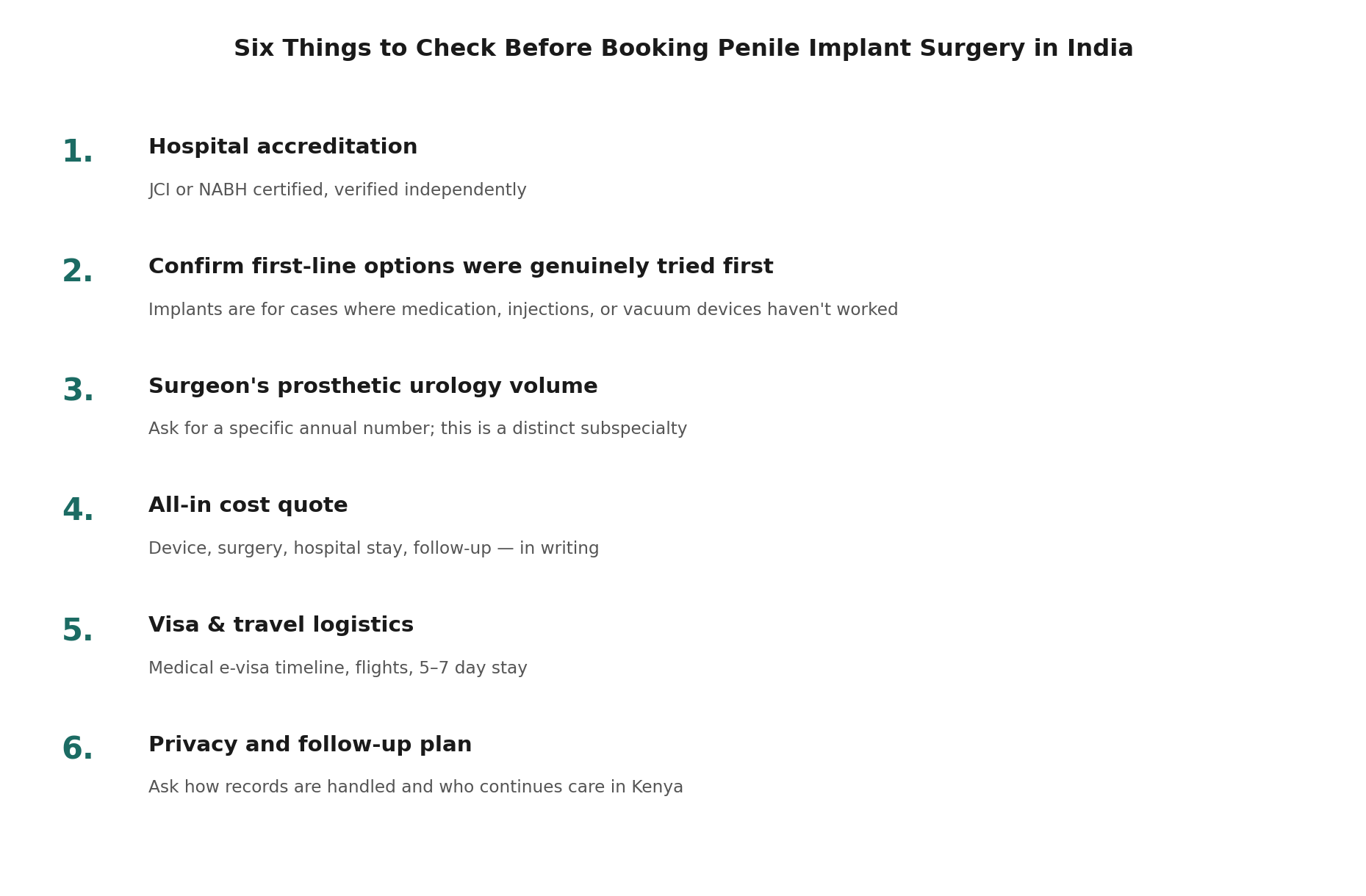
Given how much this decision depends on genuine experience and privacy, work through these questions directly.
Confirm genuine accreditation. Ask whether the hospital holds JCI or NABH certification, and verify it independently.
Confirm first-line treatments were genuinely tried first. Implant surgery is appropriate specifically when medication, injections, or vacuum devices haven't achieved satisfactory results, not as a first response.
Ask about the surgeon's prosthetic urology volume specifically. A specific number, how many penile implant procedures the surgeon personally performs each year, tells you far more than general urology experience.
Get the full cost breakdown in writing. Confirm what's included, the device, surgery, hospital stay, and follow-up consultations.
Plan your visa and travel logistics. The Indian medical e-visa is typically issued within three to five working days once you have a formal hospital invitation letter.
Ask about privacy and your follow-up plan. Confirm how medical records are handled, and identify a doctor in Kenya who can support ongoing care once you're home.
Straight Answers for Kenyan Patients about Penile Implant Surgery in India
How common is erectile dysfunction in Kenya?
A study at Kenyatta National Hospital found 95% of hypertensive male patients experience erectile dysfunction, among the highest rates recorded globally, and the condition is also documented in younger men aged 18 to 35 in Nairobi County.
How much does penile implant surgery cost in India compared to the US?
India typically costs 4,500 to 17,500 US dollars depending on device type, against 25,000 to 40,000 dollars in the US.
When is a penile implant the right treatment option?
When oral medications, injections, or vacuum devices haven't achieved satisfactory results, particularly common in men with underlying vascular conditions like diabetes or long-standing hypertension.
What's the difference between malleable and inflatable implants?
Malleable implants are simpler, more durable rods that are manually positioned as needed. Inflatable implants use a pump system for a more natural flaccid state, at the cost of somewhat more complex mechanics.
Does Kenya's health policy address erectile dysfunction in young men?
No. Research published in 2026 notes that Kenya's national reproductive health policy doesn't explicitly address male sexual dysfunction in men aged 18 to 35, despite the condition being documented in this age group.
How do I get a medical visa to India from Kenya?
The Indian medical e-visa is typically issued within three to five working days once you have a formal invitation letter from the treating hospital.
A Closing Word
Erectile dysfunction is genuinely common across Kenya, particularly among men managing diabetes or hypertension, and genuinely under-addressed, both by public conversation and, for younger men specifically, by national health policy. It's also a condition with a well-established, highly effective surgical solution for men who haven't found success with other treatments. India's combination of dedicated prosthetic urology expertise, accredited safety standards, and accessible cost makes it, for the great majority of Kenyan men navigating this decision, worth pursuing rather than accepting as something to simply live with.
Sources
- 🌐 Erectile dysfunction in young men in Nairobi County, Kenya: A community-based study. medRxiv, 2026
- 🌐 Erectile dysfunction and its risk factors among African populations: a systematic scoping review. CUAJ, 2026. cuaj.ca/index. php/journal
- 🌐 Prevalence of erectile dysfunction and associated factors among diabetic men attending diabetic clinic at Muhimbili National Hospital
- 🌐 National Medical Commission of India — specialist registration verification
- 🌐 National Accreditation Board for Hospitals & Healthcare Providers (NABH) — accredited hospital directory
Frequently Asked Questions by Kenyans about Penile Implant Surgery in India
How common is erectile dysfunction among Kenyan men with hypertension?
A Kenyatta National Hospital study cited in the guide found erectile dysfunction in 95% of male patients with hypertension, highlighting how significant the problem can be among Kenyan men with vascular risk factors.
Is erectile dysfunction also being reported among younger Kenyan men?
Yes. A 2026 Nairobi County study examined sexually active men aged 18–35 and documented erectile dysfunction in this younger population. The guide also notes that Kenya's national reproductive health policy does not explicitly address male sexual dysfunction in this age group.
When should a Kenyan patient consider a penile implant in India?
A penile implant is generally considered when oral medicines, injections or vacuum devices have not produced satisfactory results. The guide specifically recommends confirming that appropriate first-line treatments have genuinely been tried before proceeding to implantation.
How should Kenyan patients choose a penile implant surgeon in India?
Ask for the number of penile implant procedures the surgeon personally performs each year. The guide emphasises that prosthetic-urology experience is a distinct skill and should not be replaced by general urology experience.
Should a Kenyan patient choose a malleable or inflatable implant?
The choice depends on individual priorities. Malleable implants offer simpler mechanics, while inflatable implants provide a more natural flaccid state but involve a more complex pump and reservoir system.
How much does penile implant surgery cost in India for Kenyan patients?
The guide estimates approximately US$4,500–17,500 in India, depending largely on the implant selected. Private treatment in Kenya is estimated at US$6,000–15,000.
What should be included in a Kenyan patient's penile implant quotation?
The written quotation should clearly cover the implant device, surgery, hospital stay and follow-up consultations. Patients should confirm whether any additional charges could arise before making a payment.
How long should a Kenyan patient stay in India for penile implant surgery?
The guide recommends approximately 5–7 days in India for the procedure and initial recovery. The implant is generally not activated immediately and may require another 2–4 weeks before activation.
What privacy and follow-up arrangements should Kenyan patients ask about?
Because penile implant treatment is highly personal, patients should ask how their medical records will be handled and who will provide follow-up care after returning to Kenya. The guide specifically includes privacy and follow-up as one of the six pre-booking checks.
How can a Kenyan patient arrange an Indian medical visa for penile implant surgery?
The guide states that the Indian medical e-visa is typically issued within three to five working days once a formal hospital invitation letter is available. Travel should be arranged after the treatment plan and hospital admission are confirmed.
Page Summary
This five-page guide focuses on erectile dysfunction among Kenyan men and the role of penile implant surgery when other treatments have failed. Page 2 highlights the 95% erectile-dysfunction rate among hypertensive male patients at Kenyatta National Hospital and the lack of explicit national policy addressing male sexual dysfunction among younger men aged 18–35. Page 3 compares penile implant costs in India, Kenya, the UK and US. The page 4 six-point graphic focuses on accreditation, previous treatment, prosthetic-urology experience, complete costing, travel logistics and privacy/follow-up planning.
Citation Block
| Topic | Information |
|---|---|
| Topic | Penile Implant Surgery in India for Kenyan Patients |
| Treatment | Penile Implant Surgery |
| Patients | Kenyan Patients |
| First Assessment | Erectile dysfunction history and previous treatment response |
| Key Specialist | Prosthetic Urologist / Andrologist |
| Main Options | Malleable or inflatable implant |
| Treatment Position | Last-line after unsuccessful first-line therapies |
| Satisfaction | Approximately 80–95% |
| Device Survival | Approximately 60–80% at 10 years |
| Kenya Finding | 95% erectile dysfunction among hypertensive male patients in cited KNH study |
| Hospital Check | JCI / NABH accreditation |
| Case Volume | Penile implant-specific experience |
| Cost Check | Written estimate including device, surgery, stay and follow-up |
| India Cost | US$4,500–17,500 |
| Kenya Cost | US$6,000–15,000 private |
| Medical Records | Urology reports and previous treatment history |
| Travel | Nairobi–Delhi or Mumbai flights |
| Stay | Approximately 5–7 days |
| Recovery | Implant generally activated after 2–4 weeks |
| Follow-Up | Urology follow-up in Kenya |
| Specialist Question | How many penile implant procedures do you personally perform each year? |
| Treatment Question | Have medication, injections or vacuum therapy genuinely been tried first? |
| Device Question | Which implant type is better suited to my priorities and why? |
| Cost Question | Does the quotation include the device, surgery, hospital stay and follow-up? |
| Recovery Question | When will the implant be activated after I return to Kenya? |
| Follow-Up Question | Who will provide my urology follow-up after I return home? |
| Warning Signs | Implant recommended without appropriate first-line treatment |
| Payment Warning | Quotation excluding the device or follow-up |
| Key Decision | Verify prosthetic-urology expertise, device choice and follow-up |


Our Mission Statement
Our mission is to place patients at the centre of every healthcare decision by providing trustworthy, evidence-based, and unbiased medical information. We believe that informed patients make better decisions. Backed by personalised guidance from our experienced advisory team, we help patients understand their treatment options, compare them objectively, and confidently choose the path that best suits their medical needs and personal circumstances.
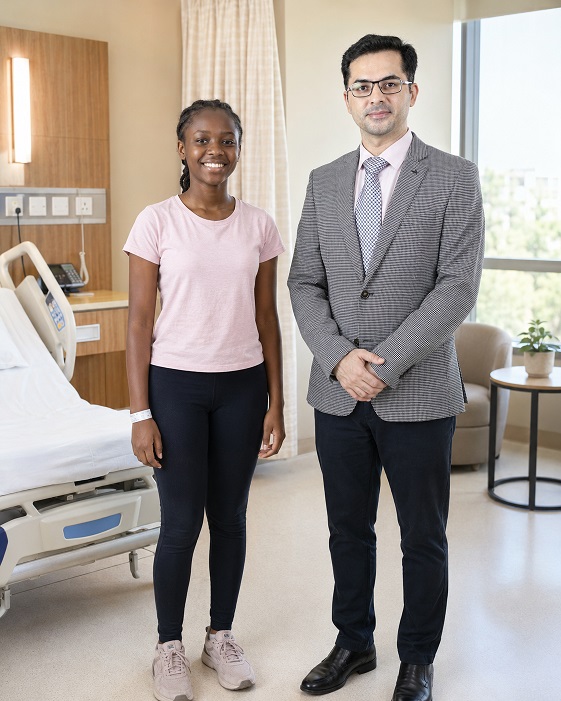
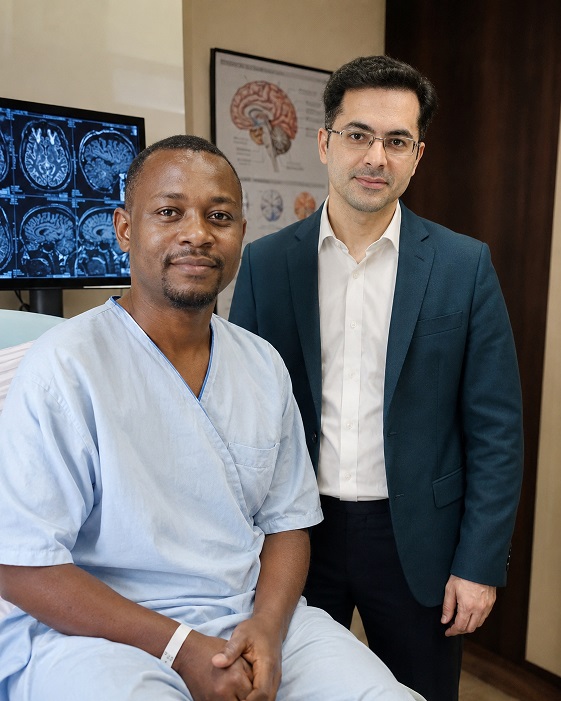
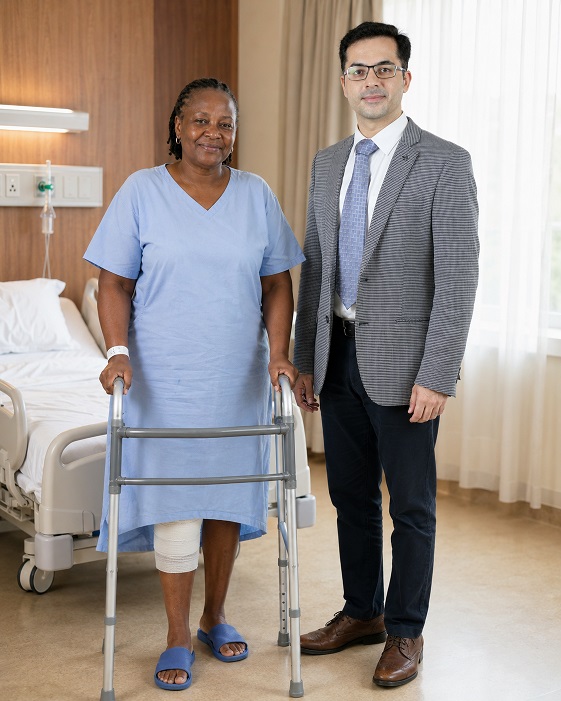
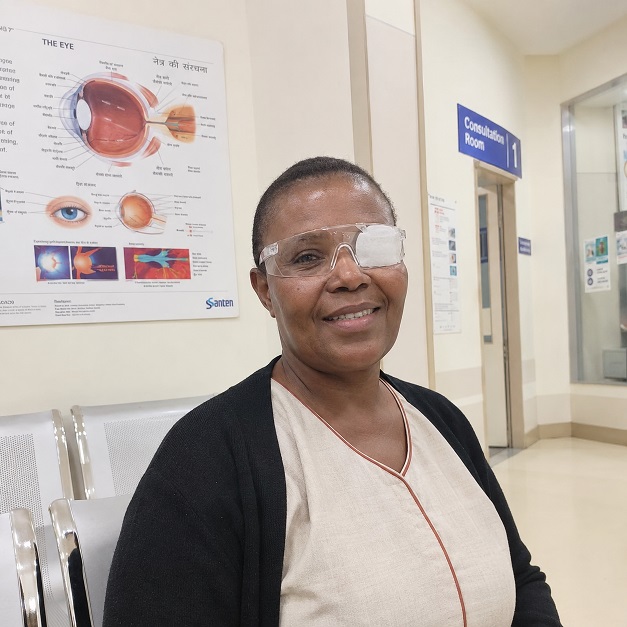
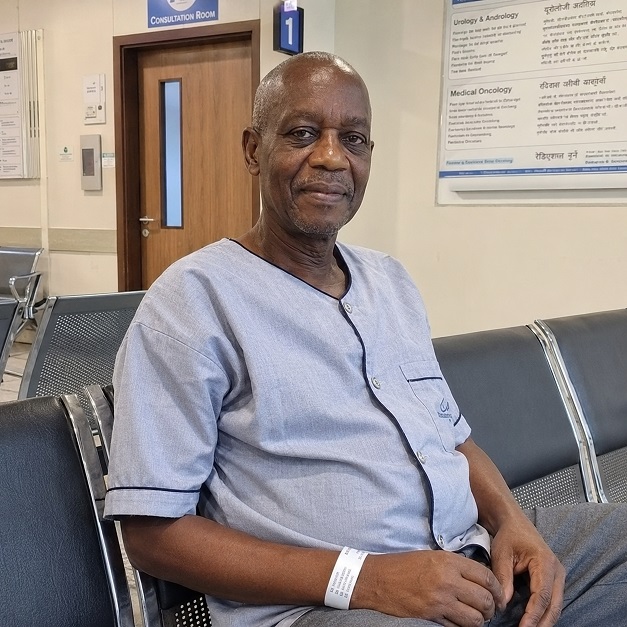
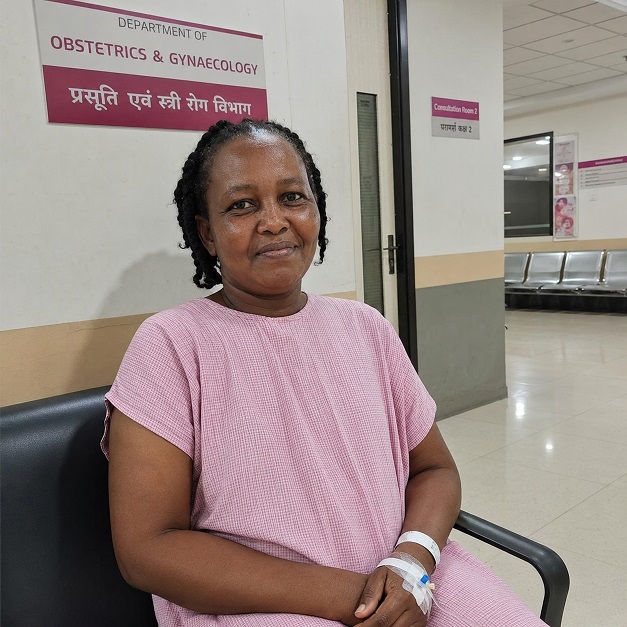
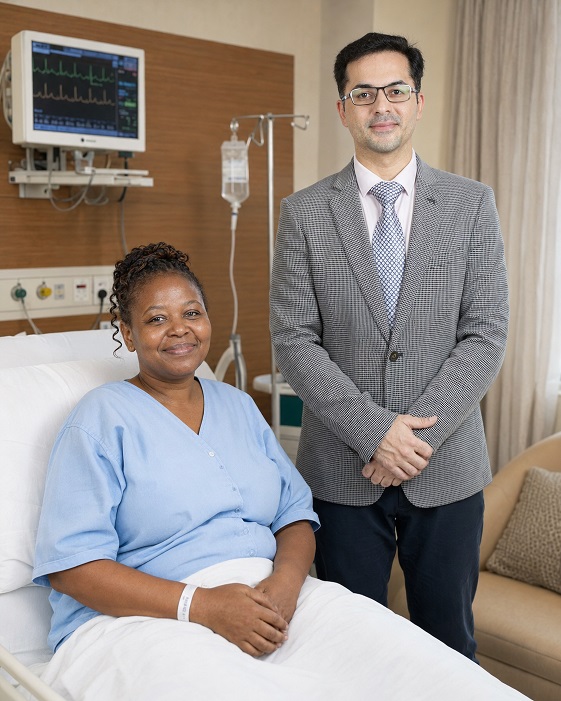
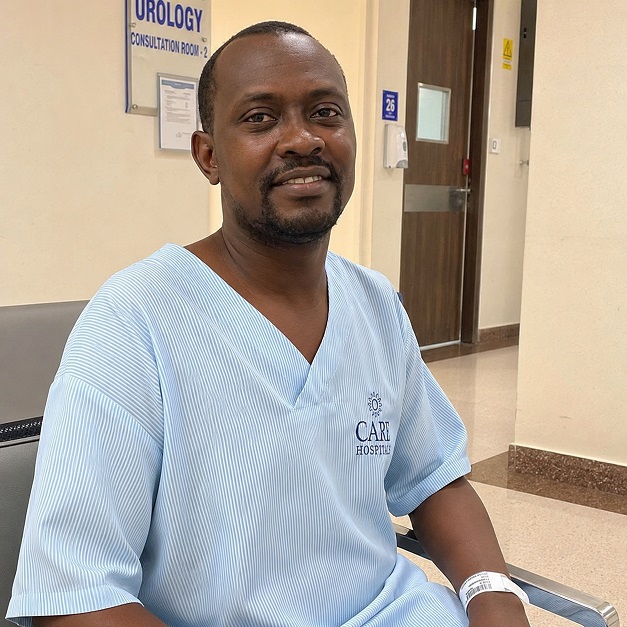
Patient Testimonials from Kenya

Ready to Take the First Step?
Share your Medical Reports with our Healthcare Managers Today and Get a FREE CONSULTATION, a Personalized Treatment Plan, and Complete Support from Arrival to Recovery.
Get Your Free ConsultationAreas We Serve
This resource has been thoughtfully prepared for patients from Kenya who are considering medical treatment in India. We also welcome patients from the wider region in the countries mentioned below-
We assist patients from:
- Ethiopia
- Somalia
- Tanzania
- Uganda
- Seychelles
- Guinea
- Guinea-Bissau
- Liberia
- Mali
- Mauritania
- Niger
- Nigeria
- Senegal
- Togo
- South Sudan
- Sierra Leone
Many of the insights, treatment pathways, hospital recommendations, travel guidance, and patient support services described here are equally relevant and may be used as a reference when planning treatment in India.
From Kenya to India: Your Complete Patient Support Guide
- Brain Tumour Surgery in India for Kenyan Patients
- Cancer Treatment and Surgery in India for Kenyan Patients
- Cardiac Treatment and Surgery in India for Kenyan Patients
- Heart Valve Replacement Surgery in India for Kenyan Patients
- Knee Replacement in India for Kenyan Patients
- Prostate Cancer Treatment and Surgery in India for Kenyan Patients
- Spine Treatment and Surgery in India for Kenyan Patients
- Selecting the Best Bariatric Surgeons and Hospitals in India: What Kenyan Patients Should Actually Look For
- Selecting the Best Cancer Surgeons and Hospitals in India: What Kenyan Patients Should Actually Look For
- Selecting the Best Cardiac Surgeons and Hospitals in India: What Kenyan Patients Should Actually Look For
- Selecting the Best Dental Surgeons and Clinics in India: What Kenyan Patients Should Actually Look For
- Selecting the Best Hip Surgeons and Hospitals in India: What Kenyan Patients Should Actually Look For
- Selecting the Best Kidney Transplant Surgeons and Hospitals in India: What Kenyan Patients Should Actually Look For
- Selecting the Best Knee Surgeons and Hospitals in India: What Kenyan Patients Should Actually Look For
- Selecting the Best Liver Transplant Surgeons and Hospitals in India: What Kenyan Patients Should Actually Look For
- Selecting the Best Neurosurgeons and Hospitals in India: What Kenyan Patients Should Actually Look For
- Selecting the Best Prostate Cancer Surgeons and Hospitals in India: What Kenyan Patients Should Actually Look For
- Selecting the Best Spine Surgeons and Hospitals in India: What Kenyan Patients Should Actually Look For