

15 Frequently Asked Questions: Penile Implant Surgery in India for Kenyan Patients
Introduction
Penile Implant Surgery, also called Penile Prosthesis Implantation, is a surgical treatment for selected men with erectile dysfunction (ED) who do not obtain satisfactory results from medicines, injections, vacuum devices or other treatments, or who prefer a definitive treatment option. A penile prosthesis is surgically placed inside the penis to allow the patient to achieve an erection suitable for sexual intercourse. The two principal categories are inflatable penile prostheses and semi-rigid/ malleable prostheses. Current European Association of Urology guidance states that penile prosthesis can be considered when other treatments have failed or according to patient preference, provided the patient is appropriately counselled about benefits and potential complications. India has specialist urology and andrology services that provide evaluation and surgical treatment for complex erectile dysfunction.
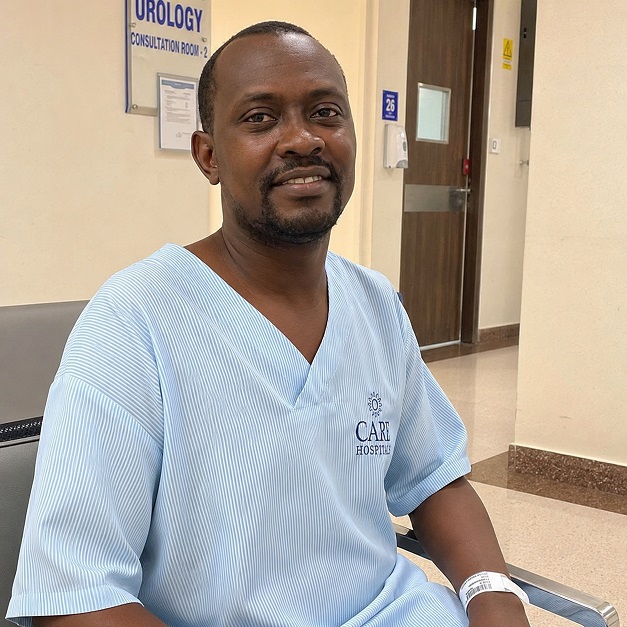
Healing Journeys of Kenyan Patients








In Brief
Penile Implant Surgery, also called Penile Prosthesis Implantation, is a surgical treatment for selected men with erectile dysfunction (ED) who do not obtain satisfactory results from medicines, injections, vacuum devices or other treatments, or who prefer a definitive treatment option. A penile prosthesis is surgically placed inside the penis to allow the patient to achieve an erection suitable for sexual intercourse. The two principal categories are inflatable penile prostheses and semi-rigid/ malleable prostheses.
Q1 · Why do Kenyan patients consider Penile Implant Surgery in India?
Erectile dysfunction can result from several causes, including
- Diabetes
- Cardiovascular disease
- Nerve damage
- Previous pelvic surgery
- Prostate cancer treatment
- Spinal or pelvic injury
- Peyronie's disease
- Vascular disease
- Certain medications
- Neurological disorders
- Severe long-standing erectile dysfunction
Some men do not respond adequately to conventional treatments.
Kenyan patients may consider India for
- Penile prosthesis implantation
- Inflatable penile implants
- Malleable penile implants
- Complex implant cases
- Penile implant revision
- Replacement of an old or failed implant
- Implant surgery following prostate cancer treatment
- ED associated with Peyronie's disease
- Erectile dysfunction following pelvic surgery
- Selected complex penile reconstruction combined with prosthesis
The decision should follow a proper ED evaluation rather than being based only on treatment cost.
Current EAU guidance recommends a personalised ED treatment strategy that considers effectiveness, safety, invasiveness, cost and patient preference. Penile prosthesis is one of the surgical options when less-invasive treatments are unsuccessful or unsuitable.
Q2 · How much does Penile Implant Surgery cost in India for Kenyan patients?
The cost depends mainly on the type and brand of implant, hospital, surgeon, complexity of the case, investigations, hospital stay and whether this is a primary implantation or revision.
For planning purposes:
For planning: US$1 ≈ KES 129.5 • US$1 ≈ INR 96
Indicative Penile Implant Cost Comparison
| Procedure / Treatment | Kenya – Local Currency / USD | India – INR / USD | Indicative Saving |
|---|---|---|---|
| Malleable / Semi-Rigid Penile Implant | KES 1,000,000–1,600,000 US$7,720–12,355 | INR 350,000–600,000 US$3,645–6,250 | Approx. 25– 50% |
| 2-Piece Inflatable Penile Implant | KES 1,500,000–2,400,000 US$11,585–18,530 | INR 700,000–1,100,000 US$7,290–11,460 | Approx. 25– 45% |
| 3-Piece Inflatable Penile Implant | KES 1,800,000–3,000,000 US$13,900–23,165 | INR 900,000–1,500,000 US$9,375–15,625 | Approx. 20– 45% |
| Complex / Revision Penile Implant | KES 2,200,000–3,500,000 US$16,990–27,030 | INR 1,000,000–1,800,000 US$10,420–18,750 | Approx. 20– 40% |
| Penile Implant with Complex Reconstruction | KES 2,500,000–4,000,000 US$19,305–30,890 | INR 1,200,000–2,000,000 US$12,500–20,835 | Approx. 20– 40% |
Important: These are indicative planning estimates rather than fixed quotations. The final price can change depending on the implant selected and the patient's anatomy and medical history.
The implant itself can represent a substantial part of the total cost. Patients should therefore ask the hospital to specify the implant manufacturer, exact model, warranty information and whether the implant cost is included in the package.
The quotation should also clarify
- Urologist's fee
- Implant cost
- Anaesthesia
- Operating-room charges
- Hospitalisation
- Preoperative tests
- Antibiotics and medicines
- Catheterisation
- Follow-up
- Management of complications
Q3 · Which Indian cities can Kenyan patients consider for Penile Implant Surgery?
Major Indian medical cities with specialist urology and andrology services include: Indian City Why It May Be Considered
| City | Considerations |
|---|---|
| Delhi | Major tertiary hospitals and specialist urology services |
| Chennai | Established urology and andrology infrastructure |
| Mumbai | Large multispeciality hospitals with advanced urology departments |
| Bengaluru | Specialist urology, andrology and reconstructive services |
| Hyderabad | Multiple tertiary hospitals providing advanced urological care |
| Gurugram | Super-speciality hospitals with international-patient services |
| Noida | Tertiary-care hospitals with specialist urology |
| Kolkata | Major eastern Indian medical centre |
| Pune | Advanced multispeciality urology services |
| Ahmedabad | Large tertiary hospitals with urological departments |
| Kochi | Specialist urology and surgical facilities |
| Thiruvananthapuram | Tertiary urological services |
| Chandigarh | Major tertiary-care centre |
| Nagpur | Growing specialist urology infrastructure |
For penile implant surgery, the experience of the urologist with prosthetic surgery is an important factor when comparing hospitals.
Q4 · Which hospitals in India can Kenyan patients consider?
The following hospitals can be considered while researching treatment options. Not every hospital listed necessarily performs penile prosthesis implantation at every location. Patients should confirm the availability of an experienced urologist/andrologist and the exact implant programme before travelling.
Delhi Hospitals
- Fortis Escorts Heart Institute, New Delhi
- BLK-Max Super Speciality Hospital, New Delhi
- Max Super Speciality Hospital, Saket
- Indraprastha Apollo Hospitals, New Delhi
- Sir Ganga Ram Hospital
- Max Super Speciality Hospital, Patparganj
- Manipal Hospital, Dwarka
- Fortis Hospital, Vasant Kunj
- Institute of Brain and Spine Hospital (IBS Hospital)
- Dharamshila Narayana Hospital
- Indian Spinal Injuries Centre
- AIIMS New Delhi
Chennai Hospitals
- MGM Healthcare
- MIOT International
- Apollo Hospitals, Greams Road
- Sri Ramachandra Medical Centre
- SIMS Hospital
- Kauvery Hospital
- Gleneagles HealthCity Chennai
- Vijaya Hospital
- Apollo Speciality Hospitals
- Rela Hospital
Mumbai Hospitals
- Bombay Hospital & Medical Research Centre
- Lilavati Hospital & Research Centre
- Jaslok Hospital & Research Centre
- Gleneagles Hospital, Mumbai
- Nanavati Max Super Speciality Hospital
- Kokilaben Dhirubhai Ambani Hospital
- P. D. Hinduja Hospital & Medical Research Centre
- Sir H. N. Reliance Foundation Hospital
- Wockhardt Hospitals, Mumbai
- Apollo Hospitals, Mumbai
Bengaluru Hospitals
- Manipal Hospital, Old Airport Road
- Manipal Hospital, Whitefield
- Manipal Hospital, Yeshwanthpur
- Apollo Hospitals, Bengaluru
- Fortis Hospital, Bannerghatta Road
- Aster CMI Hospital
- Sakra World Hospital
- Narayana Health City
- Sagar Hospitals
- Kauvery Hospital, Bengaluru
Hyderabad Hospitals
- KIMS Hospitals
- Yashoda Hospitals
- Apollo Health City
- CARE Hospitals
- Continental Hospitals
- Gleneagles Hospitals, Hyderabad
- Sunshine Hospitals
- Star Hospitals
Gurugram Hospitals
- Fortis Memorial Research Institute (FMRI)
- Medanta – The Medicity
- Artemis Hospital
- Max Hospital, Gurugram
- CK Birla Hospital, Gurugram
- Manipal Hospital, Gurugram
- Paras Health
- Narayana Superspeciality Hospital
Noida Hospitals
- Fortis Hospital, Noida
- Jaypee Hospital
- Max Super Speciality Hospital, Noida
- Yatharth Hospital
- Kailash Hospital
- Metro Hospital & Heart Institute
- Metro Center for Neurosciences
Kolkata Hospitals
- Apollo Multispeciality Hospitals
- AMRI Hospitals
- Fortis Hospital, Anandapur
- Manipal Hospitals, Salt Lake
- Medica Superspecialty Hospital
- Narayana Superspeciality Hospital
- Ruby General Hospital
Pune Hospitals
- Ruby Hall Clinic
- Jehangir Hospital
- Deenanath Mangeshkar Hospital
- Sahyadri Super Speciality Hospital
- Aditya Birla Memorial Hospital
- Manipal Hospital, Kharadi
- Medicover Hospital, Pune
Ahmedabad Hospitals
- Apollo Hospitals, Ahmedabad
- Zydus Hospitals
- Sterling Hospitals
- Shalby Hospitals
- HCG Hospitals
- SAL Hospital
- CIMS Hospital
Kochi Hospitals
- Aster Medcity
- Amrita Hospital
- VPS Lakeshore Hospital
- Rajagiri Hospital
- Aster MIMS
- Lisie Hospital
- Renai Medicity
Thiruvananthapuram Hospitals
- KIMSHEALTH Hospital
- Ananthapuri Hospitals and Research Institute
- SUT Hospital
- SP Medifort Hospital
- PRS Hospital
- GG Hospital
Goa Hospitals
- Manipal Hospital, Goa
- Healthway Hospital
- Manipal Hospitals, Dona Paula
- Goa Medical College and Hospital
- Apollo Victor Hospital
Nagpur Hospitals
- Wockhardt Hospitals, Nagpur
- Max Multispeciality Hospital
- CARE Hospitals, Nagpur
- Kingsway Hospitals
- Lata Mangeshkar Hospital
Q5 · What types of Penile Implants are available?
There are two main categories of penile prostheses.
Inflatable Penile Implant
Inflatable implants use cylinders placed inside the penis, a pump positioned in the scrotum and, depending on the device, a fluid reservoir.
Three-Piece Inflatable Implant
This generally consists of:
- Two cylinders
- A scrotal pump
- A fluid reservoir
When the patient activates the pump, fluid moves into the cylinders to create penile rigidity.
The three-piece inflatable implant can provide a more natural-feeling flaccid and erect state compared with a permanently rigid device.
Two-Piece Inflatable Implant
A two-piece system also uses inflatable cylinders and a pump but has a different fluid-reservoir configuration.
It may be considered in selected patients, including some men for whom placement of a separate abdominal reservoir presents additional concerns.
Malleable / Semi-Rigid Implant
This type consists of bendable rods placed inside the penis.
The penis remains firm but can be manually positioned.
Potential advantages include
- Simpler mechanical design
- Easier operation
- No separate pump
- No abdominal reservoir
It may be particularly useful for some patients with limited hand dexterity.
EAU guidance recognises both inflatable and semi-rigid prostheses and notes that implant choice should be individualised according to patient circumstances and preferences.
Q6 · What are the possible benefits of Penile Implant Surgery?
For appropriately selected patients, penile prosthesis implantation may provide
- Reliable penile rigidity for intercourse
- A treatment option when medicines have failed
- A treatment option when injections are unsuccessful or unsuitable
- Greater predictability than on-demand medication
- No need to wait for a medication to take effect before activating an inflatable implant
- Long-term mechanical treatment for severe ED
- Potential improvement in sexual confidence
- High satisfaction among appropriately selected patients and their partners
EAU guidance reports high satisfaction rates following penile prosthesis implantation when patients are appropriately selected and counselled.
However, the implant does not restore natural erectile physiology. It provides mechanical rigidity through the implanted device.
The implant also does not automatically increase sexual desire.
Q7 · Who may be suitable for Penile Implant Surgery?
Penile implants may be considered for men with significant erectile dysfunction who
- Have persistent ED
- Have not responded adequately to oral ED medicines
- Cannot tolerate certain ED medicines
- Have not obtained satisfactory results from injections
- Do not wish to continue less-invasive treatments
- Prefer a definitive surgical option
- Have ED following prostate cancer treatment
- Have ED related to diabetes or vascular disease
- Have selected cases of Peyronie's disease with associated ED
- Have neurological causes of severe ED
Before surgery, the urologist should assess
- Cause of ED
- Cardiovascular risk
- Diabetes control
- Urinary health
- Previous pelvic surgery
- Penile anatomy
- Peyronie's disease
- Infection risk
- Manual dexterity
- Patient expectations
Active infection is an important concern and should be addressed before implantation. Published surgical guidance specifically advises against implantation in patients with systemic, skin or urinary-tract infection.
Q8 · What medical documents should Kenyan patients send before travelling?
Patients should provide a detailed erectile-dysfunction history.
Medical Records
- Urologist's report
- ED diagnosis
- Duration of erectile dysfunction
- Previous treatment history
- Current medications
- Diabetes history
- Blood-pressure history
- Cardiovascular history
- Previous pelvic surgery
- Prostate surgery records
- Prostate-cancer treatment records
- Neurological history
- Penile-trauma history
- Peyronie's disease information
Previous ED Treatment
Provide information about:
- PDE5 inhibitor medicines used
- Response to medicines
- Side effects
- Intracavernosal injections
- Vacuum erection device
- Other treatments
- Duration of each treatment
Investigations
Where available:
- Blood glucose
- HbA1c
- Lipid profile
- Testosterone
- Kidney-function tests
- Liver-function tests
- Urine tests
- Penile Doppler where previously performed
- Relevant cardiac evaluation
The EAU recommends evaluating potentially reversible risk factors and appropriate laboratory parameters as part of ED assessment.
Q9 · How does Penile Implant Surgery work?
The process usually involves several stages.
Step 1 – ED Evaluation
The urologist determines the cause and severity of erectile dysfunction and reviews previous treatments.
Step 2 – Implant Selection
The surgeon discusses
- Inflatable versus malleable device
- Two-piece versus three-piece inflatable system
- Implant size
- Patient expectations
- Manual dexterity
- Lifestyle
- Previous pelvic surgery
Step 3 – Preoperative Assessment
The patient undergoes appropriate
- Blood tests
- Urine testing
- Infection screening
- Anaesthesia evaluation
- Cardiovascular assessment where indicated
Step 4 – Implant Surgery
The prosthesis is inserted through a surgical incision.
For an inflatable device, cylinders are placed inside the erectile bodies and the pump is positioned within the scrotum. Depending on the implant, a reservoir is also positioned in the pelvis/abdomen.
For a malleable implant, bendable rods are placed inside the erectile bodies.
Step 5 – Hospital Recovery
The patient is monitored for
- Pain
- Bleeding
- Swelling
- Urinary problems
- Infection
- Wound healing
Step 6 – Activation and Training
For an inflatable implant, the patient is taught how to operate the pump after adequate healing.
The implant is generally not used for sexual intercourse until the surgeon confirms that healing is sufficient.
Q10 · What alternatives should Kenyan patients discuss before choosing an implant?
A penile implant is generally considered after less-invasive treatments have been assessed.
Possible alternatives include
1. Oral ED Medicines
PDE5 inhibitors such as sildenafil, tadalafil and related medicines may be used when medically appropriate.
2. Intracavernosal Injections
Medication can be injected directly into the penis to produce an erection.
3. Vacuum Erection Devices
A vacuum device can assist in producing penile rigidity without surgery.
4. Intra-Urethral / Topical Treatments
Selected patients may use locally administered erection-promoting medication.
5. Lifestyle and Risk-Factor Management
Management of:
- Diabetes
- Blood pressure
- Cholesterol
- Obesity
- Smoking
- Physical inactivity
can be important in overall ED management.
Psychosexual Counselling
Psychological or relationship factors can contribute to ED, and counselling may be useful in appropriately selected patients.
Current EAU guidance recommends a personalised treatment pathway and considers oral therapy, injections, vacuum devices and other approaches before or alongside consideration of prosthesis implantation.
Q11 · What should Kenyan patients ask before accepting a Penile Implant quotation?
Before travelling to India, patients should ask
- Which implant type is being recommended?
- Is it inflatable or malleable?
- If inflatable, is it two-piece or three-piece?
- Which manufacturer and model will be used?
- Is the implant genuine and officially supplied?
- What warranty applies?
- Is the implant cost included?
- Are surgeon fees included?
- Is anaesthesia included?
- Are hospital charges included?
- How many hospital days are included?
- Are preoperative investigations included?
- Are antibiotics included?
- What happens if infection occurs?
- What happens if the implant needs revision?
- Is treatment of Peyronie's disease included if required?
- How long should the patient remain in India?
- When can the implant be activated?
- When can sexual activity normally resume?
- What follow-up is required after returning to Kenya?
Patients should request the exact implant model in writing before making the final payment.
Q12 · How long should Kenyan patients stay in India?
Penile implant surgery generally requires a shorter stay than major reconstructive procedures, but international patients should allow additional time for assessment and postoperative review.
Before Surgery
Approximately several days may be needed for:
- Urologist consultation
- Medical evaluation
- Blood and urine tests
- Implant selection
- Anaesthesia assessment
- Surgical planning
Hospital Stay
Many patients can be discharged relatively soon after surgery, depending on recovery and the hospital's protocol.
After Discharge
The patient may need follow-up for:
- Wound assessment
- Swelling
- Urinary function
- Infection monitoring
- Pain management
International patients should generally plan for approximately 2–3 weeks in India, although the exact period depends on the surgeon's assessment and recovery.
The surgeon should determine when it is safe for the patient to fly home.
Q13 · What is recovery like after Penile Implant Surgery?
Recovery occurs in stages.
First Few Days
The patient may experience:
- Swelling
- Bruising
- Discomfort
- Penile/scrotal sensitivity
- Temporary urinary discomfort
Pain medicines and other postoperative medications may be prescribed.
First Few Weeks
Patients may need to:
- Keep the surgical area clean
- Avoid strenuous activity
- Avoid heavy lifting
- Follow wound-care instructions
- Attend postoperative appointments
- Avoid sexual activity until cleared by the surgeon
Implant Activation
For an inflatable implant, the pump is usually activated only after sufficient healing.
The patient receives instructions on how to
- Inflate the implant
- Deflate the implant
- Position the penis
- Use the device safely
Long-Term
A penile prosthesis is intended for long-term use, but mechanical failure can eventually occur.
EAU guidance identifies infection and mechanical failure as the major complications of penile prosthesis implantation. Published durability data show that implant survival declines over longer periods, meaning some patients eventually require revision or replacement.
Q14 · How can follow-up be managed after returning to Kenya?
Before leaving India, the patient should receive
- Operative report
- Exact implant manufacturer
- Exact implant model
- Implant serial/identification information where provided
- Implant warranty documentation
- Discharge summary
- Medication list
- Wound-care instructions
- Activity restrictions
- Implant activation instructions
- Follow-up schedule
- Emergency instructions
The patient should identify a Kenyan urologist who can assist with routine follow-up.
Follow-Up May Include
- Wound assessment
- Implant position assessment
- Infection monitoring
- Device-function assessment
- Patient training
- Sexual-function review
Patients should seek urgent medical attention for
- Fever
- Increasing redness
- Severe swelling
- Wound discharge
- Severe pain
- Difficulty urinating
- Sudden device malfunction
- Skin erosion
- Any other concerning postoperative symptom
An implanted prosthesis should be clearly documented in the patient's medical records because future urological or pelvic procedures may need to take it into account.
Q15 · Should a Kenyan patient travel to India for Penile Implant Surgery?
India may be considered by Kenyan patients who have severe or persistent erectile dysfunction that has not responded adequately to less-invasive treatments, or by appropriately informed patients who prefer a definitive prosthetic option.
Before travelling, the patient should ideally obtain a specialist urological assessment covering
- Cause of erectile dysfunction
- Previous treatment response
- Medical risk factors
- Urinary health
- Penile anatomy
- Presence of Peyronie's disease
- Recommended implant type
- Exact implant model
- Expected cost
- Hospital stay
- Recovery period
- Implant activation schedule
- Long-term follow-up
Current EAU guidance recommends penile prosthesis implantation when other treatments fail or according to patient preference, with full counselling about benefits and risks.
Patients should also understand that penile implant surgery is not intended as a cosmetic penile-enlargement procedure. The purpose of a prosthesis is to provide functional penile rigidity for men with erectile dysfunction.
A second opinion can be useful before international travel, particularly when the patient is uncertain whether an implant is appropriate or which implant type should be selected.
Kenyan Patient Pre-Travel Checklist
Medical Records
- Urologist's report
- ED diagnosis
- Duration of erectile dysfunction
- Previous treatment history
- Current medicines
- Diabetes/HbA1c information
- Cardiovascular history
- Testosterone where clinically indicated
- Penile Doppler where available
- Previous prostate-surgery records
- Prostate-cancer treatment records
- Peyronie's disease information
Implant Planning
- Implant type discussed
- Inflatable vs malleable clarified
- Two-piece vs three-piece clarified
- Implant manufacturer confirmed
- Exact model confirmed
- Implant warranty discussed
- Implant cost confirmed
- Revision policy clarified
Hospital and Cost
- Written quotation received
- Surgeon fees clarified
- Anaesthesia included/clarified
- Hospitalisation included
- Preoperative tests included
- Medicines included/clarified
- Follow-up included/clarified
- Infection-management costs discussed
- Possible revision costs discussed
Travel
- Valid passport
- Medical visa documentation
- Accommodation near hospital
- Attendant arrangements if needed
- Flexible return-flight booking
- Sufficient funds for additional stay
Follow-Up
- Operative report received
- Implant model documented
- Implant identification/warranty details received
- Medication schedule received
- Wound-care instructions received
- Activation instructions received
- Kenyan urologist identified
- Follow-up schedule received
- Emergency warning signs understood
Final Note
Penile Implant Surgery is a specialised treatment for selected men with significant erectile dysfunction. It is different from medicines or injections because a prosthetic device is surgically implanted to provide predictable penile rigidity. For Kenyan patients considering Penile Implant Surgery in India, the most important steps are to establish the cause and severity of ED, review previous treatments, select an appropriate implant with an experienced urologist, understand the complete cost and receive a clear long-term follow-up plan. The choice between an inflatable and malleable prosthesis should be based on the patient's anatomy, medical history, hand function, lifestyle, expectations and the surgeon's assessment. Accurate ED Evaluation + Appropriate Implant Selection + Experienced Urologist + Safe Implantation + Proper Follow-Up = Comprehensive Penile Implant Planning
Page Summary
This page answers 15 frequently asked questions about penile implant surgery in India for Kenyan patients. It covers why patients travel for treatment, an indicative Kenya-versus-India cost comparison, the Indian cities and hospitals to consider, the treatment and surgical options available, how to obtain a quotation remotely, second opinions, advanced options, recovery, unexpected costs, combining treatments, medical visa and travel planning, length of stay, follow-up after returning to Kenya, and a complete pre-travel checklist.


Our Mission Statement
Our mission is to place patients at the centre of every healthcare decision by providing trustworthy, evidence-based, and unbiased medical information. We believe that informed patients make better decisions. Backed by personalised guidance from our experienced advisory team, we help patients understand their treatment options, compare them objectively, and confidently choose the path that best suits their medical needs and personal circumstances.
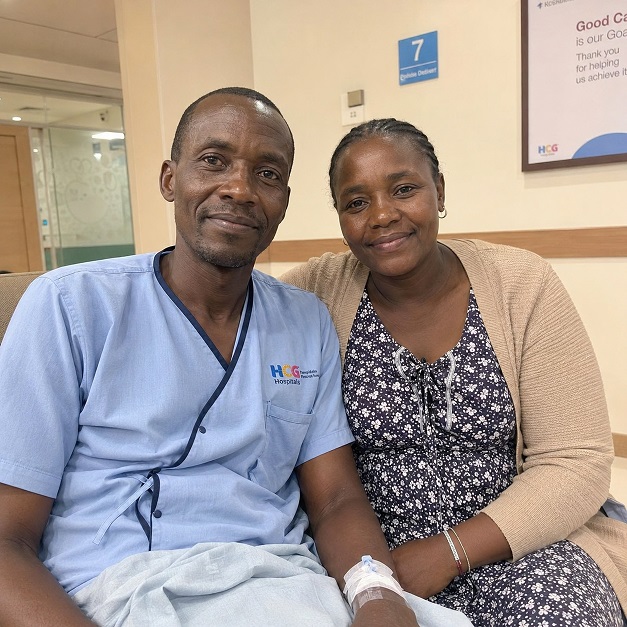
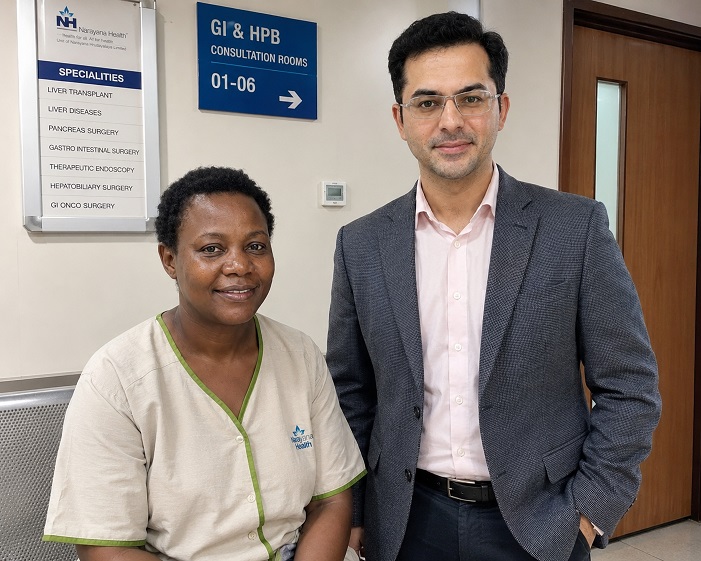
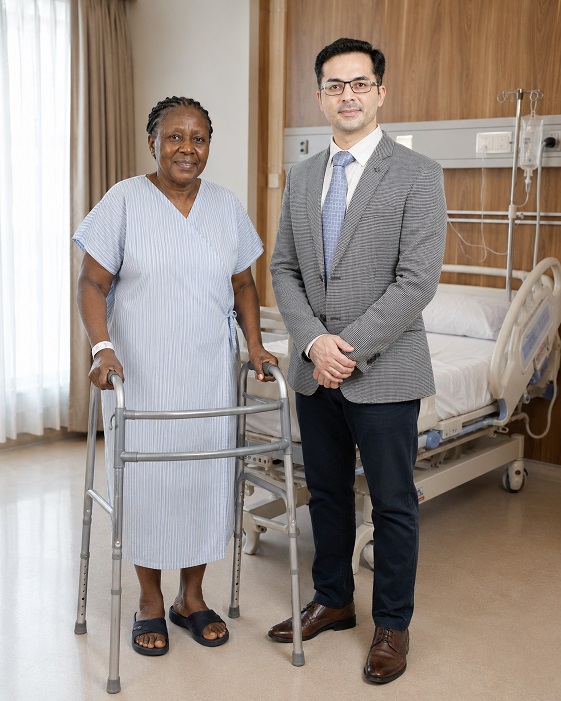
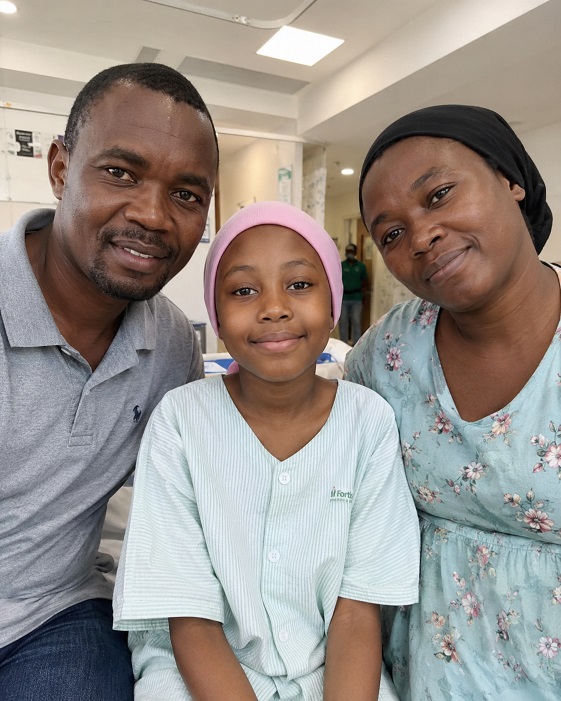
Patient Testimonials from Kenya


Ready to Take the First Step?
Share your Medical Reports with our Healthcare Managers Today and Get a FREE CONSULTATION, a Personalized Treatment Plan, and Complete Support from Arrival to Recovery.
Get Your Free ConsultationAreas We Serve
This resource has been thoughtfully prepared for patients from Kenya who are considering medical treatment in India. We also welcome patients from the wider region in the countries mentioned below-
We assist patients from:
- Ethiopia
- Somalia
- Tanzania
- Uganda
- Seychelles
- Guinea
- Guinea-Bissau
- Liberia
- Mali
- Mauritania
- Niger
- Nigeria
- Senegal
- Togo
- South Sudan
- Sierra Leone
Many of the insights, treatment pathways, hospital recommendations, travel guidance, and patient support services described here are equally relevant and may be used as a reference when planning treatment in India.
From Kenya to India: Your Complete Patient Support Guide
- Brain Tumour Surgery in India for Kenyan Patients
- Cancer Treatment and Surgery in India for Kenyan Patients
- Cardiac Treatment and Surgery in India for Kenyan Patients
- Heart Valve Replacement Surgery in India for Kenyan Patients
- Knee Replacement in India for Kenyan Patients
- Prostate Cancer Treatment and Surgery in India for Kenyan Patients
- Spine Treatment and Surgery in India for Kenyan Patients
- Selecting the Best Bariatric Surgeons and Hospitals in India: What Kenyan Patients Should Actually Look For
- Selecting the Best Cancer Surgeons and Hospitals in India: What Kenyan Patients Should Actually Look For
- Selecting the Best Cardiac Surgeons and Hospitals in India: What Kenyan Patients Should Actually Look For
- Selecting the Best Dental Surgeons and Clinics in India: What Kenyan Patients Should Actually Look For
- Selecting the Best Hip Surgeons and Hospitals in India: What Kenyan Patients Should Actually Look For
- Selecting the Best Kidney Transplant Surgeons and Hospitals in India: What Kenyan Patients Should Actually Look For
- Selecting the Best Knee Surgeons and Hospitals in India: What Kenyan Patients Should Actually Look For
- Selecting the Best Liver Transplant Surgeons and Hospitals in India: What Kenyan Patients Should Actually Look For
- Selecting the Best Neurosurgeons and Hospitals in India: What Kenyan Patients Should Actually Look For
- Selecting the Best Prostate Cancer Surgeons and Hospitals in India: What Kenyan Patients Should Actually Look For
- Selecting the Best Spine Surgeons and Hospitals in India: What Kenyan Patients Should Actually Look For