

15 Frequently Asked Questions: Parkinson's Treatment and DBS Surgery in India for Kenyan Patients
Introduction
Parkinson's disease is a progressive neurological condition that can affect movement, balance, coordination and several non-motor functions. Treatment usually begins with medicines, physiotherapy, exercise and other supportive therapies. For selected patients whose symptoms are no longer adequately controlled with medication, Deep Brain Stimulation (DBS) may be considered. DBS is a form of functional neurosurgery in which electrodes are placed in specific areas of the brain and connected to a programmable device that delivers electrical stimulation. Indian centres provide specialist movement-disorder, neurology, neurosurgery and DBS programmes. NIMHANS, for example, describes multidisciplinary DBS evaluation involving neurology, neurosurgery, psychiatry, neuropsychology and speech pathology, followed by postoperative programming and medication adjustment. Kenyan patients considering Parkinson's treatment in India can therefore seek an assessment from a movement-disorder specialist and, where appropriate, a functional neurosurgery/DBS team.
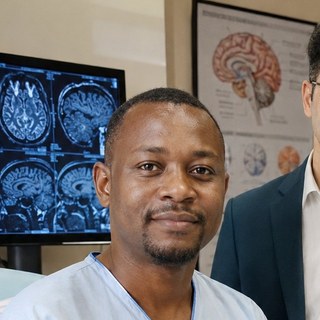
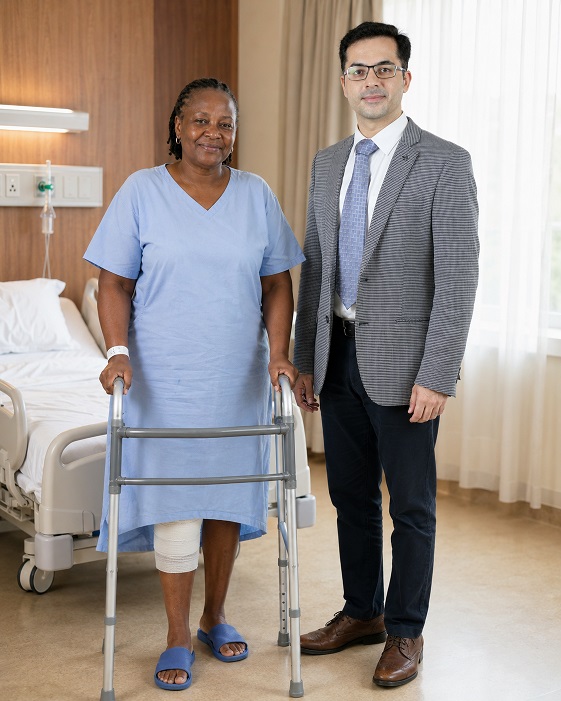
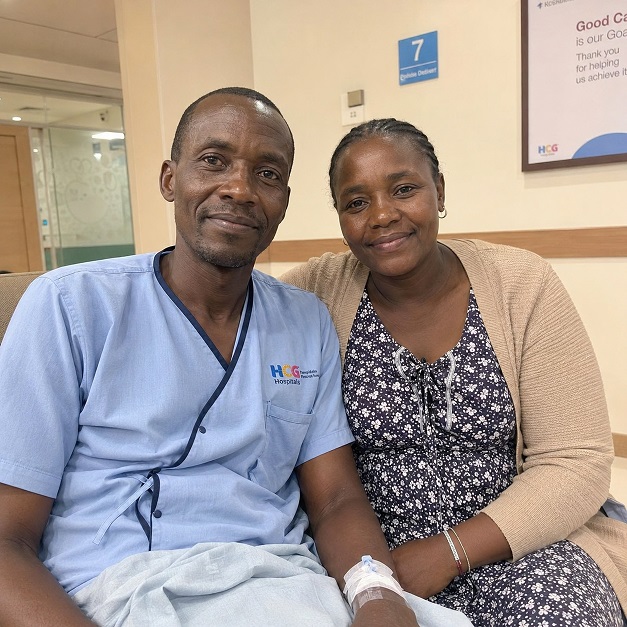
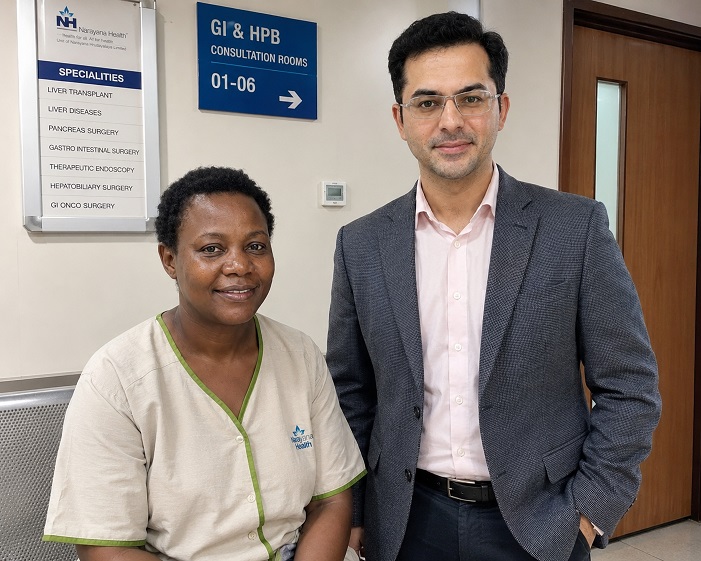
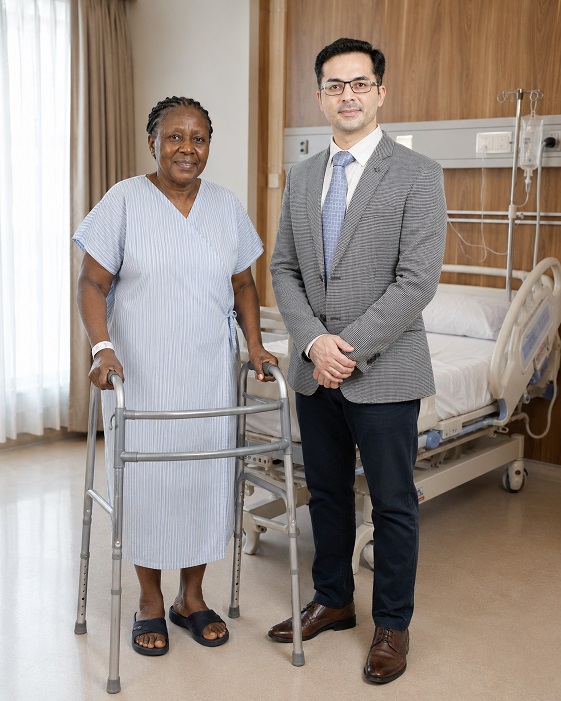
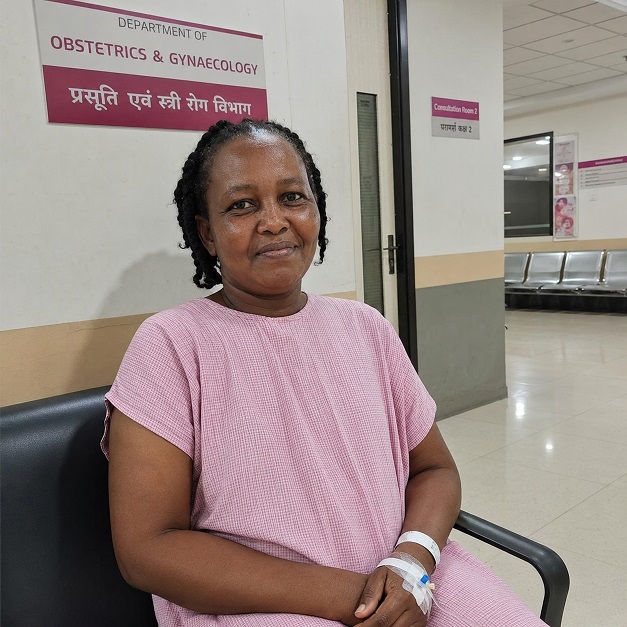
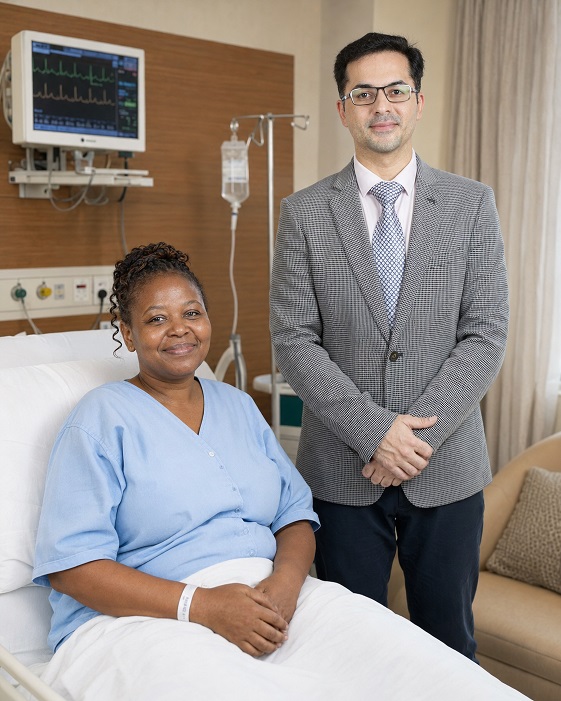
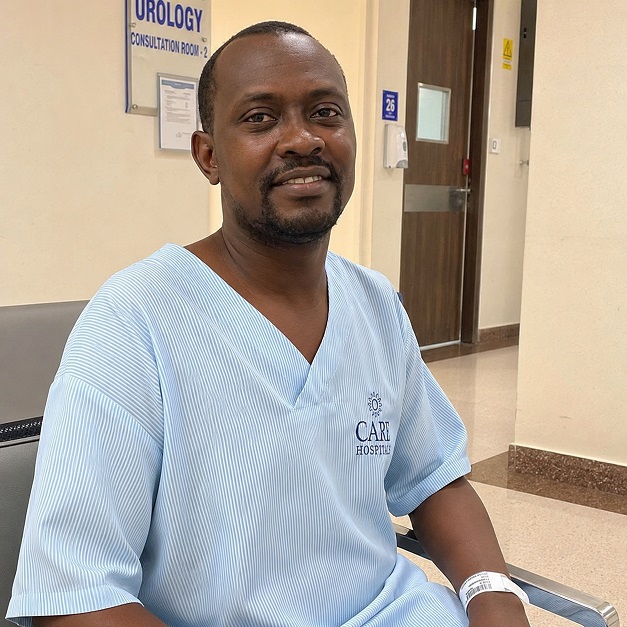
Healing Journeys of Kenyan Patients

In Brief
Parkinson's disease is a progressive neurological condition that can affect movement, balance, coordination and several non-motor functions. Treatment usually begins with medicines, physiotherapy, exercise and other supportive therapies. For selected patients whose symptoms are no longer adequately controlled with medication, Deep Brain Stimulation (DBS) may be considered. DBS is a form of functional neurosurgery in which electrodes are placed in specific areas of the brain and connected to a programmable device that delivers electrical stimulation.
Q1 · Why do Kenyan patients consider Parkinson's Treatment and DBS Surgery in India?
Kenyan patients may consider India when they require specialised management of Parkinson's disease or assessment for advanced therapies such as DBS.
Potential considerations include
- Access to movement-disorder neurologists.
- Functional neurosurgery and DBS programmes.
- Multidisciplinary pre-surgical evaluation.
- Advanced brain imaging and stereotactic surgical planning.
- DBS programming and postoperative medication adjustment.
- Management of medication-related fluctuations and dyskinesia.
- Rehabilitation and physiotherapy.
- Availability of specialist care in several major Indian medical cities.
- International-patient support at selected hospitals.
DBS is an established treatment option for appropriately selected patients with Parkinson's disease, particularly when troublesome motor fluctuations, dyskinesia or medication-resistant tremor remain despite medical treatment.
India also has long-established DBS programmes. NIMHANS reports DBS as an important treatment for selected movement disorders, with advanced Parkinson's disease being its most common DBS indication.
Q2 · How much does Parkinson's Treatment and DBS Surgery cost in India for Kenyan patients?
The total cost depends on whether the patient requires medical Parkinson's management alone or advanced treatment such as DBS surgery.
For DBS, the total cost can depend on
- Type of DBS system.
- Unilateral or bilateral implantation.
- Cost of the neurostimulator.
- Electrodes and extension leads.
- Surgical fees.
- Hospitalisation.
- Pre-operative evaluation.
- MRI and other investigations.
- Programming and follow-up.
- Battery or device-related requirements.
Indicative Cost Comparison
For planning: US$1 ≈ KES 129.5 • US$1 ≈ INR 96
The following are indicative private/self-pay medical-tourism planning ranges, not official Kenyan or Indian hospital tariffs.
| Private/ Treatment / Procedure Self-Pay Range Range in | Kenya – Local Currency / USD | India – INR / USD | Indicative Saving |
|---|---|---|---|
| Parkinson's Medical Management | KES 250,000–450,000 / US$1,930–3,475 | INR 1.2–2.2 lakh / US$1,250–2,290 | 20–35% |
| DBS Evaluation & Pre- Surgical Work-up | KES 250,000–450,000 / US$1,930–3,475 | INR 1–2 lakh / US$1,040–2,080 | 20–35% |
| Unilateral DBS Surgery | KES 1,800,000–2,800,000 / US$13,900–21,620 | INR 8–12 lakh / US$8,330–12,500 | 25–40% |
| Bilateral DBS Surgery | KES 2,500,000–4,000,000 / US$19,300–30,890 | INR 10–16 lakh / US$10,420–16,670 | 25–40% |
| Advanced / Premium DBS System | KES 3,000,000–4,500,000 / US$23,170–34,750 | INR 12–20 lakh / US$12,500–20,830 | 20–40% |
Important: DBS device prices can make up a substantial portion of the overall treatment cost. Different hospitals may use different manufacturers and device configurations. Government/insurance rates and public-sector treatment costs can differ significantly from international private/self-pay prices.
India's government documentation confirms that DBS surgery is an established listed procedure and that DBS implants and batteries have been covered under CGHS arrangements, illustrating that implant-related costs are an important component of DBS treatment.
A personalised quotation should be requested after the patient's medical records have been reviewed and the appropriate DBS system has been identified.
Q3 · Which Indian cities can Kenyan patients consider for Parkinson's Treatment and DBS Surgery?
Kenyan patients may consider the following major Indian medical cities:
Indian City Parkinson's & DBS Care
| City | Considerations |
|---|---|
| Delhi | Movement disorders, functional neurosurgery and DBS |
| Gurugram | Neurology, neurosurgery and advanced movement-disorder care |
| Noida | Neurology, neurosurgery and specialist neurological services |
| Mumbai | Functional neurosurgery, DBS and movement-disorder programmes |
| Chennai | Advanced neurology, neurosurgery and DBS services |
| Bengaluru | Movement-disorder neurology and functional neurosurgery |
| Hyderabad | Neurology, neurosurgery and DBS services |
| Kolkata | Neurology and specialist neurosurgical care |
| Pune | Neurology, movement disorders and neurosurgery |
| Ahmedabad | Neurology and advanced neurosurgical care |
| Kochi | Neurology and neurosurgical services |
| Thiruvananthapuram | Movement disorders and neurosurgical services |
| Goa | Selected neurological and neurosurgical services |
| Nagpur | Neurology and neurosurgical services |
The availability of DBS should always be confirmed with the selected hospital before travel.
Q4 · Which hospitals in India can Kenyan patients consider?
Important: This is a general hospital list for neurological and neurosurgical care. Not every hospital listed necessarily provides DBS surgery or has a dedicated movement-disorder/functional-neurosurgery programme. Kenyan patients should confirm DBS availability, specialist expertise, device options and programming support before selecting a hospital.
Delhi Hospitals
- Fortis Escorts Heart Institute, New Delhi
- BLK-Max Super Speciality Hospital, New Delhi
- Max Super Speciality Hospital, Saket
- Indraprastha Apollo Hospitals, New Delhi
- Sir Ganga Ram Hospital
- Max Super Speciality Hospital, Patparganj
- Manipal Hospital, Dwarka
- Fortis Hospital, Vasant Kunj
- Institute of Brain and Spine Hospital (IBS Hospital)
- Dharamshila Narayana Hospital
- Indian Spinal Injuries Centre
- AIIMS New Delhi
Chennai Hospitals
- MGM Healthcare
- MIOT International
- Apollo Hospitals, Greams Road
- Sri Ramachandra Medical Centre
- SIMS Hospital
- Kauvery Hospital
- Gleneagles HealthCity Chennai
- Vijaya Hospital
- Apollo Speciality Hospitals
- Rela Hospital
Mumbai Hospitals
- Bombay Hospital & Medical Research Centre
- Lilavati Hospital & Research Centre
- Jaslok Hospital & Research Centre
- Gleneagles Hospital, Mumbai
- Nanavati Max Super Speciality Hospital
- Kokilaben Dhirubhai Ambani Hospital
- P. D. Hinduja Hospital & Medical Research Centre
- Sir H. N. Reliance Foundation Hospital
- Wockhardt Hospitals, Mumbai
- Apollo Hospitals, Mumbai
Bengaluru Hospitals
- Manipal Hospital, Old Airport Road
- Manipal Hospital, Whitefield
- Manipal Hospital, Yeshwanthpur
- Apollo Hospitals, Bengaluru
- Fortis Hospital, Bannerghatta Road
- Aster CMI Hospital
- Sakra World Hospital
- Narayana Health City
- Sagar Hospitals
- Kauvery Hospital, Bengaluru
Hyderabad Hospitals
- KIMS Hospitals
- Yashoda Hospitals
- Apollo Health City
- CARE Hospitals
- Continental Hospitals
- Gleneagles Hospitals, Hyderabad
- Sunshine Hospitals
- Star Hospitals
Gurugram Hospitals
- Fortis Memorial Research Institute (FMRI)
- Medanta – The Medicity
- Artemis Hospital
- Max Hospital, Gurugram
- CK Birla Hospital, Gurugram
- Manipal Hospital, Gurugram
- Paras Health
- Narayana Superspeciality Hospital
Noida Hospitals
- Fortis Hospital, Noida
- Jaypee Hospital
- Max Super Speciality Hospital, Noida
- Yatharth Hospital
- Kailash Hospital
- Metro Hospital & Heart Institute
- Metro Center for Neurosciences
Kolkata Hospitals
- Apollo Multispeciality Hospitals
- AMRI Hospitals
- Fortis Hospital, Anandapur
- Manipal Hospitals, Salt Lake
- Medica Superspecialty Hospital
- Narayana Superspeciality Hospital
- Ruby General Hospital
Pune Hospitals
- Ruby Hall Clinic
- Jehangir Hospital
- Deenanath Mangeshkar Hospital
- Sahyadri Super Speciality Hospital
- Aditya Birla Memorial Hospital
- Manipal Hospital, Kharadi
- Medicover Hospital, Pune
Ahmedabad Hospitals
- Apollo Hospitals, Ahmedabad
- Zydus Hospitals
- Sterling Hospitals
- Shalby Hospitals
- HCG Hospitals
- SAL Hospital
- CIMS Hospital
Kochi Hospitals
- Aster Medcity
- Amrita Hospital
- VPS Lakeshore Hospital
- Rajagiri Hospital
- Aster MIMS
- Lisie Hospital
- Renai Medicity
Thiruvananthapuram Hospitals
- KIMSHEALTH Hospital
- Ananthapuri Hospitals and Research Institute
- SUT Hospital
- SP Medifort Hospital
- PRS Hospital
- GG Hospital
Goa Hospitals
- Manipal Hospital, Goa
- Healthway Hospital
- Manipal Hospitals, Dona Paula
- Goa Medical College and Hospital
- Apollo Victor Hospital
Nagpur Hospitals
- Wockhardt Hospitals, Nagpur
- Max Multispeciality Hospital
- CARE Hospitals, Nagpur
- Kingsway Hospitals
- Lata Mangeshkar Hospital
Q5 · What is Parkinson's disease and what treatments are available?
Parkinson's disease is a neurological disorder primarily associated with problems involving movement.
Common motor symptoms include
- Tremor.
- Slowness of movement.
- Muscle rigidity.
- Balance difficulties.
- Changes in walking.
Patients can also experience non-motor symptoms such as sleep problems, constipation, mood changes, speech difficulties and cognitive problems.
Treatment may include
1. Medicines
Medication is usually an important part of Parkinson's management. Levodopa-based treatment and other medicines may be used depending on the patient's symptoms.
2. Physiotherapy
Exercise and physiotherapy can help patients maintain mobility, strength, balance and function.
3. Occupational and Speech Therapy
These may help with daily activities, communication and swallowing difficulties.
4. Advanced Medical Treatment
Selected patients may require advanced medication-delivery approaches.
5. Deep Brain Stimulation
DBS may be considered for appropriately selected patients whose symptoms remain inadequately controlled despite optimised medical therapy.
Q6 · What are the potential benefits of DBS surgery?
DBS can help control certain Parkinson's motor symptoms in appropriately selected patients.
Potential benefits may include improvement in
- Tremor.
- Rigidity.
- Slowness of movement.
- Medication-related motor fluctuations.
- Dyskinesia.
- OFF periods.
NIMHANS states that DBS can benefit motor symptoms including tremor, rigidity and bradykinesia and may reduce motor fluctuations and medication-induced dyskinesia.
DBS does not cure Parkinson's disease and does not necessarily improve every symptom.
For example, NIMHANS notes that DBS is not expected to improve several non-motor symptoms such as memory and behavioural abnormalities, reduced smell, urinary disturbances, constipation and sleep difficulties.
Q7 · Who may be suitable for DBS surgery?
DBS candidacy is determined through a detailed multidisciplinary assessment.
Potentially suitable patients may have
- A confirmed diagnosis of Parkinson's disease.
- Meaningful improvement from levodopa or other Parkinson's medication.
- Troublesome motor fluctuations.
- Disabling dyskinesia.
- Medication-resistant tremor.
- Symptoms that interfere significantly with daily activities despite optimised treatment.
The assessment also considers
- Cognitive function.
- Psychological status.
- General health.
- Surgical fitness.
- Expectations.
- Family/social support.
- Ability to attend long-term follow-up.
Current expert recommendations emphasise that DBS evaluation should not be based on only one factor such as age or disease duration; the patient's overall clinical picture and treatment response should be assessed.
Indian DBS programmes similarly use multidisciplinary assessment before recommending surgery.
Q8 · What medical documents should Kenyan patients send for a DBS opinion?
Patients should ideally provide
- Neurologist's diagnosis.
- Complete medical history.
- Parkinson's disease duration.
- Current medication list.
- Previous Parkinson's medications and doses.
- Description of ON/OFF periods.
- Details of dyskinesia.
- Previous MRI/CT brain scans.
- Previous neurological reports.
- Blood-test reports.
- Cardiac evaluation where available.
- Previous hospital discharge summaries.
- Cognitive or neuropsychological reports, if available.
- Video recordings showing tremor, gait or other important symptoms, where appropriate.
The treating team may request additional tests such as a formal levodopa challenge, neuropsychological assessment and specialised MRI before determining DBS suitability.
Q9 · How does DBS surgery work?
DBS generally involves placing electrodes in carefully selected areas of the brain and connecting them to an implanted pulse generator.
The procedure usually involves several stages.
Step 1 — Detailed Evaluation
A movement-disorder neurologist assesses the diagnosis, symptoms and response to medication.
Step 2 — DBS Candidacy Assessment
The patient may undergo
- Neuropsychological testing.
- Brain MRI.
- Medication-response assessment.
- Speech and swallowing assessment where appropriate.
- Physical assessment.
- Anaesthesia and medical fitness evaluation.
Step 3 — Electrode Placement
Thin electrodes are placed into a specific brain target.
Targets may include
- Subthalamic nucleus (STN).
- Globus pallidus internus (GPi).
- Other targets depending on the condition.
Step 4 — Pulse Generator Placement
The electrodes are connected to a small programmable device, commonly placed beneath the skin in the chest.
Step 5 — Programming
After surgery, the device is programmed and adjusted according to the patient's response.
Step 6 — Medication Adjustment
Parkinson's medicines may be adjusted as the stimulation is optimised.
NIMHANS describes DBS as a two-stage procedure involving lead placement followed by battery placement, with postoperative programming and medication adjustment.
Q10 · Is DBS better than medication for Parkinson's disease?
DBS and medication serve different roles.
Medication remains an important part of Parkinson's treatment for most patients.
DBS may be considered when medication provides insufficient control or causes troublesome motor complications.
Medication
- Non-surgical.
- Usually the initial treatment approach.
- Can be adjusted over time.
- May become complicated by fluctuations and dyskinesia in some patients.
DBS
- Requires neurosurgery.
- Can provide ongoing electrical stimulation.
- May reduce certain motor complications.
- Requires postoperative programming.
- Requires long-term specialist follow-up.
DBS is not appropriate for every patient and should not be considered simply because Parkinson's disease has progressed.
The decision should be individualised after a formal assessment. Specialist Indian centres emphasise the importance of evaluating symptoms, levodopa response, cognition, general health and realistic expectations before surgery.
Q11 · What should Kenyan patients ask before accepting a DBS quotation?
Before travelling to India, patients should request a detailed written quotation and ask
- Is the quotation for unilateral or bilateral DBS?
- Which DBS manufacturer and system is proposed?
- Is the neurostimulator included?
- Are electrodes and extension leads included?
- Are surgical fees included?
- Are hospital and ICU charges included?
- Are pre-operative tests included?
- Is MRI included?
- Is the initial programming included?
- How many programming sessions are included?
- Are medication adjustments included?
- What happens if additional programming is required?
- What is the estimated battery/device lifespan?
- What are the future replacement costs?
- Is postoperative telemedicine follow-up available?
These questions are especially important for international patients because DBS requires ongoing management after the initial surgery.
Q12 · How long should Kenyan patients stay in India for DBS surgery?
The total stay depends on the patient's evaluation and surgical plan.
The process may include
- Initial specialist consultation.
- DBS candidacy assessment.
- Neuropsychological testing.
- Imaging.
- Medical fitness assessment.
- Surgery.
- Hospital recovery.
- Initial programming.
- Follow-up consultation.
Some Indian DBS programmes report approximately 5–7 days of hospitalisation after surgery, although the overall international-patient stay may be longer because of pre-surgical evaluation and postoperative follow-up.
For international patients, planning approximately 2–3 weeks in India may provide greater flexibility, but the treating hospital should confirm the expected schedule before flights are booked.
Q13 · What is recovery like after DBS surgery?
DBS recovery is different from conventional medication management because the patient needs both surgical recovery and device programming.
After surgery, the patient may require
- Wound monitoring.
- Neurological observation.
- Medication adjustment.
- Initial DBS programming.
- Follow-up consultations.
- Physiotherapy where required.
- Speech or occupational therapy where appropriate.
The patient may experience temporary discomfort around the surgical sites.
Potential surgical complications can include bleeding, infection, hardware-related problems and other neurological complications. The individual risks should be discussed with the treating neurosurgical team. DBS should be viewed as an ongoing treatment programme rather than a single operation. Long-term programming and medication management are important components of care.
Q14 · How can Kenyan patients continue DBS follow-up after returning home?
Long-term follow-up is particularly important after DBS.
Before leaving India, Kenyan patients should obtain
- Operative report.
- DBS device details.
- Implant identification information.
- Programming records.
- Medication schedule.
- Follow-up schedule.
- Recommended programming intervals.
- MRI/device safety instructions.
- Contact information for the treating team.
Patients should arrange ongoing neurological care in Kenya.
Where available, the Indian DBS centre may also provide remote or telemedicine support. Some Indian DBS programmes specifically describe postoperative programming and long-term follow-up for international patients.
Patients should also inform every future doctor that they have an implanted DBS system.
Q15 · Should a Kenyan patient travel to India for Parkinson's Treatment and DBS Surgery?
India may be an option for Kenyan patients who require specialist Parkinson's management or evaluation for DBS.
Before travelling, patients should consider
- Confirmation of the Parkinson's diagnosis.
- Current response to medication.
- Severity of motor fluctuations or dyskinesia.
- Suitability for DBS.
- Experience of the movement-disorder and functional-neurosurgery team.
- DBS device options.
- Total treatment cost.
- Programming and long-term follow-up.
- Availability of ongoing care after returning to Kenya.
DBS is not automatically appropriate for every patient. A multidisciplinary evaluation is essential, and current expert recommendations emphasise individualised assessment rather than relying on a single factor such as age or disease duration.
For patients who are considered suitable, India offers established DBS programmes and specialist movement-disorder services. The final treatment decision should be made after reviewing the patient's complete medical history and clinical condition.
Kenyan Patient Pre-Travel Checklist
Medical Documents
- Parkinson's diagnosis and medical history
- Neurologist's reports
- Current medication list and doses
- Previous medication history
- Details of ON/OFF periods
- Dyskinesia history
- MRI/CT brain scans
- Previous hospital records
- Blood-test reports
- Cardiac evaluation where available
- Neuropsychological reports where available
DBS Evaluation
- DBS specialist opinion received
- Parkinson's diagnosis confirmed
- Levodopa response assessed
- Cognitive assessment completed where required
- Neuropsychological assessment completed where required
- DBS-protocol MRI completed where required
- Surgical fitness confirmed
- DBS device options discussed
- Unilateral/bilateral surgery confirmed
Hospital & Treatment
- Written treatment plan received
- Written quotation received
- Implant/device cost clarified
- Surgical charges clarified
- Hospital stay clarified
- Programming charges clarified
- Follow-up plan confirmed
- Long-term programming arrangements discussed
Travel
- Medical travel documentation arranged
- Hospital documentation arranged
- Flight dates planned around evaluation and surgery
- Accommodation arranged
- Local transportation arranged
- Family/attendant arrangements made
- Return flight kept flexible where possible
Financial Planning
- Surgery cost confirmed
- DBS device cost confirmed
- Pre-surgical evaluation cost confirmed
- Hospitalisation cost confirmed
- Programming costs confirmed
- Medication costs considered
- Travel and accommodation budget prepared
- Emergency reserve maintained
Final Note
Parkinson's disease is a long-term neurological condition, and treatment usually involves continuing medical care, lifestyle measures, rehabilitation and regular neurological follow-up. For selected patients with troublesome motor fluctuations, dyskinesia or medication-resistant tremor, Deep Brain Stimulation can be an important advanced treatment option. However, DBS does not cure Parkinson's disease and does not treat every symptom. Kenyan patients considering DBS in India should first obtain a detailed movement-disorder assessment. The treating team should evaluate the diagnosis, medication response, cognitive status, general health, surgical risks and expected benefits before recommending surgery. A complete written treatment plan and quotation should be obtained before travelling to India, with particular attention to the DBS device, programming, long-term follow-up and future battery/device requirements.
Page Summary
This page answers 15 frequently asked questions about parkinson's treatment and dbs surgery in India for Kenyan patients. It covers why patients travel for treatment, an indicative Kenya-versus-India cost comparison, the Indian cities and hospitals to consider, the treatment and surgical options available, how to obtain a quotation remotely, second opinions, advanced options, recovery, unexpected costs, combining treatments, medical visa and travel planning, length of stay, follow-up after returning to Kenya, and a complete pre-travel checklist.
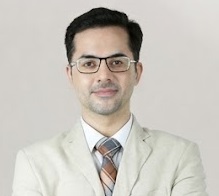

Our Mission Statement
Our mission is to place patients at the centre of every healthcare decision by providing trustworthy, evidence-based, and unbiased medical information. We believe that informed patients make better decisions. Backed by personalised guidance from our experienced advisory team, we help patients understand their treatment options, compare them objectively, and confidently choose the path that best suits their medical needs and personal circumstances.
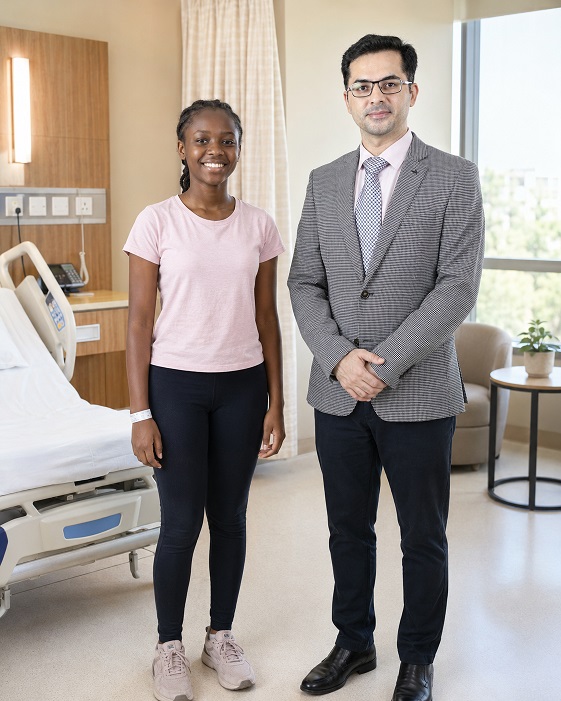
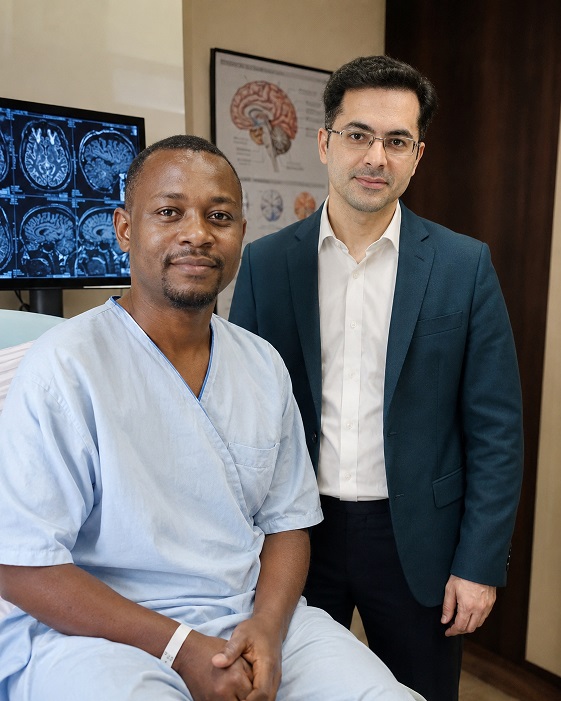
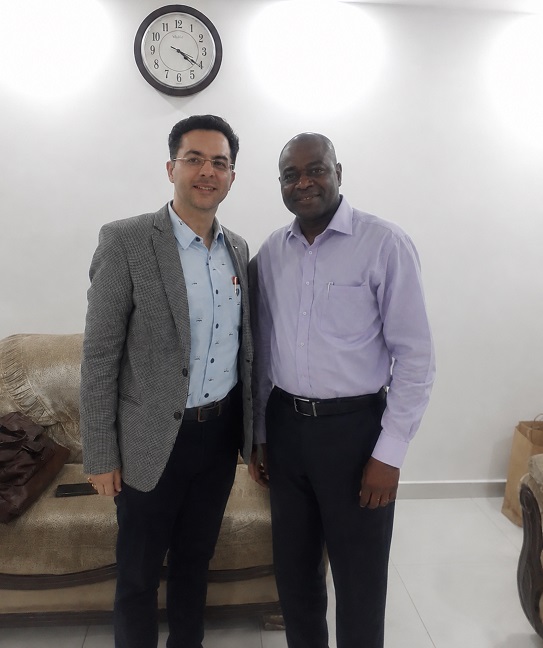
Patient Testimonials from Kenya
Ready to Take the First Step?
Share your Medical Reports with our Healthcare Managers Today and Get a FREE CONSULTATION, a Personalized Treatment Plan, and Complete Support from Arrival to Recovery.
Get Your Free ConsultationAreas We Serve
This resource has been thoughtfully prepared for patients from Kenya who are considering medical treatment in India. We also welcome patients from the wider region in the countries mentioned below-
We assist patients from:
- Ethiopia
- Somalia
- Tanzania
- Uganda
- Seychelles
- Guinea
- Guinea-Bissau
- Liberia
- Mali
- Mauritania
- Niger
- Nigeria
- Senegal
- Togo
- South Sudan
- Sierra Leone
Many of the insights, treatment pathways, hospital recommendations, travel guidance, and patient support services described here are equally relevant and may be used as a reference when planning treatment in India.
From Kenya to India: Your Complete Patient Support Guide
- Brain Tumour Surgery in India for Kenyan Patients
- Cancer Treatment and Surgery in India for Kenyan Patients
- Cardiac Treatment and Surgery in India for Kenyan Patients
- Heart Valve Replacement Surgery in India for Kenyan Patients
- Knee Replacement in India for Kenyan Patients
- Prostate Cancer Treatment and Surgery in India for Kenyan Patients
- Spine Treatment and Surgery in India for Kenyan Patients
- Selecting the Best Bariatric Surgeons and Hospitals in India: What Kenyan Patients Should Actually Look For
- Selecting the Best Cancer Surgeons and Hospitals in India: What Kenyan Patients Should Actually Look For
- Selecting the Best Cardiac Surgeons and Hospitals in India: What Kenyan Patients Should Actually Look For
- Selecting the Best Dental Surgeons and Clinics in India: What Kenyan Patients Should Actually Look For
- Selecting the Best Hip Surgeons and Hospitals in India: What Kenyan Patients Should Actually Look For
- Selecting the Best Kidney Transplant Surgeons and Hospitals in India: What Kenyan Patients Should Actually Look For
- Selecting the Best Knee Surgeons and Hospitals in India: What Kenyan Patients Should Actually Look For
- Selecting the Best Liver Transplant Surgeons and Hospitals in India: What Kenyan Patients Should Actually Look For
- Selecting the Best Neurosurgeons and Hospitals in India: What Kenyan Patients Should Actually Look For
- Selecting the Best Prostate Cancer Surgeons and Hospitals in India: What Kenyan Patients Should Actually Look For
- Selecting the Best Spine Surgeons and Hospitals in India: What Kenyan Patients Should Actually Look For