

15 Frequently Asked Questions: Paediatric Neurosurgery in India for Kenyan Patients
Introduction
Paediatric neurosurgery is a highly specialised branch of neurosurgery focused on conditions affecting the brain, spinal cord, skull and nervous system of infants, children and adolescents. Children may require neurosurgical treatment for conditions such as hydrocephalus, brain and spinal tumours, spina bifida, tethered cord syndrome, craniosynostosis, Chiari malformation, epilepsy, vascular abnormalities and certain congenital neurological conditions. Indian medical centres provide paediatric neurosurgical services supported by paediatricians, paediatric anaesthesia, intensive-care teams, neurologists, neuroradiologists, rehabilitation specialists and other multidisciplinary professionals. Dedicated paediatric neurosurgical services in India describe treatment for conditions including hydrocephalus, brain tumours, spinal tumours, craniosynostosis, congenital spinal abnormalities and epilepsy. For Kenyan families considering treatment in India, the child's medical records and imaging should be reviewed by an appropriate paediatric neurosurgical team before travel.
Healing Journeys of Kenyan Patients

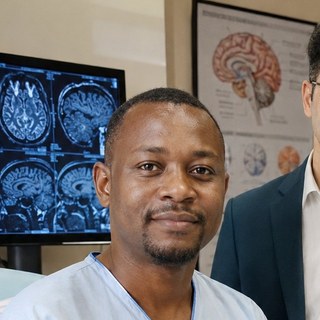
In Brief
Paediatric neurosurgery is a highly specialised branch of neurosurgery focused on conditions affecting the brain, spinal cord, skull and nervous system of infants, children and adolescents. Children may require neurosurgical treatment for conditions such as hydrocephalus, brain and spinal tumours, spina bifida, tethered cord syndrome, craniosynostosis, Chiari malformation, epilepsy, vascular abnormalities and certain congenital neurological conditions. Indian medical centres provide paediatric neurosurgical services supported by paediatricians, paediatric anaesthesia, intensive-care teams, neurologists, neuroradiologists, rehabilitation specialists and other multidisciplinary professionals.
Q1 · Why do Kenyan patients consider Paediatric Neurosurgery in India?
Kenyan families may consider India when their child requires specialised neurosurgical assessment or treatment.
Potential considerations include
- Access to paediatric neurosurgical specialists.
- Multidisciplinary children's care.
- Advanced neuroimaging and surgical technology.
- Paediatric intensive-care facilities at selected centres.
- Minimally invasive and endoscopic procedures for selected conditions.
- Experience in treating congenital brain and spinal disorders.
- Treatment options for paediatric brain and spinal tumours.
- Rehabilitation and postoperative support.
- Availability of specialist hospitals in several major Indian cities.
Paediatric neurosurgery requires care specifically adapted to children rather than simply applying adult neurosurgical protocols. Dedicated Indian paediatric neurosurgical programmes describe multidisciplinary involvement including paediatric neurology, paediatric anaesthesia, intensive care and rehabilitation.
Q2 · How much does Paediatric Neurosurgery cost in India for Kenyan patients?
The cost of paediatric neurosurgery varies significantly according to the child's condition and the complexity of the procedure.
Factors affecting the cost include
- Type of surgery.
- Age and weight of the child.
- Emergency versus planned surgery.
- Duration of hospitalisation.
- Requirement for PICU/NICU care.
- Surgical complexity.
- Imaging and diagnostic investigations.
- Implant or shunt requirements.
- Medicines and consumables.
- Rehabilitation requirements.
Indicative Cost Comparison
For planning: US$1 ≈ KES 129.5 • US$1 ≈ INR 96
The following ranges are indicative medical-tourism planning estimates, not fixed hospital tariffs.
| Paediatric Neurosurgical Procedure Range Range in | Kenya – Local Currency / USD | India – INR / USD | Indicative Saving |
|---|---|---|---|
| Hydrocephalus – VP Shunt / ETV | KES 650,000–1,100,000 / US$5,020–8,490 | INR 3–5 lakh / US$3,125–5,210 | 25–40% |
| Paediatric Brain Tumour Surgery | KES 900,000–1,600,000 / US$6,950–12,360 | INR 5–9 lakh / US$5,210–9,375 | 20–40% |
| Spina Bifida / Tethered Cord Surgery | KES 700,000–1,300,000 / US$5,400–10,040 | INR 3.5–6 lakh / US$3,645–6,250 | 25–40% |
| Craniosynostosis Surgery | KES 1,000,000–1,800,000 / US$7,720–13,900 | INR 5–8 lakh / US$5,210–8,330 | 25–40% |
| Complex Paediatric Spine Surgery | KES 900,000–1,700,000 / US$6,950–13,130 | INR 4.5–8 lakh / US$4,690–8,330 | 20–40% |
| Paediatric Epilepsy Surgery | KES 1,000,000–1,800,000 / US$7,720–13,900 | INR 6–10 lakh / US$6,250–10,420 | 15–35% |
These are planning ranges only. A final quotation should be requested after the treating team reviews the child's medical records and imaging.
Q3 · Which Indian cities can Kenyan patients consider for Paediatric Neurosurgery?
Kenyan families may consider major Indian medical cities with paediatric, neurosurgical and critical-care facilities.
Indian City Paediatric Neurosurgical Care
| City | Considerations |
|---|---|
| Delhi | Paediatric neurosurgery, neuro-oncology, congenital brain and spine care |
| Gurugram | Paediatric neurosurgery and multidisciplinary children's care |
| Noida | Neurosurgery, paediatric services and critical care |
| Mumbai | Dedicated paediatric neurosurgical and children's hospitals |
| Chennai | Paediatric neuroscience and neurosurgical services |
| Bengaluru | Children's hospitals and advanced neurosurgical care |
| Hyderabad | Dedicated paediatric hospitals and neurosurgical services |
| Kolkata | Paediatric and neurosurgical care |
| Pune | Paediatric and neurological specialist services |
| Ahmedabad | Children's care and neurosurgical services |
| Kochi | Paediatric and neurological specialist care |
| Thiruvananthapuram | Paediatric and neurosurgical services |
| Goa | Selected paediatric and specialist services |
| Nagpur | Paediatric and neurosurgical services |
The specific availability of a paediatric neurosurgeon should be confirmed before travelling.
Q4 · Which hospitals in India can Kenyan patients consider?
Important: This is a general hospital list for medical-tourism planning. Not every hospital listed necessarily has a dedicated paediatric neurosurgery department. Kenyan families should confirm the availability of a paediatric neurosurgeon, paediatric anaesthesia, PICU/NICU and the specific procedure required before selecting a hospital.
Delhi Hospitals
- Fortis Escorts Heart Institute, New Delhi
- BLK-Max Super Speciality Hospital, New Delhi
- Max Super Speciality Hospital, Saket
- Indraprastha Apollo Hospitals, New Delhi
- Sir Ganga Ram Hospital
- Max Super Speciality Hospital, Patparganj
- Manipal Hospital, Dwarka
- Fortis Hospital, Vasant Kunj
- Institute of Brain and Spine Hospital (IBS Hospital)
- Dharamshila Narayana Hospital
- Indian Spinal Injuries Centre
- AIIMS New Delhi
Chennai Hospitals
- MGM Healthcare
- MIOT International
- Apollo Hospitals, Greams Road
- Sri Ramachandra Medical Centre
- SIMS Hospital
- Kauvery Hospital
- Gleneagles HealthCity Chennai
- Vijaya Hospital
- Apollo Speciality Hospitals
- Rela Hospital
Mumbai Hospitals
- Bombay Hospital & Medical Research Centre
- Lilavati Hospital & Research Centre
- Jaslok Hospital & Research Centre
- Gleneagles Hospital, Mumbai
- Nanavati Max Super Speciality Hospital
- Kokilaben Dhirubhai Ambani Hospital
- P. D. Hinduja Hospital & Medical Research Centre
- Sir H. N. Reliance Foundation Hospital
- Wockhardt Hospitals, Mumbai
- Apollo Hospitals, Mumbai
Bengaluru Hospitals
- Manipal Hospital, Old Airport Road
- Manipal Hospital, Whitefield
- Manipal Hospital, Yeshwanthpur
- Apollo Hospitals, Bengaluru
- Fortis Hospital, Bannerghatta Road
- Aster CMI Hospital
- Sakra World Hospital
- Narayana Health City
- Sagar Hospitals
- Kauvery Hospital, Bengaluru
Hyderabad Hospitals
- KIMS Hospitals
- Yashoda Hospitals
- Apollo Health City
- CARE Hospitals
- Continental Hospitals
- Gleneagles Hospitals, Hyderabad
- Sunshine Hospitals
- Star Hospitals
Gurugram Hospitals
- Fortis Memorial Research Institute (FMRI)
- Medanta – The Medicity
- Artemis Hospital
- Max Hospital, Gurugram
- CK Birla Hospital, Gurugram
- Manipal Hospital, Gurugram
- Paras Health
- Narayana Superspeciality Hospital
Noida Hospitals
- Fortis Hospital, Noida
- Jaypee Hospital
- Max Super Speciality Hospital, Noida
- Yatharth Hospital
- Kailash Hospital
- Metro Hospital & Heart Institute
- Metro Center for Neurosciences
Kolkata Hospitals
- Apollo Multispeciality Hospitals
- AMRI Hospitals
- Fortis Hospital, Anandapur
- Manipal Hospitals, Salt Lake
- Medica Superspecialty Hospital
- Narayana Superspeciality Hospital
- Ruby General Hospital
Pune Hospitals
- Ruby Hall Clinic
- Jehangir Hospital
- Deenanath Mangeshkar Hospital
- Sahyadri Super Speciality Hospital
- Aditya Birla Memorial Hospital
- Manipal Hospital, Kharadi
- Medicover Hospital, Pune
Ahmedabad Hospitals
- Apollo Hospitals, Ahmedabad
- Zydus Hospitals
- Sterling Hospitals
- Shalby Hospitals
- HCG Hospitals
- SAL Hospital
- CIMS Hospital
Kochi Hospitals
- Aster Medcity
- Amrita Hospital
- VPS Lakeshore Hospital
- Rajagiri Hospital
- Aster MIMS
- Lisie Hospital
- Renai Medicity
Thiruvananthapuram Hospitals
- KIMSHEALTH Hospital
- Ananthapuri Hospitals and Research Institute
- SUT Hospital
- SP Medifort Hospital
- PRS Hospital
- GG Hospital
Goa Hospitals
- Manipal Hospital, Goa
- Healthway Hospital
- Manipal Hospitals, Dona Paula
- Goa Medical College and Hospital
- Apollo Victor Hospital
Nagpur Hospitals
- Wockhardt Hospitals, Nagpur
- Max Multispeciality Hospital
- CARE Hospitals, Nagpur
- Kingsway Hospitals
- Lata Mangeshkar Hospital
Q5 · What conditions are treated by Paediatric Neurosurgery?
Paediatric neurosurgery may be used for a broad range of conditions affecting the developing nervous system.
Common conditions include
1. Hydrocephalus
Excess cerebrospinal fluid can cause increased pressure inside the child's skull. Treatment may involve a shunt or endoscopic third ventriculostomy (ETV).
2. Spina Bifida
A congenital condition involving incomplete development of the spine and spinal cord.
3. Tethered Cord Syndrome
A condition where the spinal cord has abnormal attachments that restrict its movement.
4. Paediatric Brain Tumours
Children may develop different types of brain tumours requiring surgery, biopsy or multidisciplinary oncology treatment.
5. Spinal Cord Tumours
Tumours affecting the spinal cord or surrounding structures may require specialised neurosurgical treatment.
6. Craniosynostosis
Premature fusion of skull sutures can affect skull growth and, in some cases, intracranial pressure.
7. Chiari Malformation
A structural condition involving the relationship between the brain and skull/spinal canal.
8. Paediatric Epilepsy
Selected children with seizures that remain uncontrolled despite appropriate medication may be evaluated for epilepsy surgery.
9. Vascular Conditions
Selected children may have vascular malformations such as AVMs requiring specialist evaluation.
Dedicated paediatric neurosurgical services in India report treatment for many of these conditions, including hydrocephalus, tumours, craniosynostosis, congenital spinal abnormalities, vascular malformations and epilepsy.
Q6 · What are the benefits of specialised Paediatric Neurosurgery?
Specialised paediatric neurosurgery is designed around the particular needs of infants and children.
Potential advantages include
- Child-specific surgical planning.
- Paediatric anaesthesia.
- Paediatric intensive-care support.
- Child-focused imaging and monitoring.
- Multidisciplinary management.
- Minimally invasive or endoscopic options where appropriate.
- Specialised management of congenital conditions.
- Rehabilitation and developmental support.
For example, Indian paediatric neurosurgical centres describe the use of neuroendoscopy for selected hydrocephalus and tumour cases, along with multidisciplinary paediatric support.
Q7 · Which children may need Paediatric Neurosurgery?
A child may be referred to a paediatric neurosurgeon when there is
- Abnormal head growth.
- Hydrocephalus.
- Congenital brain or spinal abnormality.
- Spina bifida.
- Tethered cord.
- Craniosynostosis.
- Brain or spinal tumour.
- Persistent neurological symptoms.
- Certain forms of epilepsy.
- Spinal deformity associated with neurological abnormalities.
- Head or spinal trauma.
- Suspected vascular malformation.
The decision for surgery should always be made after specialist assessment.
Some children may require observation, medication, rehabilitation or other non-surgical treatment rather than surgery.
Q8 · What medical documents should Kenyan parents send for a Paediatric Neurosurgery opinion?
Parents should ideally prepare
- Child's complete medical history.
- Birth and neonatal history where relevant.
- MRI/CT scans.
- Radiology reports.
- Previous surgery reports.
- Hospital discharge summaries.
- Blood-test reports.
- Neurology reports.
- EEG reports where relevant.
- Biopsy/pathology reports where applicable.
- Current medication list.
- Vaccination and relevant paediatric records.
- Growth and developmental history.
- Previous treatment records.
Original imaging files are particularly important for complex neurosurgical cases.
The Indian specialist may request additional investigations after reviewing the records.
Q9 · How is Paediatric Neurosurgery performed?
The procedure depends entirely on the child's diagnosis.
Hydrocephalus
Treatment may involve:
- Ventriculoperitoneal (VP) shunt.
- Endoscopic third ventriculostomy (ETV).
- Other specialised CSF-diversion procedures.
Brain Tumour Surgery
Depending on the tumour, surgery may involve:
- Biopsy.
- Partial tumour removal.
- Maximum safe tumour removal.
- Image-guided surgery.
- Neuroendoscopic approaches for selected tumours.
1. Spina Bifida / Tethered Cord
Surgery may be performed to repair or release abnormal spinal structures.
2. Craniosynostosis
Surgery may reshape or expand the skull when clinically indicated.
3. Epilepsy Surgery
Selected children may undergo extensive pre-surgical evaluation before a surgical procedure is considered.
The exact procedure depends on the child's imaging, diagnosis and neurological condition.
Q10 · How is Paediatric Neurosurgery different from adult Neurosurgery?
Children are not simply smaller versions of adults.
Paediatric neurosurgery requires consideration of
- Developing brain and spinal structures.
- Age and body weight.
- Growth and development.
- Paediatric anaesthesia.
- Fluid and blood-volume considerations.
- Child-specific medication dosing.
- Neurodevelopment.
- Long-term functional outcomes.
- Family and caregiver support.
For complex cases, a multidisciplinary approach involving paediatric neurology, neurosurgery, anaesthesia, intensive care, radiology and rehabilitation may be required.
Q11 · What should Kenyan parents ask before accepting a treatment quotation?
Before travelling to India, parents should ask the hospital
- What is the child's exact diagnosis?
- Is surgery definitely required?
- What procedure is recommended?
- Who will perform the surgery?
- Does the surgeon regularly treat children with this condition?
- Is paediatric anaesthesia available?
- Is a PICU/NICU available if required?
- How long is the expected hospital stay?
- Is the quotation inclusive of ICU/PICU charges?
- Are implants or shunts included?
- Are investigations included?
- What additional costs may arise?
- What follow-up will be required?
Parents should request a written treatment plan and quotation before travelling.
Q12 · How long should Kenyan patients stay in India?
The required stay depends on the child's diagnosis and surgery.
For international families, the overall stay may include
- Initial consultation.
- Diagnostic investigations.
- Pre-operative evaluation.
- Surgery.
- ICU/PICU monitoring where required.
- Hospital recovery.
- Follow-up consultation.
- Fit-to-travel assessment.
Simple procedures may require a shorter stay, while complex brain or spinal surgery can require several weeks.
Parents should not book a fixed return flight before the treating team provides an expected recovery timeline.
Q13 · What is recovery like after Paediatric Neurosurgery?
Recovery varies considerably from one child to another.
After surgery, the child may require
- Pain management.
- Neurological monitoring.
- ICU/PICU observation.
- Physiotherapy.
- Occupational therapy.
- Speech or developmental therapy where appropriate.
- Nutritional support.
- Wound care.
- Follow-up imaging.
Some children recover quickly, while others may require longer rehabilitation.
The treating team should provide parents with clear instructions regarding feeding, activity, medicines, wound care and warning symptoms before discharge.
Q14 · How can Kenyan children continue follow-up after returning home?
Before returning to Kenya, parents should obtain
- Final discharge summary.
- Operative report.
- Imaging reports.
- Copies of relevant scans.
- Pathology report where applicable.
- Medication instructions.
- Rehabilitation recommendations.
- Follow-up schedule.
- Recommended MRI/CT dates.
- Emergency warning signs.
- Contact information for the treating hospital.
Follow-up can then be coordinated with a paediatrician, neurologist, neurosurgeon or rehabilitation specialist in Kenya. For conditions requiring long-term monitoring, the Indian and Kenyan medical teams may need to coordinate follow-up care.
Q15 · Should Kenyan parents travel to India for Paediatric Neurosurgery?
India may be an option for Kenyan families when a child requires specialised neurosurgical assessment or treatment that is suitable for management in India.
Before travelling, parents should consider
- The child's exact diagnosis.
- Whether surgery is actually required.
- Experience of the paediatric neurosurgical team with the specific condition.
- Availability of paediatric anaesthesia.
- PICU/NICU support.
- Expected treatment duration.
- Total treatment cost.
- Travel requirements.
- Postoperative rehabilitation.
- Long-term follow-up arrangements.
The decision should be made after obtaining a specialist opinion based on the child's actual medical records and imaging.
Kenyan Patient Pre-Travel Checklist
Medical Documents
- Child's medical history
- Birth and neonatal records where relevant
- MRI/CT scans
- Radiology reports
- Previous surgery reports
- Discharge summaries
- Blood-test reports
- EEG reports where applicable
- Biopsy/pathology reports where applicable
- Current medication list
- Previous treatment records
Hospital & Treatment
- Paediatric neurosurgical opinion received
- Diagnosis confirmed or reviewed
- Recommended procedure explained
- Surgeon/team details confirmed
- Paediatric anaesthesia confirmed
- PICU/NICU availability confirmed
- Expected hospital stay confirmed
- Written quotation received
- Items included in quotation confirmed
- Follow-up plan discussed
Travel
- Medical travel documentation arranged
- Hospital invitation/documentation arranged
- Child's travel arrangements completed
- Parent/attendant arrangements completed
- Accommodation arranged
- Local transportation arranged
- Return travel kept flexible where possible
Financial Planning
- Surgery cost confirmed
- ICU/PICU charges clarified
- Investigation costs clarified
- Implant/shunt costs clarified
- Medicine costs clarified
- Rehabilitation costs considered
- Accommodation and travel budget prepared
- Emergency reserve maintained
Final Note
Paediatric neurosurgery requires specialised care because the child's brain, spine and nervous system are still developing. Conditions such as hydrocephalus, spina bifida, tethered cord syndrome, craniosynostosis, brain tumours, spinal tumours and selected epilepsy disorders may require specialist neurosurgical evaluation. Indian paediatric neurosurgical centres report dedicated treatment pathways for many of these conditions. For Kenyan families considering treatment in India, the safest approach is to obtain a detailed specialist review before travelling. The child's scans, diagnosis, previous treatment and current clinical condition should be evaluated so that the family understands the proposed procedure, expected hospital stay, estimated cost and follow-up requirements. A personalised medical opinion and written treatment quotation should be obtained before making final travel arrangements.
Page Summary
This page answers 15 frequently asked questions about paediatric neurosurgery in India for Kenyan patients. It covers why patients travel for treatment, an indicative Kenya-versus-India cost comparison, the Indian cities and hospitals to consider, the treatment and surgical options available, how to obtain a quotation remotely, second opinions, advanced options, recovery, unexpected costs, combining treatments, medical visa and travel planning, length of stay, follow-up after returning to Kenya, and a complete pre-travel checklist.

Our Mission Statement
Our mission is to place patients at the centre of every healthcare decision by providing trustworthy, evidence-based, and unbiased medical information. We believe that informed patients make better decisions. Backed by personalised guidance from our experienced advisory team, we help patients understand their treatment options, compare them objectively, and confidently choose the path that best suits their medical needs and personal circumstances.
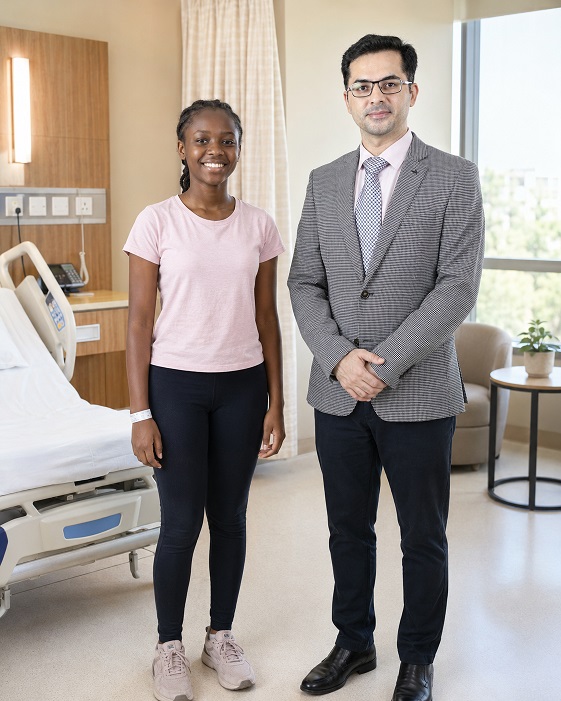
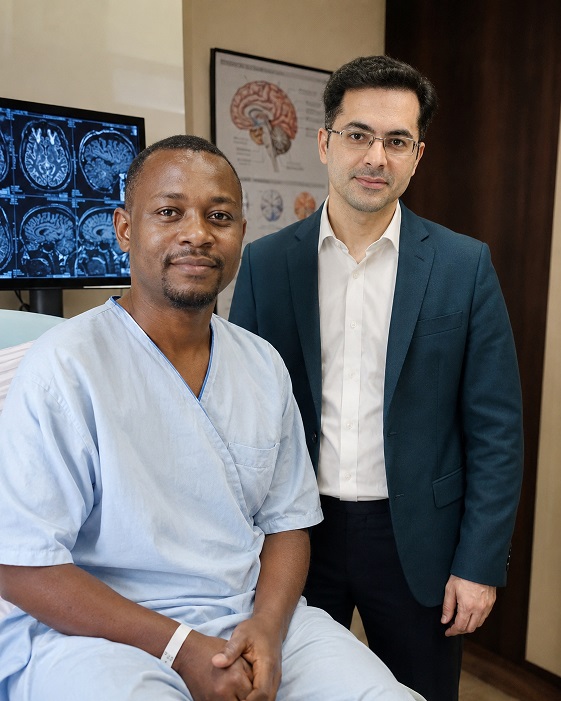
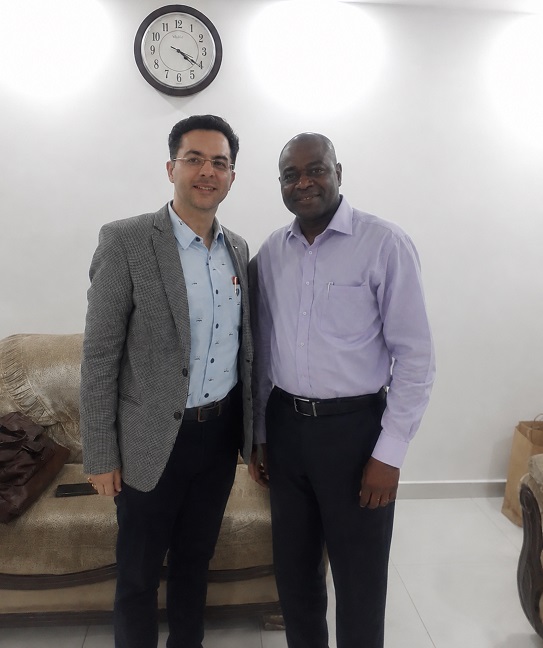
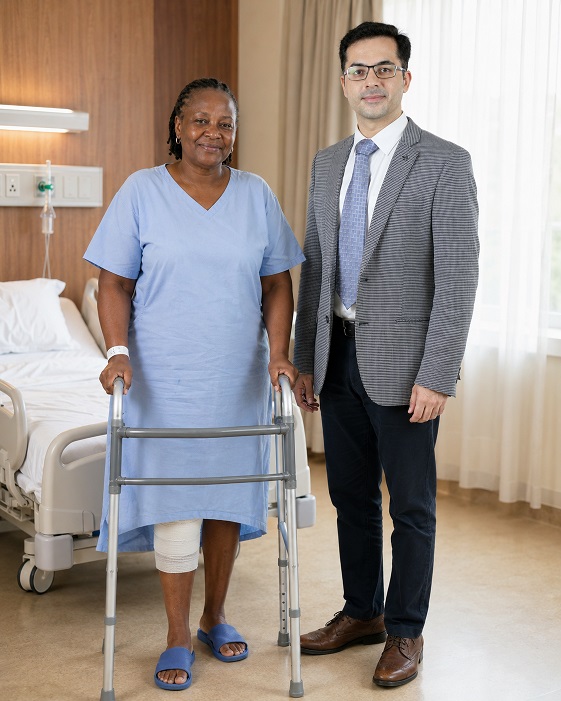
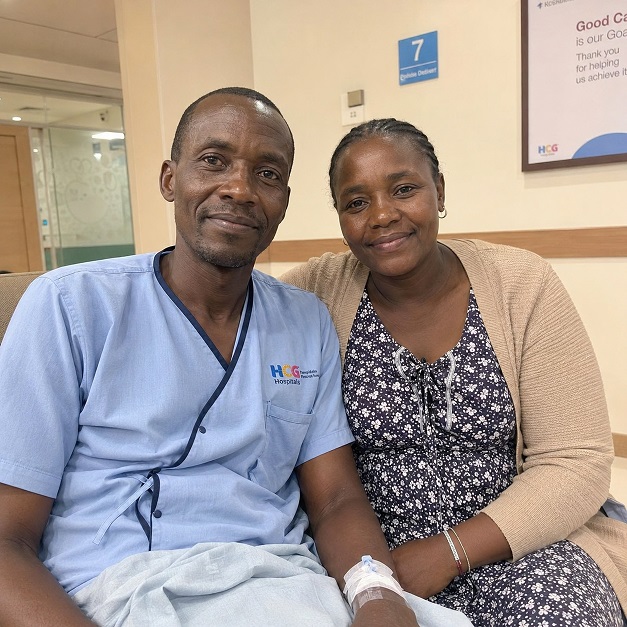
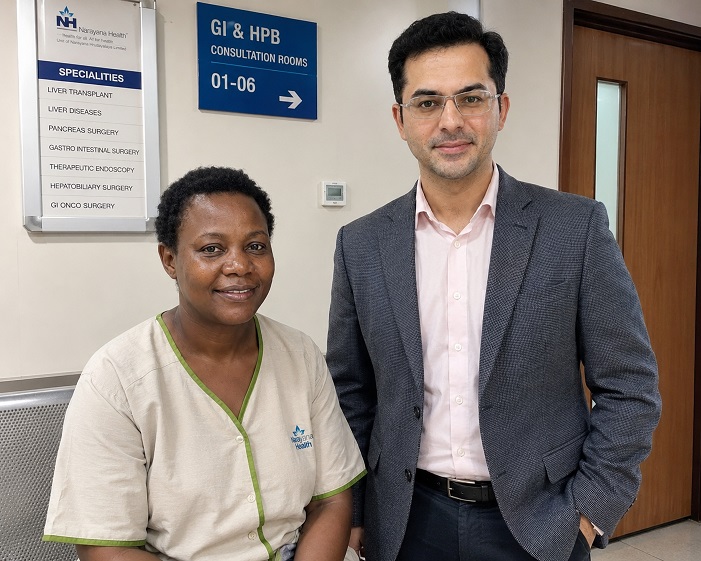
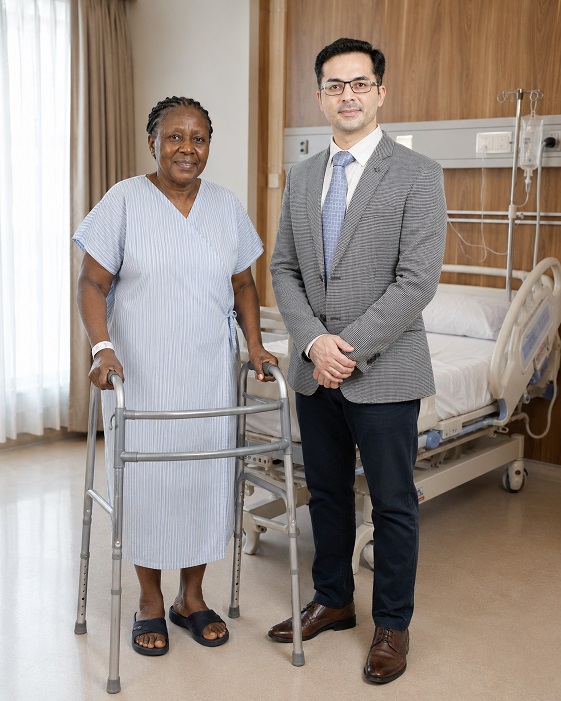
Patient Testimonials from Kenya
Ready to Take the First Step?
Share your Medical Reports with our Healthcare Managers Today and Get a FREE CONSULTATION, a Personalized Treatment Plan, and Complete Support from Arrival to Recovery.
Get Your Free ConsultationAreas We Serve
This resource has been thoughtfully prepared for patients from Kenya who are considering medical treatment in India. We also welcome patients from the wider region in the countries mentioned below-
We assist patients from:
- Ethiopia
- Somalia
- Tanzania
- Uganda
- Seychelles
- Guinea
- Guinea-Bissau
- Liberia
- Mali
- Mauritania
- Niger
- Nigeria
- Senegal
- Togo
- South Sudan
- Sierra Leone
Many of the insights, treatment pathways, hospital recommendations, travel guidance, and patient support services described here are equally relevant and may be used as a reference when planning treatment in India.
From Kenya to India: Your Complete Patient Support Guide
- Brain Tumour Surgery in India for Kenyan Patients
- Cancer Treatment and Surgery in India for Kenyan Patients
- Cardiac Treatment and Surgery in India for Kenyan Patients
- Heart Valve Replacement Surgery in India for Kenyan Patients
- Knee Replacement in India for Kenyan Patients
- Prostate Cancer Treatment and Surgery in India for Kenyan Patients
- Spine Treatment and Surgery in India for Kenyan Patients
- Selecting the Best Bariatric Surgeons and Hospitals in India: What Kenyan Patients Should Actually Look For
- Selecting the Best Cancer Surgeons and Hospitals in India: What Kenyan Patients Should Actually Look For
- Selecting the Best Cardiac Surgeons and Hospitals in India: What Kenyan Patients Should Actually Look For
- Selecting the Best Dental Surgeons and Clinics in India: What Kenyan Patients Should Actually Look For
- Selecting the Best Hip Surgeons and Hospitals in India: What Kenyan Patients Should Actually Look For
- Selecting the Best Kidney Transplant Surgeons and Hospitals in India: What Kenyan Patients Should Actually Look For
- Selecting the Best Knee Surgeons and Hospitals in India: What Kenyan Patients Should Actually Look For
- Selecting the Best Liver Transplant Surgeons and Hospitals in India: What Kenyan Patients Should Actually Look For
- Selecting the Best Neurosurgeons and Hospitals in India: What Kenyan Patients Should Actually Look For
- Selecting the Best Prostate Cancer Surgeons and Hospitals in India: What Kenyan Patients Should Actually Look For
- Selecting the Best Spine Surgeons and Hospitals in India: What Kenyan Patients Should Actually Look For