

15 Frequently Asked Questions: Paediatric Heart Surgery in India for Kenyan Patients
Introduction
Paediatric heart surgery is performed to correct congenital or acquired heart conditions in newborns, infants and children. Some children may have relatively simple defects such as atrial septal defect (ASD), ventricular septal defect (VSD) or patent ductus arteriosus (PDA), while others may require complex procedures for conditions such as Tetralogy of Fallot (TOF), transposition of the great arteries (TGA), total anomalous pulmonary venous connection (TAPVC), coarctation of the aorta, single-ventricle conditions or complex valve abnormalities. For Kenyan families, treatment in India can be considered when a child requires specialised paediatric cardiac assessment, surgery, intensive care or a complex congenital-heart programme. Kenya has paediatric cardiac services, including programmes providing congenital and paediatric surgery, but access to highly specialised treatment can vary by location and case complexity. India has major tertiary hospitals with dedicated paediatric cardiology, paediatric cardiac surgery, paediatric cardiac anaesthesia, intensive-care and diagnostic facilities. The appropriate treatment should always be selected after review of the child's echocardiogram, imaging, clinical condition, oxygen level, age, weight and overall medical history.
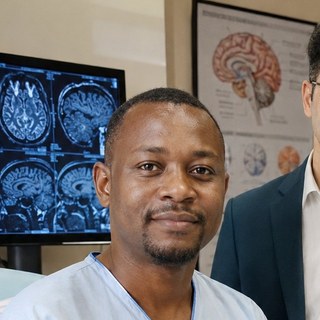
Healing Journeys of Kenyan Patients


In Brief
Paediatric heart surgery is performed to correct congenital or acquired heart conditions in newborns, infants and children. Some children may have relatively simple defects such as atrial septal defect (ASD), ventricular septal defect (VSD) or patent ductus arteriosus (PDA), while others may require complex procedures for conditions such as Tetralogy of Fallot (TOF), transposition of the great arteries (TGA), total anomalous pulmonary venous connection (TAPVC), coarctation of the aorta, single-ventricle conditions or complex valve abnormalities.
Q1 · Why do Kenyan patients consider Paediatric Heart Surgery in India?
Kenyan families may consider India when their child requires a specialised congenital-heart evaluation or a procedure that may involve advanced paediatric cardiac surgery and intensive care.
Possible reasons include
- Access to multidisciplinary paediatric cardiac teams.
- Paediatric cardiology and cardiac surgery under one treatment programme.
- Experience with congenital heart defects in newborns, infants and older children.
- Availability of paediatric cardiac intensive-care facilities in major tertiary hospitals.
- Advanced echocardiography, cardiac catheterisation and imaging.
- Surgical and catheter-based treatment options depending on the child's anatomy.
- Availability of staged treatment for complex congenital heart conditions.
- Potentially lower treatment costs than some private-care settings abroad.
- International-patient departments that can assist with medical records, admission and travel
coordination.
Indian paediatric cardiac programmes perform a broad range of congenital procedures. Published Indian data also demonstrate substantial differences in cost according to procedure, hospital type and infrastructure, so families should compare the complete treatment package, rather than looking only at the surgery fee.
Q2 · How much does Paediatric Heart Surgery cost in India for Kenyan patients?
Paediatric cardiac treatment costs vary considerably because a simple ASD/VSD repair is very different from neonatal surgery, arterial switch surgery, Fontan-stage surgery or complex reconstruction.
For planning purposes, the following comparison uses approximately:
For planning: US$1 ≈ KES 129.5 • US$1 ≈ INR 96
These are planning exchange rates only. Actual bank or payment-provider exchange rates may differ.
| Treatment / Estimated Estimated Procedure * | Kenya – Local Currency / USD | India – INR / USD | Indicative Saving |
|---|---|---|---|
| PDA / Simple Congenital Defect Surgery | KES 500,000– 800,000 US$3,860–6,180 | INR 200,000– 350,000 US$2,085–3,645 | 20–40% |
| ASD Closure | KES 600,000– 950,000 US$4,635–7,335 | INR 220,000– 400,000 US$2,290–4,170 | 20–40% |
| VSD Closure | KES 650,000– 1,000,000 US$5,020–7,720 | INR 250,000– 450,000 US$2,605–4,690 | 20–40% |
| Tetralogy of Fallot (TOF) Repair | KES 900,000– 1,500,000 US$6,950– 700,000 US$4,170–7,290 | INR 400,000– 11,585 | 20–40% |
| Coarctation / Aortic Arch Repair | KES 850,000– 1,400,000 US$6,565– 650,000 US$3,645–6,770 | INR 350,000– 10,810 | 20–40% |
| Arterial Switch / Complex Neonatal Surgery | KES 1,500,000– 2,500,000 US$11,585– 1,200,000 US$7,290– 19,305 | INR 700,000– 12,500 | 15–35% |
| Glenn / Fontan or Complex Single- Ventricle Surgery | KES 1,500,000– 3,000,000 US$11,585– 1,400,000 US$7,290– 23,165 | INR 700,000– 14,585 | 15–35% |
| Complex Congenital / Revision Surgery | KES 2,000,000– 4,000,000 US$15,445– 1,800,000 US$9,375– 30,890 | INR 900,000– 18,750 | 15–35% |
*Potential saving is an indicative planning range and is not a guaranteed saving. The actual amount depends on the child's diagnosis, hospital, surgeon, ICU duration, implants/devices, complications and other services.
Kenyan reporting in 2026 has cited paediatric cardiac treatment costs ranging from approximately KES 500,000 for less complex procedures to KES 4 million for major surgeries, with some complex cases costing substantially more.
Published Indian paediatric cardiac cost data also show wide variation: private-hospital costs for procedures such as ASD/VSD closure and complex congenital operations can vary considerably depending on infrastructure and procedure type. Current Indian hospital information places paediatric cardiac surgery broadly around INR 2–5 lakh for many procedures, although complex cases can be substantially higher.
What may or may not be included?
Before accepting a quotation, ask whether it includes:
- Surgeon and anaesthesia fees
- Operation-theatre charges
- ICU stay
- Room charges
- Medicines
- Blood products
- Echocardiography and investigations
- Catheterisation if required
- Implants or devices
- Paediatric cardiac consumables
- Additional ICU days
- Treatment of complications
- Follow-up consultations
Q3 · Which Indian cities can Kenyan patients consider for Paediatric Heart Surgery?
Kenyan families can consider major Indian medical cities with established cardiac and paediatric-care infrastructure.
Major cities
City Major Medical Facilities / Treatment Environment
Large tertiary hospitals, paediatric cardiology, cardiac surgery, ICU and
| City | Considerations |
|---|---|
| Delhi / NCR | Large tertiary hospitals, paediatric cardiology, cardiac surgery, ICU and international-patient services |
| Gurugram | Major multispecialty hospitals with advanced cardiac and paediatric services |
| Noida | Tertiary hospitals with paediatric and cardiac departments |
| Mumbai | Large private cardiac and paediatric medical infrastructure |
| Chennai | Established cardiac centres and paediatric specialist services |
| Bengaluru | Advanced paediatric, cardiac and intensive-care infrastructure |
| Hyderabad | Major tertiary cardiac and paediatric services |
| Kolkata | Multispecialty hospitals with cardiac and paediatric programmes |
| Ahmedabad | Established cardiac and paediatric treatment infrastructure |
| Pune | Multispecialty and cardiac-care options |
| Kochi | Major tertiary hospitals with paediatric and cardiac services |
| Thiruvananthapuram | Tertiary and specialist medical facilities |
The final city should be selected according to the child's exact diagnosis, surgeon availability, ICU capability, travel convenience and hospital quotation, rather than city alone.
Q4 · Which hospitals in India can Kenyan patients consider?
The following hospitals are among the major medical facilities that Kenyan families may consider for specialist evaluation. Availability of a particular paediatric cardiac operation should be confirmed directly with the hospital's paediatric cardiac team.
Important: This is a broad hospital reference list. It should not be interpreted as confirmation that every hospital listed performs every paediatric congenital heart procedure. For complex cases, families should specifically confirm the availability of a paediatric congenital cardiac surgeon, paediatric cardiac ICU and appropriate emergency/ECMO support where clinically relevant.
Delhi Hospitals
- Fortis Escorts Heart Institute, New Delhi
- BLK-Max Super Speciality Hospital, New Delhi
- Max Super Speciality Hospital, Saket
- Indraprastha Apollo Hospitals, New Delhi
- Sir Ganga Ram Hospital
- Max Super Speciality Hospital, Patparganj
- Manipal Hospital, Dwarka
- Fortis Hospital, Vasant Kunj
- Institute of Brain and Spine Hospital (IBS Hospital)
- Dharamshila Narayana Hospital
- Indian Spinal Injuries Centre
- AIIMS New Delhi
Chennai Hospitals
- MGM Healthcare
- MIOT International
- Apollo Hospitals, Greams Road
- Sri Ramachandra Medical Centre
- SIMS Hospital
- Kauvery Hospital
- Gleneagles HealthCity Chennai
- Vijaya Hospital
- Apollo Speciality Hospitals
- Rela Hospital
Mumbai Hospitals
- Bombay Hospital & Medical Research Centre
- Lilavati Hospital & Research Centre
- Jaslok Hospital & Research Centre
- Gleneagles Hospital, Mumbai
- Nanavati Max Super Speciality Hospital
- Kokilaben Dhirubhai Ambani Hospital
- P. D. Hinduja Hospital & Medical Research Centre
- Sir H. N. Reliance Foundation Hospital
- Wockhardt Hospitals, Mumbai
- Apollo Hospitals, Mumbai
Bengaluru Hospitals
- Manipal Hospital, Old Airport Road
- Manipal Hospital, Whitefield
- Manipal Hospital, Yeshwanthpur
- Apollo Hospitals, Bengaluru
- Fortis Hospital, Bannerghatta Road
- Aster CMI Hospital
- Sakra World Hospital
- Narayana Health City
- Sagar Hospitals
- Kauvery Hospital, Bengaluru
Hyderabad Hospitals
- KIMS Hospitals
- Yashoda Hospitals
- Apollo Health City
- CARE Hospitals
- Continental Hospitals
- Gleneagles Hospitals, Hyderabad
- Sunshine Hospitals
- Star Hospitals
Gurugram Hospitals
- Fortis Memorial Research Institute (FMRI)
- Medanta – The Medicity
- Artemis Hospital
- Max Hospital, Gurugram
- CK Birla Hospital, Gurugram
- Manipal Hospital, Gurugram
- Paras Health
- Narayana Superspeciality Hospital
Noida Hospitals
- Fortis Hospital, Noida
- Jaypee Hospital
- Max Super Speciality Hospital, Noida
- Yatharth Hospital
- Kailash Hospital
- Metro Hospital & Heart Institute
- Metro Center for Neurosciences
Kolkata Hospitals
- Apollo Multispeciality Hospitals
- AMRI Hospitals
- Fortis Hospital, Anandapur
- Manipal Hospitals, Salt Lake
- Medica Superspecialty Hospital
- Narayana Superspeciality Hospital
- Ruby General Hospital
Pune Hospitals
- Ruby Hall Clinic
- Jehangir Hospital
- Deenanath Mangeshkar Hospital
- Sahyadri Super Speciality Hospital
- Aditya Birla Memorial Hospital
- Manipal Hospital, Kharadi
- Medicover Hospital, Pune
Ahmedabad Hospitals
- Apollo Hospitals, Ahmedabad
- Zydus Hospitals
- Sterling Hospitals
- Shalby Hospitals
- HCG Hospitals
- SAL Hospital
- CIMS Hospital
Kochi Hospitals
- Aster Medcity
- Amrita Hospital
- VPS Lakeshore Hospital
- Rajagiri Hospital
- Aster MIMS
- Lisie Hospital
- Renai Medicity
Thiruvananthapuram Hospitals
- KIMSHEALTH Hospital
- Ananthapuri Hospitals and Research Institute
- SUT Hospital
- SP Medifort Hospital
- PRS Hospital
- GG Hospital
Goa Hospitals
- Manipal Hospital, Goa
- Healthway Hospital
- Manipal Hospitals, Dona Paula
- Goa Medical College and Hospital
- Apollo Victor Hospital
Nagpur Hospitals
- Wockhardt Hospitals, Nagpur
- Max Multispeciality Hospital
- CARE Hospitals, Nagpur
- Kingsway Hospitals
- Lata Mangeshkar Hospital
Q5 · What types of Paediatric Heart Surgery are available?
Treatment depends entirely on the child's heart defect and anatomy.
Common procedures include
1. ASD Closure
Used to close an abnormal opening between the upper chambers of the heart when closure is clinically indicated.
2. VSD Closure
Used to repair an abnormal opening between the lower chambers of the heart.
3. PDA Closure
Treats a persistent connection between the aorta and pulmonary artery that has failed to close naturally.
4. Tetralogy of Fallot Repair
A corrective operation for a combination of congenital heart abnormalities that can cause reduced oxygen levels.
5. Coarctation Repair
Corrects a narrowed section of the aorta.
6. Arterial Switch Operation
Used primarily for selected babies with transposition of the great arteries.
7. TAPVC Repair
Corrects abnormal drainage of pulmonary veins into the heart or systemic circulation.
8. Glenn and Fontan Procedures
These are staged procedures used for selected children with single-ventricle physiology.
9. Valve Repair or Replacement
May be considered for significant congenital or acquired valve disease.
10. Hybrid or Catheter-Based Procedures
Selected children may be suitable for catheter interventions or hybrid procedures rather than conventional open surgery.
The exact choice depends on echocardiography, imaging, age, weight, oxygen saturation, pulmonary pressures and the child's overall clinical condition.
Q6 · What are the benefits of specialised Paediatric Heart Surgery in India?
Potential advantages of treatment at an experienced paediatric cardiac centre may include
- Dedicated paediatric cardiology assessment.
- Paediatric cardiac surgeons experienced in congenital defects.
- Paediatric cardiac anaesthesia and perfusion teams.
- Dedicated paediatric cardiac ICU facilities.
- Advanced echocardiography and cardiac imaging.
- Access to cardiac catheterisation when required.
- Ability to manage newborn, infant and older-child cases.
- Multidisciplinary management for complex congenital defects.
- Access to staged surgical planning where necessary.
- Structured postoperative monitoring and rehabilitation.
- International-patient assistance for overseas families.
The important point is that families should evaluate the team and its experience with the child's specific defect, rather than choosing a hospital based only on its general reputation.
Q7 · Who is suitable for Paediatric Heart Surgery?
A child may be considered for surgery when a paediatric cardiologist or cardiac surgeon determines that the heart defect requires correction.
Potential indications include
- Significant ASD or VSD
- Persistent PDA requiring treatment
- Tetralogy of Fallot
- Transposition of the great arteries
- Coarctation of the aorta
- TAPVC
- Significant congenital valve disease
- Single-ventricle conditions
- Complex congenital heart defects
- Failure to thrive associated with significant heart disease
- Low oxygen levels caused by certain cyanotic heart defects
- Progressive heart enlargement or impaired cardiac function
However, not every diagnosed heart defect requires immediate surgery. Some small defects may only require monitoring, while others may be treated through catheter-based procedures.
For newborns and critically ill children, treatment timing can be particularly important. Some congenital defects require intervention shortly after birth, while others can safely be treated later depending on the child's anatomy and clinical condition.
Q8 · What medical documents should Kenyan parents send before travelling?
Parents should ideally send the child's complete medical information before making travel arrangements.
Useful documents include
- Recent echocardiography report
- Echocardiogram images/videos where available
- ECG
- Chest X-ray if available
- CT or MRI cardiac imaging, if performed
- Cardiac catheterisation reports
- Previous operation notes
- Previous discharge summaries
- Blood-test results
- Current medication list
- Oxygen saturation readings
- Birth history
- Previous complications
- Growth and weight information
- Vaccination and relevant paediatric records
For children who have undergone previous heart surgery, the previous operative report and postoperative records can be particularly useful.
The Indian paediatric cardiac team can then determine whether the child requires surgery, catheter-based treatment, additional investigations, observation or another treatment pathway.
Q9 · How does Paediatric Heart Surgery work?
The treatment pathway usually includes several stages.
Step 1 — Medical Review
The paediatric cardiology team reviews the child's diagnosis and previous records.
Step 2 — Diagnostic Confirmation
The child may undergo echocardiography, ECG, blood tests, chest imaging or cardiac catheterisation if required.
Step 3 — Treatment Planning
The team determines whether the child needs
- Open-heart surgery
- Catheter-based intervention
- Hybrid treatment
- Staged surgery
- Medical management and monitoring
Step 4 — Surgery
Depending on the defect, surgery may involve closing an abnormal opening, reconstructing blood vessels, repairing a valve, correcting abnormal connections or performing staged palliation.
Step 5 — Paediatric Cardiac ICU
After surgery, the child may require close monitoring in a paediatric cardiac ICU.
Step 6 — Recovery
Once the child is stable, care progresses from ICU to a ward and eventually to discharge planning.
Some complex congenital cases may require more than one operation over time. Families should ask the surgeon whether the proposed operation is definitive or the first stage of a longer treatment plan.
Q10 · What are the alternatives to open-heart surgery?
Depending on the defect, there may be several treatment approaches.
1. Observation
Some small or mild defects can be monitored without immediate intervention.
2. Catheter-Based Treatment
Selected ASD, PDA and other structural problems may sometimes be treated through catheter procedures rather than open surgery.
3. Hybrid Procedures
Some complex children may benefit from a combination of surgical and catheter-based techniques.
4. Staged Surgery
Children with single-ventricle physiology may require a sequence of procedures rather than one definitive operation.
5. Medical Management
Certain children may initially require medication, nutritional support or monitoring before an intervention is considered.
Parents should ask
“Is surgery definitely required now, or are there other medically appropriate options for my child's anatomy?”
Q11 · What should Kenyan parents ask before accepting a treatment quotation?
Before booking treatment, parents should request clear answers to the following
- What exactly is my child's heart defect?
- Does the child definitely need surgery?
- Is the proposed surgery corrective or palliative?
- Is this a single-stage or staged treatment?
- How many similar cases does the surgeon perform?
- Does the hospital have a dedicated paediatric cardiac ICU?
- Is paediatric cardiac anaesthesia available?
- Is ECMO available if clinically required?
- What investigations are included?
- How many ICU days are included in the package?
- What happens if additional ICU days are needed?
- Are blood products included?
- Are implants or devices included?
- What complications may increase the cost?
- How long should the family remain in India after discharge?
- What follow-up is required after returning to Kenya?
A written quotation is preferable to relying only on a verbal estimate.
Q12 · How long should Kenyan families stay in India?
The duration depends heavily on the child's age, diagnosis and complexity.
As a broad planning guide
- Initial evaluation: approximately 2–5 days
- Simple procedures: approximately 1–2 weeks
- Routine open-heart repair: approximately 2–3 weeks
- Complex congenital surgery: approximately 3–5 weeks or longer
- Neonatal or staged procedures: potentially several weeks or longer
Published Indian guidance also indicates that simple procedures may require shorter stays, while complex congenital or neonatal cases can require substantially longer periods.
Families should not book a fixed return flight too early. The treating team should confirm when the child is medically stable enough for air travel.
A parent or other authorised attendant will generally need to remain with the child throughout the treatment period.
Q13 · What is recovery like after Paediatric Heart Surgery?
Recovery differs from child to child.
After discharge, parents may need to manage
- Medicines
- Wound care
- Feeding and nutrition
- Activity restrictions
- Follow-up echocardiography
- Weight monitoring
- Oxygen monitoring where advised
- Infection precautions
- Follow-up appointments
Young children may require additional nutritional and developmental support after major cardiac surgery.
Parents should obtain a written discharge summary and follow-up plan before leaving India.
The child may need several weeks before returning to normal activities, while complex congenital cases can require longer rehabilitation and repeated specialist monitoring.
Q14 · How can follow-up be managed after returning to Kenya?
International treatment should include a plan for continued care after the child returns home.
Before leaving India, parents should obtain
- Final diagnosis
- Operation report
- Discharge summary
- Medication list
- Follow-up schedule
- Latest echocardiogram
- Recommended laboratory tests
- Activity restrictions
- Warning signs requiring urgent medical attention
- Contact information for the treating hospital/team where appropriate
Follow-up can then be coordinated between the Indian paediatric cardiac team and a paediatric cardiologist or appropriate specialist in Kenya.
For children with staged congenital heart surgery, follow-up is particularly important because later procedures may already be part of the treatment plan.
Q15 · Should a Kenyan patient travel to India for Paediatric Heart Surgery?
India can be considered as one option for Kenyan families seeking specialised paediatric cardiac evaluation or surgery, particularly when the child requires a complex congenital-heart programme or specialist services that may not be readily accessible locally.
The decision should be based on
- The child's exact diagnosis
- Urgency of treatment
- Surgeon experience with the specific defect
- Paediatric cardiac ICU capability
- Availability of required technology
- Expected treatment stages
- Total treatment cost
- Travel requirements
- Postoperative follow-up arrangements
- The child's medical stability for international travel
Kenya also has paediatric cardiac programmes, including centres providing congenital and paediatric cardiac surgery, so families should compare the locally available treatment pathway with the proposed Indian pathway rather than assuming that overseas treatment is automatically necessary.
For families choosing India, the most important step is to obtain a specialist opinion based on the child's complete medical records before travelling.
Kenyan Patient Pre-Travel Checklist
Before travelling to India for Paediatric Heart Surgery, Kenyan parents should confirm
Medical
- Complete echocardiography report and images
- Previous operation reports, if applicable
- ECG and relevant investigations
- Current medication list
- Child's current weight and recent medical history
- Written diagnosis from the Indian paediatric cardiac team
- Proposed treatment plan
- Expected surgical stages
- Expected ICU and hospital stay
Hospital
- Confirm paediatric cardiac surgeon availability
- Confirm paediatric cardiac ICU
- Confirm paediatric cardiac anaesthesia and perfusion support
- Ask about emergency/ECMO capability where relevant
- Obtain written treatment quotation
- Confirm what is included and excluded
- Ask about additional ICU-day charges
Travel
- Valid passports
- Appropriate Indian medical visa documentation
- Medical attendant documentation for accompanying parent/guardian
- Travel insurance where available and appropriate
- Accommodation plan
- Flexible return-flight arrangements
- Copies of all medical records
Aftercare
- Written discharge plan
- Medication schedule
- Follow-up echocardiography plan
- Kenyan follow-up specialist identified
- Emergency warning signs explained
- Indian hospital follow-up contact information
Final Note
Paediatric Heart Surgery in India for Kenyan Patients should be planned around the child's diagnosis and medical needs rather than cost alone. Early specialist review, accurate diagnosis, an experienced paediatric congenital-heart team, appropriate ICU support and a clear postoperative follow-up plan are important parts of safe international treatment planning. India can provide a range of paediatric cardiac treatment options, but the appropriate procedure, timing, hospital and expected cost must always be determined individually by the treating paediatric cardiac team. Right Diagnosis. Right Cardiac Team. Right Treatment Plan.
Page Summary
This page answers 15 frequently asked questions about paediatric heart surgery in India for Kenyan patients. It covers why patients travel for treatment, an indicative Kenya-versus-India cost comparison, the Indian cities and hospitals to consider, the treatment and surgical options available, how to obtain a quotation remotely, second opinions, advanced options, recovery, unexpected costs, combining treatments, medical visa and travel planning, length of stay, follow-up after returning to Kenya, and a complete pre-travel checklist.


Our Mission Statement
Our mission is to place patients at the centre of every healthcare decision by providing trustworthy, evidence-based, and unbiased medical information. We believe that informed patients make better decisions. Backed by personalised guidance from our experienced advisory team, we help patients understand their treatment options, compare them objectively, and confidently choose the path that best suits their medical needs and personal circumstances.
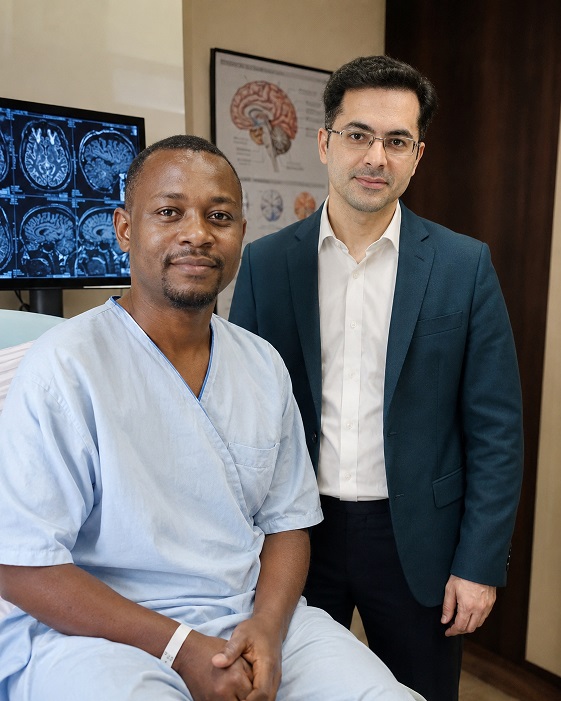
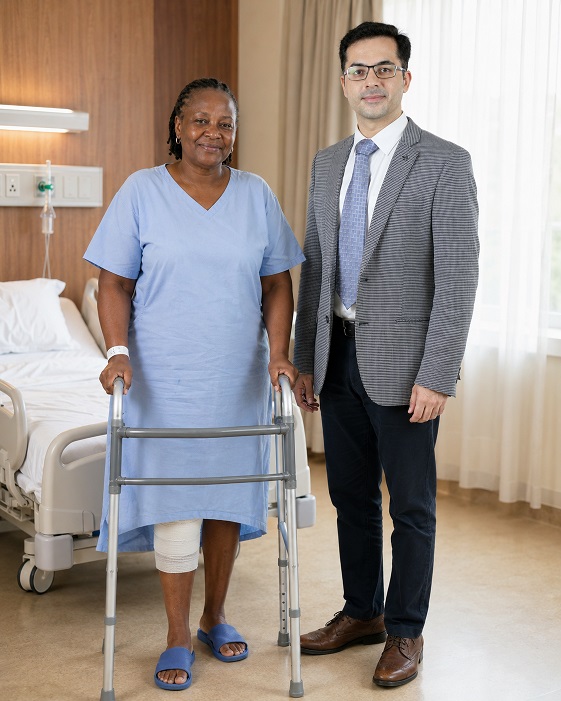
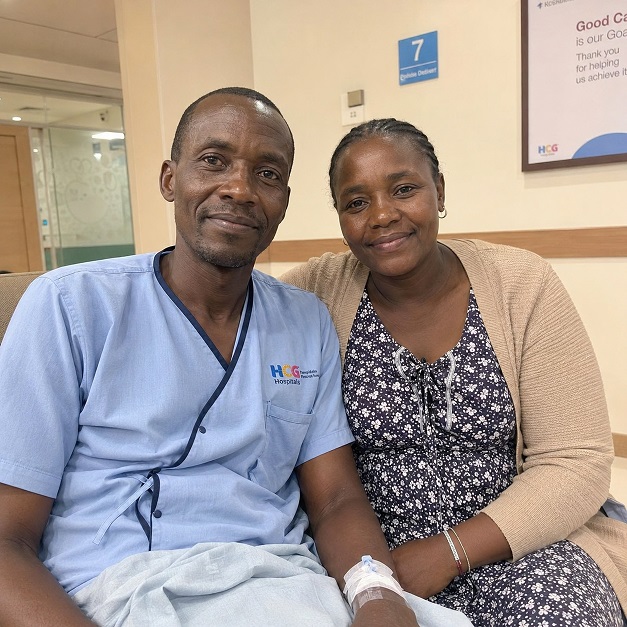
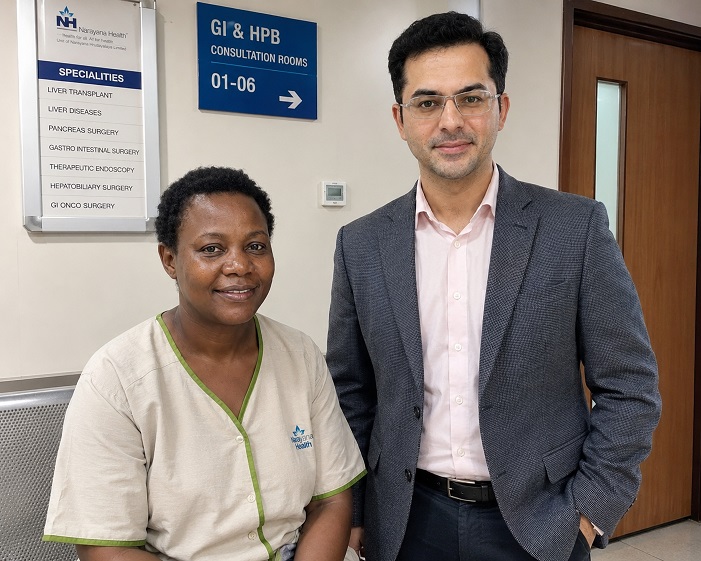
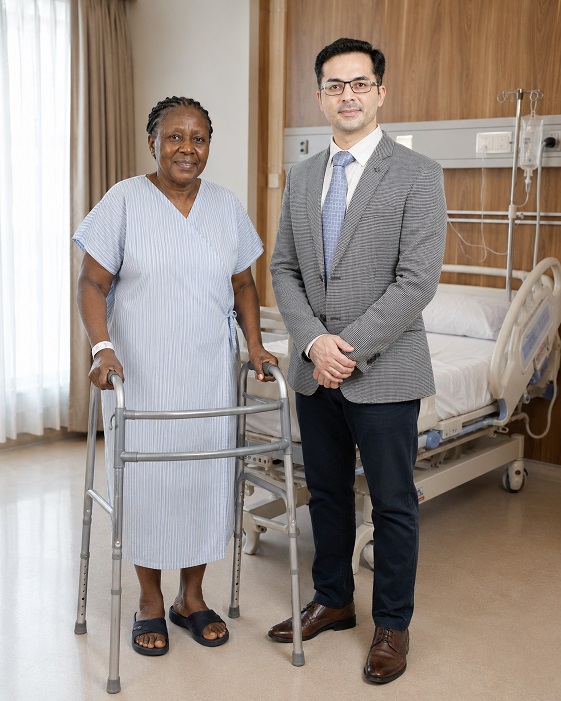
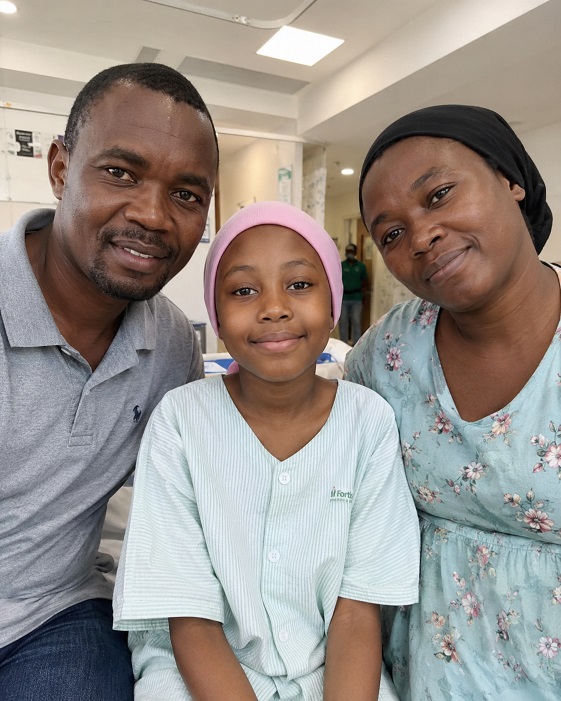
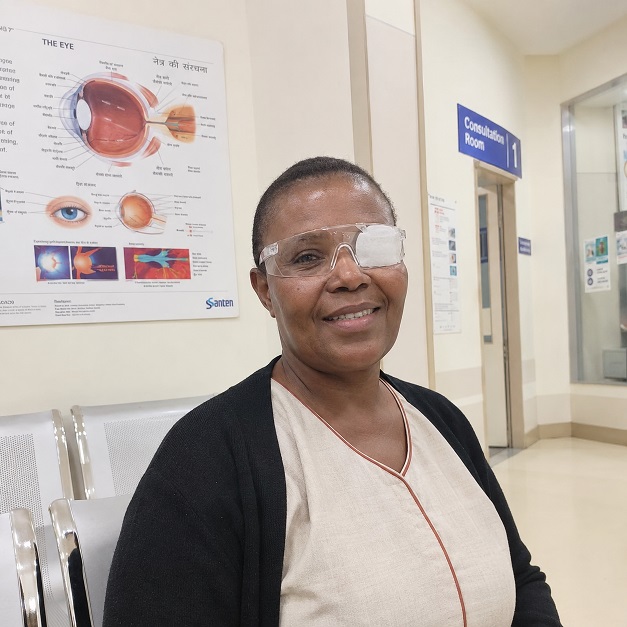
Patient Testimonials from Kenya

Ready to Take the First Step?
Share your Medical Reports with our Healthcare Managers Today and Get a FREE CONSULTATION, a Personalized Treatment Plan, and Complete Support from Arrival to Recovery.
Get Your Free ConsultationAreas We Serve
This resource has been thoughtfully prepared for patients from Kenya who are considering medical treatment in India. We also welcome patients from the wider region in the countries mentioned below-
We assist patients from:
- Ethiopia
- Somalia
- Tanzania
- Uganda
- Seychelles
- Guinea
- Guinea-Bissau
- Liberia
- Mali
- Mauritania
- Niger
- Nigeria
- Senegal
- Togo
- South Sudan
- Sierra Leone
Many of the insights, treatment pathways, hospital recommendations, travel guidance, and patient support services described here are equally relevant and may be used as a reference when planning treatment in India.
From Kenya to India: Your Complete Patient Support Guide
- Brain Tumour Surgery in India for Kenyan Patients
- Cancer Treatment and Surgery in India for Kenyan Patients
- Cardiac Treatment and Surgery in India for Kenyan Patients
- Heart Valve Replacement Surgery in India for Kenyan Patients
- Knee Replacement in India for Kenyan Patients
- Prostate Cancer Treatment and Surgery in India for Kenyan Patients
- Spine Treatment and Surgery in India for Kenyan Patients
- Selecting the Best Bariatric Surgeons and Hospitals in India: What Kenyan Patients Should Actually Look For
- Selecting the Best Cancer Surgeons and Hospitals in India: What Kenyan Patients Should Actually Look For
- Selecting the Best Cardiac Surgeons and Hospitals in India: What Kenyan Patients Should Actually Look For
- Selecting the Best Dental Surgeons and Clinics in India: What Kenyan Patients Should Actually Look For
- Selecting the Best Hip Surgeons and Hospitals in India: What Kenyan Patients Should Actually Look For
- Selecting the Best Kidney Transplant Surgeons and Hospitals in India: What Kenyan Patients Should Actually Look For
- Selecting the Best Knee Surgeons and Hospitals in India: What Kenyan Patients Should Actually Look For
- Selecting the Best Liver Transplant Surgeons and Hospitals in India: What Kenyan Patients Should Actually Look For
- Selecting the Best Neurosurgeons and Hospitals in India: What Kenyan Patients Should Actually Look For
- Selecting the Best Prostate Cancer Surgeons and Hospitals in India: What Kenyan Patients Should Actually Look For
- Selecting the Best Spine Surgeons and Hospitals in India: What Kenyan Patients Should Actually Look For