

15 Frequently Asked Questions: Neuronavigation and Advanced Brain Surgery in India for Kenyan Patients
Introduction
Neuronavigation and advanced brain surgery combine detailed brain imaging, computer-assisted surgical planning and specialist neurosurgical techniques to help surgeons precisely locate and approach selected brain lesions. Neuronavigation uses MRI or CT-based images to create a three-dimensional surgical roadmap and can be particularly useful for tumors or lesions near important functional areas. For Kenyan patients considering treatment in India, the key considerations are not only the availability of navigation technology, but also the surgeon's experience with the specific condition, neuro-ICU facilities, intraoperative monitoring, pathology, rehabilitation and long-term follow-up. Important: Costs in this guide are indicative planning ranges and are not guaranteed hospital quotations. Final costs depend on the patient's diagnosis, complexity, surgeon, hospital, technology, ICU requirements, length of stay and additional treatment.
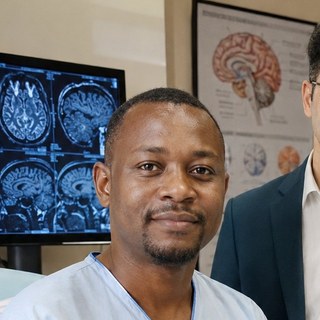
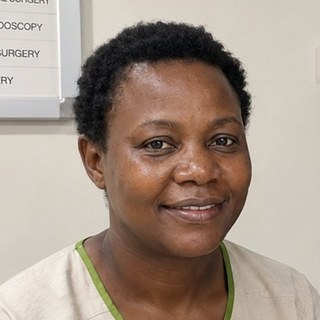
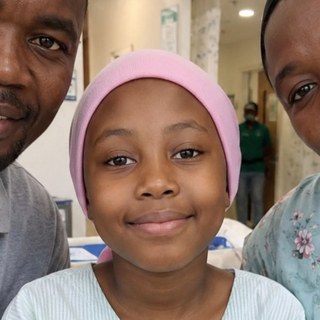
Healing Journeys of Kenyan Patients



In Brief
Neuronavigation and advanced brain surgery combine detailed brain imaging, computer-assisted surgical planning and specialist neurosurgical techniques to help surgeons precisely locate and approach selected brain lesions. Neuronavigation uses MRI or CT-based images to create a three-dimensional surgical roadmap and can be particularly useful for tumors or lesions near important functional areas. For Kenyan patients considering treatment in India, the key considerations are not only the availability of navigation technology, but also the surgeon's experience with the specific condition, neuro-ICU facilities, intraoperative monitoring, pathology, rehabilitation and long-term follow-up.
Q1 · Why Do Kenyan Patients Consider Neuronavigation and Advanced Brain Surgery in India?
Kenyan patients may consider India when their condition requires specialised neurosurgical expertise, advanced image-guided surgery or a multidisciplinary neuro-oncology approach.
Potential advantages include
- Advanced neuronavigation systems
- 3D MRI/CT-based surgical planning
- Microsurgical brain surgery
- Minimally invasive cranial surgery
- Skull-base surgery
- Stereotactic brain surgery
- Intraoperative neurophysiological monitoring
- Functional brain mapping for selected cases
- Awake craniotomy for selected tumors
- Fluorescence-guided surgery where clinically appropriate
- Neuro-ICU and critical-care support
- Advanced neuroimaging
- Neurosurgery and neuro-oncology teams
- Radiation oncology and radiosurgery services at selected centres
- Neuro-rehabilitation
- International-patient support in major medical cities
Neuronavigation is a surgical guidance tool rather than a replacement for the neurosurgeon's judgement. Its usefulness depends on the location and characteristics of the patient's lesion and the planned procedure.
Q2 · How Much Does Neuronavigation and Advanced Brain Surgery Cost in India for Kenyan Patients?
Costs vary considerably according to the condition and procedure.
For planning purposes
Exchange Rate Used
For planning: US$1 ≈ KES 129.5 • US$1 ≈ INR 95
| Treatment / Procedure Difference | Kenya – Local Currency / USD | India – INR / USD | Indicative Saving |
|---|---|---|---|
| Neuronavigation-Guided Brain Tumor Surgery | KES 1,000,000– 2,000,000 / US$7,700– US$5,500–14,700 | INR 5.2–14 lakh / 15,400 | Varies by case |
| Advanced Brain Tumor Surgery | KES 1,000,000– 2,600,000 / US$7,700– US$6,300–18,900 | INR 6–18 lakh / 20,100 | Varies by case |
| Stereotactic Brain Biopsy | KES 500,000–1,000,000 / US$3,900–7,700 | INR 2.5–6 lakh / US$2,700–6,300 | Varies by case |
| Complex Skull-Base Brain Surgery | KES 1,200,000– 2,800,000 / US$9,300– US$8,400–21,000 | INR 8–20 lakh / 21,600 | Varies by case |
| Advanced Brain Surgery + Neuro-Oncology Treatment | KES 1,500,000– 3,000,000 / US$11,600– US$10,500–26,300 | INR 10–25 lakh / 23,200 | Varies by treatment |
A published India-focused guide currently places neuronavigation-guided brain tumor surgery around US$5,500–15,000, while Kenya's official healthcare tariff schedule lists KES 504,000 for craniotomy for brain tumor under its specified tariff framework; private-hospital charges can differ substantially depending on the case and services included.
Costs May Include
- Neurosurgeon's fee
- Assistant surgeon
- Anaesthesia
- Operating-room charges
- Neuronavigation
- Microsurgical equipment
- Intraoperative monitoring
- ICU/HDU
- Room
- Imaging
- Pathology
- Medicines
- Surgical consumables
- Rehabilitation
- Follow-up imaging
Kenyan patients should separately budget for
- Medical visa
- Flights
- Accommodation
- Local transportation
- Food
- Attendant expenses
- Travel insurance
- Additional treatment if required
Q3 · Which Indian Cities Can Kenyan Patients Consider?
City Advanced Neurosurgery Facilities
Major centre for advanced neurosurgery, neuro-oncology and neurocritical
| City | Considerations |
|---|---|
| Delhi | Major centre for advanced neurosurgery, neuro-oncology and neurocritical care. |
| Chennai | Large tertiary hospitals with neuroscience and advanced surgical services. |
| Mumbai | Major centre for complex neurosurgery and neuro-oncology. |
| Bengaluru | Strong neuroscience ecosystem with advanced imaging and neurosurgical services. |
| Hyderabad | Established destination for advanced neurosurgery and oncology. |
| Gurugram | Major Delhi-NCR destination for complex tertiary care. |
| Noida | Access to major Delhi-NCR neurosurgical facilities. |
| Kolkata | Important eastern India neuroscience and tertiary-care centre. |
| Pune | Established multispecialty healthcare destination. |
| Ahmedabad | Major western India medical hub. |
| Kochi | Tertiary-care destination with advanced neuroscience services. |
| Thiruvananthapuram | Established healthcare centre for neurological care. |
| Goa | Option for selected patients depending on specialist requirements. |
| Nagpur | Major central India medical hub. |
The city should be selected according to the patient's diagnosis, surgical requirements and the specialist team available for that specific condition.
Q4 · Which Hospitals in India Can Kenyan Patients Consider?
The following hospitals follow the same approved hospital list used in the previous Neurosurgery and Brain Tumor guides, without introducing a new hospital list.
Delhi Hospitals
- Fortis Escorts Heart Institute, New Delhi
- BLK-Max Super Speciality Hospital, New Delhi
- Max Super Speciality Hospital, Saket
- Indraprastha Apollo Hospitals, New Delhi
- Sir Ganga Ram Hospital
- Max Super Speciality Hospital, Patparganj
- Manipal Hospital, Dwarka
- Fortis Hospital, Vasant Kunj
- Institute of Brain and Spine Hospital (IBS Hospital)
- Dharamshila Narayana Hospital
- Indian Spinal Injuries Centre
- AIIMS New Delhi
Chennai Hospitals
- MGM Healthcare
- MIOT International
- Apollo Hospitals, Greams Road
- Sri Ramachandra Medical Centre
- SIMS Hospital
- Kauvery Hospital
- Gleneagles HealthCity Chennai
- Vijaya Hospital
- Apollo Speciality Hospitals
- Rela Hospital
Mumbai Hospitals
- Bombay Hospital & Medical Research Centre
- Lilavati Hospital & Research Centre
- Jaslok Hospital & Research Centre
- Gleneagles Hospital, Mumbai
- Nanavati Max Super Speciality Hospital
- Kokilaben Dhirubhai Ambani Hospital
- P. D. Hinduja Hospital & Medical Research Centre
- Sir H. N. Reliance Foundation Hospital
- Wockhardt Hospitals, Mumbai
- Apollo Hospitals, Mumbai
Bengaluru Hospitals
- Manipal Hospital, Old Airport Road
- Manipal Hospital, Whitefield
- Manipal Hospital, Yeshwanthpur
- Apollo Hospitals, Bengaluru
- Fortis Hospital, Bannerghatta Road
- Aster CMI Hospital
- Sakra World Hospital
- Narayana Health City
- Sagar Hospitals
- Kauvery Hospital, Bengaluru
Hyderabad Hospitals
- KIMS Hospitals
- Yashoda Hospitals
- Apollo Health City
- CARE Hospitals
- Continental Hospitals
- Gleneagles Hospitals, Hyderabad
- Sunshine Hospitals
- Star Hospitals
Gurugram Hospitals
- Fortis Memorial Research Institute (FMRI)
- Medanta – The Medicity
- Artemis Hospital
- Max Hospital, Gurugram
- CK Birla Hospital, Gurugram
- Manipal Hospital, Gurugram
- Paras Health
- Narayana Superspeciality Hospital
Noida Hospitals
- Fortis Hospital, Noida
- Jaypee Hospital
- Max Super Speciality Hospital, Noida
- Yatharth Hospital
- Kailash Hospital
- Metro Hospital & Heart Institute
- Metro Center for Neurosciences
Kolkata Hospitals
- Apollo Multispeciality Hospitals
- AMRI Hospitals
- Fortis Hospital, Anandapur
- Manipal Hospitals, Salt Lake
- Medica Superspecialty Hospital
- Narayana Superspeciality Hospital
- Ruby General Hospital
Pune Hospitals
- Ruby Hall Clinic
- Jehangir Hospital
- Deenanath Mangeshkar Hospital
- Sahyadri Super Speciality Hospital
- Aditya Birla Memorial Hospital
- Manipal Hospital, Kharadi
- Medicover Hospital, Pune
Ahmedabad Hospitals
- Apollo Hospitals, Ahmedabad
- Zydus Hospitals
- Sterling Hospitals
- Shalby Hospitals
- HCG Hospitals
- SAL Hospital
- CIMS Hospital
Kochi Hospitals
- Aster Medcity
- Amrita Hospital
- VPS Lakeshore Hospital
- Rajagiri Hospital
- Aster MIMS
- Lisie Hospital
- Renai Medicity
Thiruvananthapuram Hospitals
- KIMSHEALTH Hospital
- Ananthapuri Hospitals and Research Institute
- SUT Hospital
- SP Medifort Hospital
- PRS Hospital
- GG Hospital
Goa Hospitals
- Manipal Hospital, Goa
- Healthway Hospital
- Manipal Hospitals, Dona Paula
- Goa Medical College and Hospital
- Apollo Victor Hospital
Nagpur Hospitals
- Wockhardt Hospitals, Nagpur
- Max Multispeciality Hospital
- CARE Hospitals, Nagpur
- Kingsway Hospitals
- Lata Mangeshkar Hospital
Q5 · What Is Neuronavigation and How Does It Work?
Neuronavigation is an image-guided surgical system that uses a patient's MRI or CT images to create a detailed three-dimensional map of the brain. During surgery, the navigation system helps the surgeon understand the position of surgical instruments in relation to the planned target and surrounding anatomy.
It may be useful for
- Brain tumors
- Deep brain lesions
- Stereotactic biopsy
- Skull-base lesions
- Selected epilepsy procedures
- Selected minimally invasive cranial procedures
- Other complex neurosurgical procedures
Neuronavigation can help with surgical planning and localisation, but it does not eliminate surgical risks.
Q6 · What Are the Benefits of Neuronavigation- Guided Brain Surgery?
Potential benefits include
- More precise localisation of a brain lesion
- Better pre-operative surgical planning
- Ability to plan a more direct surgical pathway
- Assistance in approaching deep or difficult-to-access lesions
- Support for minimally invasive approaches in selected cases
- Assistance in protecting important anatomical structures
- Integration with other surgical technologies
Neuronavigation can be especially useful when a lesion is close to important areas controlling movement, speech or other neurological functions.
However, the benefits vary from one patient to another, and not every brain surgery requires neuronavigation.
Q7 · What Is Advanced Brain Surgery?
Advanced brain surgery refers to complex neurosurgical procedures that may use specialised surgical techniques and technologies.
Depending on the patient's condition, these may include
1. Neuronavigation
Computer-assisted image guidance during surgery.
2. Microsurgical Brain Surgery
High-magnification surgical techniques for delicate brain structures.
3. Awake Craniotomy
Used in selected patients when the tumor is close to areas responsible for speech, movement or other important functions.
4. Functional Brain Mapping
Used in selected cases to help identify important functional areas.
5. Stereotactic Surgery
A highly precise image-guided technique used for selected deep brain lesions and biopsies.
6. Endoscopic Brain Surgery
A minimally invasive technique used for selected conditions.
7. Fluorescence-Guided Surgery
Selected brain tumors may be treated using fluorescence techniques to help identify tumor tissue during surgery.
8. Skull-Base Surgery
Specialised surgery for tumors and lesions involving complex structures at the skull base.
The appropriate combination depends on the individual diagnosis and treatment plan.
Q8 · Which Patients May Benefit From Neuronavigation and Advanced Brain Surgery?
Neuronavigation may be considered for patients with
- Brain tumors
- Deep-seated brain lesions
- Lesions near functional brain areas
- Skull-base tumors
- Selected recurrent tumors
- Selected epilepsy cases
- Stereotactic biopsy requirements
- Selected minimally invasive brain procedures
It is particularly relevant when accurate localisation is important.
Before travelling, Kenyan patients should ask
- Is neuronavigation required for my particular case?
- Will it actually be used during my surgery?
- What imaging is required?
- Is intraoperative monitoring needed?
- Is functional mapping necessary?
- Does the surgeon regularly perform this specific procedure?
- What additional technologies are required?
Q9 · What Advanced Technologies May Be Used Along With Neuronavigation?
Depending on the hospital and individual case, the surgical team may consider
- High-resolution MRI
- CT imaging
- MRI/CT image fusion
- Neuronavigation
- Surgical microscope
- Intraoperative neuromonitoring
- Functional MRI
- Diffusion tensor imaging
- Tractography
- Endoscopy
- Stereotactic systems
- Ultrasonic tumor aspirators
- Fluorescence-guided surgery
- Intraoperative imaging
- Radiosurgery for selected conditions
Indian hospitals publicly describe the use of neuronavigation together with other technologies such as intraoperative monitoring, stereotaxy, endoscopy and fluorescence-based techniques.
The availability of a technology does not mean that it is necessary for every patient.
Q10 · How Can Kenyan Patients Obtain an Advanced Brain Surgery Opinion From India?
Kenyan patients can send their medical records for preliminary specialist review before travelling.
Recommended Documents
- MRI brain
- CT brain
- Contrast imaging where available
- Previous biopsy/pathology
- Previous operation reports
- Neurological reports
- Discharge summaries
- Previous radiotherapy records
- Previous chemotherapy records
- Blood-test reports
- Current medication list
- Relevant medical history
Ask the Indian Specialist to Clarify
- Diagnosis
- Tumor/lesion location
- Recommended treatment
- Need for surgery
- Whether neuronavigation is required
- Whether awake surgery may be required
- Whether functional mapping is required
- Expected surgical complexity
- Expected hospital stay
- ICU requirements
- Possible complications
- Expected recovery
- Need for radiotherapy or other treatment
An online opinion is preliminary and does not replace an in-person examination.
Q11 · What Should Be Included in the Cost Quotation?
Kenyan patients should request an itemised written estimate.
The quotation should clarify
- Neurosurgeon's fee
- Assistant surgeon
- Anaesthesia
- Operating-room charges
- Neuronavigation charges
- Surgical consumables
- Intraoperative monitoring
- ICU/HDU
- Room category
- Imaging
- Pathology
- Medicines
- Blood products if required
- Physiotherapy
- Expected hospital stay
- Follow-up imaging
- Additional treatment
Also Ask What Is Not Included
Possible exclusions may include:
- Additional surgery
- Complications
- Extended ICU stay
- Additional hospital days
- Repeat imaging
- Additional pathology
- Radiotherapy
- Radiosurgery
- Rehabilitation outside the hospital
- Special devices or implants
Q12 · How Long Should Kenyan Patients Stay in India for Advanced Brain Surgery?
The duration varies according to the procedure and recovery.
A typical treatment journey may include
Initial consultation → Investigations → Surgical planning → Surgery → ICU/Hospital recovery → Imaging → Pathology → Rehabilitation → Follow-up → Fitness to fly
A specialised India-focused guide suggests planning approximately 2–3 weeks for many neuronavigation/ advanced brain surgery journeys, although complex cases may require longer.
Patients should not book a rigid return flight immediately after the expected discharge date.
The final return-to-Kenya date should be determined by the treating medical team.
Q13 · What Rehabilitation and Follow-Up Are Needed After Advanced Brain Surgery?
Rehabilitation depends on the patient's neurological condition and the extent of surgery.
It may include
- Physiotherapy
- Occupational therapy
- Speech therapy
- Cognitive rehabilitation
- Balance and coordination exercises
- Mobility training
- Medication management
- Wound care
- Neurological follow-up
- Repeat MRI/CT
- Oncology follow-up where required
Before returning to Kenya, patients should obtain
- Discharge summary
- Operative report
- Imaging
- Pathology
- Medication list
- Rehabilitation instructions
- Follow-up schedule
- Treating specialist's recommendations
A written long-term follow-up plan should be arranged before leaving India.
Q14 · Can Kenyan Patients Continue Follow-Up in Kenya After Surgery in India?
Yes, follow-up may often be coordinated between the Indian treating team and healthcare professionals in Kenya.
The Indian team should provide
- Final diagnosis
- Operative report
- Pathology report
- Post-operative imaging
- Medication plan
- Rehabilitation instructions
- Follow-up schedule
- Additional treatment recommendations
Kenyan follow-up may involve
- Neurosurgeon
- Neurologist
- Neuro-oncologist
- Radiation oncologist
- Physiotherapist
- Occupational therapist
- Speech therapist
Patients should clarify exactly when repeat imaging is required and which specialist should review it.
Q15 · Should a Kenyan Patient Travel to India for Neuronavigation and Advanced Brain Surgery?
The decision should be based on the patient's individual medical needs rather than technology or cost alone.
Important factors include
- Exact diagnosis
- Tumor or lesion location
- Surgical complexity
- Proximity to functional brain areas
- Neurosurgeon's experience with the specific condition
- Availability of neuronavigation
- Availability of intraoperative monitoring
- Neuro-ICU facilities
- Pathology and molecular testing
- Rehabilitation
- Total treatment cost
- Travel requirements
- Medical visa
- Expected duration in India
- Long-term follow-up in Kenya
- Emergency care after returning home
Before Booking Treatment, Confirm Six Things
- The exact diagnosis and treatment plan
- That neuronavigation is actually planned for the patient's procedure
- The surgeon's experience with the specific tumor or brain condition
- A complete written cost estimate
- Expected hospital and total India stay
- A written follow-up and rehabilitation plan for Kenya
Neuronavigation is a valuable surgical guidance technology, but the overall treatment plan should be determined by the patient's specialist team.
Kenyan Patient Pre-Travel Checklist
Before travelling to India for neuronavigation and advanced brain surgery, confirm
- MRI/CT scans
- Complete medical history
- Specialist opinion
- Diagnosis
- Proposed surgical procedure
- Whether neuronavigation is required
- Whether functional mapping is required
- Whether intraoperative monitoring is required
- Neurosurgeon's relevant experience
- Hospital facilities
- Neuro-ICU availability
- Detailed cost estimate
- Package inclusions
- Package exclusions
- Expected hospital stay
- Expected total stay in India
- Pathology arrangements
- Rehabilitation plan
- Medical visa requirements
- Flight arrangements
- Accommodation
- Local transportation
- Travel insurance
- Complication coverage
- Follow-up plan in Kenya
- Copies of all medical records
- Operative and pathology reports after treatment
- Post-operative imaging
- Medication list
- Treating doctor's contact information
Final Note
This guide is intended for patient education and treatment-planning purposes. It does not replace an examination or individual medical advice from a qualified neurosurgeon or other healthcare professional. Neuronavigation can assist surgical planning and localisation, but it does not guarantee a particular surgical outcome. The appropriate technique depends on the patient's diagnosis, imaging, anatomy, symptoms, overall health and specialist assessment. All costs are indicative planning ranges and are not guaranteed hospital quotations. Final treatment costs may change according to the hospital, surgeon, procedure, technology, ICU requirements, pathology, length of stay, additional treatment and complications.
Page Summary
This page answers 15 frequently asked questions about neuronavigation and advanced brain surgery in India for Kenyan patients. It covers why patients travel for treatment, an indicative Kenya-versus-India cost comparison, the Indian cities and hospitals to consider, the treatment and surgical options available, how to obtain a quotation remotely, second opinions, advanced options, recovery, unexpected costs, combining treatments, medical visa and travel planning, length of stay, follow-up after returning to Kenya, and a complete pre-travel checklist.


Our Mission Statement
Our mission is to place patients at the centre of every healthcare decision by providing trustworthy, evidence-based, and unbiased medical information. We believe that informed patients make better decisions. Backed by personalised guidance from our experienced advisory team, we help patients understand their treatment options, compare them objectively, and confidently choose the path that best suits their medical needs and personal circumstances.
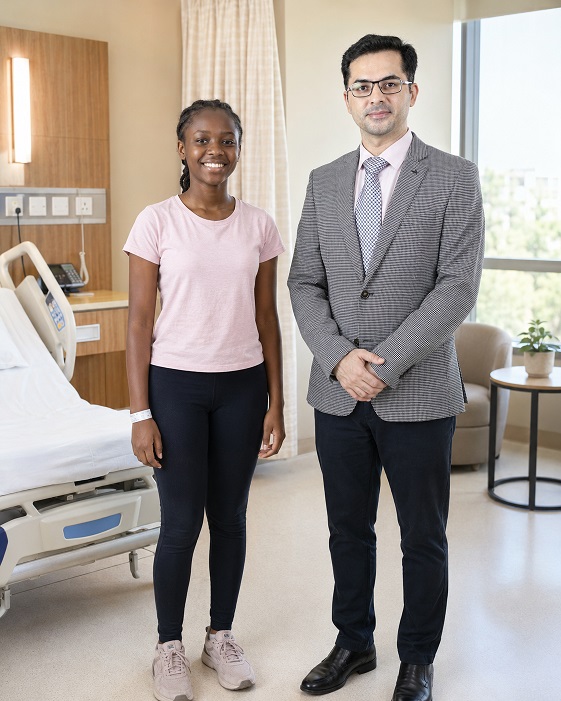
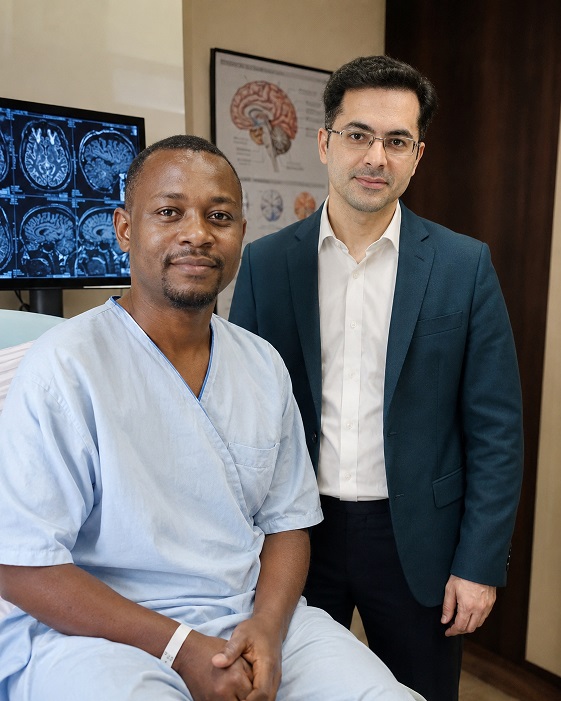
Patient Testimonials from Kenya
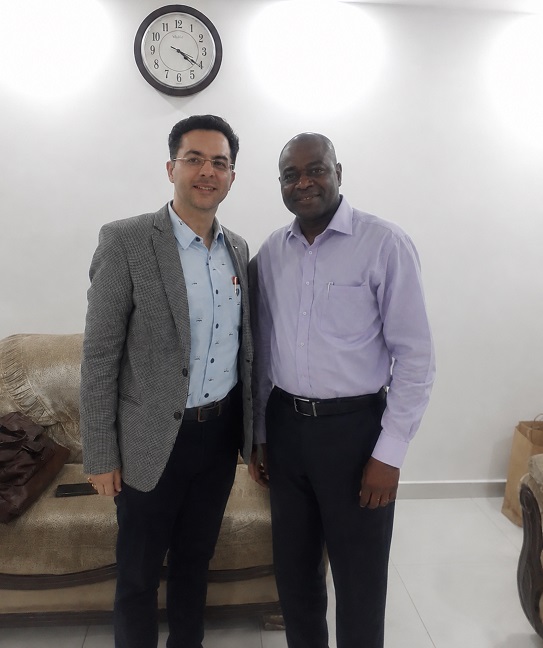
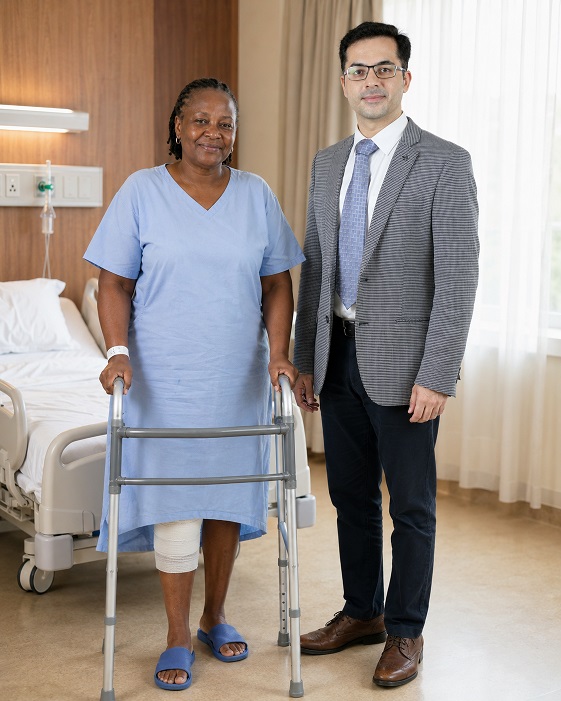
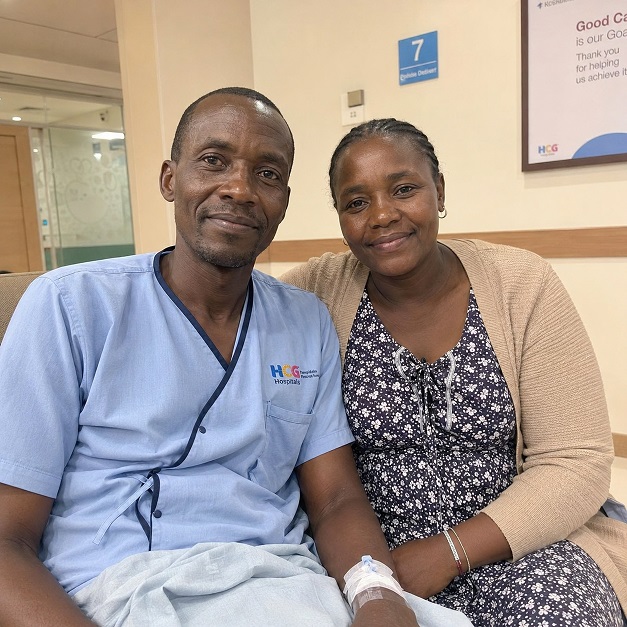
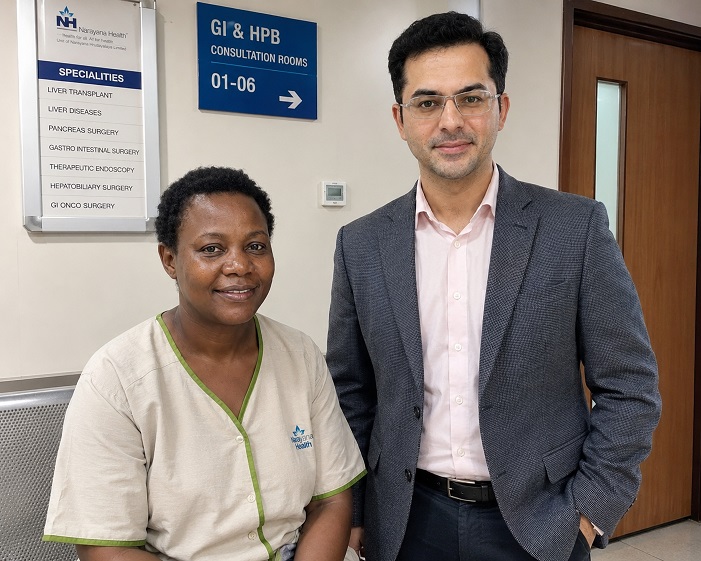
Ready to Take the First Step?
Share your Medical Reports with our Healthcare Managers Today and Get a FREE CONSULTATION, a Personalized Treatment Plan, and Complete Support from Arrival to Recovery.
Get Your Free ConsultationAreas We Serve
This resource has been thoughtfully prepared for patients from Kenya who are considering medical treatment in India. We also welcome patients from the wider region in the countries mentioned below-
We assist patients from:
- Ethiopia
- Somalia
- Tanzania
- Uganda
- Seychelles
- Guinea
- Guinea-Bissau
- Liberia
- Mali
- Mauritania
- Niger
- Nigeria
- Senegal
- Togo
- South Sudan
- Sierra Leone
Many of the insights, treatment pathways, hospital recommendations, travel guidance, and patient support services described here are equally relevant and may be used as a reference when planning treatment in India.
From Kenya to India: Your Complete Patient Support Guide
- Brain Tumour Surgery in India for Kenyan Patients
- Cancer Treatment and Surgery in India for Kenyan Patients
- Cardiac Treatment and Surgery in India for Kenyan Patients
- Heart Valve Replacement Surgery in India for Kenyan Patients
- Knee Replacement in India for Kenyan Patients
- Prostate Cancer Treatment and Surgery in India for Kenyan Patients
- Spine Treatment and Surgery in India for Kenyan Patients
- Selecting the Best Bariatric Surgeons and Hospitals in India: What Kenyan Patients Should Actually Look For
- Selecting the Best Cancer Surgeons and Hospitals in India: What Kenyan Patients Should Actually Look For
- Selecting the Best Cardiac Surgeons and Hospitals in India: What Kenyan Patients Should Actually Look For
- Selecting the Best Dental Surgeons and Clinics in India: What Kenyan Patients Should Actually Look For
- Selecting the Best Hip Surgeons and Hospitals in India: What Kenyan Patients Should Actually Look For
- Selecting the Best Kidney Transplant Surgeons and Hospitals in India: What Kenyan Patients Should Actually Look For
- Selecting the Best Knee Surgeons and Hospitals in India: What Kenyan Patients Should Actually Look For
- Selecting the Best Liver Transplant Surgeons and Hospitals in India: What Kenyan Patients Should Actually Look For
- Selecting the Best Neurosurgeons and Hospitals in India: What Kenyan Patients Should Actually Look For
- Selecting the Best Prostate Cancer Surgeons and Hospitals in India: What Kenyan Patients Should Actually Look For
- Selecting the Best Spine Surgeons and Hospitals in India: What Kenyan Patients Should Actually Look For