

Liver Transplant in India for Kenyan Patients
What a liver transplant in India involves for a Kenyan patient or child: living donation, the centre's own survival record, cost and the months after surgery.
Liver failure is one of the few conditions in medicine where there is genuinely only one definitive treatment once the organ has deteriorated beyond recovery: transplant. There is no intermediate device, no long-term dialysis- equivalent, no partial fix. For a Kenyan patient or family facing this diagnosis, understanding exactly what's realistically available domestically, and what genuinely isn't, matters enormously. Across 24 years of guiding Kenyan patients through treatment in India, liver transplant is one of the clearest cases in this entire series where the gap between medical need and domestic capacity is both large and well documented. This article explains what liver transplant surgery involves, why domestic capacity in Kenya remains severely limited even for children, what treatment costs in India compared with Western countries, and the practical factors to weigh before deciding where to seek care.
Healing Journeys of Kenyan Patients









Key Takeaways
- The guide explains that liver transplantation becomes the definitive treatment when the liver has deteriorated beyond recovery. Living-donor liver transplantation is particularly important because a portion of a healthy family member's liver can be transplanted into the recipient, while both the donor's remaining liver and transplanted portion regenerate toward near-normal size within weeks. Recipient surgery typically takes 8–12 hours, followed by an initial hospital stay of around 2–3 weeks and lifelong immunosuppressant treatment.
- Kenya has a significant documented gap between liver disease need and transplant capacity. A study across 13 Kenyan hospitals found 192–570 paediatric liver-disease cases presenting each month, yet only 2 of the 13 hospitals had the minimum workforce and resources to attempt a liver transplant. The page 2 graphic presents this as “2 of 13”, highlighting the limited domestic capacity, particularly for children.
- The guide identifies hepatitis B, neonatal hepatitis, cirrhosis and acute liver failure among important causes of liver disease in Kenya. Chronic hepatitis B can progress silently to cirrhosis and liver cancer, while children may also require transplantation because of congenital conditions and neonatal hepatitis.
- India has developed extensive living-donor liver transplant capacity, with more than 200 active transplant centres and thousands of procedures performed annually according to the guide. Leading centres combine high transplant volume with JCI or NABH accreditation, experienced transplant surgeons and reported success rates of approximately 85–95%.
- The guide estimates a complete living-donor liver transplant at US$22,000–45,000 in India. It describes liver transplantation as not routinely available domestically in Kenya at meaningful scale, while private treatment in the UK is estimated at US$150,000–300,000 and in the US at US$300,000–500,000. The page 3 chart highlights the substantial cost difference between India and Western destinations.
- The page 4 “Six Things to Check” graphic highlights hospital accreditation, the surgeon's specific living-donor transplant volume, thorough donor evaluation, an all-inclusive quotation covering both patients, extended visa and travel planning, and lifelong follow-up after returning to Kenya. Patients should generally plan for 6–8 weeks in India, covering donor evaluation, surgery for both individuals and early recovery.
Quick Facts
- Author
- Dr. Dheeraj Bojwani
- Experience
- 24+ Years
- Treatment
- Liver Transplant
- Patients
- Kenyan Patients
- First Assessment
- Liver disease severity and transplant suitability
- Key Specialist
- Liver Transplant Surgeon / Hepatologist
- Main Approach
- Living-Donor Liver Transplantation
- Common Indications
- Cirrhosis, liver cancer and acute liver failure
- Paediatric Causes
- Congenital conditions and neonatal hepatitis
- Recipient Surgery
- Approximately 8–12 hours
- Hospital Stay
- Approximately 2–3 weeks initially
- Medication
- Lifelong immunosuppressants
- Hospital Check
- JCI / NABH accreditation
- Donor Check
- Thorough independent donor evaluation
- Cost Check
- Written estimate covering donor and recipient
- India Cost
- US$22,000–45,000
- Medical Records
- Liver-function, imaging and treatment reports
- Visa
- Indian medical e-visa with hospital invitation
- Travel
- Nairobi–India flights
- Stay
- Approximately 6–8 weeks
- Follow-Up
- Lifelong transplant monitoring in Kenya
- Key Warning
- Proceeding without thorough donor evaluation
- Decision Principle
- Prioritise transplant-specific expertise, donor safety and lifelong follow-up.
In Brief
For Kenyan patients requiring liver transplantation, the key priorities are confirming transplant suitability, selecting an experienced living-donor transplant team and protecting donor safety. Patients should verify hospital accreditation, the surgeon's specific transplant volume, obtain a complete quotation for both donor and recipient, and establish lifelong follow-up in Kenya before travelling.
What liver transplant surgery actually involves
A liver transplant replaces a failing liver with a healthy one, most commonly today through living donor liver transplantation, where a portion of a healthy family member's liver is surgically removed and transplanted into the patient. This approach has become the dominant technique globally because the liver has a remarkable capacity to regenerate: both the donor's remaining liver and the transplanted portion grow back to near-normal size within weeks, meaning a living donor can return to normal health while giving the patient a genuinely new, functioning organ.
Living donor transplant also solves a critical practical problem: it removes the dependence on waiting for a matched deceased donor organ, a system that requires substantial infrastructure, donor registries, and organ allocation systems that many countries, including Kenya, have not yet built at scale. The most common reasons a liver transplant becomes necessary include cirrhosis, whether from viral hepatitis or other causes, liver cancer, and acute liver failure, and in children specifically, congenital conditions and neonatal hepatitis add to that list.
The surgery itself typically takes eight to twelve hours for the recipient, with the donor's procedure running somewhat shorter. Both patient and donor require close post-operative monitoring, and while the donor's recovery is generally measured in weeks, the recipient faces a longer road: an initial hospital stay of two to three weeks, followed by lifelong immunosuppressant medication to prevent the body from rejecting the new organ, and regular monitoring that continues for the rest of the patient's life.
Why domestic capacity in Kenya remains severely limited, even for children
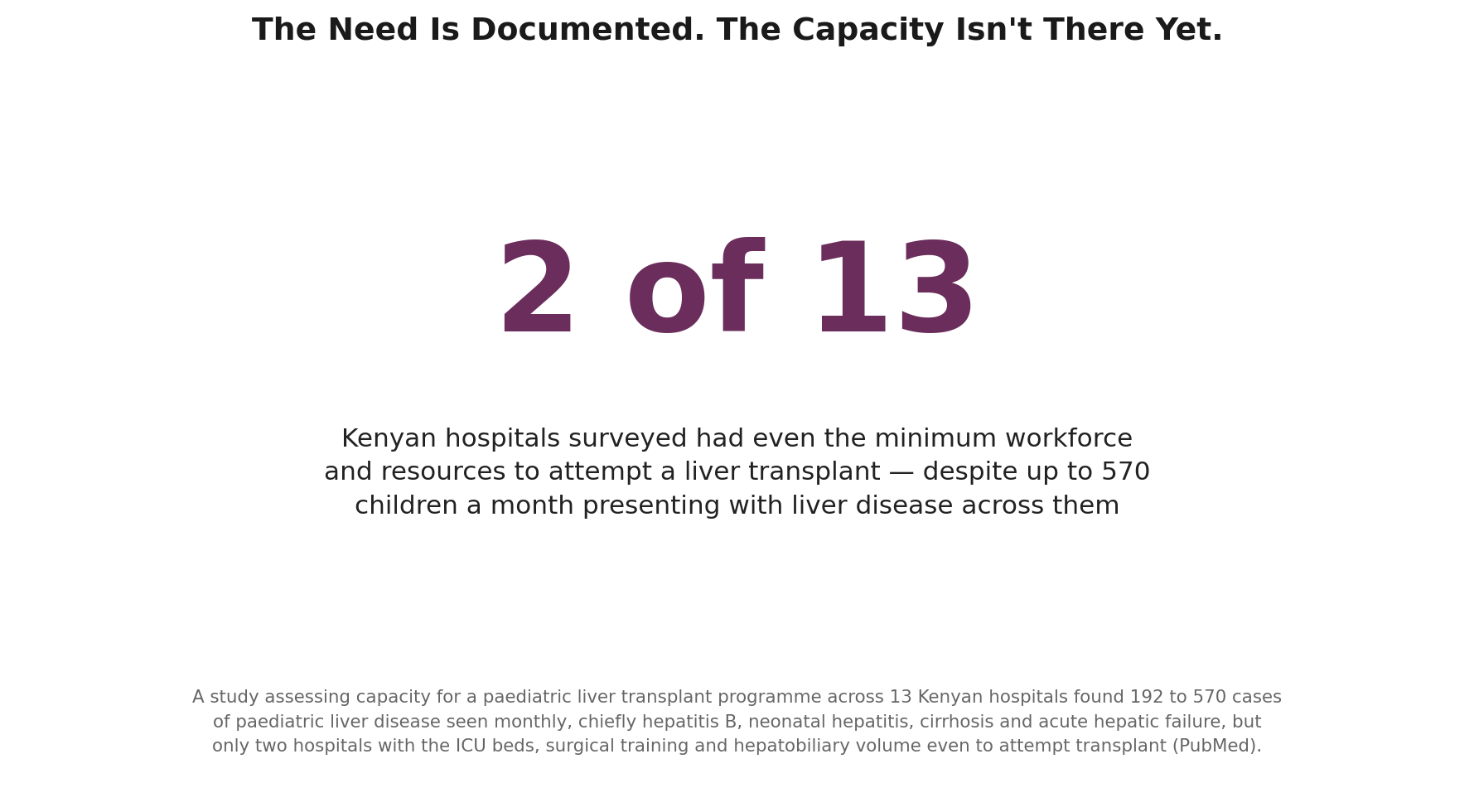
This is the fact every Kenyan family facing a liver failure diagnosis needs to understand clearly. A study specifically examining the need for and capacity to deliver paediatric liver transplant across thirteen Kenyan hospitals found an estimated 192 to 570 cases of paediatric liver disease seen every month across those facilities, driven chiefly by hepatitis B, neonatal hepatitis, cirrhosis, and acute hepatic failure. Despite that documented volume of need, only two of the thirteen hospitals possessed even the minimum workforce and resources to attempt a transplant, limited by ICU bed availability, paediatric surgical training, and hepatobiliary surgical volume.
This matters because chronic hepatitis B remains a genuinely significant driver of liver disease in Kenya and across the region, and the World Health Organization estimates that only about 10% of people chronically infected with hepatitis B globally are even diagnosed, with just 22% of those diagnosed receiving treatment. Left untreated, chronic hepatitis B can progress silently over years to cirrhosis and liver cancer, and by the time a patient or family reaches the point of needing a transplant, the domestic capacity gap this research documents becomes a direct, practical barrier to survival, not an abstract statistic.
Why India has become the destination of choice for liver transplant
India performs more living donor liver transplants than almost anywhere else in the world, completing thousands of these procedures annually across more than two hundred active transplant centres. This isn't incidental volume; India specifically built its transplant capability around the living donor model precisely because it doesn't depend on the deceased donor infrastructure many countries, including Kenya, haven't yet developed, making it a genuinely well-matched solution for patients from exactly this kind of healthcare context.
India's leading transplant centres combine this volume with JCI and NABH accredited safety standards, surgeons who have personally performed thousands of transplants over careers spanning decades, and reported success rates of 85 to 95%, figures that compare favourably with transplant outcomes anywhere in the world. In 24 years of guiding Kenyan families through decisions like this one, I've seen how much clarity, rather than vague reassurance, matters when a family is facing a diagnosis this serious. For a Kenyan family facing a liver failure diagnosis, particularly for a child where the documented domestic capacity gap is starkest, India offers both the surgical experience and the specific technique, living donor transplant using a willing family member, that matches the realistic path forward.
What it costs: India versus Kenya, the UK, and the US
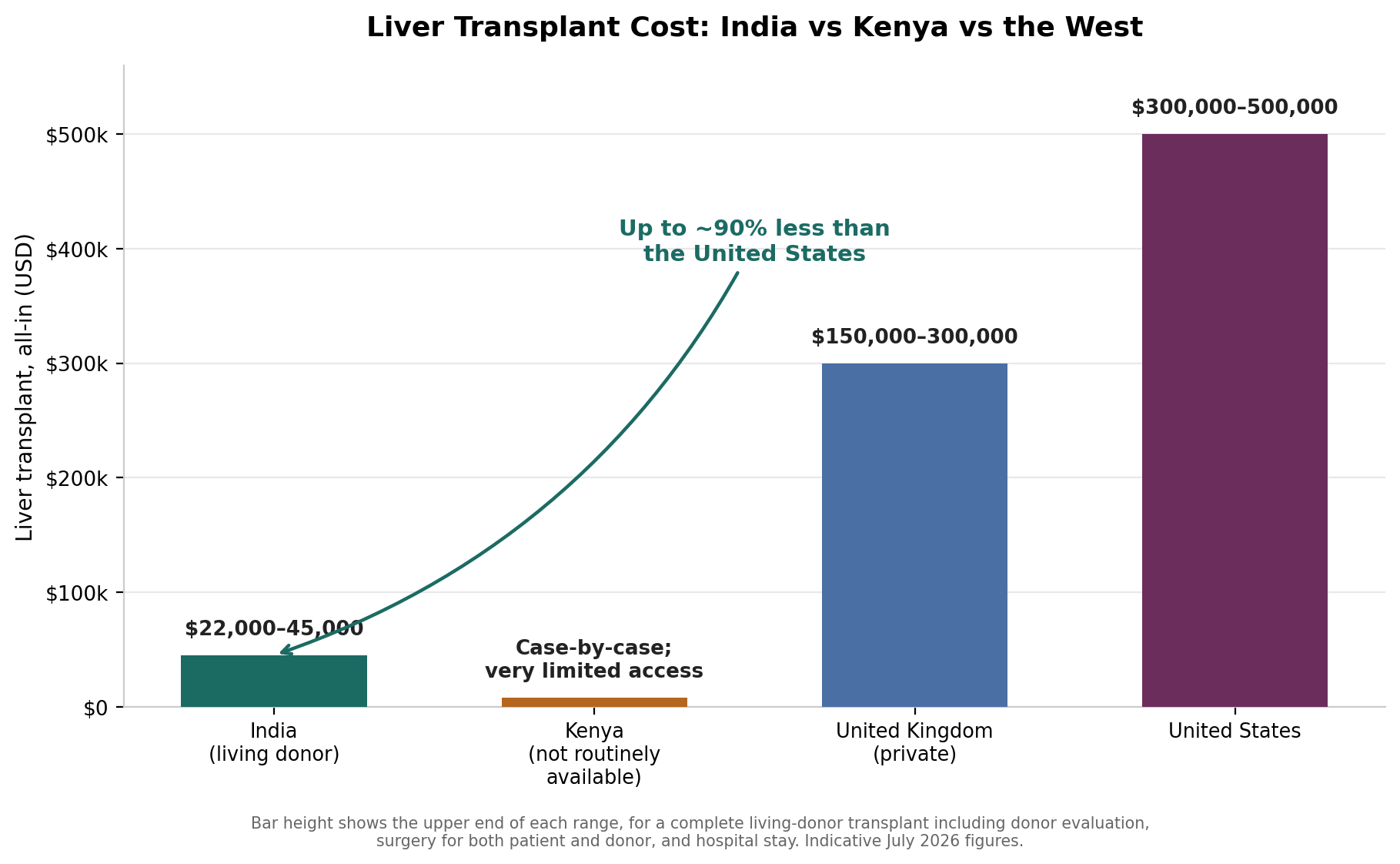
In India, a complete living donor liver transplant typically costs between 22,000 and 45,000 US dollars, covering donor evaluation, surgery for both patient and donor, and hospital stay for both. In Kenya, liver transplant remains, based on the documented capacity assessment, not routinely available domestically at meaningful scale, with cases handled individually as capacity slowly develops. In the UK, private liver transplant typically costs 150,000 to 300,000 dollars, and in the US, 300,000 to 500,000 dollars, up to roughly 90% more than the equivalent treatment in India.
Beyond the procedure itself, budget for an extended stay. Direct flights between Nairobi and Delhi or Mumbai run roughly 550 to 850 dollars return, and liver transplant typically requires six to eight weeks in India, covering donor evaluation, the surgery itself for both patient and donor, and the critical early recovery period before travel home is medically advisable.
What a Kenyan family should actually check before booking
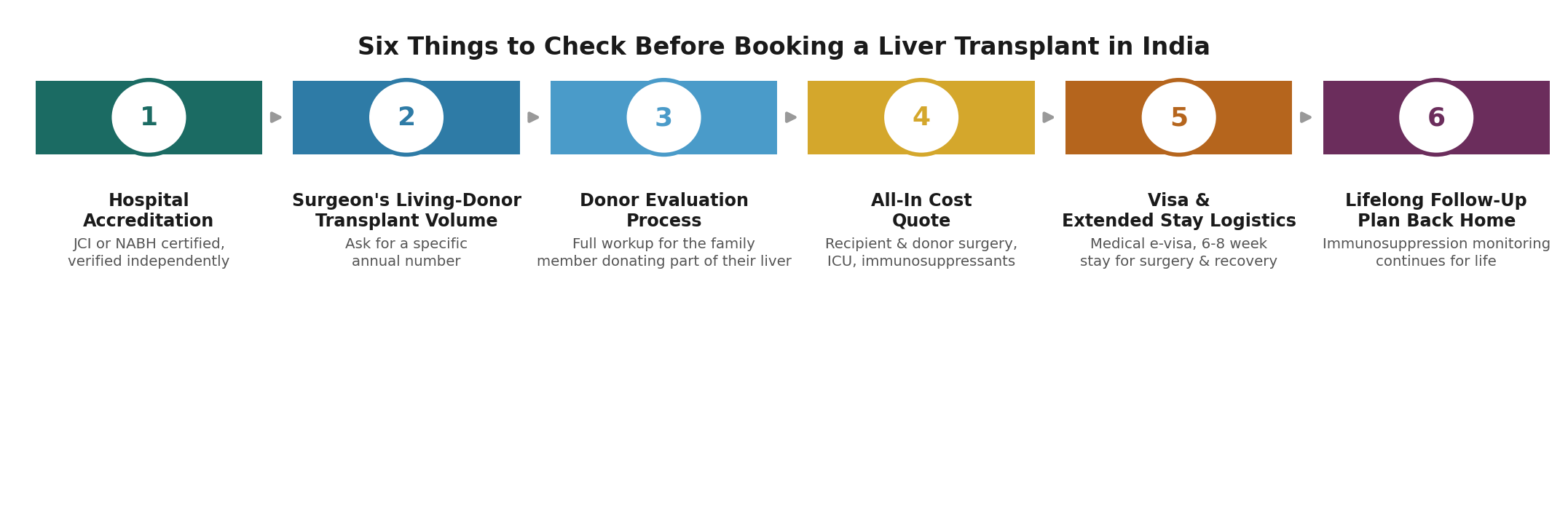
Given how demanding this procedure is, these questions matter significantly.
Confirm genuine accreditation. Ask whether the hospital holds JCI or NABH certification, and verify it independently.
Ask about the surgeon's living donor transplant volume specifically. A specific number, how many living donor liver transplants the surgeon personally performs each year, tells you far more than general hospital reputation.
Confirm the donor evaluation process is thorough. Ask what testing and assessment the family member donating part of their liver will undergo, since donor safety is just as important as recipient outcomes.
Get the full cost breakdown in writing. Confirm what's included, both patient and donor surgery, ICU days for each, and initial immunosuppressant medication, and what would happen, and cost, if complications extend the stay.
Plan your visa and extended travel logistics. The Indian medical e-visa is typically issued within three to five working days once you have a formal hospital invitation letter, and attendants can travel on linked medical attendant visas.
Arrange your lifelong follow-up plan before you leave. Transplant recipients require lifelong immunosuppressant medication and monitoring. Agree on a written plan and identify a doctor in Kenya who can support ongoing care once the most intensive phase is complete.
Straight Answers for Kenyan Patients about Liver Transplant in India
Is liver transplant available in Kenya?
Not routinely at meaningful scale. A study assessing capacity across thirteen Kenyan hospitals found only two possessed the minimum workforce and resources to attempt a transplant, despite up to 570 children a month presenting with liver disease across those facilities.
How much does a liver transplant cost in India compared to the US?
India typically costs 22,000 to 45,000 US dollars for a complete living donor transplant, against 300,000 to 500,000 dollars in the US, a saving of up to roughly 90%.
What is a living donor liver transplant?
A portion of a healthy family member's liver is surgically transplanted into the patient. Both the donor's remaining liver and the transplanted portion regenerate to near-normal size within weeks, and it doesn't require a matched deceased donor organ.
Why is hepatitis B relevant to liver transplant need in Kenya?
Chronic hepatitis B is a major driver of cirrhosis and liver cancer in Kenya and the region, and the World Health Organization estimates only about 10% of chronically infected people globally are diagnosed, with just 22% of those receiving treatment, allowing silent progression to liver failure.
How long does liver transplant treatment take in India?
Most patients need six to eight weeks in India, covering donor evaluation, surgery for both patient and donor, and the critical early recovery period before travel home is medically advisable.
How do I get a medical visa to India from Kenya?
The Indian medical e-visa is typically issued within three to five working days once you have a formal invitation letter from the treating hospital, and accompanying family members can usually apply for linked medical attendant visas.
A Closing Word
Liver transplant is one of the starkest examples in this series of documented need meeting genuine capacity limitations, particularly for Kenyan children, where the research is specific and current. India's living donor transplant programme offers exactly the model that matches this gap: no dependence on deceased donor infrastructure, high surgical volume, and cost that remains within reach for families who would otherwise face an impossible choice. Ask the right questions, verify the surgeon's specific experience, and arrange lifelong follow-up before you travel.
Sources
- 🌐 Examining need and capacity for the development of a pediatric liver transplantation program in Kenya. PubMed. pubmed.n
- 🌐 The burden of Hepatitis B virus infection in Kenya: A systematic review and meta-analysis. Frontiers in Public Health / PMC
- 🌐 Trends and Future Projections of Liver Cirrhosis Burden in Sub-Saharan Africa with Hepatitis B Vaccination Impact. medRxiv, 2025
- 🌐 National Medical Commission of India — surgeon and specialist registration verification
- 🌐 National Accreditation Board for Hospitals & Healthcare Providers (NABH) — accredited hospital directory
Frequently Asked Questions by Kenyans about Liver Transplant in India
Why are Kenyan patients with liver failure considering India for transplantation?
The guide highlights a major gap between liver-disease burden and transplant capacity in Kenya. A study across 13 Kenyan hospitals found only 2 had the minimum workforce and resources to attempt paediatric liver transplantation, despite 192–570 paediatric liver-disease cases being seen monthly across the facilities.
Is liver transplantation routinely available for Kenyan children?
Not at meaningful scale. The guide specifically reports that only 2 of 13 hospitals surveyed had the minimum workforce and resources required to attempt a paediatric liver transplant, with limitations including ICU capacity, paediatric surgical training and hepatobiliary surgical volume.
Why is living-donor liver transplantation particularly relevant to Kenyan patients travelling to India?
India's extensive living-donor transplant model allows a suitable family member to donate part of the liver rather than depending on a deceased-donor waiting system. This is particularly relevant for Kenyan families because the guide describes domestic deceased-donor and transplant infrastructure as severely limited.
What should a Kenyan family check about the living donor before travelling to India?
The family should confirm that the Indian transplant programme performs a thorough donor evaluation, including the medical assessment required to establish whether donating part of the liver is safe. The guide specifically advises checking donor evaluation separately because donor safety is as important as recipient outcomes.
How should Kenyan patients choose a liver transplant surgeon in India?
Do not rely only on the hospital's reputation. The guide recommends asking for the specific number of living-donor liver transplants the surgeon personally performs each year and verifying this experience, together with JCI or NABH hospital accreditation.
How much should a Kenyan family budget for a liver transplant in India?
The guide estimates a complete living-donor liver transplant at US$22,000–45,000 in India, covering donor evaluation, surgery for both donor and recipient and hospitalisation. Families should request a written breakdown showing exactly what is included.
How long should Kenyan patients and their donors stay in India?
Families should plan for approximately 6–8 weeks in India, rather than arranging a short medical trip. This period covers donor assessment, surgery for both people and the critical early recovery period before travelling home is considered medically advisable.
What should Kenyan patients check about the hospital's quality before booking?
The guide recommends independently verifying JCI or NABH accreditation, asking about the transplant surgeon's living-donor volume, confirming the donor evaluation process and obtaining an all-inclusive quotation covering both donor and recipient. These checks are especially important for such a complex procedure.
What should Kenyan patients arrange for follow-up after returning home from India?
Follow-up should be planned before leaving India, because liver transplant recipients require lifelong immunosuppressant medication and medical monitoring. The guide recommends identifying a doctor in Kenya who can support ongoing care after the intensive post-transplant period.
How do Kenyan patients arrange travel and an Indian medical visa for liver transplantation?
The guide states that the Indian medical e-visa is typically issued within 3–5 working days after receiving a formal hospital invitation letter, while accompanying family members can apply for linked medical attendant visas. Kenyan families should also plan for the extended 6–8 week stay rather than arranging travel around the surgery date alone.
Page Summary
This five-page guide focuses on living-donor liver transplantation for Kenyan patients, particularly the major capacity gap affecting children with serious liver disease. Page 2's graphic shows that only 2 of 13 Kenyan hospitals surveyed had the minimum workforce and resources to attempt paediatric liver transplantation. Page 3 compares liver transplant costs in India, Kenya, the UK and US, while the page 4 “Six Things to Check” graphic highlights accreditation, surgeon volume, donor evaluation, complete costing, extended travel planning and lifelong follow-up.
Citation Block
| Topic | Information |
|---|---|
| Topic | Liver Transplant in India for Kenyan Patients |
| Treatment | Living-Donor Liver Transplant |
| Patients | Kenyan Patients |
| First Assessment | Liver disease severity and transplant suitability |
| Key Specialist | Liver Transplant Surgeon / Hepatologist |
| Main Approach | Living-donor transplantation |
| Common Indications | Cirrhosis, liver cancer and acute liver failure |
| Paediatric Causes | Congenital conditions and neonatal hepatitis |
| Recipient Surgery | Approximately 8–12 hours |
| Hospital Stay | Approximately 2–3 weeks initially |
| Medication | Lifelong immunosuppressants |
| Hospital Check | JCI / NABH accreditation |
| Donor Check | Thorough donor evaluation |
| Cost Check | Written estimate covering donor and recipient |
| India Cost | US$22,000–45,000 |
| Medical Records | Liver-function, imaging and treatment reports |
| Travel | Nairobi–India flights |
| Stay | Approximately 6–8 weeks |
| Follow-Up | Lifelong transplant monitoring in Kenya |
| Surgeon Question | How many living-donor liver transplants do you personally perform each year? |
| Donor Question | What evaluation will the prospective donor undergo? |
| Cost Question | Does the quotation include surgery, ICU care and initial medicines for both people? |
| Follow-Up Question | Who will manage lifelong transplant monitoring after returning to Kenya? |
| Warning Signs | Inadequate donor evaluation or unclear transplant experience |
| Payment Warning | Incomplete quotation excluding donor or recipient costs |
| Key Decision | Verify transplant expertise, donor safety and lifelong follow-up |


Our Mission Statement
Our mission is to place patients at the centre of every healthcare decision by providing trustworthy, evidence-based, and unbiased medical information. We believe that informed patients make better decisions. Backed by personalised guidance from our experienced advisory team, we help patients understand their treatment options, compare them objectively, and confidently choose the path that best suits their medical needs and personal circumstances.
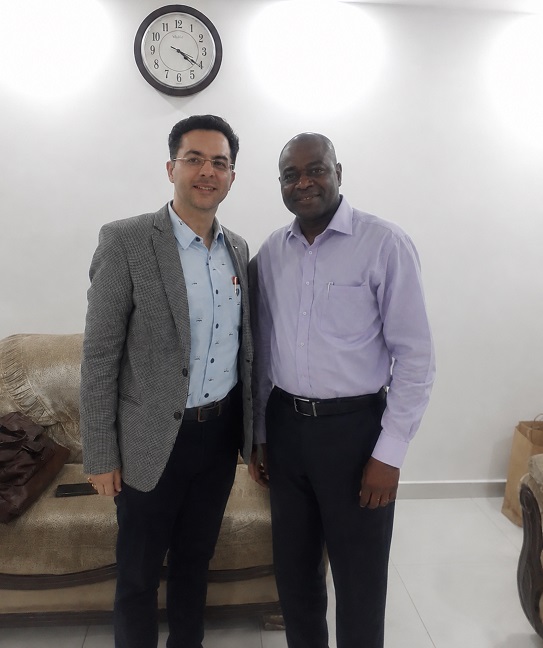
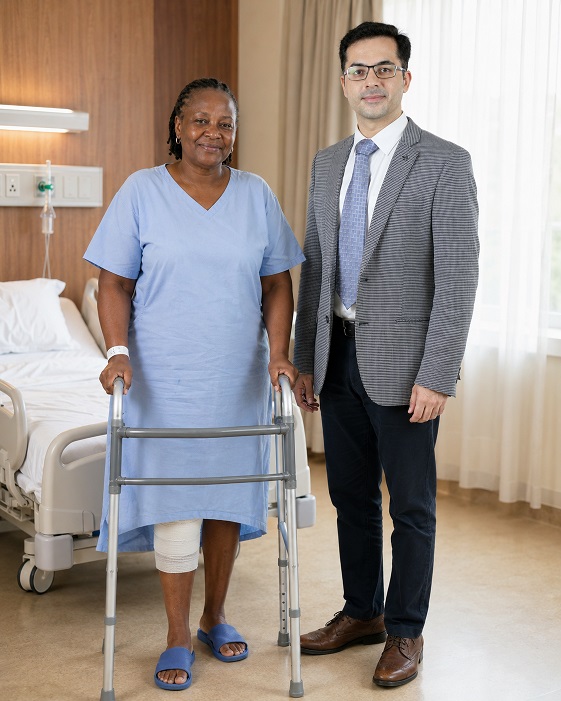
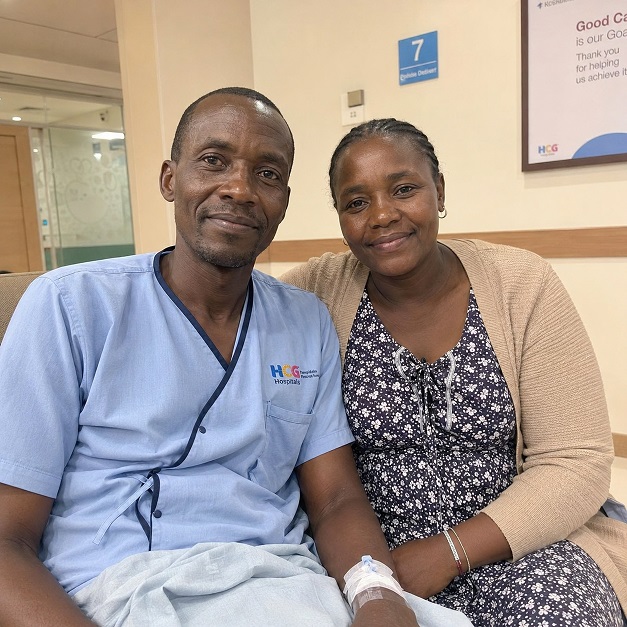
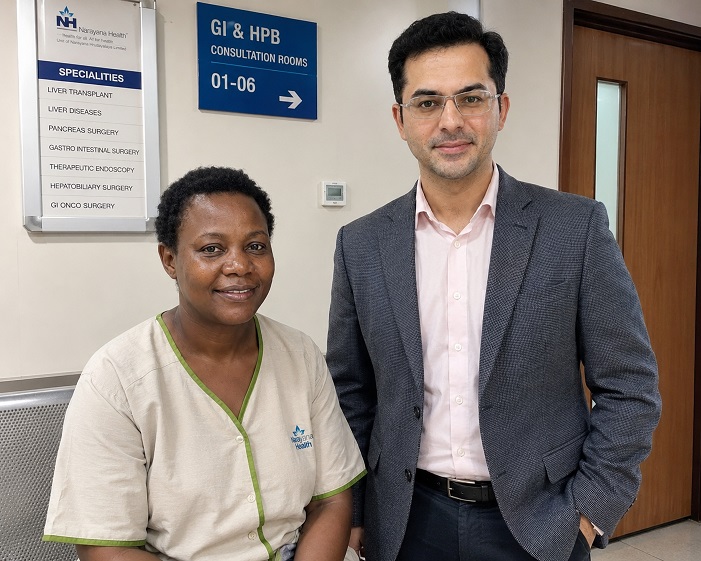
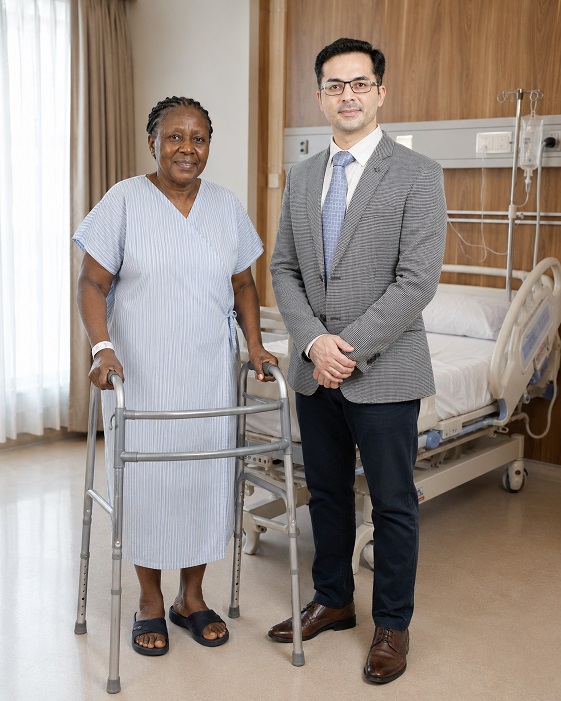
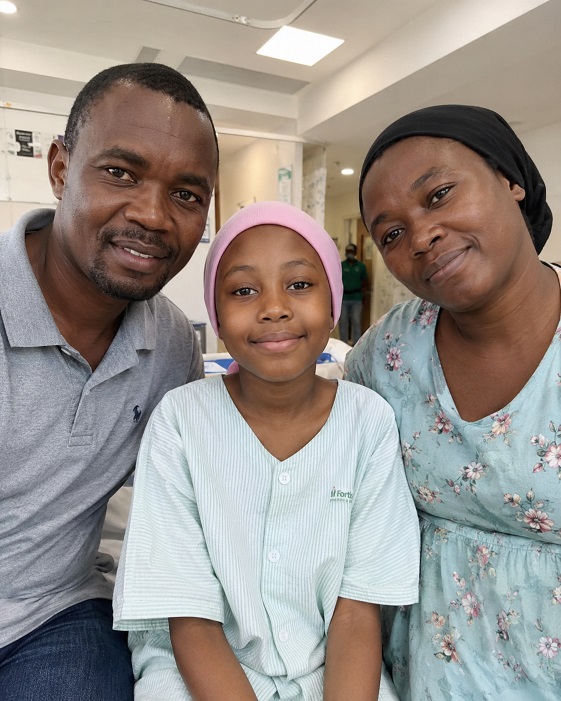
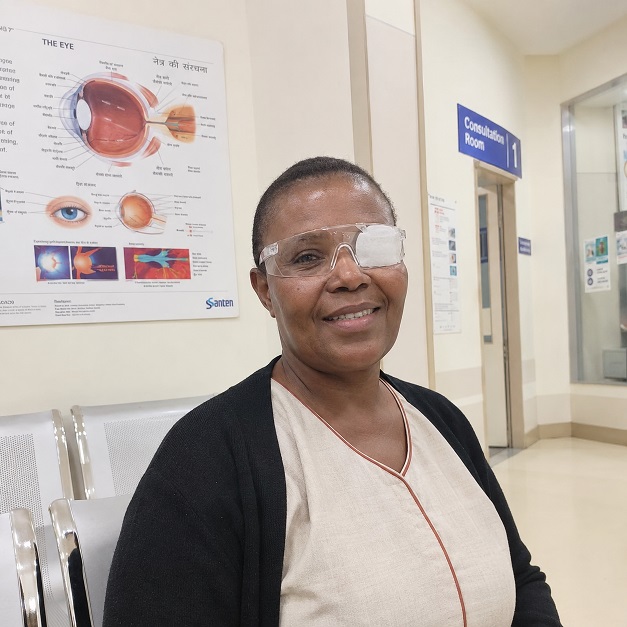
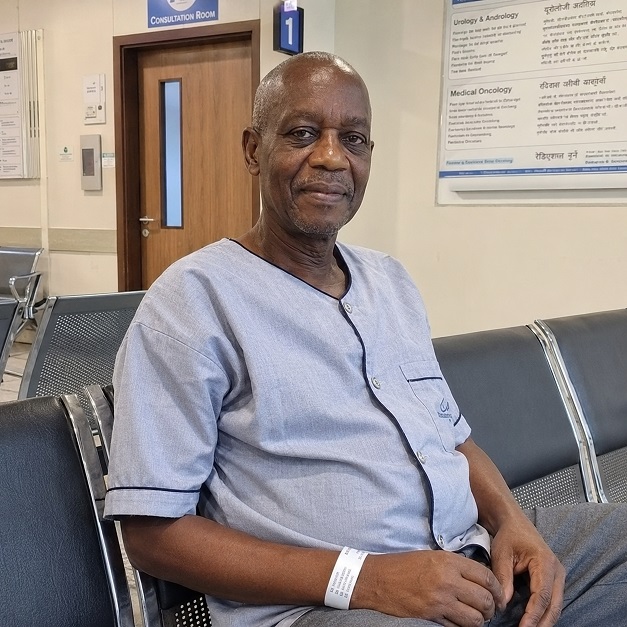
Patient Testimonials from Kenya


Ready to Take the First Step?
Share your Medical Reports with our Healthcare Managers Today and Get a FREE CONSULTATION, a Personalized Treatment Plan, and Complete Support from Arrival to Recovery.
Get Your Free ConsultationAreas We Serve
This resource has been thoughtfully prepared for patients from Kenya who are considering medical treatment in India. We also welcome patients from the wider region in the countries mentioned below-
We assist patients from:
- Ethiopia
- Somalia
- Tanzania
- Uganda
- Seychelles
- Guinea
- Guinea-Bissau
- Liberia
- Mali
- Mauritania
- Niger
- Nigeria
- Senegal
- Togo
- South Sudan
- Sierra Leone
Many of the insights, treatment pathways, hospital recommendations, travel guidance, and patient support services described here are equally relevant and may be used as a reference when planning treatment in India.
From Kenya to India: Your Complete Patient Support Guide
- Brain Tumour Surgery in India for Kenyan Patients
- Cancer Treatment and Surgery in India for Kenyan Patients
- Cardiac Treatment and Surgery in India for Kenyan Patients
- Heart Valve Replacement Surgery in India for Kenyan Patients
- Knee Replacement in India for Kenyan Patients
- Prostate Cancer Treatment and Surgery in India for Kenyan Patients
- Spine Treatment and Surgery in India for Kenyan Patients
- Selecting the Best Bariatric Surgeons and Hospitals in India: What Kenyan Patients Should Actually Look For
- Selecting the Best Cancer Surgeons and Hospitals in India: What Kenyan Patients Should Actually Look For
- Selecting the Best Cardiac Surgeons and Hospitals in India: What Kenyan Patients Should Actually Look For
- Selecting the Best Dental Surgeons and Clinics in India: What Kenyan Patients Should Actually Look For
- Selecting the Best Hip Surgeons and Hospitals in India: What Kenyan Patients Should Actually Look For
- Selecting the Best Kidney Transplant Surgeons and Hospitals in India: What Kenyan Patients Should Actually Look For
- Selecting the Best Knee Surgeons and Hospitals in India: What Kenyan Patients Should Actually Look For
- Selecting the Best Liver Transplant Surgeons and Hospitals in India: What Kenyan Patients Should Actually Look For
- Selecting the Best Neurosurgeons and Hospitals in India: What Kenyan Patients Should Actually Look For
- Selecting the Best Prostate Cancer Surgeons and Hospitals in India: What Kenyan Patients Should Actually Look For
- Selecting the Best Spine Surgeons and Hospitals in India: What Kenyan Patients Should Actually Look For