

15 Frequently Asked Questions: Leukemia, Lymphoma and Blood Cancer Treatments in India for Kenyan Patients
Introduction
Leukemia, lymphoma and other blood cancers require specialised diagnosis and treatment because they involve the blood, bone marrow, lymphatic system or immune system. Unlike many solid tumours, treatment is often based on the exact blood-cancer subtype, genetic and molecular findings, disease risk, previous treatment and the patient's overall condition. Treatment may include chemotherapy, targeted therapy, immunotherapy, radiation therapy, stem-cell or bone-marrow transplantation and, for selected patients, advanced cellular therapies such as CAR-T-cell therapy. Kenyan patients may consider India for specialist hematology and hemato-oncology evaluation, second opinions, advanced diagnostic testing, complex chemotherapy, targeted treatments, stem-cell transplantation and selected cellular therapies. Indian specialised centres provide chemotherapy for adult and paediatric hematological cancers, hematopoietic stem-cell transplantation and cellular/CAR-T therapy for selected cancers.
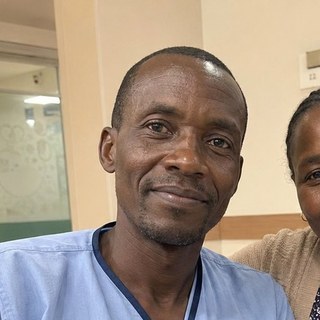
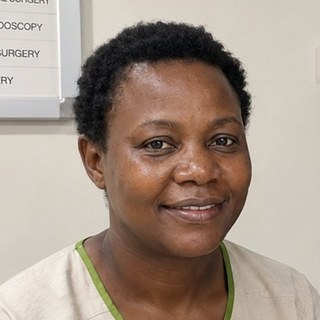
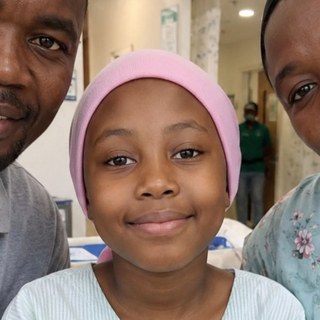
Healing Journeys of Kenyan Patients






In Brief
Leukemia, lymphoma and other blood cancers require specialised diagnosis and treatment because they involve the blood, bone marrow, lymphatic system or immune system. Unlike many solid tumours, treatment is often based on the exact blood-cancer subtype, genetic and molecular findings, disease risk, previous treatment and the patient's overall condition. Treatment may include chemotherapy, targeted therapy, immunotherapy, radiation therapy, stem-cell or bone-marrow transplantation and, for selected patients, advanced cellular therapies such as CAR-T-cell therapy.
Q1 · Why Do Kenyan Patients Consider Leukemia, Lymphoma and Blood Cancer Treatment in India?
Kenyan patients may consider India when they require specialised hematology assessment or a complex blood-cancer treatment plan.
Potential reasons include
- Detailed hematology and hemato-oncology evaluation
- Second opinions for difficult or unclear diagnoses
- Bone-marrow examination and pathology review
- Flow cytometry and immunophenotyping
- Cytogenetic and molecular testing
- Chemotherapy
- Targeted therapy
- Immunotherapy
- Radiation therapy for selected blood cancers
- Stem-cell/bone-marrow transplantation
- Autologous and allogeneic transplantation
- Haploidentical transplantation for selected patients
- Cellular therapy and CAR-T therapy at specialised centres
- Treatment of relapsed or refractory disease
- Adult and paediatric blood-cancer care
- Supportive and palliative treatment
The treatment should not be selected simply because a particular technology is available. The exact leukemia, lymphoma or other blood cancer must first be confirmed and classified.
India has specialised centres providing hematological cancer chemotherapy, stem-cell transplantation and cellular/CAR-T therapy for selected adult and paediatric cancers.
Kenya also has a growing oncology system. Therefore, the decision to travel should be based on the patient's specific diagnosis and required treatment rather than assuming that every blood-cancer patient needs treatment abroad.
Q2 · How Much Does Leukemia, Lymphoma and Blood Cancer Treatment Cost in India for Kenyan Patients?
Blood-cancer treatment costs vary significantly because one patient may require several cycles of chemotherapy while another may require a stem-cell transplant or cellular therapy.
For planning purposes, this guide uses:
For planning: US$1 ≈ KES 129.5 • US$1 ≈ INR 96
These are approximate planning exchange rates only. Actual exchange rates may vary. Current 2026 Indian planning information indicates that conventional blood-cancer treatment can range broadly depending on the diagnosis and treatment protocol, while stem-cell transplantation and CAR-T therapy are substantially more expensive.
| Treatment / Procedure Estimated Estimated * | Kenya – Local Currency / USD | India – INR / USD | Indicative Saving |
|---|---|---|---|
| Leukemia/Lymphoma Chemotherapy – Standard Course Lymphoma | KES 1,000,000– 2,000,000 US$7,720– 800,000 US$3,125–8,335 | INR 300,000– 15,445 | 20–40% |
| Chemotherapy + Immunotherapy/ Targeted Therapy | KES 1,300,000– 2,600,000 US$10,040– 1,200,000 US$6,250– 20,080 | INR 600,000– 12,500 | 20–40% |
| Intensive Leukemia Treatment | KES 1,500,000– 3,000,000 US$11,585– 1,500,000 US$7,290– 23,165 | INR 700,000– 15,625 | 20–40% |
| Autologous Stem-Cell Transplant | KES 3,000,000– 5,000,000 US$23,165– 2,000,000 US$12,500– 38,610 | INR 1,200,000– 20,835 | 20–40% |
| Allogeneic Stem-Cell Transplant | KES 4,000,000– 7,000,000 US$30,890– 3,500,000 US$20,835– 54,055 | INR 2,000,000– 36,460 | 20–40% |
| Haploidentical Stem- Cell Transplant | KES 5,000,000– 8,000,000 US$38,610– 4,000,000 US$26,040– 61,775 | INR 2,500,000– 41,670 | 20–40% |
| CAR-T / Advanced Cellular Therapy | KES 5,000,000– 9,000,000+ US$38,610– 6,000,000+ US$31,250– 69,500+ | INR 3,000,000– 62,500+ | 15–35% |
*Potential savings are planning estimates, not guaranteed savings. They depend on the exact diagnosis, treatment protocol, medicines, number of cycles, donor requirements, hospital stay, complications and hospital pricing.
For example, current Indian 2026 sources place autologous transplantation around ₹12–20 lakh and allogeneic transplantation around ₹20–35 lakh in some planning ranges, while CAR-T can be approximately ₹30–60 lakh depending on the therapy and case.
Some published Indian estimates are wider because transplant costs can vary considerably according to donor type, complications and length of admission.
Important: A final quotation should always be obtained from the treating hospital after review of the patient's medical records.
Q3 · Which Indian Cities Can Kenyan Patients Consider?
City Major Medical Facilities / Oncology Ecosystem
| City | Considerations |
|---|---|
| New Delhi | Large tertiary hospitals, hematology, oncology and transplant services |
| Gurugram | Major multispeciality hospitals with oncology and hematology departments |
| Mumbai | Major cancer centres, hematology, transplant and cellular-therapy services |
| Chennai | Advanced oncology and tertiary-care hospitals |
| Bengaluru | Major multispeciality and cancer-care centres |
| Hyderabad | Oncology, hematology and tertiary-care facilities |
| Kolkata | Cancer and multispeciality hospitals |
| Pune | Tertiary oncology and multispeciality facilities |
| Ahmedabad | Cancer and tertiary-care hospitals |
| Kochi | Major multispeciality and oncology facilities |
For highly complex blood cancers, patients should specifically confirm that the selected hospital has the required hematology, hemato-oncology, bone-marrow transplant or cellular-therapy service rather than selecting a hospital solely by city.
Q4 · Which Hospitals in India Can Kenyan Patients Consider?
The following is the established hospital list used in the Kenya master format.
Important: This is the approved hospital list for the Kenya master format. It should not be interpreted as meaning that every hospital listed provides every blood-cancer treatment. For leukemia, lymphoma, transplantation or CAR-T therapy, patients should specifically confirm the availability of the required hematology/BMT/cellular-therapy programme before travelling.
Delhi Hospitals
- Fortis Escorts Heart Institute, New Delhi
- BLK-Max Super Speciality Hospital, New Delhi
- Max Super Speciality Hospital, Saket
- Indraprastha Apollo Hospitals, New Delhi
- Sir Ganga Ram Hospital
- Max Super Speciality Hospital, Patparganj
- Manipal Hospital, Dwarka
- Fortis Hospital, Vasant Kunj
- Institute of Brain and Spine Hospital (IBS Hospital)
- Dharamshila Narayana Hospital
- Indian Spinal Injuries Centre
- AIIMS New Delhi
Chennai Hospitals
- MGM Healthcare
- MIOT International
- Apollo Hospitals, Greams Road
- Sri Ramachandra Medical Centre
- SIMS Hospital
- Kauvery Hospital
- Gleneagles HealthCity Chennai
- Vijaya Hospital
- Apollo Speciality Hospitals
- Rela Hospital
Mumbai Hospitals
- Bombay Hospital & Medical Research Centre
- Lilavati Hospital & Research Centre
- Jaslok Hospital & Research Centre
- Gleneagles Hospital, Mumbai
- Nanavati Max Super Speciality Hospital
- Kokilaben Dhirubhai Ambani Hospital
- P. D. Hinduja Hospital & Medical Research Centre
- Sir H. N. Reliance Foundation Hospital
- Wockhardt Hospitals, Mumbai
- Apollo Hospitals, Mumbai
Bengaluru Hospitals
- Manipal Hospital, Old Airport Road
- Manipal Hospital, Whitefield
- Manipal Hospital, Yeshwanthpur
- Apollo Hospitals, Bengaluru
- Fortis Hospital, Bannerghatta Road
- Aster CMI Hospital
- Sakra World Hospital
- Narayana Health City
- Sagar Hospitals
- Kauvery Hospital, Bengaluru
Hyderabad Hospitals
- KIMS Hospitals
- Yashoda Hospitals
- Apollo Health City
- CARE Hospitals
- Continental Hospitals
- Gleneagles Hospitals, Hyderabad
- Sunshine Hospitals
- Star Hospitals
Gurugram Hospitals
- Fortis Memorial Research Institute (FMRI)
- Medanta – The Medicity
- Artemis Hospital
- Max Hospital, Gurugram
- CK Birla Hospital, Gurugram
- Manipal Hospital, Gurugram
- Paras Health
- Narayana Superspeciality Hospital
Noida Hospitals
- Fortis Hospital, Noida
- Jaypee Hospital
- Max Super Speciality Hospital, Noida
- Yatharth Hospital
- Kailash Hospital
- Metro Hospital & Heart Institute
- Metro Center for Neurosciences
Kolkata Hospitals
- Apollo Multispeciality Hospitals
- AMRI Hospitals
- Fortis Hospital, Anandapur
- Manipal Hospitals, Salt Lake
- Medica Superspecialty Hospital
- Narayana Superspeciality Hospital
- Ruby General Hospital
Pune Hospitals
- Ruby Hall Clinic
- Jehangir Hospital
- Deenanath Mangeshkar Hospital
- Sahyadri Super Speciality Hospital
- Aditya Birla Memorial Hospital
- Manipal Hospital, Kharadi
- Medicover Hospital, Pune
Ahmedabad Hospitals
- Apollo Hospitals, Ahmedabad
- Zydus Hospitals
- Sterling Hospitals
- Shalby Hospitals
- HCG Hospitals
- SAL Hospital
- CIMS Hospital
Kochi Hospitals
- Aster Medcity
- Amrita Hospital
- VPS Lakeshore Hospital
- Rajagiri Hospital
- Aster MIMS
- Lisie Hospital
- Renai Medicity
Thiruvananthapuram Hospitals
- KIMSHEALTH Hospital
- Ananthapuri Hospitals and Research Institute
- SUT Hospital
- SP Medifort Hospital
- PRS Hospital
- GG Hospital
Goa Hospitals
- Manipal Hospital, Goa
- Healthway Hospital
- Manipal Hospitals, Dona Paula
- Goa Medical College and Hospital
- Apollo Victor Hospital
Nagpur Hospitals
- Wockhardt Hospitals, Nagpur
- Max Multispeciality Hospital
- CARE Hospitals, Nagpur
- Kingsway Hospitals
- Lata Mangeshkar Hospital
Q5 · What Types of Leukemia, Lymphoma and Blood Cancer Treatments Are Available?
Blood cancers include several different diseases, and treatment varies considerably between them.
Leukemia
Common categories include:
- Acute lymphoblastic leukemia (ALL)
- Acute myeloid leukemia (AML)
- Chronic myeloid leukemia (CML)
- Chronic lymphocytic leukemia (CLL)
Treatment may include chemotherapy, targeted therapy, immunotherapy and stem-cell transplantation depending on the disease subtype and risk.
Lymphoma
Major categories include:
- Hodgkin lymphoma
- Non-Hodgkin lymphoma
Treatment may involve chemotherapy, antibody-based treatment, targeted therapy, immunotherapy, radiotherapy, stem-cell transplantation or cellular therapy for selected patients.
Other Blood Cancers
Other hematological malignancies may include:
- Multiple myeloma
- Myelodysplastic syndromes
- Myeloproliferative neoplasms
- Other bone-marrow and blood-forming disorders
Major Treatment Approaches
1. Chemotherapy
Uses anti-cancer medicines to destroy or control abnormal cells.
2. Targeted Therapy
Targets particular molecular or cellular characteristics of the disease.
3. Immunotherapy
Uses medicines that help the immune system recognise or attack cancer cells in selected diseases.
4. Radiotherapy
May be used for selected lymphoma or other situations.
5. Stem-Cell/Bone-Marrow Transplantation
May be used for selected leukemia, lymphoma, myeloma and other hematological conditions.
6. CAR-T / Cellular Therapy
Available for selected blood cancers, particularly certain relapsed or refractory diseases, subject to eligibility and centre-specific availability. Specialised Indian centres provide CAR-T and hematopoietic stem-cell transplantation for selected adult and paediatric cancers.
Q6 · What Are the Benefits of Seeking Specialised Blood-Cancer Treatment in India?
Potential benefits include
- Access to specialised hematology teams
- Detailed diagnostic evaluation
- Advanced pathology and molecular testing
- Multidisciplinary treatment planning
- Chemotherapy and targeted treatment
- Stem-cell transplantation at specialised centres
- Selected cellular and CAR-T therapies
- Adult and paediatric hematology programmes
- Management of relapsed or refractory disease
- Supportive care during intensive treatment
- Potentially lower treatment costs compared with some international private-care pathways
However, treatment outcomes depend on the patient's disease biology, treatment response, overall health and many other clinical factors. Cost alone should not be used to select a treatment centre.
Q7 · Who Is Suitable for Leukemia, Lymphoma or Blood-Cancer Treatment in India?
Patients may be referred to India for
- New blood-cancer diagnosis
- Second opinion
- Confirmation of an unclear diagnosis
- Complex leukemia treatment
- Lymphoma treatment
- Relapsed or refractory disease
- Targeted treatment
- Immunotherapy
- Stem-cell transplantation
- CAR-T evaluation
- Paediatric blood-cancer treatment
- Long-term hematology management
Suitability for transplantation or cellular therapy depends on factors including
- Exact diagnosis
- Disease stage/status
- Genetic and molecular findings
- Response to previous treatment
- Age
- General health
- Kidney and liver function
- Infection status
- Previous therapies
- Donor availability, where applicable
The treating hematologist must determine whether a patient is suitable for a particular treatment.
Q8 · What Medical Documents Should Kenyan Patients Send Before Travelling?
A complete medical file is particularly important in blood-cancer cases.
Patients should provide
- Complete blood count (CBC)
- Peripheral blood smear
- Bone-marrow aspiration report
- Bone-marrow biopsy report
- Flow cytometry report
- Histopathology report
- Immunohistochemistry report where applicable
- Cytogenetic/karyotype results
- Molecular/genetic reports
- PET-CT/CT/MRI reports where applicable
- Previous chemotherapy records
- Previous radiotherapy records
- Previous transplant records
- Previous treatment-response reports
- Current medication list
- Blood-transfusion history
- Infection-screening reports
- Kidney and liver-function tests
- Previous discharge summaries
- Treating doctor's referral letter
For lymphoma, pathology slides or tissue blocks may also be requested for specialist pathology review.
For transplant evaluation, additional donor-related investigations may be required.
Q9 · How Does Leukemia, Lymphoma and Blood- Cancer Treatment Work in India?
The treatment pathway generally follows several stages.
Step 1 – Medical Record Review
The Indian hematology team reviews the patient's diagnosis, pathology, laboratory reports and previous treatment.
Step 2 – Diagnostic Confirmation
Additional blood tests, bone-marrow testing, flow cytometry, pathology review or molecular testing may be recommended.
Step 3 – Disease Classification
The exact leukemia, lymphoma or other blood-cancer subtype is identified.
Step 4 – Risk and Disease Assessment
The medical team assesses disease characteristics, molecular findings and response to previous treatment.
Step 5 – Treatment Planning
The team determines whether chemotherapy, targeted therapy, immunotherapy, radiotherapy, transplantation or another approach is appropriate.
Step 6 – Treatment
Treatment may involve outpatient/day-care therapy or hospital admission depending on the protocol.
Step 7 – Response Assessment
Blood tests, bone-marrow examinations, molecular tests or imaging may be used to assess response.
Step 8 – Consolidation or Further Treatment
Depending on the disease, treatment may continue with additional cycles, maintenance treatment, transplantation or another therapy.
Specialised centres may provide chemotherapy, transplantation and cellular therapy within the same hematology programme.
Q10 · What Are the Alternatives to Blood-Cancer Chemotherapy?
Chemotherapy is only one component of blood-cancer treatment.
Depending on the diagnosis, alternatives or complementary approaches may include
1. Targeted Therapy
May be used when the cancer has a specific molecular or cellular target.
2. Immunotherapy
May be appropriate for selected leukemia and lymphoma patients.
3. Radiation Therapy
May be used in selected lymphoma cases or for specific disease sites.
4. Stem-Cell Transplantation
May be recommended for selected patients when disease characteristics and treatment response make transplantation appropriate.
5. CAR-T / Cellular Therapy
May be considered for selected eligible patients with certain relapsed or refractory blood cancers.
6. Maintenance Therapy
Some blood cancers may require longer-term maintenance treatment after initial therapy.
7. Supportive Care
Blood transfusions, infection management, nutritional support and other supportive measures may be an important part of treatment.
8. Clinical Trials
Selected patients may be considered for clinical trials where an appropriate study is available.
The correct treatment should be based on the exact blood-cancer diagnosis and disease biology rather than choosing a treatment simply because it is available.
Q11 · What Should Kenyan Patients Ask Before Accepting a Blood-Cancer Treatment Quotation?
Patients should ask
- What is the exact blood-cancer diagnosis?
- What subtype is it?
- Has the pathology been independently reviewed?
- Is bone-marrow testing required?
- Is flow cytometry required?
- Are cytogenetic or molecular tests required?
- What treatment protocol is recommended?
- How many chemotherapy cycles are expected?
- Is targeted therapy required?
- Is immunotherapy required?
- Is transplantation being considered?
- If transplantation is required, is it autologous or allogeneic?
- Is donor testing included?
- Is CAR-T/cellular therapy appropriate?
- Which medicines are included in the quotation?
- Are blood and platelet transfusions included?
- Are ICU charges included?
- What complications could increase the cost?
- How long is hospital admission expected to be?
- How long should the patient remain in India?
- Can any part of treatment continue in Kenya?
- What follow-up will be required after returning to Kenya?
For complex cases, patients should request a written multidisciplinary treatment plan and itemised quotation rather than relying only on a verbal estimate.
Q12 · How Long Should Kenyan Patients Stay in India?
The duration depends heavily on the treatment plan.
1. Diagnostic Evaluation
Approximately 3–7 days may be required for consultation, pathology review, laboratory investigations and treatment planning.
2. Chemotherapy
Some chemotherapy may be administered through day-care services, while intensive protocols may require hospital admission.
Multiple cycles may require repeated visits over several months.
3. Intensive Leukemia Treatment
Patients receiving intensive leukemia treatment may need prolonged hospitalisation depending on blood counts, infections, treatment response and complications.
4. Stem-Cell Transplantation
Transplantation generally requires a considerably longer treatment journey involving:
- Pre-transplant evaluation
- Donor evaluation where applicable
- Conditioning treatment
- Stem-cell infusion
- Blood-count recovery
- Infection monitoring
- Management of possible complications
- Post-transplant follow-up
Published Indian planning estimates also show that transplant costs and timelines vary significantly according to transplant type, donor and complications.
CAR-T / Cellular Therapy
Cellular therapy requires specialist evaluation, preparation, treatment and close monitoring. The patient should not assume that this can be completed during a short medical-tourism visit. Before booking flights, families should ask:
- How many days are required for diagnosis?
- Can treatment start immediately?
- How many treatment cycles are required?
- Is admission required?
- Can chemotherapy continue in Kenya?
- Is transplantation required?
- How long should the patient remain near the hospital?
- When is it medically safe to fly?
Q13 · What Is Recovery Like After Blood-Cancer Treatment?
Recovery varies significantly according to the disease and treatment.
During Chemotherapy
Patients may experience:
- Fatigue
- Nausea
- Appetite changes
- Low blood counts
- Increased infection risk
- Hair loss with certain regimens
- Weakness
- Need for blood or platelet transfusions
The severity varies according to the medicines and individual patient.
After Stem-Cell Transplantation
Patients require close monitoring for:
- Blood-count recovery
- Infection
- Medication effects
- Nutritional problems
- Transplant-related complications
- Graft-versus-host disease after certain allogeneic transplants
Recovery can continue for months after transplantation.
After Other Blood-Cancer Treatments
Patients may require:
- Nutritional support
- Infection monitoring
- Regular blood tests
- Bone-marrow monitoring
- Molecular monitoring where applicable
- Imaging for selected lymphoma patients
- Medication monitoring
- Long-term surveillance
Patients should receive written instructions about symptoms requiring urgent medical attention before leaving India.
Q14 · How Can Blood-Cancer Follow-Up Be Managed After Returning to Kenya?
Blood-cancer care often continues for months or years after the initial treatment.
Before returning to Kenya, patients should obtain
- Final diagnosis
- Complete pathology report
- Bone-marrow report
- Flow cytometry report
- Molecular/genetic reports
- Complete chemotherapy summary
- Transplant report, if applicable
- Treatment-response reports
- Medication list
- Follow-up schedule
- Recommended blood-test schedule
- Recommended imaging schedule
- Bone-marrow monitoring schedule where applicable
- Warning signs requiring urgent medical review
The Indian hematologist can coordinate with the patient's Kenyan hematologist where appropriate.
This can allow
- Local blood testing
- Medication monitoring
- Continued treatment where medically suitable
- Follow-up imaging
- Long-term disease surveillance
- Management of treatment-related complications
The patient should return to Kenya with a complete written treatment summary rather than relying on memory or verbal instructions.
Q15 · Should a Kenyan Patient Travel to India for Leukemia, Lymphoma and Blood Cancer Treatment?
India can be considered by Kenyan patients seeking
- A second hematology opinion
- Confirmation of a difficult diagnosis
- Complex leukemia treatment
- Specialised lymphoma treatment
- Targeted therapy
- Immunotherapy
- Stem-cell transplantation
- Selected cellular/CAR-T therapy
- Treatment of relapsed or refractory disease
- Paediatric blood-cancer treatment
However, overseas treatment is not automatically required for every blood-cancer patient.
A Kenyan patient considering India should compare
- Exact blood-cancer diagnosis
- Disease subtype
- Molecular and genetic findings
- Recommended treatment
- Specialist experience
- Availability of required medicines
- Transplant requirements
- Donor availability
- Cellular-therapy eligibility
- Total treatment cost
- Expected duration of treatment
- Hospital stay
- Travel requirements
- Follow-up arrangements in Kenya
For many patients, an appropriate first step is to obtain an Indian hematology/oncology second opinion based on the complete medical records before travelling.
This can help determine whether the patient requires chemotherapy, targeted therapy, immunotherapy, transplantation, cellular therapy or another treatment approach.
Kenyan Patient Pre-Travel Checklist
Medical Records
- Complete blood count and blood-test reports
- Peripheral blood smear
- Bone-marrow aspiration report
- Bone-marrow biopsy report
- Flow cytometry report
- Histopathology report
- Immunohistochemistry report where applicable
- Cytogenetic/karyotype reports
- Molecular/genetic reports
- CT/MRI/PET-CT reports where applicable
- Previous chemotherapy records
- Previous radiotherapy records
- Previous transplant records
- Treatment-response reports
- Current medication list
- Previous discharge summaries
Treatment Planning
- Confirm exact blood-cancer diagnosis
- Confirm disease subtype
- Confirm molecular/genetic findings
- Obtain specialist hematology opinion
- Ask whether additional diagnostic testing is required
- Ask about chemotherapy
- Ask about targeted therapy
- Ask about immunotherapy
- Ask whether transplantation is required
- Ask whether donor testing is required
- Ask about CAR-T/cellular therapy where applicable
- Obtain written treatment plan
Hospital and Cost
- Confirm hematology/hemato-oncology specialists
- Confirm transplant facilities where required
- Confirm cellular-therapy availability where required
- Obtain written quotation
- Confirm chemotherapy charges
- Confirm medicine costs
- Confirm diagnostic and molecular-testing charges
- Confirm blood and platelet transfusion charges
- Confirm transplant-related charges
- Ask about ICU charges
- Ask about possible complications and additional costs
Travel
- Valid passport
- Appropriate Indian medical-visa documentation
- Printed and digital medical records
- Accommodation arrangements
- Flexible return-flight arrangements
- Travel companion where appropriate
- Medical insurance information where available
Follow-Up
- Final diagnosis
- Complete pathology report
- Bone-marrow report
- Flow cytometry report
- Molecular/genetic reports
- Chemotherapy summary
- Transplant report where applicable
- Medication schedule
- Blood-test schedule
- Imaging schedule where applicable
- Follow-up appointment plan
- Kenyan hematologist/follow-up arrangements
- Emergency warning signs understood
Final Note
Leukemia, Lymphoma and Blood Cancer Treatments in India for Kenyan Patients can include specialised diagnosis, chemotherapy, targeted therapy, immunotherapy, radiation therapy, stem-cell/bone-marrow transplantation, CAR-T/cellular therapy and supportive cancer care. The most important factor is not simply the treatment location or quoted price. Treatment should be based on the correct diagnosis, accurate disease classification, pathology, molecular information, treatment response and a clear multidisciplinary treatment plan. For Kenyan patients considering treatment in India, sending the complete medical records for specialist review before travelling can help determine the appropriate treatment pathway, expected duration, hospital requirements and approximate cost. India has specialised hematology and oncology centres offering chemotherapy, stem-cell transplantation and selected cellular therapies, but the appropriate treatment and hospital should always be selected according to the patient's individual medical requirements. Your health journey deserves informed planning, specialist evaluation and coordinated care — from Kenya to India and back home.
Page Summary
This page answers 15 frequently asked questions about leukemia, lymphoma and blood cancer treatments in India for Kenyan patients. It covers why patients travel for treatment, an indicative Kenya-versus-India cost comparison, the Indian cities and hospitals to consider, the treatment and surgical options available, how to obtain a quotation remotely, second opinions, advanced options, recovery, unexpected costs, combining treatments, medical visa and travel planning, length of stay, follow-up after returning to Kenya, and a complete pre-travel checklist.


Our Mission Statement
Our mission is to place patients at the centre of every healthcare decision by providing trustworthy, evidence-based, and unbiased medical information. We believe that informed patients make better decisions. Backed by personalised guidance from our experienced advisory team, we help patients understand their treatment options, compare them objectively, and confidently choose the path that best suits their medical needs and personal circumstances.
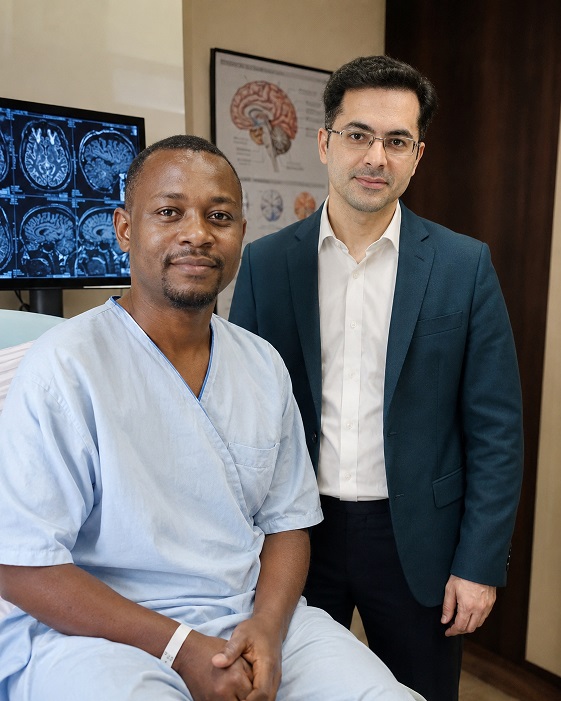
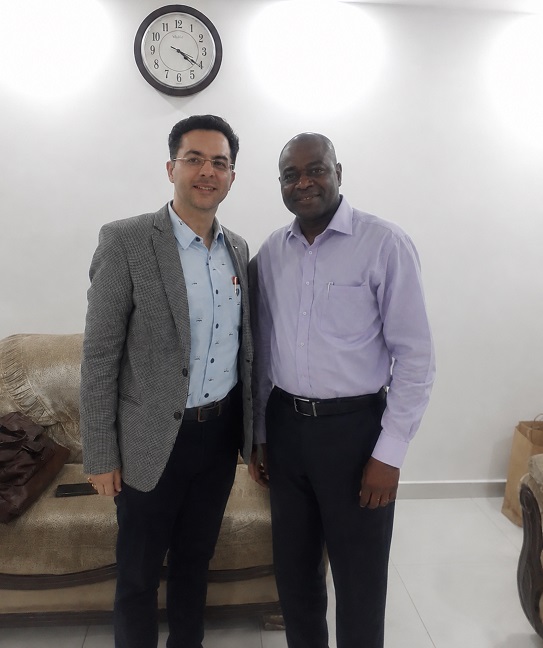
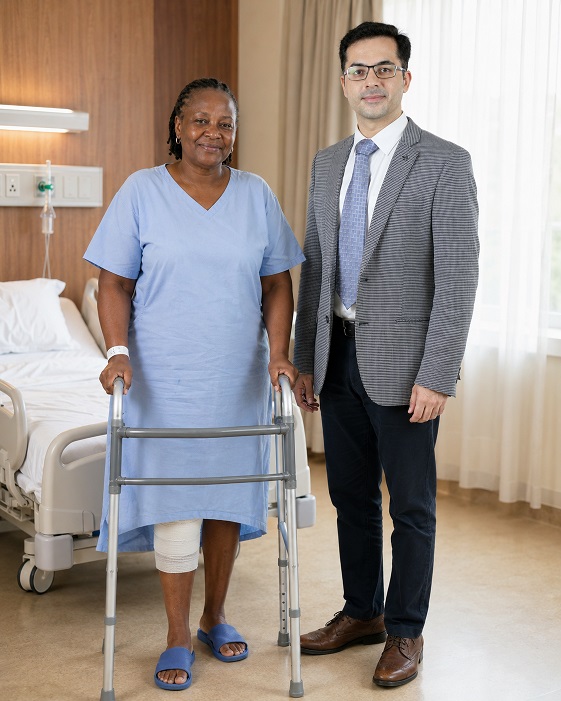
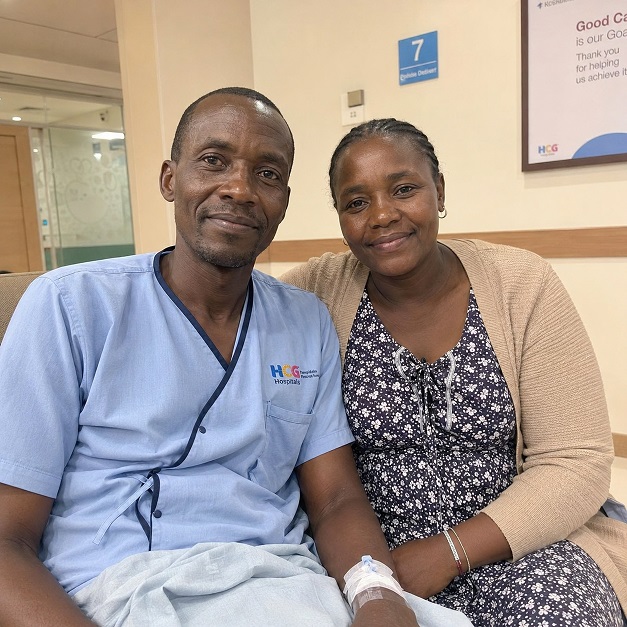
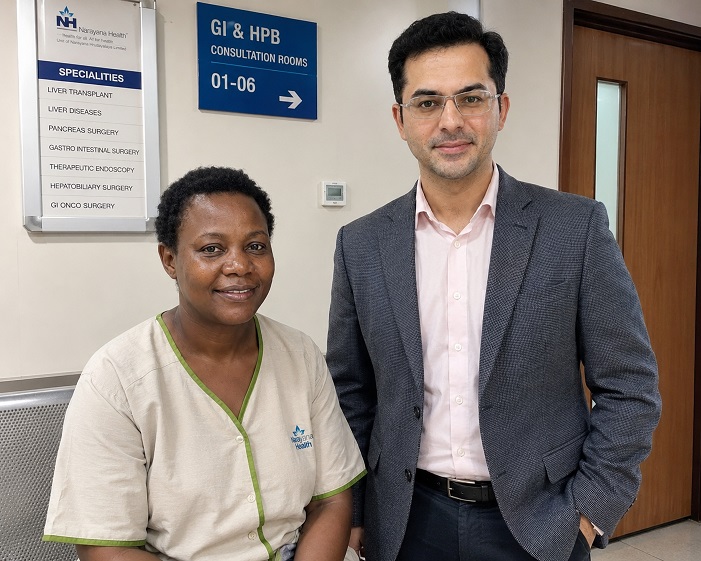
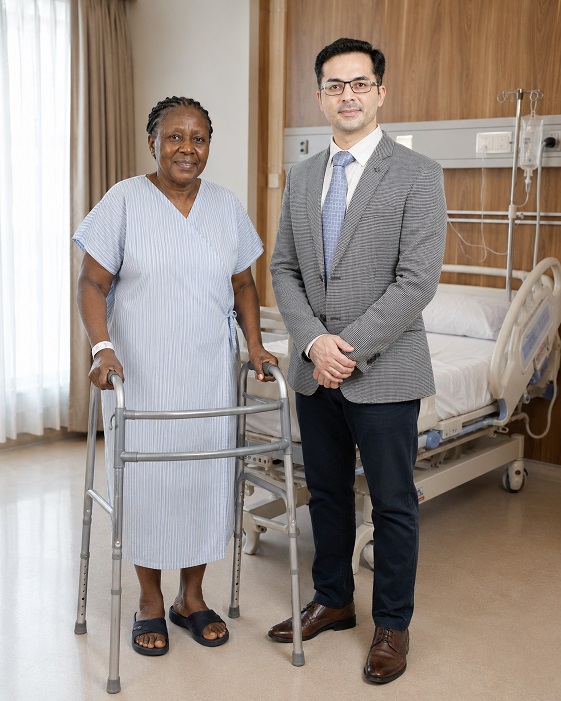
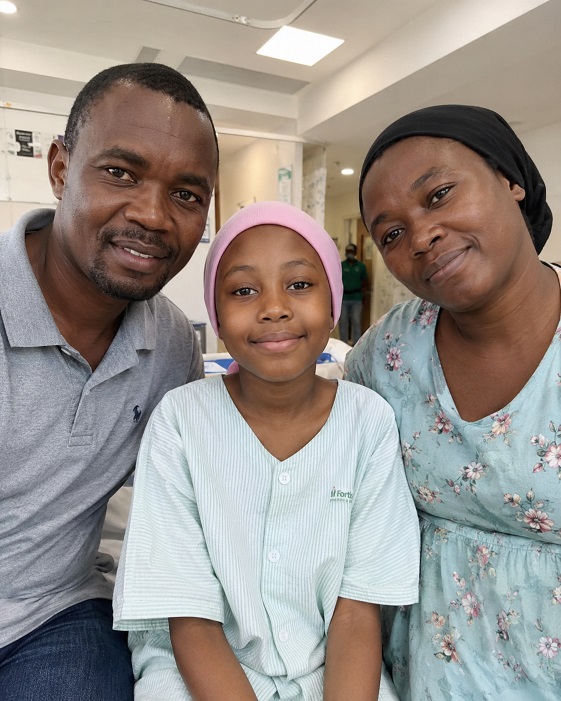
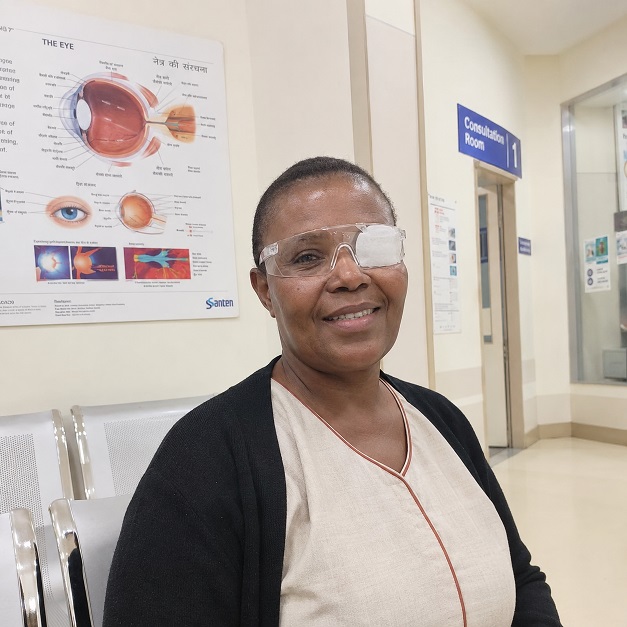
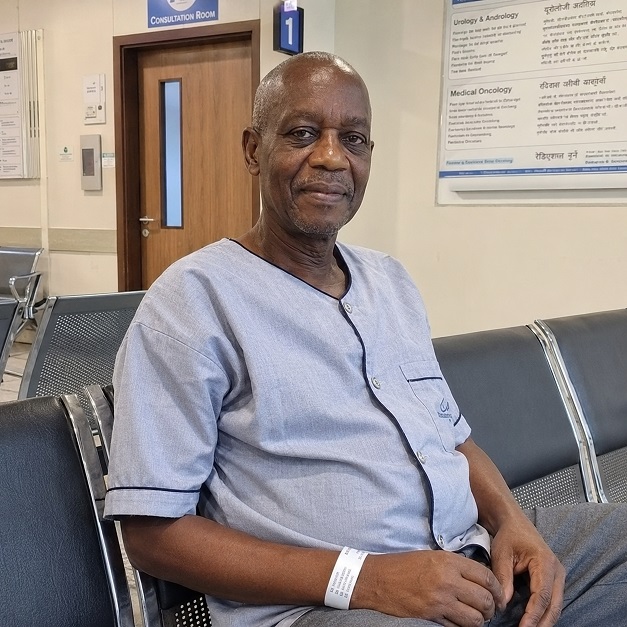
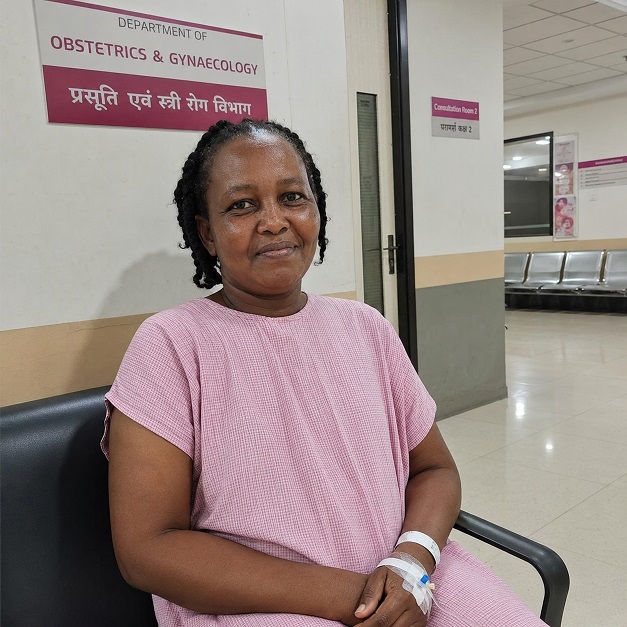
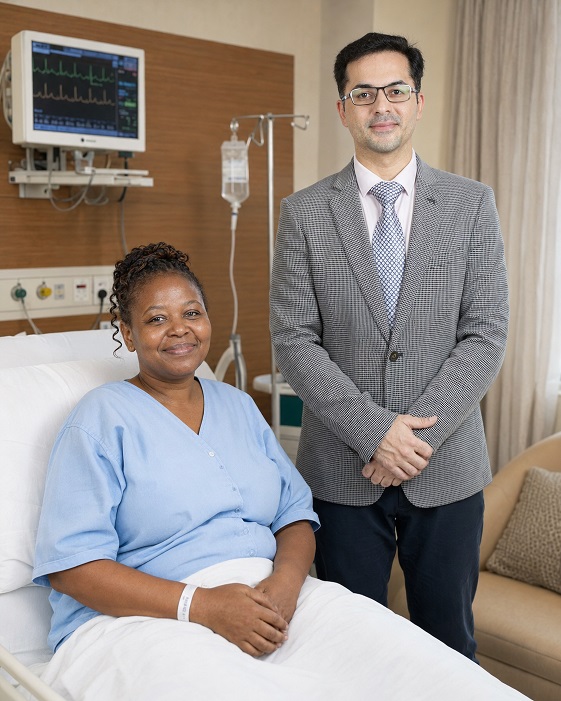
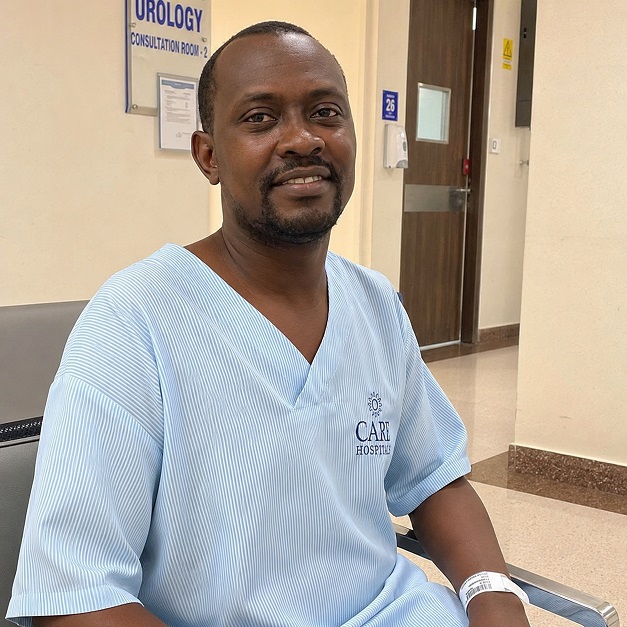
Patient Testimonials from Kenya


Ready to Take the First Step?
Share your Medical Reports with our Healthcare Managers Today and Get a FREE CONSULTATION, a Personalized Treatment Plan, and Complete Support from Arrival to Recovery.
Get Your Free ConsultationAreas We Serve
This resource has been thoughtfully prepared for patients from Kenya who are considering medical treatment in India. We also welcome patients from the wider region in the countries mentioned below-
We assist patients from:
- Ethiopia
- Somalia
- Tanzania
- Uganda
- Seychelles
- Guinea
- Guinea-Bissau
- Liberia
- Mali
- Mauritania
- Niger
- Nigeria
- Senegal
- Togo
- South Sudan
- Sierra Leone
Many of the insights, treatment pathways, hospital recommendations, travel guidance, and patient support services described here are equally relevant and may be used as a reference when planning treatment in India.
From Kenya to India: Your Complete Patient Support Guide
- Brain Tumour Surgery in India for Kenyan Patients
- Cancer Treatment and Surgery in India for Kenyan Patients
- Cardiac Treatment and Surgery in India for Kenyan Patients
- Heart Valve Replacement Surgery in India for Kenyan Patients
- Knee Replacement in India for Kenyan Patients
- Prostate Cancer Treatment and Surgery in India for Kenyan Patients
- Spine Treatment and Surgery in India for Kenyan Patients
- Selecting the Best Bariatric Surgeons and Hospitals in India: What Kenyan Patients Should Actually Look For
- Selecting the Best Cancer Surgeons and Hospitals in India: What Kenyan Patients Should Actually Look For
- Selecting the Best Cardiac Surgeons and Hospitals in India: What Kenyan Patients Should Actually Look For
- Selecting the Best Dental Surgeons and Clinics in India: What Kenyan Patients Should Actually Look For
- Selecting the Best Hip Surgeons and Hospitals in India: What Kenyan Patients Should Actually Look For
- Selecting the Best Kidney Transplant Surgeons and Hospitals in India: What Kenyan Patients Should Actually Look For
- Selecting the Best Knee Surgeons and Hospitals in India: What Kenyan Patients Should Actually Look For
- Selecting the Best Liver Transplant Surgeons and Hospitals in India: What Kenyan Patients Should Actually Look For
- Selecting the Best Neurosurgeons and Hospitals in India: What Kenyan Patients Should Actually Look For
- Selecting the Best Prostate Cancer Surgeons and Hospitals in India: What Kenyan Patients Should Actually Look For
- Selecting the Best Spine Surgeons and Hospitals in India: What Kenyan Patients Should Actually Look For