

15 Frequently Asked Questions: Laparoscopic and Robotic Myomectomy in India for Kenyan Patients
Introduction
Uterine fibroids are non-cancerous growths that can develop in or around the uterus. Depending on their size, number and location, fibroids may cause heavy menstrual bleeding, pelvic pain or pressure, abdominal enlargement, frequent urination, anaemia and fertility-related difficulties. Myomectomy is a surgical procedure that removes fibroids while preserving the uterus. It may therefore be considered for women who wish to retain their uterus and, in appropriate cases, preserve the possibility of future pregnancy. Myomectomy can be performed through different approaches, including open, laparoscopic and robotic surgery, depending on the individual fibroid characteristics. India has established minimally invasive gynaecological surgery programmes offering laparoscopic and robotic myomectomy. Hospitals in cities including Delhi, Chennai, Bengaluru, Mumbai and Hyderabad list these procedures among their gynaecological services.
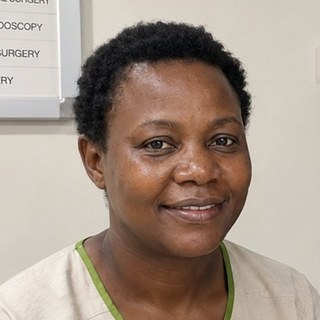
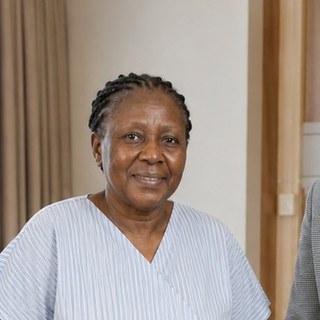
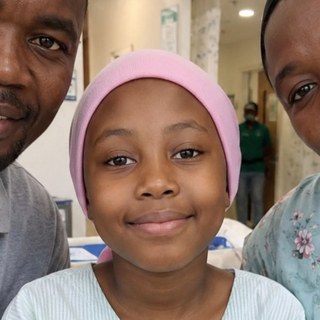
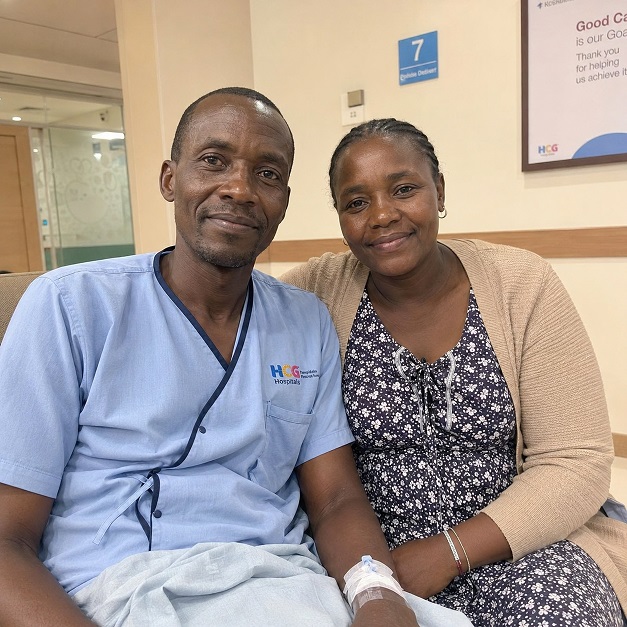
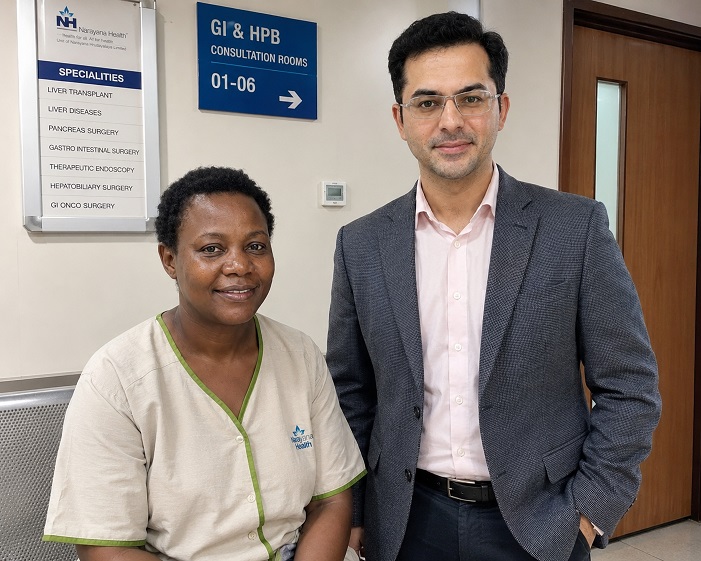
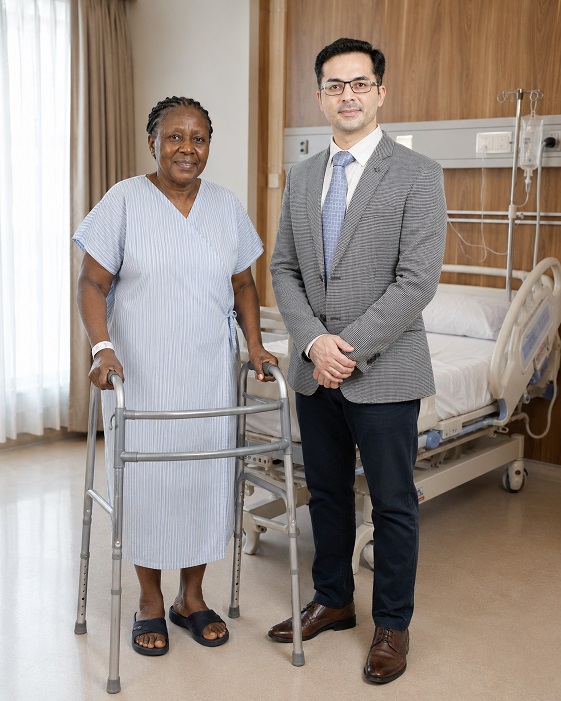
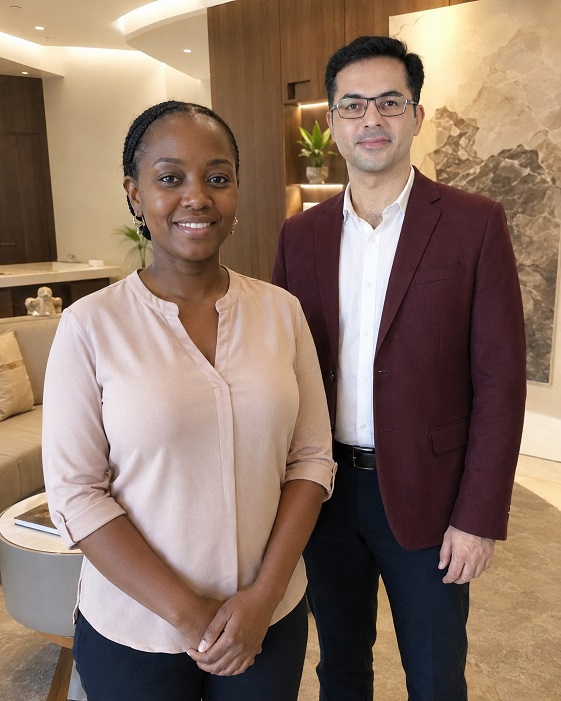
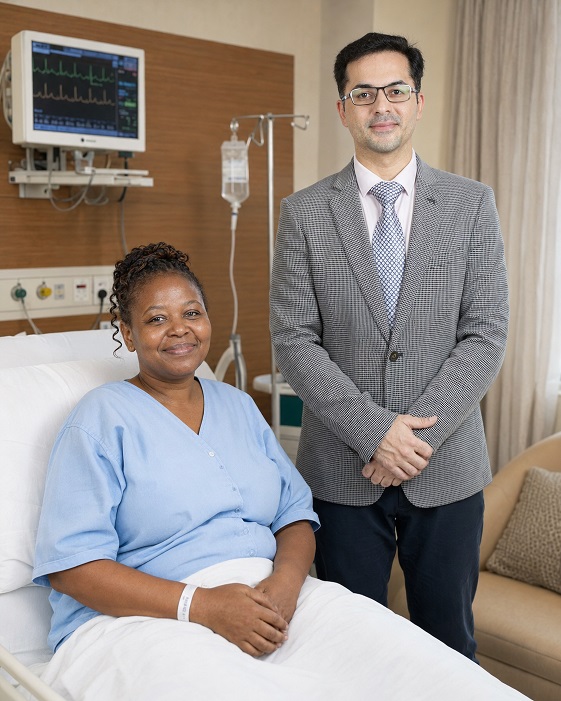
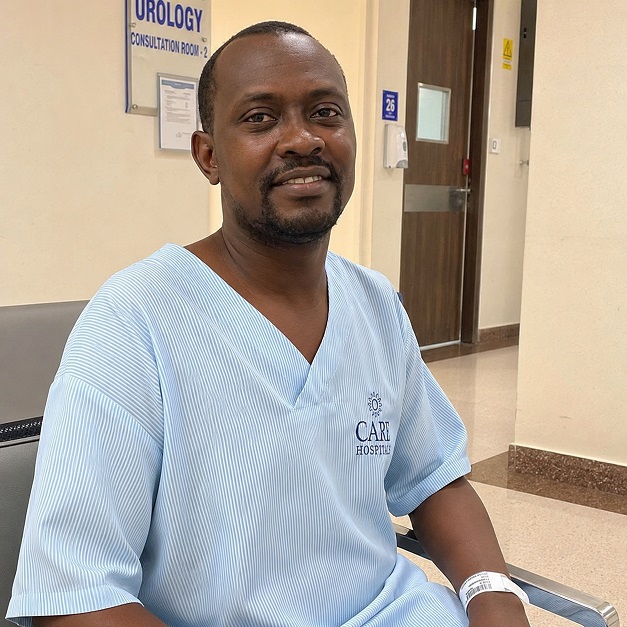
Healing Journeys of Kenyan Patients


In Brief
Uterine fibroids are non-cancerous growths that can develop in or around the uterus. Depending on their size, number and location, fibroids may cause heavy menstrual bleeding, pelvic pain or pressure, abdominal enlargement, frequent urination, anaemia and fertility-related difficulties. Myomectomy is a surgical procedure that removes fibroids while preserving the uterus. It may therefore be considered for women who wish to retain their uterus and, in appropriate cases, preserve the possibility of future pregnancy.
Q1 · Why do Kenyan patients consider Laparoscopic and Robotic Myomectomy in India?
Kenyan patients may consider India when they require specialist treatment for symptomatic or complex uterine fibroids and wish to explore minimally invasive, uterus-preserving surgery.
Potential reasons include
- Access to experienced minimally invasive gynaecological surgeons
- Laparoscopic fibroid removal
- Robotic-assisted fibroid removal
- Management of multiple fibroids
- Treatment of larger or technically difficult fibroids
- Fertility-preserving surgical planning
- Multidisciplinary gynaecology and fertility support
- Advanced imaging and preoperative assessment
- Postoperative rehabilitation and follow-up planning
Indian hospitals currently list laparoscopic and robotic myomectomy among their minimally invasive gynaecological procedures.
For international patients, it is useful to obtain a preliminary specialist opinion before travelling so the surgeon can review the ultrasound/MRI findings, number and location of fibroids and fertility goals.
Q2 · How much does Laparoscopic and Robotic Myomectomy cost in India for Kenyan patients?
The following figures are indicative planning estimates for private healthcare and may vary according to complexity and hospital.
| Procedure | Kenya – Local Currency / USD | India – INR / USD | Indicative Saving |
|---|---|---|---|
| standard Laparoscopic myomectomy – | KES 450,000–700,000 US$3,475–5,405 | INR 180,000–300,000 US$1,875–3,125 | 25–50% |
| Laparoscopic myomectomy – complex/multiple fibroids | KES 600,000–900,000 US$4,635–6,950 | INR 250,000–450,000 US$2,605–4,690 | 25–50% |
| Robotic myomectomy – standard | KES 650,000–950,000 US$5,020–7,335 | INR 300,000–450,000 US$3,125–4,690 | 25–45% |
| Robotic myomectomy – complex fibroids | KES 800,000–1,200,000 US$6,180–9,270 | INR 400,000–600,000 US$4,165–6,250 | 20–45% |
| Fertility-focused complex myomectomy | KES 750,000–1,200,000 US$5,790–9,270 | INR 350,000–600,000 US$3,645–6,250 | 20–45% |
Publicly available Indian estimates vary considerably by city and hospital. For example, published estimates place laparoscopic myomectomy in several Indian centres broadly in the INR 180,000–450,000 range, while robotic myomectomy is generally more expensive because of the robotic platform and associated hospital resources.
The final quotation may include or exclude
- Surgeon fees
- Anaesthesia
- Hospital room
- Operating-room charges
- Robotic-system charges
- Medicines
- Imaging
- Laboratory investigations
- Blood products if required
- Additional procedures
- Extended hospitalisation
Therefore, Kenyan patients should request a complete written and itemised quotation before travelling.
Q3 · Which Indian cities can Kenyan patients consider?
Kenyan patients can consider several major Indian medical cities for Laparoscopic and Robotic Myomectomy.
Indian City Relevant Gynaecological Services
| City | Considerations |
|---|---|
| New Delhi / Delhi | Advanced laparoscopic and robotic gynaecology, myomectomy, fertility- |
| Mumbai | Laparoscopic and robotic gynaecology, myomectomy and minimally invasive reproductive surgery |
| Chennai | Laparoscopic myomectomy, robotic myomectomy and advanced women's healthcare |
| Bengaluru | Laparoscopic and robotic myomectomy, endometriosis surgery and fertility- focused gynaecology |
| Hyderabad | Minimally invasive gynaecology, laparoscopic myomectomy and robotic surgery |
| Gurugram | Advanced gynaecology, laparoscopic surgery and selected robotic procedures |
| Noida | Minimally invasive gynaecological surgery and fibroid treatment |
| Kolkata | Gynaecological surgery and minimally invasive treatment for selected fibroid cases |
| Pune | Laparoscopic gynaecology and fibroid surgery |
| Ahmedabad | Minimally invasive gynaecological surgery and fibroid management |
| Kochi | Advanced women's healthcare and minimally invasive gynaecology |
| Thiruvananthapuram | Gynaecological surgery and selected minimally invasive procedures |
| Nagpur | Gynaecological and laparoscopic surgery for selected cases |
Current hospital information confirms laparoscopic and/or robotic myomectomy services in cities such as Chennai, Bengaluru, Mumbai, Delhi and Hyderabad.
For a complex case, the city should be selected according to the surgeon's specific experience with laparoscopic/robotic myomectomy, fibroid complexity, fertility-preserving requirements, hospital infrastructure and postoperative follow-up, rather than simply choosing a city based on general reputation.
Q4 · Which hospitals in India can Kenyan patients consider?
Important: This is a broad hospital reference list. Not every hospital listed necessarily performs laparoscopic or robotic myomectomy. Patients should confirm the availability of the specific procedure, robotic platform where required and appropriately experienced gynaecological surgeon before travelling.
Delhi Hospitals
- Fortis Escorts Heart Institute, New Delhi
- BLK-Max Super Speciality Hospital, New Delhi
- Max Super Speciality Hospital, Saket
- Indraprastha Apollo Hospitals, New Delhi
- Sir Ganga Ram Hospital
- Max Super Speciality Hospital, Patparganj
- Manipal Hospital, Dwarka
- Fortis Hospital, Vasant Kunj
- Institute of Brain and Spine Hospital (IBS Hospital)
- Dharamshila Narayana Hospital
- Indian Spinal Injuries Centre
- AIIMS New Delhi
Chennai Hospitals
- MGM Healthcare
- MIOT International
- Apollo Hospitals, Greams Road
- Sri Ramachandra Medical Centre
- SIMS Hospital
- Kauvery Hospital
- Gleneagles HealthCity Chennai
- Vijaya Hospital
- Apollo Speciality Hospitals
- Rela Hospital
Mumbai Hospitals
- Bombay Hospital & Medical Research Centre
- Lilavati Hospital & Research Centre
- Jaslok Hospital & Research Centre
- Gleneagles Hospital, Mumbai
- Nanavati Max Super Speciality Hospital
- Kokilaben Dhirubhai Ambani Hospital
- P. D. Hinduja Hospital & Medical Research Centre
- Sir H. N. Reliance Foundation Hospital
- Wockhardt Hospitals, Mumbai
- Apollo Hospitals, Mumbai
Bengaluru Hospitals
- Manipal Hospital, Old Airport Road
- Manipal Hospital, Whitefield
- Manipal Hospital, Yeshwanthpur
- Apollo Hospitals, Bengaluru
- Fortis Hospital, Bannerghatta Road
- Aster CMI Hospital
- Sakra World Hospital
- Narayana Health City
- Sagar Hospitals
- Kauvery Hospital, Bengaluru
Hyderabad Hospitals
- KIMS Hospitals
- Yashoda Hospitals
- Apollo Health City
- CARE Hospitals
- Continental Hospitals
- Gleneagles Hospitals, Hyderabad
- Sunshine Hospitals
- Star Hospitals
Gurugram Hospitals
- Fortis Memorial Research Institute (FMRI)
- Medanta – The Medicity
- Artemis Hospital
- Max Hospital, Gurugram
- CK Birla Hospital, Gurugram
- Manipal Hospital, Gurugram
- Paras Health
- Narayana Superspeciality Hospital
Noida Hospitals
- Fortis Hospital, Noida
- Jaypee Hospital
- Max Super Speciality Hospital, Noida
- Yatharth Hospital
- Kailash Hospital
- Metro Hospital & Heart Institute
- Metro Center for Neurosciences
Kolkata Hospitals
- Apollo Multispeciality Hospitals
- AMRI Hospitals
- Fortis Hospital, Anandapur
- Manipal Hospitals, Salt Lake
- Medica Superspecialty Hospital
- Narayana Superspeciality Hospital
- Ruby General Hospital
Pune Hospitals
- Ruby Hall Clinic
- Jehangir Hospital
- Deenanath Mangeshkar Hospital
- Sahyadri Super Speciality Hospital
- Aditya Birla Memorial Hospital
- Manipal Hospital, Kharadi
- Medicover Hospital, Pune
Ahmedabad Hospitals
- Apollo Hospitals, Ahmedabad
- Zydus Hospitals
- Sterling Hospitals
- Shalby Hospitals
- HCG Hospitals
- SAL Hospital
- CIMS Hospital
Kochi Hospitals
- Aster Medcity
- Amrita Hospital
- VPS Lakeshore Hospital
- Rajagiri Hospital
- Aster MIMS
- Lisie Hospital
- Renai Medicity
Thiruvananthapuram Hospitals
- KIMSHEALTH Hospital
- Ananthapuri Hospitals and Research Institute
- SUT Hospital
- SP Medifort Hospital
- PRS Hospital
- GG Hospital
Goa Hospitals
- Manipal Hospital, Goa
- Healthway Hospital
- Manipal Hospitals, Dona Paula
- Goa Medical College and Hospital
- Apollo Victor Hospital
Nagpur Hospitals
- Wockhardt Hospitals, Nagpur
- Max Multispeciality Hospital
- CARE Hospitals, Nagpur
- Kingsway Hospitals
- Lata Mangeshkar Hospital
Q5 · What is Laparoscopic and Robotic Myomectomy?
Myomectomy is surgery to remove uterine fibroids while leaving the uterus in place.
Laparoscopic Myomectomy
Laparoscopic myomectomy is a minimally invasive procedure performed through several small abdominal incisions. A camera and specialised instruments are used to locate and remove the fibroids.
It may offer
- Smaller incisions
- Less postoperative discomfort for many patients
- Shorter hospital stay
- Earlier return to routine activities
- Less visible scarring compared with open surgery
The suitability depends on fibroid size, number, location and surgical complexity.
Robotic Myomectomy
Robotic myomectomy is also minimally invasive, but the surgeon controls specialised robotic instruments from a console.
Robotic systems can provide
- High-definition 3D visualisation
- Articulated instrument movement
- Fine surgical control
- Access to difficult pelvic areas
- Precise suturing of the uterus in selected cases
The robot does not independently perform the operation; the surgeon controls the robotic instruments.
Q6 · What are the benefits of Laparoscopic and Robotic Myomectomy?
Depending on the patient's condition, potential benefits may include
- Removal of symptomatic fibroids
- Preservation of the uterus
- Potential preservation of fertility
- Smaller abdominal incisions than open surgery
- Reduced postoperative discomfort in many patients
- Shorter hospital stay
- Faster return to normal activities
- Reduced visible scarring
- Detailed visualisation of pelvic structures
- Ability to treat selected multiple or difficult fibroids
Robotic myomectomy may be particularly useful in selected complex cases where enhanced instrument control and visualisation are helpful. However, robotic surgery is not automatically necessary or superior for every fibroid case.
Q7 · Who may be suitable for Laparoscopic or Robotic Myomectomy?
Women may be considered for myomectomy when fibroids are associated with
- Heavy or prolonged menstrual bleeding
- Pelvic pain
- Pelvic pressure
- Abdominal enlargement
- Pressure on the bladder or bowel
- Anaemia related to heavy bleeding
- Fertility-related concerns
- Recurrent symptoms despite medical treatment
- Multiple or symptomatic fibroids
Women who wish to preserve their uterus may specifically discuss myomectomy with their gynaecologist.
However, laparoscopic or robotic surgery may not be appropriate for every patient. Very large fibroids, numerous fibroids, difficult fibroid locations, extensive adhesions or other medical factors may make open surgery more appropriate.
The surgeon should decide the safest surgical approach after reviewing imaging and examining the patient.
Q8 · What medical documents should Kenyan patients send?
For an international consultation, patients should ideally provide
- Recent pelvic ultrasound
- MRI pelvis, if available or recommended
- Previous gynaecological reports
- Previous operation reports
- Menstrual history
- Previous treatment for fibroids
- Fertility history where relevant
- Pregnancy history where relevant
- Recent blood tests
- Haemoglobin report, especially if heavy bleeding is present
- Current medication list
- Previous pathology reports if surgery has already been performed
The MRI or high-quality ultrasound images are particularly useful because the surgeon needs to assess the number, size and location of the fibroids before determining whether laparoscopic, robotic or open myomectomy is appropriate.
Q9 · How is Laparoscopic and Robotic Myomectomy performed?
Step 1 — Consultation
The gynaecological surgeon reviews symptoms, fertility goals, previous treatments and medical history.
Step 2 — Imaging
Ultrasound and, in selected cases, MRI are used to map the fibroids.
Step 3 — Surgical Planning
The surgeon determines
- Number of fibroids
- Size of fibroids
- Location within the uterus
- Relationship to the uterine cavity
- Surgical approach
- Need for additional procedures
Step 4 — Minimally Invasive Surgery
Small abdominal incisions are made for laparoscopic or robotic instruments.
Step 5 — Fibroid Removal
The surgeon carefully separates the fibroids from the uterine muscle.
Step 6 — Uterine Repair
The uterine muscle is repaired and sutured appropriately.
Step 7 — Recovery
The patient is monitored and usually begins gradual movement soon after surgery.
Both laparoscopic and robotic myomectomy are established minimally invasive approaches, with the final choice depending on the individual case and surgeon assessment.
Q10 · What alternatives to Myomectomy may be considered?
Myomectomy is not the only treatment option for uterine fibroids.
Depending on the patient's age, symptoms, fibroid characteristics and fertility plans, options may include
1. Medication
Medicines may help control heavy bleeding or fibroid-related symptoms in selected patients.
2. Hysteroscopic Myomectomy
Fibroids that project into the uterine cavity may sometimes be removed through the vagina and cervix using a hysteroscope.
3. Open Abdominal Myomectomy
An open approach may be recommended when fibroids are very large, numerous or technically unsuitable for minimally invasive surgery.
4. Uterine Artery Embolisation
This procedure reduces blood flow to fibroids and can shrink them in appropriate cases.
5. Hysterectomy
Hysterectomy removes the uterus and therefore eliminates the possibility of future pregnancy. It may be considered when fertility preservation is not required and other factors support this option.
6. Other Non-Surgical Treatments
Selected patients may be evaluated for other fibroid-directed treatments, depending on local availability and clinical suitability.
The treatment should be chosen according to the patient's symptoms, fibroid characteristics, age, fertility plans and overall health.
Q11 · What should Kenyan patients ask before accepting a quotation?
Before confirming surgery, patients should ask
- How many fibroids are present?
- What are their sizes and locations?
- Is laparoscopic surgery suitable?
- Is robotic surgery actually necessary in this case?
- Could the operation need to be converted to open surgery?
- Will the uterus be preserved?
- How will the uterine incision be repaired?
- What are the implications for future pregnancy?
- Is hysteroscopy required as well?
- How many days of hospitalisation are expected?
- Is anaesthesia included?
- Are robotic-system charges included?
- Are investigations included?
- What happens if additional fibroids or complications are found?
- What follow-up is required after returning to Kenya?
Women planning future pregnancy should specifically discuss pregnancy timing and postoperative uterine healing with the treating gynaecologist.
Q12 · How long should Kenyan patients stay in India?
For uncomplicated minimally invasive myomectomy, hospitalisation may be relatively short. However, international patients need additional time for consultation, investigations and postoperative review.
A practical planning period may be
- Preoperative evaluation: 1–3 days
- Hospital stay: commonly around 1–3 days depending on the case
- Early postoperative observation: several days
- Overall India stay: approximately 1–2 weeks for many uncomplicated international cases
More complex cases involving numerous or large fibroids may require a longer stay.
Patients should not book a return flight solely on the expected hospital discharge date. The treating surgeon should confirm that the patient is medically fit to travel.
Q13 · What is recovery like after Laparoscopic or Robotic Myomectomy?
Recovery varies according to the number and size of fibroids and the complexity of uterine repair.
Patients may experience
- Abdominal discomfort
- Fatigue
- Mild bloating
- Temporary pelvic discomfort
- Light vaginal bleeding or discharge
- Reduced energy during the initial recovery period
Patients are generally advised to gradually increase activity according to the surgeon's instructions.
After minimally invasive surgery, many patients return to normal activities sooner than after open abdominal surgery. Published hospital guidance commonly describes several weeks for full recovery, although individual recovery varies.
Fertility and Pregnancy
Preserving the uterus does not guarantee pregnancy. Fertility also depends on:
- Age
- Ovarian reserve
- Fallopian tubes
- Endometriosis
- Male-factor fertility
- Uterine condition
- Other reproductive factors
After myomectomy, the surgeon should advise when it is appropriate to begin trying for pregnancy.
Q14 · How can follow-up be managed after returning to Kenya?
Before returning to Kenya, patients should obtain
- Discharge summary
- Operative report
- Fibroid pathology report
- Medication instructions
- Wound-care instructions
- Activity restrictions
- Follow-up schedule
- Pregnancy-planning advice
- Recommended imaging or blood tests
- Contact details for the treating hospital/team
Follow-up may be coordinated between the Indian gynaecological team and a qualified gynaecologist in Kenya.
Patients should also ask specifically
- When can normal exercise resume?
- When can sexual activity resume?
- When should menstruation be expected to normalise?
- When can pregnancy be considered?
- Is follow-up ultrasound required?
- Are there warning symptoms requiring urgent review?
Q15 · Should a Kenyan patient consider travelling to India for Laparoscopic and Robotic Myomectomy?
India can be considered by Kenyan patients who require fertility-preserving fibroid surgery, laparoscopic myomectomy, robotic myomectomy or a specialist second opinion.
Before travelling, patients should compare
- Fibroid size, number and location
- Recommended surgical approach
- Experience of the surgeon with laparoscopic/robotic myomectomy
- Fertility-preservation requirements
- Hospital infrastructure
- Availability of robotic technology where required
- Expected hospital stay
- Total treatment cost
- Rehabilitation and recovery requirements
- Follow-up arrangements in Kenya
The key question is not simply whether a hospital offers robotic surgery. It is whether robotic or laparoscopic myomectomy is appropriate for that patient's particular fibroids. A useful first step is to send the patient's ultrasound/MRI images, medical reports and fertility requirements for a preliminary specialist opinion before travelling.
Kenyan Patient Pre-Travel Checklist
Medical Documents
- Recent pelvic ultrasound
- MRI pelvis, if available
- Previous medical reports
- Previous operation reports
- Recent haemoglobin and blood tests
- Menstrual history
- Fertility history
- Previous pregnancy records where relevant
- Previous fibroid treatment reports
- Current medication list
Treatment Planning
- Confirm number and size of fibroids
- Confirm location of fibroids
- Ask whether laparoscopic surgery is suitable
- Ask whether robotic surgery is appropriate
- Confirm whether uterus preservation is planned
- Discuss future pregnancy plans
- Understand possible need for open surgery
- Confirm expected recovery period
Cost
- Request an itemised quotation
- Confirm surgeon charges
- Confirm hospital charges
- Confirm anaesthesia charges
- Confirm robotic-system charges if applicable
- Confirm investigations
- Ask whether medicines are included
- Ask about additional procedure charges
Travel
- Check Indian medical-visa requirements
- Arrange hospital appointment
- Carry all medical records and imaging
- Plan accommodation
- Consider whether a companion is required
- Allow adequate time for postoperative review
- Avoid booking an unnecessarily tight return schedule
Before Returning to Kenya
- Obtain discharge summary
- Obtain operative report
- Collect pathology report
- Get medication instructions
- Get activity restrictions
- Get wound-care instructions
- Confirm follow-up schedule
- Obtain pregnancy-planning guidance
- Know the warning signs requiring urgent medical attention
Final Note
Laparoscopic and Robotic Myomectomy in India for Kenyan Patients offers a uterus-preserving surgical option for selected women with symptomatic uterine fibroids. The appropriate approach may be laparoscopic, robotic, hysteroscopic or open myomectomy, depending on the size, number and location of fibroids and the patient's individual circumstances. Indian hospitals currently provide laparoscopic and robotic myomectomy as part of advanced minimally invasive gynaecological services. For Kenyan patients considering treatment in India, obtaining a specialist opinion based on recent ultrasound/MRI findings and complete medical records before travelling can help determine the most appropriate surgical approach, expected recovery, approximate cost and follow-up plan.
Page Summary
This page answers 15 frequently asked questions about laparoscopic and robotic myomectomy in India for Kenyan patients. It covers why patients travel for treatment, an indicative Kenya-versus-India cost comparison, the Indian cities and hospitals to consider, the treatment and surgical options available, how to obtain a quotation remotely, second opinions, advanced options, recovery, unexpected costs, combining treatments, medical visa and travel planning, length of stay, follow-up after returning to Kenya, and a complete pre-travel checklist.

Our Mission Statement
Our mission is to place patients at the centre of every healthcare decision by providing trustworthy, evidence-based, and unbiased medical information. We believe that informed patients make better decisions. Backed by personalised guidance from our experienced advisory team, we help patients understand their treatment options, compare them objectively, and confidently choose the path that best suits their medical needs and personal circumstances.
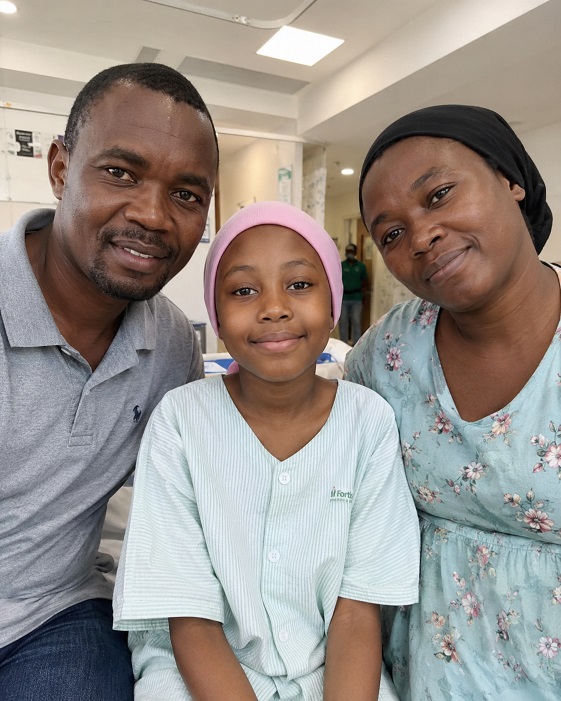
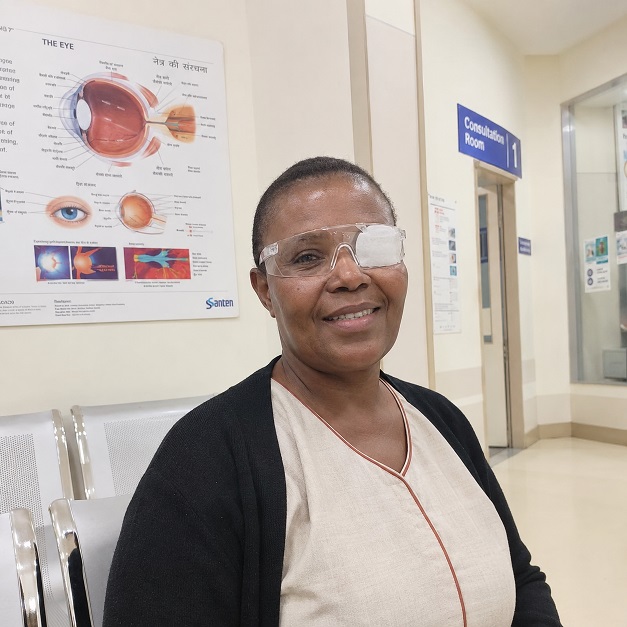
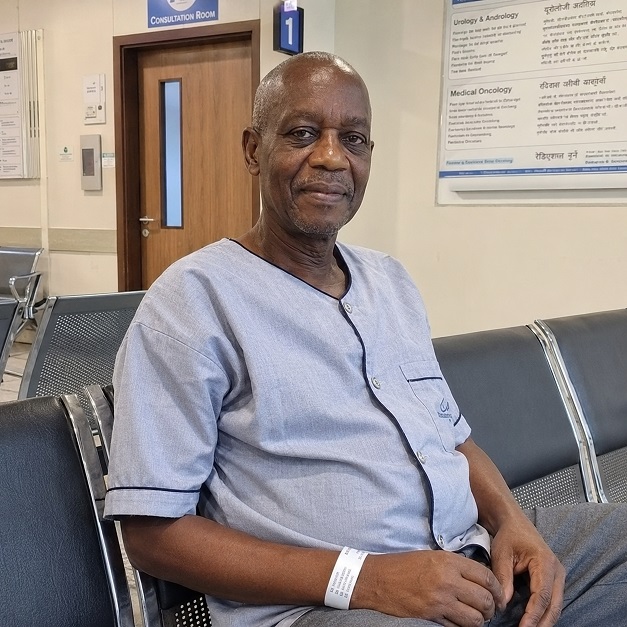
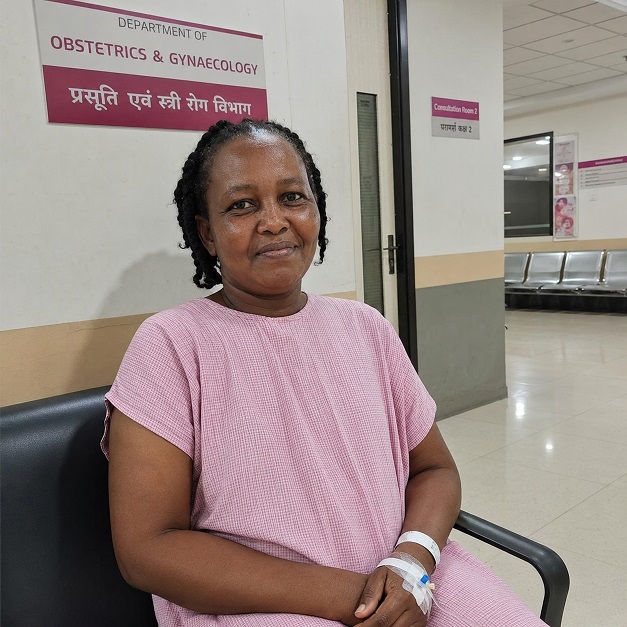
Patient Testimonials from Kenya
Ready to Take the First Step?
Share your Medical Reports with our Healthcare Managers Today and Get a FREE CONSULTATION, a Personalized Treatment Plan, and Complete Support from Arrival to Recovery.
Get Your Free ConsultationAreas We Serve
This resource has been thoughtfully prepared for patients from Kenya who are considering medical treatment in India. We also welcome patients from the wider region in the countries mentioned below-
We assist patients from:
- Ethiopia
- Somalia
- Tanzania
- Uganda
- Seychelles
- Guinea
- Guinea-Bissau
- Liberia
- Mali
- Mauritania
- Niger
- Nigeria
- Senegal
- Togo
- South Sudan
- Sierra Leone
Many of the insights, treatment pathways, hospital recommendations, travel guidance, and patient support services described here are equally relevant and may be used as a reference when planning treatment in India.
From Kenya to India: Your Complete Patient Support Guide
- Brain Tumour Surgery in India for Kenyan Patients
- Cancer Treatment and Surgery in India for Kenyan Patients
- Cardiac Treatment and Surgery in India for Kenyan Patients
- Heart Valve Replacement Surgery in India for Kenyan Patients
- Knee Replacement in India for Kenyan Patients
- Prostate Cancer Treatment and Surgery in India for Kenyan Patients
- Spine Treatment and Surgery in India for Kenyan Patients
- Selecting the Best Bariatric Surgeons and Hospitals in India: What Kenyan Patients Should Actually Look For
- Selecting the Best Cancer Surgeons and Hospitals in India: What Kenyan Patients Should Actually Look For
- Selecting the Best Cardiac Surgeons and Hospitals in India: What Kenyan Patients Should Actually Look For
- Selecting the Best Dental Surgeons and Clinics in India: What Kenyan Patients Should Actually Look For
- Selecting the Best Hip Surgeons and Hospitals in India: What Kenyan Patients Should Actually Look For
- Selecting the Best Kidney Transplant Surgeons and Hospitals in India: What Kenyan Patients Should Actually Look For
- Selecting the Best Knee Surgeons and Hospitals in India: What Kenyan Patients Should Actually Look For
- Selecting the Best Liver Transplant Surgeons and Hospitals in India: What Kenyan Patients Should Actually Look For
- Selecting the Best Neurosurgeons and Hospitals in India: What Kenyan Patients Should Actually Look For
- Selecting the Best Prostate Cancer Surgeons and Hospitals in India: What Kenyan Patients Should Actually Look For
- Selecting the Best Spine Surgeons and Hospitals in India: What Kenyan Patients Should Actually Look For