

15 Frequently Asked Questions: Kidney Transplant in India for Kenyan Patients
Introduction
Kidney transplantation is an important treatment option for selected patients with end-stage kidney disease (ESKD) or advanced irreversible kidney failure. During a kidney transplant, a healthy kidney from a suitable living or deceased donor is transplanted into the recipient to perform the filtering functions that the damaged kidneys can no longer perform adequately. For Kenyan patients who are medically suitable for transplantation, India may be considered for specialist nephrology evaluation, donor-recipient compatibility testing, transplant surgery, intensive postoperative monitoring and long-term transplant planning. Kidney transplantation in India is regulated, and both the recipient and donor must undergo detailed medical and legal evaluation before transplantation. India has formal criteria and procedures covering both living-donor and deceased-donor kidney transplantation.
Healing Journeys of Kenyan Patients









In Brief
Kidney transplantation is an important treatment option for selected patients with end-stage kidney disease (ESKD) or advanced irreversible kidney failure. During a kidney transplant, a healthy kidney from a suitable living or deceased donor is transplanted into the recipient to perform the filtering functions that the damaged kidneys can no longer perform adequately. For Kenyan patients who are medically suitable for transplantation, India may be considered for specialist nephrology evaluation, donor-recipient compatibility testing, transplant surgery, intensive postoperative monitoring and long-term transplant planning.
Q1 · Why do Kenyan patients consider Kidney Transplant in India?
Patients with advanced kidney failure generally require renal replacement therapy through dialysis or kidney transplantation. For suitable patients, transplantation can provide functioning kidney tissue and may reduce dependence on long-term dialysis.
Kenyan patients may consider India when they require
- Comprehensive kidney-transplant evaluation
- Living-donor kidney transplantation
- Complex donor-recipient compatibility assessment
- ABO blood-group compatibility assessment
- Immunological testing and cross-matching
- High-risk transplant evaluation
- Paediatric kidney transplantation
- Transplantation after prolonged dialysis
- Management of previous transplant failure
- Multidisciplinary nephrology and transplant-surgery care
- Structured post-transplant monitoring
India performs both living-and deceased-donor kidney transplantation. Published Indian transplant data also show that living-donor kidney transplantation accounts for a substantial proportion of kidney transplants performed in the country.
Travel should normally be considered only after a transplant team has reviewed the patient's records and, in a living-donor case, preliminary donor information.
Q2 · How much does Kidney Transplant cost in India for Kenyan patients?
Kidney-transplant costs vary considerably according to donor type, recipient health, compatibility testing, hospital, city, ICU requirements, dialysis before or after surgery, complications, length of stay and the anti-rejection medicines required after transplantation.
For planning purposes:
For planning: US$1 ≈ KES 129.5 • US$1 ≈ INR 96
Indicative Kidney Transplant Cost Comparison
| Kidney Transplant / Private- Treatment Care | Kenya – Local Currency / USD | India – INR / USD | Indicative Saving |
|---|---|---|---|
| Transplant – Standard Case Living-Donor Kidney | KES 1,800,000–2,800,000 US$13,900–21,620 | INR 700,000–1,000,000 US$7,290–10,420 | Approx. 25– 45% |
| Living-Donor Kidney Transplant – Complex Case | KES 2,500,000–3,800,000 US$19,305–29,345 | INR 900,000–1,400,000 US$9,375–14,585 | Approx. 30– 50% |
| ABO-Incompatible / High- Risk Transplant | KES 3,000,000–4,500,000 US$23,165–34,750 | INR 1,200,000–1,800,000 US$12,500–18,750 | Approx. 25– 45% |
| Paediatric Kidney Transplant | KES 2,500,000–4,000,000 US$19,305–30,890 | INR 900,000–1,500,000 US$9,375–15,625 | Approx. 30– 50% |
| Kidney Re-Transplant / High-Risk Case | KES 3,200,000–5,000,000 US$24,710–38,610 | INR 1,300,000–2,000,000 US$13,540–20,835 | Approx. 25– 45% |
Important: These are indicative planning ranges rather than guaranteed hospital quotations. Current Indian hospital information shows that living-donor kidney-transplant costs can vary substantially by hospital and clinical circumstances; one current published hospital estimate gives approximately INR 500,000–1,000,000 for living-donor renal transplantation. The final quotation should clearly state whether it includes the recipient evaluation, donor evaluation, donor surgery, transplant surgery, hospital stay, ICU, dialysis, medicines, blood products and early post-transplant follow-up.
Q3 · Which Indian cities can Kenyan patients consider for Kidney Transplant?
Kidney-transplant programmes are available in several major Indian medical cities.
Indian City Why Kenyan Patients May Consider It
Large tertiary and super-speciality hospitals with nephrology and transplant
| City | Considerations |
|---|---|
| Delhi | Large tertiary and super-speciality hospitals with nephrology and transplant programmes |
| Chennai | Established renal-transplant and multidisciplinary medical services |
| Mumbai | Advanced nephrology, transplant surgery and critical-care facilities |
| Bengaluru | Strong nephrology, transplant and tertiary-care infrastructure |
| Hyderabad | Multiple major hospitals providing renal and transplant services |
| Gurugram | Large private super-speciality hospitals treating international patients |
| Noida | Modern tertiary hospitals with nephrology and transplant-related services |
| Kolkata | Major eastern Indian medical centre with renal-care facilities |
| Pune | Established multispeciality and tertiary hospitals |
| Ahmedabad | Large private hospitals and specialist renal services |
| Kochi | Important South Indian centre for advanced renal and transplant care |
| Thiruvananthapuram | Specialist and tertiary medical facilities |
| Goa | Selected tertiary-care services |
| Nagpur | Growing tertiary-care and specialist medical infrastructure |
For kidney transplantation, patients should choose the transplant programme and transplant team first, rather than selecting a city only on the basis of travel convenience.
Q4 · Which hospitals in India can Kenyan patients consider?
The following hospitals can be considered while researching treatment in major Indian medical cities. Not every hospital below necessarily performs kidney transplantation at every location. Patients should confirm that the specific hospital has a currently authorised kidney-transplant programme and accepts the proposed donor-recipient situation before arranging travel.
India's transplant system requires transplant and retrieval hospitals to operate within the applicable regulatory framework, so authorisation should be confirmed for the exact hospital and organ-transplant programme being considered.
Delhi Hospitals
- Fortis Escorts Heart Institute, New Delhi
- BLK-Max Super Speciality Hospital, New Delhi
- Max Super Speciality Hospital, Saket
- Indraprastha Apollo Hospitals, New Delhi
- Sir Ganga Ram Hospital
- Max Super Speciality Hospital, Patparganj
- Manipal Hospital, Dwarka
- Fortis Hospital, Vasant Kunj
- Institute of Brain and Spine Hospital (IBS Hospital)
- Dharamshila Narayana Hospital
- Indian Spinal Injuries Centre
- AIIMS New Delhi
Chennai Hospitals
- MGM Healthcare
- MIOT International
- Apollo Hospitals, Greams Road
- Sri Ramachandra Medical Centre
- SIMS Hospital
- Kauvery Hospital
- Gleneagles HealthCity Chennai
- Vijaya Hospital
- Apollo Speciality Hospitals
- Rela Hospital
Mumbai Hospitals
- Bombay Hospital & Medical Research Centre
- Lilavati Hospital & Research Centre
- Jaslok Hospital & Research Centre
- Gleneagles Hospital, Mumbai
- Nanavati Max Super Speciality Hospital
- Kokilaben Dhirubhai Ambani Hospital
- P. D. Hinduja Hospital & Medical Research Centre
- Sir H. N. Reliance Foundation Hospital
- Wockhardt Hospitals, Mumbai
- Apollo Hospitals, Mumbai
Bengaluru Hospitals
- Manipal Hospital, Old Airport Road
- Manipal Hospital, Whitefield
- Manipal Hospital, Yeshwanthpur
- Apollo Hospitals, Bengaluru
- Fortis Hospital, Bannerghatta Road
- Aster CMI Hospital
- Sakra World Hospital
- Narayana Health City
- Sagar Hospitals
- Kauvery Hospital, Bengaluru
Hyderabad Hospitals
- KIMS Hospitals
- Yashoda Hospitals
- Apollo Health City
- CARE Hospitals
- Continental Hospitals
- Gleneagles Hospitals, Hyderabad
- Sunshine Hospitals
- Star Hospitals
Gurugram Hospitals
- Fortis Memorial Research Institute (FMRI)
- Medanta – The Medicity
- Artemis Hospital
- Max Hospital, Gurugram
- CK Birla Hospital, Gurugram
- Manipal Hospital, Gurugram
- Paras Health
- Narayana Superspeciality Hospital
Noida Hospitals
- Fortis Hospital, Noida
- Jaypee Hospital
- Max Super Speciality Hospital, Noida
- Yatharth Hospital
- Kailash Hospital
- Metro Hospital & Heart Institute
- Metro Center for Neurosciences
Kolkata Hospitals
- Apollo Multispeciality Hospitals
- AMRI Hospitals
- Fortis Hospital, Anandapur
- Manipal Hospitals, Salt Lake
- Medica Superspecialty Hospital
- Narayana Superspeciality Hospital
- Ruby General Hospital
Pune Hospitals
- Ruby Hall Clinic
- Jehangir Hospital
- Deenanath Mangeshkar Hospital
- Sahyadri Super Speciality Hospital
- Aditya Birla Memorial Hospital
- Manipal Hospital, Kharadi
- Medicover Hospital, Pune
Ahmedabad Hospitals
- Apollo Hospitals, Ahmedabad
- Zydus Hospitals
- Sterling Hospitals
- Shalby Hospitals
- HCG Hospitals
- SAL Hospital
- CIMS Hospital
Kochi Hospitals
- Aster Medcity
- Amrita Hospital
- VPS Lakeshore Hospital
- Rajagiri Hospital
- Aster MIMS
- Lisie Hospital
- Renai Medicity
Thiruvananthapuram Hospitals
- KIMSHEALTH Hospital
- Ananthapuri Hospitals and Research Institute
- SUT Hospital
- SP Medifort Hospital
- PRS Hospital
- GG Hospital
Goa Hospitals
- Manipal Hospital, Goa
- Healthway Hospital
- Manipal Hospitals, Dona Paula
- Goa Medical College and Hospital
- Apollo Victor Hospital
Nagpur Hospitals
- Wockhardt Hospitals, Nagpur
- Max Multispeciality Hospital
- CARE Hospitals, Nagpur
- Kingsway Hospitals
- Lata Mangeshkar Hospital
Q5 · What types of Kidney Transplant are available?
1. Living-Donor Kidney Transplant
A healthy living donor provides one kidney to the recipient. Both donor and recipient undergo detailed medical, immunological and legal evaluation.
2. Deceased-Donor Kidney Transplant
A kidney is obtained from a deceased organ donor and allocated through the applicable organ-allocation system. Registration and allocation procedures differ from planned living-donor transplantation.
India has removed the state-domicile requirement for registration of recipients seeking deceased-donor organs, removed the upper age limit for registration and stipulated that registration fees should not be charged for deceased-donor organ registration. These changes do not guarantee that an international patient will receive a deceased-donor kidney; eligibility, registration and allocation requirements must be confirmed with the transplant authority and hospital.
3. ABO-Incompatible Kidney Transplant
In selected cases where donor and recipient blood groups are not conventionally compatible, specialised protocols may make transplantation possible. These cases can require additional treatment before transplantation and more intensive monitoring.
4. Paediatric Kidney Transplant
Children with irreversible end-stage kidney disease may be evaluated for transplantation by paediatric nephrology and transplant teams.
5. Kidney Re-Transplantation
Patients whose previous transplanted kidney has failed may sometimes undergo another transplant after detailed evaluation, including assessment of antibodies and immunological risk.
Q6 · What are the possible benefits of Kidney Transplant?
For an appropriately selected patient, successful kidney transplantation may provide
- Improved kidney function
- Reduced or eliminated dependence on regular dialysis
- Greater freedom in daily activities
- Fewer dialysis-related restrictions
- Improved ability to work or study
- Greater flexibility with travel
- Improved appetite and energy in many patients
- Better management of complications related to kidney failure
- Potential improvement in long-term quality of life
A transplant, however, is not simply a permanent cure requiring no further treatment. Recipients generally require lifelong anti-rejection medication and regular monitoring of kidney function.
Q7 · Who may be suitable for Kidney Transplant?
Kidney transplantation is usually considered for selected patients with irreversible advanced kidney failure or end-stage kidney disease.
The transplant team may evaluate
- Cause of kidney failure
- Current kidney function
- Dialysis history
- Heart and lung health
- Blood pressure
- Diabetes control
- Active or previous infections
- Cancer history
- Body weight and nutritional condition
- Blood group
- Tissue compatibility
- Antibody levels
- Ability to take long-term medicines reliably
- Overall surgical risk
Patients with uncontrolled infection or certain serious medical conditions may need treatment or further evaluation before transplantation can proceed.
The donor must be assessed separately to ensure that donation is medically appropriate and does not expose the donor to unacceptable risk.
Q8 · What medical documents should Kenyan patients send before travelling?
Before arranging travel to India, the patient should preferably send a comprehensive medical file.
Recipient Records
- Recent nephrologist report
- Diagnosis and cause of kidney failure
- Creatinine and eGFR reports
- Urea and electrolyte results
- Complete blood count
- Liver-function tests
- Blood-group report
- Dialysis records
- Dialysis access information
- Ultrasound/CT reports
- Urine investigations where applicable
- Cardiac evaluation
- Diabetes and blood-pressure history
- Infection screening reports
- Previous hospital-discharge summaries
- Current medicines
- Previous transplant records, if applicable
Proposed Living Donor Records
- Donor age
- Blood group
- Basic kidney-function reports
- Relevant medical history
- Relationship to recipient
- Previous surgery or major illness history
- Identification and relationship documents as requested by the transplant centre
The Indian transplant centre will advise which additional medical and legal documents are required before final donor approval.
Q9 · How does the Kidney Transplant process work in India?
Kidney transplantation normally involves several stages.
Stage 1 – Recipient Evaluation:
The nephrology and transplant teams assess the patient's kidney disease, dialysis history, general health and suitability for major surgery.
Stage 2 – Donor Evaluation:
For a living-donor transplant, the proposed donor undergoes independent assessment of kidney function, overall health and suitability for donation.
Stage 3 – Compatibility Testing:
Testing may include blood grouping, HLA/tissue typing, antibody assessment and donor-recipient cross-matching.
Stage 4 – Medical and Legal Clearance:
The transplant centre completes the required documentation and applicable authorisation procedures.
Stage 5 – Transplant Surgery:
The donor kidney is transplanted into the recipient. The recipient's original kidneys are usually not removed unless there is a specific medical reason.
Stage 6 – Early Post-Transplant Monitoring:
Doctors closely monitor urine output, creatinine, electrolytes, infection, bleeding, rejection and transplanted-kidney function.
Stage 7 – Immunosuppression:
Anti-rejection medicines are prescribed to prevent the immune system from attacking the transplanted kidney.
Stage 8 – Long-Term Follow-Up:
Regular blood tests, medication monitoring and nephrology follow-up remain essential after discharge.
Q10 · What alternatives should Kenyan patients discuss before Kidney Transplant?
Kidney transplantation is not the only form of renal replacement therapy.
Depending on the patient's condition, alternatives may include
1. Haemodialysis
Blood is filtered through a dialysis machine, usually several times each week.
2. Peritoneal Dialysis
Dialysis fluid is introduced into the abdominal cavity to remove waste and excess fluid through the peritoneal membrane.
3. Conservative Kidney Care
For some patients who are not suitable for dialysis or transplantation, treatment may focus on symptom control and quality of life.
4. Continuing Dialysis While Awaiting Transplant
Some patients continue haemodialysis or peritoneal dialysis while donor evaluation or transplant planning is completed.
The decision between dialysis and transplantation should consider the patient's age, other illnesses, expected benefits, donor availability, treatment burden, financial considerations and personal circumstances.
Q11 · What should Kenyan patients ask before accepting a Kidney Transplant quotation?
Before paying a deposit or arranging travel, patients should ask
- Is the hospital currently authorised for kidney transplantation?
- Is the quoted price for both donor and recipient?
- Are donor investigations included?
- Are recipient investigations included?
- Is compatibility testing included?
- Are HLA typing and cross-match included?
- Is transplant-authorisation processing included?
- Are surgeon and nephrologist fees included?
- Is donor surgery included?
- Is recipient transplant surgery included?
- Are ICU charges included?
- How many hospital days are included?
- Is dialysis included if required?
- Are blood products included?
- Are anti-rejection medicines included?
- What happens if hospitalisation becomes longer?
- What are the additional charges for complications?
- What is the estimated medicine cost after discharge?
- How long must the donor and recipient remain in India?
- How will follow-up be coordinated after returning to Kenya?
A low headline price should not be compared with another hospital's comprehensive package without checking exactly what each quotation includes.
Q12 · How long should Kenyan patients stay in India?
Kidney transplantation generally requires a longer and more carefully planned stay than routine surgery.
Before Surgery
The recipient and living donor may need approximately 1–3 weeks or longer for:
- Specialist consultations
- Repeat investigations
- Compatibility testing
- Donor evaluation
- Anaesthesia assessment
- Infection screening
- Legal documentation
- Transplant-authorisation procedures
Hospital Stay
The recipient may remain hospitalised for approximately 7–14 days or longer, depending on recovery and kidney function.
The donor's hospital stay is generally shorter but depends on the surgical approach and recovery.
After Discharge
The recipient normally needs frequent blood tests and medication adjustments during the early post-transplant period.
For international patients, a total stay of approximately 4–8 weeks or longer may therefore be required depending on the medical and regulatory process.
Patients should avoid booking inflexible return flights until the transplant team considers both recipient and donor medically fit to travel.
Q13 · What is recovery like after Kidney Transplant?
Recovery continues well beyond hospital discharge.
Early Recovery
The medical team monitors:
- Kidney function
- Creatinine
- Urine output
- Blood pressure
- Electrolytes
- Surgical wound
- Signs of infection
- Signs of rejection
- Anti-rejection medicine levels
1. Medicines
Most transplant recipients require a combination of immunosuppressive medicines. These medicines must be taken exactly as prescribed.
Missing doses can increase the risk of rejection.
2. Infection Prevention
Because anti-rejection medicines suppress the immune system, patients need to follow infection-prevention advice carefully.
3. Diet and Lifestyle
Patients may receive guidance regarding:
- Safe food preparation
- Hydration
- Salt intake
- Weight management
- Blood-pressure control
- Diabetes management
- Gradual physical activity
- Avoiding smoking
- Medicine interactions
Recovery speed differs considerably between patients, particularly in people who have undergone long periods of dialysis or have other medical conditions.
Q14 · How can Kidney Transplant follow-up be managed after returning to Kenya?
Before leaving India, the patient should obtain a complete transplant file containing
- Final diagnosis
- Recipient evaluation summary
- Donor evaluation summary where appropriate
- Operative report
- Discharge summary
- Transplant date
- Donor and recipient blood-group information
- Relevant compatibility results
- Current kidney-function results
- Complete medication list
- Immunosuppressant doses
- Required blood-test schedule
- Follow-up schedule
- Infection precautions
- Warning signs requiring urgent treatment
- Contact instructions for the transplant team
After returning to Kenya, follow-up should preferably be coordinated between the Indian transplant centre and a Kenyan nephrologist.
Regular monitoring may include kidney function, creatinine, electrolytes, blood counts, blood pressure, blood sugar and drug levels for selected immunosuppressive medicines.
Patients should seek urgent medical attention for symptoms such as significant reduction in urine output, persistent fever, breathing difficulty, severe vomiting or diarrhoea, increasing swelling or other symptoms specifically identified by their transplant team.
Q15 · Should a Kenyan patient travel to India for Kidney Transplant?
India may be considered when a Kenyan patient has advanced irreversible kidney failure and requires specialist transplant evaluation, particularly when there is a potentially suitable living donor.
However, travelling should not be the first step.
Before booking flights, the patient should ideally obtain a detailed medical review from an Indian transplant team covering
- Whether transplantation is medically appropriate
- Recipient fitness for surgery
- Proposed donor suitability
- Blood-group compatibility
- Preliminary donor-recipient assessment
- Additional tests required
- Legal and authorisation requirements
- Expected waiting or evaluation period
- Estimated transplant cost
- Post-transplant medicine expenses
- Expected stay in India
- Long-term follow-up arrangements in Kenya
For deceased-donor transplantation, the process is fundamentally different from bringing a medically suitable living donor. Registration, eligibility and organ allocation are governed by India's transplant system, and availability cannot be guaranteed.
A medical opinion based on the recipient's complete records and preliminary donor information can help determine whether travelling to India is appropriate before major travel expenses are incurred.
Kenyan Patient Pre-Travel Checklist
Medical Records
- Nephrologist's report
- Kidney-failure diagnosis
- Recent creatinine and eGFR
- Dialysis history
- Blood-group report
- CBC, liver and kidney-function tests
- Ultrasound/CT reports
- Cardiac evaluation
- Infection screening
- Current medicine list
- Previous transplant records, if applicable
Living Donor Planning
- Proposed donor identified
- Donor blood group available
- Preliminary donor medical history reviewed
- Basic donor kidney-function testing completed
- Relationship documentation prepared where applicable
- Hospital has reviewed preliminary donor information
Hospital and Cost
- Hospital transplant programme confirmed
- Transplant-team opinion received
- Written quotation received
- Donor costs clarified
- Recipient costs clarified
- ICU and hospital-stay inclusions checked
- Dialysis charges clarified
- Anti-rejection medicine costs checked
- Possible complication costs discussed
Travel
- Appropriate medical visa documentation
- Valid passport
- Donor/attendant documentation
- Accommodation near hospital
- Flexible return travel plan
- Sufficient funds for an extended stay
- Copies of all medical and identity documents
Follow-Up
- Kenyan nephrologist identified
- Indian transplant-team follow-up plan obtained
- Anti-rejection medicines arranged
- Blood-test schedule obtained
- Drug-level monitoring plan clarified
- Emergency warning signs understood
- Adequate medicine supply arranged before returning home
Final Note
Kidney transplantation is not only an operation—it is a long-term treatment requiring careful donor selection, transplant surgery, lifelong anti-rejection medication and continuous medical follow-up. For Kenyan patients considering Kidney Transplant in India, the safest planning approach is to first send the recipient's complete kidney records and preliminary living-donor information to an authorised transplant programme. The transplant team can then assess medical suitability, donor compatibility, regulatory requirements, expected cost and the likely duration of stay before the patient and donor travel. Right Donor Evaluation + Experienced Transplant Team + Safe Surgery + Lifelong Follow-Up = Better Kidney Transplant Planning
Page Summary
This page answers 15 frequently asked questions about kidney transplant in India for Kenyan patients. It covers why patients travel for treatment, an indicative Kenya-versus-India cost comparison, the Indian cities and hospitals to consider, the treatment and surgical options available, how to obtain a quotation remotely, second opinions, advanced options, recovery, unexpected costs, combining treatments, medical visa and travel planning, length of stay, follow-up after returning to Kenya, and a complete pre-travel checklist.


Our Mission Statement
Our mission is to place patients at the centre of every healthcare decision by providing trustworthy, evidence-based, and unbiased medical information. We believe that informed patients make better decisions. Backed by personalised guidance from our experienced advisory team, we help patients understand their treatment options, compare them objectively, and confidently choose the path that best suits their medical needs and personal circumstances.
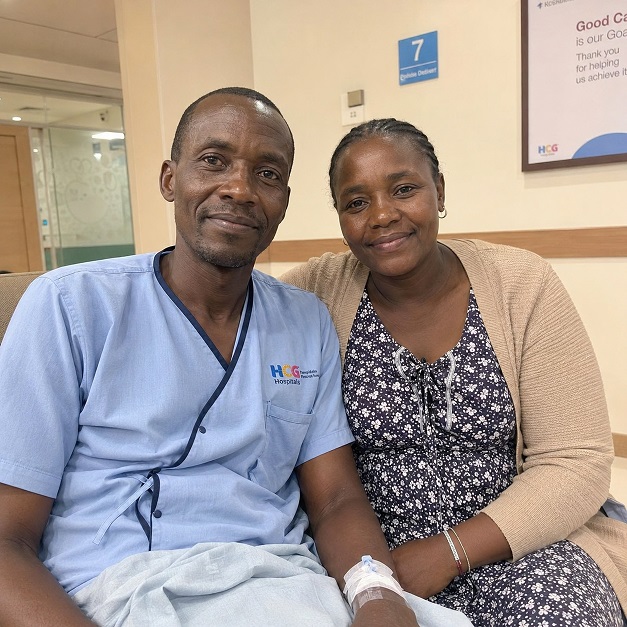
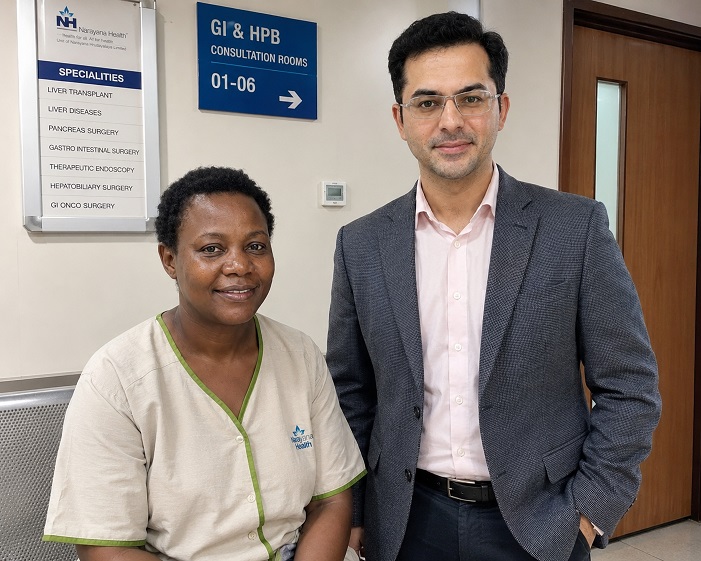
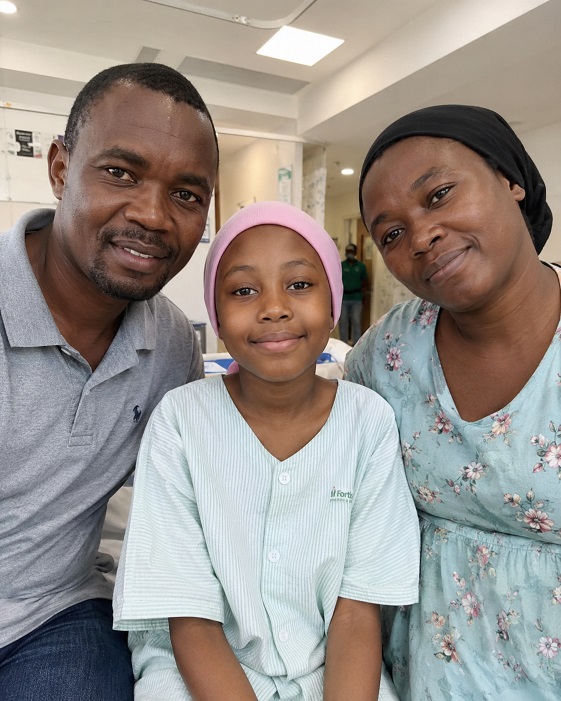
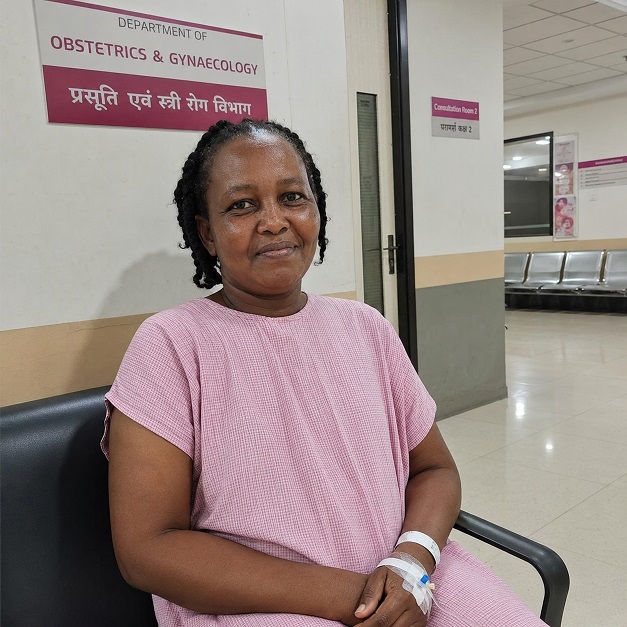
Patient Testimonials from Kenya










Ready to Take the First Step?
Share your Medical Reports with our Healthcare Managers Today and Get a FREE CONSULTATION, a Personalized Treatment Plan, and Complete Support from Arrival to Recovery.
Get Your Free ConsultationAreas We Serve
This resource has been thoughtfully prepared for patients from Kenya who are considering medical treatment in India. We also welcome patients from the wider region in the countries mentioned below-
We assist patients from:
- Ethiopia
- Somalia
- Tanzania
- Uganda
- Seychelles
- Guinea
- Guinea-Bissau
- Liberia
- Mali
- Mauritania
- Niger
- Nigeria
- Senegal
- Togo
- South Sudan
- Sierra Leone
Many of the insights, treatment pathways, hospital recommendations, travel guidance, and patient support services described here are equally relevant and may be used as a reference when planning treatment in India.
From Kenya to India: Your Complete Patient Support Guide
- Brain Tumour Surgery in India for Kenyan Patients
- Cancer Treatment and Surgery in India for Kenyan Patients
- Cardiac Treatment and Surgery in India for Kenyan Patients
- Heart Valve Replacement Surgery in India for Kenyan Patients
- Knee Replacement in India for Kenyan Patients
- Prostate Cancer Treatment and Surgery in India for Kenyan Patients
- Spine Treatment and Surgery in India for Kenyan Patients
- Selecting the Best Bariatric Surgeons and Hospitals in India: What Kenyan Patients Should Actually Look For
- Selecting the Best Cancer Surgeons and Hospitals in India: What Kenyan Patients Should Actually Look For
- Selecting the Best Cardiac Surgeons and Hospitals in India: What Kenyan Patients Should Actually Look For
- Selecting the Best Dental Surgeons and Clinics in India: What Kenyan Patients Should Actually Look For
- Selecting the Best Hip Surgeons and Hospitals in India: What Kenyan Patients Should Actually Look For
- Selecting the Best Kidney Transplant Surgeons and Hospitals in India: What Kenyan Patients Should Actually Look For
- Selecting the Best Knee Surgeons and Hospitals in India: What Kenyan Patients Should Actually Look For
- Selecting the Best Liver Transplant Surgeons and Hospitals in India: What Kenyan Patients Should Actually Look For
- Selecting the Best Neurosurgeons and Hospitals in India: What Kenyan Patients Should Actually Look For
- Selecting the Best Prostate Cancer Surgeons and Hospitals in India: What Kenyan Patients Should Actually Look For
- Selecting the Best Spine Surgeons and Hospitals in India: What Kenyan Patients Should Actually Look For